
An Embarrassment of Riches
In which an anniversary sale gives Norm the chance to celebrate the Warner Archive Collection all over again.
I’ve written about the Warner Archive Collection quite a bit recently, for a couple of reasons: First, because I’ve finally gotten myself onto their media list, and second, because their team keeps knocking it out of the park with their catalogue Blu-ray releases of older titles from the Warner and MGM libraries. In the last couple of years they’ve started producing 4K discs – The Searchers, High Society, The Curse of Frankenstein and Get Carter – that rank among the format’s best.
As physical media sales declined, the Archive team kept chugging away, turning out near-pristine restorations of titles from the ’20s and ’30s along with more recent productions, building a library of hundreds of DVDs and Blu-rays for those of us who were still paying attention. And when the market for discs started to pick up again a few years ago, that library was there for the taking. Last year, the label started leaning into that by repackaging some of its existing titles in themed collections at a much lower price; I’ve written about them a couple of times recently, and two new sets just arrived which I’ll be writing about below. It’s all good stuff, is what I’m saying.
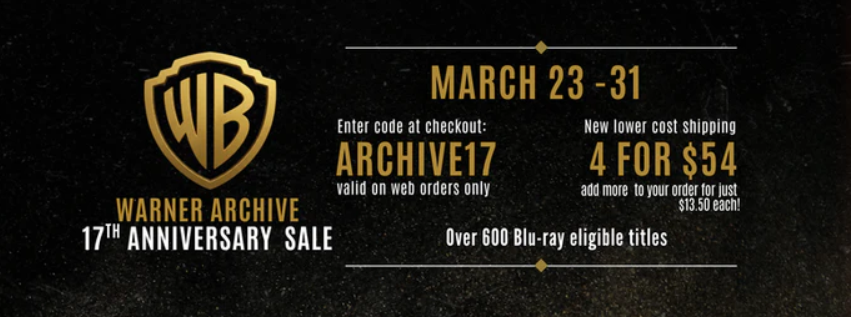
But now, Warner is on the verge of being acquired by Skydance’s Paramount, and who knows which operations the new owners might reduce or sideline or cancel outright. Which makes it both a great and terrible time for the annual Archive anniversary sale, a celebration of what’s currently available and a reminder of what stands to be lost. This is the 17th such sale, which this year is being conducted exclusively at the US online retailer MovieZyng. Through March 31st, a selection of over 600 Archive Blu-rays – 633, as of this morning – are priced at 4 for $54 USD, with additional discs just $13.50 apiece. Given that the majority of these discs go for $21.99 and up on the site, that is a ludicrously good deal.
(Full disclosure: MovieZyng is the storefront of Allied Vaughn Entertainment, which has provided me with review discs for Lionsgate, Warner Archive, Sony and a couple of smaller labels over the last year or so. And a number of links in this column are affiliate links, which will kick back a modest – very modest – commission to me from any purchases readers might make. If you do buy something, thank you very much – and also, congratulations, because pretty much everything under the Warner Archive imprint is a treasure.)
The sale doesn’t extend to the complete collection – those 4K discs I mentioned above aren’t included, though you’ll find their 2K counterparts – but some of the discs that jumped out to me are the original King Kong, The Big Sleep, Mister Roberts, The Sunshine Boys, What’s Up, Doc?, Three the Hard Way, Cabaret, Straight Time, The Man Who Would Be King, Deathtrap, Running on Empty, Quick Change, The Hudsucker Proxy, Fearless, Before Night Falls and For Your Consideration.
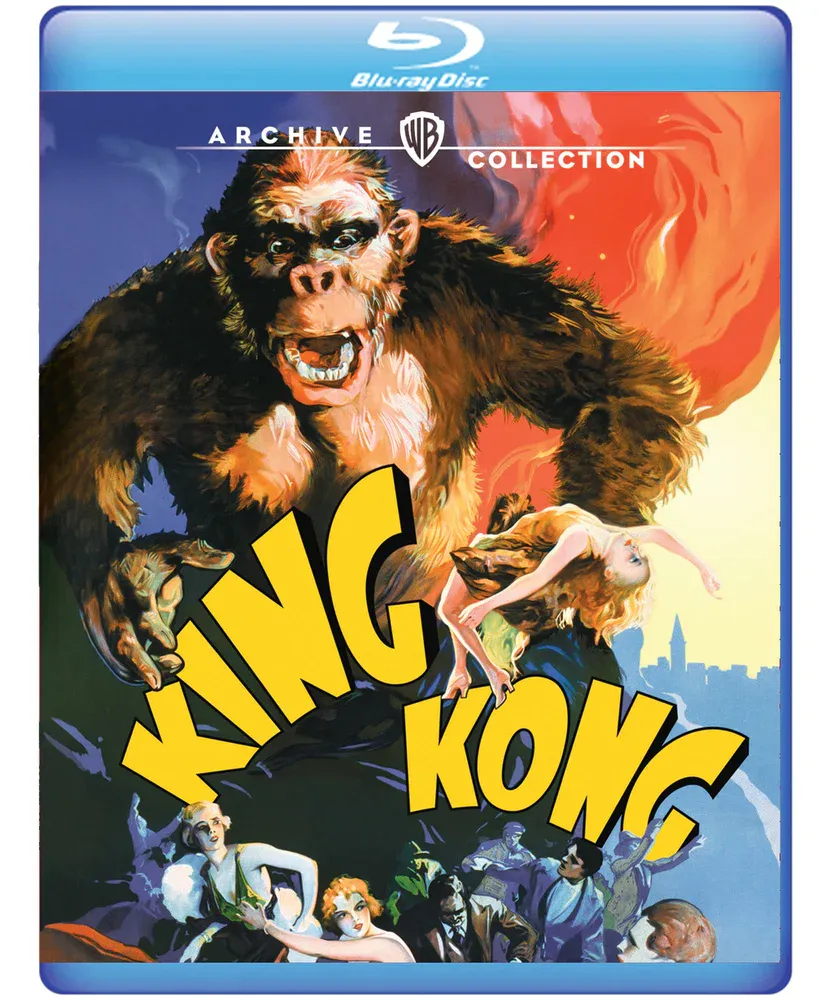
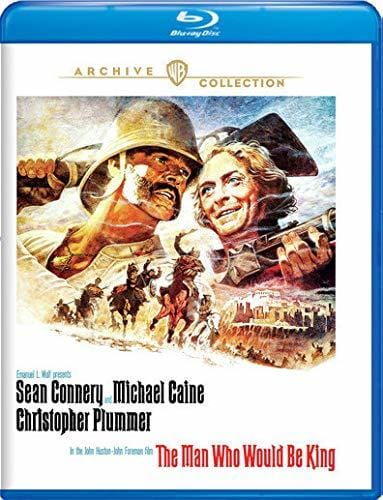
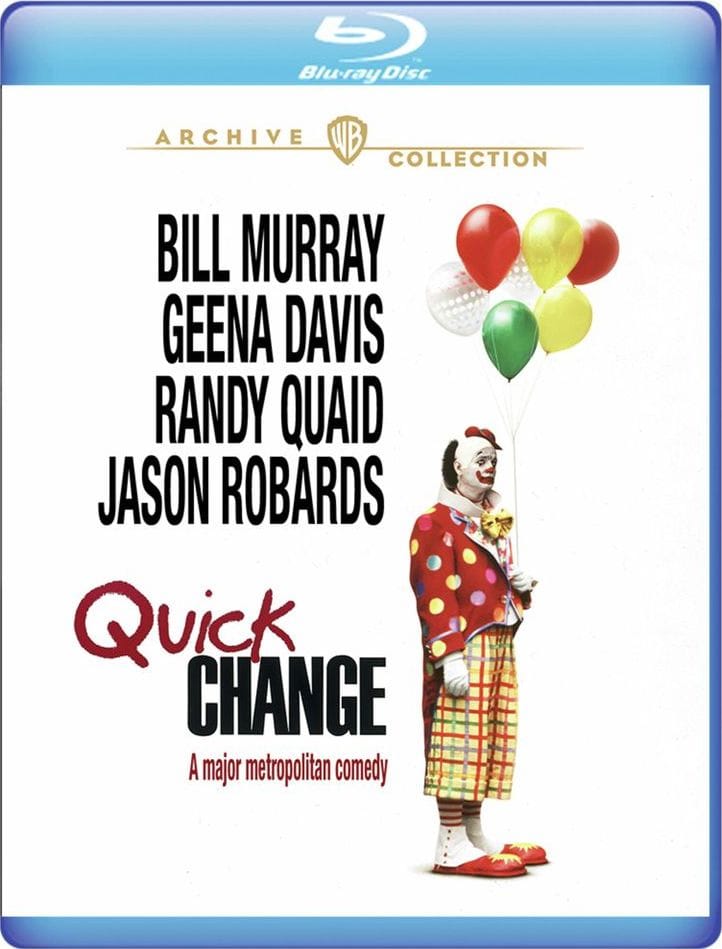
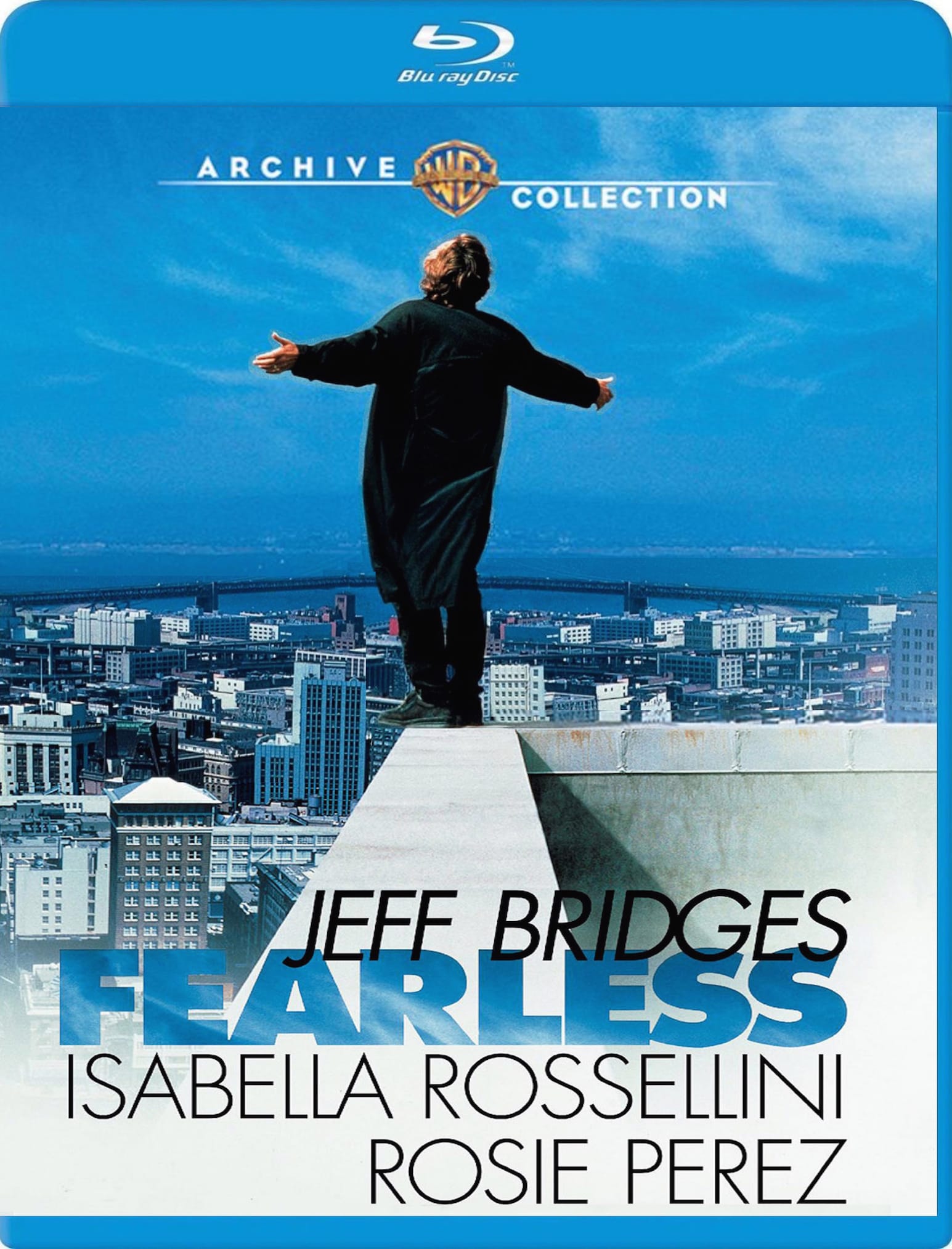
Hey, that's four right there!
Some of these were initially released as deluxe Warner digibooks before being reissued under the Archive imprint; others have been Archive titles from the start. A few of them may someday be upgraded to 4K, but like I said above, the future is pretty cloudy right now. I have gone hog wild on previous Archive sales, and someday I hope to go hog wild again; this year, maybe it’s your turn. Fill your boots, my friends! Just remember to enter the code ARCHIVE17 at checkout.
I should also note that my pull list skips over quite a few Archive titles that have been packed up in those aforementioned themed sets; that’s because at $39.99 and $59.99, those four- and six-packs are cheaper than buying the individual discs in the anniversary sale. The sets are not included in the sale, so you can pick them up at your leisure down the road.
And when you do, keep an eye out for the two newest additions to the line, devoted to Humphrey Bogart and Tennessee Williams. Each collection assembles four previously released Archive titles, spanning a decade of cinema.
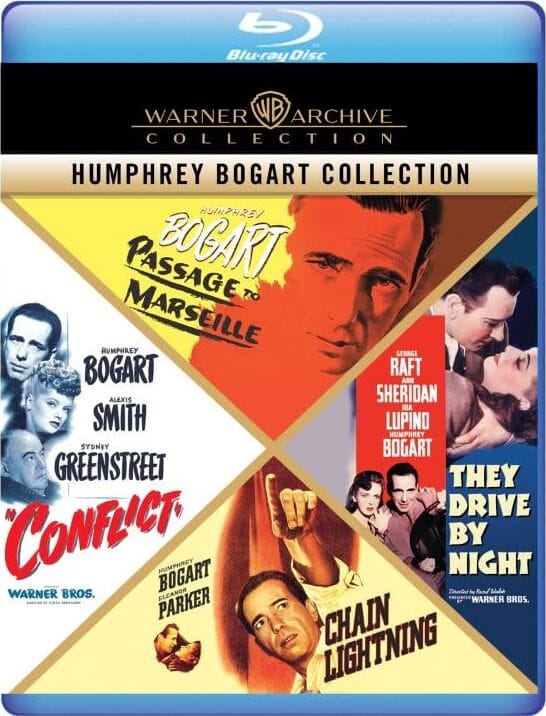
The Bogart set gives us They Drive by Night, Passage to Marseille, Conflict and Chain Lightning, four Warner programmers that chart the actor’s rise from contract player to marquee star.
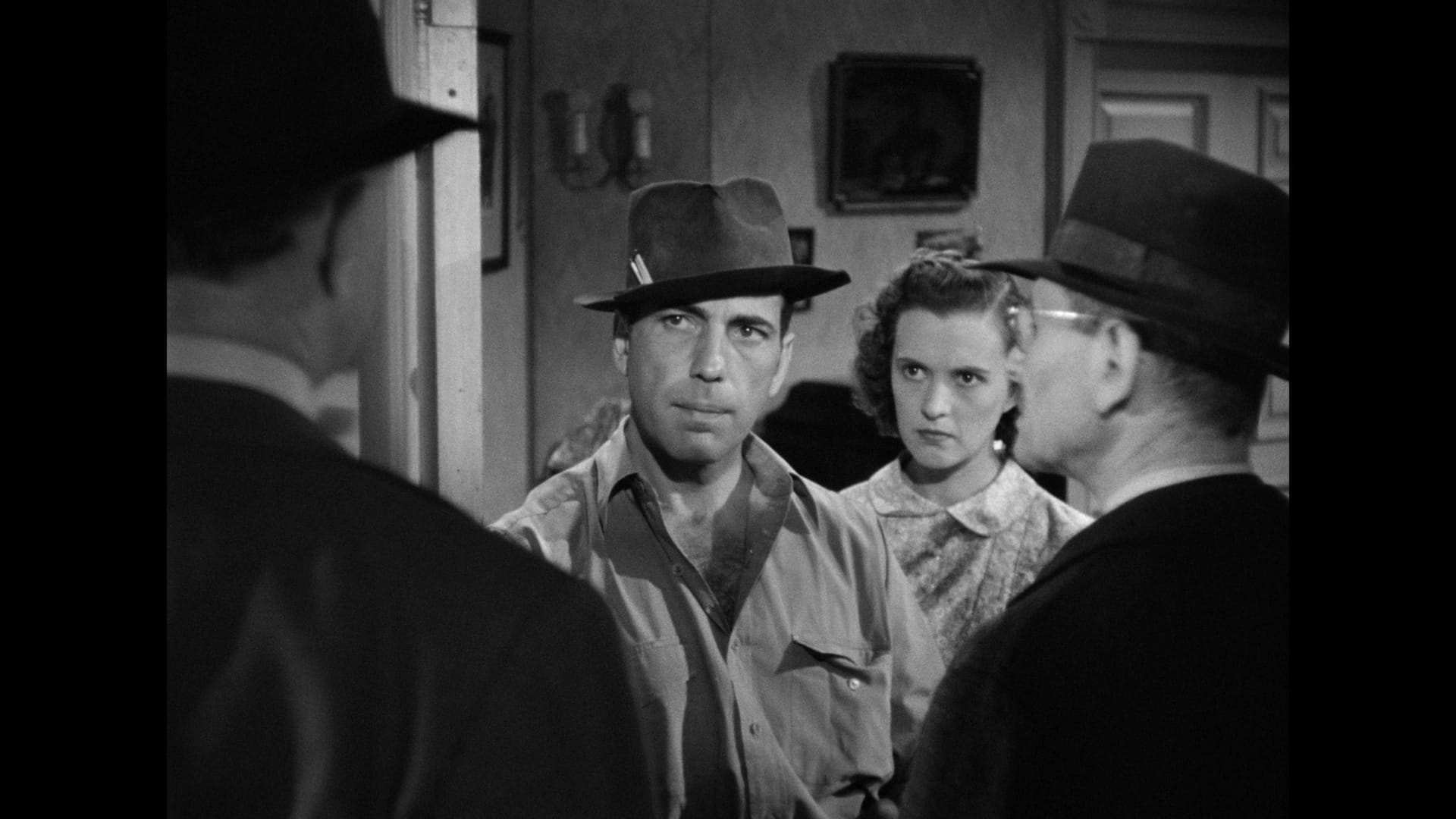
Raoul Walsh’s 1940 They Drive by Night captures Bogart in transition from years of playing B-movie heavies. He’s not a star yet, but cast opposite George Raft as brothers trying to make a go of it as long-haul truckers, it’s clear he’s got more to offer than goons and skells. Overlooked at the time, it now feels like an early film noir, with appearances from Ann Sheridan and Ida Lupino and a murky aesthetic that positively shimmers in the Archive restoration, which was sourced from a 4K scan of the nitrate negative.
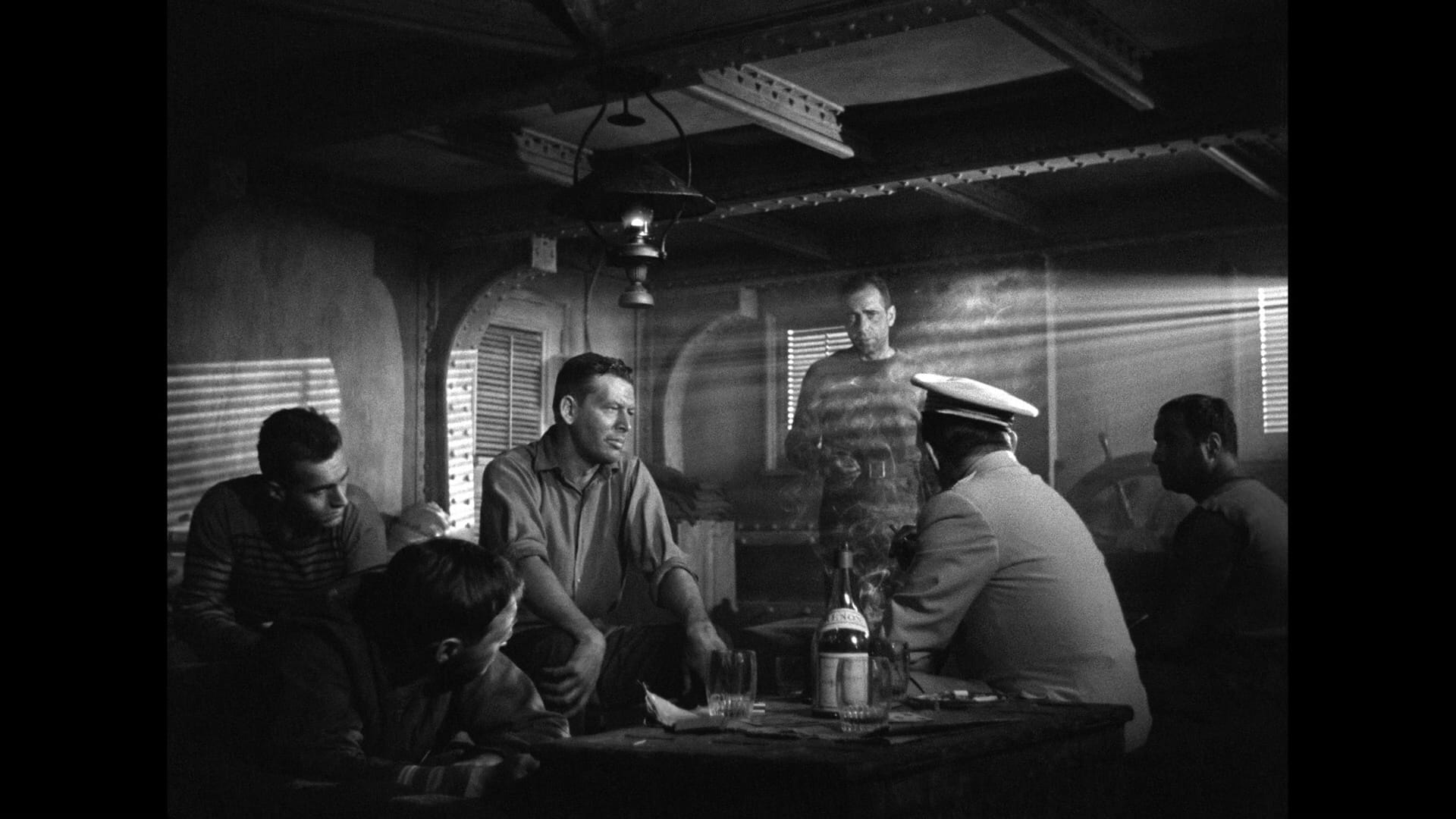
Four years later, in the afterglow of Casablanca, director Michael Curtiz reassembled most of that film’s cast for another round of WWII resistance, with Bogart playing a French aviator who escapes from Devil’s Island to eventually join the Free French Air Corps. It’s not quite The Further Adventures of Rick Blaine – the story plays out through a complex flashback structure, and Curtiz doesn’t even attempt a romantic subplot because no one could replace Ingrid Bergman – but with Claude Rains, Peter Lorre and Sydney Greenstreet on hand and Bogart letting loose the rage he held back so powerfully in the previous picture it’s pretty damn satisfying. And the new 2K master gives James Wong Howe’s cinematography the showcase it deserves.
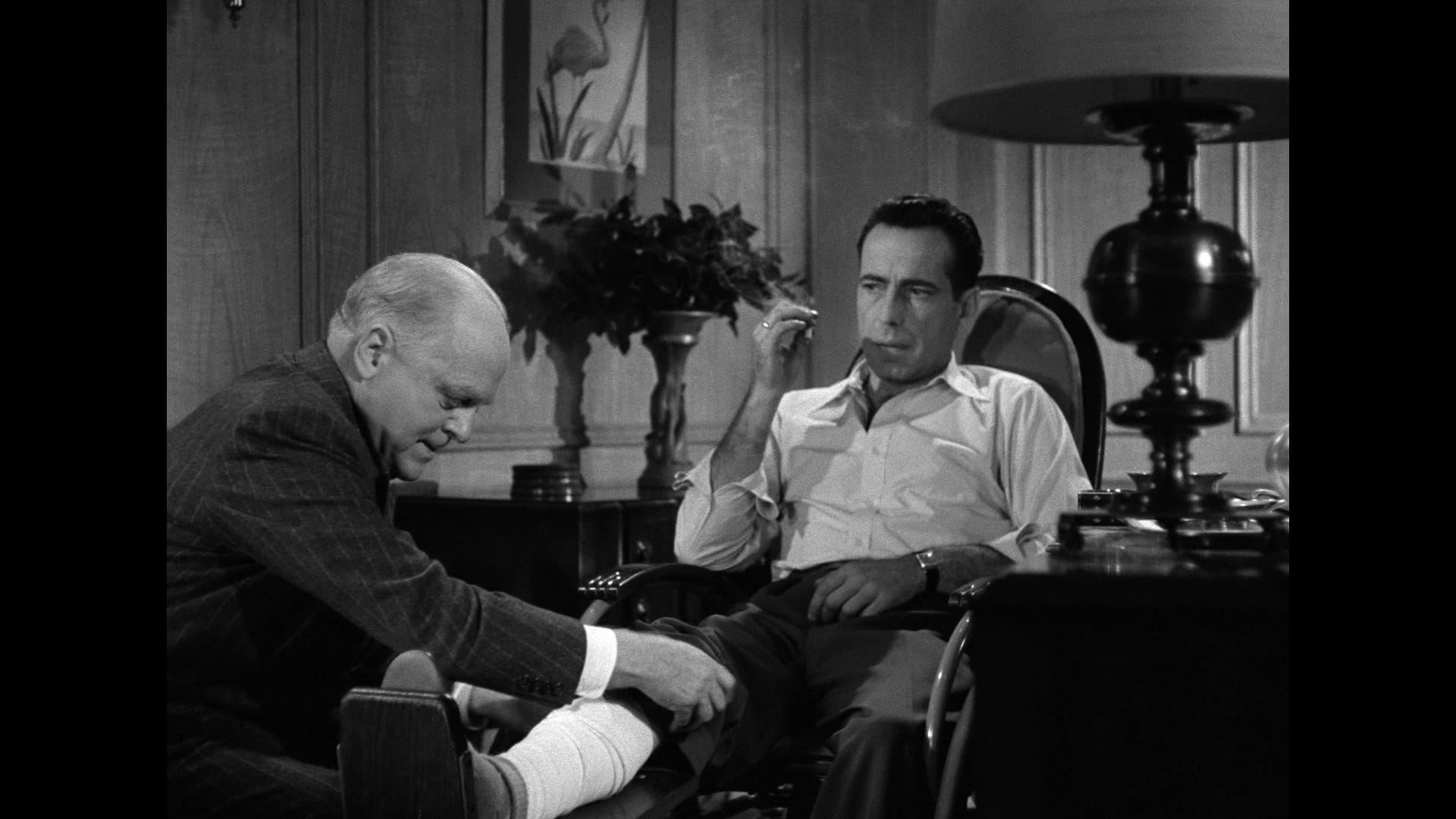
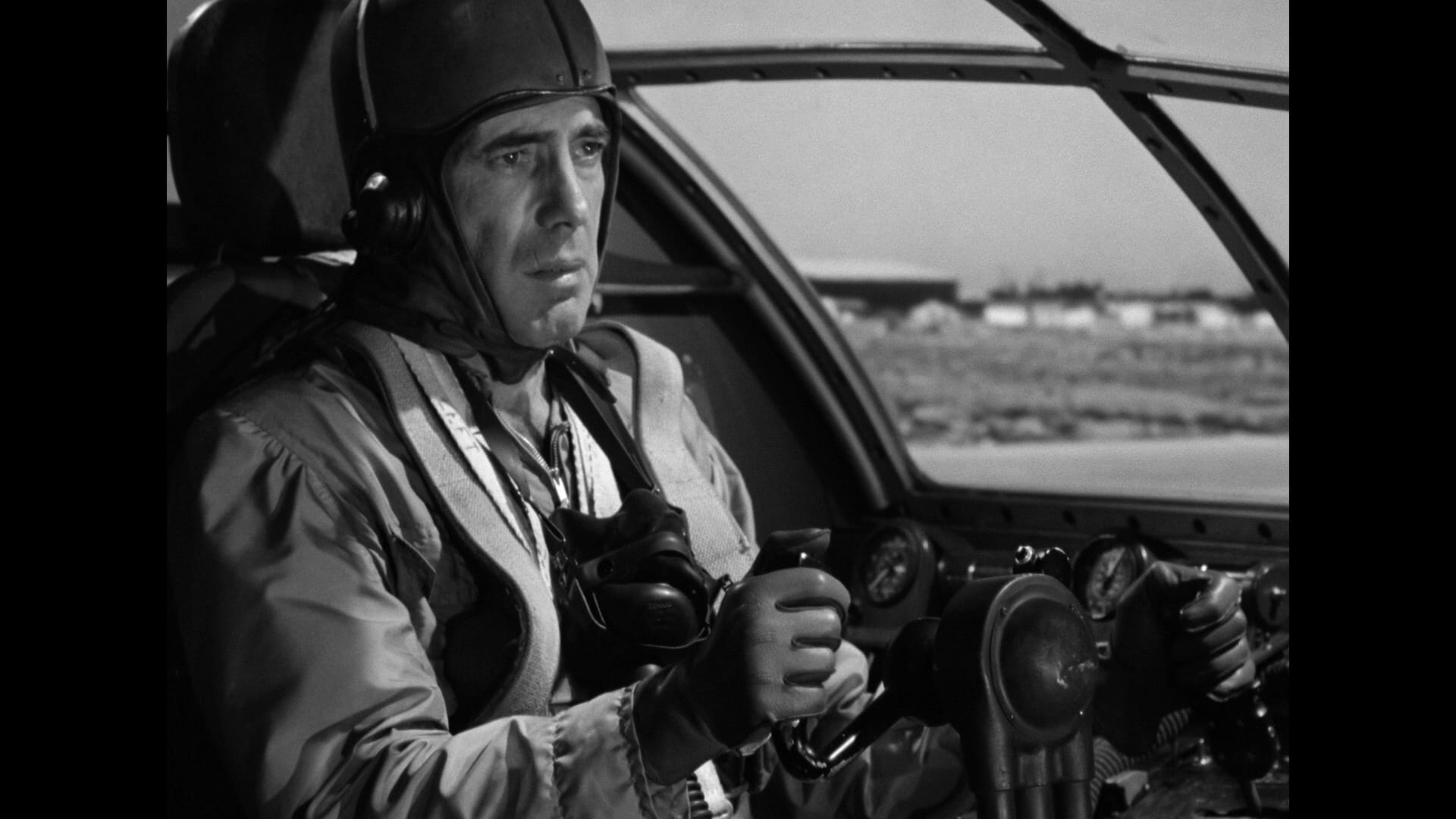
Made in 1945 and 1950, Conflict and Chain Lightning feel a little more like the programmers Bogart made before he broke big – though I mean that in a complimentary sense. They’re simpler films with clean storytelling and vivid performances, the former being a noir mystery with a dark, dark heart and the latter a slightly clunky romance that casts Bogart as an Air Force flyboy turned test pilot, always in pursuit of Eleanor Parker’s nurse that got away. Lovingly restored and coming in at around an hour and a half apiece, they’re meat-and-potatoes pictures that don’t exactly challenge their star … but they’re very entertaining.
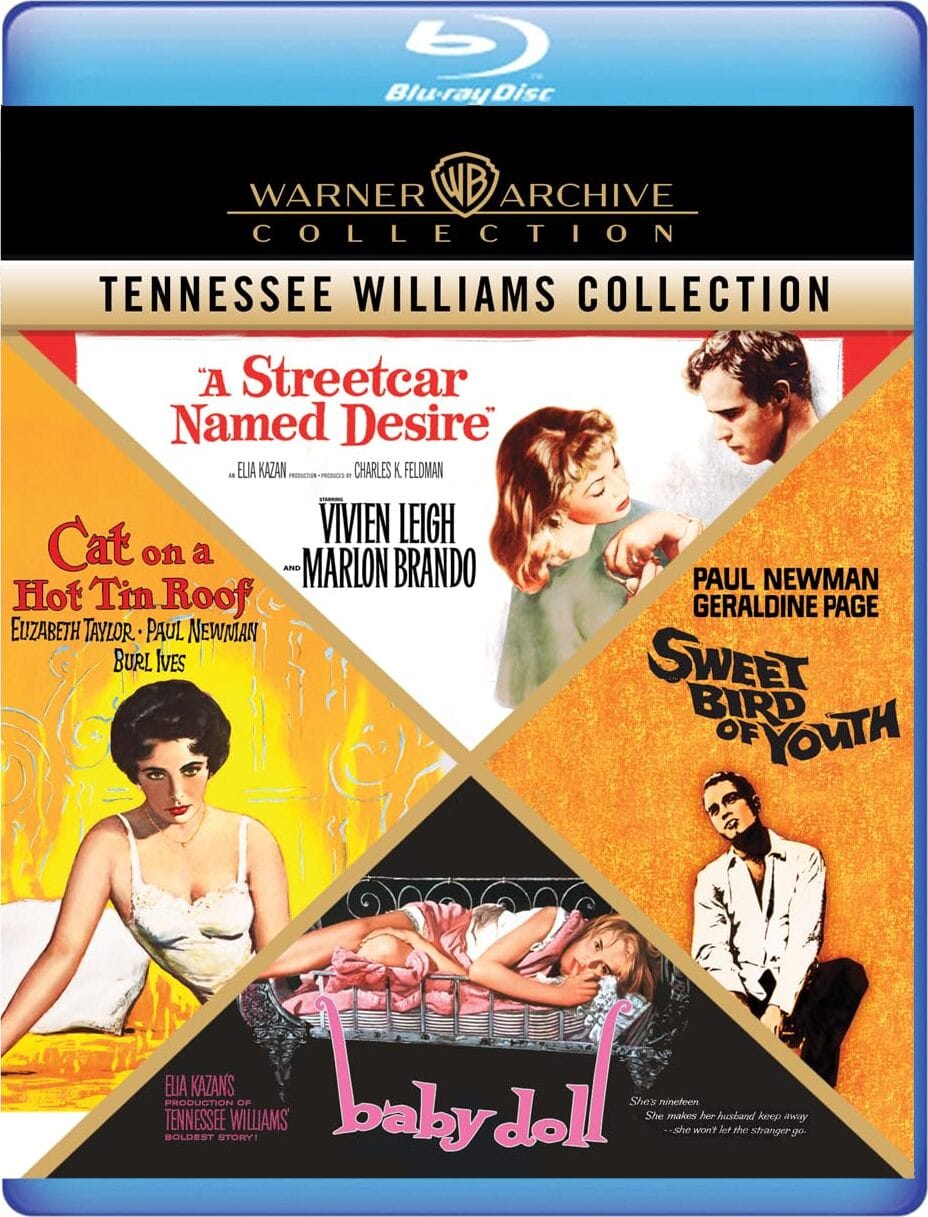
On to the Tennessee Williams set, which splits neatly into two MGM pictures directed by Richard Brooks and two Warner pictures directed by ... um ... Elia Kazan.
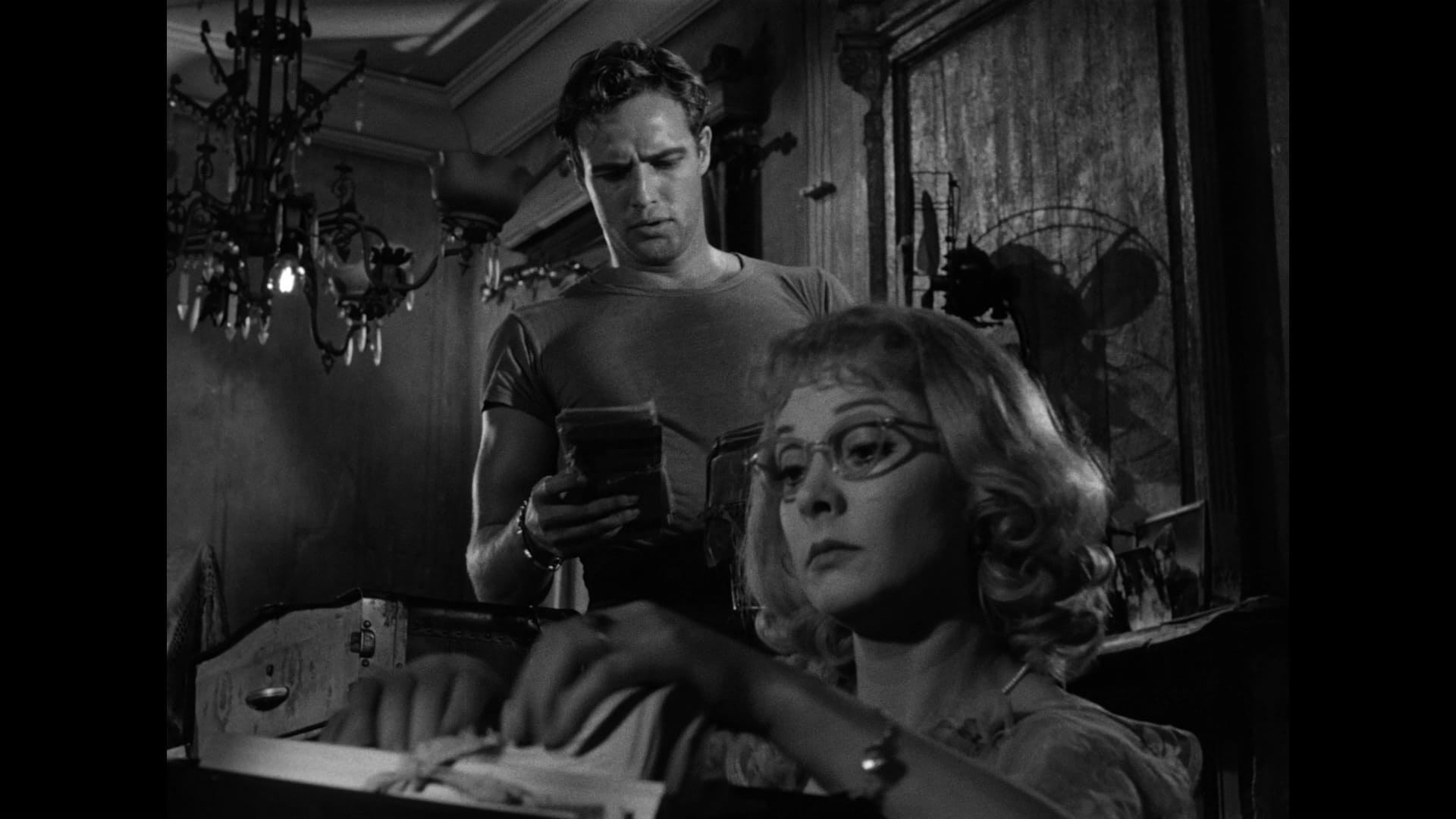
Kazan’s are A Streetcar Named Desire and Baby Doll, which still rank among the horniest stage adaptations in American cinema. Decades before Pauline Kael described Bob Hoskins as “a testicle on legs” in The Long Good Friday, Marlon Brando’s swaggering Stanley Kowalski fit that bill – stomping around his New Orleans walkup intimidating anyone unlucky enough to be within shouting distance.
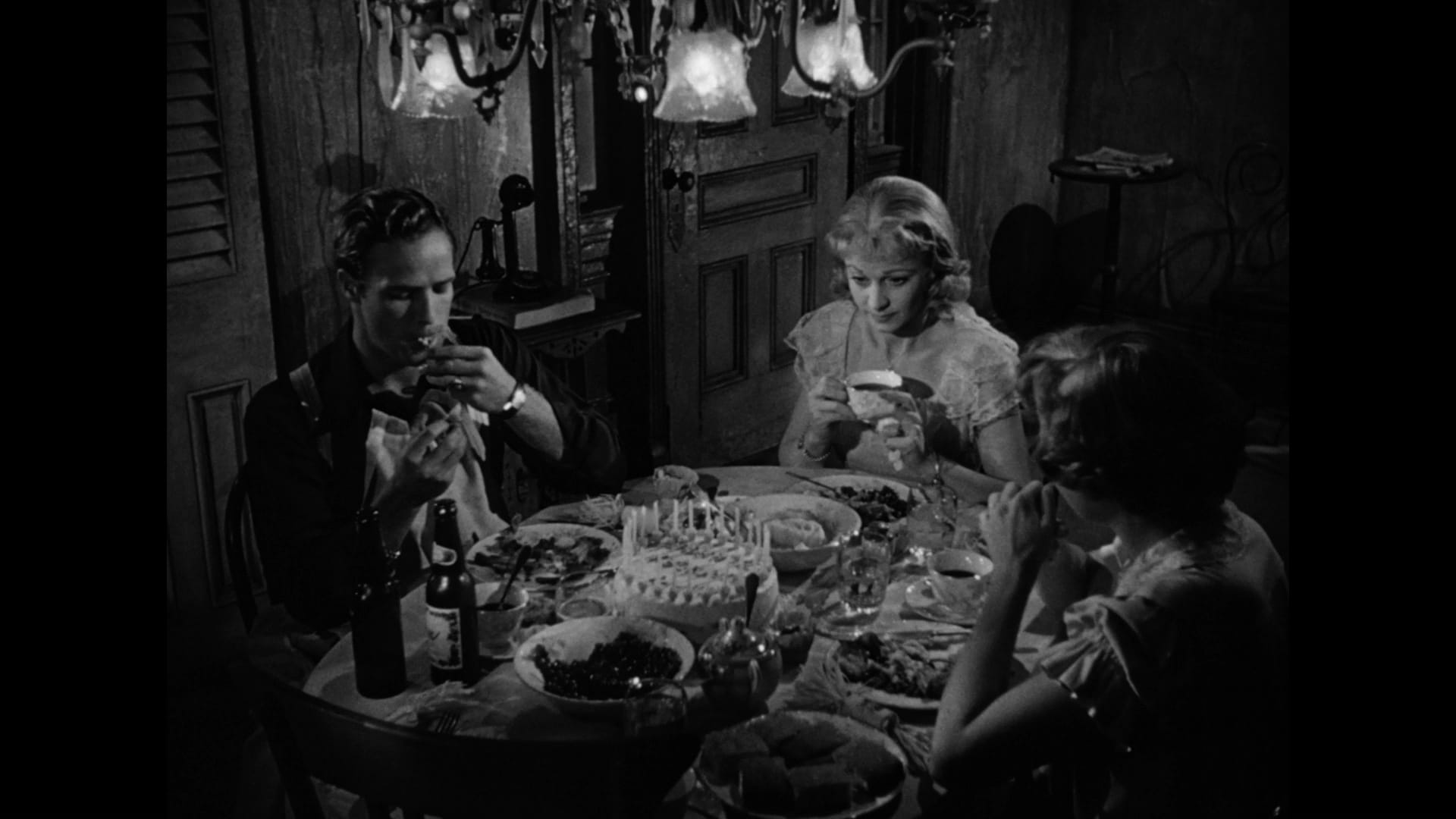
Most of the time that’s his wife Stella (Kim Hunter), her unstable sister Blanche (Vivien Leigh) and her would-be suitor Mitch (Karl Malden). And Williams’ text, as interpreted by Kazan and this specific quartet of actors, offers a collision of viewpoints and performances that’s lost almost none of its power 75 years later. And now it almost feels prescient: Whether we like it or not, Stanley’s mixture of stupidity, entitlement and aggression has come back with a vengeance in recent years.
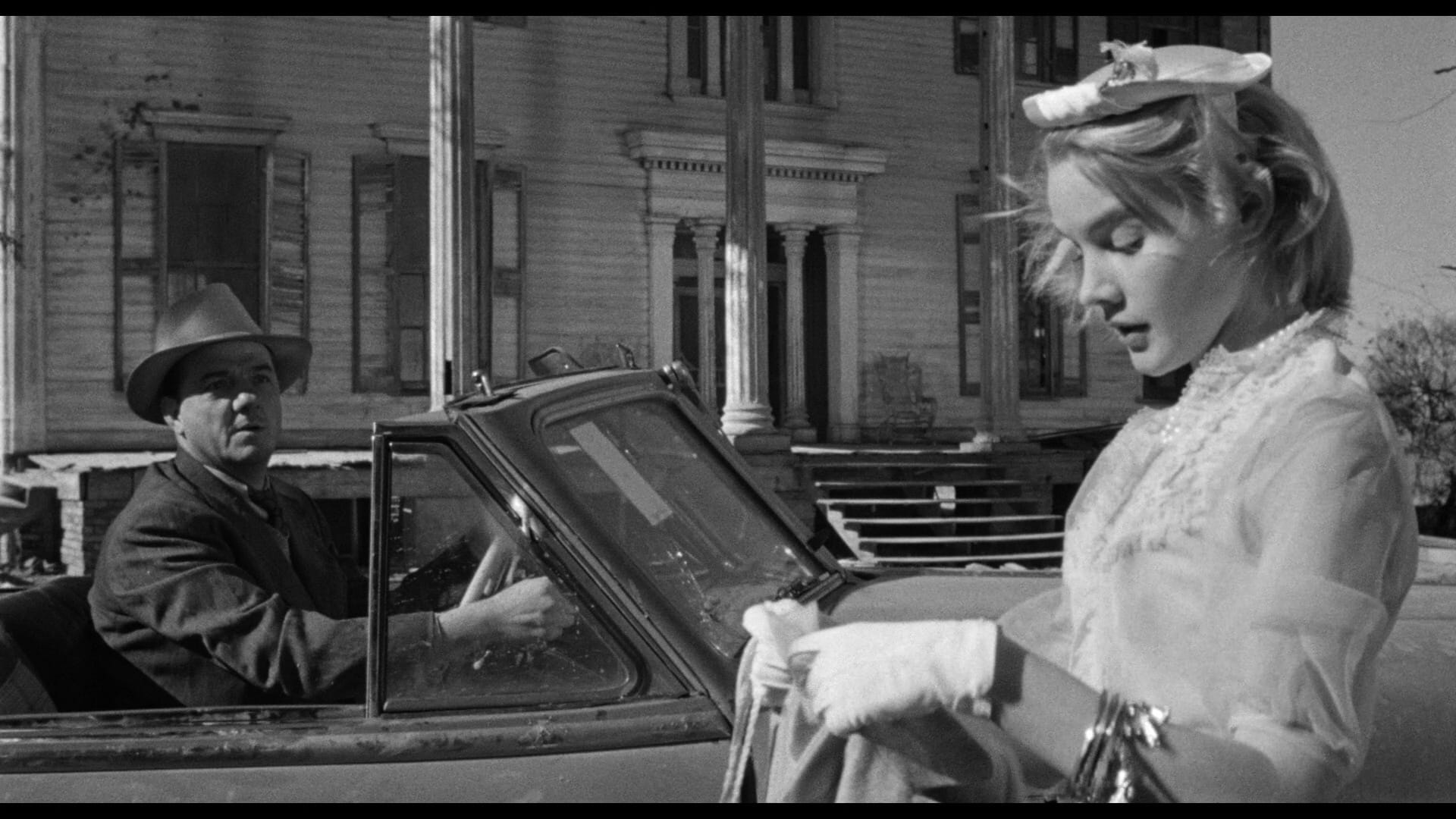
Half a decade later, Kazan would tap Malden to play the lead in his thoroughly overheated adaptation of Baby Doll: Archie Meighan, a struggling cotton-gin magnate whose teenage bride (Carroll Baker) won’t consummate their marriage until she turns twenty. Her birthday’s just around the corner when a business rival (Eli Wallach) comes to the Meighans’ door and catches Baby Doll’s eye; things do not go well for anyone after that.
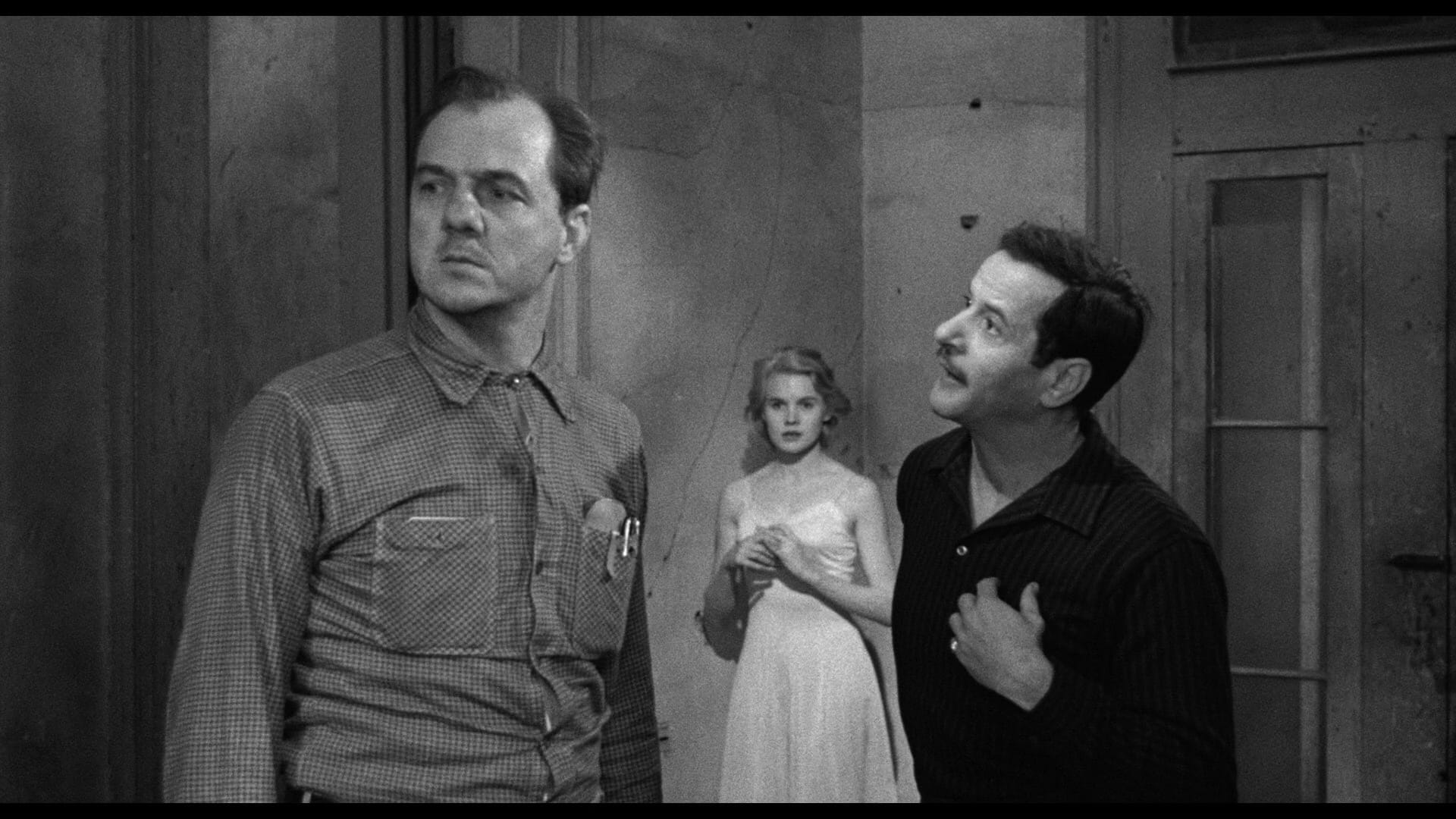
The cast does their best to honor Williams’ intentions, but the Hays Code made a faithful adaptation of Baby Doll pretty much impossible right out of the gate and the playwright struggled with the task of blunting his drama for the screen. But Malden’s pop-eyed incel rage – contrasted with Baker’s willingness to make Baby Doll a particularly undesirable sex object – keep the movie from tilting into camp.
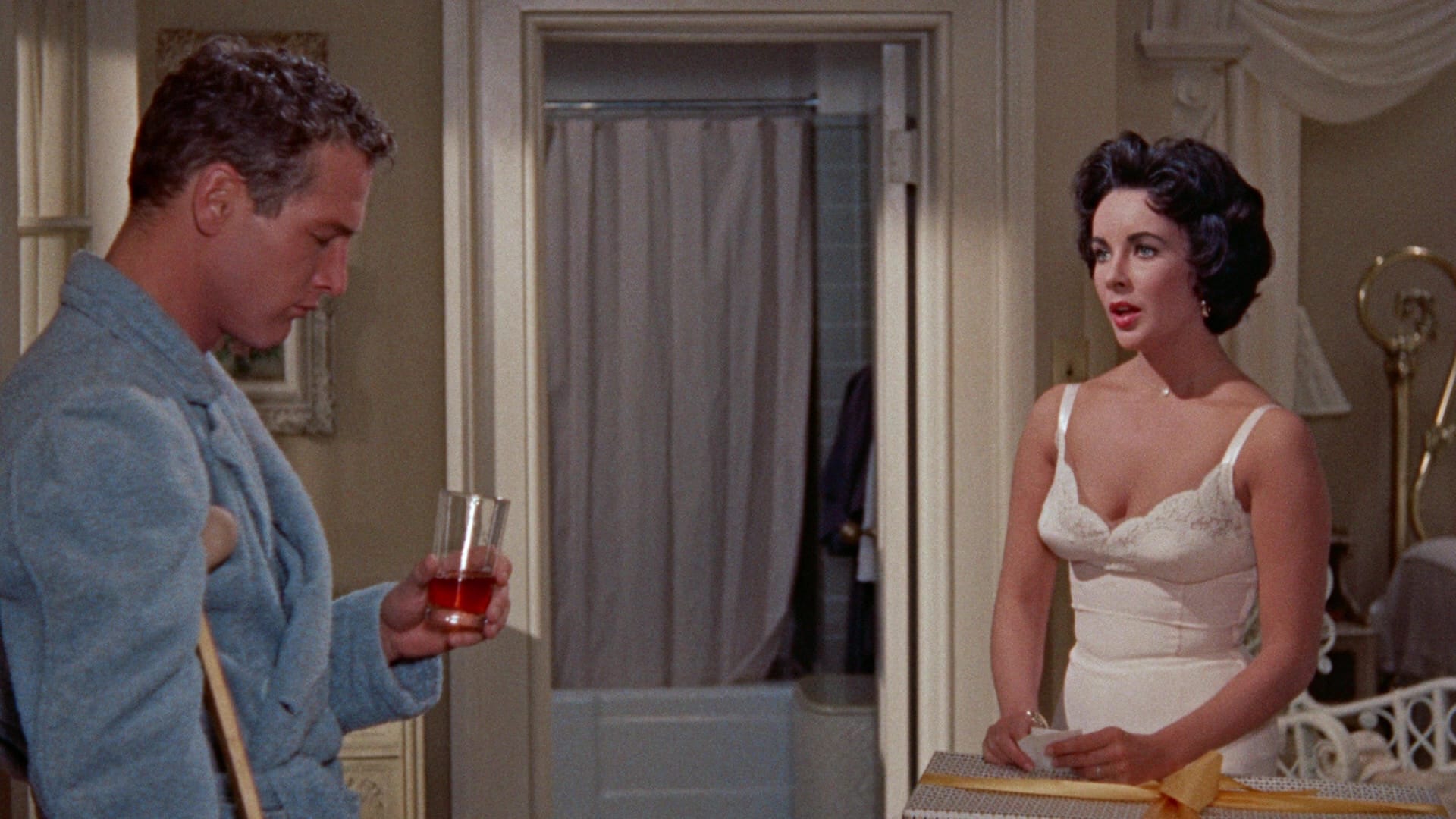
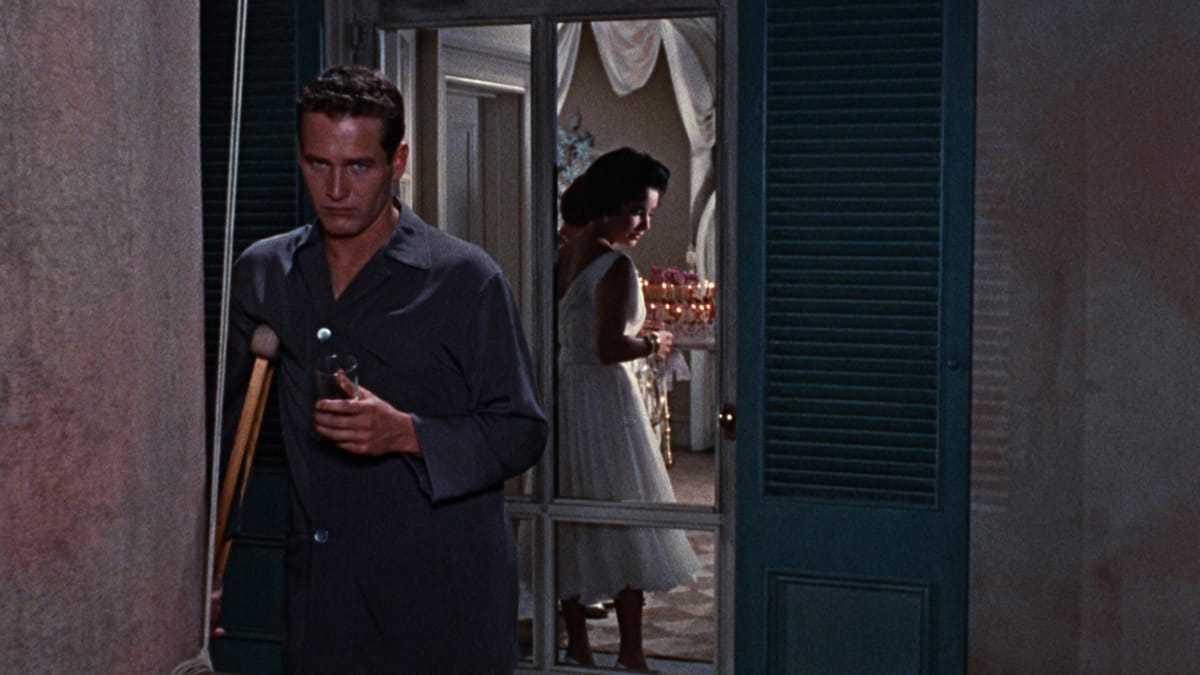
If barely repressed lust is the unspoken driver of Kazan’s films, Brooks’ adaptations of Cat on a Hot Tin Roof and Sweet Bird of Youth are happier to spell it out in living color. The 1958 Cat lets Elizabeth Taylor carry the frustration as Maggie the Cat, bride of Paul Newman’s broken Brick Pollitt, who won’t sleep with her for all sorts of reasons – alcoholism, discontent, his insistence that she banged his best friend, who then ended his life rather than face the guilt. Maggie’s a ticking time bomb in any situation, and being stuck with Brick and his miserable family on the occasion of his Big Daddy’s 65th birthday has her countdown clock ticking that much louder. Oh, the mendacity.
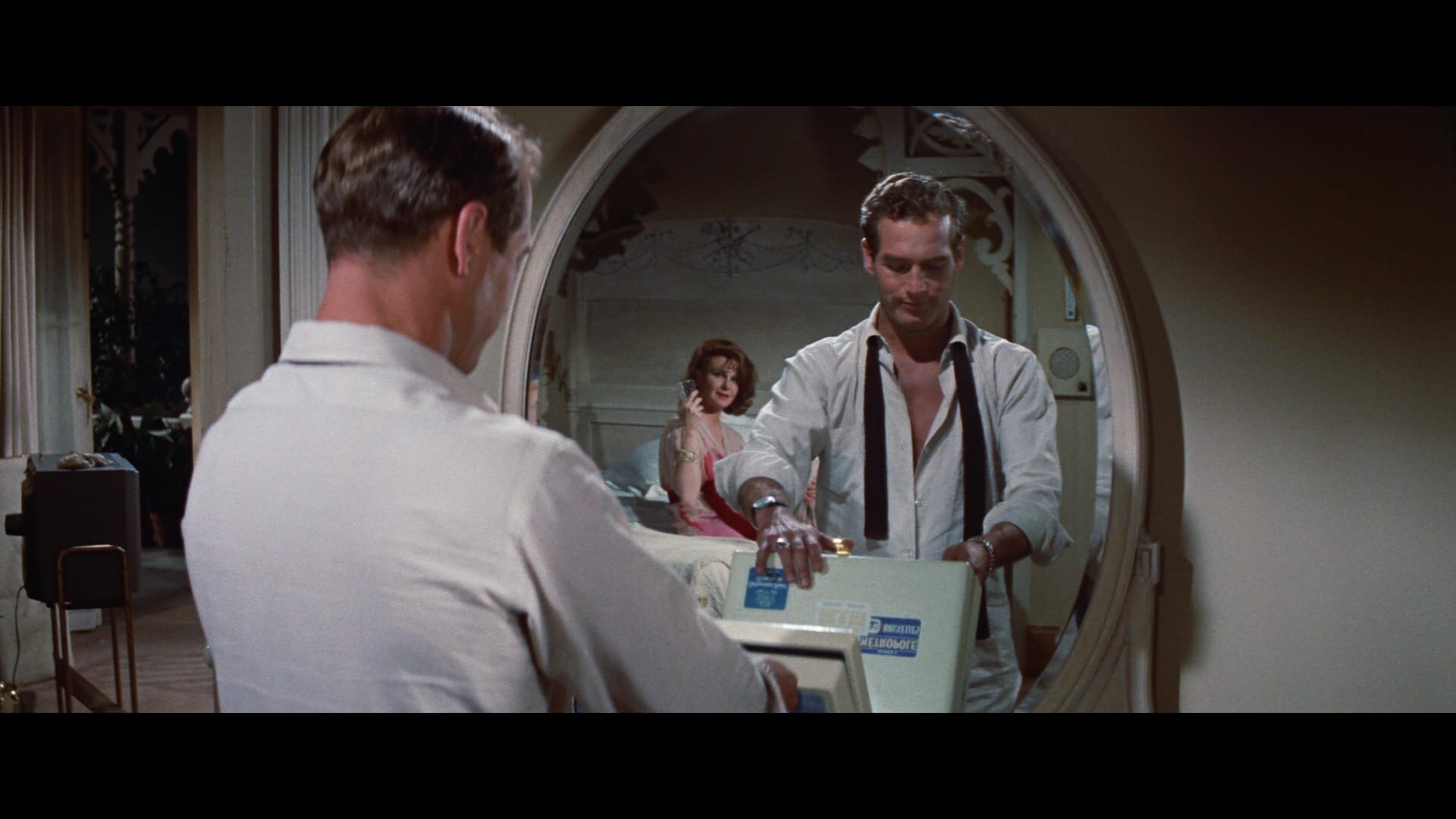
A year after the release of Cat, Newman originated the role of Chance Wayne in Williams' Sweet Bird of Youth on Broadway opposite Geraldine Page – in a production directed by Kazan, just to tie this whole thing together. In 1962, Brooks tapped Newman and Page, along with co-star Rip Torn, for his film version. And why wouldn't he?
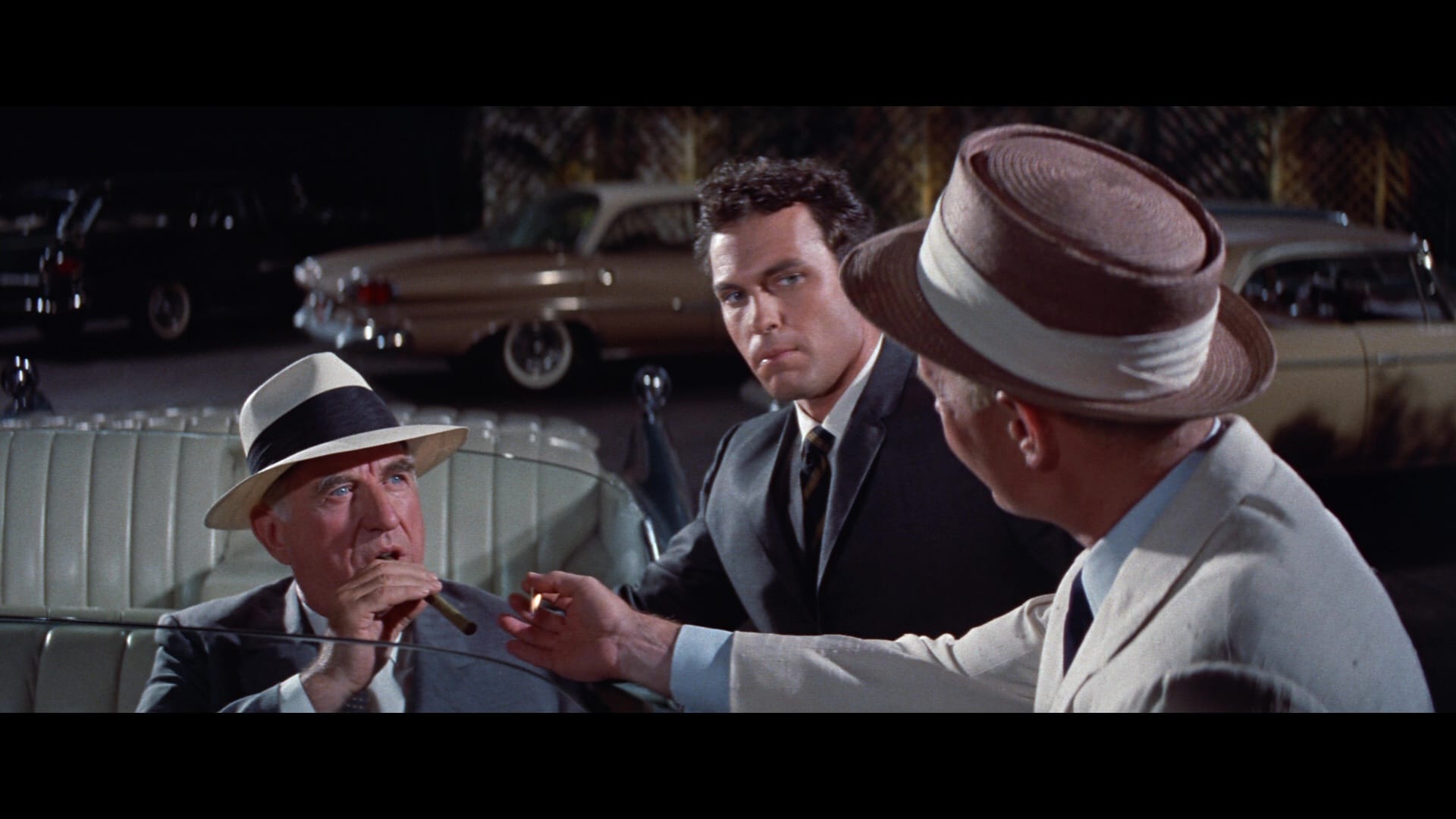
Chance is another of Williams' hollow men, returning to his Florida hometown with Page in tow as his equally damaged girlfriend. They arrive during a rally for local power player Tom "Boss" Finley (Ed Begley), whose daughter (Shirley Knight) has a history with Chance. This being a Williams play, it’s a fairly tortured history … which boils over in spectacular fashion once Boss’ seething son – played by the young, distractingly angular Torn – adds his own issues to the volatile mix. Devastation follows.
Streetcar is the same disc Warner released as a digibook in 2012; the other three are more recent restorations, with cleaner image and sound than previous DVD releases. And the special features are carried over from those discs: Retrospective featurettes on Doll, Cat and Bird, as well as audio commentary by Williams and Taylor biographer Donald Spoto on Cat and Torn and Page’s chemistry test for Bird.
Streetcar comes with bells and whistles aplenty: Audio commentary with Karl Malden and film historians Rudy Behlmer and Jeff Young, the feature-length Elia Kazan: A Director’s Journey documentary, a selection of screen tests and outtakes, sizable looks at both the play and the film, featurettes on Brando’s emergence, Alex North’s score and the film’s battles with the censors. (The uncut film is the only version offered on the disc, of course.) Trailers for each film are also included.
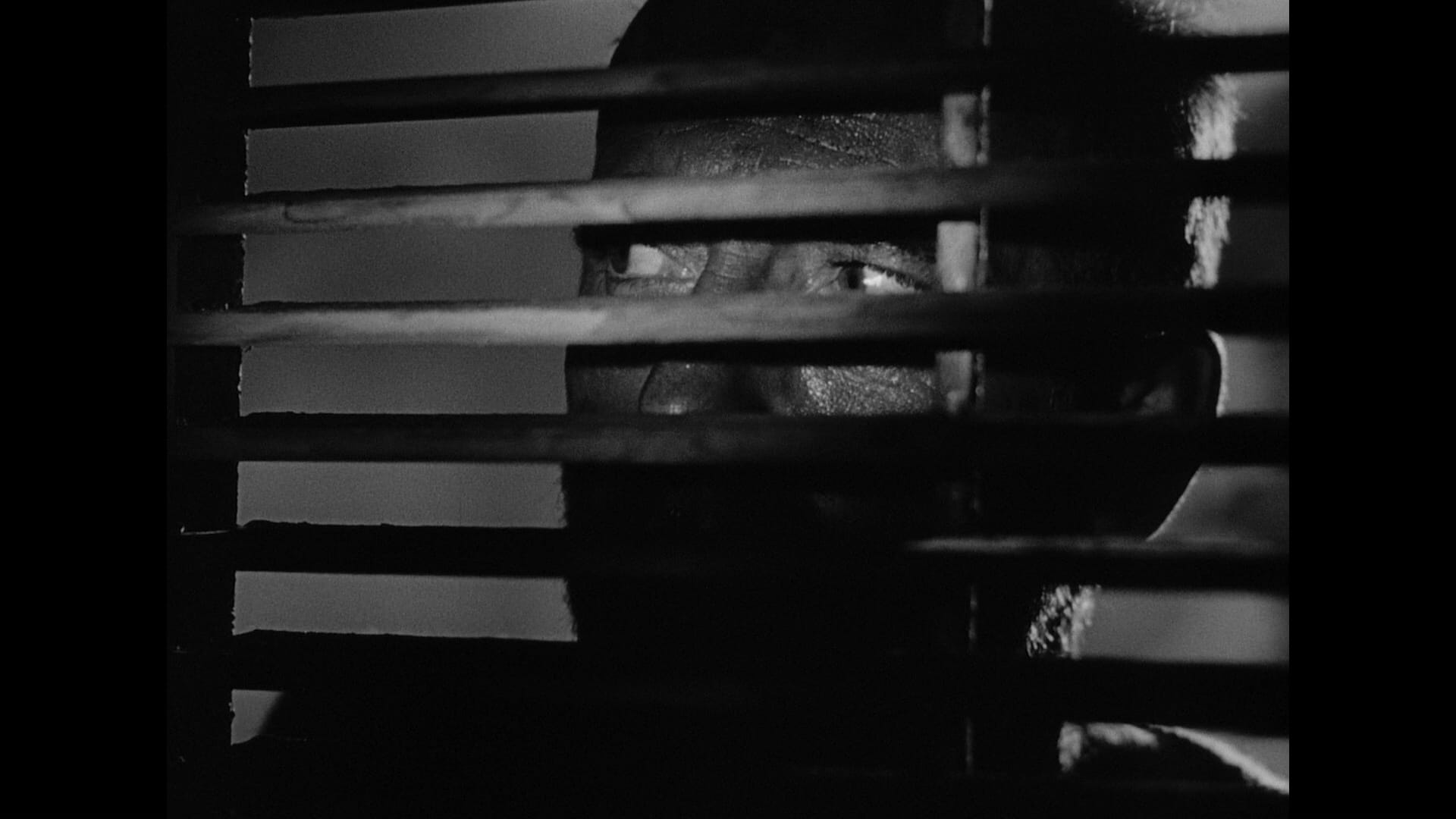
Extras on the Bogart discs mostly follow the Warner Night at the Movies template, offering a cartoon, a newsreel and a trailer that might have screened with the feature on its original release. But there are a few title-specific extras thrown in as well: They Drive by Night has a 1941 radio version of the script with George Raft and Lana Turner, and a retrospective featurette where Leonard Maltin, Robert Osbourne and Eric Lax recap the film’s production and release, while Passage to Marseille throws in “The Free French: Unsung Victors,” a look at the history behind the movie’s narrative and Conflict offers its own radio adaptation, complete with Bogart on board for this one. Theatrical trailers are also included.
If you only want one or two of these titles, feel free to grab them in the sale. But if you’re even a little bit curious about the others, buy the sets. If nothing else, it’s insurance against whatever might happen in the future. You never know.
The Humphrey Bogart 4-Film Collection and the Tennessee Williams 4-Film Collection are available now from Warner Bros. Discovery Home Entertainment. And don’t forget to upgrade your subscription so you don’t miss out on Friday’s What’s Worth Watching newsletter for paid subscribers! I have recommendations!
Up next: The other Safdie brother gets his time in the spotlight, for good or ill.