
Big Sheep. Big Feelings.
It's been a rough week, so let's be profoundly moved by THE SHEEP DETECTIVES.
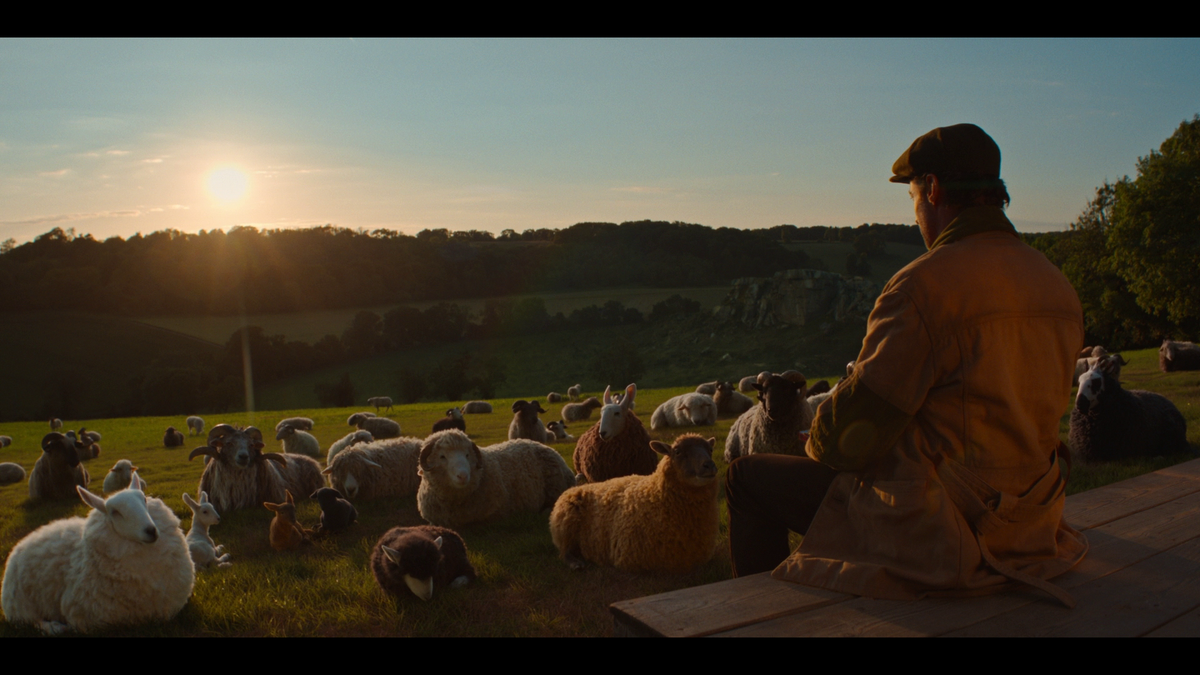
First off: Congratulations to Shiny Things subscribers Steve Birnie and Jack Mooney, whose 4K/Blu-ray combo editions of Disclosure Day are on the way from Universal Pictures Home Entertainment! Hopefully my review copy is also en route, and you’ll see my review sooner rather than later. Today, though, I’m writing about one of the other best movies of the year.
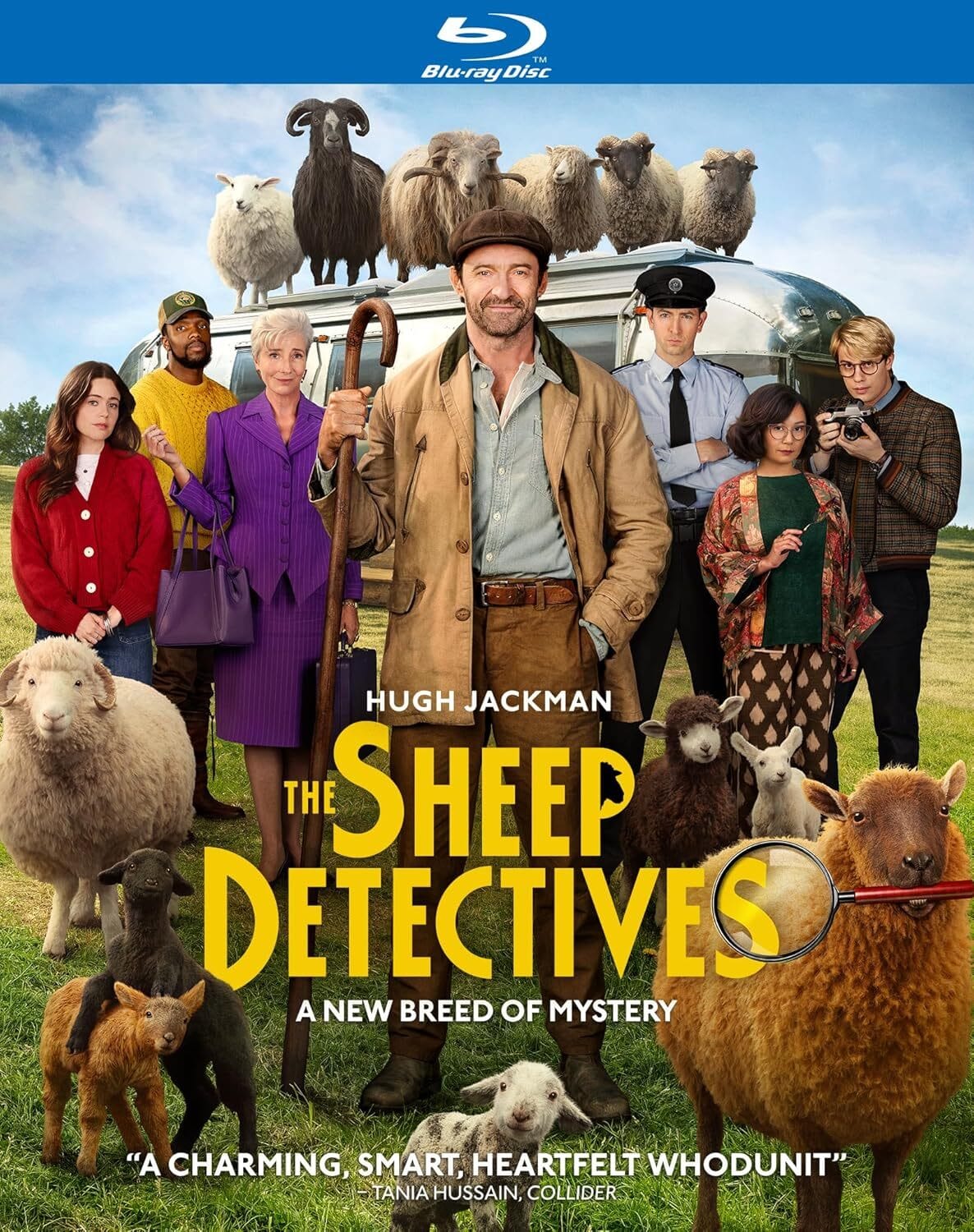
I spent months hearing that The Sheep Detectives was surprisingly good – or, more specifically, that it was so much better than anyone could have expected – but with one thing and another I wasn’t able to catch up to it until earlier this week, when I put it on shortly after learning of a colleague’s untimely death. And as soon as I ejected the disc I saw the news about Dolly Parton. I’m writing this just half an hour after learning about Tim Curry. This was maybe not the best week to watch a movie so steeped in death and sorrow. Or maybe it was.
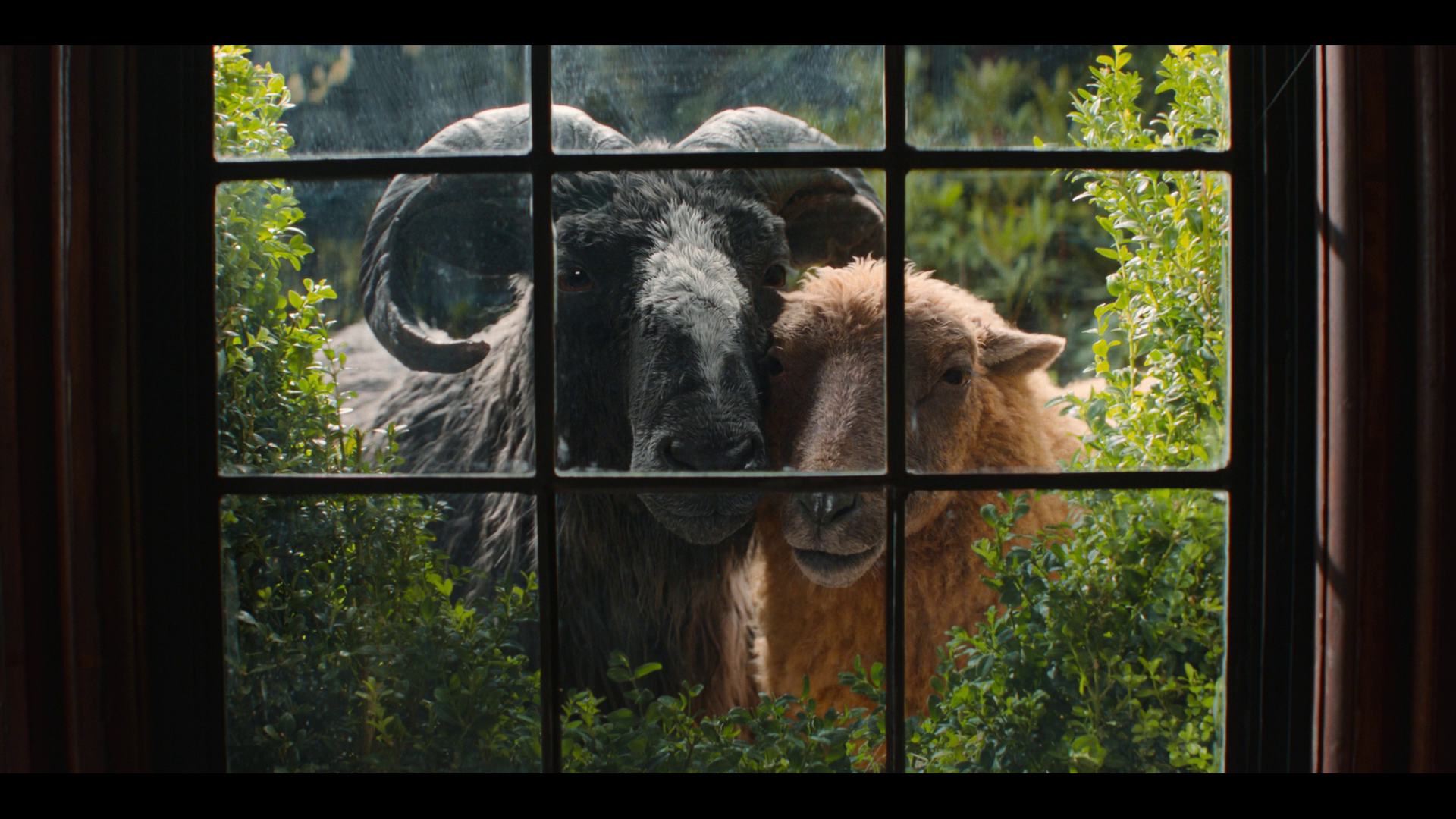
The Sheep Detectives is a small miracle, a high-wire act of tone and grace that should not be anywhere near as good as it is. I suspect we have executive producers Phil Lord and Christopher Miller to thank for its remarkable technical accomplishments and storybook-adjacent look; those guys simply do not miss, always finding exactly the right way to bring a given property to the screen and consistently pushing genre storytelling to its limits, the better to unlock something richer and deeper. Or maybe director Kyle Balda – a Pixar animator who switched studios to helm Despicable Me 3 and two of the Minions movies – and screenwriter Craig Mazin, whose most recent credits are HBO’s brutal Chernobyl and the grimmer-than-grim The Last of Us, found their way to it on their own.
I can’t be certain, because there are no supplements on this Blu-ray to explore the production or its decades in development. (Leonie Swann’s source novel Three Bags Full was published in Germany in 2005; Mazin apparently delivered his script ten years ago.) But maybe it’s better to imagine, like the Paddington movies, that The Sheep Detectives simply arrived fully formed. That’s much more magical.
Certainly it has the same unshowy, quietly wonderful reality, in which CG animals and flesh-and-blood humans can coexist seamlessly – and while this movie’s animals can’t speak to humans, communication is one of the central themes of the story. Leonie Swann’s novel Three Bags Full was a cozy mystery about a flock of sheep trying to solve their beloved shepherd’s murder; the film retains that premise but reshapes it almost entirely with one ingenious tweak: Now, the isolated George reads mystery novels to his sheep every night rather than romantic adventure stories. And when he’s found dead in the meadow outside his trailer – poisoned, specifically – the flock applies their knowledge of the genre’s tropes and formulas to solve his murder.
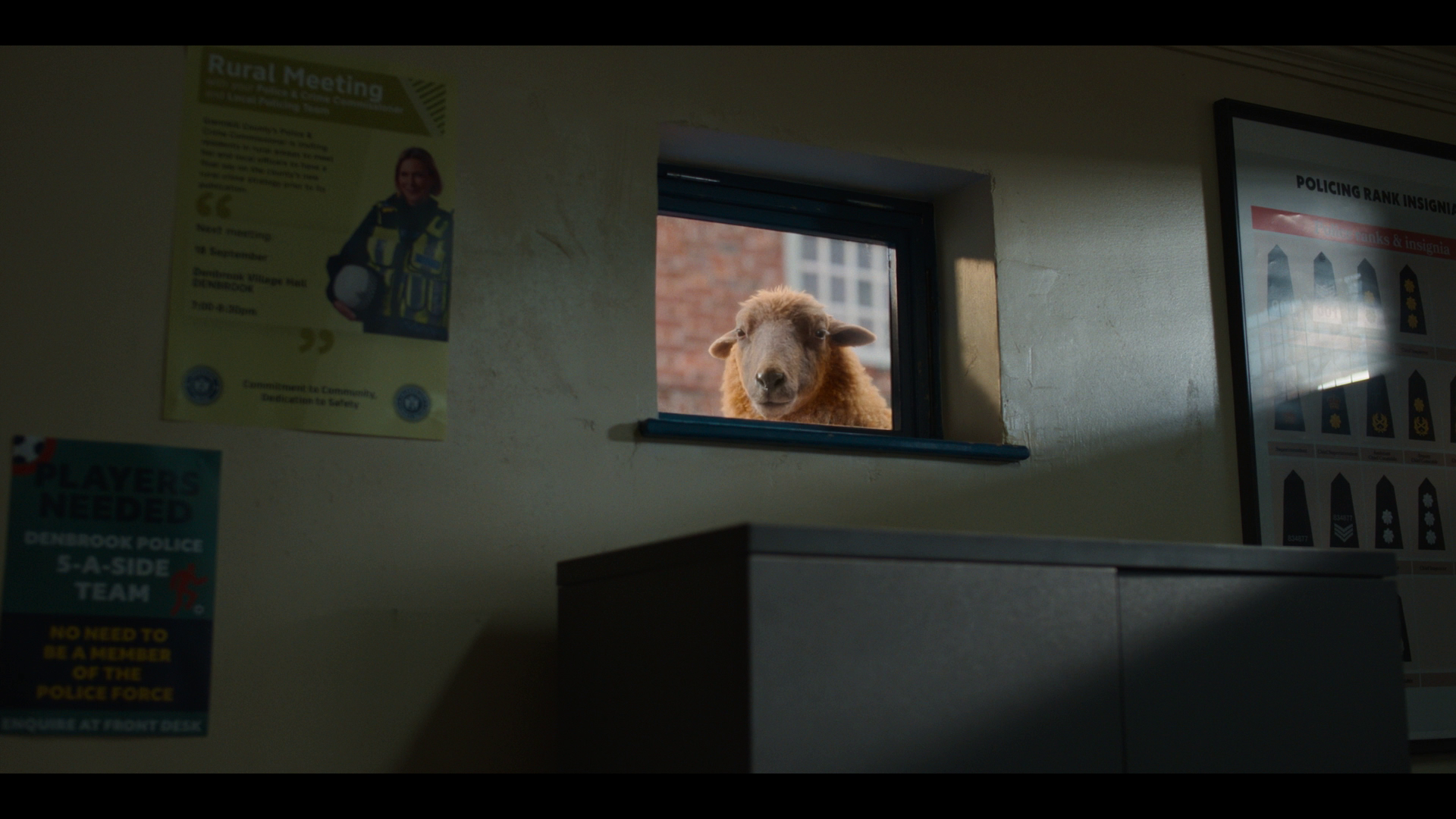
That’s the most important change the movie makes to Swann’s novel, but it’s far from the only one. The Sheep Detectives reshapes the characters, both human and ovine, to introduce new complexities and moral questions that just weren’t present on the page. In the book, sheep have very short memories and amble through life ignorant of any past trauma or upset; in the movie, they can literally choose to forget painful memories, which is why the flock has no experience of death until George is killed. They’ve built a belief structure in which sheep turn into clouds when their lives end, which feels both incredibly naïve and incredibly comforting.
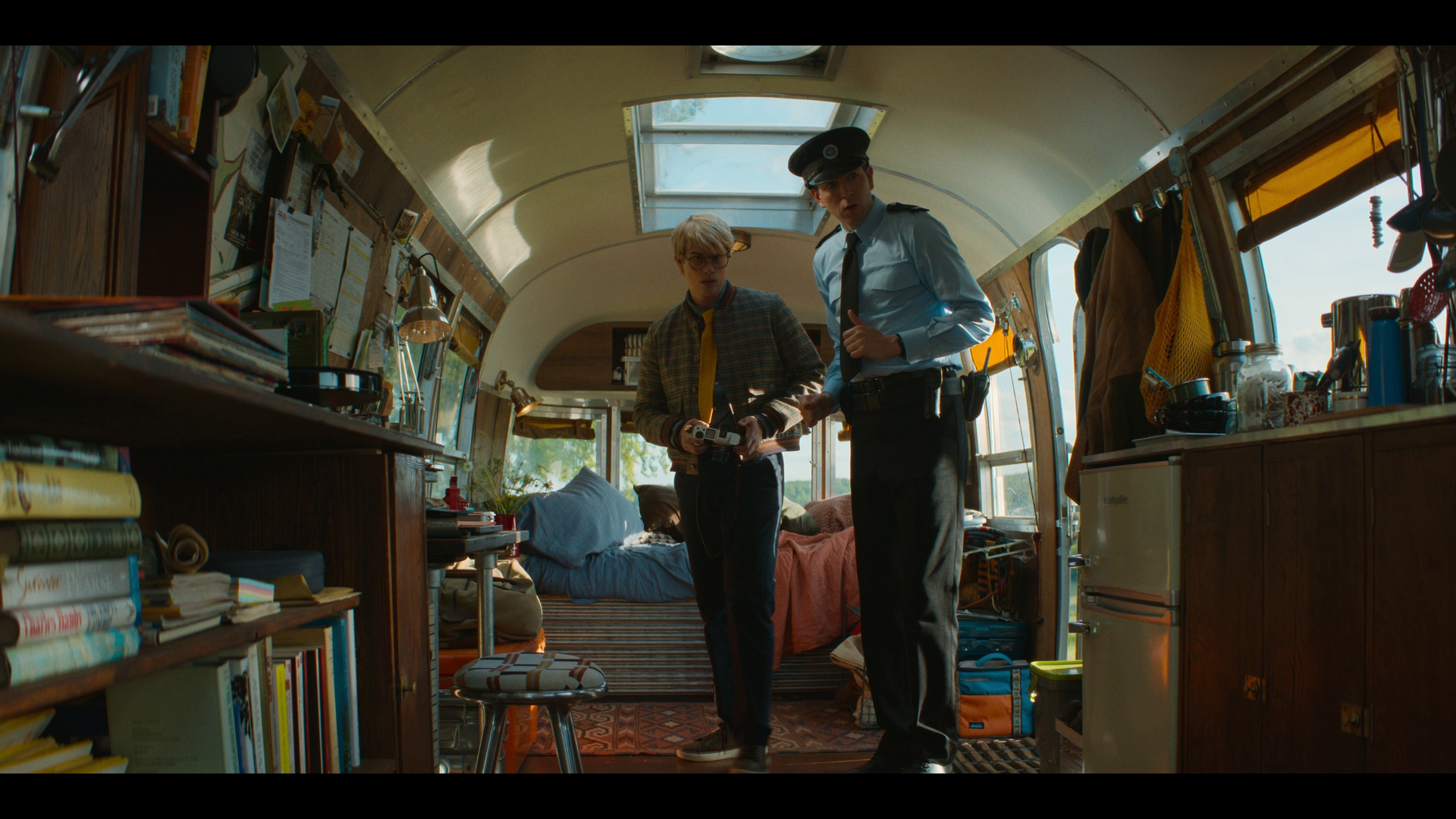
The nature of George’s death is also entirely different, as is the investigation into it. And that lets Mazin and Balda play with the similarities between the two casts of their story – a village full of suspects, investigators and bystanders, and a flock of sheep who can understand human language but not human behavior. The humans don’t understand the sheep too well, either, and it’s up to a few heroic souls to bridge the gap and bring George’s murderer to justice.
Through all of this, The Sheep Detectives never stops mourning its victim – and why would it, when Hugh Jackman imbues George the shepherd with such warmth and humanity? What’s more, the film explores what loss would feel like to creatures who have never experienced it in any lasting fashion, and how the loss of their caregiver is interpreted as a shock, an assault, an abandonment, and ultimately a catalyst to keep going.
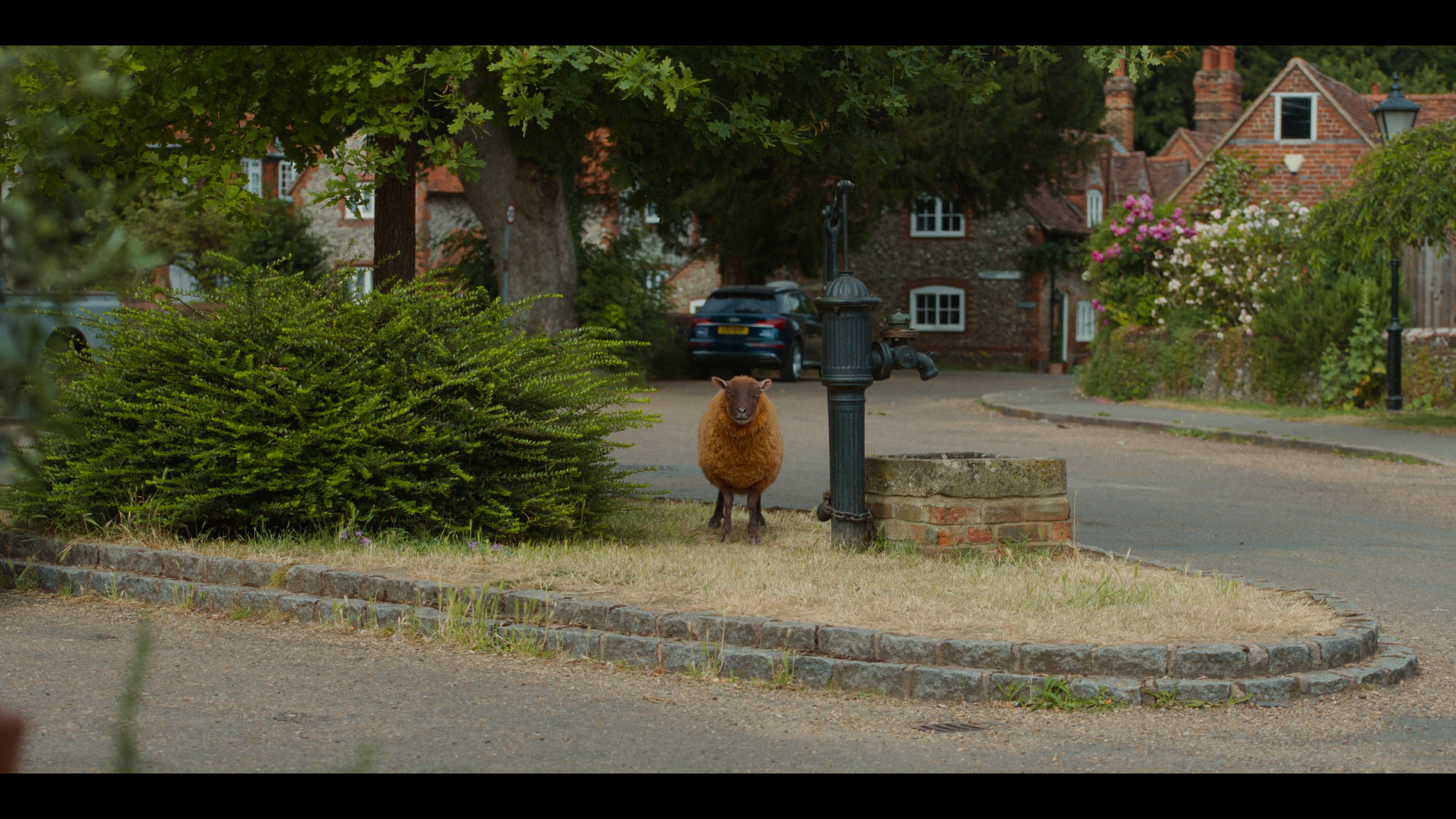
I’ve seen movies that are actually about losing a loved one that are less emotionally attuned to the complexity of that experience than this, and the voice performances of Julia Louis-Dreyfus (as George’s favorite sheep, Lily), Chris O’Dowd (as Mopple, the one sheep cursed with an incorruptible memory) and Bryan Cranston (as Sebastian, the literal black sheep with a tragic backstory) ring true and tragic in all the right ways, especially in contrast to the broader characters voiced by Regina King, Patrick Stewart, Brett Goldstein, Rhys Darby and Bella Ramsey.
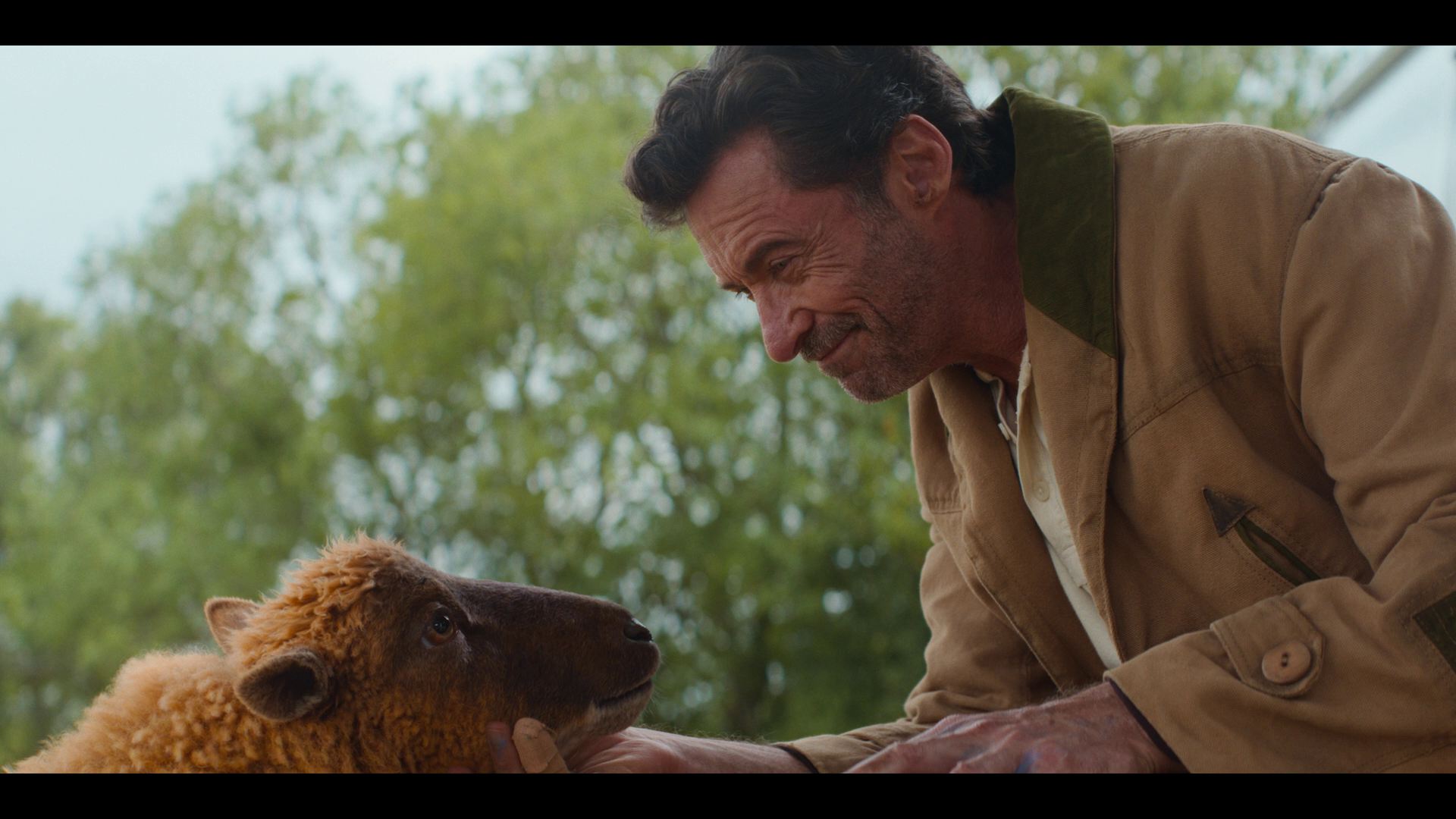
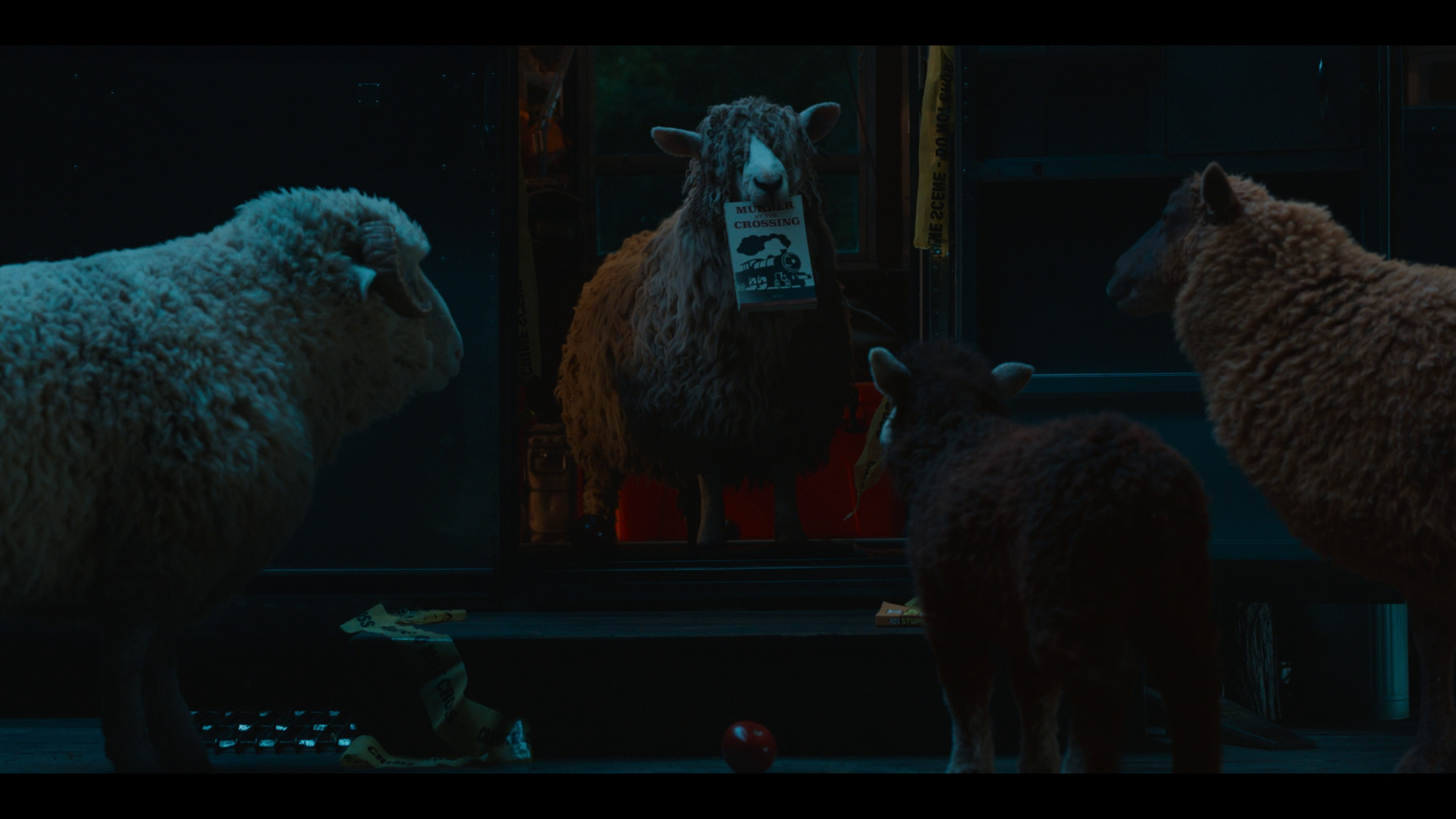
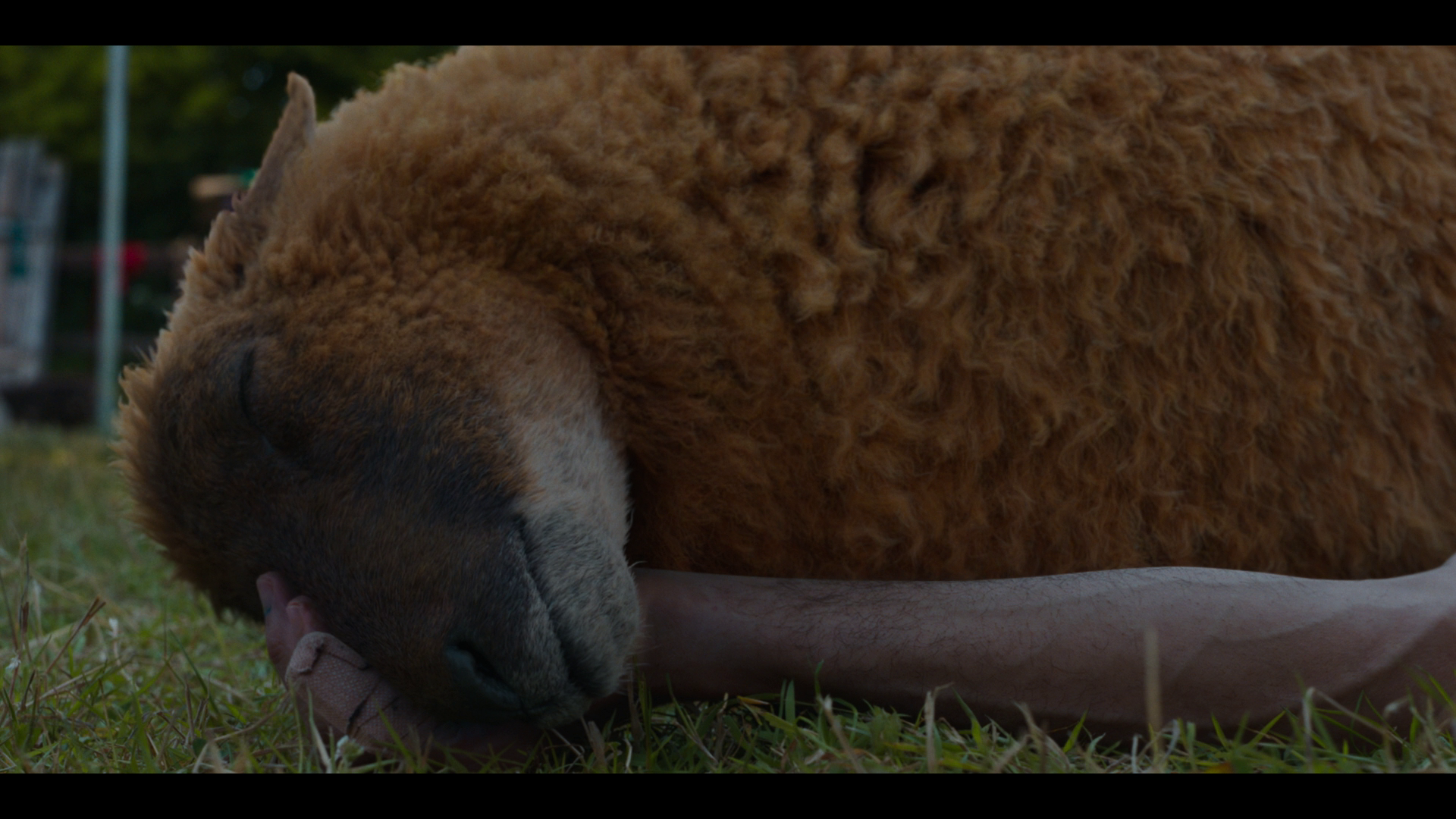
It is also really, really impressive, given its commitment to photorealistic animals, how The Sheep Detectives imbues its relatively inexpressive heroes with real feeling. Most of that is through the voice work, but then you’ll get shots like this that break your goddam heart:
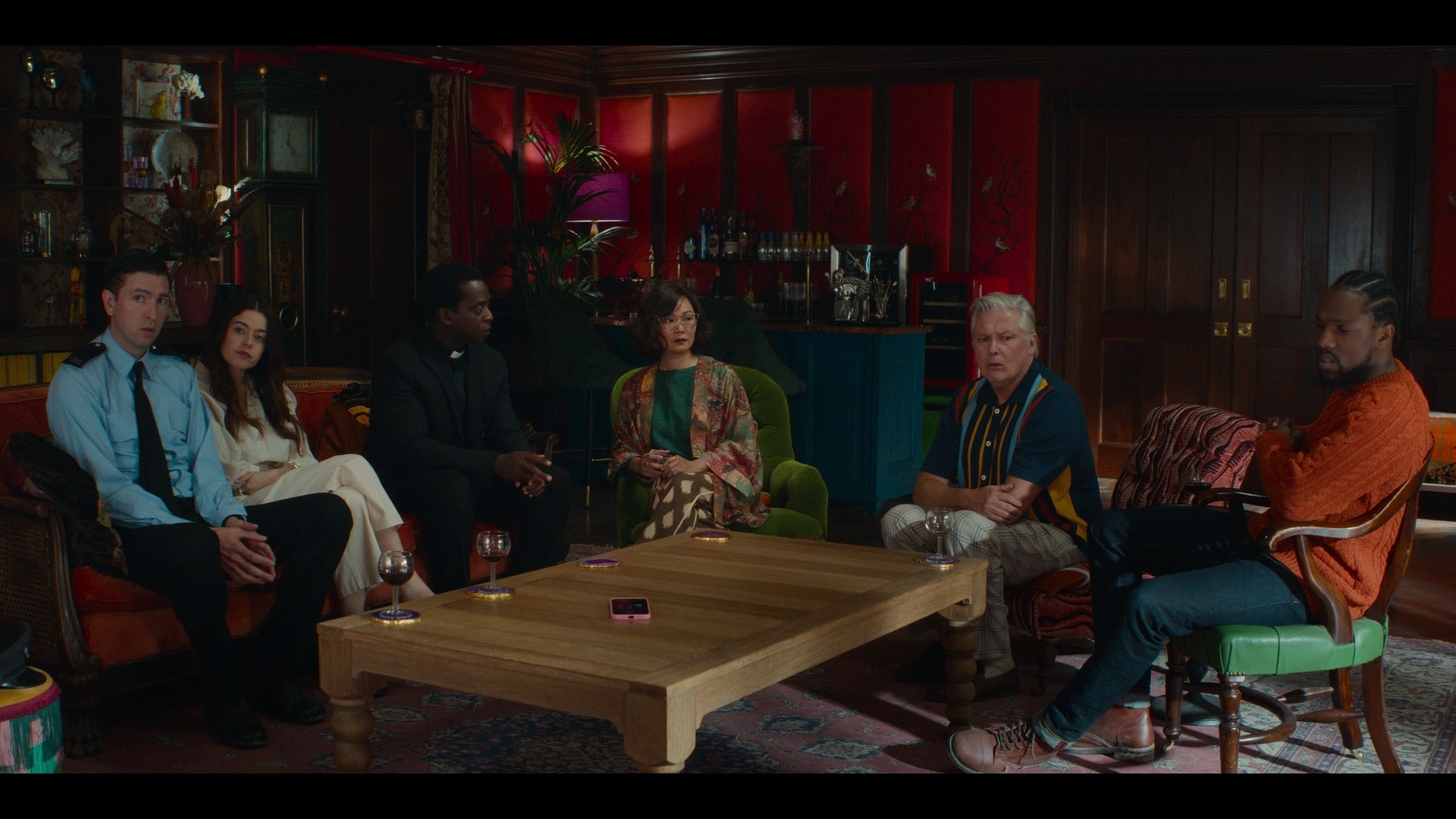
The human characters are a bit sillier than the sheep, but that’s by design. That side of the movie is a sneaky comedy, centered on Nicholas Braun’s hapless police officer Tim as he tries to suss out the circumstances of George’s murder despite being very, very thick. He’s also gaga for George’s long-lost daughter (Molly Gordon), who arrived in the country on the night her father died, which is a complication as she’s also one of the suspects, along with the reverend (Kobna Holdbrook-Smith), the butcher (Conleth Hill), a neighboring shepherd (Tosin Cole) and the local innkeeper (Hong Chau). The question of whodunit is almost as important as whether the flock will be more helpful to Tim in his investigation than George’s too-crisp solicitor (Emma Thompson) or a visiting reporter (Nicholas Galitzine) who seems to be better at finding clues than the authorities.
I assume the success of Rian Johnson’s Knives Out is the reason The Sheep Detectives finally got out of development hell, but this movie is fully its own thing. Balda and cinematographer George Steel give the movie a warm, comfortable sprawl, the better to set up its darkest moments – and The Sheep Detectives gets very, very dark. Darker than either of the Babe films, I suspect, and just as worthy of every tear it wrings out of you. Like almost everything Lord and Miller makes, this is so much more than its pitch. And, like almost everything Lord and Miller makes, it will delight people for a very long time.
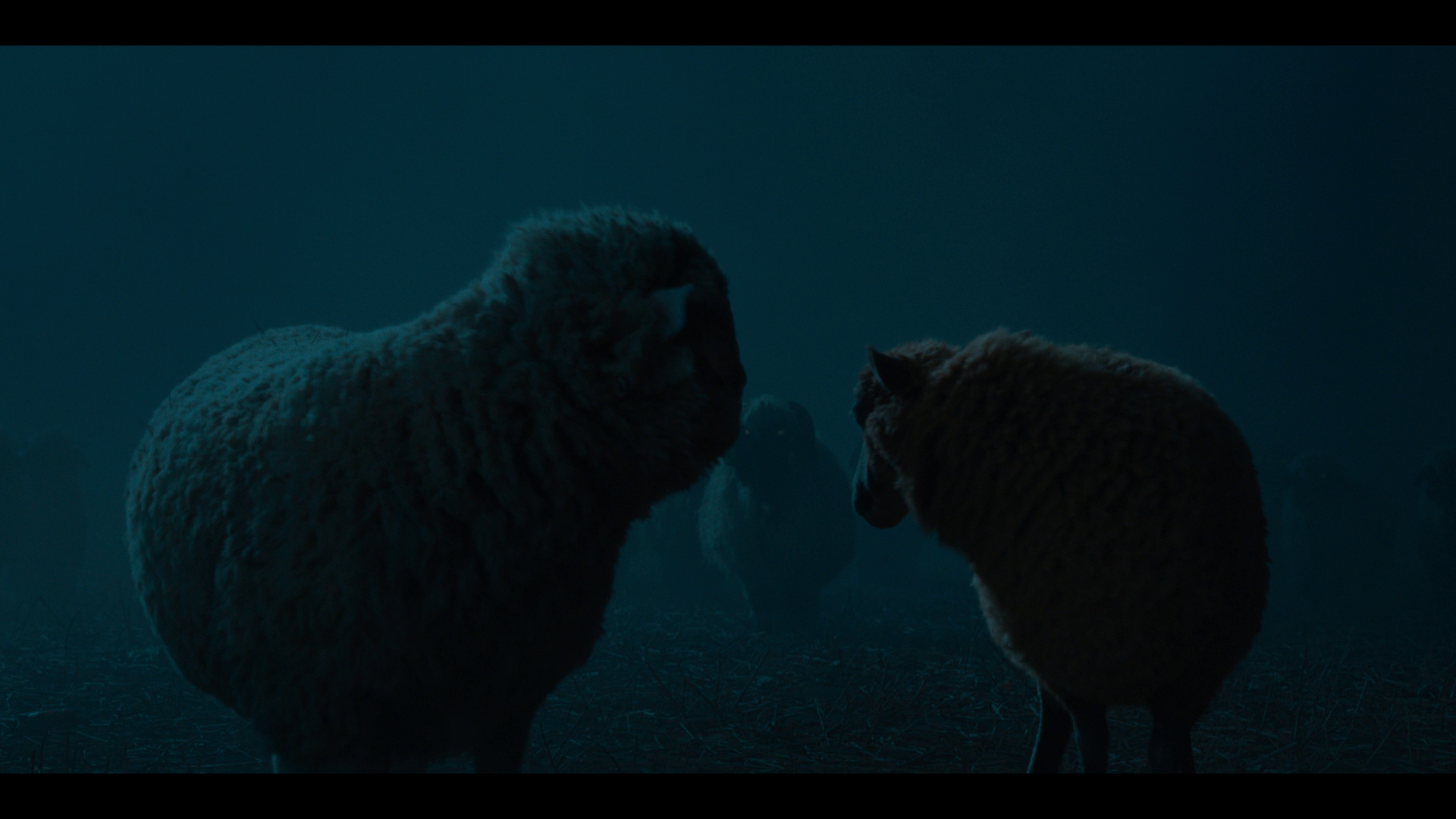
As I mentioned above, The Sheep Detectives arrives on Blu-ray without any supplemental material, not even a trailer; it looks like Lord and Miller’s Project Hail Mary stands as the sole exception to Amazon MGM Studios’ bare-bones physical media policy. But that does allow Alliance to devote all the space on the disc to the feature, offering a flawless, vivid 1080p image and lively Dolby Atmos audio. There’s no 4K edition, which is disappointing, but the BD handles the night scenes far better than the UHD stream on Prime Video:
So that’s nice.
The Sheep Detectives is now available on Blu-ray from Alliance Home Entertainment. It’s really, really good.
Up next: If you like movies where humans and CG characters coexist, you’re not going to want to miss this Friday’s What’s Worth Watching, featuring my review of Coyote vs. ACME. So upgrade that subscription … it might be the only thing protecting you from falling anvils.