
Catching Up on the Catalogue
In which Norm struggles to stay afloat in a deluge of excellent catalogue releases.
One does not wish to sound ungrateful about the volume of supplemental content on definitive special editions, but … jeez, guys, there’s a reason it’s taking me so long to finish this catalogue roundup.
Even if last month’s catalogue bounty had just delivered Severin’s authoritative Lucile Hadžihalilović boxed set, Canadian International Pictures’ new assembly of Quebec cinema and Via Vision’s latest jam-packed John Woo joint? That would have been plenty. But no, Warner Archive and Sony and the Cohen Media Group all stepped up as well, and then Via Vision threw in a couple of other library releases, and I have been digging my way through them for weeks. So to keep things readable, you’re getting half this afternoon and the rest on the weekend, once I’ve had time to shake off the jet lag from my London jaunt.
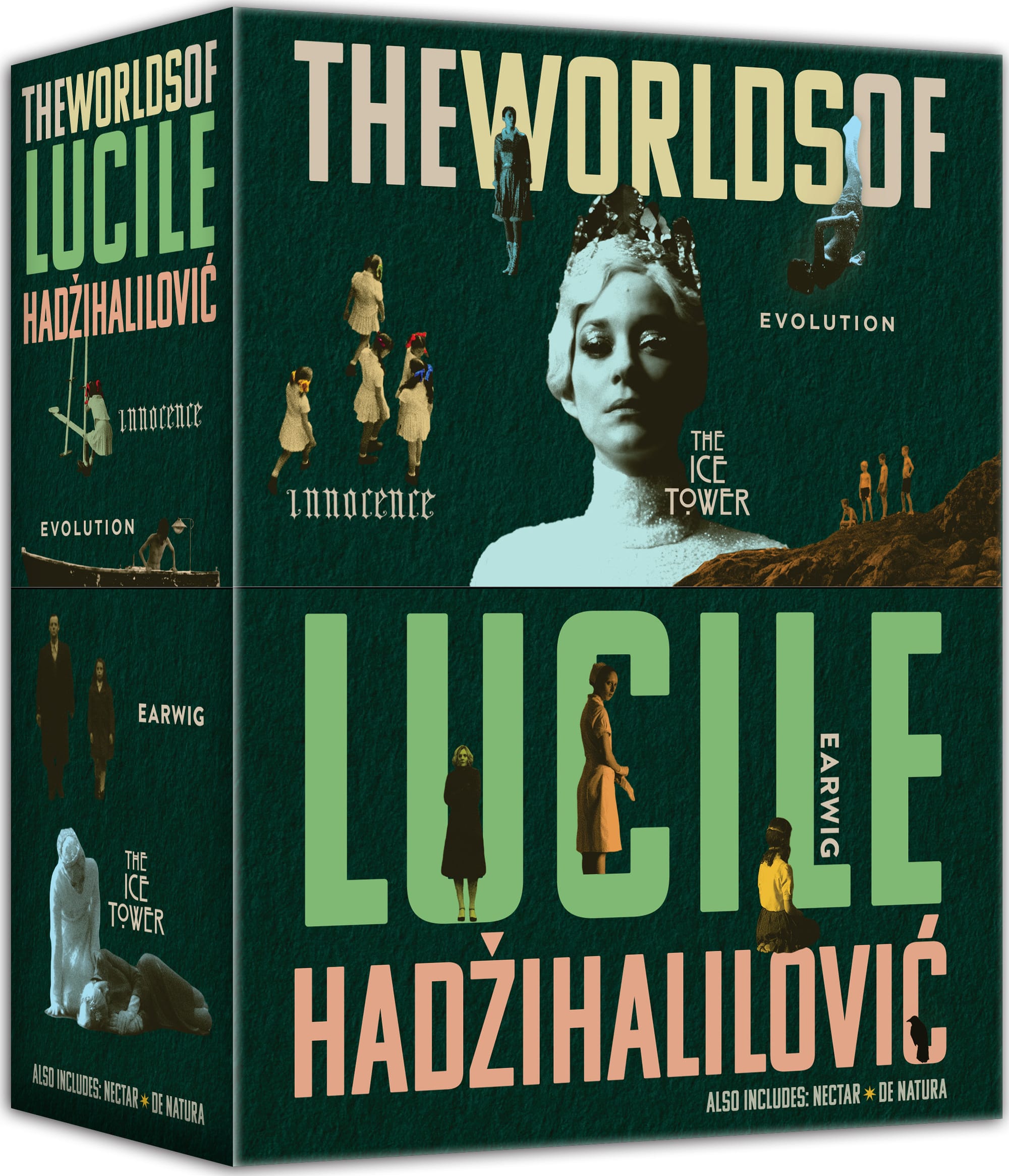
Let’s start with The Worlds Of Lucile Hadžihalilović, Severin’s definitive collection of the French genre auteur’s first four features. If you’re not familiar with Hadžihalilović’s work, that’s understandable; while she’s a festival-circuit favorite, her eerily delicate nightmares haven’t broken out the way, say, Guillermo Del Toro’s have. Perhaps her decaying fairy-tale aesthetic –which follows young characters as they’re initiated into complex and disquieting worlds with rules and physics that don’t quite correspond to our own – is just a little too gentle to resonate with midnight crowds.
I do find it curious that Emilie Blichfeldt’s recent The Ugly Stepsister, which leans more lustily into its warped body-horror metaphors, broke through in North America where Hadžihalilović’s The Ice Tower received a cooler reception. Maybe it’s just that Blichfeldt’s grotesqueries are right in our faces, while Hadžihalilović is more measured in her delivery. Though she got her start as Gaspar Noé’s editor, JOB and partner, Hadžihalilović’s own films are chillier and more austere, their sickly landscapes seeded with unpleasant thoughts and barely-glimpsed ugliness.
I dig them, obviously.
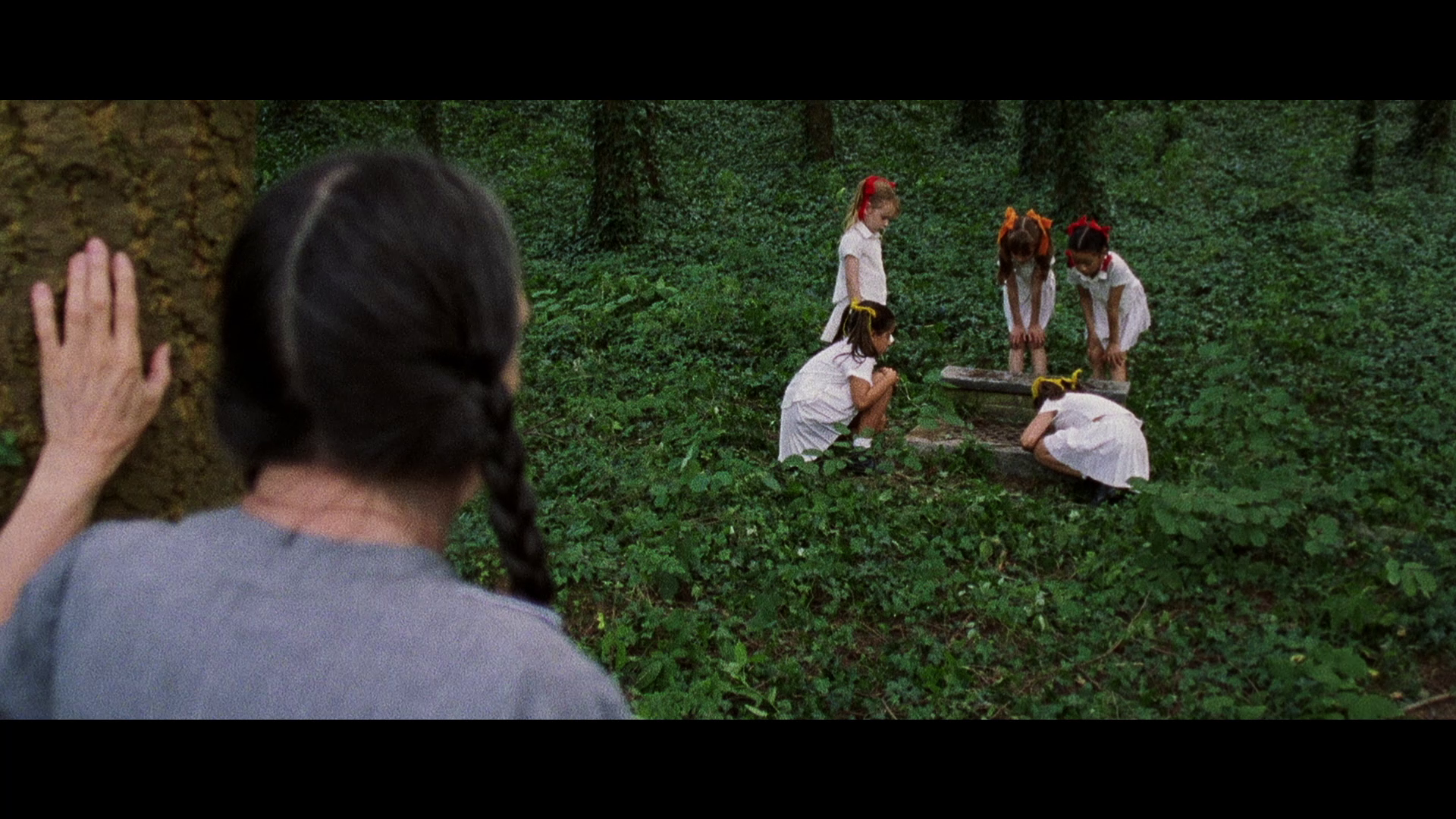
I saw Hadžihalilović’s first feature Innocence at TIFF in 2004. Set at a remote boarding school where young girls are socialized – or perhaps indoctrinated – in ways that feel increasingly abnormal, it’s a debut as confidently realized as Del Toro’s Cronos or Jeunet and Caro’s Delicatessen, instantly establishing an aesthetic and tone that will carry through Hadžihalilović’s entire filmography. (I’d offer Wes Anderson as another comparison, but that one feels misleading; Rushmore wasn’t his debut, for one thing, and Hadžihalilović is far less interested in symmetry.)
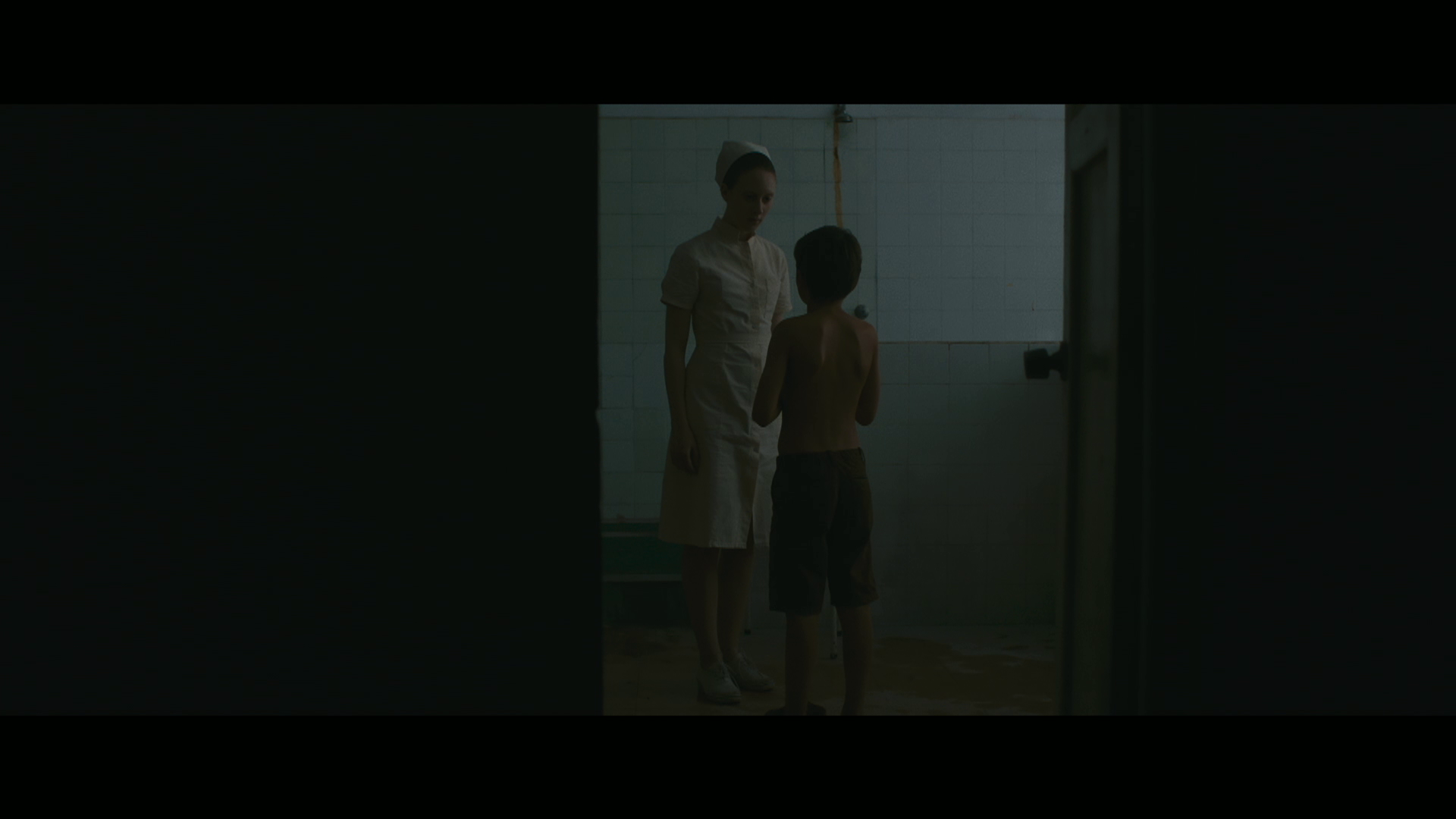
The perspective is flipped in Hadžihalilović’s follow-up, Evolution, which positions a boy as its central character … and immediately plunges him into a nightmarish world of girls and women in the midst of potent change. Everyone is secretive and isolated, and nothing seems to make sense – though that’s biology for you, and Hadžihalilović makes sure we’re given all the information we need to build our own theories. And to make another comparison, Evolution is to Innocence as David Lynch’s The Elephant Man was to his previous Eraserhead, with Hadžihalilović’s vision expanding to fit the scale of this newer, more ambitious production.
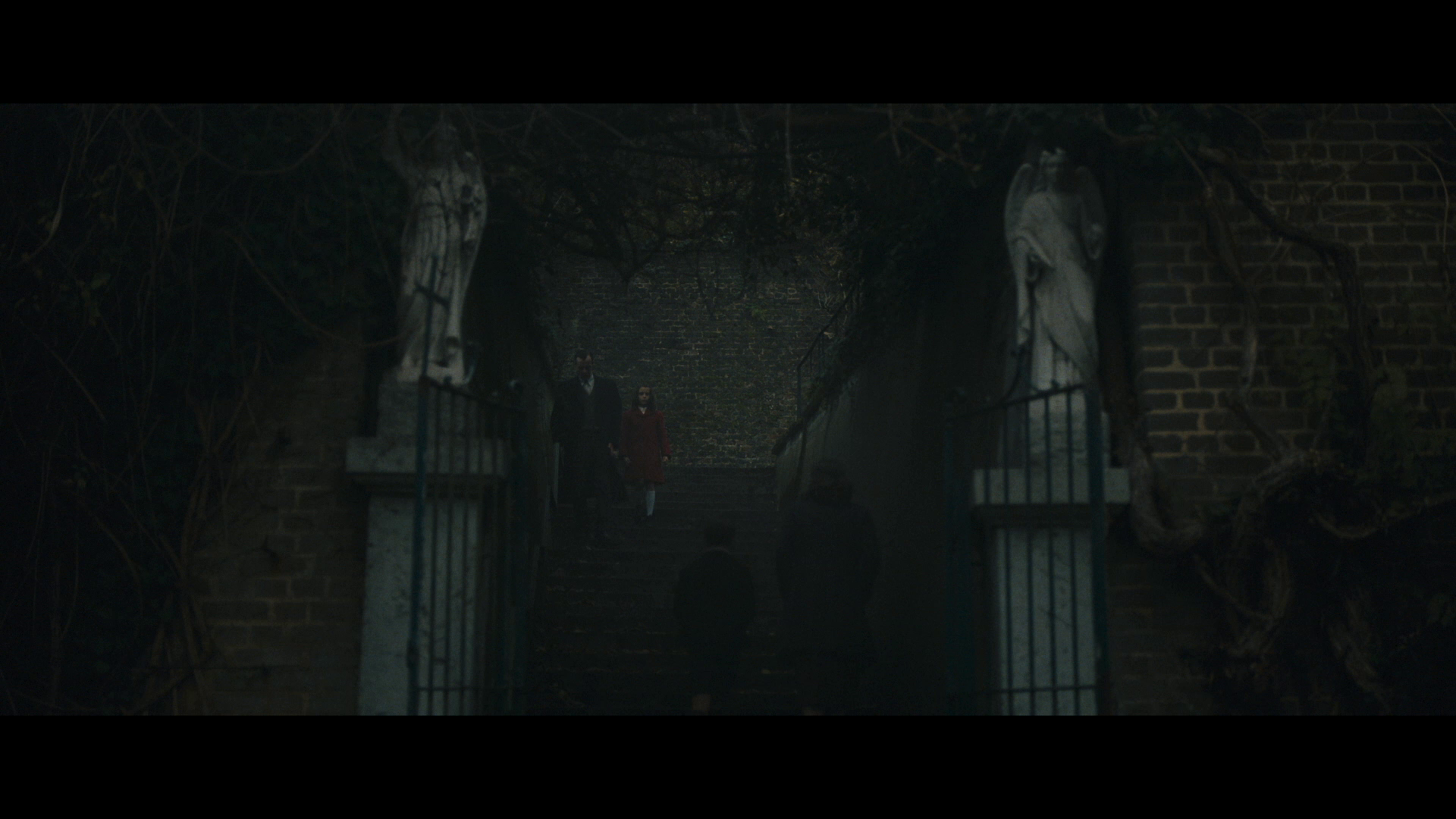
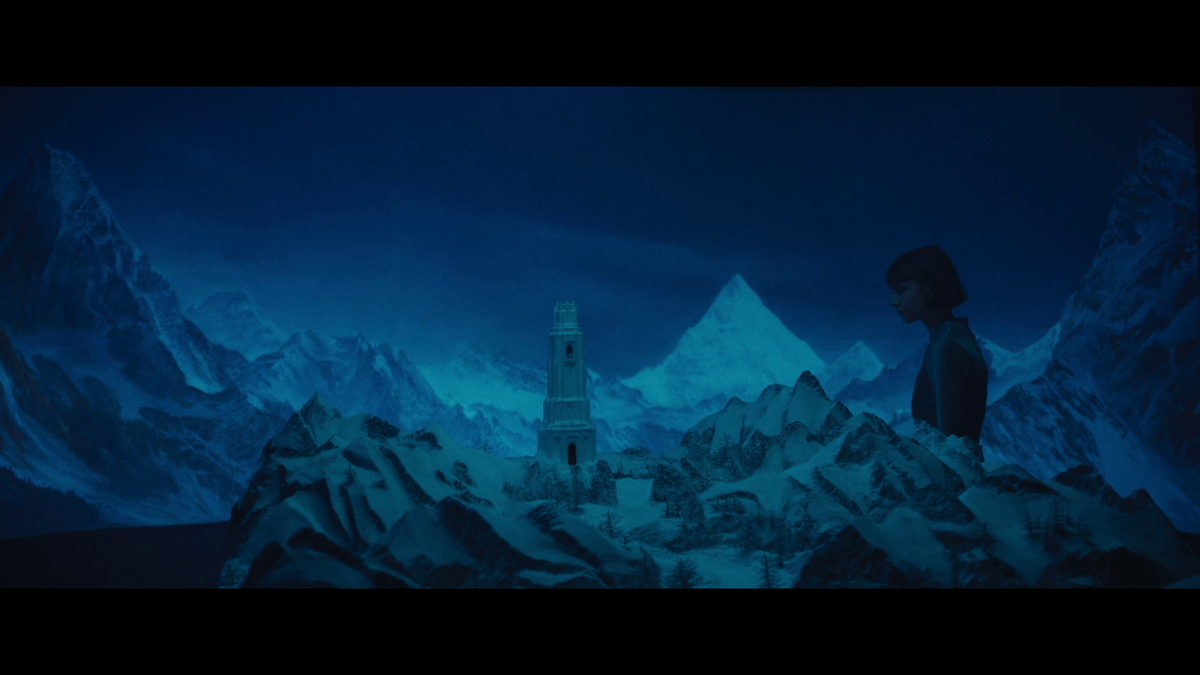
Earwig dares to get smaller again, focusing on a man and the little girl in his care – the little girl whose body does incomprehensible things, things that require disturbing treatments. The movie is about a different sort of intimacy, and while the allegories about gender and autonomy are there if you want to see them there’s something else at work here, scratching at us in the rear channels of the sound mix, nudging at the corners of the screen. And the creeping chill of that film leads directly to The Ice Tower, a Guy Maddinesque reimagining of Hans Christian Andersen’s The Snow Queen that finds Hadžihalilović and Cotillard returning for a very different story of innocence lost and monsters ascendant. But that’s Hadžihalilović’s fundamental message: Humanity always comes at a price.
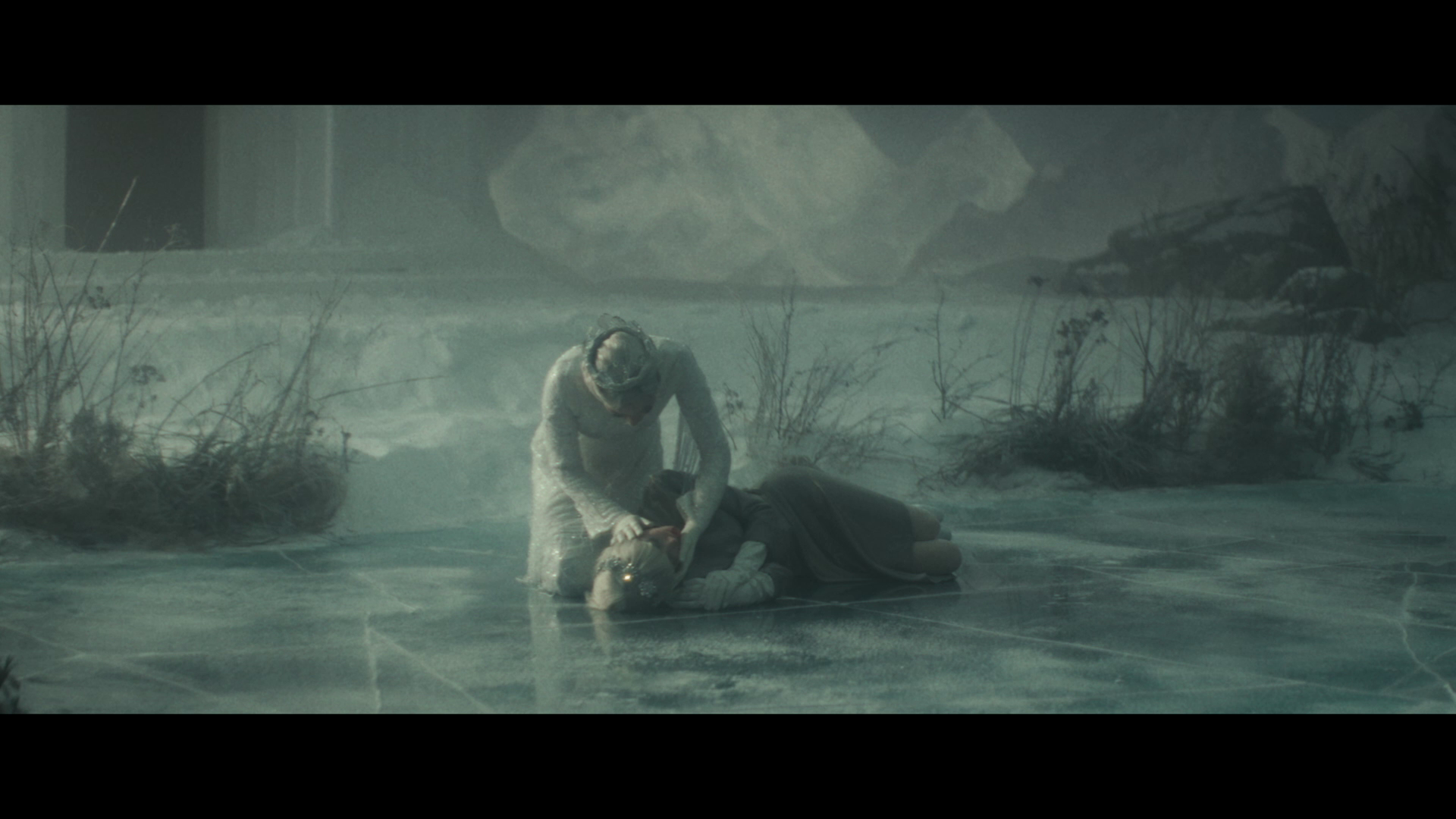
Severin’s four-disc set (which includes the North American Blu-ray premieres of Innocence and Earwig) offers excellent 1080p masters of all four features, each introduced by the filmmaker and accompanied by a suite of special features.
Innocence includes Hadžihalilović’s early shorts De Natura and Nectar, an “explanation” from young star Zoé Auclair, a new video essay from Alexandra Heller-Nicholas and a post-screening Q&A recorded at the IFC Center last fall. Evolution has a conversation between Hadžihalilović and DP Manu Dacosse and a separate interview with screenwriter Alanté Kavaïté; Earwig offers interviews with Hadžihalilović, co-writer Geoff Cox and DP Jonathan Ricquebourg.
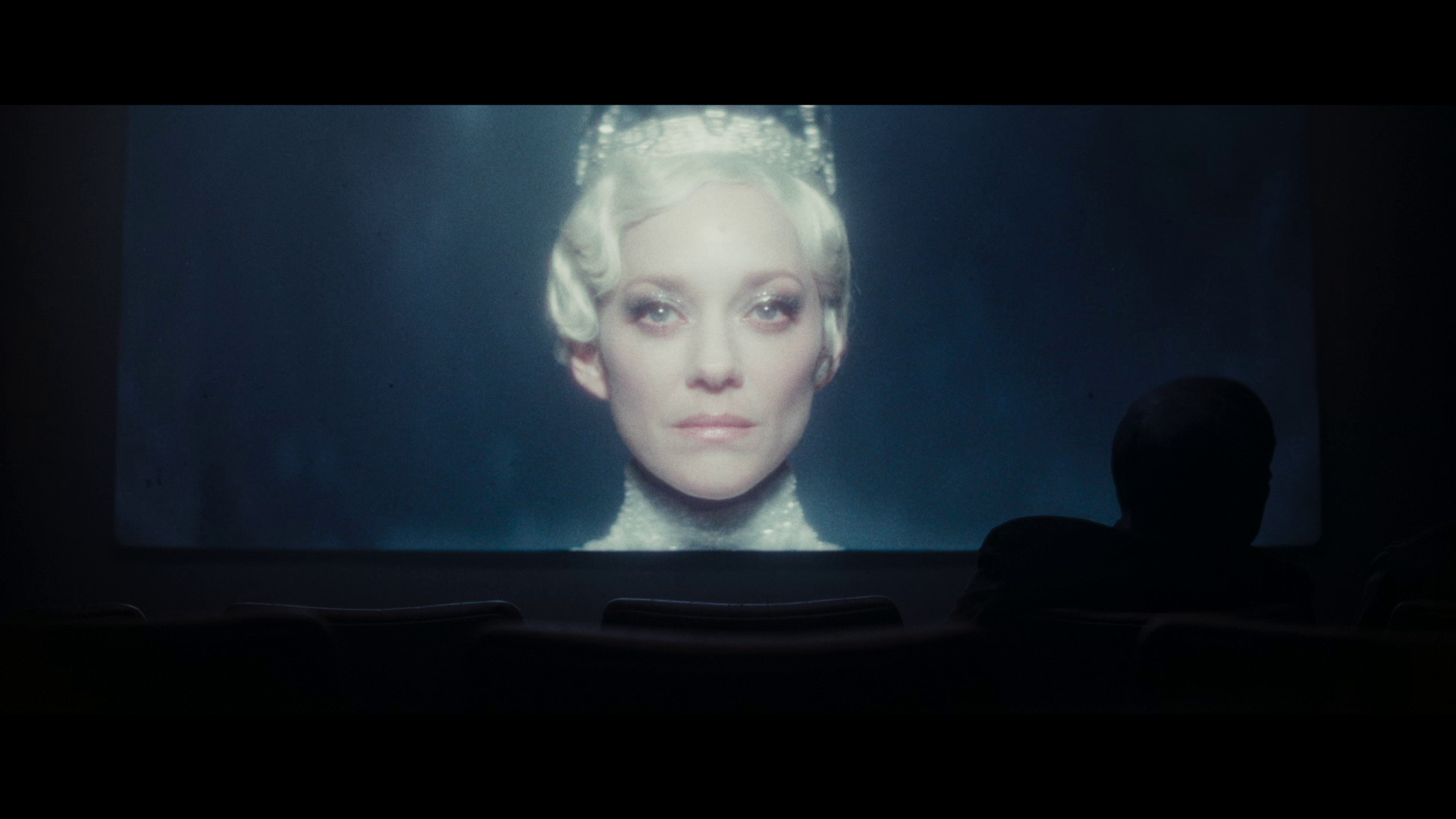
And The Ice Queen features another Heller-Nicholas essay, a conversation between Hadžihalilović and film critic Beatrice Loayaza, an interview with Ricquebourg and two IFC Center Q&As. The collection is packaged with a book of essays by Alison Taylor, Stephen Thrower and Toronto’s own Saffron Maeve. And if this set is Severin quietly positioning Hadžihalilović as the newest resident in their folk-horror kingdom … well, that doesn’t seem like a big stretch.

Continuing in the world-cinema vein, here’s The Other French New Wave, Vol. 2, a smaller but no less worthy showcase of 1960s Quebec cinema from the expert curators at Canadian International Pictures. The first set offered four feature films – The Cat in the Bag, The Merry Life of Léopold Z and YUL 871 – while this single-disc anthology packs two features (Michel Brault’s Between Sweet and Salt Water and Gilles Groulx’ Where Are You?) and two shorts (Jacques Godbout’s Fabienne and Brault’s Geneviève) on a single Blu-ray platter.
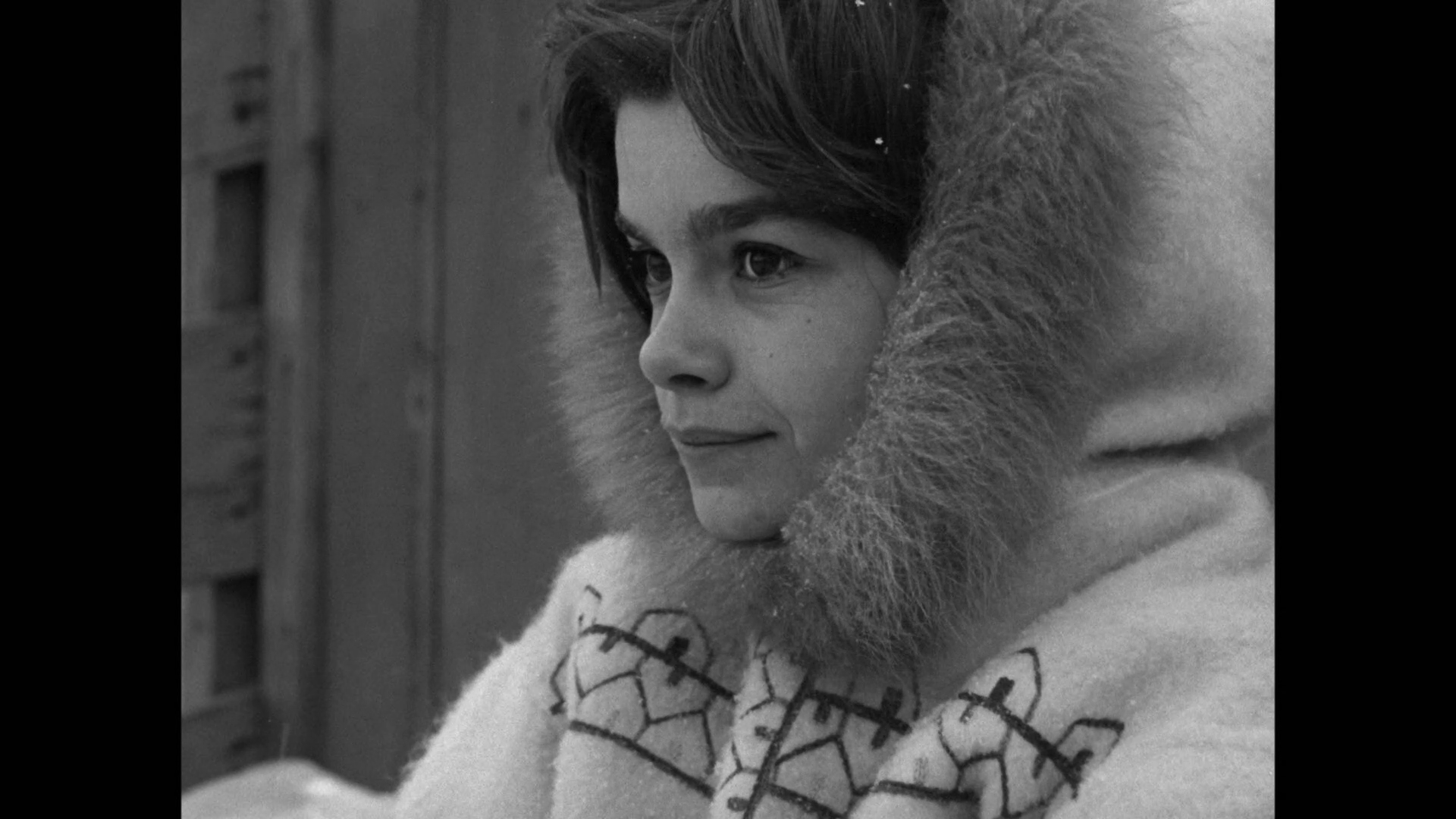
This set shares a little of the dreaminess of the Hadžihalilović collection; while the films couldn’t be more different, there’s a sense that the directors are all creating tiny, enclosed worlds in which their various characters can grow or change – or, in the worst-case scenario, refuse to do so. It’s a different kind of cinema, and Geneviève Bujold is in it, which is sometimes all the rapture a movie needs.
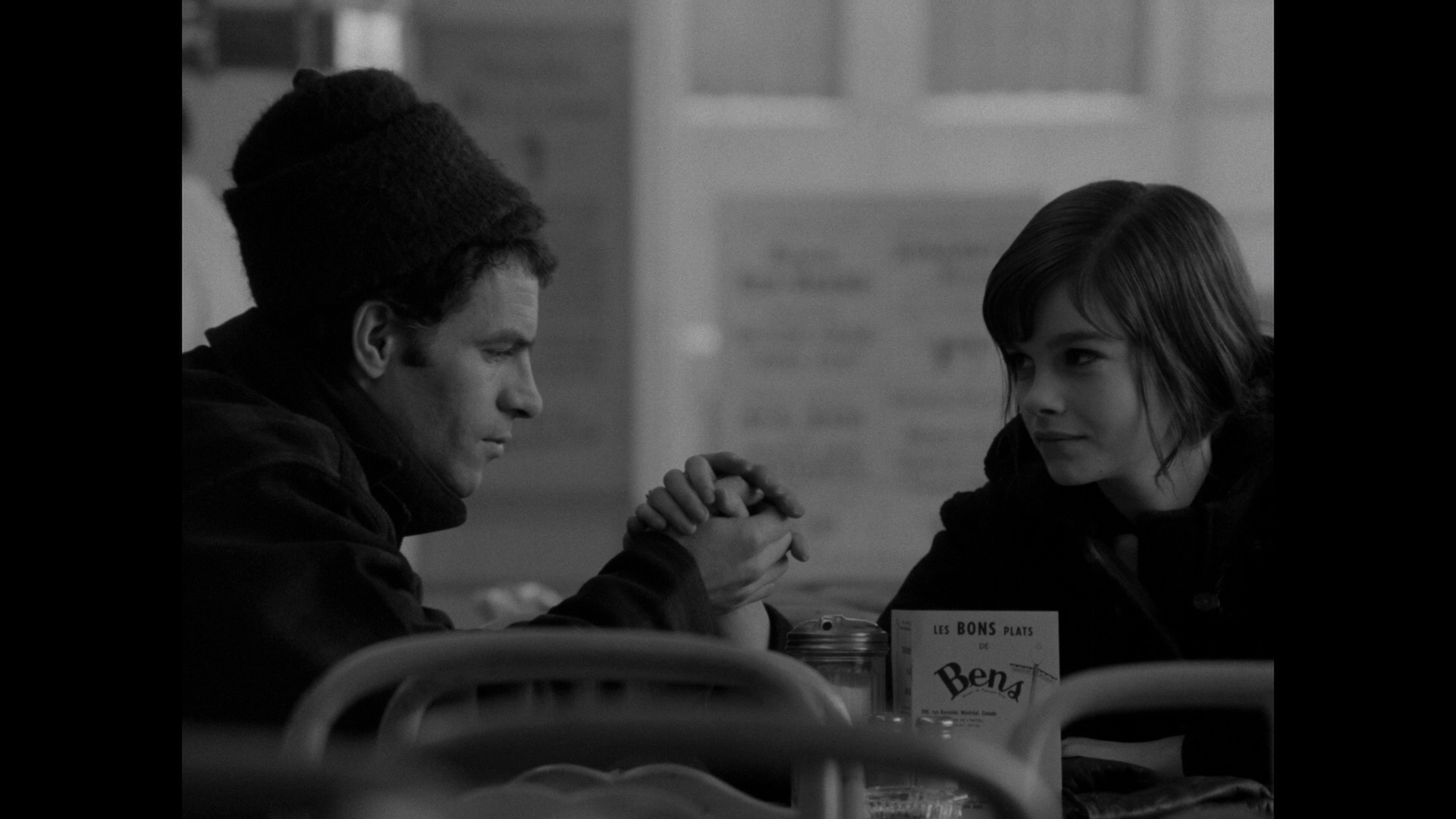
Bujold defines Brault’s first dramatic feature, playing a young waitress with whom Claude Gauthier’s rambling folkie becomes entangled on his way to fame and fortune; Gauthier was the ostensible star, but Bujold’s ability to invest a slight role with warmth and intelligence changes the stakes of her every scene. I don’t mean to suggest the film isn’t well-written – but the collaborative nature of the project, with Denys Arcand, Marcel Dubé, Gérald Godin and Claude Jutra pitching in on the script, but Bujold’s electricity doesn’t come from the page. That’s presence, pure and simple. And Geneviève, the short film she’d made with Brault three years earlier, demonstrates she always had it.
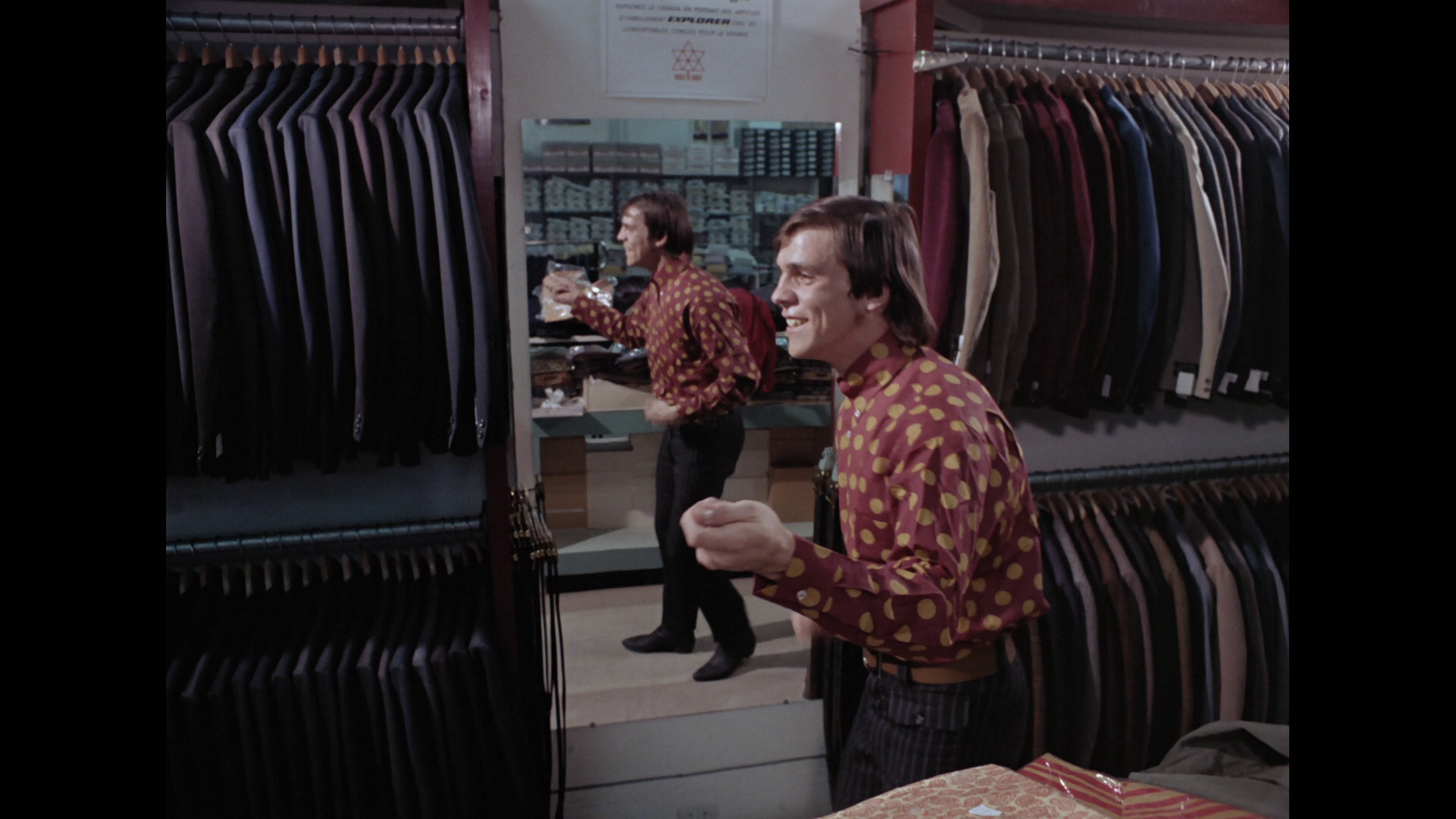
I was going to say Where Are You? is a film much more of its time than Between Sweet and Salt Water, but that’s not really true. Brault’s drama feels more square in its presentation, using the era’s cultural convulsions as a background to personal drama, while Groulx is riding the more playful and adventurous wave of the nouvelle vague, coaxing a buddy movie into a Godardian mixed-media whirlwind, complete with on-screen text, cultural cynicism and disaffected young hipsters.
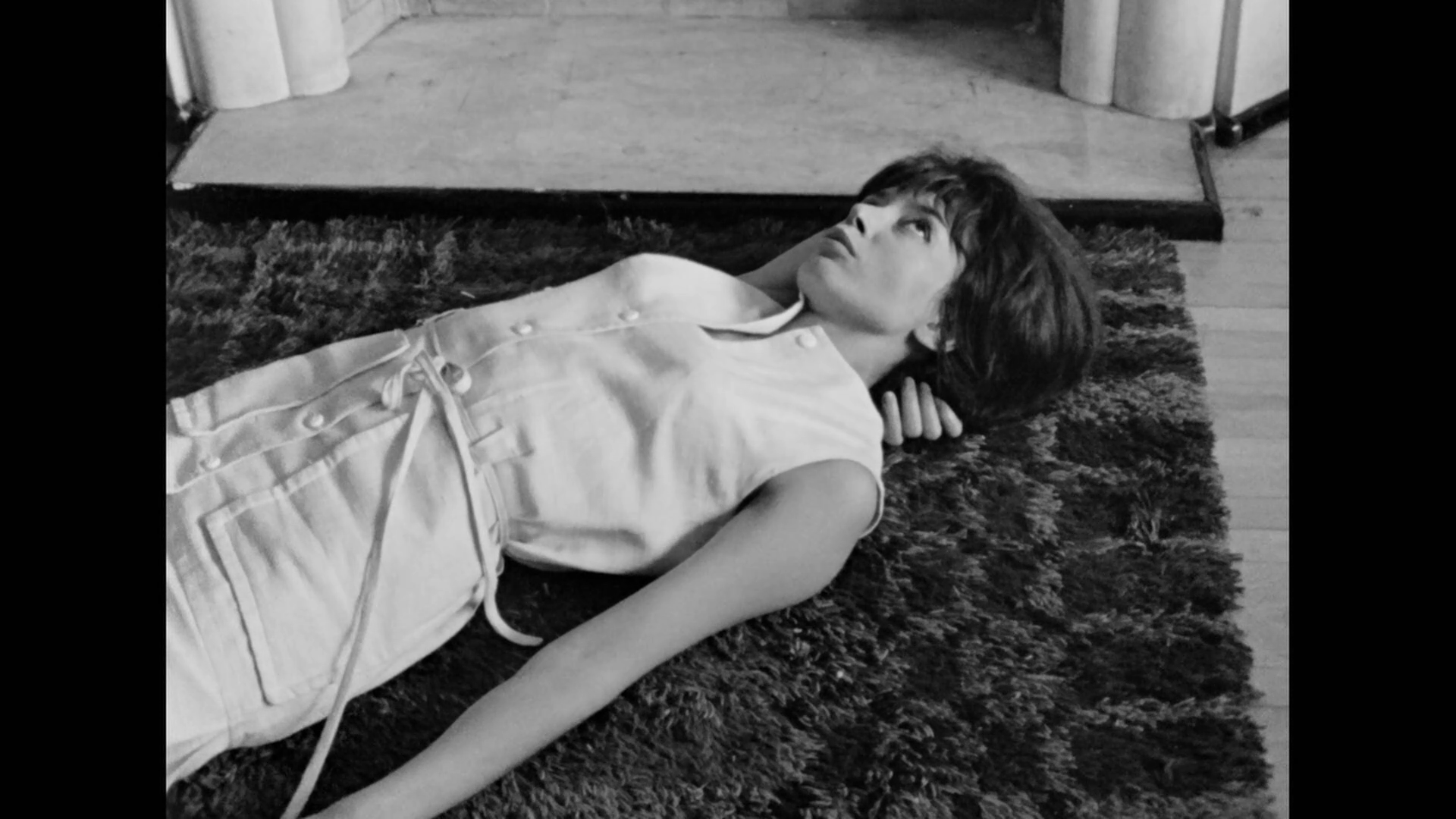
JLG is evoked more puckishly in Fabienne, the other short film included in the set, positioning the director as an object most desired by the eponymous protagonist, who employs every trick at her disposal to find the elusive auteur. (That she is played by Pauline Julien, a Quebecois singer who turns up briefly as herself in Between Sweet and Salt Water, is another nice little refractory moment.) It’s a piffle, but a very entertaining one, and director Godbout’s attempts to evoke Godard’s pop affectations on an NFB budget say a lot more about Quebec’s distinct version of the Canadian inferiority complex than perhaps anyone realized at the time. But that’s charming in its own way.
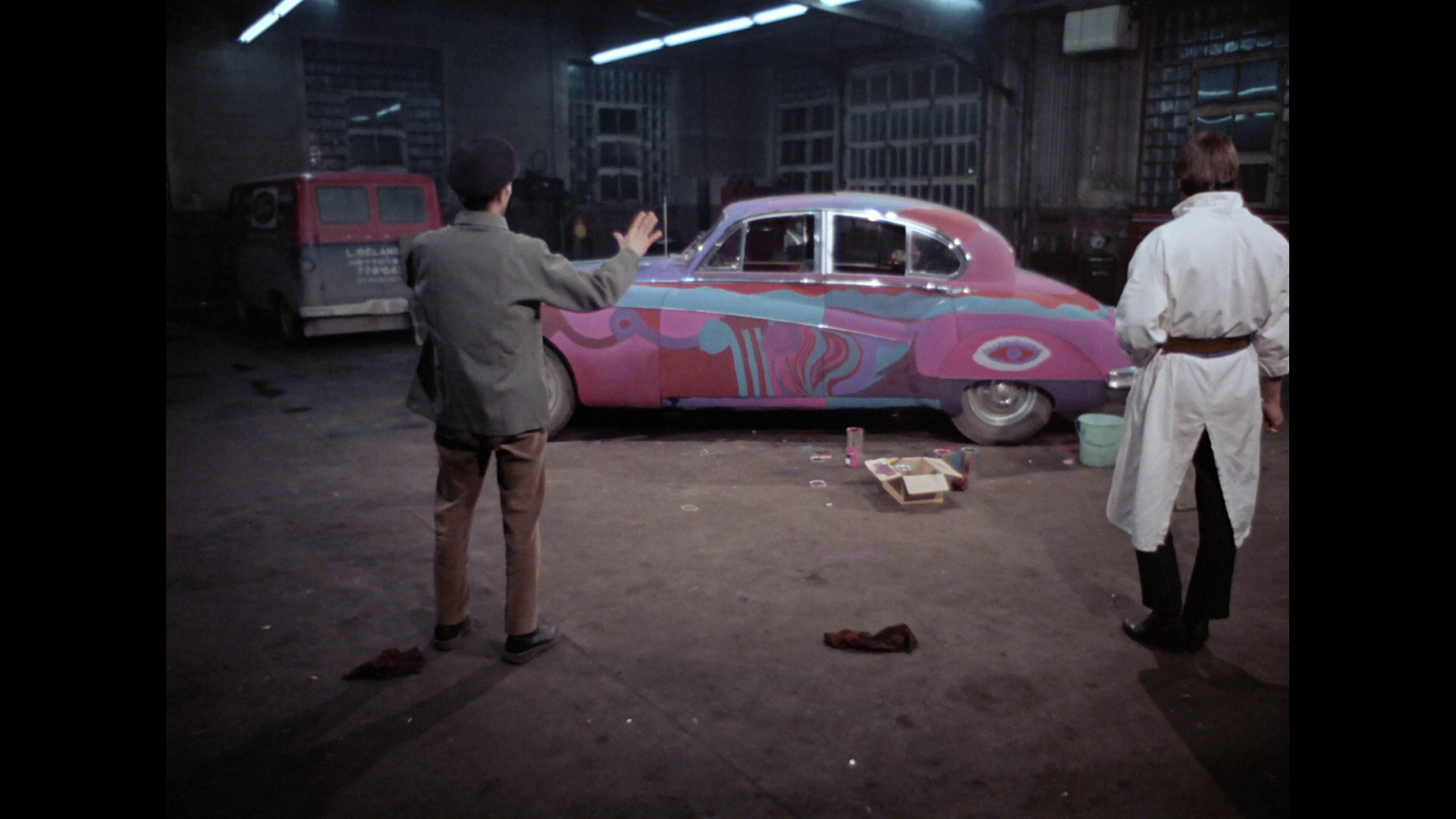
All four titles have been scanned and restored in 2K from 35mm interpositives, and it’s like watching freshly struck prints. The shifts between monochrome and color stock in Where Are You are vividly felt, and the chill in the air in a wintry sledding sequence in Geneviève finds its aesthetic match in the film grain. Supplements are modest but well-curated. Film professor and author André Loselle contributes an English-language audio commentary to Between Sweet and Salt Water, and Robert Daudelin, former director of the Cinematheque Quebecoise, discusses Groulx’ cinema and legacy in the featurette “A Certain Bitterness.”
But I’m especially pleased to see CIP making room for Robin McKenna’s brief, beautiful Geneviève Bujold: Art = Life. A four-minute tribute produced in 2018, when the actor was honored at the Governor General’s Performing Arts Awards, it finds Bujold contemplating her own celluloid history in a shimmery, monochrome mode reflective of Brault’s preferred aesthetic. (Trailers for the films in Volume 1 are also included, for those of us who didn’t pick up that set when it came out four years ago.)
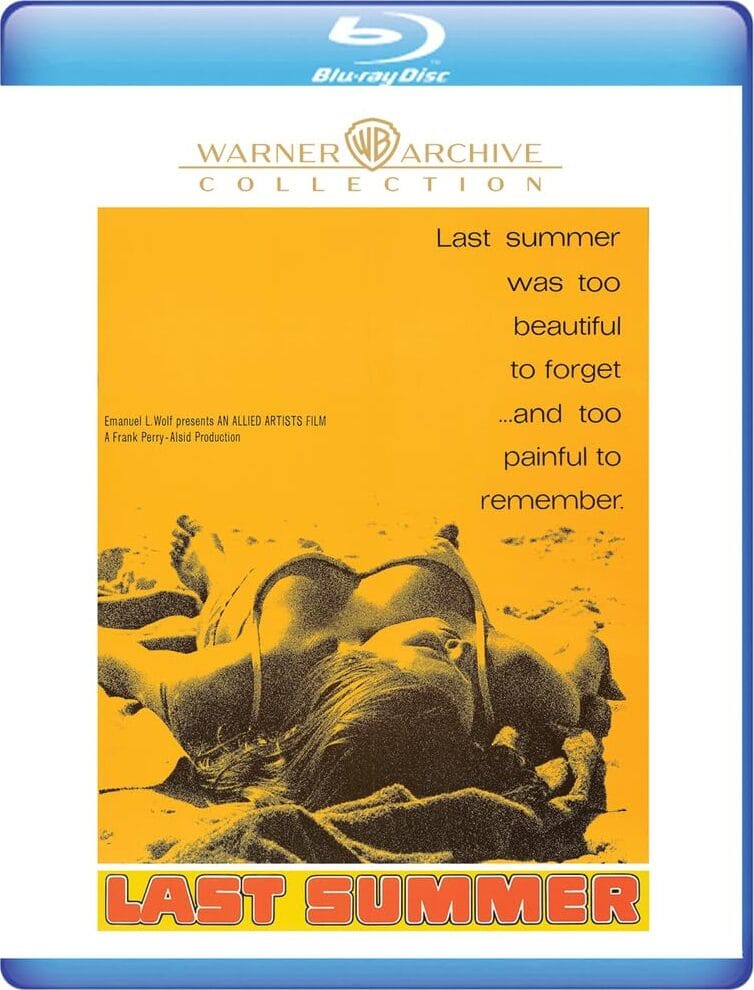
For a very different experience of the 1960s, the team at Warner Archive just pulled Frank and Eleanor Perry’s Last Summer out of oblivion; as Larry Karaszewski explains in an essay included with the new Blu-ray, the bitter 1969 coming-of-age drama – based on the even more bitter novel by Evan Hunter – was thought lost for decades, abandoned by Allied Artists after audiences found its mixture of ennui and cruelty too much, man. And it is too much, I guess, in that its coming-of-age story is dripping with poison and disillusionment, with its four young leads all stepping up to play varying levels of emotional distress.
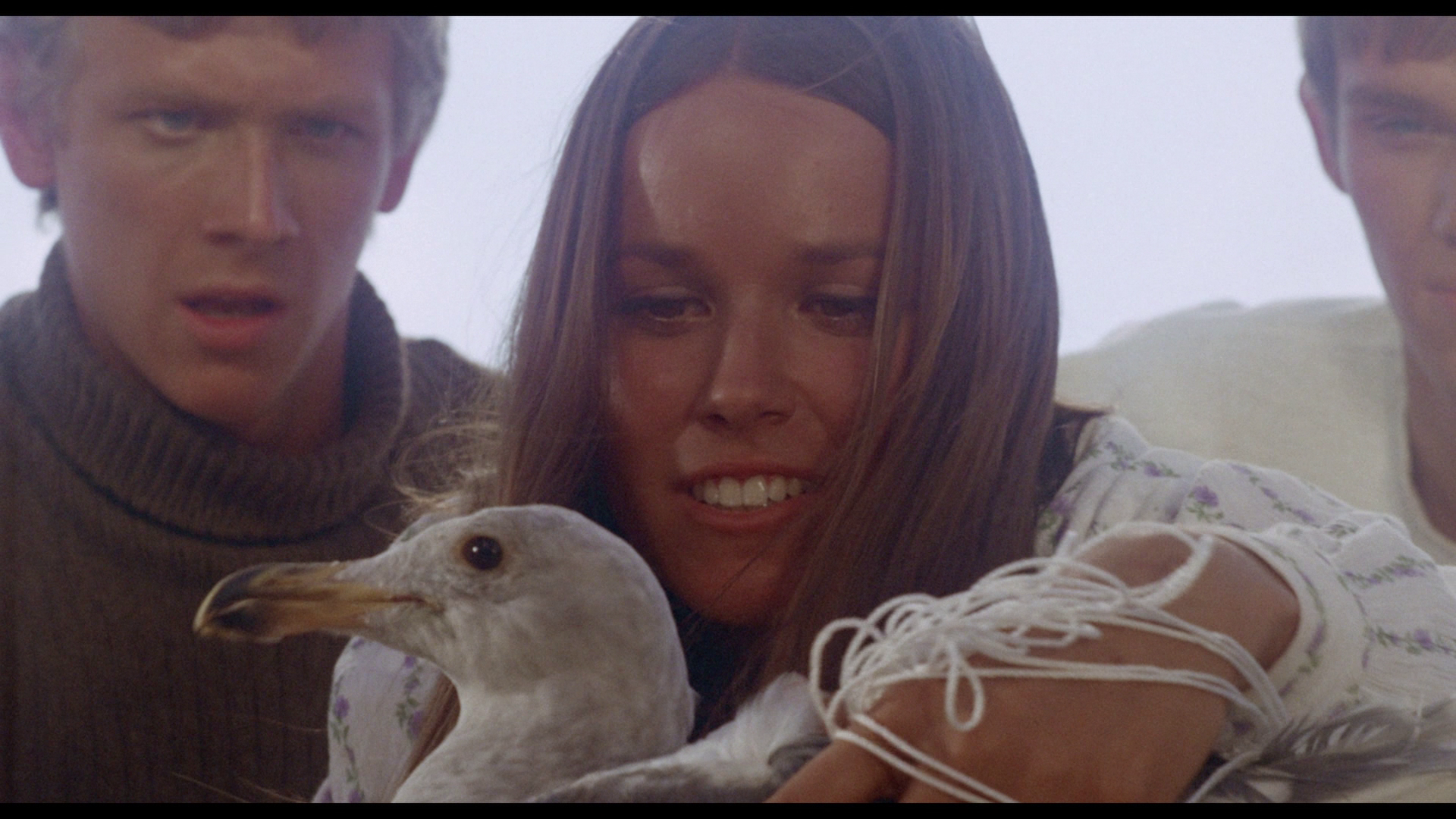
With nothing to do while summering on Fire Island, teenage pals Peter (Richard Thomas) and Dan (Bruce Davison, in his first screen role) become fast friends with the quirky Sandy (Barbara Hershey) when they help her save an injured seagull. They’re all in that stage of teen horniness where they trade innuendo constantly but never quite act on anything; when he’s alone with Peter, Dan casually suggests they “lay” Sandy, but no one actually attempts anything. They’re content to tease each other, and maybe Sandy even enjoys playing the two against each other. Just for laughs, you understand. But there’s a hardness in her eyes when she smiles.
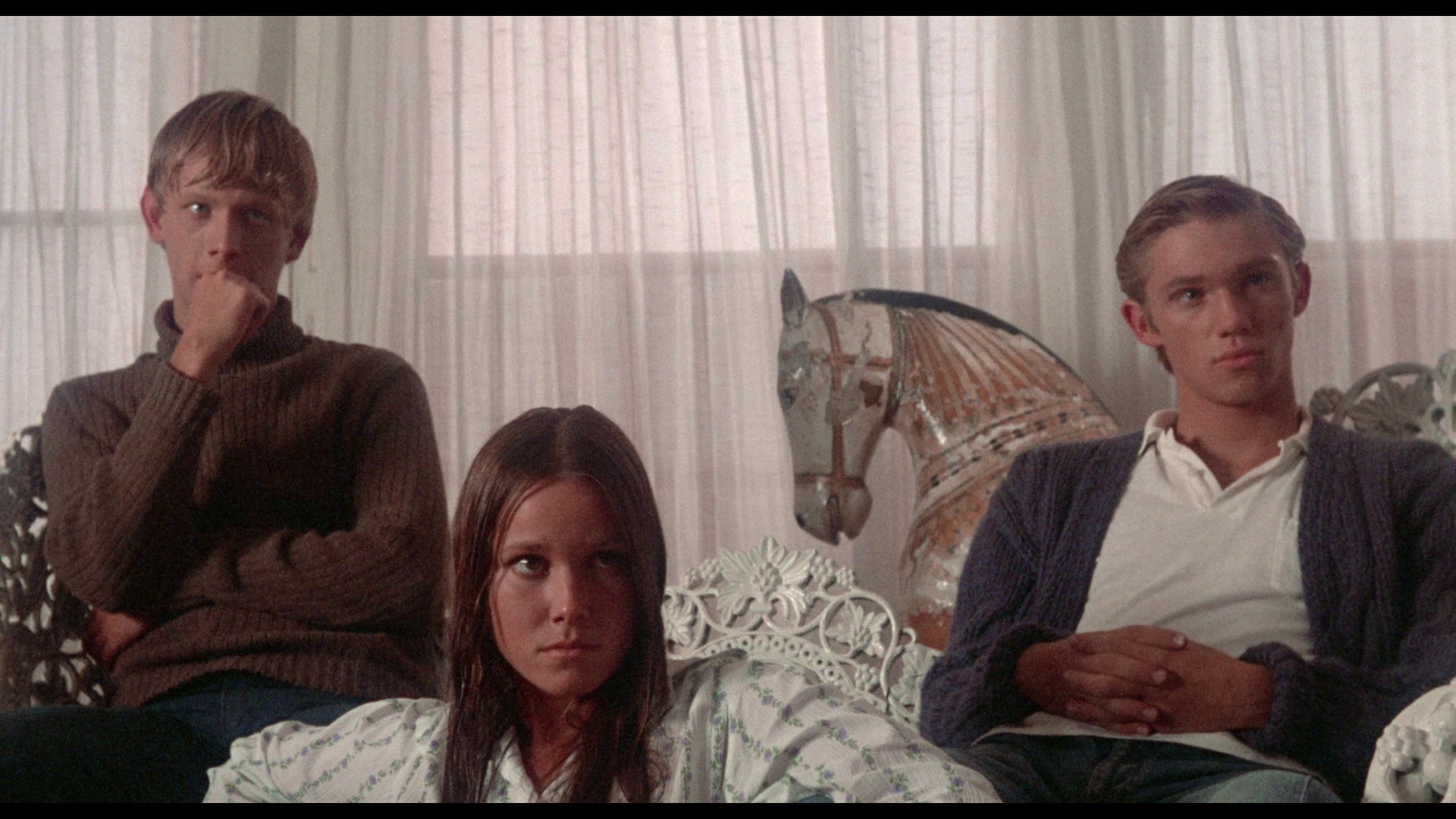
Eventually they find a fourth wheel, the slightly younger Rhoda (Catherine Burns), who seems stuffier and more uptight until the Perrys let us understand she’s the only one of the quartet with a working moral compass. And that brings out the mean girl in Sandy, who contrives a series of humiliations for Rhoda that ramp up to something far darker.
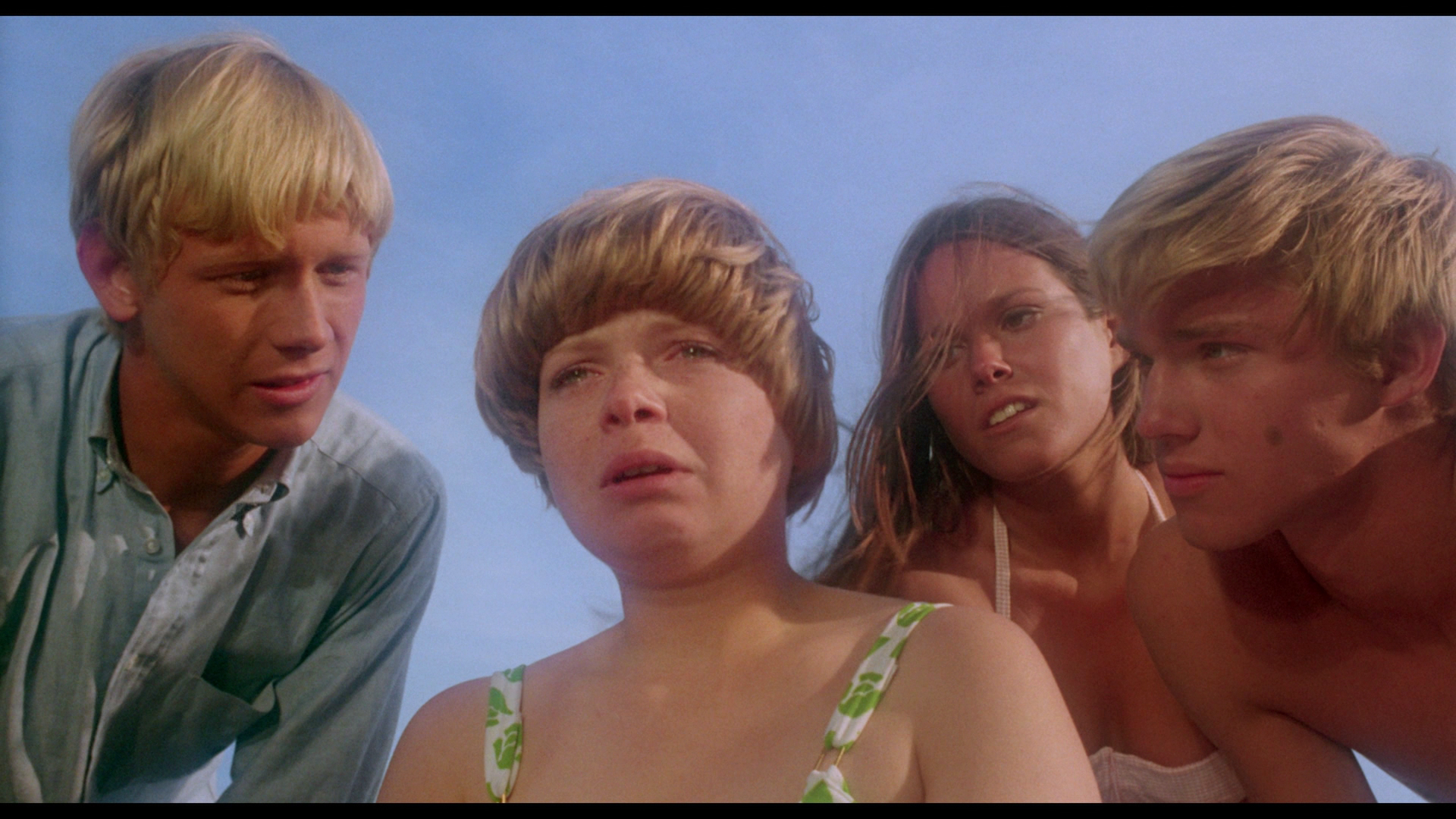
If you know the history of the Perrys, Last Summer can’t help but read as a response to their previous film, The Swimmer. That film focused on an older man’s desperate, doomed attempt to recapture the innocence and pleasure of his youth; this one is about what it’s really like to be young, and how “innocence” is just something people cling to when they get older so they don’t have to remember just how hormonal, cruel and impulsive they once were. The Perrys weren’t allowed to finish The Swimmer, which was reworked and reshot to massage its dramatic impact; Last Summer is their picture all the way, and it wields its power like a sledgehammer.
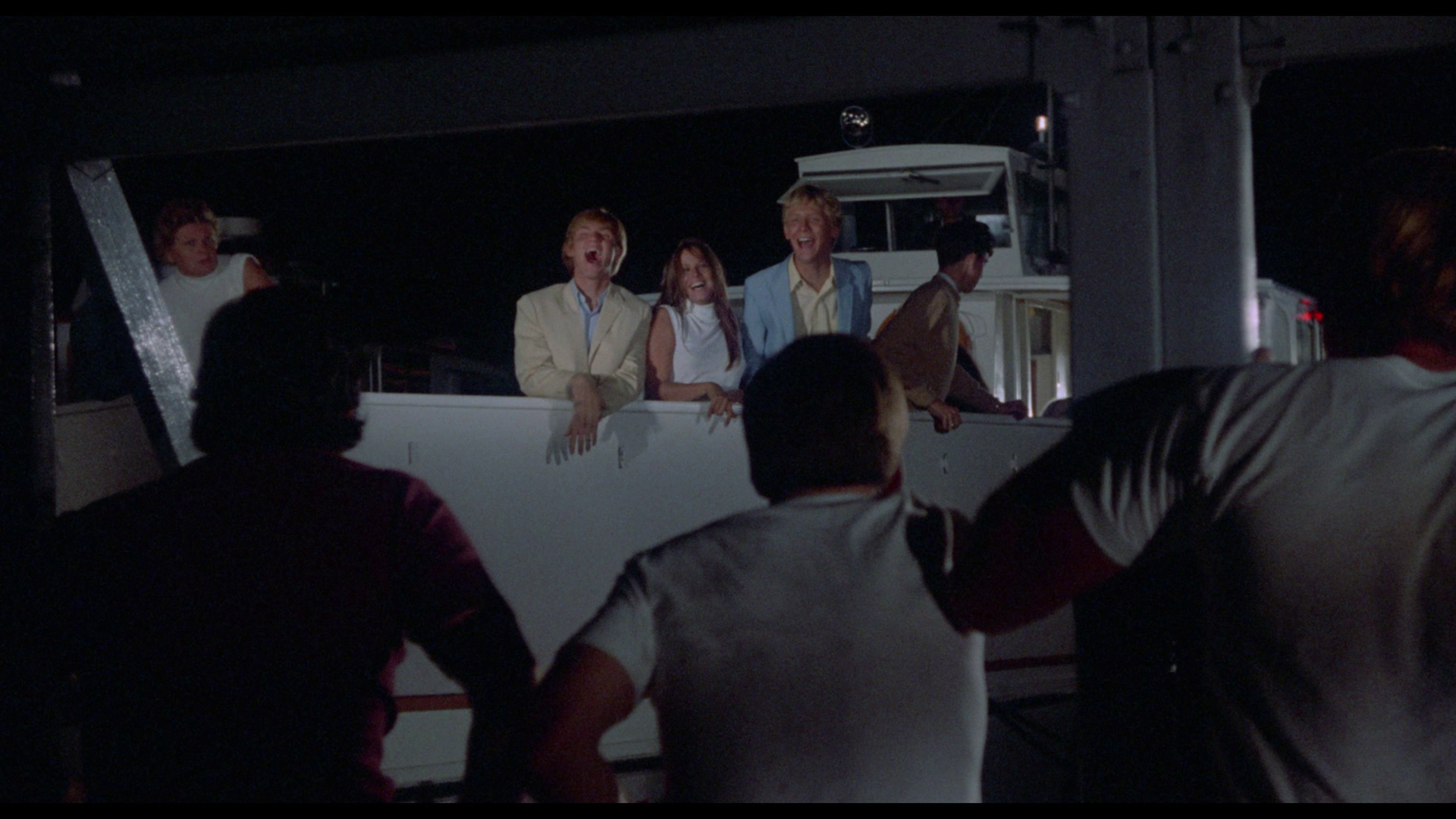
The Warner Archive Blu-ray release is typically excellent, with a vivid restoration of the film accompanied by hours of new special features. Larry Karaszewski, a longtime champion of the Perrys and this picture in particular, contributes a new audio commentary with film historian Justin Bozung and his earlier Trailers from Hell appreciation of the film; the writer/producer also moderated two post-screening Q&As with the cast earlier this year, one at the Aero Theater in Santa Monica with Hershey and Davison, and another at the Paris Theater in New York with Thomas. The Aero conversation is particularly emotional, with Davison welling up about not staying in touch with Burns after production wrapped.
There’s also a small gallery of promotional material, including an Allied Artists sizzle reel that absolutely does not know what to do with the picture, and a deleted scene where Thomas’ Peter puts his father, played by Ralph Waite, to bed after he comes home drunk. It’s gentle and moving, and I can totally understand why it had to be cut. It makes us see Peter as he sees himself – a decent kid, doing his best. But he’s neither of those things.
The Worlds Of Lucile Hadžihalilović is now available from Severin Films; The Other French New Wave, Vol. 2 is now available from Canadian International Pictures. Last Summer is now available in the Warner Archive Collection. All three titles are Blu-ray only.
Still to come: Maurice, Once a Thief and The 7th Voyage of Sinbad, all in 4K, and new BDs of Henry & June and The Trigger Effect as well! But first, subscribers to the paid tier can expect tomorrow’s weekly edition of What’s Worth Watching, featuring my reviews of the new season of Star Trek: Strange New Worlds and Gregg Araki’s new boinkfest. Don’t want to miss out? Upgrade your subscription! It’s remarkably affordable!