
Creative Differences
In which Norm spins up Steven Soderbergh's THE CHRISTOPHERS, LEE CRONIN'S THE MUMMY and Renny Harlin's DEEP WATER.
First, the good news: Congratulations to Sean Armstrong and Rob McAuley, winners of last weekend’s Obsession giveaway! Your 4K/Blu-ray combos of Curry Barker’s breakout horror hit should be arriving in a week or so, courtesy of Universal Pictures Home Entertainment. I’ve been informed that my own review copy will also be arriving sometime next week, and I’ll review it as soon as I can.
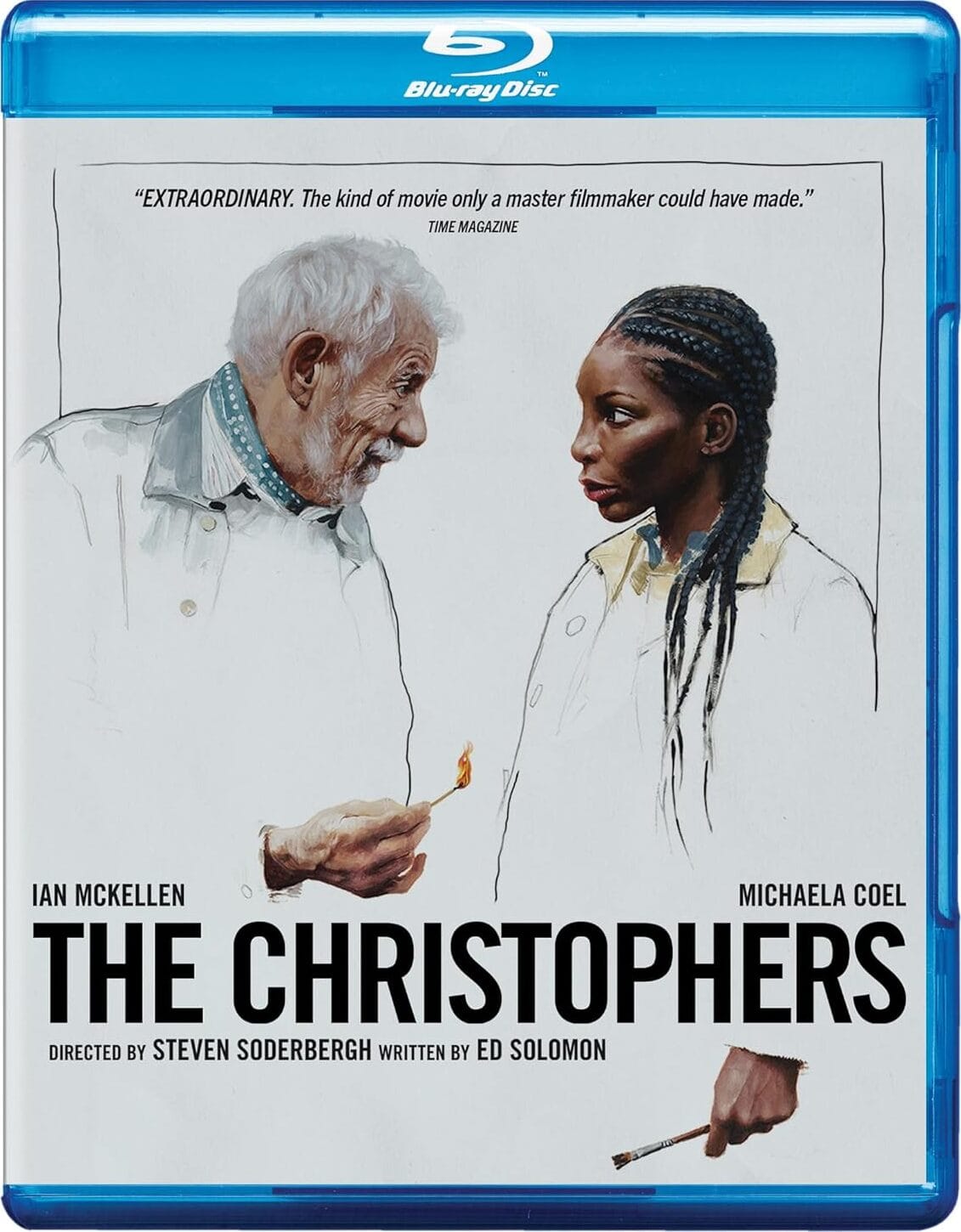
Fortunately, there are plenty of other new releases to cover this week, starting with one of the year’s best pictures: The Christophers.
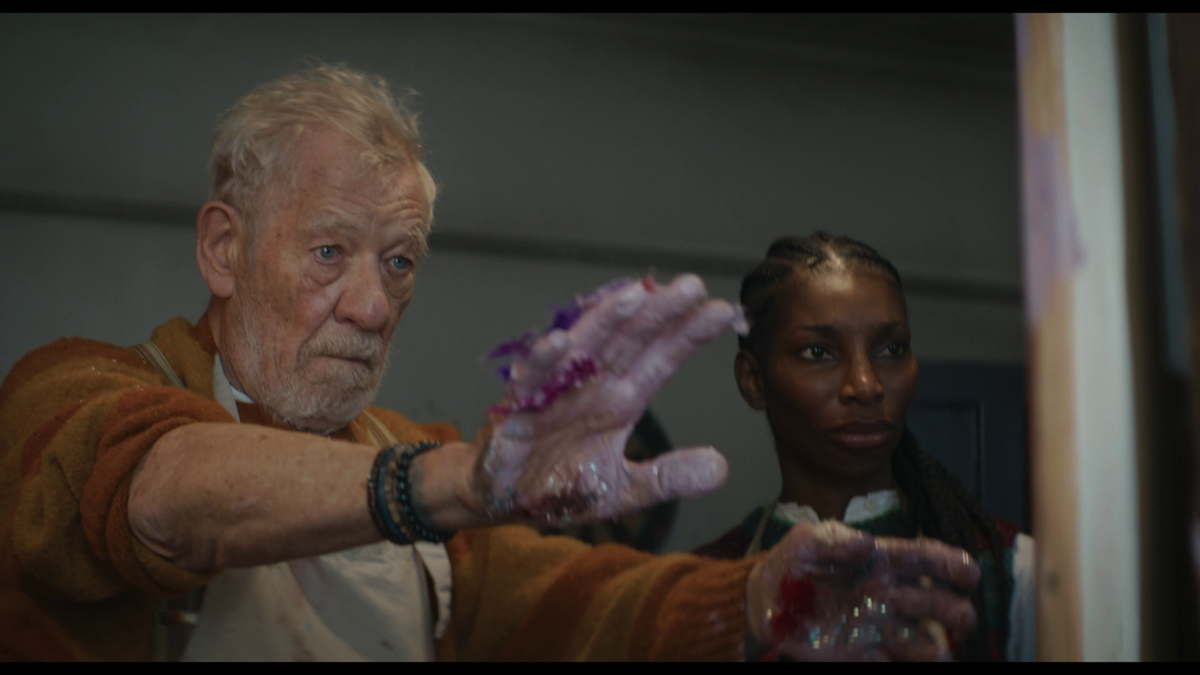
I have never done this before in my life, but as the end credits were rolling on my screening of Steven Soderbergh’s latest, I texted Ed Solomon to tell him how much I’d loved it – and how much fun I could tell he’d had writing it. I’ve been thinking about that a lot, because it speaks to the larger aesthetic at work: The Christophers is a movie about collaboration, and the importance of honoring the people with whom you’re working.
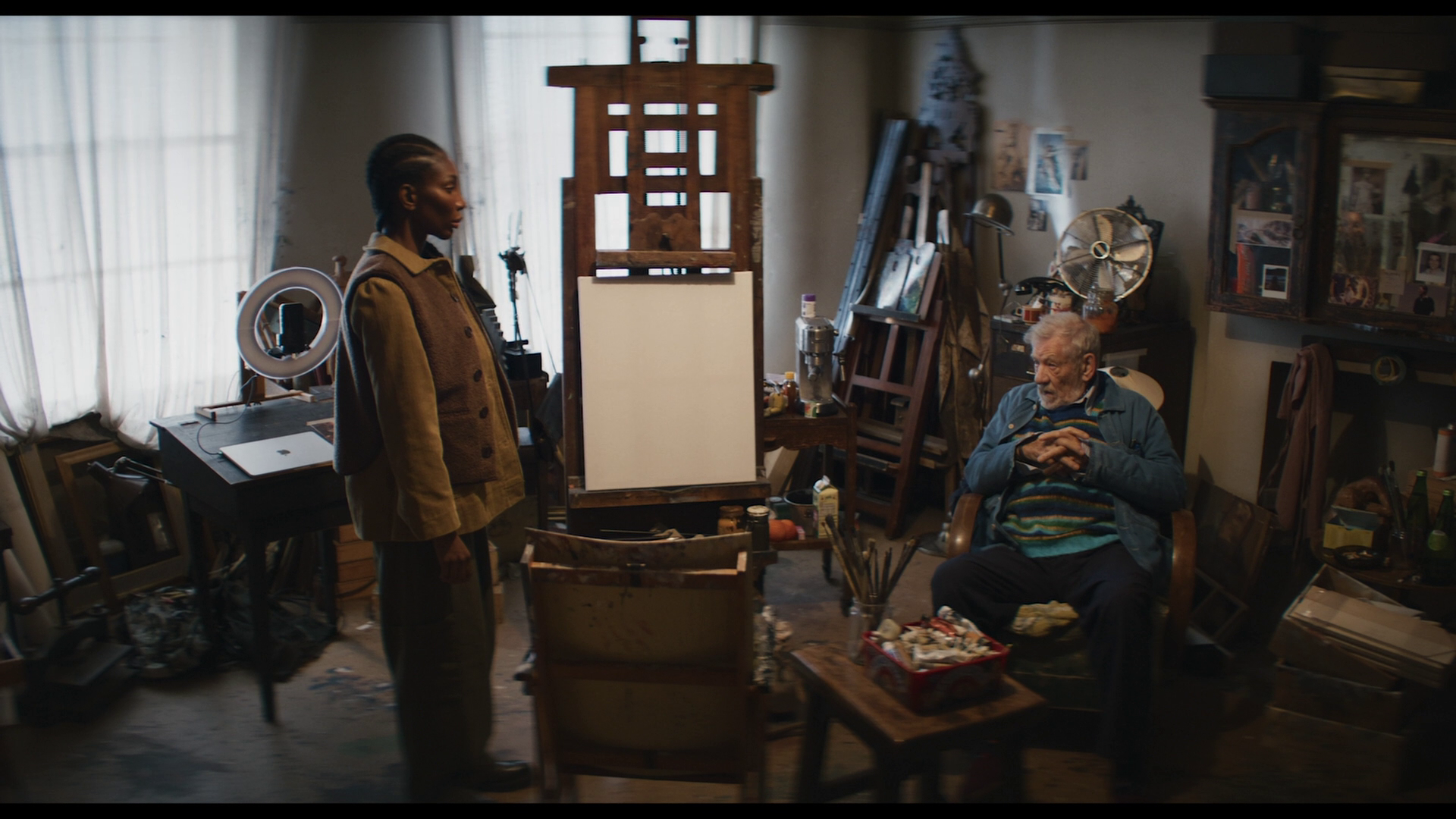
In sharp contrast to Presence and Black Bag, The Christophers doesn’t feel polished or fluid as a cinematic experience; most of the story plays out in the confined spaces of two London townhomes, the camera pushed back against a wall or crouching under a table in order to avoid bumping into the characters. Soderbergh rarely deals in claustrophobia, but here it feels conscious, deliberate: We’re intruding on this story, not a part of it. And that opens something up in Solomon’s script, which is about two English artists from very different worlds trying to understand one another.
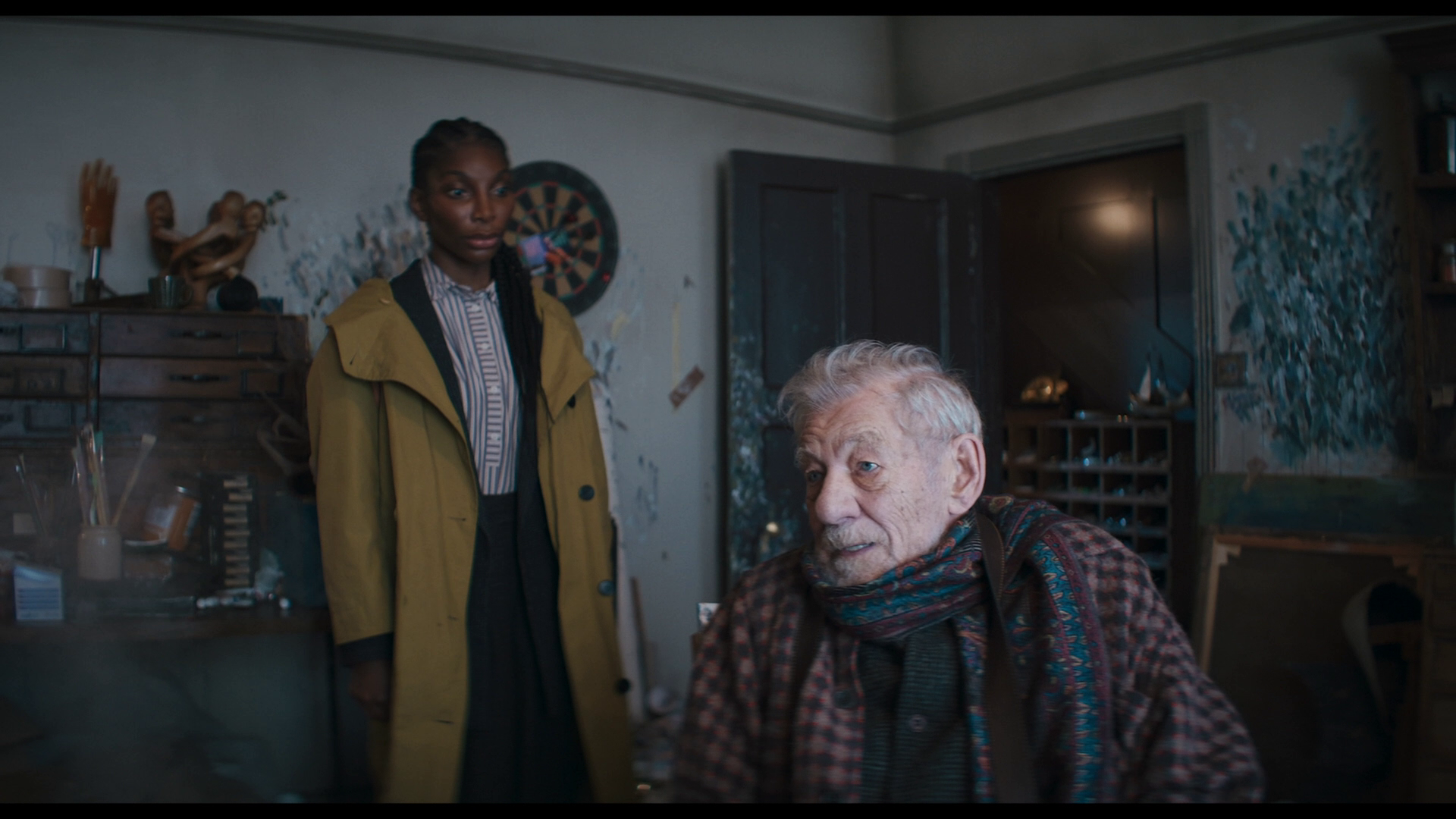
Ian McKellen is Jonathan Sklar, a revered painter who blew up his own career decades ago to become a pop-culture joker as a judge on a reality show called Art Fight. Now he’s in on his own joke, recording cameos for pocket money and forever dodging questions about the legendary third series of the Christophers, which were to have been the final cycle in a run of portraits of a beautiful young man he began in the late ’90s. Michaela Coel is Lori Butler, an underemployed art restorer contacted by Sklar’s grasping adult failkids (Jessica Gunning and James Corden) to … extrapolate … those missing paintings from the abandoned canvases they’ve discovered in his attic.
“You want me to forge them,” Lori says bluntly. “We want you to forge through them,” Sklar’s son says, as if that makes it okay.
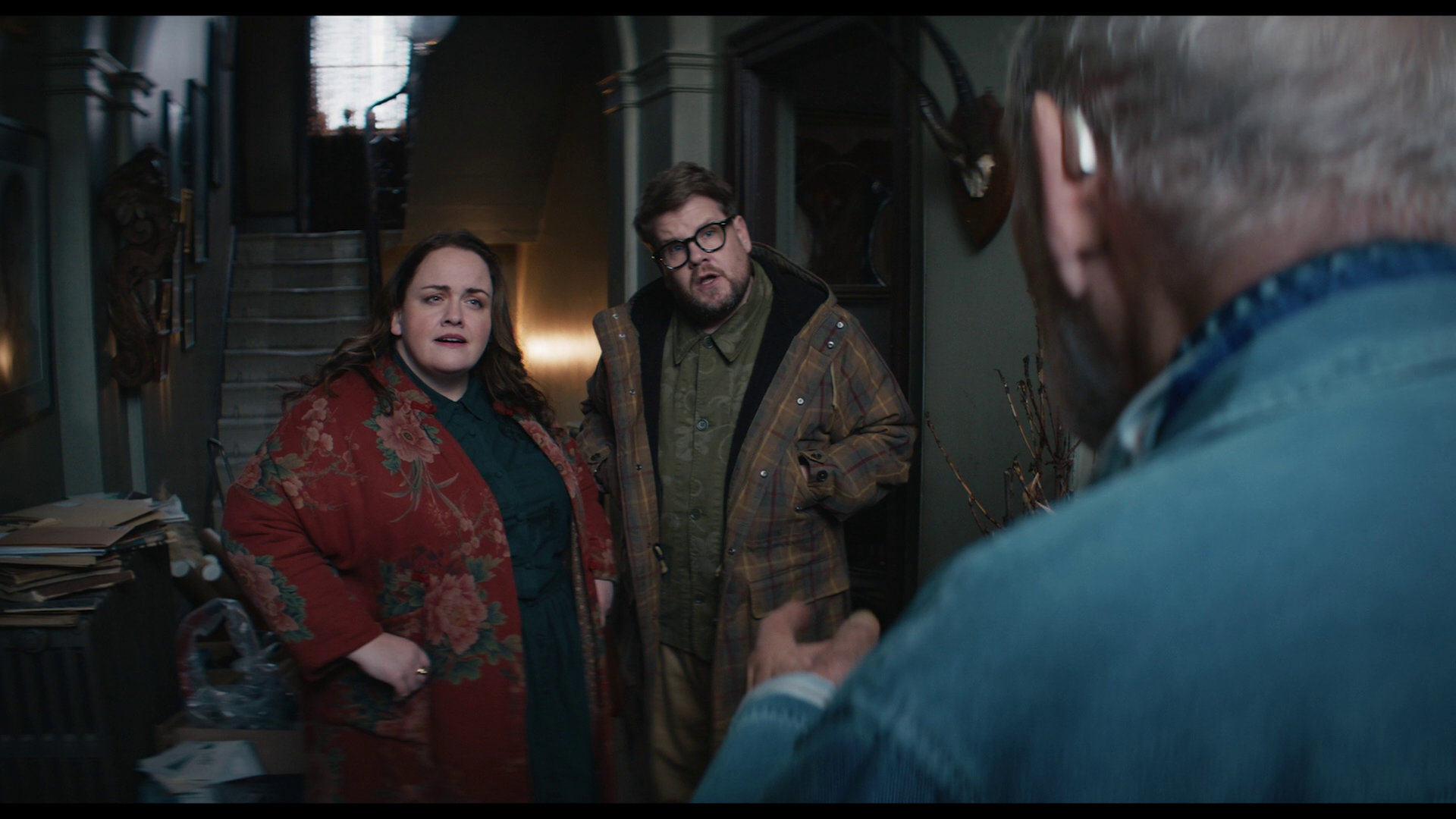
To carry out the plan, Lori is sent undercover into Sklar the Elder’s home as his new assistant, and for a brief moment The Christophers looks like a riff on every movie where an old crank is reawakened to life and purpose by the fire of a younger admirer – but neither Solomon nor Soderbergh is interested in that. Instead, The Christophers explodes its initial pitch over and over again to open up a larger dialogue between the young fraudster and the old fraud. Because neither of them is a fraud, not really.
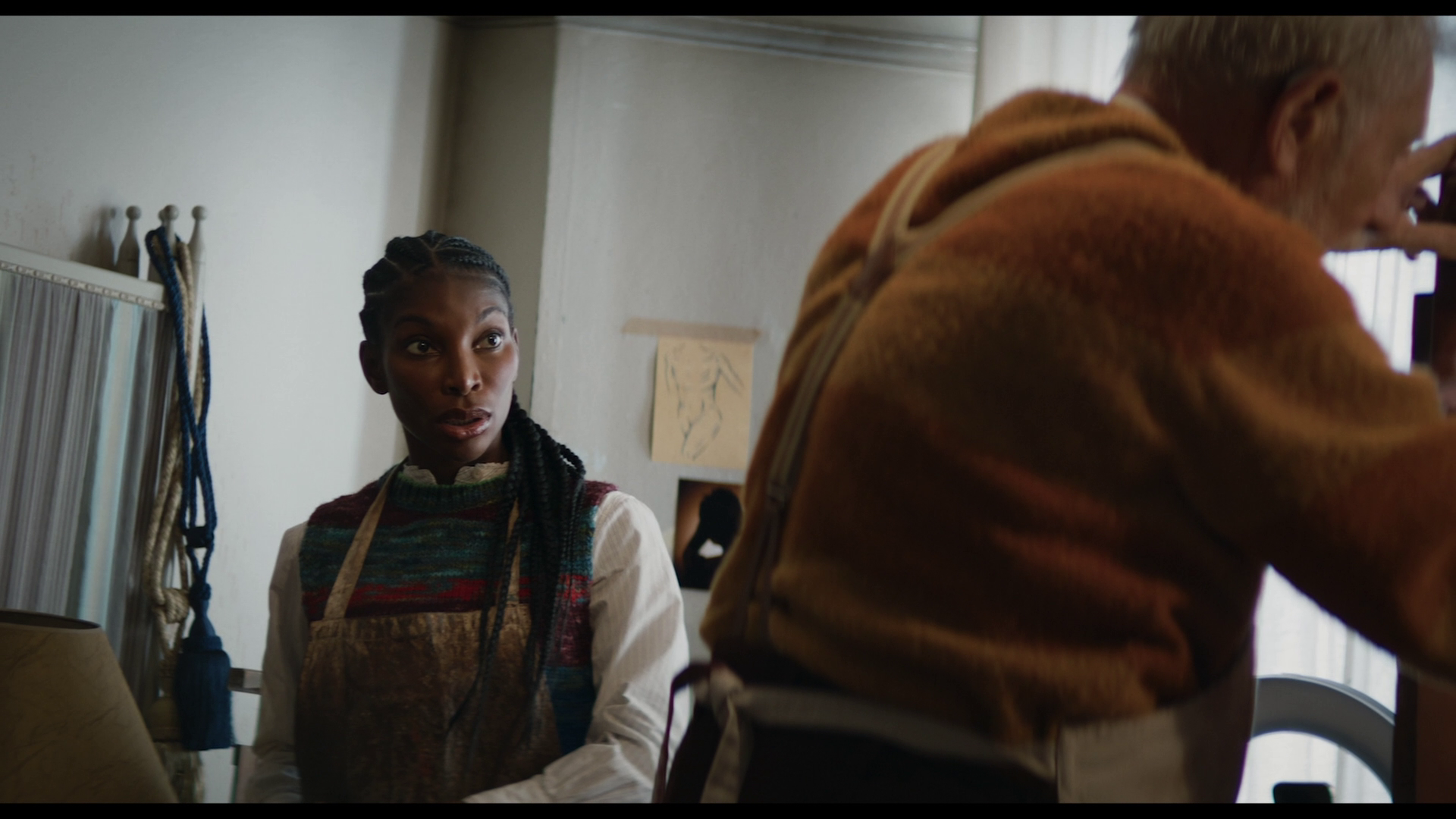
Lori despises Sklar – she has her reasons – but Sklar barely notices Lori, preferring to monologue about the indignities of aging (both physically and culturally) and how overly sensitive the kids are today. Eventually they enter into a sort of collaborative détente; he volleys, and she fires back. Their conversations are a sort of reckoning with their disparate histories and talents, and whether any artist ends up in the place they expected to be. But the movie is asking different questions: Where does art come from? What does it mean to make it, and put it into the world? What does it cost?
The Christophers doesn’t answer those questions directly, or maybe it does. Soderbergh treats the material like a play, staging conversations and confrontations from inconspicuous angles and darting away from heroic framing.
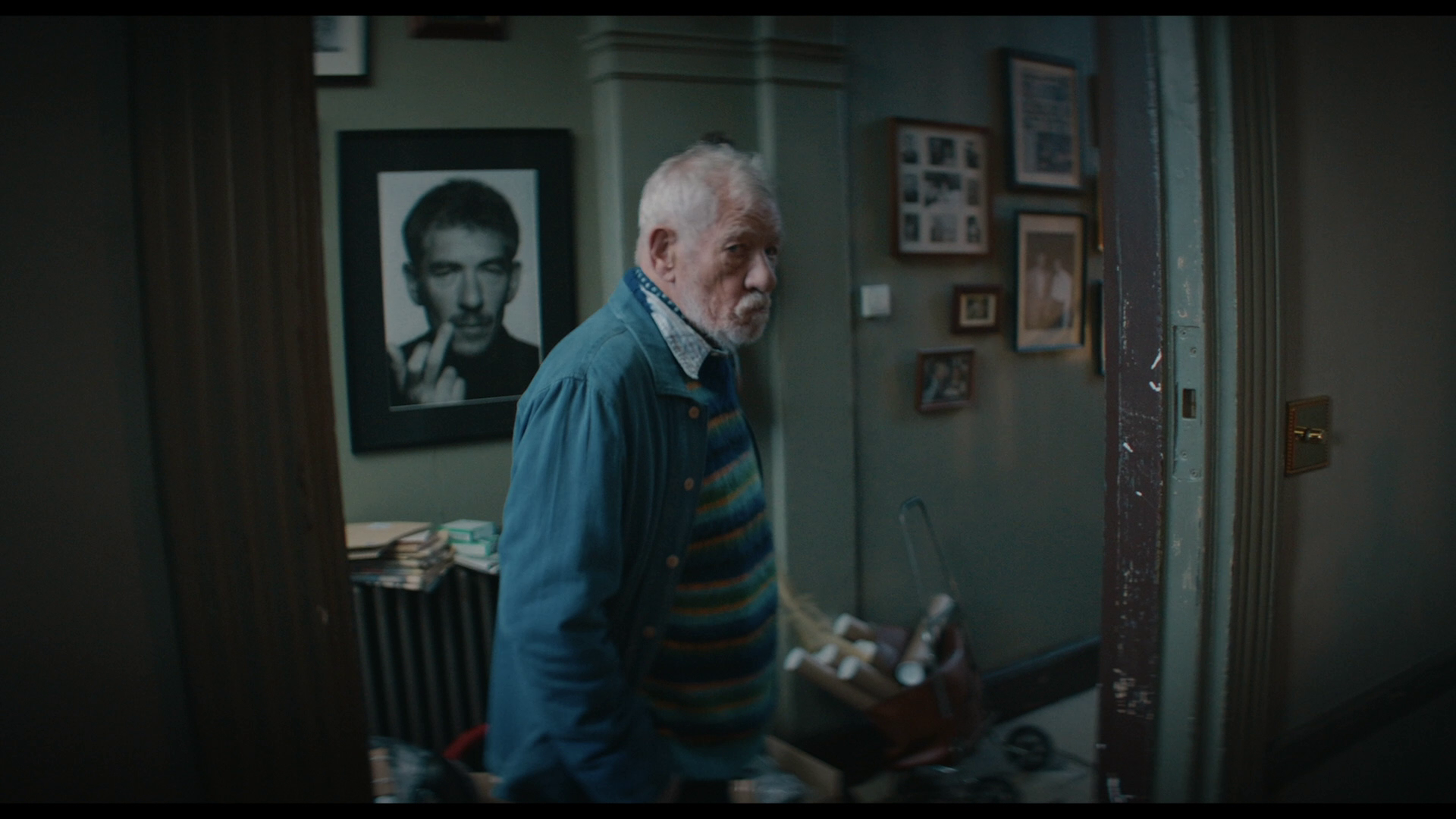
There’s one moment where he captures the furious present-day Sklar alongside an image of his younger, punkish self that feels like an electric accident, reminding us once again that even under a pseudonym, Soderbergh is one of the best DPs in the business. (His editing chops are similarly impressive.)
And as good as McKellen is (of course he’s good, he’s Ian McKellen), it’s his younger co-star who makes him great. Coel – who also plays a very different collaborator in this week's Mother Mary, which I'll cover as soon as it arrives – delivers one of those remarkable backwards-and-in-heels reactive performances that illuminates both herself and her scene partner. This is a movie about two people communicating, which is much more complex than simple bonding – the sort of emotions that drive those generational bonding pictures I referenced earlier. And if it feels like it has one ending too many, bear with it: It has exactly the right number, and they’re exquisitely conceived.
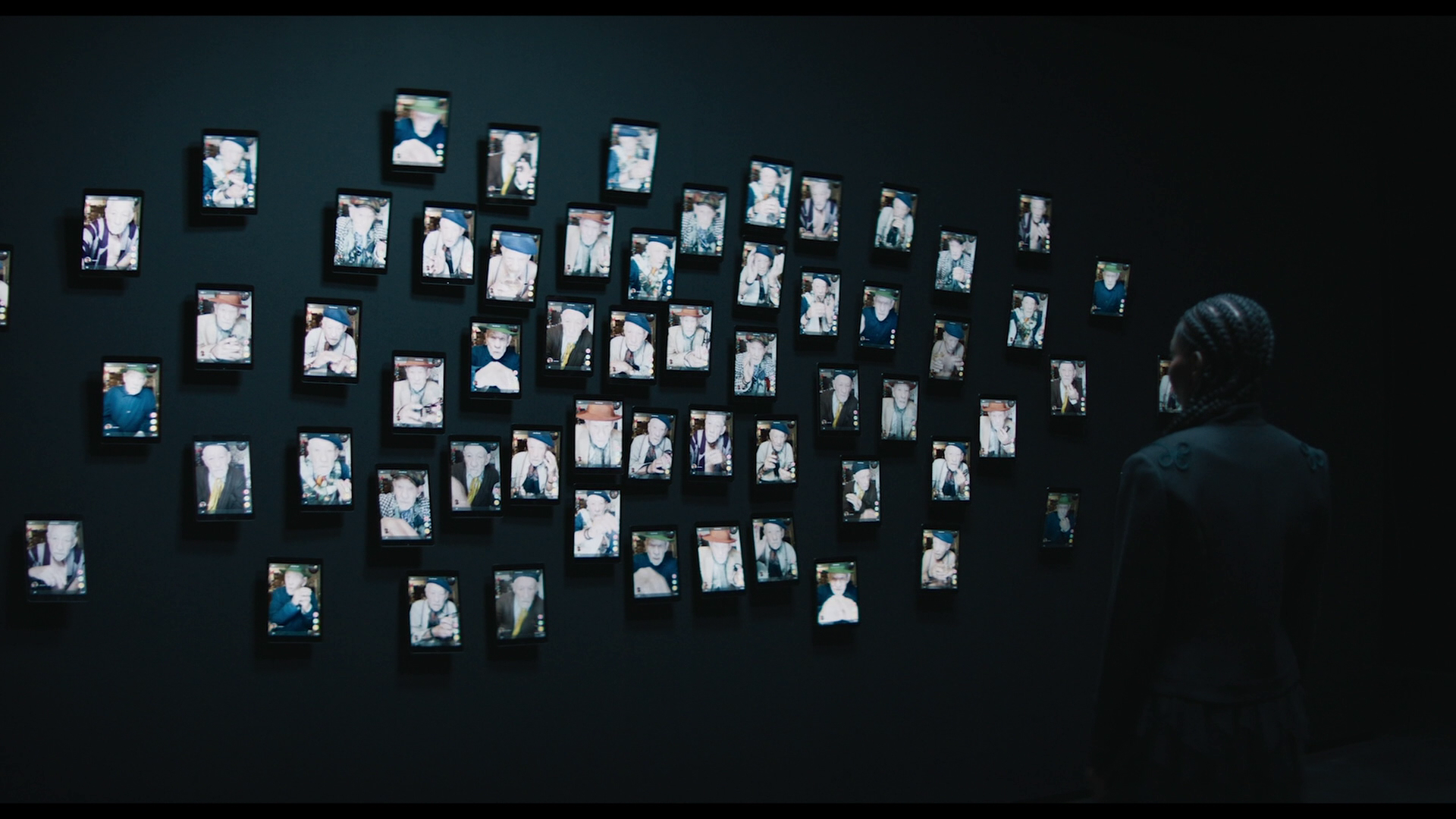
Soderbergh doesn’t really do special editions these days – he barely even appears in his own EPKs – but I suppose one could argue that The Christophers doesn’t require much in the way of support. Still, Decal does support its excellent 1080p master (with a Dolby Atmos soundtrack that lets David Holmes’ score hang thoughtfully in the air) with the theatrical trailer an excerpt of a post-screening conversation with screenwriter Solomon and clear admirer Charlie Kaufman. It’s only two minutes long, but it covers a great deal more ground than I would have expected. I’d have loved a featurette about the process of creating the Christophers themselves, though – both the originals and the fakes.
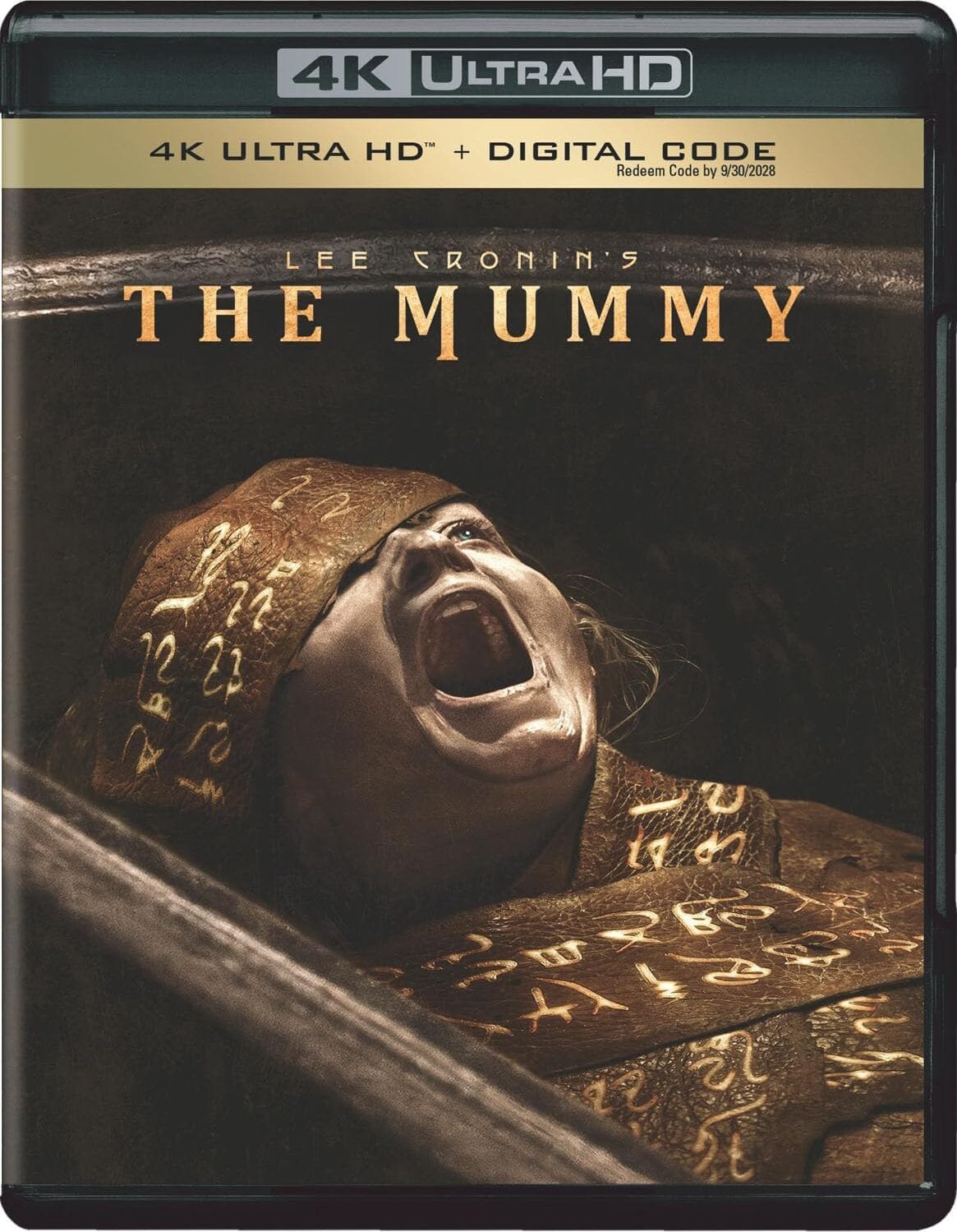
Lee Cronin’s The Mummy is also a forgery of sorts, which is not necessarily something you’d expect from a movie with “The Mummy” in its title. And really, that’s the problem: Lee Cronin’s The Mummy isn’t really a mummy movie at all.
After distinguishing himself with the vicious Evil Dead Rise, Cronin surely made the studio rounds, pitching various other horror properties. His script feels like something he originally conceived as another Evil Dead movie, or maybe even an Exorcist reboot. Here, you tell me:
Eight-year-old Katie Cannon disappears in Cairo, abducted by a woman who keeps a strange, bandaged man in a sarcophagus under her home on the edge of the desert. Eight years later, the teenaged Katie (Natalie Grace) is discovered in that very same sarcophagus, wrapped in the same strange bandages – alive, somehow, but near-catatonic.
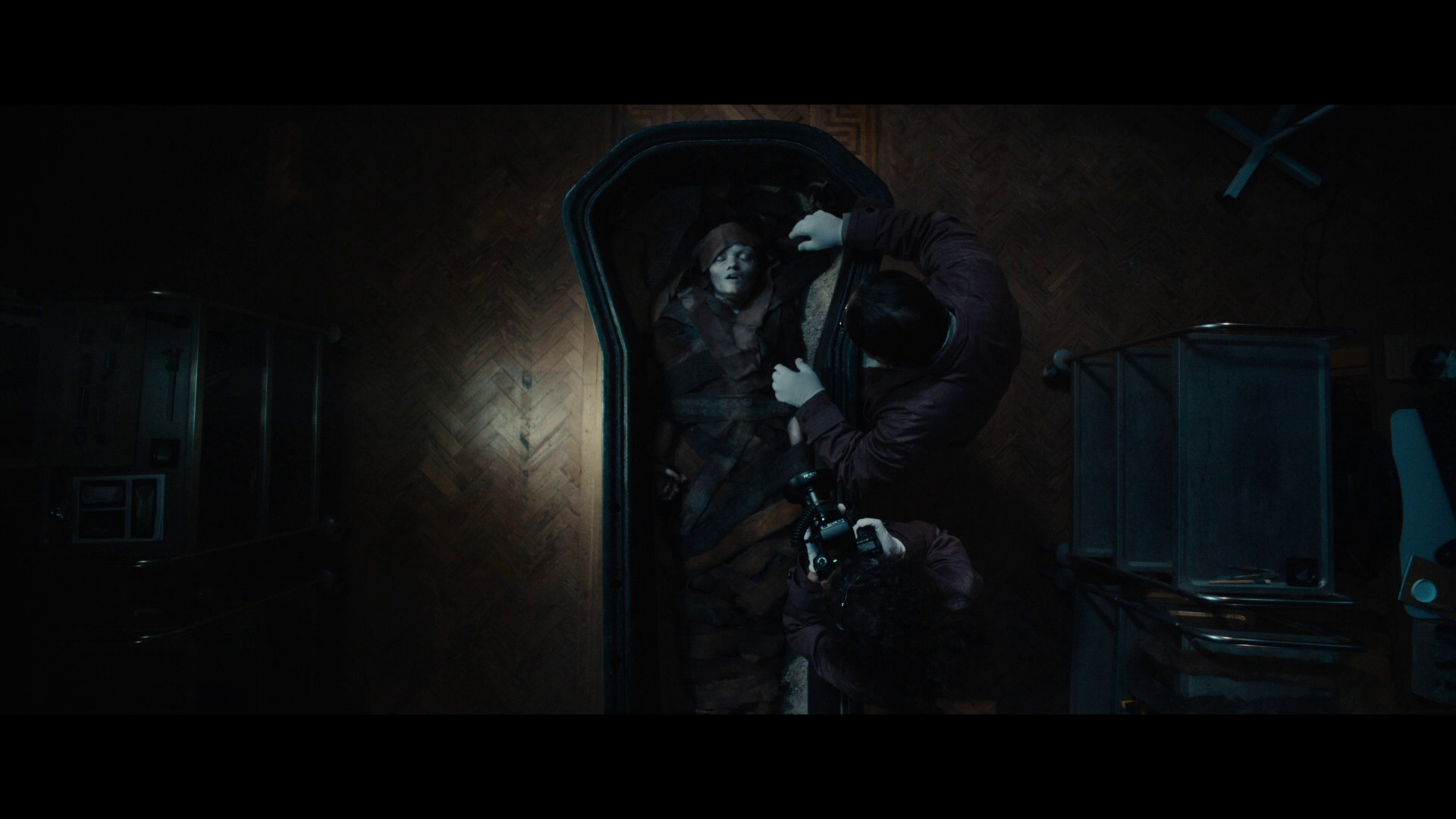
Her parents (Jack Reynor and Laia Costa), who’d eventually returned to New Mexico with her younger brother and the sister she never knew, are overjoyed to bring Katie home, assured that she’ll eventually recover her faculties. But she doesn’t. She just gets … weirder. And while a missing-persons detective (Moon Knight’s May Calamawy) tries to puzzle out the circumstances of Katie’s abduction and return back in Cairo, things start going very badly for Katie’s family.
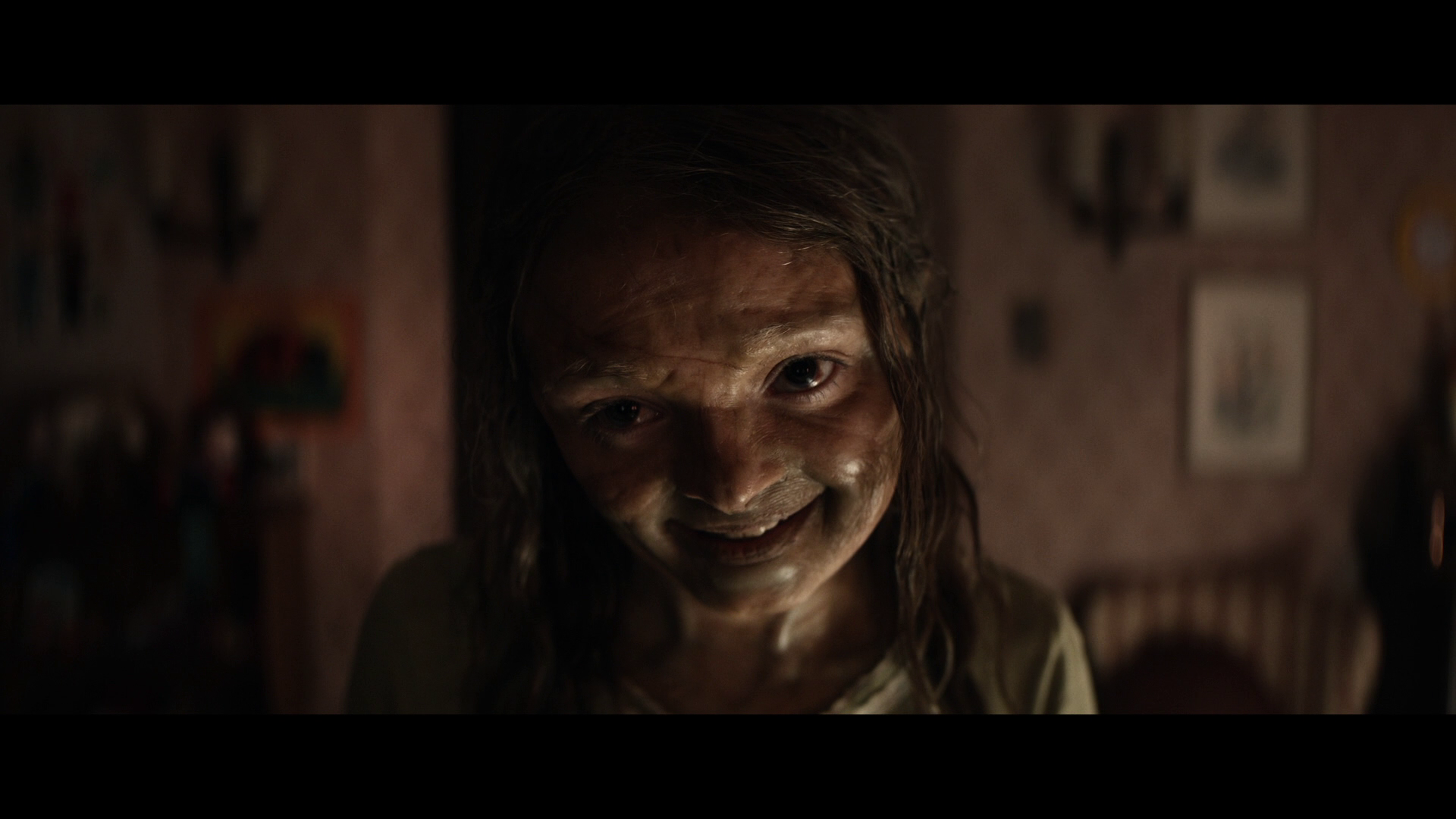
Even if it’s not a mummy movie, that’s a pretty sturdy premise for a horror film … so it’s even more surprising to see Lee Cronin’s The Mummy utterly fail to work on the most basic level of suspense. Cronin’s pacing is all wrong, stretching a very simple story over two and a quarter hours and leaving enough dead space between scares that we have time to think about how dopey this movie is. It’s what I call the Child’s Play fallacy: When you’re being stalked by a small assailant, and you know you’re being stalked by a small assailant, get up on a goddamn chair. By the time things start rolling towards the big climax – which, again, feels more like an Evil Dead conflagration than anything else – I just wanted the damn thing to end. And it wouldn’t.
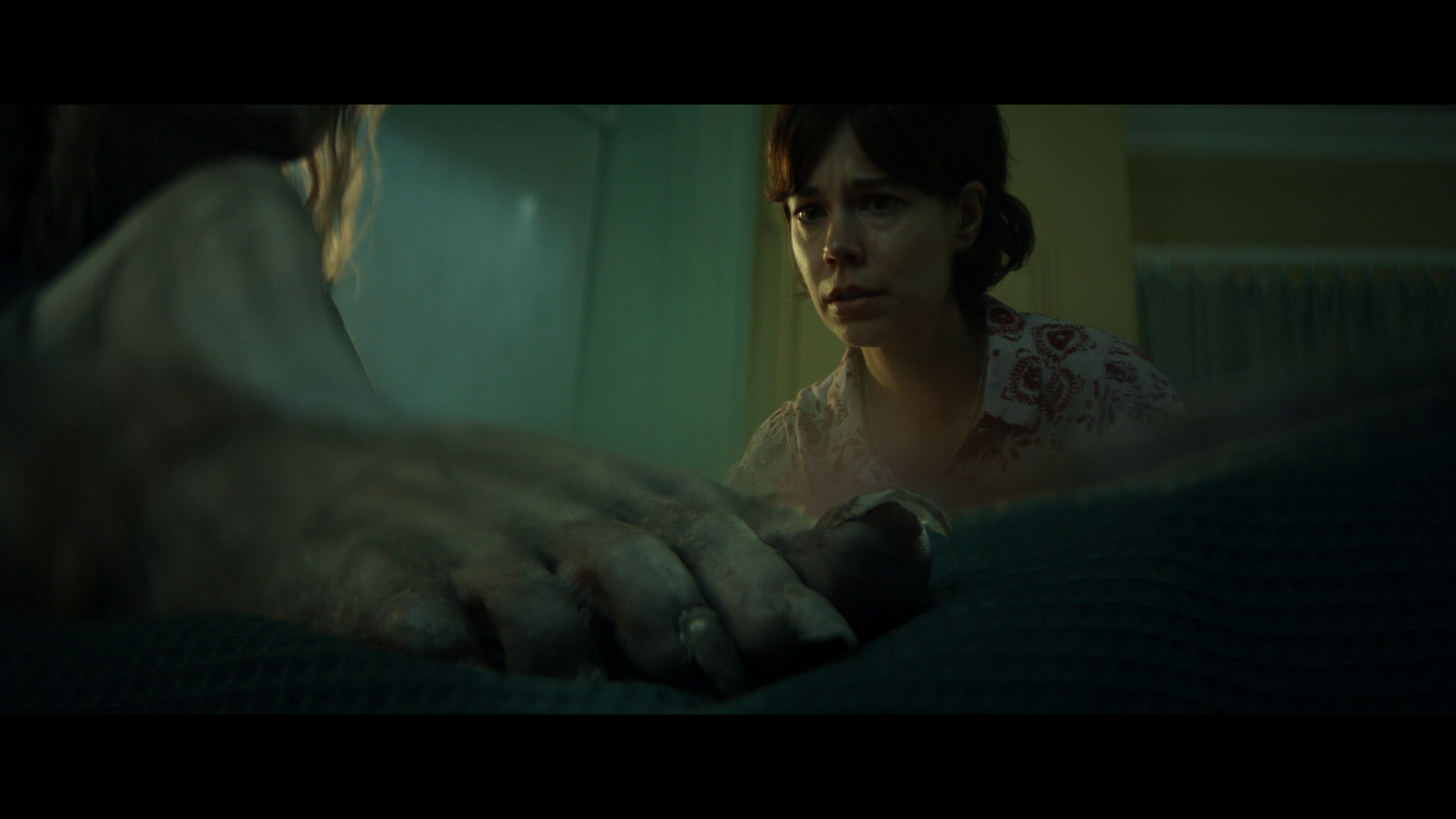
And as grottily convincing as the practical makeup effects may be, Cronin’s beloved body horror – which in this film focuses mainly on toenails, teeth, throats, and peeling skin – just feels like self-indulgence this time around. The movie does look beautiful, with Spanish and Irish locations doubling convincingly for Cairo and Albuquerque and no expense spared on creepy props and sinister lighting. But it’s all in service of a concept that doesn’t seem to understand what it’s supposed to be.
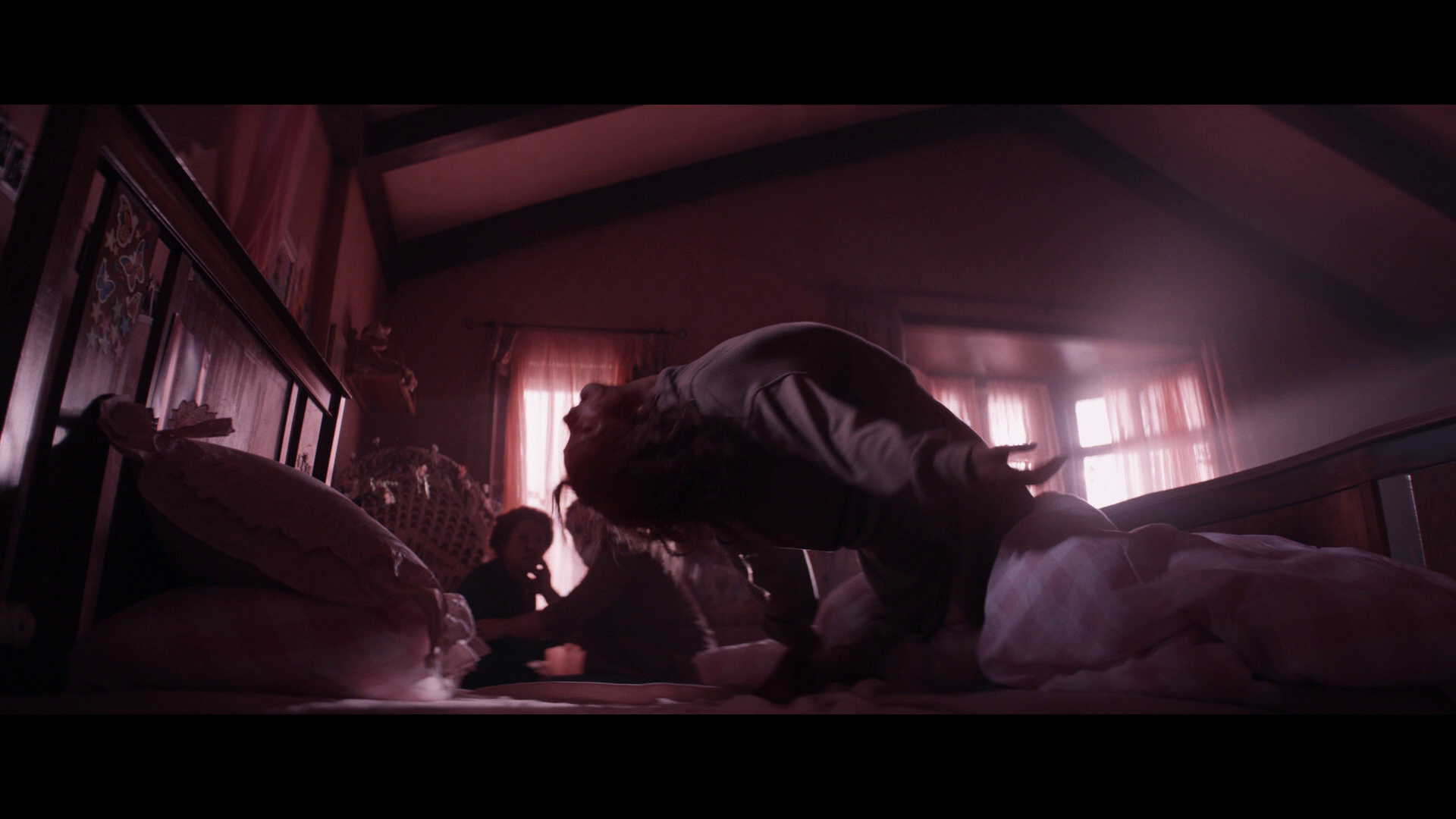
At least, from the evidence of the supplements, everyone had a great time. Warner’s 4K release supports a flawless presentation of the feature (with Dolby Atmos audio so you can keep track of every scurrying scorpion) with three featurettes of cast-and-crew interviews, starting with the ten-minute overview “The Making of Lee Cronin’s The Mummy” and delving further into the visual effects in both “A Bloody and Grotesque Spectacle” and “Producing Possession and Ancient Demons,” the latter of which also lets Calamawy vouch for the authenticity of the Middle Eastern vibe.
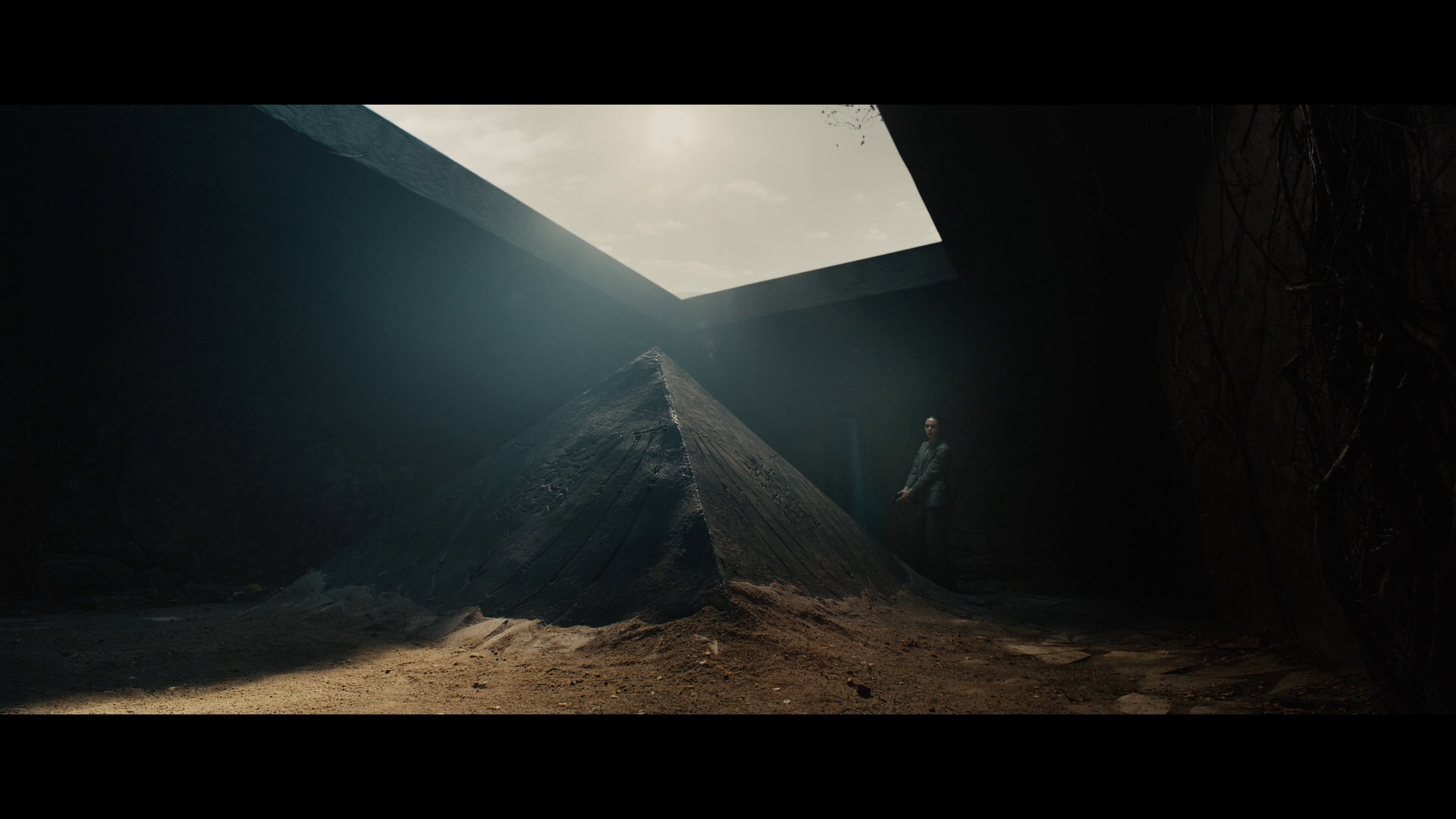
We also get ten minutes of deleted scenes, so I guess I should be glad it wasn’t longer.
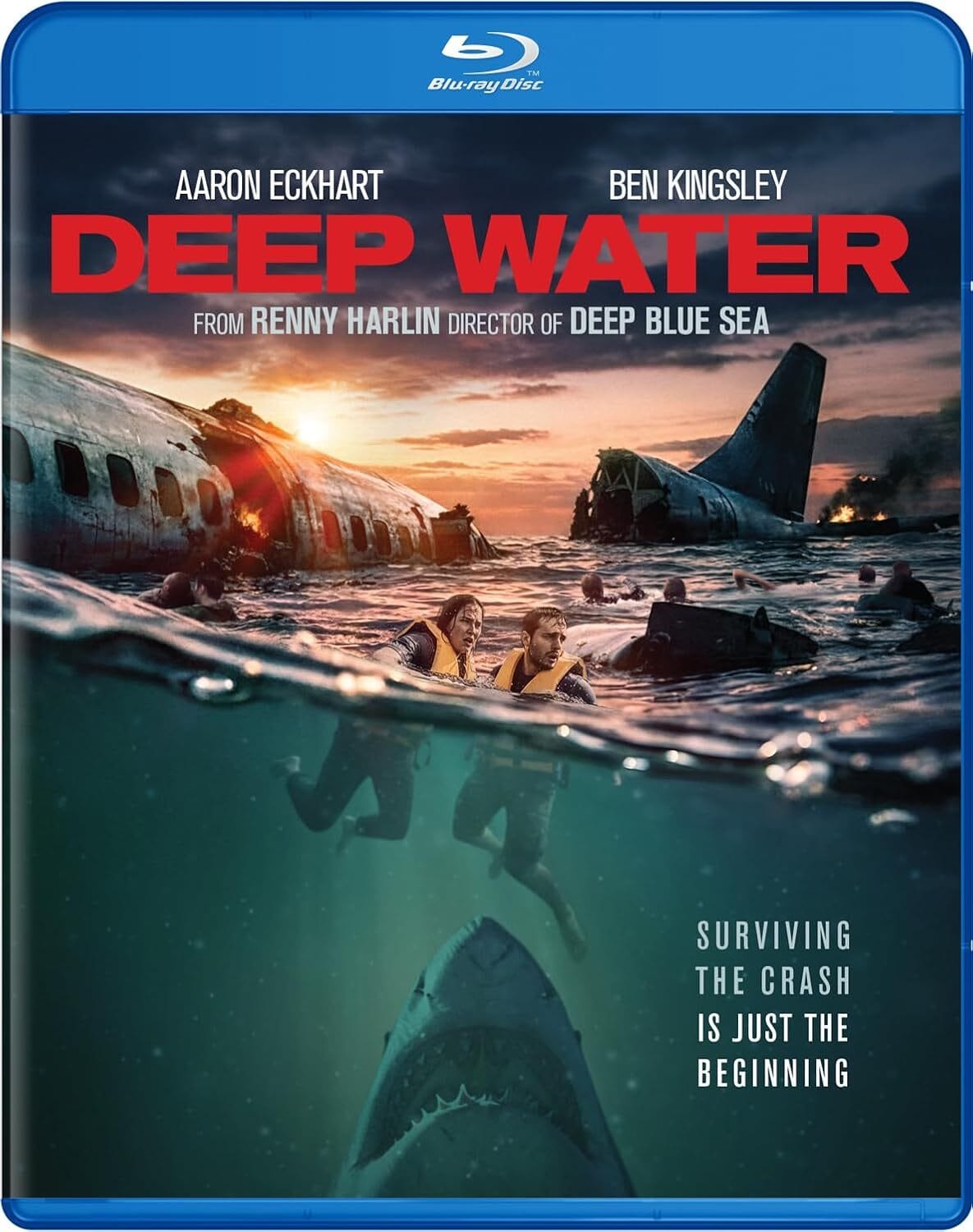
Let’s close on Renny Harlin’s Deep Water, a big ol’ meatball sub of a movie that understands its assignment perfectly, knows what the audience wants and delivers it with enthusiasm. I have not enjoyed a lot of Harlin’s recent output – his scripts rarely measure up to his technical proficiency – but this one, a straightforward mash-up of the Airport and Jaws franchises that finds a few dozen survivors struggling to stay safe after a water landing in the shark-infested Pacific, is just a skeleton for a series of very entertaining set pieces.
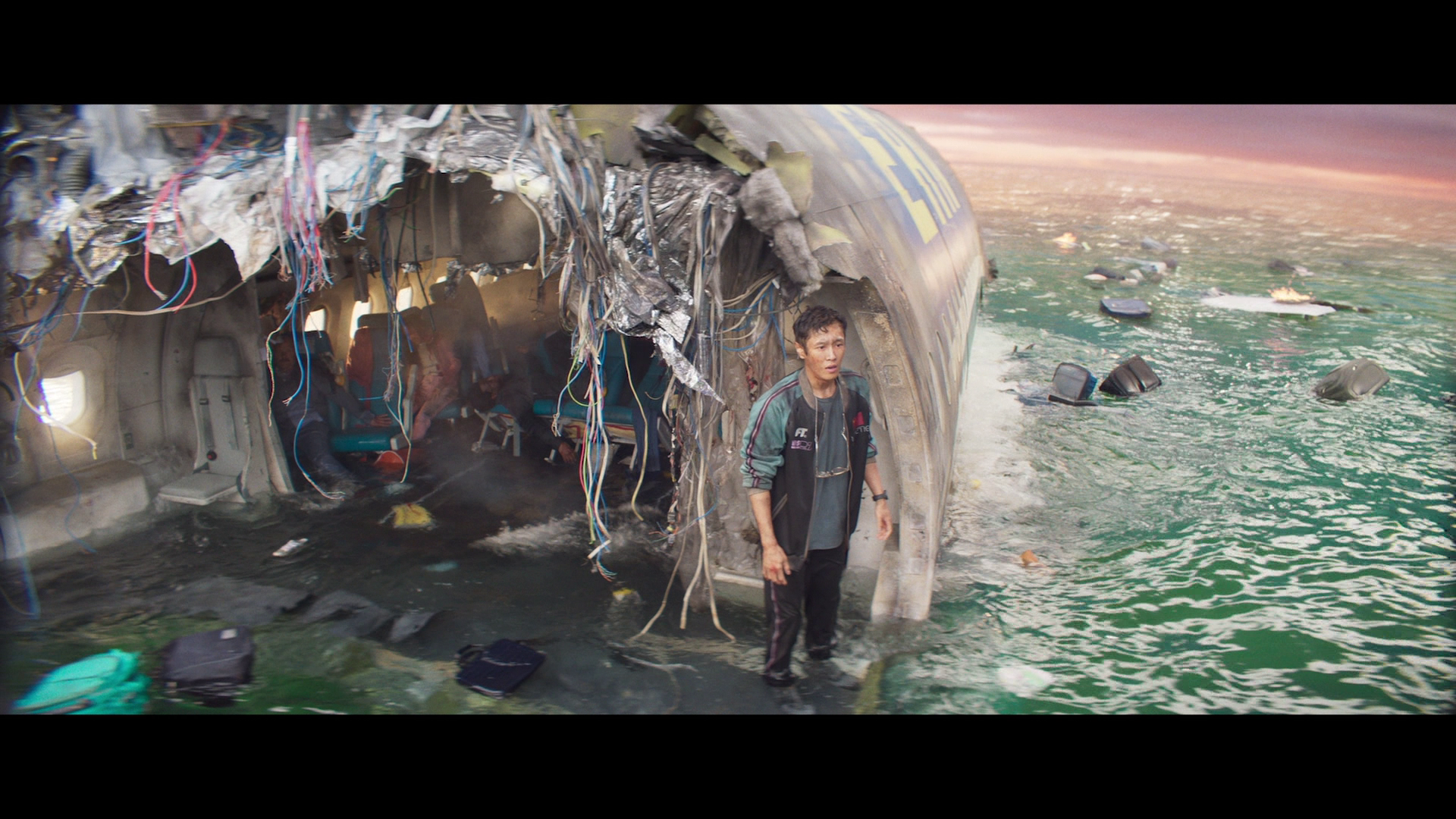
Where Lee Cronin’s The Mummy tries to elevate its way out of B-movieness, Deep Water embraces its generic nature, with cheerfully two-dimensional characters and no conflicts more complicated than “this guy’s a control freak with a secret,” “these people don’t get along,” “these other people are secretly in love” and “that guy’s just an asshole.” The asshole is the one who brings the plane down, of course, by jamming a lithium battery into his checked luggage; he’s played by Australian actor Angus Sampson with a truly awful American accent, and somehow that’s also part of the fun.
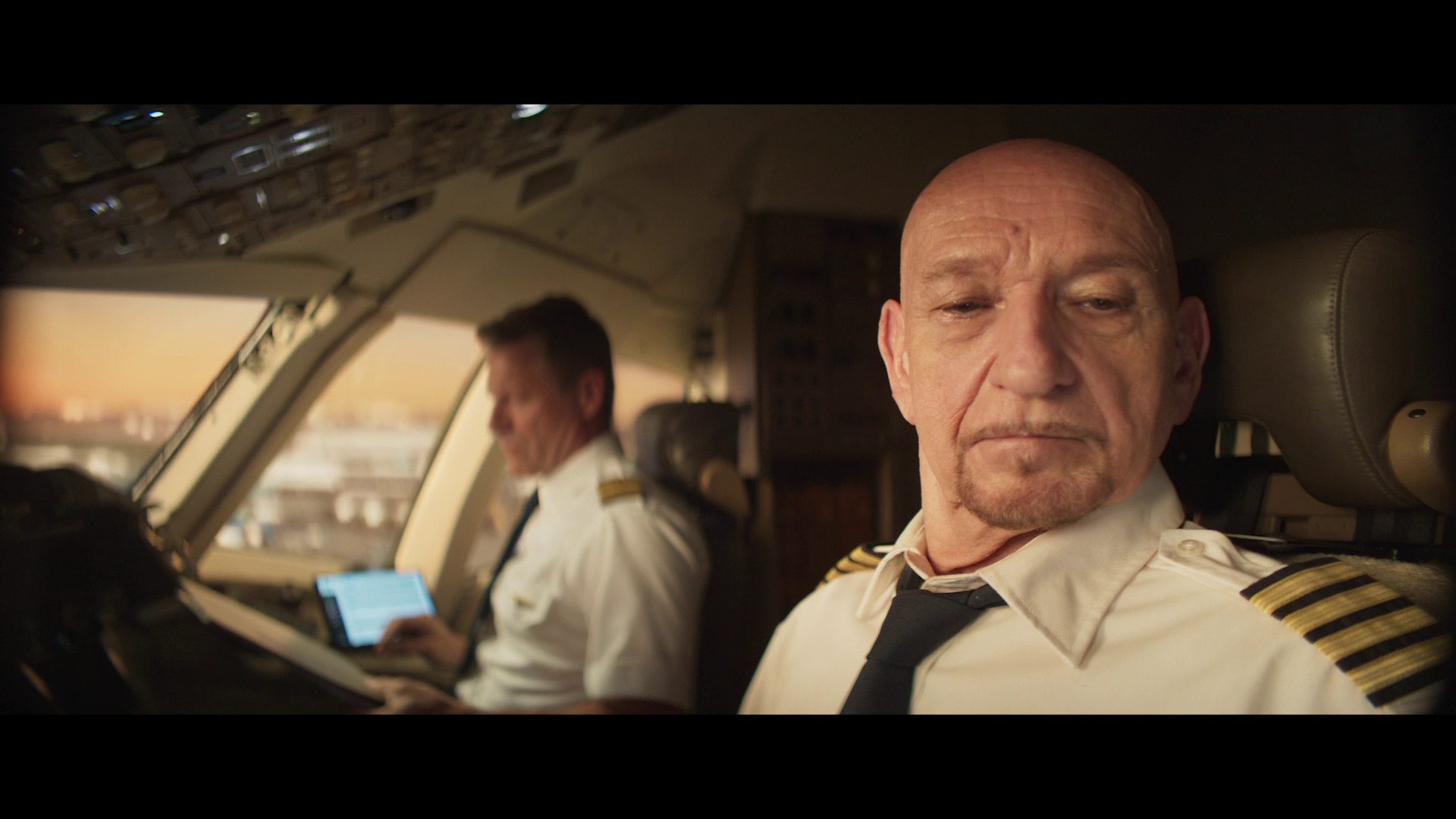
The only other recognizable faces are Ben Kingsley and Aaron Eckhart as the pilots, which keeps us wondering which of the other survivors – kids, teens, a grandmother and various members of the crew – will live to see the end credits.
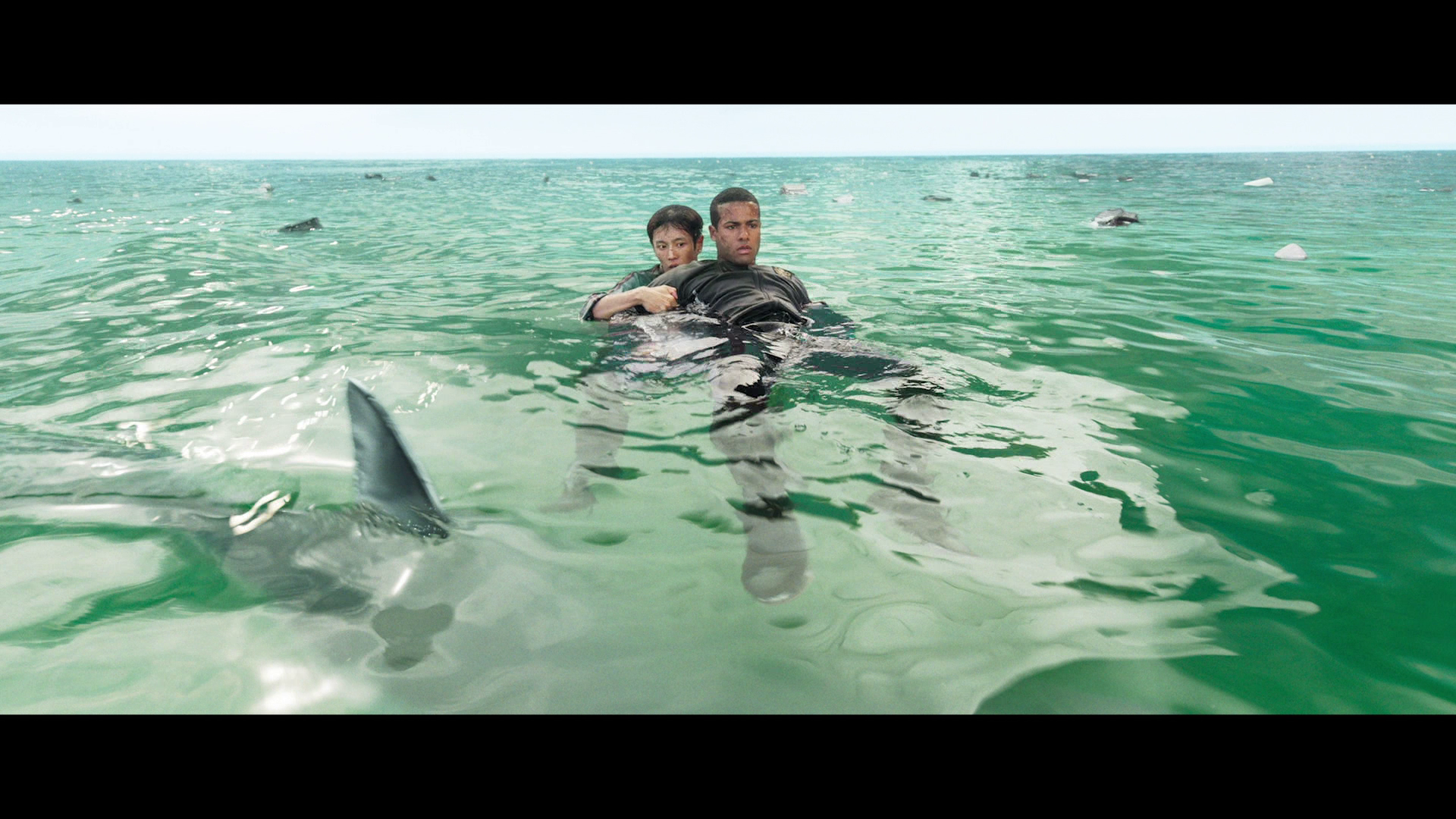
The plot-by-numbers script gives everyone decent-enough dialogue but its real purpose is to create credible complications that increase the peril at regular intervals, allowing Harlin to smash his actors around in what’s clearly a studio tank. And that’s fine! If it was realistic, we might be inclined to invest a little too much. This way we can just enjoy the carnage, like the little ghouls we are.
There are no extras whatsoever on Magenta Light’s Blu-ray, but the feature is presented in a bright, clear 1080p master, with extremely active DTS-HD 5.1 audio. Looks great, honestly.
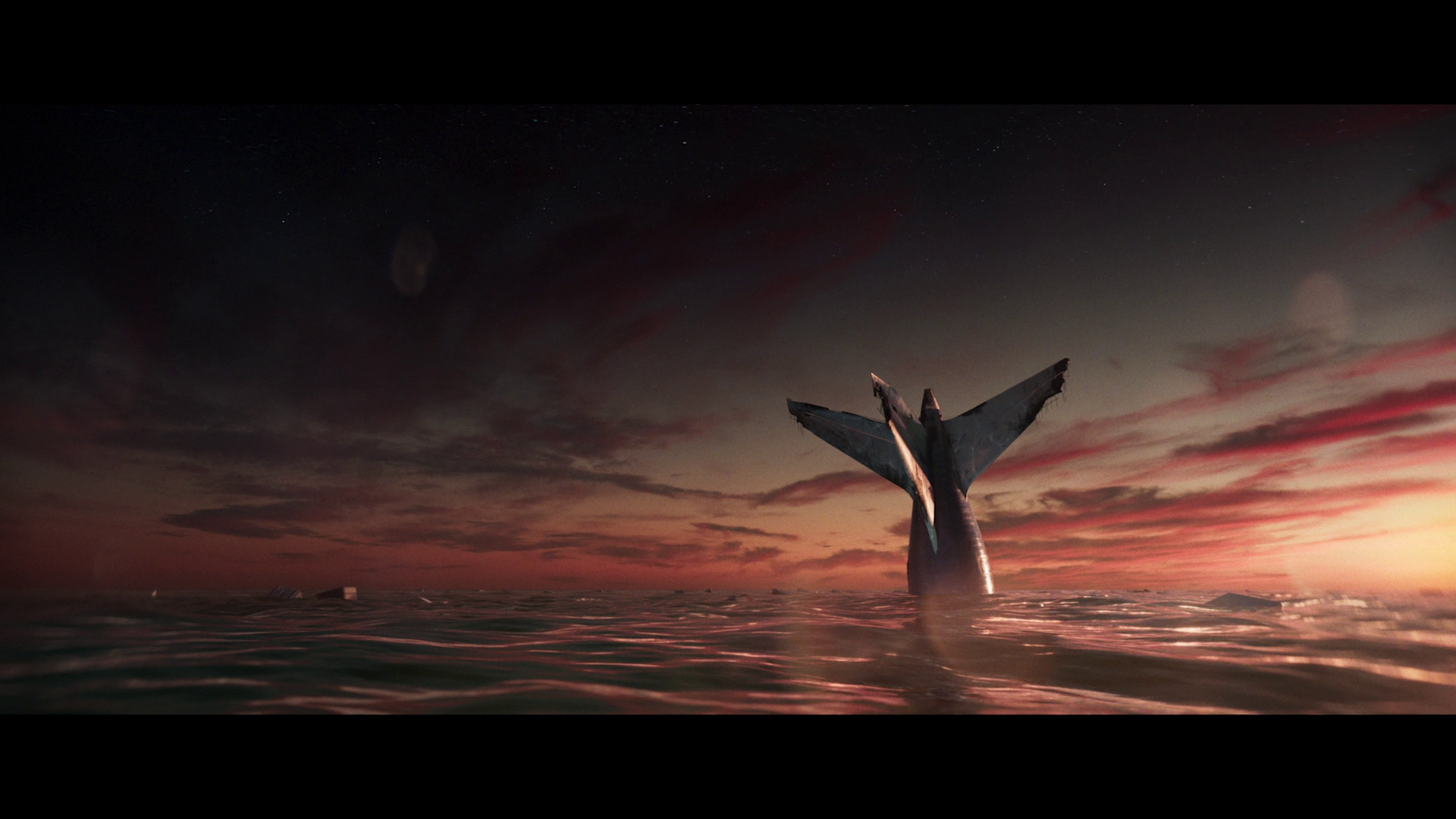
The Christophers and Deep Water are now available on Blu-ray from Decal Releasing and Magenta Light Studios, respectively. Lee Cronin’s The Mummy is now available in individual 4K and Blu-ray editions from Warner Bros. Discovery Home Entertainment.
Coming soon: Obsession, Mother Mary and Fuze are all on their way, but there’s also a lot of catalogue stuff piling up. And if you’re curious about The Odyssey you won’t want to miss this week’s What’s Worth Watching, so maybe upgrade that subscription before Friday morning? I’d be very appreciative.