
Difficult People
In which Norm unpacks the thorny character studies of MARTY SUPREME, LURKER and WE BURY THE DEAD.
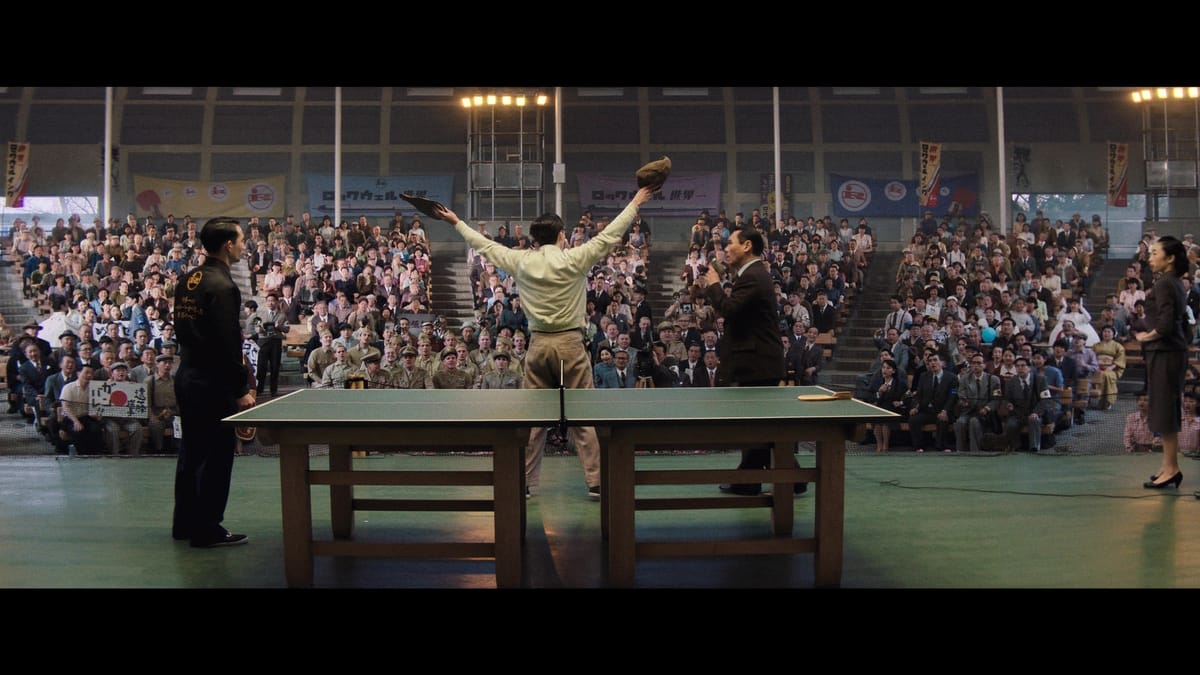
When The Smashing Machine came to disc a few months back, I wrote that the apparent dissolution of the Safdie brothers’ filmmaking partnership revealed some interesting things about their individual visions: “Josh is the one who loves chaos for its own sake, while Benny is the guy who’s drawn to domestic stress and scenes where difficult people beg their loved ones to understand them, often at high volume. And that might explain why I appreciate The Smashing Machine a lot more than I enjoyed Marty Supreme: It’s the one where the chaos means something.”
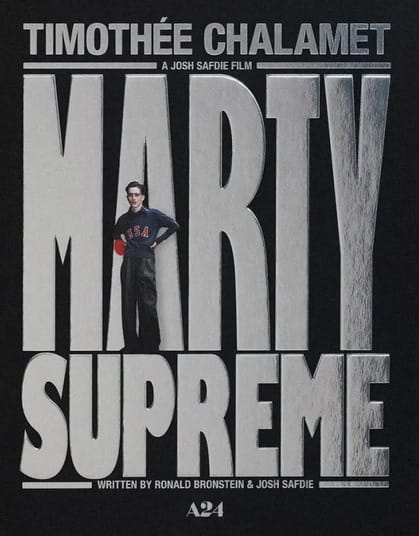
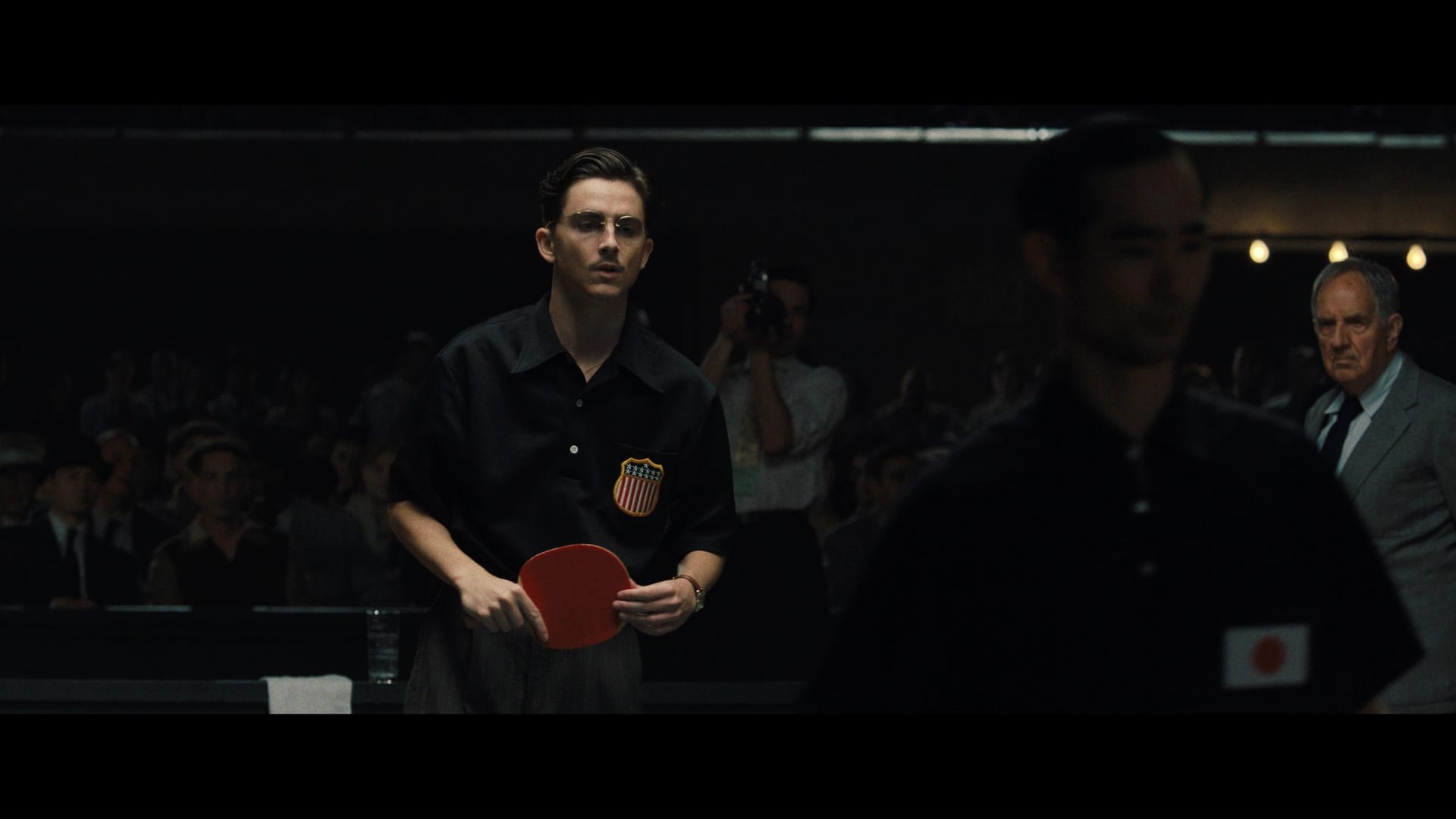
And now Marty Supreme is on disc – from A24 in the US, and Elevation Pictures in Canada – in all of its excessive glory. I know a lot of people really loved it, but I was less enthusiastic: Its story of a young man who betrays every trust, abuses every relationship and burns every bridge in order to pursue a personal goal is effectively the same story as the Safdies’ 2017 breakout Good Time, but set in the 1950s and nearly an hour longer. It’s interesting and occasionally energetic, but it’s also exhausting, and it turns out watching Timothée Chalamet play a weedy little weasel isn’t nearly as rewarding as Josh Safdie thinks it is.
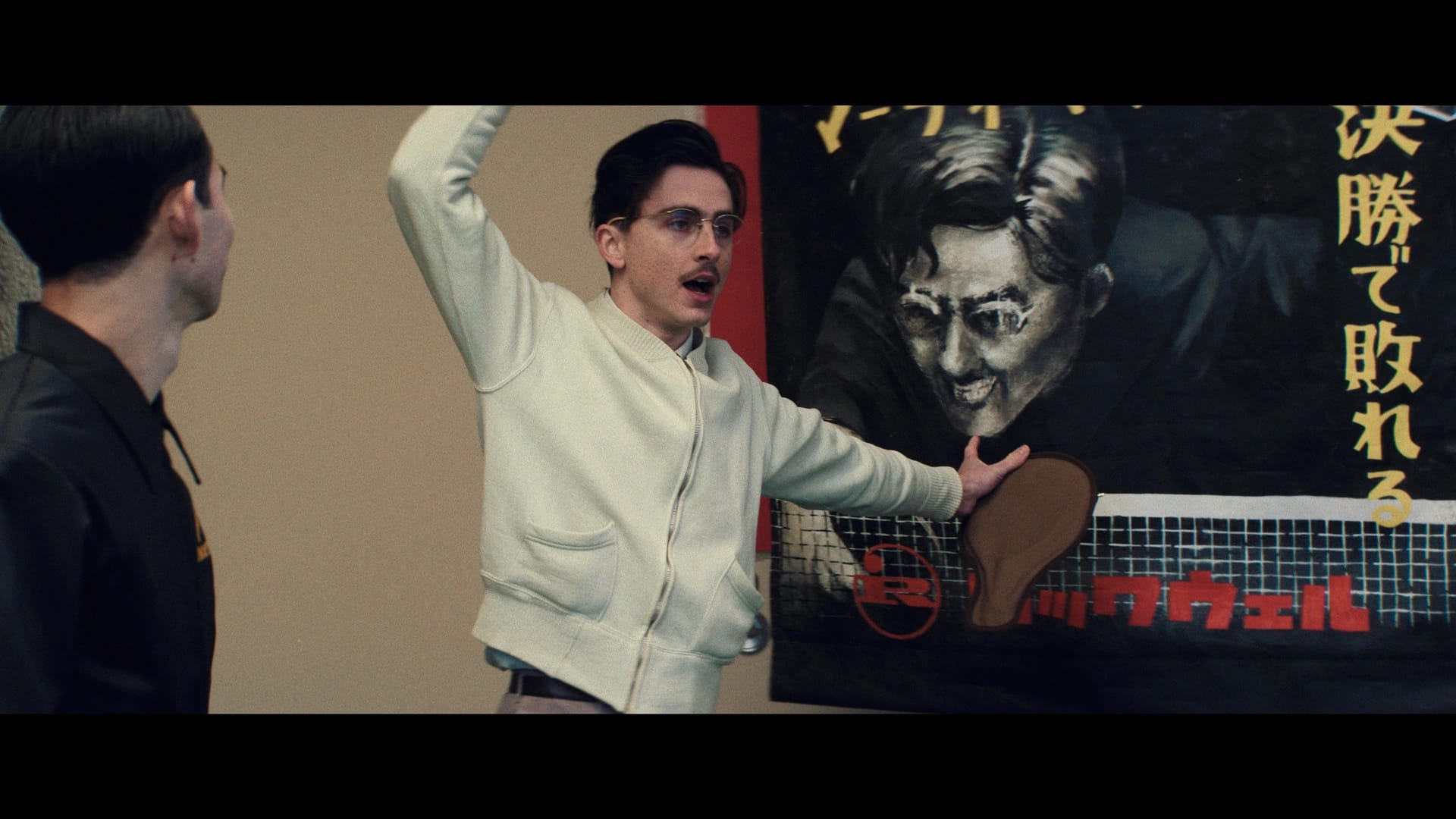
This is not to say that Chalamet isn’t giving a good performance. He’s doing exactly what the movie needs him to do, disappearing into the role of a hectoring, driven asshole who cares about nothing other than being recognized as the world’s greatest table-tennis player. The problem is, literally no one else in his orbit cares about competitive table tennis; it’s catching on overseas, but post-war America is barely even aware it’s a sport. Marty Mauser wants to be the face of it, but he’s got the kind of face you want to hit with a skillet. The only person who can tolerate him is his childhood friend Rachel (Odessa A’zion), and only long enough to bang him in the storeroom of the shoe shop where he’s currently working.

But Marty has fancy plans, and pants to match, so he raids the safe to fund a run to the British Open, where he alienates literally everyone with his demands to be treated as the superstar he believes himself to be. But he does meet the fading American movie star Kay Stone (Gwyneth Paltrow), who appreciates his fawning attention enough to let him approach her husband, the tycoon Milton Rockwell (Kevin O’Leary), about a potential partnership. Everybody’s using everybody, and for a minute, Marty is poised to get everything he wants … until he screws it all up, and finds himself broke and alone, figuring out how to try again.
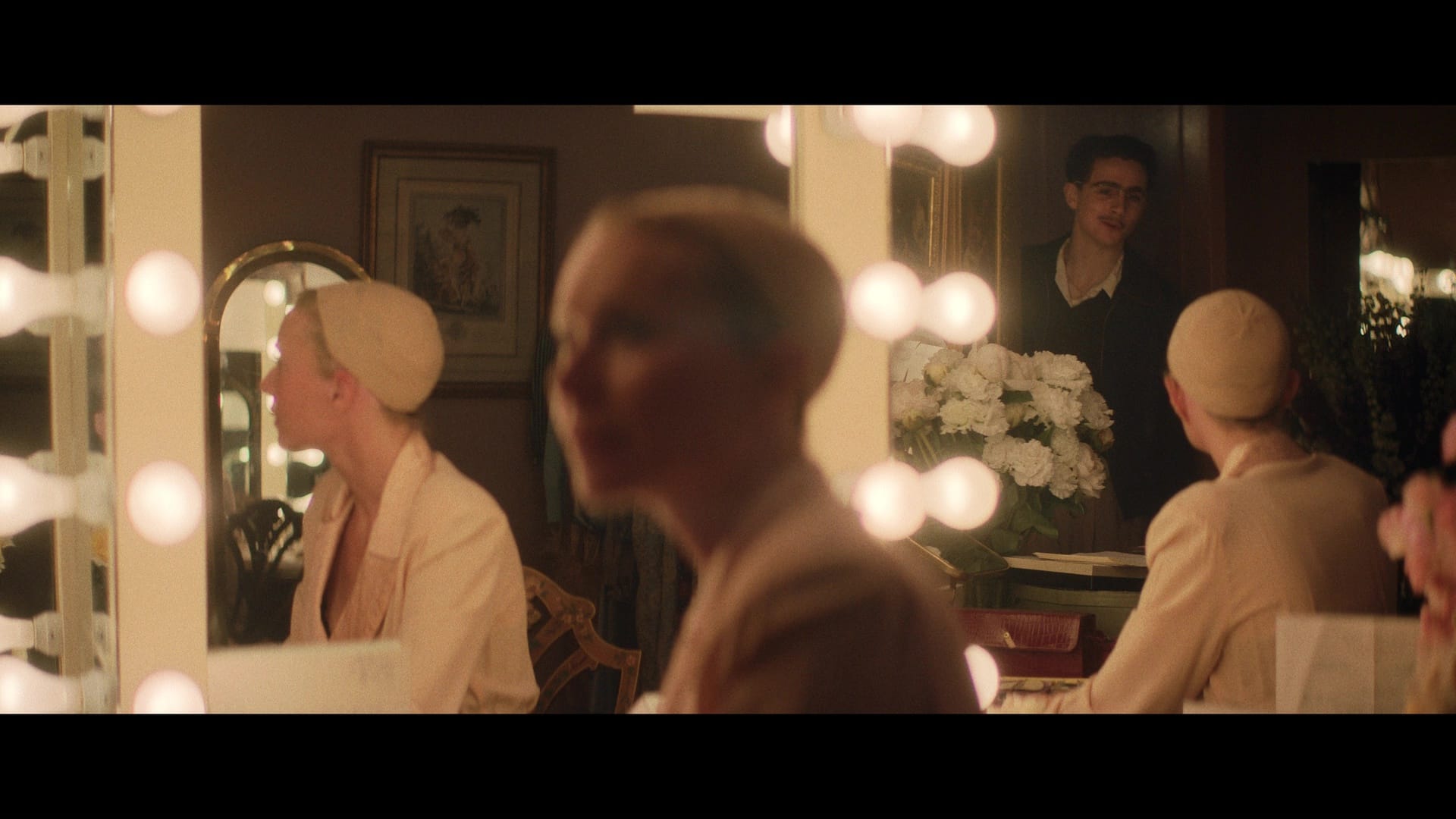
And that, I think, is why Marty Supreme doesn’t work for me: Every scene is the same, with Marty coming into a situation and exploding it by doing something stupid or selfish. It’s the same engine that worked so well for the Safdies in Good Time, but that movie was aware that its hero was a self-deluding piece of shit who could count on his good looks and superficial charm, as well as his whiteness, to get him out of any petty scrape he got himself into.
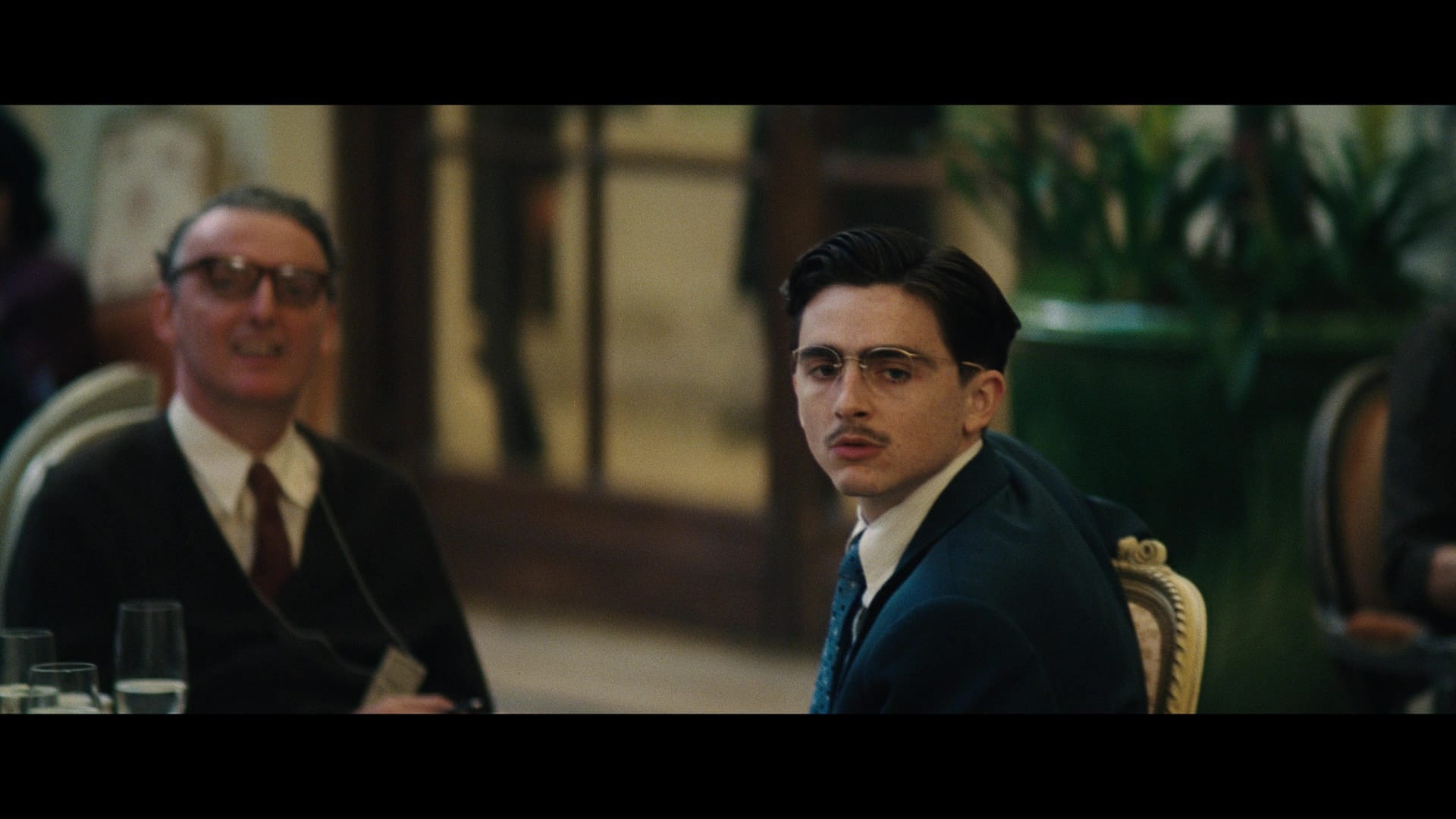
Marty Supreme changes the equation a little by emphasizing Marty’s Jewishness in a society barely starting to confront the scars of the Holocaust, but the dynamic remains the same: Every scene starts with Marty wanting something, and ends with him somehow sabotaging himself. But the movie doesn’t seem aware that Marty is his own worst enemy, framing him as an underdog hero worth rooting for even as he proves himself entirely unworthy of such support, over and over again.
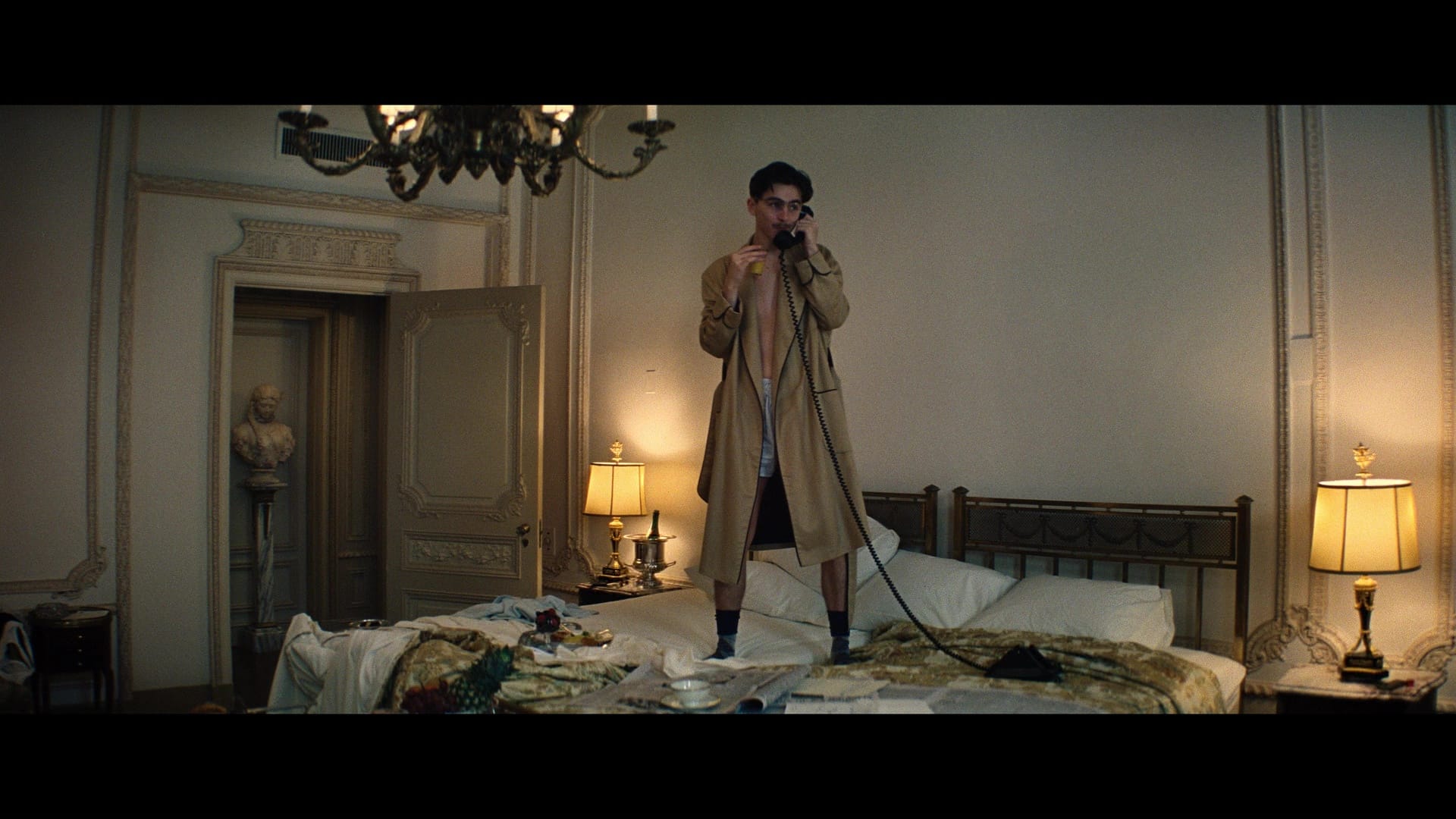
It’s an interesting pitch for a character study, and no expense has been spared on the production, but the longer it went on, the less Safdie and his co-writer Ronald Bronstein seem to understand what Marty is actually doing as he charges through the world like a wrecking ball. I got the sense they just liked imagining new situations for him to ruin.
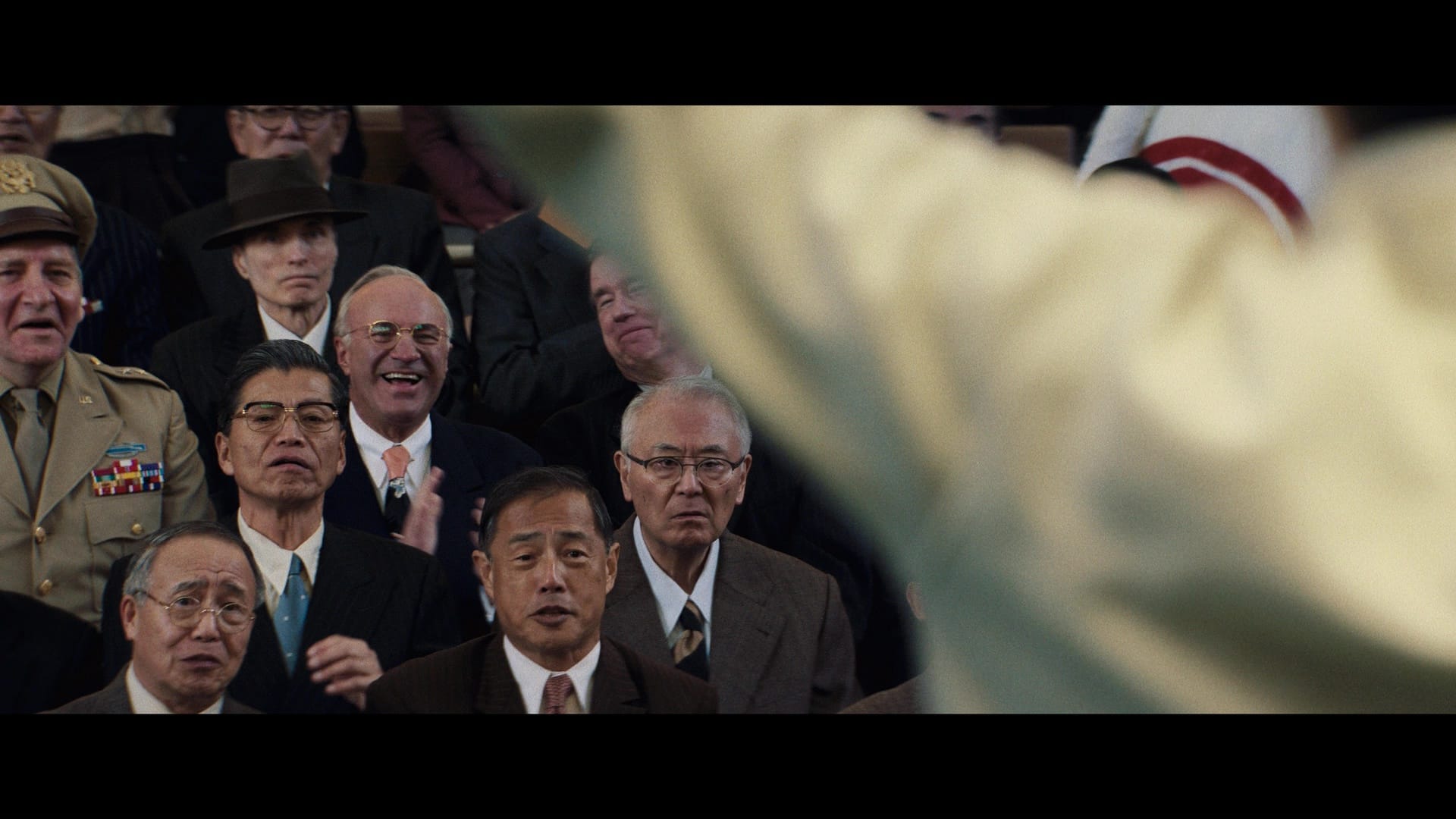
And for all their love of populating their movie with eccentric, unlikely faces, the choice to have television personality O’Leary play the closest thing the movie has to a heavy simply does not work; he can play a version of himself on Shark Tank, but he doesn’t know how to exist in a scene and he lacks the chops to sell Milton’s most important line. Abel Ferrara, who has a small role as a flophouse gangster who becomes another of Marty’s casualties, would have been so much more interesting as Milton. He’d certainly have understood Safdie and Bronstein’s initial conception of the character.
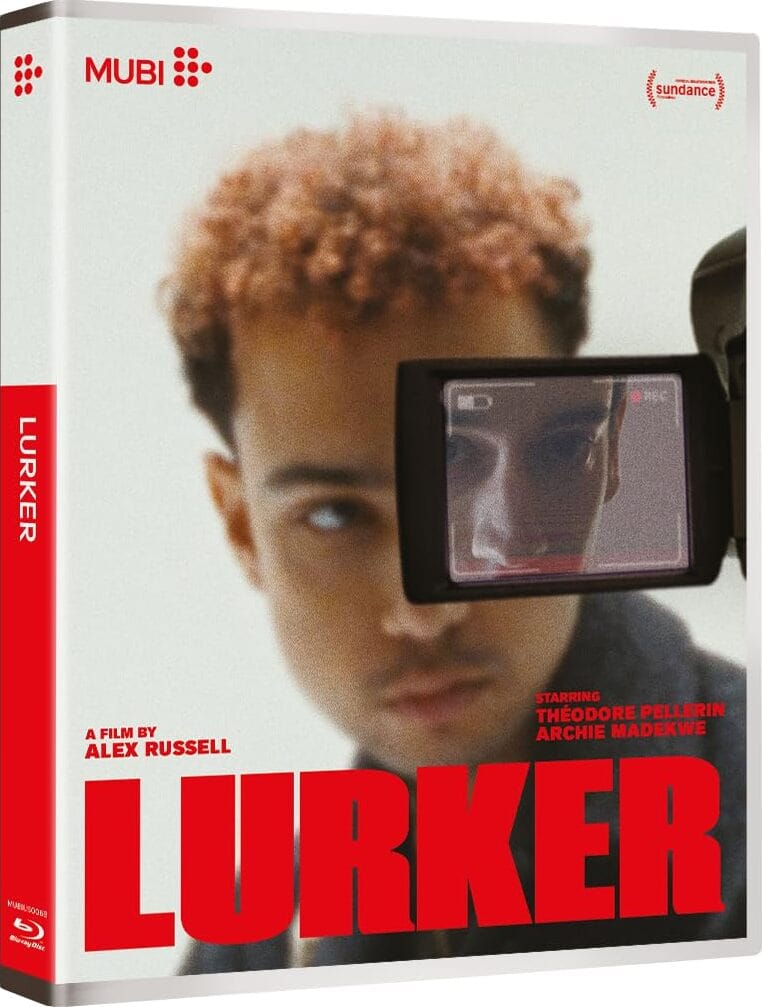
Which brings me to Lurker, another 2025 movie about people who’ll do whatever it takes to get what they want – but unlike the makers of Marty Supreme, writer-director Alex Russell sees his protagonist all too clearly. Matthew (Théodore Pellerin) is an L.A. shop clerk who has an entirely ordinary existence – until pop star Oliver (Archie Madekwe, of Saltburn and Gran Turismo) wanders in and Matthew impresses him with his choice of background music. Oliver sets Matthew up with a backstage pass to his show, and Matthew discovers he really likes being around famous people. And he’ll do whatever he has to stay in Oliver’s orbit.
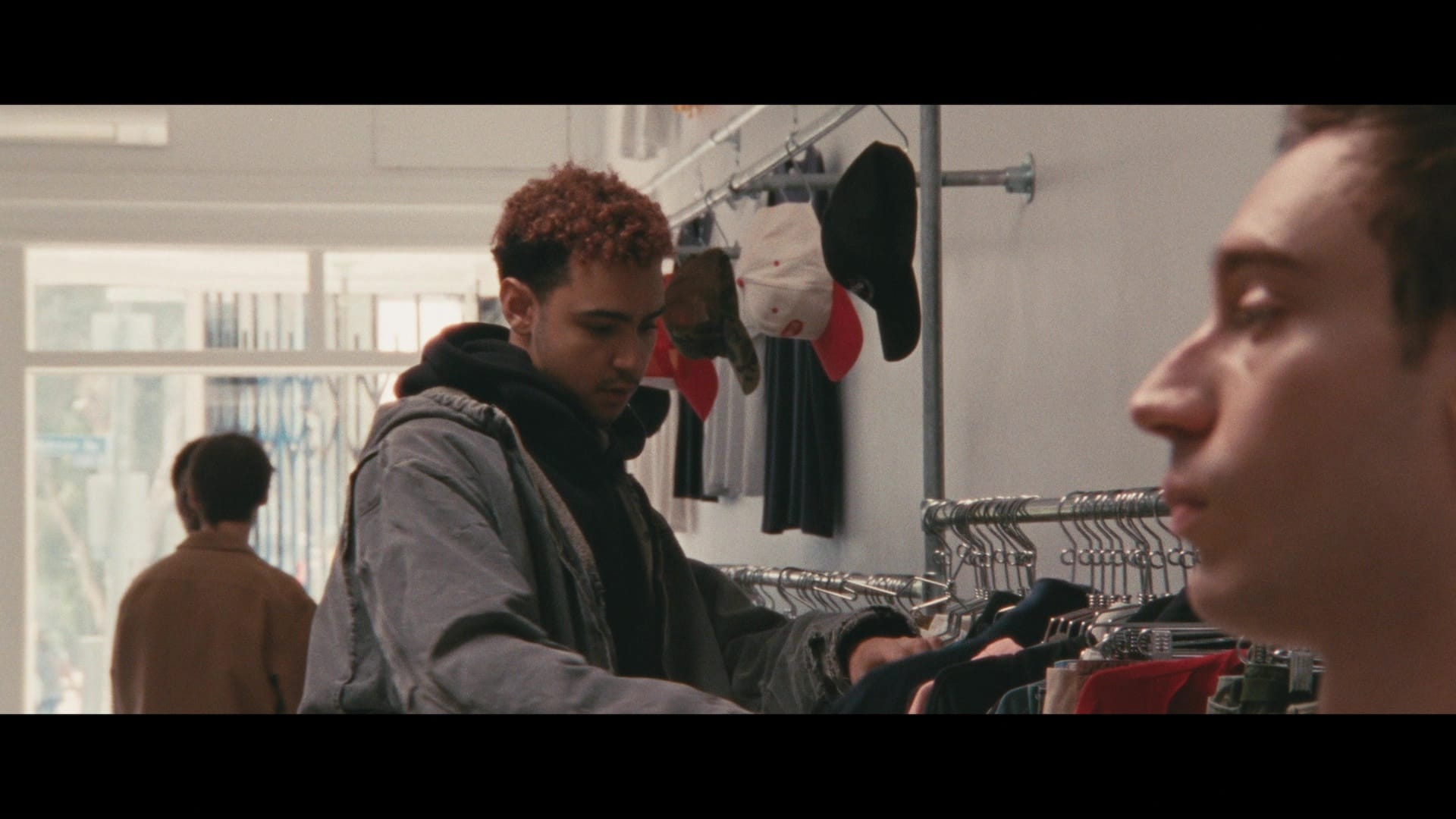
Russell strikes an ambiguous but threatening tone with Lurker that I recognized from previous parasocial studies like Single White Female and Ingrid Goes West – movies about barely-sublimated attraction and the shifting power dynamics of intense friendships. But this one’s a little different, acknowledging how our collective concept of celebrity has changed in recent years. Matthew doesn’t want Oliver, specifically; if he wants anything, it’s the access and status Oliver’s friendship grants him.
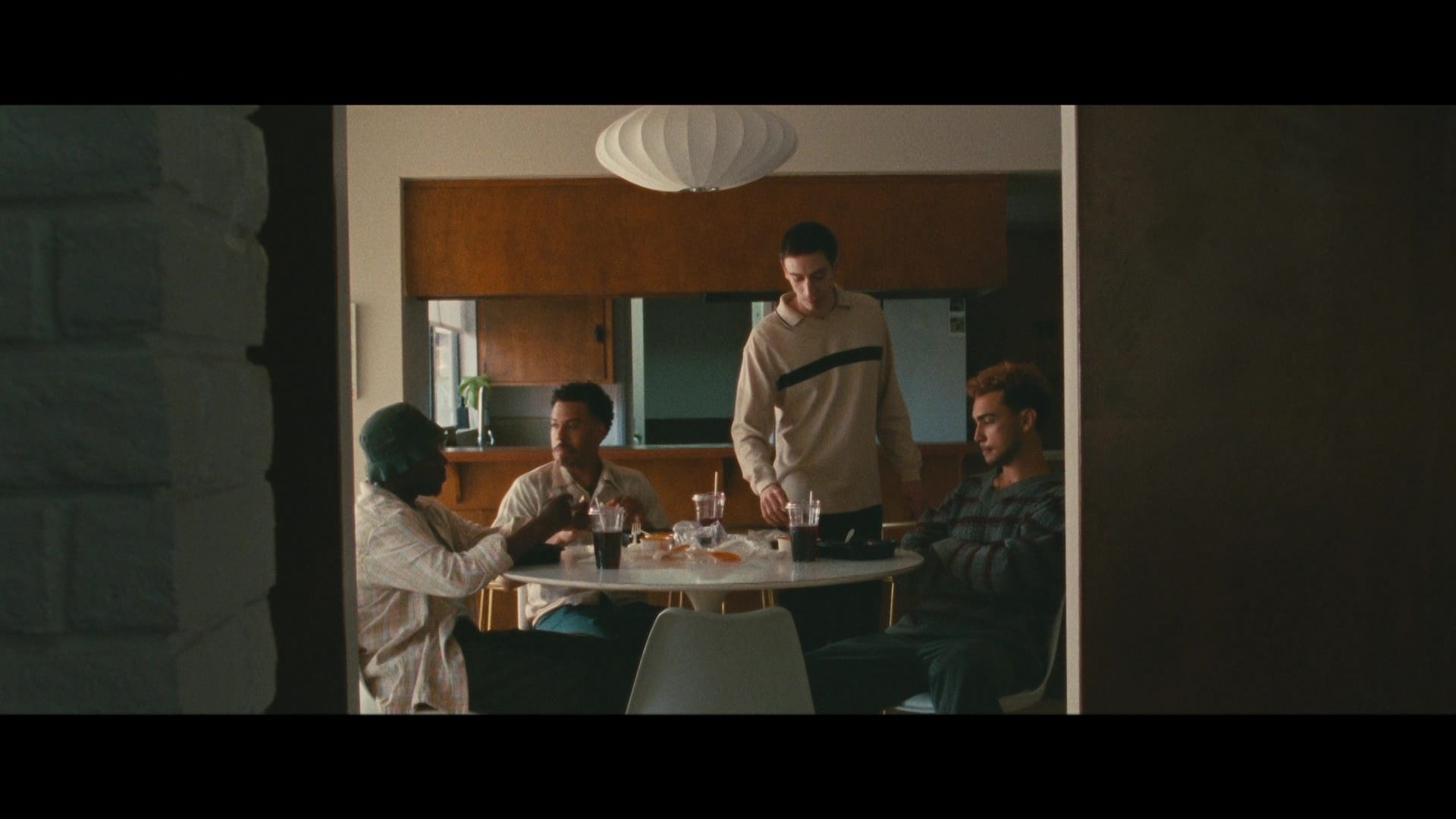
Pellerin, a mesmerizing presence in movies like Sophie Dupuis’ Solo and Philippe Lesage’s Genesis, gives Matthew an agreeable normie vibe that almost but not fully conceals his watchful, covetous qualities; it can read as awkward or nervous if you’re not paying attention, and Oliver and his entourage are always just a little bit distracted. And it’s not like Matthew’s dangerous, right? He’s not a calculating predator, like Jake Gyllenhaal’s relentless Lou Bloom in Nightcrawler; just a skinny nerd. But skinny nerds can be relentless too, and as Matthew insinuates himself into Oliver’s inner circle, Lurker asks us to wonder what, exactly, Oliver wants from him.
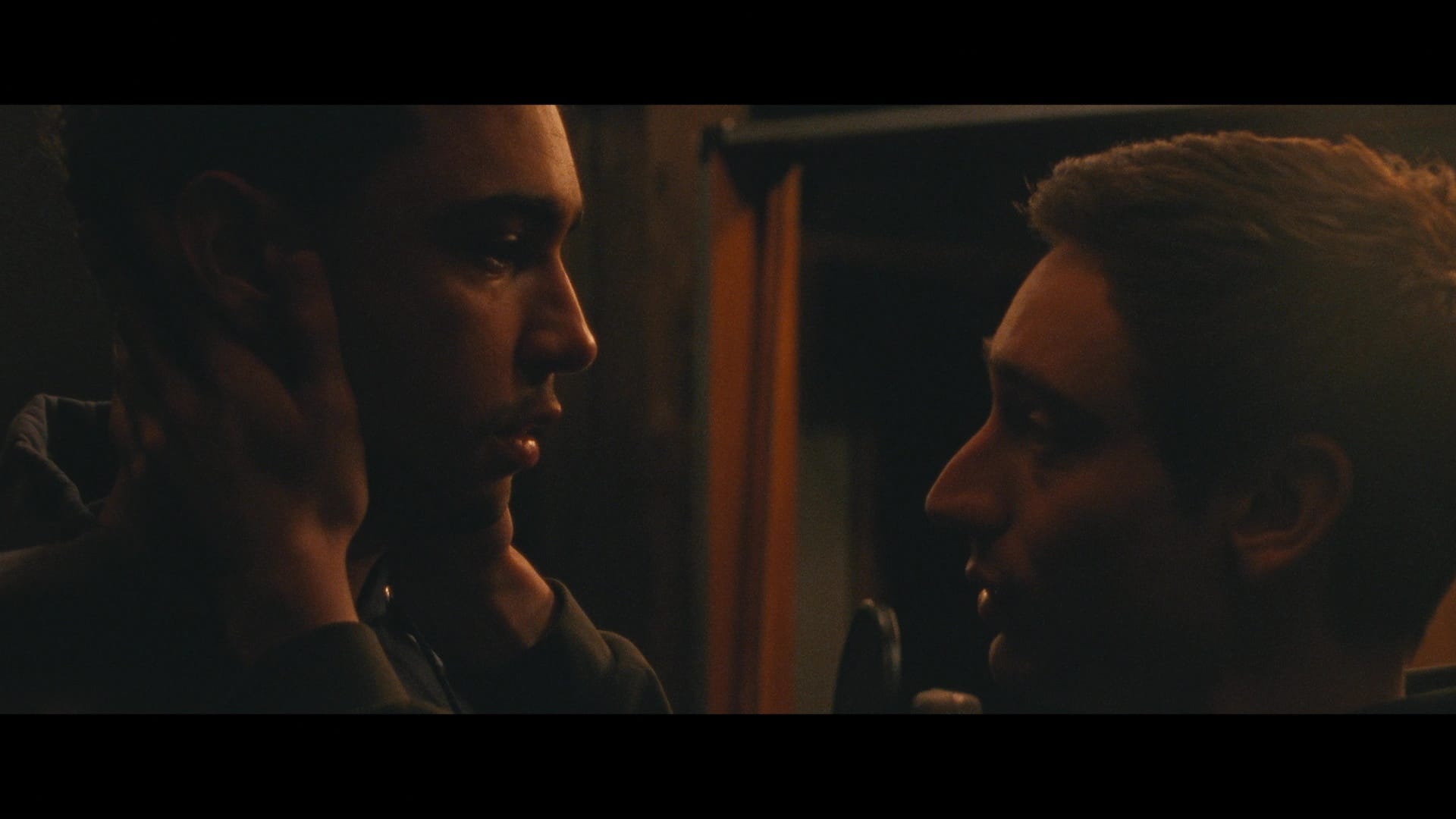
The potential is there for a hard turn into horror, but Russell – who was a writer and producer on tonally fluid shows like The Bear and Beef – isn’t interested in making that kind of movie. He does something else instead, pushing deeper into the relationships to see where things might go. Lurker is all the richer for it, and it’s a shame Pellerin and Madekwe didn’t get more attention for their work here.
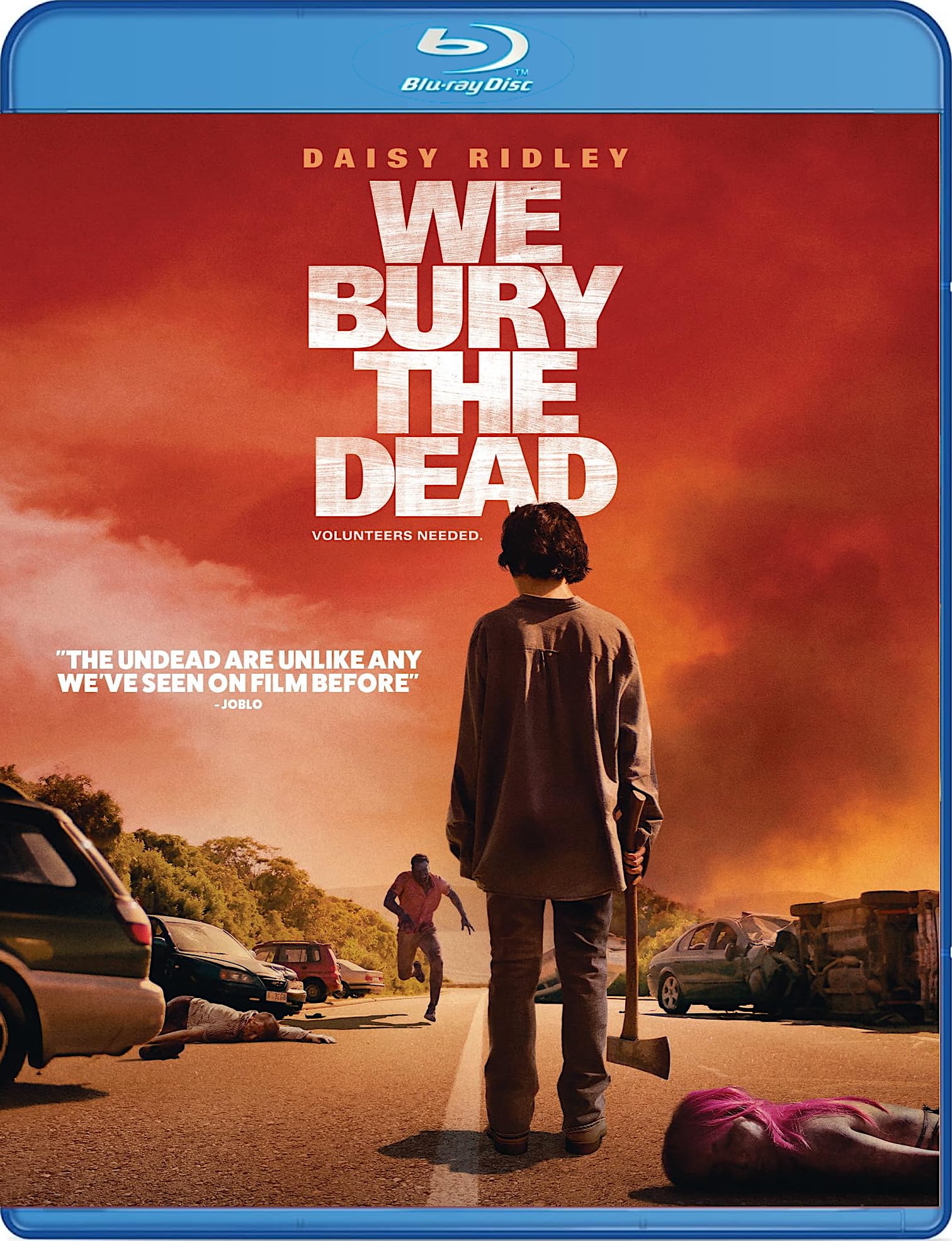
And speaking of movies that toy with genre without fully embracing it: Have you seen We Bury the Dead? Zak Hildtich’s zombie-adjacent drama opened in early January, just a couple of weeks before 28 Years Later: The Bone Temple took over the discourse, but it’s really quite good at what it does, building a creepy, quotidian nightmare around a terrific Daisy Ridley performance.
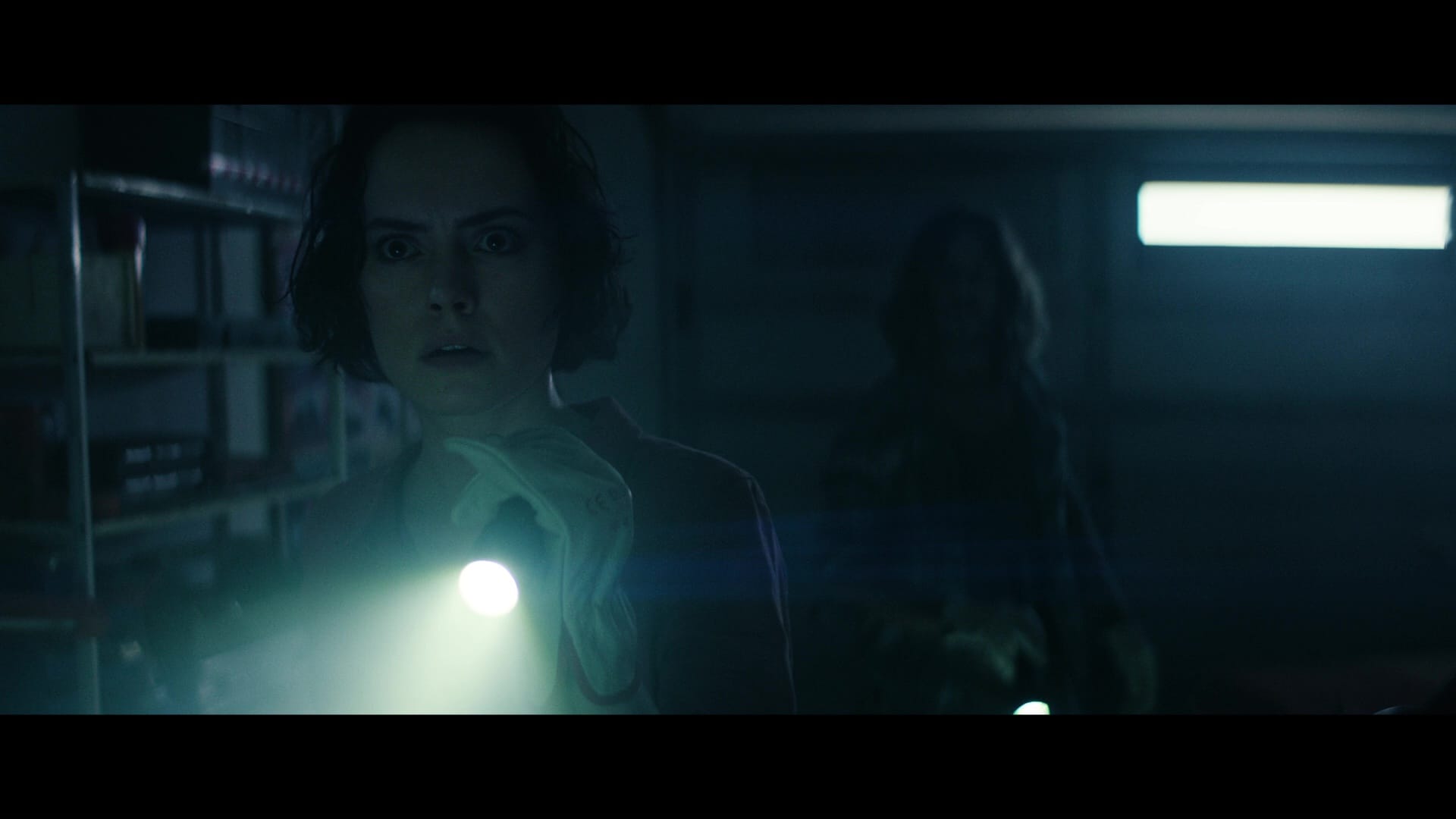
We Bury the Dead doesn’t position itself as especially interested in sociological themes or political commentary. But in its central idea of a world where the dead don’t necessarily stay dead, forcing individuals to reassess their relationship to both their dearly departed and the reality they all now occupy, it’s very much in step with what Danny Boyle, Nina DaCosta and Alex Garland are doing over in the UK.

The premise is simple enough: The accidental detonation of some sort of American energy weapon has wiped out every living thing in Tasmania and a large chunk of southern Australia. The cleanup process is a massive undertaking, with civilians and their military escort recovering an unimaginable number of corpses. The borders are closed, but an American woman, Ava (Daisy Ridley), has received special dispensation to come in because her husband Mitch was at a seaside work retreat when it happened. His hotel was at the outer edge of the blast. He might have survived, right?
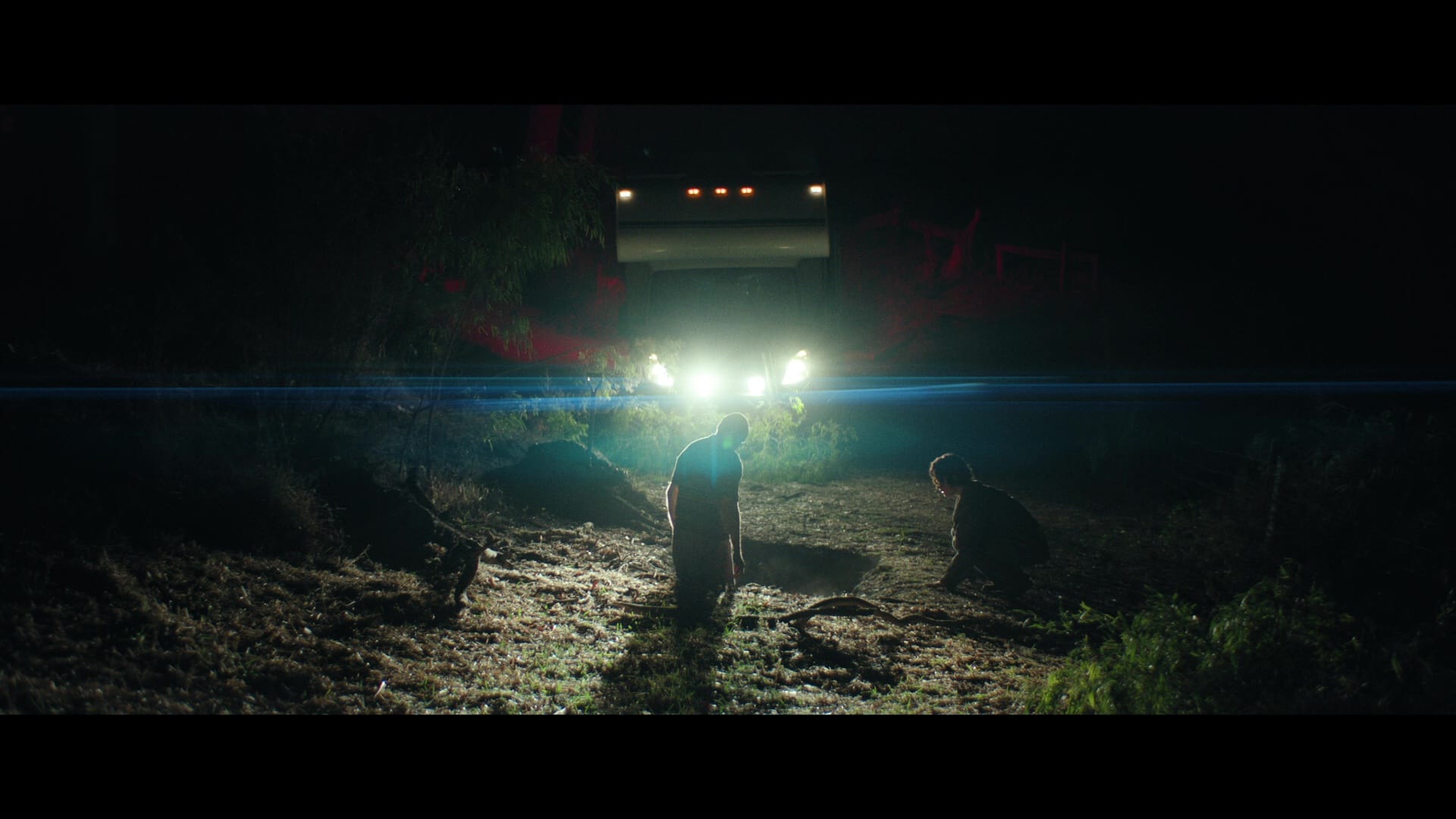
But in order for Ava to slip her detail and travel the 200-odd miles to that location, she has to actually do what she signed up for, going house-to-house tagging bodies with her swaggering partner Clay (Brenton Thwaites). It’s just that some of the corpses are getting up. It’s fine, they’re just husks, and they can be dispatched with a bullet to the head. But as you can imagine, that thrusts Ava’s search into a whole new level of urgency: If Mitch is alive, that’s one thing. If he’s dead, that’s another. But what if he’s somewhere in between?
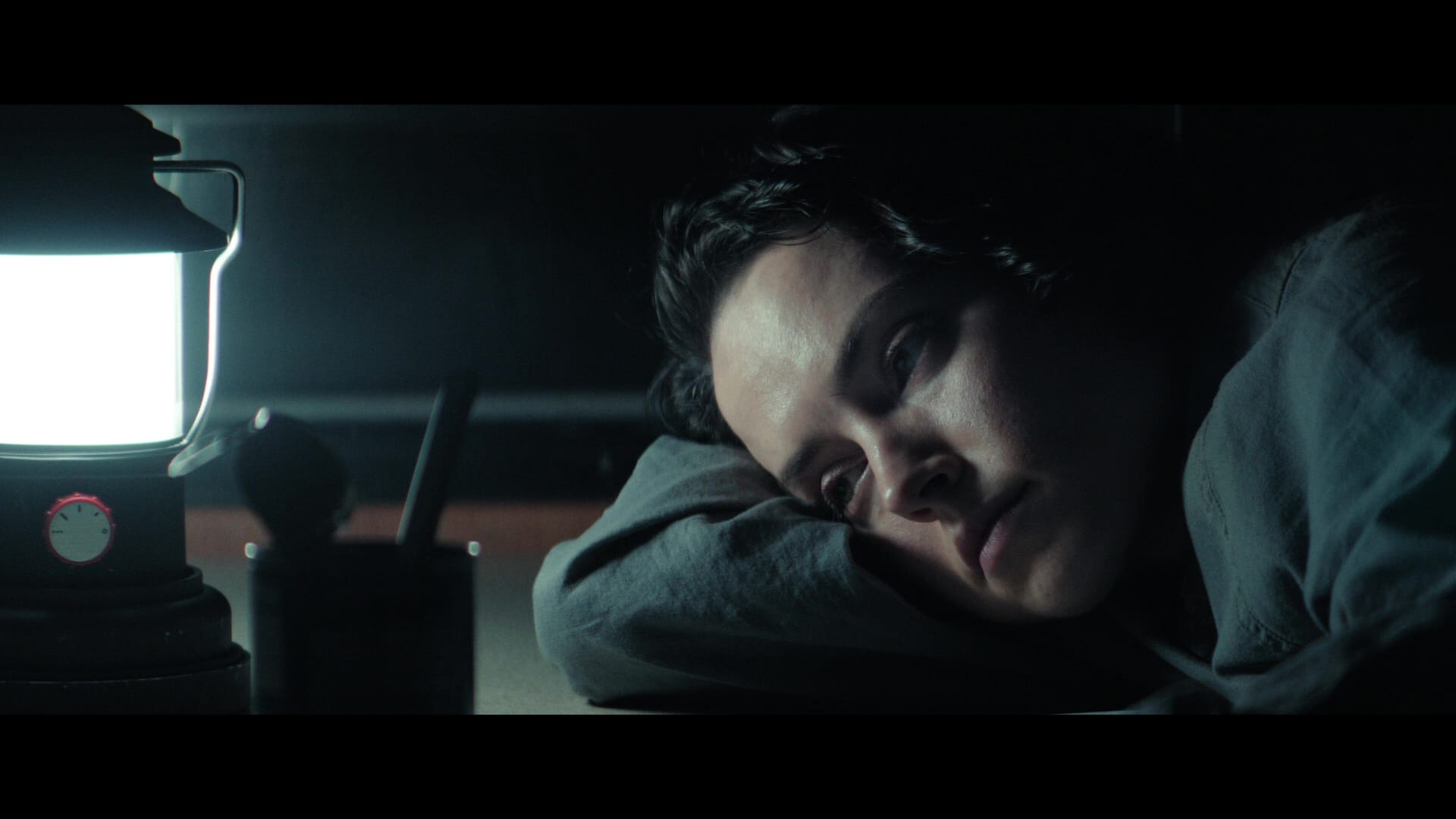
We Bury the Dead is genre-adjacent the same way the 28 Years Later films are. It’s not as interested in jump scares or grotesque images as it is in exploring a world where death isn’t the worst thing that can happen to you – and what it would mean to exist in that reality. Ridley carries the whole thing on her back, her silences and posture telling us more about Ava’s mounting dread than any of her dialogue. And Thwaites is a good scene partner, hinting at a hidden sensitivity when Clay doesn’t think anyone’s watching him. There’s some stuff in the second act that feels like padding, but Hilditch gets the movie back on track for a strong final section.
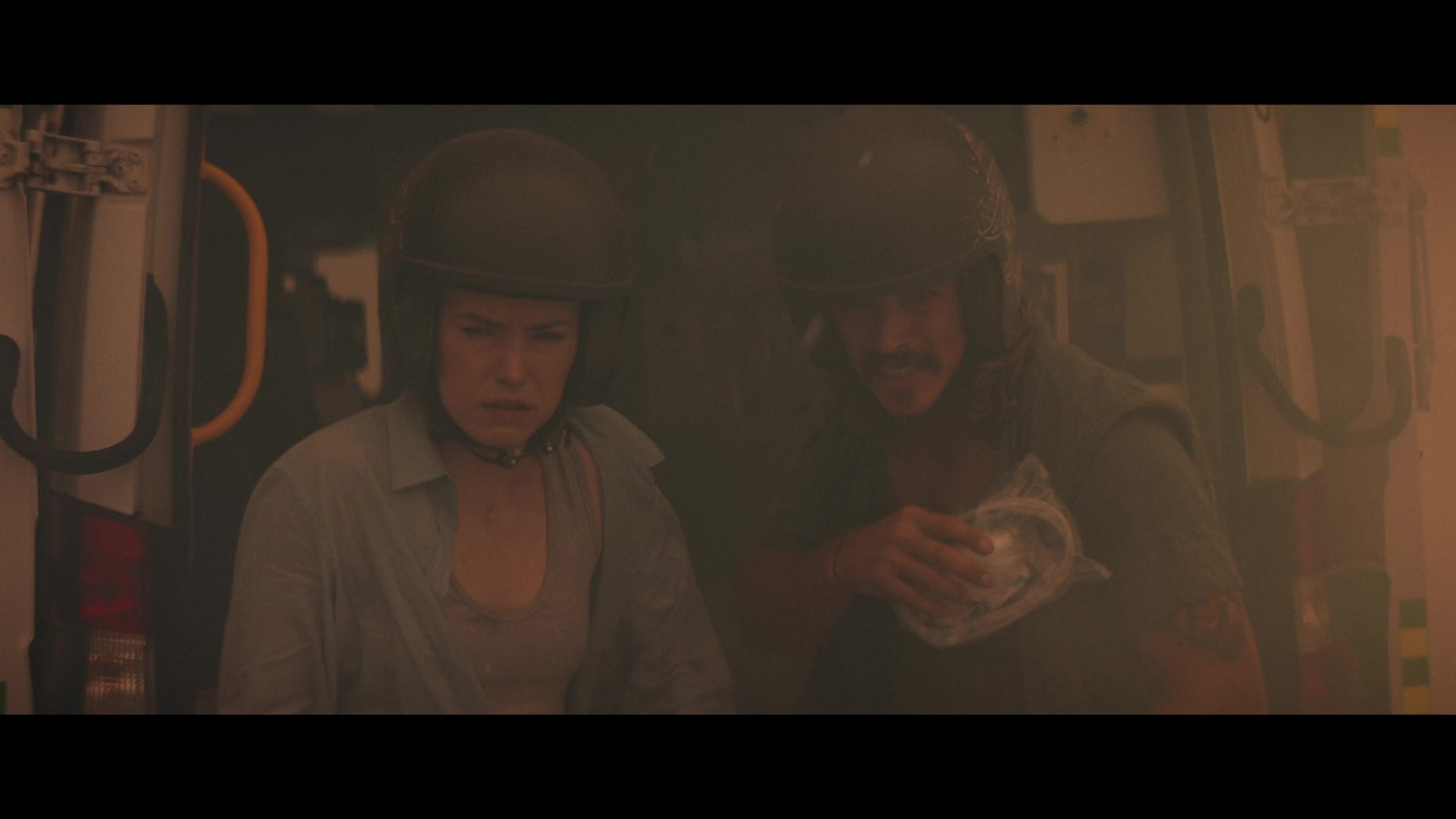
In a way, he’s has made a mirror image of his 2013 end-of-the-world study These Final Hours, which followed a young man in Western Australia attempting party through an extinction-level event. That film was ultimately about doing one good thing before the world ends; We Bury the Dead wonders whether it’s possible to do any good at all, if your world has already ended. It’s a very good question.
There are no supplements whatsoever on the Blu-ray releases of We Bury the Dead and Lurker, which is a little disappointing, but at least the transfers are excellent: Mubi even gives Lurker a dual-layer disc to showcase Pat Scola’s twitchy 16mm cinematography at the highest possible bitrate.
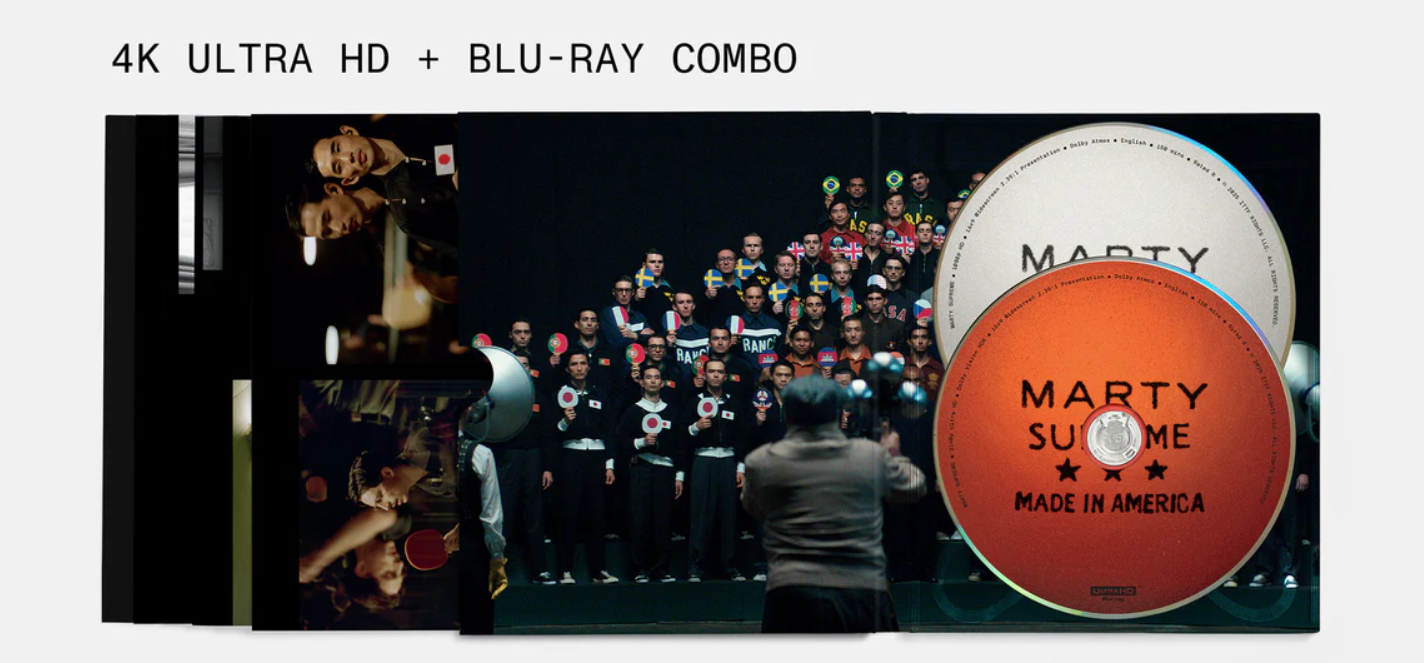
Marty Supreme, however, is a special edition, and the first of A24’s self-released titles to arrive as a 4K/Blu-ray combo. Safdie’s audio commentary accompanies the feature on both discs, but the featurettes are different: The 4K disc offers “Total Immersion: The World of Marty Supreme,” in which legendary production designer Jack Fisk walks us through the movie’s elaborate period details, while the Blu-ray’s “Dream Big: Making Marty Supreme” is a broader making-of. The Blu-ray also includes a brief camera test, with Safdie explaining why he asked Chalamet to circle Paltrow hungrily on a soundstage. That’s Marty Supreme in a nutshell, really.
Elevation is releasing separate 4K and Blu-ray editions of Marty Supreme, each with the same commentary, camera test and “Dream Big” featurette that appear on the A24 BD. No art cards, though, if that’s a deal-breaker.
Marty Supreme is now available in a 4K/Blu-ray combo and a standard Blu-ray from A24 in the US, and in separate 4K and Blu-ray editions from Elevation Pictures. We Bury the Dead is now available on Blu-ray from Vertical Entertainment, and Lurker is now available on Blu-ray from Mubi.
Up next: Walton Goggins’ Oscar-winning project comes to Blu-ray at long, long last. And don’t forget Friday’s exclusive What’s Worth Watching column for paid subscribers! Want to be part of the in-crowd? It’s easy!