
Glory to the Filmmakers!
In which Norm spins up a whole bunch of freshly released discs, starting with Martin Scorsese's love song to The Archers.
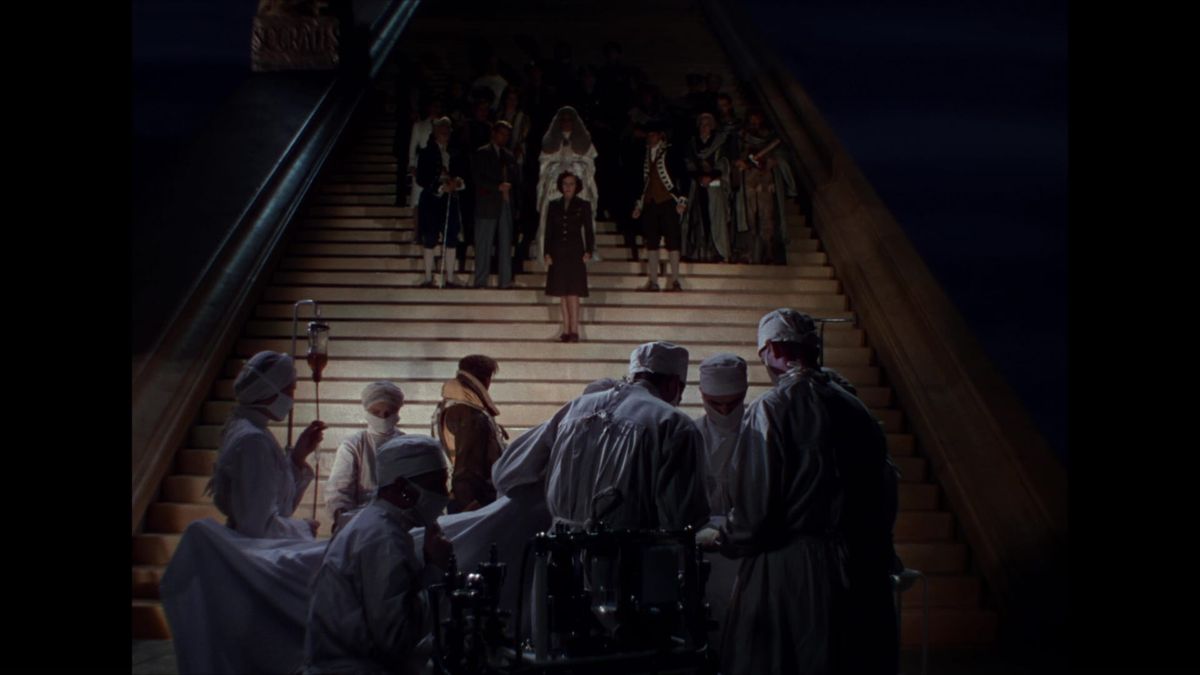
Martin Scorsese was my gateway to Michael Powell and Emeric Pressburger, and I can’t have been the only one. I might not even have spun up the original Criterion LaserDisc editions of
Black Narcissus and The Life and Death of Colonel Blimp if not for his presence on the commentary tracks alongside Powell; it was 1988, my film studies courses had never mentioned The Archers, and as cinematically omnivorous as I was their work never made it onto my radar.
I knew about Peeping Tom because Stephen King wrote about it somewhere – probably in Danse Macabre – but that was it.
Anyway, once I started writing about LDs in earnest a couple of years, I made a point of chasing down the entire Criterion catalogue – and within maybe ten minutes of starting Black Narcissus, I was a convert to their sumptuous productions, simultaneously stagey and cinematic and always, always finding the exact right aesthetic to support the emotions of the story they were telling. No one else made movies like their movies. No one dared try.
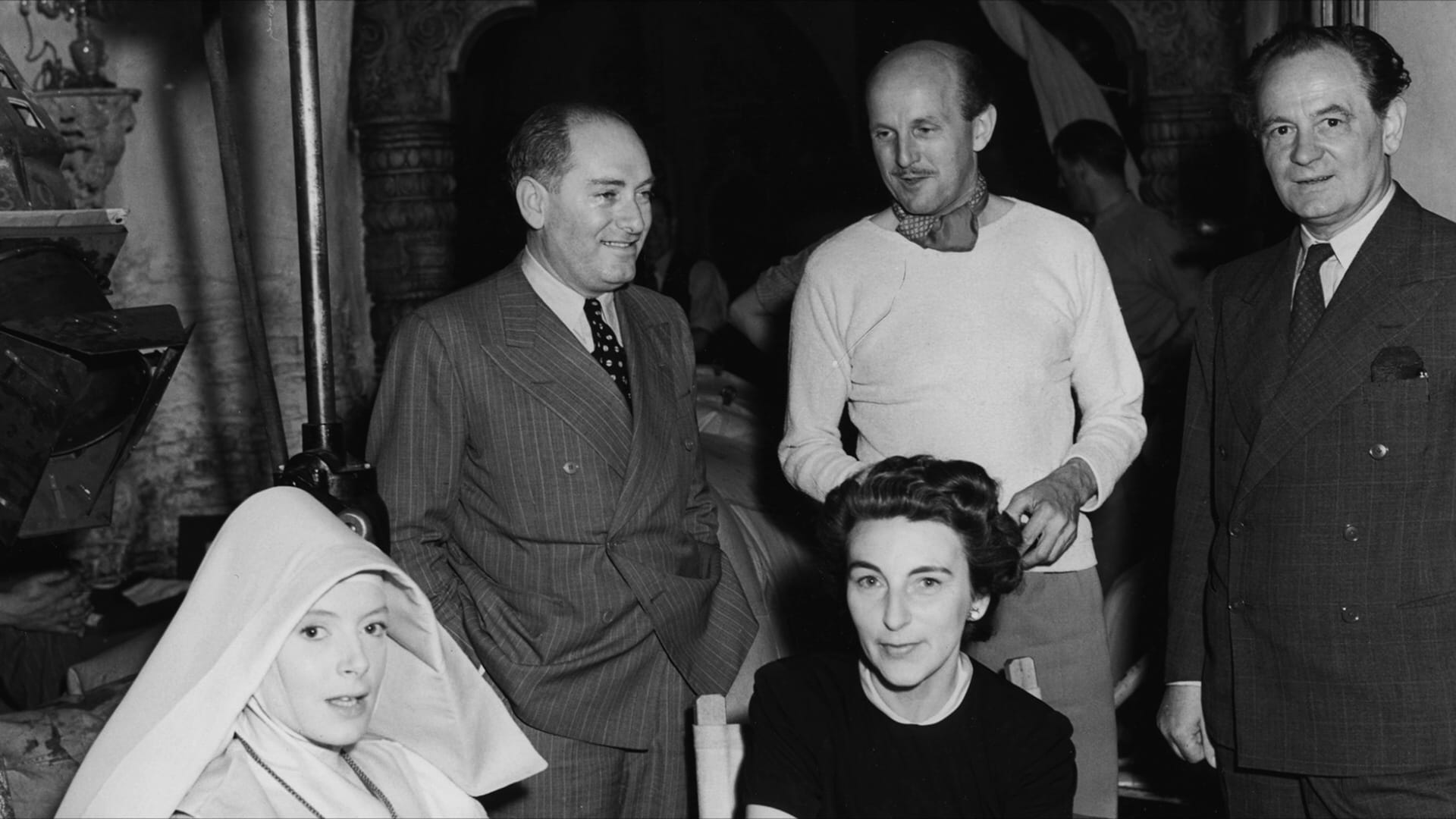
Scorsese would turn up on the subsequent Criterion editions of The Red Shoes, The Tales of Hoffman and A Matter of Life and Death, and talk about Powell and Pressburger at pretty much any opportunity, but always felt like he had more to say. Finally, he’s put all of his love and knowledge into a feature documentary: Made in England: The Films of Powell and Pressburger, which premiered earlier this year and now arrives on Blu-ray.

Directed by longtime British documentary filmmaker David Hinton, Made in England frames Scorsese as a disciple of The Archers’ cinema, beatifically spreading his gospel at length and with great joy. Hinton even encourages Scorsese to show us how specific moments in Powell and Pressburger’s films echo through his own work – positioning Scorsese’s movies as the New Testament to The Archer’s original text. (I am not a religious person, so please forgive the mixed metaphor.)
Scorsese isn’t the only person talking, mind you; Hinton also lets Powell and Pressburger speak for themselves in archival interviews, folding in biographical detail and straying outside their collaborations to touch on 1940’s The Thief of Baghdad, a key film in Powell’s directorial career, and 1960’s Peeping Tom, which effectively ended it.
Still, Uncle Marty is the reason most people will see this, and he remains as thoughtful, eloquent and enthused as he was in his own documentaries about American and Italian cinema; a little older, sure, but so much wiser. And there’s something so wonderful about watching him reconnect to the kid he was when he first encountered The Archers: Of course he’d love these movies. He loves them still.

Speaking of filmmakers with distinctive styles, a couple of new 4K restorations turned up from Shout! Studios last week: Oliver Stone’s Born on the Fourth of July and Sam Raimi’s Drag Me to Hell. Neither is considered the strongest in either director’s filmography, but if you’re looking for a representative work – a single feature that showcases an artist’s specific strengths and thematic interests – these are valid choices.
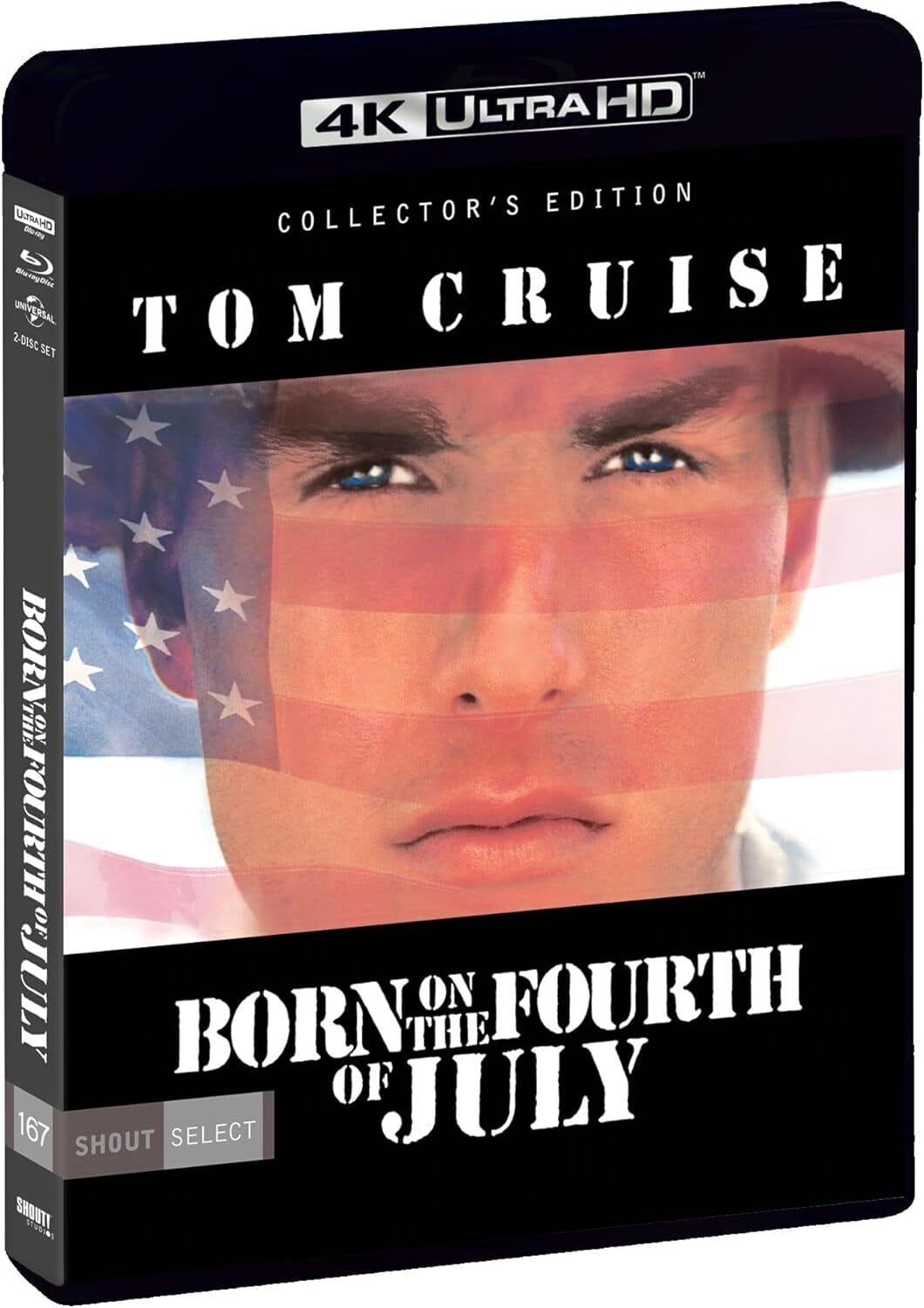
Stone made Born on the Fourth of July towards the end of the cycle of films that made him one of the loudest artistic voices in American culture, between Talk Radio and JFK. It’s not the strongest of them, but it’s an impassioned one, following the story of Vietnam veteran Ron Kovic from bright-eyed young recruit to disillusioned anti-war protestor, amplifying all the points about the futility and horror of the Vietnam war that Stone had laid out in Platoon three years earlier.
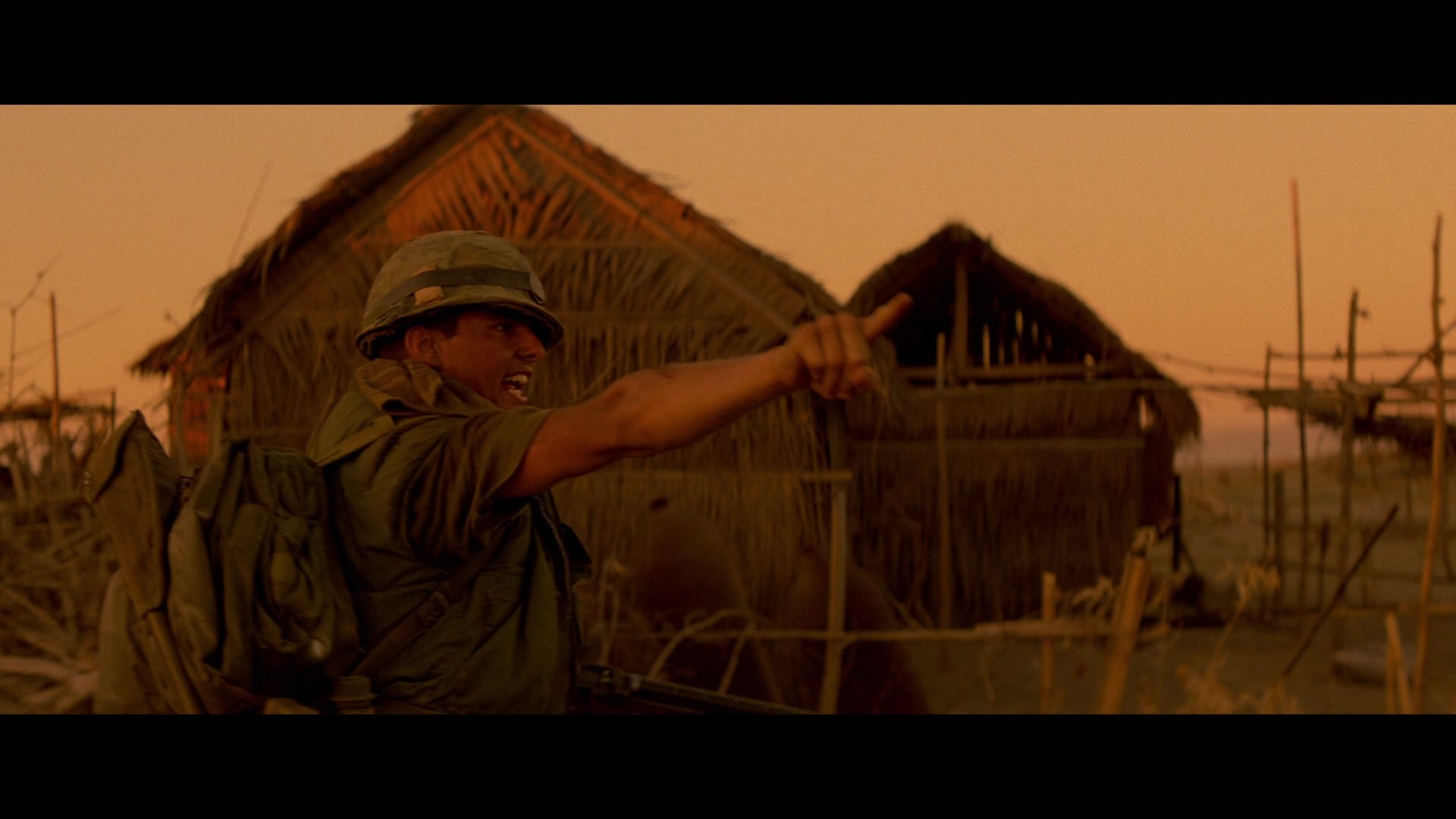
Returning to Vietnam so soon seemed an odd choice after the very contemporary Wall Street and Talk Radio, but Stone was in a position to write his own ticket, and I suspect the appeal of Kovic’s story was that it let him follow the soldiers back home, rather than stay in country. Stone’s whole pitch on Platoon was authenticity – he’d been to war himself, and was turning his own experiences into art – and now he could tell the rest of his own story through Kovic’s political awakening and America’s rejection of its veterans when they came back.
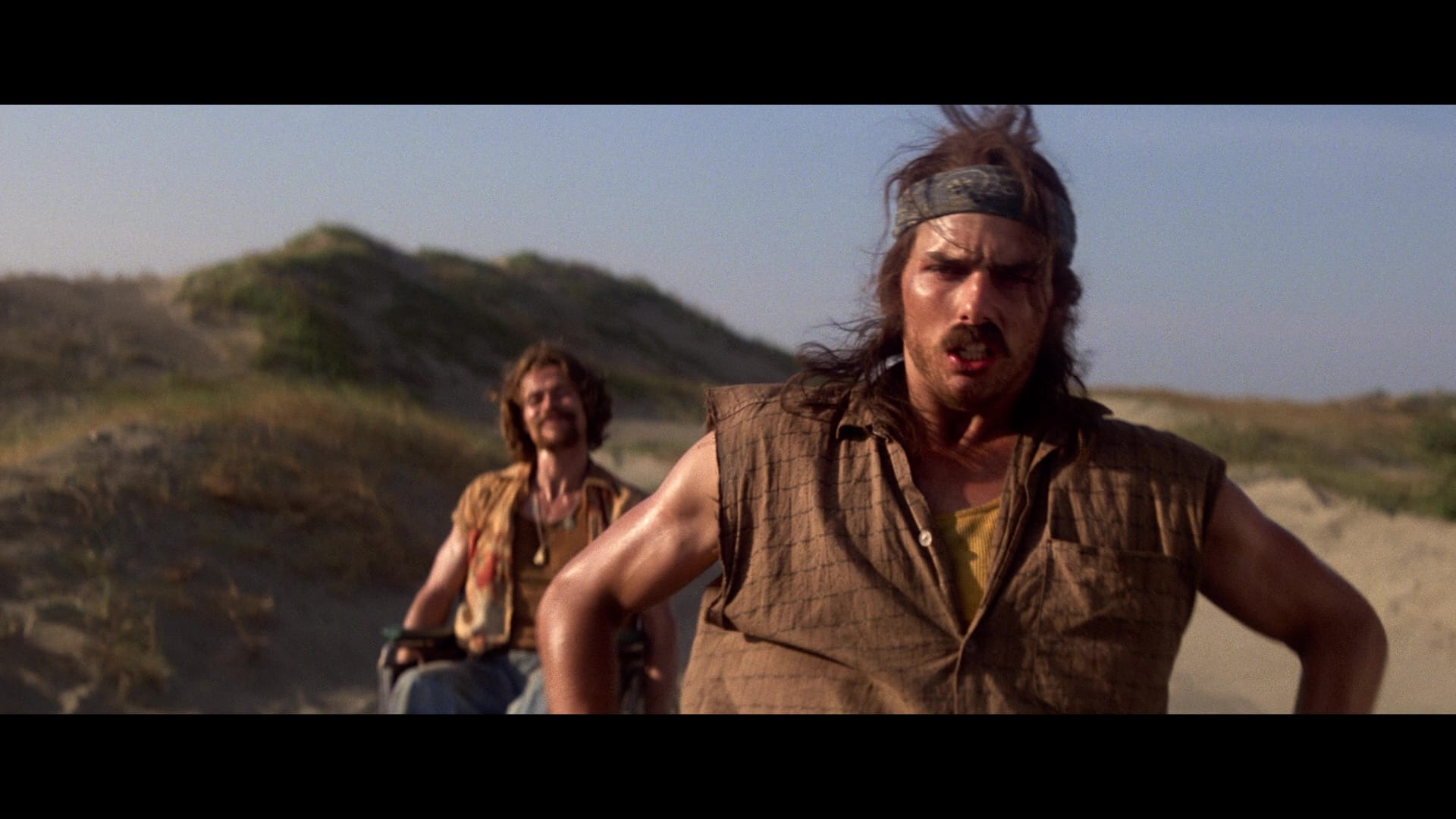
The other difference this time was status. Stone had made Platoon on a shoestring, but after the Oscar wins – and the blockbuster success of Wall Street – he had the full support of both Universal Pictures and box-office golden boy Tom Cruise, who signed on as Kovic in what was then framed as a dangerous, edgy choice for the young star of Top Gun and Rain Man. Stone loved the idea of turning that guy into a broken man, long-haired and strung out, and perhaps leans into it a little too much – but it’s all in the service of a message he truly believes in.
I have issues with a lot of Stone’s work – he’s a sculptor who hits his chisel with a sledgehammer – and Born on the Fourth of July certainly isn’t perfect. But it’s maybe his most strongly felt picture, which is really saying something. Pauline Kael famously dismissed it as having someone yell at you for two and a half hours, and while she wasn’t wrong, the yelling is the point. It’s a howl of pain and rage from someone who can’t get his message across any other way.
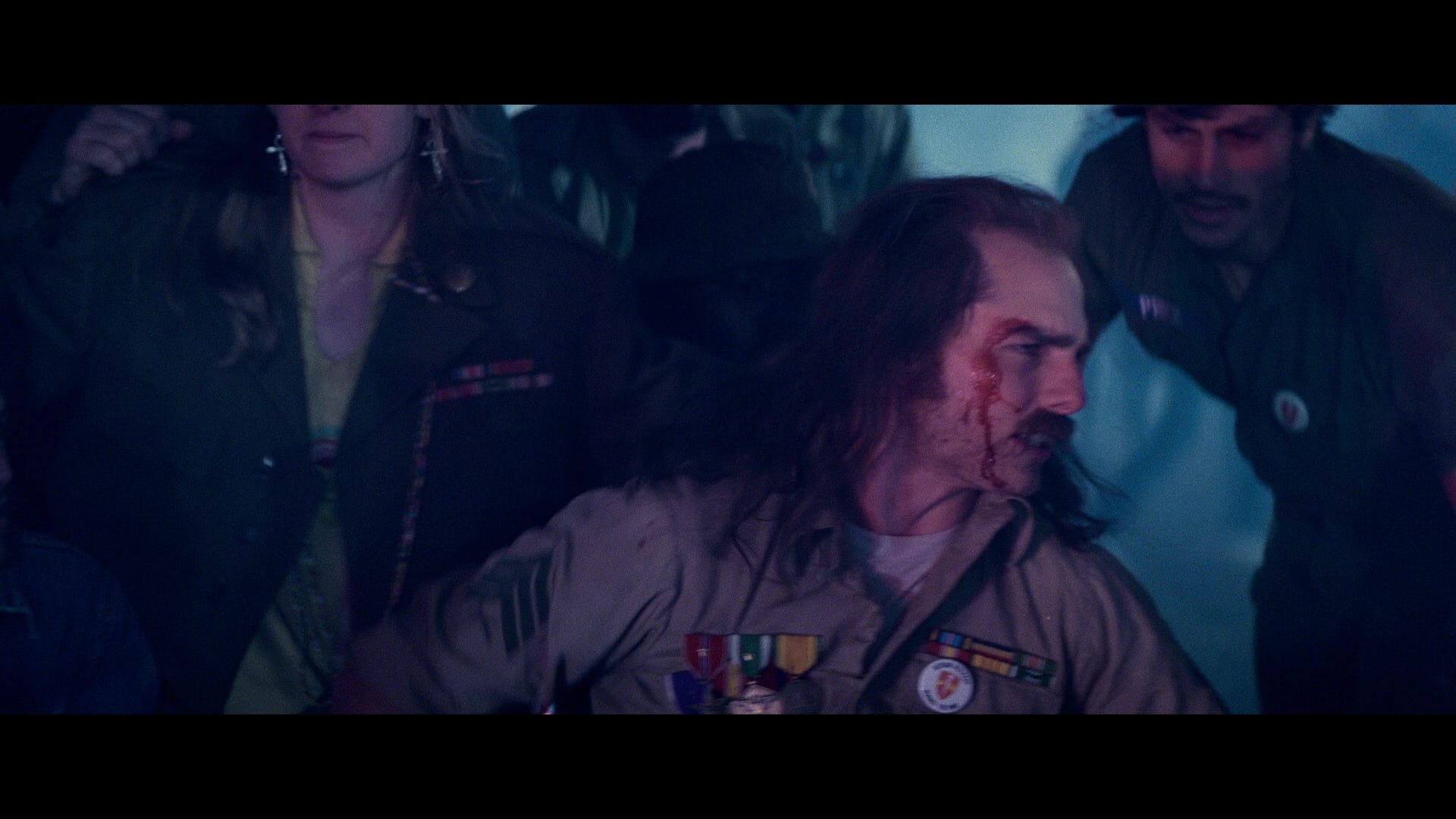
Like the UHD special editions of Natural Born Killers and JFK Shout released last year, the new disc of Born on the Fourth of July is built around a new restoration from the original camera negative, and Robert Richardson’s imagery looks better than it has in decades. The soundtrack has been remixed in Dolby Atmos, which allows Stone to pummel us even more thoroughly; Kovic’s PTSD is often rendered as a cacophony of assaultive noise, and we’re right there with him.
Stone’s archival audio commentary is now joined by a second track from Matt Zoller Seitz, which offers a more historical appreciation of the film and considers its context in Stone’s larger filmography; those tracks appear on both the 4K disc and the accompanying Blu-ray, with the rest of the extras on the BD.
There's a modest but meaningful suite of new interviews with Stone, makeup effects artist Gordon J. Smith and associate producer Clayton Townsend; you’ll recognize them from the extras on Shout’s 2023 Stone restorations. Missing from this edition is the NBC News special “Backstory: Born on the Fourth of July” that was included on Universal’s DVD and Blu-ray. It's not a significant omission.

Drag Me to Hell marked a similar return to form for Sam Raimi, a proper horror movie from the man who made the Evil Dead trilogy after a decade of studio work that culminated in his massively successful Spider-Man movies. But the disappointing artistic and financial returns of Spider-Man 3 put an end to that run, and Raimi went back to basics, and his favorite genre, for his next picture.
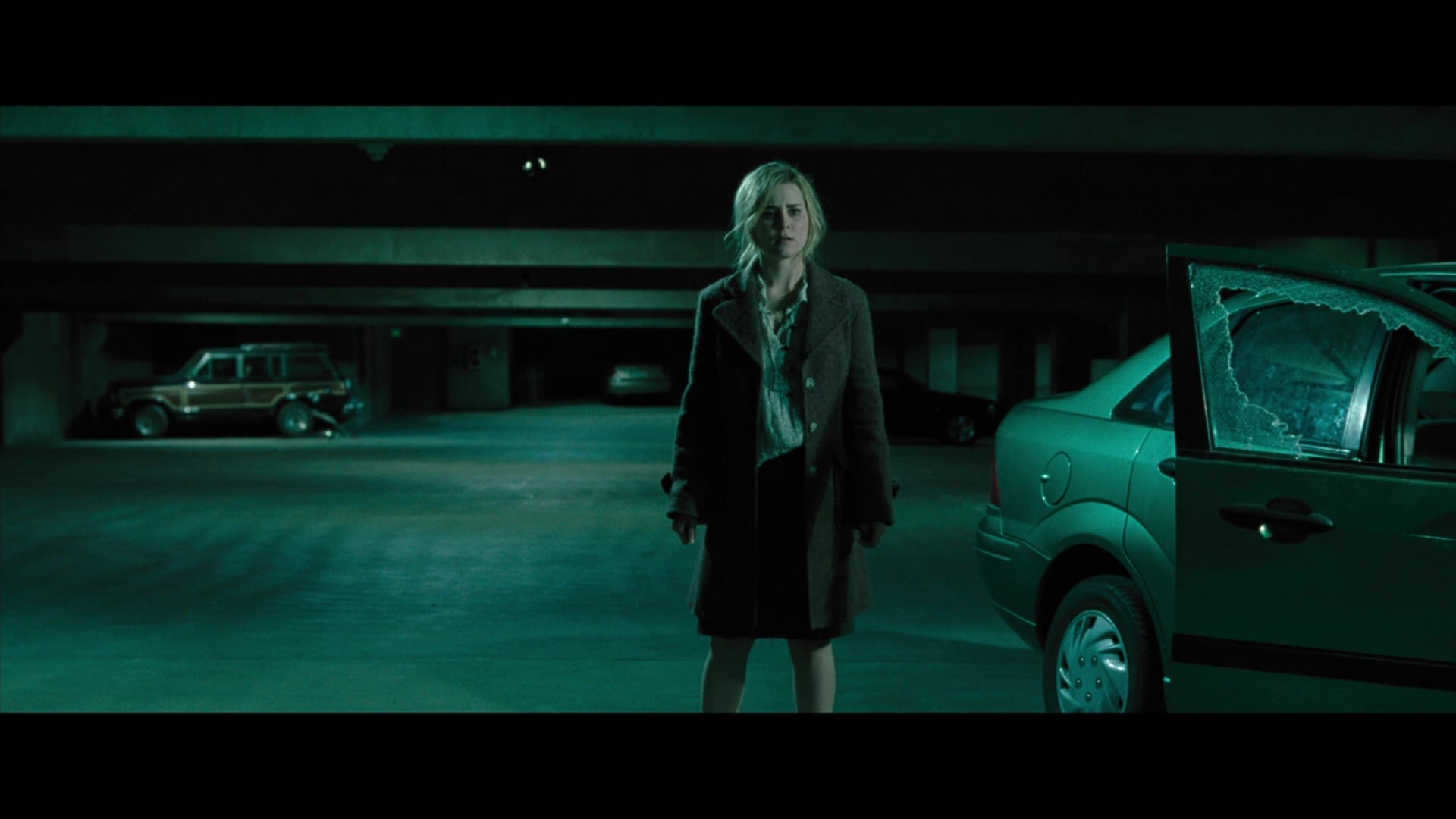
It’s a simple morality tale, really, with Alison Lohman starring as Christine, a big-city loan officer whose focus on a promotion leads her to take an unnecessarily hard line on a mortgage extension for the demanding Mrs. Ganush (Lorna Raver). Tempers flare, mistakes are made and Mrs. Ganush slaps a curse on Christine, invoking the evil spirit of the Lamia to torment her without mercy before, yes, dragging her to Hell.
Raimi has no illusions about the kind of story he’s telling; Drag Me to Hell would fit in very nicely with the Tales from the Crypt feature films from the early ’90s. The characters are pulp archetypes, though Lohman invests Christine with a self-righteousness that grows more interesting over the course of the movie: She doesn’t see herself as a bad person, and it’s true that her punishment is disproportionate to her dickishness with Mrs. Ganush … but as Christine grows more and more desperate to save herself, it’s clear that she’s not exactly a shining soul.
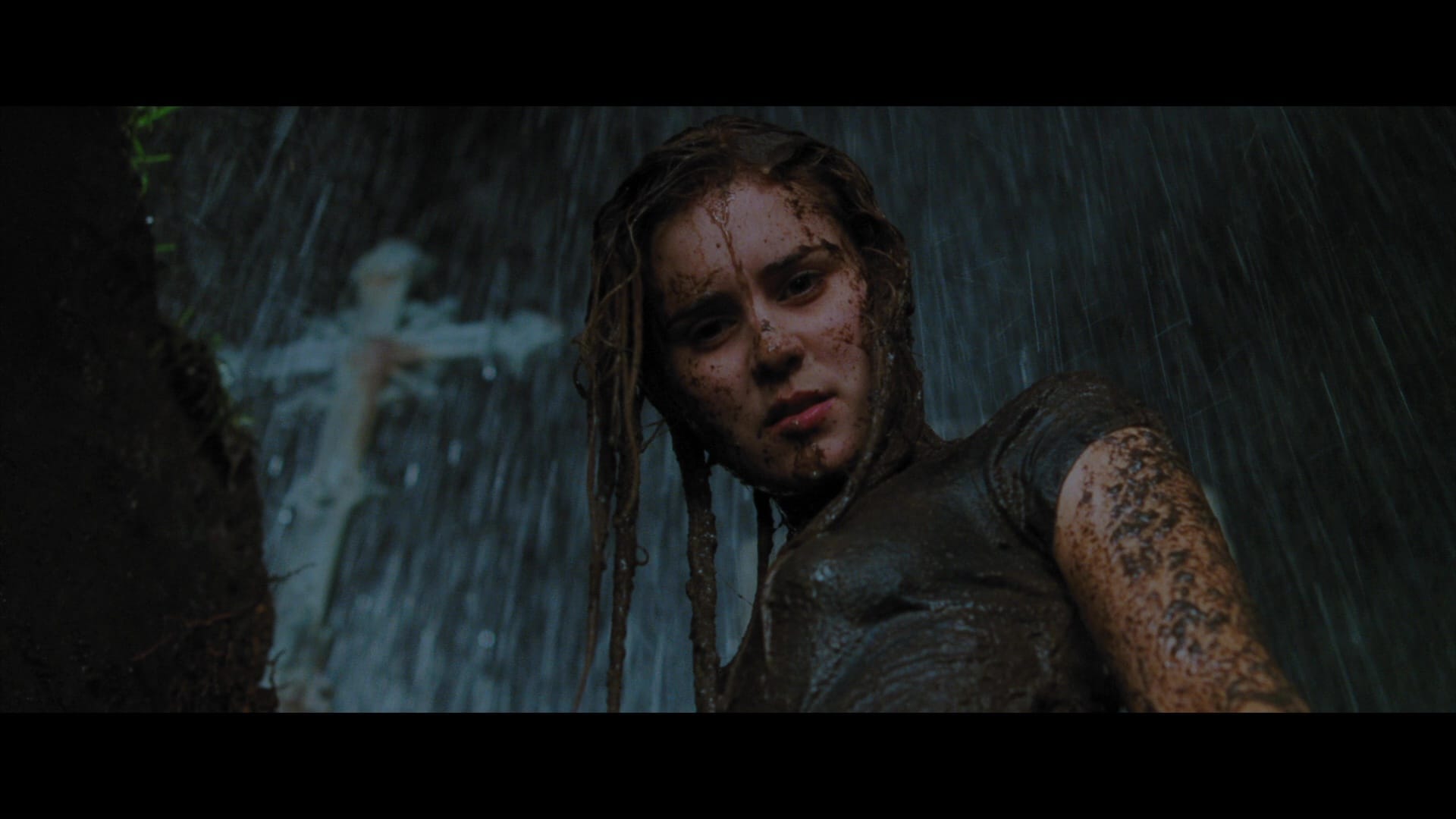
And that lets us enjoy the ride, as Raimi puts Christine through a gauntlet of minor annoyances that build up into screaming existential terror, much to the confusion of her well-meaning boyfriend Clay (an appropriately wide-eyed Justin Long) and everyone else around her. If she can’t redeem herself, can she at least outwit the curse of Lamia?
If you haven’t seen this one, I’m not going to spoil it for you; I’ll just say Drag Me to Hell ends on a note that’s as frantic, pointed and creepy as anything Raimi’s ever done, which is really saying something. It also had the advantage of feeling very timely, landing as America was still sifting through the wreckage of the subprime mortgage crisis of 2008. Raimi swore that was a coincidence, insisting he’d dusted off a script he wrote with his brother Ted back in their splatter days that just happened to become relevant. And yeah, a loan officer feels like they’d be at the top of a list of the bureaucrats cruising for a bruising in the glory days of E.C. Comics, doesn’t it?
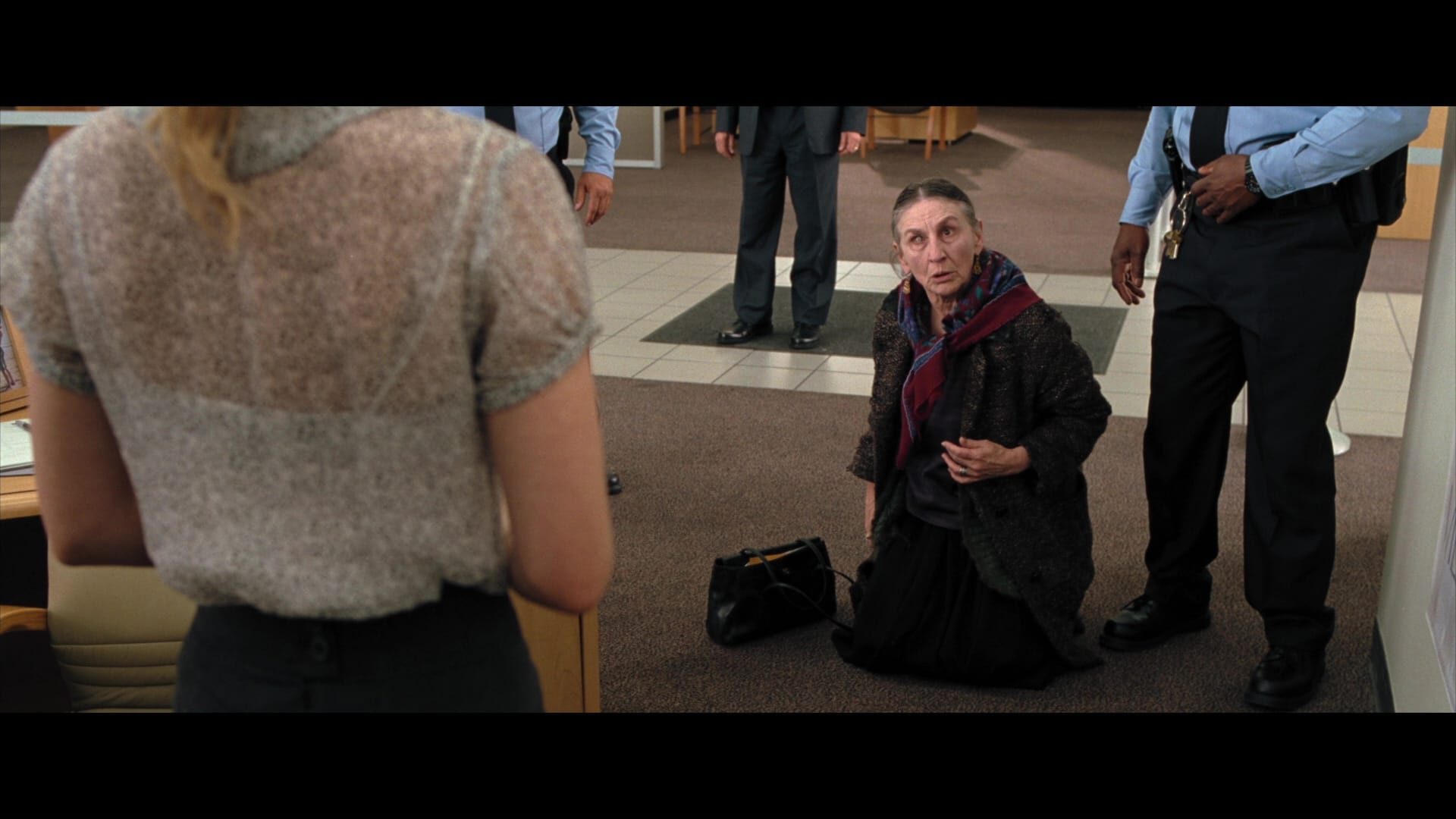
(The E.C. Comics vibe also offers some context – at least to my mind – the film’s treatment of Mrs. Ganush, a Roma woman who’s depicted as a grotesque ethnic stereotype. We’re supposed to be seeing her through Christine’s eyes, and the whole movie operates on a cartoonish level to begin with, but I can certainly see how the character could be perceived as a walking hate crime.)
Shout’s 4K release of Drag Me to Hell improves on the two-disc Blu-ray special edition released in 2018 by rolling out a three-platter package built around a new Ultra High Definition master of both the theatrical and unrated cuts. The difference in running time is negligible; the unrated version is actually a few seconds shorter, but a number of effects shots are … messier … than a PG-13 rating would have allowed. The 4K platter includes both cuts, and each version gets its own Blu-ray.
The UHD disc is razor-sharp, the HDR layer allowing for more textured shadows in the film’s darker sequences, and new highlights to the occasional bursts of hellfire. (I’d forgotten that Peter Deming shot this. It’s splendid.) There’s no Atmos remix on this one, but the DTS-HD audio is solid, with spirits gibbering in corners during a séance and Christopher Young’s score racing around the soundstage whenever the action picks up.
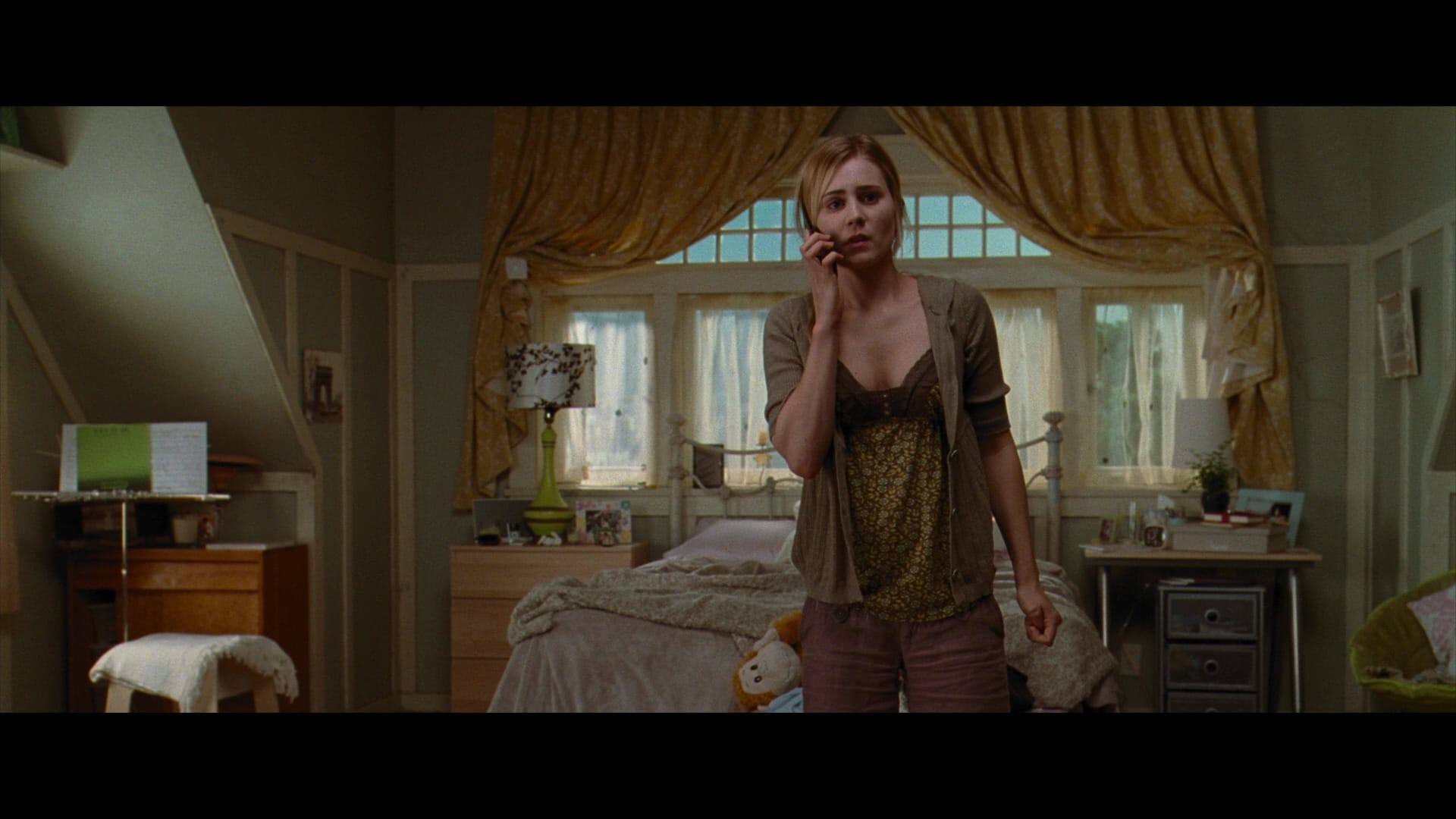
The comprehensive suite of extras from Shout’s previous release – production diaries and interviews from Universal’s Blu-ray, retrospective interviews with Lohman, Raver and Young – is preserved on the theatrical BD, while the unrated disc gets sports a brand-new extra, the two-hour retrospective documentary “Pardon My Curse”, which gives Drag Me to Hell the 15th anniversary celebration it deserves. It’s a keeper.
Not to be outdone, Arrow Video also has a couple of new 4K releases this week, though neither of them could be considered particularly stylish: A new UHD upgrade of Elvira: Mistress of the Dark and a deluxe release of Oliver Hirschbiegel’s 2007 remake of Invasion of the Body Snatchers, The Invasion.

Elvira is an update of Arrow’s 2020 Blu-ray of James Signorelli’s 1988 comedy – you know, the one where Cassandra Petersen’s gothy horror hostess inherits an estate in the heartland, where she’s immediately accused of witchcraft by the uptight God-botherers – with a new 4K restoration from the 35mm interpositive, resulting in a presentation as sharp and clean as anyone could want.
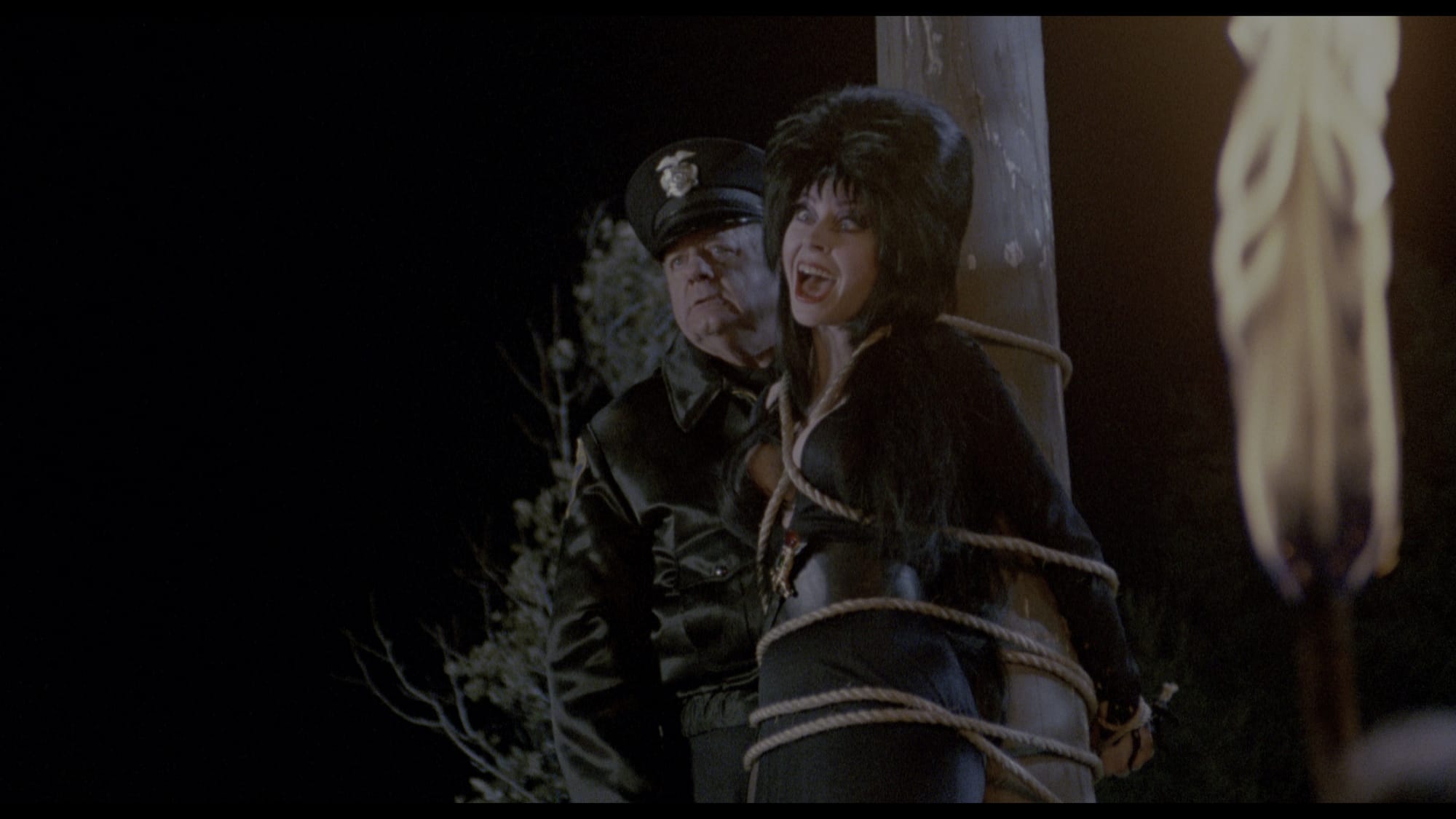
It’s maybe a little too sharp: Signorelli and company were working on a pretty low budget, which is a lot more obvious when you can see everything so clearly. Arriving in the same year as Tim Burton’s Beetlejuice, this couldn’t help but look like that film’s cheaper, dopier cousin. Elvira, Mistress of the Dark is the sort of creepy cheapie Elvira herself would struggle to sell on her show, and while that may have been the initial pitch, it needed a much more skilled filmmaker to pull off.
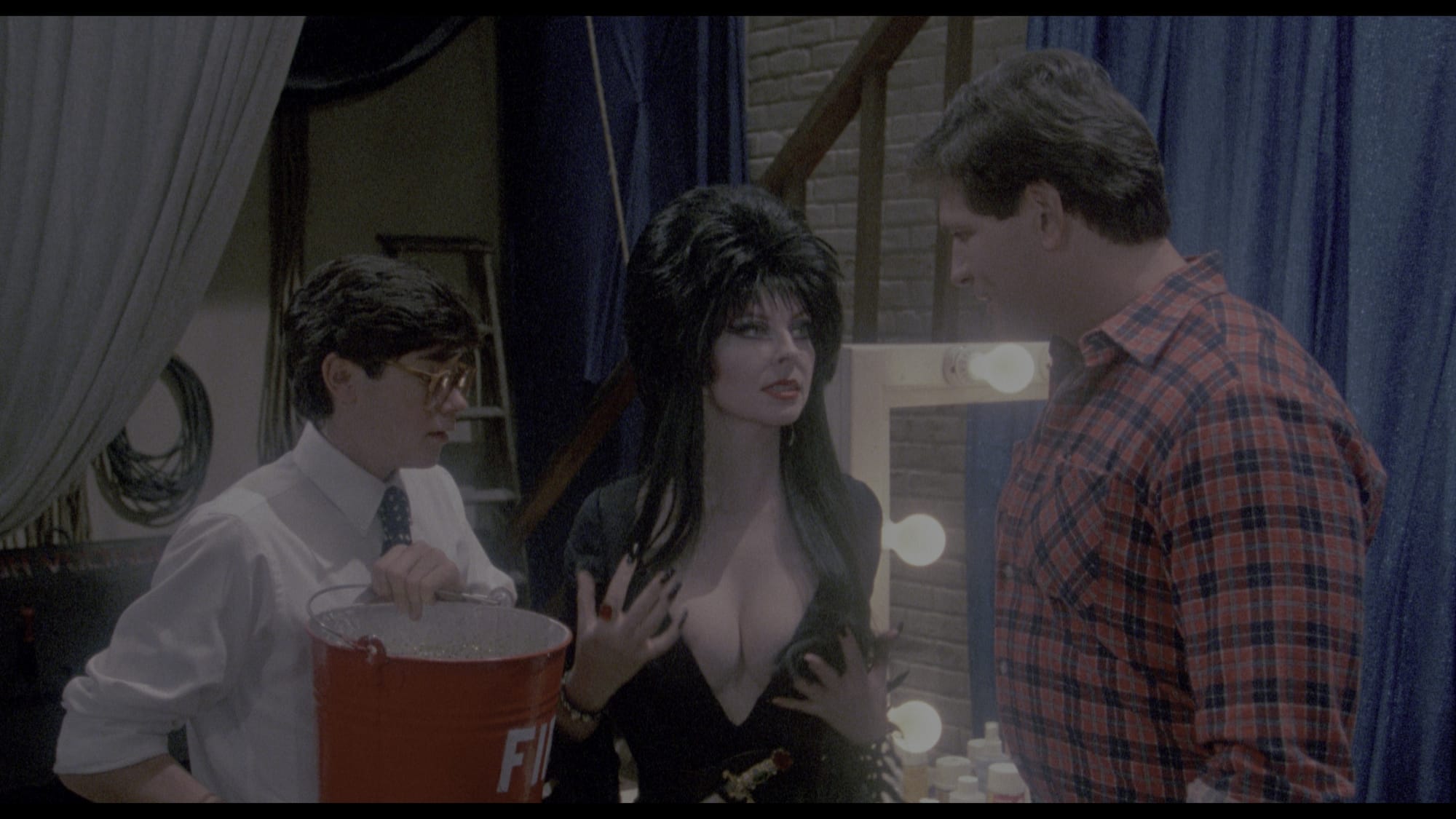
That said, Petersen’s game performance is still the movie’s best special effect, with the architecture of Elvira’s preposterous wardrobe coming a close second. (Both the character and the film actively cater to the male gaze, the better to have Elvira bounce away undisturbed; again, imagine what Amy Heckerling or Tamra Davis might have done with this material.)
All the extras from the 2020 BD are ported over – three commentary tracks, a feature-length retrospective documentary, a new look at the special effects and some other archival goodies. I’m sure this edition will find its audience; I’m just surprised it didn’t come out in time for Halloween.

The Invasion is the Arrow title that seems like the riskier venture – it’s easily the least of the Body Snatchers movies, with the alien infection presenting as a sort of malevolent snot and Nicole Kidman, Daniel Craig and Jeffrey Wright doing their best to dignify a script that already feels like an unconvincing replica of better, more visceral work.
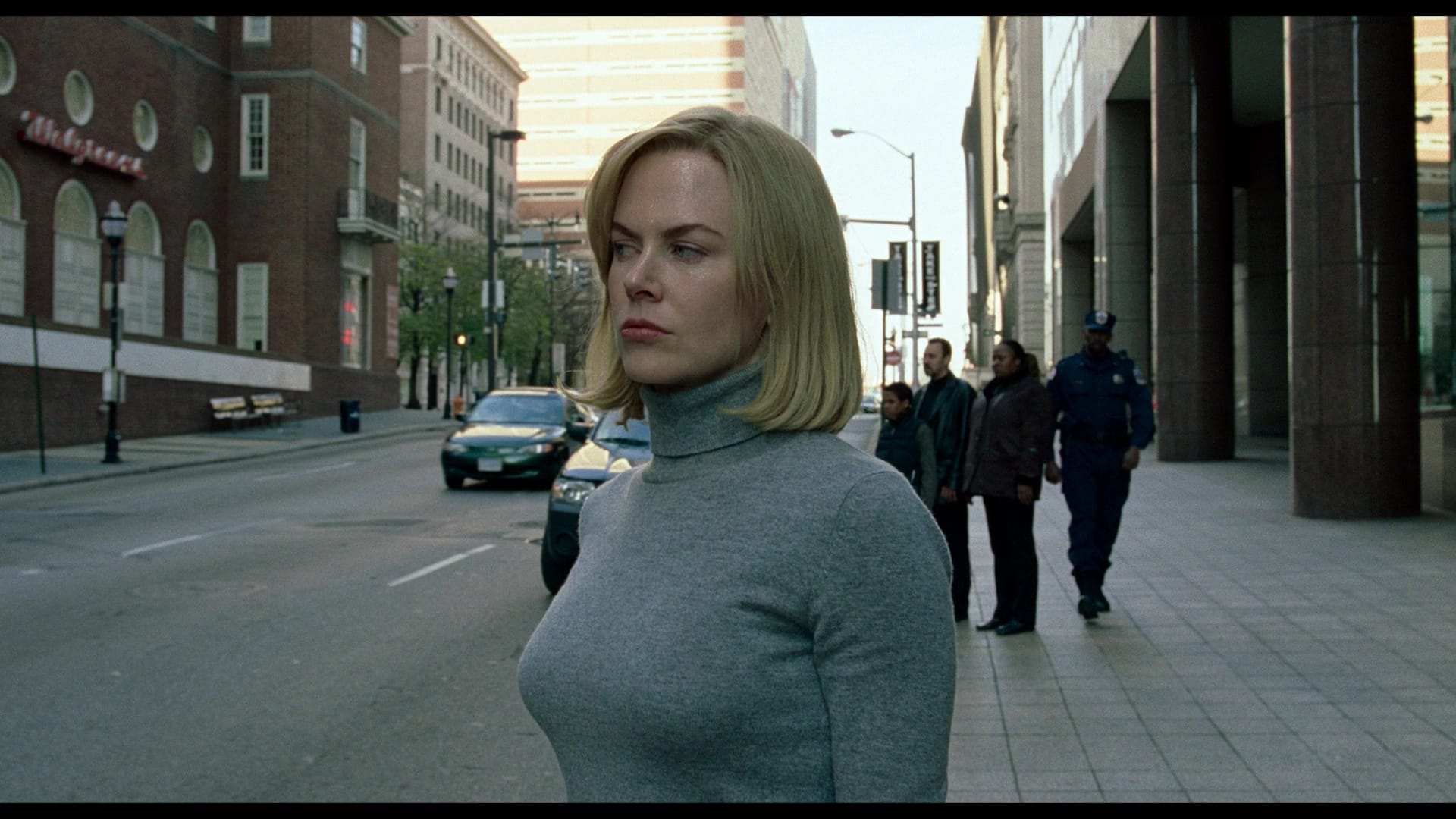
In fairness, it’s not entirely the cast’s fault; we’ll never know what Hirschbiegel’s film might have looked like, since Warner took it out of his hands in post-production, commissioning the Wachowskis and their V for Vendetta director James McTeigue to add more action sequences and rework the climax.
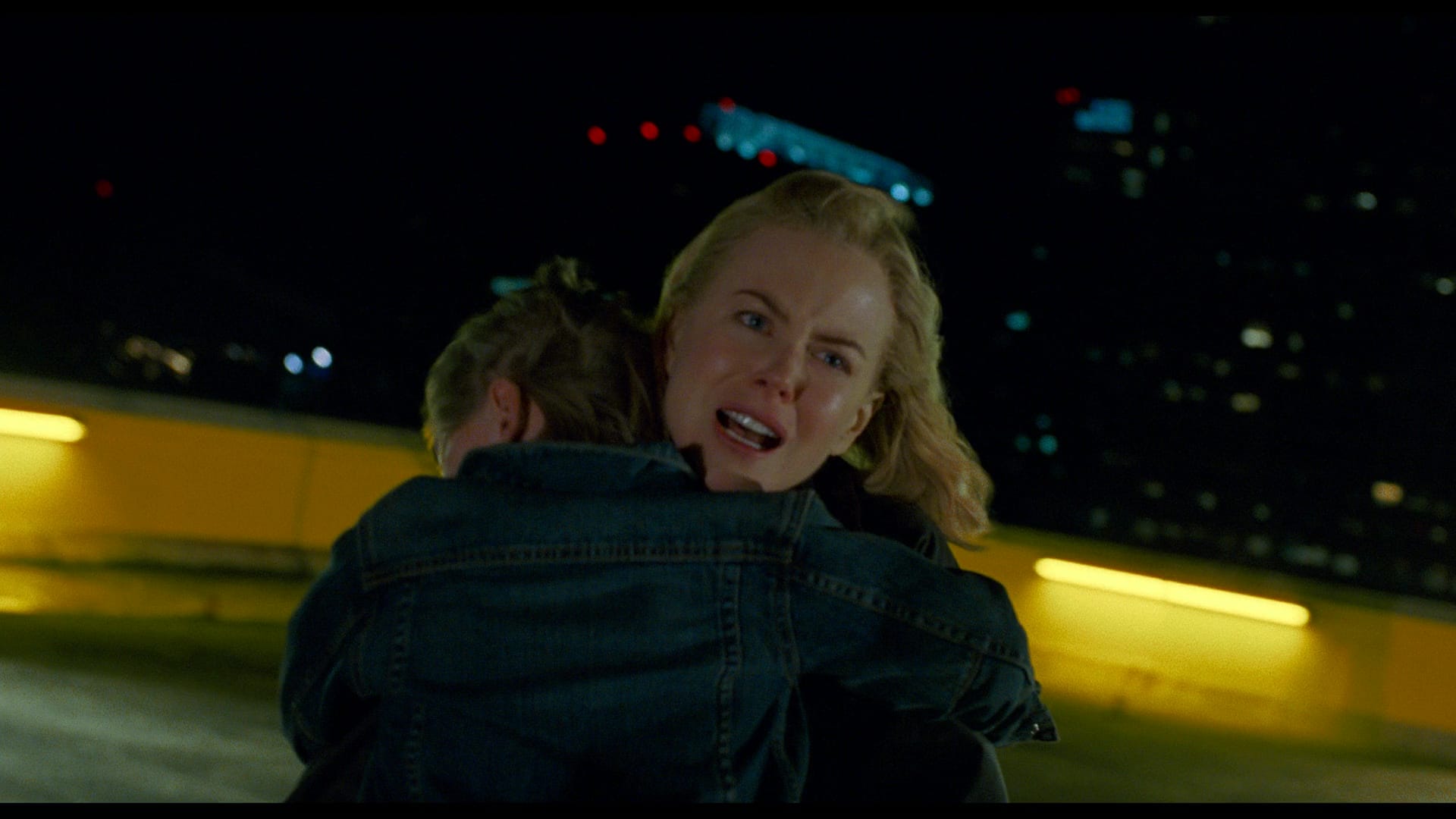
The result is a movie with a great first act and little else; as soon as the nature of the threat is revealed, the film shifts into a series of pointless chases and narrow escapes as the infection spreads across the world. Points for trying something different, I guess, and the stabs at political commentary did survive – the aliens might take over the planet, but they do bring world peace. On their own terms, of course.
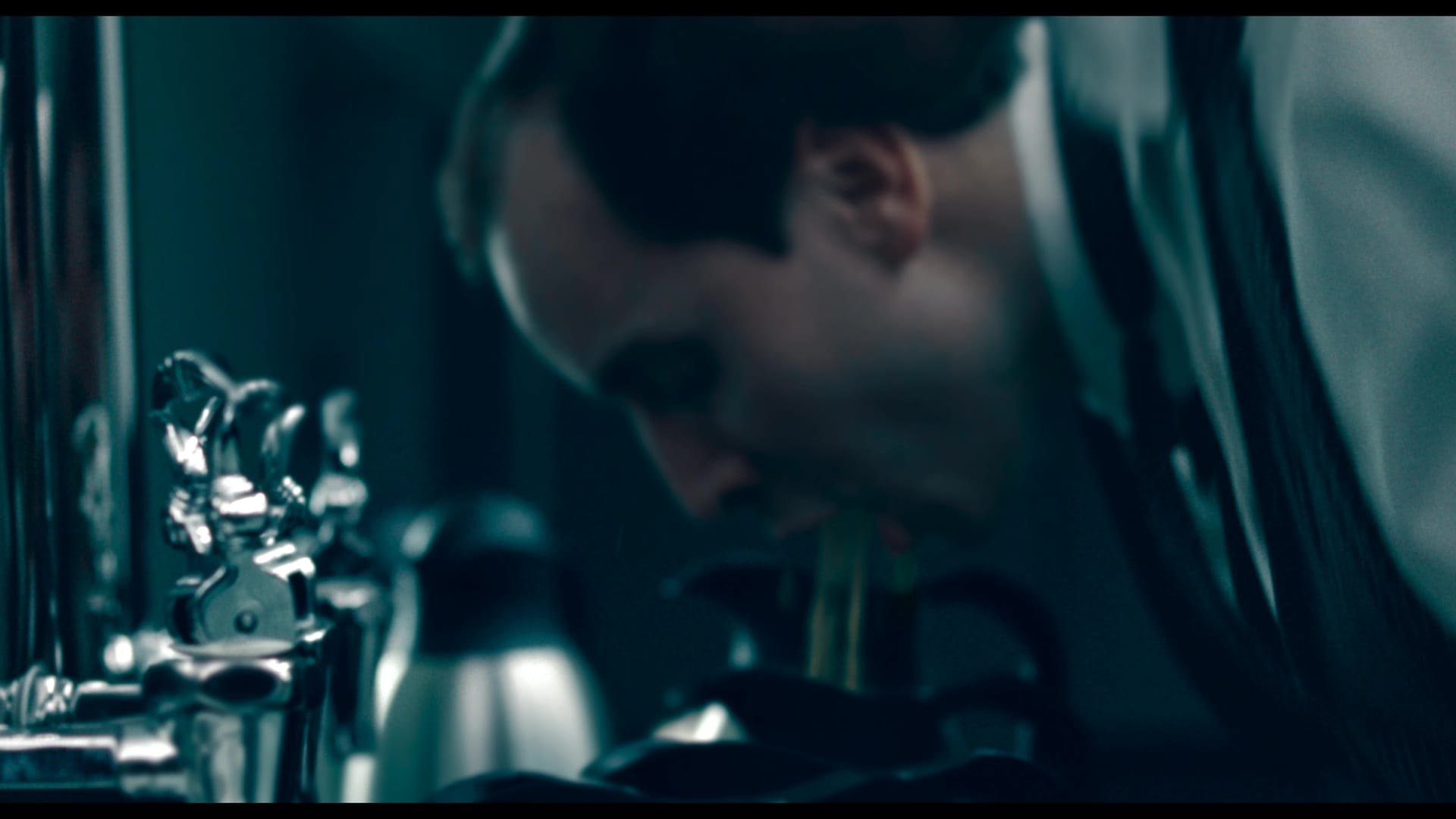
All the other Body Snatchers adaptations have gallery space in my head, so I was surprised to realize I hadn’t even thought about The Invasion since the year of its release. It was as if I’d purged the entire film from my memory … other than this one indelible image, of course:
So I watched it again, and … yeah, it’s pretty generic. It’s slickly shot, and John Ottman’s score is appropriately tense, and the casting is beyond reproach; Craig and Wright shot this just before being cast as James Bond and Felix Leiter in Casino Royale, and Kidman was in her “I just won an Oscar and I’m going to do whatever the hell I want for a bit” phase.
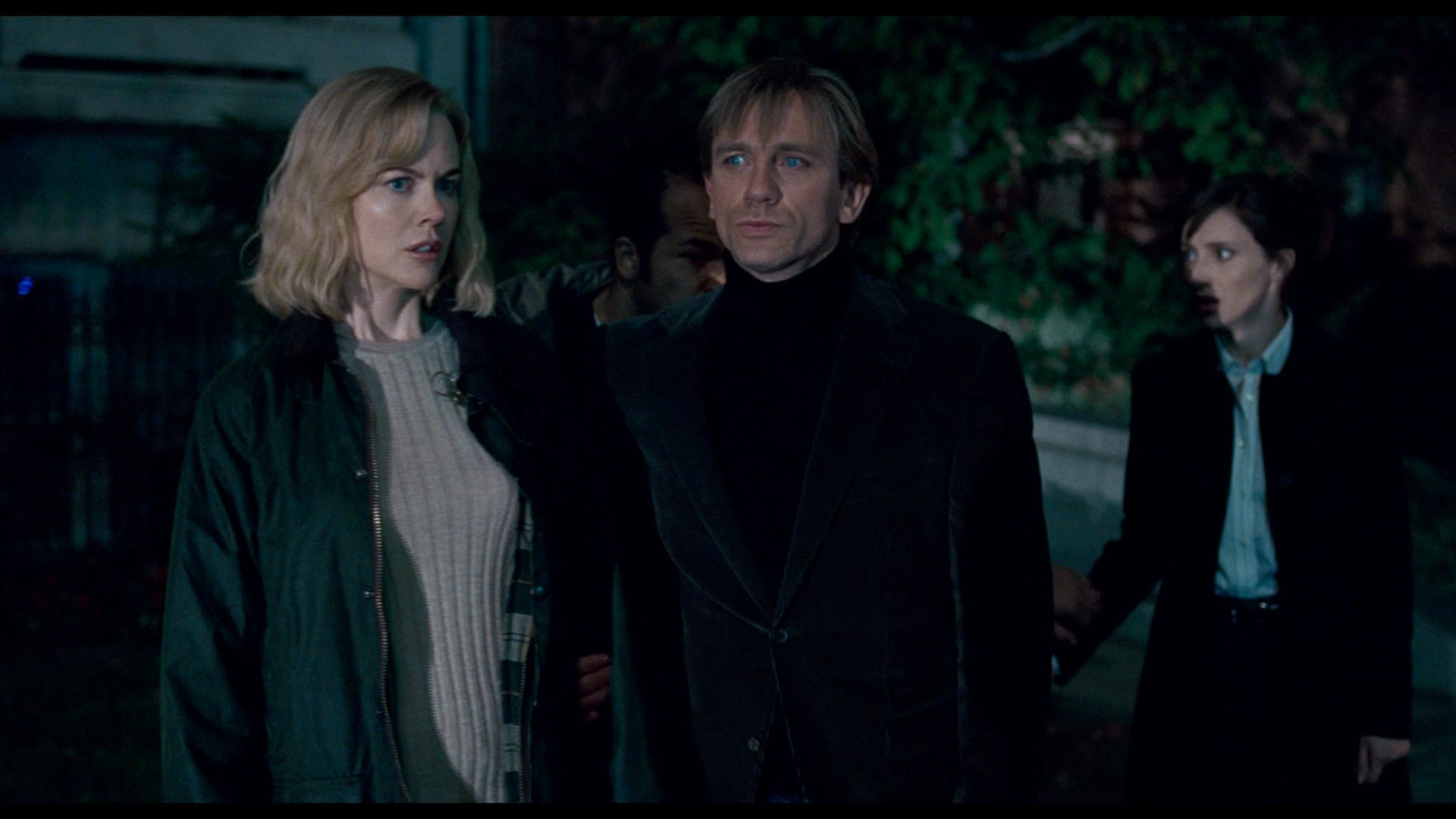
But here’s the thing: By reimagining Jack Finney’s alien seed pods as a nifty little alien retrovirus transferred by bodily fluids – or injected into a host under the guise of a mandatory vaccination – screenwriter David Kajganich created a pandemic movie that now feels eerily accurate. Four years ahead of Steven Soderbergh’s Contagion (and for the same studio!), The Invasion predicts the media coverage of a fast-moving viral threat, the paranoia that follows and the ensuing loss of faith in government authority. Vaccine hesitancy turns out to be the best way to escape the takeover! Jesus christ, you guys!
And that’s not the only aspect of The Invasion that feels relevant today. Gender-swapping Finney’s protagonist – Kidman’s Carol Bennell was originally Miles, and played by Kevin McCarthy in 1956 and Donald Sutherland in 1978 – allows Kajganich and Hirschbiegel to introduce another element of distressing social commentary.
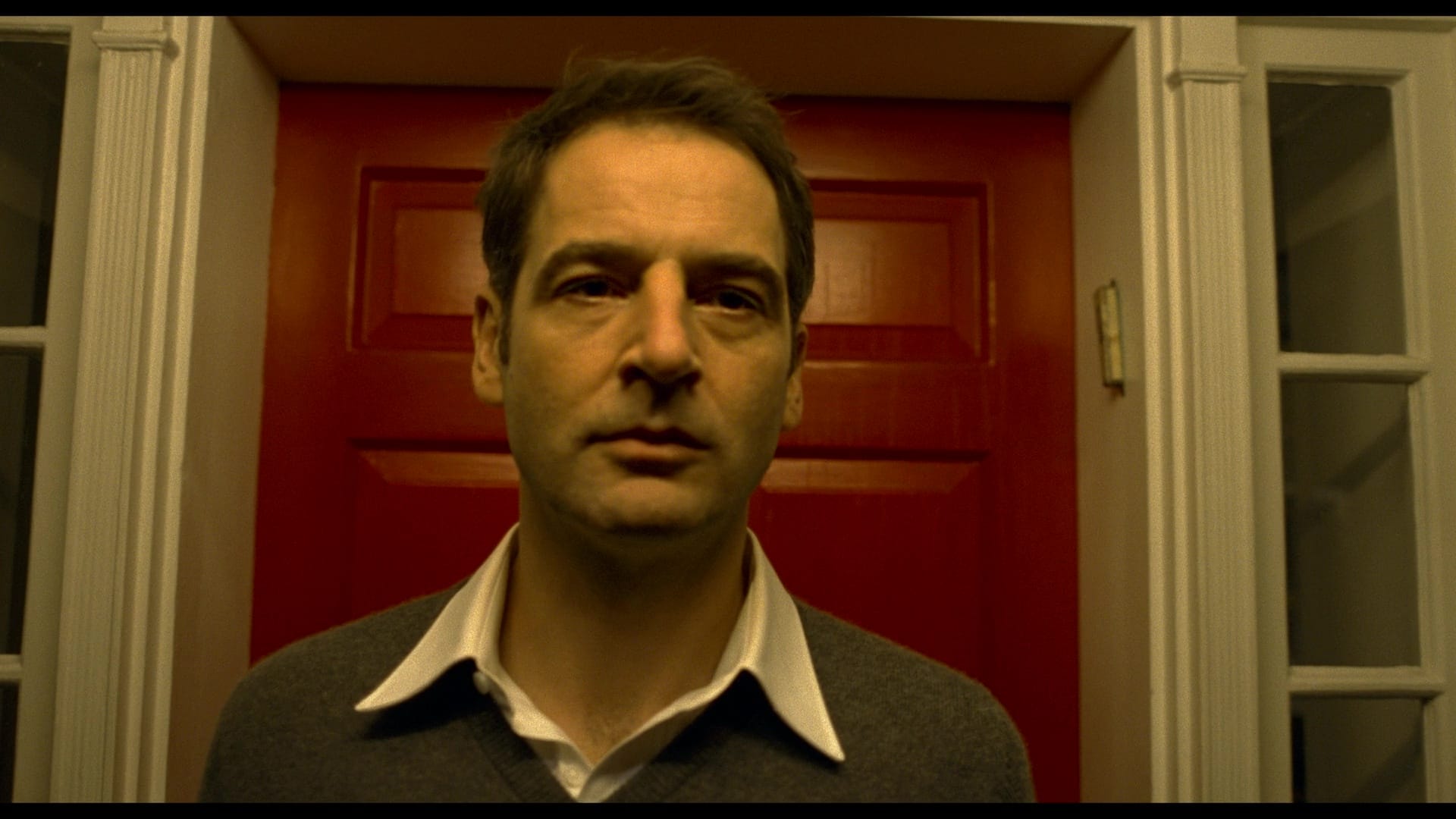
Jeremy Northam turns up as Carol’s ex, Tucker, whose government position makes him the de facto spokesperson for the invaders, and his pursuit of Carol – first sending goons to intimidate her, then turning up in her home and physically assaulting her in the hopes of infecting her – plays as an extension of the abuse that ended their marriage. (It’s not specified whether that abuse was emotional or physical, but it doesn’t have to be; Kidman’s performance tells us everything we need to know.)
The gendered nature of the movie’s violence, with anonymous white men staring daggers at women of various races and ages, is a theme that’s clearly intentional, and which went entirely unremarked upon at the time. I missed it too, and watching Alexandra Heller-Nicholas lay it out clearly and unmistakably in her new visual essay “Body Snatchers and Beyond” was both instructive and a little shaming.
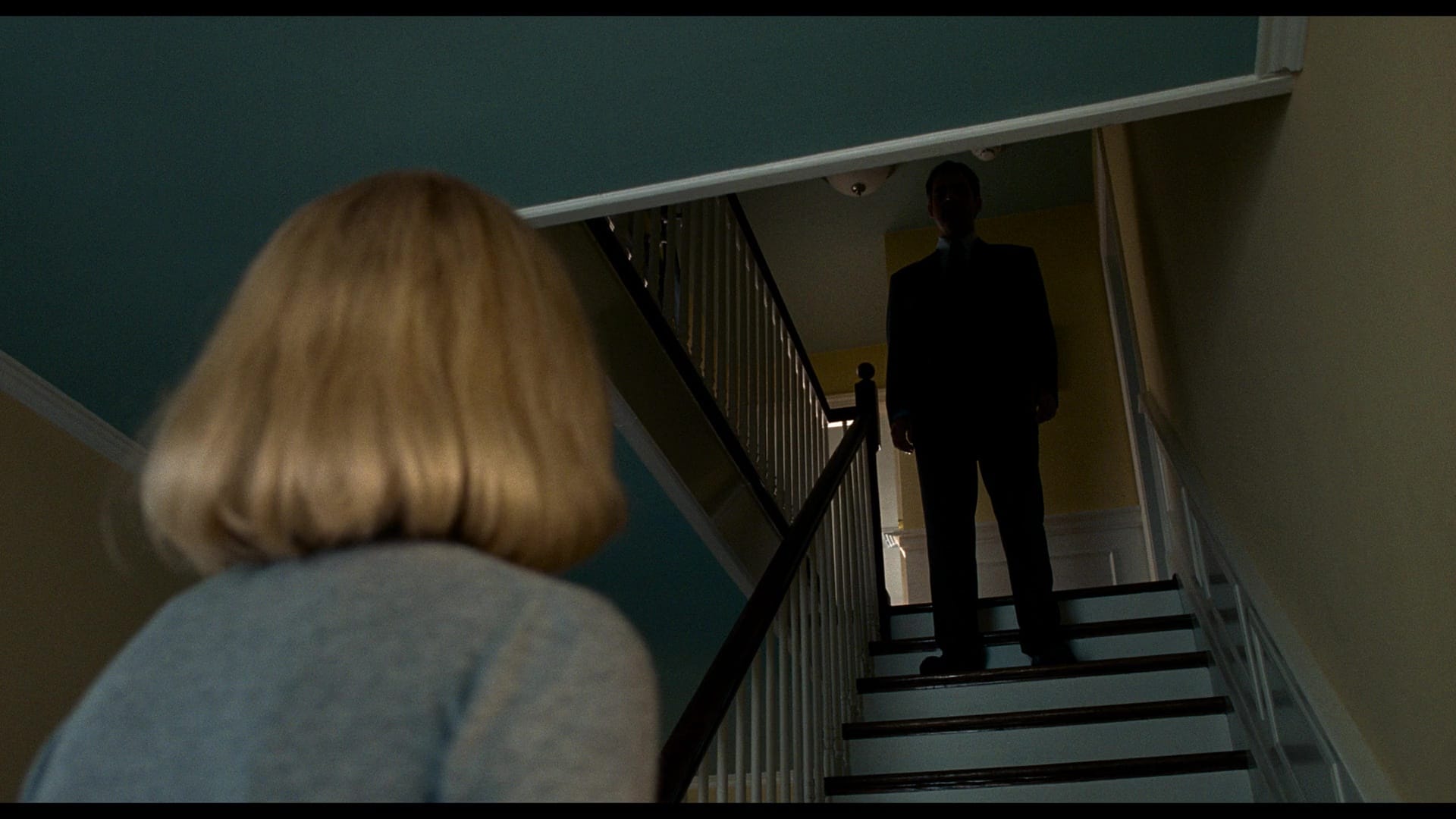
Heller-Nicholas’ piece is one of three new supplements commissioned by Arrow for this special edition; the other essay, “The Bug That’s Going Around”, finds Josh Nelson focusing on the pandemic angle, noting the ways in which Hirschbiegel’s film feels more credible now than it did when it first hit theaters. We just didn’t know what was coming.
The third new supplement is a typically astute and illuminating audio commentary by Faculty of Horror podcasters Andrea Subissati and Alexandra West, covering all aspects of the production and suggesting a much more interesting project than what ultimately made it to the screen. And while I still can’t call myself an admirer of The Invasion, 17 years later I can respect the filmmakers – the original filmmakers, anyway – for trying to find another angle on a very familiar text.
Oh, the disc also includes the four featurettes produced for Warner’s original release, none of which is especially enlightening – though “We’ve Been Snatched Before” is an interesting look at the history of invasive viruses, ending with a warning that The Invasion’s fictional pandemic might play out sooner than we’d like to believe. Eep.
Made in England: The Films of Powell and Pressburger is available on Blu-ray from Cohen Media Group; Born on the Fourth of July and Drag Me to Hell are available in 4K/Blu-ray combos from Shout! Studios and The Invasion is available in separate 4K and Blu-ray editions from Arrow Video, while Arrow’s Elvira, Mistress of the Dark is 4K only.
Coming up: Severin’s second folk-horror set and Criterion’s UHD upgrade of Seven Samurai are both so massive they require a separate column. And you can always upgrade to paid for the weekly What’s Worth Watching newsletter! Do that! You’ll learn stuff!