
How's Everybody Doing?
In which Norm kicks of 2026 by spinning up the various anxieties of IF I HAD LEGS I'D KICK YOU, THE SMASHING MACHINE and BLACK PHONE 2.

Well, I think I can safely say that no one expected 2026 to start with America attacking Venezuela on the thinnest of pretenses, with a visibly deteriorating Donald Trump announcing afterward that America will be “running” the country for a bit. I would even guess that Trump’s own cabinet didn’t know about the occupation plan, which he apparently riffed during Saturday’s press conference and must now be devised and implemented by the most incompetent people ever hired to their positions. But hey, at least it means you’re already most of the way to the state of anxious discomfort this week’s movies want you to feel!

I’ll start with If I Had Legs I’d Kick You, Mary Bronstein’s study of an overstressed woman teetering on the edge of a breakdown. The film was described as “Uncut Gems, but for motherhood” at various points during its festival run, and Josh and Benny Safdie would probably encourage it; they’ve known Bronstein forever. (She cast the brothers in her 2008 debut Yeast, and they frequently work with her husband Ronald.)
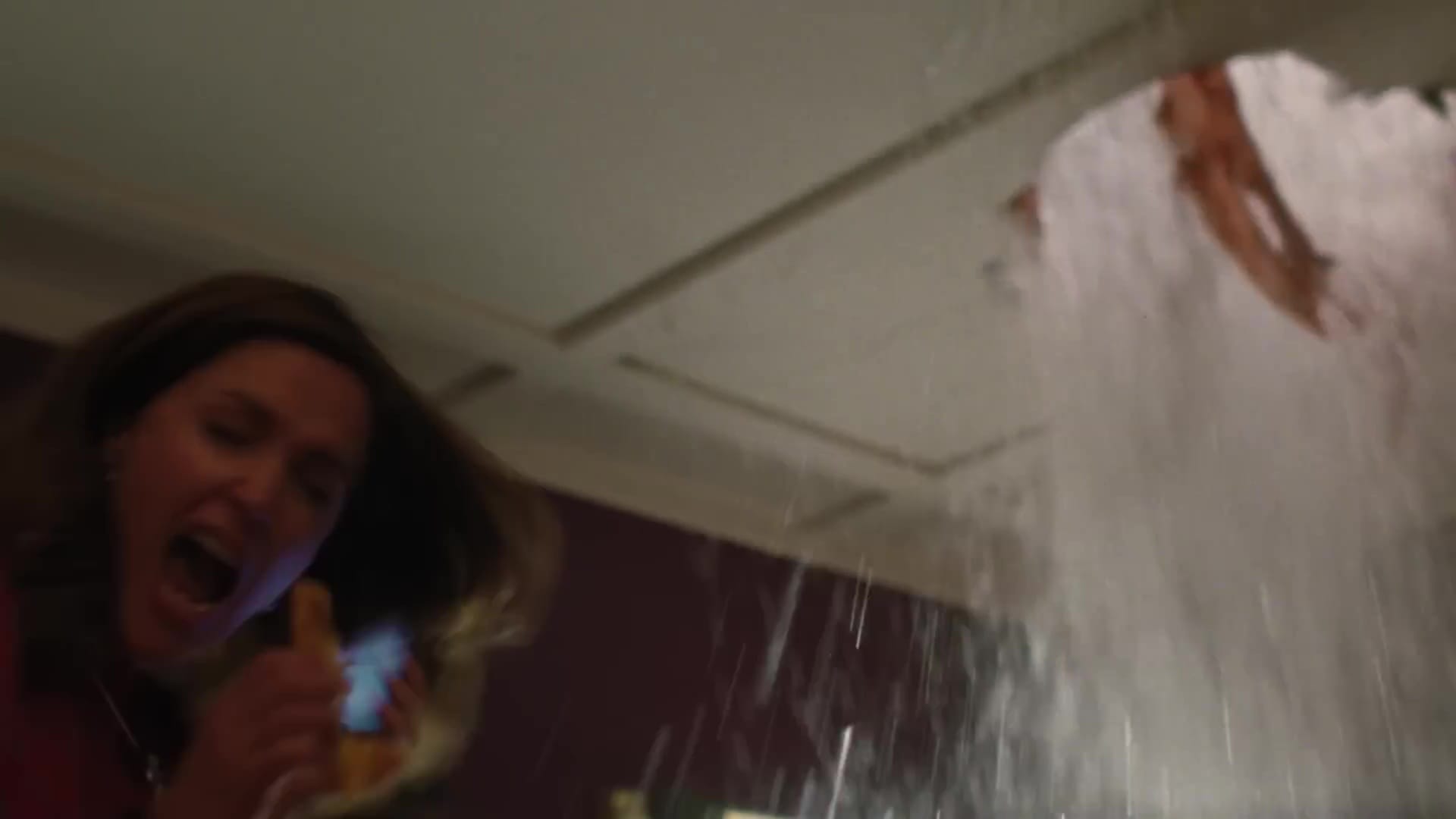
More importantly, the film earns the comparison. If I Had Legs I’d Kick You is a white-knuckle psychodrama that fixes itself on the beleaguered Linda (a furious, flailing and utterly gripping Rose Byrne), who has worn herself to a nub attempting to treat her young daughter’s unspecified eating disorder while her naval-officer husband is off at sea. In addition to that defining stress, Linda and her daughter are temporarily housed in a motel after a water leak renders their home uninhabitable; the girl’s treatment center is warning Linda that their options are limited if the child doesn’t gain weight, and Linda’s therapist (Conan O’Brien) is growing increasingly hostile during their sessions. It’s no surprise Linda sneaks out every night to self-medicate with wine and pot. It’s also no surprise that substance abuse isn’t helping.
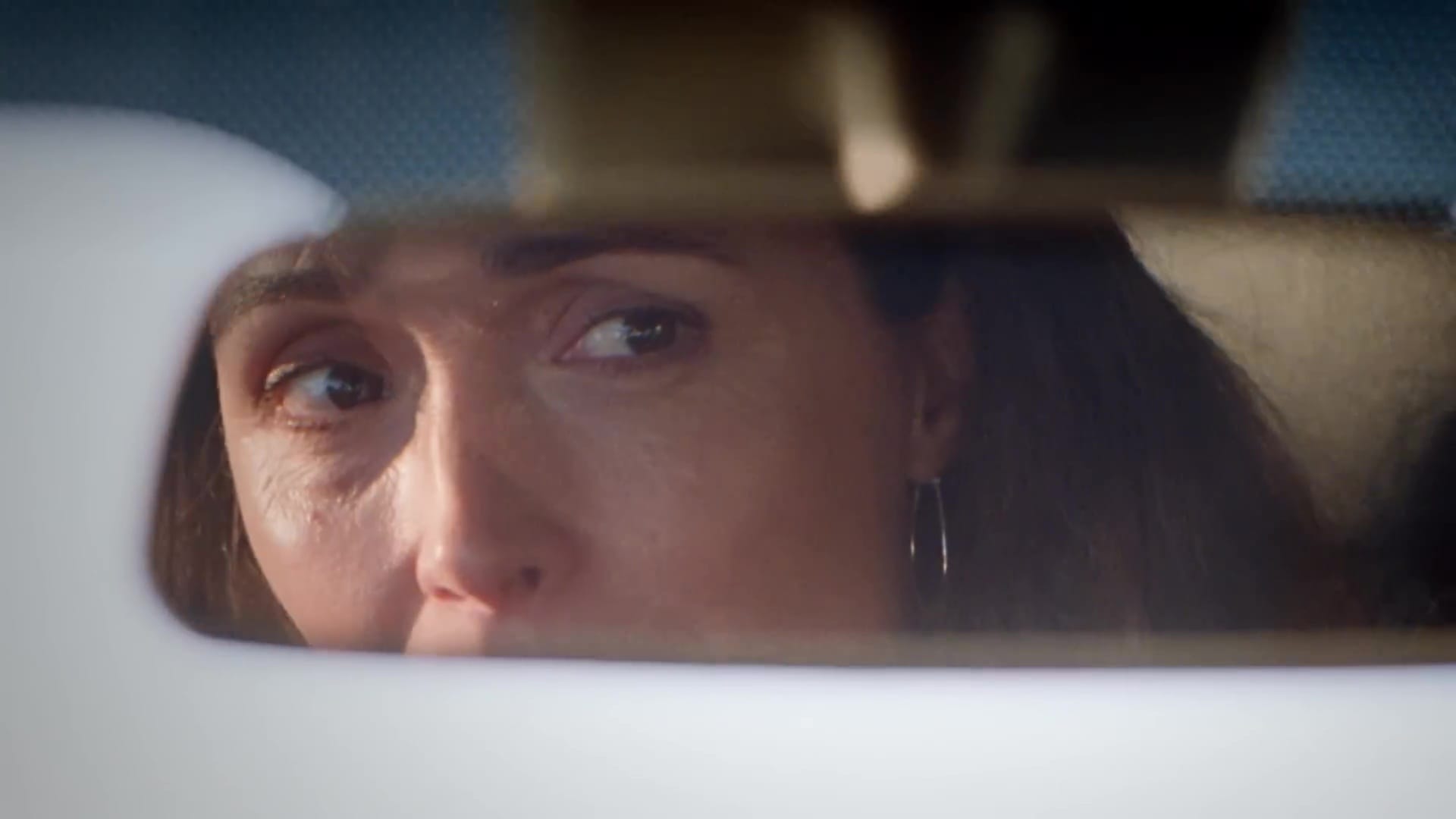
As Linda races from one appointment to the next, compromising and finagling and bargaining and outright fucking up in her attempts to keep every plate spinning, Bronstein turns up the dial on both the character’s anxiety and the audience’s. Byrne gives Linda a manic energy and mounting desperation that make it easy to empathize with her, cleverly keeping Linda’s never-named daughter as an abstract challenge just outside the frame – but always whining and screaming, her own issues amplified by Linda’s agitation. (Delaney Quinn provides her offscreen voice.) O’Brien doesn’t stray too far from his acerbic TV persona as Linda’s therapist, but that makes his performance: He’s clearly disapproving and frustrated, but is it directed at Linda or at himself for failing to reach her? (The revelation of Linda’s own career is one of the film’s best jokes.)

If I Had Legs I’d Kick You risks monotony by holding one nerve-jangling note for nearly two hours, throwing obstacle after obstacle at Linda and waiting for us to lose our patience with her as she has with her daughter. But Bronstein and Byrne know exactly why they’re doing what they’re doing, racing towards the catharsis Linda needs so desperately – and having faith she’ll know what to do with it when it happens.
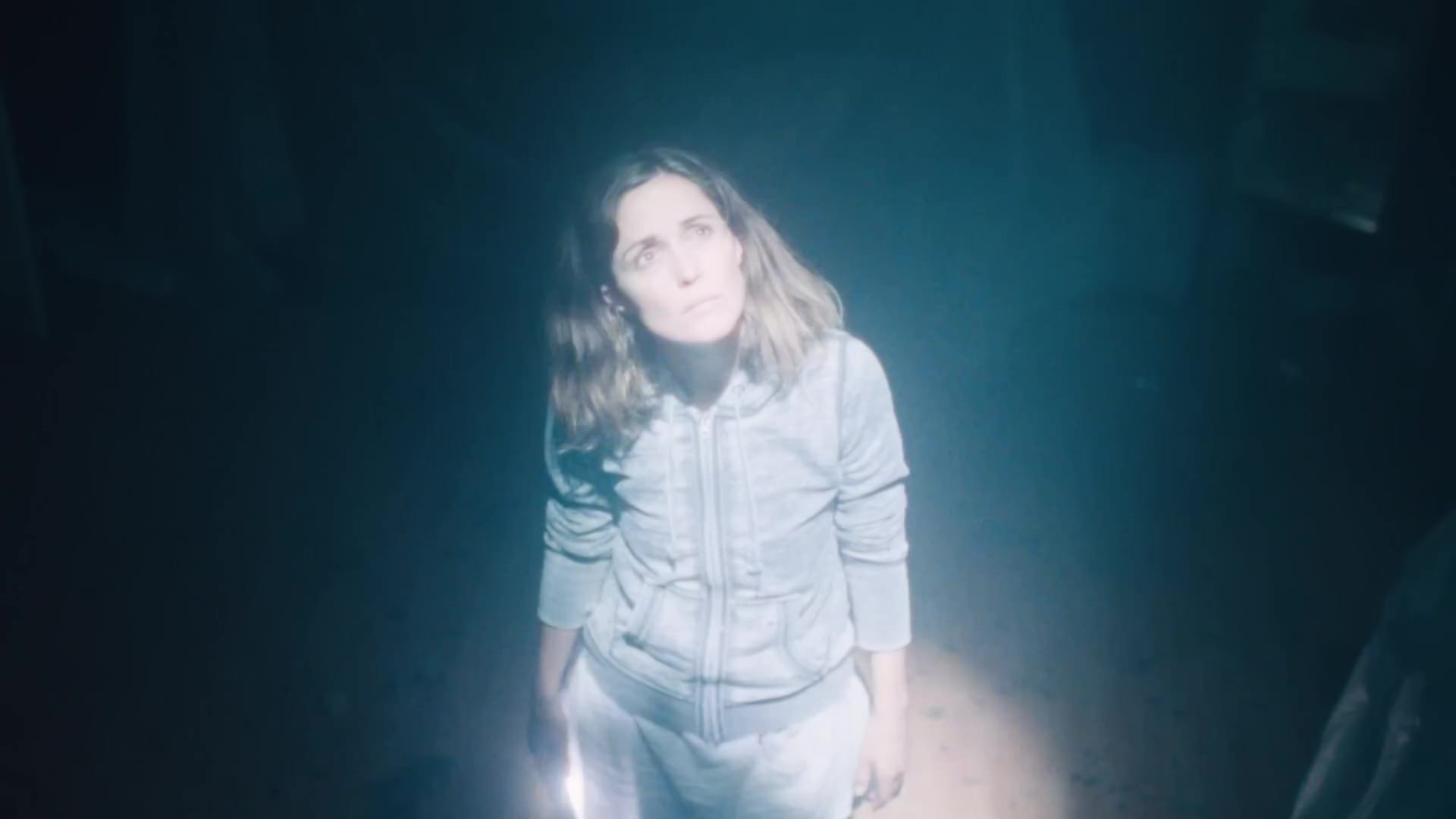
VVS Films’ Blu-ray offers an excellent 1080p/24 presentation of the feature, with a Dolby Atmos mix that locks us into Linda’s chaotic space with her, and supplements it with an audio commentary by Bronstein and her cinematographer Christopher Messina – no relation to the actor – and a brief “First Look” promotional clip in which Bronstein and Byrne discuss their working relationship and the paradox of presenting the self-destructive Linda as a sympathetic figure.
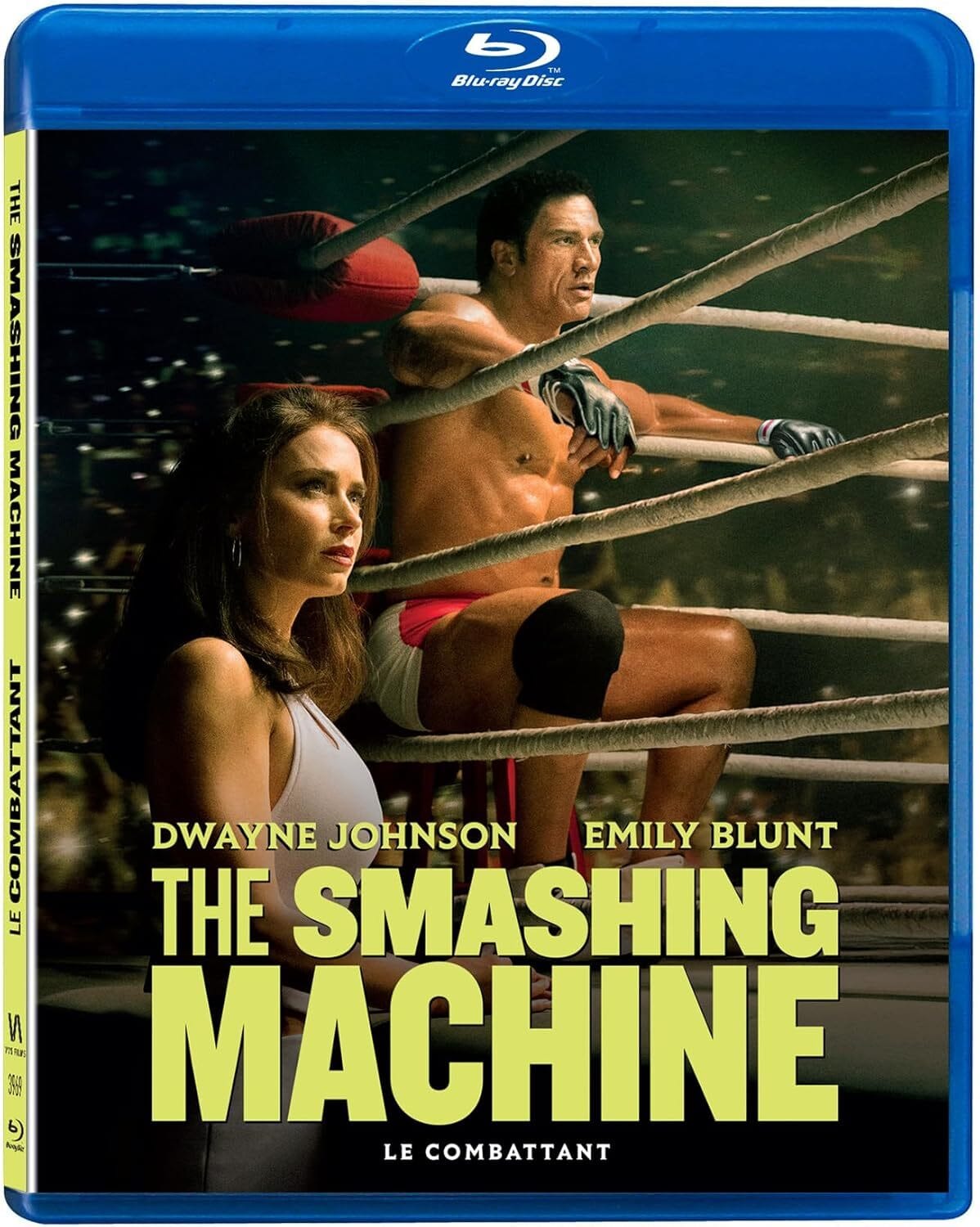
I mentioned the Safdies earlier, which brings us to The Smashing Machine, which VVS brought to Blu-ray alongside If I Had Legs last month. (A24 has its own 4K and BD editions coming out at the end of this month; no physical release for If I Had Legs has yet been announced.) A biopic about Mark Kerr, who was one of the fighters crucial to the rise of mixed martial arts as a spectator sport in America, it’s the one Benny wrote, produced, directed and edited after the brothers dissolved their creative partnership a couple of years ago. Josh released Marty Supreme last month, and the two films are instructive in understanding which qualities each Safdie brought to their collaborations.
Specifically – and reductively, I’m sure – it turns out that Josh is the one who loves chaos for its own sake, while Benny is the guy who’s drawn to domestic stress and scenes where difficult people beg their loved ones to understand them, often at high volume. And that might explain why I appreciate The Smashing Machine a lot more than I enjoyed Marty Supreme: It’s the one where the chaos means something.
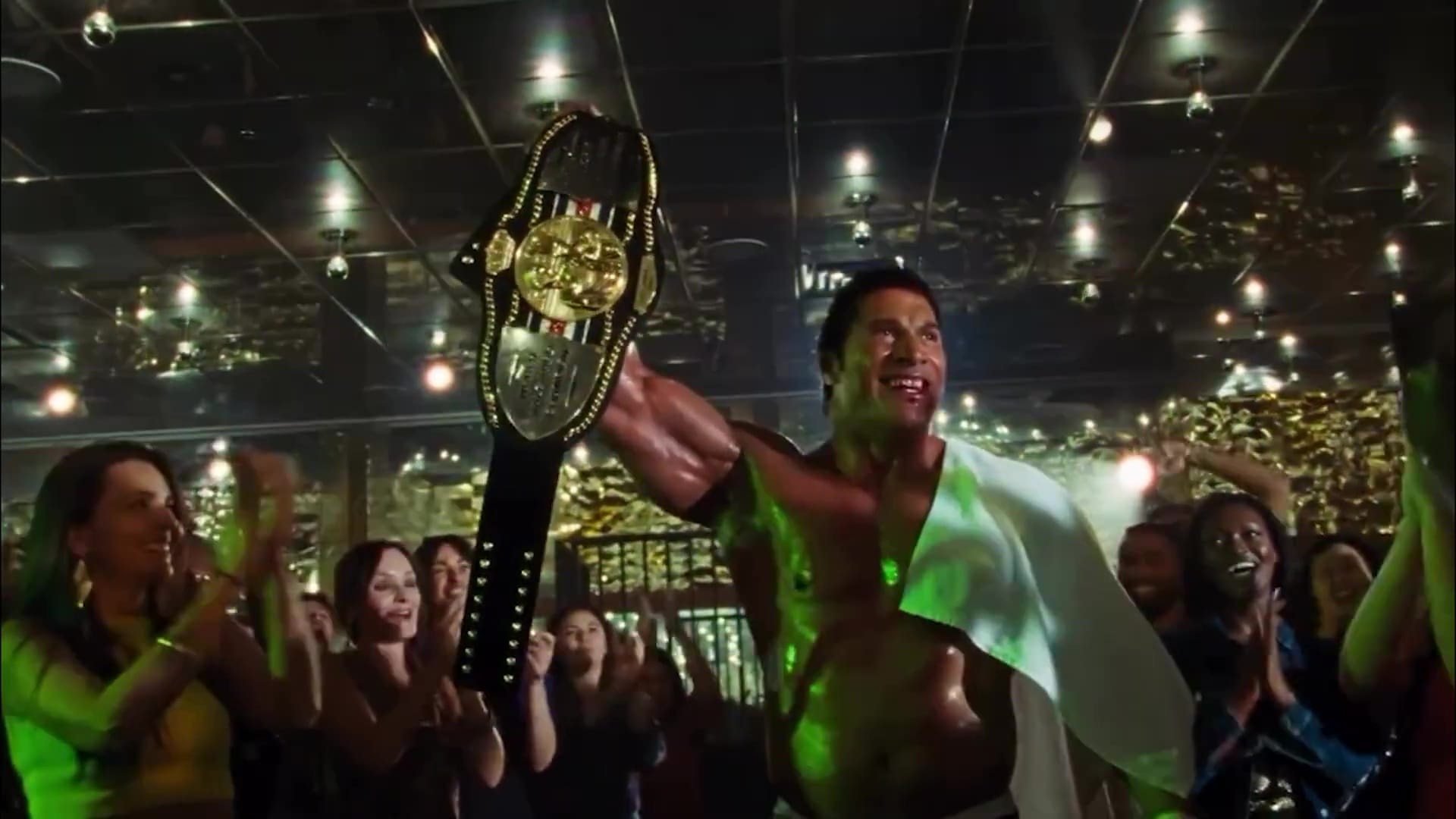
Mark Kerr, as played by a bulked-up and prosthetically distorted Dwayne Johnson, is a wrestler who’s embraced MMA for its lack of restrictions: Wrestlers dominate, while MMA fighters pulverize. It’s the release of real brutality that fuels him, a way to release the rage that would otherwise consume him. He won’t talk about that, of course; he literally can’t, which is the arc of the film. But in the short term, Mark’s inability to investigate his own psyche is working for him.

It's in his toxic relationship with Dawn (Emily Blunt) that we see how it’s also crippling him. The two love each other intensely, but they absolutely should not be together; Mark’s need for control means the impulsive Dawn can never fully relax around him, while Dawn’s freight-train energy can make her Mark’s best supporter and worst enemy within the same conversation. When things are good with Dawn, Mark is unstoppable in the ring. But the slightest hiccup in their relationship sends him spinning out. In fairness, this may also have something to do Mark’s dependence on opioids, which may have started as pain meds but are now a very big part of his life.
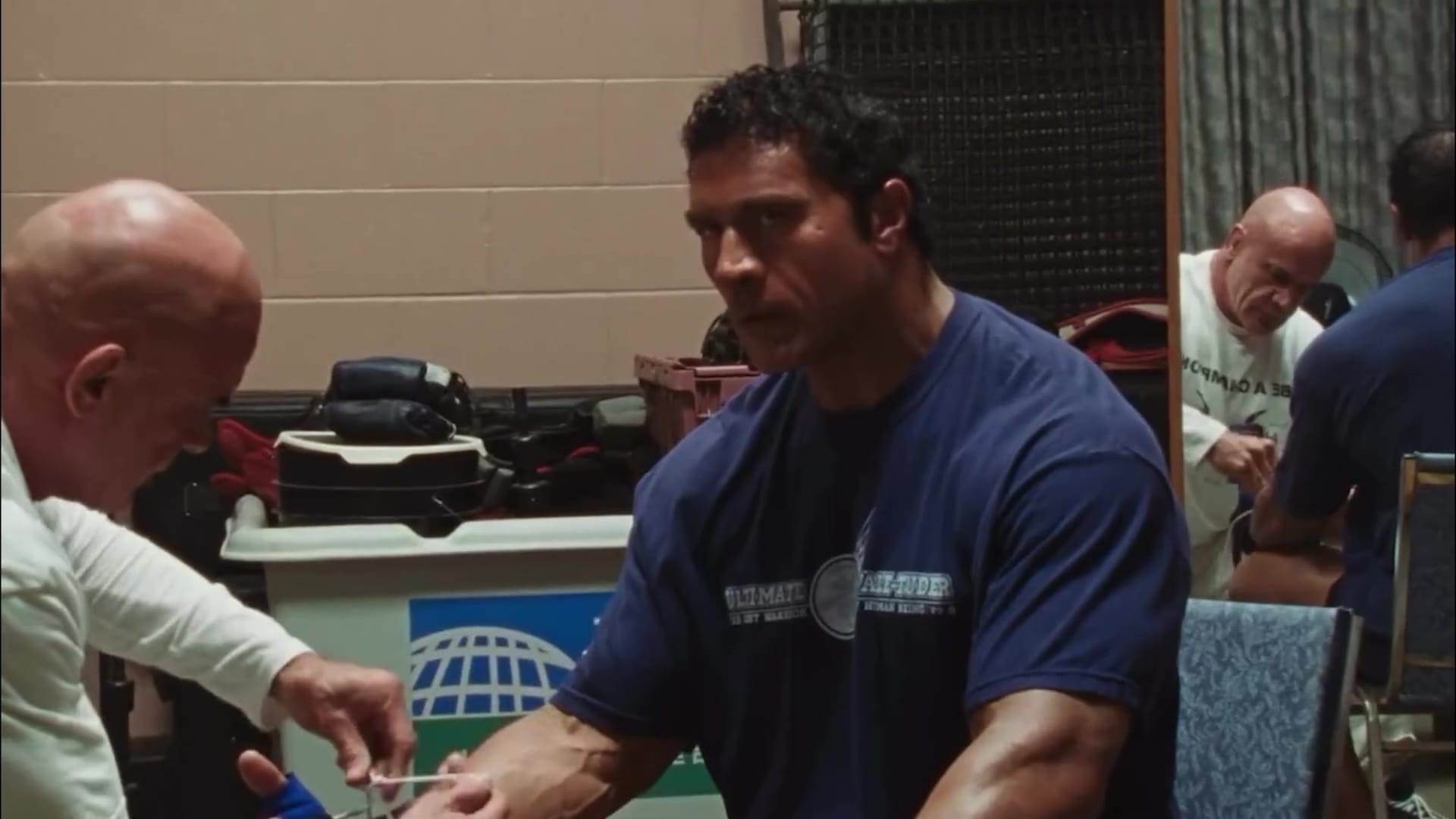
The Smashing Machine sympathizes with Mark, even as it refuses to let him off the hook for the damage he does to himself and others. (This is, I think, why I like it more than Marty Supreme, which glories in its hero’s wrecking-ball energy without ever really considering what’s being wrecked.) The only real problem is that in dramatic terms, everything that happens in the movie is absolutely predictable because Mark Kerr seems to have had exactly the same career as every other star athlete. It’s a watchable movie, and Johnson and Blunt are great together – with an entirely different dynamic from their family-friendly chemistry in Disney’s Jungle Cruise movie – but it’s one we’ve seen dozens of times before.
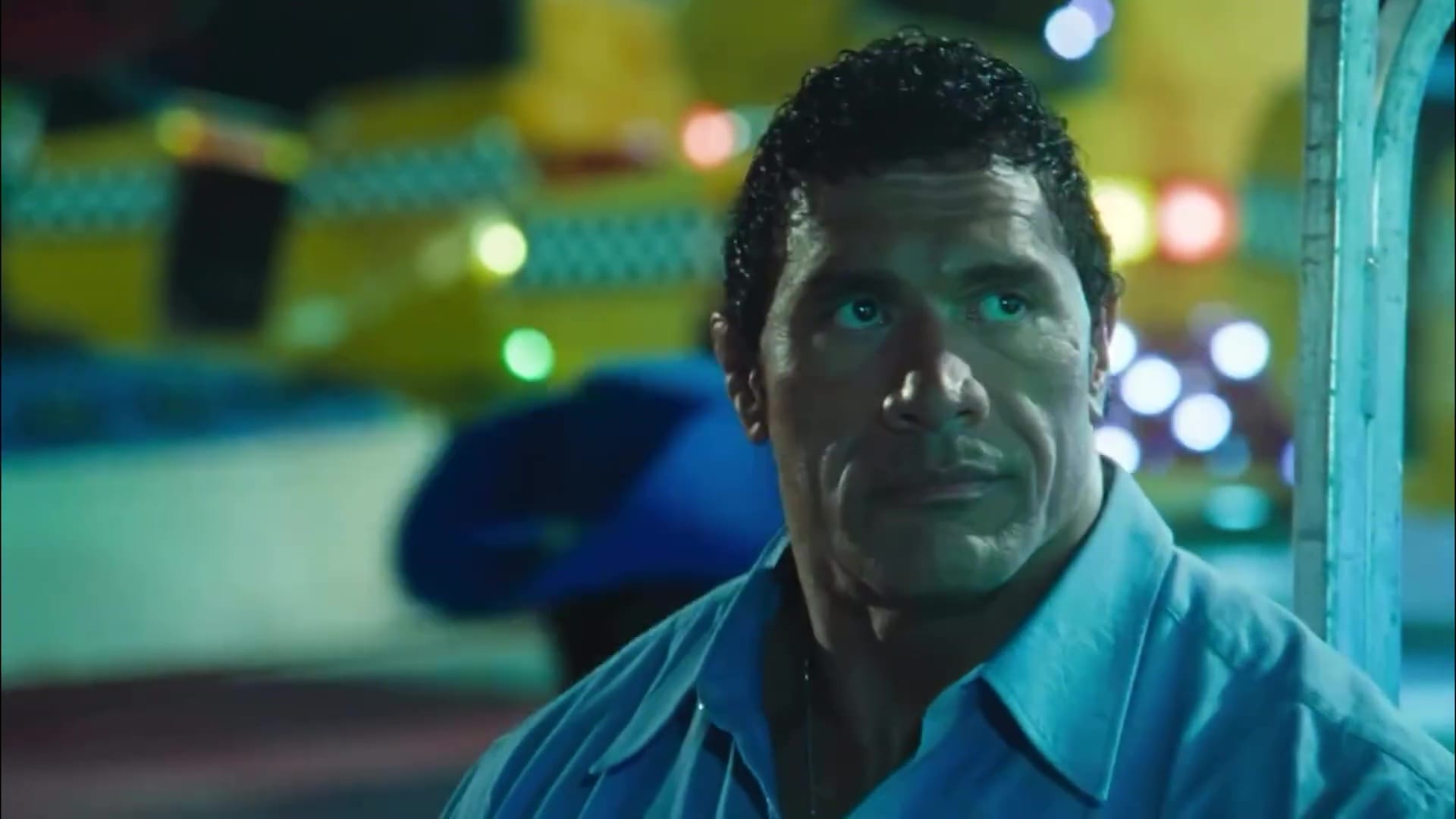
Honestly, the most potent thing about The Smashing Machine is its look: Safdie and cinematographer Maceo Bishop bring a documentary aesthetic to the picture, composing shots from a distance to suggest camera operators doing their best to capture volatile moments both in and out of the ring. Shooting on 16mm and processing the footage to diminish the inevitable grain of a blowup gives the movie a smeary, saturated aesthetic that feels like the inside of Kerr’s head; it simultaneously underscores the sense of period and amplifies the rawness of the actors’ performances before shifting to a real-world coda shot in razor-sharp 65mm. Safdie’s an absolute celluloid nerd, as you’ll see in the supplements, and the finished image represents a remarkable synthesis between the photochemical film and digital post-production.
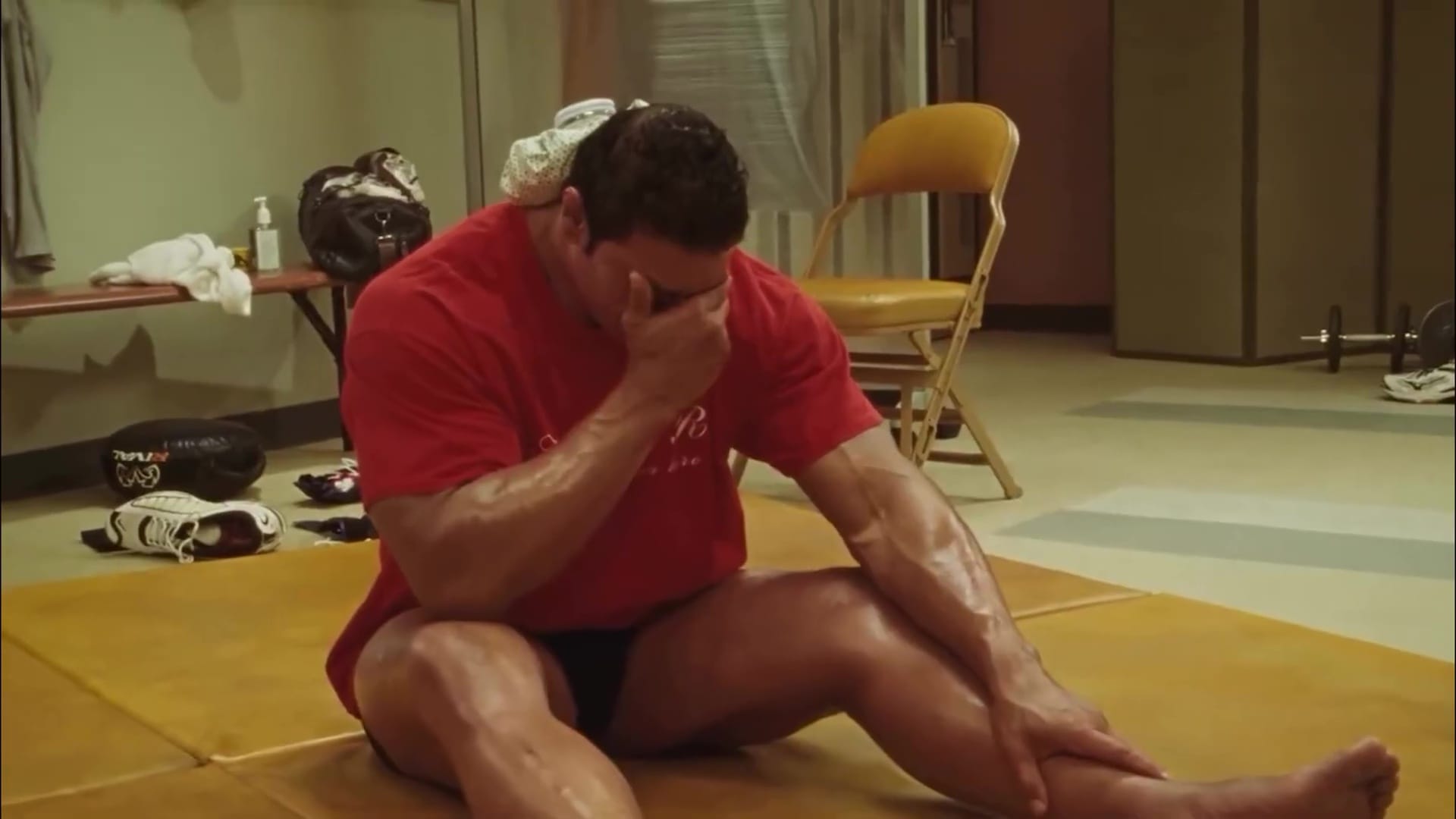
VVS Films’ Blu-ray is a faithful representation of that unique look, with its Dolby Atmos soundtrack working to immerse us in Kerr’s world – or isolate us with him inside of it – as the situation demands. (The sound mixers worked very, very hard to simulate wild audio, another technical achievement certain to be overlooked by various awards bodies.)
Extras include Safdie’s engaging commentary, two deleted scenes (Mark buys a MiniDisc player! Mark visits a drive-through without a vehicle!) and a brief featurette in which Safdie, Johnson, Kerr and Bas Rutten discuss the importance of including real MMA fighters and trainers as themselves – and the immediacy granted by Johnson’s insistence they not pull their punches when they’re working with him.
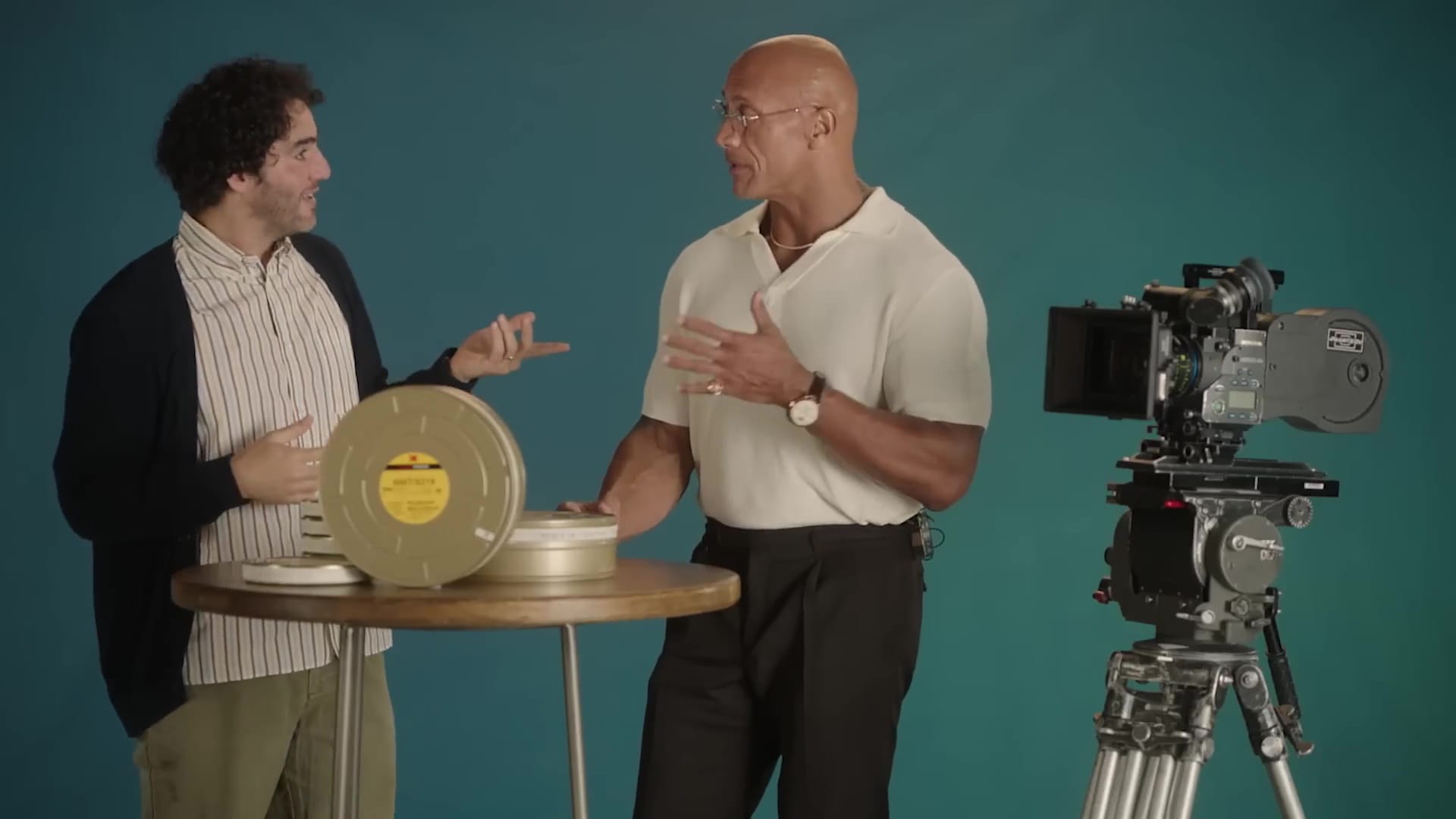
There’s also a three-minute promo with Safdie and a much slimmer Johnson exhorting the joys of shooting on film. It’s an ad for Kodak, sure, but it’s my favorite thing on the disc, with Safdie cringing unselfconsciously as he opens cans of unexposed 16mm and 65mm stock – it’s necessary to show the difference in size, and he hates himself for spoiling good film – while recounting how he convinced IMAX that 16mm footage could be upscaled for The Smashing Machine’s large-format presentation without creating “grain the size of basketballs.”
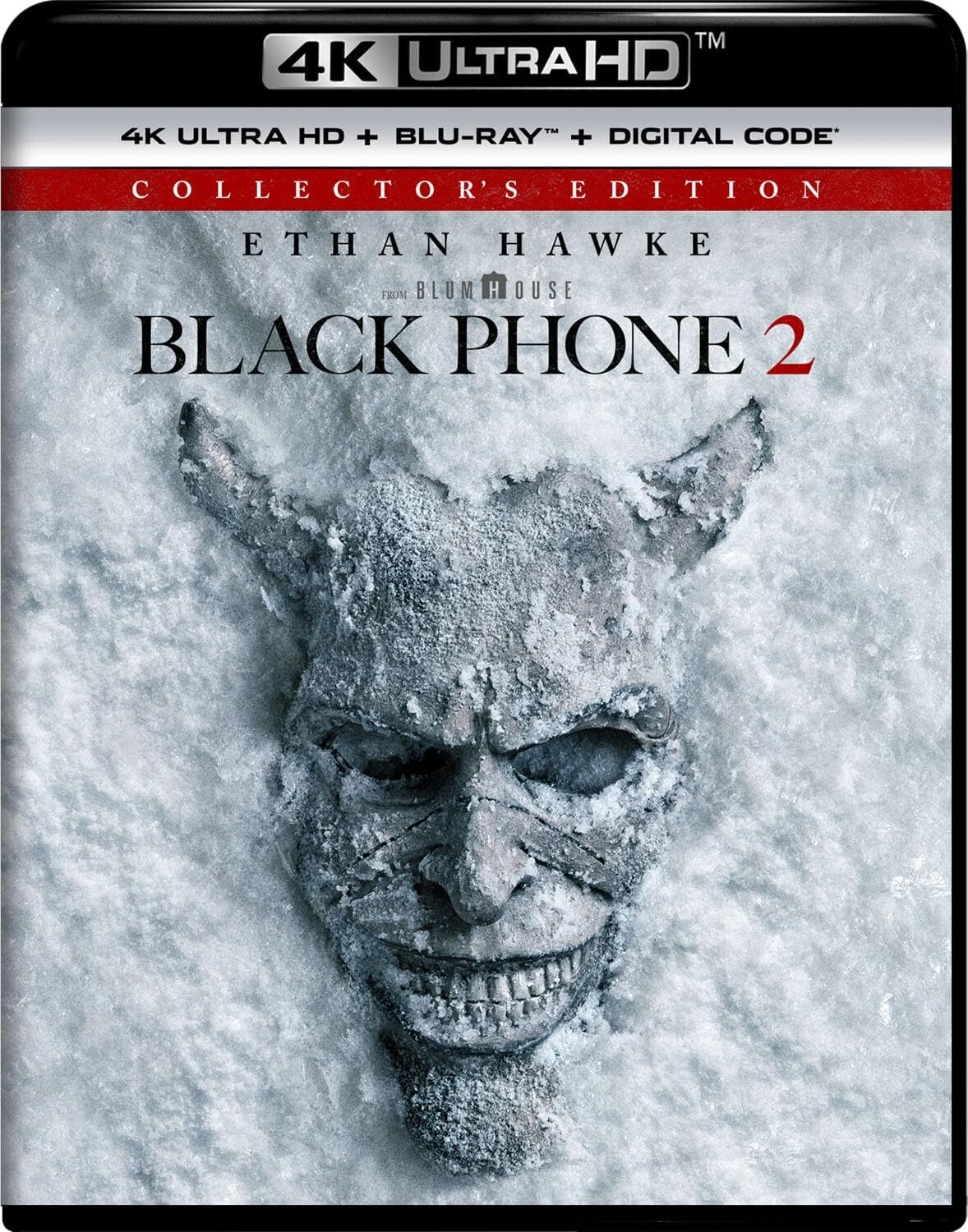
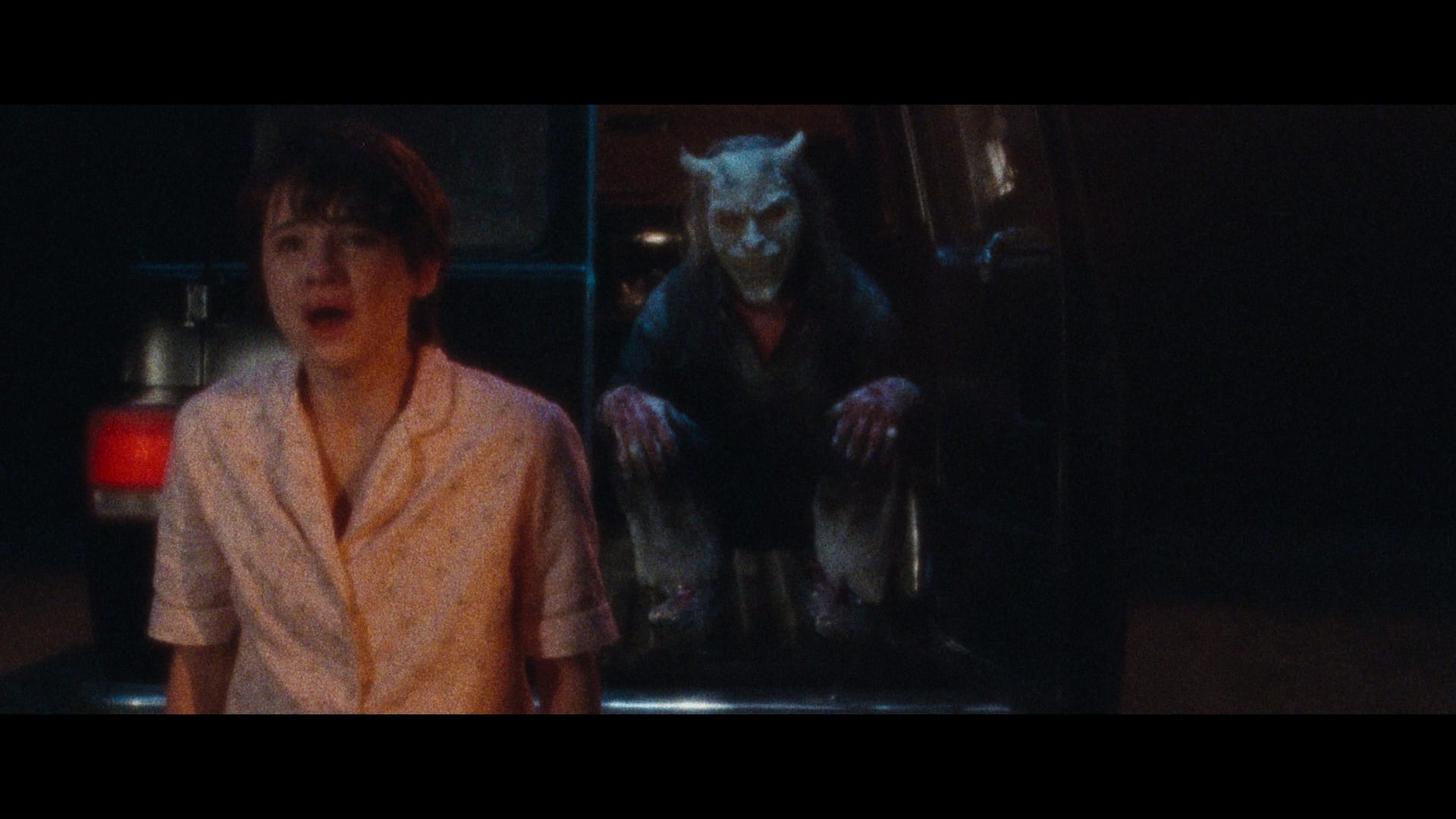
Speaking of grain (and repressed trauma), Scott Derrickson’s horror sequel Black Phone 2 also offers a nifty visual motif: Derrickson and cinematographer Pär M. Ekberg shot key sequences in Super 8 and modified Super 16 to suggest the unsteady texture of dreams. Which, when you’re telling a story about a brother and sister haunted by the ghost of a child murderer, is an easy way to distinguish what’s real and what’s not.
Picking up four years after the events of The Black Phone, Derrickson and co-writer C. Robert Cargill find Finney Blake (Mason Thames, post-How to Train Your Dragon) and his kid sister Gwen (Madeleine McGraw) still dealing with the horrors of 1978, when 13-year-old Finney was abducted by the serial killer known as The Grabber (Ethan Hawke). Finney managed to escape – and kill The Grabber – with the help of the ghosts of The Grabber’s previous victims, who contacted Finney through the eponymous telephone, while Gwen’s prophetic dreams led the authorities to Finney’s location.
… and yeah, I know, it sounds a little silly in cold text. But Derrickson and Cargill – adapting a short story from Joe Hill’s collection 20th Century Ghosts – established an eerie, uncomfortable tension from the jump, with Hawke adopting a self-conscious, performative menace as Finney’s captor, who plays the role of a monster while actually being one. And the low-key expression of the supernatural elements, with The Grabber’s victims appearing on-screen with Finney as he spoke to their crackling, disembodied voices, was consistently unsettling. The period aspects were also handled with a lot more subtlety than certain other kids-and-monsters projects I could name.
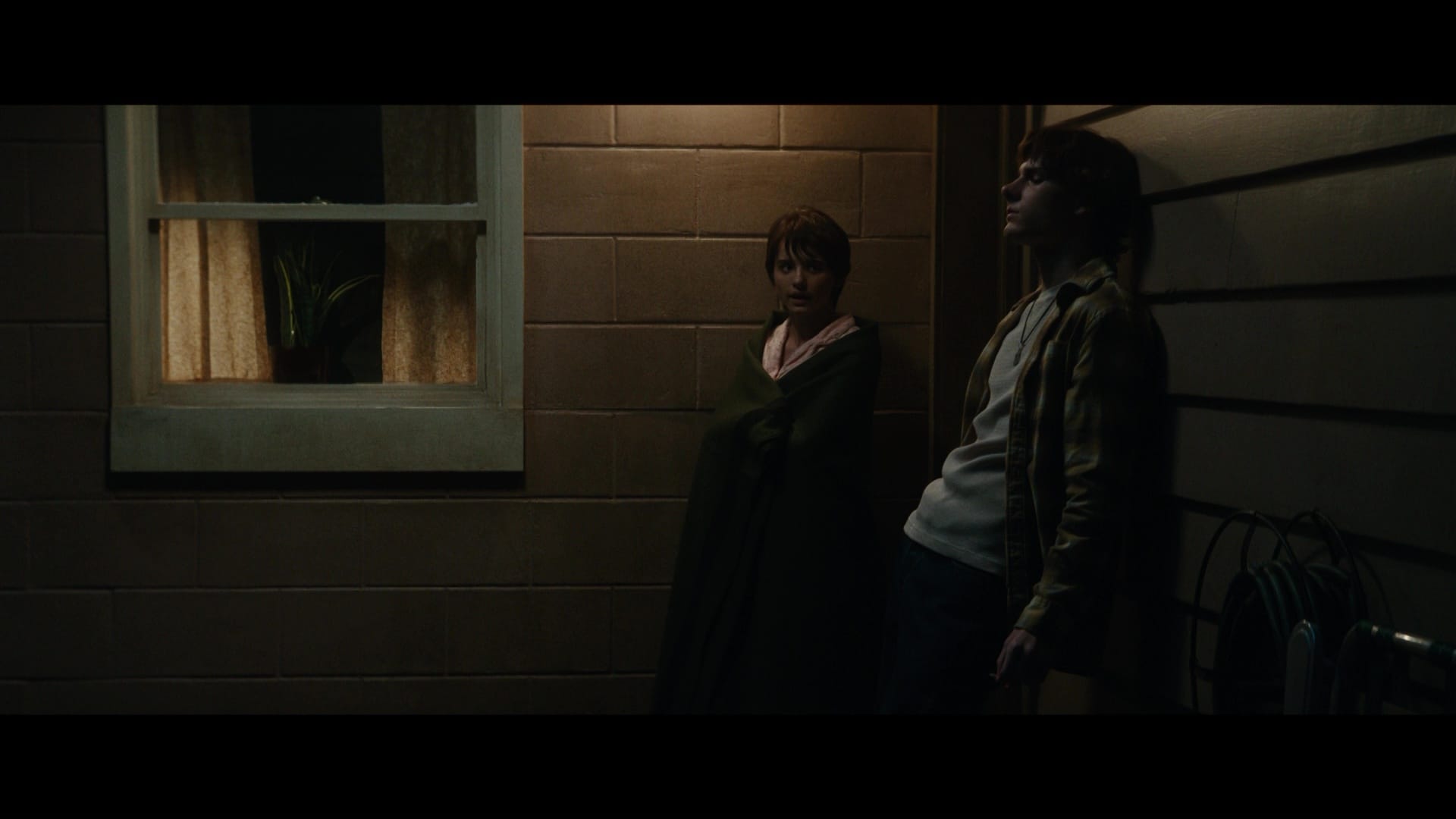
While there didn’t seem to be much room for a sequel, Black Phone 2 makes the logical leap: If The Grabber’s victims could have unfinished business, surely The Grabber can too. So now it’s 1982, and Finn is a messed-up 17-year-old, getting into fights at school and numbing himself with pot at home while Gwen – a teenager herself – is trying to be a normal teenager while also caring for her brother and their widowed father (Jeremy Davies). But her dreams are getting weird again, and she’s started sleepwalking into dangerous situations. Maybe a stint as a counselor-in-training at the newly reopened Alpine Lake Camp, where their late mother once worked as a teen, will give the siblings a chance at a fresh start?
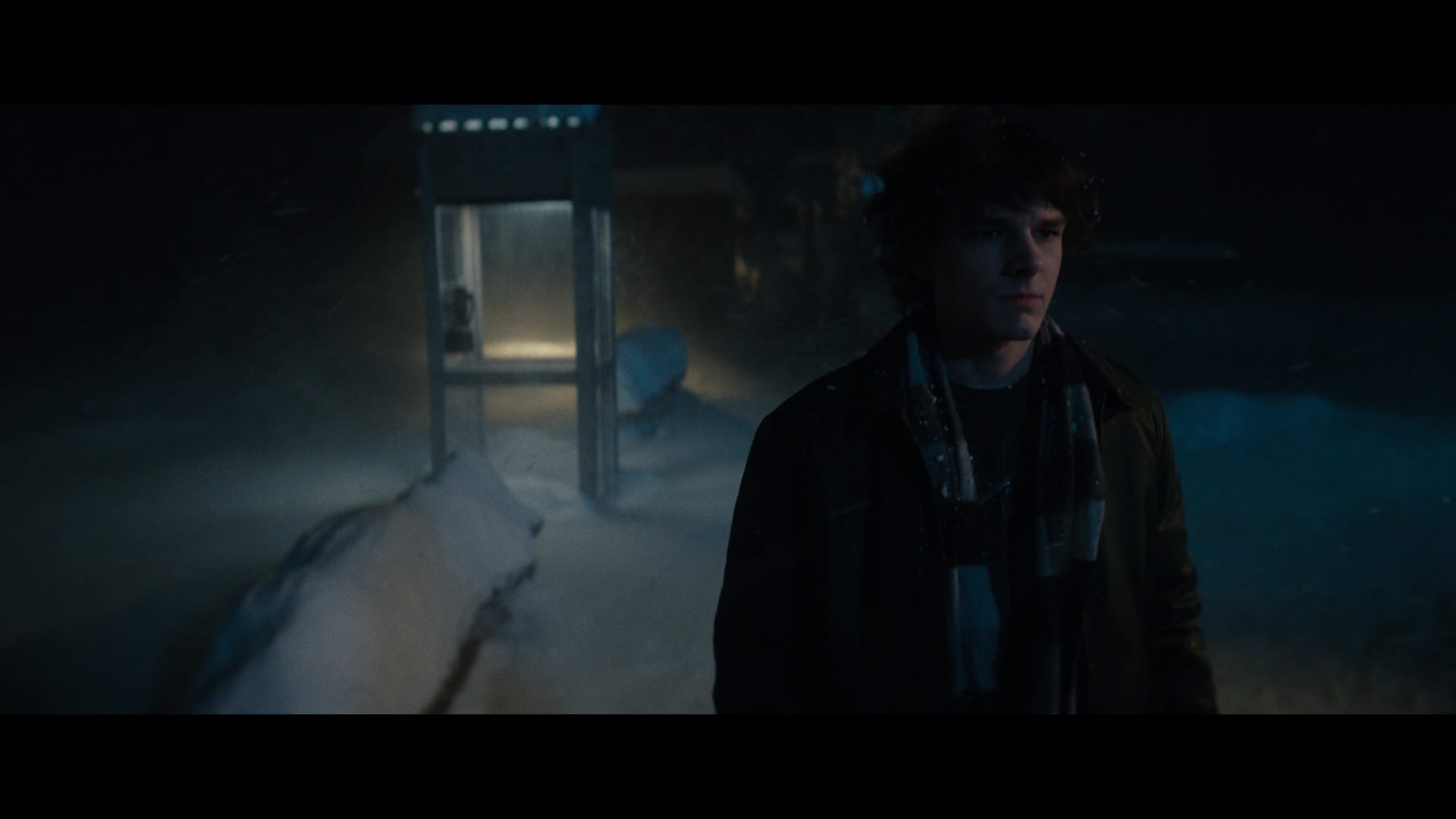
Accompanied by Gwen’s would-be boyfriend Ernesto (Miguel Mora, now playing the younger brother of his character in the first film), they head off to the camp … only to find it closed due to a blizzard, much to the consternation of new owner Armando (Demian Bechir). And also The Grabber is around, intent on tormenting both Gwen and Finn from wherever he ended up.
If this is all starting to sound like a Nightmare on Elm Street movie, that’s exactly what Derrickson and Cargill are doing. Black Phone 2 is a really clever remix of the Freddy Krueger mythology, drawing on the best of the Nightmare sequels, Dream Warriors, for its scenes of potential victims learning to trust each other, forming a team and fighting back against a supernatural threat.
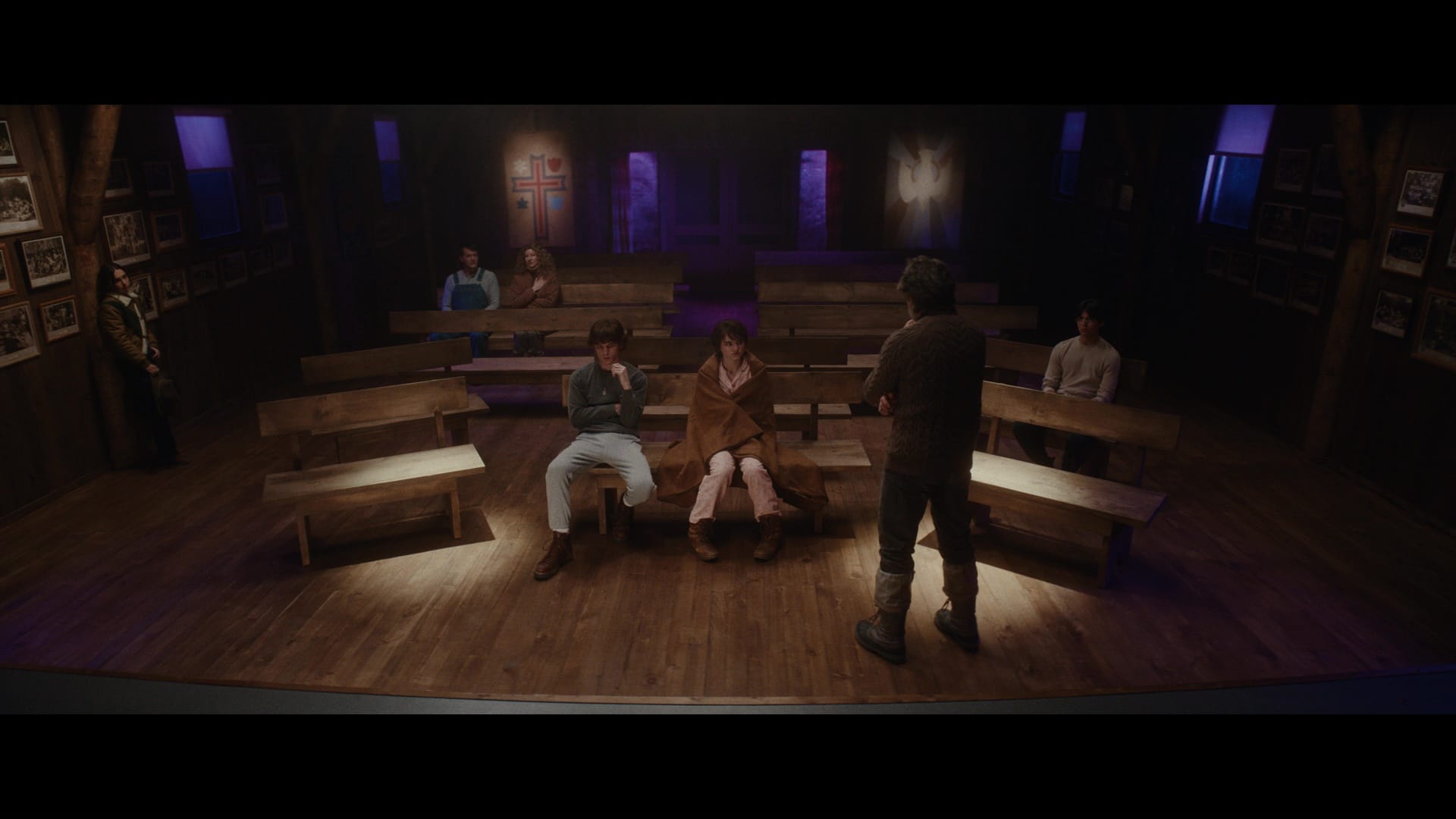
The empty campsite, with just Armando and his niece Mustang (Arianna Rivas) around, offers an ideal venue for conversations that turn into impromptu group therapy sessions – and Toronto stage veterans Maev Beaty and Graham Abbey turn up as a local couple who represent opposing views of Christian charity and eventually get pulled into the action.
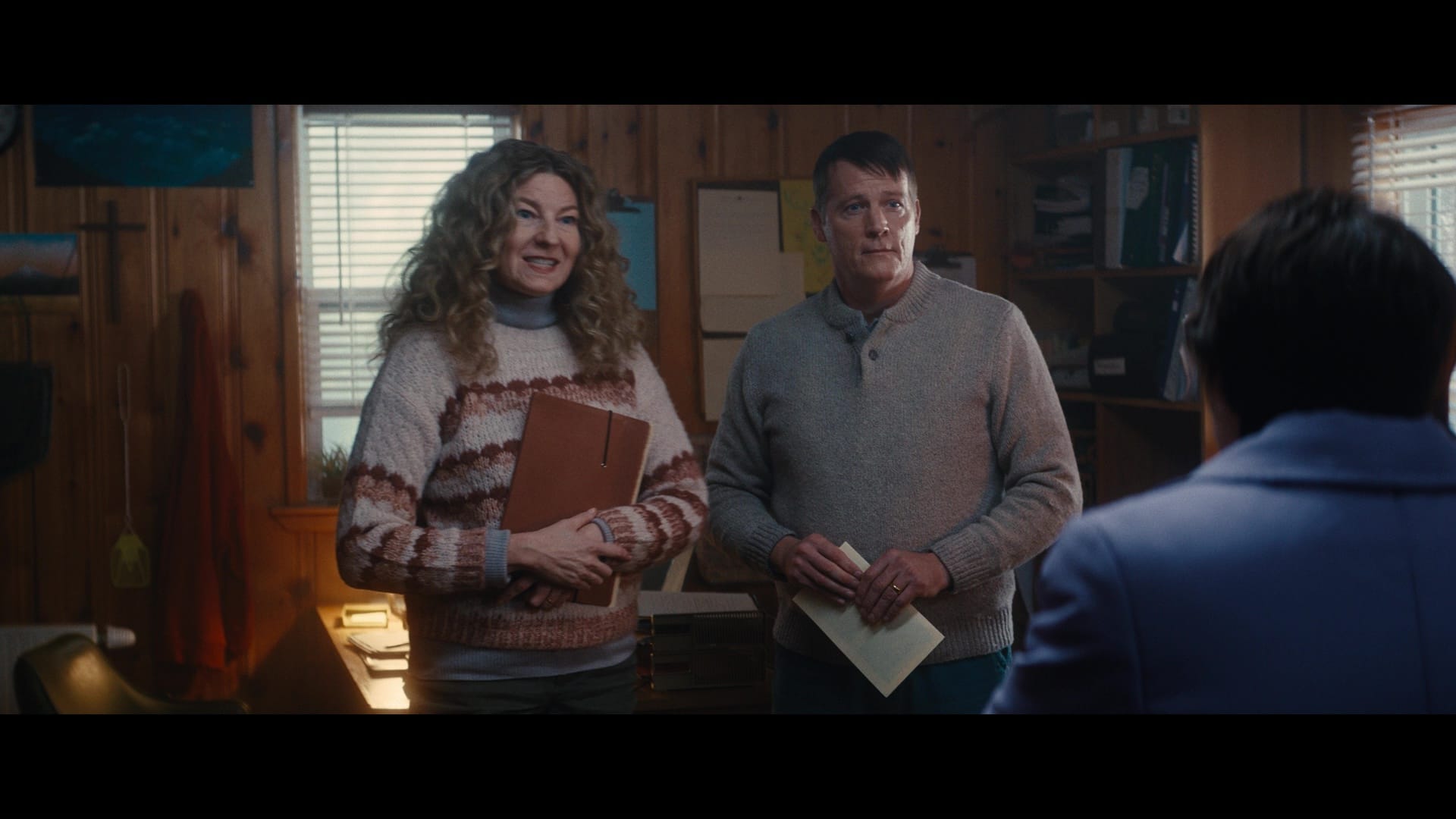
Tonally, though, Black Phone 2 couldn’t be further removed from a quippy Freddy sequel. I’m not even sure it counts as a horror movie; The Grabber still rages, and lives are in danger, but its real concerns are more existential. This is a story about what happens after the horror movie, worrying whether Finn and Gwen will accept their very particular gifts and find their way back to each other. And while it might not have satisfied audiences looking for a scary movie last Halloween, I found it vastly preferable to another Conjuring sequel. Horses for courses, I suppose.
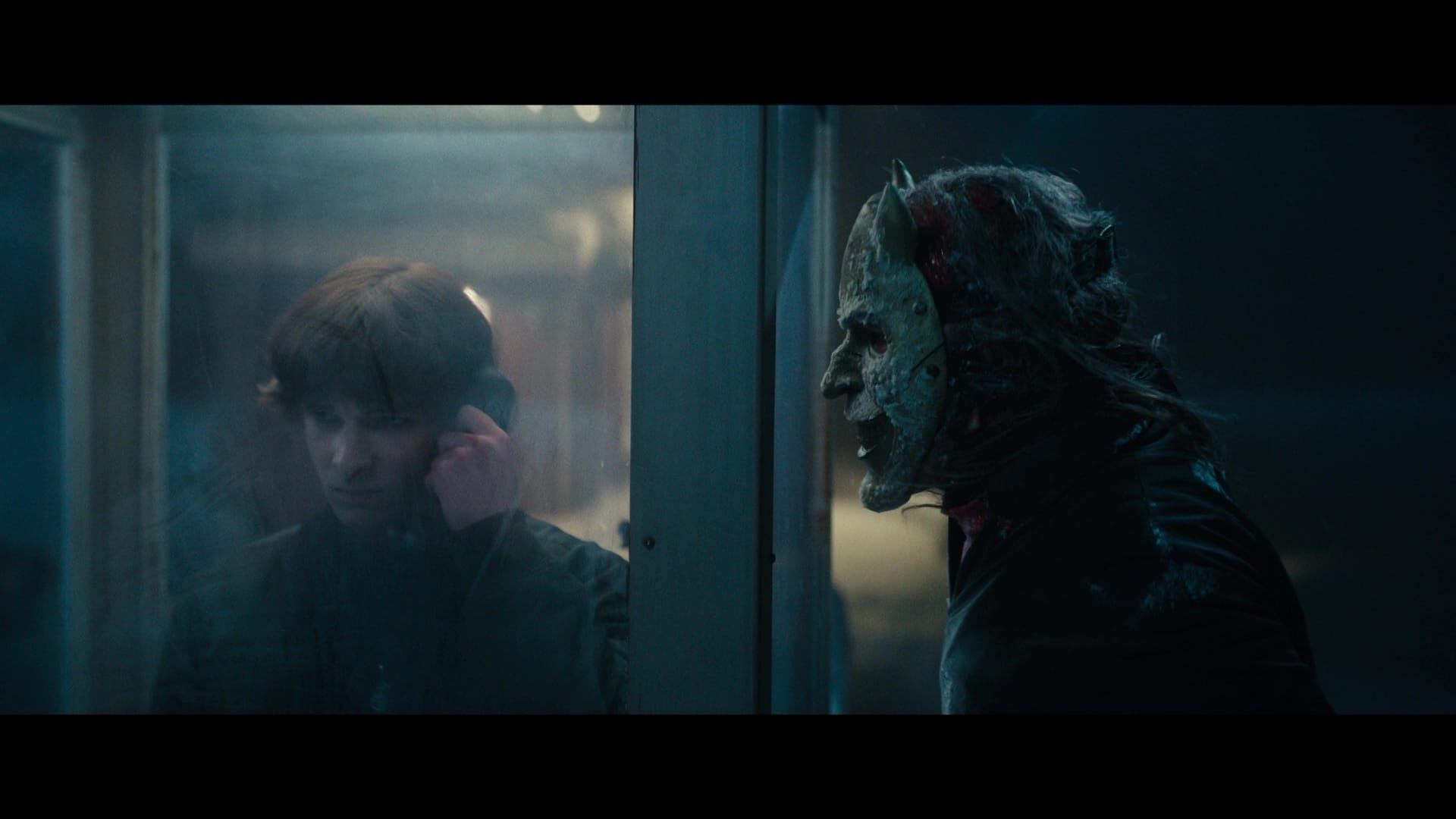
Universal’s 4K/Blu-ray combo offers Black Phone 2 in a vivid presentation, crisp digital imagery giving way to the scratchy, tactile look of Gwen’s dream world as the Dolby Atmos mix comes alive with thumps and hisses to better immerse us in unreality. Scenes in the waking world have an almost exaggerated sharpness, for contrast – or to lure us into the darkness, where The Grabber always waits.
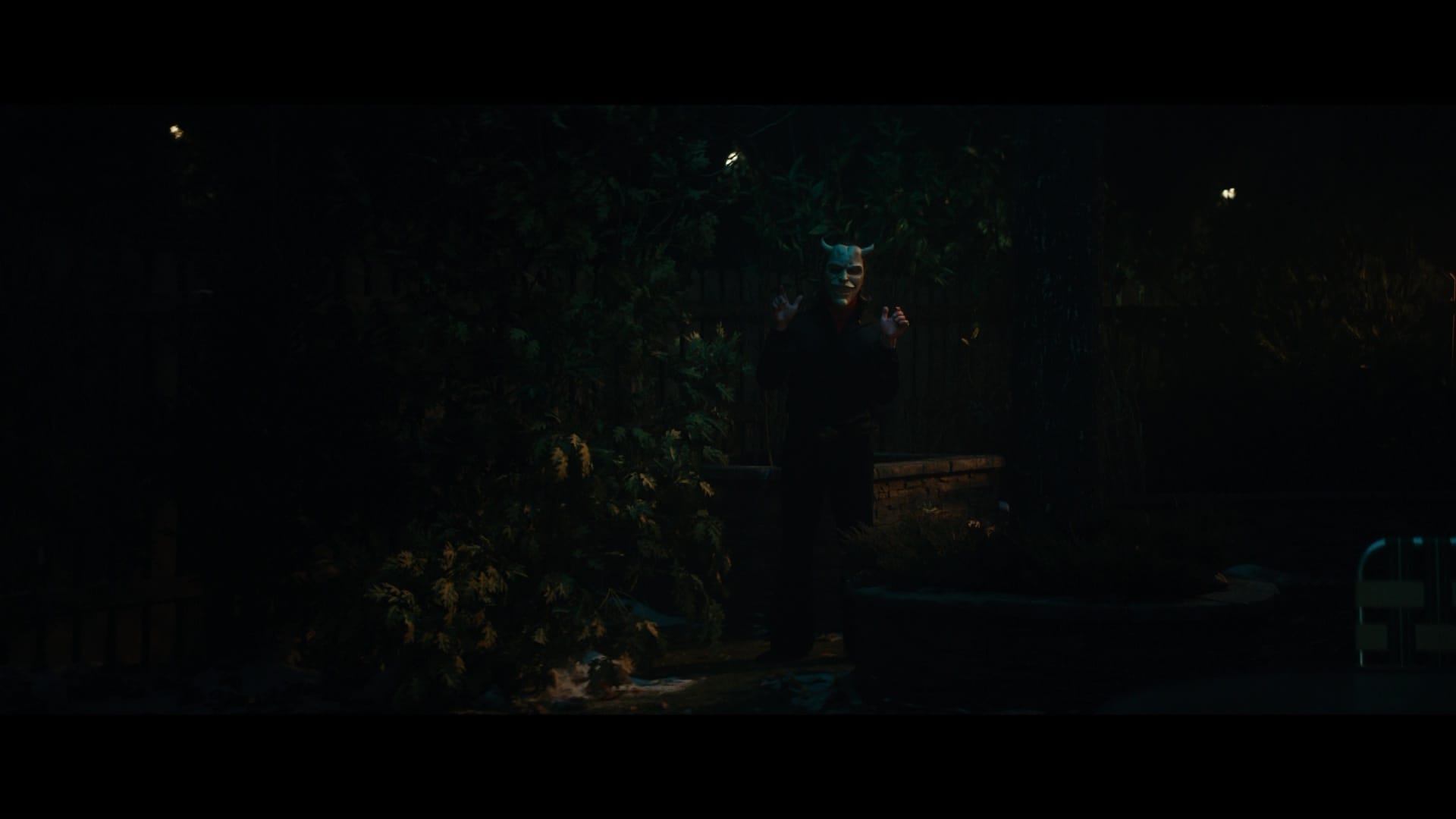
Extras are identical on both the 4K and Blu-ray platters: Three ten-minute featurettes covering the cast (“Dialed In”), the evolution of the sequel (“A Story Carved in Ice”) and the period production design (“Frozen in Time”), and seven very short deleted scenes. All interesting, though the lack of a commentary is a bit disappointing. I’d have been very curious to hear how they figured this one out.
If I Had Legs I’d Kick You and The Smashing Machine are now available on Blu-ray from VVS Films; Black Phone 2 is now available in a 4K/BD combo from Universal Pictures Home Entertainment. There's also a BD-only edition.
Up next: Let’s see what the new year brings, shall we? And there’s always Friday’s What’s Worth Watching column for paid subscribers. Perhaps you’d like to level up? It’s pretty easy, you know.