
It's Only the End of the World
In which Norm spins up the new 4K restorations of THE WAR GAME, THREADS and MARS ATTACKS!, because of course he does.
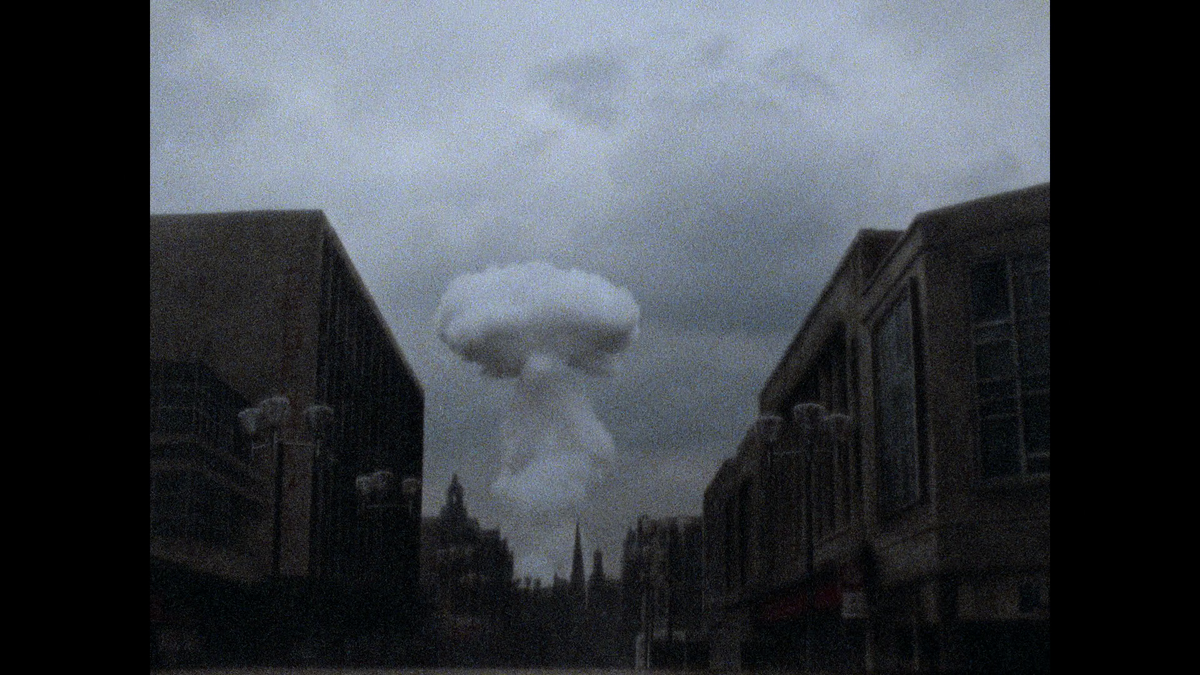
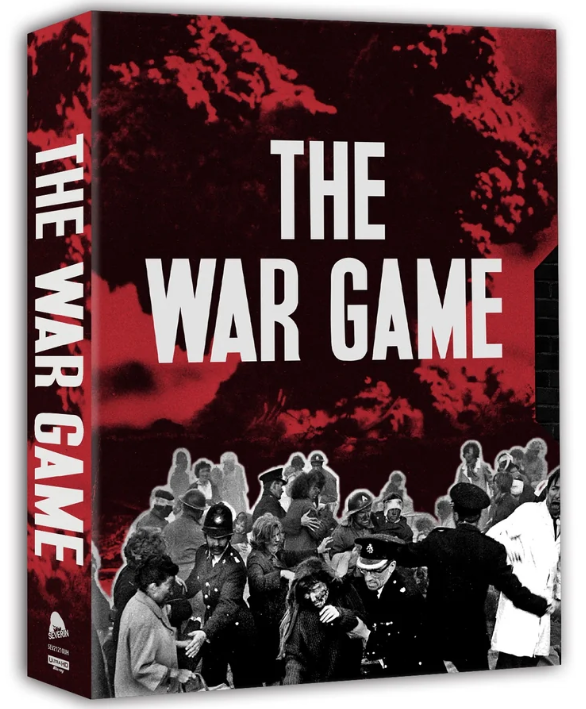
Apocalypses and extinction-level events will always sell tickets. Who doesn’t love the catharsis of watching actors run around screaming while special effects rain down on them? But it’s a different proposition to ask people to watch a disaster that isn’t meant to be cathartic, but instructive – to remove the fun from the equation and just watch people die. That makes it a little difficult to write about Severin Films’ new 4K editions of The War Game and Threads: They’re essential cinema, and two of the most powerful movies ever produced in the English language. They’re also almost unwatchable in their intensity and their honesty. With apologies to Eliot, this is the way the world would have ended.
Both films envision the aftermath of nuclear strikes on Britain: The War Game in Kent in 1965, and Threads in Sheffield in 1983. The former is one of Peter Watkins’ signature reality experiments, using the format of a documentary to film something impossible; he’d pulled it off a year earlier with Culloden, making us believe there was a camera crew present for the defeat of the Jacobite Army in 1746 Scotland. With The War Game, he offers a what-if scenario revolving around the outbreak of a nuclear conflict, with detonations above and outside Canterbury. The BBC commissioned the project as a cautionary tale … which ultimately proved so cautionary that the corporation refused to air it for fear of terrifying the nation.
I can see why. Six decades later, the 48-minute entirety of The War Game still feels too intense for general consumption: Everything Watkins is doing actively subverts the idea of a polite-and-proper look at a nuclear strike. Listen to the strain creeping into the impassive narrator’s voice as he reads cold text about the blast wave being sufficiently hot “to melt the upper eyeball” of anyone unlucky enough to be nearby, and spontaneously ignite any material in its immediate vicinity, including furniture, people and buildings: “This is what is technically known as a firestorm.”
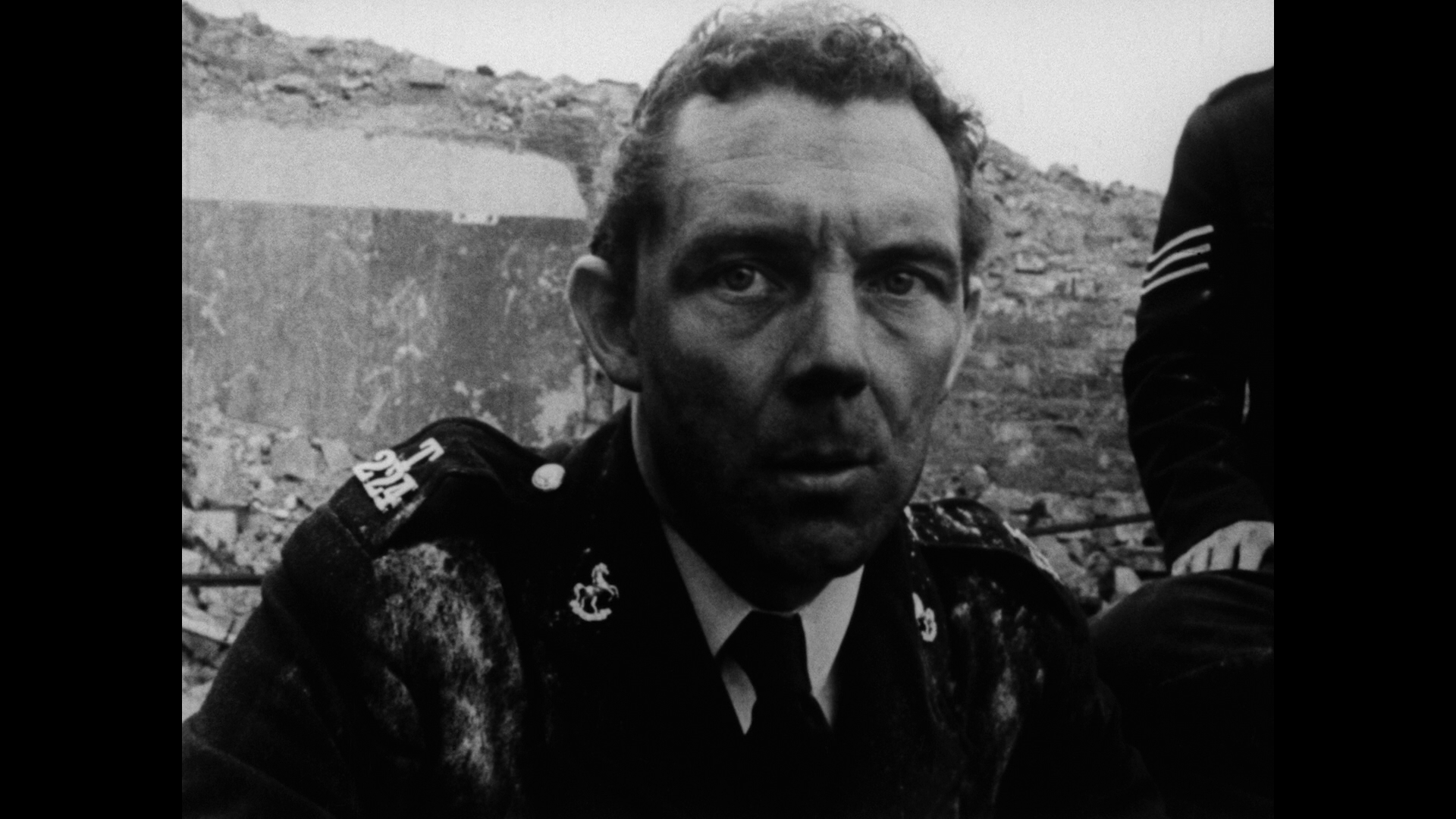
It is an obscenity presented in a jacket and tie, and Watkins knew exactly what he was doing, juxtaposing banal statements from military and religious authorities with horrific visions of the thing they’re all pretending people could survive, and interweaving that material with vox pops in which ordinary citizens are asked whether Britain should retaliate in kind. Only one of them looks horrified by the prospect – and even he ultimately agrees.

There was no nuclear detonation in Kent in 1965, of course. All of these people are actors, though none of them were professionals. (The simplest way to pull us into the fiction is the one Watkins always relied on – letting untrained performers reflexively glance at the camera, the better to convince us they’re just ordinary people who had no idea they were going to run into a film crew that day.) The War Game establishes its hypothetical status almost immediately, explaining that its onscreen experts are paraphrasing real reports and public statements, and that the rest of the film is what would happen should the situation they’re discussing ever come to pass.
And even then, it’s a limited version of the actual event; as the producers of the nuclear-war movies that followed in the early ’80s would point out, drama dictates you scale down the detonation to a smaller yield than any modern bomb, because if you use anything larger there’s no one left to tell a story about.
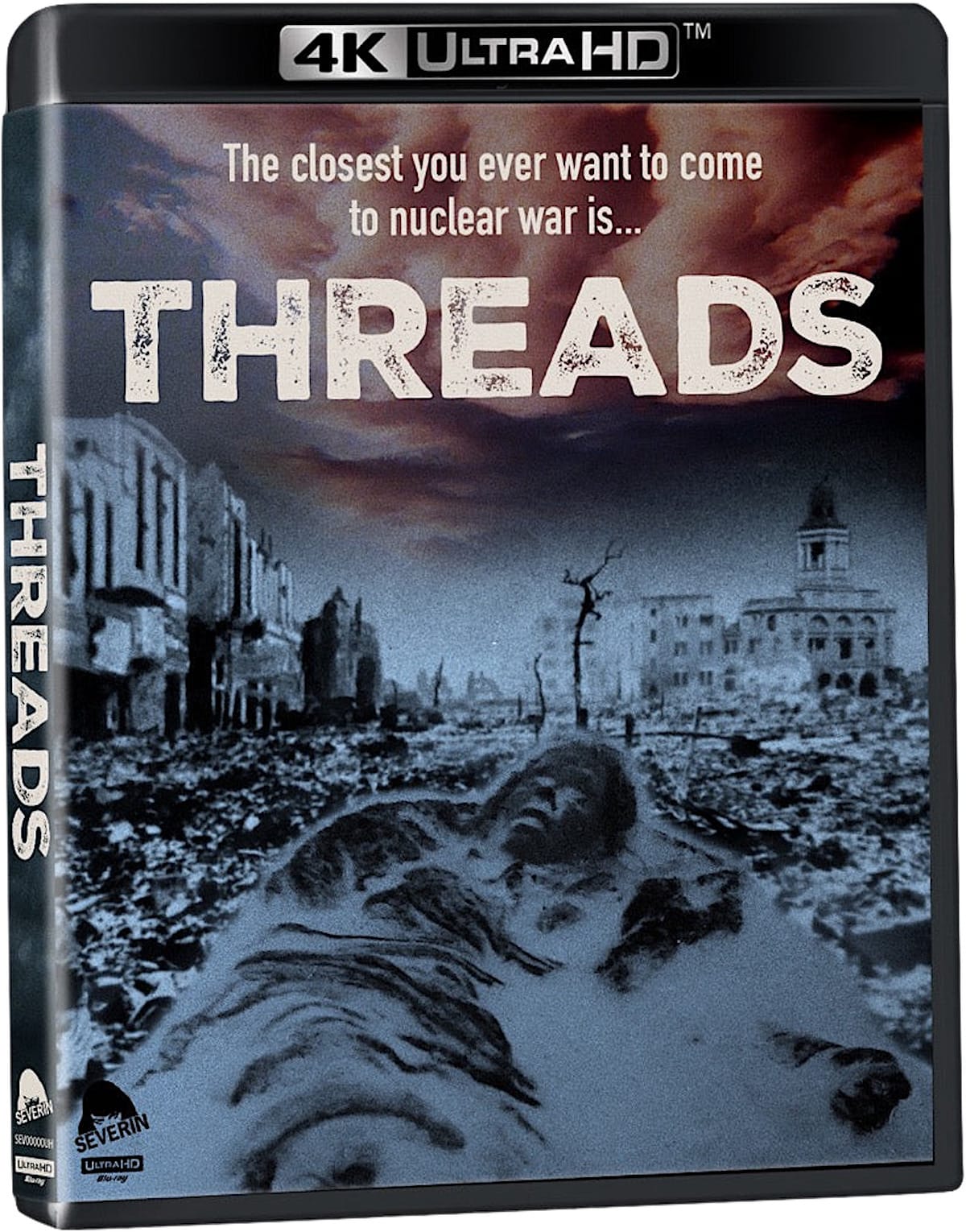
And that brings us to Threads, a BBC drama about a nuclear attack on Britain which actually made to air in the fall of 1984, presumably because Testament and The Day After had demonstrated audiences could handle movies of this nature a year earlier. But Threads was nothing like those earlier pictures, which despite their dramatic intentions ultimately delivered PG-friendly depictions of the bomb and its aftermath. (Testament used that limitation brilliantly, mind you.) Threads, on the other hand, doesn’t give a shit if it upsets you. Like The War Game, it is going to show you what a nuclear exchange would be like, and it is going to show you as much of it as it legally can.
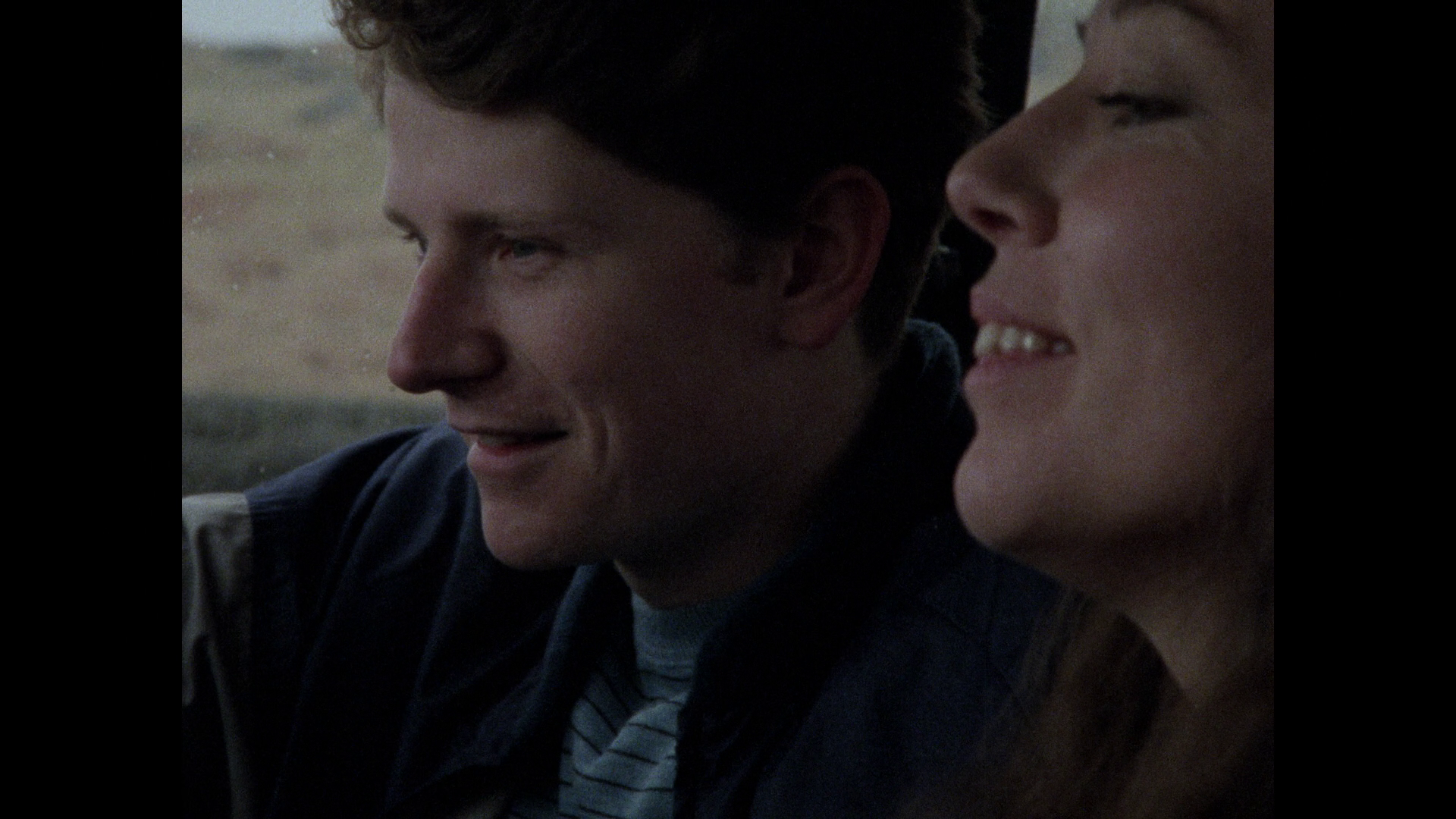
Barry Hines’ script takes the same approach as its American counterparts, focusing on the domestic drama between two Sheffield families, the Becketts and the Kemps, as their kids Ruth (Karen Meagher) and Jimmy (Reece Dinsdale) prepare to marry as a result of an unplanned pregnancy. There’s a little palaver over whether Ruth and Jimmy are really ready to be parents, but there aren’t a lot of other options.
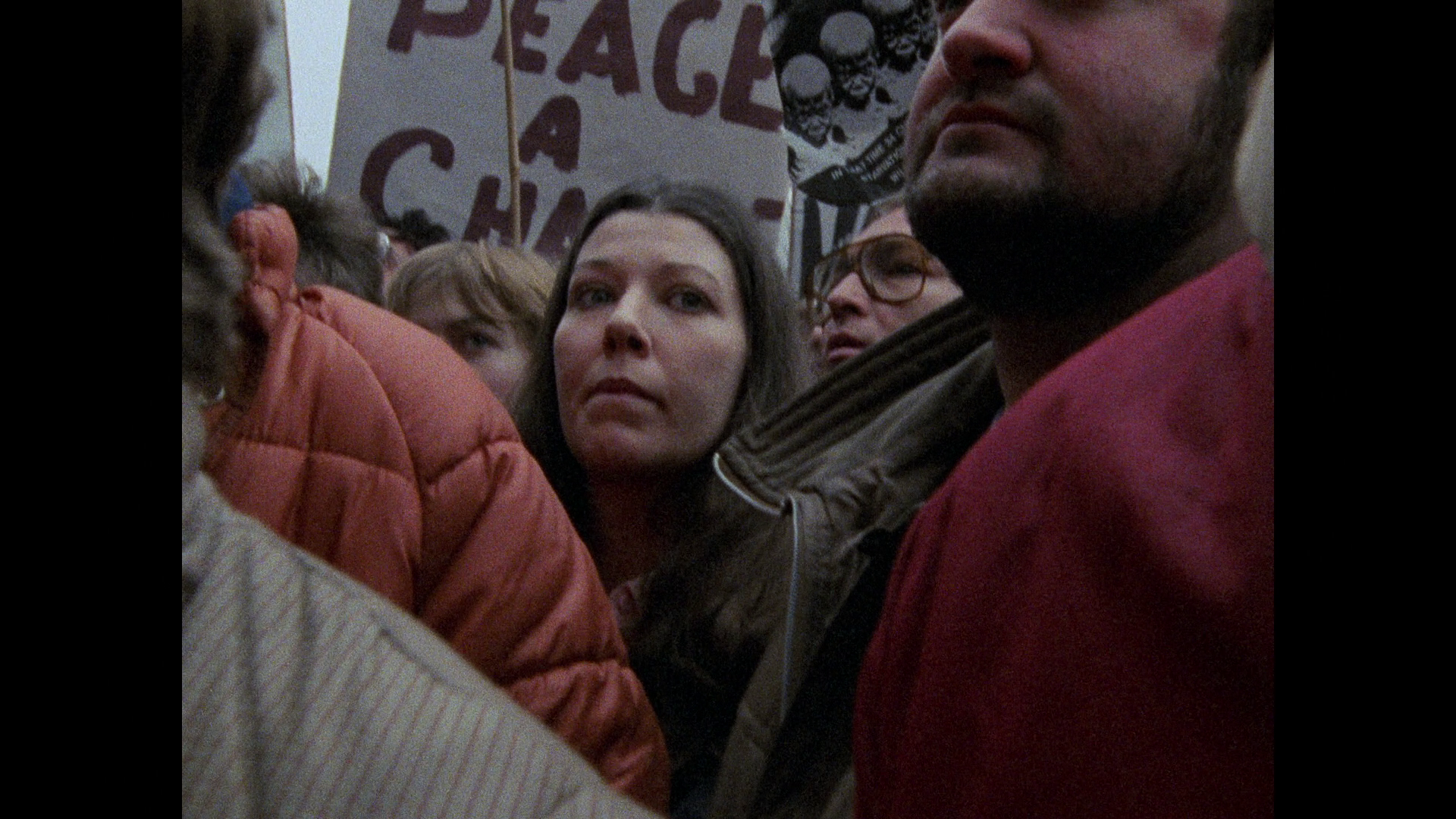
So things roll forward, with occasional news updates about tensions between America and Iran. And then there’s a coup, and the Soviets get involved, and the Americans escalate, and two days later the world is on fire and Ruth is in a cellar with her family, waiting for word about Jimmy that never comes.
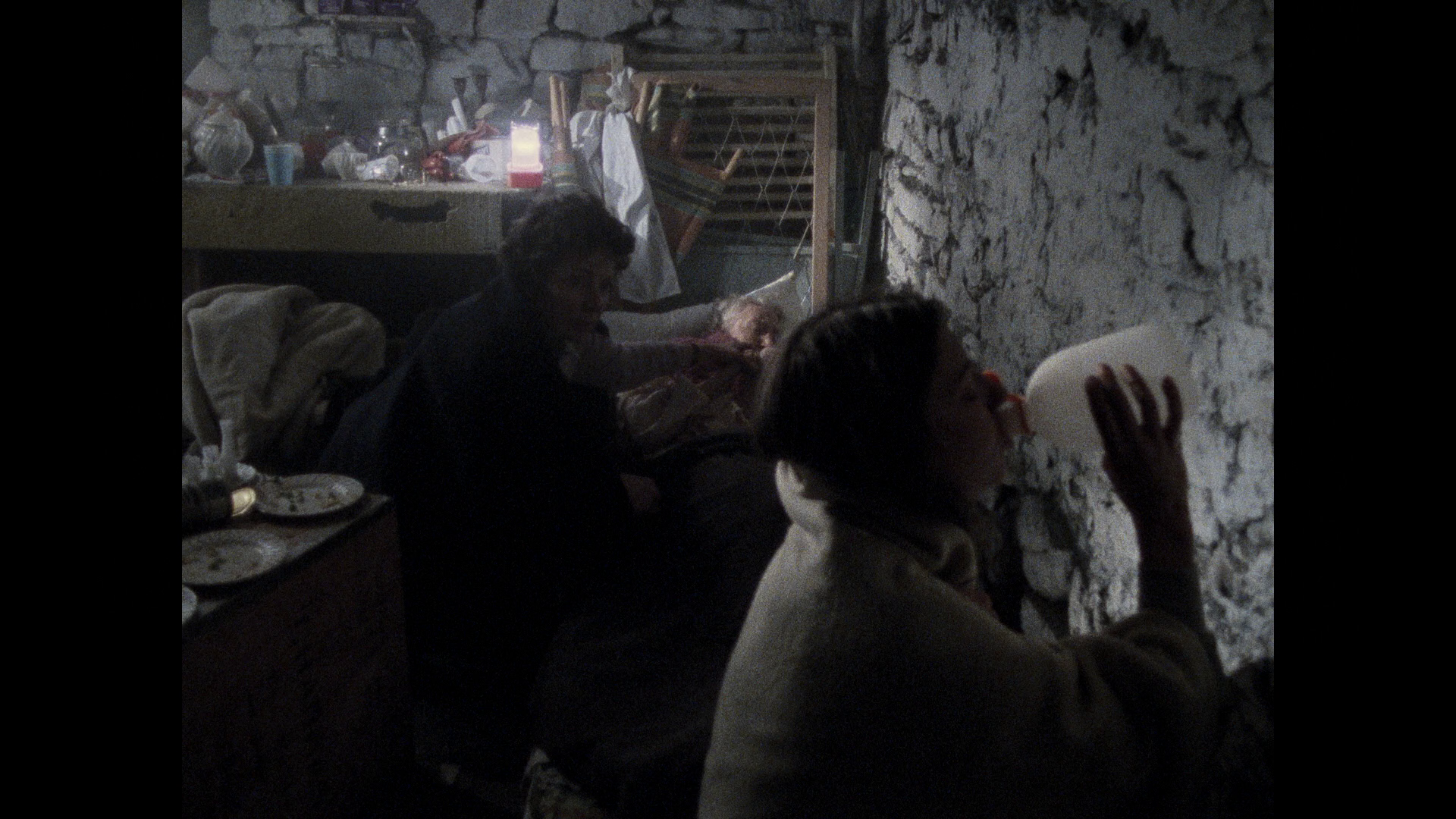
That’s the first hour. Things get so much worse after that.
Hines’ script is meticulous in its construction and its dramatic objectives, but it’s Mick Jackson – a journeyman stylist making the best work of his career – who makes sure Threads achieves those objectives as brutally as possible. Jackson and his DPs, Andrew Dunn and Paul Morris, push their cameras into the faces of the survivors and the dead alike, following British society as it spirals into anarchy and despair.
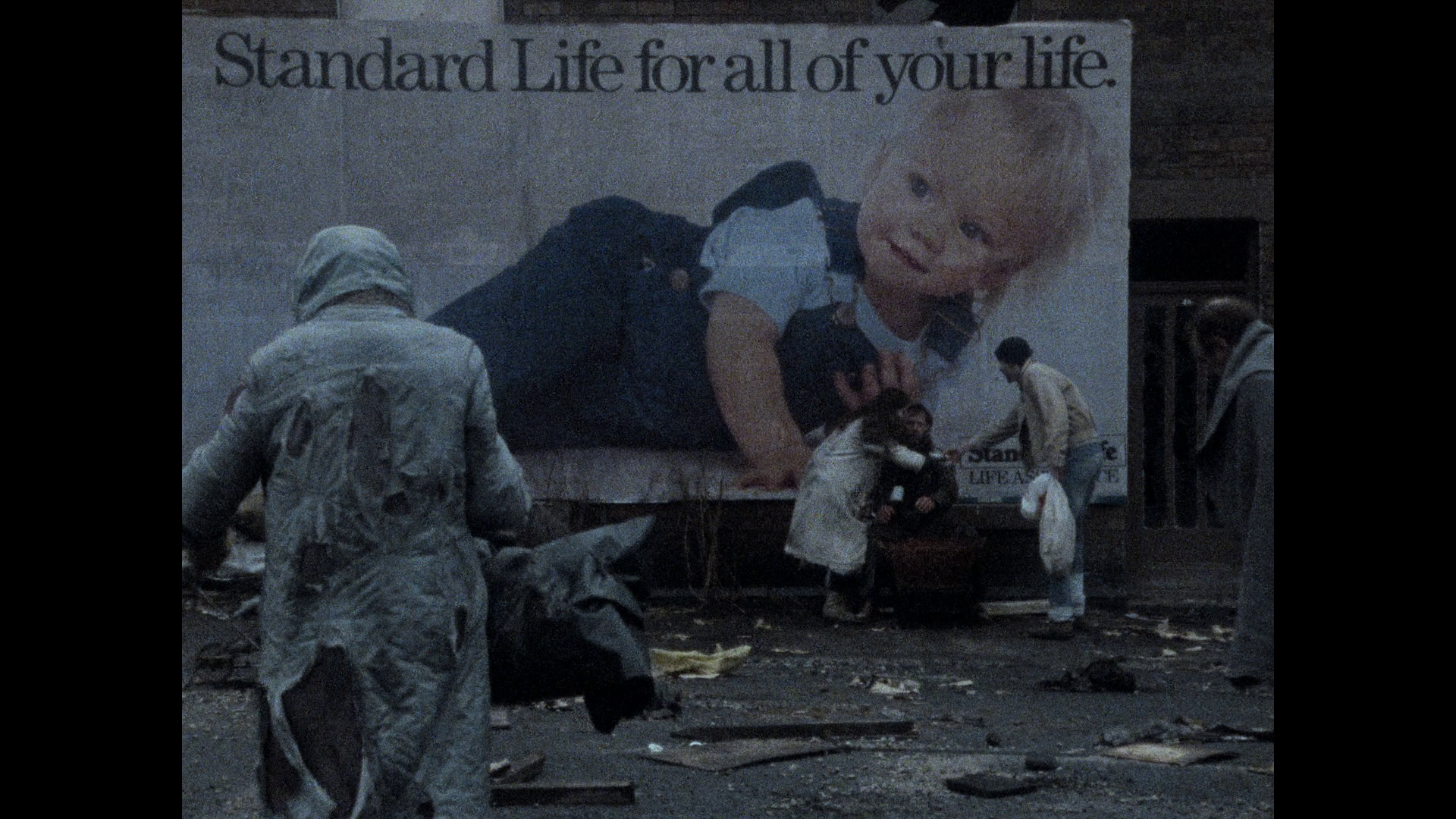
The War Game offered quick glimpses of rioting and retaliation; Threads has the room to watch the chaos form and explode, following a handful of faces through the collapse of the United Kingdom. The story keeps going even when it reaches a natural end point, in order to tell viewers that a nuclear war isn’t something from which a nation, or a planet, can eventually recover. And unlike its American cousins, Threads doesn’t end in mournful silence. It goes out screaming.
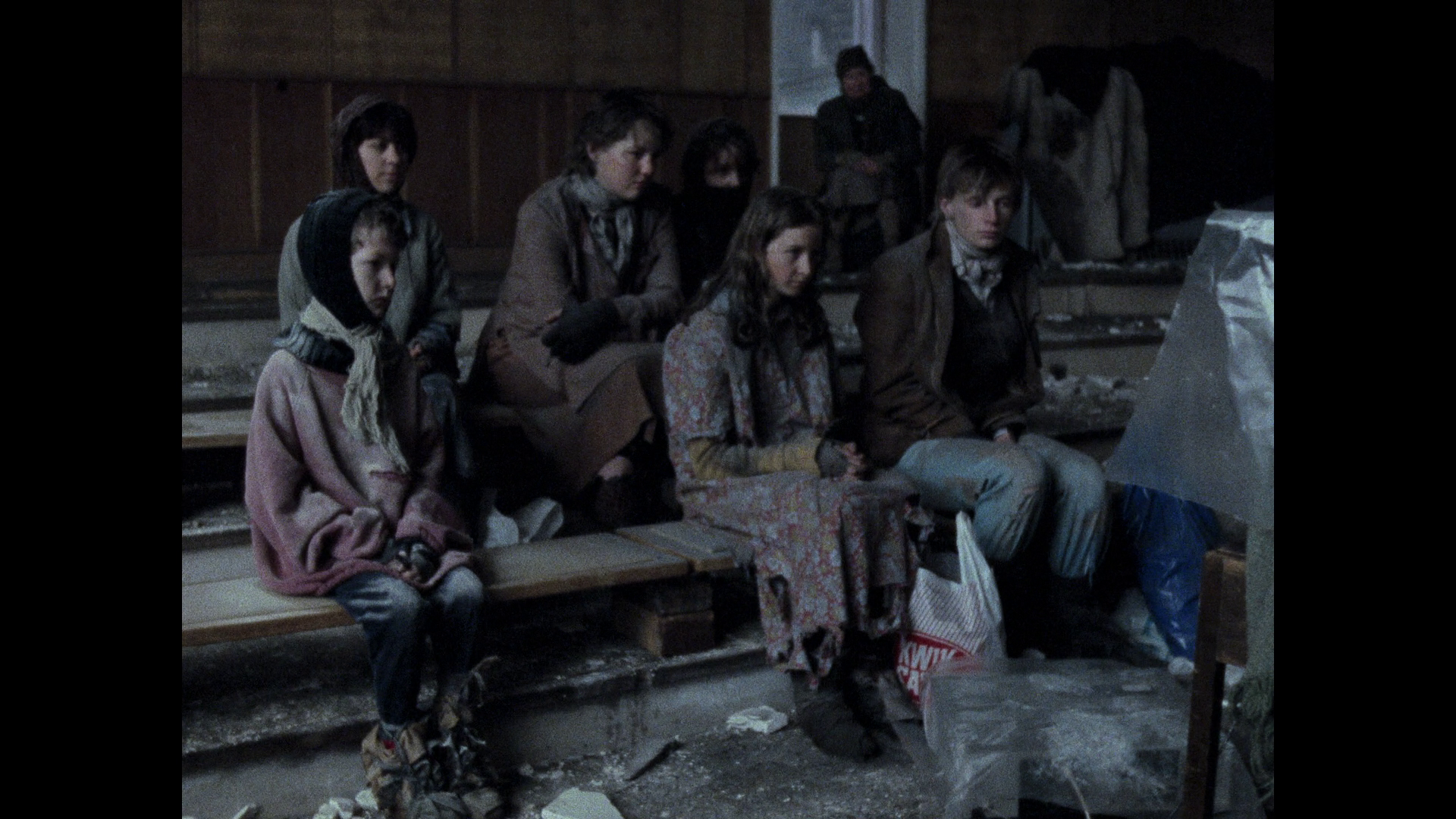
Severin first released Threads on Blu-ray in 2018, in a 2K presentation mastered from a 16mm film print; this new edition uses a 4K restoration sourced from the original 16mm A/B rolls, and it’s a massive step up. I would almost argue that Threads should not be seen at this level of clarity, to be honest; it was capable of pulping human souls as a scratchy SD broadcast, maybe it’s not necessary to watch the hope go out of people’s eyes in 2160p? But yes, of course, this is the definitive release of the film.
Both the 4K and Blu-ray presentations are accompanied by two audio commentaries produced for earlier discs. The first, from Severin’s original Blu, is a conversation with director Jackson, author Kier-La Janisse and Severin Films founder David Gregory that delves into both the production and the legacy of Threads; the second, featuring co-star Meagher and television historian Simon Farquhar, was recorded for Simply Media’s UK release.
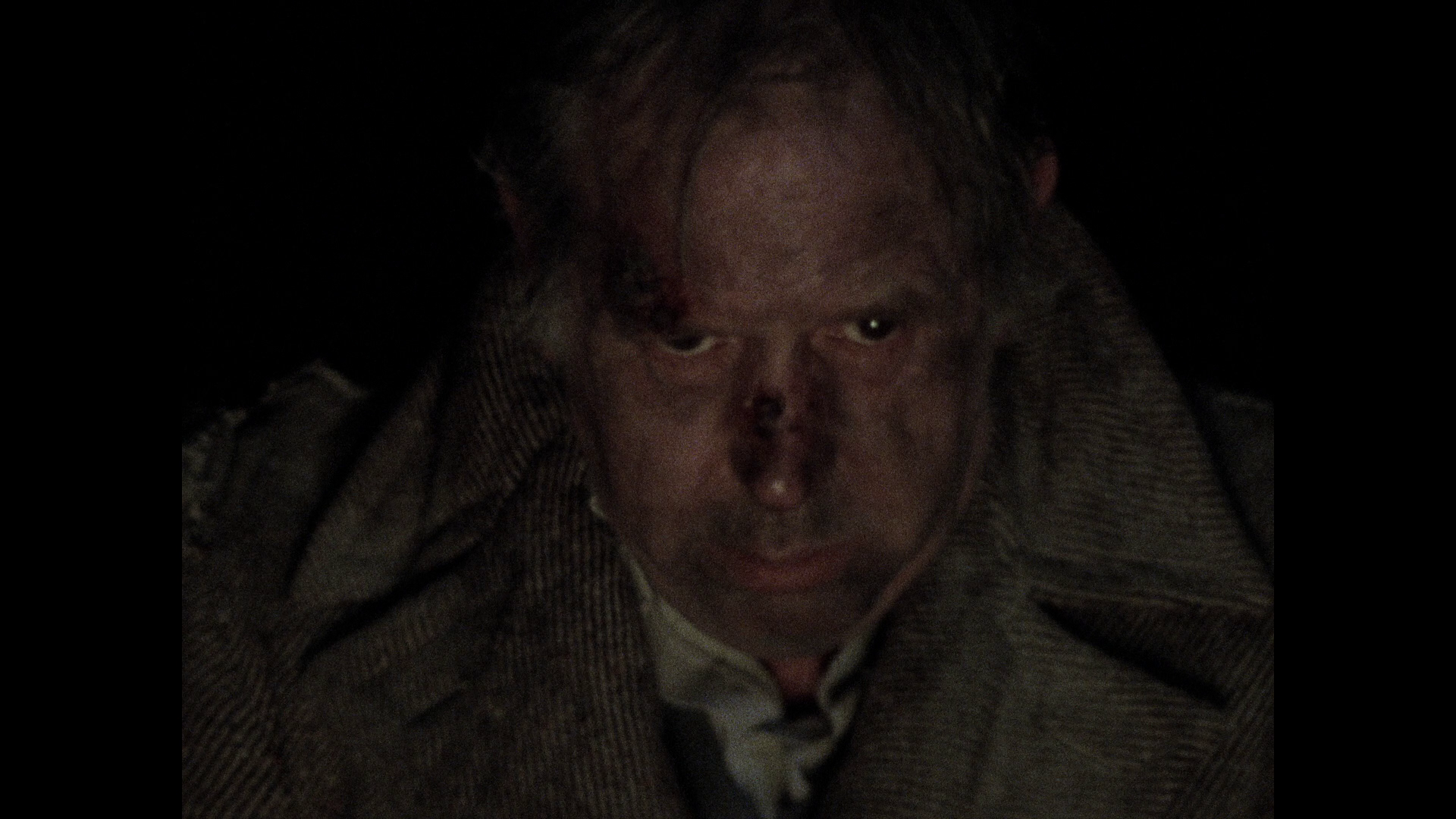
The rest of the special features are exclusive to the Blu-ray platter: Interviews with Meagher (“Auditioning for the Apocalypse”), director of photography Andrew Dunn (“Shooting the Annihilation”) and production designer Christopher Robilliard (“Destruction Designer”), and a half-hour exploration of Threads’ impact from film historian Stephen Thrower. The US release trailer is also included.
But the real treasure of the set is on the second Blu-ray: Robert Nevitt’s feature-length Survivors: The Spectre of Threads, a new documentary about the film’s production and legacy that focuses on the people of Sheffield, a town that almost certainly carries more Cold War PSTD than anywhere else in the UK. The doc is accompanied on the disc by “Immediate and Real,” a new interview with Julie McDowall, the author of Attack Warning Red! How Britain Prepared for Nuclear War and someone who can give Threads the larger psychological and sociopolitical consideration it deserves.
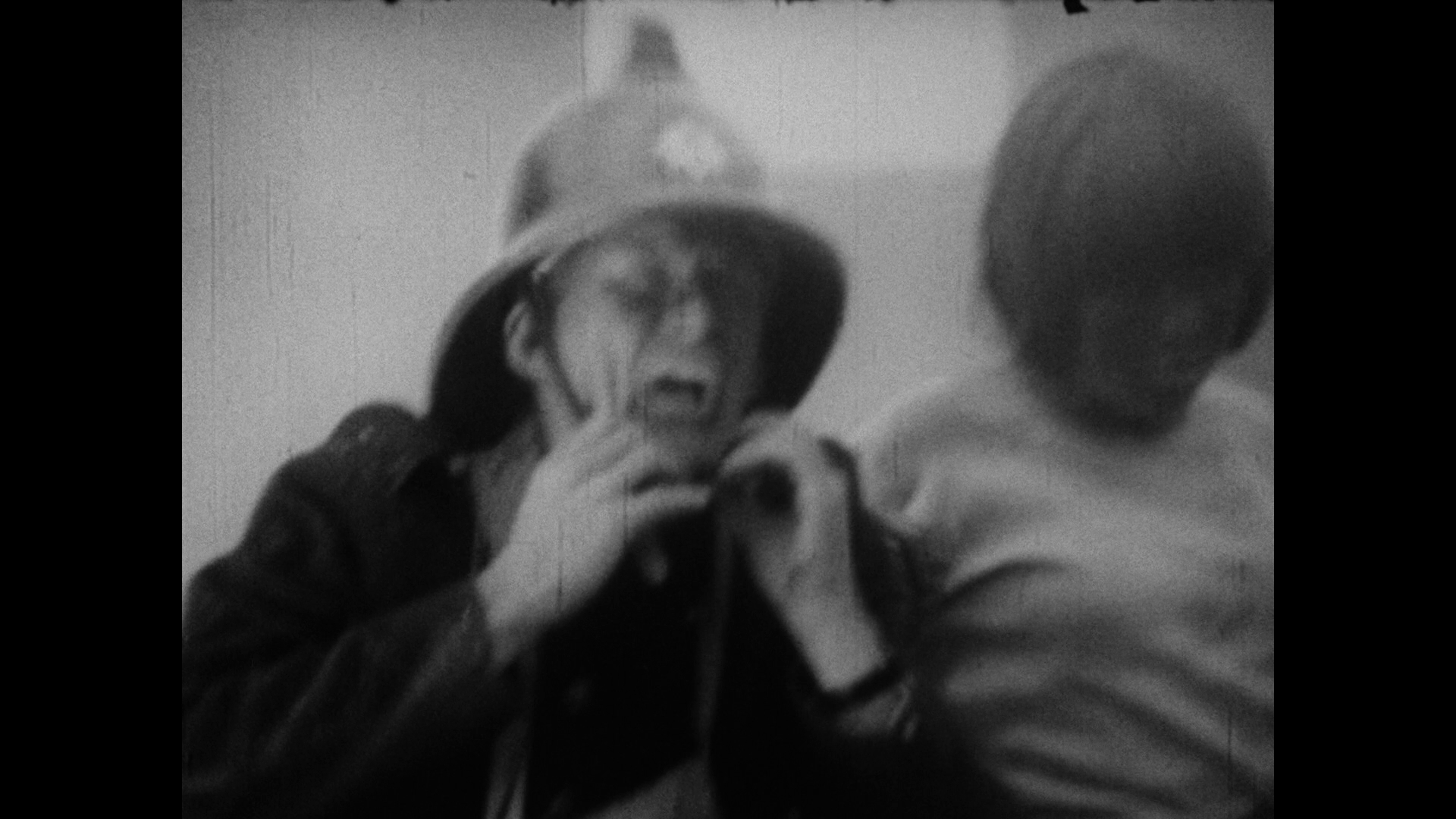
The two-disc limited edition of The War Game comes similarly stacked, starting with a 4K presentation so clean that it accidentally exposes some of the film’s effects, like the lacquer simulating a blast victim’s broken teeth:
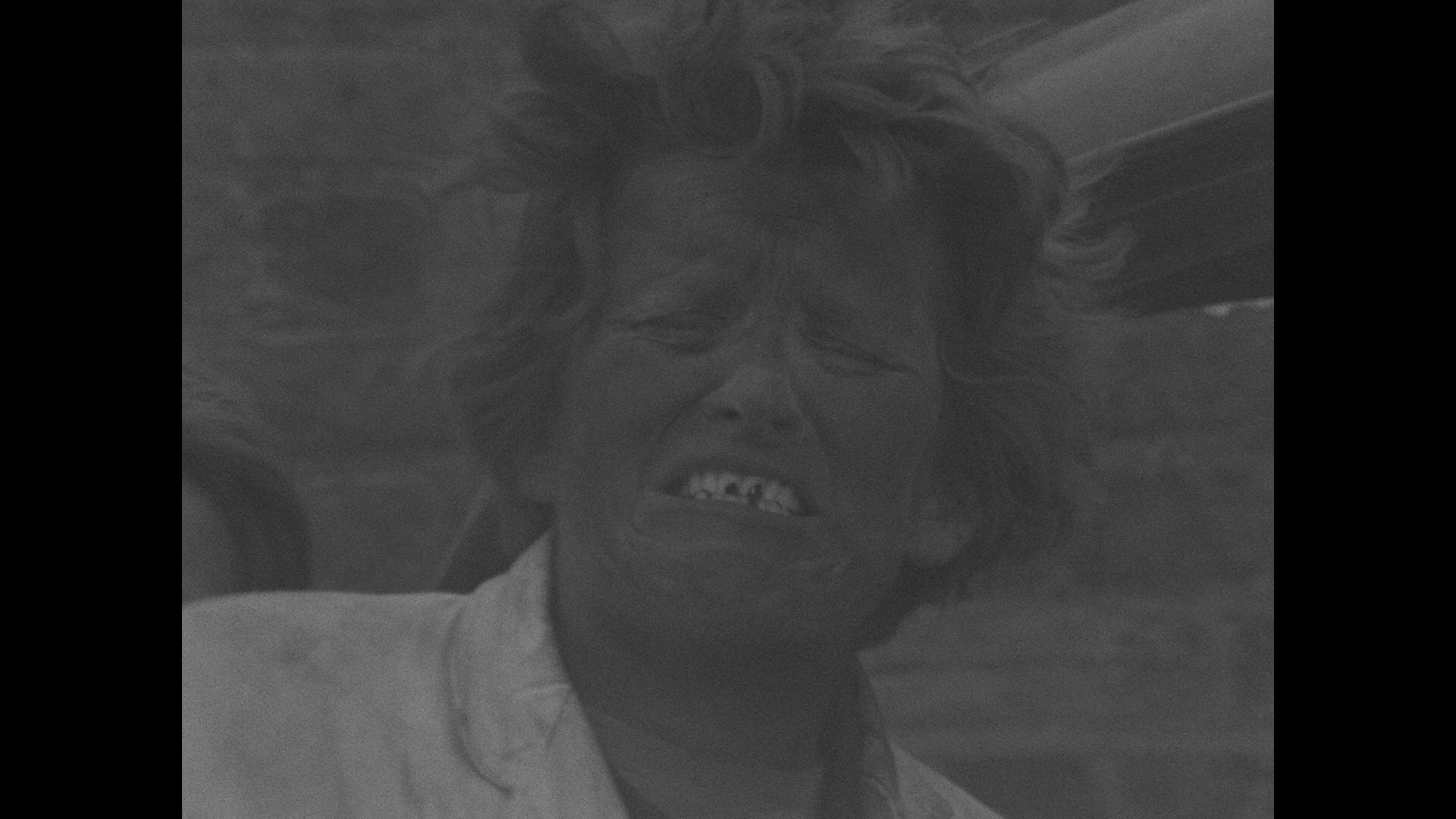
You might think that seeing the artifice so clearly would make the film slightly easier to watch. But no, it doesn’t; if anything, the clarity of this new restoration (like Threads, sourced from the original 16mm A/B rolls) just makes it more disturbing. Six decades ago, Peter Watkins used the limitations of a television budget – and the attendant lack of oversight – to craft a nightmare so convincing it couldn’t be screened for the audience that most needed to see it.
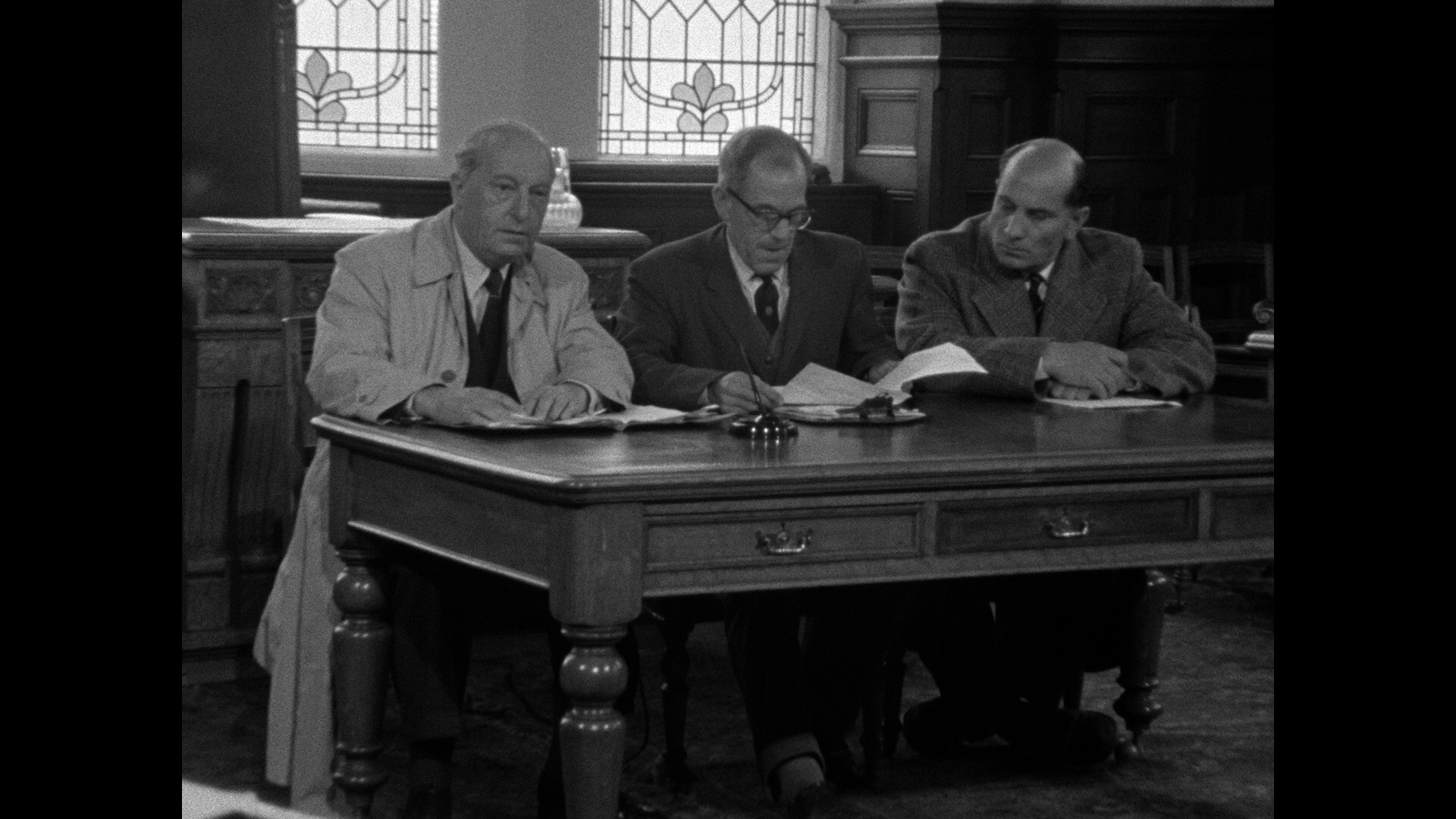
Severin’s special edition – which, like Threads, comes in a limited-edition slipcase with era-specific paraphernalia – is as comprehensive as anyone could ask, starting with a new introduction to the film by director Alex Cox and a new audio commentary by English film critic Kim Newman and writer and filmmaker Sean Hogan. There are new interviews with production designer Anne Davey Orr, who also worked with Watkins on the revolutionary Culloden (“Conflict By Design”) and Watkins historian John Cook (“Who Banned The War Game?”), a new video essay on the film by Alexandra Heller-Nicholas and Stephen Broomer (“Games of Fact and Fiction”) and another on the movie’s Toronto release by journalist and pal Eric Veillette (“The War Game at CineCity”). And Julie McDowall, who also appears in the Threads supplements, is here as well in “Nuclear Britain.”
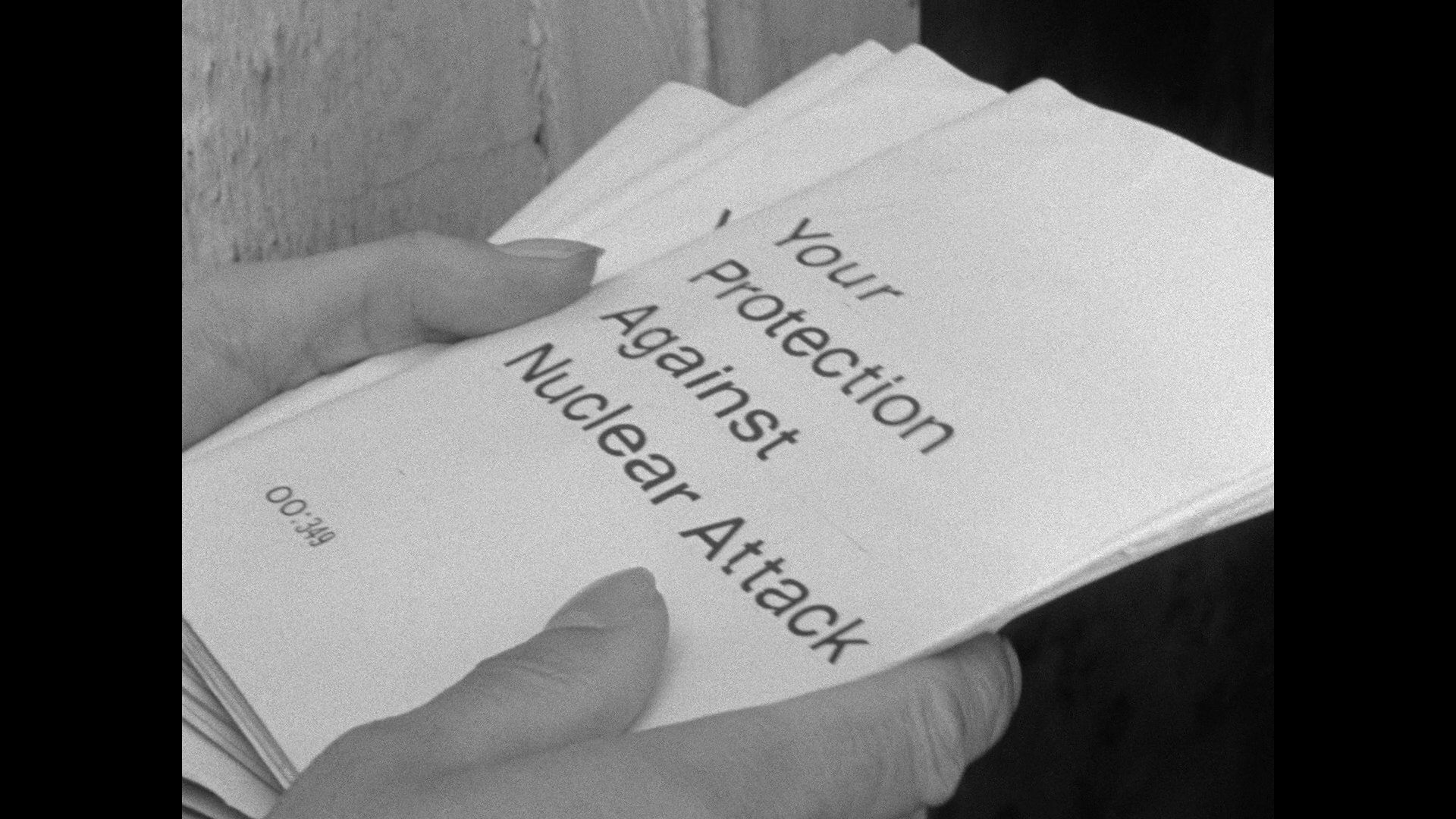
Watkins himself died last year and was unable to contribute to this edition, but he’s represented in “Peter Watkins Reflects on The War Game and the Media,” an Australian television interview, recorded in 1983, and again in “The War Game in Sheffield,” an assemblage of unaired footage shot for the British television series Visions in which the filmmaker scouts locations and looks at potential cast for a remount of the movie. John Ellis, a producer on Visions, offers a brief introduction to that material.
Also included are the theatrical trailer and two of Watkins’ earlier shorts, The Diary of an Unknown Soldier and The Forgotten Faces. There’s also an archival interview with editor Michael Bradsell produced for the BFI’s 2016 Blu-ray. Sadly, it’s the only supplement from that disc to be carried over; Patrick Murphy’s audio commentary and a DVD featurette on the controversy surrounding the project didn’t make the cut.
And if after all that realism you find yourself craving a sillier apocalypse, well, Tim Burton’s got you covered.
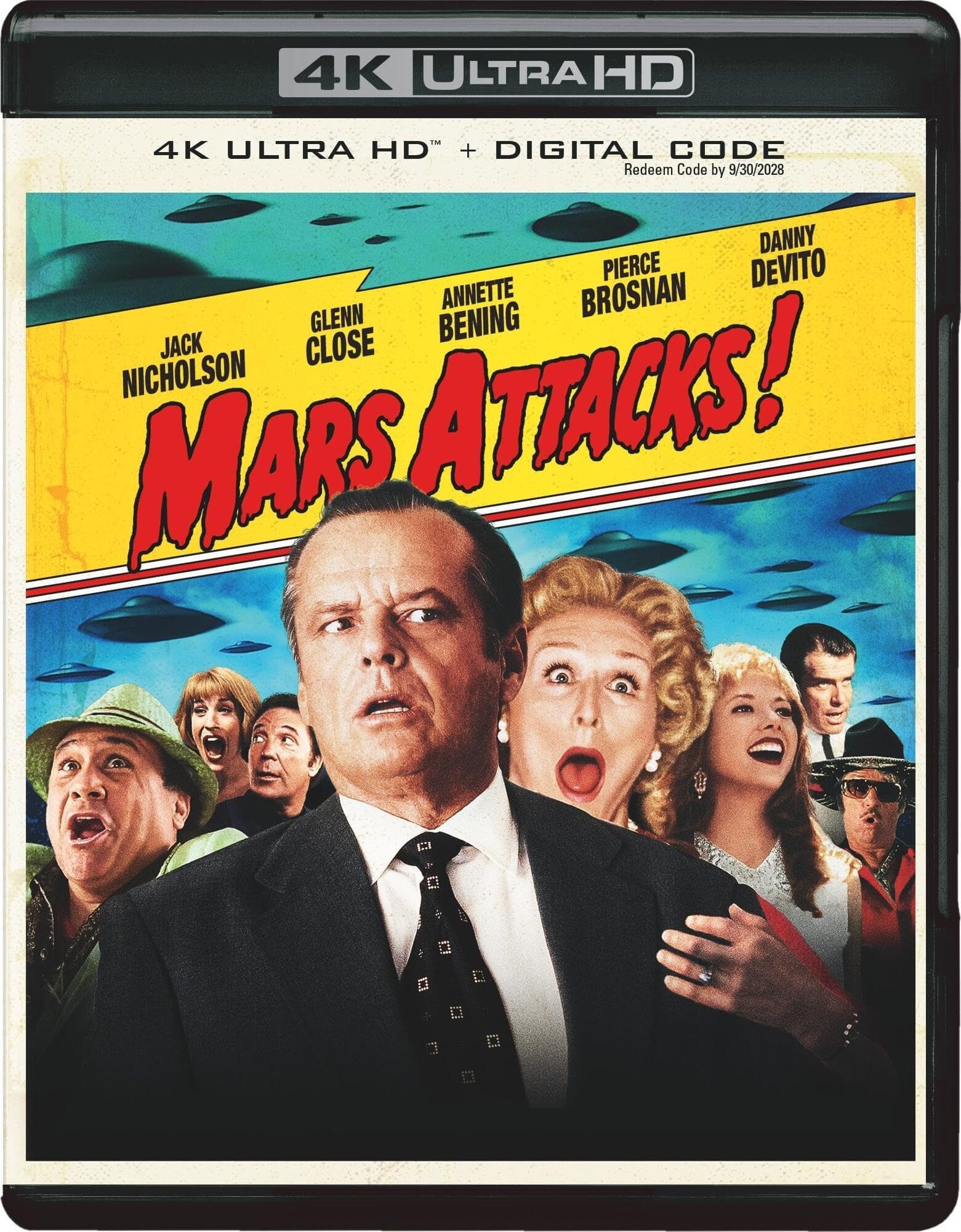
Remember Mars Attacks!? Few other movies have made wholesale carnage and destruction this much fun. It’s also the last movie in Burton’s incredible initial run of idiosyncratic, weirdly personal blockbusters that started with Pee-wee’s Big Adventure a decade earlier, before the seams started to show in Sleepy Hollow. Which is to say, this is the last picture where Burton doesn’t lose interest in the script halfway through.
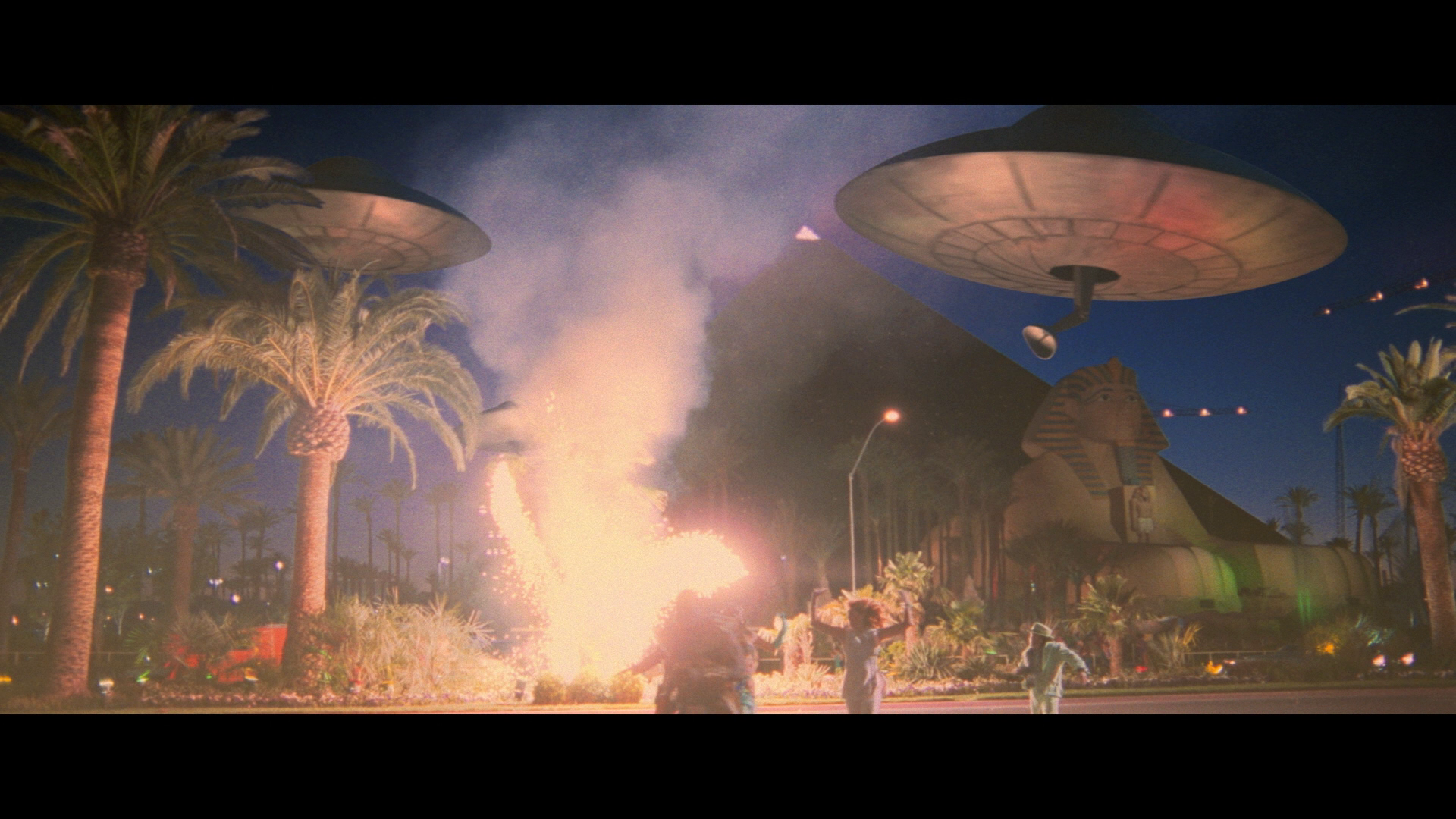
Inspired by the vintage Topps’ trading cards but following the multicharacter formula of a ’70s disaster movie, Mars Attacks! arrived in December 2026 almost in response to Dean Devlin and Roland Emmerich’s Independence Day, which had dominated the summer. Both movies offered an unapologetically old-school take on alien invasions, but only Mars Attacks! dares to be stupid, with an all-star cast goofing their way through an invasion of pop-eyed Martians in old-school flying saucers.
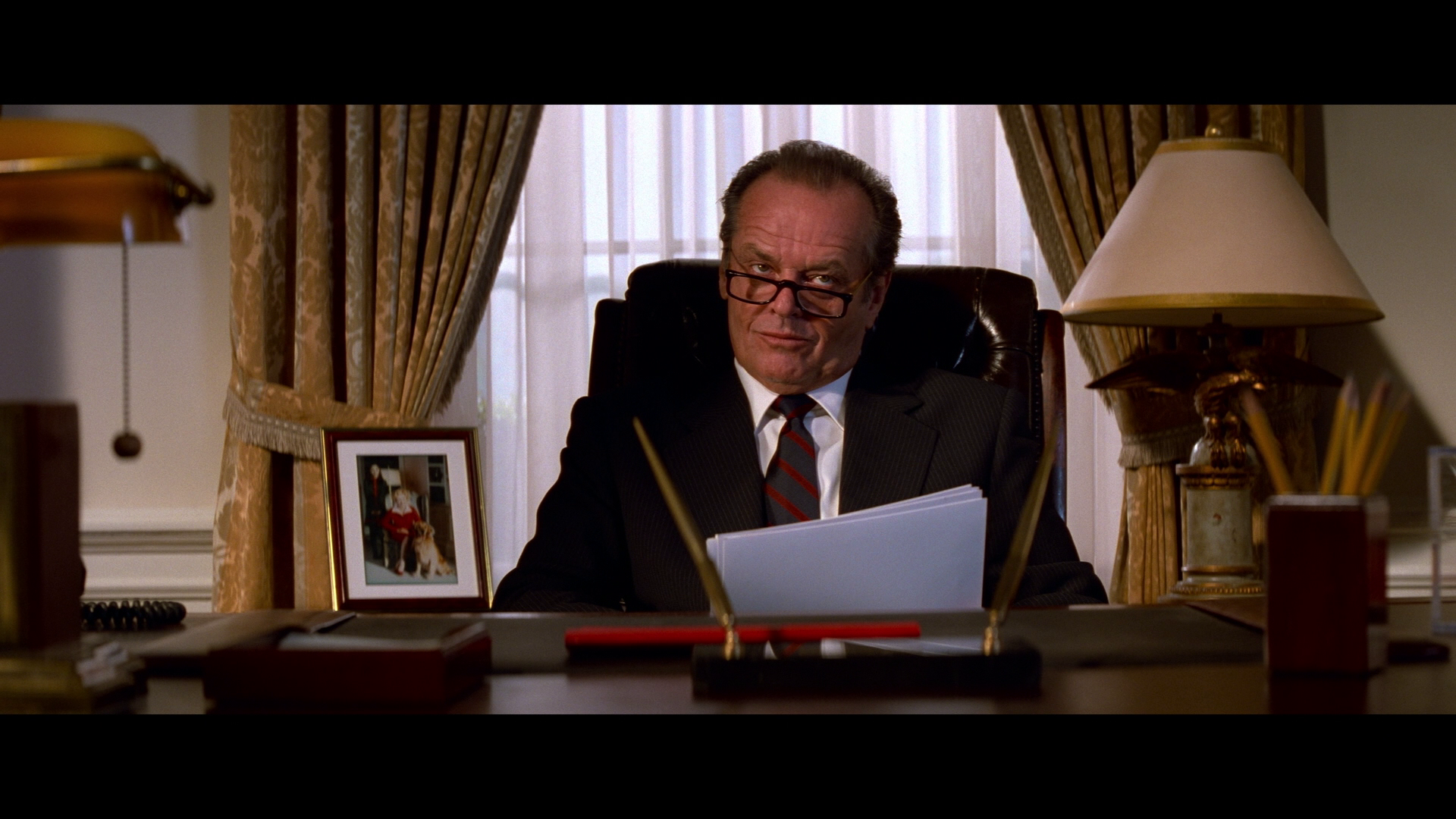
Realism doesn’t enter into it for a second, though now the idea of casting Jack Nicholson in a dual role as the overmatched President and a skeevy Las Vegas developer with weird hair does feel oddly prescient. But both of those performances are a lot of fun, as are almost all of the others; there’s Glenn Close as the perpetually panicked First Lady and Natalie Portman as the plucky First Daughter! Rod Steiger and Paul Winfield turn up as clear analogues for Donald Rumsfeld and Colin Powell!
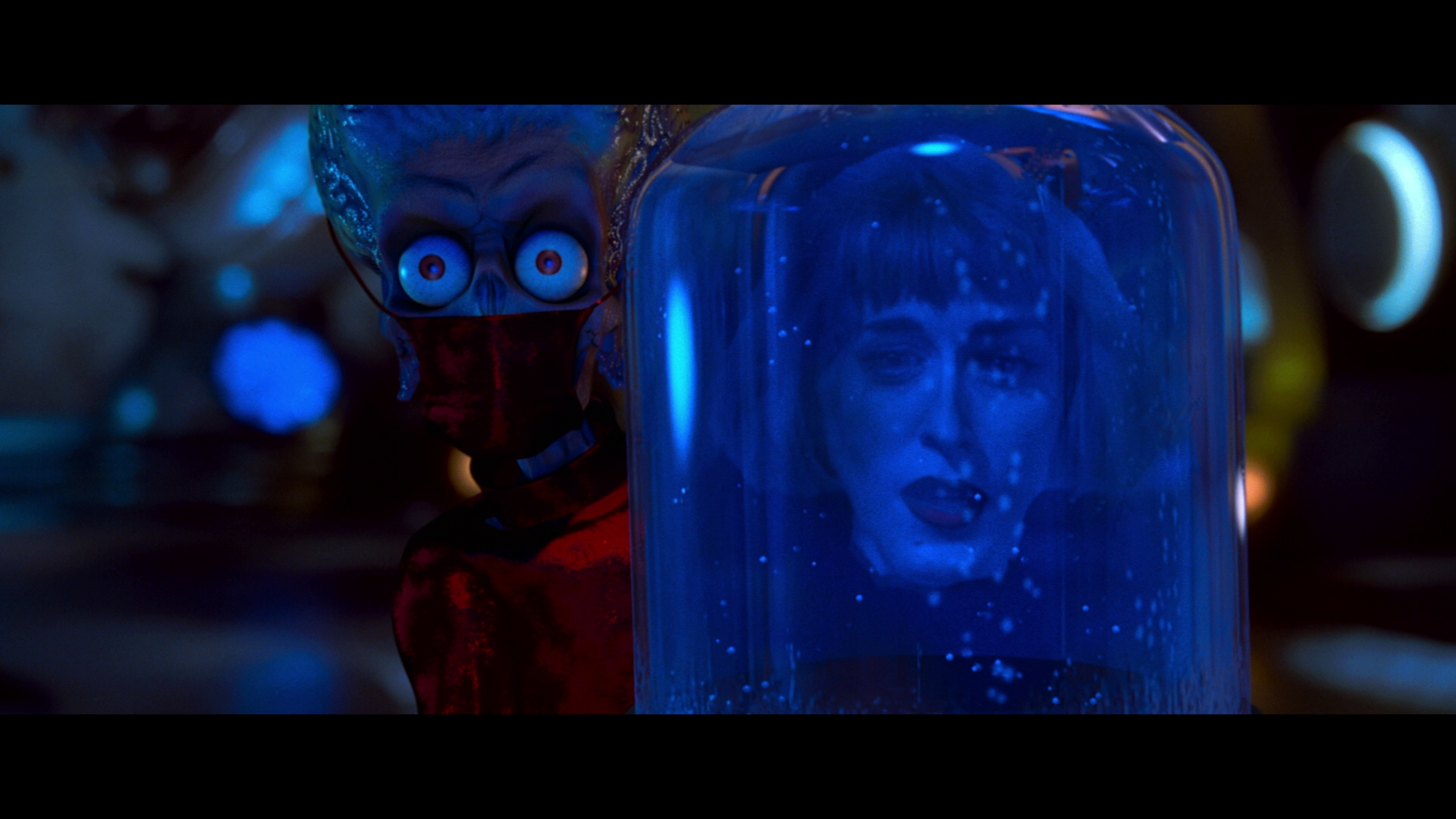
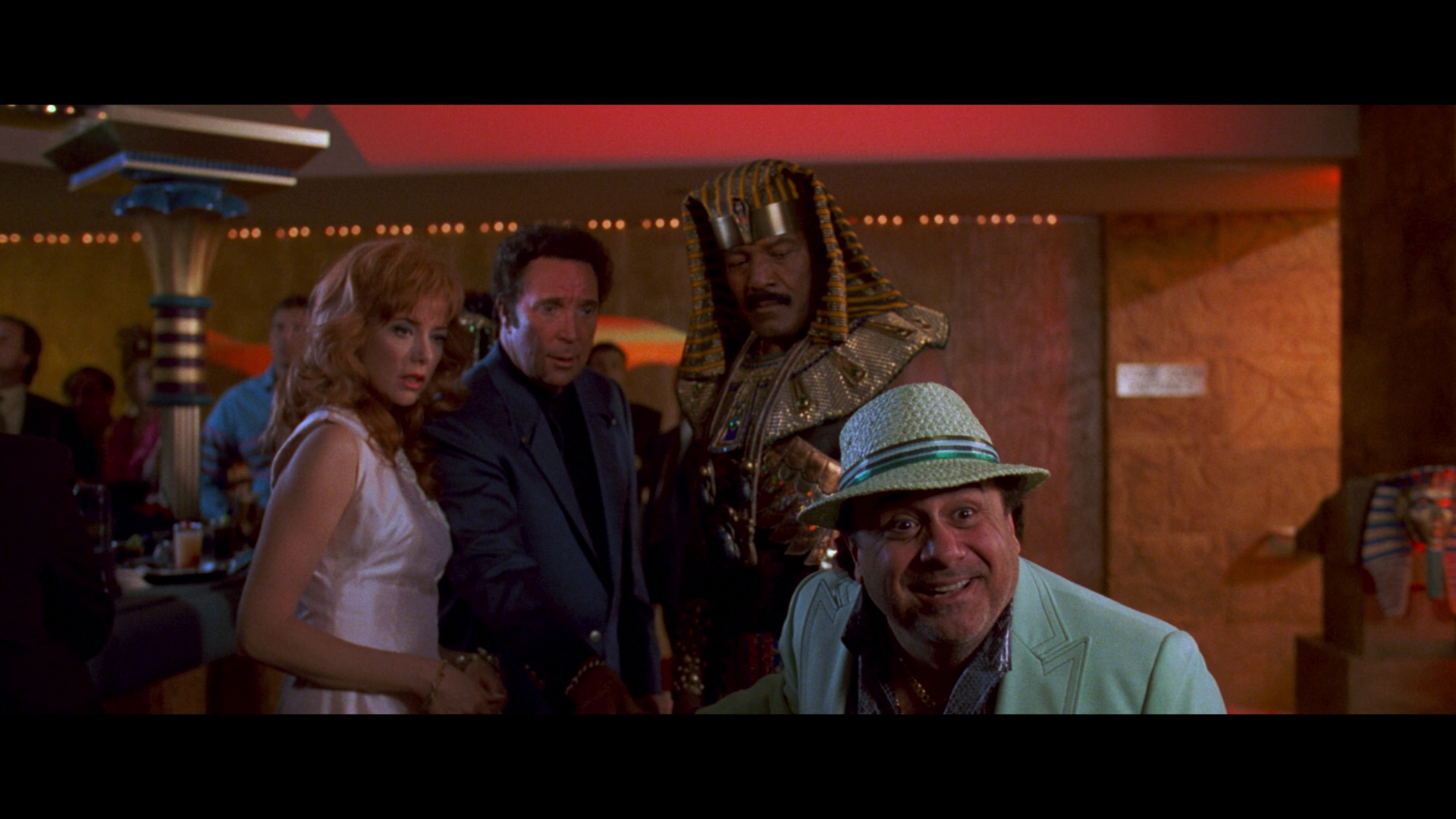
Sarah Jessica Parker and Pierce Brosnan get decapitated but still hang around! Michael J. Fox and Martin Short have small but thoroughly considered roles! Annette Bening plays a New Age lady! Danny DeVito is Frank Reynolds a decade before It’s Always Sunny in Philadelphia ever airs! And Tom Jones plays himself, because why not.
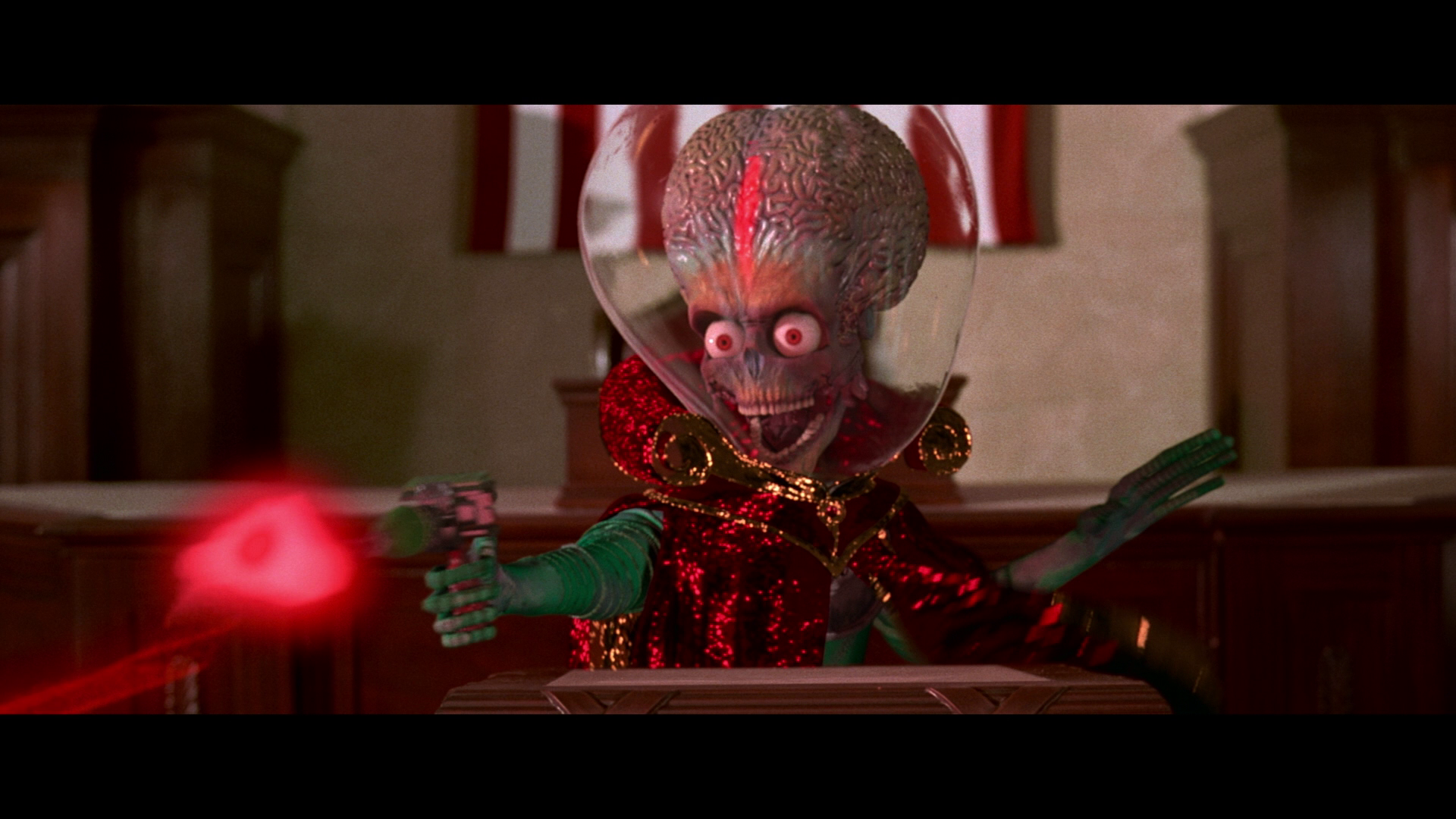
Not since Beetlejuice had Burton allowed himself to just have fun for fun’s sake, and given the relative complexity of this production it’s amazing that Mars Attacks! feels as breezy as it does. The Martians were originally going to be realized through stop-motion, but creating them digitally offered the effects team so much more flexibility in their design and characterization; they don’t quite have individual personalities, but as a species they form a sort of chaotic collective, dedicated to have a really good time wiping out humanity and wander around their spaceships in little red Speedos. Maybe it’s that I revisited it immediately after the genuine horrors of The War Game and Threads, but Mars Attacks! sure feels like an overlooked classic.
Warner’s new 4K master is as beautiful as Severin’s restorations of those movies are horrible, with Peter Suschitsky’s vibrant, pop-art images – a combination of the Topps trading-card aesthetic and Burton’s own stylistic fetishes – leaping off the screen with a vibrancy neither the DVD nor the Blu-ray could hope to replicate. The new Atmos mix is an absolute carnival, with disintegrator blasts echoing every which way and Danny Elfman’s theremin-forward score gleefully marching across the room. Everybody’s having a good time, right down to the orchestrator.
One downside: While the original 5.1 theatrical mix is also included, the 4K disc doesn’t offer the Martian dub option created for the DVD. It didn’t make it onto the Blu-ray, either, so I was hoping it’d be restored here. But this disc does offer the first non-jokey supplemental material for Mars Attacks! on any format. Warner also produced two new retrospective featurettes for the 30th anniversary, with Burton’s presence is limited to low-rez on-set footage and a few stills. This isn’t entirely surprising, as he didn’t participate in the Tim Burton’s Corpse Bride extras last year, either, but his absence allows Warner to let the behind-the-scenes crew shine.
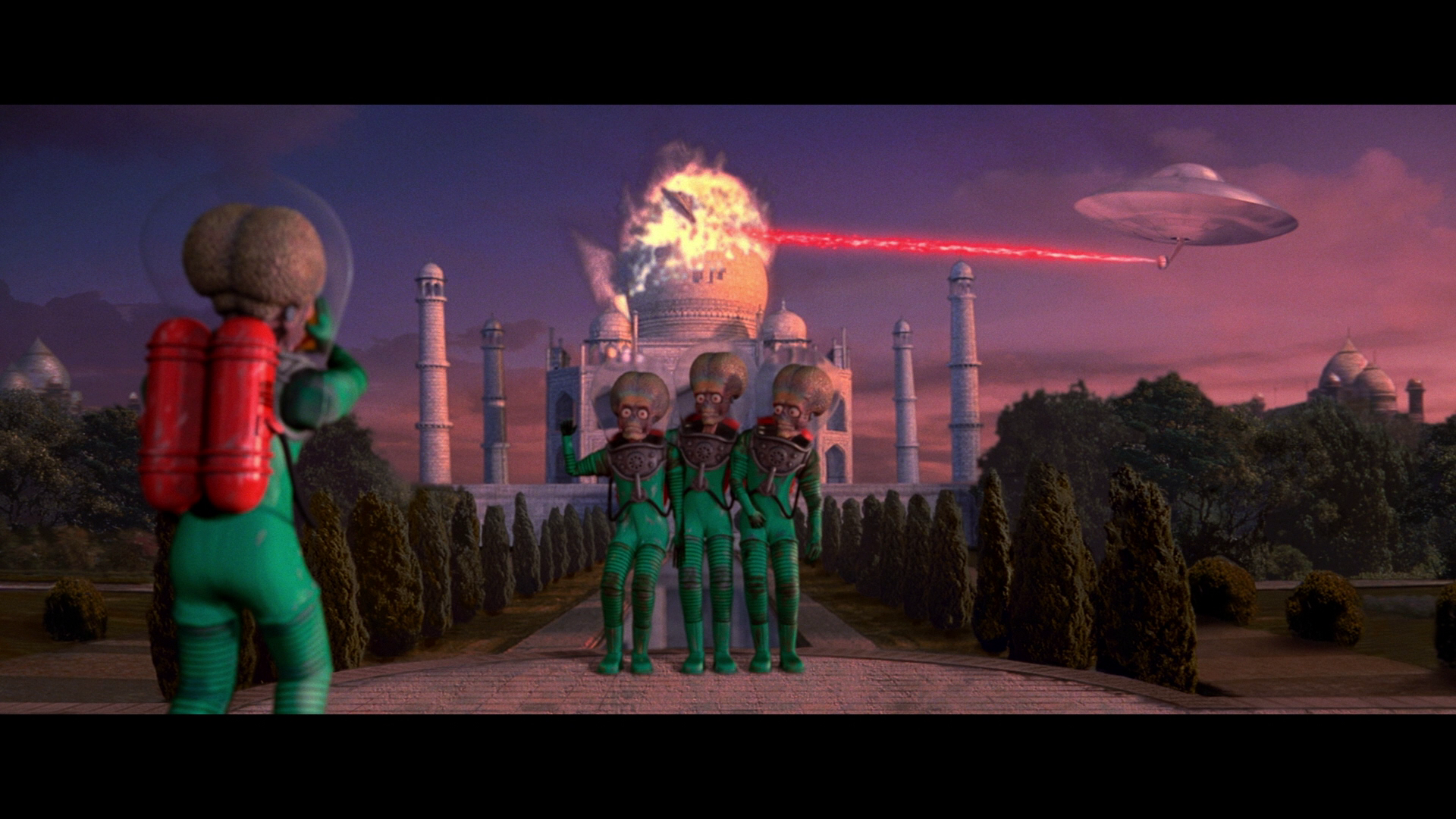
Running about 17 minutes in total, “Looking Back at Mars Attacks!” and “Ack Ack Aesthetic” assemble most of the key behind-the-scenes crew – Suschitsky, screenwriter Jonathan Gems, editor Chris Lebenzon, associate producer Mark S. Miller, miniature director of photography Patrick Sweeney, sound designer Randy Thom, production designer Wynn Thomas and visual effects supervisors David Andrews, Larry Fink and James Mitchell, all shot individually, most over Zoom – to offer a wealth of production stories about the development process, the revolutionary effects, the score, the casting of A-list movie stars with the express intention of killing them in fun ways, and the joy of being able to shoot the actual demolition of the Landmark Hotel and include it in the mayhem.
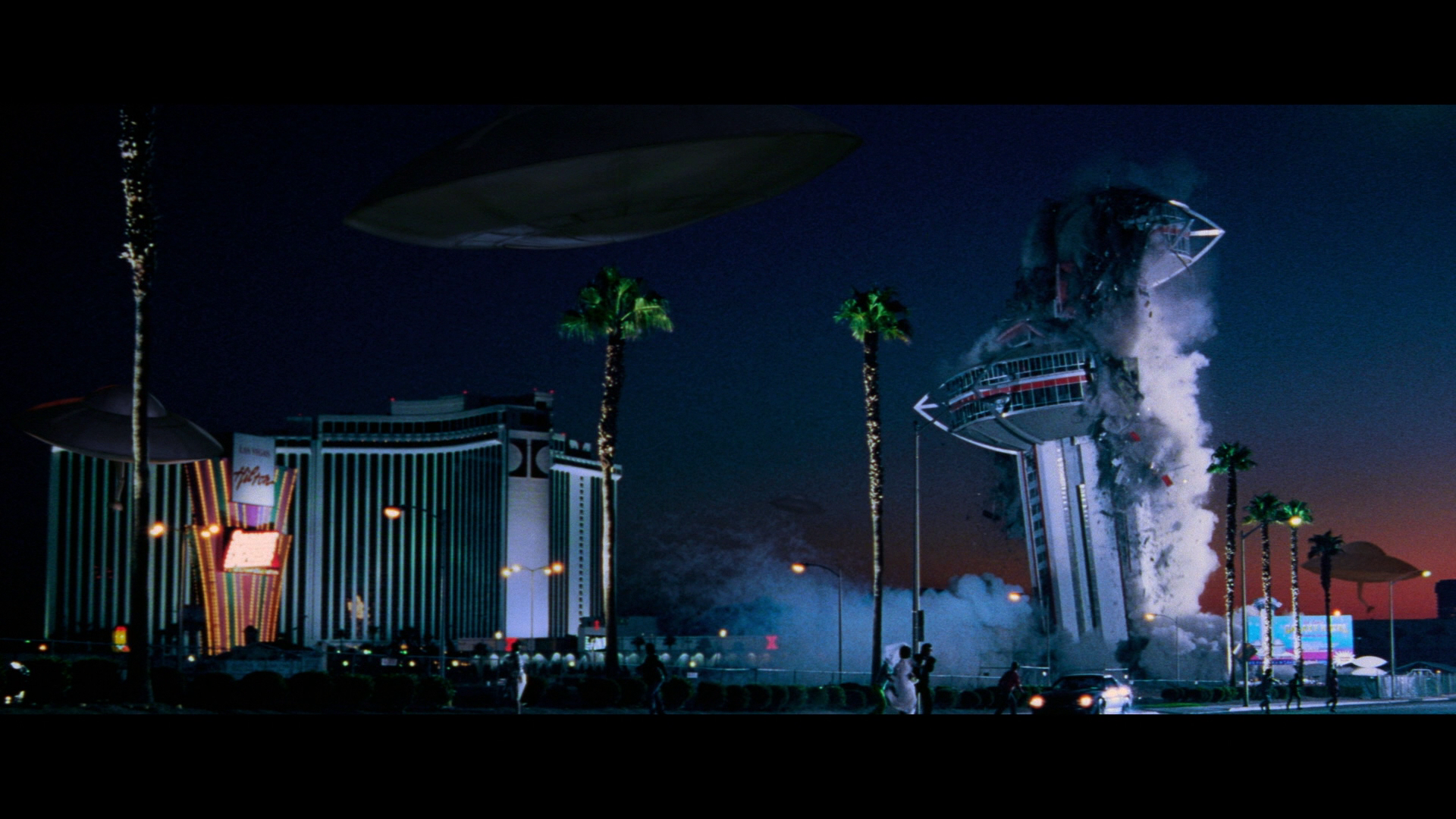
I’m used to seeing these people in the background of an EPK, or quoted passingly in press notes, so it’s just swell to see them get their due, especially on a project as wild and joyful as this. Don’t miss out.
The War Game and Threads are now available in 4K/Blu-ray combos from Severin Films. Mars Attacks! is now available on 4K from Warner Bros. Discovery Home Entertainment. I know how I’d want to go.
Up next: Another alien nation makes itself known as Steven Spielberg’s Disclosure Day arrives on disc, and also some talking sheep are here. But first, subscribers to the paid tier can look forward to this Friday’s What’s Worth Watching! Not a member of Team Super Shiny Things? That’s okay, I just made it up. But you can join for a song! Click here and see!