
Last of a Dying Breed
In which Norm reviews Via Vision and Arrow's elaborate new releases of BRING ME THE HEAD OF ALFREDO GARCIA, CROSS OF IRON and CARLITO'S WAY.
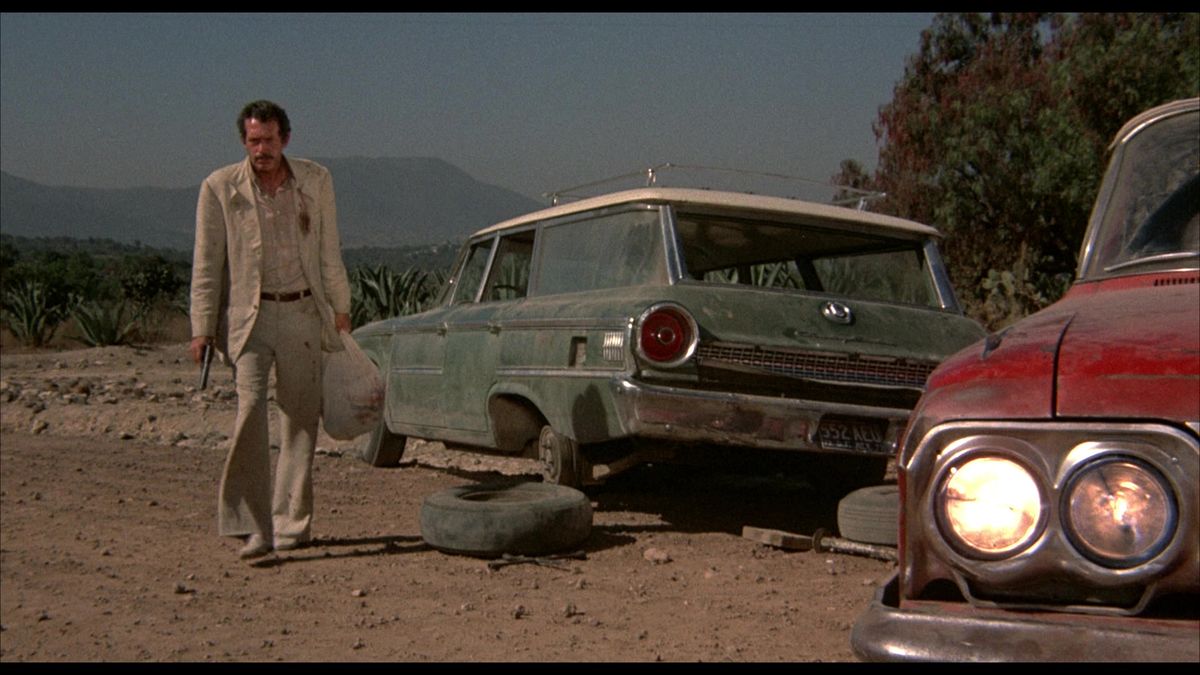
Funny thing about the movies I’m tackling today: They’re all about men who don’t want to be where they are. Maybe they got there through bad choices, or fate, or maybe just bad luck; by the time the movies start, it doesn’t matter. But maybe there’s a way to turn things around – to hit it big, or go straight, or just stand up and refuse to go along with the madness surrounding them.
Sam Peckinpah made movies almost exclusively about men in a jam; it’s the core of any successful thriller, of course, but Peckinpah somehow burrowed even further into the grimy, desperate panic of hustlers and players who find themselves up against a wall. Whether they survive the movie or not, all of his characters are doomed – with the possible exception of Convoy, which I’m still sure he made on a dare.
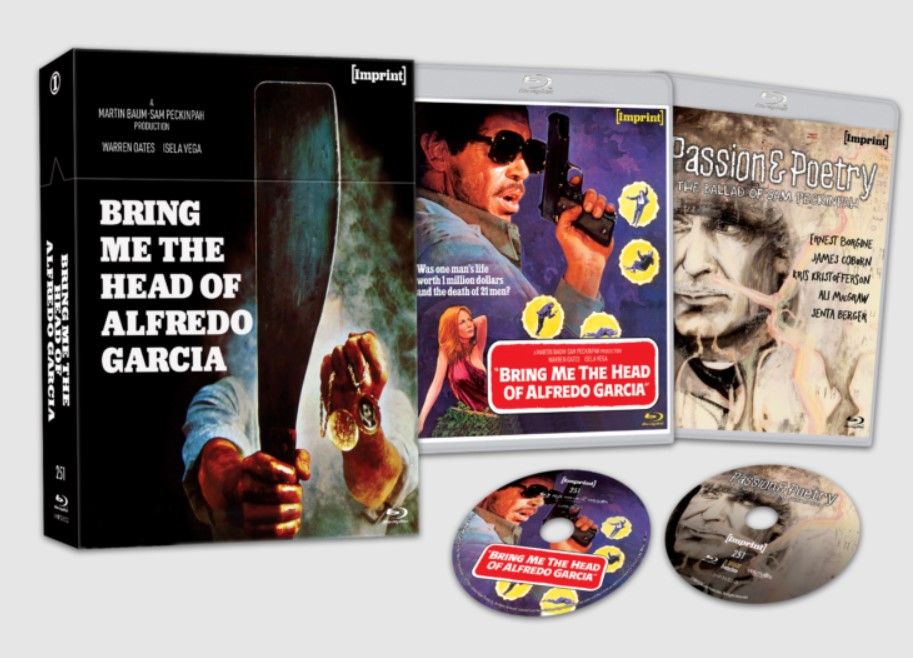
I’ve been thinking about Peckinpah because the Australian all-region label Via Vision just reissued two of his later films, Bring Me the Head of Alfredo Garcia and Cross of Iron, in elaborate Imprint special editions.

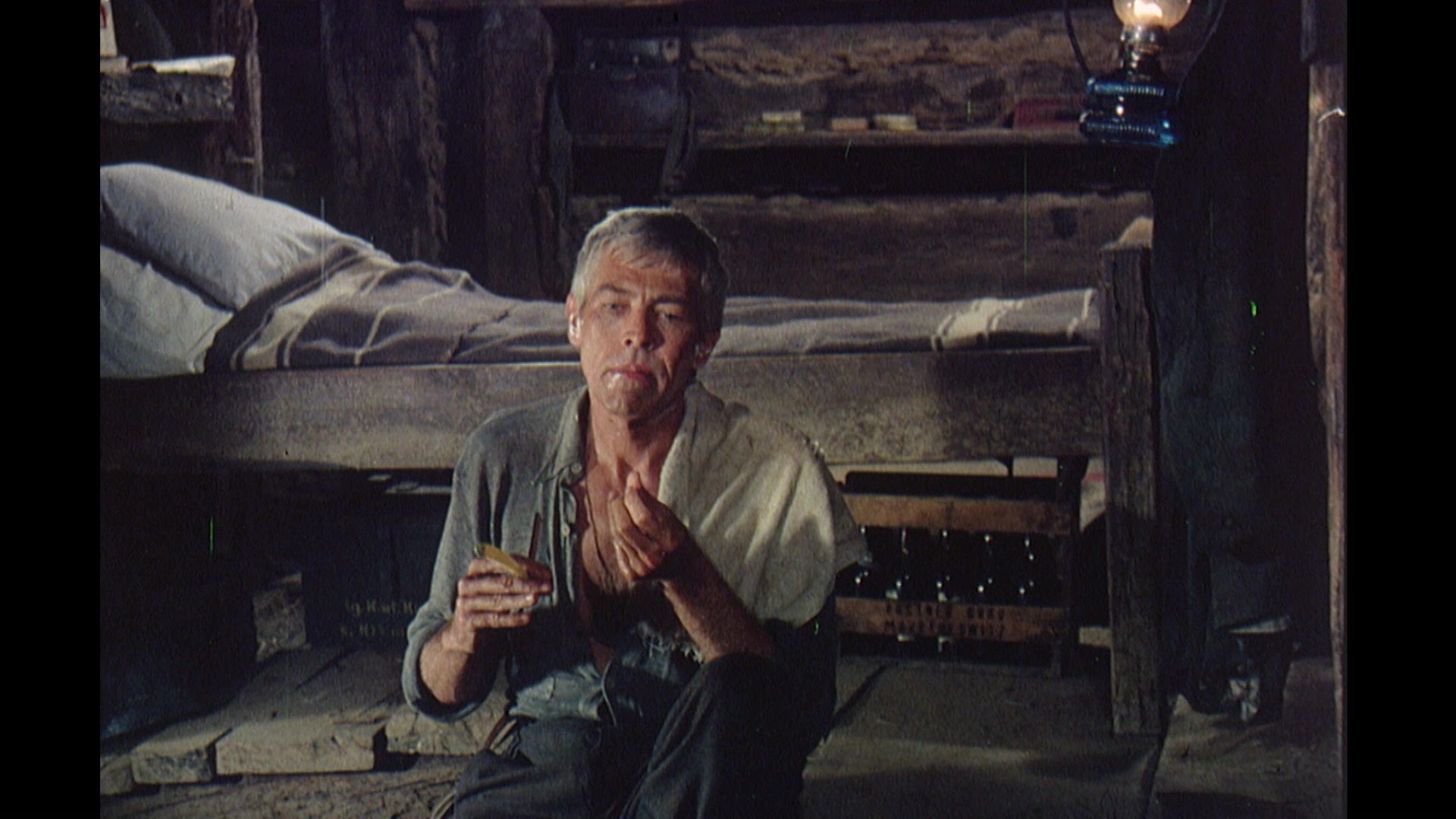
Both films – made in 1974 and 1977, respectively – are best seen as studies of lifelong losers who get one last chance to turn things around. Alfredo Garcia stars Warren Oates as Benny, a degenerate American veteran who’s wound up in Mexico City running a dive bar. Sometimes he plays piano. Cross of Iron casts James Coburn as Steiner – another military type, but one who never got out. He’s a natural leader and more than willing to risk his own life for his men, who in return would do anything for him, but his low-born status and his inability to go with the flow have kept him stuck as a corporal. Also he’s fighting for the German Army in the early ’40s, which damns him in a whole other way.

Bennie has made a decent life for himself in Mexico, drinking the days away and spending his nights with his loving girlfriend Elita (Isela Vega), but he’s only ever a minute or two away from total destruction. So when a local crime boss puts a million-dollar bounty on the young man who’s impregnated his daughter, and Bennie finds himself in possession of a vital piece of information pertaining to Garcia’s whereabouts, he doesn’t think twice about going for it – and destroys everything he touches.

Cross of Iron takes place on the Eastern Front, with Coburn’s exhausted Steiner catching the ire of Maximillian Schell’s vainglorious career officer Stransky, who’s had himself assigned to Steiner’s regiment in an attempt to put himself in danger, the better to win an Iron Cross for bravery. When the Russians mount an assault and Stransky cowers in his barracks, leaving his subordinates to figure out a counterattack, Steiner and his comrade Meyer (Igor Galo) mount a defense that saves almost everyone – though Meyer is killed and Steiner is wounded, returning to discover Stransky has taken credit for the victory. Thus begins a battle of wills between the two men that can only end in annihilation.

Both films were pilloried by critics at the time – Alfredo Garcia for its relentless sleaziness, Cross of Iron for its (deliberately) incoherent battle sequences and the whole “German heroes” thing –but five decades later they feel like essential chapters in Peckinpah’s lifelong project of deconstructing masculine stereotypes by wallowing in their excess. Like The Wild Bunch and Straw Dogs, his protagonists aren’t necessarily the heroes of their own stories, just skilled men trying to get what they want from a world that doesn’t give a shit whether they live or die. Having just watched a whole mess of Walter Hill movies, I find it fascinating that their interests are so similar while their styles are so very different – Hill is more of a bluesman, while Peckinpah was out there inventing punk rock.
And make no mistake, Alfredo Garcia is very much a punk work, the sort someone like Alex Cox would instantly recognize and embrace. Warren Oates’ abject unlikability as Alfredo Garcia’s scheming, sweaty Bennie is a truly incredible turn from an actor of almost unnatural charm; Oates was one of those actors who brightened up every picture, even if he was playing a heavy, and here his every moment reads as utterly fraudulent – the phony confidence of a grasping, desperate man. Of course the moment his greed exceeds his minimal competence, it's all over.

And while Coburn’s Steiner is an upright man whom Cross of Iron explicitly places in contrast to the Nazi true believers, fighting with Nazis still makes you a Nazi, and while Peckinpah allows himself to empathize with the dying for Hitler’s war machine – in battle after chaotic, horrific, pointless battle – he never lets us forget which side they’re on, or how other people see them. Those swastikas might as well be a brand.
Via Vision is releasing both films in 1500-piece runs, in the distinctive “hardbox” packaging that signals something very special has been done for a given title. And it has, in both cases. Alfredo Garcia gets a two-disc release that pairs a fine presentation of the film with Mike Siegel’s feature-length 2005 documentary Passion & Poetry: The Ballad of Sam Peckinpah, both bolstered by new and archival special features; Cross of Iron is a three-disc set built around StudioCanal’s pristine 4K restoration, with the film offered on both UHD and BD platters with a truly ridiculous volume of supplemental material – most of it also produced by Siegel, who provides commentary tracks for both of Peckinpah’s features and his own documentary. (The man’s a machine; in addition to the six hours of audio, he also supplies hours and hours of featurettes, including new documentaries assembled from new and archival interviews with Peckinpah and his collaborators, and participates in a documentary about his work making Peckinpah docs.)

Alfredo Garcia has three other commentaries produced for previous Twilight Time special editions – Nick Redman, you are missed – and an isolated track showcasing Jerry Fielding’s increasingly elegiac score. There’s a fine video essay from Travis Woods, “Portrait of the Artist as a Dead Man,” that explores the fact that Oates is blatantly channeling Peckinpah as Bennie, from his performance to his wardrobe, instantly making this the director’s most personal work and literalizing the self-criticism that runs through all of Peckinpah’s cinema. (And on the bonus disc, the feature-length “Stories on a Storyteller” digs deeper into the phases of that cinema, with additional material from Siegel’s Passions & Poetry interviews.)
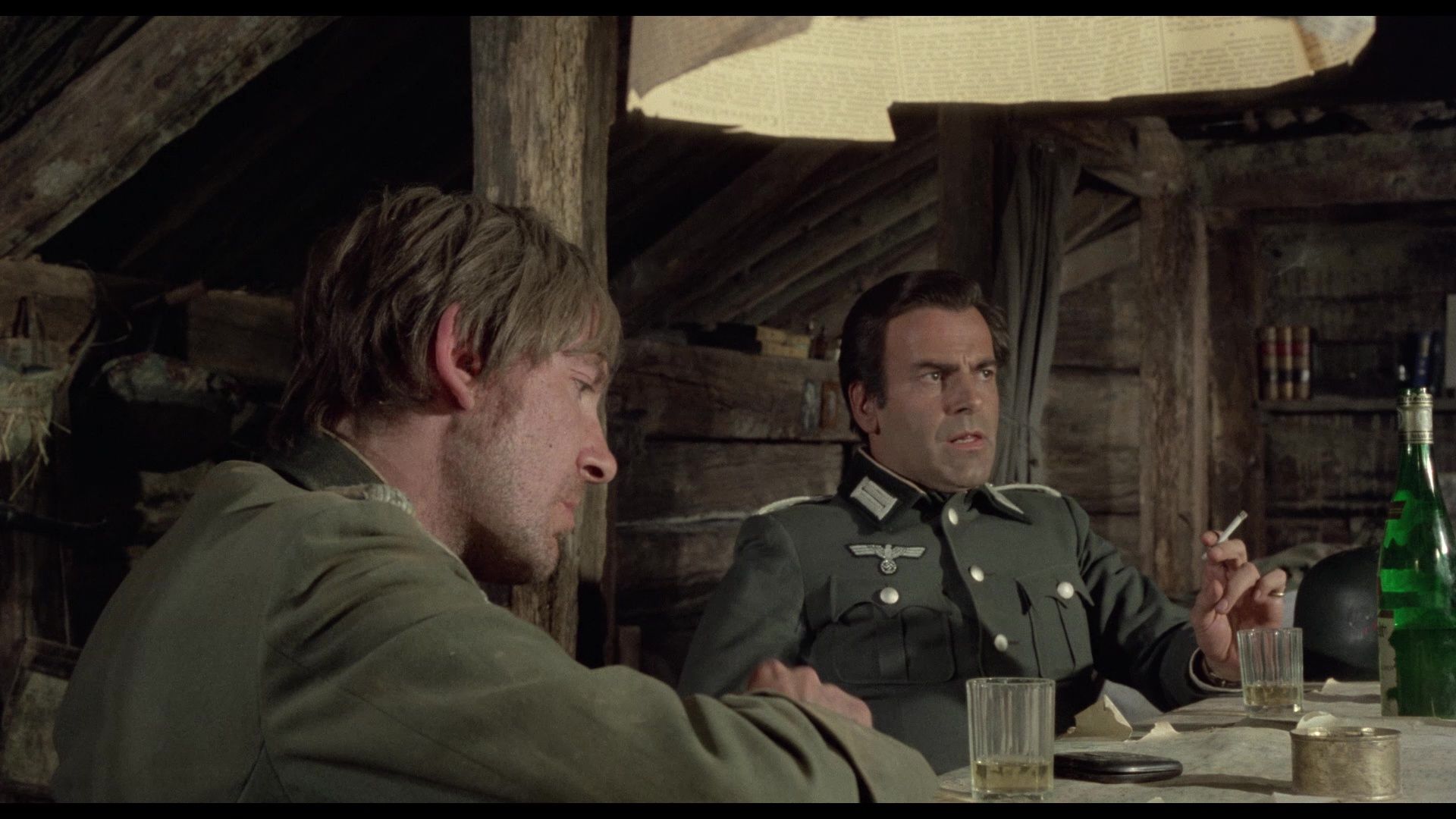
Cross of Iron brings in all the archival extras from the recent Studio Canal releases, with dense galleries of production photos and marketing materials, trailers and TV spots, an earlier commentary track from critic and author Stephen Prince and more featurettes from Siegel including conversations with cast members and a clip of Coburn and co-star David Warner introducing a screening of the film in 2000. A new interview with editors Tony Lawson and Michael Ellis contextualizes the fractious post-production process – which Peckinpah tried to make easier on his cutters by setting up a grill outside their office and providing a steady stream of barbecue – while makeup artist Colin Arthur discusses the grotesque specificity of the director's only war movie in a segment of his own.
There’s also a small but fascinating cache of audio interviews with Peckinpah and his key cast recorded during production, and a “grindhouse” version of the feature, previously released on a 2017 German Blu-ray and mastered from a surviving 35mm print titled Steiner: The Iron Cross. Having just screened Kathryn Bigelow’s Blue Steel at the Lightbox from a decades-old print, this deliberately shabby presentation looks exactly right to my eye: The windowboxed, slightly altered 1.55:1 image, the cascading green “rain” of a scratchy print, the subtle wobble on credits and text and the idiosyncratic audio all contribute to the “authentic 70’s theatrical experience” promised on the box. Also, it just feels sleazier.
Since so much of the archival extras were derived from previous releases of these films, I should point out that Paul Joyce’s 1993 feature doc Sam Peckinpah: Man of Iron – a cornerstone of Arrow’s UK Blu-ray of Alfredo Garcia – is nowhere to be found on the Imprint release. But if you’re a Peckinpah fan, it’s likely already on your shelf: Criterion included it in their special edition of Straw Dogs.
And speaking of doomed heroes, I also caught up to Arrow’s new limited edition of Carlito’s Way, which one-ups the 4K disc released by Universal a couple of years back with a poster, art cards and a booklet … and, most importantly, an expanded supplemental section that offers a retrospective appreciation just in time for the film’s 30th anniversary.
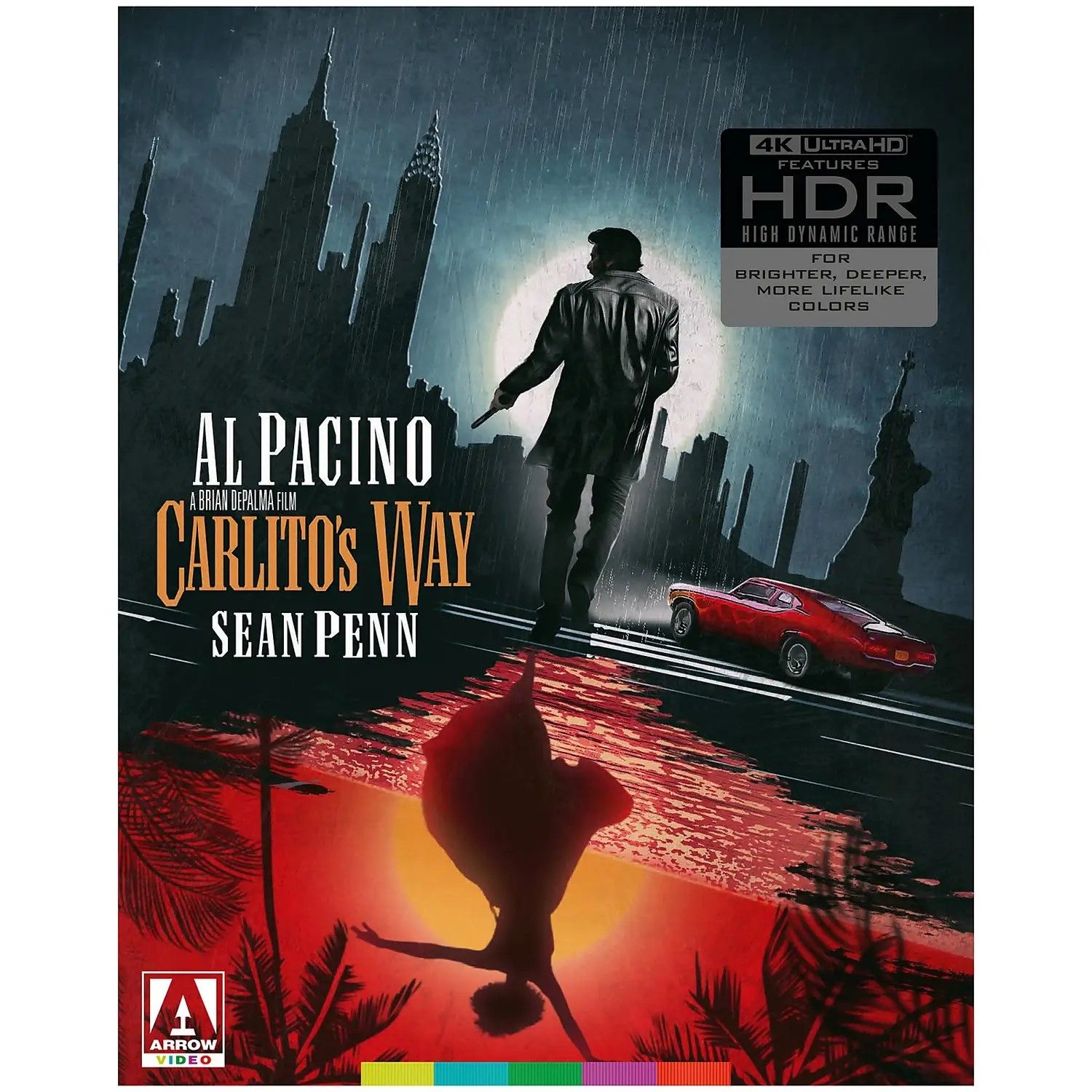
Carlito’s Way is a movie that’s always existed in the shadow of Scarface, Brian De Palma and Al Pacino’s other big gangster picture made ten years earlier. But is it heresy to suggest that it’s the better movie?
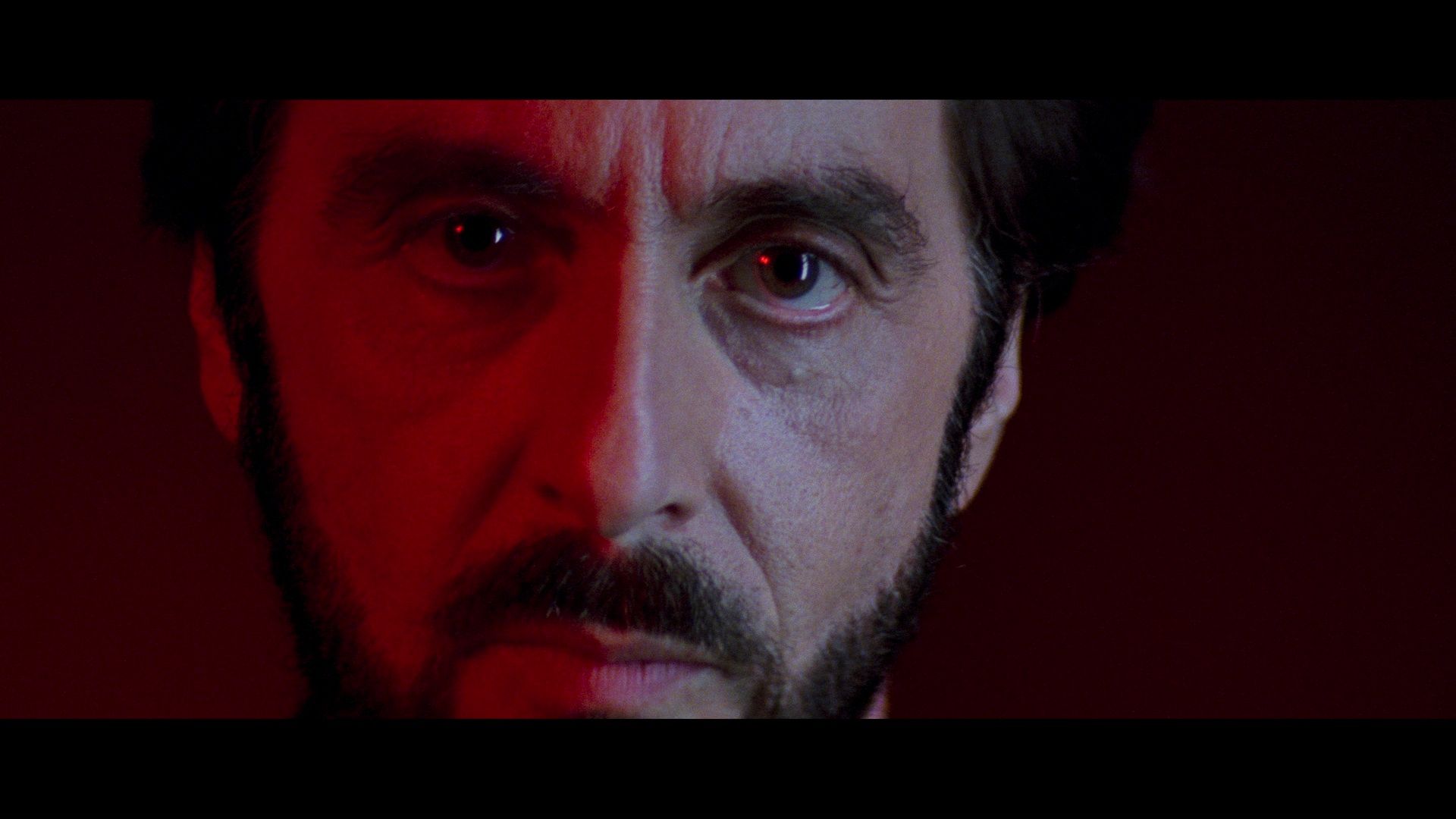
Scarface was an ambitious, preposterous frenzy about a violent man destroyed by his desires (and cocaine, we can’t forget the cocaine), with De Palma at his most overheated and Pacino in full caricature, both of them given license to go over the top by an Oliver Stone screenplay that appears to have been typed in all caps; Carlito’s Way is a gentler and more thoughtful crime story, a movie that starts after the rise-and-fall narrative has already been written; the tragedy of Carlo Brigante is that he really does seem to want to put his past behind him, but can’t quite manage it. (As David Edelstein points out in a new featurette in Arrow’s supplements, Carlito’s Way is a much more successful film than Godfather III at showing Al Pacino getting pulled back into things.)

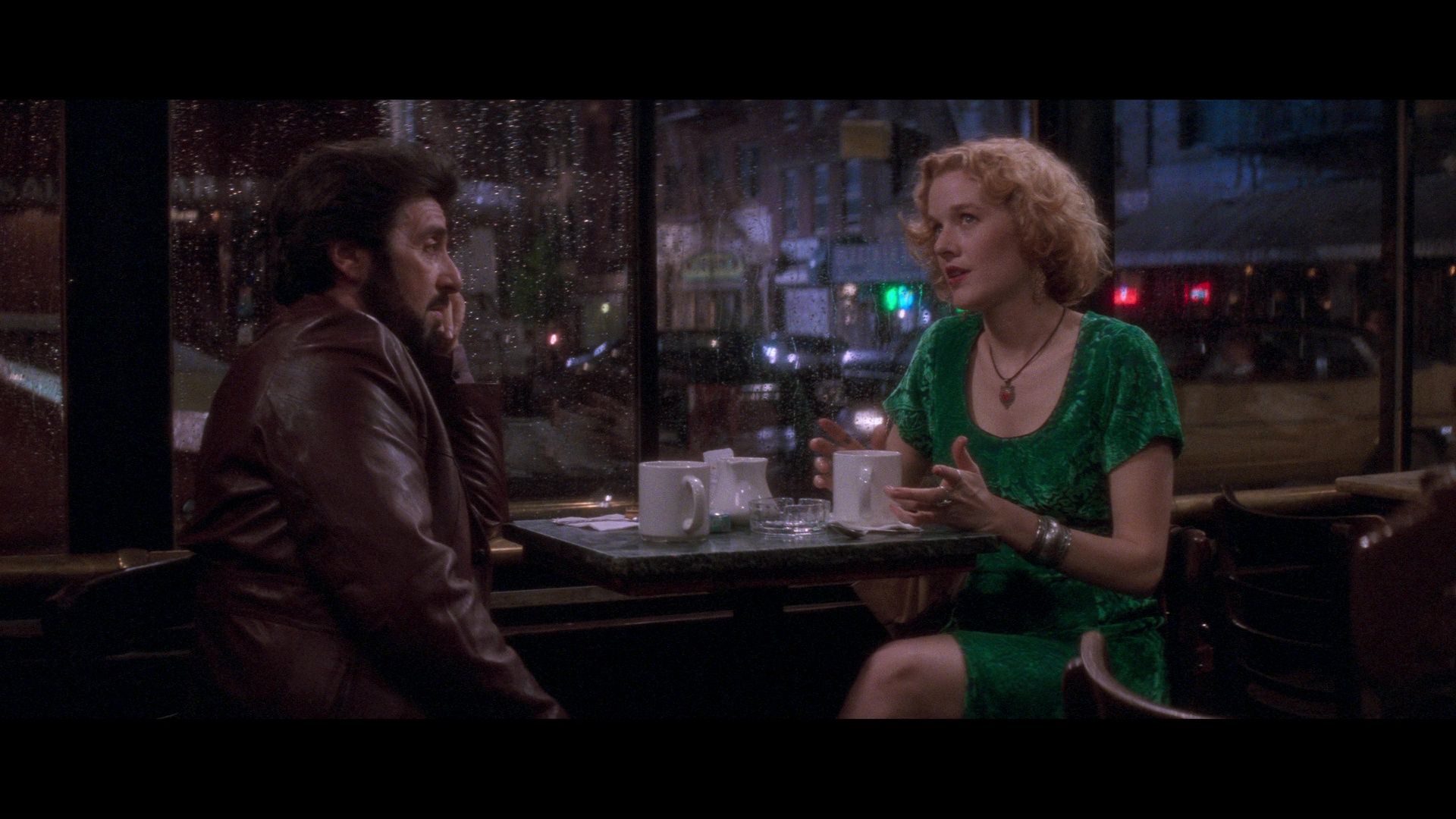
Maybe the equation that puts Carlito’s Way over Scarface is simply that Pacino’s playing a person here, not a cartoon – the movie has Sean Penn for that, playing the capital-c criminal lawyer David Kleinfeld. And rather than the muted loathing Pacino and Michelle Pfeiffer were forced to play in the earlier film, Carlito lets the actor build a genuinely sweet romance with Penelope Ann Miller as Gail, a dancer who exists entirely outside his criminal world and brings out his gentler, kinder side. It’s still a pulp movie, and there’s only one way the story can go, but we’re in the hands of experts here, and it’s a really good ride.
Arrow’s disc goes above and beyond a simple reissue job, with freshly commissioned audio commentaries by author and critic Matt Zoller Seitz (The Wes Anderson Collection) and author Douglas Keesey (Brian De Palma’s Split-Screen), new interviews with novelist Edwin Torres and editors Bill Pankow and Kristina Boden and a featurette in which New York film critic David Edelstein considers how Carlito’s Way fits into De Palma’s filmography. (The disc also ports over the suite of extras produced for Universal’s 2005 “Ultimate Edition” DVD, including an excellent half-hour retrospective from the in-house master of the form, Laurent Bouzereau.) And the 4K master is gorgeous, showcasing the richness of Stephen H. Burum’s glossy cinematography. If you’ve been waiting for a reason to pick up this movie – or any of the titles discussed today – well, here you go.
Bring Me the Head of Alfredo Garcia and Cross of Iron are available directly from Via Vision, and in certain brick-and-mortar stores if you’re very lucky. The limited edition of Carlito’s Way is available from Arrow Video; in Canada, it’s currently on sale at Unobstructed View.
Coming up next week: It’s October, so of course there’s a new wave of 4K horror classics. And another Transformers movie, somehow.