
Loud, Quiet, Loud
In which Norm spins up the new discs of SCREAM 7 and UNDERTONE.
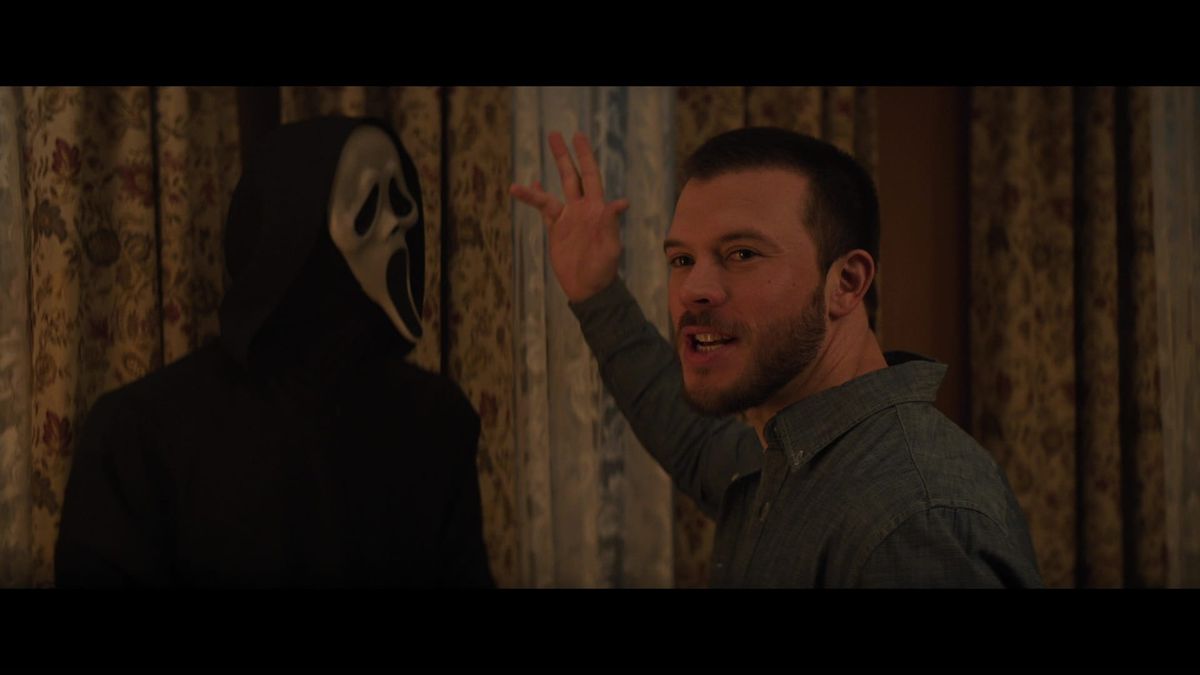
Two recent horror movies came to disc yesterday – one the latest installment of an apparently undying franchise, the other a teeny little indie. One was surrounded by bad vibes; the other did its best to generate them in the megaplex. Does either one succeed? Let’s find out!
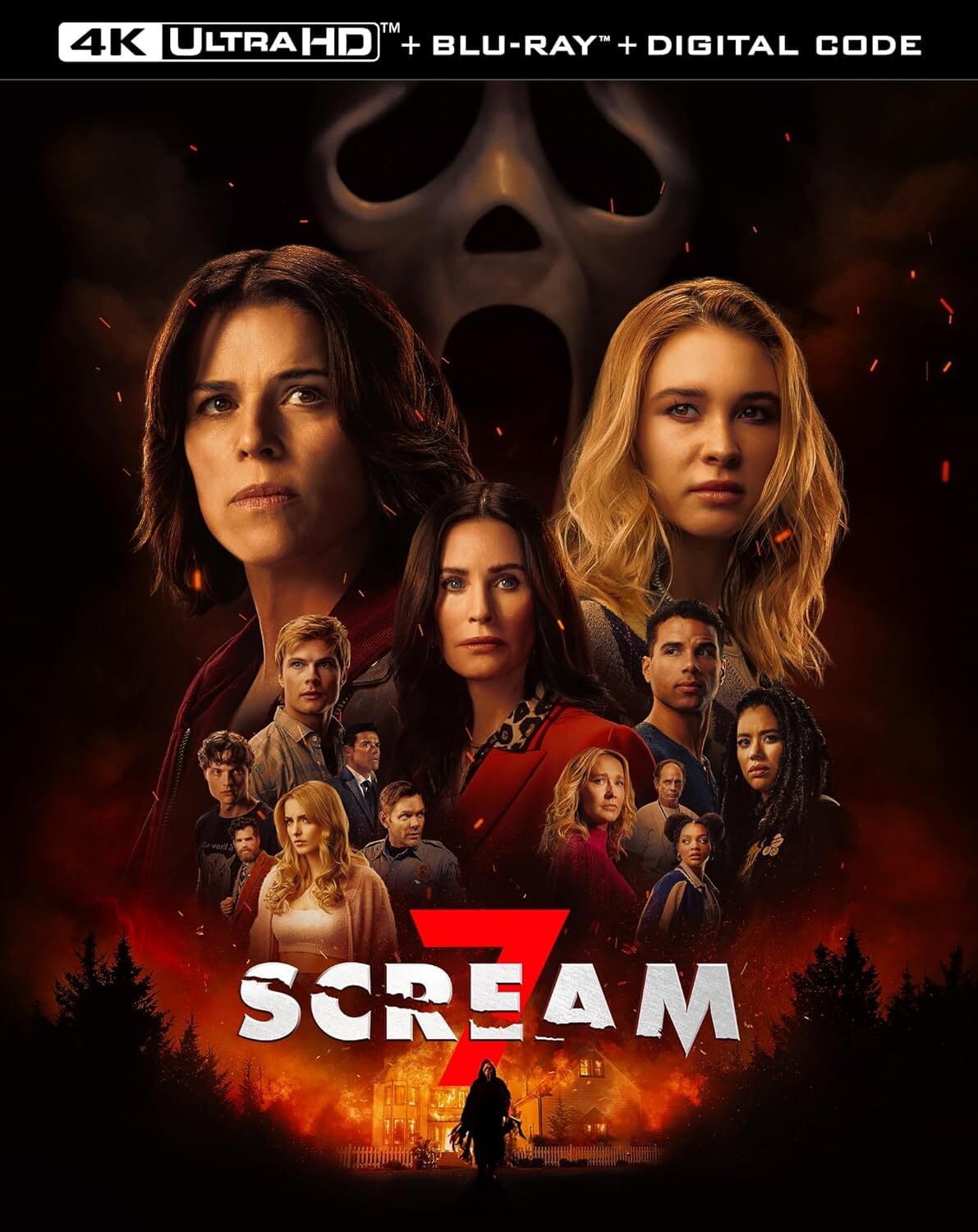
Scream 7 is the rare sequel to a long-running franchise that requires a quick recap of the production history to fully understand the story, but here we go: Melissa Barrera, star of the rebooted Scream and its immediate sequel Scream VI, spoke out against the invasion of Gaza and was immediately dropped from the follow-up; Jenna Ortega, who played Berrera’s sister in those films, dropped out the next day, and shortly after that director Christopher Landon left the project in what sure looked like a cloud of frustration.
The silver lining was that Kevin Williamson, who wrote the first two films, stepped in as the new director, reworking the script to focus on Neve Campbell’s Sidney Prescott – who sat out Scream VI.
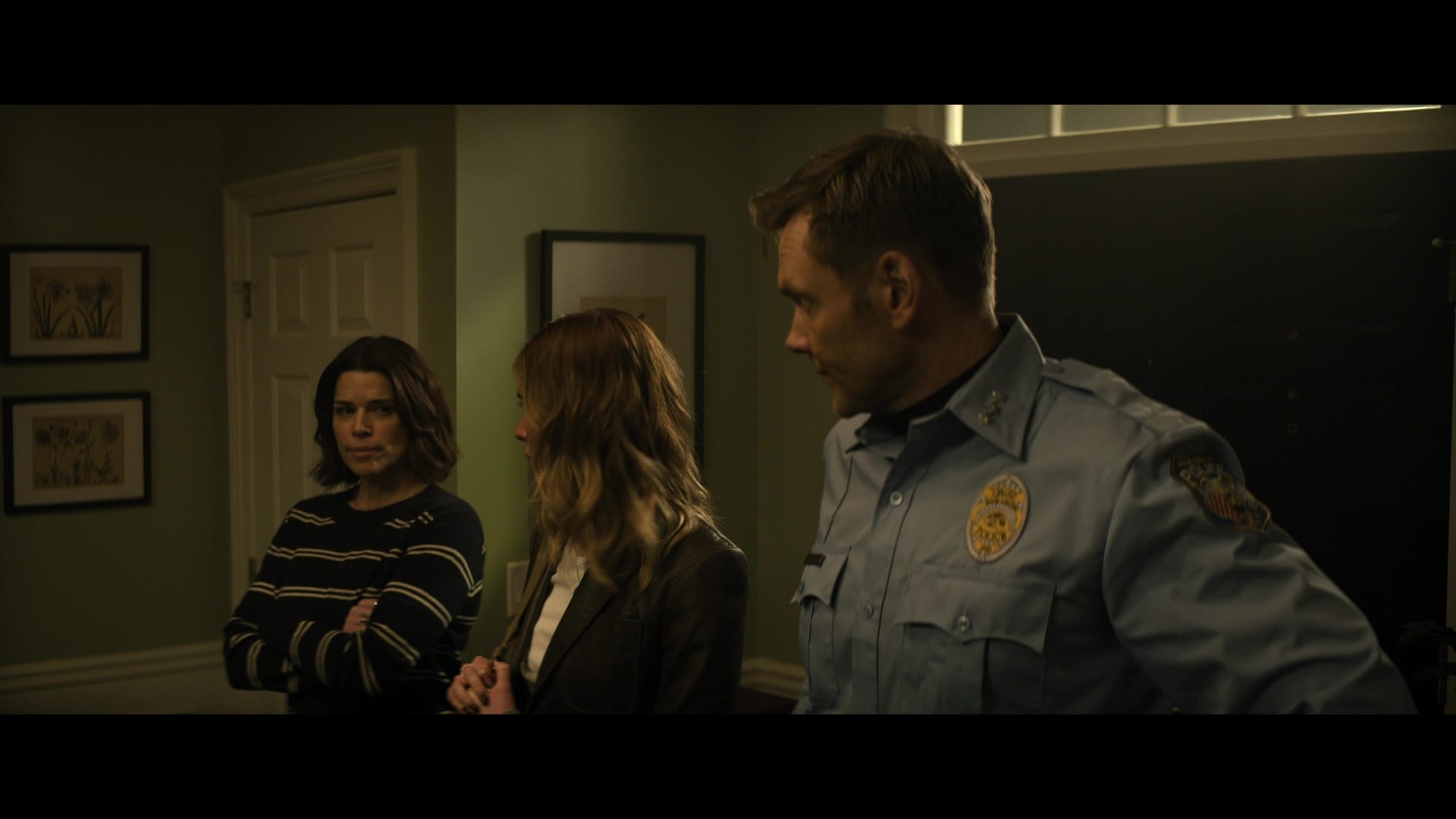
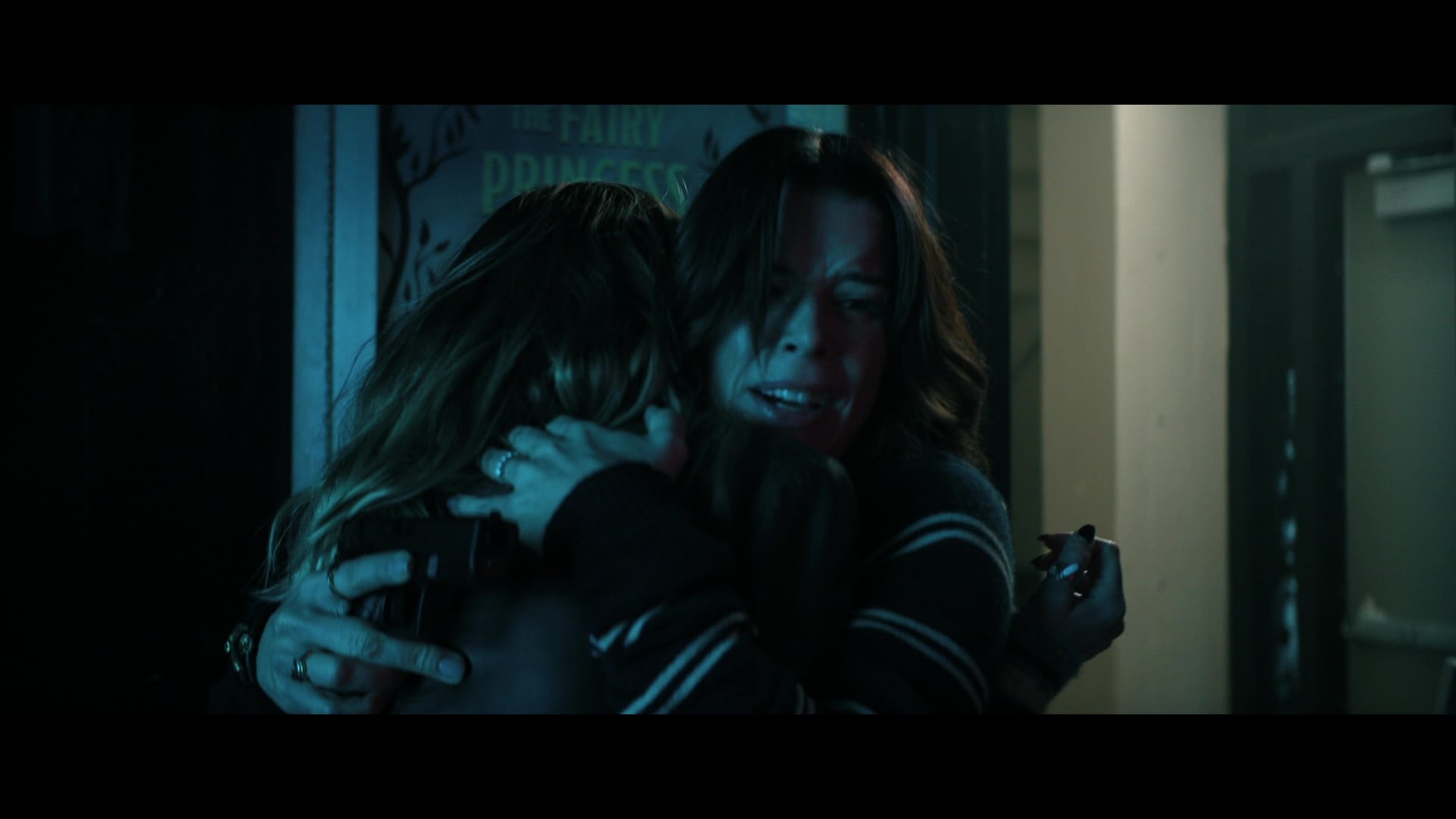
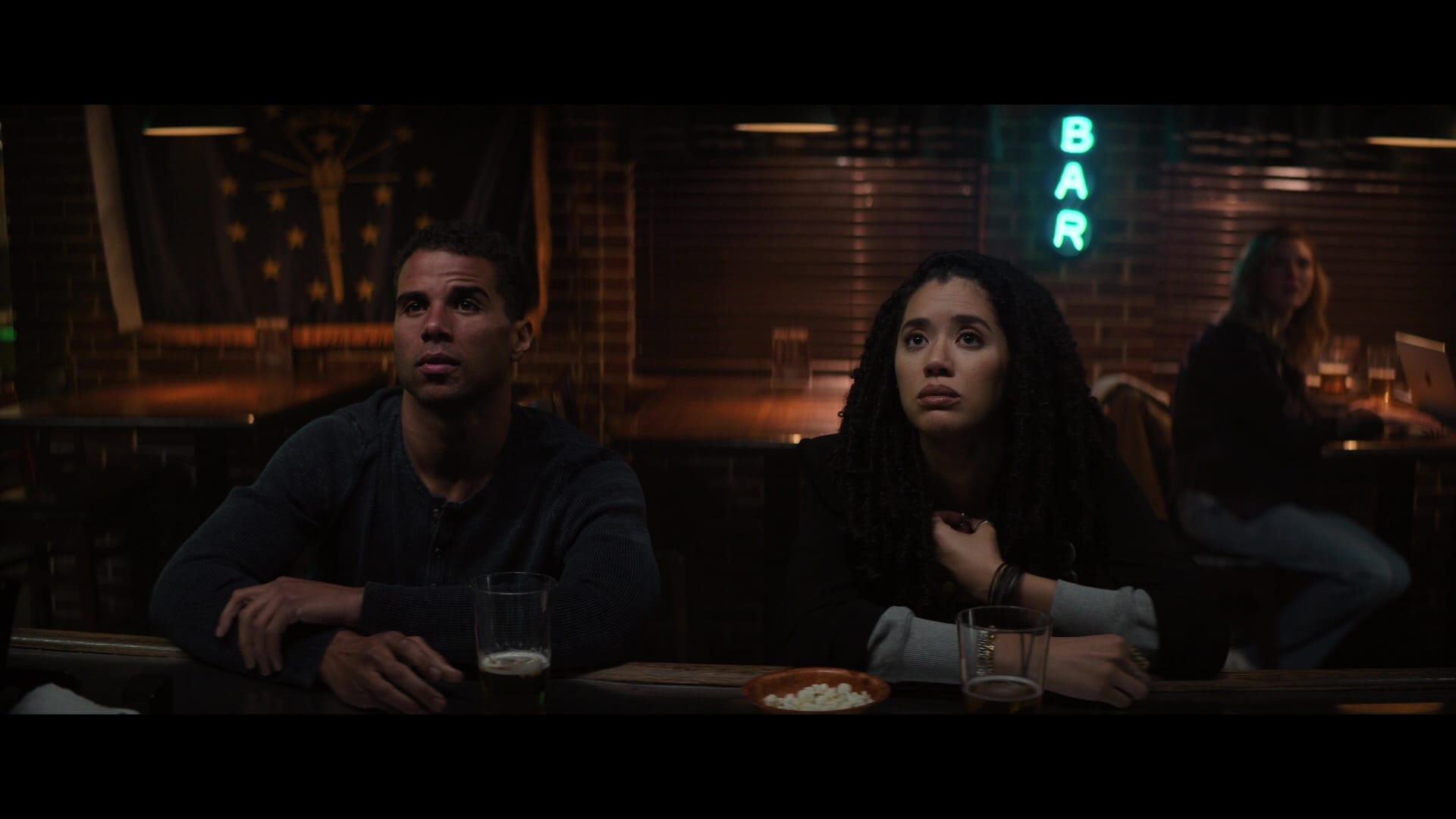
So, how does this radically retooled chapter measure up? Weirdly enough, what I said about Scream VI works for Scream 7 as well: I enjoyed it just fine, and I hope it’s the last one. Pivoting the story away from the “core four” introduced in Scream 2022 and going back to small-town America, Scream 7 finds Sidney living in comfortable anonymity in sleepy Pine Grove, Indiana, running a coffee shop and married to a cop (Joel McHale) and trying to get her teenage daughter Tatum (Isabel May) to understand it might be a bad idea to let your boyfriend creep in through the bedroom window.
Before you can say “Hello, Sidney,” the poor kid finds herself at the center of a fresh wave of Ghostface murders, this new killer targeting Sidney through Tatum and her friends. And for an extra-personal twist of the knife, this new assailant is wearing the deepfaked face of Stu Macher – unless he actually is Stu Macher, presumed dead lo these thirty years.
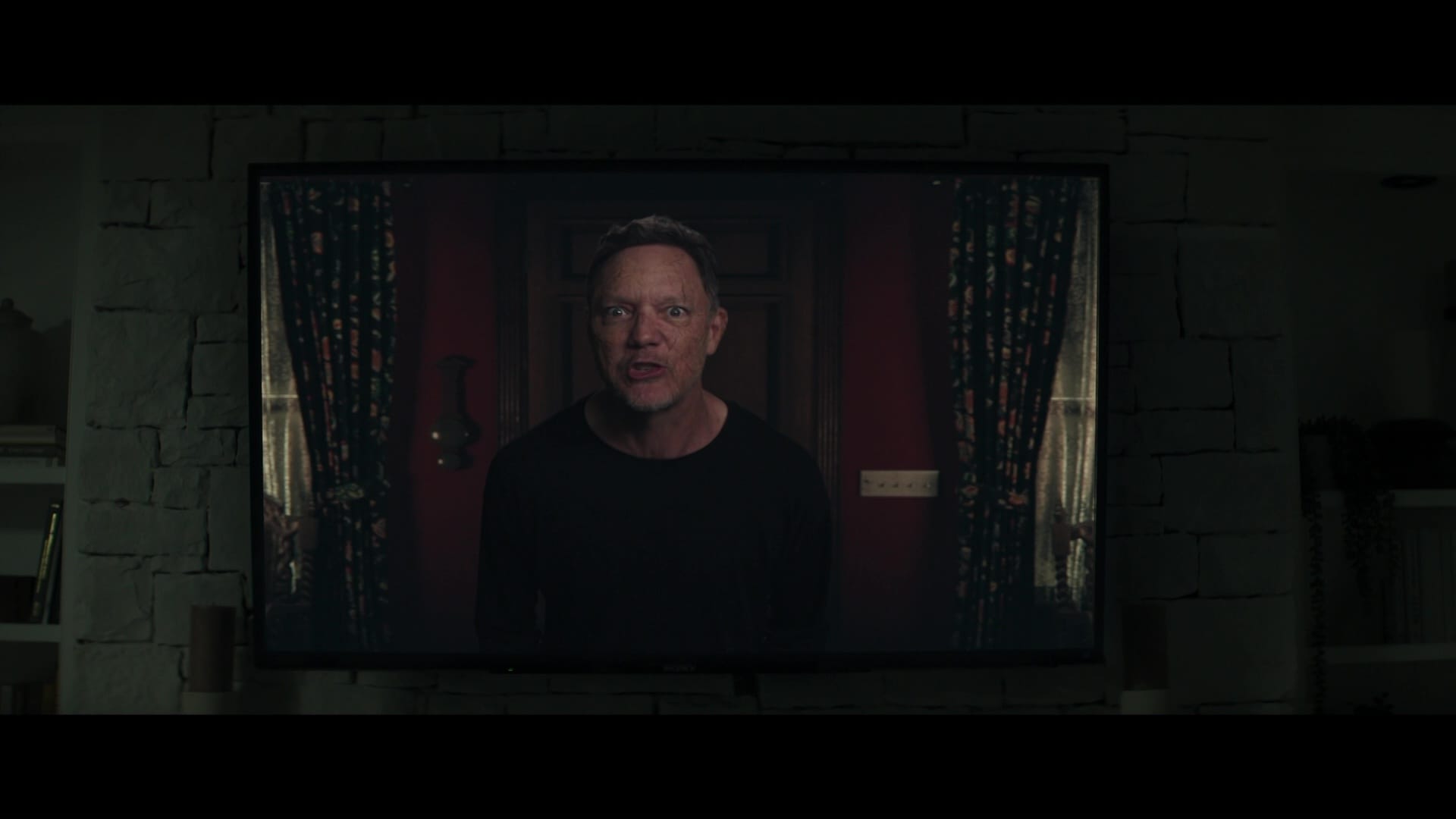
The script, credited to Williamson and Guy Busick from a story by Busick and James Vanderbilt, may have been a quick rewrite, but it offers the same plot as every previous Scream film, with survivors from previous chapters turning up to help Sidney and/or be suspects, because that’s the way this series works. Williamson radically reinvented the slasher genre in 1996 by turning it into an Agatha Christie mystery, and now that plot has become a straitjacket. And there’s an additional complication: Treating slasher-movie teens as human beings with distinct personalities and self-awareness makes their deaths seem cruel, especially as the series ramps up the gore to keep its horror cred. I love the genre and always will, but what was tragic in the first film now feels increasingly sadistic, to the point that an incidental character is literally disemboweled on-screen in this one.
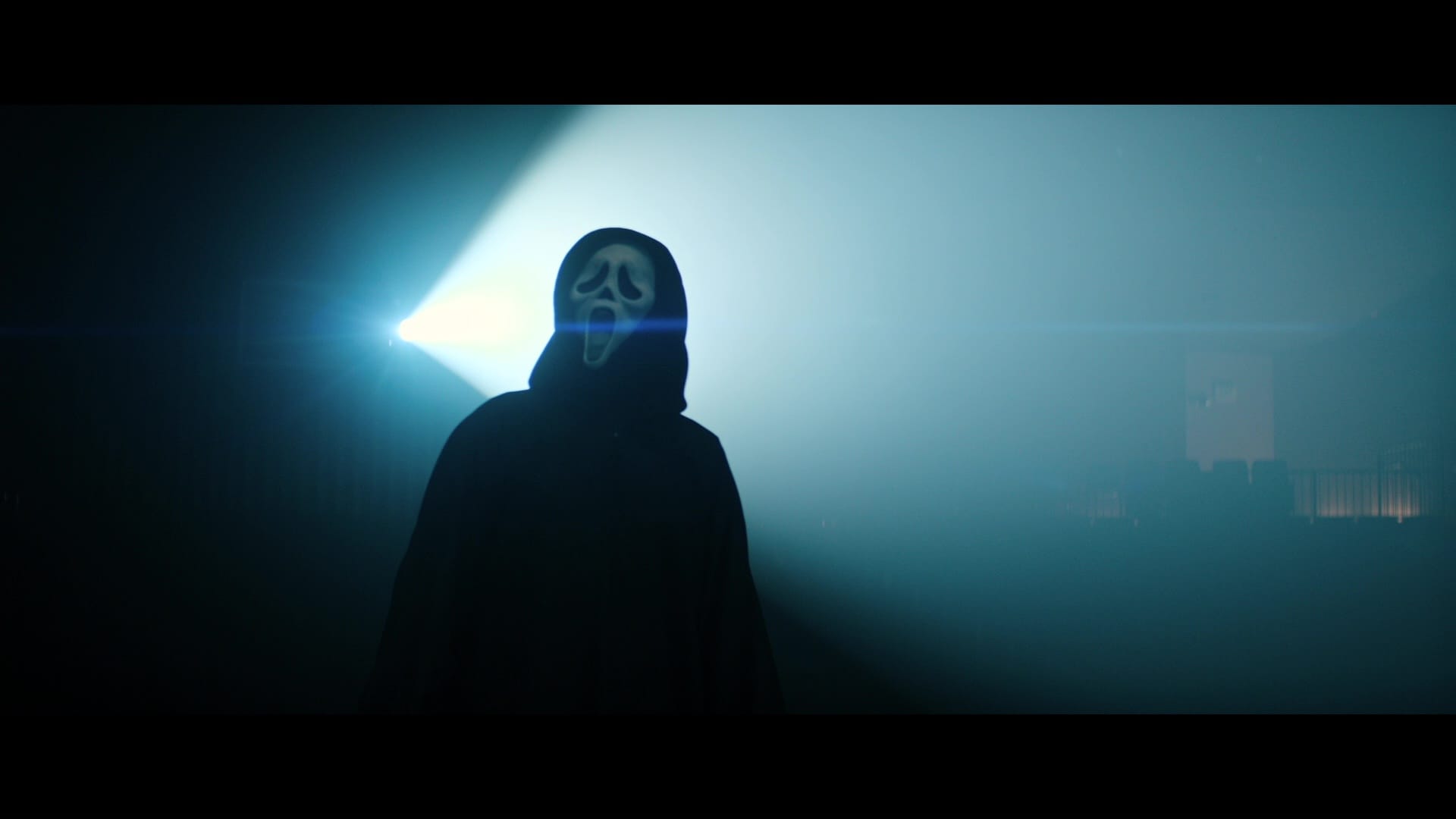
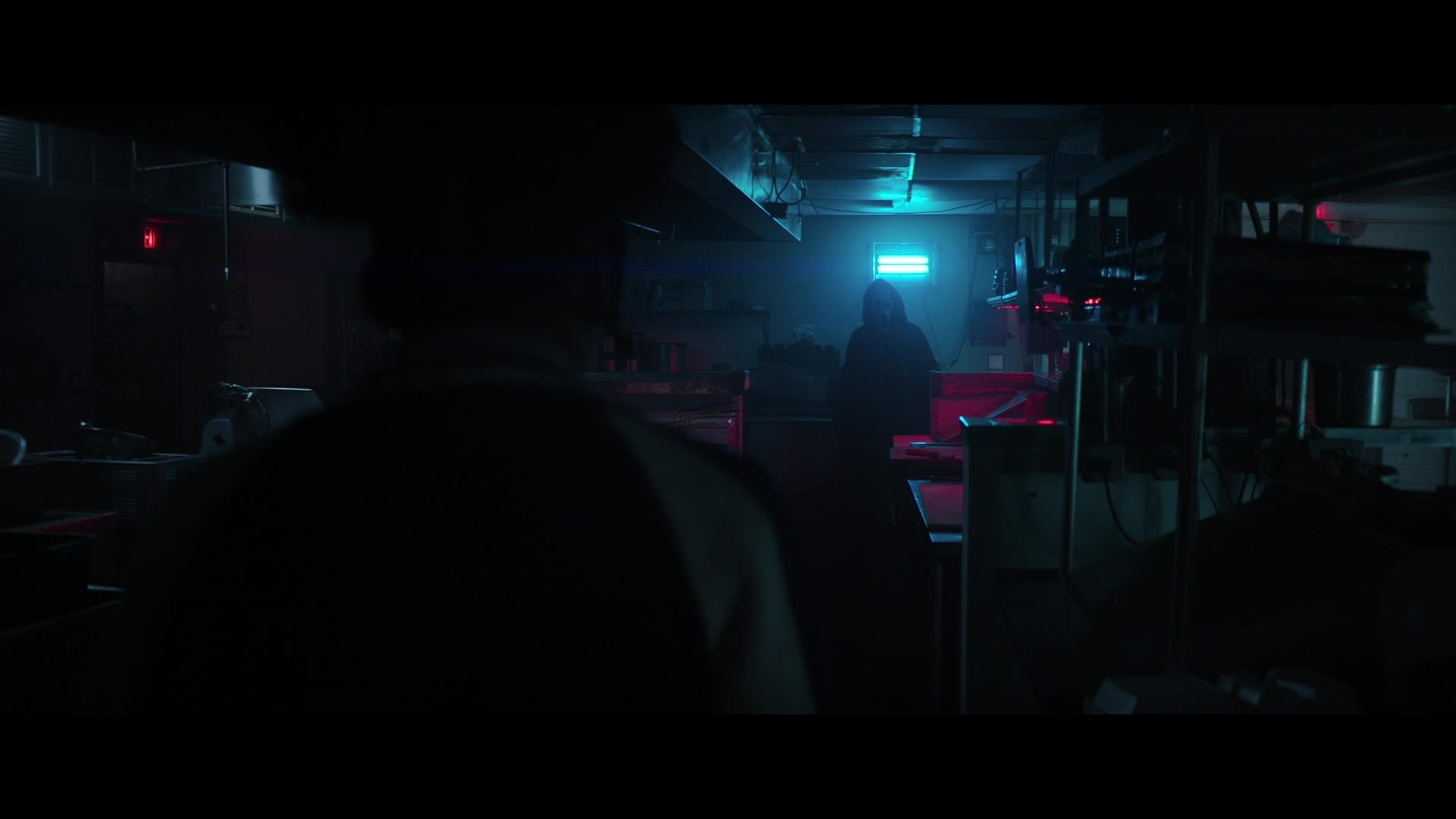
But here’s the thing: Williamson’s high concept also works. He understands how to create engaging characters and pit them against each other, he knows how to structure a chase … and as a director, he’s developed some decent chops since Teaching Mrs. Tingle. (He brings over John Hyams' most effective trick from their COVID-era slasher Sick, letting the audience see the villain creeping around behind the oblivious characters in wide shots.)
The best moments of Scream 7 remind us how invested we are in Sidney’s story, and Campbell’s performance, and the history she brings with her. Less best are the moments where old cast members are trotted out for one more curtain call, but after Scream ’22 brought Skeet Ulrich back as a hallucination, anything clearly goes.
If I sound wishy-washy on this, I guess it’s because I am? I didn’t understand why some early reactions were so negative; anyone who thinks Scream 7 is the nadir of the series either hasn’t seen the third and fourth movies since they opened, or has seen them far too often. This isn’t the best of the new ones; the mystery is really easy to crack, and I’m a little surprised Williamson wasn’t interested in interrogating Sidney’s literally mythological status as an Eternal Final Girl beyond having someone point it out midway through the movie. But the set pieces are strong, and the pacing is tighter than some of its predecessors, and at this point anyone who comes to a Scream movie looking for innovation is slashing up the wrong tree. It’s all variations on a theme, and always has been.
Paramount’s physical release of Scream 7 is up to the series’ usual standards, both the 4K and Blu-ray platters supporting a glossy presentation of the feature (in Dolby Atmos, of course) with a modest supplemental section. Three featurettes offer about 35 minutes of insight into the production, starting with the general-interest making-of “Scar Tissue: The Making of Scream 7,” in which Williamson and his cast talk about going back to basics, getting the band together again, and so on.
The other two are a little more specific: “Building Tension” lets production designer John Collins walk us through the creation of the movie’s environments, while “Dance of Death” (stunts) stunt coordinator Jennifer Badger – who doubled for Courteney Cox in Screams 2, 3 and 5 – breaks down the new film’s action beats, giving full credit to stunt performer Jeremy Conner, with whom she’d worked on Williamson’s television series The Vampire Diaries, and who plays this movie’s Ghostface. (That’s right, they haven’t put the “real” actors in the suits for a while now.)
Also included are six brief deleted scenes, and the “Ice Nine Kills Presents ‘Twisting the Knife’ with McKenna Grace Music Video,” which is very heavily Scream-branded and very, very silly.
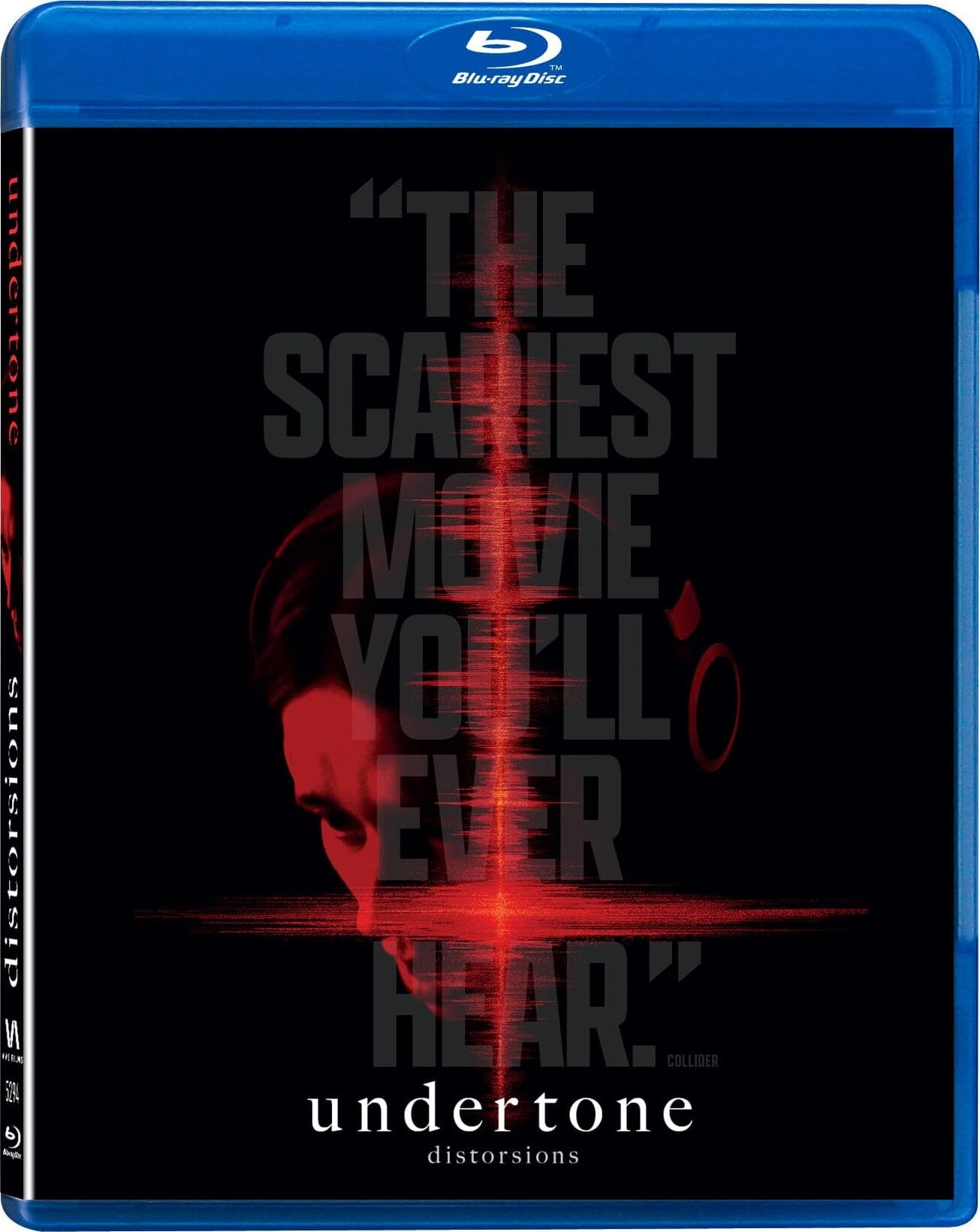
If you’re looking for a different sort of horror movie – much more concentrated, and not nearly as goofy – there’s Undertone, a lo-fi creeper about a stressed-out young woman whose paranormal-activity podcast may be taking on a life of its own.
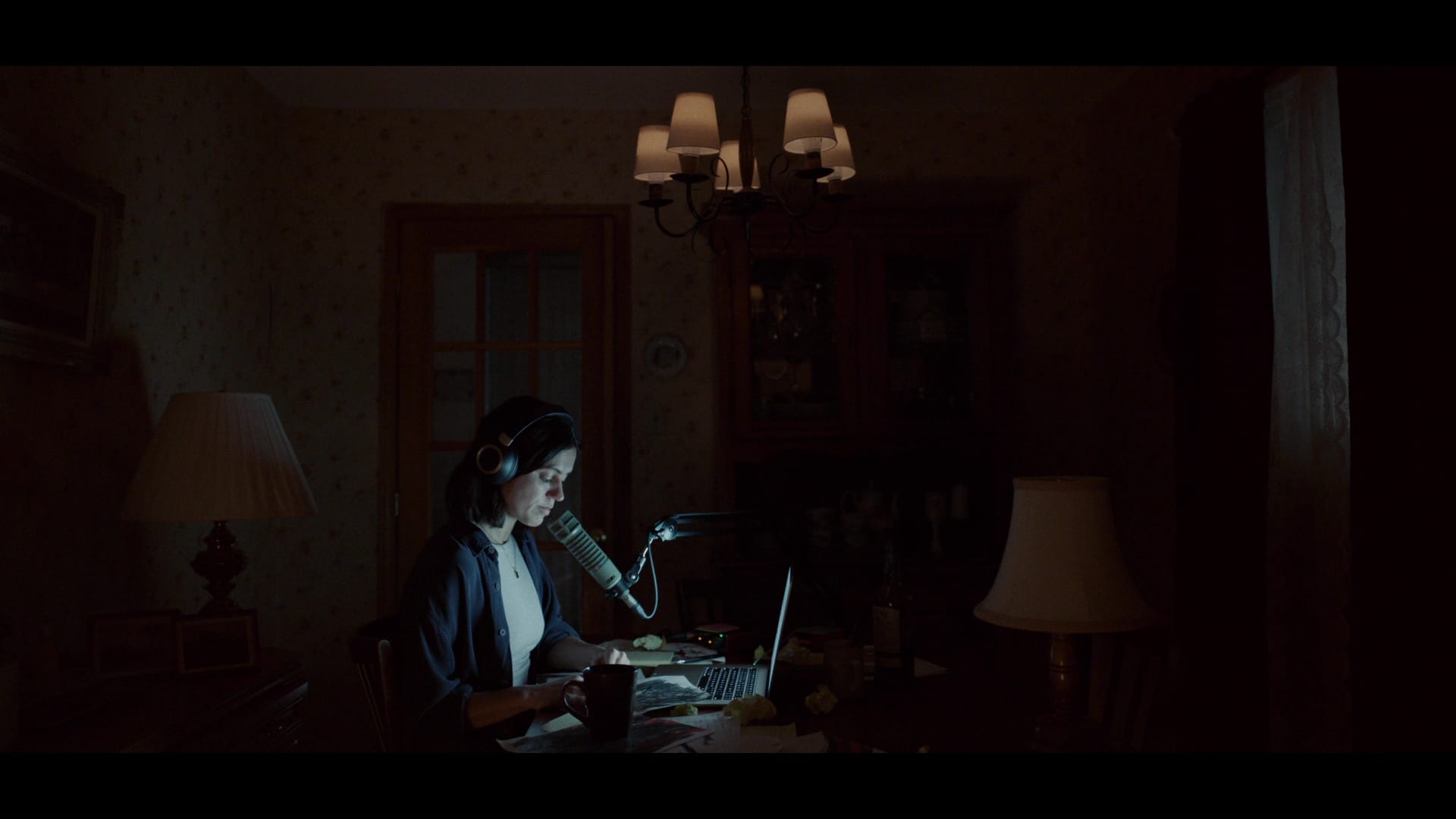
Shot on a single location and featuring just two on-screen performers – Nina Kiri as Toronto podcast host Evy, and Michèle Duquet as her bedridden mother – Ian Tuason’s no-budget project was an indie success story when A24 acquired it after its debut at Fantasia last year. The boutique distributor remixed the sound, re-recorded two key voice roles with new actors and dropped the The from the film’s title, and while the movie wasn’t a game-changing hit on the scale of, say, Backrooms, it put Tuason and Kiri on the industry’s radar, and got people talking about a movie that relies more on sound than imagery to freak out its audience.
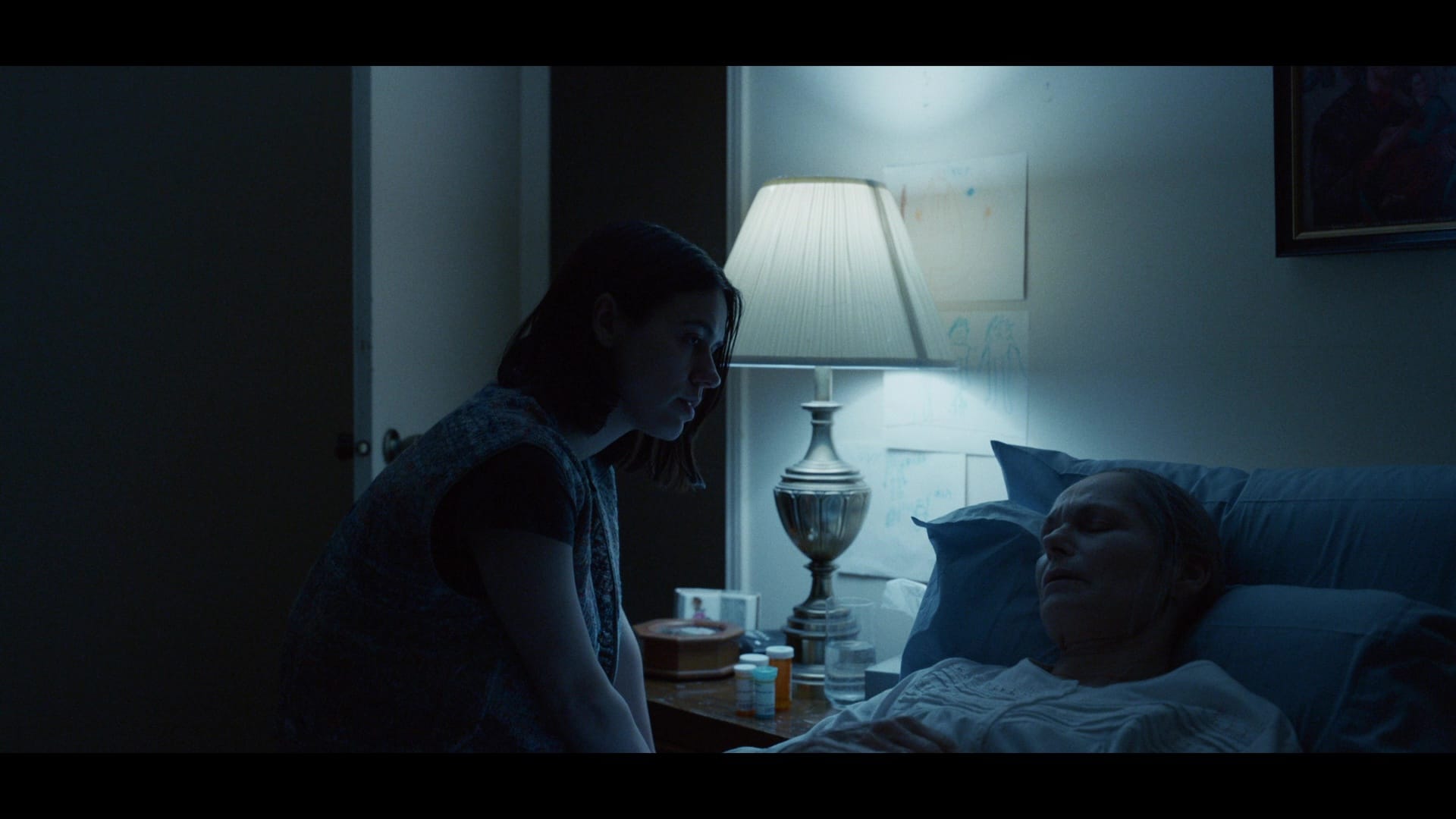
I saw Undertone in a Dolby Atmos room, as instructed, and while I wasn’t exactly whelmed by the picture I can appreciate its component parts. Tuason gets a lot of production value out of his single location, which is even more impressive when one learns it’s his own family home, where he was the caregiver to his ailing parents between 2021 and 2023. That experience should serve the film’s themes very nicely, with Evy seeing her late-night podcast recordings as an escape from the stress of attending to her mother’s slow exit from the world. But Tuason’s script doesn’t do enough to connect those dots, just dangling the two elements alongside one another.
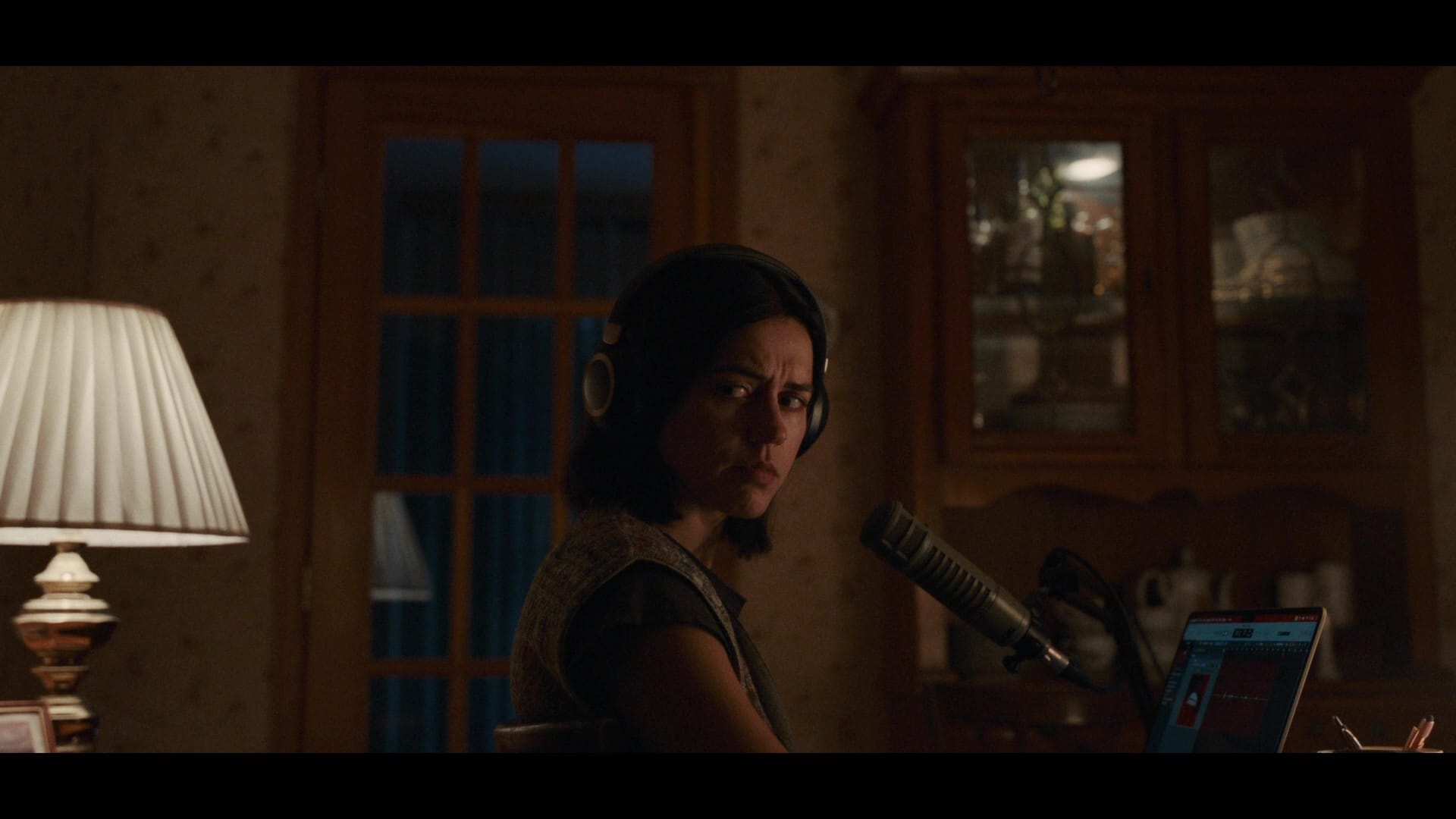
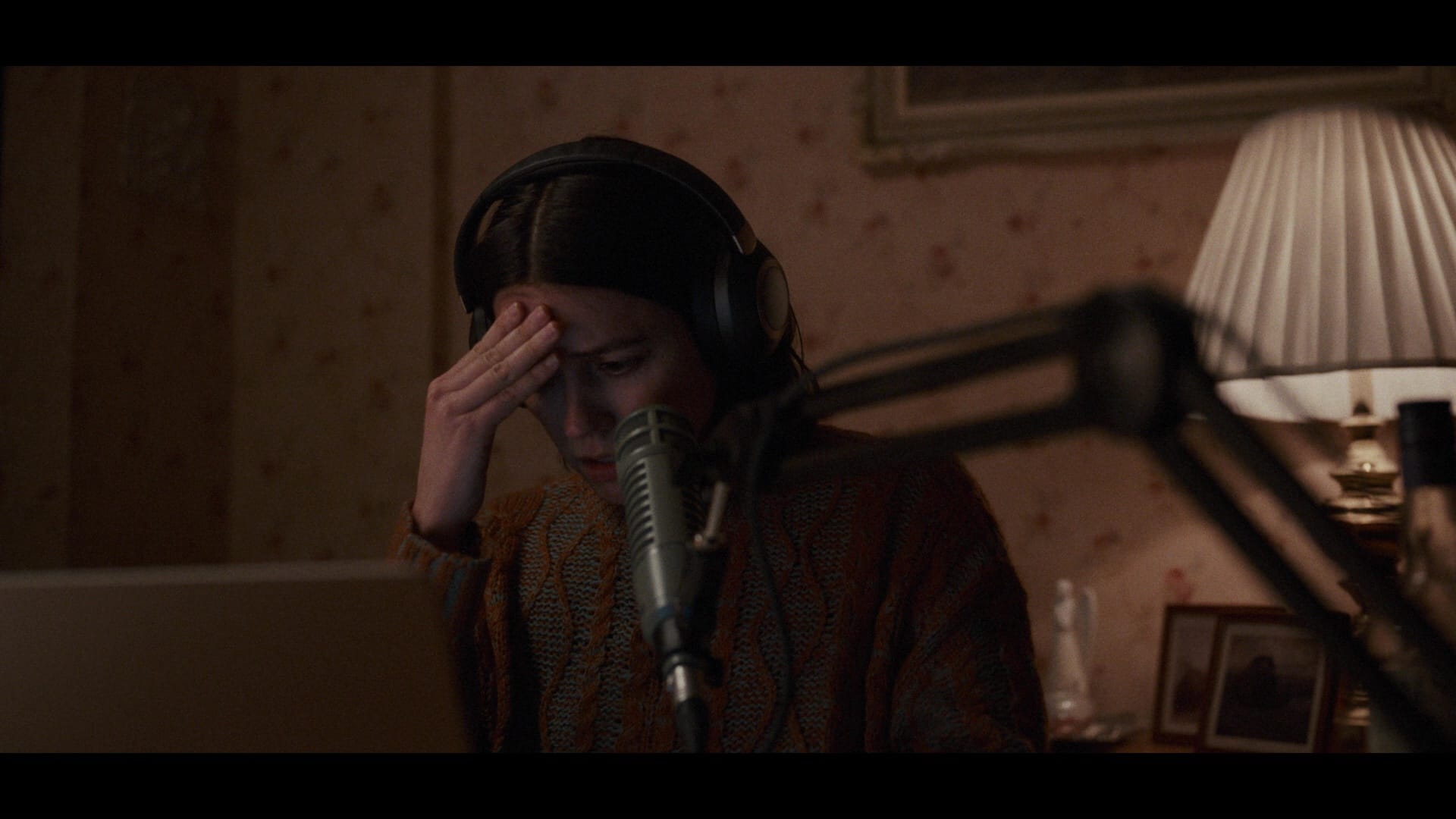
The distance between Evy and her co-host Justin (now voiced by Adam DiMarco, of The White Lotus and Overcompensating) means she has to tape the show at 3 am, the creepiest time to immerse oneself in a scary soundscape. That’s what Undertone does best, isolating Evy in her home and flooding the speakers with strange crackles and hisses as Justin plays those mysterious sound files. Things start moving in the shadows, and the camera itself starts creeping up on its unsuspecting hero – who begins to identify with the strange tale of Mike and Jessa, a young couple who may or may not have run afoul of the ancient demon Abyzou.
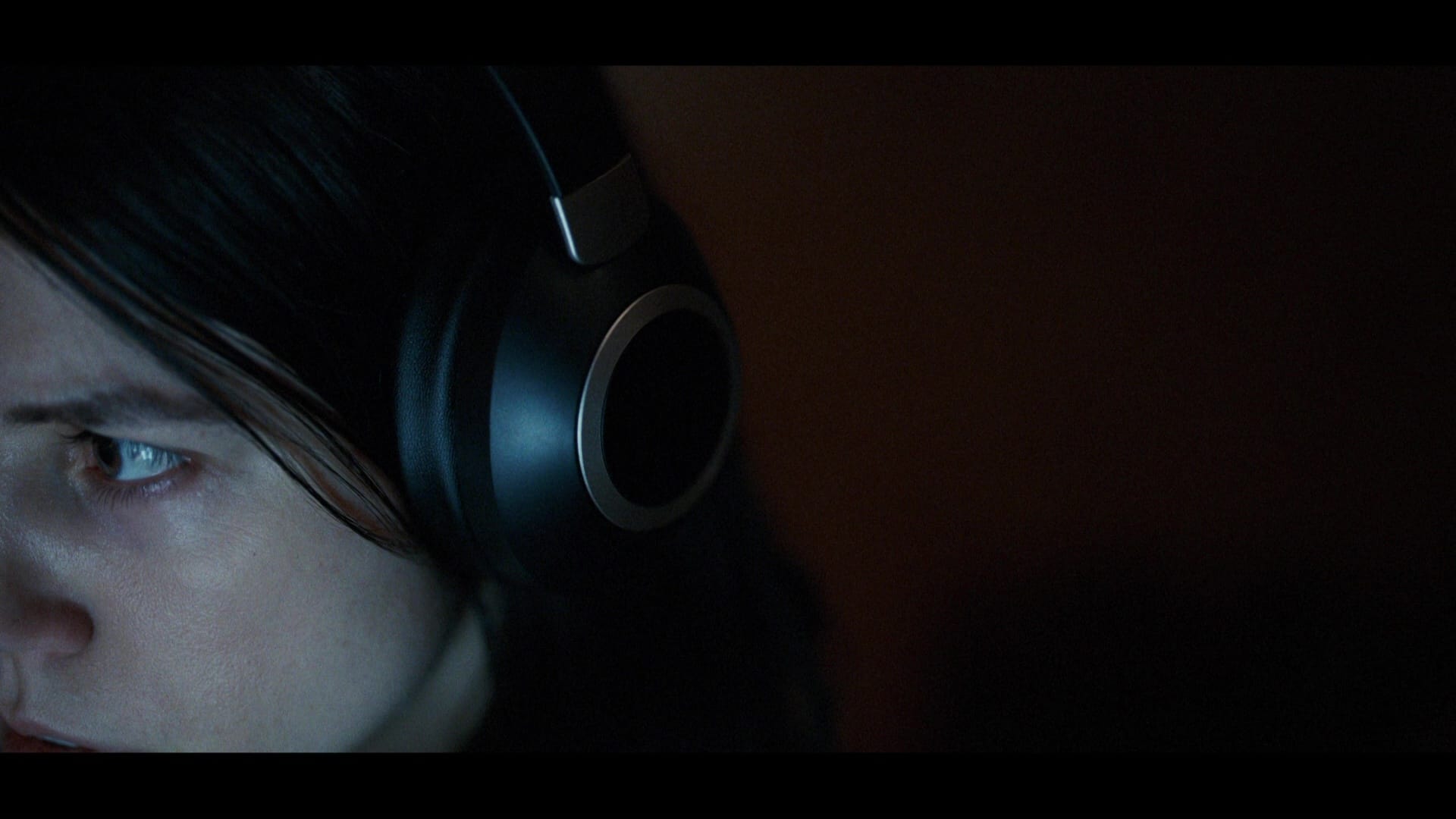
It’s a pretty good setup for a horror podcast, I’ll admit, but Tuason is hobbled by his own conceit. If there are ten of these audio files, then nothing of consequence can happen until Evy hears them all. That makes Undertone essentially a found-footage project, and subject to the same dramatic limitations: The moment the full horror is revealed, the story is over. So Kiri spends a lot of time sitting very still and looking concerned while Tuason and his crew build a distressing mise-en-scene around her. It’s watchable, but eventually you realize that’s all the movie has to offer. Which probably played pretty well at genre festivals, but doesn’t really stand up to the genuinely innovative works that are dominating the current conversation.
A24 has yet to announce a physical release of Undertone in the US, but VVS Films has Canadians covered with this week’s Blu-ray, which offers an excellent presentation of the feature – with audio in Dolby TrueHD 5.1, rather than the Atmos of the theatrical release. Tuason and Kiri sit down for an enthusiastic commentary track that finds them tripping over each other to point out on-screen details and trade stories of the shoot, settling into a looser conversation about the movie’s goals and themes more than a nuts-and-bolts account of its production. It may not be what aspiring filmmakers are looking for, but I really enjoyed listening to it.
Scream 7 is now available in a 4K/Blu-ray combo edition from Paramount Home Entertainment; Undertone is now available on Blu-ray from VVS Films in Canada, with the US edition yet to be announced by A24.
Up next: Eraser! The Late Show! Slither! Let’s celebrate some catalogue titles while we wait for that Elvis concert movie to arrive. And of course paid subscribers will find my exclusive review of Toy Story 5, and some other stuff, in Friday’s What’s Worth Watching. Don’t miss out! Up that sub! And may God have mercy on my soul for writing that!