
Manufactured Landscapes
In which Norm spins up the recent discs of "WUTHERING HEIGHTS" and OBEX. Choose your adventure!
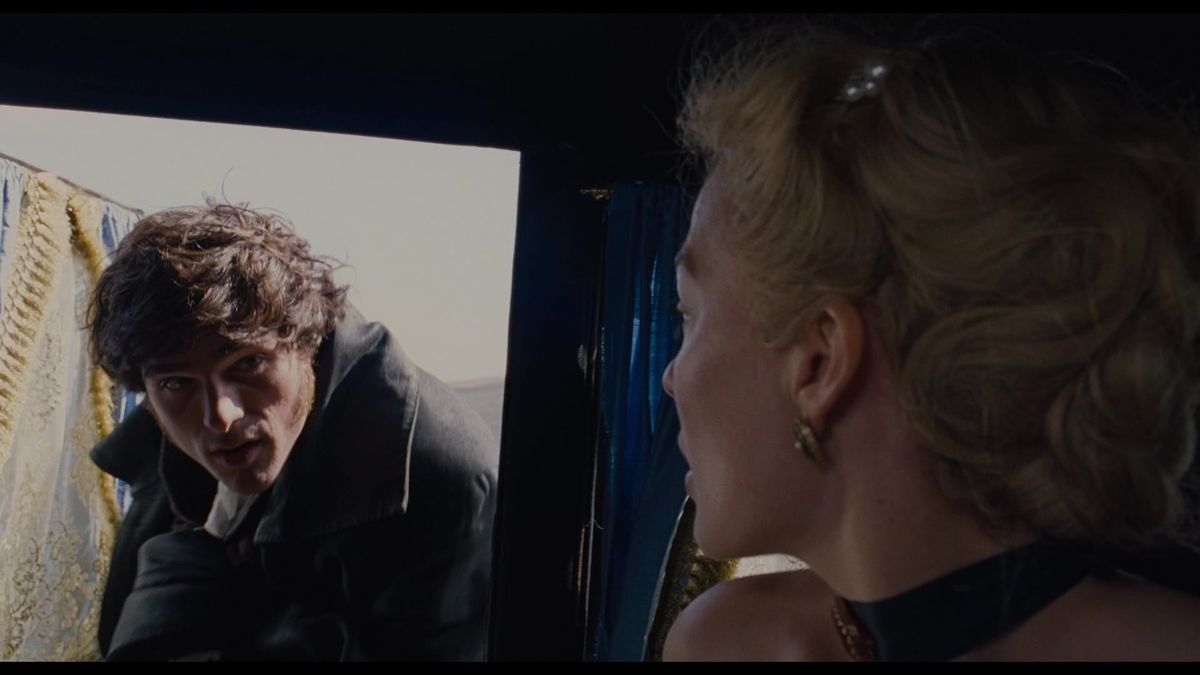
Reality isn’t always enough, you know? Just as musicals create heightened worlds where people burst into song when their feelings are too big to be contained in conventional speech, sometimes movies break with reality entirely to place us inside the heads or hearts of their heroes. Sometimes it works brilliantly. And sometimes it doesn’t.
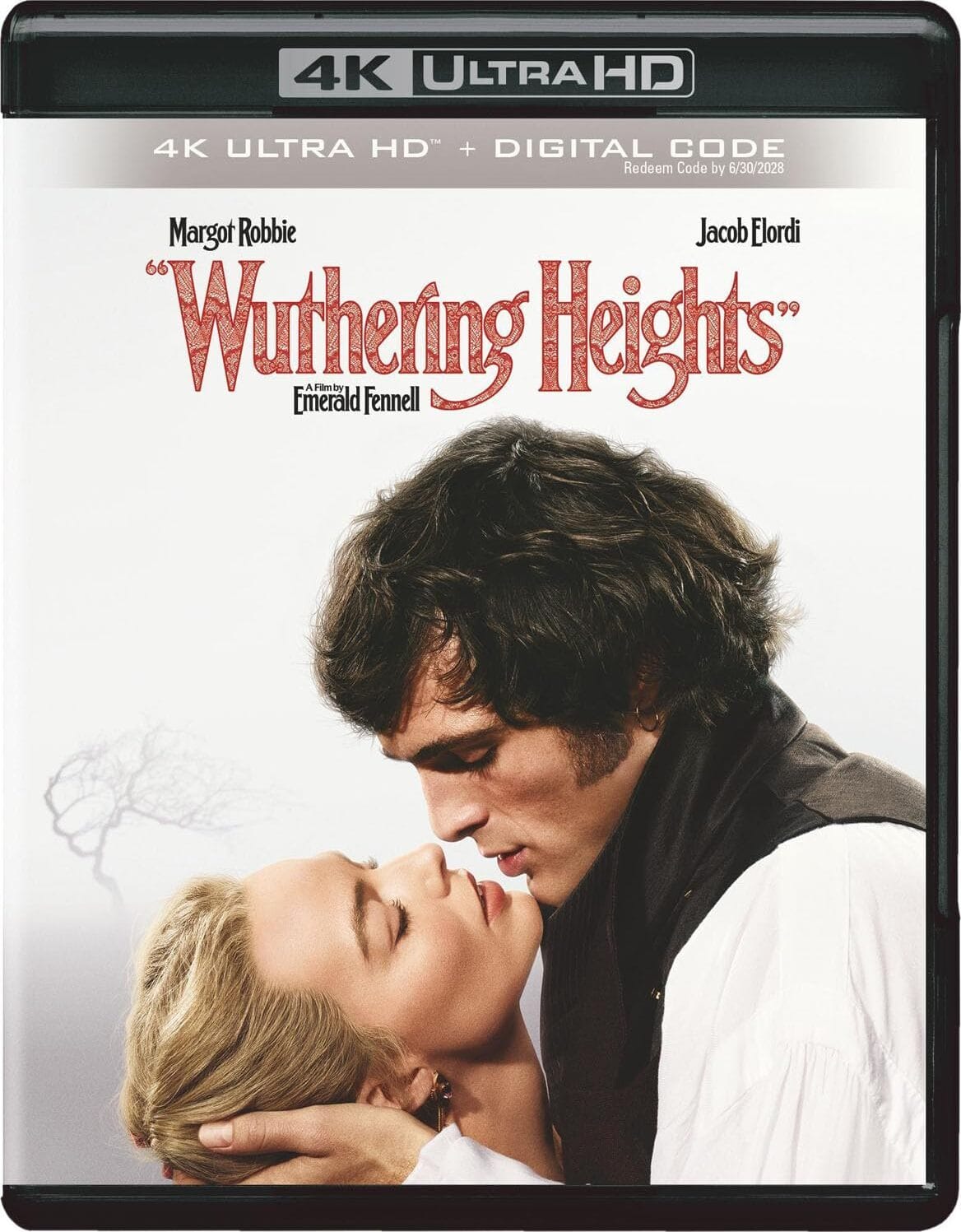
Consider what Emerald Fennell does with Wuthering Heights – or rather “Wuthering Heights”, because there is no affectation the director of Promising Young Woman and Saltburn can resist. The quotation marks around the title are supposed to signify that this film is just one interpretation of Emily Bronte’s 1847 novel, as if the massive changes to the text and the preposterously purple visual approach didn’t make that clear. But of course Fennell has to underline it. That’s her whole deal. This is someone who could make a movie about the class struggle in 2024 and insist that the idle rich are the real victims.
From the evidence of “Wuthering Heights”, one might conclude Fennell has never met a poor in the wild. Although one could just as easily come away thinking she’s never had a single authentic interaction with anyone at all: Fennell interprets feeling as an opportunity for a garish image or a pensive needle drop, reaching for ironic gestures but not fully understanding them. The movie opens with heavy breathing and rhythmic creaking noises over the titles: Flippin’ ’eck, this picture’s getting right on with it! But when we do see an image, it’s a man dying of strangulation on the gallows, a goodly-sized erection visible under his breeches for our amusement as well as that of the unwashed crowd below. It’s a tease, I suppose, and isn’t that just the cleverest thing?
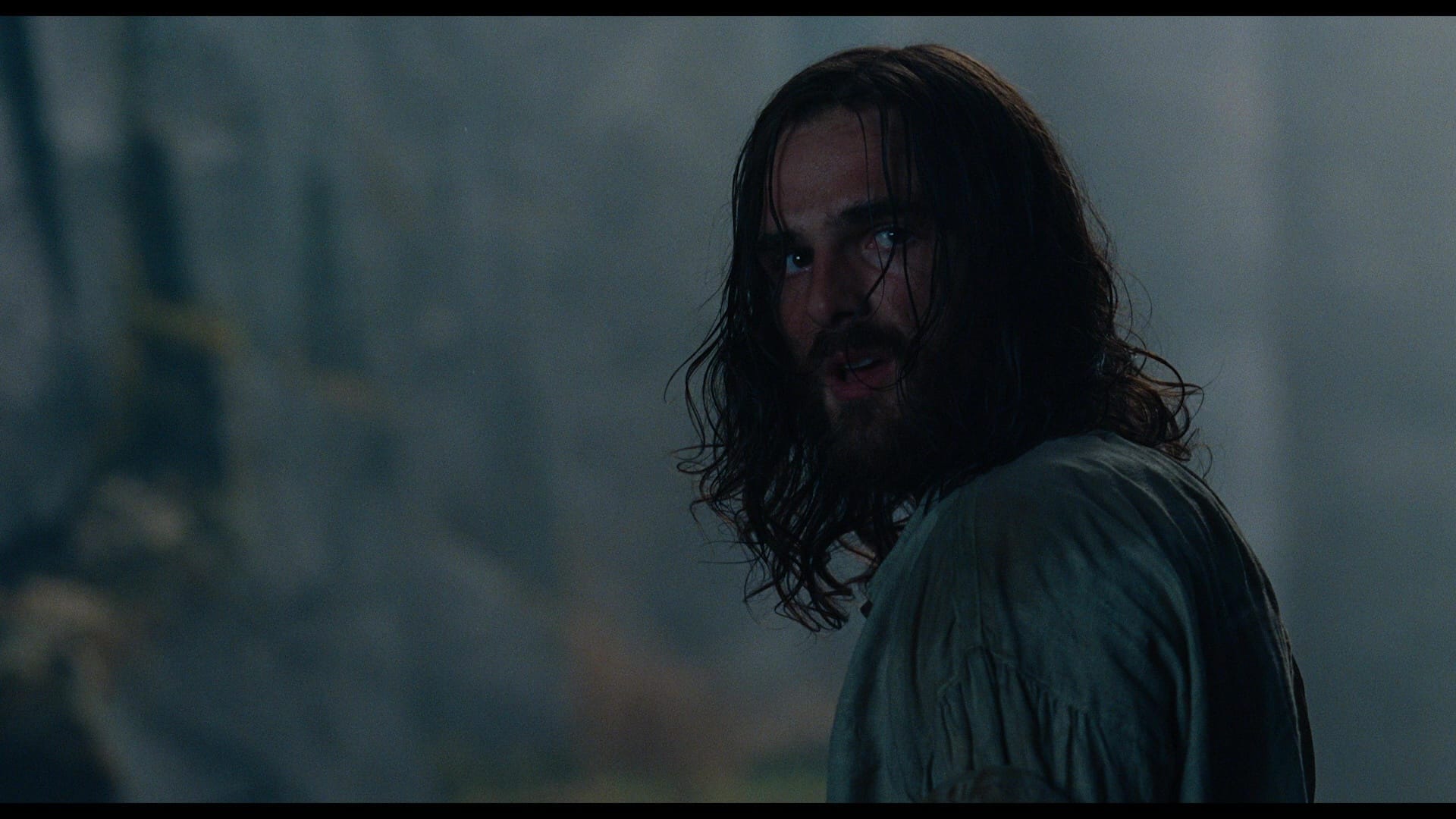
Everything in “Wuthering Heights” is pitched at that level of self-aware, ain’t-I-a-stinker puckishness, and it’s exhausting. The production design and costumes tell us not to take anything too seriously – it’s all glorious excess! – while the performances find some ungodly hybrid of panto-level melodramatics and Method-era intensity. Fennell’s script throws out most of the book to focus on the doomed attraction between Catherine Earnshaw and her foster brother Heathcliff, which plays out over a decade or so, first with the young Catherine tormenting Heathcliff with her privilege and later with the adult Heathcliff returning to torment Catherine with his Christian Bale impression, and also his willy.
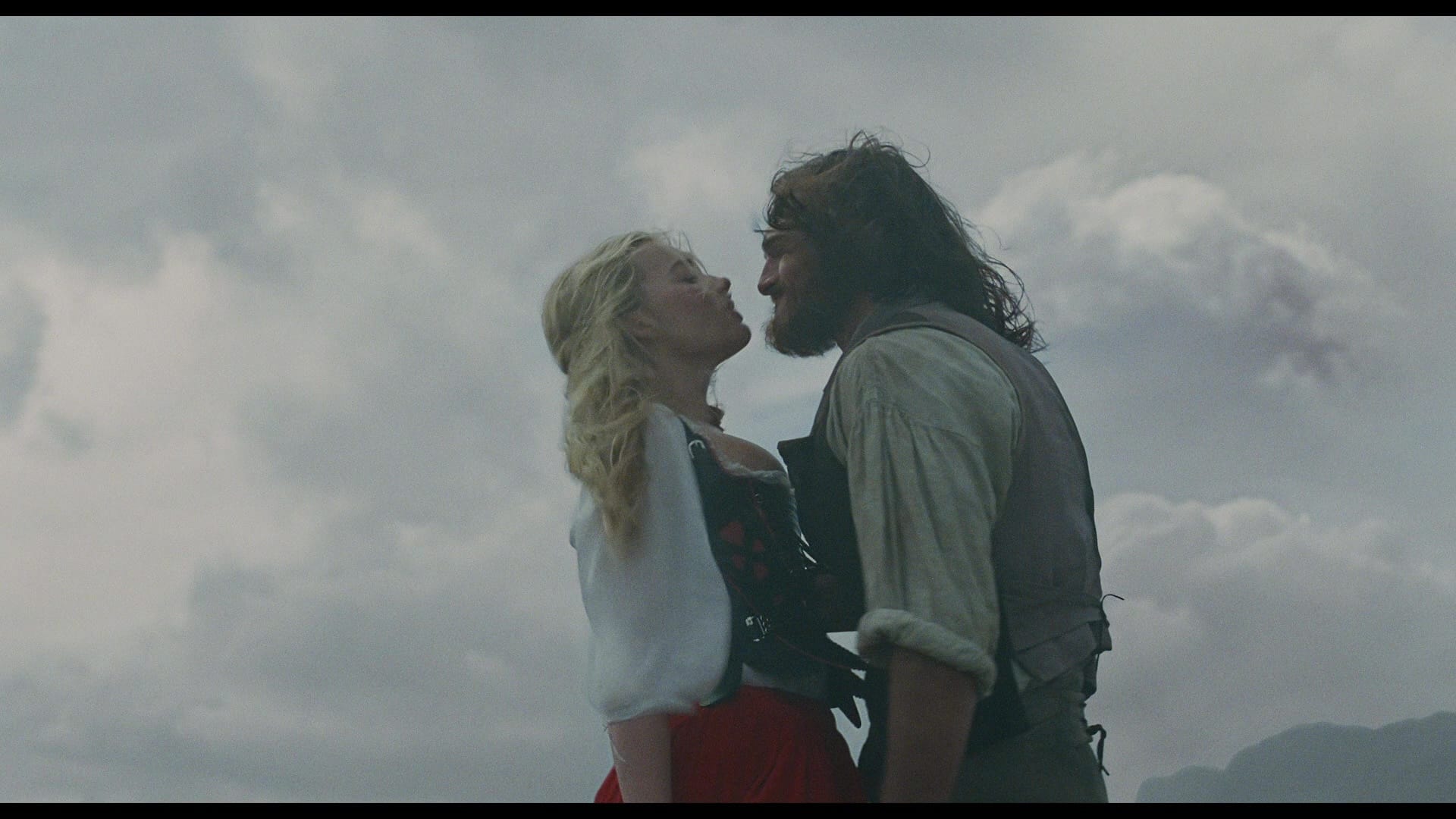
It is all nonsense, from Martin Clunes’ pathetic rage as Catherine’s father and Heathcliff’s benefactor to the sad-sack slump of Shazad Latif as Catherine’s suitor and eventual husband Edgar Linton, who provides her with good fortune and security just as she starts sneaking off to bang Heathcliff, because the genitals wants what the genitals want.
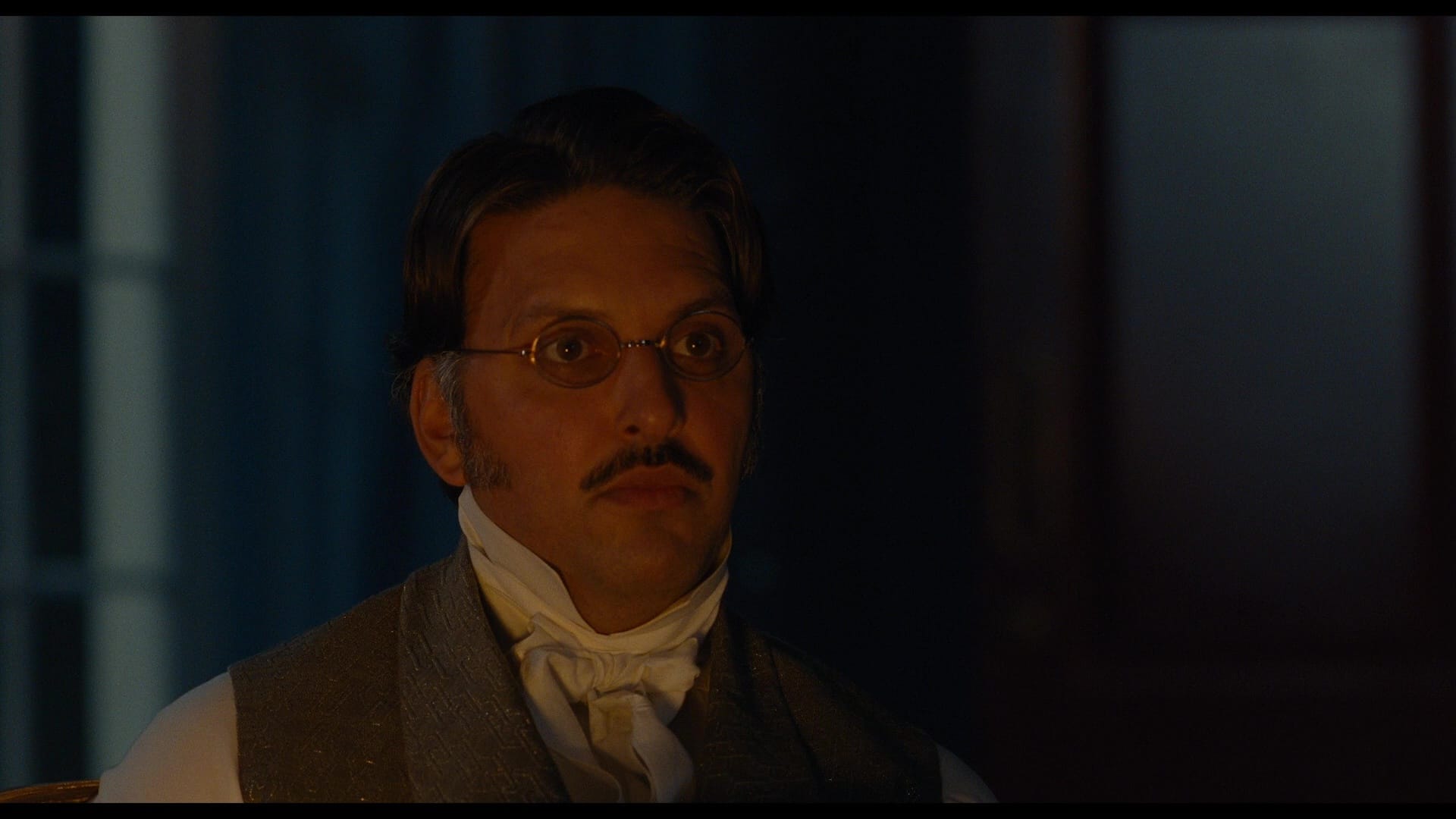
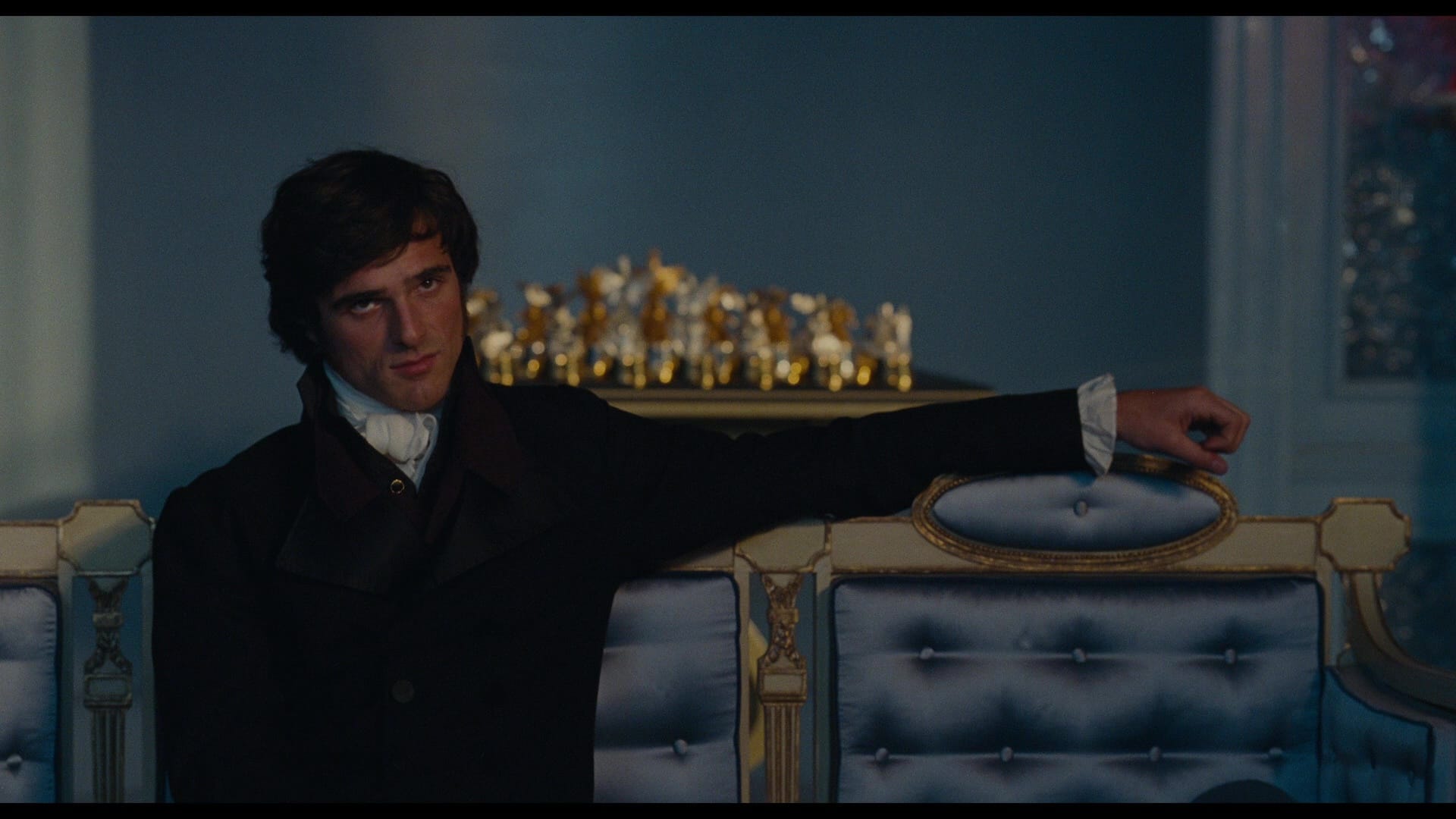
Perhaps the greatest evidence that Fennell has no idea what she’s doing with any of this is casting Latif – who can be charming, intense and charismatic, often all at once – as a prissy dweeb opposite Margot Robbie rather than seeing him as an age- and text-appropriate Heathcliff. There’s only a seven-year difference between Robbie and Jacob Elordi, but he reads as much younger; there’s also the whole thing about Heathcliff being a mixed-race character. (Yes, Elordi’s father is Spanish. No, that’s not what Bronte had in mind.)
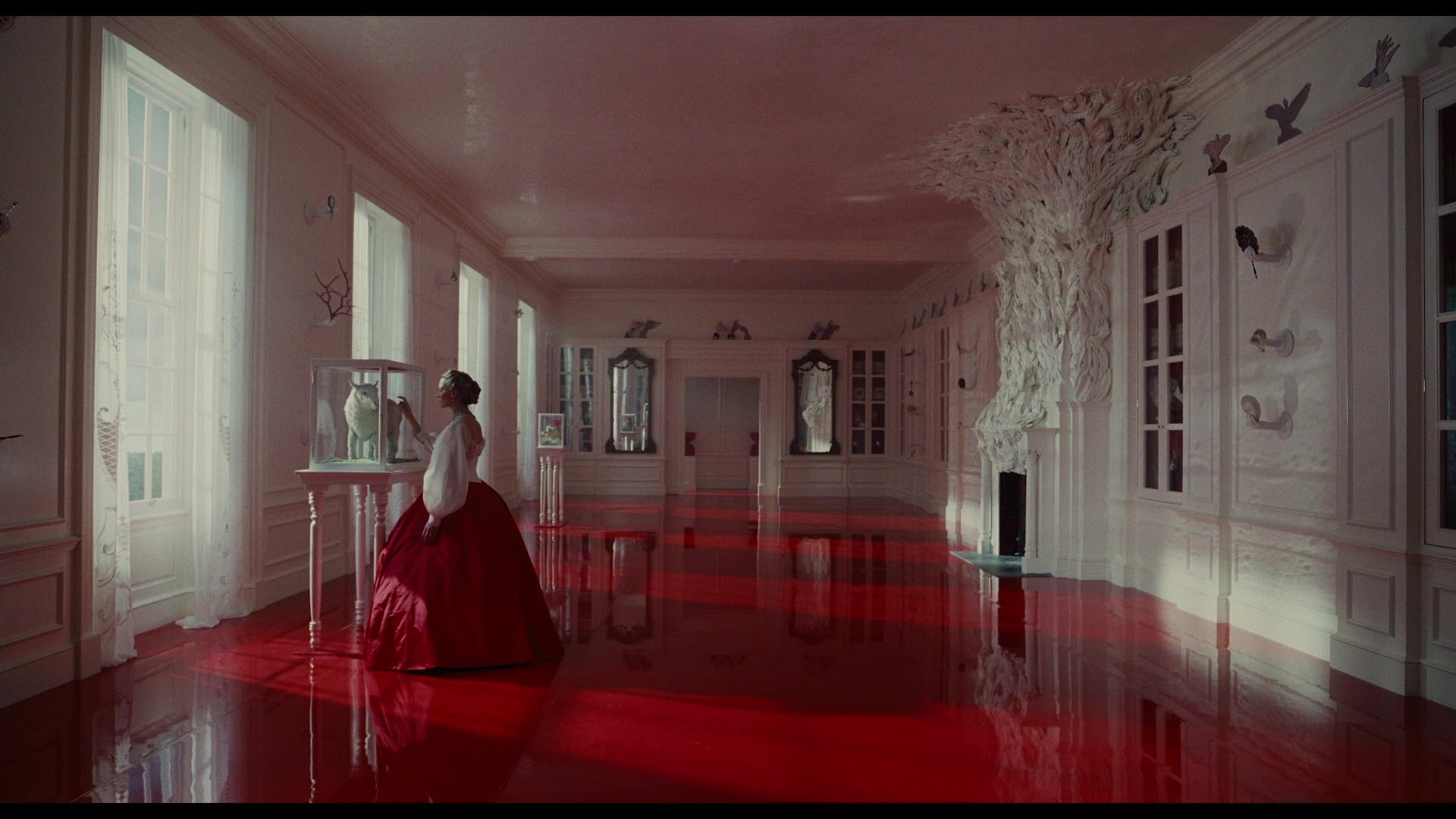
Is it glorious nonsense, though, as some have said? In fits and starts, I suppose; Fennell thinks in memes, and thanks to her incredibly gifted collaborators the ideas she throws out can be quite striking – like Linton’s idea that Catherine’s bedroom should be designed to match her perfect complexion, right down to the position of certain freckles. It is a profoundly stupid idea, and actually pretty gross if you think about it for even five seconds, but it does capture something of the immature sexuality Fennell is trying to convey.
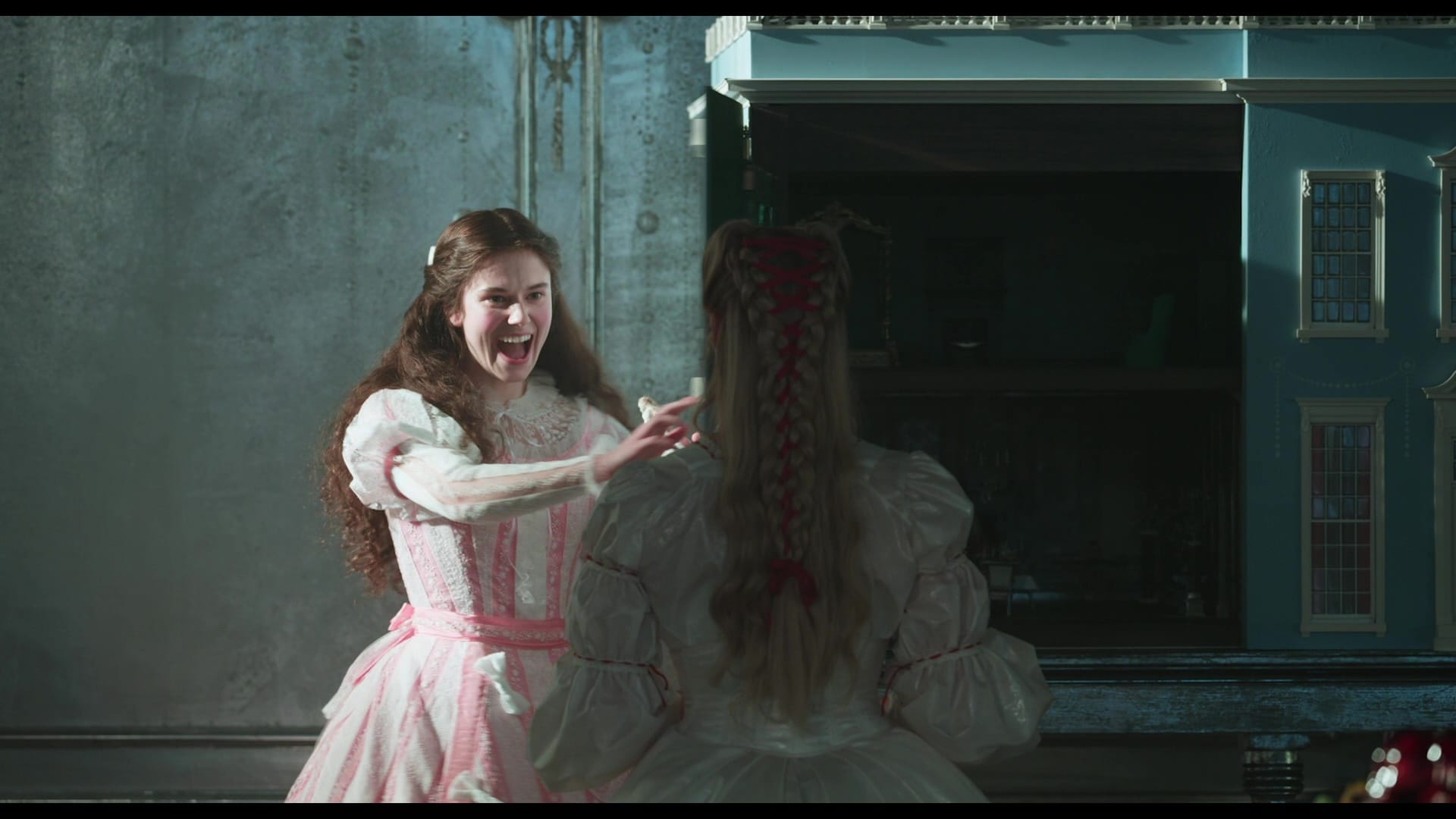
There’s also a dollhouse metaphor, thanks to the elaborate mockup with which Linton’s ward Isabella (Alison Oliver) is so fond, and eventually I realized Fennell’s vision is a version of that as well. It’s Barbie’s Dream Moors, and we all get to watch the writer-director play with her toys until she breaks them and wanders off to do something else. Maybe that’s why she cast Robbie as Catherine.
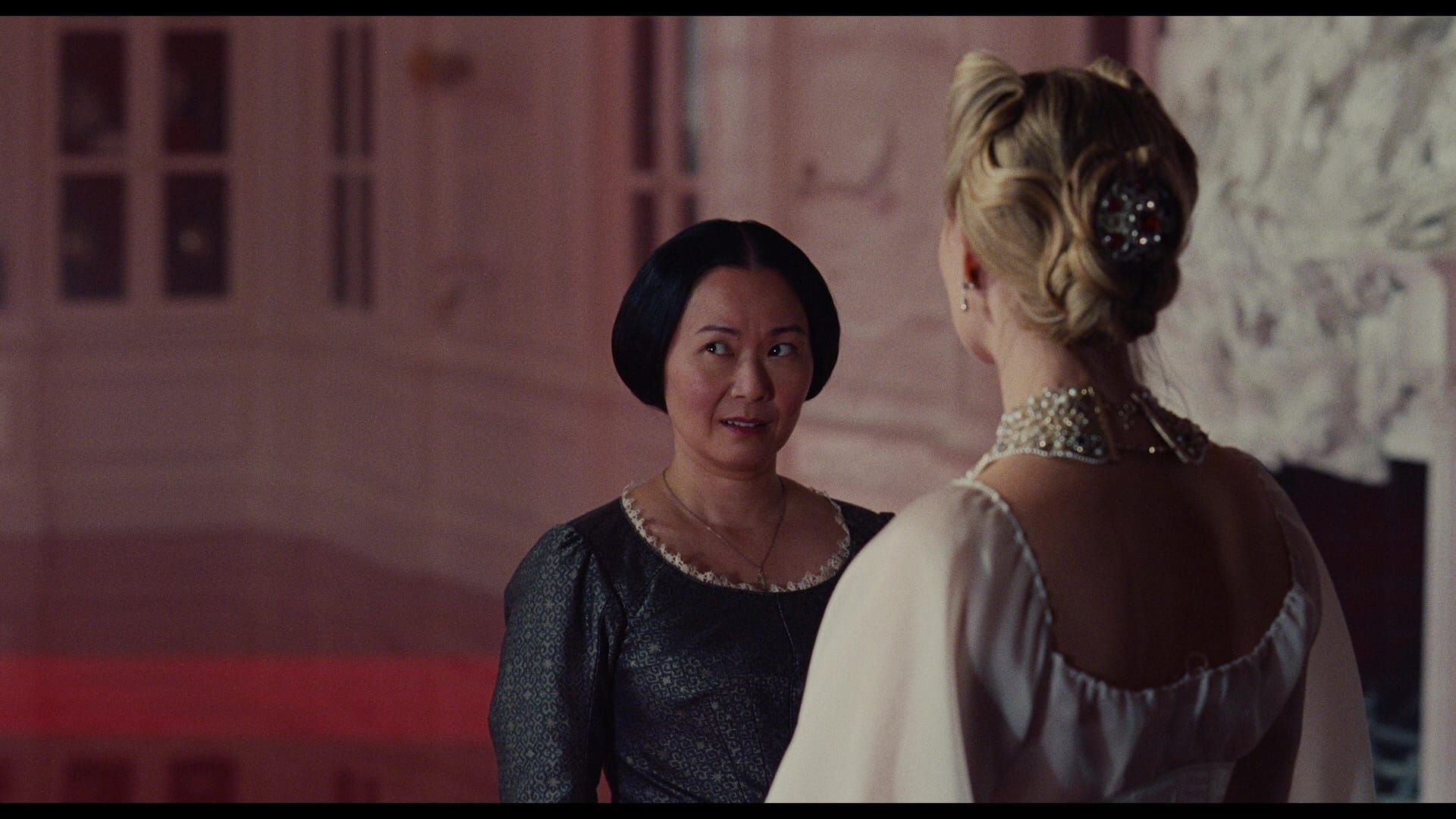
Also, Hong Chau deserved better as Nelly.
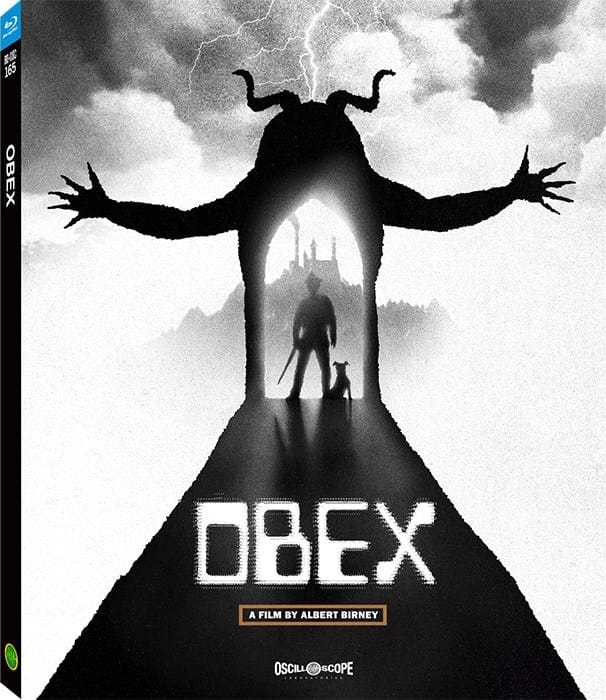
On the other side of the coin, there’s OBEX, which is also about people trapped in an artificial reality but literally this time. Directed by Albert Birney and co-written with Pete Ohs, it’s a black-and-white fantasia about Conor, a lonely guy in 1987 Baltimore who ventures into the world of a weird computer game to rescue his beloved puggle Sandy, who’s become pulled into the program by the demon lord Ixaroth. That sounds like a movie we’ve seen a few times before, but OBEX is much, much stranger – and somehow more authentic – than any of its genre antecedents.
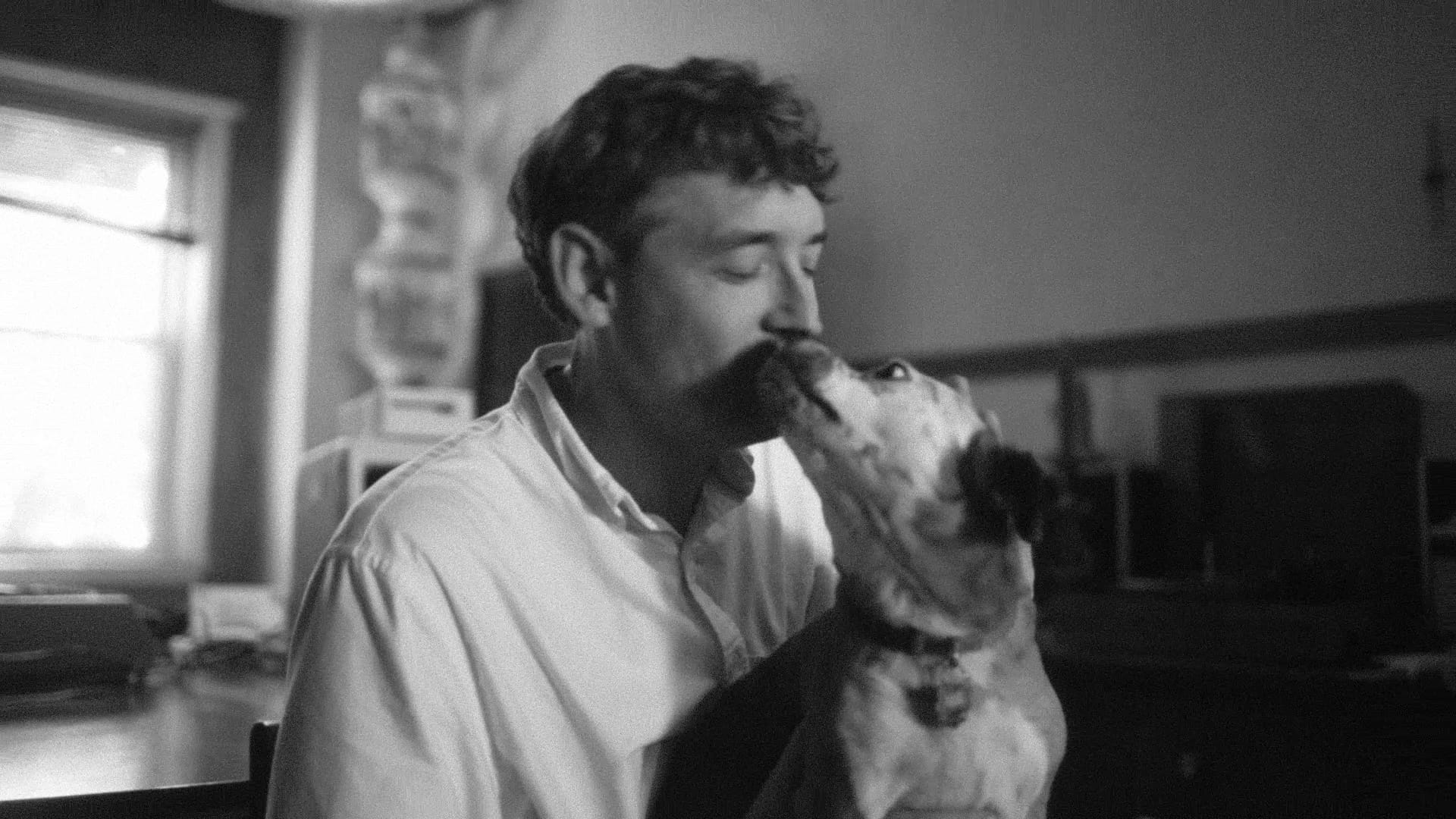
Birney, who also plays Conor, has played with artificial worlds before; Strawberry Mansions, the 2021 drama he wrote and directed with Kentucker Audley, led us into both an alternate reality and a pastel-inflected neverwhere where people record their dreams on VHS tapes. OBEX is harsher and more stark, with Ohs’ grainy monochrome photography establishing an environment that’s already been altered by its protagonist’s isolation. Even before he enters Ixaroth’s domain, things are … off.
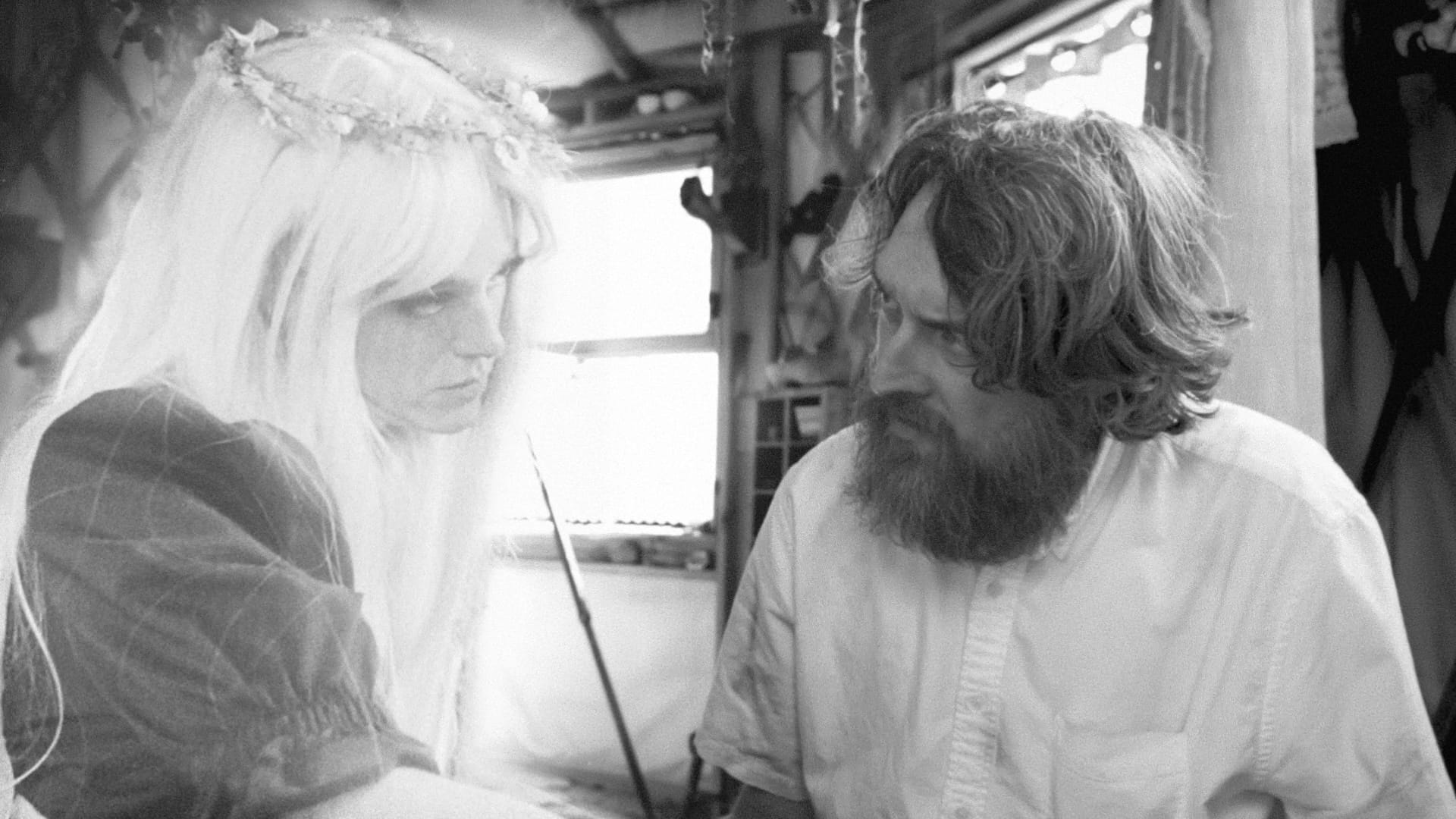
But there’s also an element of whimsy to Conor’s adventure, in the matter-of-factness of its world-building and the lo-fi nature of its inhabitants. It’s still very strange, but the characters who turn up to help our hero have an almost cheerful demeanor. Callie Hernandez, a regular collaborator of the filmmakers, has a great scene as a pixie princess in a supply shop who calmy talks Conor through a panic attack – while Frank Mosley plays his sidekick Victor, who has a TV for a head. He just does. It’s helpful sometimes.
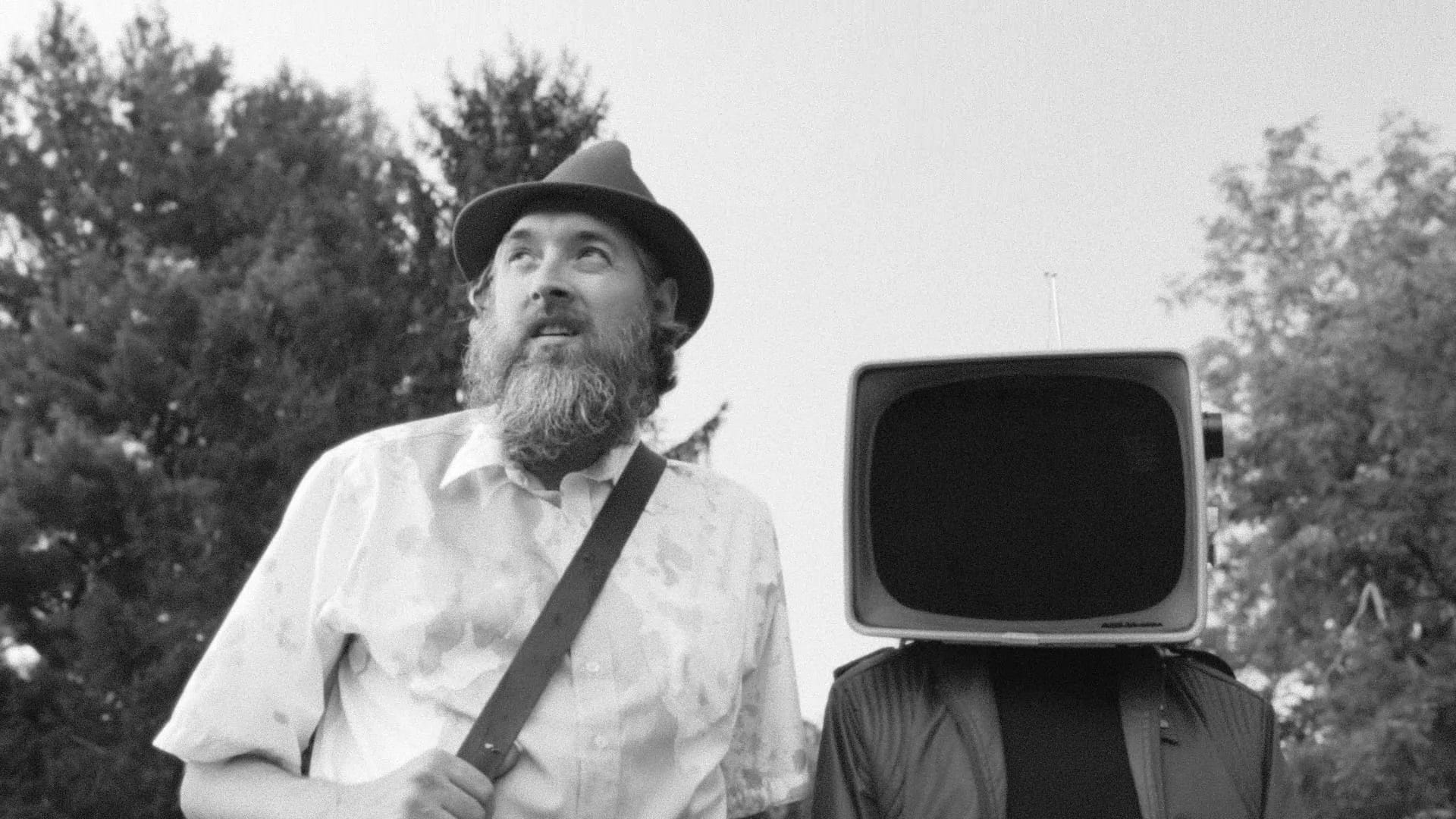
On the commentary track for Oscilloscope’s Blu-ray, Birney cites the surrealism of David Lynch as his north star for OBEX, and I can certainly see it: Ohs’ grainy black-and-white imagery – occasionally blown out by unbearably bright elements – echoes certain moments in Eraserhead and The Elephant Man, and the use of cicadas as a symbol of rot or corruption rhymes with the various insects scrabbing around Lumberton in Blue Velvet. And the idea of a character slipping between realities is all over Lost Highway, Mulholland Dr., Inland Empire and Twin Peaks. But Lynch never envisioned a story like this, and OBEX gets to remain its own thing even as it leaves its tributes.
And beyond all the weirdness, the film a gentle, beautiful study of devotion: Of course Conor would leave his own reality to get his dog back, and while it may not be immediately apparent, he’s rewarded over and over for his loyalty and determination. (This is not a spoiler; Birney just isn’t that kind of storyteller.) There’s a simplicity and a beauty to that quest that’s reflected in the mise-en-scene, and it sneaks up on you over the course of the picture. And the catharsis it provides is a wonderful thing indeed.
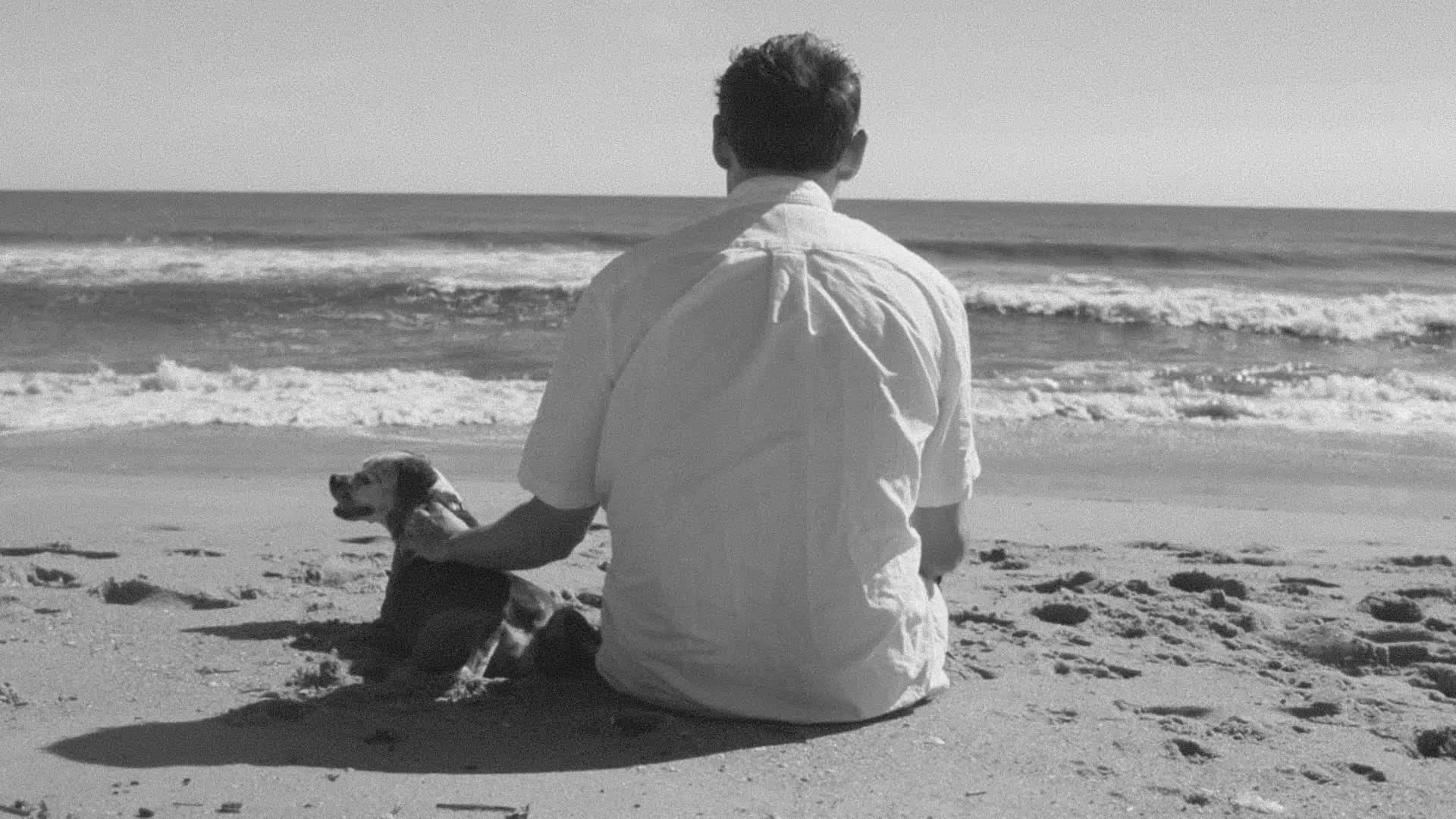
Oscilloscope Laboratories’ Blu-ray of OBEX supports a faithful presentation of the feature with a thoughtful audio commentary by Birney and Ohs – recorded on the anniversary of David Lynch’s death, which Birney notes as apropos – about half an hour of deleted scenes, and four of Birney’s recent shorts – two of which, “Tank Fantasy” and “Melody Electronics,” turn out to be playthroughs of games from the movie’s fictional Concatix Software. (They’re kind of great, honestly.)
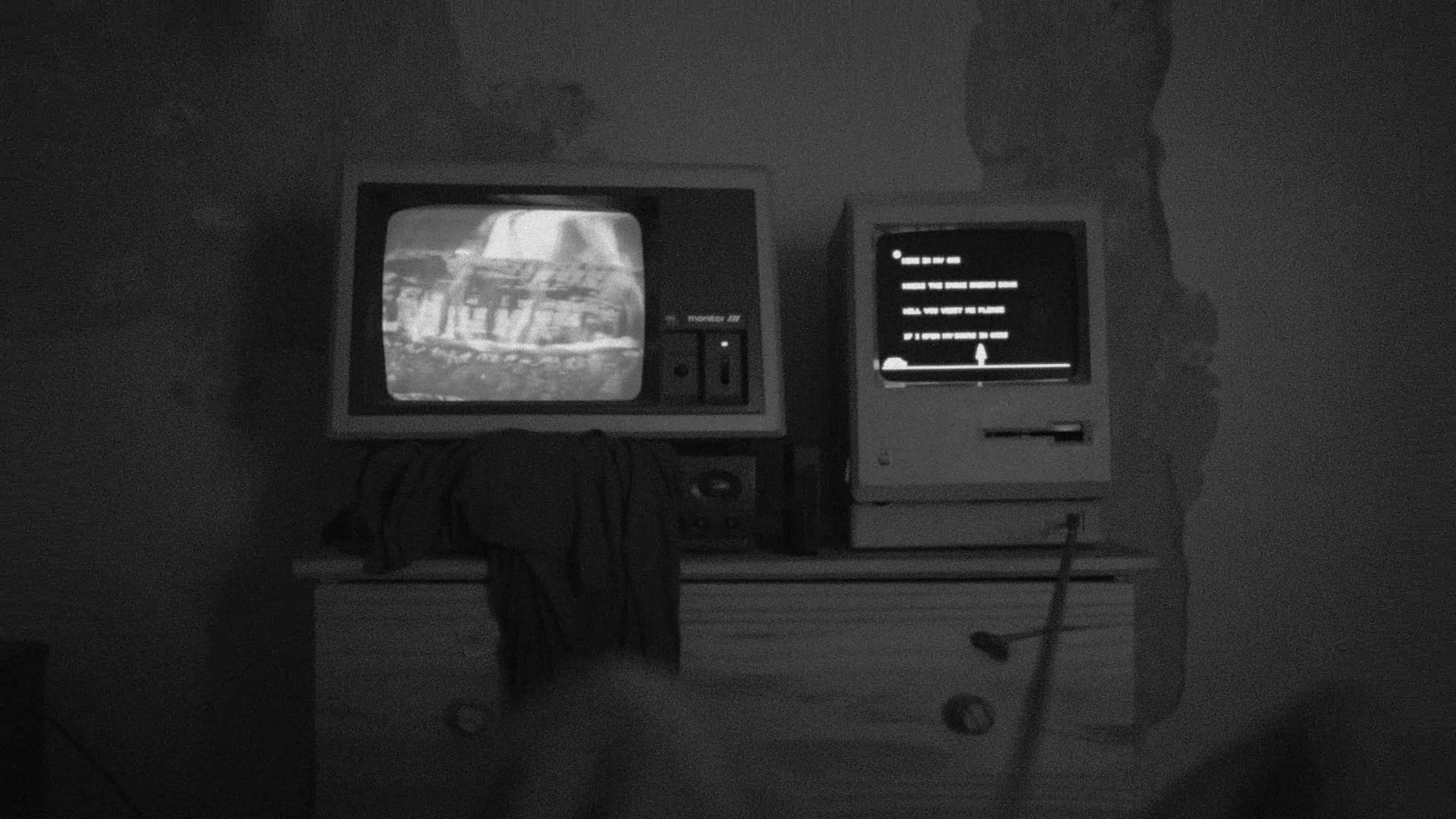
The disc also finds room for featurettes on John Dibb’s score and the development of the movie’s in-world OBEX game, a behind-the-scenes photo gallery, the theatrical trailer and three promotional clips in which Birney, Ohs, Hernandez and Mosley open up about both the challenges and the delights of a no-budget shoot. This is the sort of disc you can give to a friend who’s feeling stuck on a project; you just need the right people around you. And a dog, probably.
Warner’s 4K edition of “Wuthering Heights,” on the other hand, might leave them frothing at the resources available to auteurist Oscar nominees. Fennell discusses her vision at length on the commentary track, while three featurettes explore the specific aspects of the production – and perhaps reveal more than the cast and crew intended to: Fennell says she read the book at 14, and wanted to make her whole film about “taming someone that can’t be tamed,” while Robbie notes Fennell’s script was the first version of Wuthering Heights she’d ever read, which might explain why she never gets a handle on Catherine.
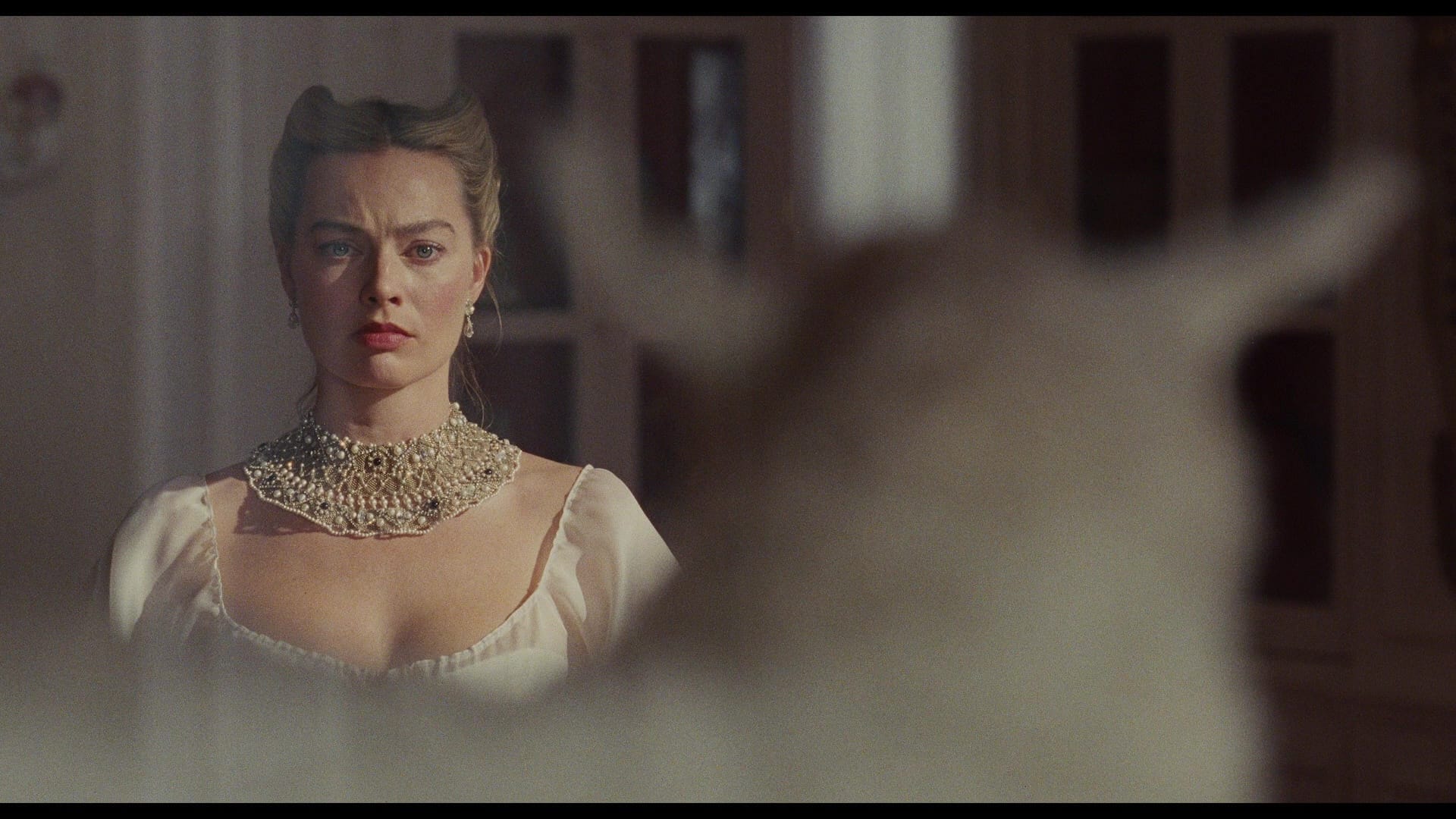
“The Legacy of Love and Madness” lets Fennell, Robbie, Elordi, Chau and Oliver share their interpretations of the novel and its themes, while also noting that the movie is not the book, thanks to Fennell’s remarkable genius. “Threads of Desire” finds costume designer Jacqueline Durran walking us through the “imagined version of period costumes” she created with deliberately anachronistic fabric, while “Building a Fever Dream” brings in production designer Suzie Davies to do the same for her own work. These two pieces articulate the ideas that the film itself cannot, and retroactively make the film a little more interesting. At the very least they left me wanting to revisit certain scenes and look a little more closely. Maybe there’s some art in there after all.
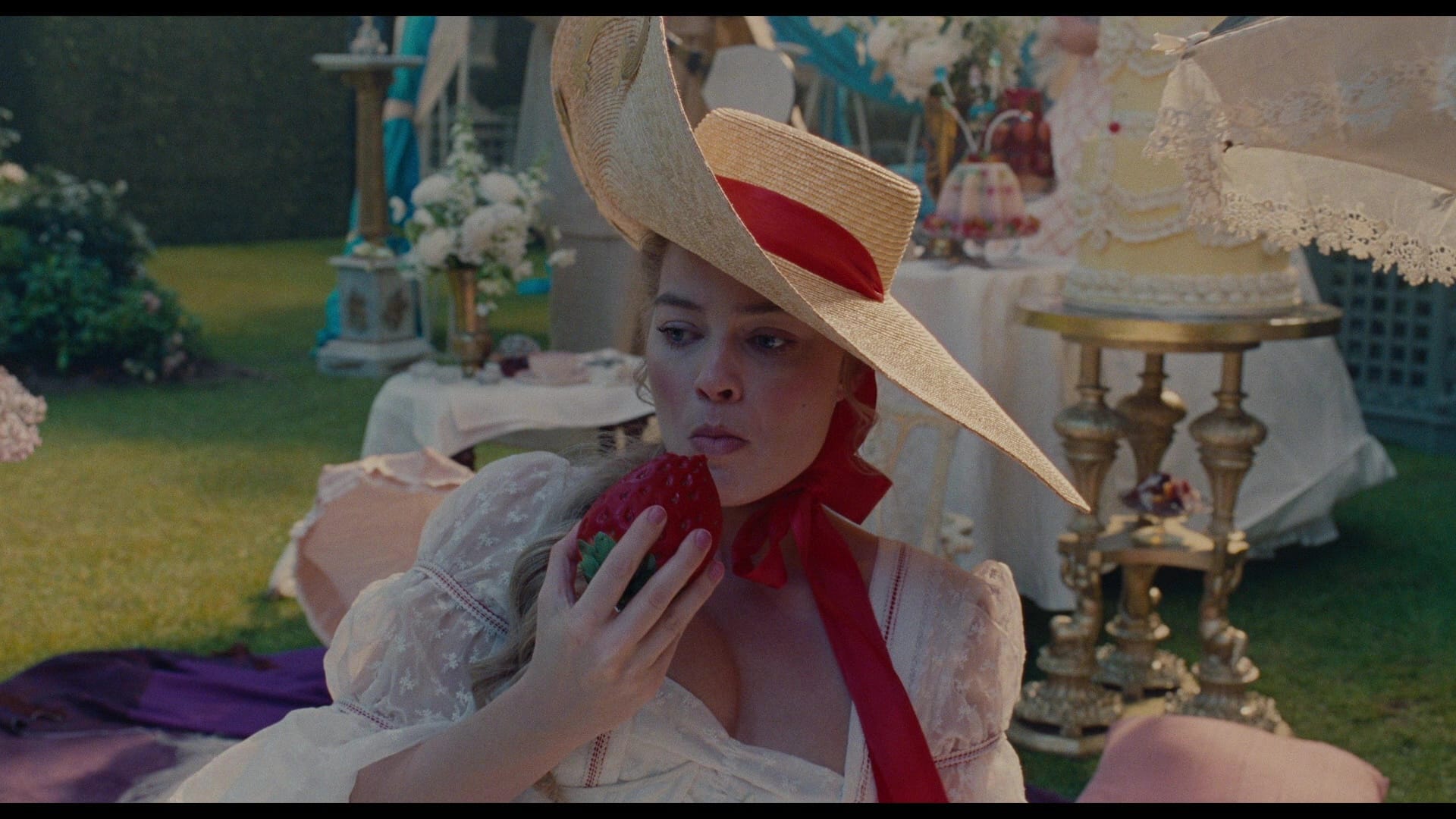
And that’s why I’ll still recommend the 4K edition of “Wuthering Heights”; it’s a reference-quality presentation of the film, both visually and aurally. Linus Sandgren’s ravishing cinematography – conventional for the interiors, and VistaVision for the exteriors – is gorgeously rendered here, and the Dolby Atmos soundtrack retains wide, IMAX-venue sweep even at home-theater scale. It’s a great demo disc. Just experience it with your senses, not your brain.
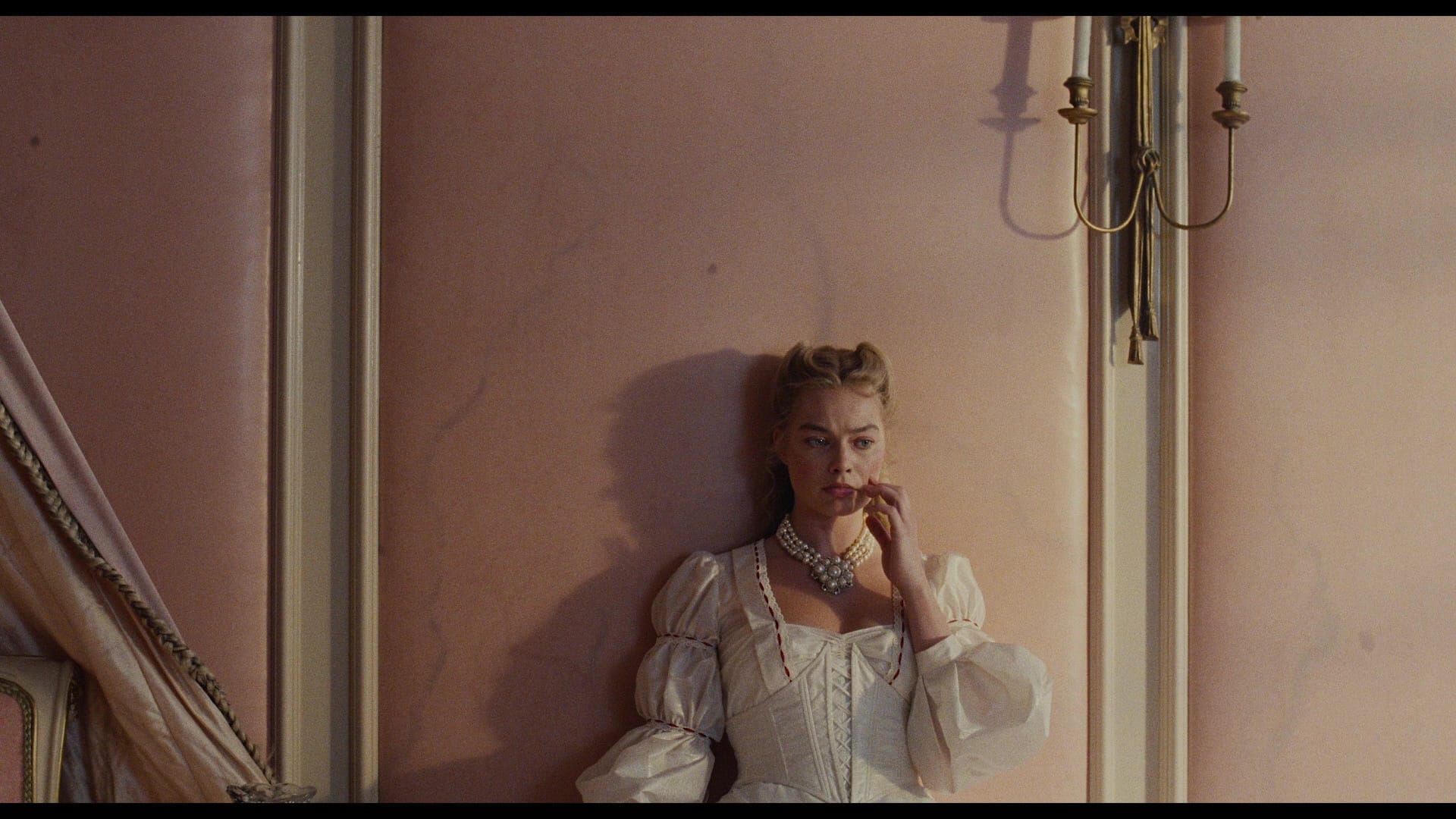
“Wuthering Heights” is available in 4K and Blu-ray editions from Warner Bros. Discovery Home Entertainment. OBEX is available on Blu-ray from Oscilloscope Laboratories.
Up next: Moneyball, George Stevens: A Filmmaker’s Journey and The Delta take stock of America in very different ways. And speaking of radical literary reinterpretations, Maggie Gyllenhaal’s The Bride is lurking in the wings.
And don’t forget, paid subscribers will be getting their weekly What’s Worth Watching dispatch on Friday. Worried about missing something important? Just upgrade to the paid tier and you’ll have it all! What better way to mark this newsletter’s fourth anniversary, really?