
Only Connect
In which Norm spins up new discs of SPEED RACER, GEORGE STEVENS: A FILMMAKER'S JOURNEY and THE DELTA.
Okay, so that review of Moneyball is still on the DL, as I’m waiting on the arrival of a replacement disc with corrected DTS-MA HD 5.1 sound. The initial pressing was mastered with a 5.0 soundtrack, missing the LFE channel that would power your subwoofer; once that admittedly major error is rectified, it’ll be an excellent disc, upgrading the image to 4K (in SDR, curiously, though that appears to be a deliberate choice) and bringing over all of the special features from the Blu-ray special edition released in 2012. The discs that reached retailers last week are the corrected pressing, so feel free to grab one if you see it.

Another title you should definitely grab – if you’re a fan – is Warner’s new 4K edition of Speed Racer, which is another reference-quality catalogue release from the studio, offering an eye-bleeding UHD restoration with remixed Dolby Atmos audio. This disc captures the intensity of the movie’s primary-color palette like no previous home release, and arguably outdoes the 35mm release prints for intensity and clarity. It’s almost painful to behold.
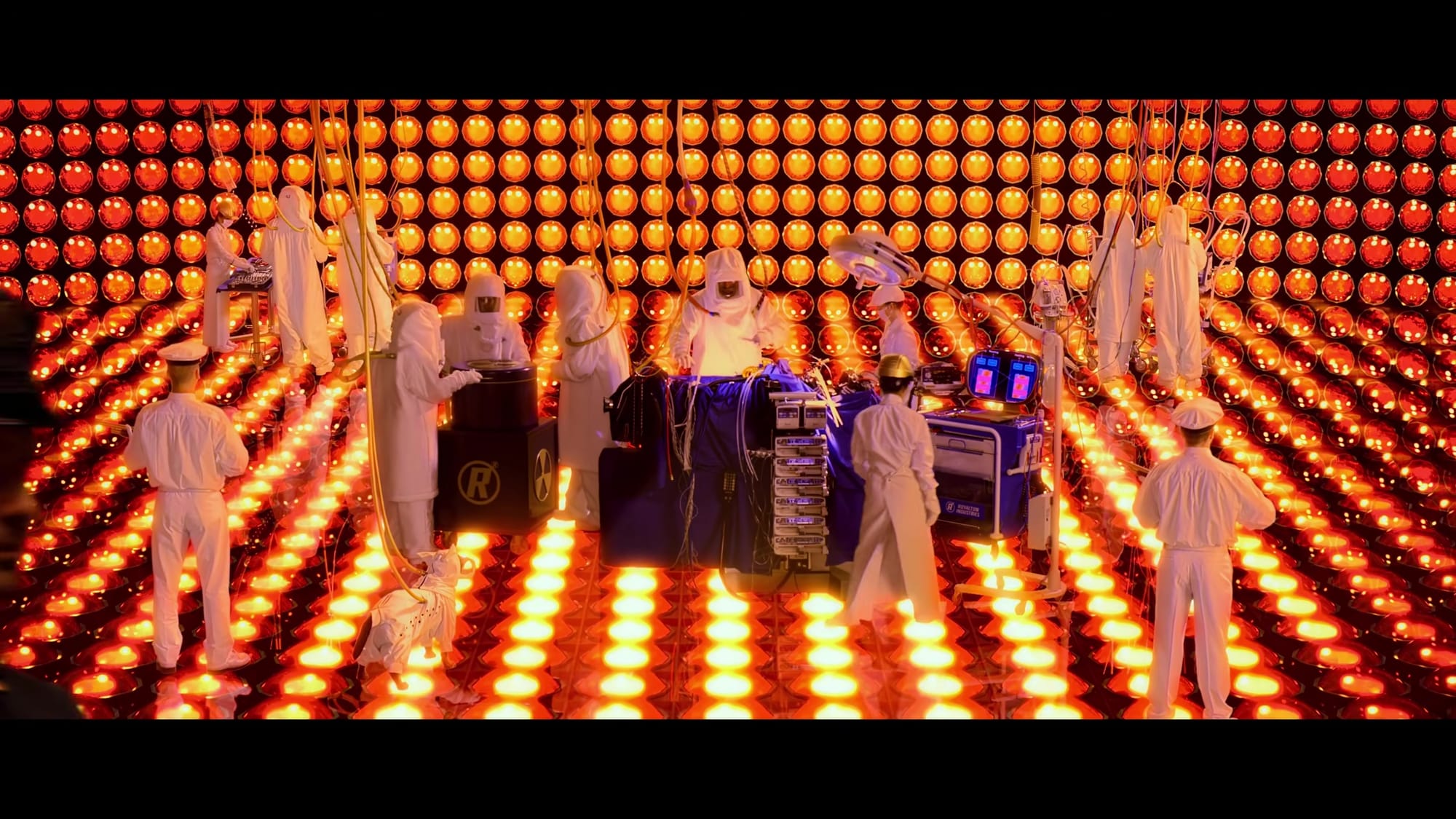
I am on the outside looking in on this one, mind you: I found Speed Racer overwhelming and excessive in 2008, and still do today. It was the Wachowskis’ wildest swing, a blank-cheque dream project enabled by the global success of the Matrix trilogy, an attempt to create a live-action anime that pushed beyond the limits of physics, time and coherence. (And though he’s doing precisely what’s been asked of him, Emile Hirsch is awfully stiff as the hero.) But seen in the context of thirty years of the Wachowskis’ cinema, the movie feels like it’s teeing up Jupiter Ascending and Cloud Atlas and even Sense8: They’re all stories about people who are unknown and even alien to one another, struggling to conquer their transcend their own limitations in order to do something good in the world.
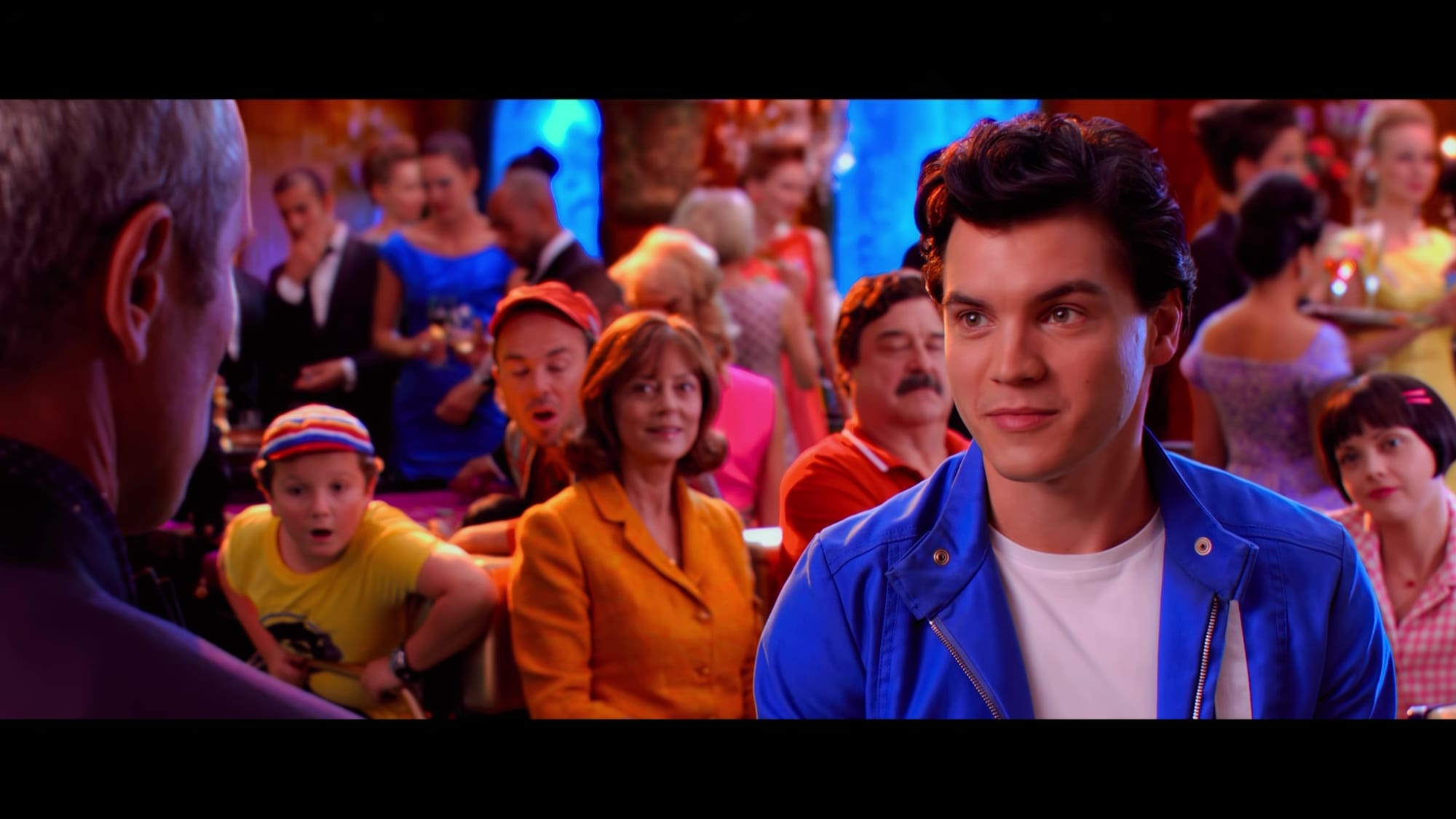
In a new featurette produced for this release, “Fast / Future / Family: Speed Racer,” Lilly and Lana Wachowski look back on what turns out to have been an intensely personal project – and, as the siblings put it, the point at which they realized stories can be about joy rather than triumph.
In the filmmakers’ recollection, Speed’s backstory of being a distracted, alienated kid with focus issues is a rough allegory for their childhood, and John Goodman and Susan Sarandon are playing versions of their parents. And the experimental nature of the production, both in its visual aesthetic and its action choreography, was intended to introduce the audience to a new storytelling language. You can also sense the emergence of the earnestness that would make their subsequent productions feel wobbly or even naïve, but here it’s appropriate to the material. It’s a cartoon, after all.
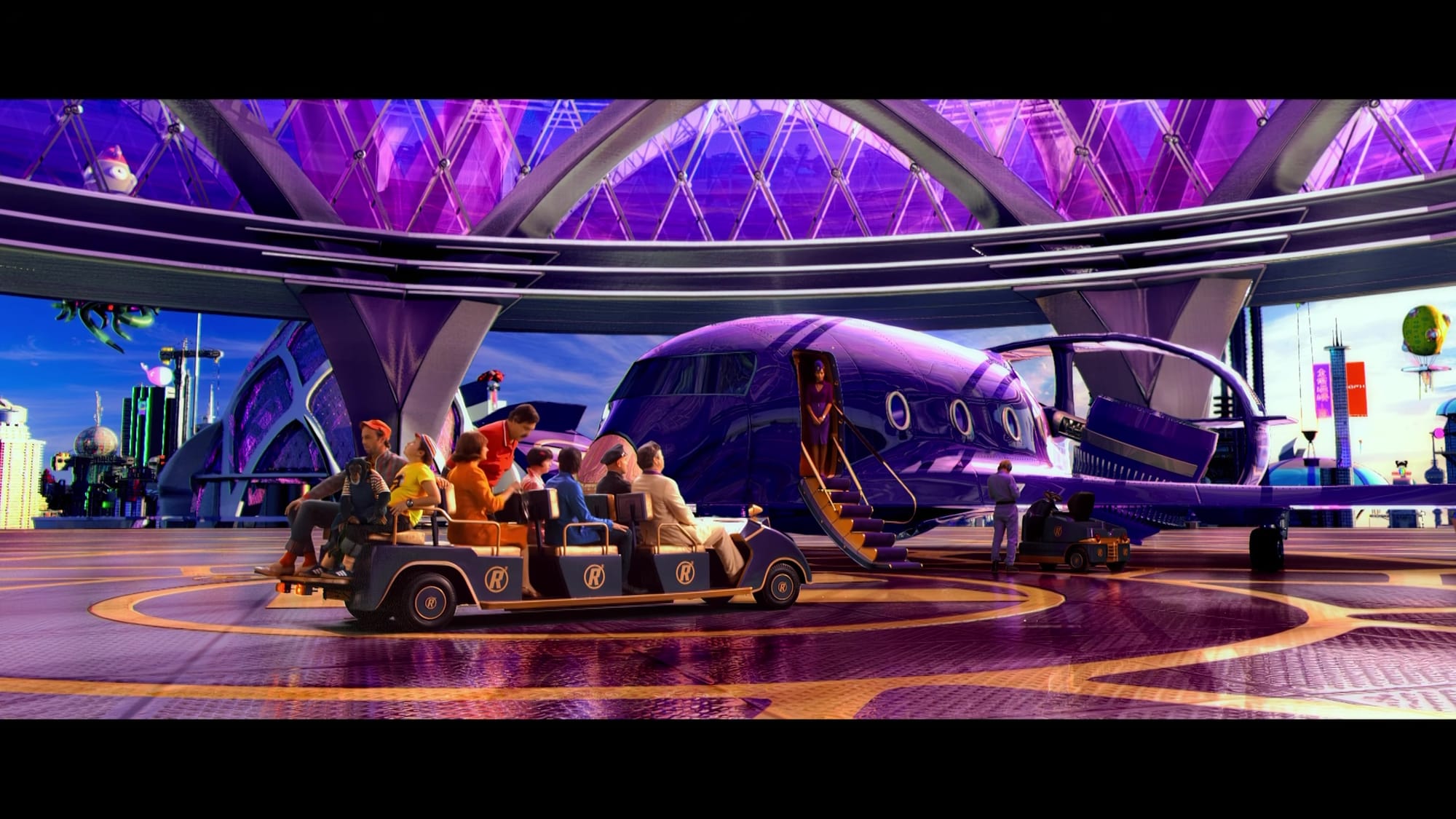
Warner’s disc also includes five featurettes produced for the home release in 2008 – two of which, “Ramping Up!” and the in-universe TV special “Wonderful World of Racing: The Amazing Racer Family,” weren’t included on the North American Blu-ray. But the retrospective interview is the must-see – a rare opportunity to let the Wachowski sisters open up about what their art has meant to them over the years, and if thirteen minutes barely scratches the surface of that at least it’s a start.
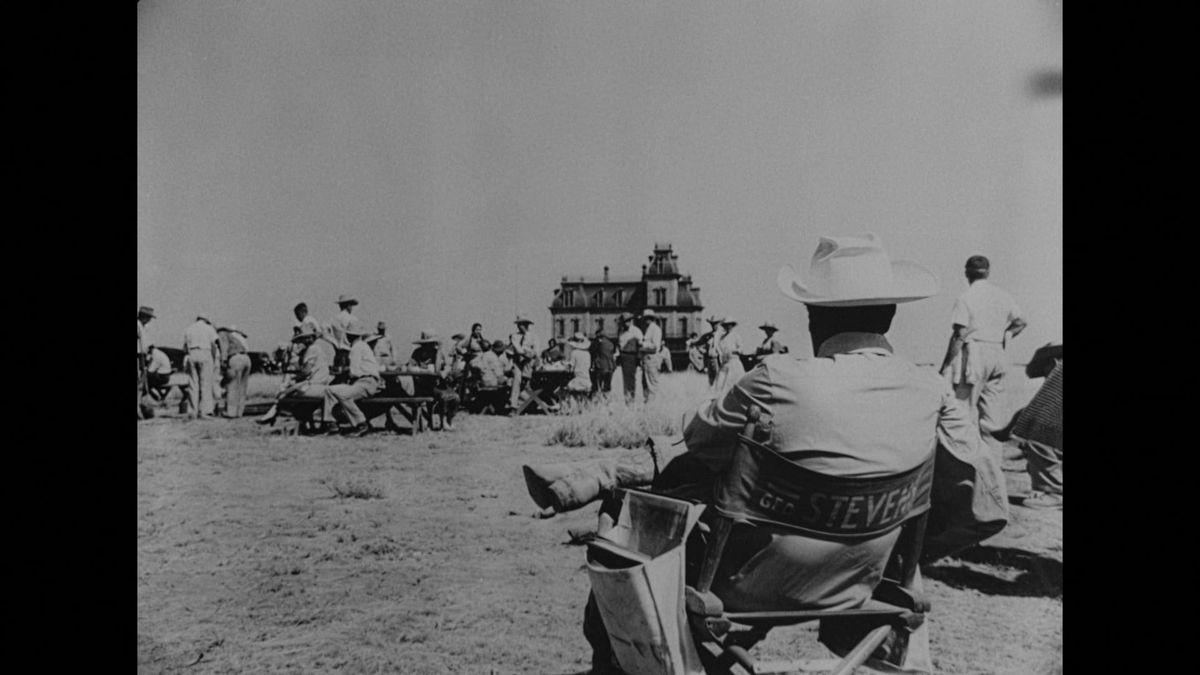
Speaking of earnestness – and looking back, as well – the Warner Archive Collection just rolled out its latest 4K release: George Stevens: A Filmmaker’s Journey, the 1984 documentary made by George Stevens Jr. about his father’s life and career, a decade after the director’s death.
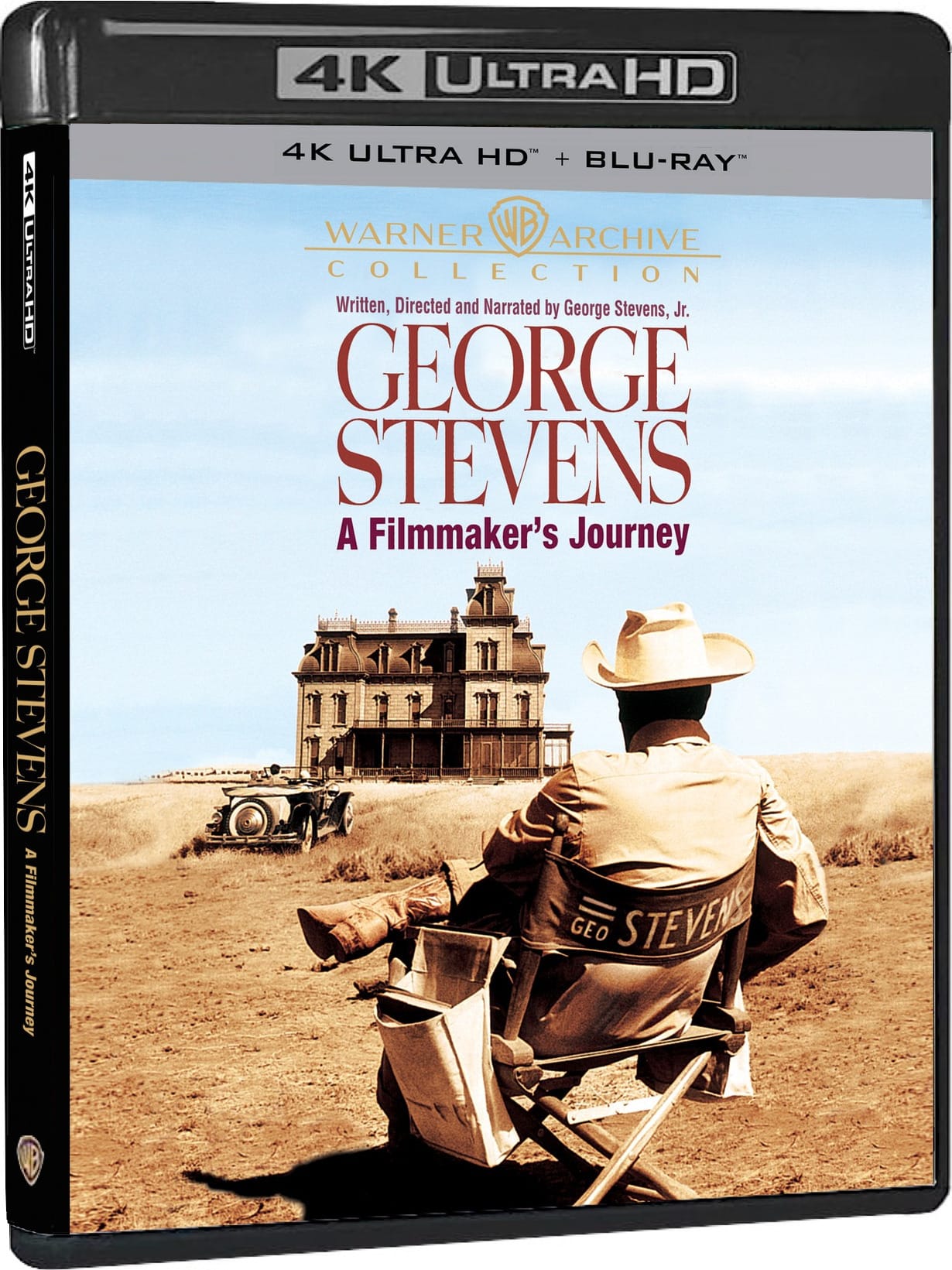
Stevens Sr. was one of those old-school Hollywood utility players, a theater kid (literally) who became an assistant cameraman during the silent era and gradually emerged as a cinematographer, director, writer and producer. He moved from two-reel shorts to comedies to melodramas (Alice Adams, with Katharine Hepburn) and biopics (Annie Oakley) musicals (Swing Time) and adventure films (Gunga Din), and then bouncing around the genres (Penny Serenade, Woman of the Year, The Talk of the Town, The More the Merrier) before joining the Signal Corps in WWII, organizing the Special Coverage Unit and accompanying the U.S. Army on campaigns in North Africa, France and Eastern Europe, ultimately bearing witness to the liberation of Dachau.
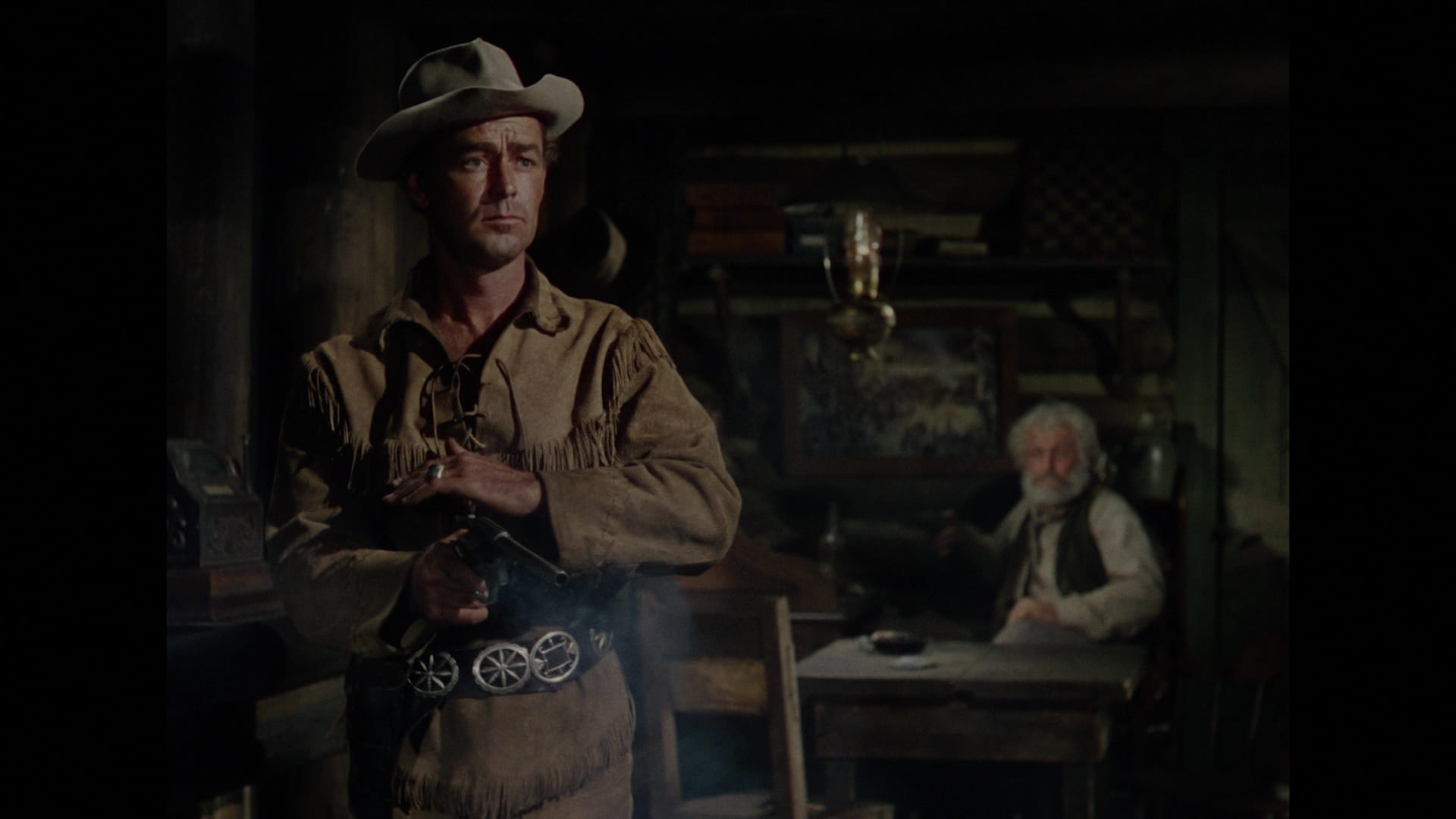
A Filmmaker’s Journey makes us understand how transformative and traumatic Stevens’ wartime experience was, and how it changed his relationship to art when he came home. His projects became weightier and more meaningful, starting with the “American Trilogy” of A Place in the Sun, Shane and Giant – the first and last of which earned him Oscars for Best Director – and confronting the Holocaust in The Diary of Anne Frank before retreating to the pageantry of The Greatest Story Ever Told. The impact of the war on his perspective is undeniable, and while Stevens’ postwar projects now seem a little stuffy in their “overelaboration” of their moral arguments, as Glenn Kenny wrote earlier this week in his own very good newsletter, “It always seemed to me that with Shane the overelaboration is the point.”
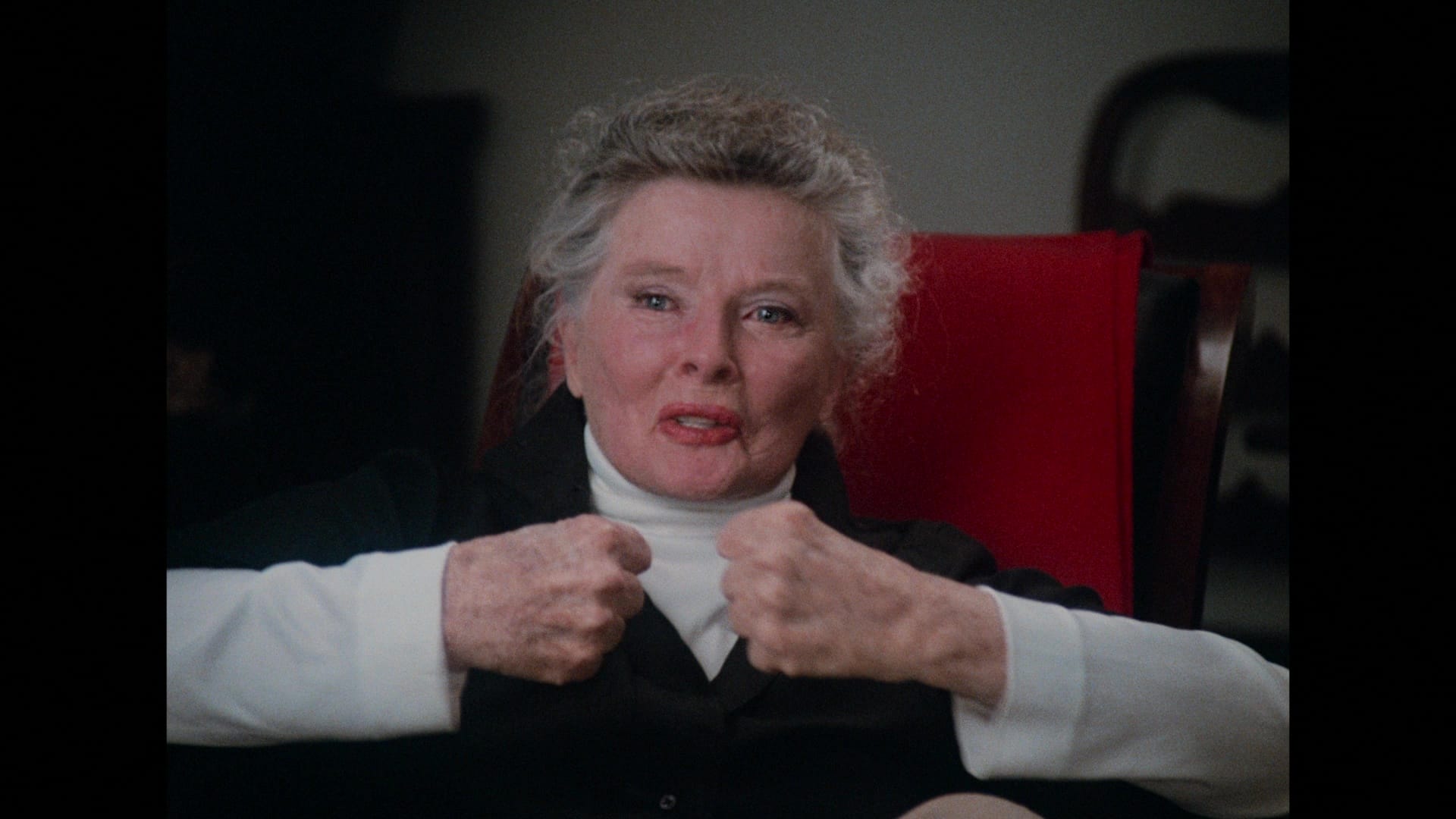
Stevens Jr. has a clarity all his own, guiding us through his father’s accomplishments with a respect that never tips into admiration or sentimentality. He can leave that to Fred Astaire, Joel McCrea, John Huston, Joseph L. Mankiewicz, Ginger Rogers, Katharine Hepburn, Rouben Mamoulian, Douglas Fairbanks Jr., Hal Roach, Warren Beatty, Alan J. Pakula and others. The result is a portrait that feels both intimate and expansive, seeing George Stevens as both a witness to history and an artist who helped us understand that history. It’s a hell of a picture in its own right.
Warner Archive’s UHD release is mastered from a 4K restoration produced in 2024 (and which, per the credits, “was made possible by the generosity of Kate Capshaw and Steven Spielberg, Heather Reisman and Gerry Schwartz, Martin Scorsese and The Film Foundation”), and it looks and sounds splendid. It’s much cleaner than the DVD version, and brought to disc with a much-appreciated concession to modern technology: Rather than presenting the entire documentary in the 1.37:1 theatrical frame of its original exhibition – with the film clips cropped to fill that frame, as was the style of the time – A Filmmaker’s Journey has been fully reformatted for 16:9 displays.
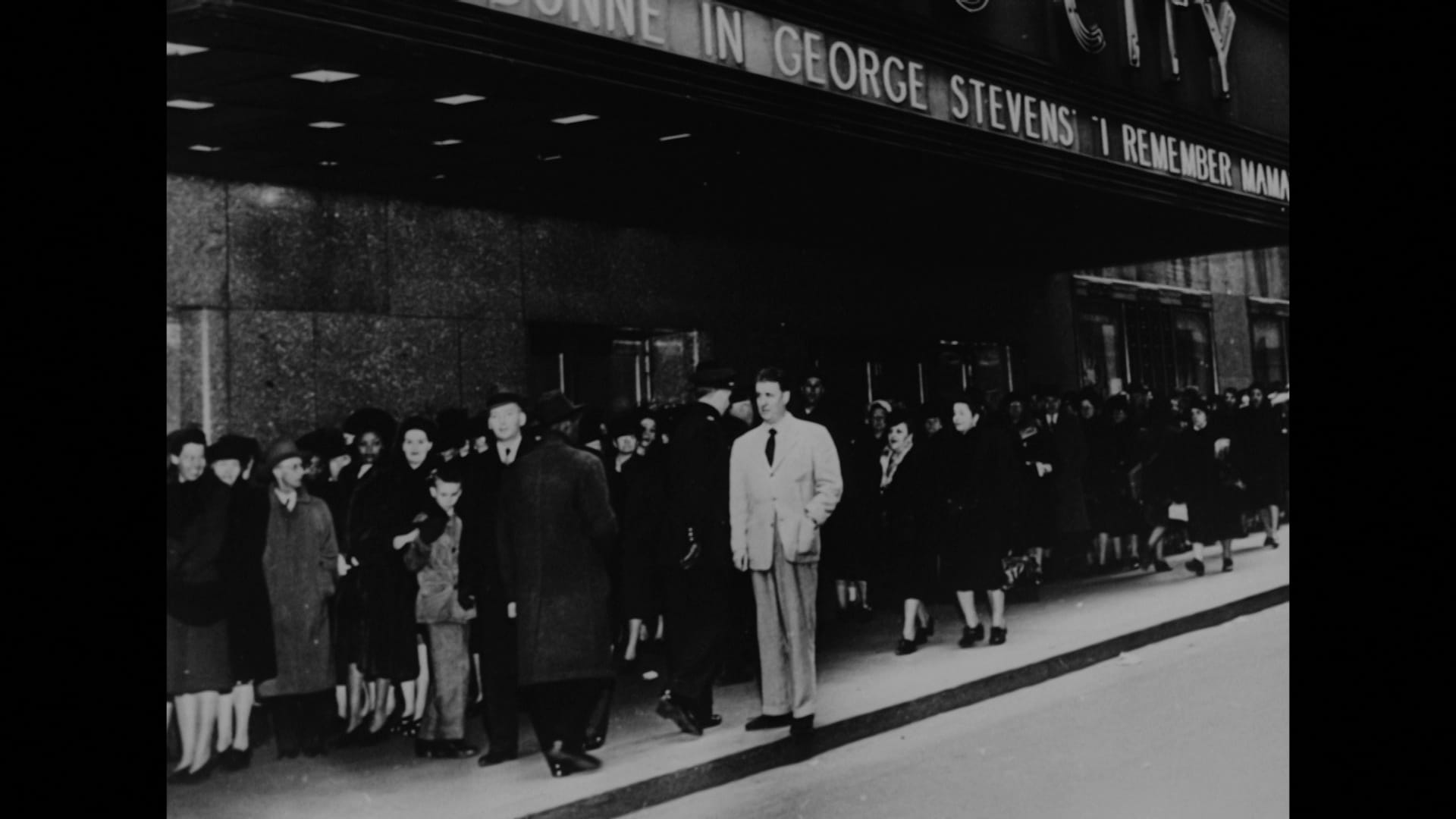
George Jr.’s documentary footage – the archival material and interviews – is pillarboxed at 1.37:1, but the clips of his father’s films now stretch out beyond that space, using as much or as little of the 16:9 frame as needed. It’s an elegant and intuitive solution that honors the intentions of the project, bringing Stevens’ accomplishments back to rich, full life.
Also included on both the 4K disc and its companion Blu-ray are two editions of the Academy Museum’s George Stevens Lecture on Directing, with Stevens Jr. inviting guests Christopher Nolan and Guillermo Del Toro to speak at length about his father’s films. Nolan was there to screen Shane in 2023; Del Toro, in January of this year, tees up a new restoration of The Greatest Story Ever Told. There’s also a pre-recorded intro to the Greatest Story screening from Martin Scorsese, whose Film Foundation produced that restoration.
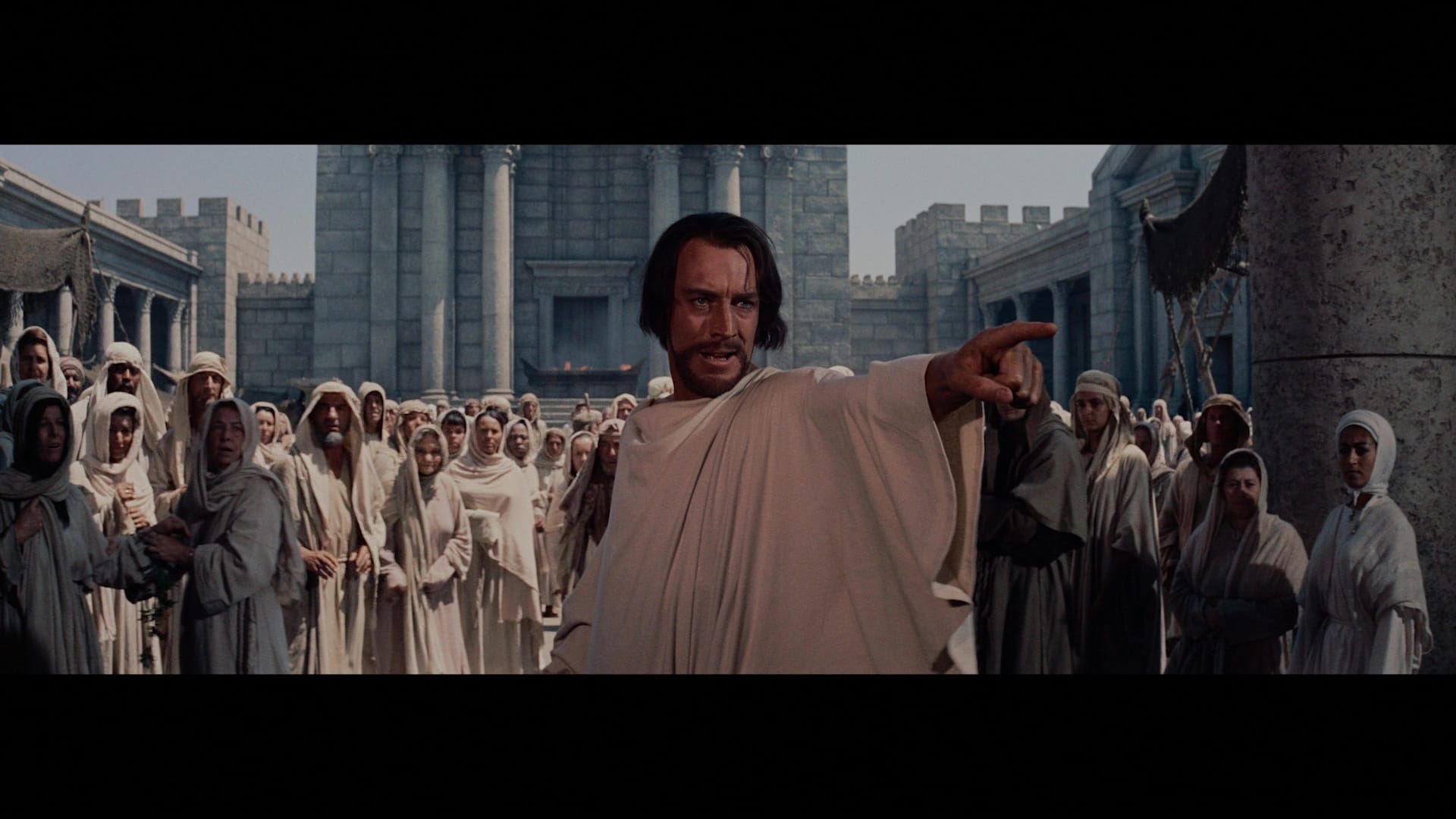
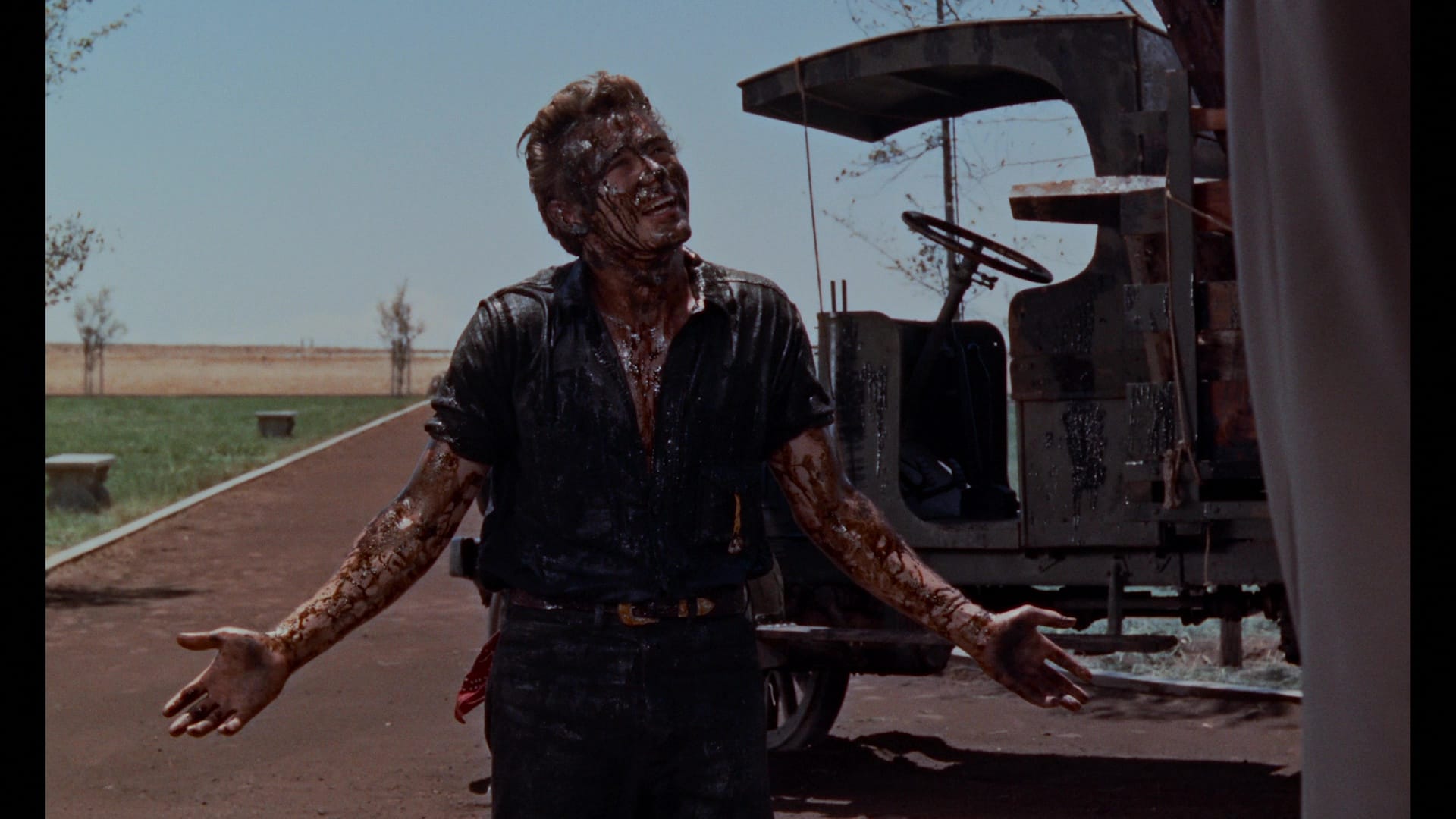
The clips we see in A Filmmaker’s Journey look absolutely splendid, and I sorely hope it gets its own 4K release at some point in the future; the MGM Blu-ray left a lot of room for improvement. Maybe it’s on Via Vision’s list.
There’s one more release I want to bring to your attention this week: The Delta, a 1996 drama which finally arrived on Blu-ray this month thanks to the Criterion Collection.
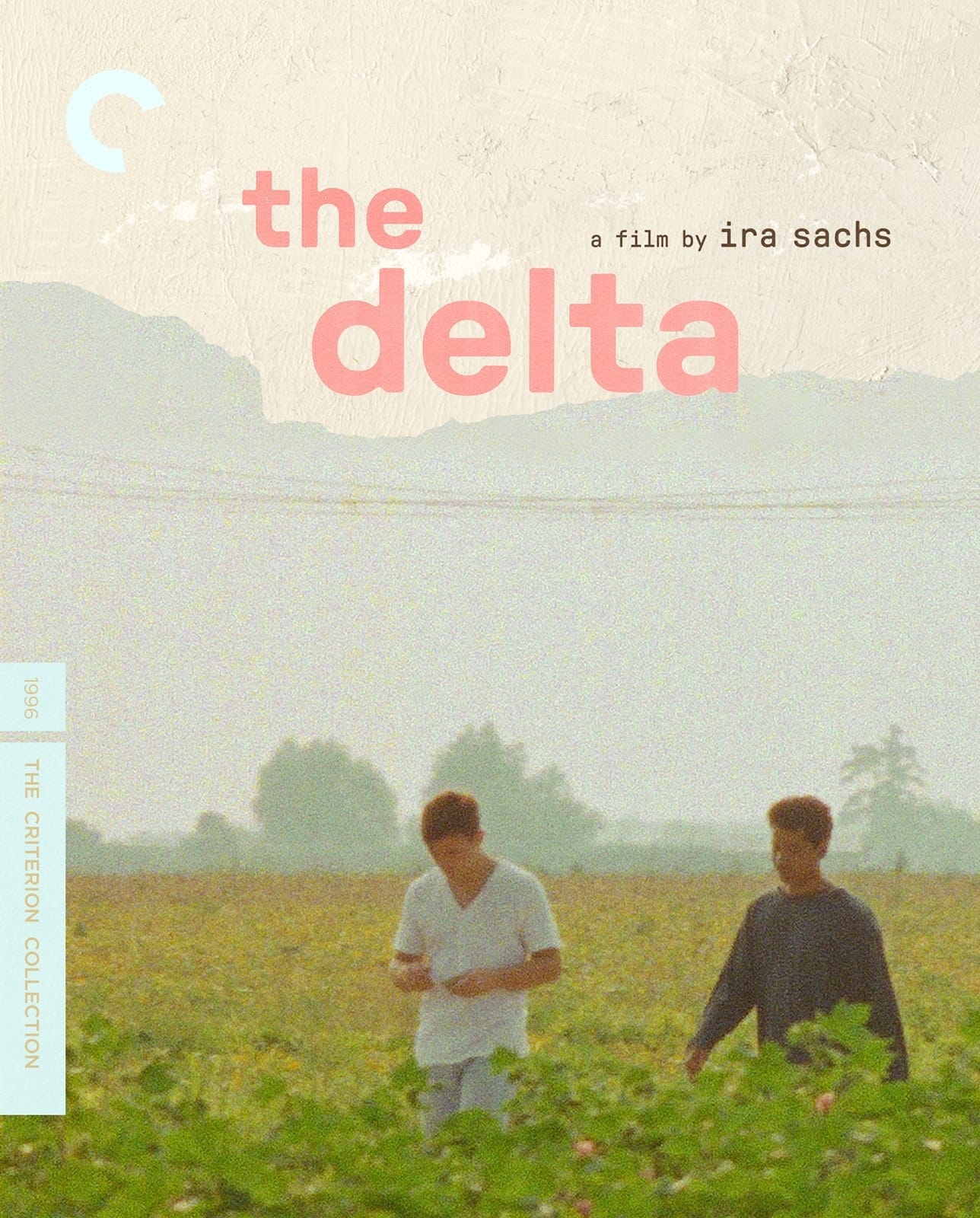
Following two young men from very different backgrounds who find a powerful connection in Memphis, The Delta marked the arrival of writer-director Ira Sachs, who thirty years later stands as one of America’s most sensitive and underrated queer storytellers.
Sachs’ cinema is modest and unfussy; he prefers moments of connection and empathy rather than big emotional explosions. (The emotions come later, when we’re on our way out of the theater and processing what we’ve seen.) The remarkable two-hander Peter Hujar’s Day – which Criterion also released on disc this month under its Criterion Presents banner – arguably brought Sachs as much attention than he’s received over his entire career, but The Delta confirms he’s always been this delicate, this precise, this empathetic.
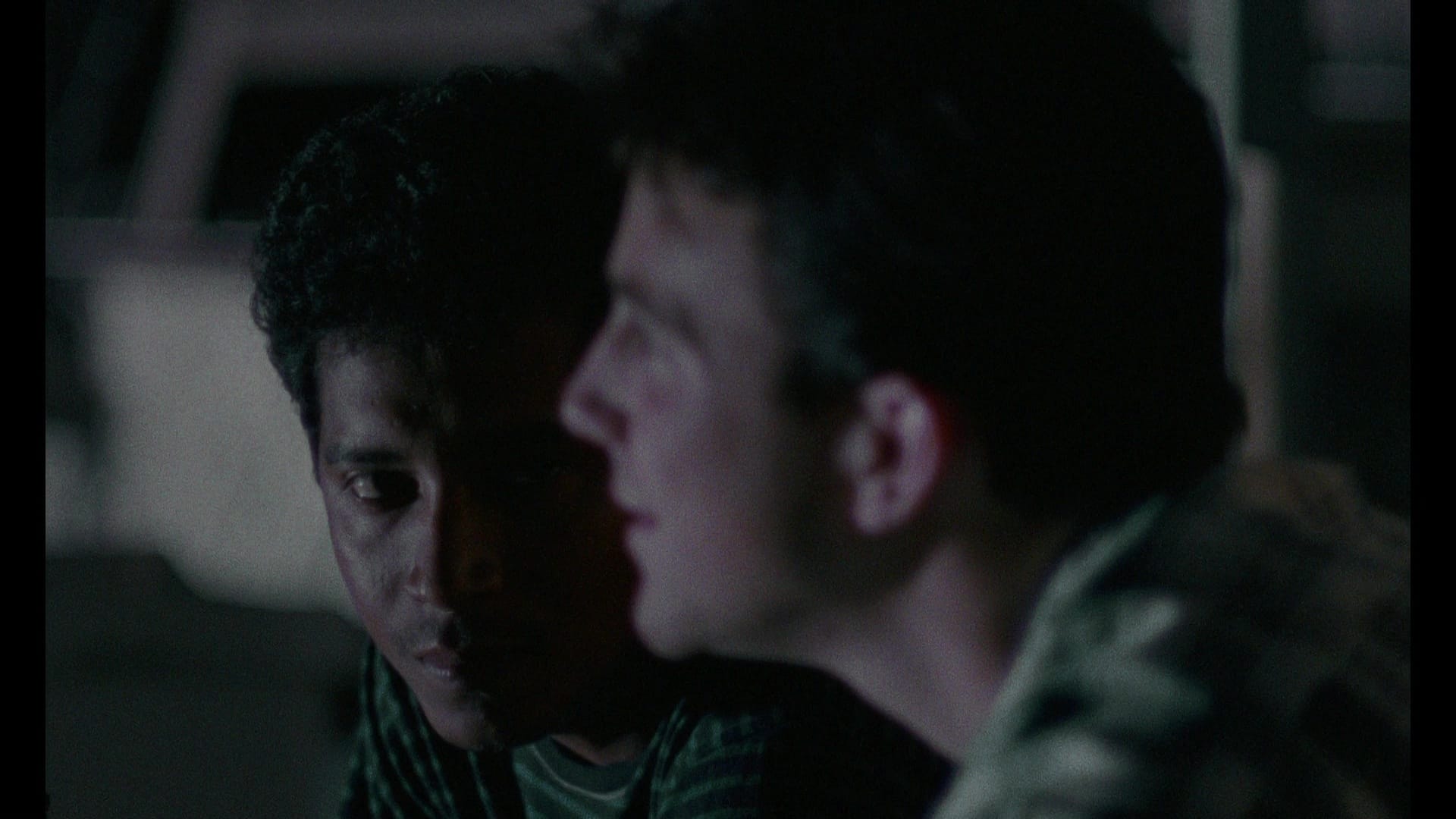
In the new essay included in the booklet, critic and curator Michael Koresky notes that The Delta “is perhaps not as widely remembered as other New Queer Cinema cornerstones,” suggesting that may be because its intersectional narrative is darker and more complicated than its contemporaries. I suspect it might also be the result of Strand Releasing’s home-video presence being somewhat smaller than other distributors at the time; once The Delta was off the festival circuit, it became a lot harder to find than some of those others. Either way, Criterion’s disc is an excellent way to put Sachs’ film back into the conversation.
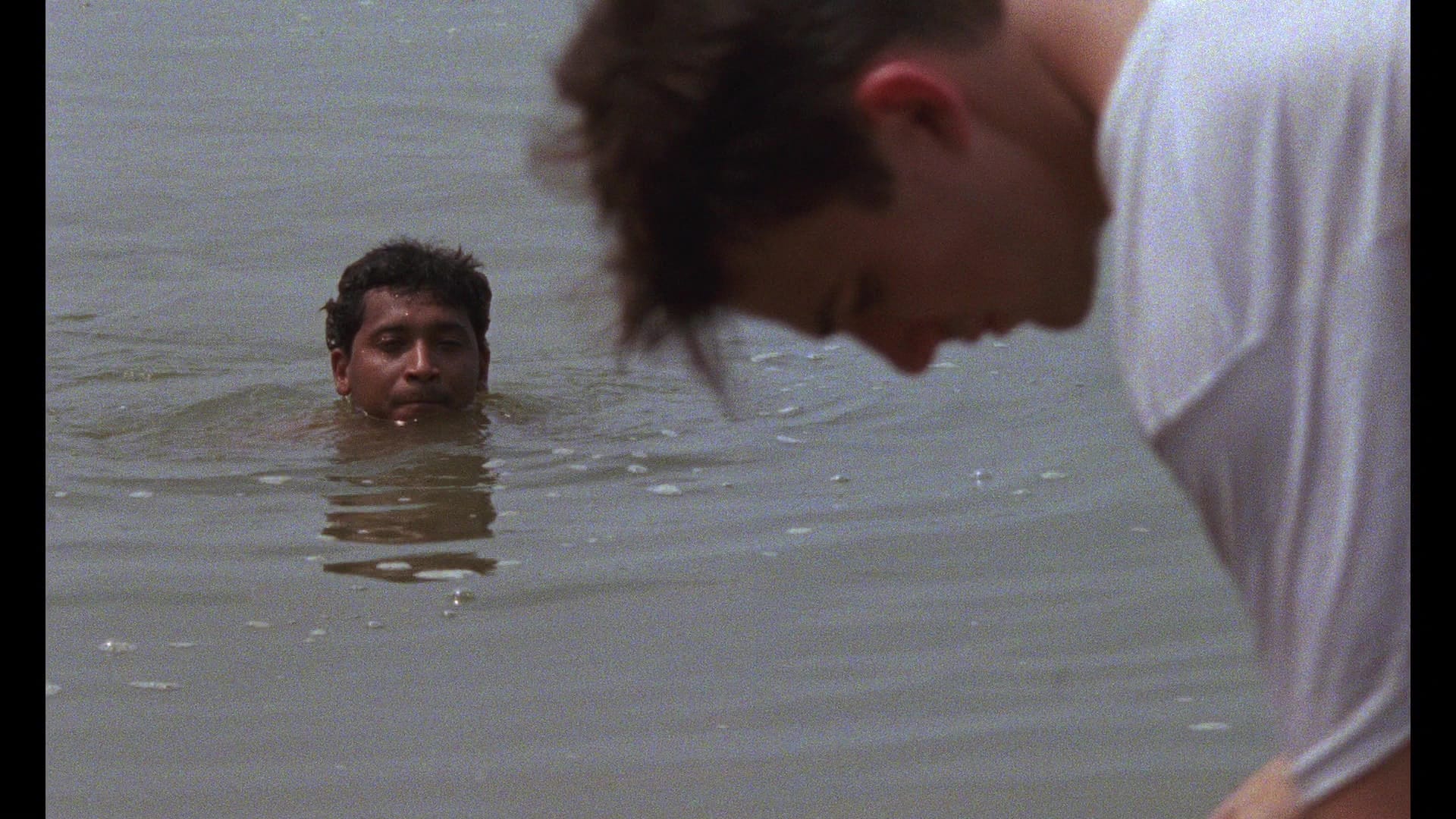
Certainly, Koresky is right that The Delta is a rich text, exploring the layers of identity, race and class that exist between upper-middle-class teen Lincoln (Shayne Gray) and mixed-race, less comfortable Minh (Thang Chan), whose spontaneous hookup has unexpected repercussions on both of their lives. Lincoln, who’s trying to sublimate his sexuality with a sort-of girlfriend, Monica (Rachel Zan Huss), finds himself drawn back to Minh; the slightly older Minh, whose Blackness isolates him within his Vietnamese community, seems equally attracted to Lincoln in spite of the kid’s clearly conflicted nature. The heart wants what the heart wants, right? Up to a point, anyway.
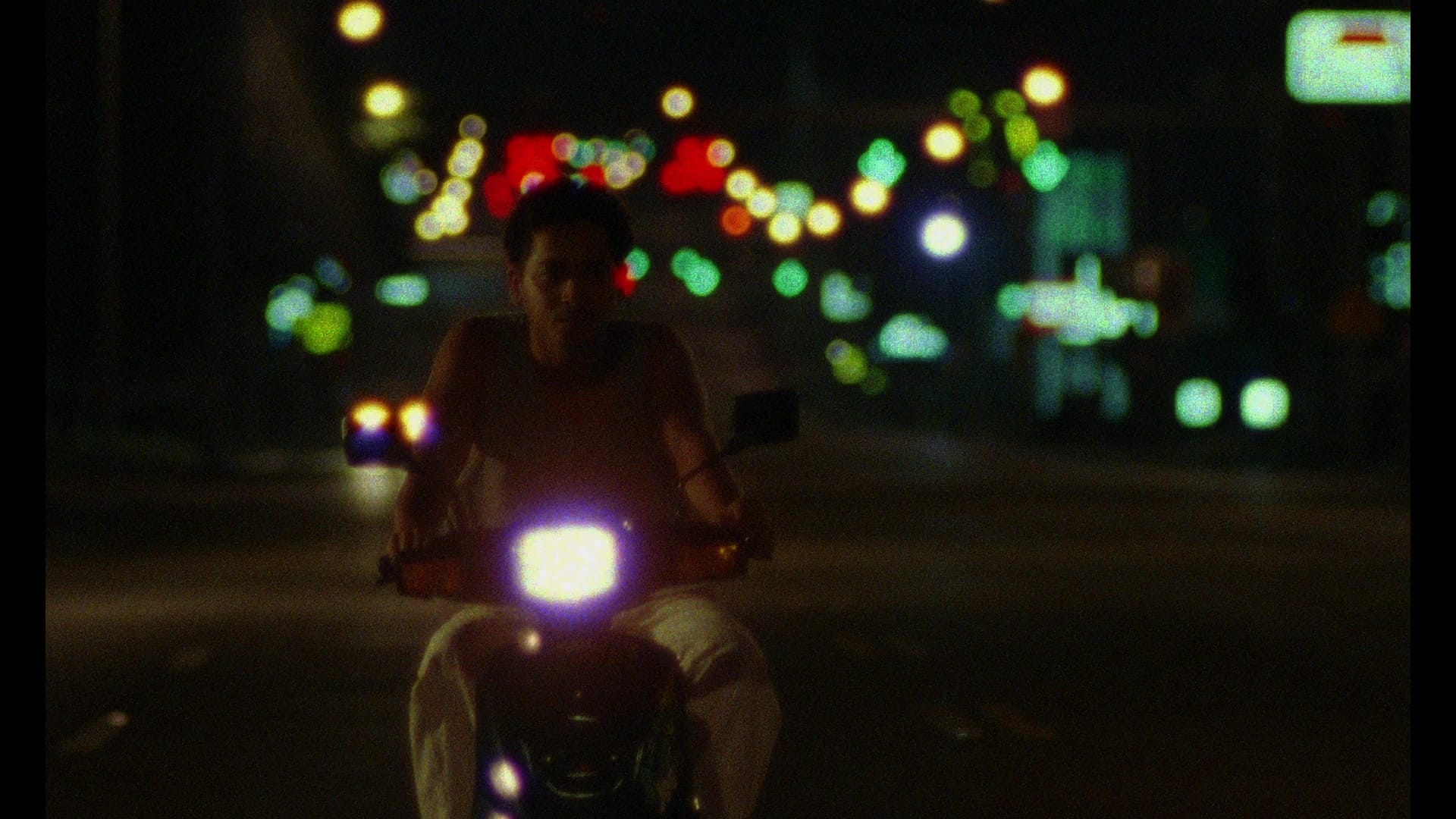
Criterion’s special edition of The Delta supplements a beautifully grainy 2K restoration of the feature with the audio commentary Sachs recorded for Strand’s DVD release in 2001 and a new conversation between the writer-director and critic Keith Uhlich, who is maybe the single best person I can think of for that job – they have a similar thoughtfulness, if that makes any sense. We also get two of Sachs’ early shorts, Vaudeville and Lady, which are tonally very different from his features but share his disarmingly casual mise-en-scene. Like I said, he was always this good.
Speed Racer is now available in 4K from Warner Bros. Discovery Home Entertainment; George Stevens: A Filmmaker’s Journey is now available in a 4K/Blu-ray combo in the Warner Archive Collection. The Delta is now available on Blu-ray in the Criterion Collection.
Up next: New releases! So many new releases! The Bride! Nirvanna the Band the Show the Movie! Sirāt! How to Make a Killing! Twinless! And If I Had Legs I’d Kick You, again! But first, paid subscribers can look forward to tomorrow’s What’s Worth Watching, featuring my reviews of The Mandalorian and Grogu, Maximum Pleasure Guaranteed and Silent Friend. Not on the paid tier? Just upgrade! It’s a cinch, really!