
Out of the Past
In which Norm finally experiences THE HAUNTING OF JULIA, and catches up to a couple of essential Imprint boxed sets.
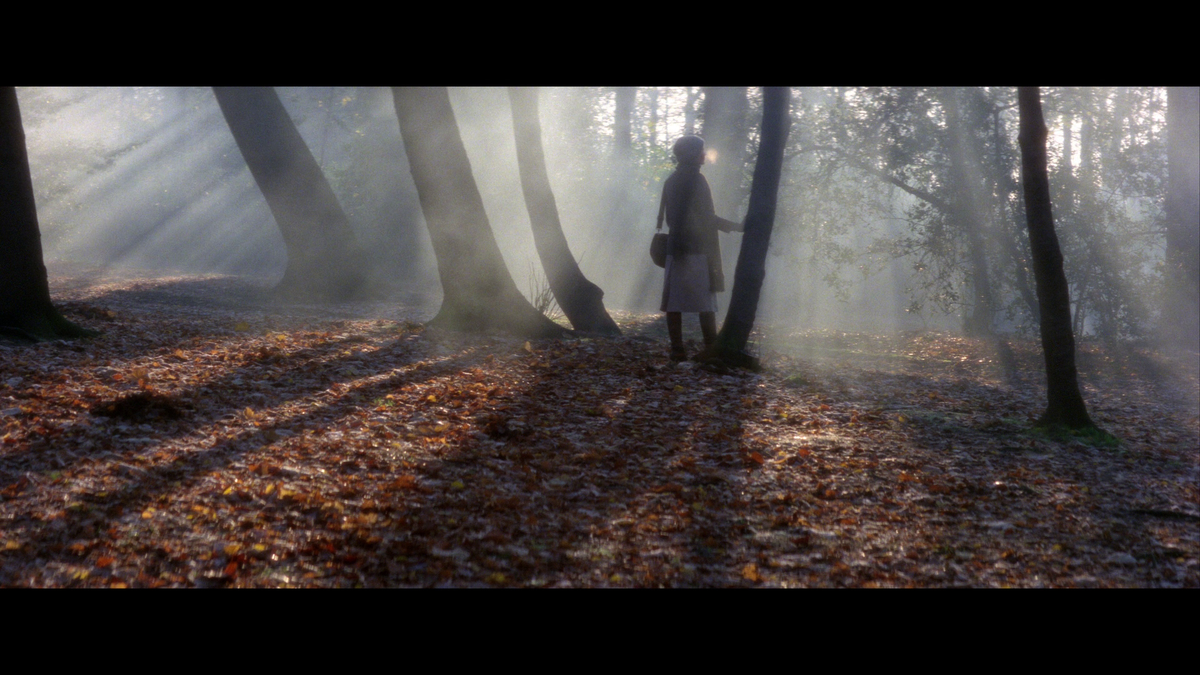
Until this week, I’d never seen The Haunting of Julia. Or at least I’d never seen it in its entirety. I have vague memories of watching Mia Farrow stand forlornly in a playground, and Keir Dullea wander through a London townhouse, either from TV spots in the late ’70s or snippets of pay-TV in the early ’80s, because I grew up in Toronto and Richard Loncraine’s ghost story was partially funded with Canadian tax-shelter money – which meant Canadians were more likely to stumble across the movie (under its alternate title, Full Circle) than people living anywhere else. I’m also sure I handled the VHS release of the film a number of times in my video-store days, though I never actually took it home myself. And that cassette was the only version of the film ever released for home viewing … again, until this week.
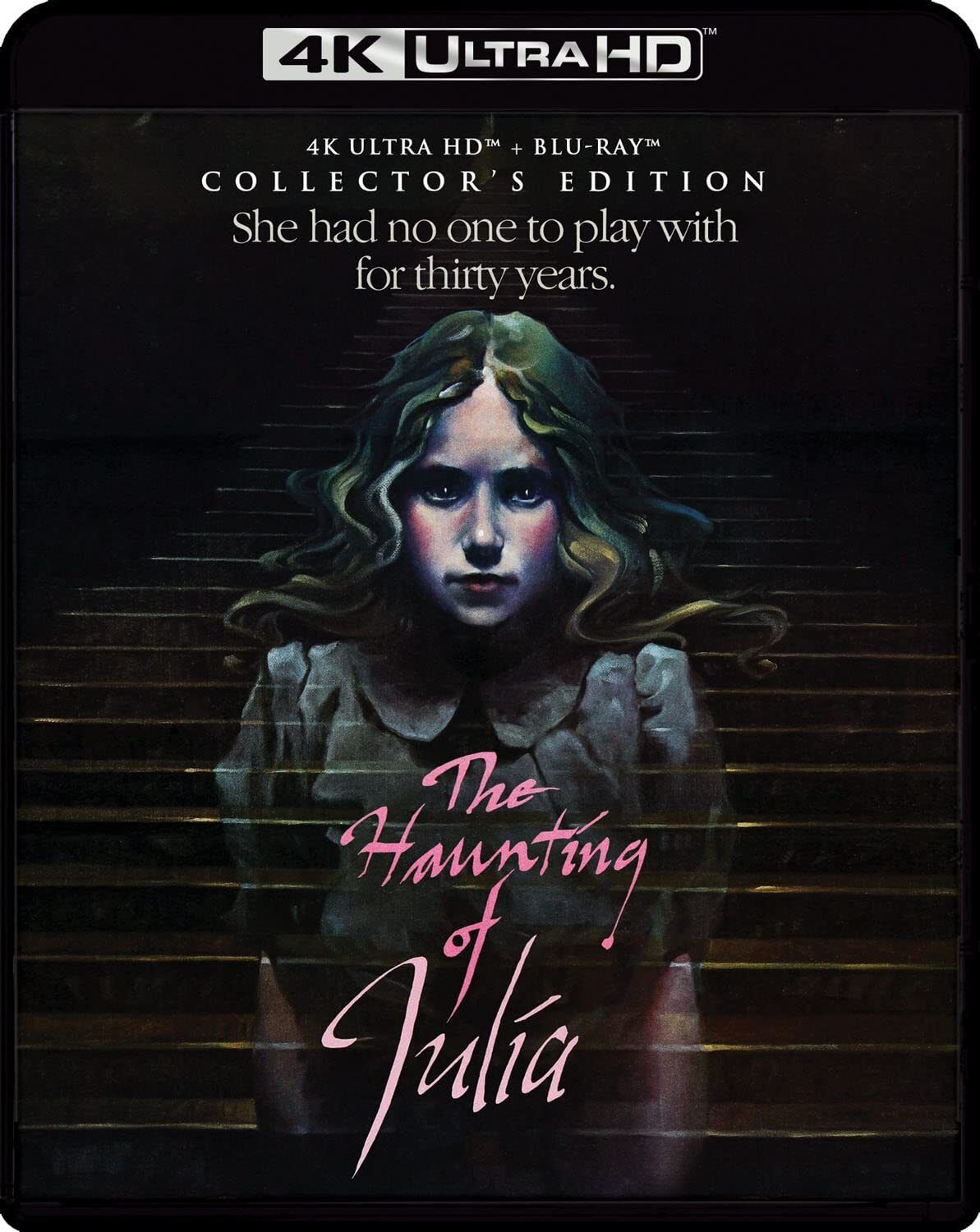
Because – thanks in large part to its very obscurity – The Haunting of Julia has a following. People who remember being creeped out by it as impressionable children have spent decades campaigning for the film’s restoration, determined to place it alongside Rosemary’s Baby and Don’t Look Now in the horror canon. And they do have a case: An adaptation of Peter Straub’s novel Julia, about a woman whose grief over the sudden death of her young daughter compels her to explore the possibility of contacting her in the afterlife, and built around a complex, anguished turn from Farrow, it’s certainly worth a look – and a new 4K restoration produced for the BFI gives us the ideal opportunity.
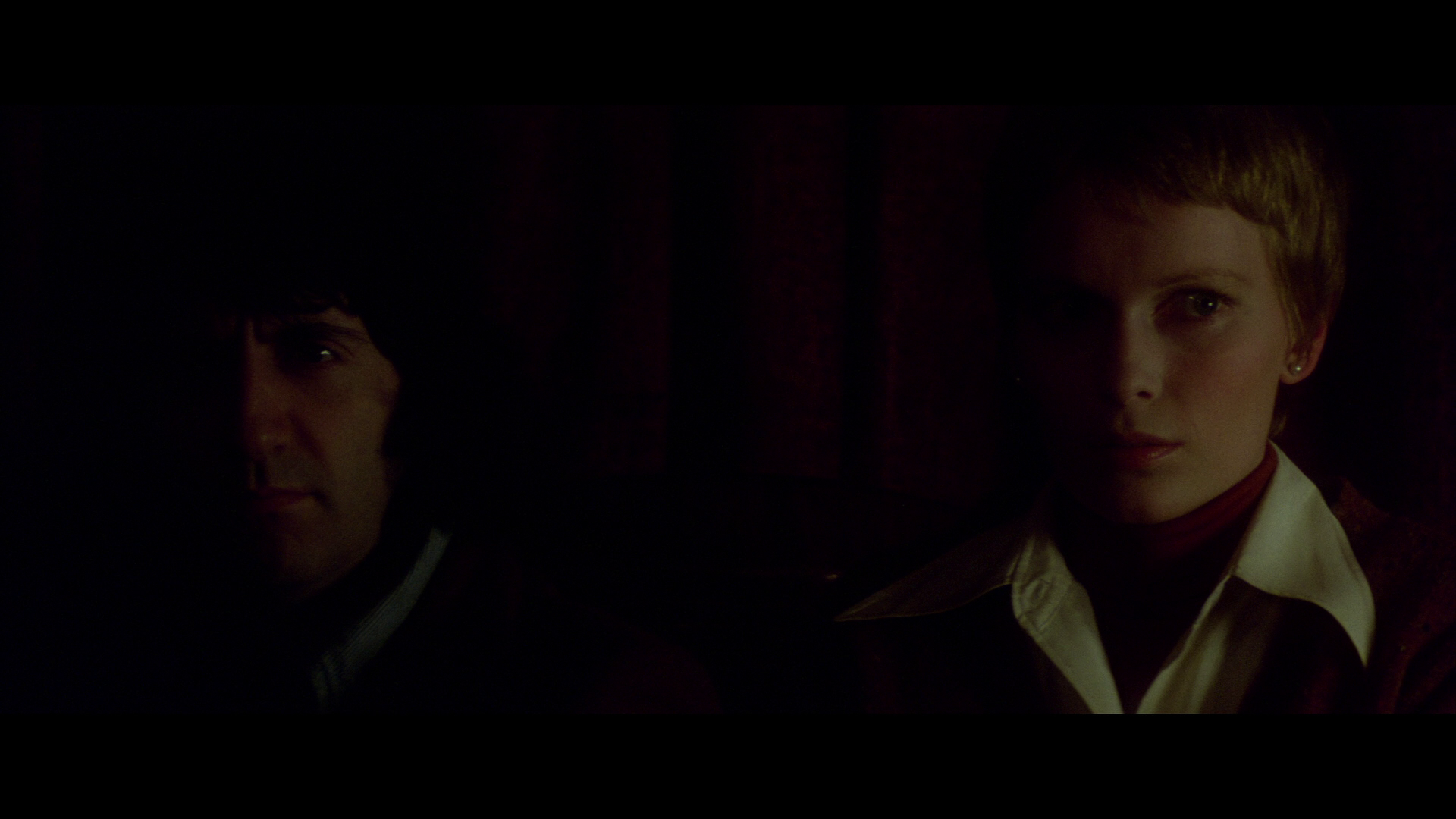
Does it live up to its reputation? Well, yes and no. It’s not really scary, or even especially creepy; much of the spookiness of The Haunting of Julia is built around the idea of people very reluctantly revisiting past traumas, which can be very intense on the page but on screen can come across as rather flat; without a cinematographer who understands style, you end up with actors trading monologues over tea. And The Haunting of Julia, which was rushed into production to meet a fiscal-year requirement, did not have a lot of time for style.
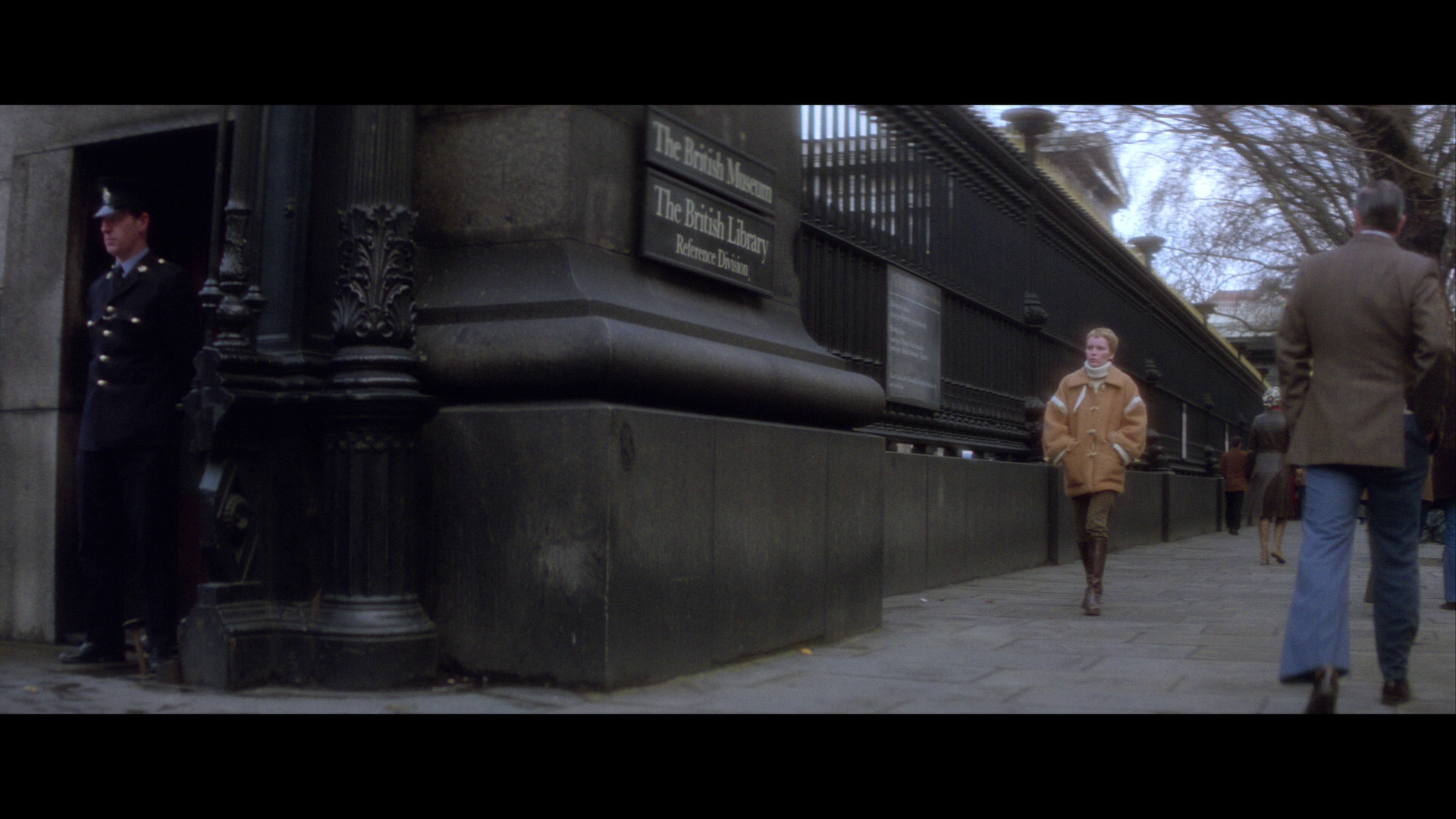
That said, there’s something about its quotidian aesthetic that does disturb; the idea of daylit London locations holding unspeakable secrets Farrow’s Julia can’t quite grasp – and which she may be making far worse by disturbing them – picks at the brain, making every environment feel slightly menacing. The charmingly cluttered junk shop run by Julia’s pal Mark (Tom Conti, in one of his very first roles) is the only place that feels safe from both spirits and Julia’s husband Magnus (Dullea), whom she flees after their daughter’s death and whose character is perhaps the most frustrating thing about the film.
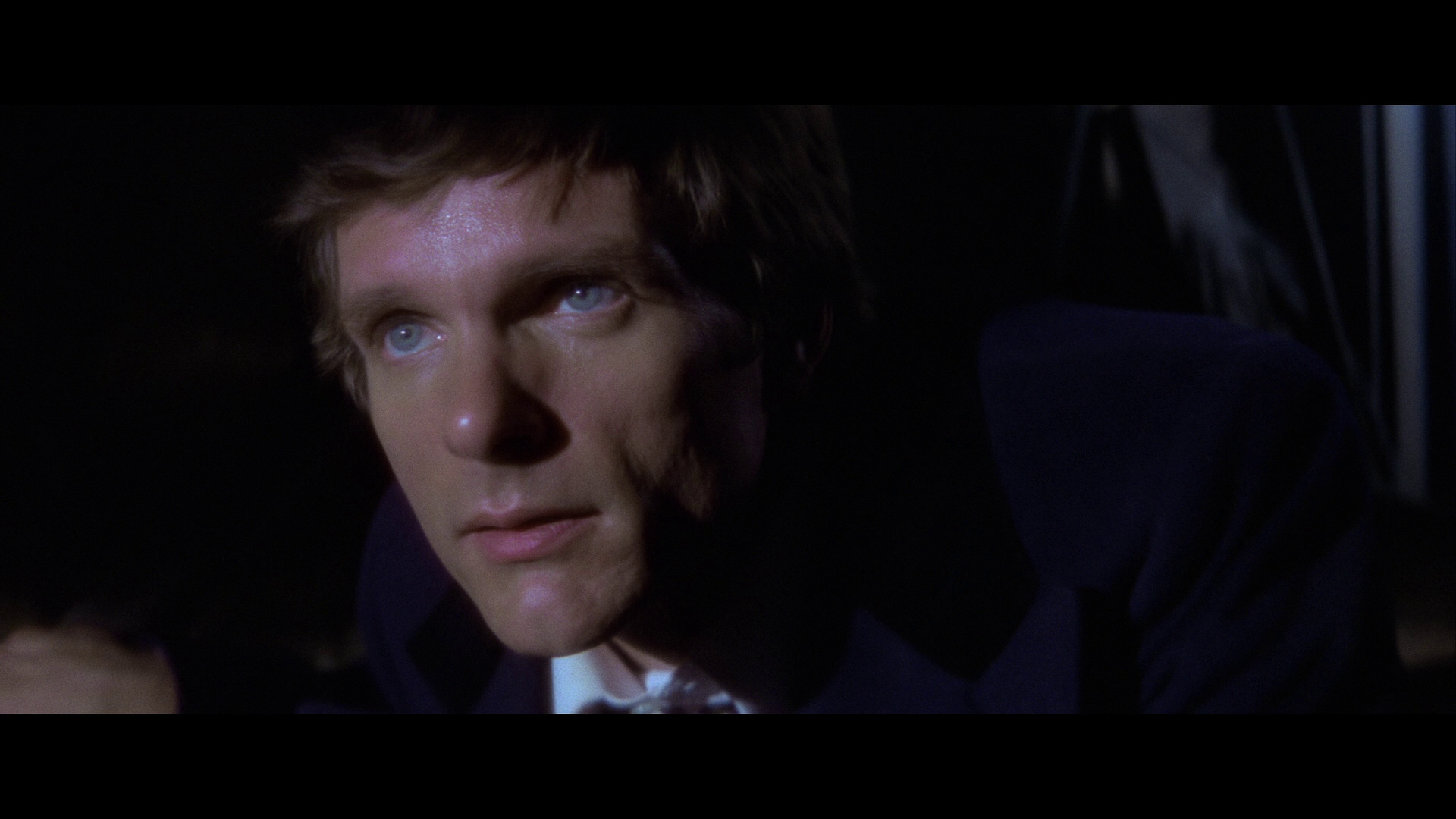
Although we’re repeatedly told he’s abusive and controlling, Magnus just comes off as stuffy and mildly insensitive, Dullea seemingly more annoyed by his wobbly accent than anything that’s going on in the story. At least Loncraine and his producers realized the character’s pointlessness, cutting him out of the back half entirely and shooting a new scene to explain Magnus’ absence – which, as it turns out, is one of the scenes that made such an impression the first time around.
It's also a good choice, because this really is Julia’s story – and Farrow’s confusion and fragility makes us feel for her even as the machinery of the plot starts closing in. As Julia becomes obsessed with the story of a child who may have died in the South Kensington townhouse she’s just moved into, Loncraine gives Farrow the time to play the character’s grief and isolation, the ambiguity of the situation pushing Julia further and further into an anxious search for clarity. And she does get her answer, in a final sequence that feels awfully derivative of a certain other English horror film of the era … but if you were too young to see that, and saw this instead, it’d probably stick with you.
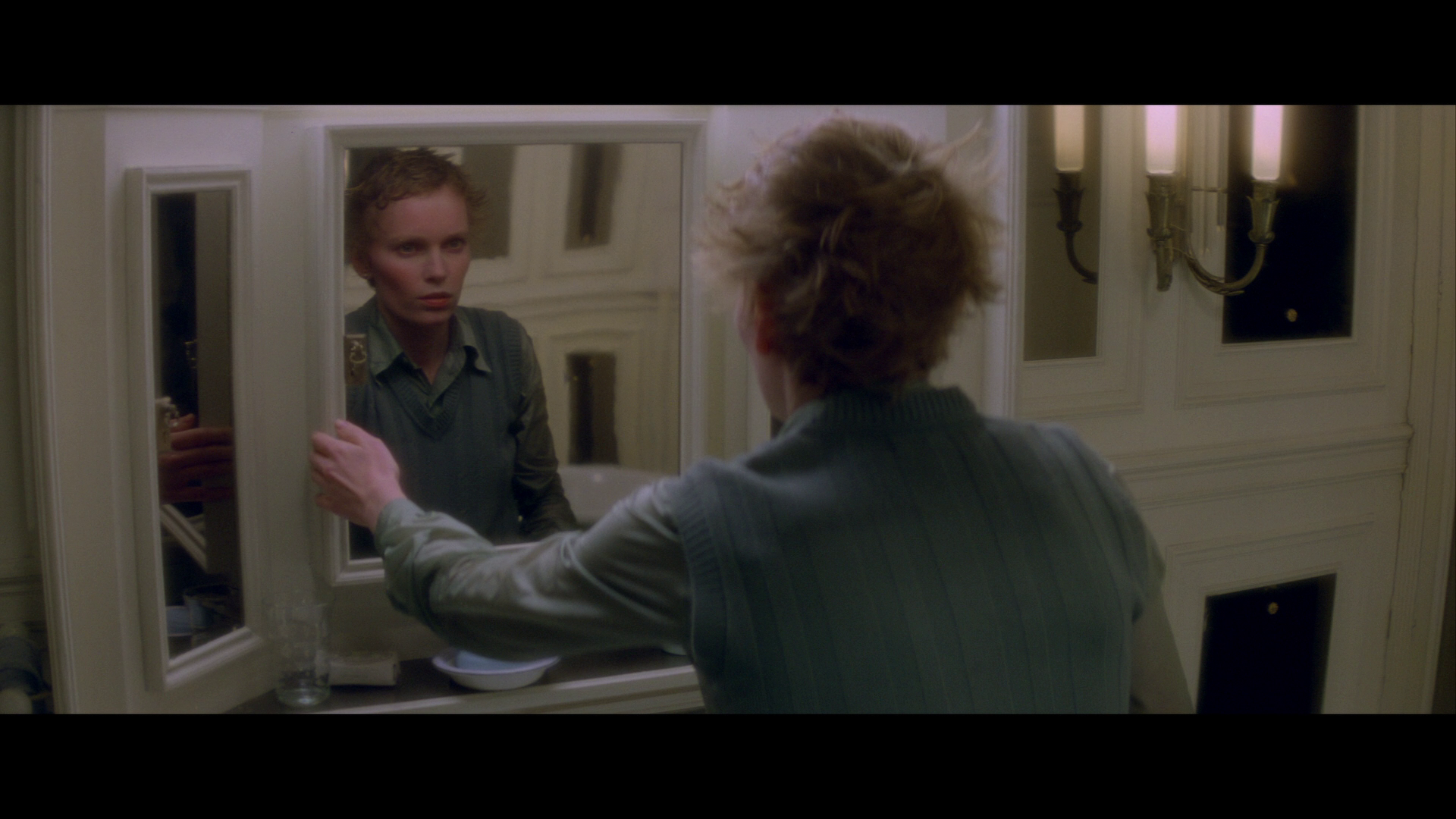
Weirdly enough, the derivative nature of The Haunting of Julia is now a big part of its appeal: Like John Frankenheimer’s Black Sunday, which we revisited a few weeks back, it’s a fascinating snapshot of the kind of project producers found appealing at the time, chasing the same occult sizzle (and box-office returns) of the aforementioned Polanski and Roeg pictures on a much lower budget. Farrow even wears the same hairstyle she sported in Rosemary’s Baby, the better to remind us of past frissons.
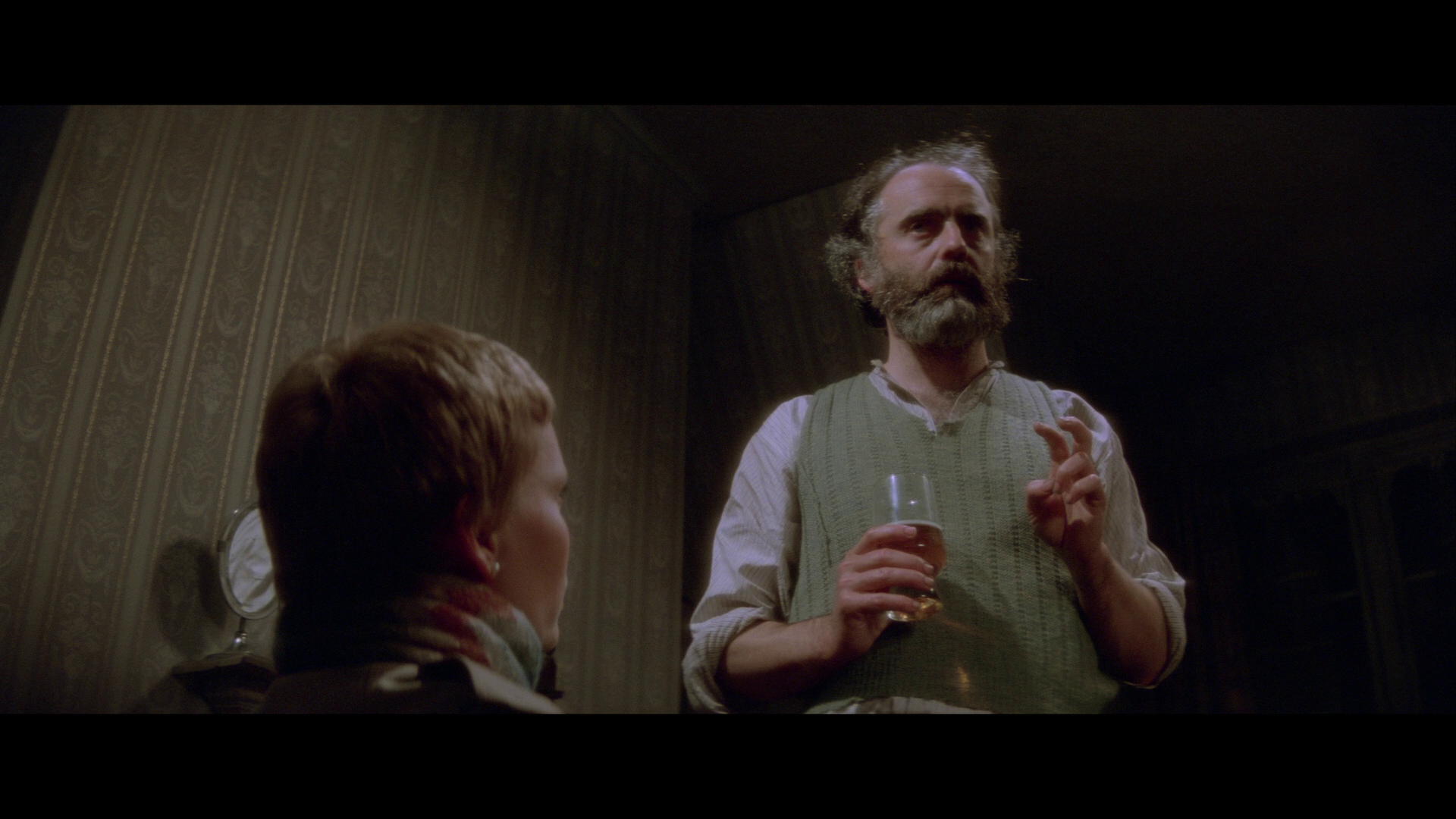
Without the money for elaborate effects, Loncraine builds tension on the collision of British propriety and the unexplainable, which is interesting, and though he couldn’t quite manage jump scares, he creates a few jolts through editing, with quiet scenes suddenly interrupted by the blaring noise of street traffic or a playground. It’s not exactly scary – I can’t argue for it as a lost classic or anything – but a case could be made that Peter Medak’s The Changeling wouldn’t exist without it, and not just because they were both Canadian tax-shelter ghost stories made by Englishmen with American stars. Though I’m sure that didn’t hurt.
Anyway, to the most important bit: If you do want to catch up to The Haunting of Julia, that 4K restoration is now available in an excellent 4K combo edition from Shout! Factory in North America, which includes a UHD presentation of the film and a companion Blu-ray sporting contemporary interviews with actors Tom Conti and Samantha Gates, a tour of the London locations with self-proclaimed “Full Circle anorak” Simon Fitzjohn and a celebration of the film by Mark Kermode. (Both platters supplement the feature with an introduction by Loncraine and an audio commentary with the director and Fitzjohn.)
These extras were produced for the BFI’s own 4K release, which offers another hour or so of additional material including new interviews with Loncraine and composer Colin Towns; there’s also a limited edition Blu-ray coming out next month from Via Vision’s Imprint label that includes a few exclusive extras of its own, including a bonus CD of Towns’ score – so yes, there’s a lot of interest in this movie. It’s kind of wonderful, even if it doesn’t quite live up to its legend.
And speaking of Imprint, the all-region Australian label has been rolling out some really terrific discs in recent months – with which, thanks to the unpredictability of international shipping, I have only just been catching up. As that Calvin kid once said, there’s treasure everywhere. And a lot of it is still in print!
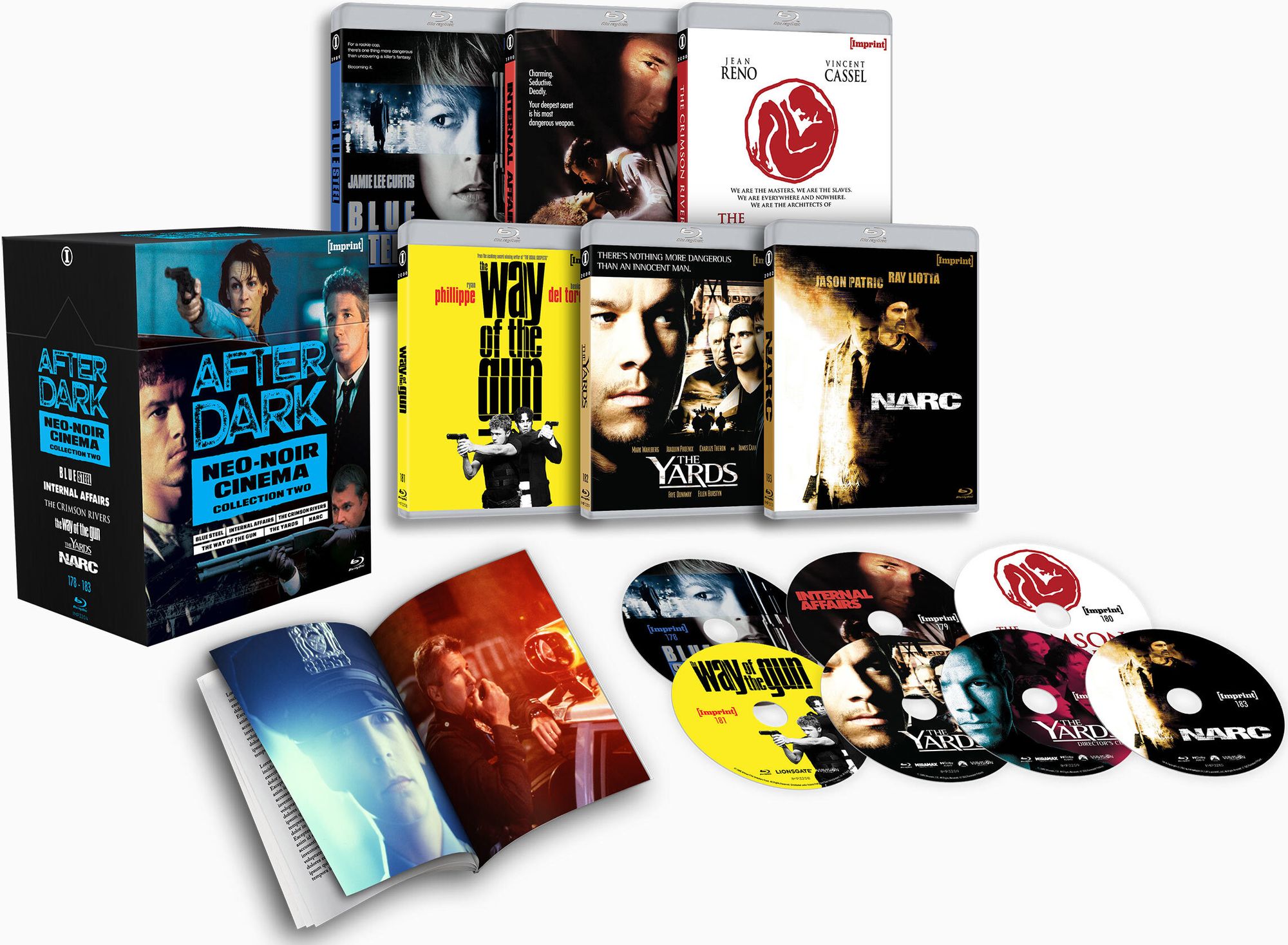
Consider the second volume of the After Dark: Neo-Noir Cinema Collection, which follows Imprint’s terrific first set (which I reviewed here) by rescuing six more films from the ignominy of catalogue limbo: Kathryn Bigelow’s Blue Steel, Mike Figgis’ Internal Affairs, Mathieu Kassovitz’ The Crimson Rivers, Christopher McQuarrie’s The Way of the Gun, James Gray’s The Yards and Joe Carnahan’s Narc. Spanning more than a decade of the genre and offering a range of stylistic approaches to pulpy subject matter, this is a set that also quietly reflects the way home-video propelled each one of these movies to a life after theatres. There’s also a nice little rhyme of having Narc in this set, when the previous set featured Jason Patric’s first stab at playing an unstable cop in Rush. Full circle, man!
Your affection for these titles may vary, but I’m betting everyone will see at least two or three films in here that they consider essential; I’d have bought the box for the first 1080p presentation of Blue Steel all on its own, and the inclusion of both cuts of The Yards is a gift – especially since they’re both offered in scope, unlike the domestic releases that cropped the theatrical cut to 1.78:1.(Imprint’s website mistakenly lists the director’s cut as being framed at 1.78:1 in this set, but it’s a type; both versions of the film are here with their glorious, moody anamorphic sprawl intact.)
Archival supplements are included for all six features – The Yards even rescues the insightful audio commentary Gray and Steven Soderbergh laid down for a Miramax special-edition DVD, in addition to the solo track Gray recorded for an earlier disc – and new special features have been produced for all but The Crimson Rivers, which replicates the very comprehensive suite created for a two-disc French DVD set right down to the DVD-ROM content.
Blue Steel offers new interviews with editor Lee Percy and production designer Tony Corbett, Internal Affairs catches up with Figgis and screenwriter Henry Bean, The Yardshas new interviews with Gray and production designer Kevin Thompson and a career-spanning conversation with co-star Ellen Burstyn, and Narc rolls out new interviews with Carnahan, stars Jason Patric and Ray Liotta (aww) and composer Cliff Martinez – again, in addition to copious material produced for earlier DVDs.
Really, if you like any three of these movies this set is worth grabbing. And you get all the other stuff along with them, packaged in that signature Imprint hardbox along with a booklet with essays on Internal Affairs, Narc, The Yards and The Way of the Gun. Take a gamble!
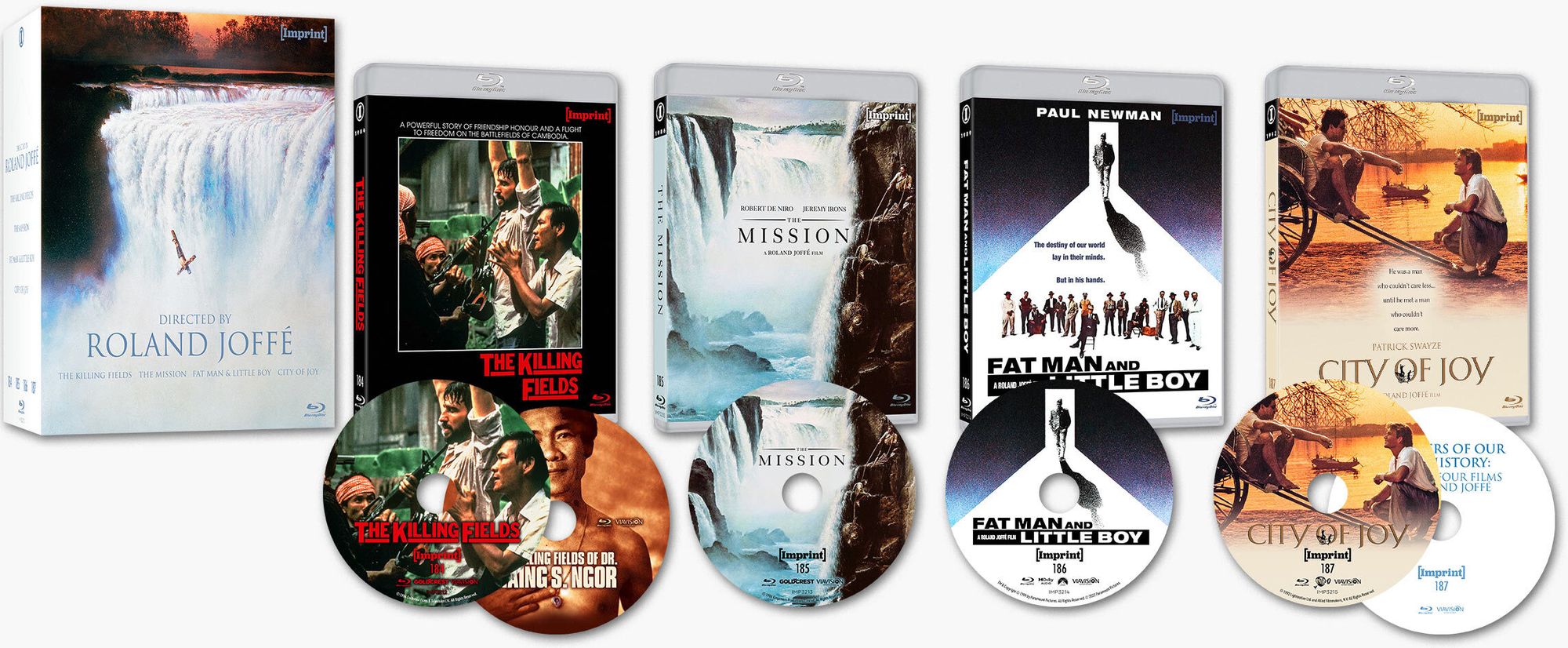
Now, the Directed by Roland Joffé set, that’s a different gamble: Odds are you already know whether or not you like the English filmmaker’s moral dramas, which use a sort of bombastic humanism to immerse us in far-flung stories of good people confronted with challenges to their bodies and souls. Imprint collects Joffé’s first four features – The Killing Fields, The Mission, Fat Man and Little Boy and City of Joy in a six-disc box that argues for his importance as a key auteur of his era – and honestly, they make a pretty good case.
I mean, The Killing Fields? Stone classic with a structure that subverts the standard white-savior narrative by stranding us in Phnom Penh with Dith Pran (Haing S. Ngor) rather than following Sydney Schanberg (Sam Waterston) back to America. The Mission? A beautiful study of faith and endurance. Fat Man and Little Boy? A morally complex drama about good men working to build a weapon that inflicts incalculable suffering. City of Joy? Well, um, the location work is really impressive, and Patrick Swayze tries his best.
One gets the sense City of Joy is included here because Joffé really wants to rehabilitate its reputation – and though I doubt that’s going to happen, the disc does come packaged with a bonus Blu-ray, Prisoners of Our Own History: The First Four Films of Roland Joffé, that lets him make his case.
Produced and directed by Daniel Griffith for this collection, it’s an 85-minute documentary with Joffé discussing each project in chronological order, stitching together a career while always being sure to share creative credit with his collaborators. Imprint being Imprint, the disc also includes a deleted scene from the doc, with Joffé reminiscing about being asked to sign a VHS tape of City of Joy years later in Cannes by a young woman who believed the film saved her parents’ marriage.
And that’s not the only feature-length supplement included in the set: The Killing Fields disc gets its own companion platter, The Killing Fields of Dr. Haing S. Ngor, Arthur Dong’s 2015 documentary about the life and tragic death of the Oscar-winning actor. That’s also where you’ll find a good three hours of additional Killing Fields extras, including a 1984 episode of the UK news program Omnibus about the making of the film, lengthy interviews with David Puttnam, Joffé and screenwriter Bruce Robinson recorded in 2005 for the Optimum Releasing DVD and 1984 TV appearances with the real Dith Pran and Sydney Schanberg and their on-screen counterparts.
All four features look terrific. Though Via Vision’s spec lists offers just a generic “1080p high-definition presentation” classification for the first three while noting City of Joy has been mastered from a new 4K scan, The Killing Fields and The Mission look a little sharper and richer than they do on the existing Warner BDs. The Killing Fields seemed brighter to me, while the foliage and mists of The Mission have more density and tactility. This is the first time I’ve encountered either Fat Man and Little Boy and City of Joy on Blu, but they both look great: Fat Man betrays its age only in a couple of clumsy opticals – you know the ones, I’m sure – while Peter Bizou’s incongruously romanticized images in City of Joy are represented accurately, for good or ill.
The discs also pile on the supplements considerably, bolstering existing commentaries and EPK featurettes with new interviews with cast and crew from all four films. Cinematographer Chris Menges discusses The Killing Fields and The Mission on their respective discs; Dwight Schultz gets a little attention after seeing his performance as Robert Oppenheimer overshadowed by the bigger swings of Paul Newman, John Cusack and Laura Dern in Fat Man and Little Boy, and City of Joy’s Art Malik discusses his experiences on that picture. (An interview with Julian Sands about his work on The Killing Fields can’t help but carry a sting now, the actor having disappeared in the San Bernadino mountains earlier this year.)
Bottom line? I know at least one of the people reading this will want this set, if he hasn’t ordered it already. (Mike, get on it; it’s even on sale this week.) As for the rest of you, think about it. Hard.
The Haunting of Juliais now available in a 4K/Blu-ray combo edition from Shout! Factory; Imprint’s After Dark: Neo-Noir Cinema Collection Two and Directed by Roland Joffé sets are available to order from the Via Vision shop, and also I’ve heard Bay Street Video imported a few copies.
Coming up next week: M3GAN. And some other stuff, too.