
Parental Guidance Available
In which Norm spins up the new 4K editions of AUNTIE MAME, THE PEOPLE VS. LARRY FLYNT and ARE YOU THERE GOD? IT'S ME, MARGARET.
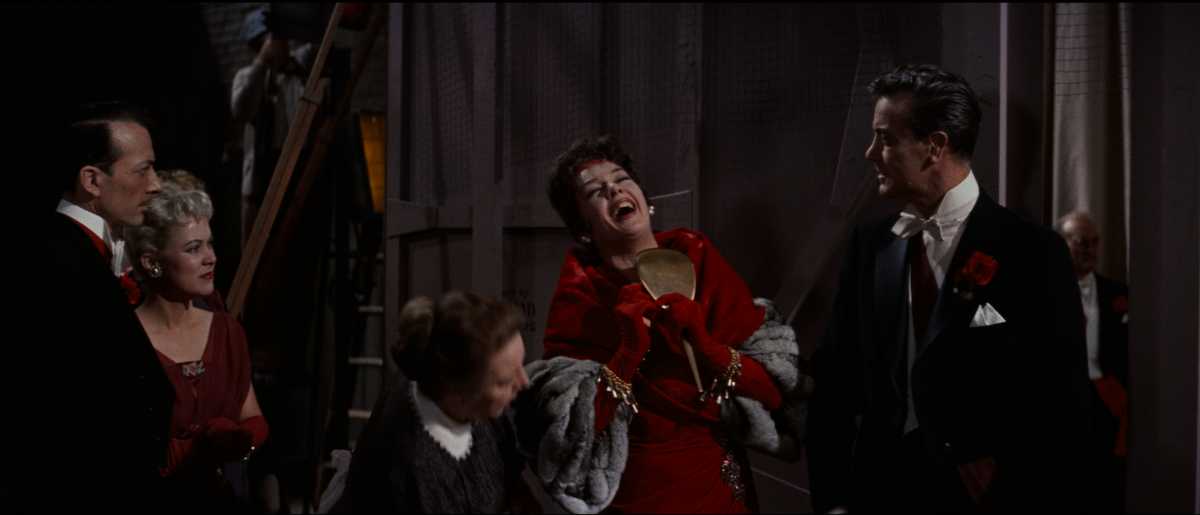
Back to the catalogues, people! We’ve got three films left in the August stack, and weirdly enough all of them are period pieces about larger-than-life characters – though the similarities end after that.
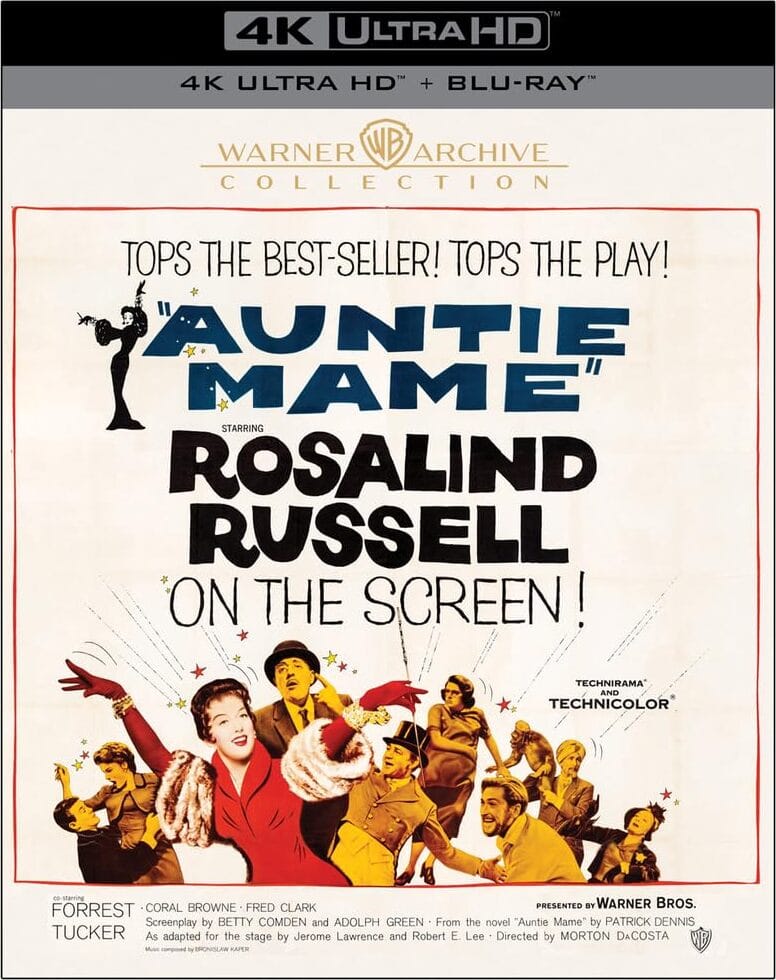
Let’s start with Auntie Mame, a stunner from the Warner Archive Collection that I didn’t even know was coming until last month, when the 4K restoration popped up in a list of available titles. Either I’m missing every other press release – I only just learned their 4K edition of Out of the Past arrives on the 15th – or they’re ramping up production in anticipation of the Skydance acquisition. And maybe that’s the best move: WAC’s also scheduled 4K restorations of Ryan’s Daughter and Horror of Dracula for October and The Man Who Would Be King for November/December, so gather ye rose-buds while ye may.
I’d never seen Auntie Mame, and if I’m being honest I probably spent most of my life confusing it with the Lucille Ball musical Mame, which came out when I was a kid. But that movie was based on this movie, or at least – deep breath – on the Broadway musical that was adapted from Morton DaCosta’s 1958 comedy, itself based on a 1956 Broadway adaptation of the 1955 novel by Edward Everett Tanner III, writing as “Patrick Dennis.”
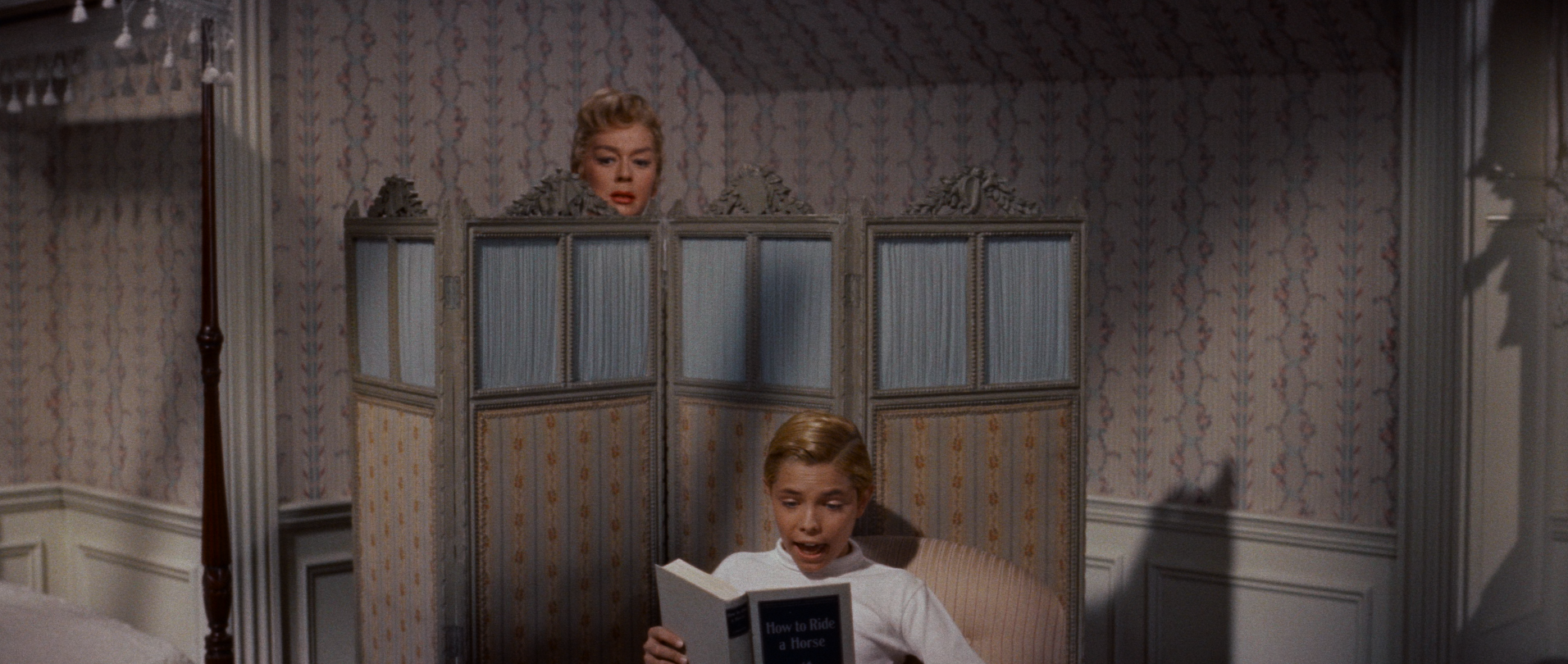
Patrick Dennis was also the name of the book’s narrator, an orphaned lad sent to live with his glamorous, indulgent aunt Mame in New York City circa 1928 … just before Mame loses everything in the stock-market crash. With Patrick packed off to boarding school by his stern guardian, the banker Dwight Babcock, Mame scrambles to find work and eventually regains her standing by marrying a wealthy oil man, doing her best to stay connected to Patrick despite their separation. Eventually they reunite, and Mame teaches the newly engaged Patrick some valuable lessons about not marrying into a family of antisemites.
... that took a turn, huh?
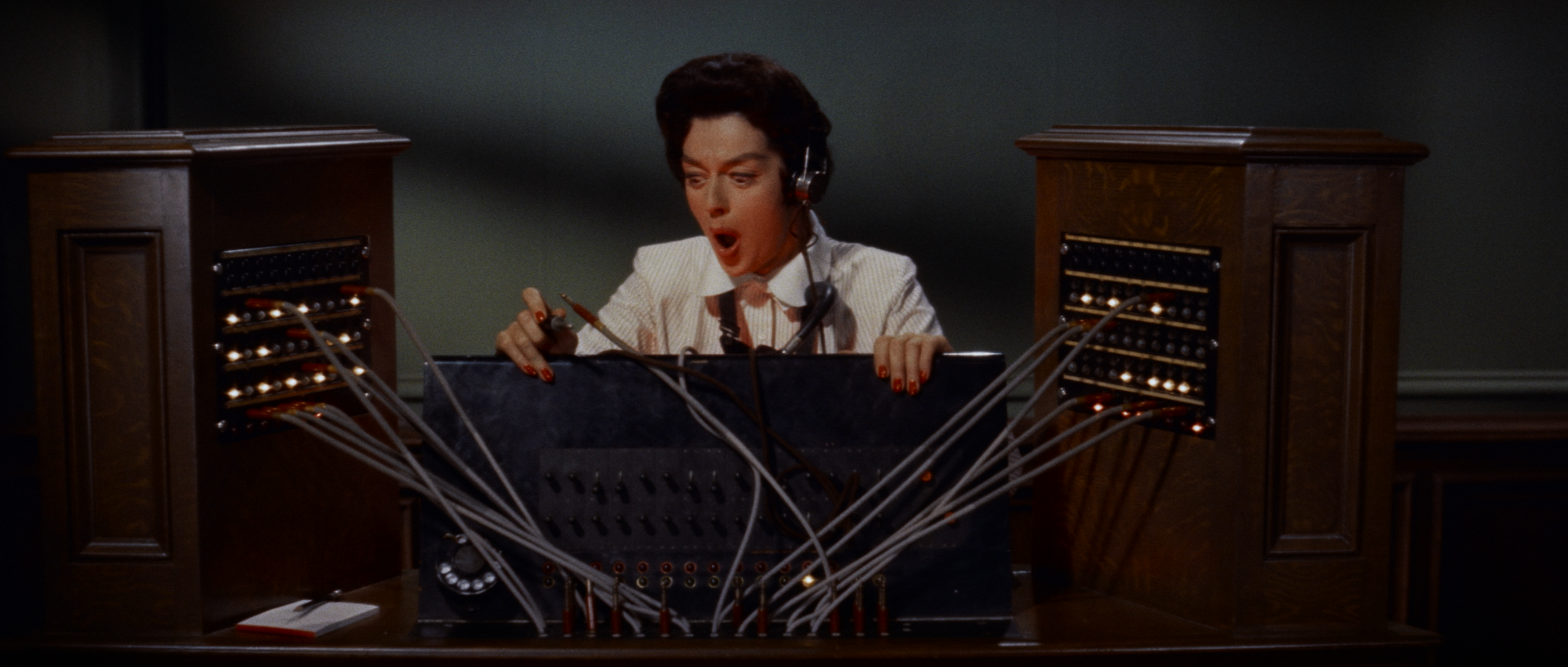
On the page, the stage and the screen, Auntie Mame is very much a product of its time, a nostalgic look about people surviving a terrible time in American history through a can-do attitude and gumption – and marrying a wealthy oil man, and having a banker for your guardian. Mame is an uninhibited socialite whose outsized Beekman Place personality is preferable to the stuffy, isolationist gentry who’ve ensconced themselves in their Connecticut enclave. Points to Tanner for inverting the big-city/heartland conflict, I guess.
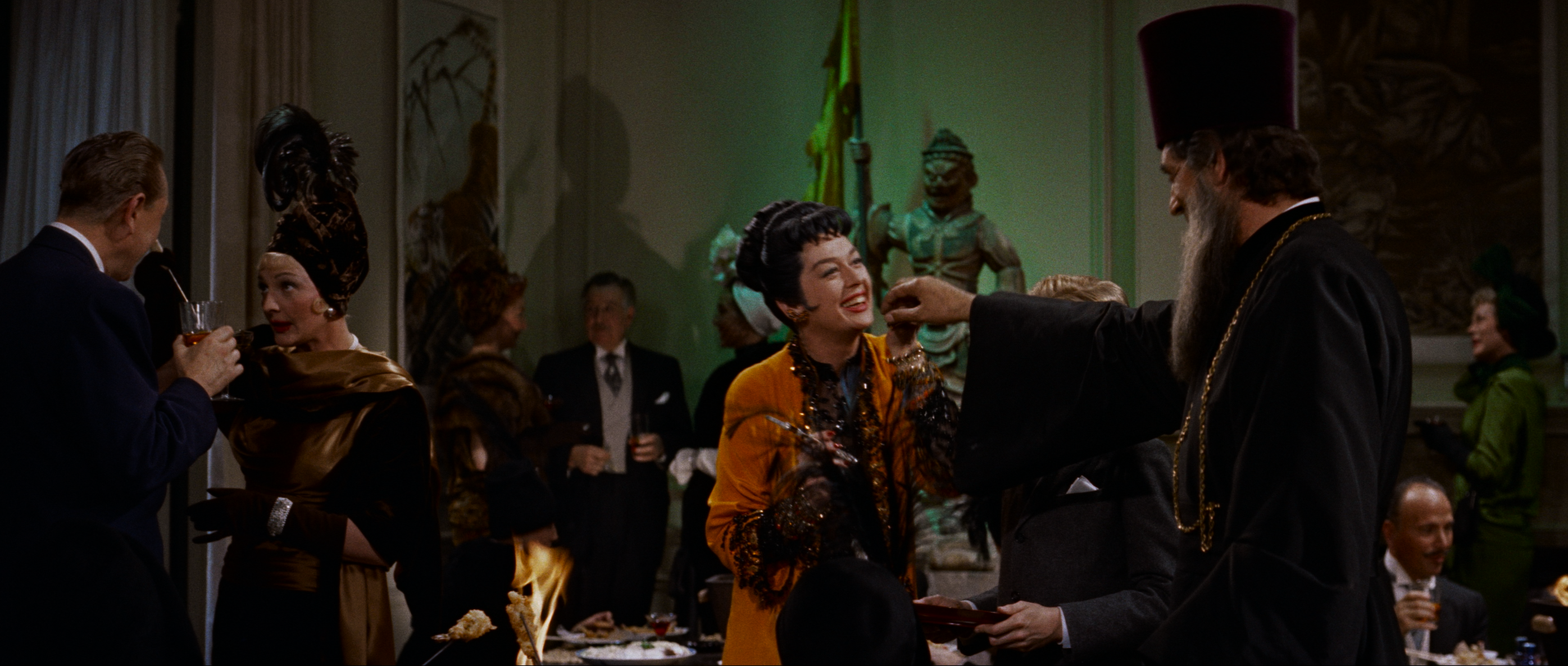
But Auntie Mame is also a product of its time in another, much more rewarding way, because the film was produced at the precise moment when the studios, terrified of losing audiences to their newfangled TV sets, countered by going big on pretty much every level. And so a fairly stagey play like Auntie Mame could be produced in Technicolor’s short-lived Technirama process – sort of an anamorphic version of VistaVision – and released with a running time of almost two and a half hours. And even when the film itself doesn’t quite feel worthy of event-cinema status, Rosalind Russell’s performance gets it there.
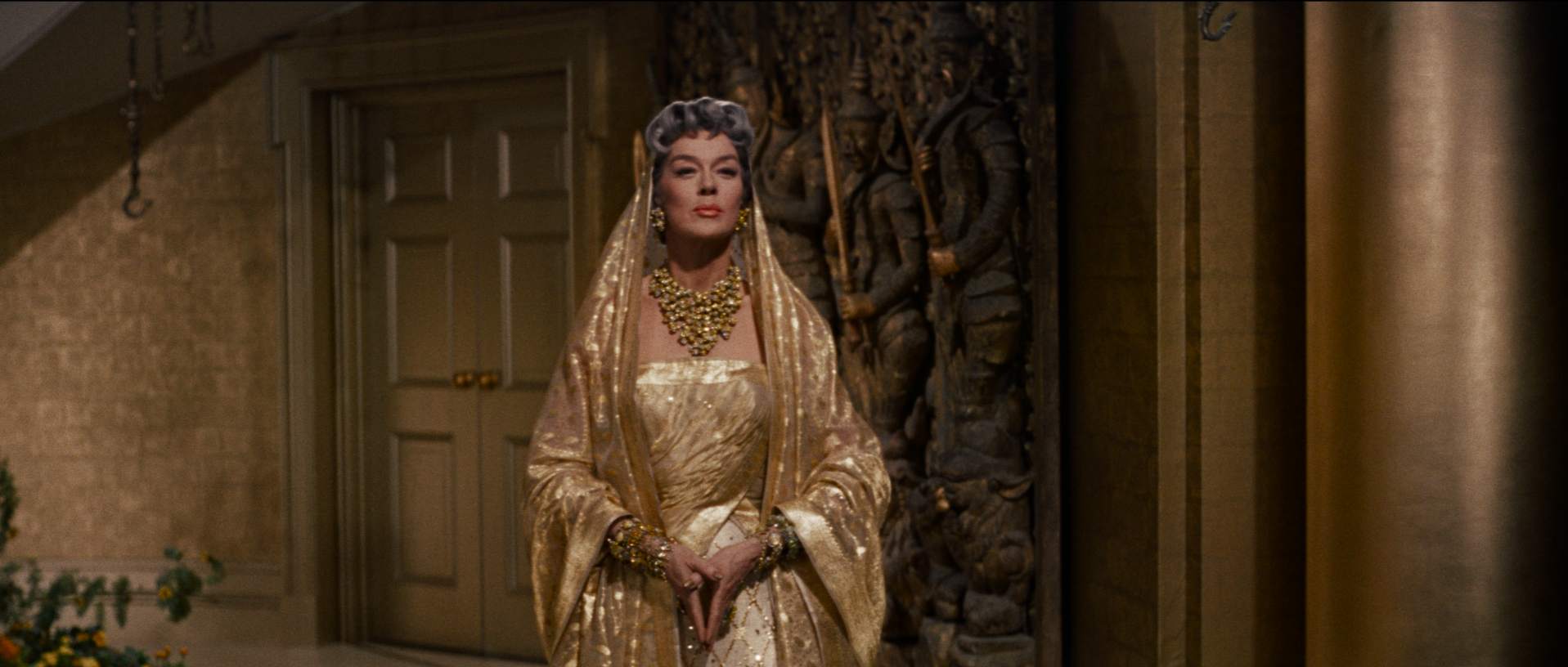
Russell had originated the role of Mame Dennis on Broadway, and I assume she played it even bigger and brassier than she does in the film, the better to reach the balcony. A unique comic dynamo who owned the screen regardless of her scene partners – she was Hildy Johnson in His Girl Friday, after all – Russell applies all of her energy and presence to Mame, who dotes on young Patrick because it’s both her duty and her pleasure to do so, who seeks out suitors for companionship rather than security – though she does appeal to a certain grade of tycoon – and presumes to hold the moral high ground in every debate, because she usually does. She’s a tornado with a heart of gold, and Russell positively delights in the showboating available to her – especially when decked out in Orry-Kelly’s exquisite wardrobe, which was tailored to both the actor and the décor.
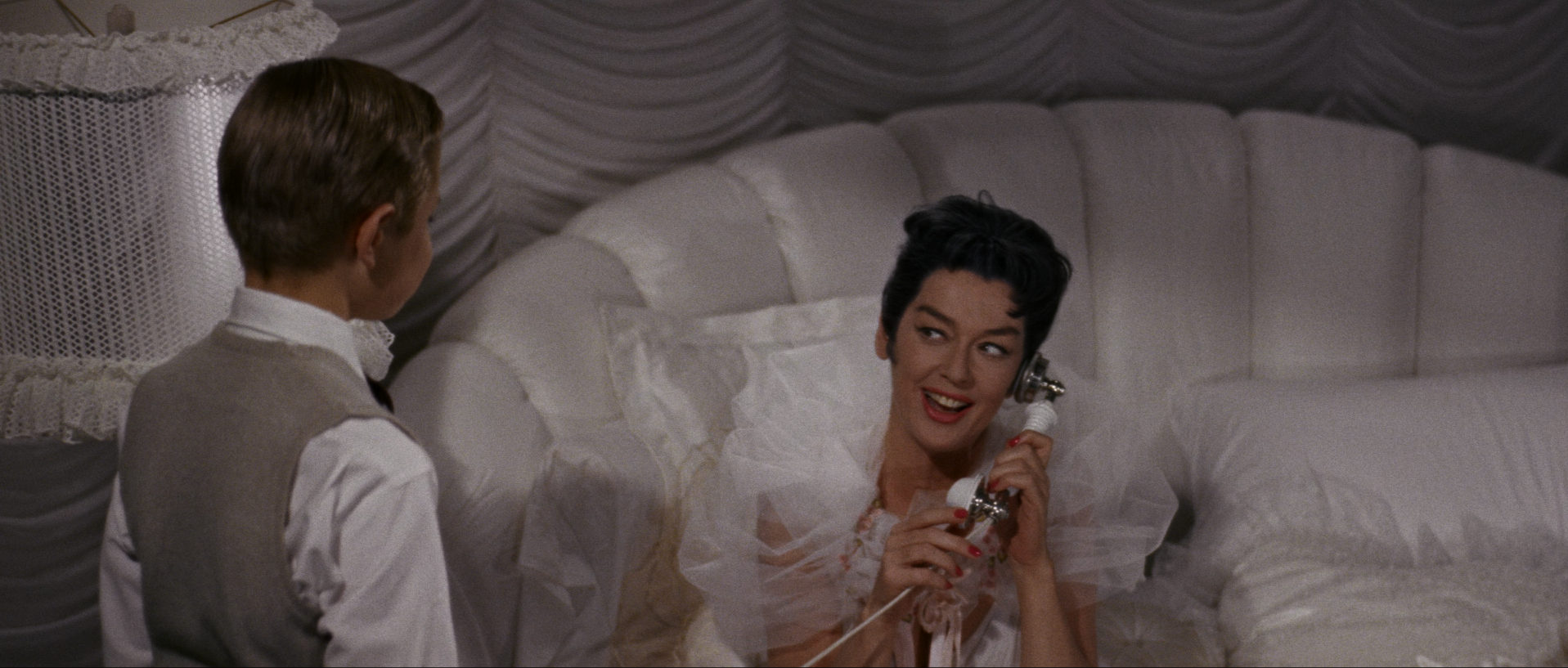
And while there is a moral to be found here – and it’s key that Mame, a New Yorker in the mid 1930s, refuses to let Patrick be absorbed into a bigoted WASP dynasty as the world slides towards war – our hero is mostly happy to teach by example, just living a decent life, helping others when she can and then throwing great parties where everyone’s invited.
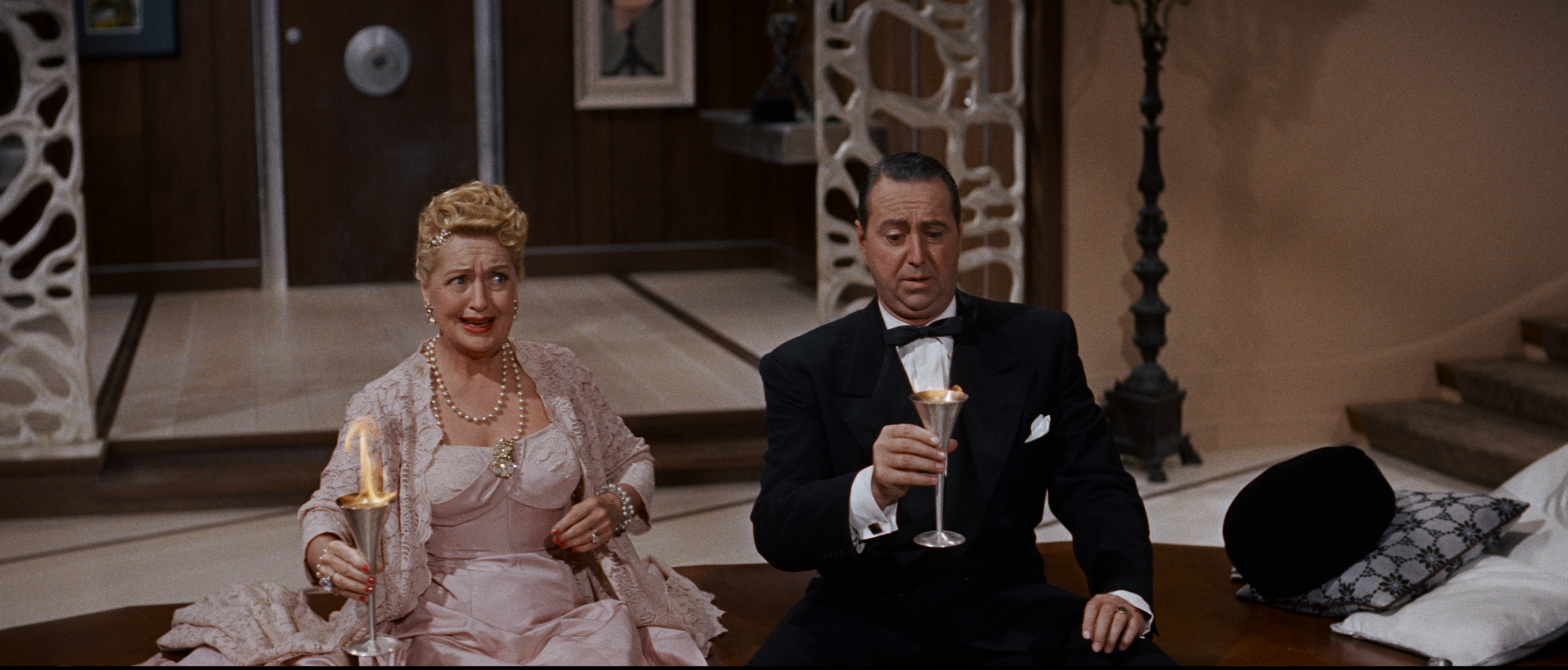
… well, everyone decent, anyway.
Warner Archive first brought Auntie Mame to Blu-ray in 2017, and that disc is also included here … possibly to demonstrate just how much of a leap the new 4K master represents. Sourced from the original Technirama camera negative, and scanned at a reported 12K resolution (!), the 2160p presentation is absolutely splendid from the first frame to the last, bringing out the fine details in Russell’s wardrobe as sharply as the faces of the background players in Mame’s parties. I suspect the sets in the Matterhorn sequence always read a little phony, but the movie is based on a stage play, after all. Some license is permitted. As for audio, the original mono soundtrack is offered in DTS-HD, as is a new 5.1 mix created from the original audio elements.
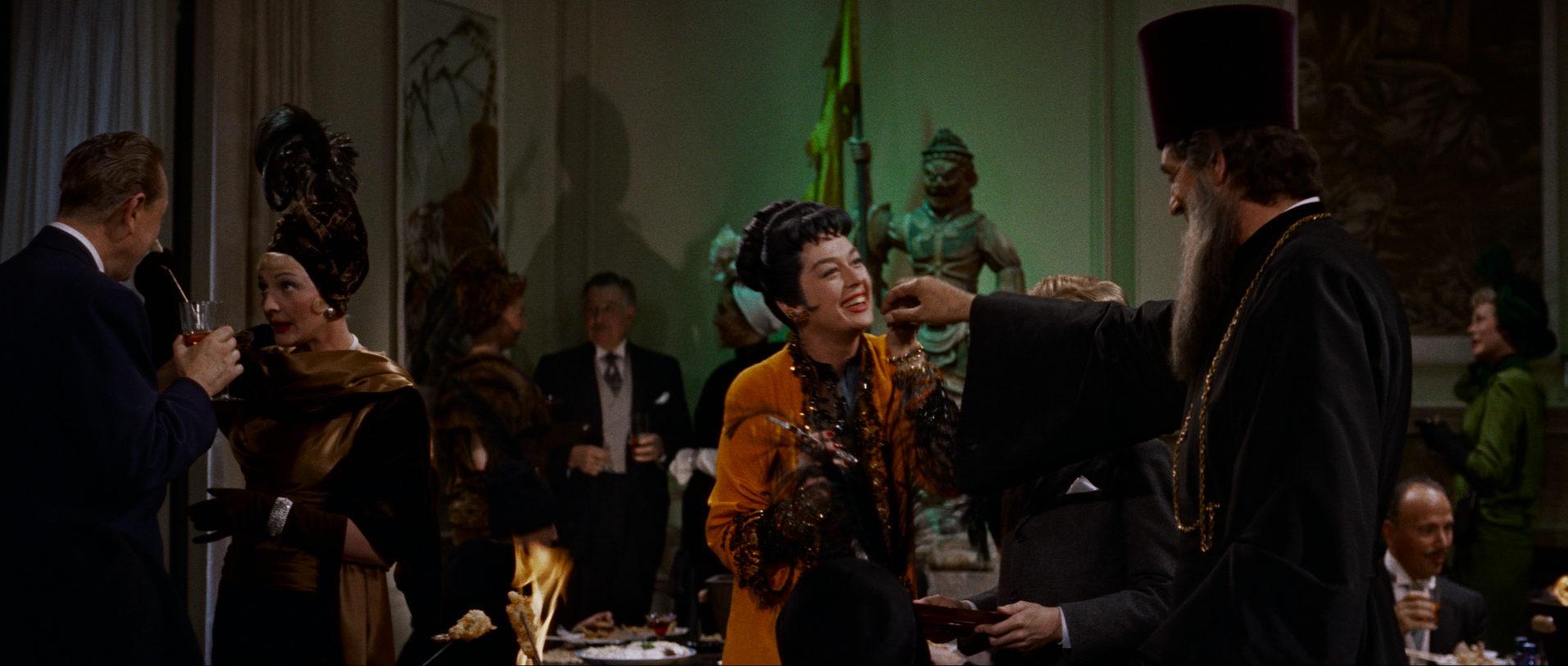
A short featurette, “Restoration: Before and After,” underlines Warner Archive’s accomplishment by comparing it to both the raw negative and the 2017 master. There’s also a post-screening conversation between Dave Karger and actor Jan Handzlik, who played the young Patrick, shot at this year’s TCM Classic Film Festival, as well as the trailers and music-only track first included on the Blu-ray. A swell package, truly.
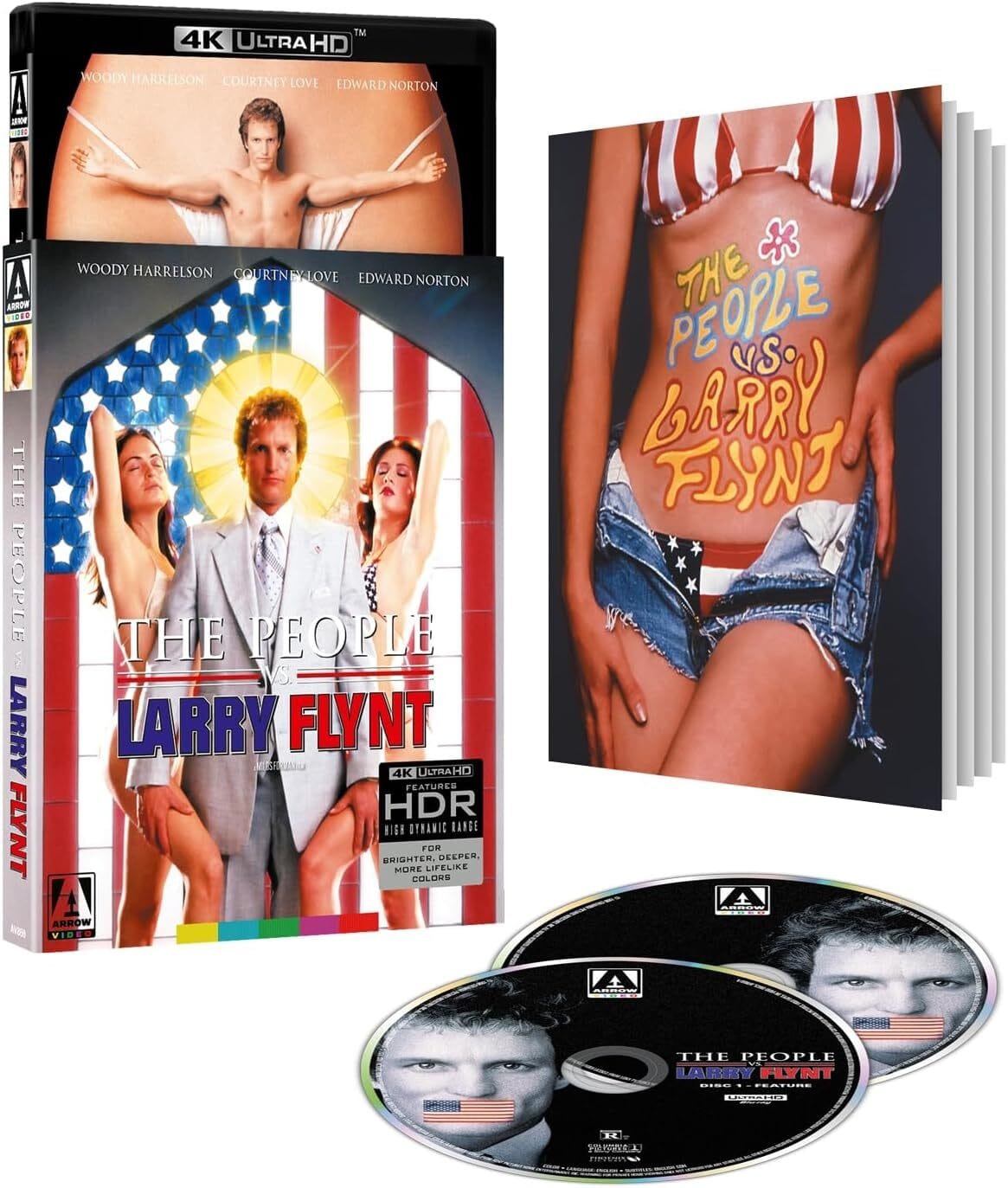
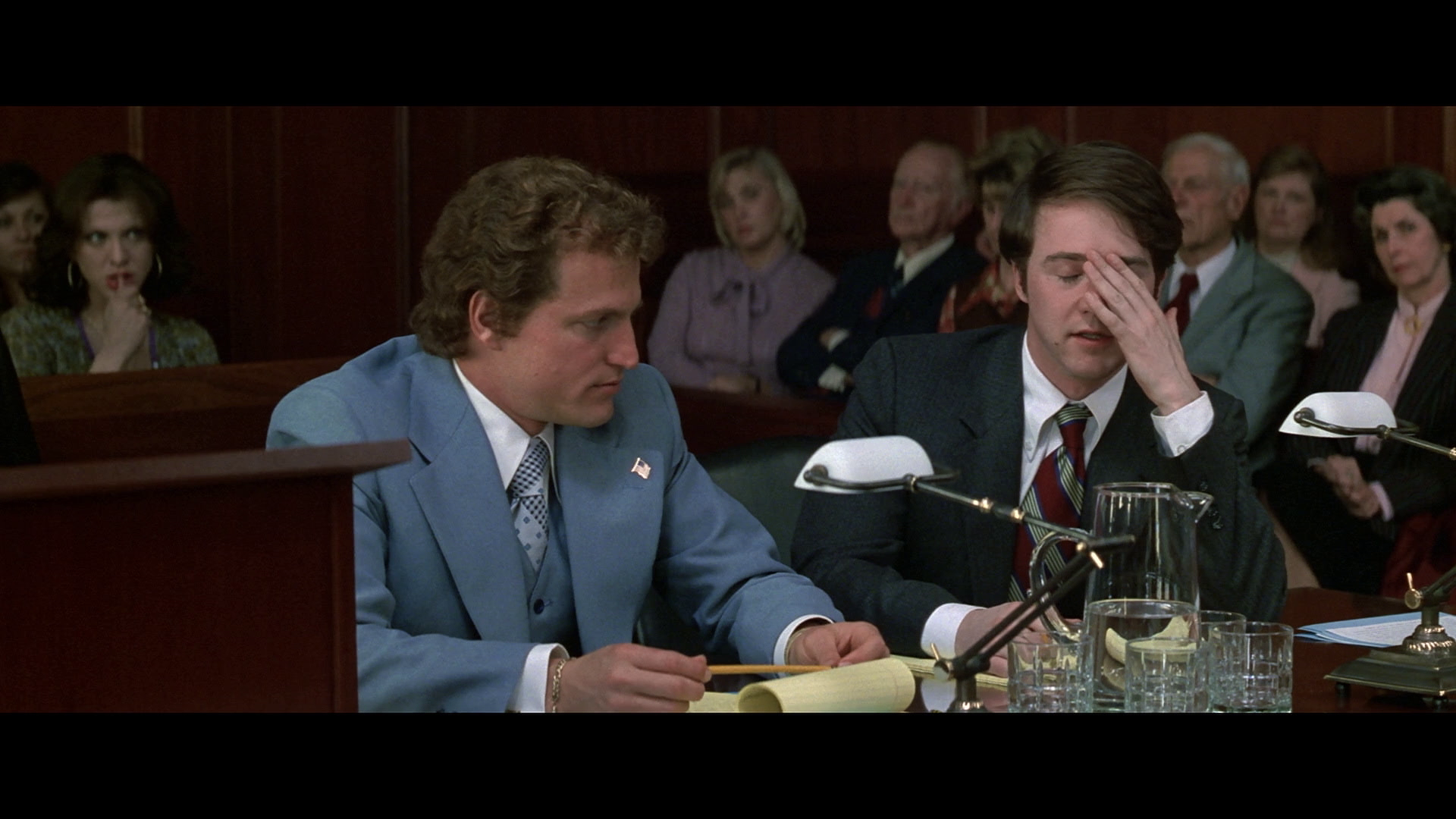
To the ’90s now, and The People vs. Larry Flynt. Mostly set in the ’70s and ’80s, Milos Forman’s bouncy biopic stars Woody Harrelson as the pornographic innovator who brought graphic nudity to men’s magazines and wound up taking Jerry Falwell to the Supreme Court over his First Amendment right to mock the religious leader in a parody ad. Courtney Love and Edward Norton play arguably the two most important people in Flynt’s life in those years: Althea Leasure, who would become his fourth wife and his most ardent supporter, and Alan Isaacman, the attorney who represented Flynt in his many, many court cases.
The People vs. Larry Flynt was destined to be an event from the moment Alexander and Karaszweski’s script arrived at Oliver Stone and Janet Yang’s production company; a politically charged study of another controversial, boundary-pushing American cultural figure from the guys who wrote Ed Wood, brought to the screen by the man most Americans identified with controversy and boundary-pushing? Bringing on Forman as director did nothing to lower expectations; that guy was winning Oscars for Best Picture while Stone was in his exploitation era.
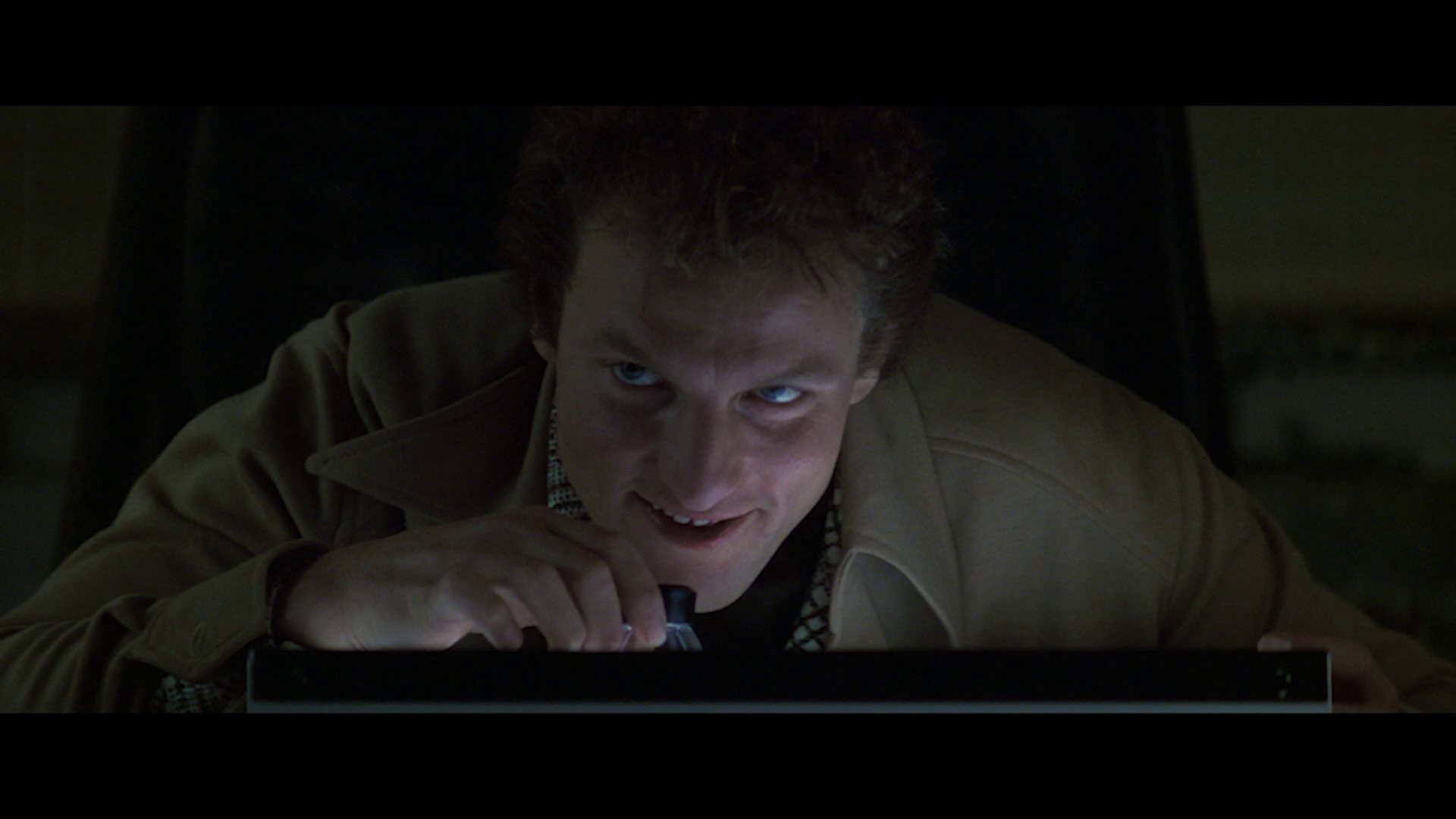
And then there’s the cast. If you weren’t around in 1996, you have no idea how electric that combination was: Harrelson had just subverted a decade of affability on Cheers in Stone’s Natural Born Killers; Norton had already shot his breakthrough role in Primal Fear, which would open a few months ahead of Forman’s film. And Courtney Love was Courtney Love, of course, a tabloid staple thanks to her marriage to Kurt Cobain – which had come to an awful end with his suicide two years earlier – and her pursuit of her own musical stardom.
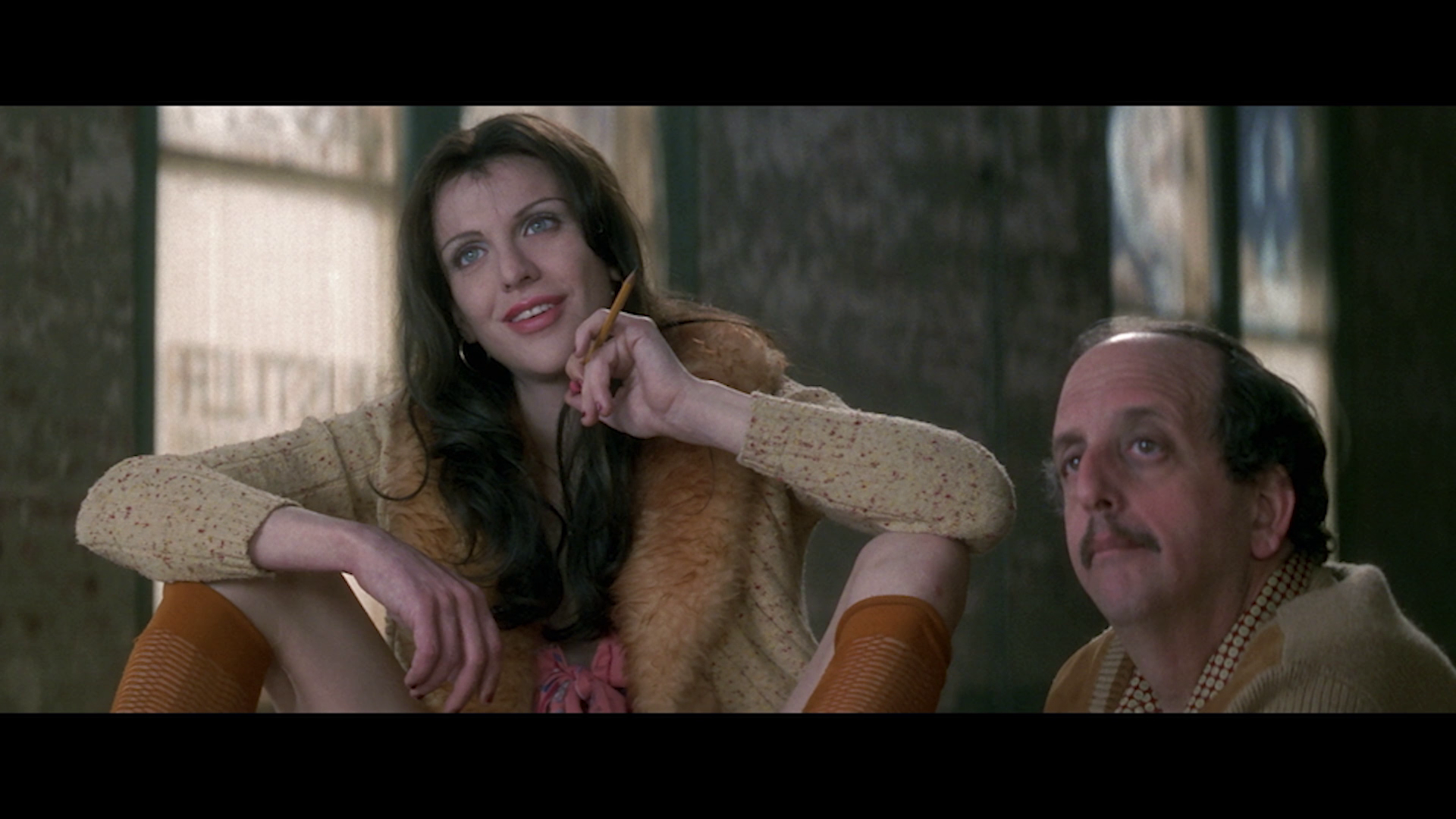
And as good as Harrelson and Norton are, both separately and together, it’s Love – who had turned up in Alex Cox’ Sid and Nancy and Straight to Hell and Bill Fishman’s Tapeheads in the latter half of the ’80s – who gives the picture’s most vivid performance. She’s electric as Althea, a self-possessed and sharp woman who loves Larry because he actually pays attention to her when they’re not in bed. And Forman uses her performance to keep the movie honest, cutting to her giggling or rolling her eyes whenever the script seems in danger of fully buying into its hero’s self-importance. Love’s subsequent inability to land another role worthy of her – or to find a director willing to go to bat for her in those roles – makes this performance feel all the more special.
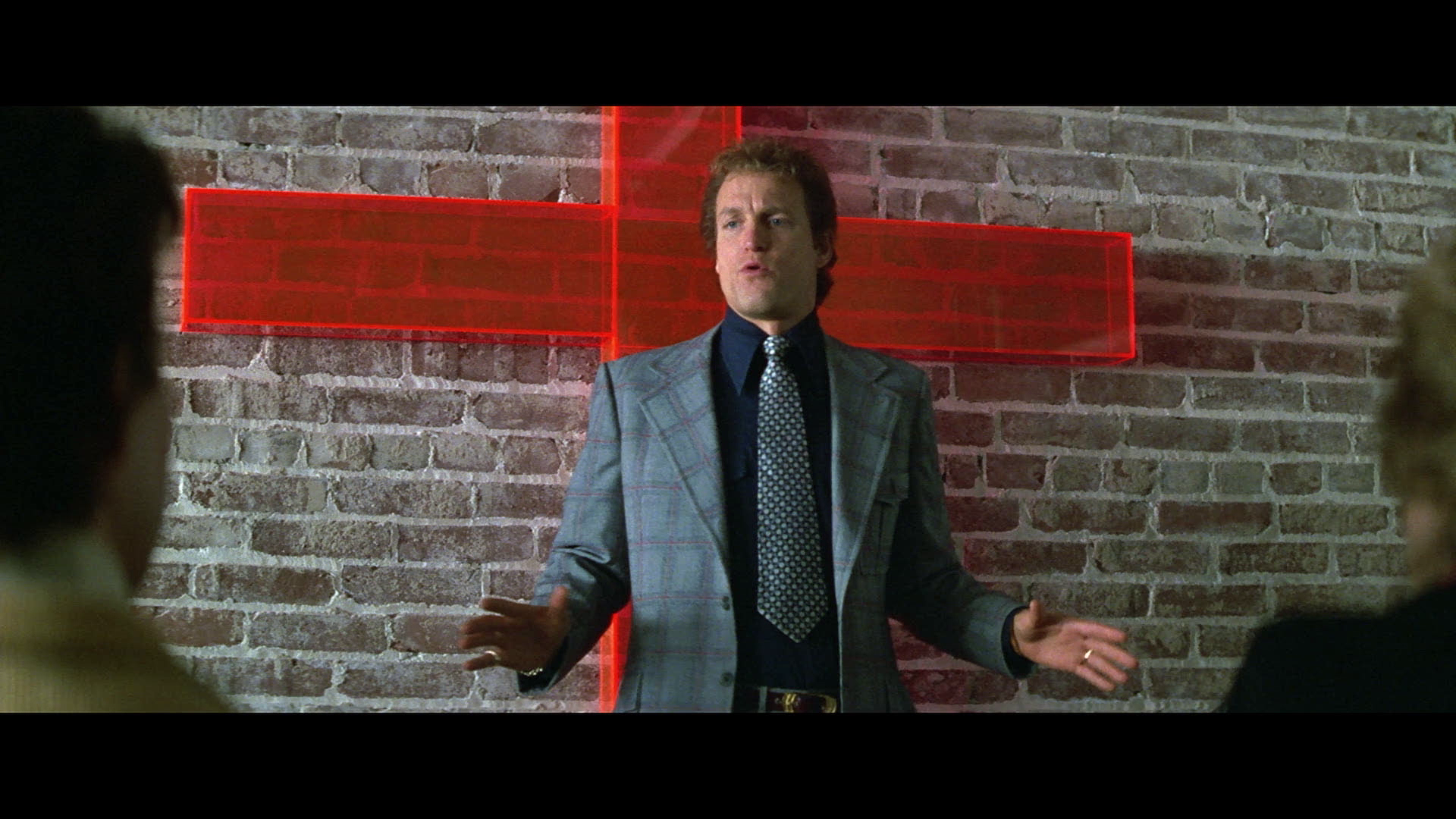
Arrow’s 30th anniversary 4K release offers new interviews with Harrelson (“Hail Larry”), and screenwriters Alexander and Karaszewski (“Only in America”), and a conversation between producer Janet Yang and former Columbia executive Lisa Henson (“Satire in Satin”). Each runs about half an hour, creating a feature-length look at the film from three discrete but ultimately complementary points of view.
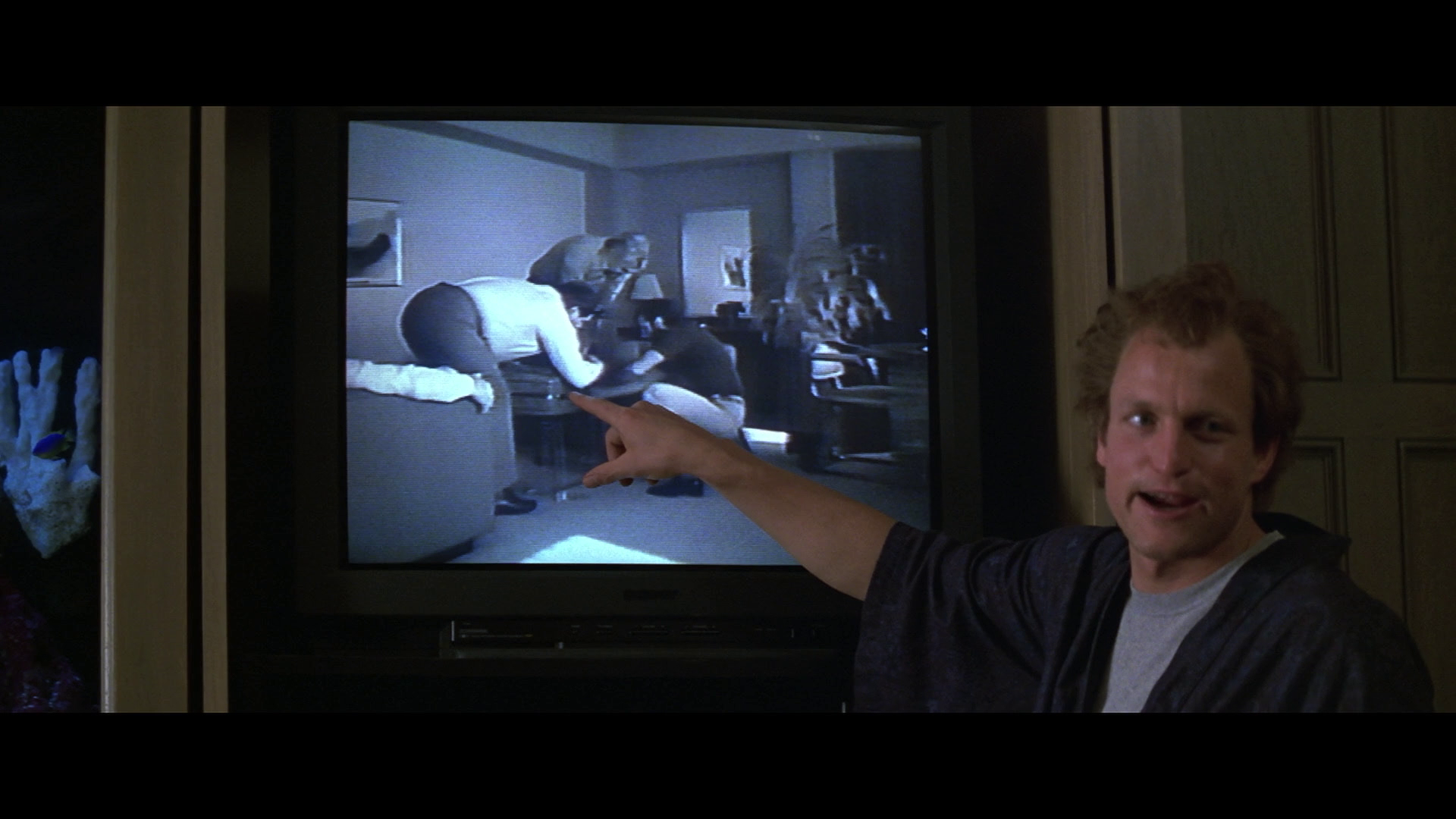
A making-of featurette (“Free Speech or Porn?”), a profile of the real Flynt (“Larry Flynt Exposed”), two audio commentaries (one with Harrelson, Love and Norton, and another with Alexander and Karaszewski) and two brief deleted scenes with optional commentary first appeared on Sony’s 2005 special-edition DVD, while a subtitled interview with cinematographer Philippe Rousselot was produced for a 2022 French Blu-ray. Forman’s promotional appearance on The Charlie Rose Show also here, on disc for the first time. A marketing gallery – which also includes the initial treatment and the shooting script – rounds out the set.
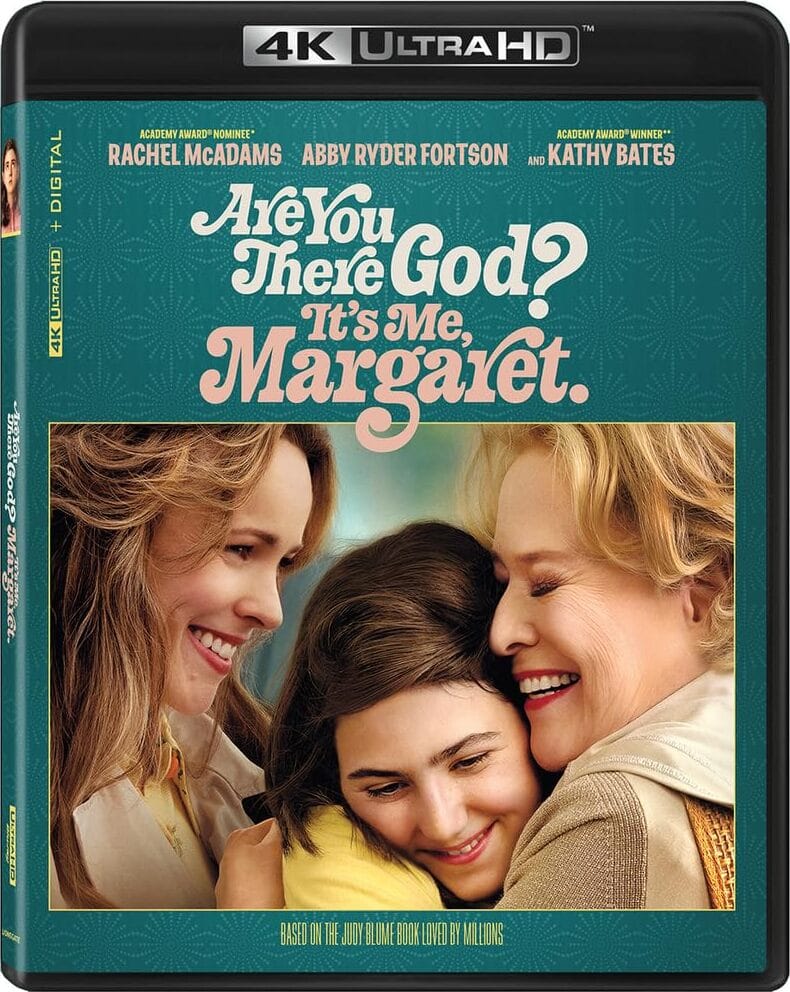
Finally, there’s Kelly Fremon Craig’s recent adaptation of Judy Blume’s beloved young-adult novel Are You There God? It’s Me, Margaret, which Lionsgate released on Blu-ray right after its 2023 theatrical run but is only now offering in 4K.
Craig had established her teen-dramedy bona fides with 2016’s eccentric The Edge of Seventeen, a safe but undeniably charming riff on John Hughes’ suburban-angst movies that featured a great mother-daughter pairing in Kyra Sedgwick and Hailee Steinfeld and a killer supporting turn from Woody Harrelson as Steinfeld’s cranky guidance counselor.
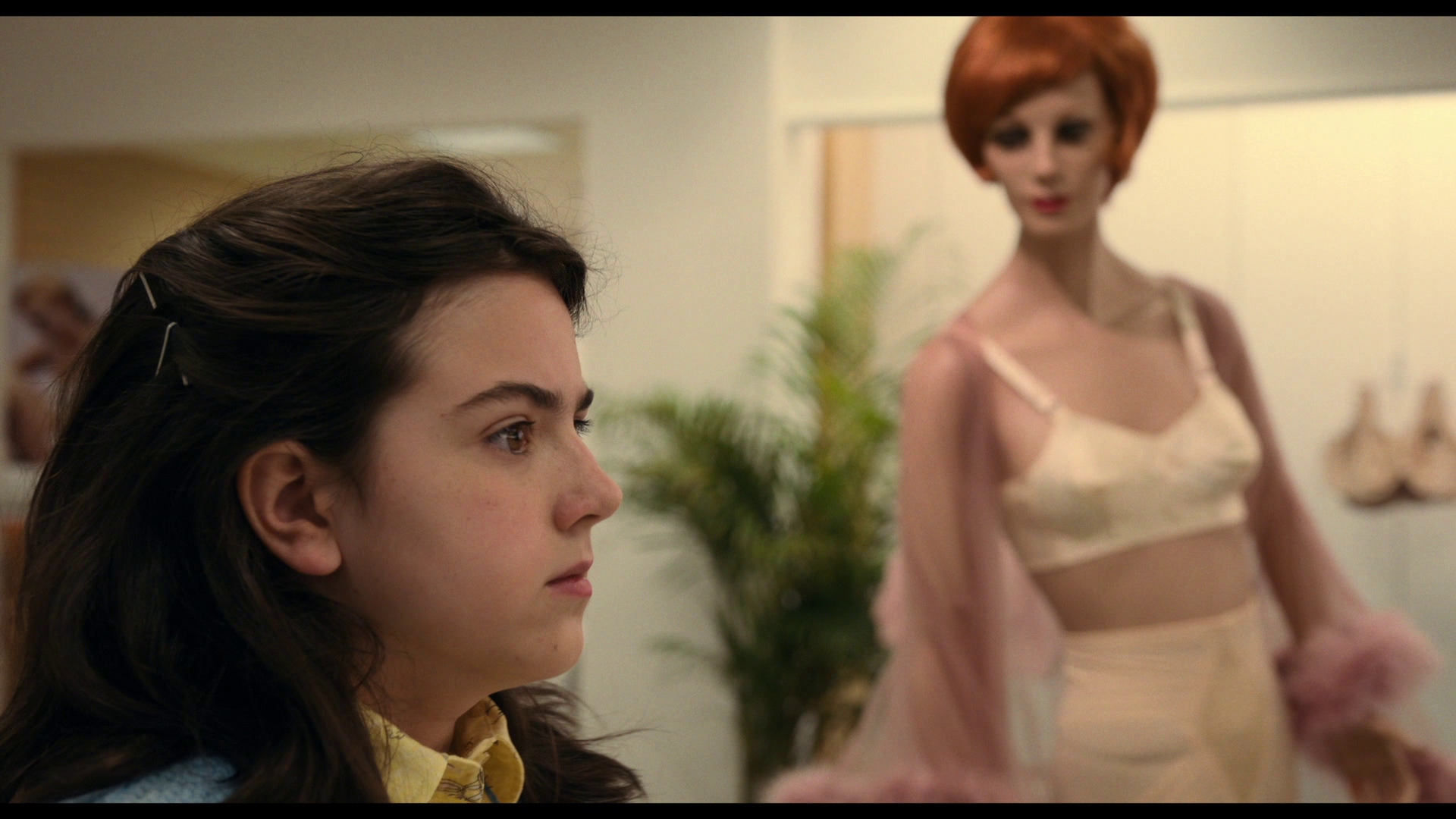
Margaret gives the filmmaker a chance to apply her light touch with meaningful material to a younger protagonist – the 11-year-old Margaret, played by Abby Ryder Fortson – and do a little more with the feminist themes of Blume’s novel, which in 1970 still had to tread lightly around things like puberty and adolescent desire out of consideration for impressionable young readers (and, more likely, their easily offended parents). But just by showing us the sanitary napkins and bras with which Blume’s young hero is confronted, Fremon makes them much less scary. They’re just ordinary elements of Margaret’s adolescence.
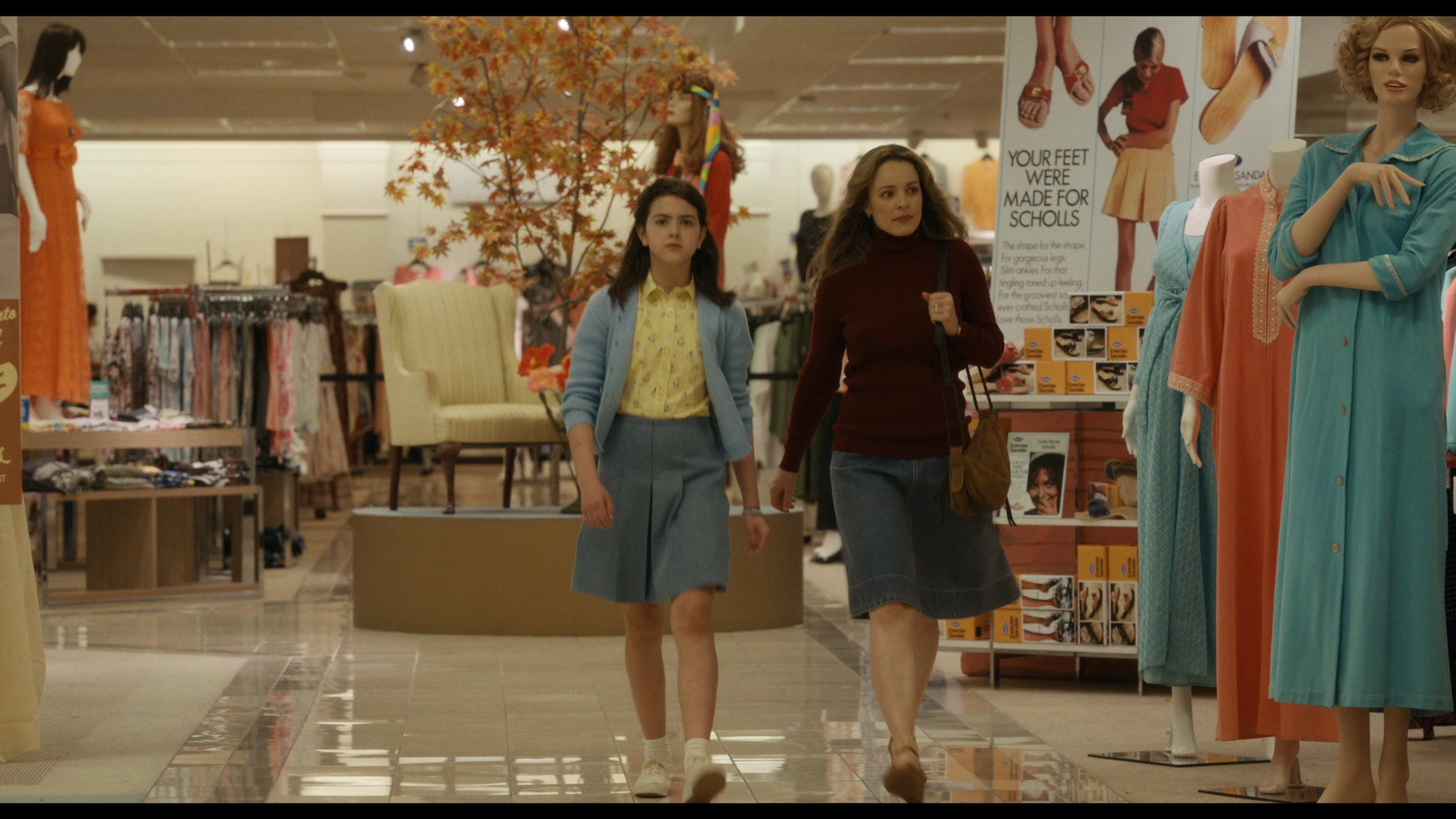
Fremon also has fun with the film’s period setting. It’s retro without being winky, playing up certain regrettable looks of the era while also acknowledging that people in 1970 New Jersey were still wearing fashions from the ’60s, and kind of uncomfortable about it. Obviously Rachel McAdams, as Margaret’s mother Barbara, looks great in everything, but Benny Safdie, as Margaret’s father Herb, does not always fare so well.
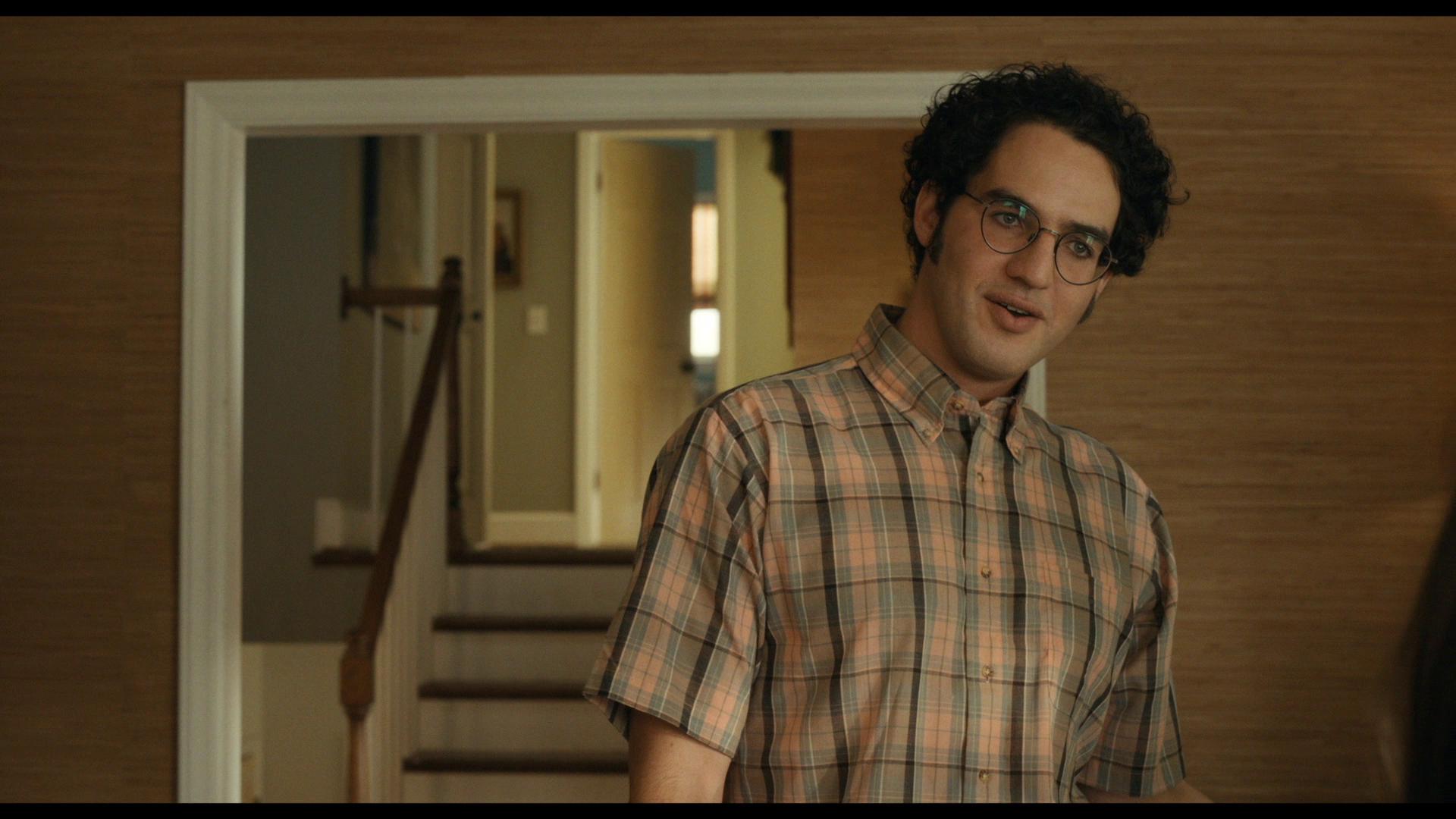
That subtle distinction that underscores the dissonance of Margaret’s upbringing: Herb is Jewish and Barbara is not, and their romance and marriage led to Barbara’s parents disowning her. But McAdams and Safdie have a genuine warmth with one another that makes us understand their characters’ connection and get on board with their decision to bring Margaret up in neither religion … or with any spirituality at all, which of course leads to her being an odd kid out at school. Assigned to research religion by a sympathetic teacher (Echo Kellum), Margaret starts exploring both sides of her heritage. This proves confusing.
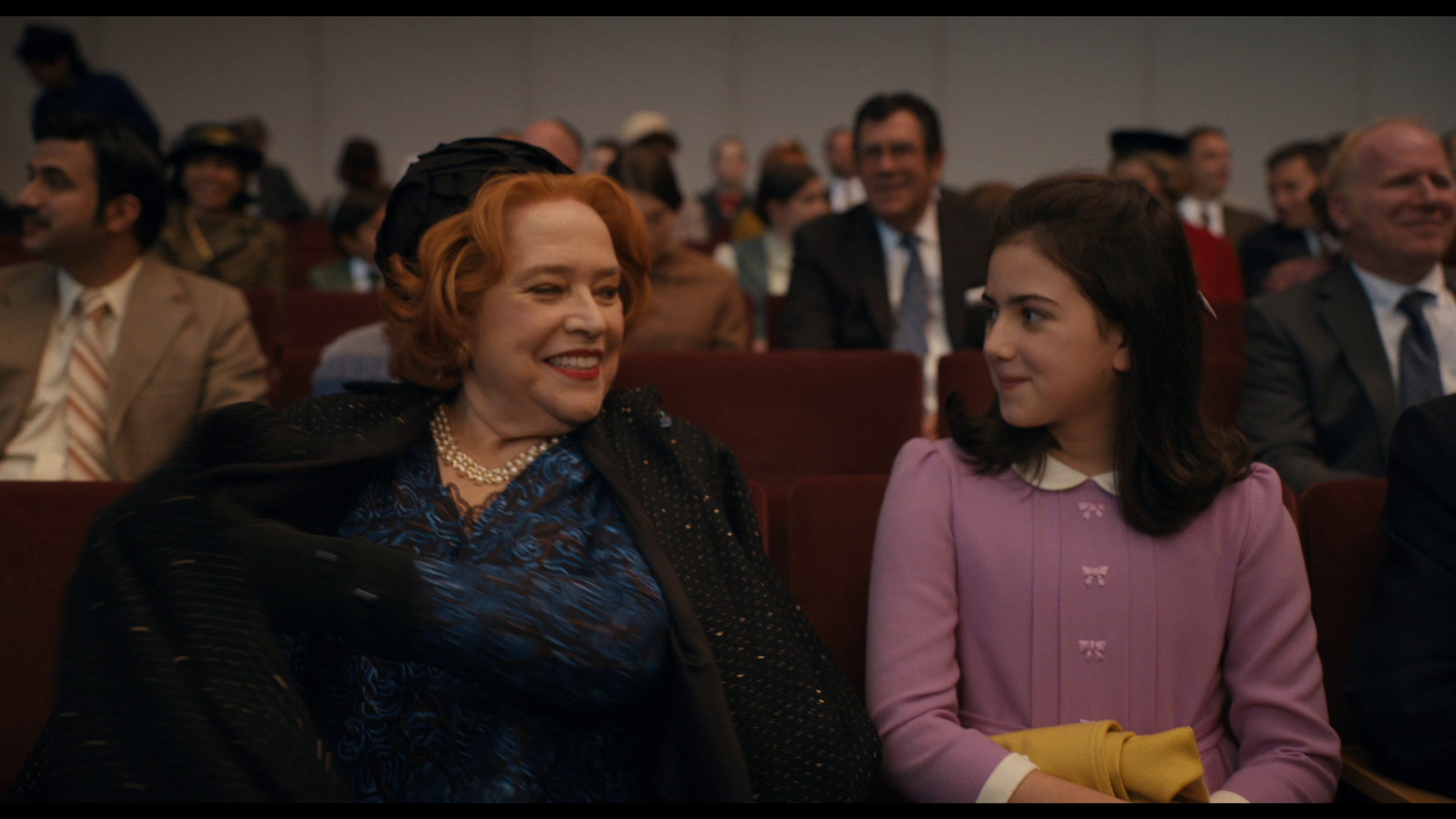
But of course everything about being 11 years old is confusing. And while Margaret has plenty of support available to her – chiefly her mom and her paternal grandmother Sylvia (Kathy Bates), who’s more than happy to provide eccentric counsel and an escort to her New York synagogue – she has to be brave enough to ask. That’s the real journey here, and though Sylvia seems to fit the outsized qualification I laid out at the start of this column, the charm of Are You There God? It’s Me, Margaret is that all evidence points to Margaret herself becoming the confident, self-possessed person who will someday offer guidance and wisdom to everyone around her. Or maybe she’ll write a book about it.
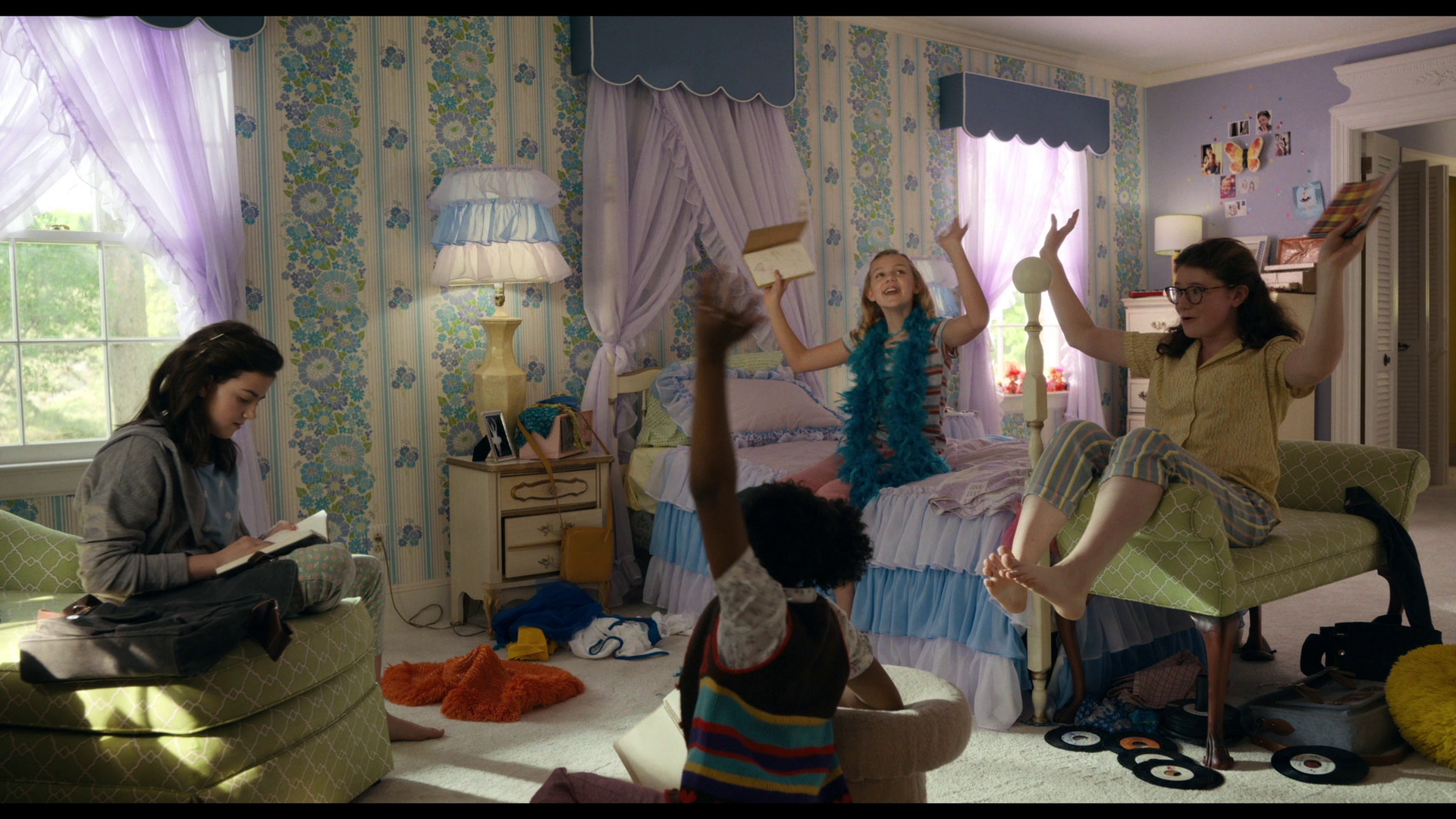
Lionsgate’s 4K disc offers an excellent 2160p presentation of the feature, with the same Dolby Atmos track that appeared on the Blu-ray. All of the extras from that previous edition are here – a 20-minute production featurette, a brief round table with Blume, Craig, Fortson, McAdams and producers Lisa Ansell and James L. Brooks, shorter pieces looking at the child actors, the production design, the legacy of Blume’s book and some brief deleted scenes – and Lionsgate also throws in three more. “From Book to Screen: Margaret Comes to Life” lets Craig discuss the adaptation, “Bras, Bellbottoms and Bikinis: Creating Costumes” digs into the specific aims of the aforementioned retro wardrobe, and “Judy Reads Margaret” is a short clip of Blume reading a selection from her novel. All good stuff, really.
Auntie Mame is now available from Warner Archive Collection in a 4K/Blu-ray combo; The People vs. Larry Flynt is now available in 4K from Arrow Video. And Are You There God? It’s Me, Margaret is now available in a 4K/Blu-ray combo from Lionsgate.
Up next: New releases! Quite a few of them! Oh, and check out Kelly Fremon Craig's episode of Someone Else's Movie if you want to hear her discuss the tangled relationships and piercing honesty of Before Sunrise and Before Sunset!