
PTA, Past and Present
In which Norm spins up Warner's new 4K editions of Paul Thomas Anderson's ONE BATTLE AFTER ANOTHER and BOOGIE NIGHTS.
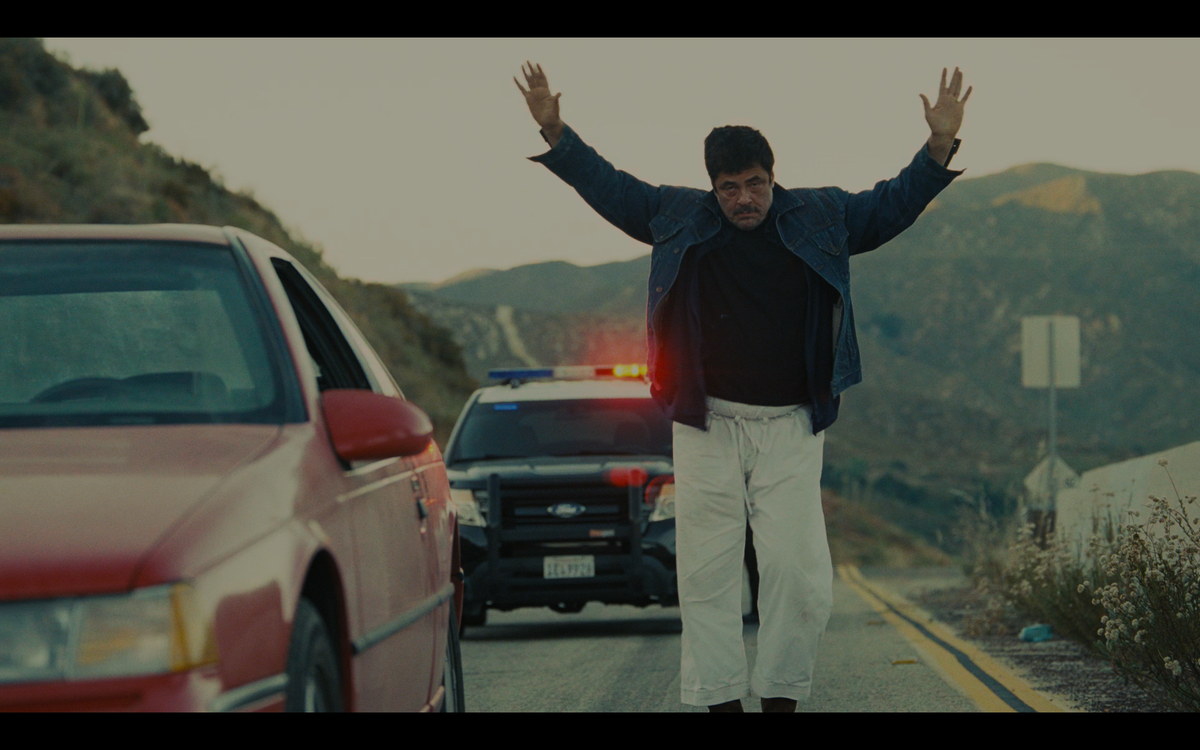
For a pretty funny person, Paul Thomas Anderson doesn’t make enough comedies. Yeah, Phantom Thread and Licorice Pizza each have their share of laughs, but they’re chasing something deeper and darker.
It’s been more than a decade since the wild swings of Inherent Vice, where Anderson wrestled Thomas Pynchon’s novel about the radicalism of the ’60s being crushed by the avarice of the ’70s into a gonzo conspiracy picture. Sure, it had a melancholy streak – it’s Pynchon, how could there not be a melancholy streak? – but it was first and foremost a chance for Joaquin Phoenix to make funny faces. And last year, Anderson enlisted Leonardo DiCaprio, Benicio Del Toro and Sean Penn – three of the greatest face-makers around – for another Pynchon riff.
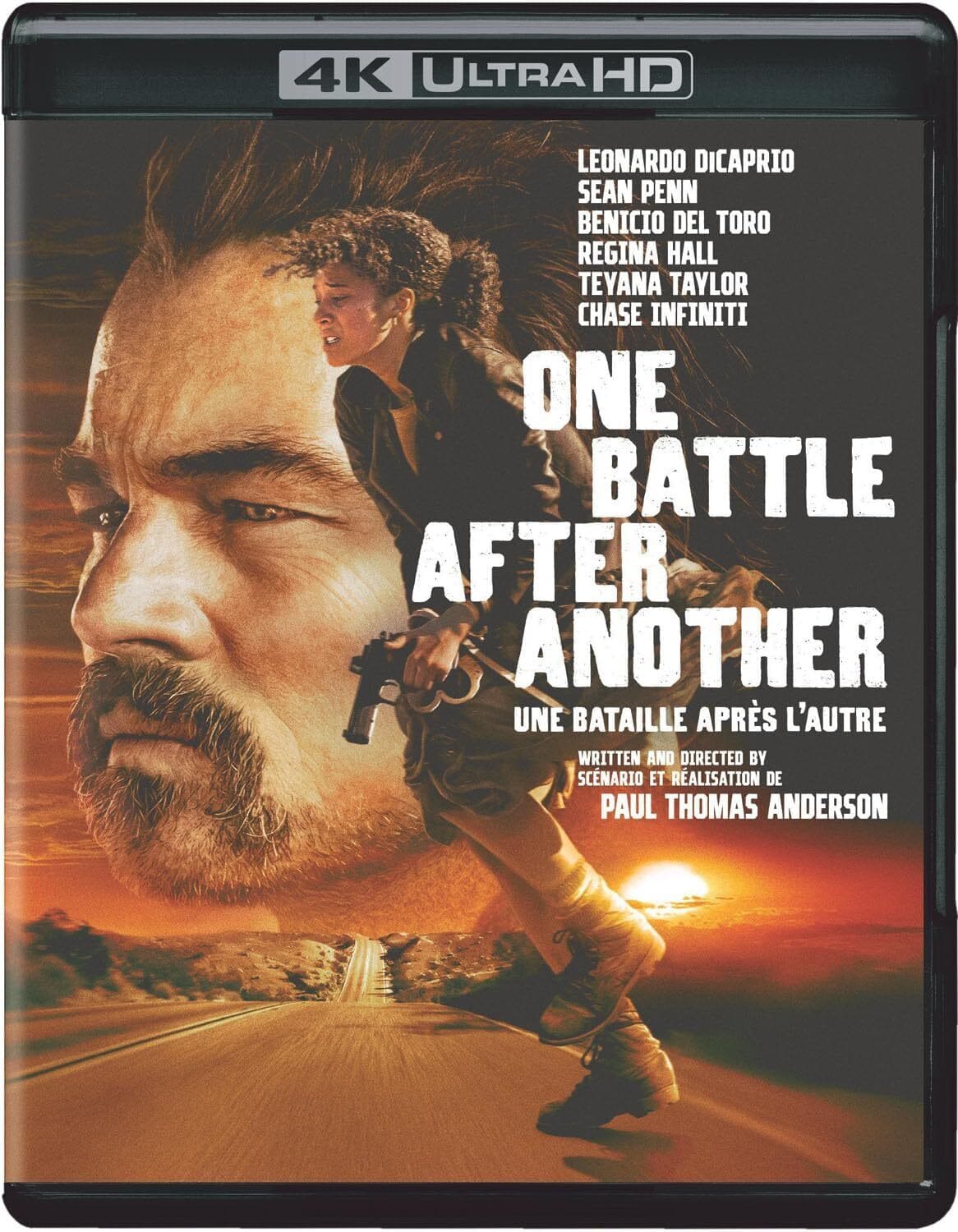
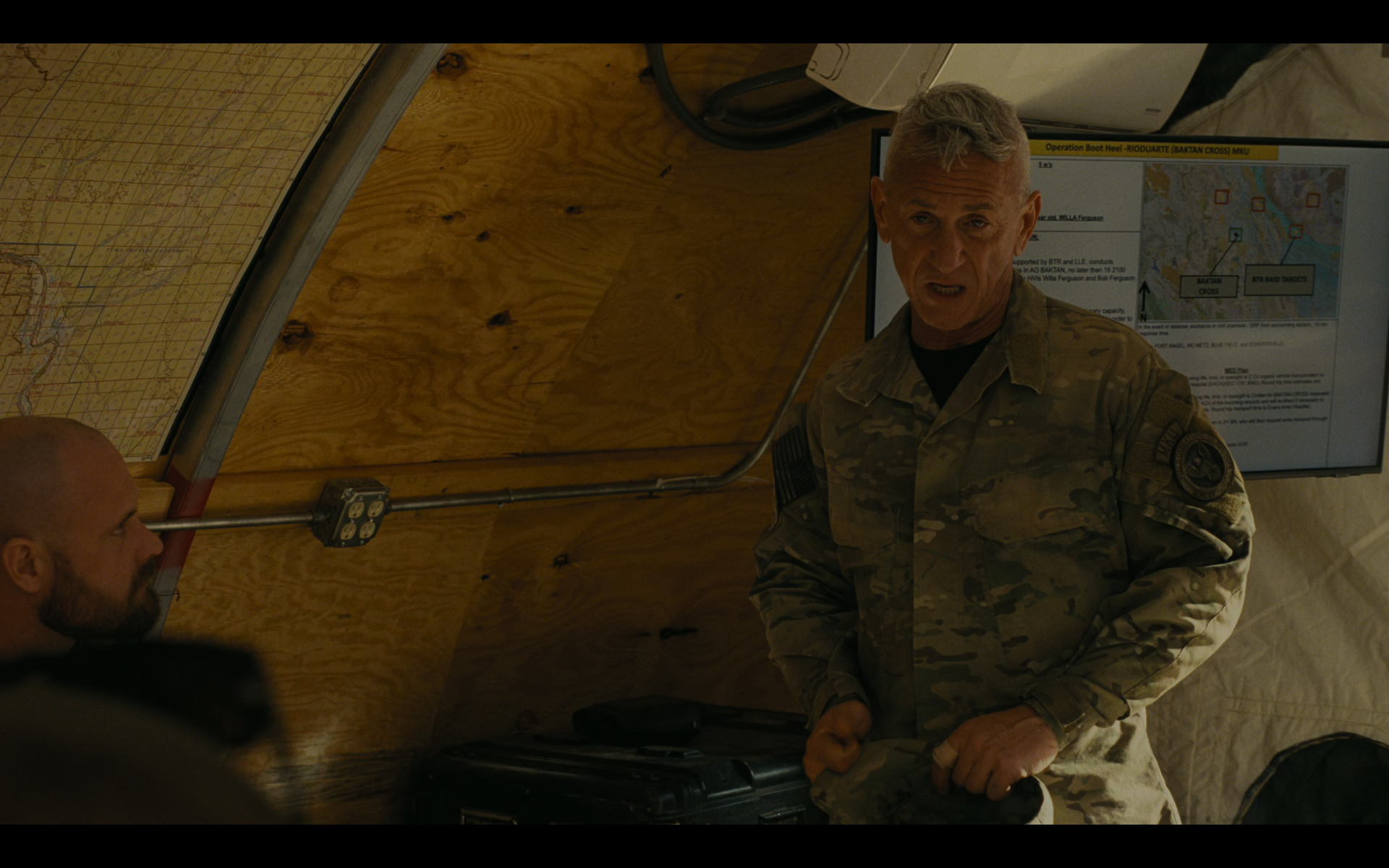
That would be One Battle After Another, which finds Anderson doing to the author’s 1990 Vineland what he did to Upton Sinclair’s Oil! in There Will Be Blood, splicing select settings and themes into his own text and seeing what happens. The spirit of Pynchon’s novel – about a former radical and his teenage daughter being pursued by an unhinged federal agent – is preserved, but now it exists in the context of a modern-day drama about middle-aged burnout Bob Ferguson (DiCaprio) trying to keep his far more capable Willa (Chase Infiniti, a genuine revelation) from the clutches of Col. Lockjaw (Penn), the frothing fascist who’s been hunting them for Willa’s entire life.
See, Bob used to run with the French 75, a radical group that worked to keep the government of the United States from enacting its worst impulses on its most vulnerable citizens. Back in the day, when Bob went by Pat, he and the formidable Perfidia Beverly Hills (Teyana Taylor) were lovers, and when Willa came along the plan was to raise her together. But things went sideways, and Perfidia split after giving Lockjaw the names of her comrades in the F75, and “Bob” went underground with Willa. Sixteen years later, he’s a bleary-eyed paranoid who’s done his best to prepare his daughter for the day their cover gets blown – and, it’s strongly implied, keeping her from living a normal teenage life.
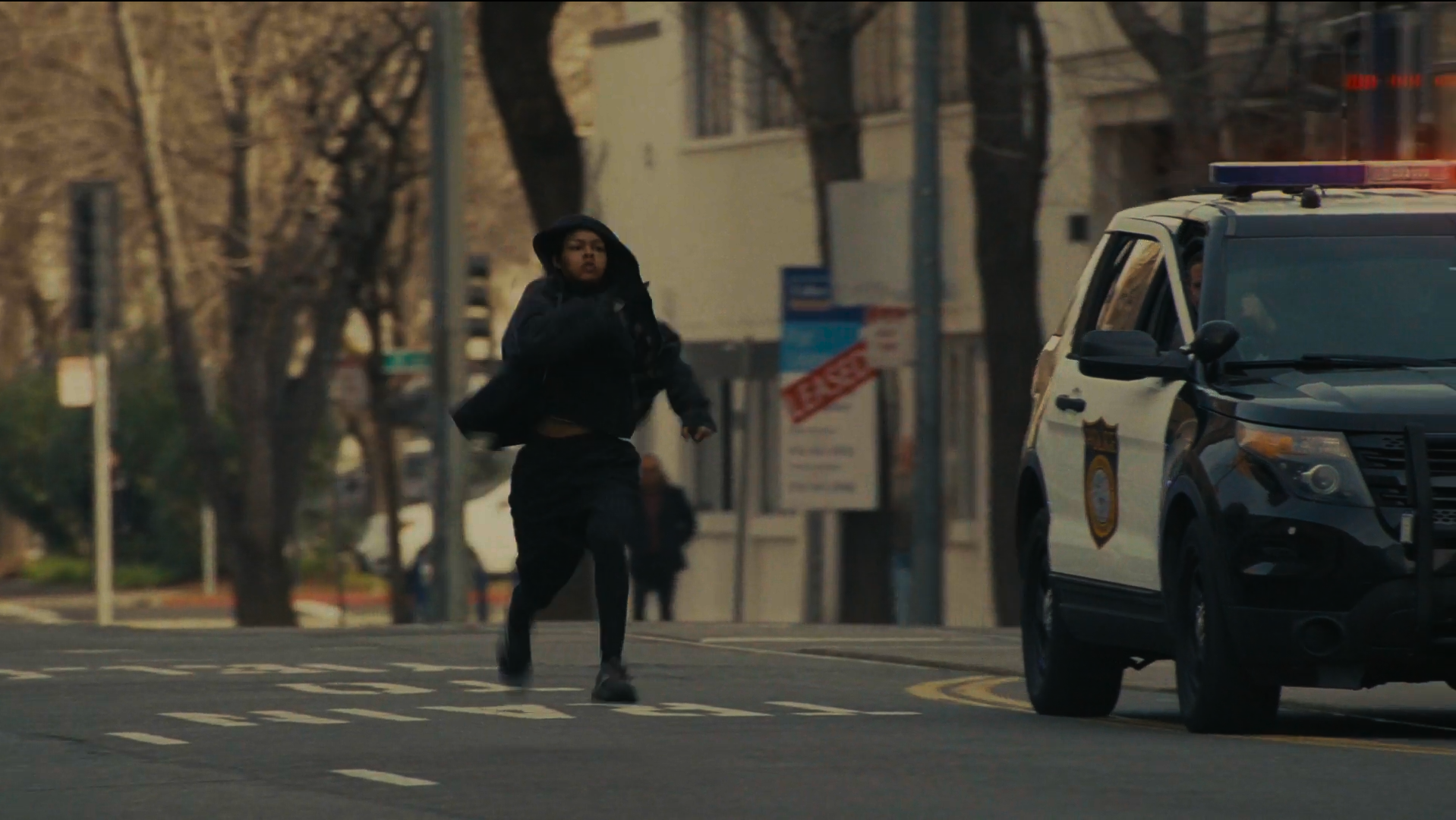
But Bob is right: The monsters are out there. And when Lockjaw, having obtained the support of a creepy power cabal that calls themselves the Christmas Adventurers’ Club, does come calling, Bob must come to Willa’s rescue. But first he has to find her, and he has no fucking clue where to look.
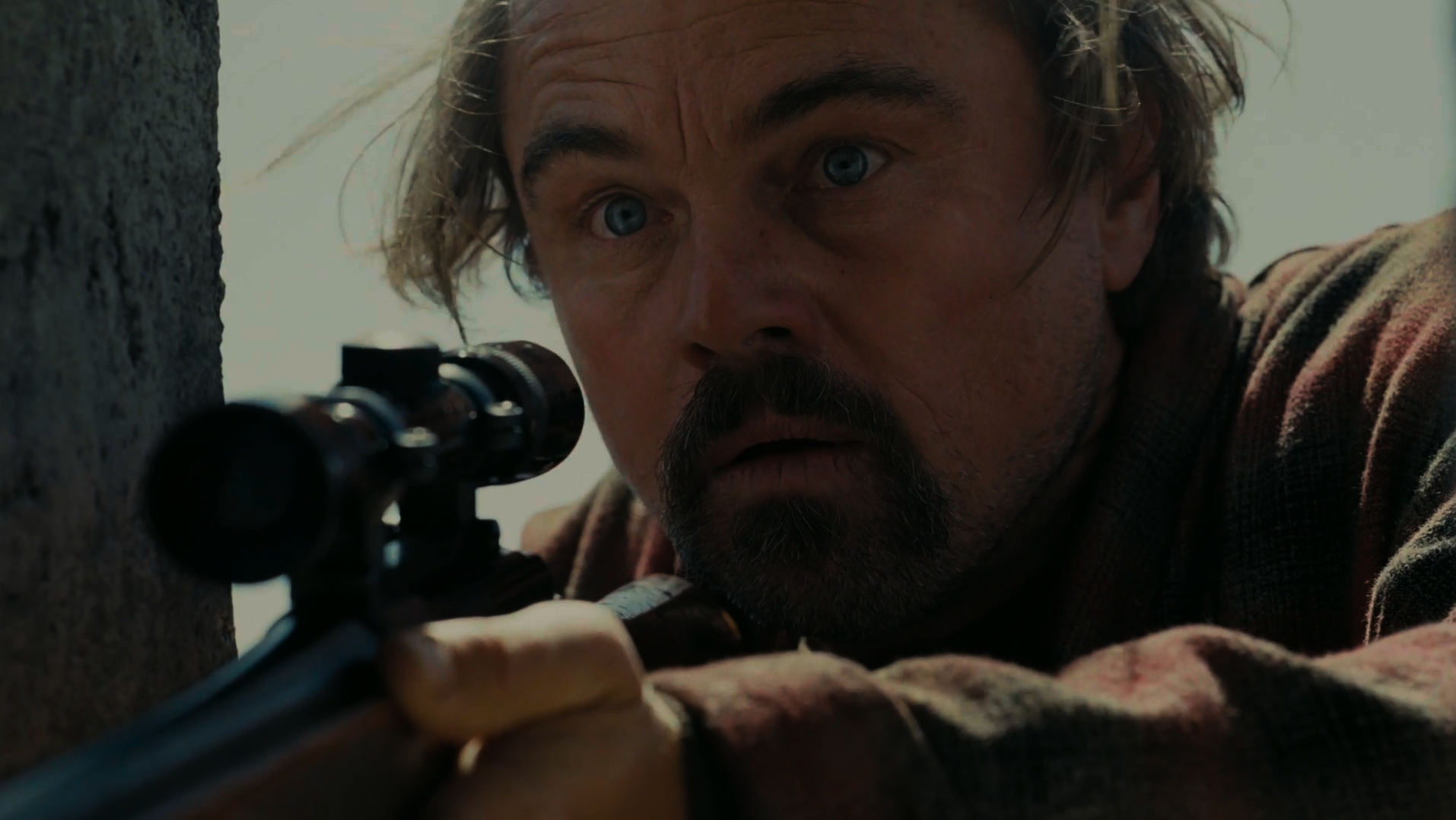
I realize that, as described, this does not sound like a comedy. And even though the story of One Battle After Another is deadly serious, Anderson approaches it as a farce. If the fuzzy mystery mechanics of Inherent Vice had a certain Lebowskian quality, One Battle goes even further into the chaotic morass of the world according to Joel and Ethan Coen, where decent people fight uphill in a universe that seems naturally aligned against them.
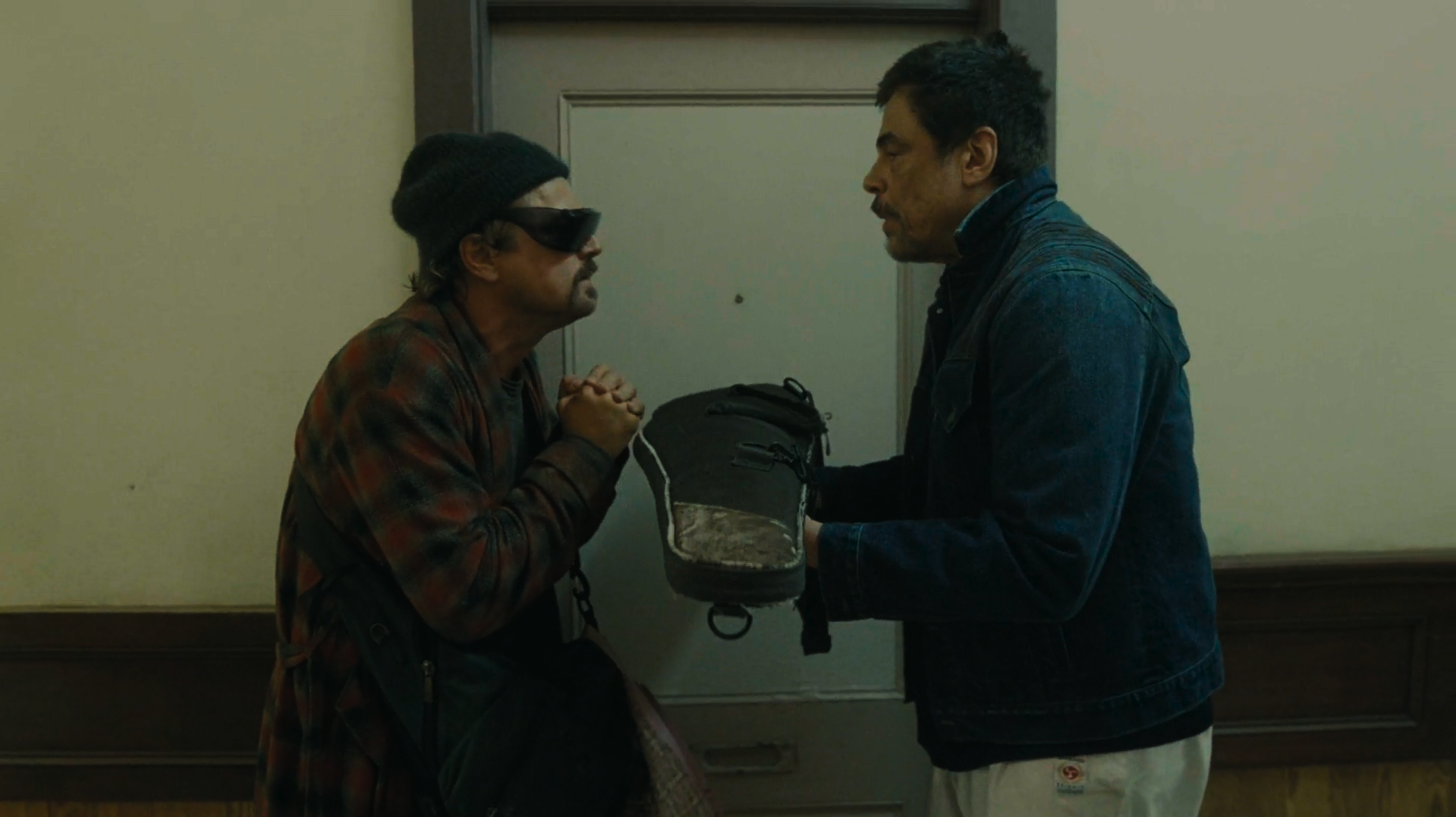
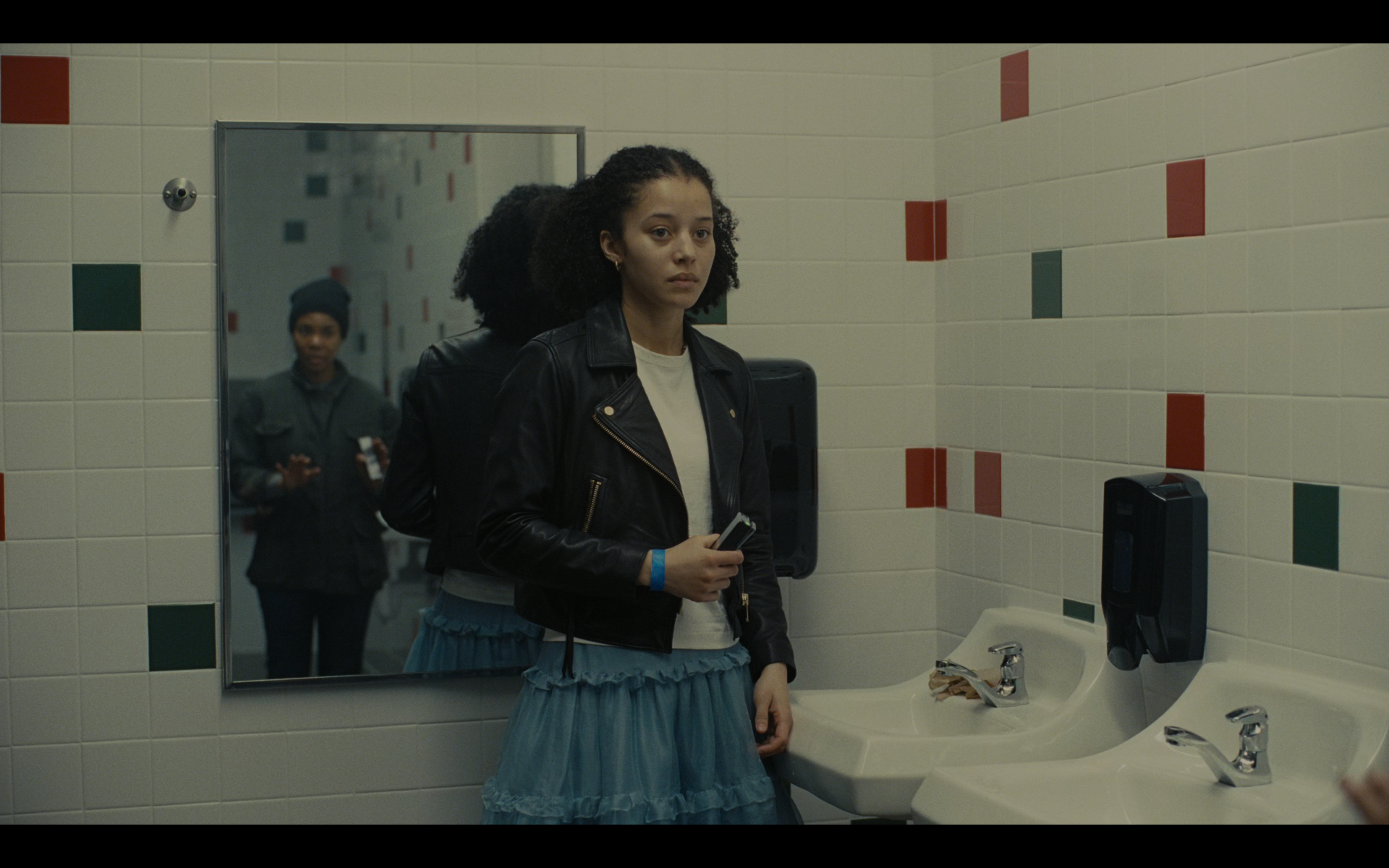
Bob spends the entire picture in a spun-out state of panic and intoxication; the only thing that keeps him from being a complete buffoon is the constant terror in DiCaprio’s eyes. And the remarkable Infiniti lets us see how Willa has grown up enduring Bob’s endless paranoia and unhelpful training – except that now it’s all real, and she has to draw on those inarticulate lessons if she wants to survive. I found myself wondering more than once whether Anderson studied John and Sarah Connor’s relationship in Terminator 2: Judgment Day while breaking his story; if he did, that means Regina Hall’s Deandra is the friendly T-800 who comes to Willa’s rescue.
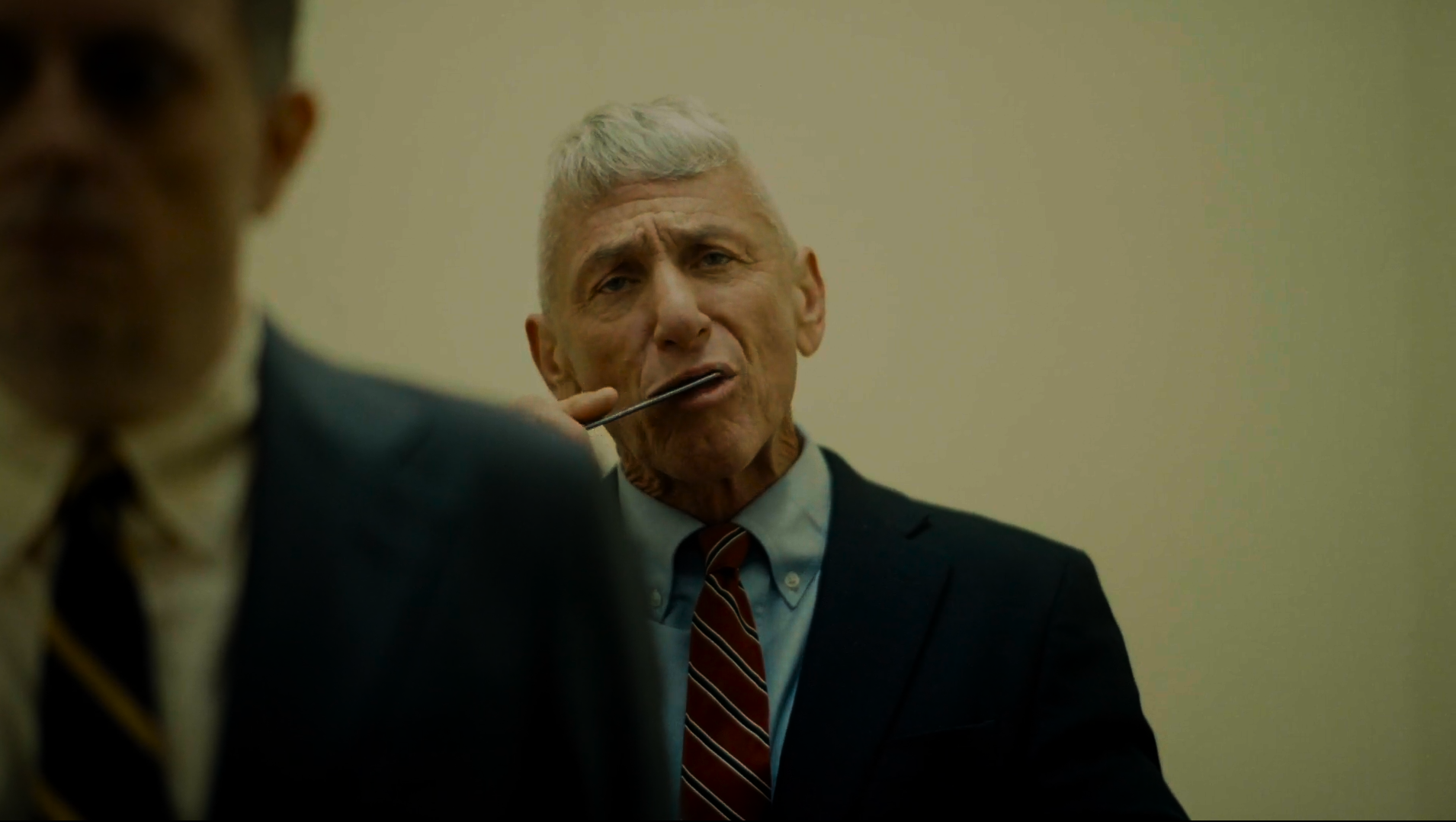
And Bob’s frantic expression of parental love is framed against two of last year’s greatest supporting characters: Benicio Del Toro’s serene Sensei Sergio, a martial-arts instructor who quietly does more good for the world than Bob could ever accomplish, and Penn’s frothing, twitching Col. Lockjaw, a small and deeply insecure man who’s cloaked himself in so many tough-guy affectations that you can catch him shuffling through them when he gets stressed. And he’s stressed all the time.
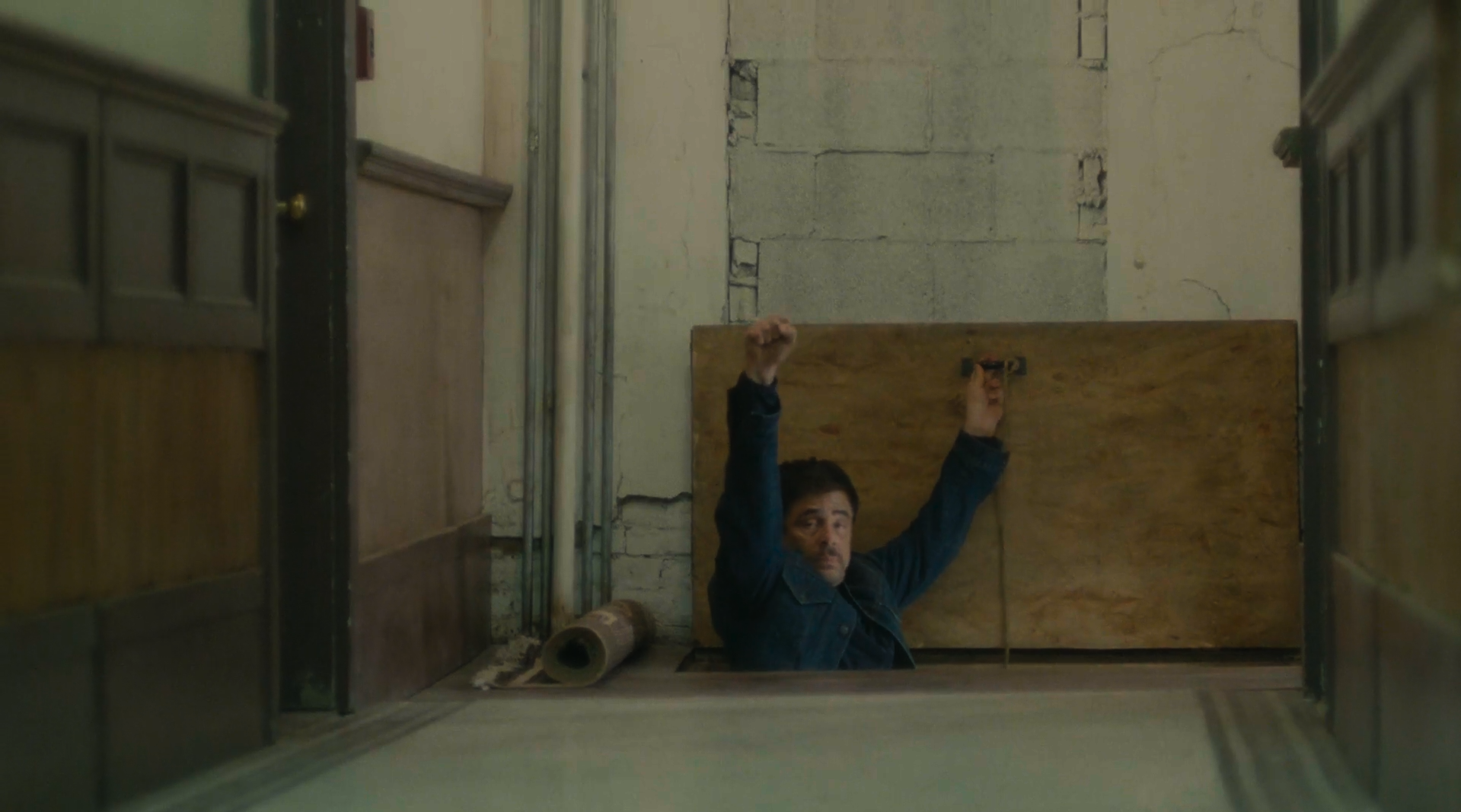
The film is a thing of beauty: Elegantly paced to seem frenzied even when it’s moving smoothly from one point to the next, beautifully photographed in VistaVision by Michael Bauman, getting his first solo DP credit after collaborating with Anderson on Phantom Thread and Licorice Pizza, and always open to little delights like the carpet that rolls perfectly over Sensei Sergio’s escape hatch when it closes – a flourish he clearly added at some point for his own amusement.
There are no special features on Warner’s initial 4K and Blu-ray releases, the better to devote the entire disc to a flawless UHD/Atmos presentation of the film. The label has already announced a deluxe steelbook special edition with a bonus disc of special features, to be released in the spring. If you want supplements, may I direct you to Warner’s 4K release of Boogie Nights.
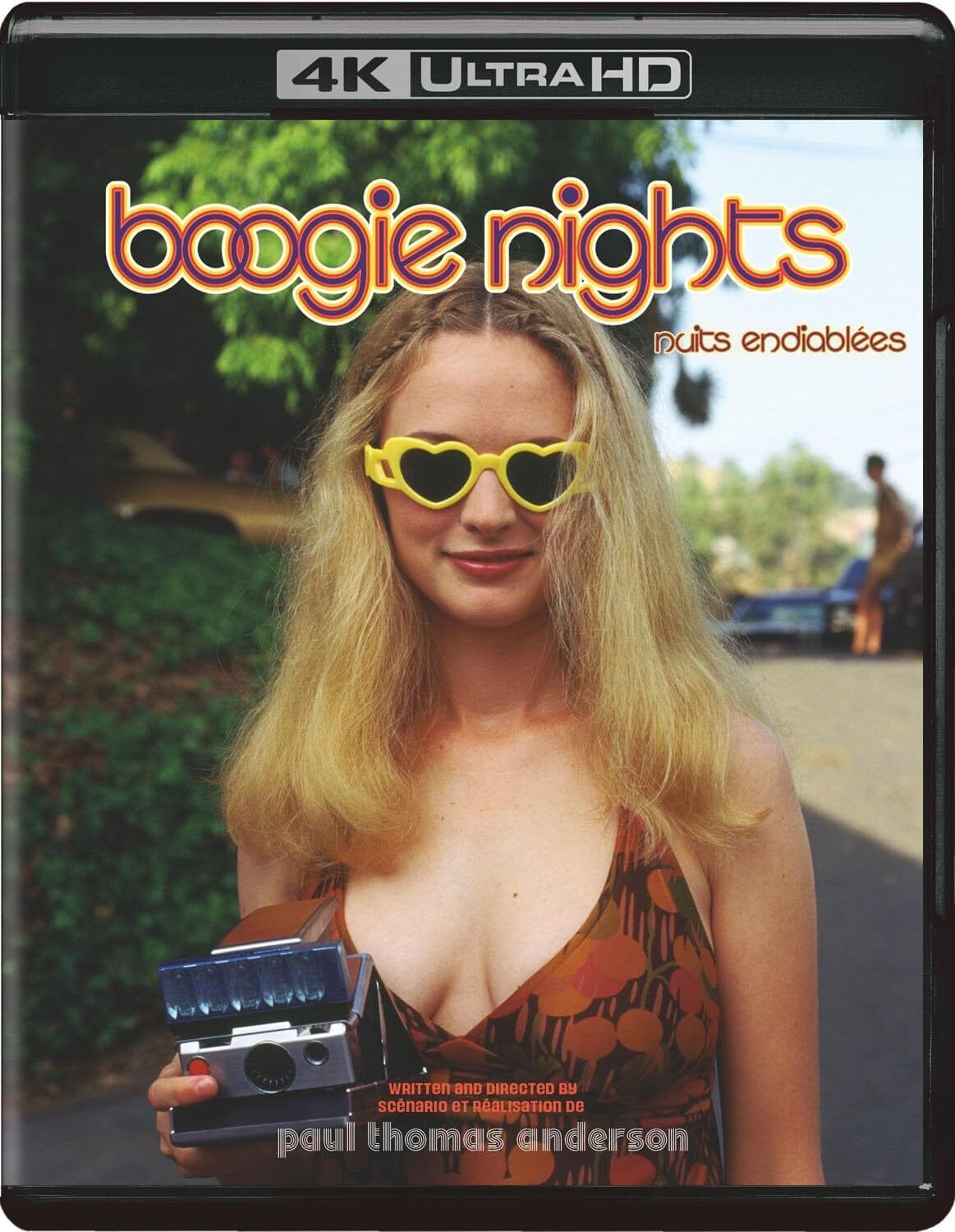
Now, Boogie Nights is also a comedy, at least at first. Anderson’s 1997 breakthrough opens as a sprightly, even cheerful study of outsider artists working in the pornographic-movie business in late-’70s Hollywood. Big and brassy and propelled by a great pop soundtrack – along with a Michael Penn score that evokes a dying calliope – Boogie Nights was an irresistible confection that imagines the Valley porn scene as a loose affiliation of enthusiastic exhibitionists and self-styled auteurs, all doing their best to give Americans the release they need.
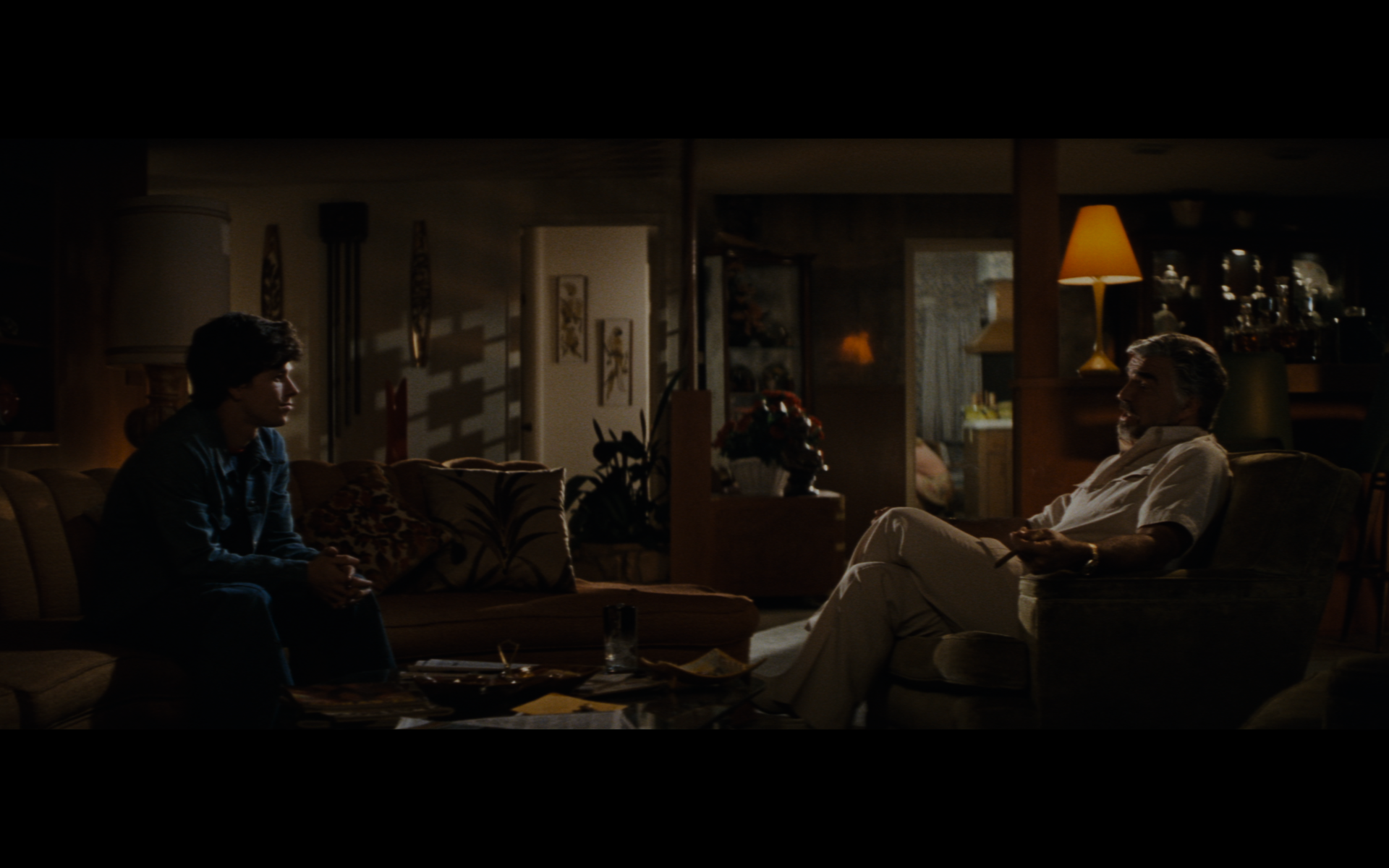
Our guide to the bacchanal is Eddie Adams (Mark Wahlberg), an unassuming bartender who’s discovered by producer-director Jack Horner (Burt Reynolds) and offered a chance to join his repertory company.
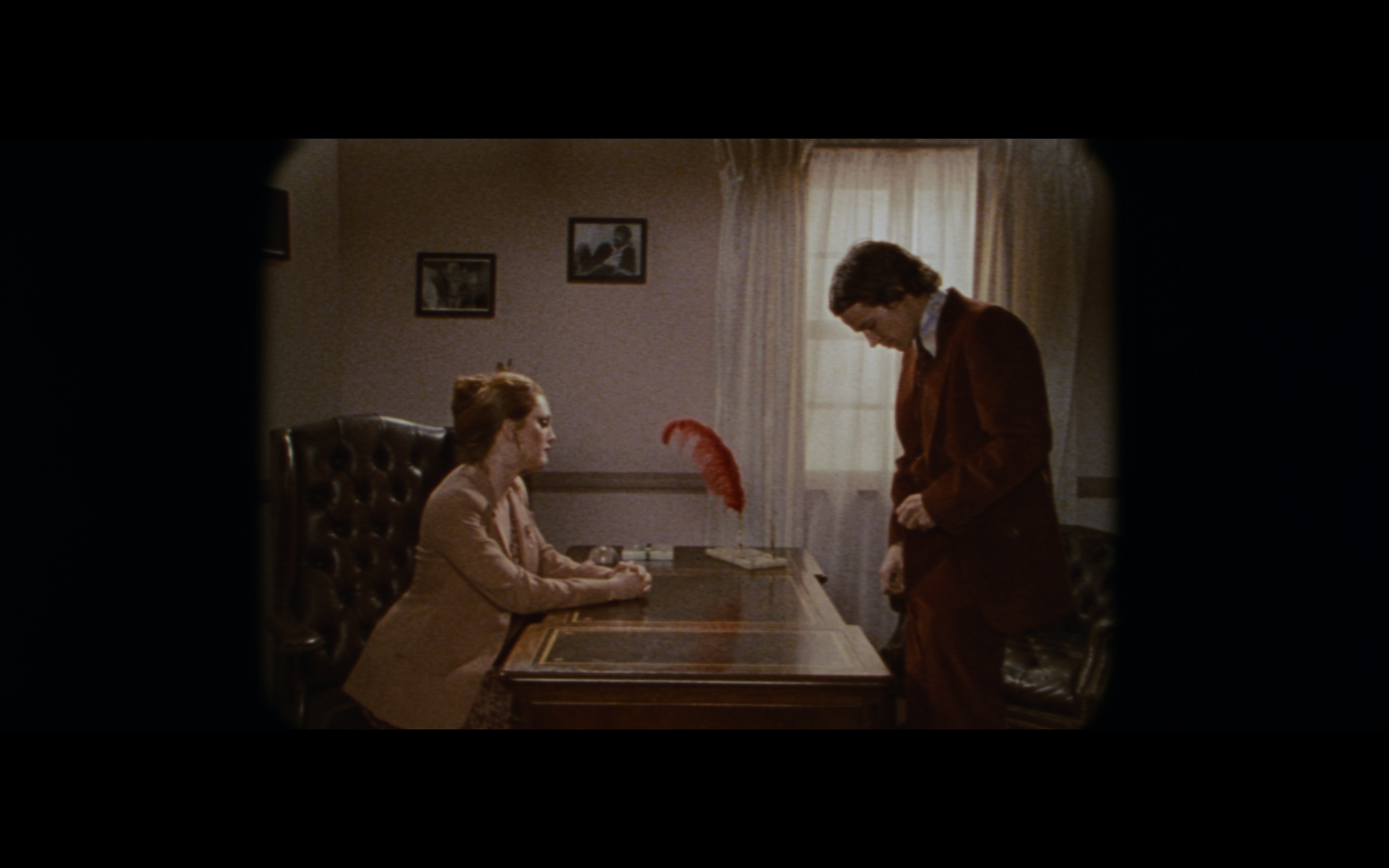
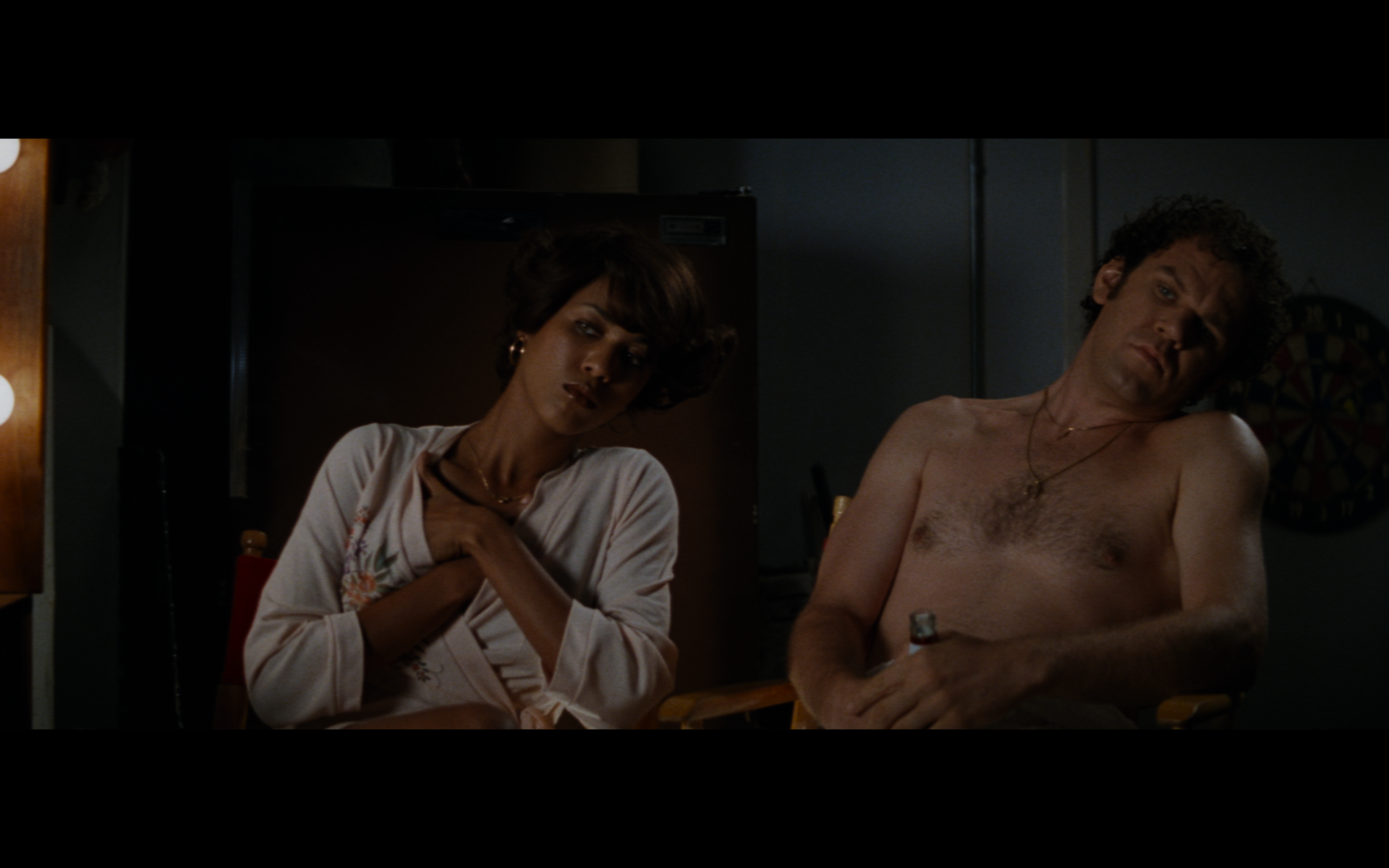
A star is born. A star called Dirk Diggler. And over the course of the movie this poor mook will be seduced, celebrated and destroyed by the industry he loves, just like Henry Hill in GoodFellas.
But it’s not just Eddie/Dirk who’s consumed by this world. Everyone he meets will be somehow corrupted or compromised over the course of Boogie Nights, and Anderson ensures there are no small parts or forgettable characters.
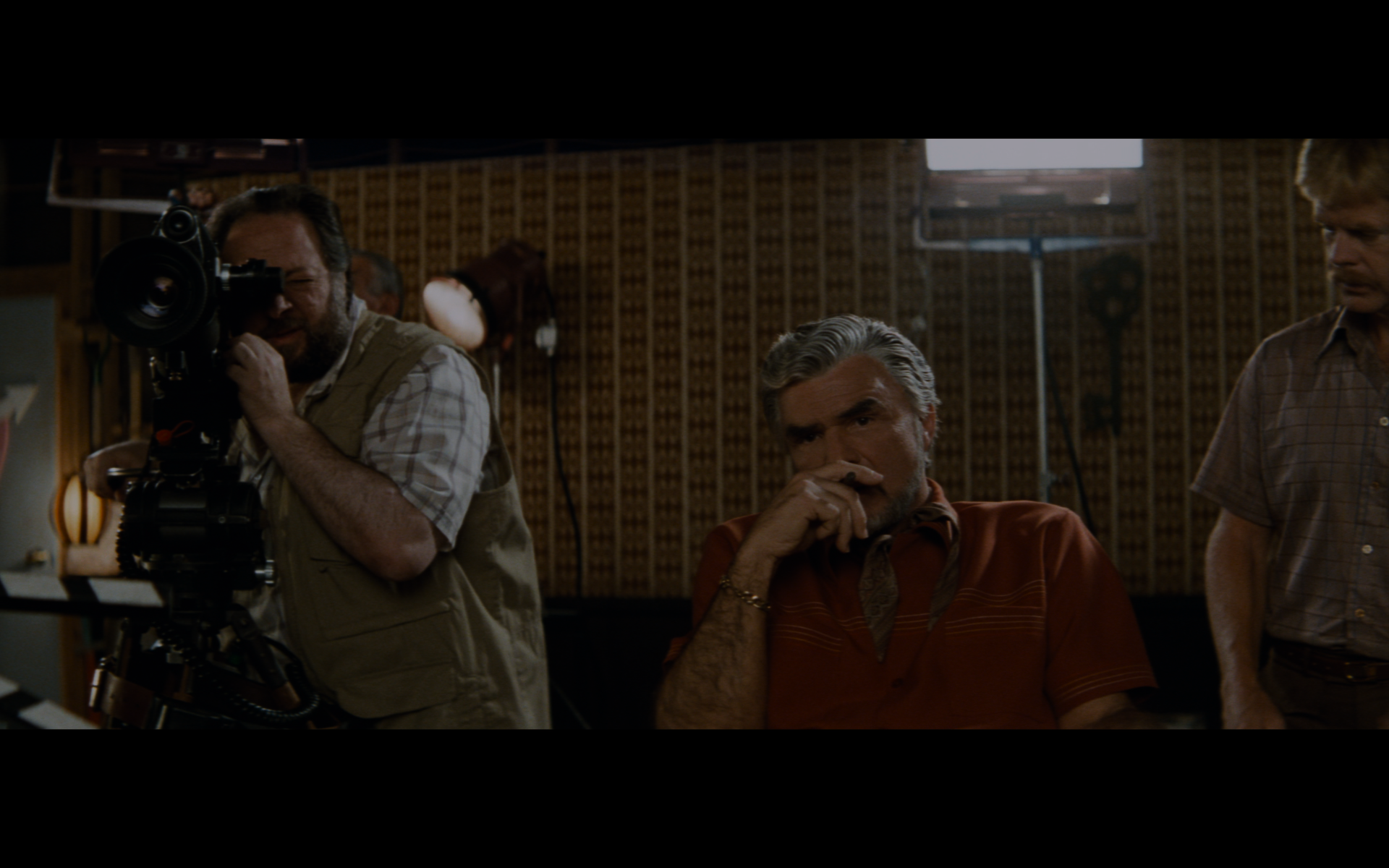
He surrounds Wahlberg with one of the best ensembles of the decade, an indie who’s-who that includes rising stars Julianne Moore, John C. Reilly, Heather Graham, Don Cheadle, William H. Macy, Luis Guzman, Thomas Jane, Melora Walters and Philip Seymour Hoffman, as well as veterans like Reynolds, Philip Baker Hall, Robert Ridgley and Ricky Jay. Every single one of them knows what kind of movie this is, and shows up to play; it’s still bizarre to me that Wahlberg and Reynolds would subsequently disavow the movie, because it’s some of their best work. Maybe they didn’t like being seen so clearly.
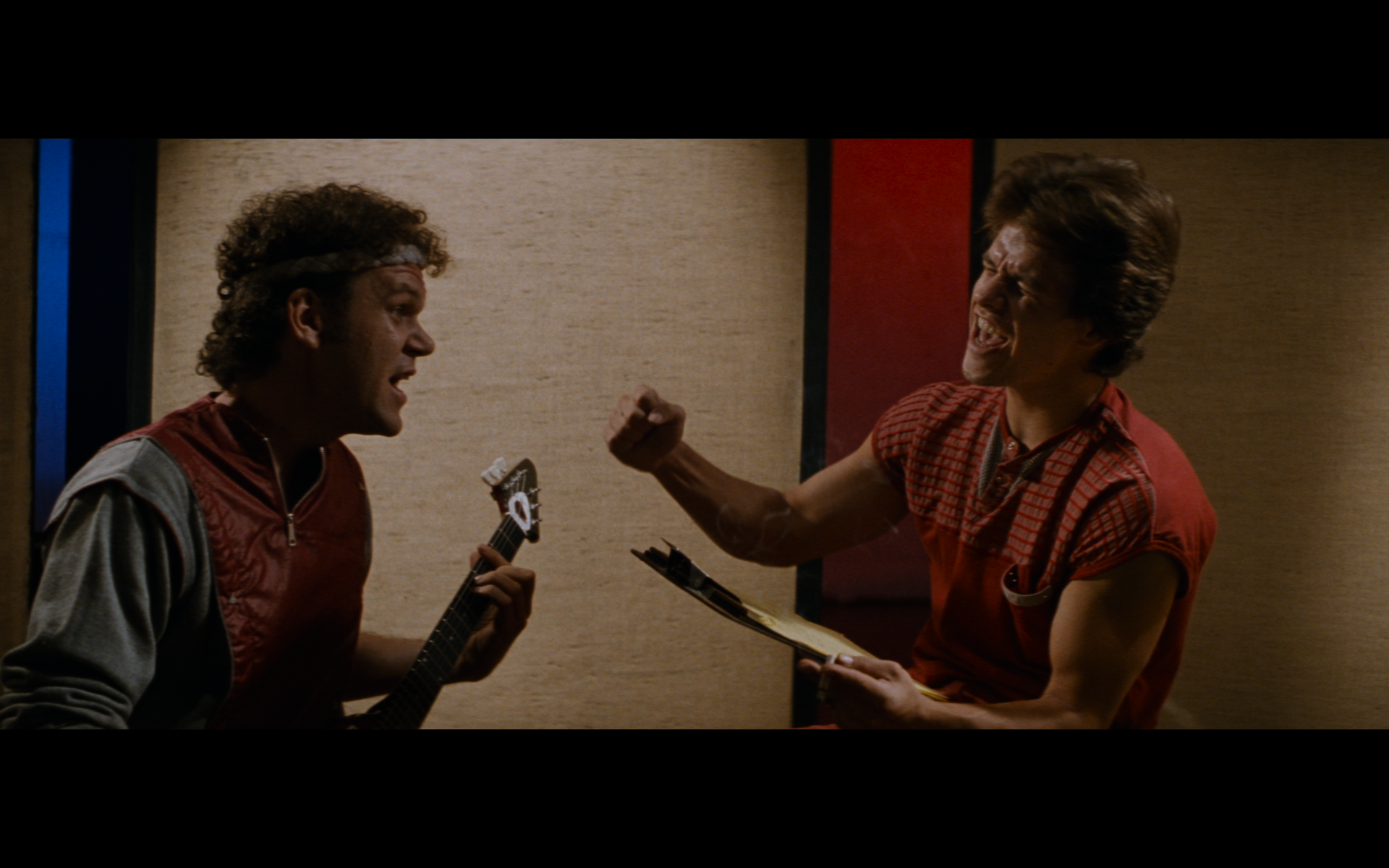
Boogie Nights’ gangster-adjacent violence and bestselling soundtracks drew some initial comparisons to Tarantino, but Anderson has his eye on a richer vein of modern American moviemaking. Just as Magnolia would be his homage to Altman, this is Anderson’s Scorsese film, a giddy rollercoaster ride filled with larger-than-life characters having outlandish adventures that’s so engaging and detailed that you hardly have time to notice things are growing darker and darker.
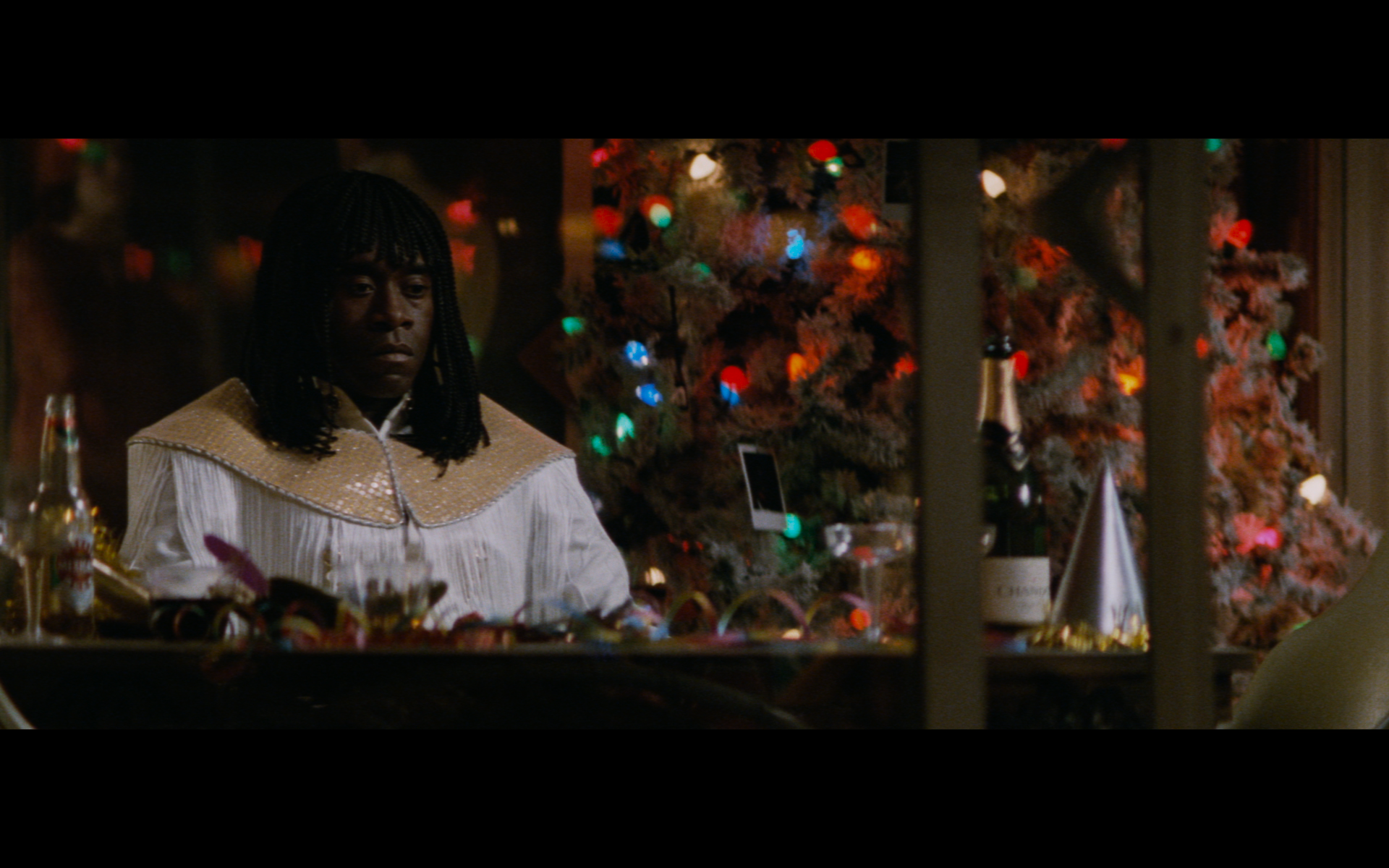
And with a literal cut to black, the swinging ’70s come to a brutal end and the coked-up, dumbed-down ’80s begin. Video replaces film, amateurs replace professionals and of course HIV is on the way to deliver a literal death blow to Dirk’s industry of choice even before Alfred Molina shows up with a gun and a mix tape.
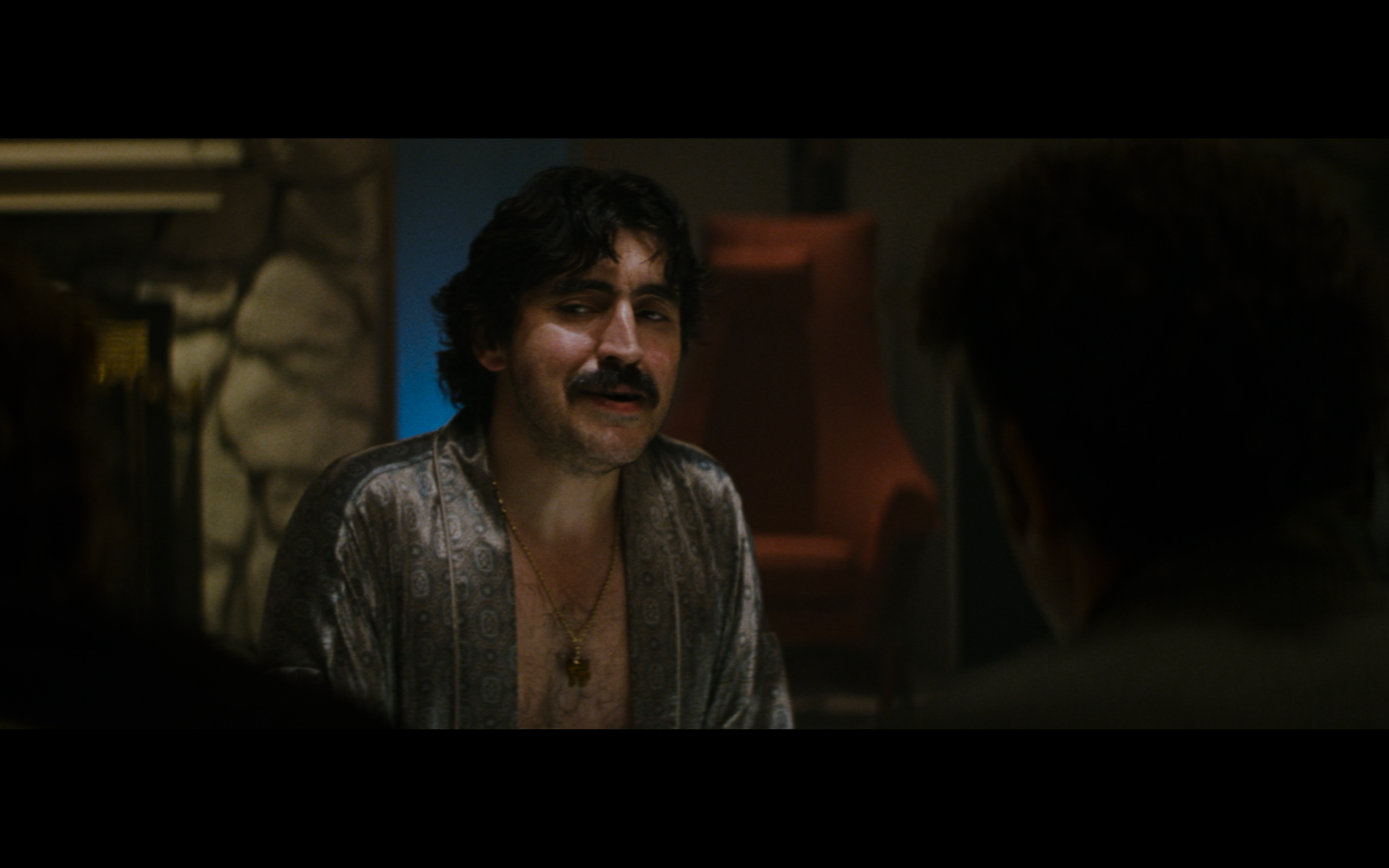
The last scene finds Anderson pivoting to a different Scorsese picture, of course, but it’s a loving acknowledgment of the debt Boogie Nights – and its creator – owes to the master.
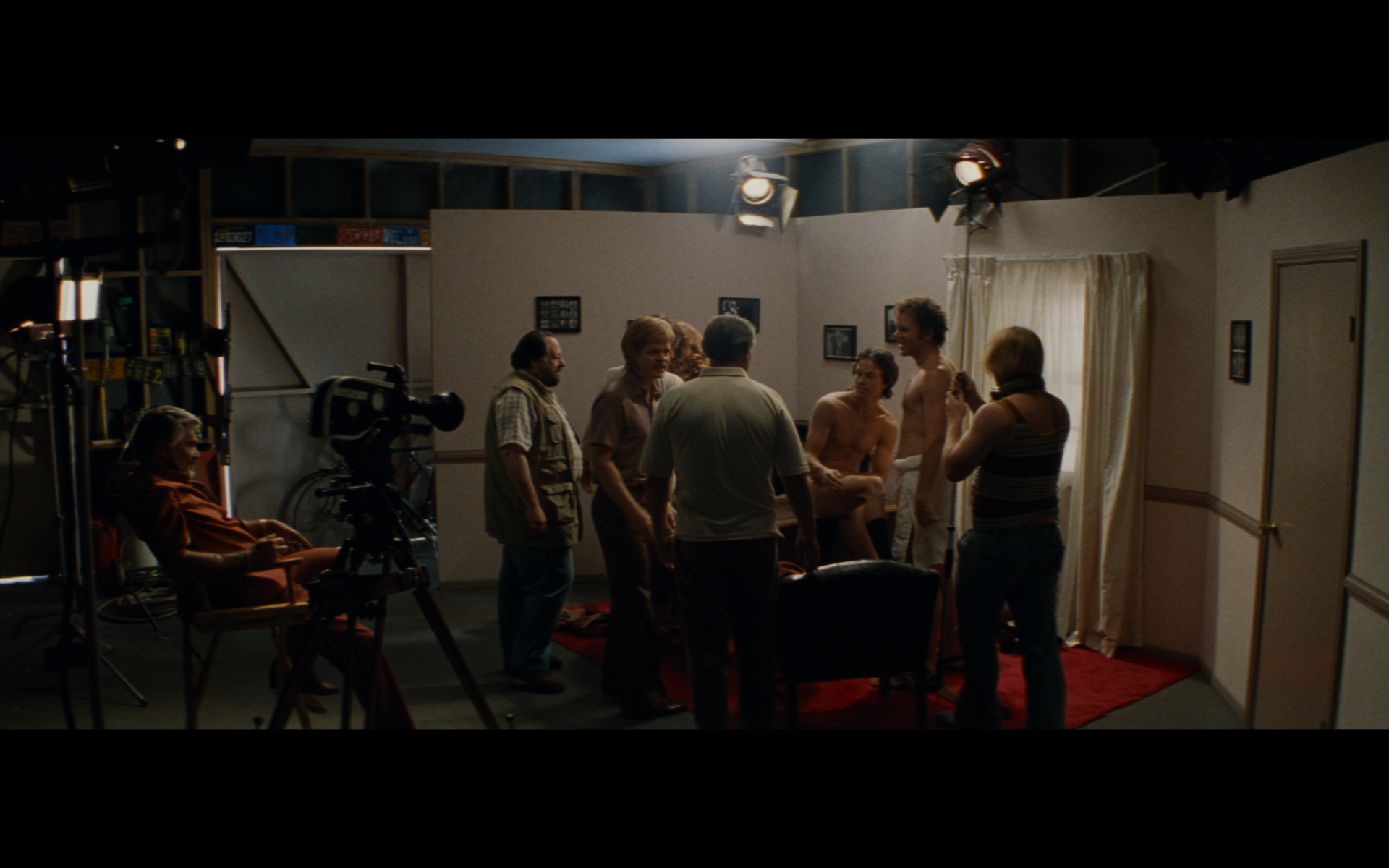
Warner’s 4K release doesn’t go back to the negative for its restoration, instead using what appears to be an interpositive and applying HDR very, very subtly to deepen its shadows and bring out its grain texture – a celebration of photochemical film that looks exactly like it did when it was released in 1997.
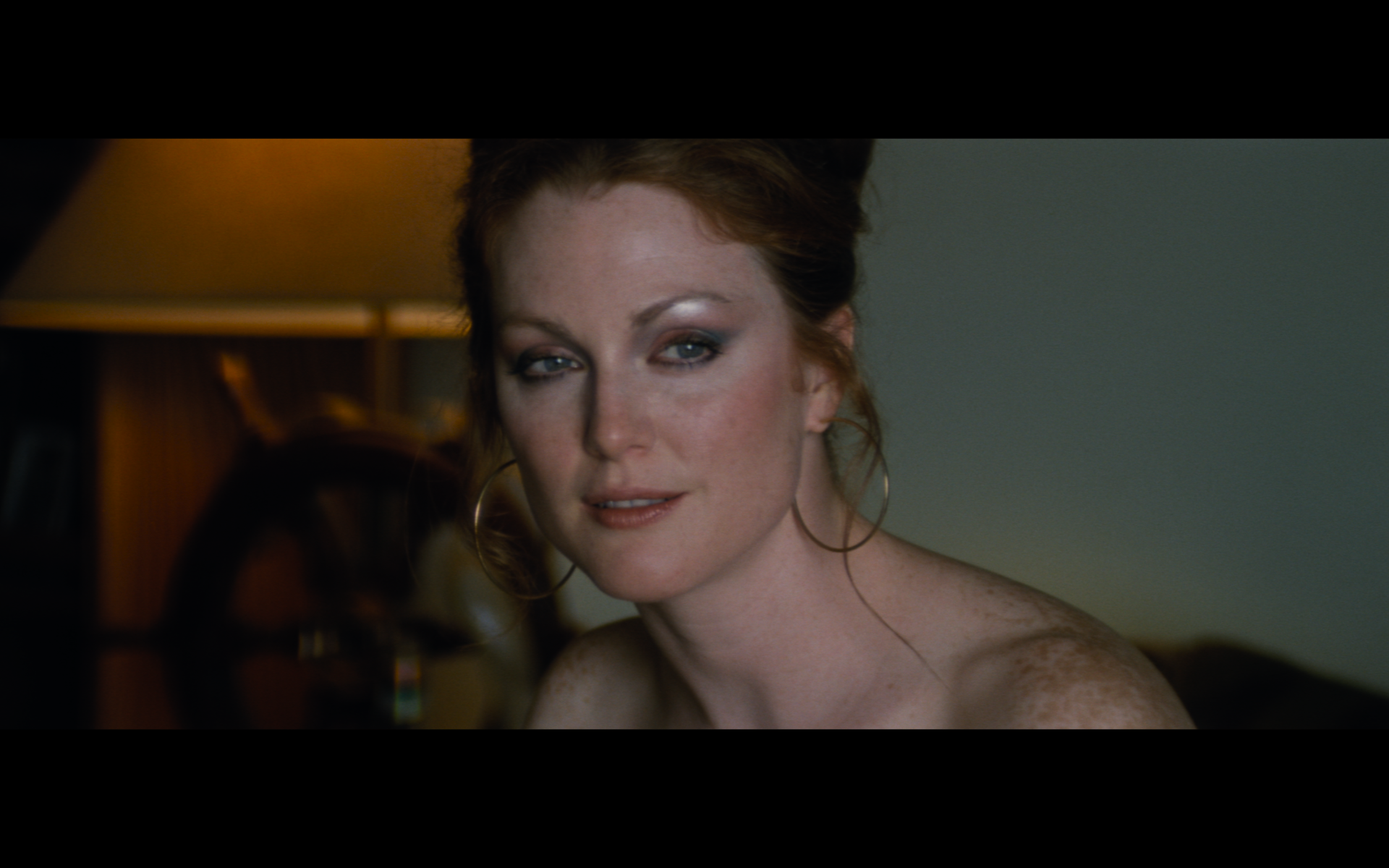
Robert Elswit’s cinematography evokes the past but isn’t bound to it; instead, he and Anderson find an aesthetic that tells us Boogie Nights has grown out of this era, looking back at the environment that made it possible. Also presumably at Anderson’s direction, Warner hasn’t remastered the audio into Atmos; the 4K disc appears to use the same 5.1 mix that appeared on the Blu-ray edition, now in DTS-MA HD. (Which is also faithful to the theatrical experience.)
Nearly all of the extras from that Blu-ray are ported over to the new disc: The cast-and-crew audio commentary originally recorded for Criterion’s 1998 LaserDisc special edition and the Anderson solo track produced for New Line’s DVD, half an hour of deleted scenes and another 15 minutes of outtakes (packaged as “The John C. Reilly Files”) and Anderson’s music video for Michael Penn’s “Try.”
The only thing missing is the theatrical trailer, but in exchange Warner offers two introductions from the American Cinematheque’s premiere of the 70mm print at Santa Monica’s Aero Theater in 2023. The first night features Cinematheque director of programming Grant Moninger chatting with Anderson and Reilly; Anderson is Moninger’s only guest for the second night.
Each conversation runs about 25 minutes, and obviously the one with Reilly is the most entertaining. I have a feeling Chest Rockwell and Sensei Sergio would really get each other, you know?
One Battle After Another is now available in separate 4K and Blu-ray editions from Warner Bros. Discovery Home Entertainment; a special edition will be released in the spring. Boogie Nights is also available on 4K from WBDHE.
Up next: Roofman and Wicked: For Good also came out yesterday, and I’ll be reviewing them in a new-release roundup later this week. And congratulations to Dave Lamb and Jeff Mather, winners of last week’s Wicked giveaway; your 4K/BD combo editions are on their way to you, my pretties.