Roof Man, Green Lady and Everybody Else
In which Norm catches up to half a dozen January releases.
Between various shipping delays and a few unavoidable distractions – like, um, applying for about a dozen different jobs* because it’s January and that’s how hiring works – I find myself with a pile of recent releases all demanding to be covered. Let’s sprint through them together, shall we?
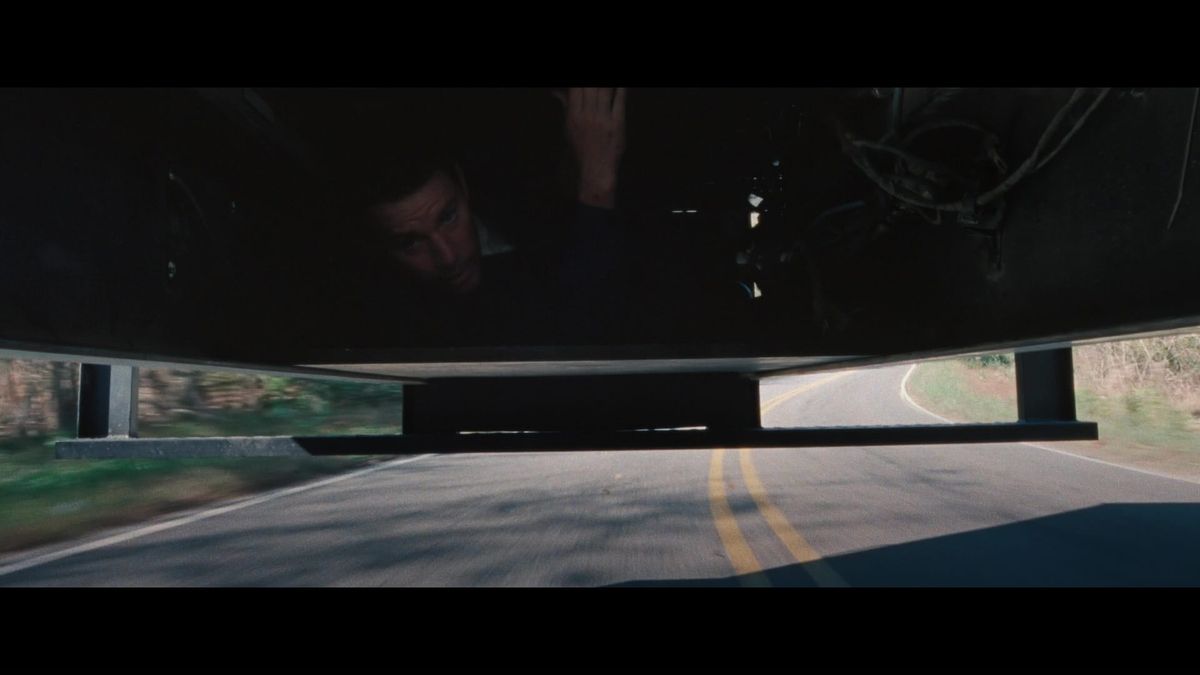
Roofman was supposed to be a contender. Derek Cianfrance’s first feature in almost a decade was pitched as a more commercial work from the director of Blue Valentine and The Place Beyond the Pines, and that’s … certainly true. Cianfrance hit the festival circuit talking about how he just wanted to put something upbeat into the world, and the stranger-than-fiction story of a nice-guy bandit who spent the late ’90s and early aughts robbing McDonalds franchises by breaking in after hours (through the roof, hence his nickname) – was the perfect story for the moment.
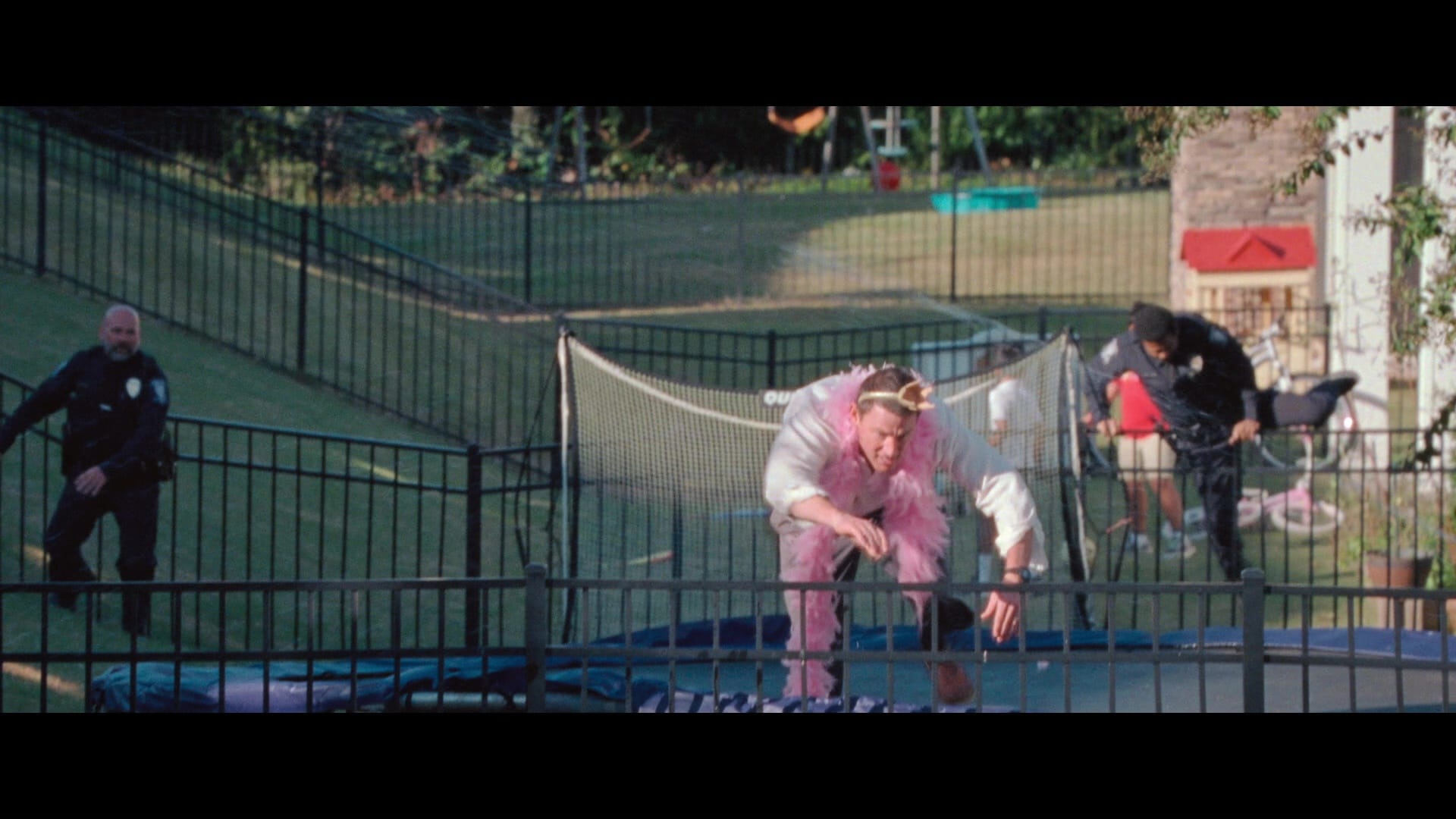
That’s true enough, I guess; it’s economic pressures that force Jeffrey Manchester into a life of crime, and even once the guy breaks bad he’s still pretty relatable. Channing Tatum plays him as a divorced dad who tells himself he’s doing this to support his kids, even as circumstances force him to abandon his family and hide out in a Toys ’R Us … where he meets Leigh (Kirsten Dunst). She’s a single mom, he’s charming enough, so of course they start dating. And it’s nice, except that Jeffrey is still a fugitive and eventually he’s going to need to pull another robbery.
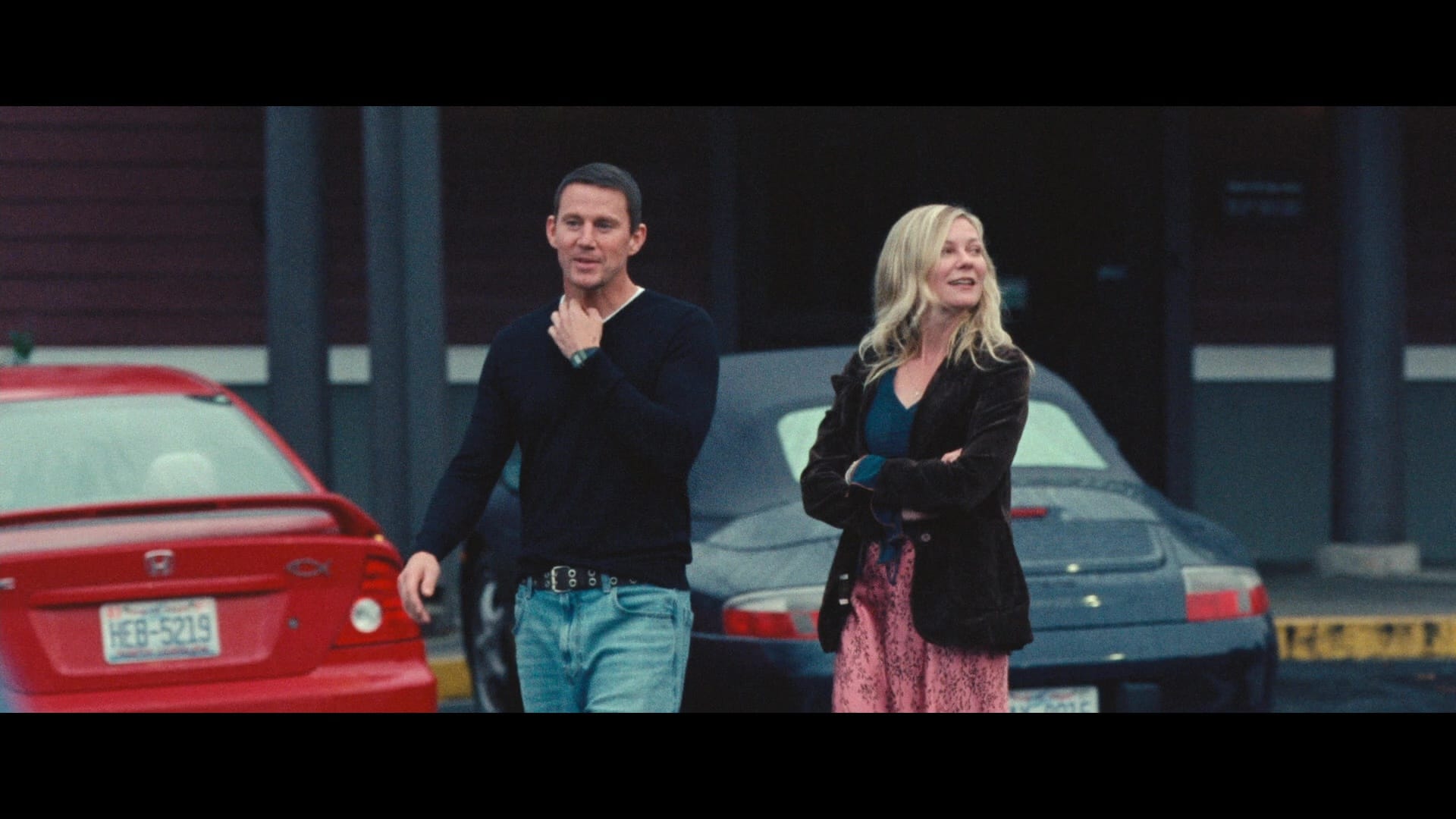
There’s a way to make a serious, dark version of this story, and of course Cianfrance already made it in the first third of The Place Beyond the Pines. And those of us who know his work will find it a little weird watching him and his Blue Valentine DP Andrij Parekh apply the same gritty, nervous aesthetic to Roofman while shaving all the edges off its true-crime narrative.
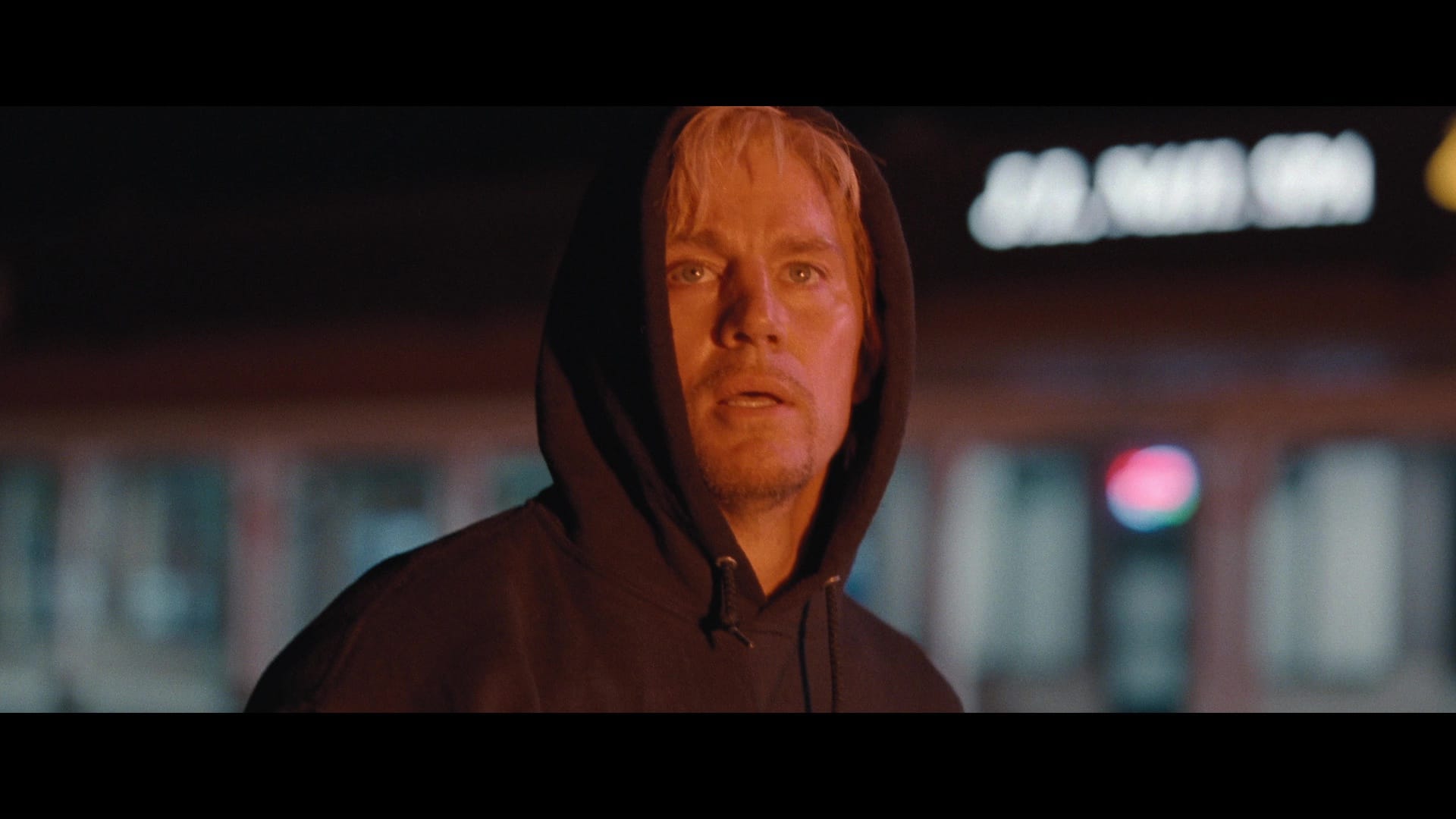
Tatum is indeed charming as hell as Jeffrey, and he’s got a great scene partner in Dunst, especially in their early scenes, when she’s happily buying into his bullshit backstory. Both characters are very good at only seeing what they want to see, and that’s an interesting idea for a movie like this, but Cianfrance keeps pulling back, worried things might get too grim. Which just made me wonder why he picked this story in the first place.
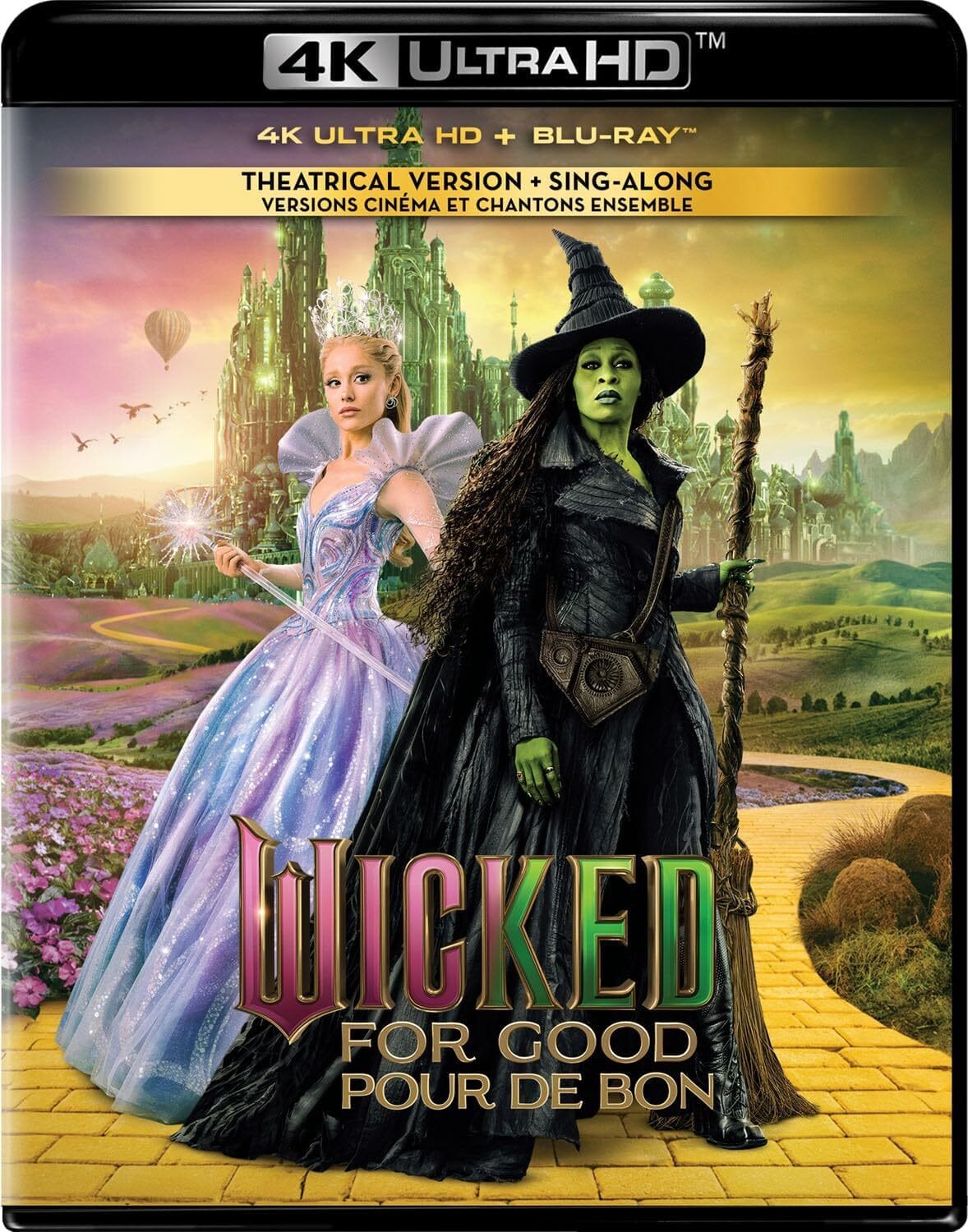
Here’s another decision that makes no sense to me: Splitting the Broadway musical Wicked into two parts. I laid out my concerns about this strategy when Part One came out last year, so there’s no need to relitigate it now; I’ll just say that stretching a two-and-half-hour show into five hours of movie, and tweaking the structure of said show to end Part One with the song everybody knows, ends up with a second act that’s somehow boring and rushed at the same time.
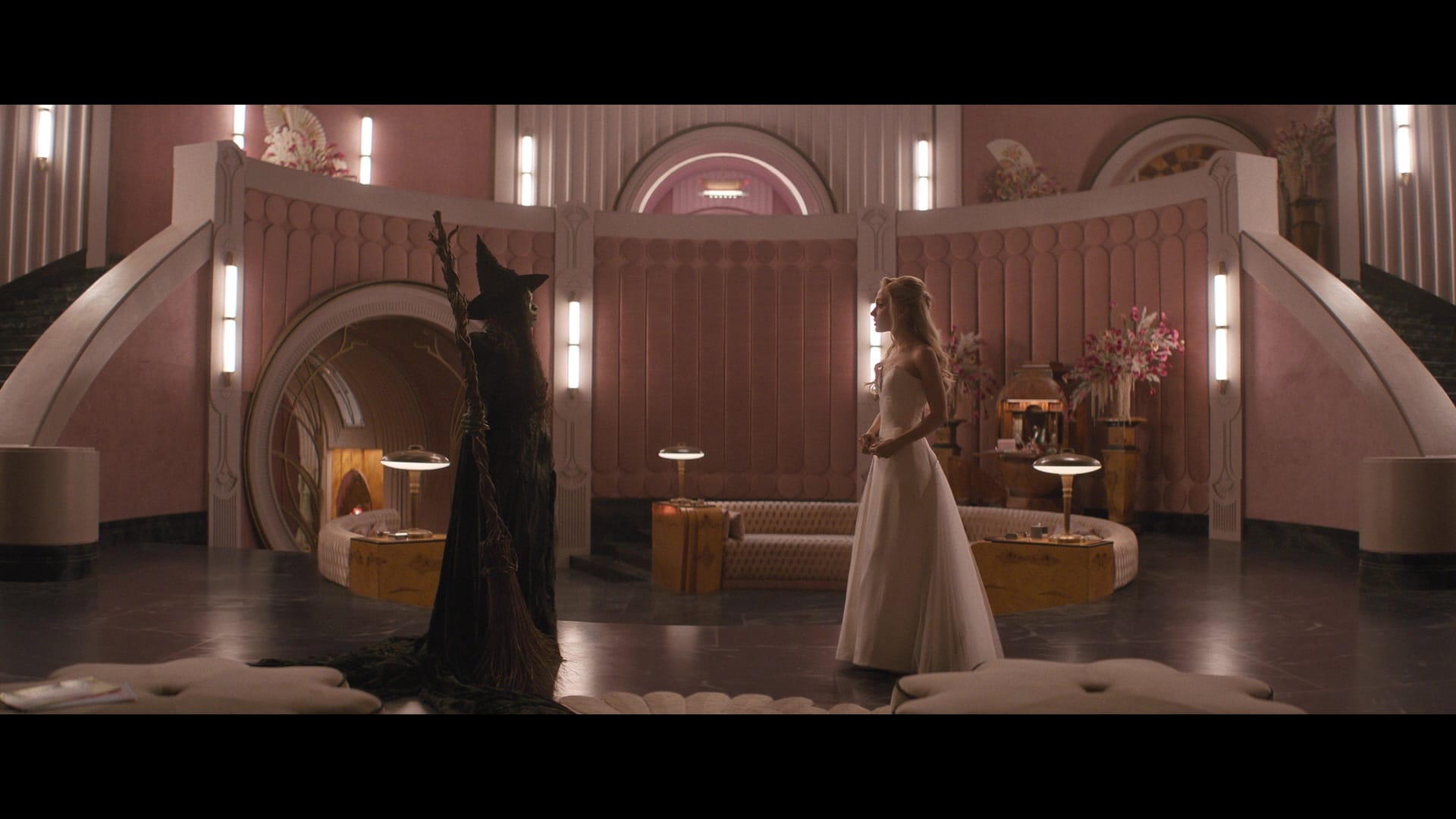
And so Wicked Part Two, hereafter known as Wicked: For Good, shoves aside the conflict between Cynthia Erivo’s Elphaba and Ariana Grande-Butera’s Glinda – and all the mechanics of the Wizard (Jeff Goldblum) and Madame Morrible’s (Michelle Yeoh) fascist takeover of Oz – to set up the various canonical events that have to happen before the arrival of some girl named Dorothy.
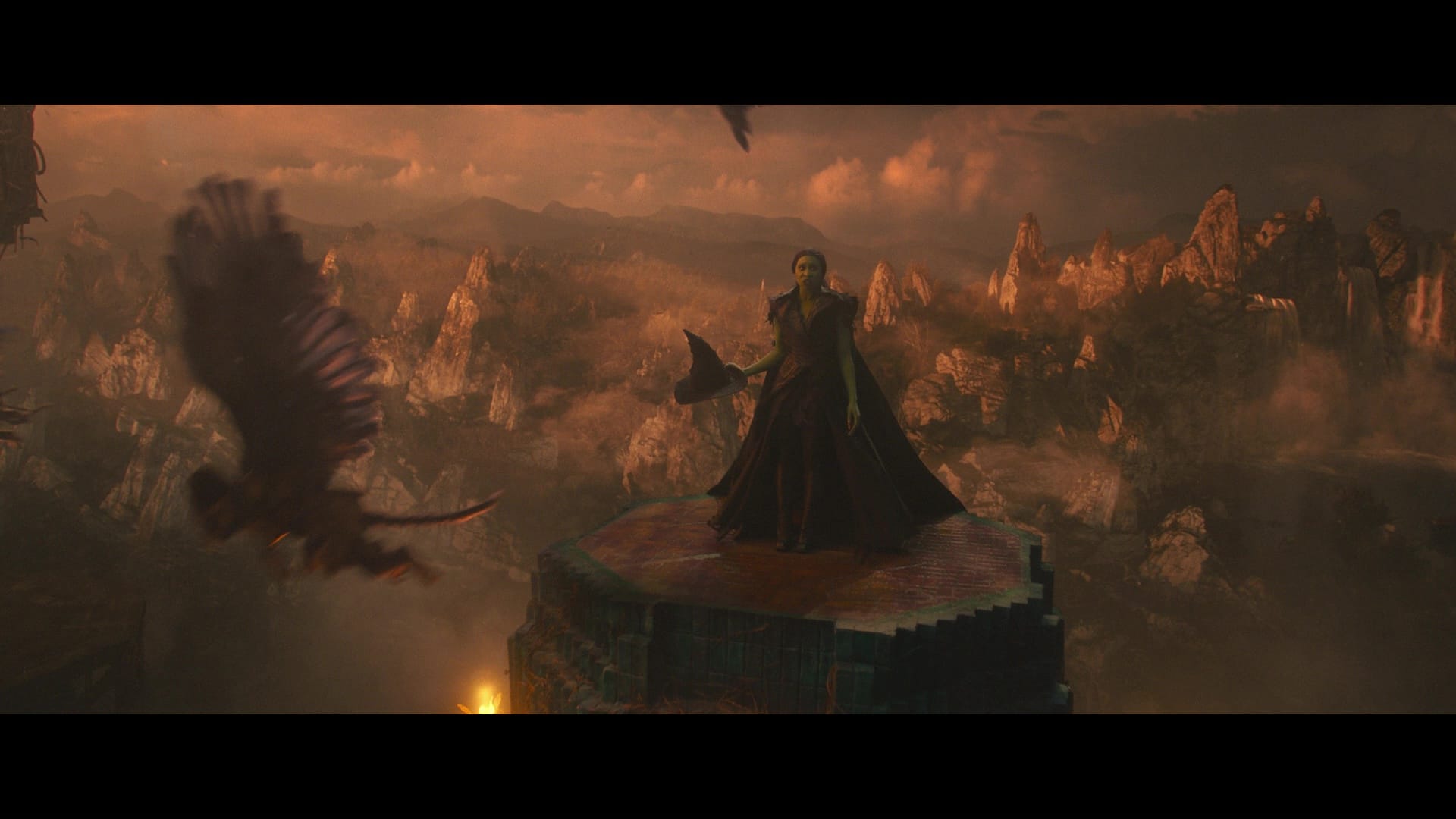
It probably worked a lot better in the live show, where various surprises would be achieved practically to dazzle the audience – and, more to the point, where the story could move so quickly said audience wouldn’t have time to think about how contrived and illogical those surprises are. As in the first film, stretching everything out to twice its length means padding everything out, in one case cutting away a climactic ensemble number (“March of the Witch Hunters”) so Glinda can sing a new song (“The Girl in the Bubble”), then returning to the earlier number already in progress. Certain tricks that worked in the play – like keeping certain characters out of the audience’s sight – are fumbled here, and other plot points have been rewritten into incoherence.
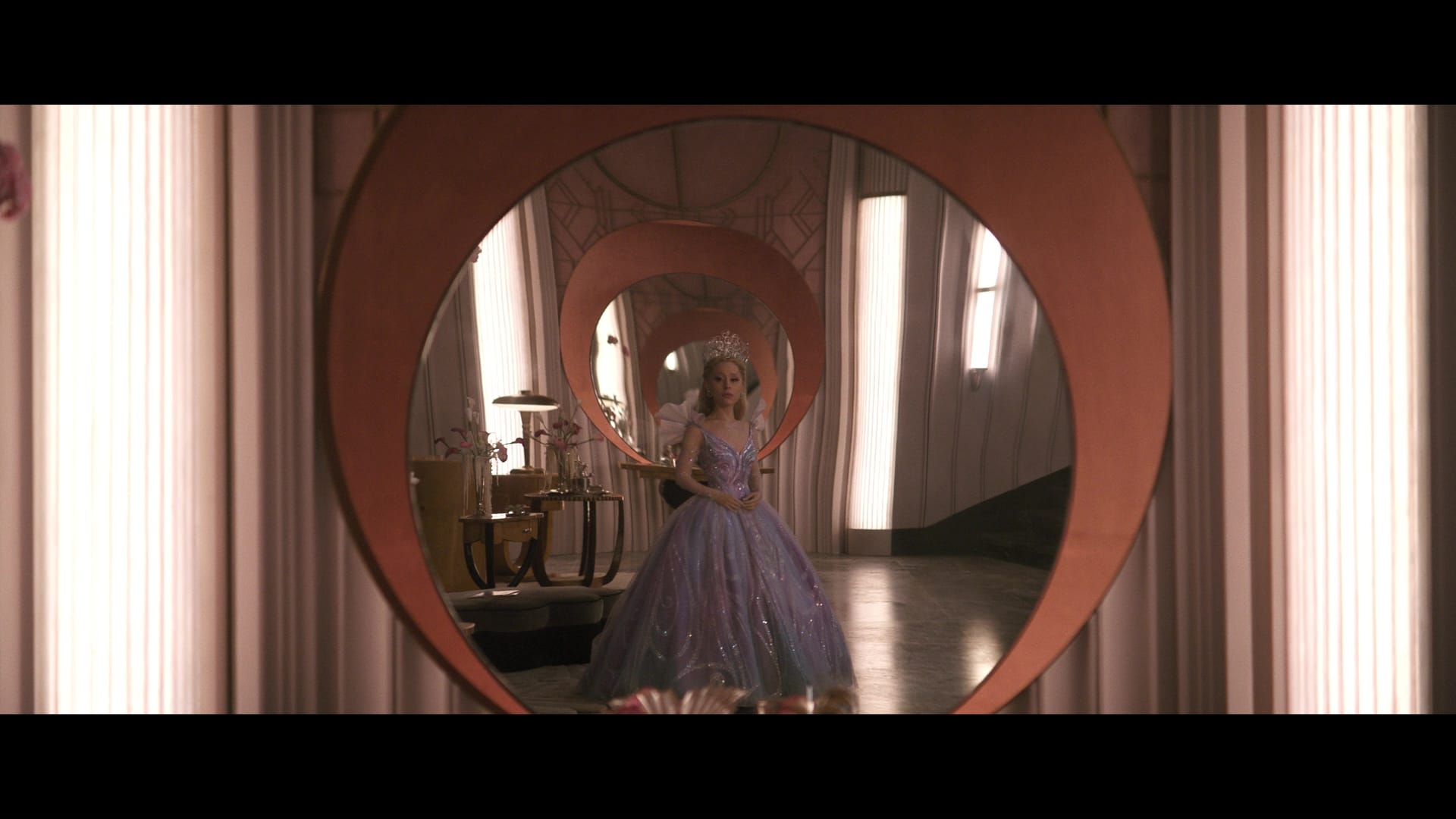
I’m the first to admit the Wicked movies aren’t for me, but I get the feeling Wicked: For Good didn’t satisfy the fans, either. Splitting the show into two features may have been a smart financial move – they’ve earned a collective $1.3 billion worldwide – but it also reveals how little there was to work with, especially in the second act. The lack of attention from awards bodies is also telling; the Academy, which showered Part One with 10 nominations (it won for Production Design and Costume Design), didn’t acknowledge For Good at all. So let’s not spend another clock-tick on it. Moving on.
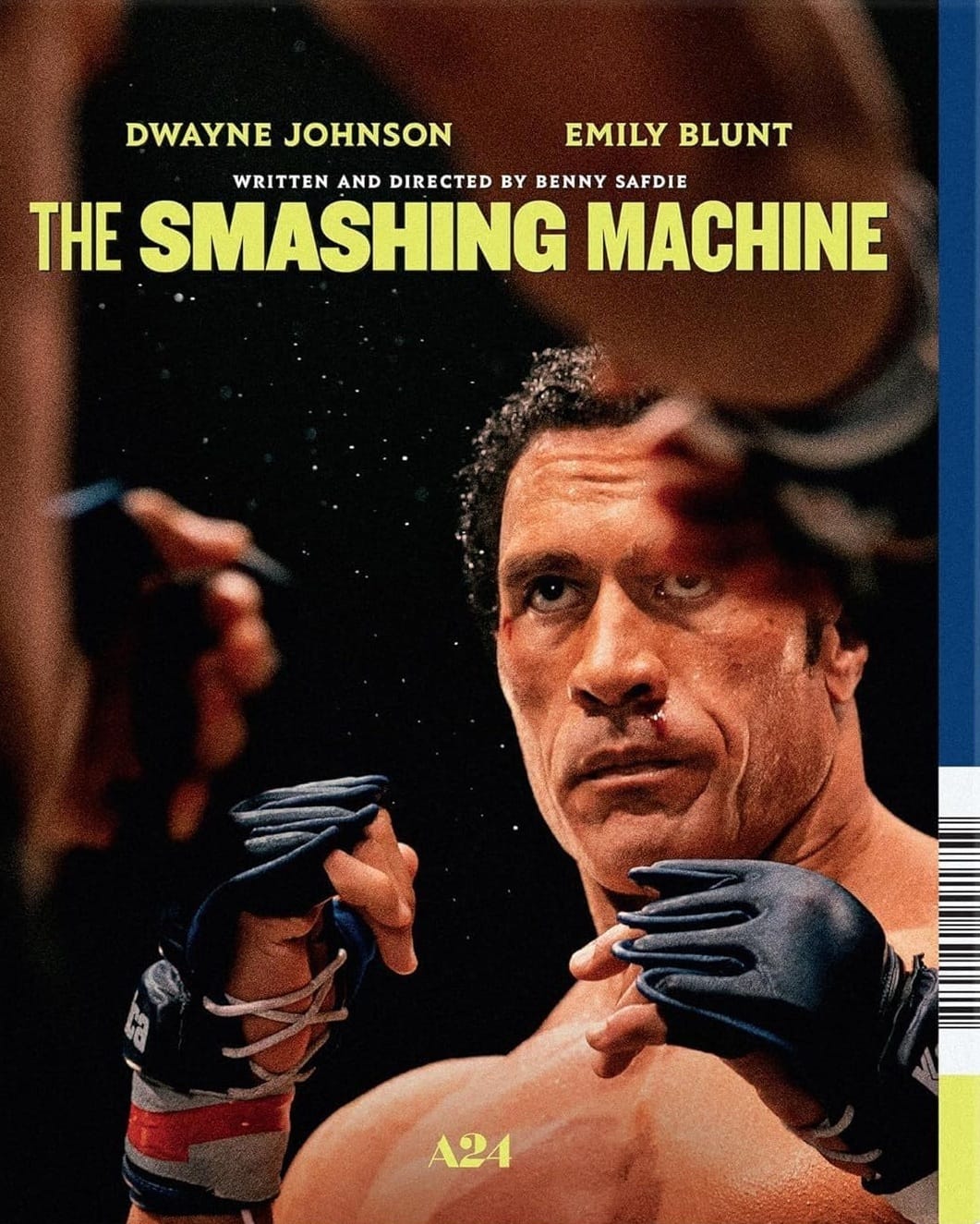
Speaking of presumptive Oscar contenders, A24’s US edition of The Smashing Machine has arrived, both the 4K and Blu-ray configurations offering a different supplemental package than the VVS Films Canadian BD released in December. The deleted scenes and feature commentary by writer-director Benny Safdie are now accompanied by a half-hour production documentary and a demo reel of the bespoke 16mm stock commissioned for the shoot, which is the real standout of the package.
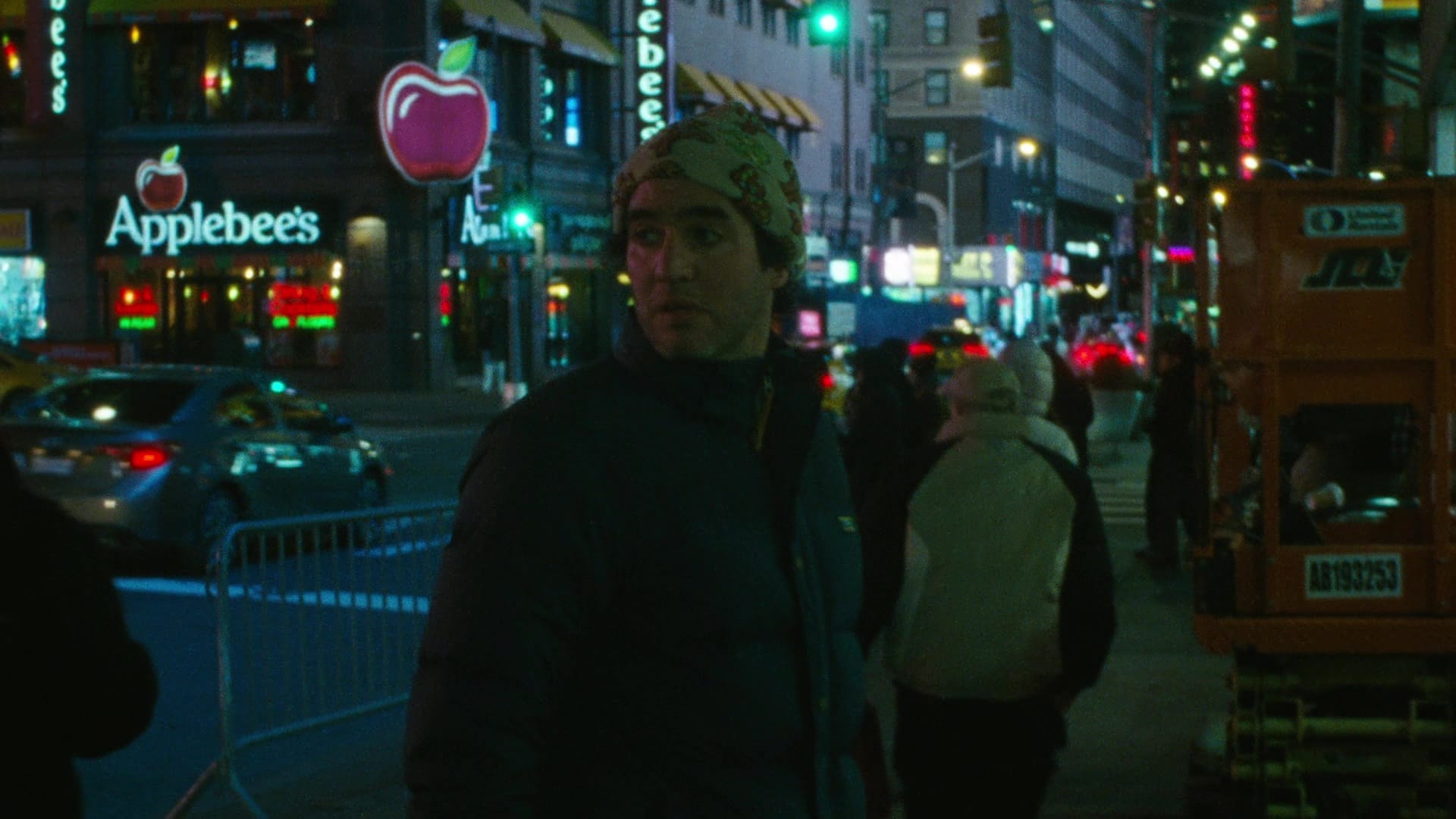
Following Safdie wandering around various New York locations for ten minutes, it’s an eerily beautiful short film unto itself – and while I understand why some might not want to watch anything involving either Safdie brother right now, it’s really quite striking.
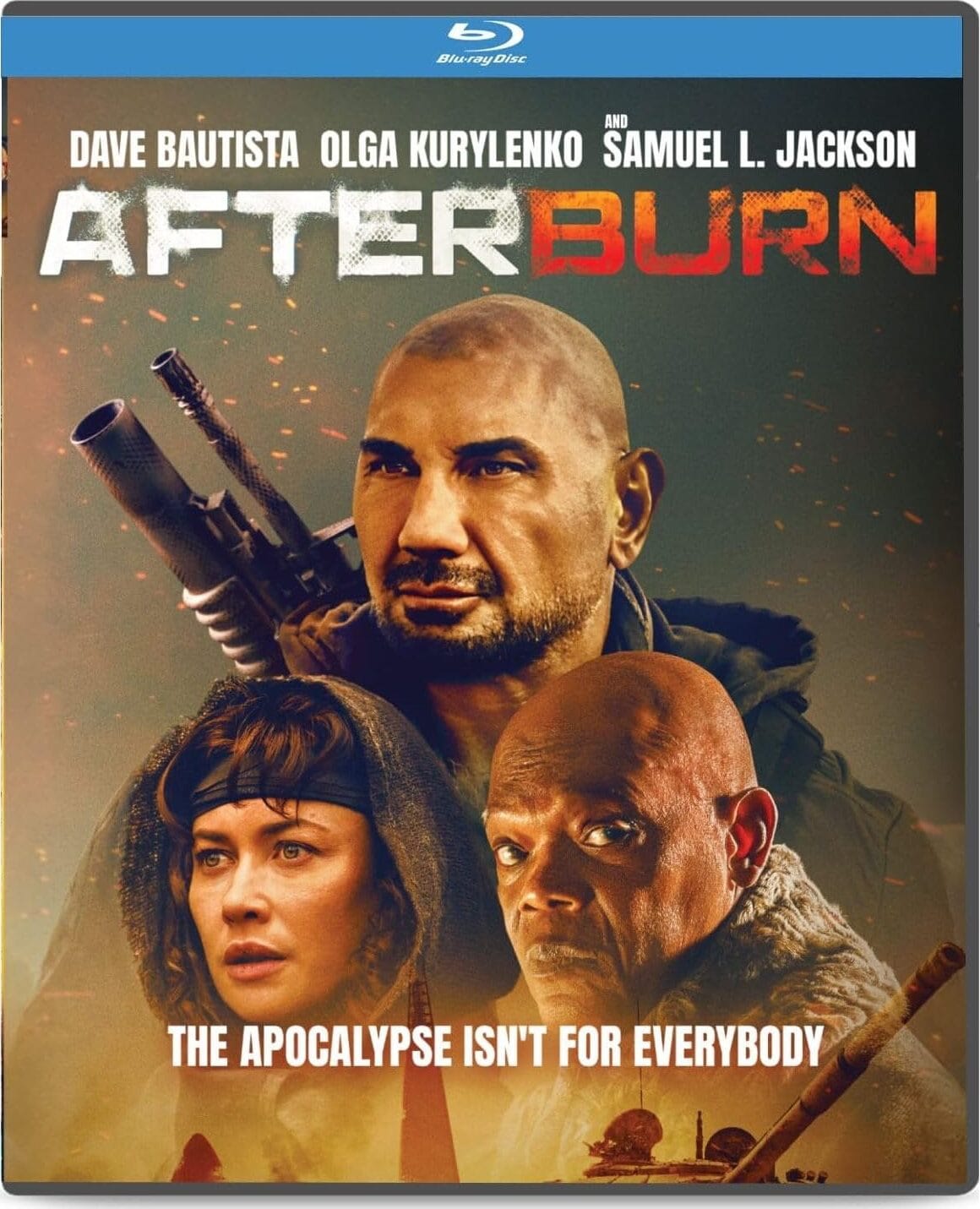
Over on the genre shelf, Afterburn feels like a movie Dwayne Johnson might have made sometime around 2008, when the graphic novel on which it’s based was originally published – although even then, he was moving towards bigger projects than this modest dystopian action picture. This is resolutely not a big project; Afterburn is straight-up junk food, one of those package deals where a random assortment of character actors spend a few weeks in Eastern Europe staying in nice hotels and pretending to be running around a wasteland shooting at each other. Sometimes while driving a cool car.
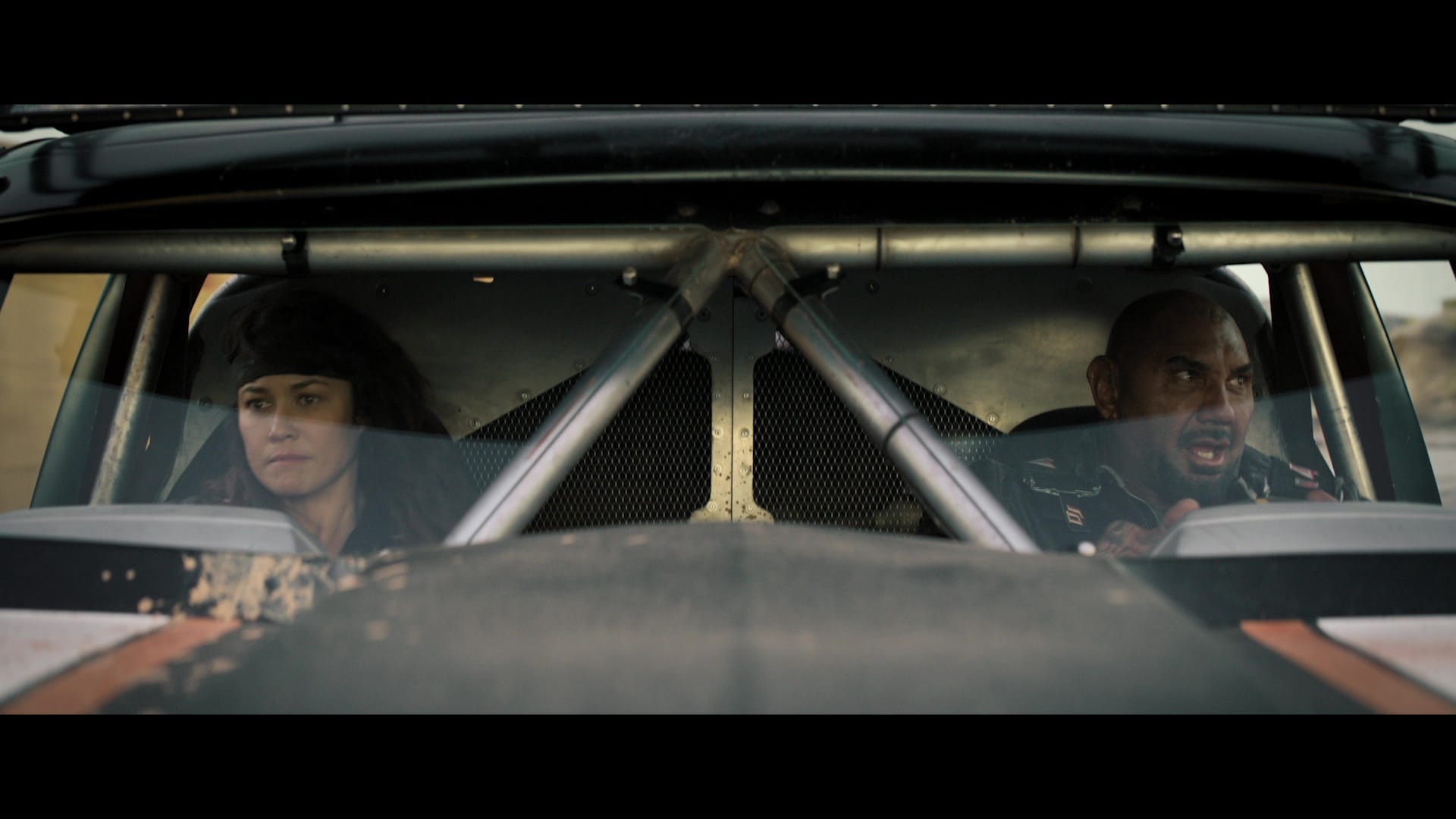
Six years after solar flares blew out the Earth’s electronics and plunged the planet into chaos, Europe has clawed its way back to an uneasy feudalism. Dave Bautista is Jake, the guy you call when you need to find something extremely rare; these days he mostly works for August Valentine (Samuel L. Jackson), a benevolent warlord who’s just crowned himself King of England.
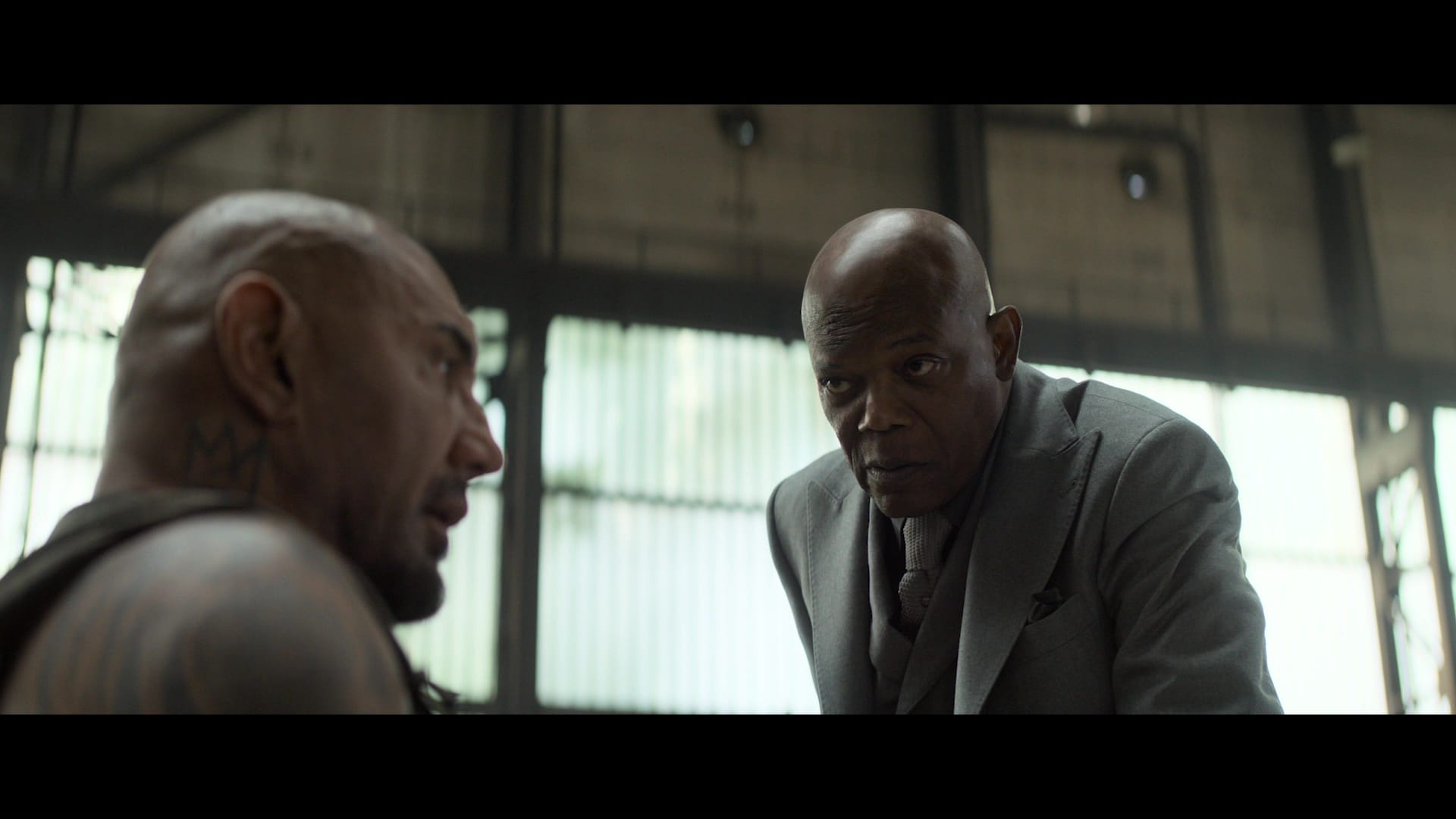
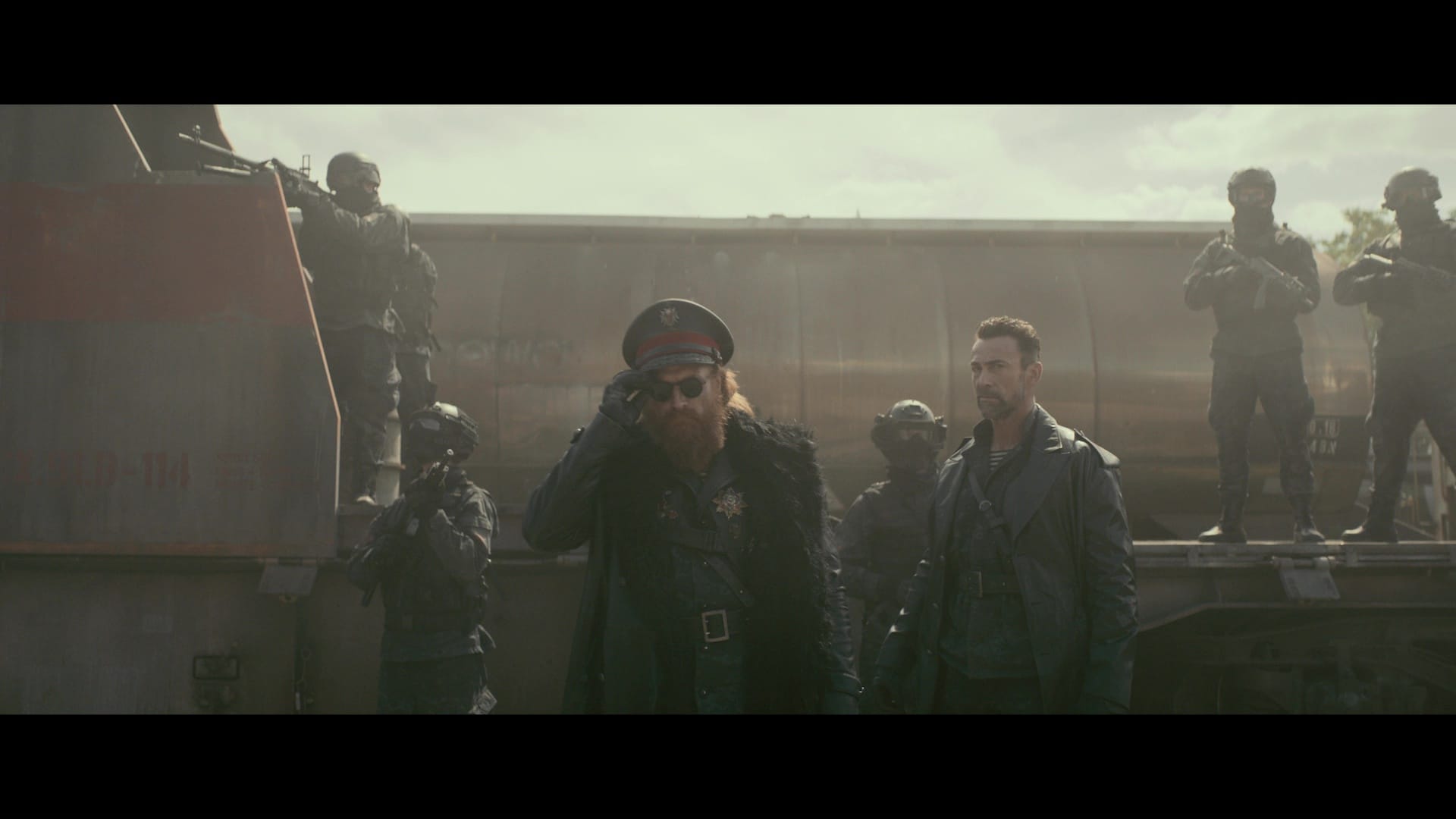
His latest assignment: Go to France and find the secret vault where the government hid its treasures – and a few other things – during the disaster, and look for the Mona Lisa while avoiding the evil General Volkov (Kristofer Hivju, the redheaded wildling of Game of Thrones), who also wants to find the vault. There will be much shooting and kicking and punching, and also Olga Kurylenko and Daniel Bernhardt are there.
But that’s what you want from a movie like this, and that’s what Afterburn delivers: Shooting and kicking and punching, and also a few explosions and a handful of cranky jokes about all the violence. And honestly, I didn’t mind it. I’ve seen hundreds of movies like this over the decades, and you learn to appreciate the ones where the actors are game and the stunt team is competent.
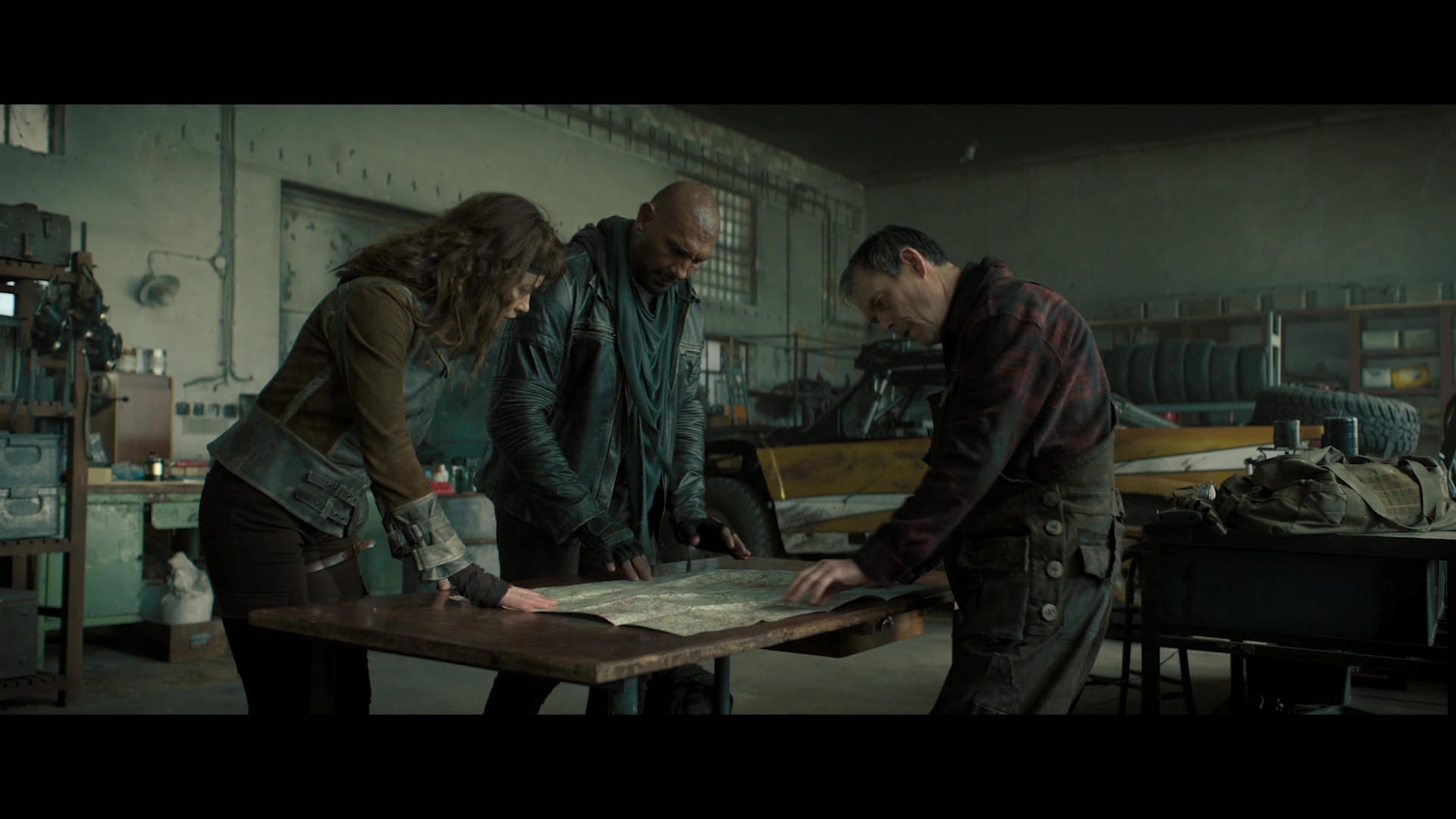
Afterburn also boasts a serviceable script (co-written by Predators director Nimród Antal!) and direction from J.J. Perry, a stunt performer who’s upped his filmmaking game considerably since the disappointing Bautista vehicle The Killer’s Game. So, a pleasant surprise.
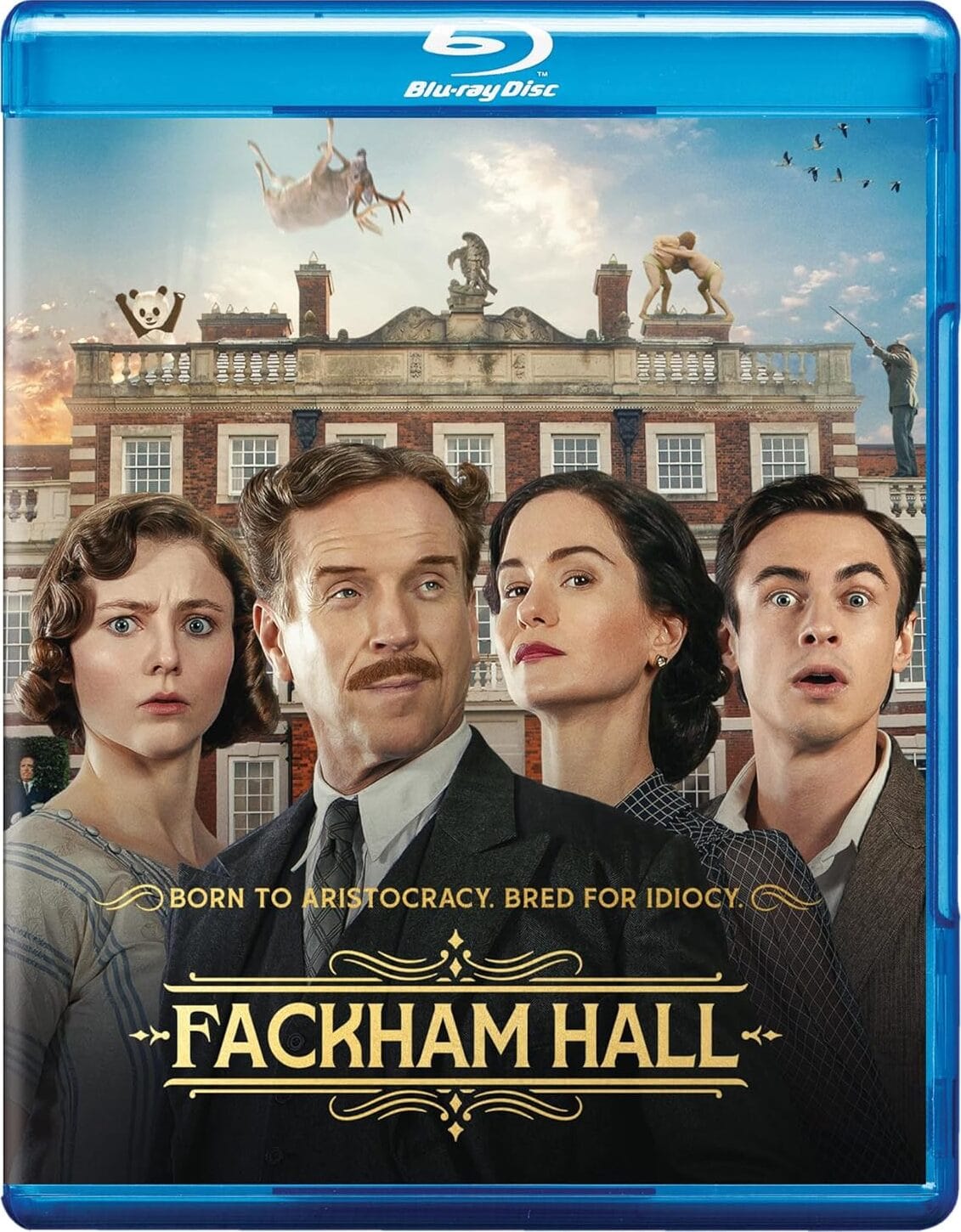
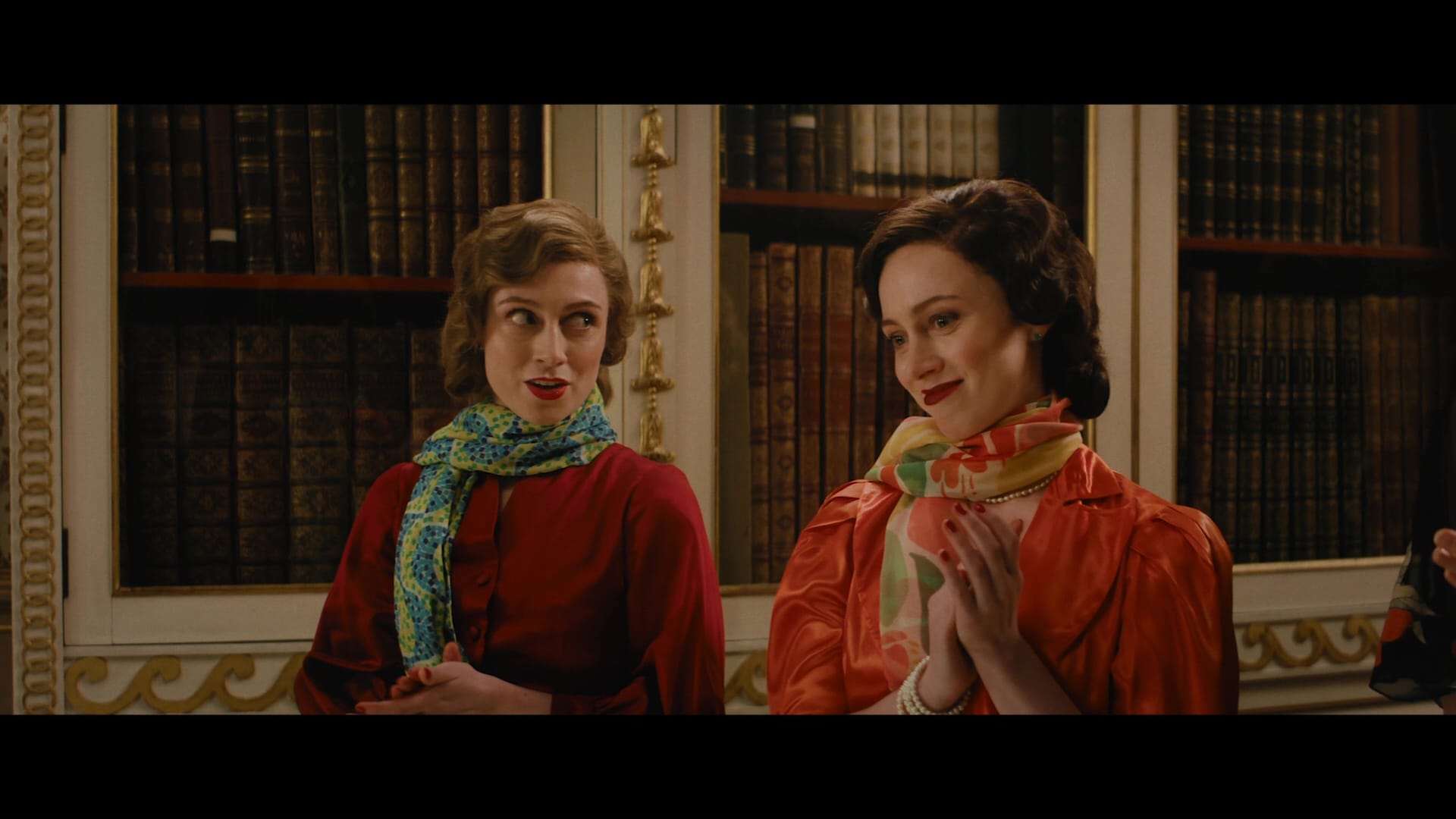
Less pleasant was Fackham Hall, an attempt to go all Naked Gun on Downton Abbey and its ilk that has its occasional clever moments but never develops the momentum the joke-a-minute spoof genre demands. "Based on an original idea" by the English comedian Jimmy Carr and his writer-producer brother Patrick, it’s a strained comedy about the misadventures of the well-to-do Davenport family over an eventful weekend.
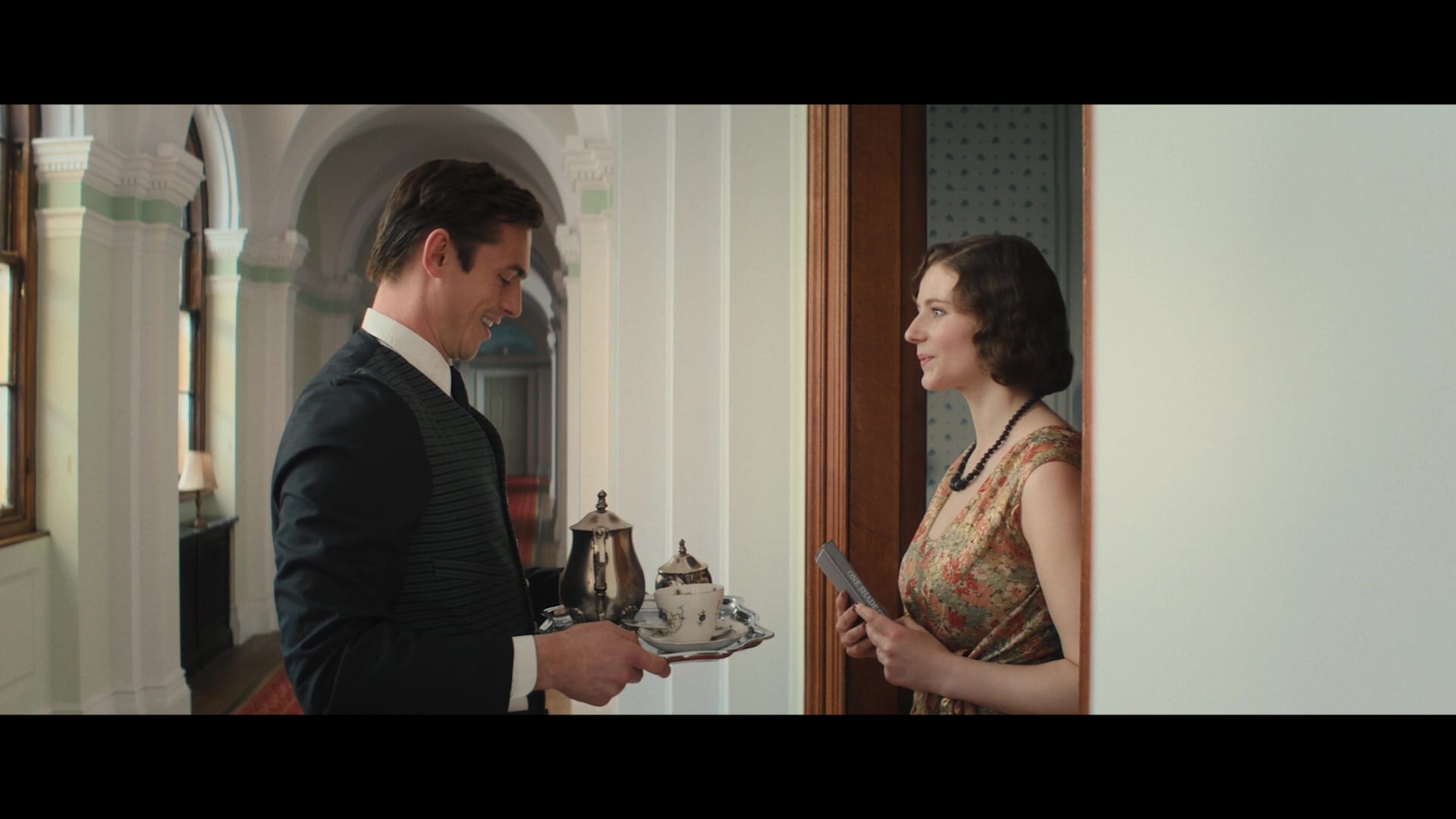
Eldest daughter Poppy (Emma Laird) ditches stuffy fiancé/cousin (Tom Felton) at the altar, her younger sister Rose (Thomasin McKenzie) falls for penniless hall boy Eric Noone (Ben Radcliffe), and the kindly Lord Davenport (Damien Lewis) is found stabbed, shot, poisoned and strangled in his study, which lets the writing team incorporate a Gosford Park parody, too.
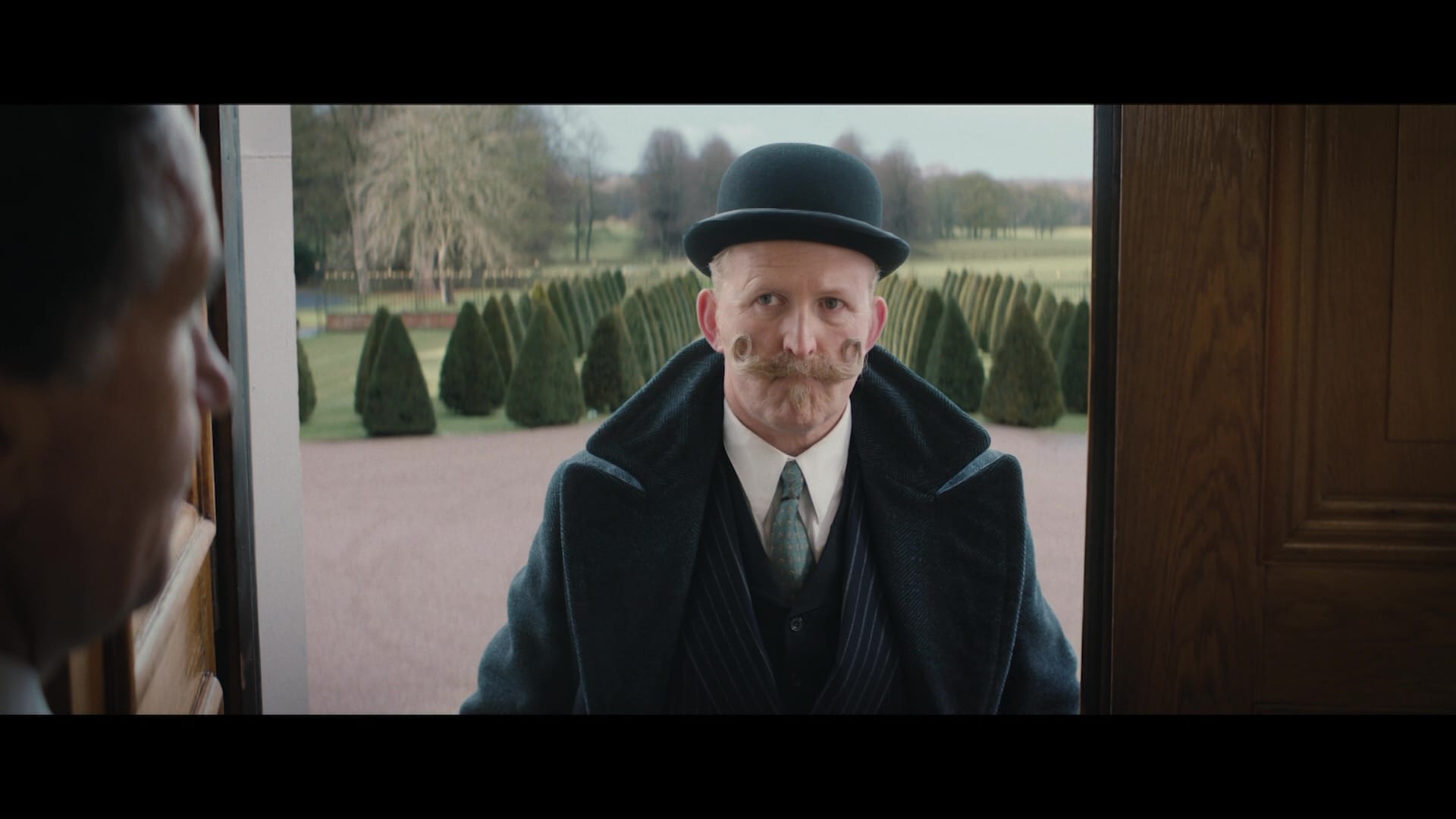
But Gosford Park was itself a bit of a giggle, and its characters and situations were more engaging than anything Fackham Hall can produce. This movie just lollops from one superficial gag to the next, with occasional pauses for actors to fall down or look uncomfortable.
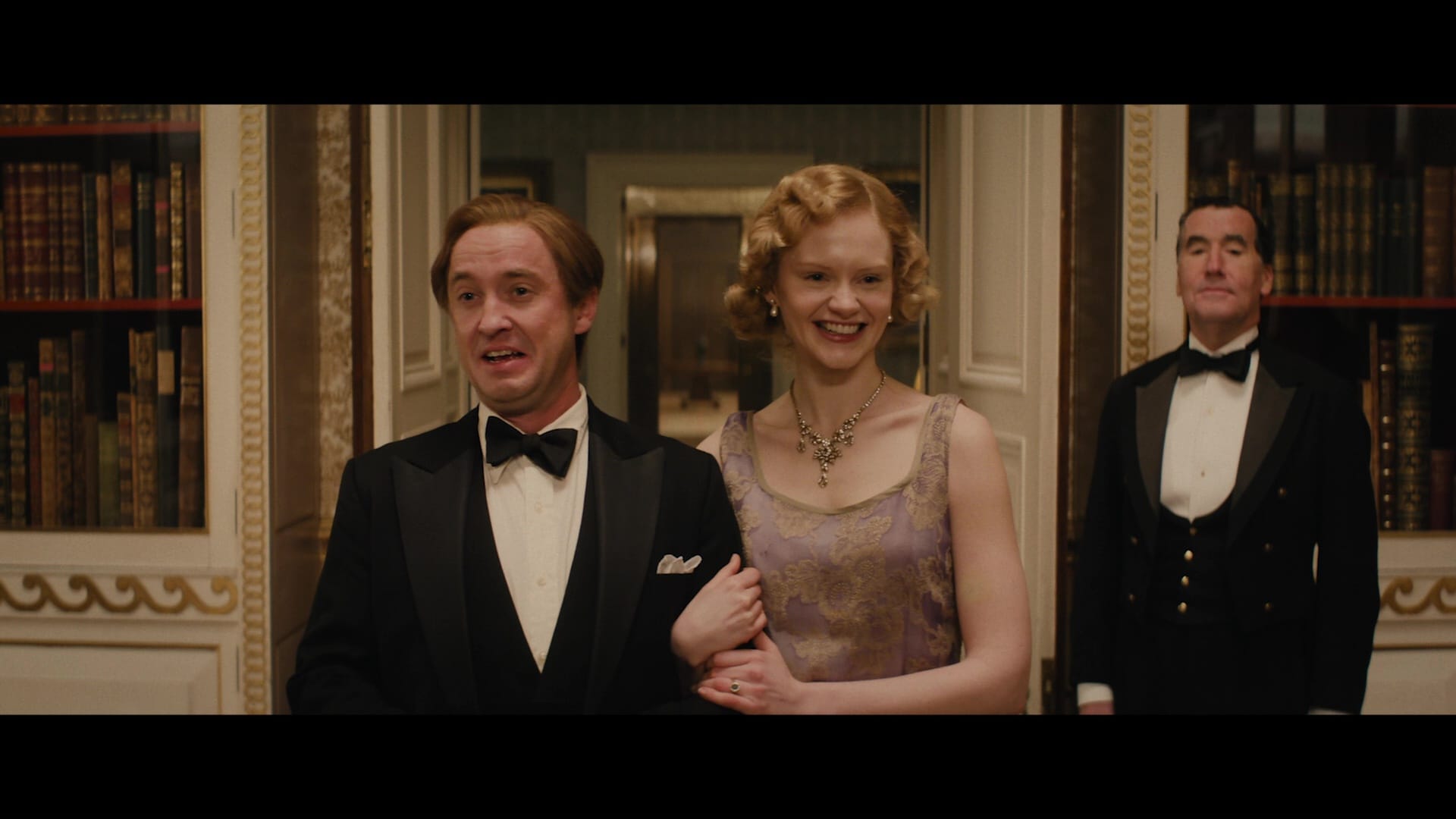
I appreciate the deliberate styling of Felton as Matthew Macfadyen in Pride and Prejudice, and there’s one very clever joke in the first act about a pair of chatty women who are immediately identified as “the Bechdel sisters,” but nothing that follows matches that level of invention. The Blu-ray includes an additional twelve minutes of deleted gags, if you’re feeling especially masochistic.
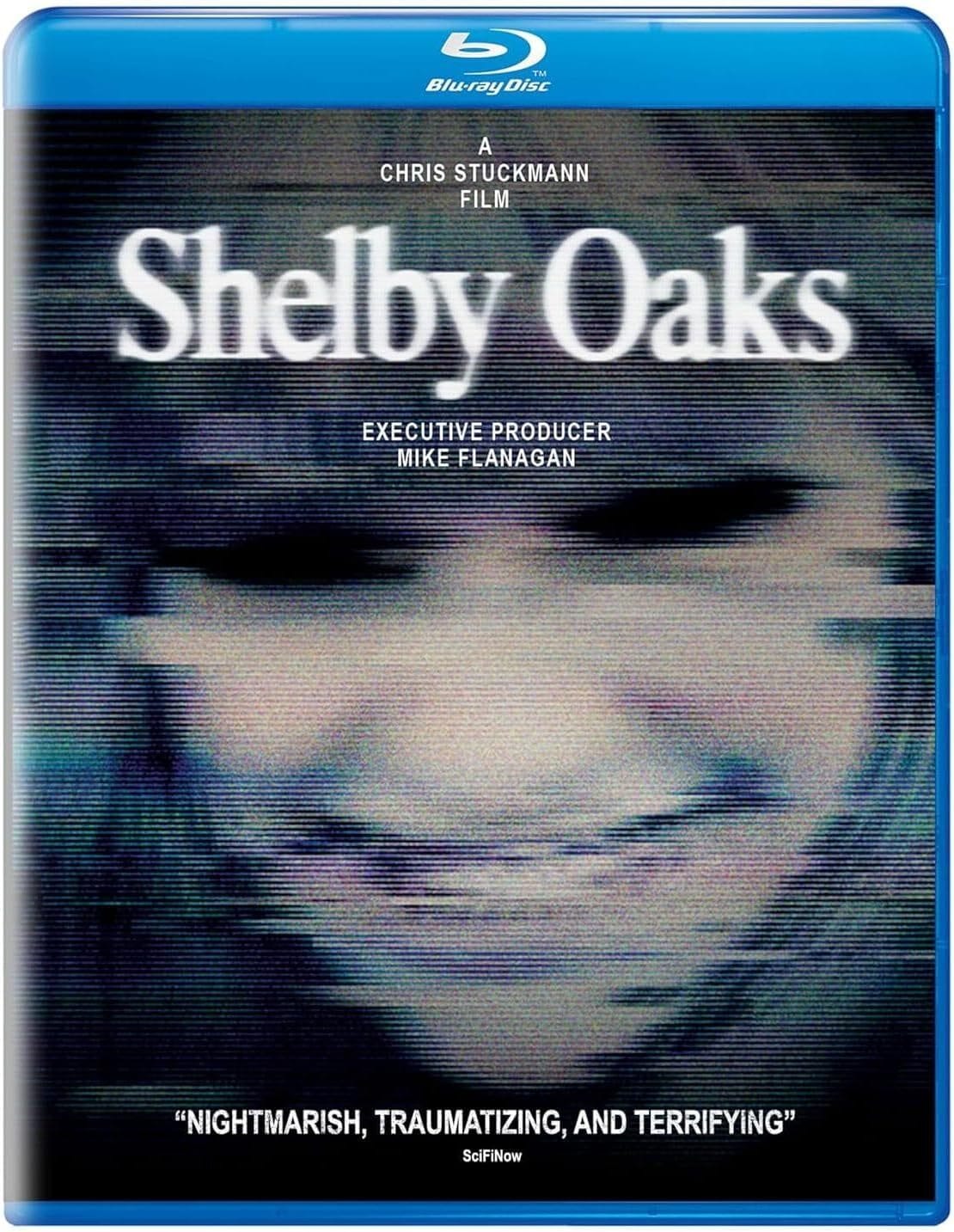
Finally there’s Shelby Oaks, a horror movie that came and went last fall after a lauded premiere at that summer’s Fantasia film festival. I blame influencers who saw writer-director Chris Stuckmann – making his first feature after years of being a professional YouTuber – as one of their own. He certainly understands hustle culture, having crowd-funded a record sum for completion funding when conventional financing fell short.
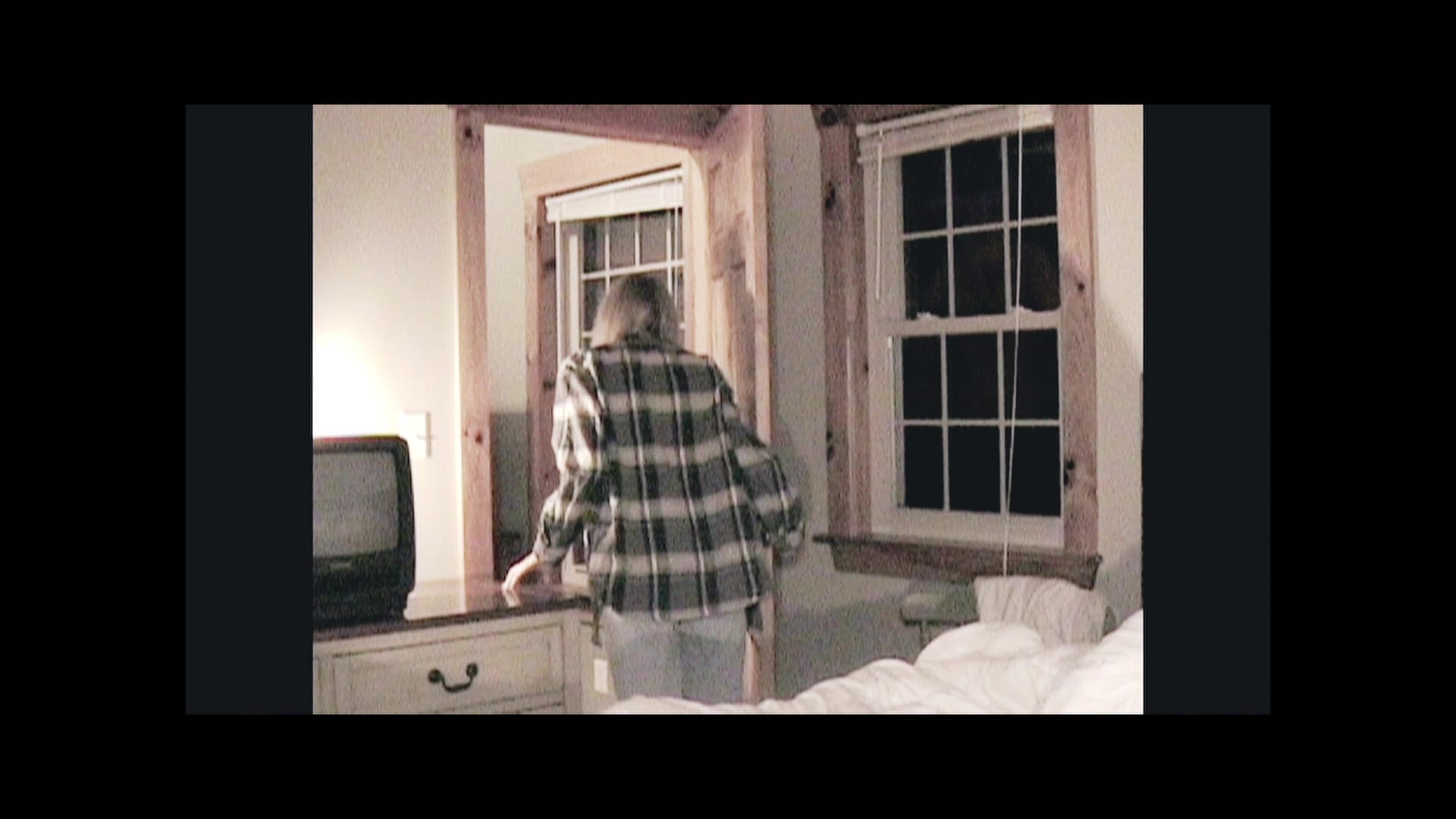
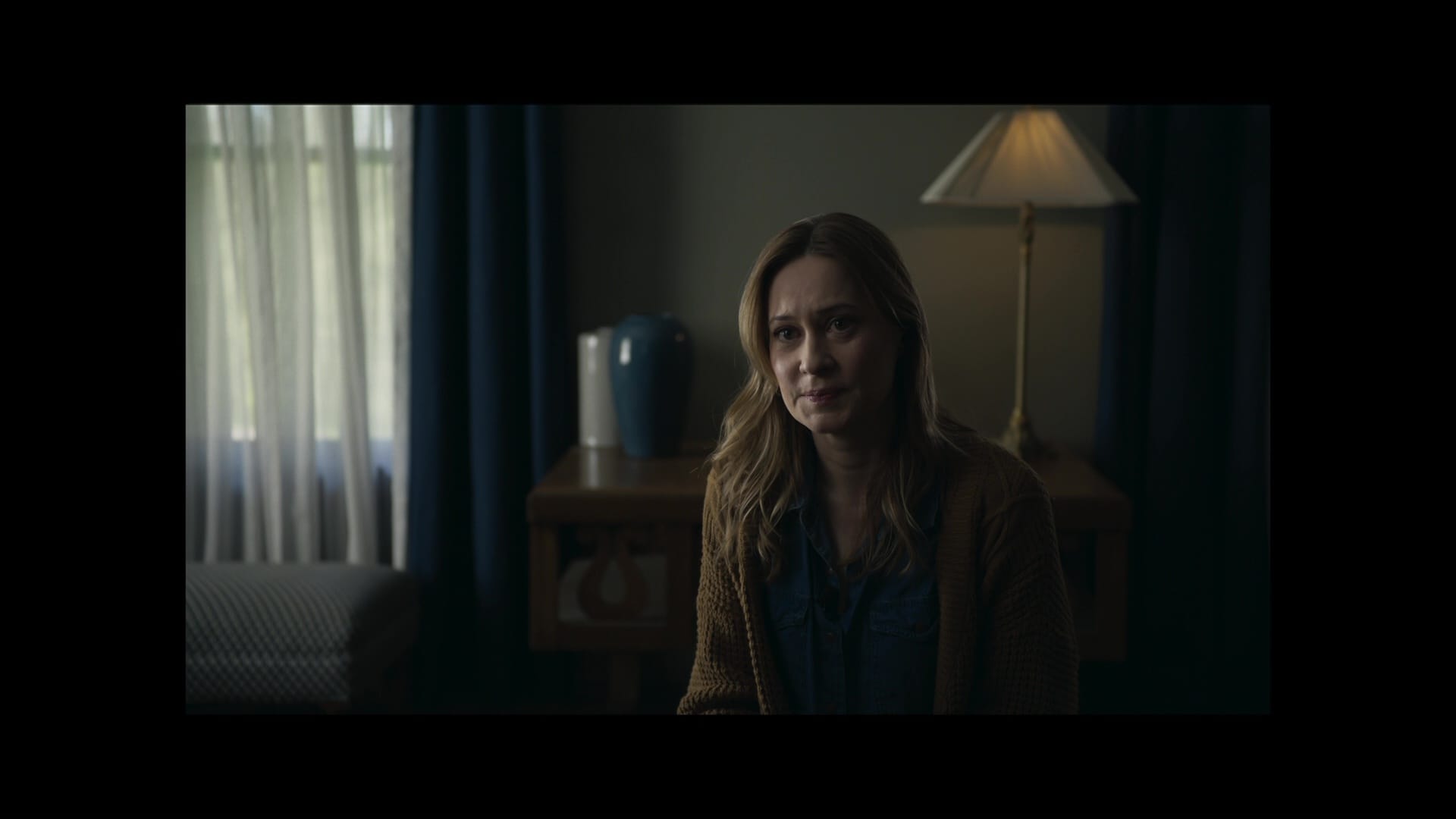
Shelby Oaks opens as a found-footage thriller about a woman named Mia (Camille Sullivan), who’s spent eight years searching for her sister Riley (Sarah Durn). Riley vanished near the eponymous hamlet, along with the other members of her ghost-chasing TV series; their bodies were found, but Riley’s never was. Only her camcorder was recovered, along with cryptic tapes of Riley experiencing some strange phenomena in her B&B. And now, things are getting weird for Mia too.
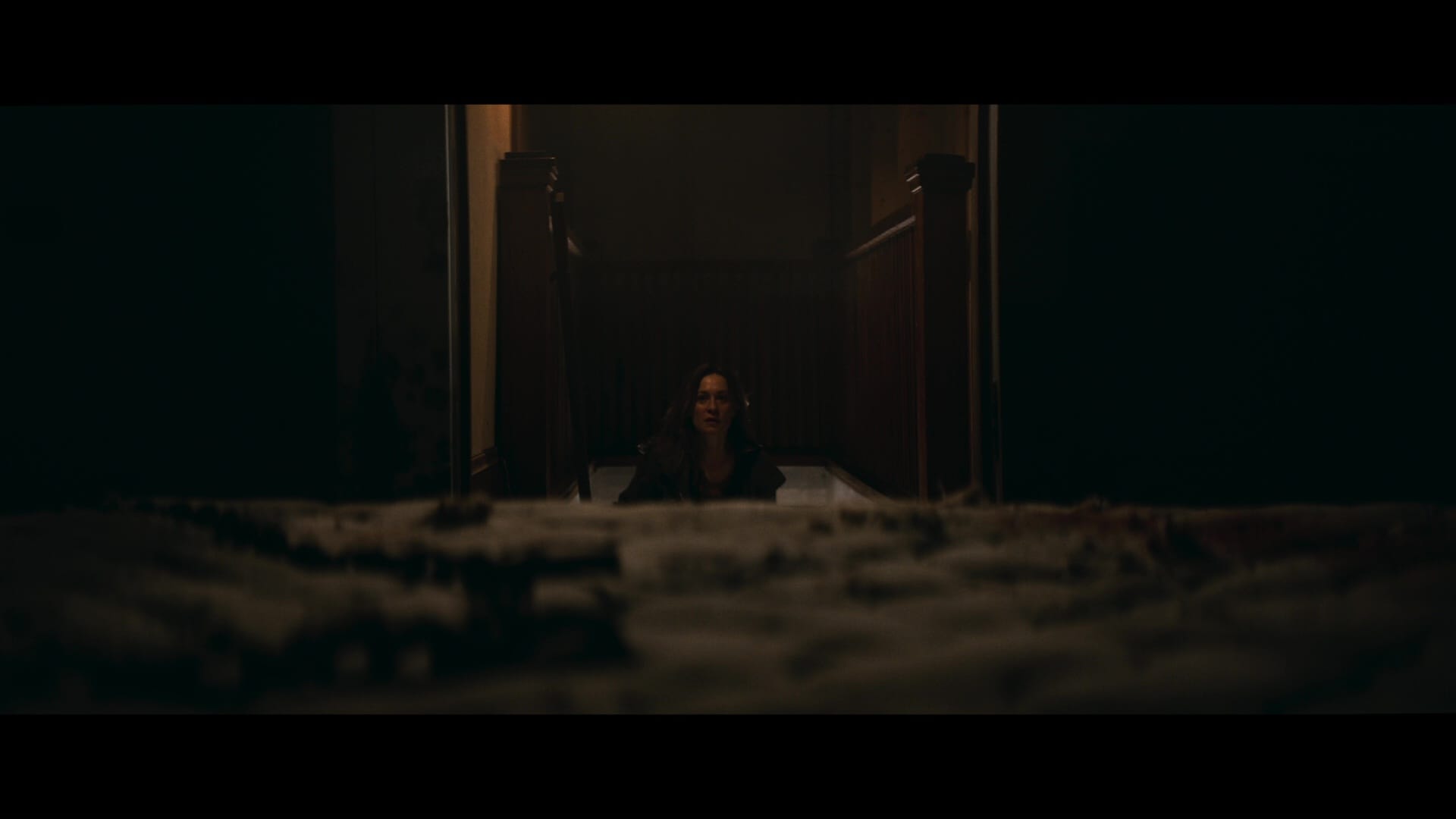
I like Sullivan a lot – she’s a frequent collaborator of Vancouver director Bruce Sweeney’s, and she’s done great work in genre projects like Ally Was Screaming and Hunter Hunter. And for a while, Shelby Oaks captures an effective, unsettling Lake Mungo vibe of people trying to process an inexplicable, unnatural loss. But it doesn’t last, because Stuckmann drops the found-footage after about 15 minutes – a choice that’s never fully justified, particularly since Mia spends most of the second act watching more videotapes.
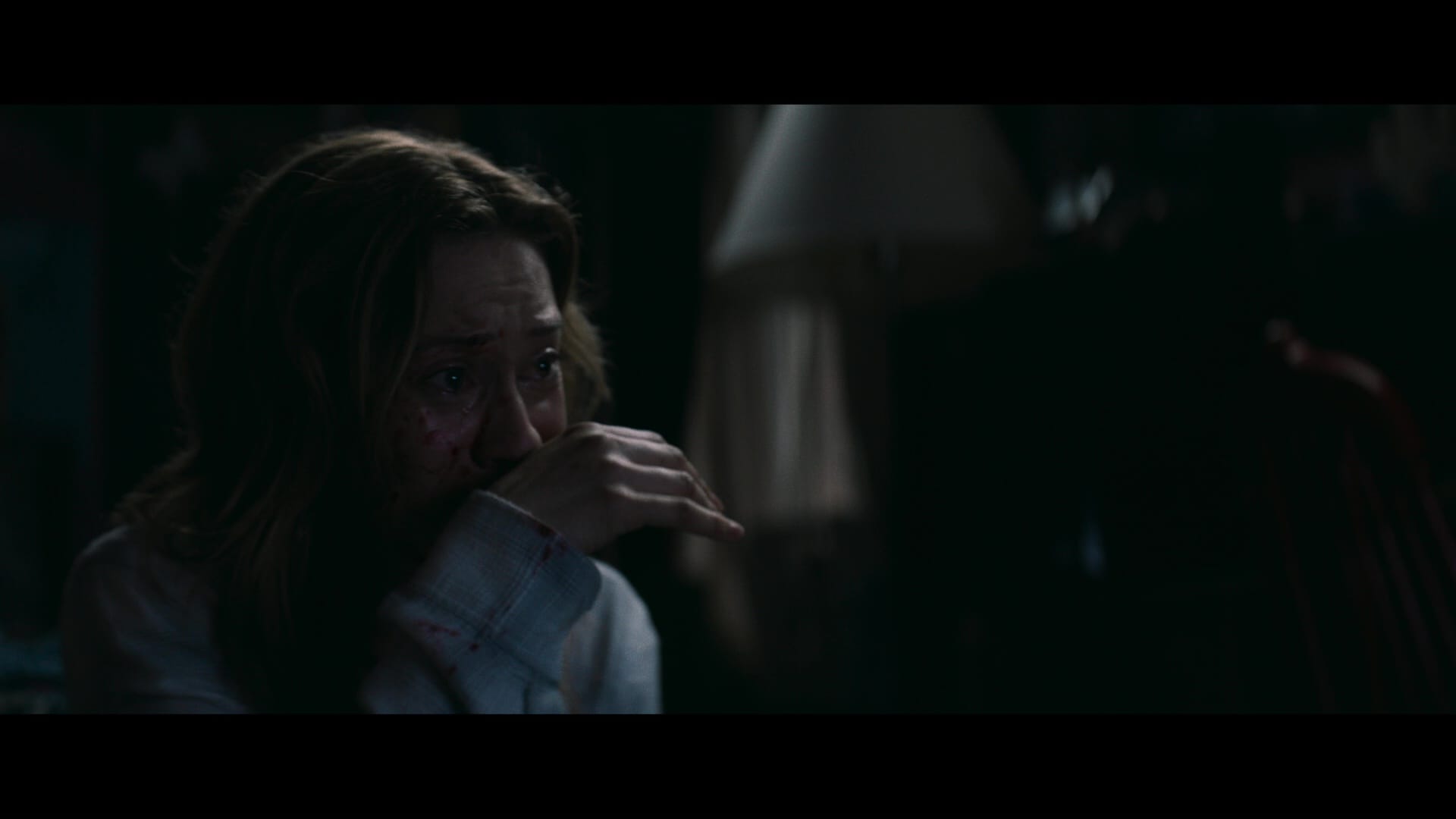
Eventually she – and we – find out what happened to Riley, at which point the whole thing just collapses. Apparently there were reshoots to pump up the violence and tension, but there’s no way around how silly the final movement is, and Stuckmann’s insistence on taking his concept so seriously just makes it worse.
This Blu-ray comes with extras, however: In addition to a commentary track, Stuckmann is front and center in a half-hour production documentary that covers the film’s development, pre-production and principal photography. We also get four episodes of Riley and company’s fictional reality show that were released online in 2021 to generate interest in the Shelby Oaks Kickstarter. (The title of said series – Paranormal Paranoids – may give you a sense of Stuckmann's limitations as a writer.)
There’s also a rough cut of Riley’s final episode and a “Crime Scene Gallery” that turns out to be the unredacted versions of three photos glimpsed in the movie. The Shelby Oaks superfans will get their money’s worth, I guess.
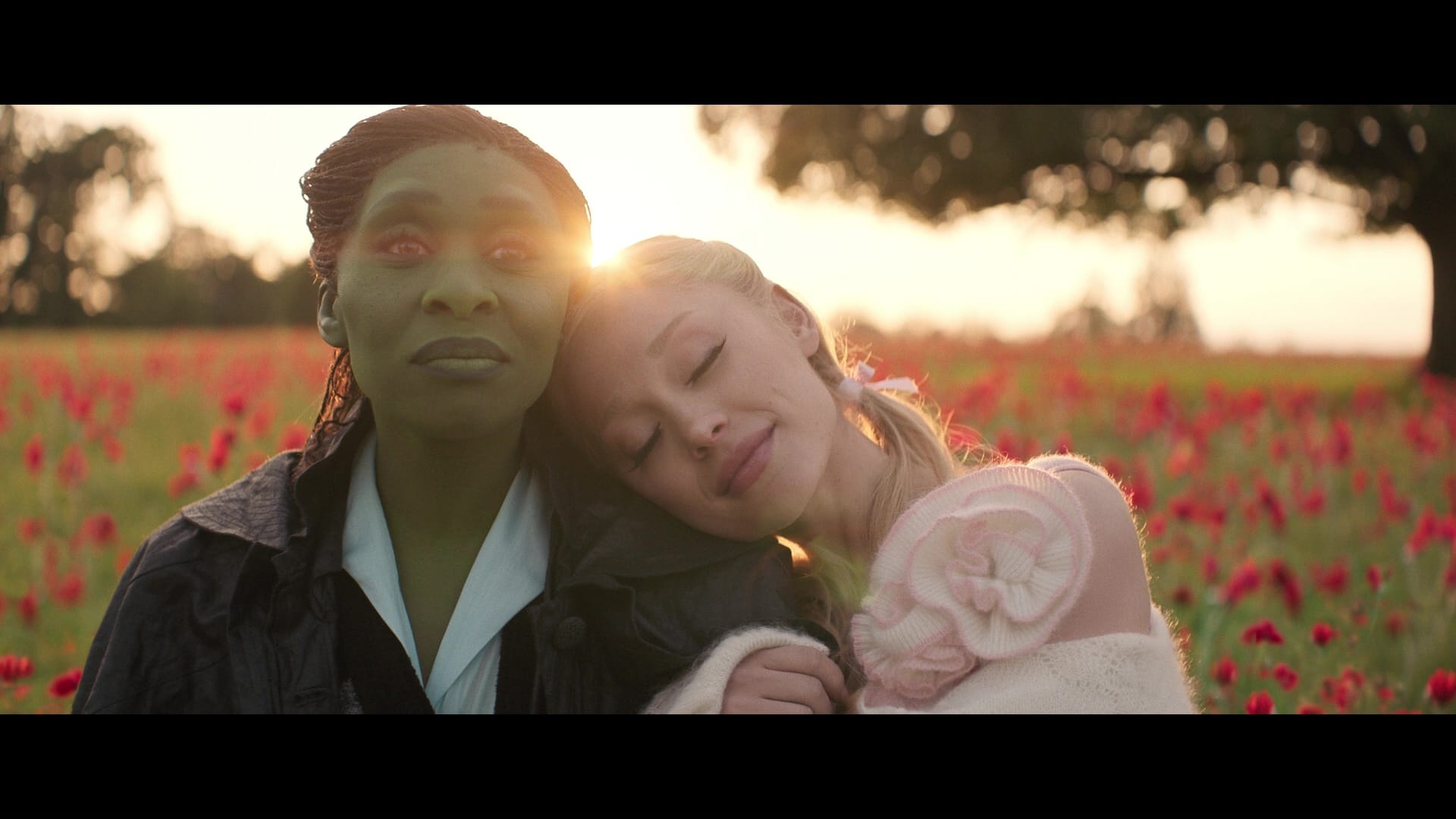
As will the Wicked crew, who can look forward to a considerable supplemental package on Universal's special edition. Jon M. Chu contributes another audio commentary, and while Erivo and Grande-Butera didn’t record a sequel to their Part One track the stars are featured prominently in the 50-minute making-of, along with Chu and co-star Jonathan Bailey.
The new songs are a big selling point of this doc, and get their own brief featurettes elsewhere in the extras … as does Chu in “The True Wizard,” which is a nice appreciation of the work the director has put into these movies. There’s also a look at Elphaba’s castle (“Kiamo Ko”), one of the new sets constructed for the second movie.
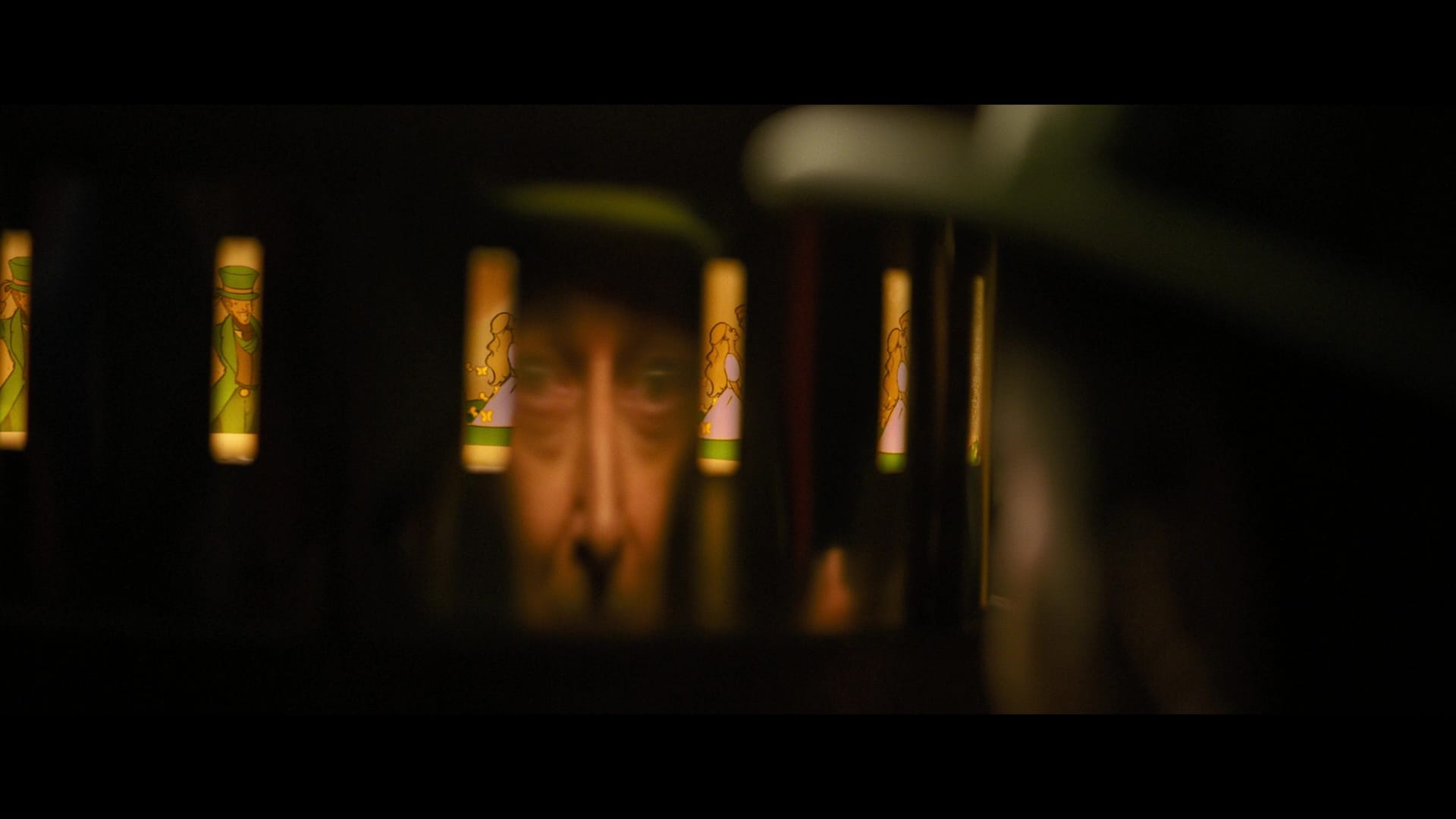
The 4K master is razor-sharp, as one expects; it also feels just a little more colorful than the first movie, though that might just be all the yellow bricks. The Dolby Atmos soundtrack whips everything everywhere all at once, also as expected. The disc also offers a Sing-Along option so viewers can karaoke their way through the movie. Give the people what they want, right?
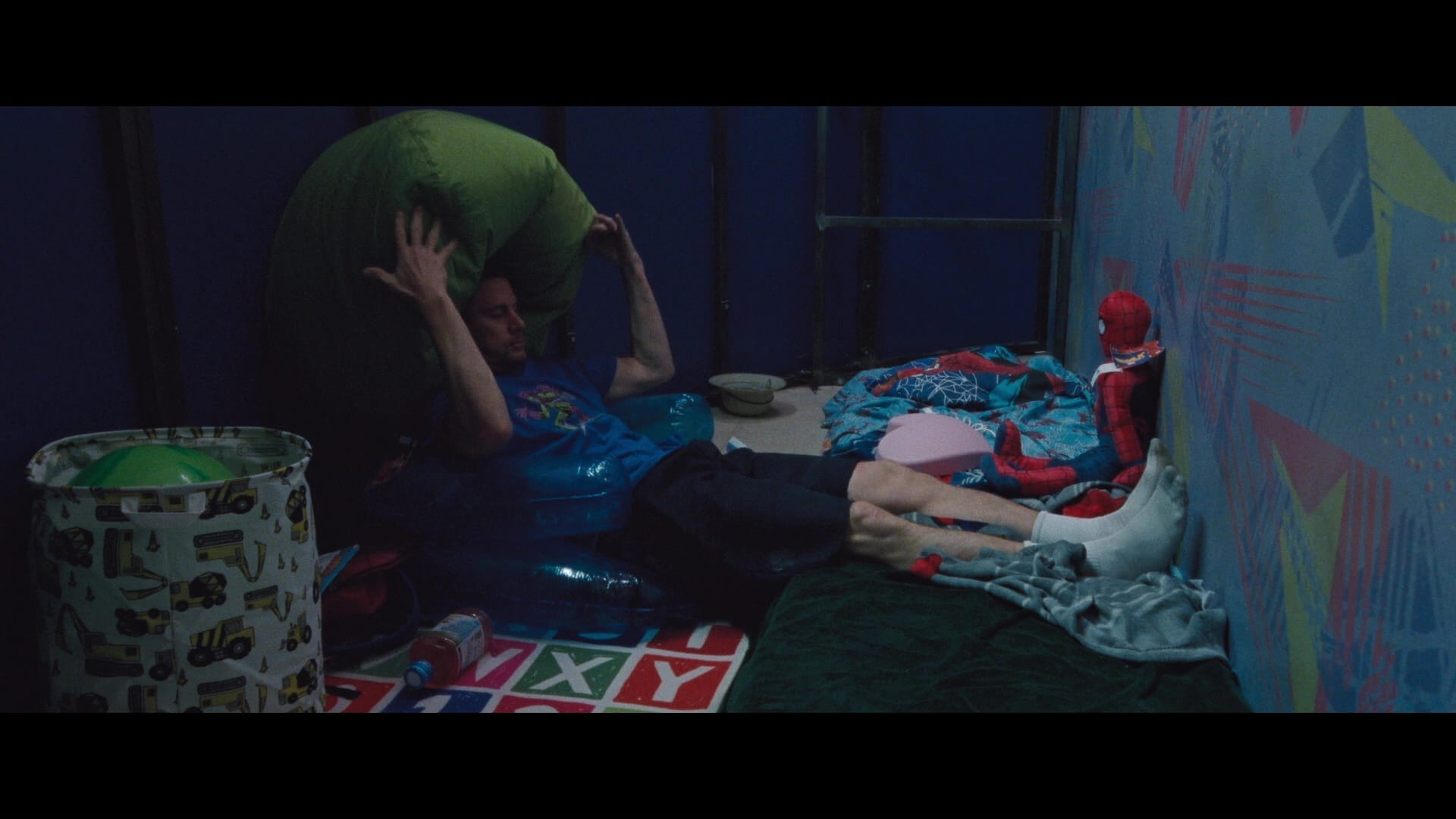
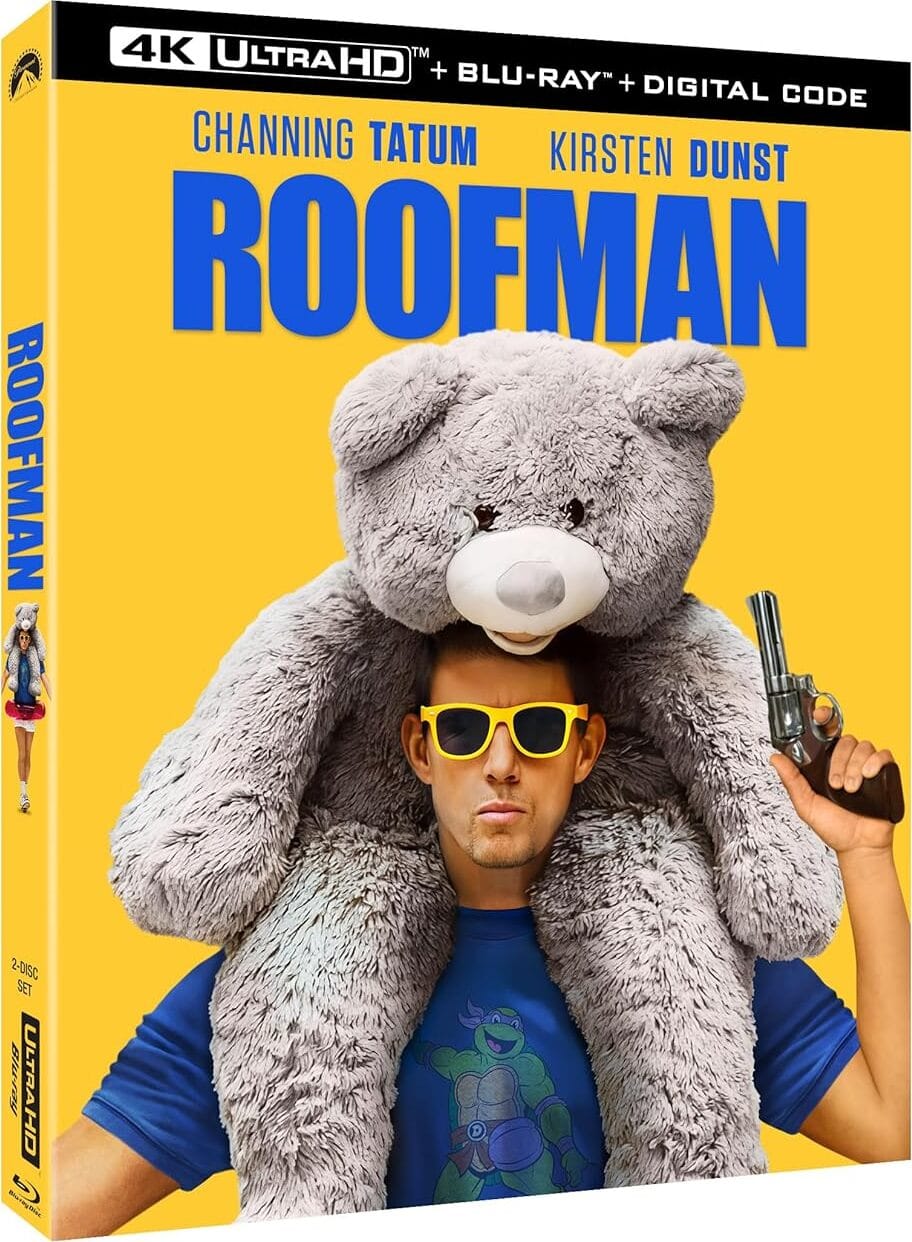
Paramount’s Roofman is a more modest package, with an excellent UHD presentation of the feature – lovingly mastered from film, with 5.1 Dolby TrueHD audio – and the same suite of extras on both the 4K and BD platters. A production featurette (“Based on Actual Events and Terrible Decisions”) is accompanied by spotlights on Cianfrance (“Chasing the Ghosts: The Director’s Method”) and the reconstruction of the film’s Toys ’R Us store (“A Good Place to Hide”). We also get two shorter looks at specific scenes, and around eight minutes of deleted and alternate material. It’s all polished and cheerful, which I suppose is the point.
Roofman and Wicked: For Good are available in 4K/BD combos from Paramount Home Entertainment and Universal Pictures Home Entertainment, respectively. Blu-ray editions are also available. Afterburn is available on Blu-ray from Ketchup Entertainment, and Fackham Hall and Shelby Oaks are available on Blu-ray from Decal. And A24’s edition of The Smashing Machine is available in separate 4K and Blu-ray editions.
* right, yes, job, I need job, if you have job available don’t hesitate to reach out please and thank you
Up next: Blue Moon and Keeper hit the shelves, so I get to spend time with some of my favorite actors. That’s always nice.