
The Duellists
In which Norm spins up a few recent catalogue releases featuring lawyers, guns and ... pianists.
Bad news for fans of baseball and Brad Pitt: Sony’s 4K edition of Moneyball has been delayed to May 12th. The first run of discs were mastered with 5.0 audio rather than the full 5.1 soundtrack, and corrected discs are being pressed now. I understand this might be frustrating since Sony released that “optimized for 4K Ultra HD TVs” Blu-ray more than a decade ago, but … two more weeks isn’t so bad, right? Think of it as a rain delay.
I had hoped to pair Moneyball with Warner’s new 4K release of Barry Levinson’s Sleepers for a look at Brad Pitt’s evolution as an actor, but maybe I’ll come back to that next month once both discs are available. For now, I’ll say that the Sleepers disc – released on the occasion of the film’s 30th anniversary – is an excellent technical upgrade of a movie that’s never quite worked for me.
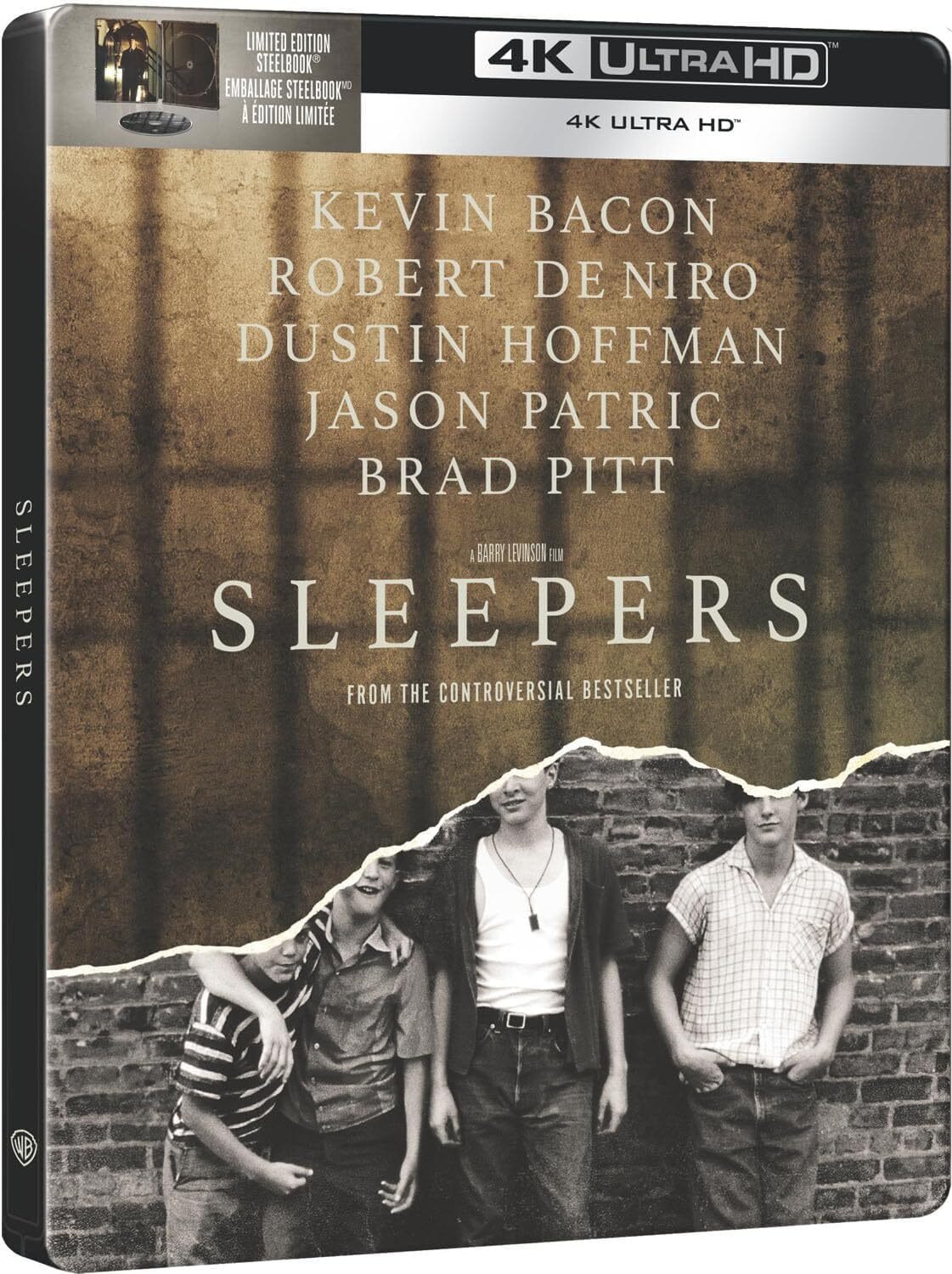
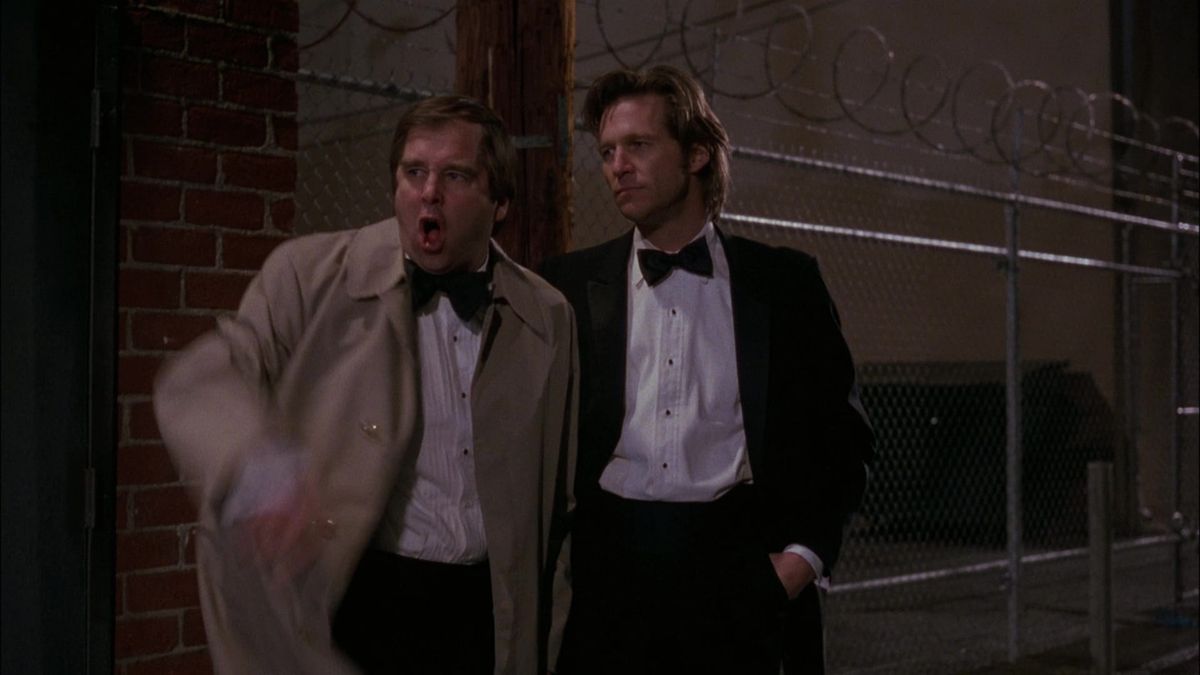
Certainly, no expense was spared bringing Lorenzo Carcaterra’s purportedly autobiographical novel to the screen, but the script is so conventional and the characters so generic that I couldn’t connect emotionally to any of it, despite the undeniable talent involved. And it wasn’t just me! Critical response was mixed, and though Warner positioned the movie as an awards contender it was dead on arrival. (It pulled one Oscar nomination, for John Williams’ score.) But it has some defenders, and if you’re a fan this is the best the film has looked in thirty years, and the new UHD transfer treats Michael Ballhaus’ beautifully attenuated cinematography with a care that wasn’t possible when the Blu-ray was mastered.
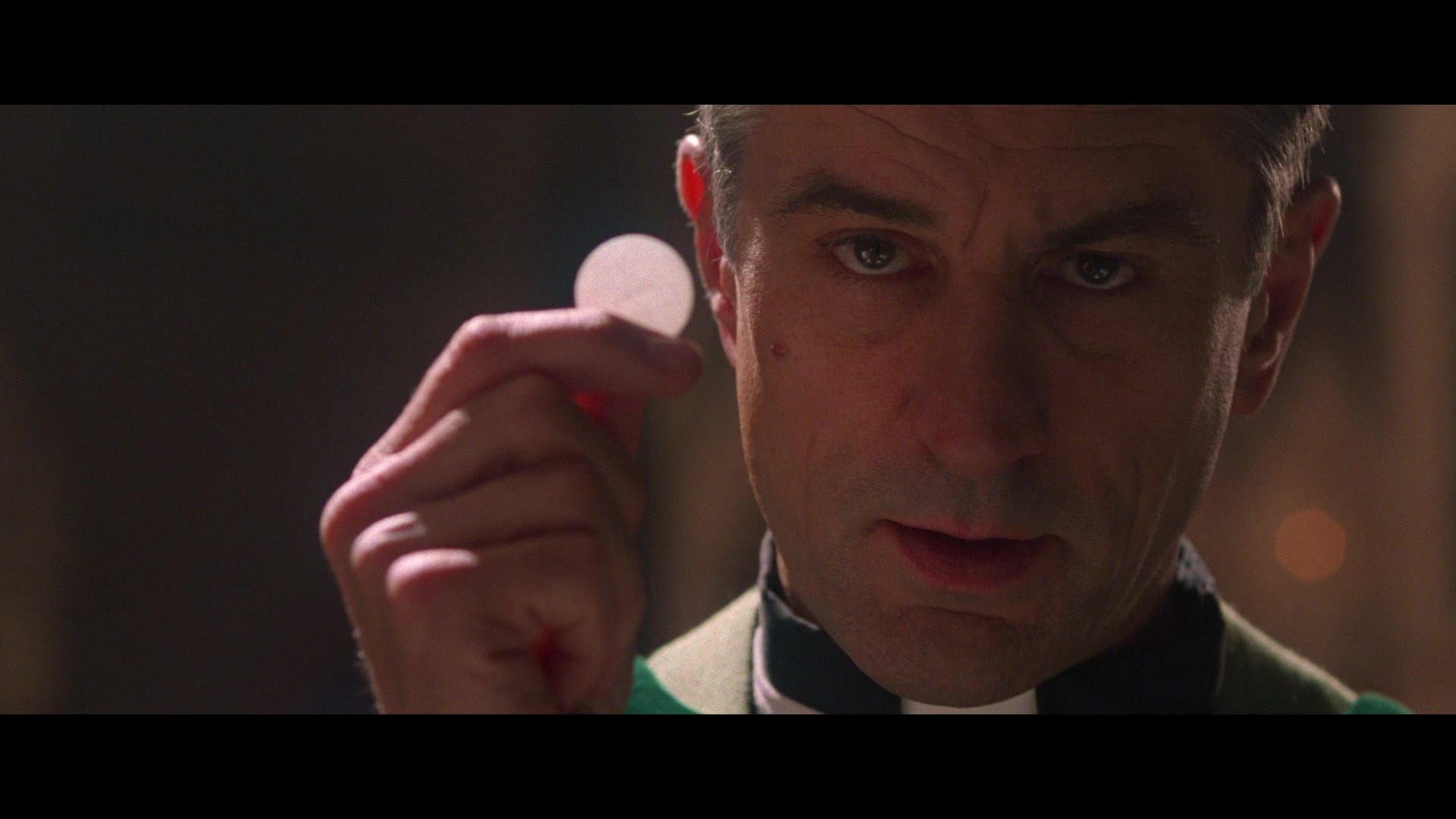
The man was a wizard. I just wish the movie was better, you know?
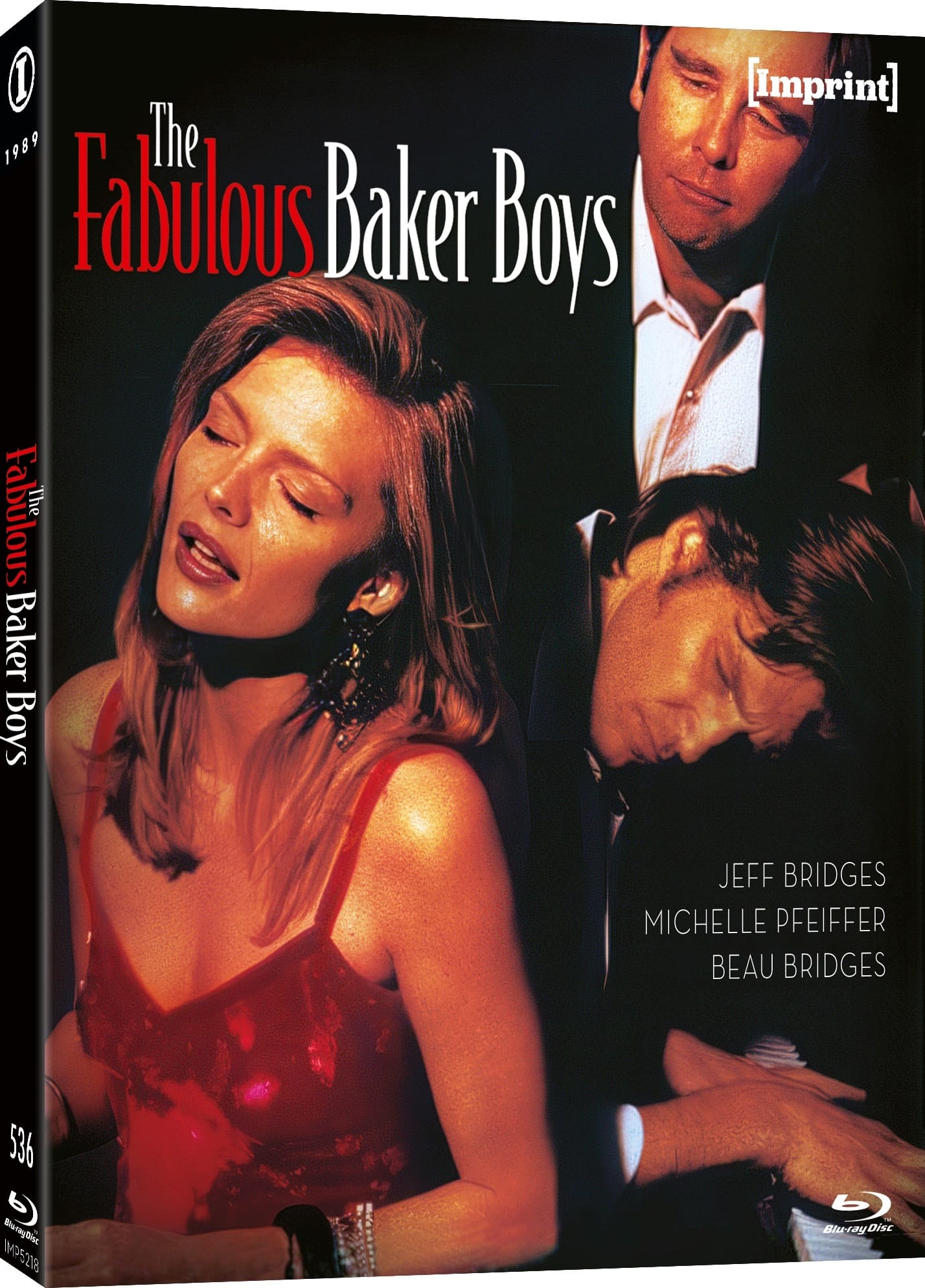
I have no such complaints about another of Ballhaus’ pictures, The Fabulous Baker Boys. Steve Kloves’ 1989 debut is one of those perfect indie gems, a three-hander starring Jeff and Beau Bridges as Jack and Frank Baker, piano prodigies who’ve aged into hackdom, playing the same dull standards in the same Seattle lounges. But when they hire a new singer named Susie Diamond (Michelle Pfeiffer), she proves to be a catalyst who pushes them out of their comfortable rut, threatening to open decades of old wounds.
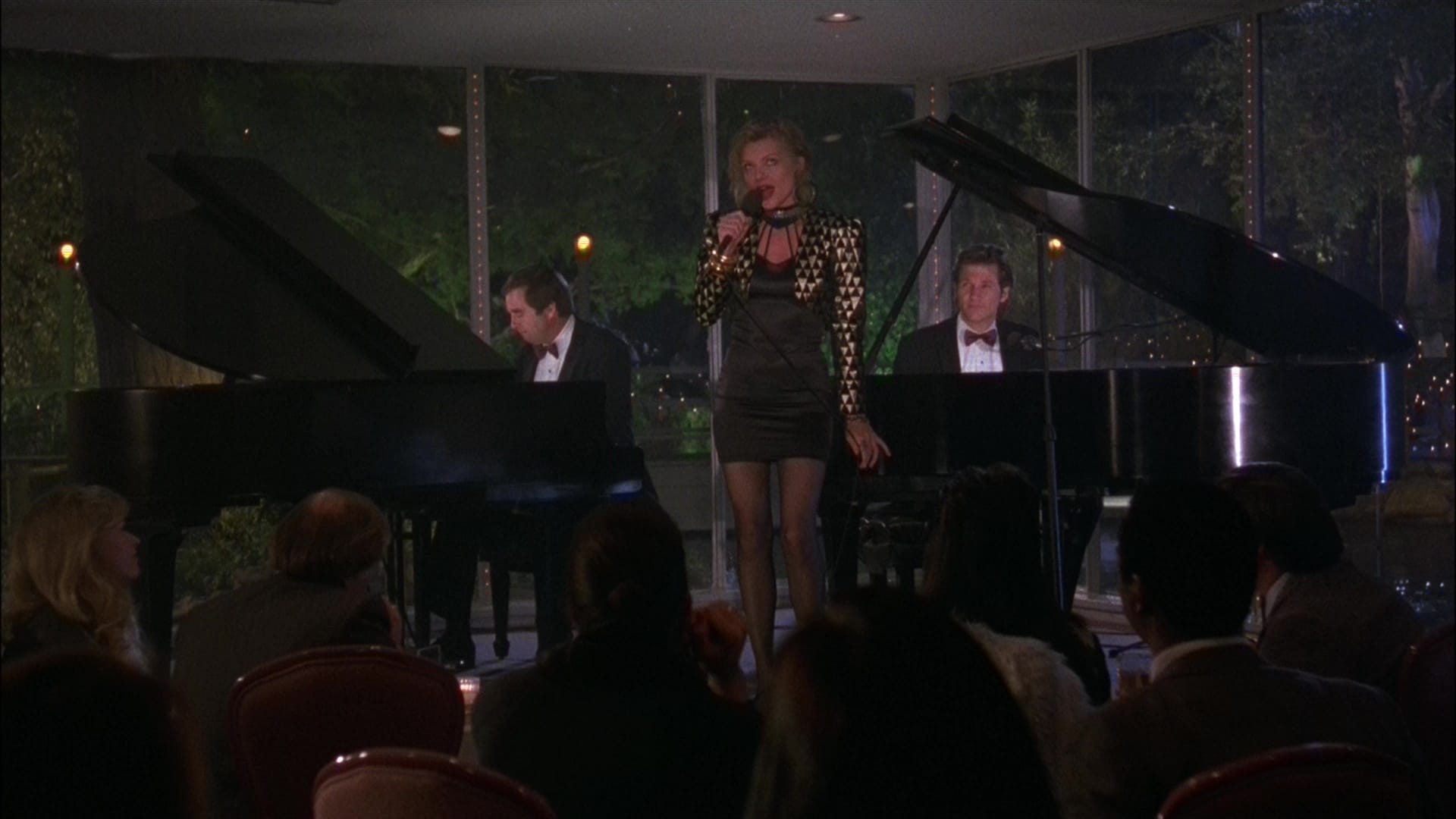
A minor-key drama driven by three great performances and a soundtrack of American Songbook standards on just the right side of kitschy, The Fabulous Baker Boys was one of those movies that caught on with critics and even scored some major awards heat – both Pfeiffer and Ballhaus earned Oscar nominations, as did composer Dave Grusin and editor William Steinkamp – but didn’t catch on with audiences until it arrived on video and cable.
I saw it theatrically, of course, and the audience at my screening loved it; maybe word-of-mouth just didn’t spread quickly enough, or maybe it was just that the trailer – which leaned heavily on Pfeiffer’s seductive performance of “Makin’ Whoopee” as Susie puts the moves on Jack during a New Year’s Eve set – suggested a film best appreciated in the privacy of one’s living room.
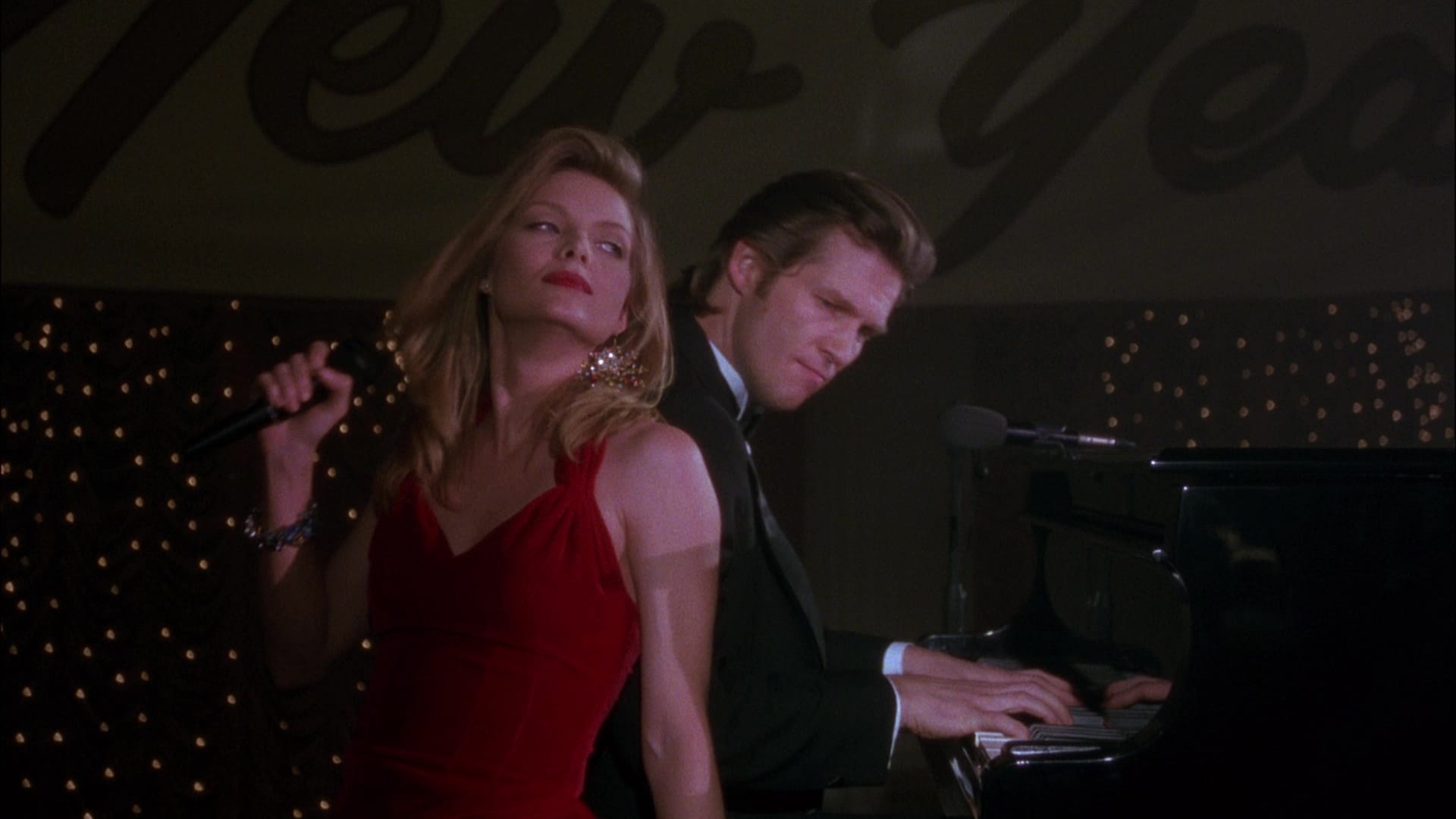
And that’s a shame, because The Fabulous Baker Boys has a grand old-school appreciation of chemistry. It’s sexy, absolutely, but its heat comes from attraction and desire, and characters flirting with each other until they can’t flirt no more. It’s a movie for grown-ups, about people who’ve already lived their lives and made mistakes, and both Jeff Bridges and Michelle Pfeiffer – while still relatively young and undeniably attractive – have a little weariness to them when they’re not performing.
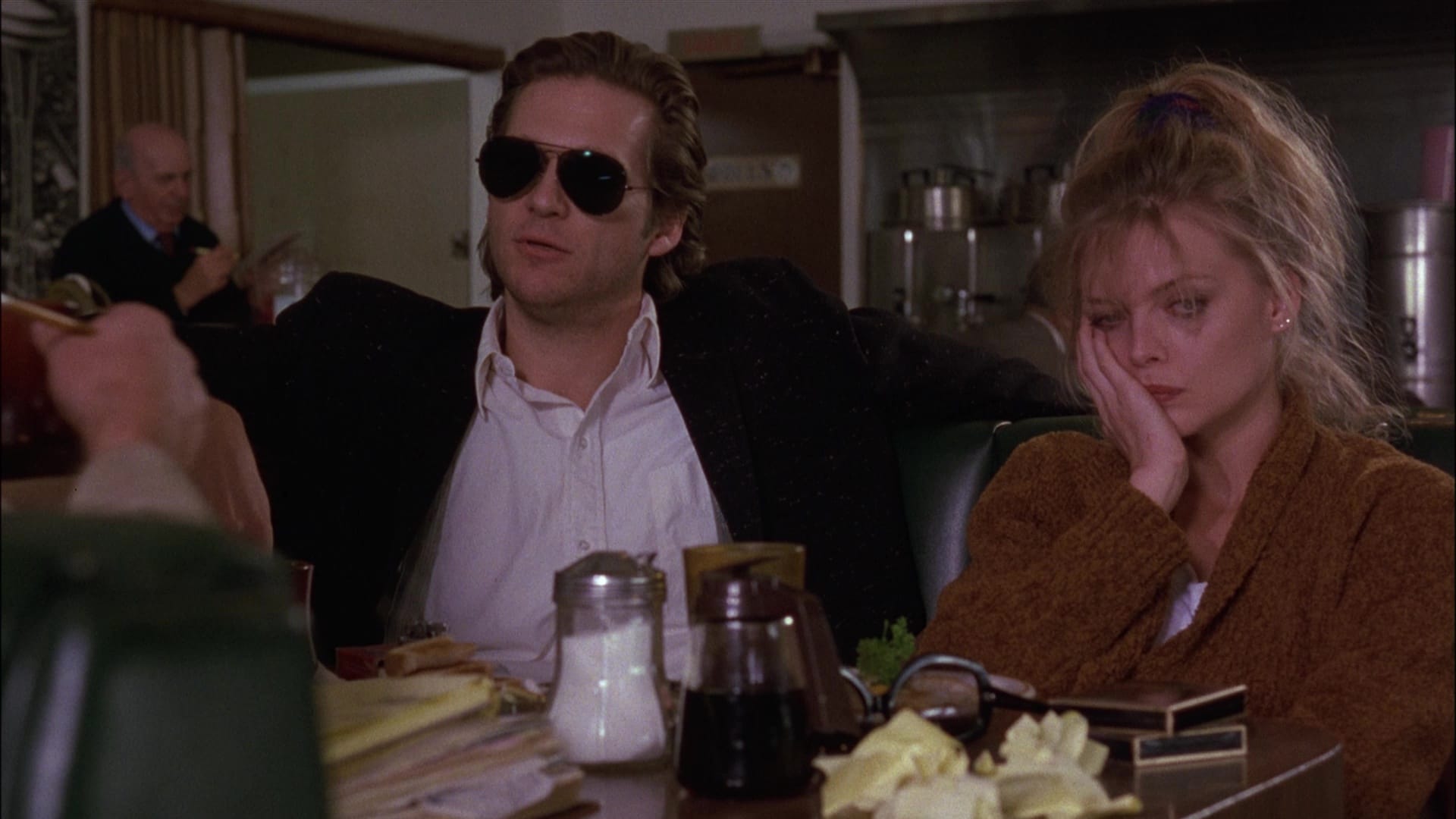
But when they are? Christ, they’re hot. Bridges understands how Jack’s jaded, selfish affect can read as mysterious and alluring under a spotlight, and Pfeiffer pours the full force of her charisma and electricity into Susie, taking charge of every scene she marches into – which is exactly what that character is supposed to do. She’d been acting for over a decade, but this was the picture – even after Married to the Mob and Dangerous Liaisons a year earlier – that made people understand her range.
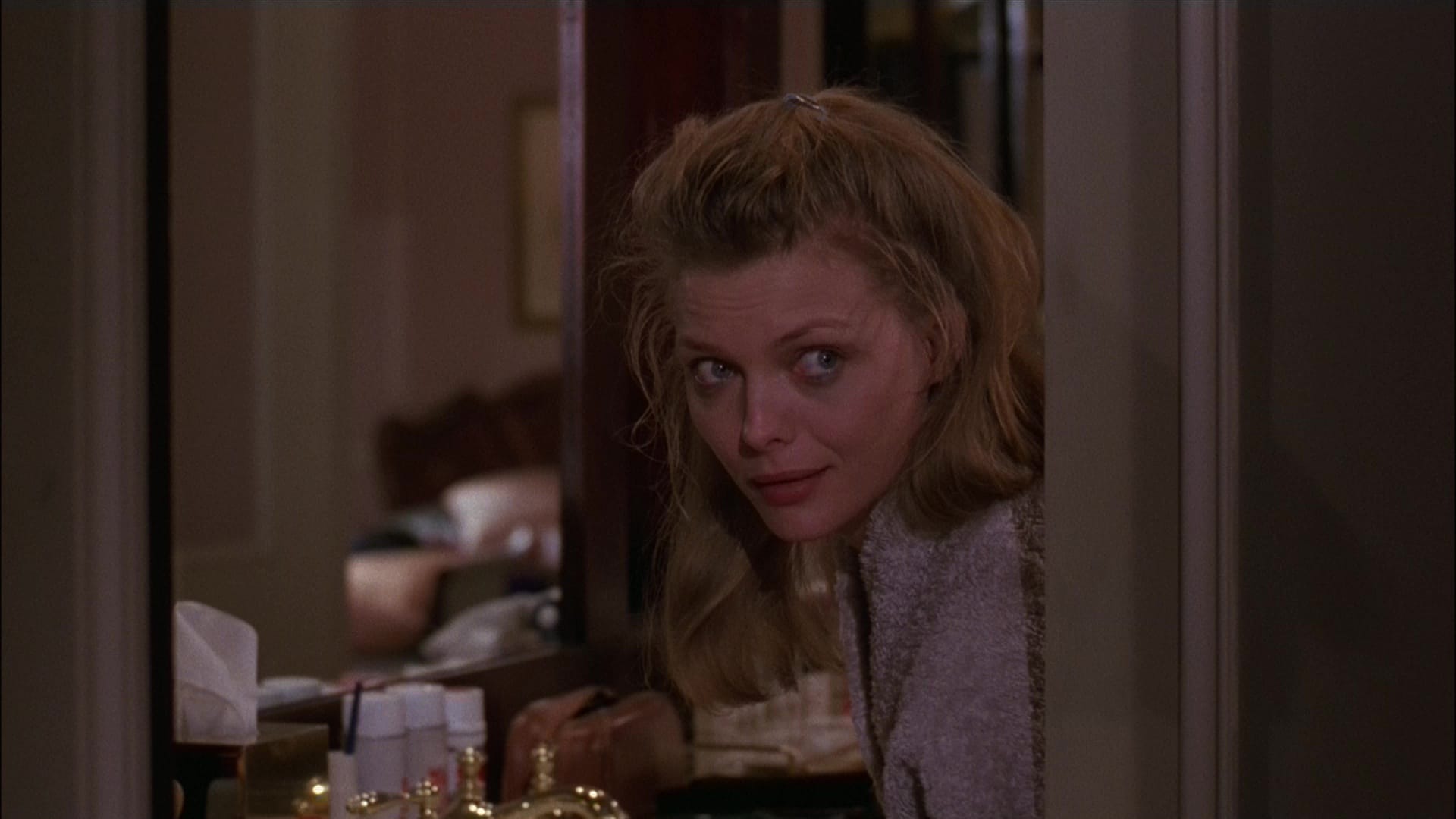
Yes, Susie is beautiful, but she’s also tired and broke and flinty and cynical. She sees right through Frank or Jack, but she likes them, and she mostly enjoys working with them. It's fun!
The most pressing question, then, is whether Jack can shake off his own shit to be worthy of Susie. And that, I think, is why The Fabulous Baker Boys wasn’t a massive hit with audiences: We’re supposed to believe this guy won’t do whatever it takes to be loved by this woman? But that’s also why it’s great.
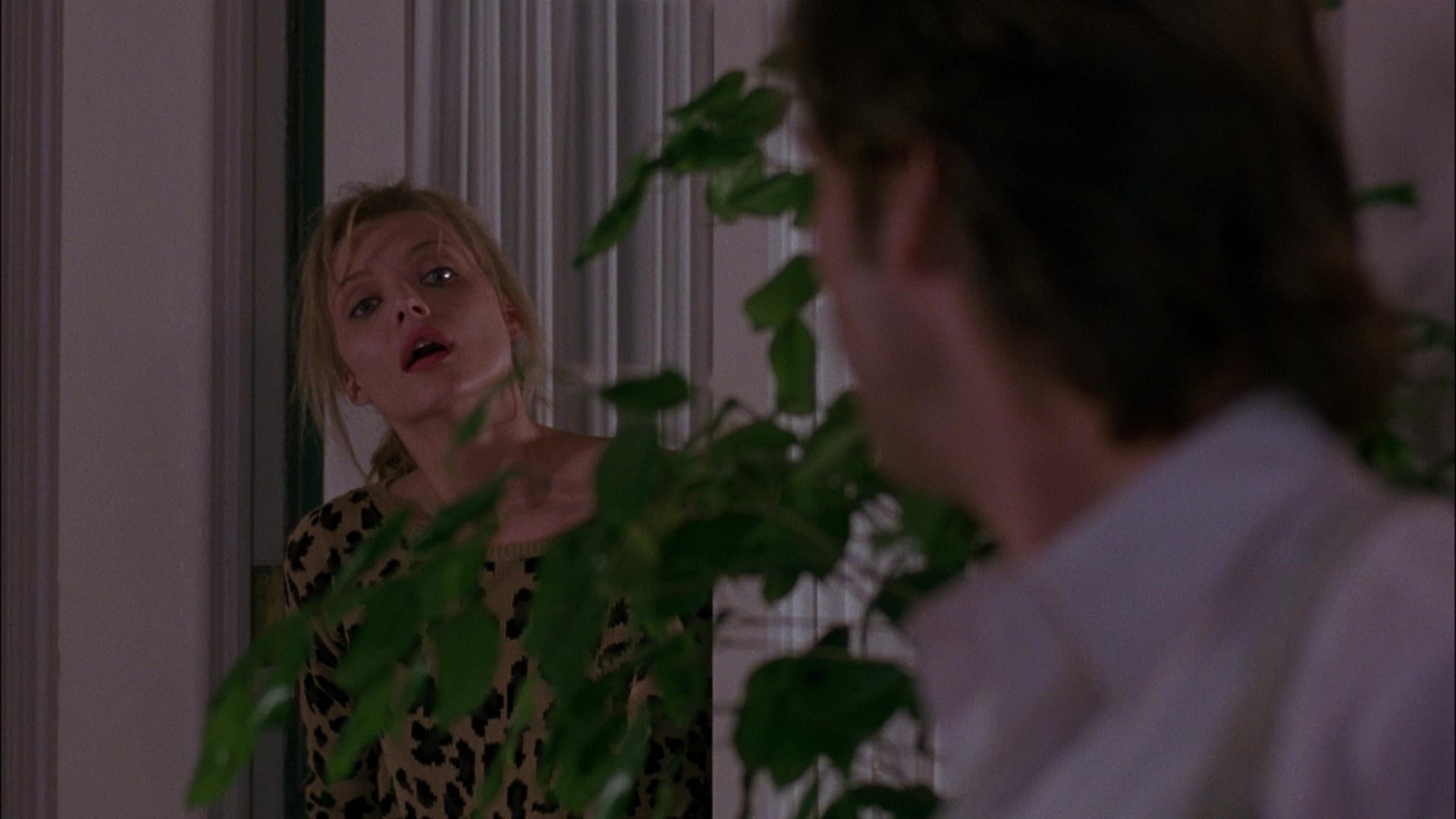
In a perfect world, The Fabulous Baker Boys would have become as much of a standard as the songs its characters perform; instead, complicated distribution rights and the sale of a couple of catalogues made it almost impossible to find for a decade or so. Artisan released an early DVD, and a few years later MGM released a better one. The late, great Twilight Time put together a Blu-ray special edition, which quickly sold out, and MVD released its own disc not too long ago under the MVD Marquee label. But that’s been pretty hard to find as well.
Imprint’s all-region release – limited, like most of the label’s releases, to 1500 pieces – offers the same HD master as its predecessors, and most of their extras. Ballhaus’ commentary from the Artisan DVD is here, along with the track Kloves recorded with Nick Redman and Julie Kirgo for the Twilight Time Blu in 2015, and the isolated music and effects track and deleted scenes (20 minutes’ worth!) that first appeared on that disc. There’s also a selection of EPK interviews from the shoot, and the theatrical trailer. I’m surprised it’s taken this long for Imprint to get this one out, but I’m glad it’s here.
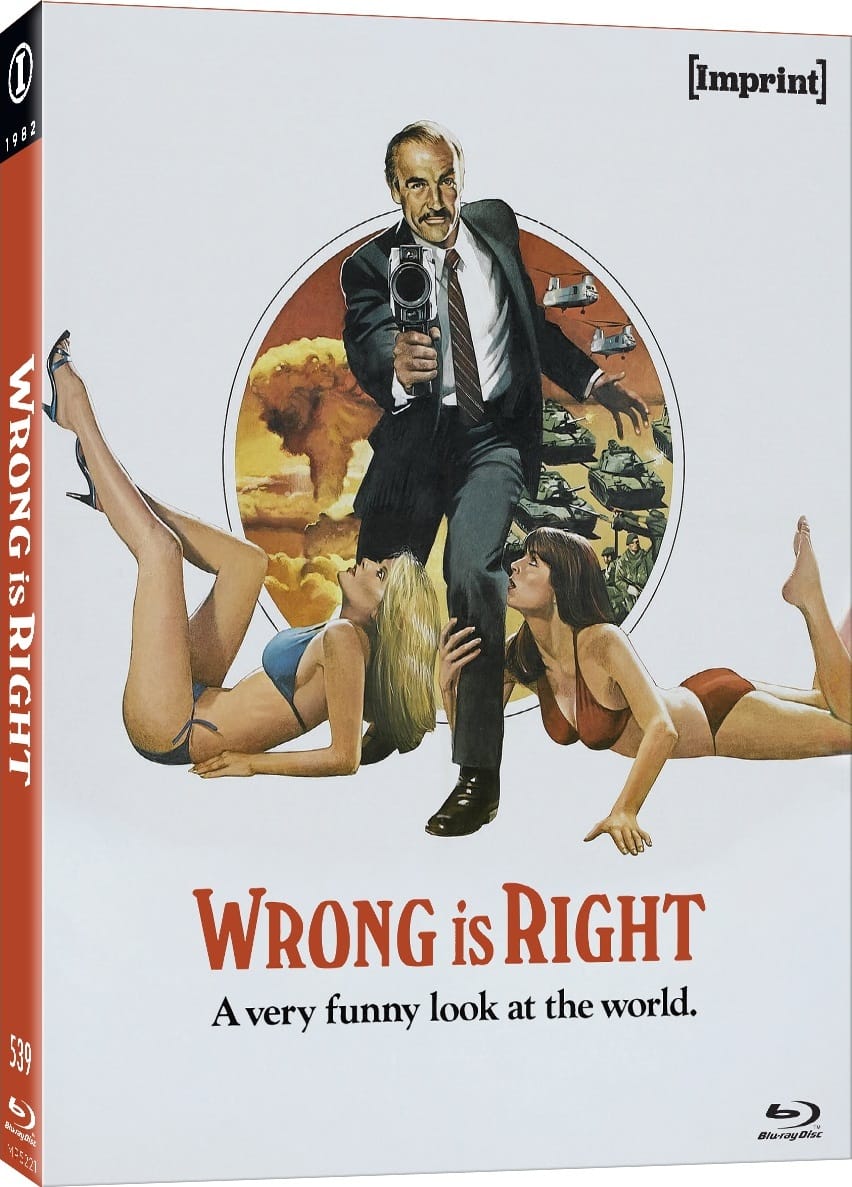
I was surprised, full stop, to see Wrong Is Right appear on Imprint’s release list; I’d forgotten the film even existed. And with good reason, honestly; Richard Brooks’ 1982 comedy – starring Sean Connery as a globetrotting TV newsman who discovers what appears to be a nuclear-blackmail plot against the US and Israel – just isn’t a good movie.
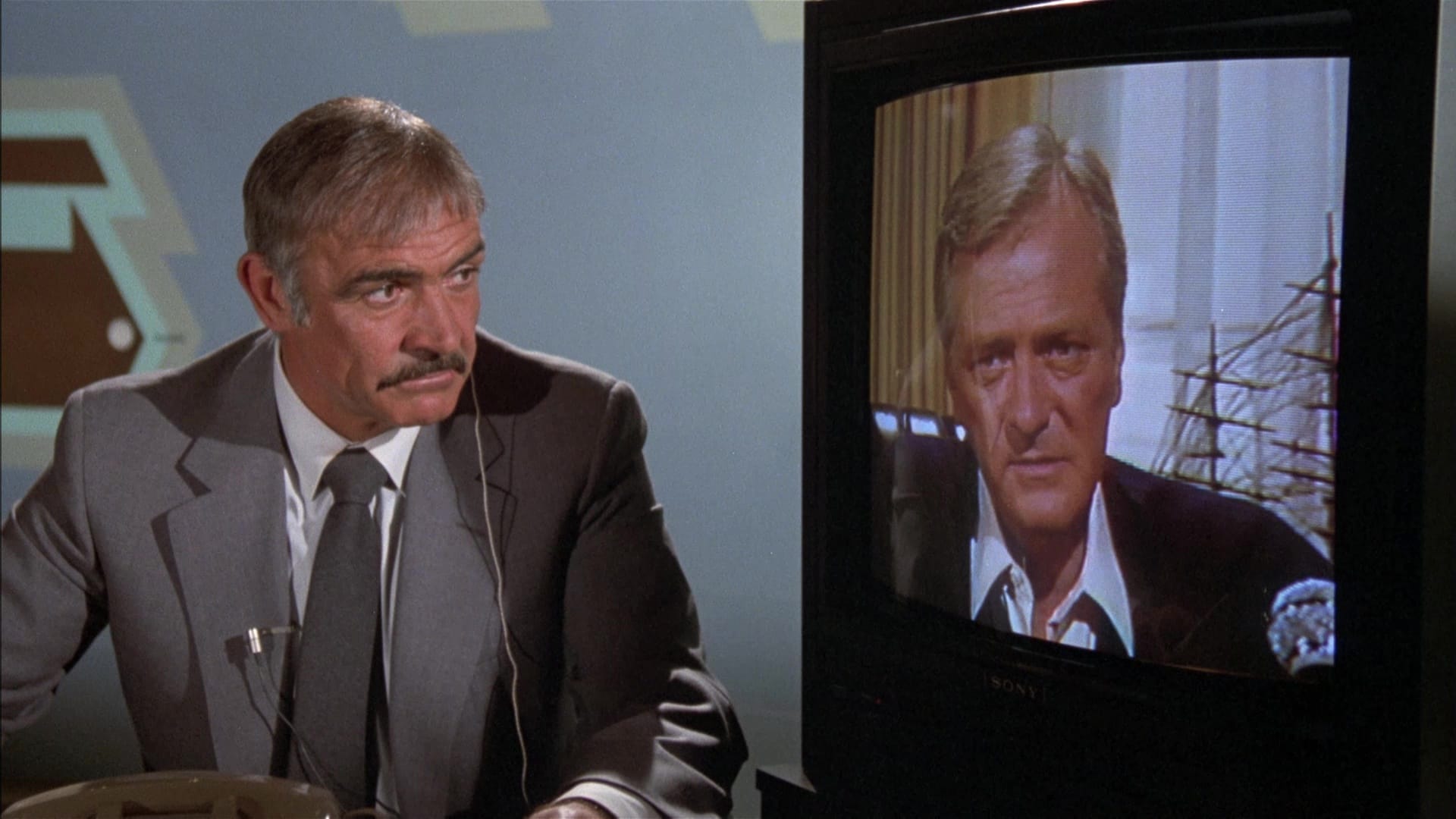
Scattershot at best and incoherent at worst, it’s an attempt by Brooks – using Charles McCarry’s feverish novel The Better Angels as his starting point – to update the grotesque media satire of Network for the Reagan era. But the man who made In Cold Blood and Elmer Gantry and Looking for Mr. Goodbar and a dozen other powerful, socially conscious dramas has no feel for comedy; Connery spends the whole picture looking flustered and indignant, his co-stars are all on different frequencies and despite various clocks ticking down to World War III, there’s no tension or suspense to any of it. It’s all setup, no punchline.
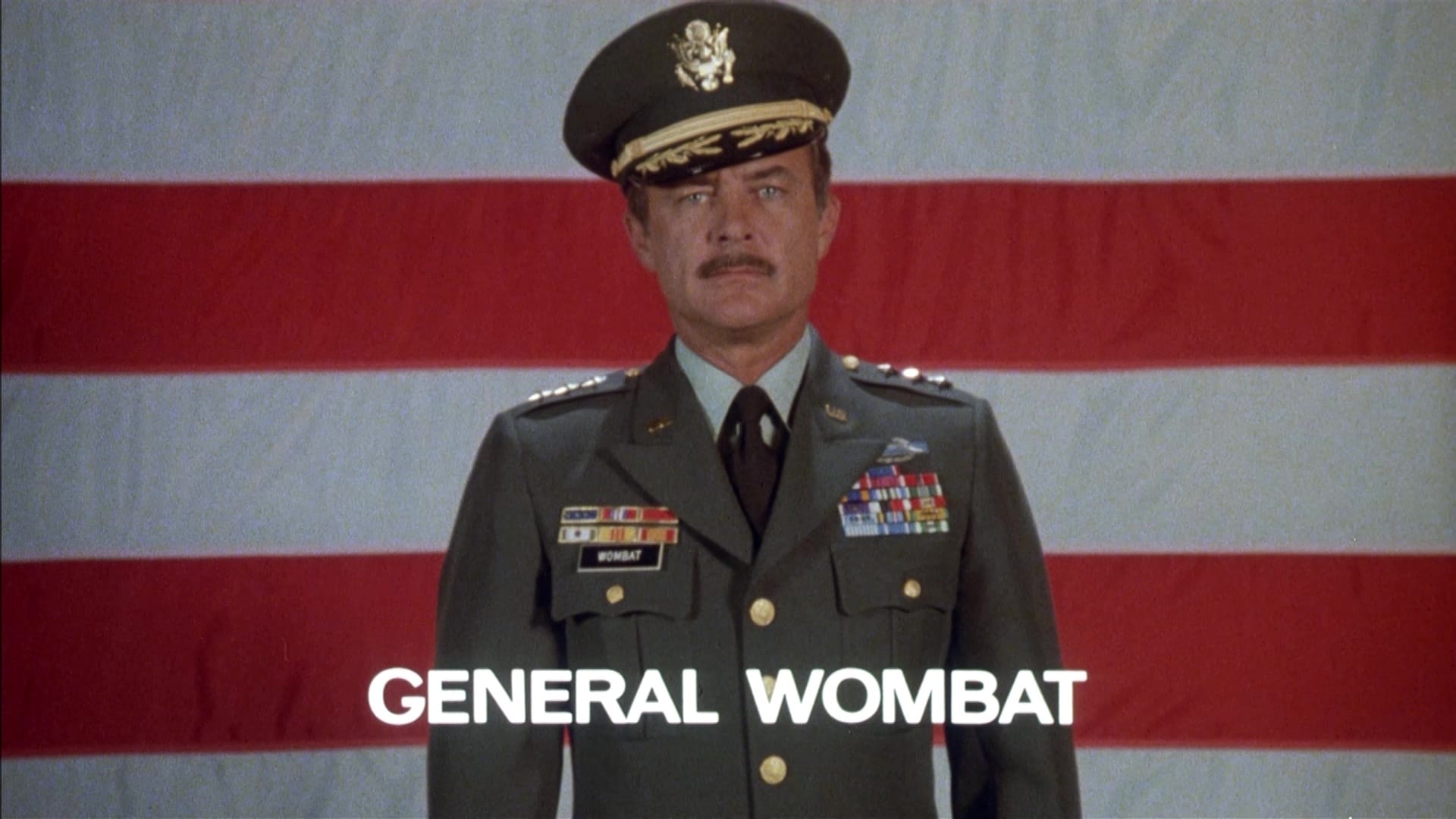
I will say that watching Wrong Is Right now is a fascinating experience. Its position on the media as sensationalistic and amoral doesn’t go far enough, and twists that were supposed to be shocking and controversial at the time now seem adorably naïve.
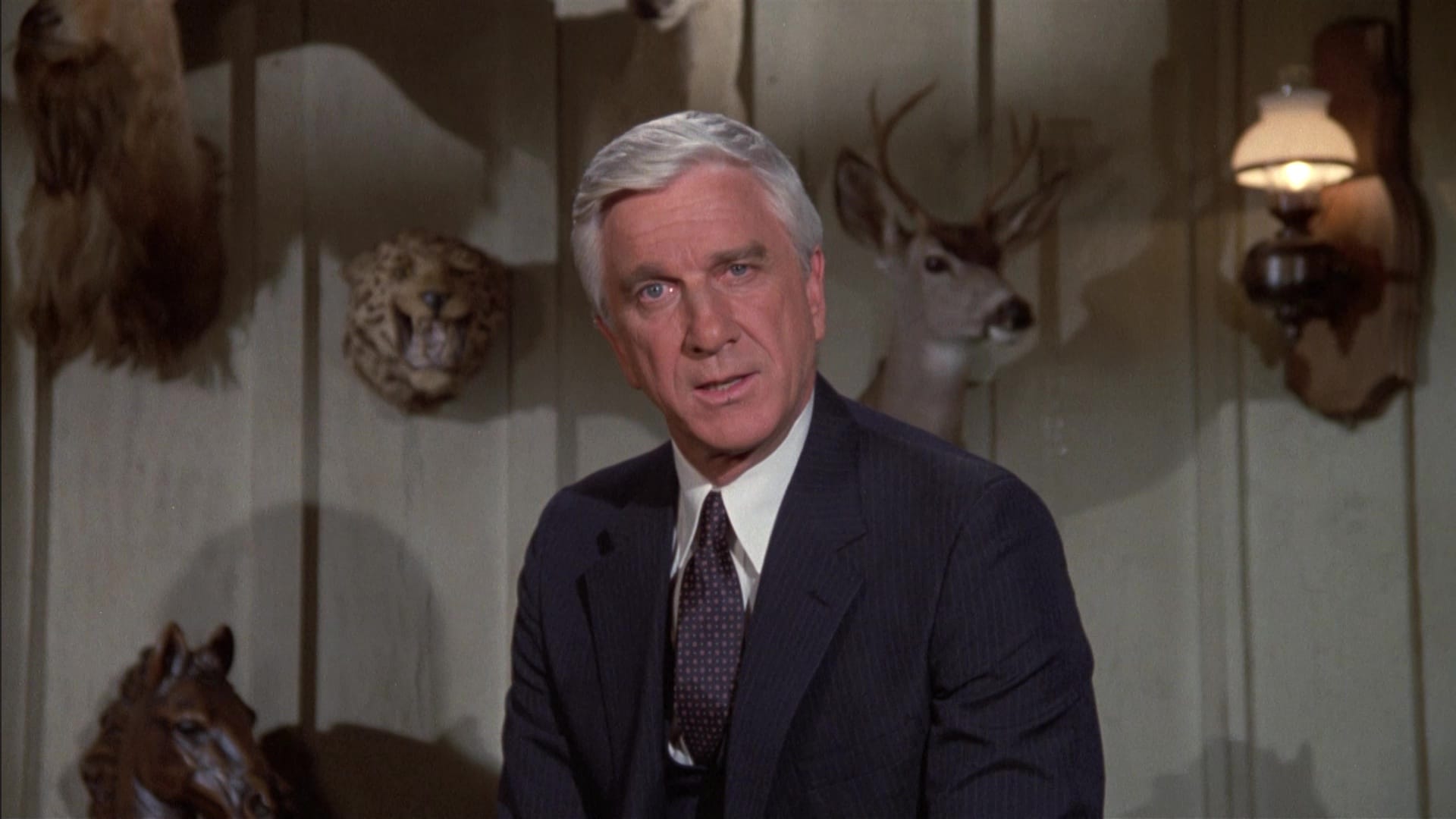
Also, it’s just weird to see Leslie Nielsen, post-Airplane! but pre-Police Squad!, stuck back in the sort of stuffy authoritarian role he’d be sending up for the rest of his career. (Katharine Ross, Robert Conrad, Dean Stockwell, Rosalind Cash, John Saxon, Henry Silva, George Grizzard, Hardy Krüger and G.D. Spradlin are also caught up in this mess, along with a very young Jennifer Jason Leigh.)
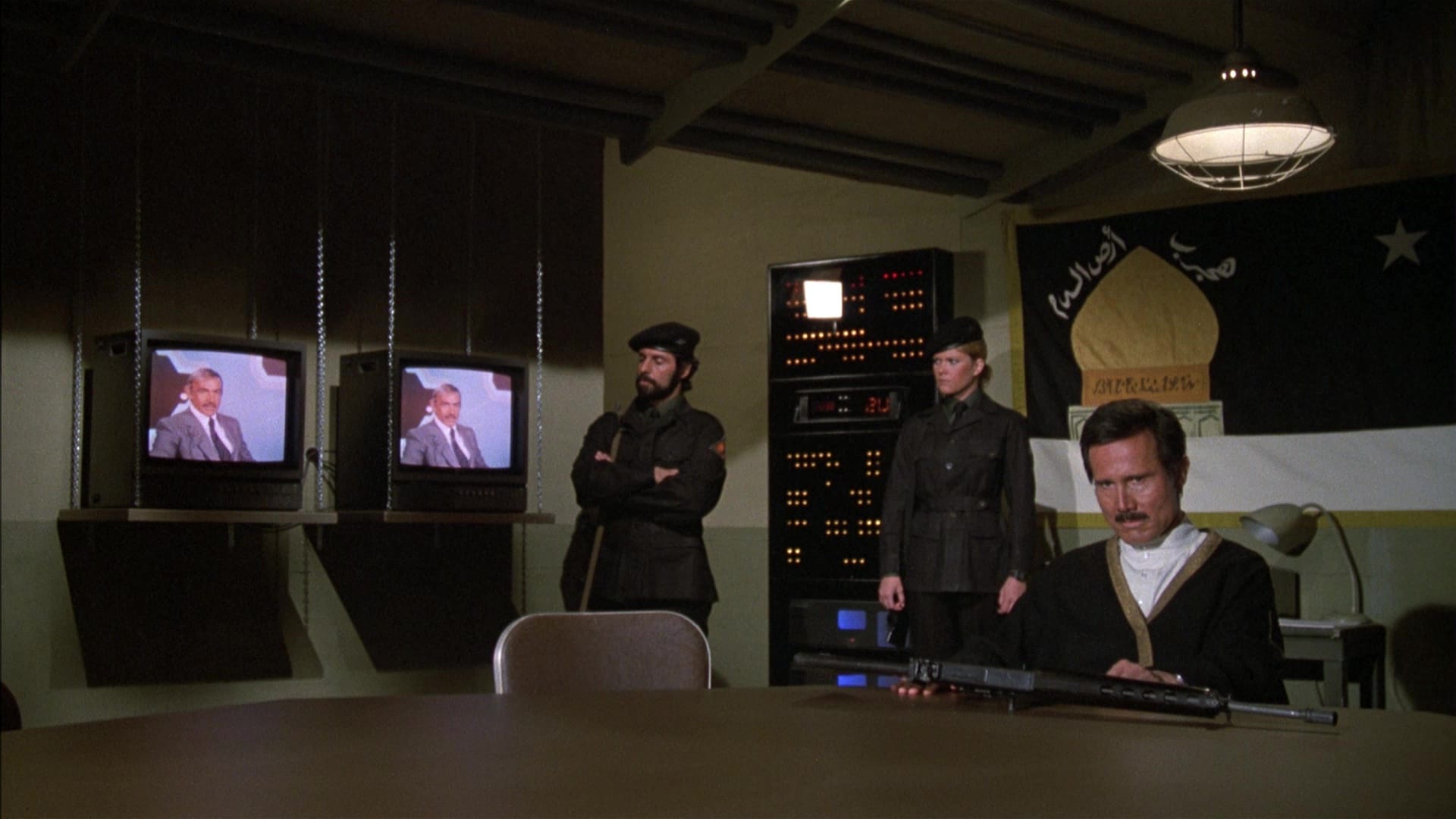
I requested Wrong Is Right because Imprint’s Blu-ray marks the first release of the film on the format, and I’d hoped I’d discover a lost masterpiece – or at least a film worthy of the label’s effort. Sadly, that isn’t the case: It wasn’t good four decades ago, and it isn’t good now. But at least it’s out there.
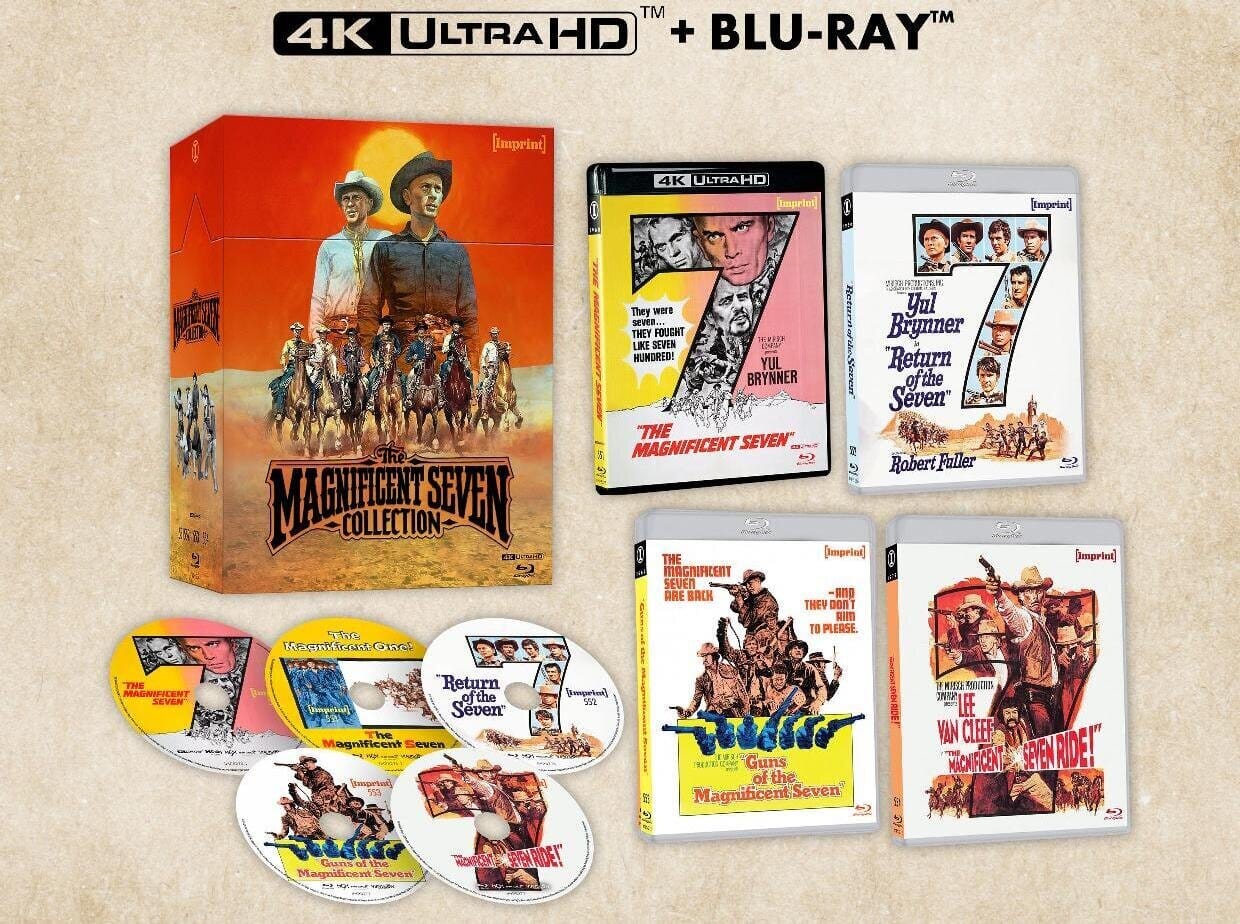
One more Imprint release before we go, and it’s one people will want to grab: The Magnificent Seven Collection, a most handsome assemblage of the MGM Western series that ran from 1960 to 1972 – with admittedly diminishing returns – and now feels like the last hurrah of a certain era of Hollywood Western.
Reworking Kurosawa’s Seven Samurai to the Mexican-American border sometime in the late 19th century, The Magnificent Seven casts Yul Brynner as Chris Adams, an opportunist who convinces some Mexican villagers to let him assemble a posse to drive out the bandits who’ve taken over their home.
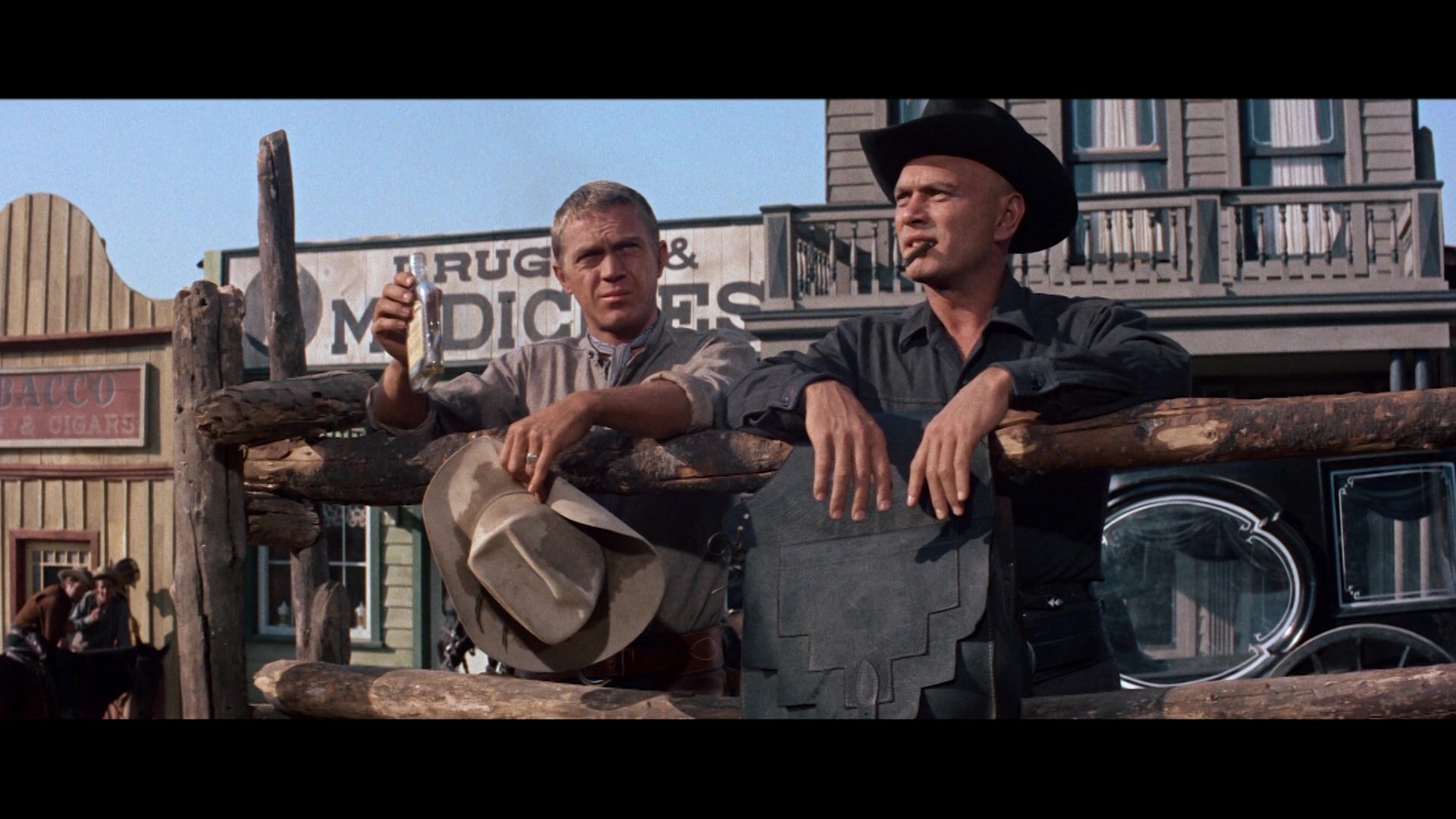
Adams and his new pal Vin (Steve McQueen) find five more men (Charles Bronson, James Coburn, Robert Vaughn, Horst Buchholz and Brad Dexter) who are broke or desperate enough to take the gig, and ride out to the village to discover their legend has preceded them – and it is legend, because these guys are not the heroes they’ve been made out to be. But as they’re embraced by the villagers, and see the brutality of the villainous Calvera (Eli Wallach, of course), they find something worth fighting for.
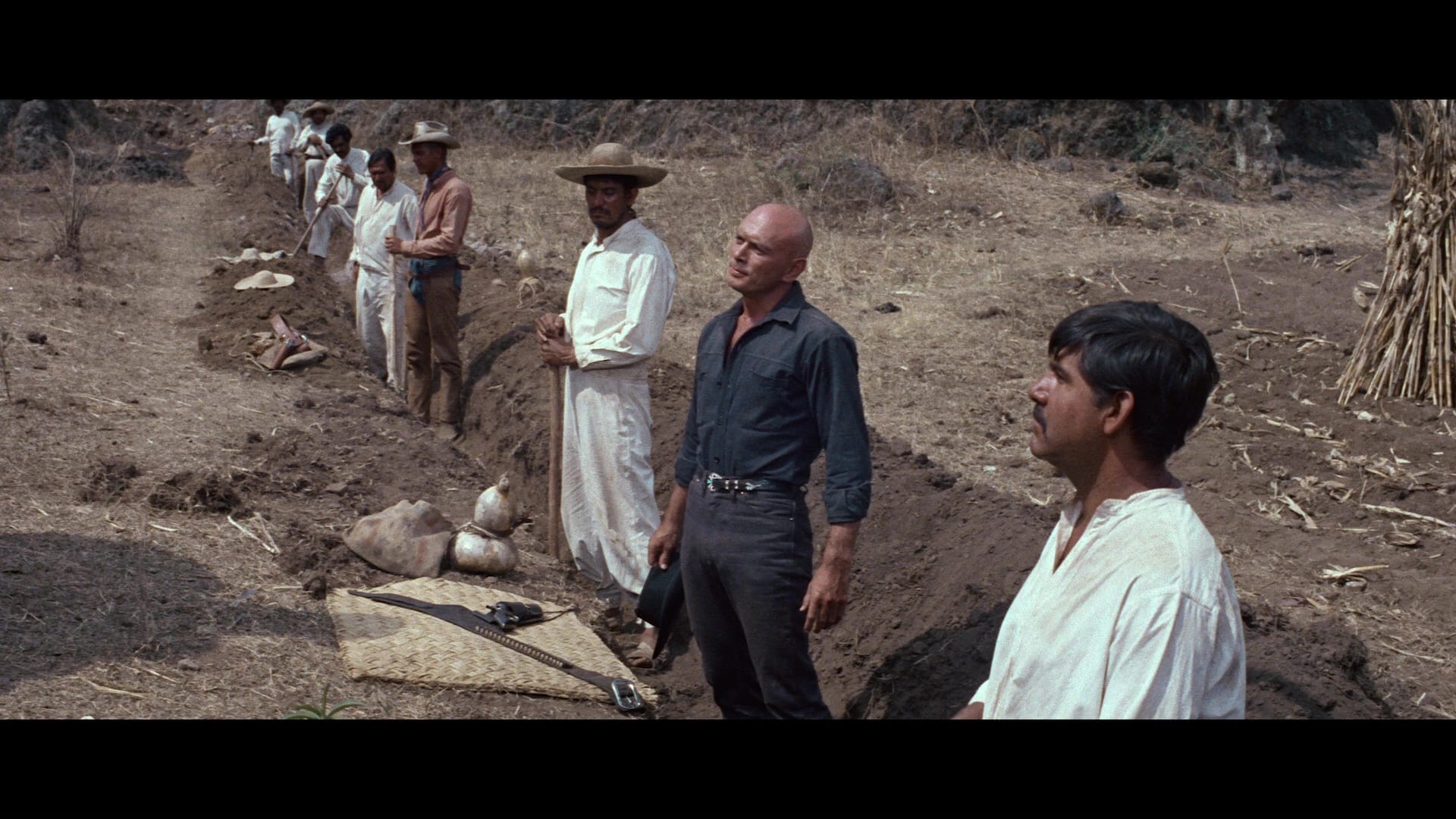
It’s a story so easy to understand, and so malleable, that it can be reworked into all sorts of genres; A Bug’s Life and Galaxy Quest borrowed it within a couple of years of one another, and no one even complained. Director John Sturges, a studio workhorse who’d been moving into prestige territory with pictures like Bad Day At Black Rock and The Old Man and the Sea, was a massive fan of Kurosawa’s original and channeled the best parts of it into his own film, without worrying too much about sticking to the script. That, plus Elmer Bernstein’s big, brassy score, lets The Magnificent Seven define itself as its own picture.
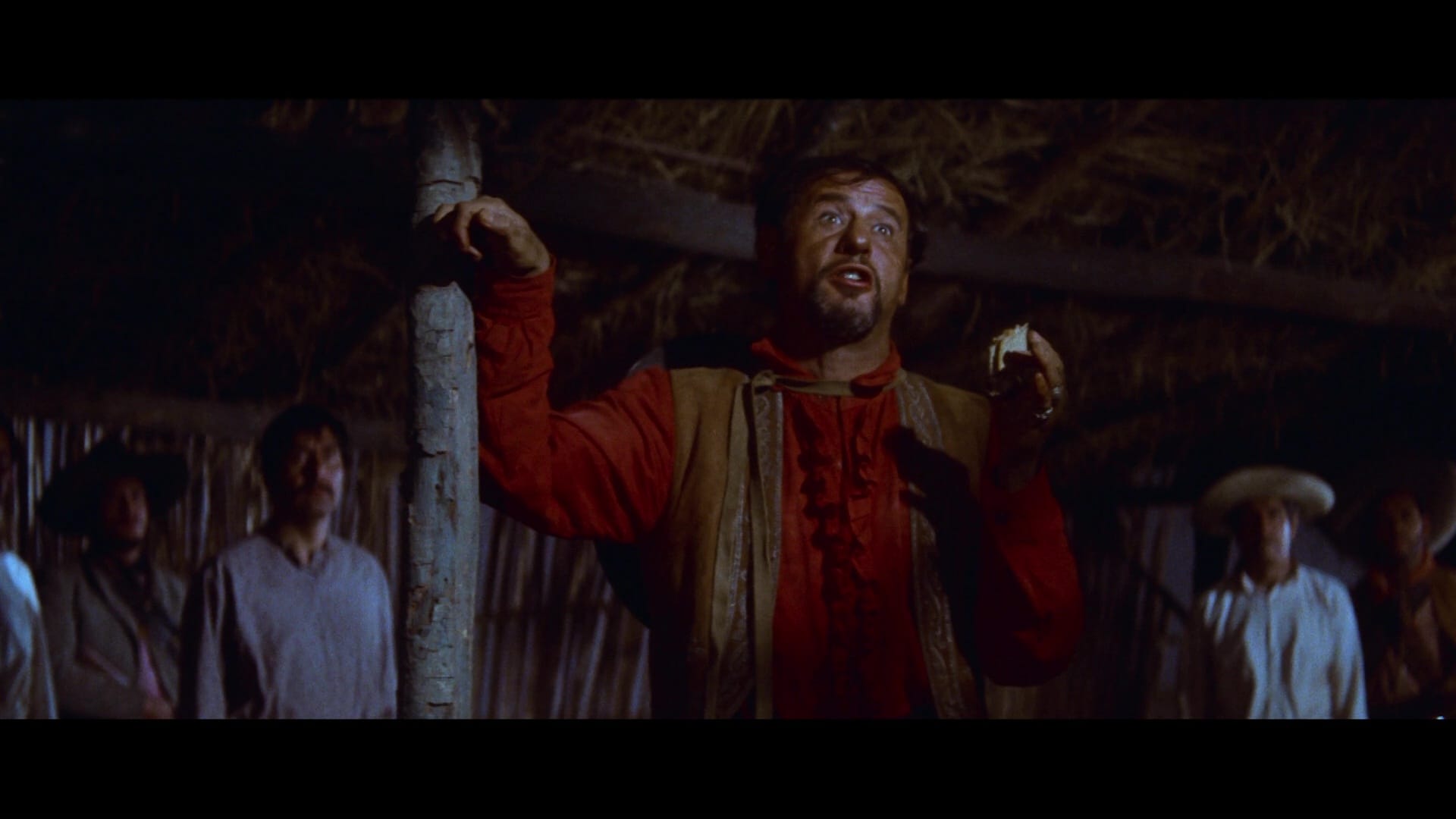
And yet, the film was received by American audiences as just another horse picture in a market saturated with them; it only became a hit when it was released overseas, spurring new interest from exhibitors at home. It never quite went away after that, spawning three sequels and becoming enough of a TV staple – ironically enough – that by 1973, Michael Crichton’s Westworld could build an entire marketing campaign on the image of Brynner re-creating Seven’s gunslinger Chris Adams as a killer robot. Everyone got the joke.
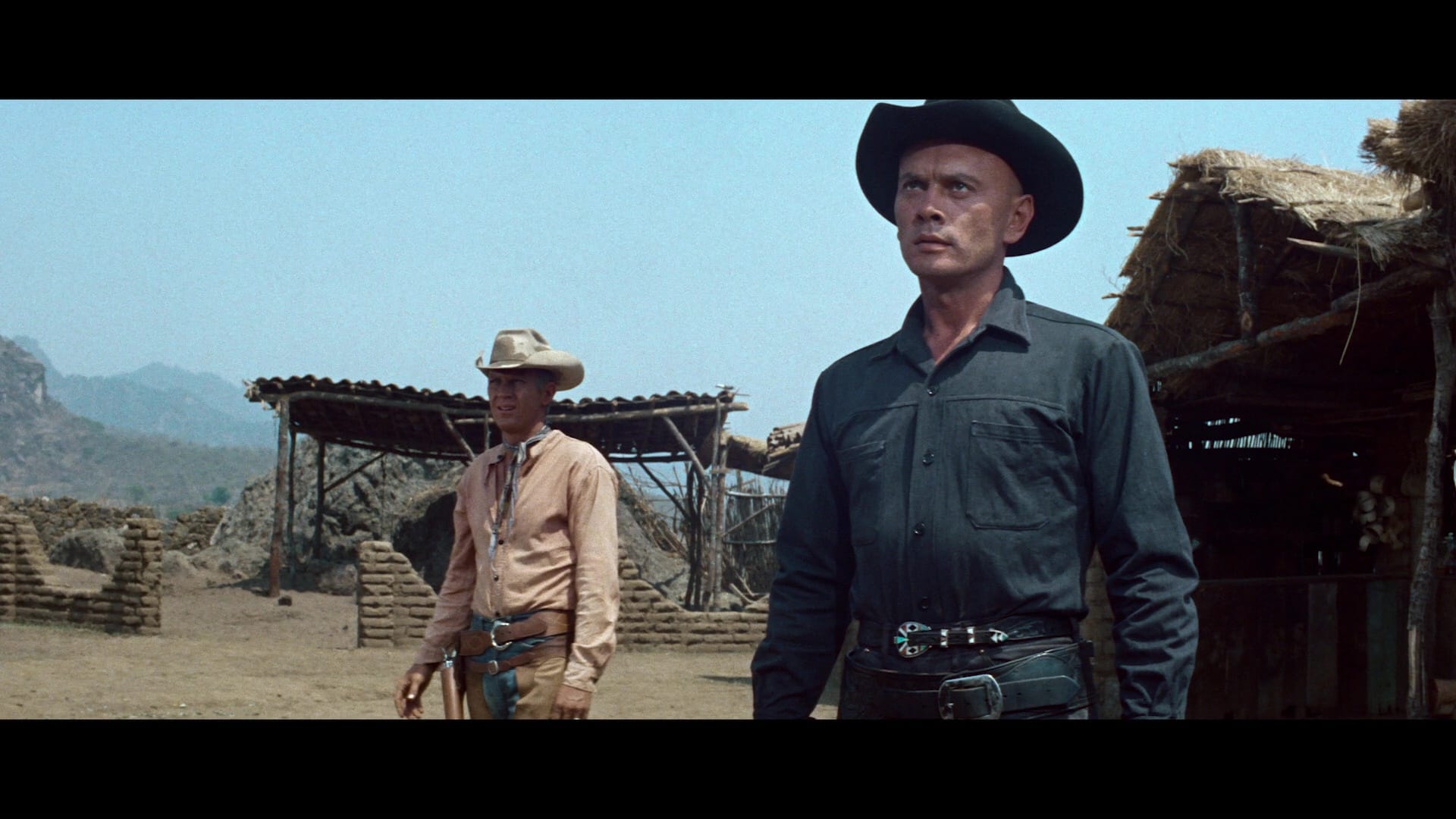
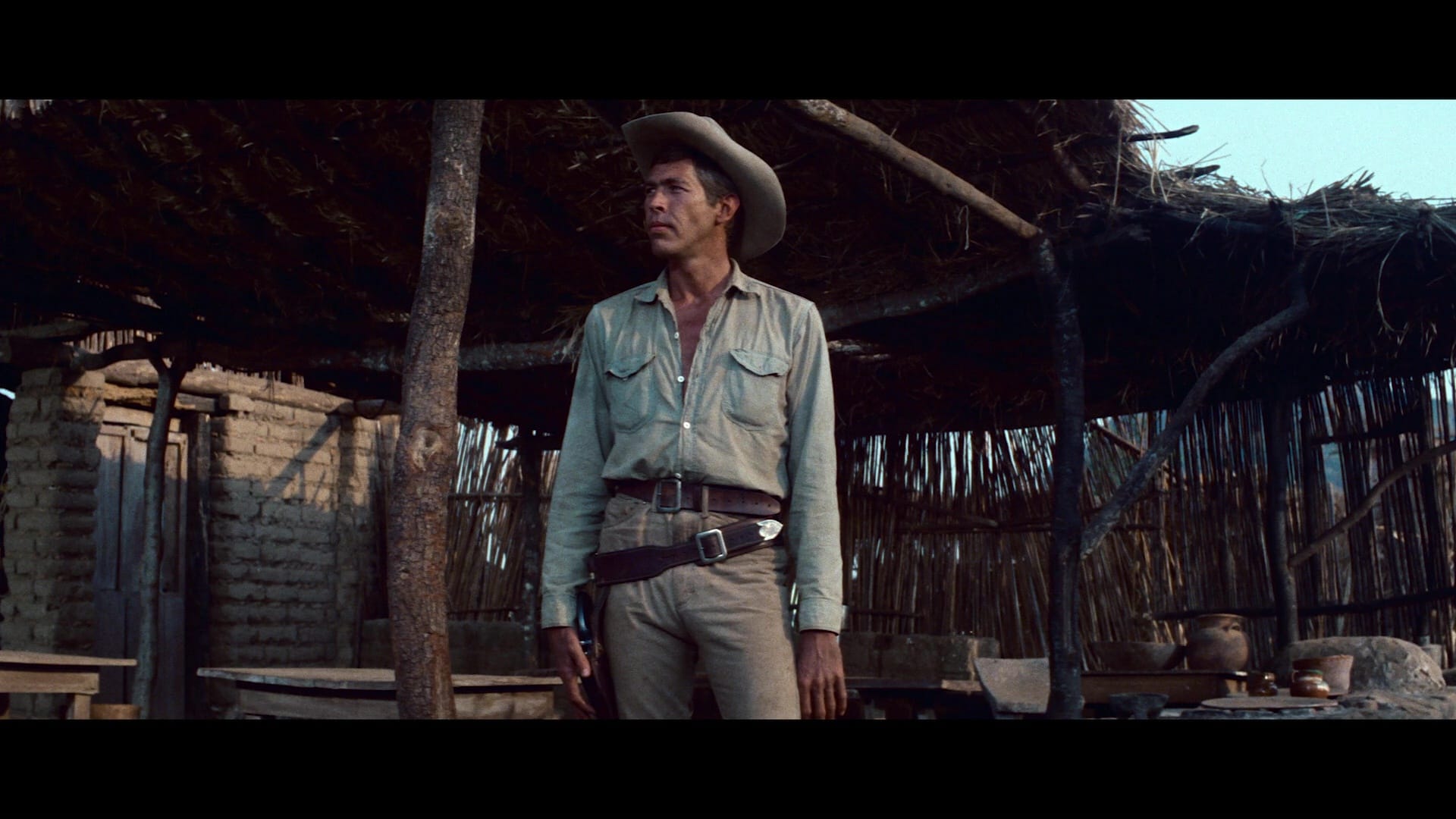
Brynner wasn’t the only actor to emerge a bigger star from this movie. It also nudged McQueen, Bronson and Coburn into the spotlight, shaping roles around their specific physicality – McQueen’s tension, Bronson’s bulk and Coburn’s lankiness – that made them impossible to forget. Sturges had directed McQueen and Bronson in Never So Few a year earlier, and they’d clearly impressed him; he’d reunite the trio in 1963 for The Great Escape, confident that the audience would be invested in them all. And they were.
So why don’t we remember the sequels with the same fondness? They’re not as good, for a start, lacking the combination of talent that the original has. It doesn’t help that most of the characters from the first movie don’t live to see the credits roll – and of those who survived, only Brynner returned for Return of the Seven in 1966. (Robert Fuller and Julián Mateos stepped in for McQueen and Buchholz.) And he didn’t hang around after that: The role of Chris Adams would be played by George Kennedy three years later in Guns of the Magnificent Seven ...
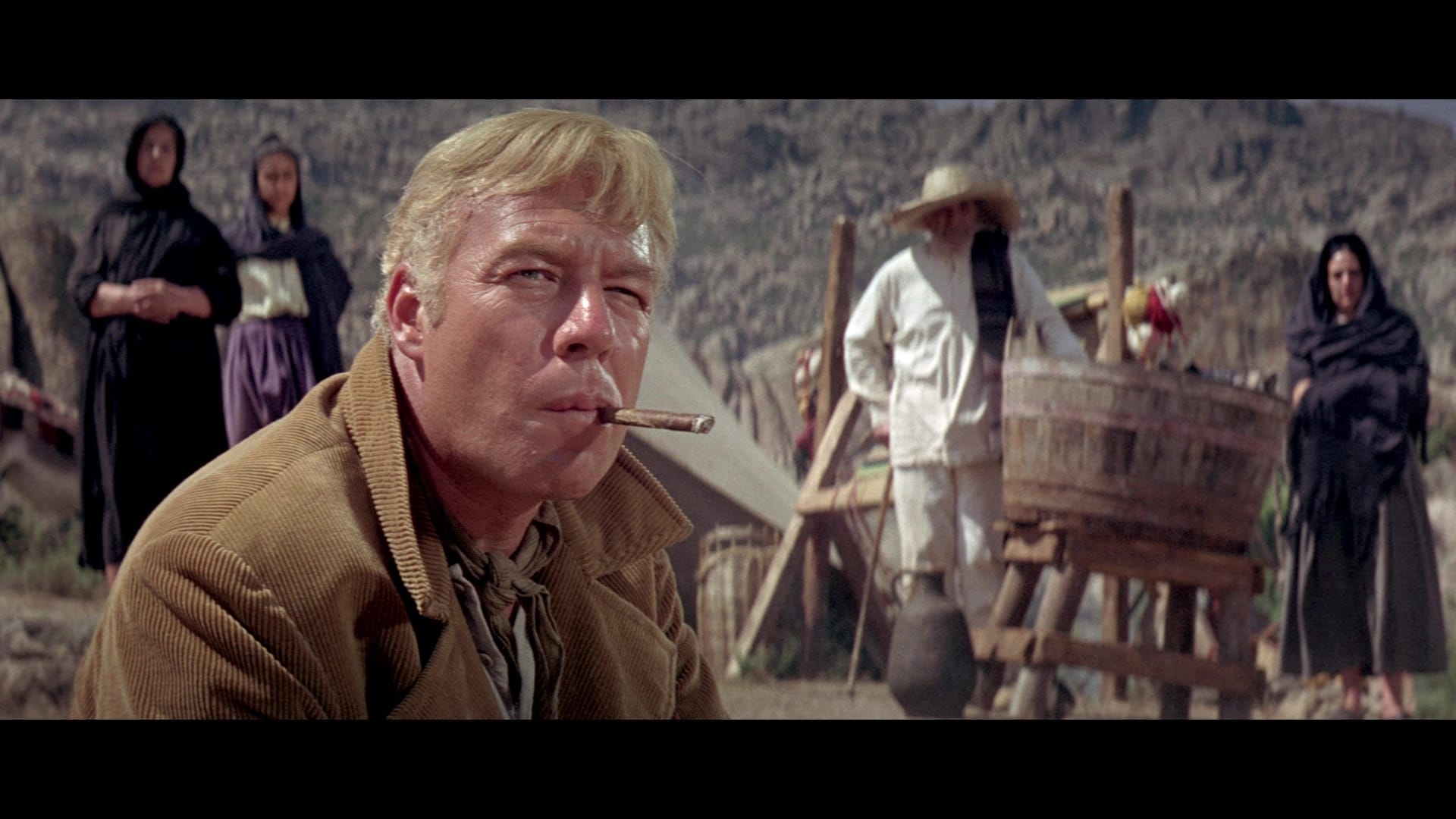
with Lee Van Cleef taking over three years after that for The Magnificent Seven Ride!
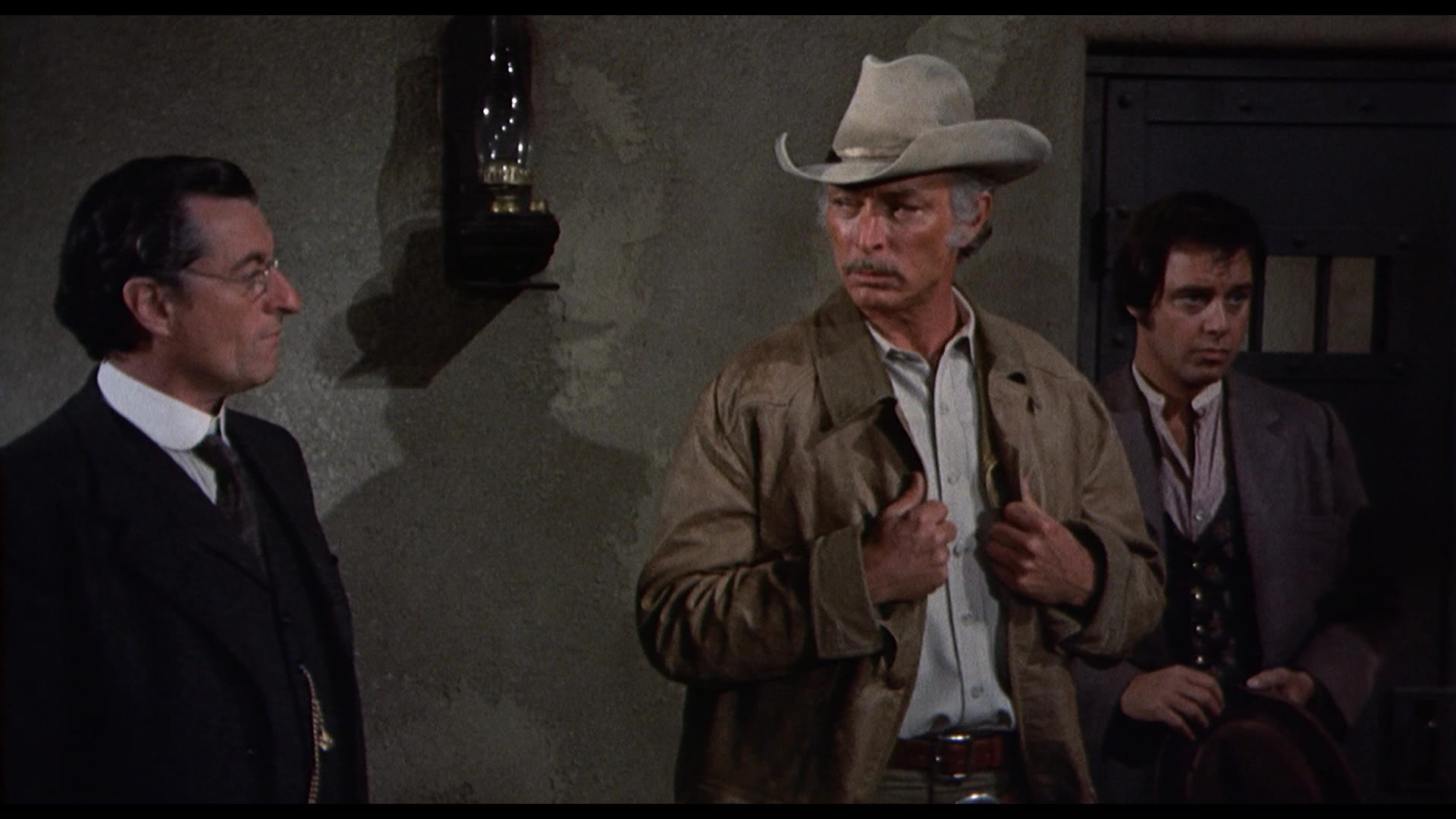
Each film has its merits – new actors, new locations, the occasional Larry Cohen screenplay – but you can’t catch lightning in a bottle twice, and everybody seems to know it.
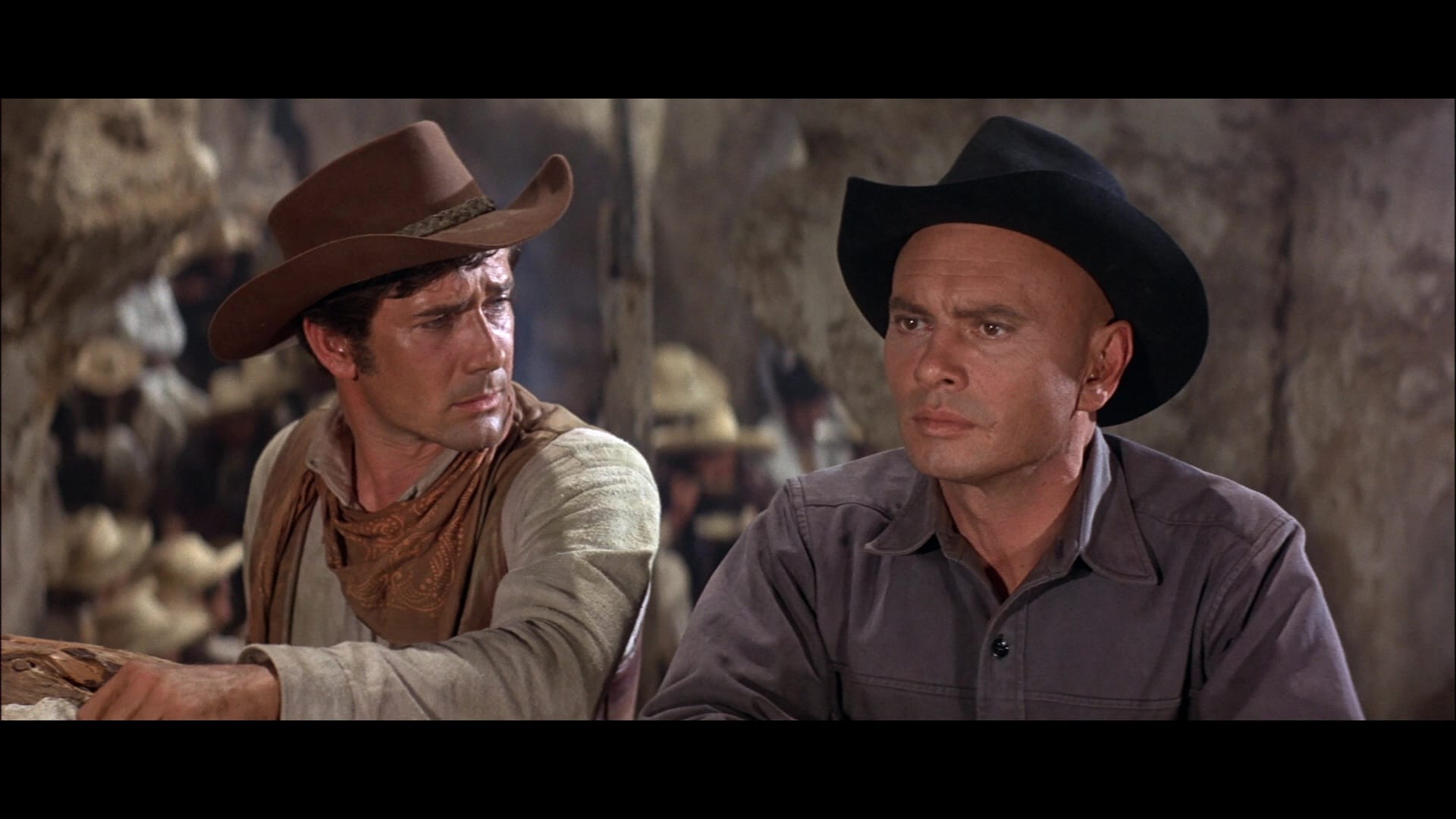
I suspect there’s another reason the Seven sequels failed to catch fire: They’re relics. In the six years between the first and second movies, Sergio Leone and Clint Eastwood redefined the American Western by dragging it through the mud in Spain. The crispness that Sturges brings to The Magnificent Seven instantly became overly manicured, as opposed to the weatherbeaten locations and grimy costumes of the Dollars trilogy. Even the horses seem too clean.
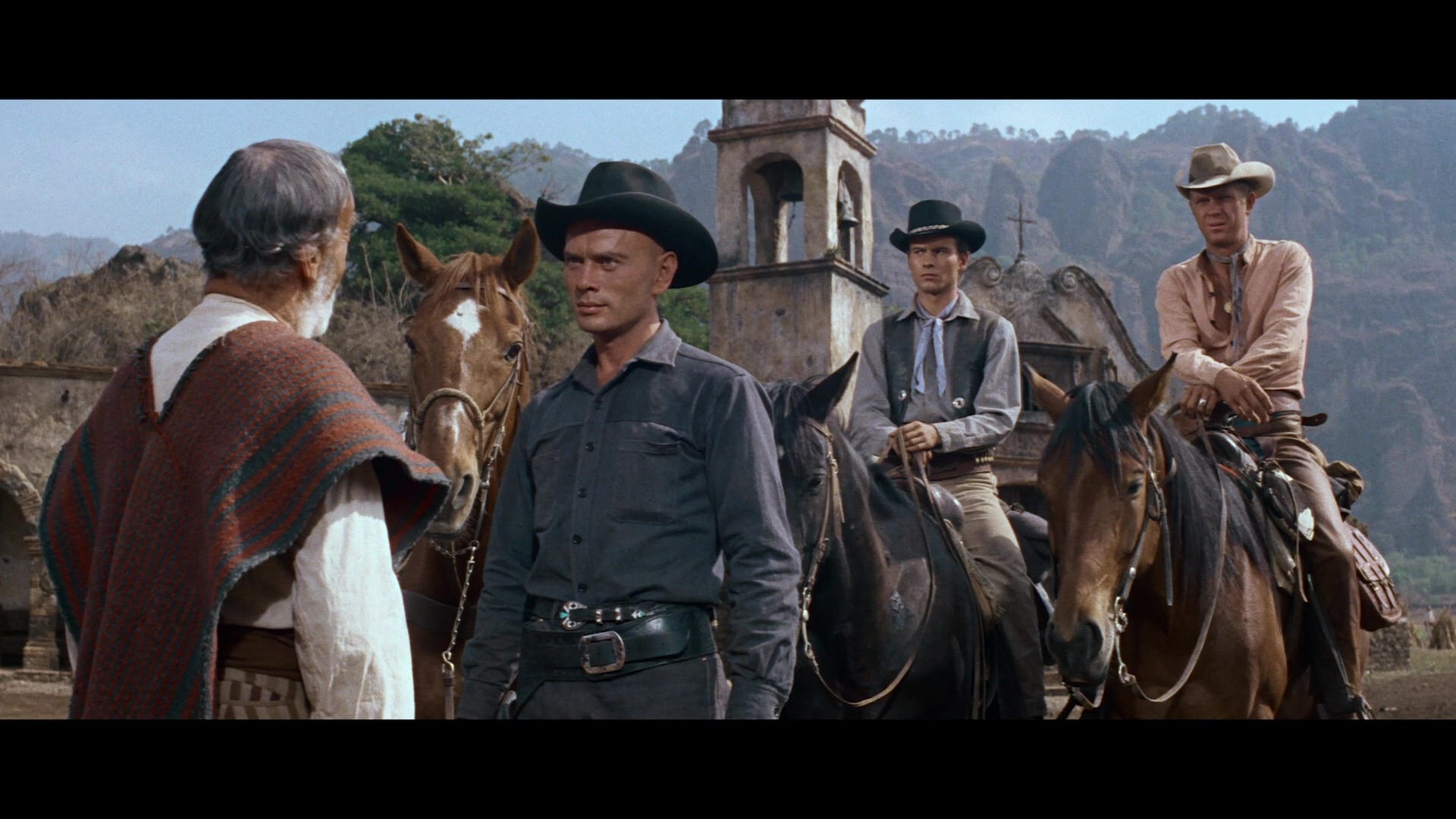
But in 1960, this was just the way the genre looked, with actors in tidy clothes against bright locations, and imagery designed to catch the eye and remind audiences that movies offered them something their black-and-white televisions, with their tiny screens and tinny sound, couldn’t match. And Sturges loved anamorphic widescreen; he had a great eye for scope, and his veteran DP Charles Lang Jr. delivered one beautiful composition after another. It’s another way in which this film sets a bar the sequels can’t quite clear. But if you’ve grown up with these movies as guilty pleasures, you kinda want to keep them around.
And that’s the appeal of Imprint’s collection, packaged to appeal to lifelong fans of the series in one of the label’s signature hardboxes. MGM released all four films on Blu-ray in 2010, but that set is long out of print, and Amazon’s acquisition of the MGM library means the franchise isn’t likely to see another physical release. Which means this is probably your last chance to own the whole set.
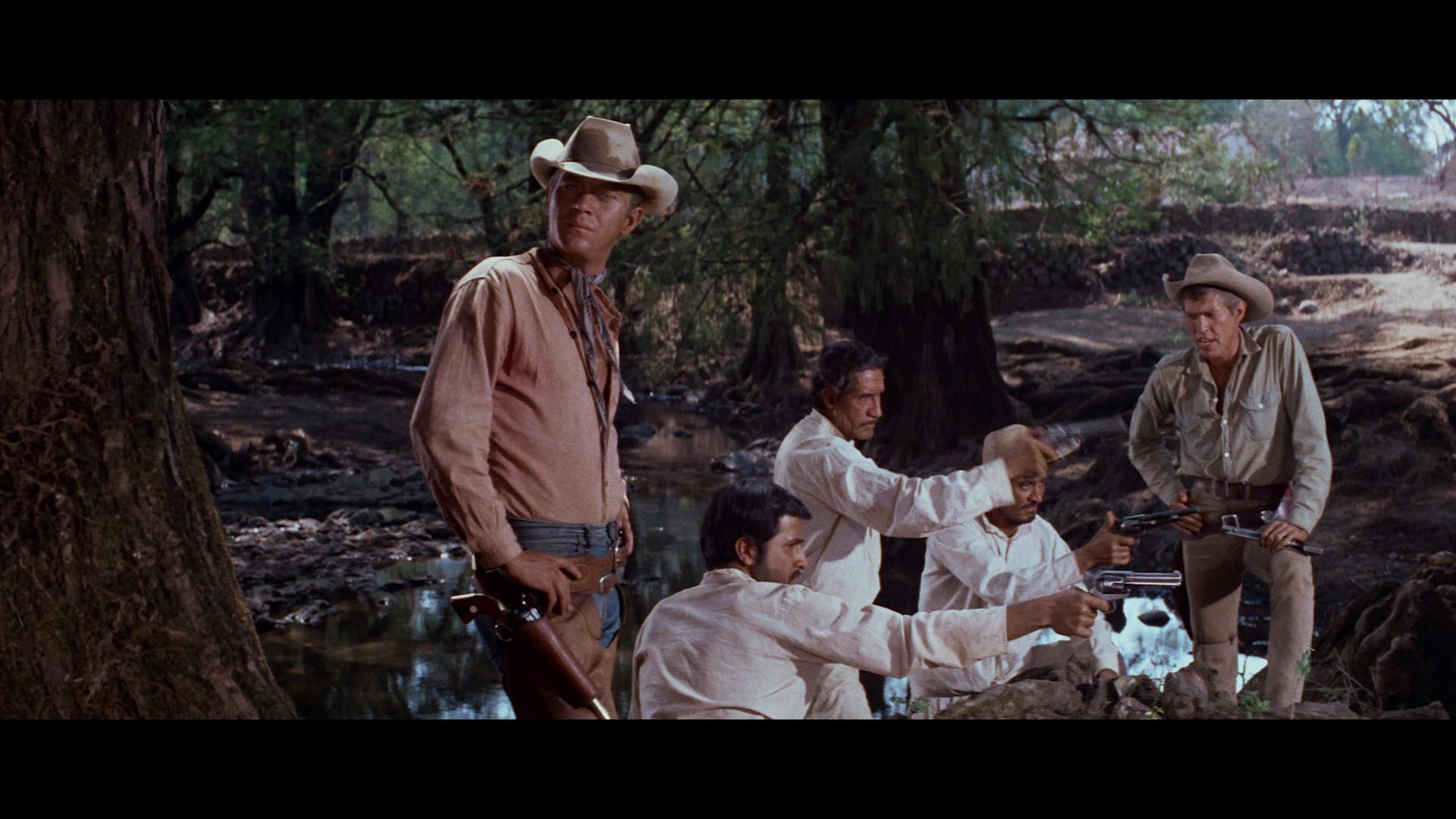
Imprint has made that awfully attractive, offering the original Seven as a 4K/Blu-ray combo and the sequels on their own individual BDs. The Magnificent Seven offers the same gorgeous restoration released by Shout! Studios in the US in 2023, with the same archival audio commentaries and documentaries produced for MGM’s earlier discs. Imprint has also commissioned a new interview with Coburn’s daughter-in-law Robyn, who brings a personal angle to a big studio picture.
All four features offer remastered 5.1 DTS-HD soundtracks as well as the original mono audio in linear PCM. And each of the sequels includes a new audio commentary – Toby Roan discusses Return, while Steve Mitchell tackles Guns and Ride – and Guns of the Magnificent Seven also gets a new video essay on the career of director Paul Wendkos. Not exactly essential, but it’s a nice way to acknowledge the work that went into the sequels, even if they failed to set the world on fire.
Sleepers is now available in 4K from Warner Bros. Discovery Home Entertainment. The Imprint Collection editions of The Fabulous Baker Boys, Wrong Is Right and The Magnificent Seven Collection are now available from Via Vision Entertainment.
Up next: Emerald Fennell kindly requests you prepare your ironic quotation marks, if you could be so kind.