
The Greasy Spoon at the End of the Universe
In which Norm spins up Gore Verbinski's latest whirlpool, GOOD LUCK, HAVE FUN, DON'T DIE.
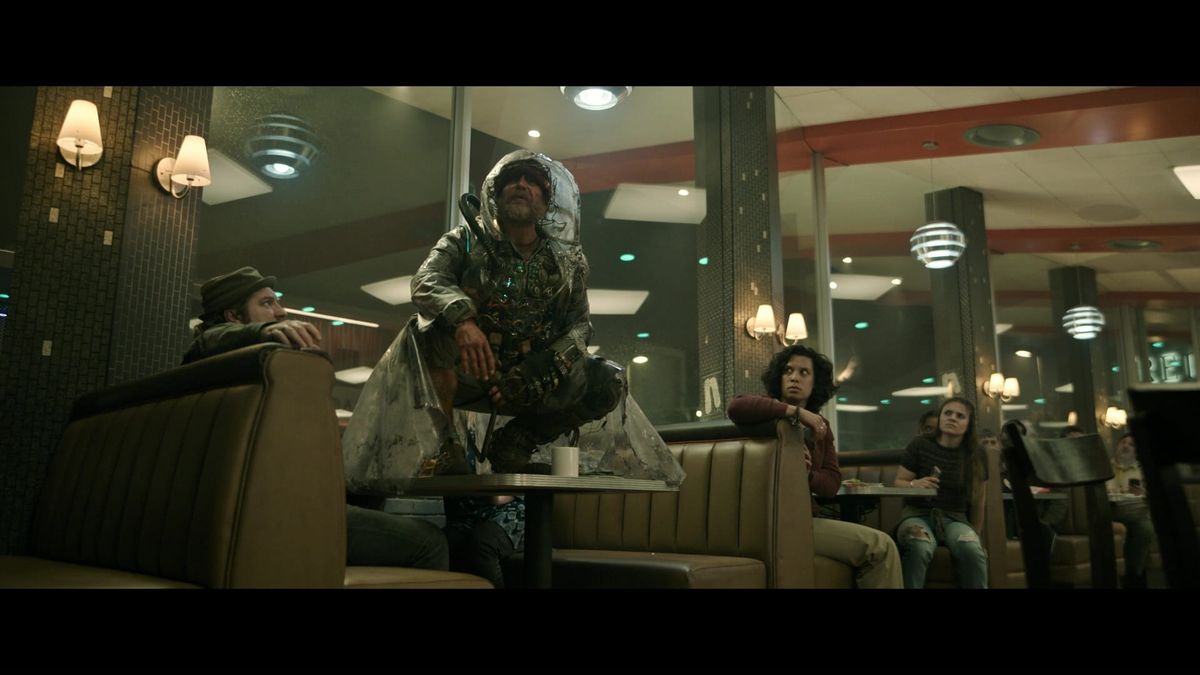
Good Luck, Have Fun, Don’t Die came out last week, but what with one thing and another it didn’t reach me until Thursday afternoon, just a few hours after I sent out last week’s dispatch. So this is me catching up to something that’s already happened, which is also the plot of the film!
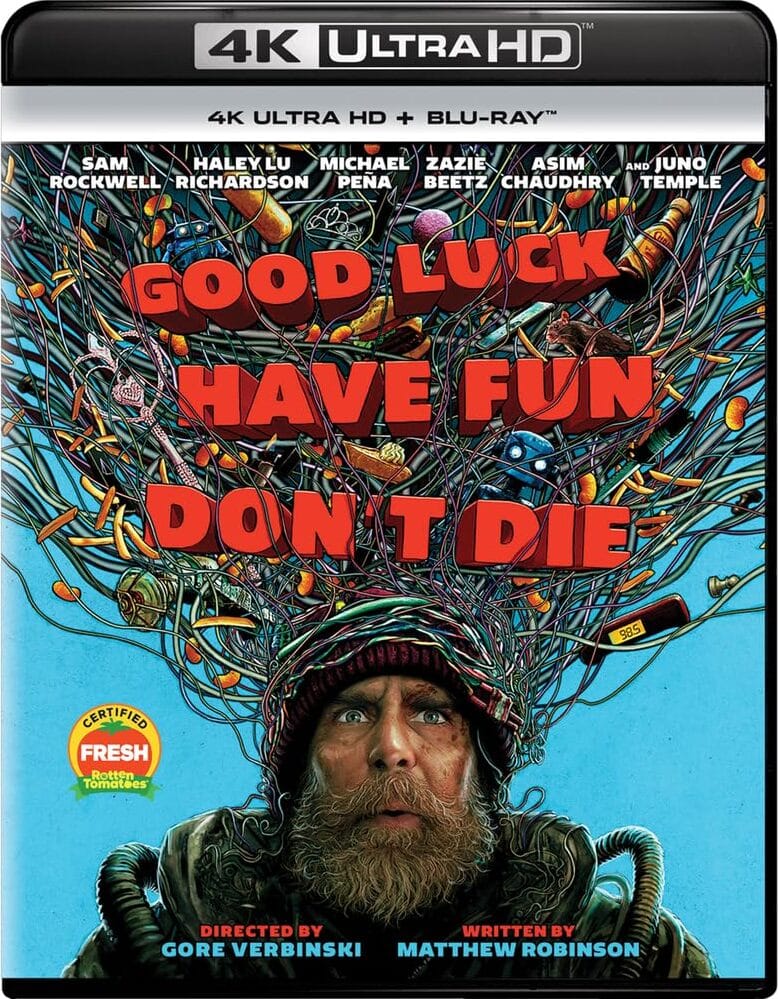
Gore Verbinski is a maximalist. That’s his strength, and that’s his weakness. He loves atmosphere and texture; he builds entire worlds and lures us into them. In the first half of his career, that gave us the suffocating dread of The Ring and the beguiling fantasy of the first Pirates of the Caribbean; as he grew more established and successful, though, his movies got bigger, longer and more manufactured, leading to the bloated self-indulgence of The Lone Ranger (not entirely his fault) and the lurid Gothic foolishness of A Cure for Wellness (entirely his fault).
Good Luck, Have Fun, Don’t Die, Verbinski’s first feature in nine years, feels like a corrective to those movies – a lean, shaggy sci-fi chase that takes place over one night, as a wild-eyed man (Sam Rockwell) walks into a Los Angeles diner and declares he’s arrived from the future. But he’s not just a tourist: He’s here to recruit the specific combination of people who can help him prevent the rise of a supercomputer that destroys life as they know it. There’s just one hitch: He’s tried this 116 times before, and it always ends in failure. But this time will be different. Right?

The diner patrons – played by a great assortment of character actors like Zazie Beetz, Asim Chaudhry, Michael Peña, Haley Lu Richardson and Juno Temple, each with their own baggage that spills out in flashbacks – are skeptical, mostly because this guy looks like he’s spent the last week at a spa where they soak you in a bespoke mixture of lemon pulp, oxycodone and goat urine. But he knows things, and within minutes he’s convinced his hostages that they’re the only hope for humanity. It’s Sam Rockwell, he talks a good game. Plus if they don’t sign on there’s no movie, and what would be the point of that?
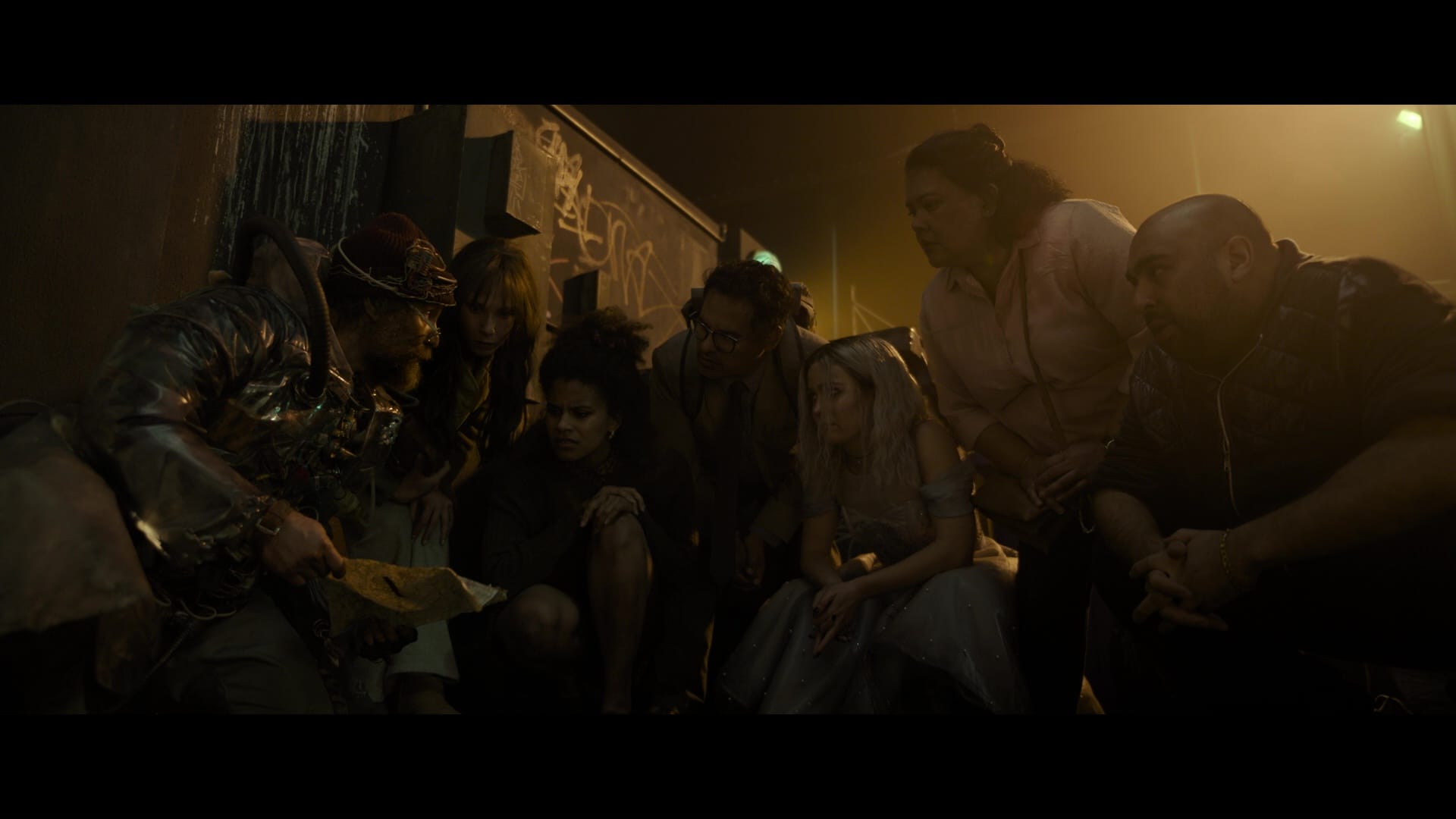
Matthew Robinson’s script throws a lot of ideas around, and this propulsive opening movement feels like an encapsulation of all our current anxieties: There’s generational disconnect, media oversaturation, the rise of AI and, um, school shootings. There are echoes of Boots Riley’s Sorry to Bother You here, a sense that this movie is willing to engage with issues and ideas considered untouchable by most filmmakers. And if it had followed through on that audacious promise instead of settling for pastiche, we might really have had something.
But maybe it’s impossible to tell a completely new version of this story. Bear with me for a second? I’ve developed this theory over the last few years about the impact of superhero movies on popular culture, and how making live-action versions of comic books requires some level of grounded storytelling so the audience can identify with the gods on-screen. Tony Stark futzing around in his lab in the first Iron Man, T’Challa and Shuri needling each other in Black Panther, Carol Danvers reconnecting with Monica Rambeau in Captain Marvel, Lois interviewing Clark in the opening sequence of James Gunn’s Superman – these scenes keep the budget down, sure, but they’re also about fleshing out characters who could easily be as two-dimensional as they are in the pages of a monthly comic.
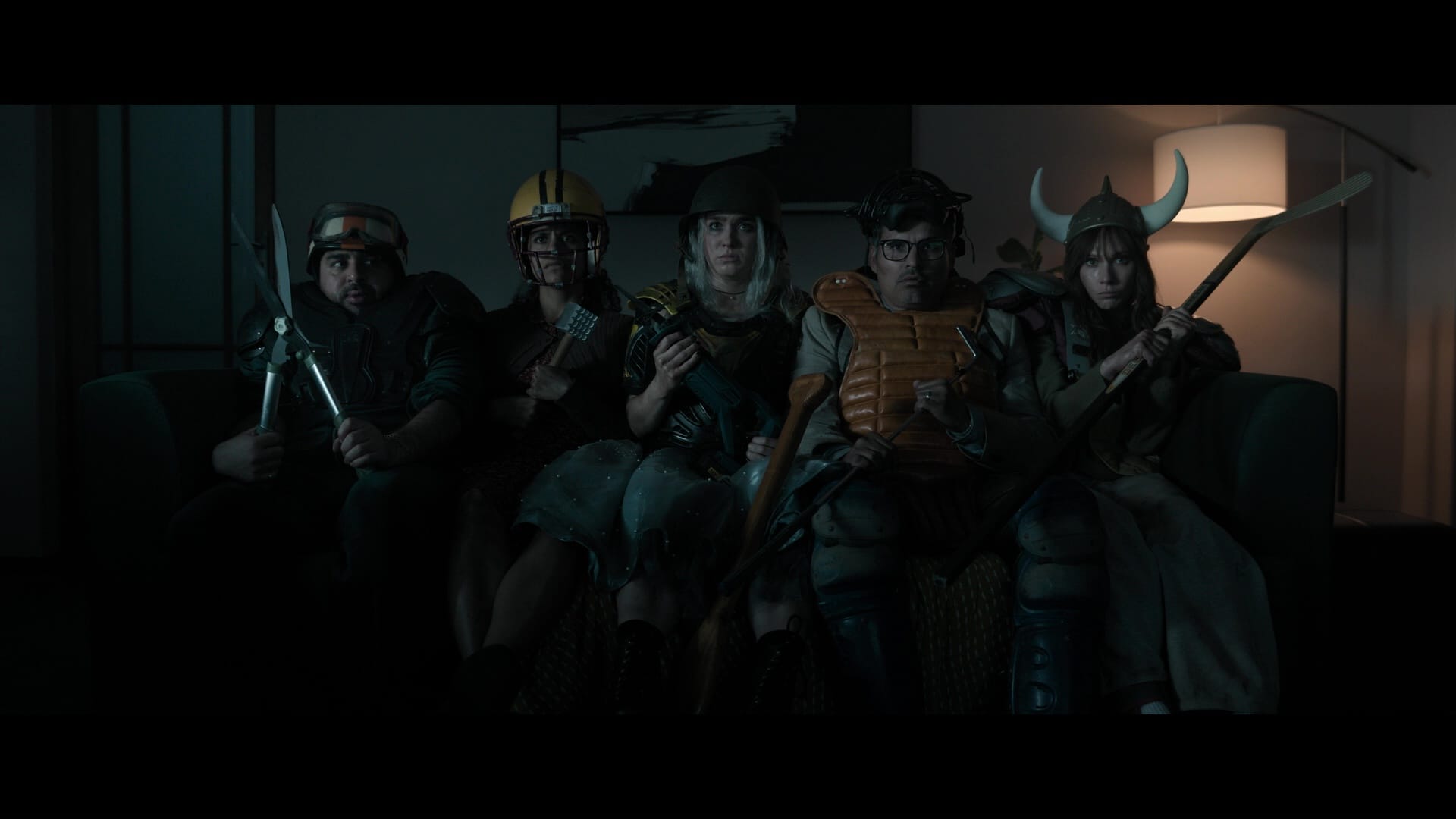
And as superhero cinema became the dominant force in American moviegoing, audiences internalized the fantastical narratives of these movies – to the point that “genre storytelling” has ceased to exist, really, and sufficiently talented filmmakers can use the language of genre as a lever into an emotionally satisfying narrative. Two films I programmed at TIFF in 2024, Do I Know You From Somewhere? and You Are Not Alone, use their impossible premises to explore questions of love, longing, connection and curiosity, trusting the audience will understand the metaphors in play, and I think Good Luck, Have Fun, Don’t Die tries to do the same. But it’s too derivative, and so busy throwing references at us that it never forms its own identity.
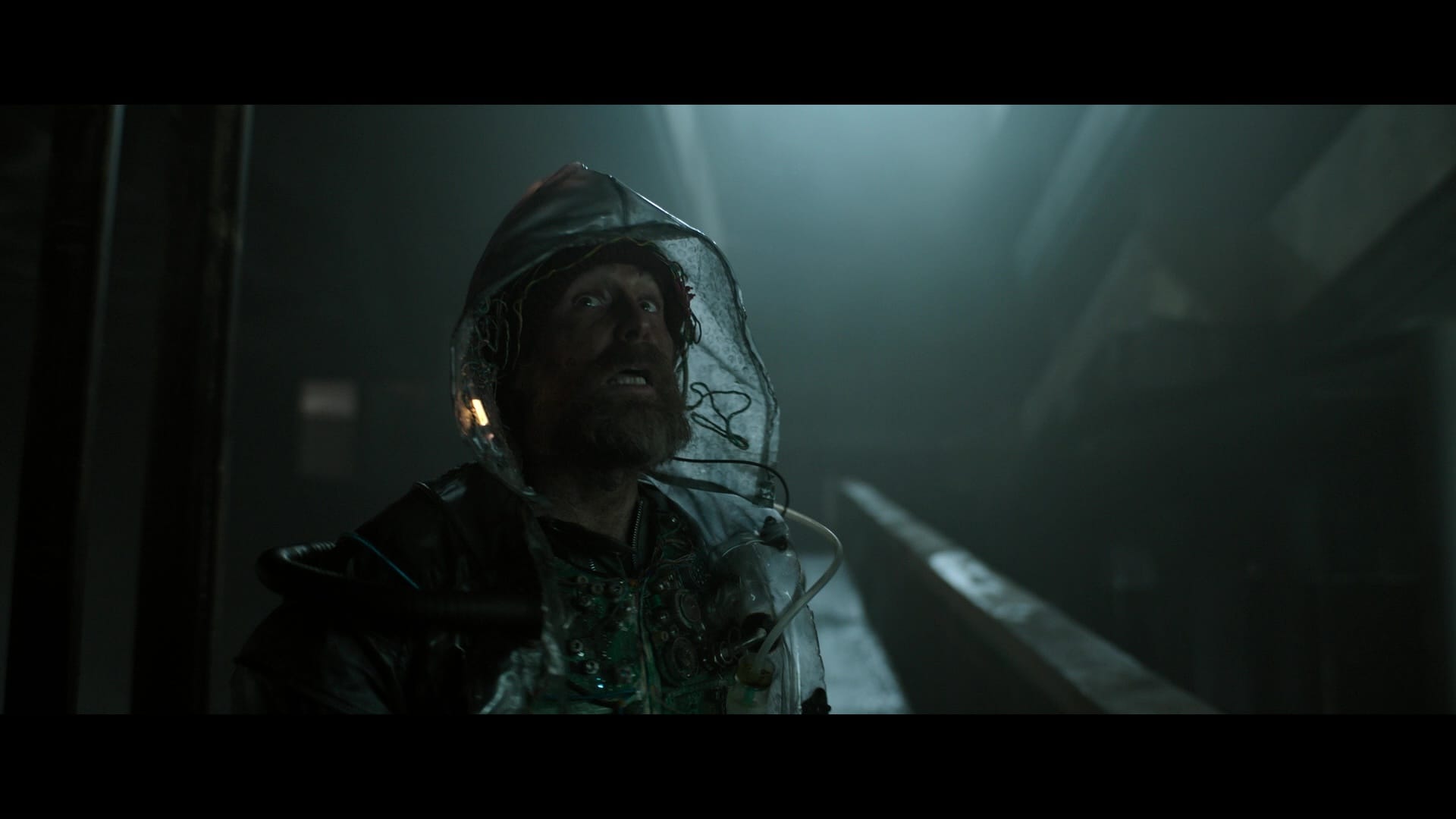
The Man from the Future is written as a combination of Michael Biehn in The Terminator and Bill Murray in Groundhog Day, and Rockwell plays him as simultaneously urgent and cynical, exhausted but still somehow hopeful. It’s a good take, but Verbinski doesn’t do anything with it, burying Rockwell’s charisma and energy under a Bruce Willis-in-Twelve Monkeys getup that – like the plot of Twelve Monkeys, comes to think of it – becomes just another element of the self-consciously handmade aesthetic, which always feels like it’s about to achieve coherence, but never does.
That’s also what the movie’s threat is doing. The Man from the Future tells us self-aware AI cannot be stopped; he’s not trying to kill it, but to steer it in a more positive direction. (This is, curiously, something the Terminator sequels have never considered, possibly because James Cameron floated it forty years ago as a throwaway joke in Aliens.) Good Luck, Have Fun is about the race to reach the AI before it actualizes – to make a better world with a small but massively meaningful act, which is of course the larger metaphor Robinson and Verbinski are working with. It’s about mindfulness! I think. It was hard to tell with all the screaming.
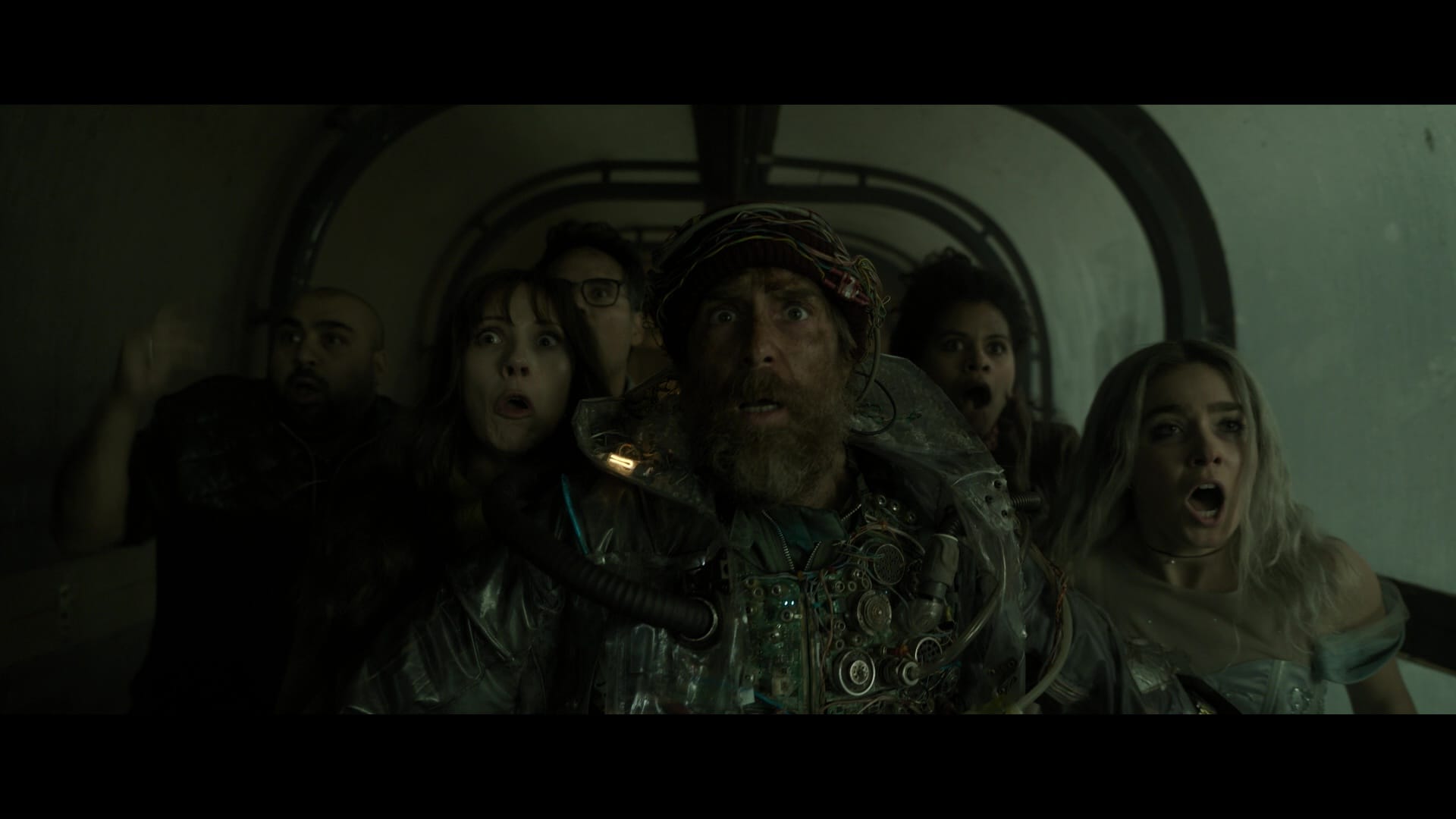
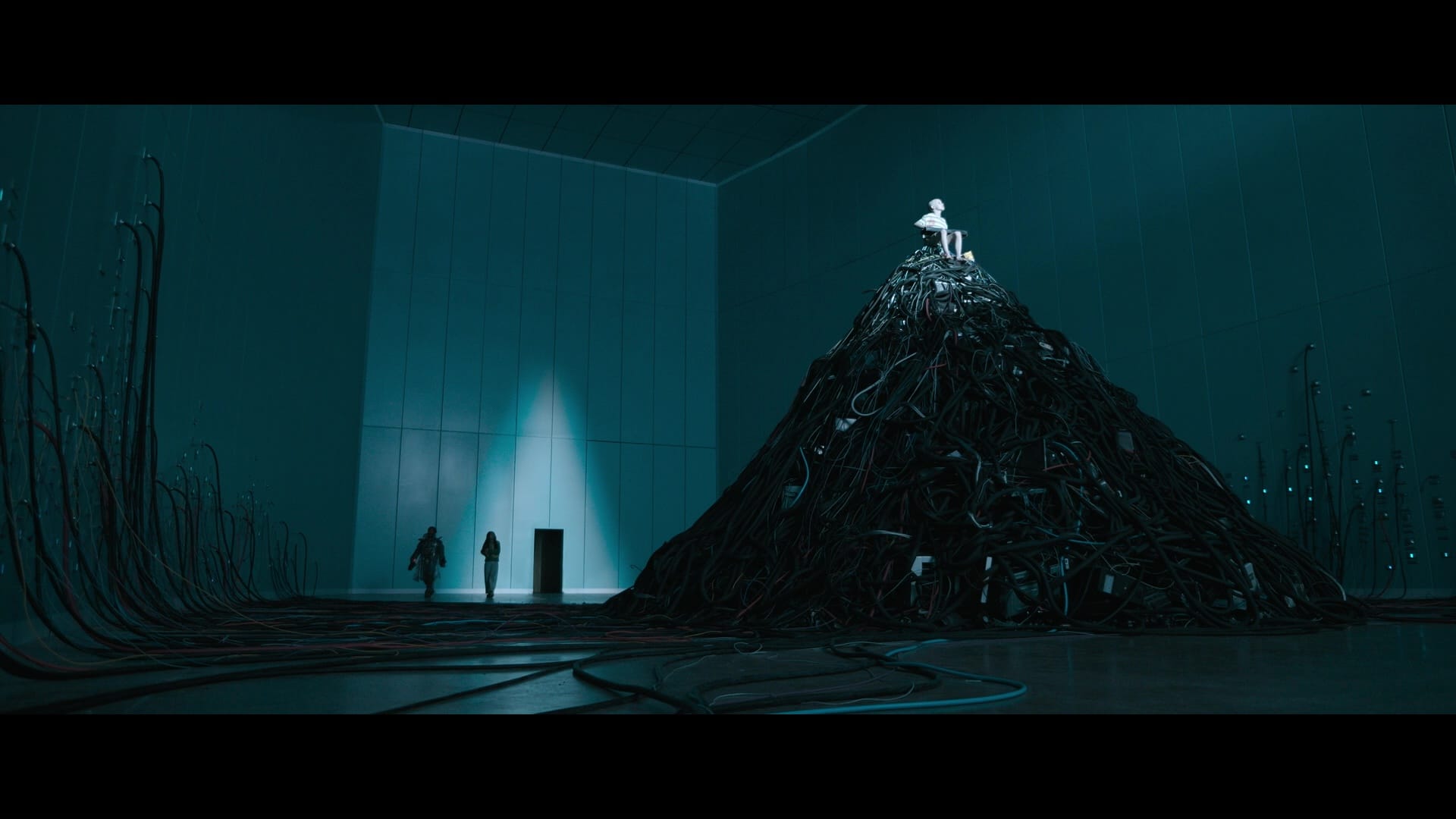
As muddled as the movie might get, it’s a lot of fun to look at. Verbinski appears to have created the scraggly aesthetic of Good Luck, Have Fun, Don’t Die in direct opposition to the pristine, polished unreality of A Cure for Wellness. Cinematographer James Whitaker – a veteran music-video and episodic-television DP who was Steve Conrad’s go-to guy on Patriot and DTF St. Louis – makes the movie’s world look like an unfinished project, with exposed wires, circuitry and plumbing poking into the frame to suggest a society on the brink of imminent collapse. Verbinski’s movies are never dull to look at, and there are images here that are unlike anything else he’s ever done. But they exist in a vacuum, striking to behold but not really advancing the story or our understanding of the characters. That’s what’s most frustrating about this phase of Verbinski’s career, I think: He’s an incredible world-builder, but now that’s all he’s interested in doing.
Universal’s 4K disc of Good Luck, Have Fun, Don’t Die presents the film with a clarity that lets one appreciate every tiny detail of David Brisbin’s ramshackle production design, and a Dolby Atmos sound mix that’s as frantic as the camerawork. It’s a very dark film, and the HDR grade extends that darkness very effectively. (The images accompanying this review are sourced from the companion Blu-ray, just so you wouldn’t be squinting at shadows.)
There is only one supplement, a five-minute production featurette that mashes up cast interviews with some on-set footage, and spends a lot of time talking about how visionary and collaborative Verbinski is without ever sitting him down to talk. Maybe he was too busy staving off the end of the world? That’s a pretty good excuse to blow off an EPK, if you think about it.
Good Luck, Have Fun, Don’t Die is now available in a 4K/Blu-ray combo from Universal Pictures Home Entertainment. A Blu-ray edition is also available.
Up next: Sleepers and Moneyball get 4K upgrades, and Imprint rolls out a deluxe collection of The Magnificent Seven and its sequels – and some other titles, too. Stay tuned!