
The Joys of a Woman
In which Norm explores Severin Films' ambitious, expansive SAGA EROTICA: THE EMMANUELLE COLLECTION.
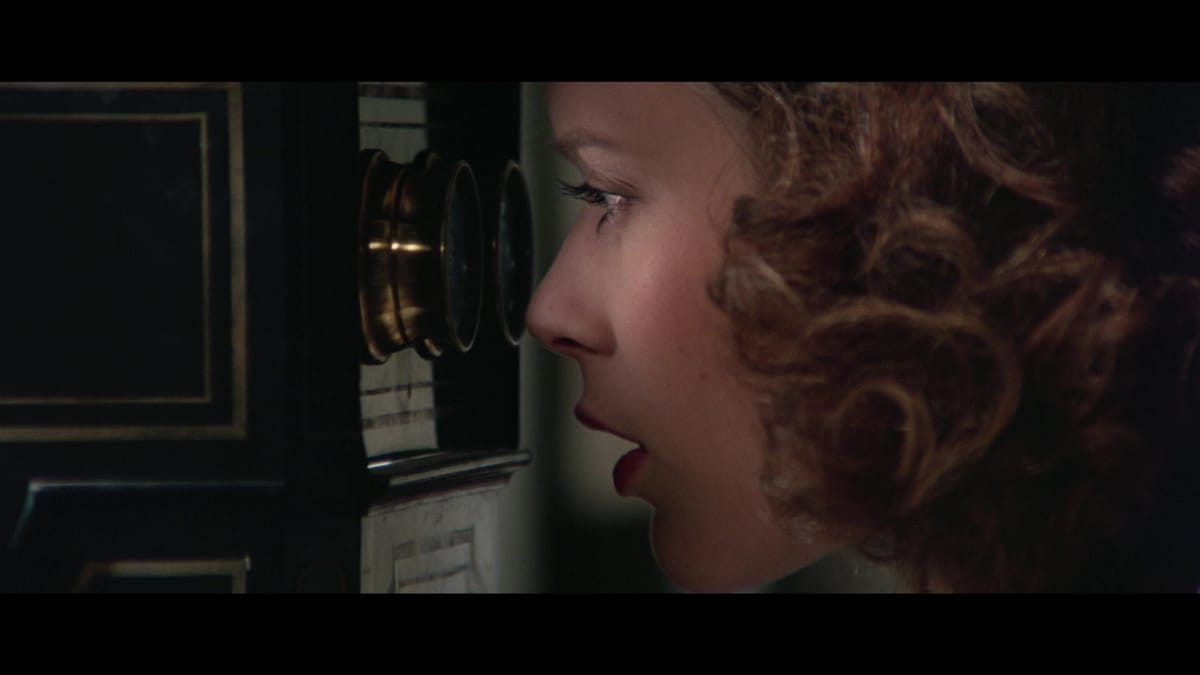
If you’re a regular reader of Shiny Things, you probably also know about my other project, the Someone Else’s Movie podcast – and if you are, thanks for listening. You might even have heard last week’s episode, in which Toronto journalist and documentarian Eric Veillette talked about Just Jaeckin’s 1974 adult-cinema sensation Emmanuelle, and the infamous cigarette stunt that so upset the censors in Ontario that it became a news story.
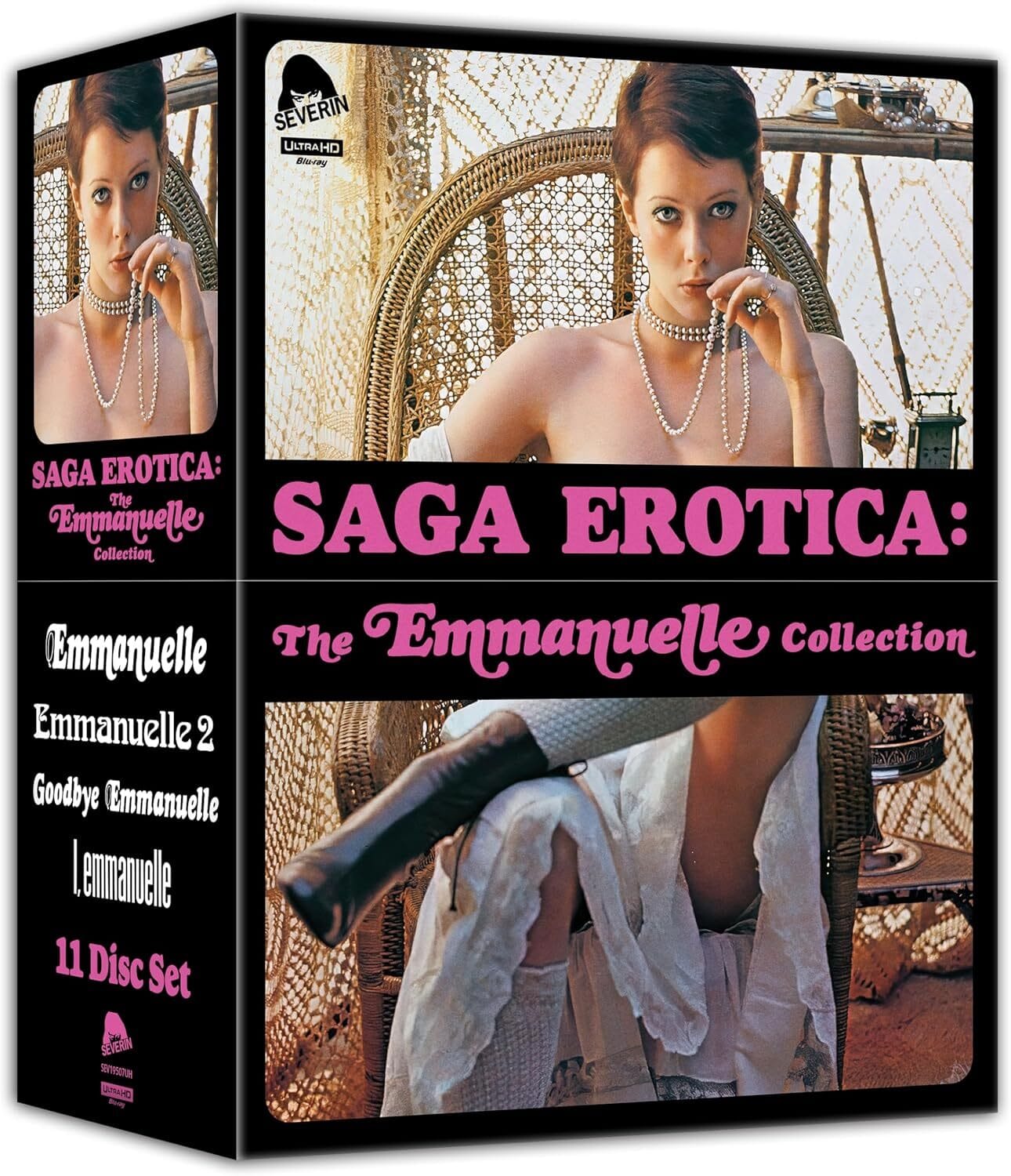
Eric revisits the affair in a short documentary, “Emmanuelle in Ontario,” commissioned to accompany the 4K restoration of Emmanuelle in Severin Films’ Saga Erotica: The Emmanuelle Collection – a colossal and comprehensive new boxed set built around the trilogy that made Sylvia Kristel a movie star, and brought softcore cinema fully into the mainstream … for a little while, anyway.
That trilogy, consisting of Emmanuelle, Emmanuelle 2 and Goodbye, Emmanuelle, arrived during that cultural window where distributors and audiences were getting a little more comfortable with sexual situations onscreen.
The languid Eurotica of I Am Curious (Yellow) could play for art houses and grindhouses, the X-rated Midnight Cowboy had won the Oscar for Best Picture, and the actually pornographic Deep Throat was the movie couples dared each other to see in public. The soft-focus hothouse aesthetic of Emmanuelle promised a more respectable experience for the, you know, discerning moviegoer, and even through its heavy male gaze the focus on a woman’s desire was a novelty.
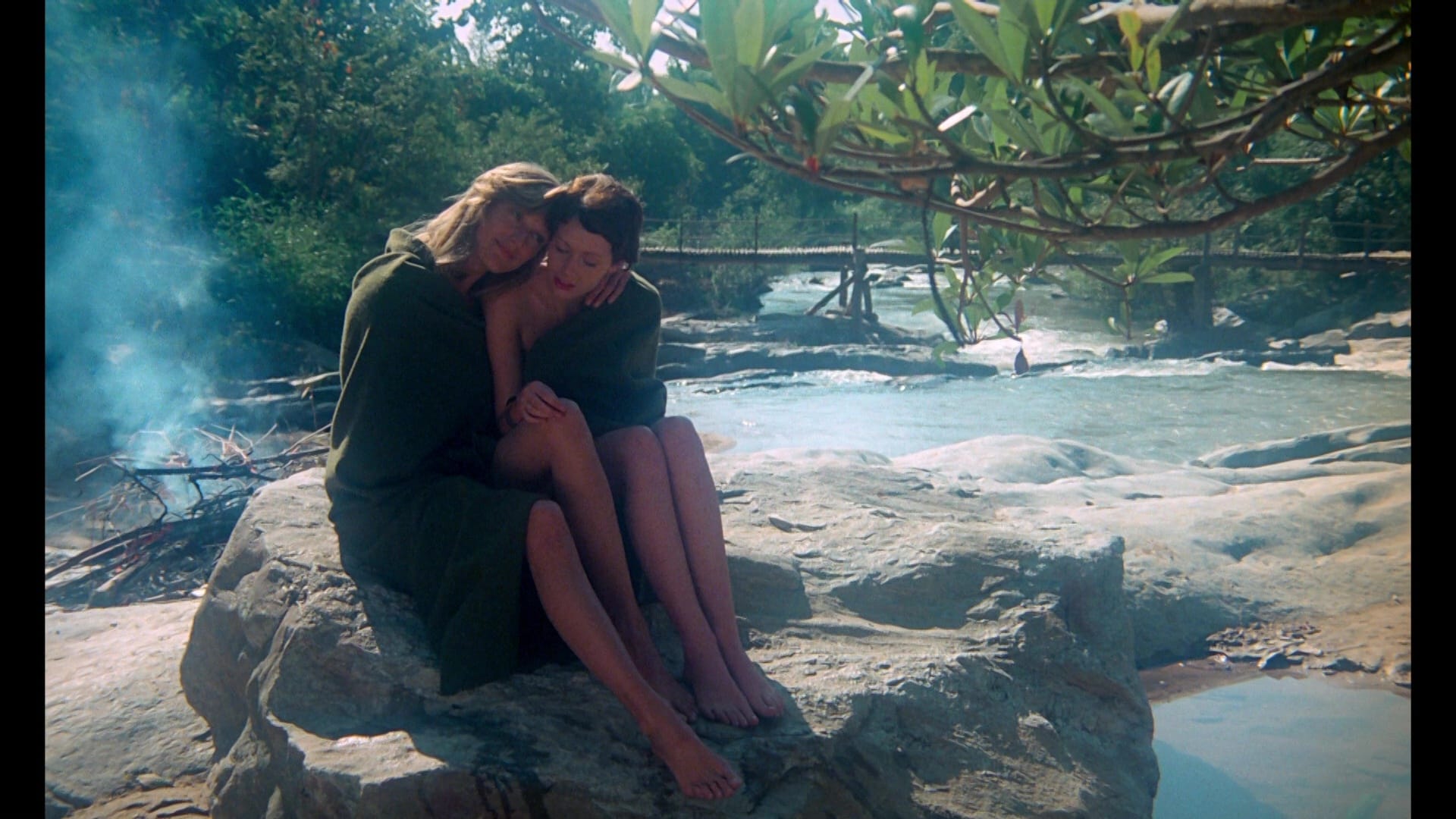
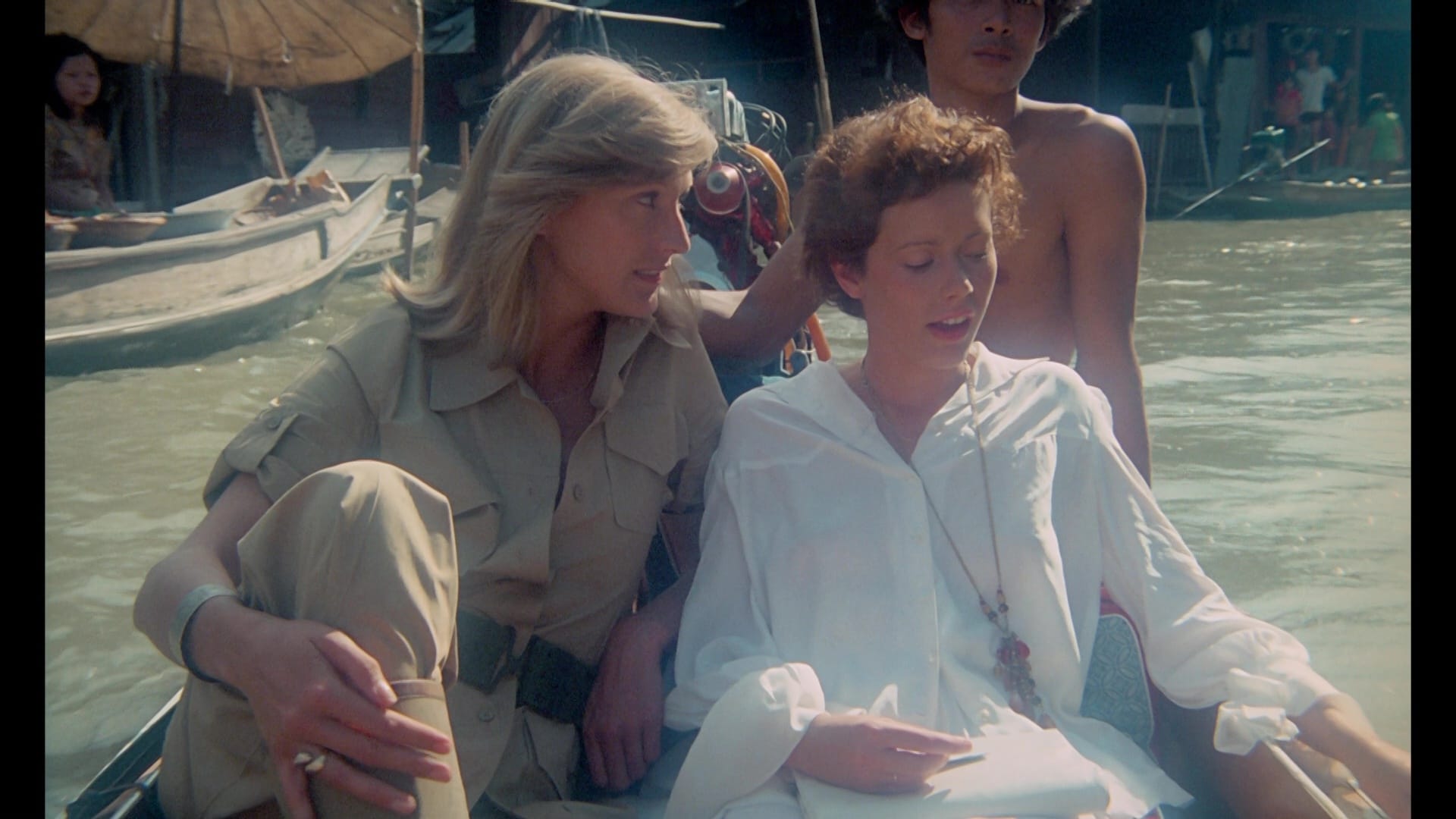
The first two films, at least, did their best to stick to the text of Emmanuelle Arsan’s salacious 1959 bestseller, which told the story of an open-minded young woman encouraged by her diplomat husband to experience pleasure wherever she finds it. Mostly this involved going to exotic locations and sleeping with the people she meets there – an invitation to the reader or audience member to imagine the thrill of sex tourism, I guess.
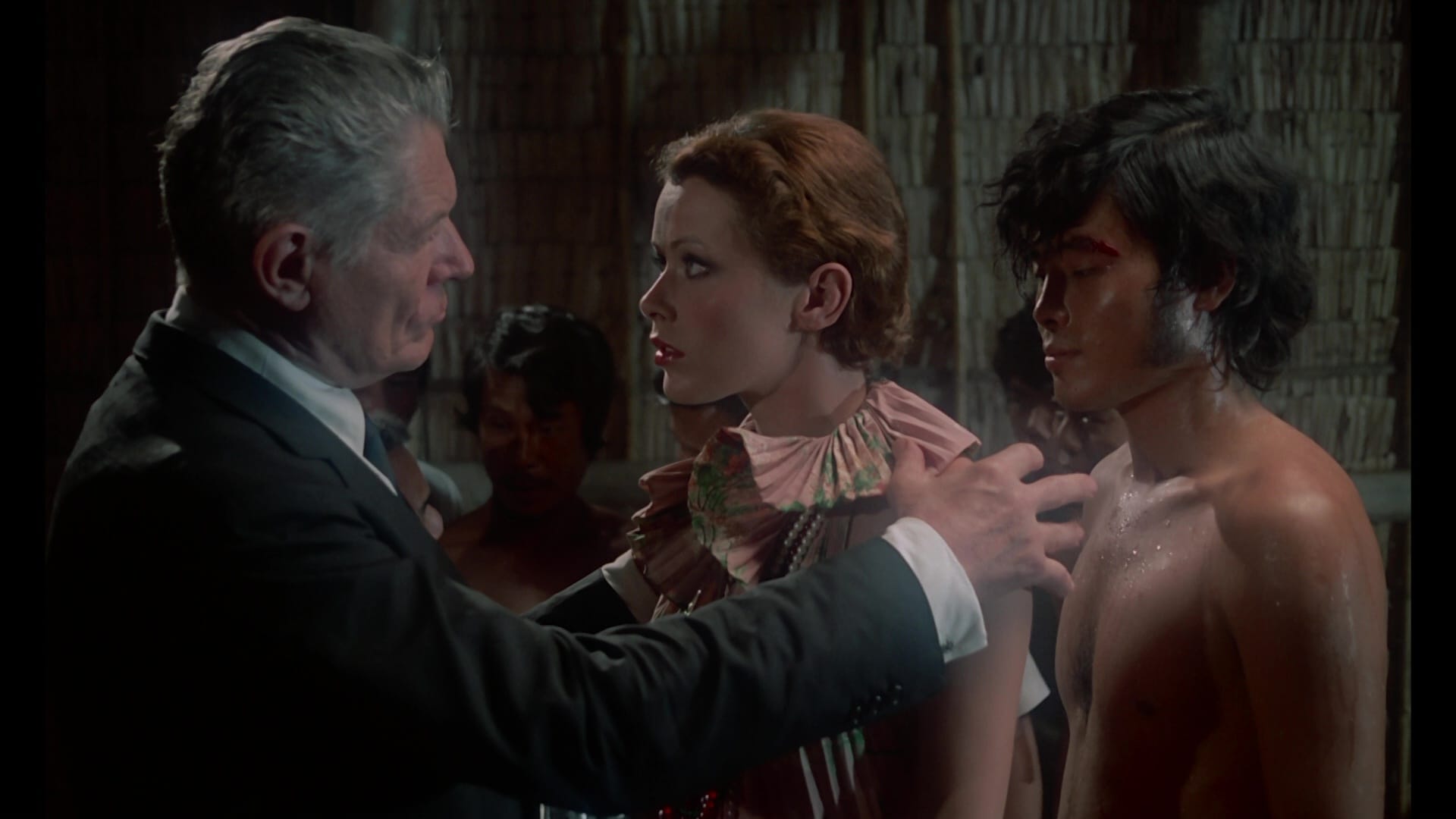
The concept of Emmanuelle as a self-styled explorer of foreign pleasures is not quite as icky once one learns Arsan was the pen name of Marayat Rollet-Andriane, a Bangkok-born author and occasional actor, and the fact that Emmanuelle’s husband Jean is some sort of French diplomat who’s constantly being posted to Eastern locales is presumably a way of allowing Emmanuelle them, um, warmest of welcomes.
The movies just take it as read, presenting the racialized citizens of their various Asian locations – Bangkok, Bali, Hong Kong, the Seychelles – almost entirely as servants or sex workers, existing only to give the white protagonists whatever they want, whenever they want it. If the locals get to indulge their own desires, it’s in stolen moments while Emmanuelle and Jean are otherwise occupied.
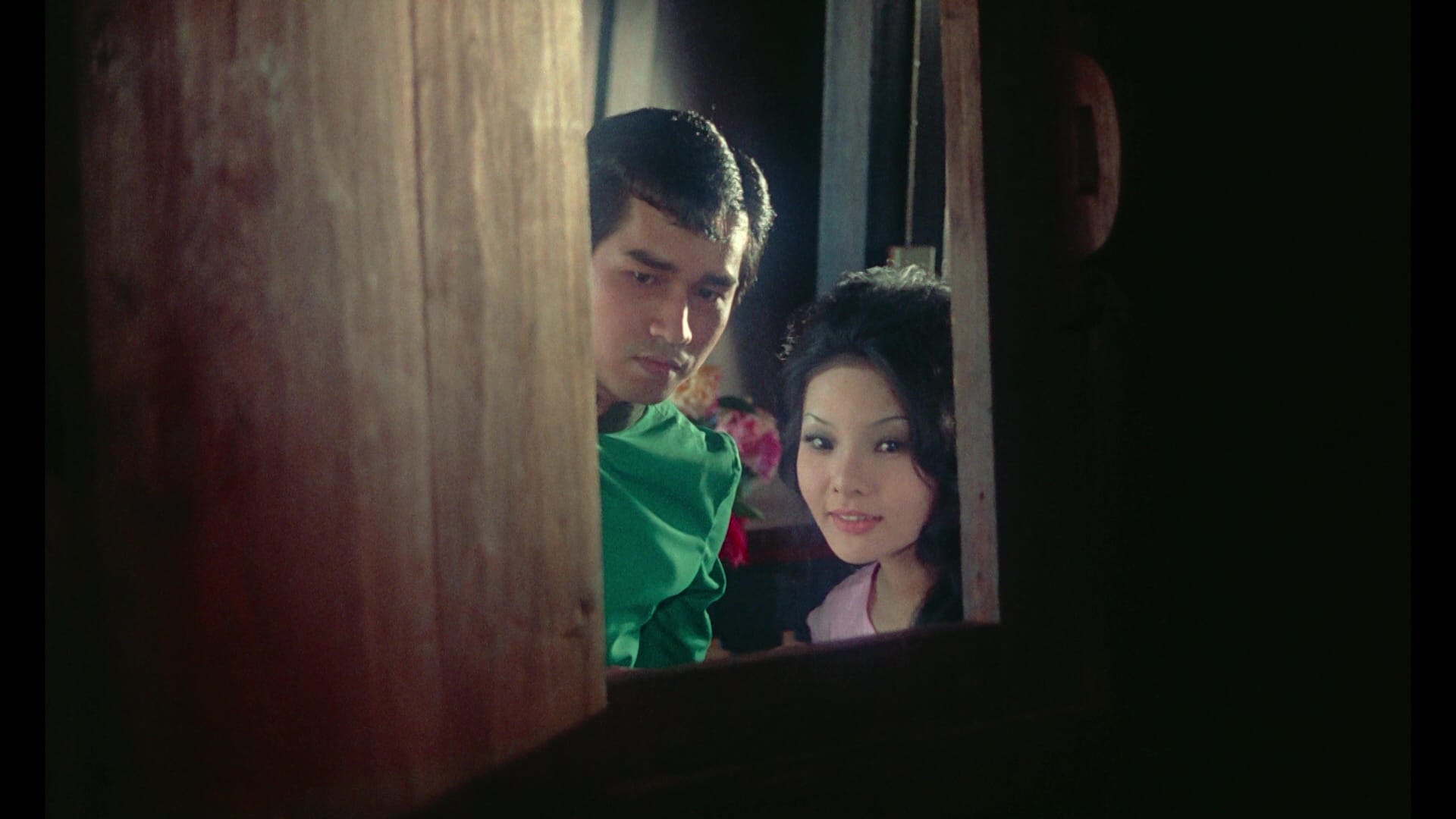
So, um, what about the eroticism? That’s more complicated. Despite the near-constant titillation and frequent banging, the original Emmanuelle is a profoundly unerotic work – making his directorial debut, fashion photographer Just Jaeckin is certainly happy to put plenty of sex in front of us, soundtracked to a gauzy, breathy score, but one gets the sense he’s doing the leering for us.
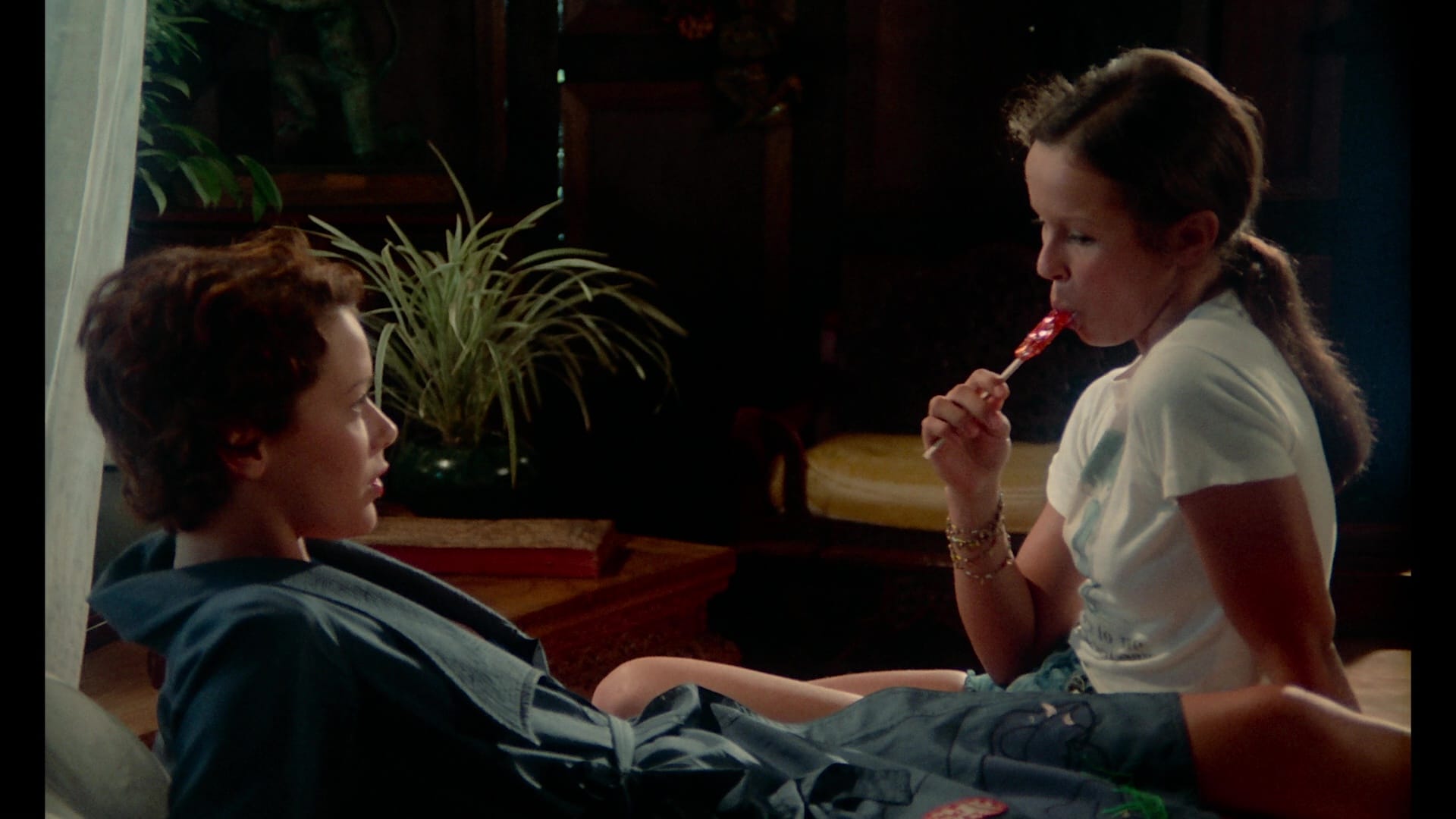
Emmanuelle might have presented itself as high art – those twelve million Frenchmen couldn’t be wrong, n’est-ce pas? – but it’s as much an exploitation film as anything playing in the grindhouse one block over. As Eric points out in “Emmanuelle in Ontario,” that infamous cigarette moment was jammed into the film’s original theatrical release to shock the viewers, not the characters, who are oblivious to it.
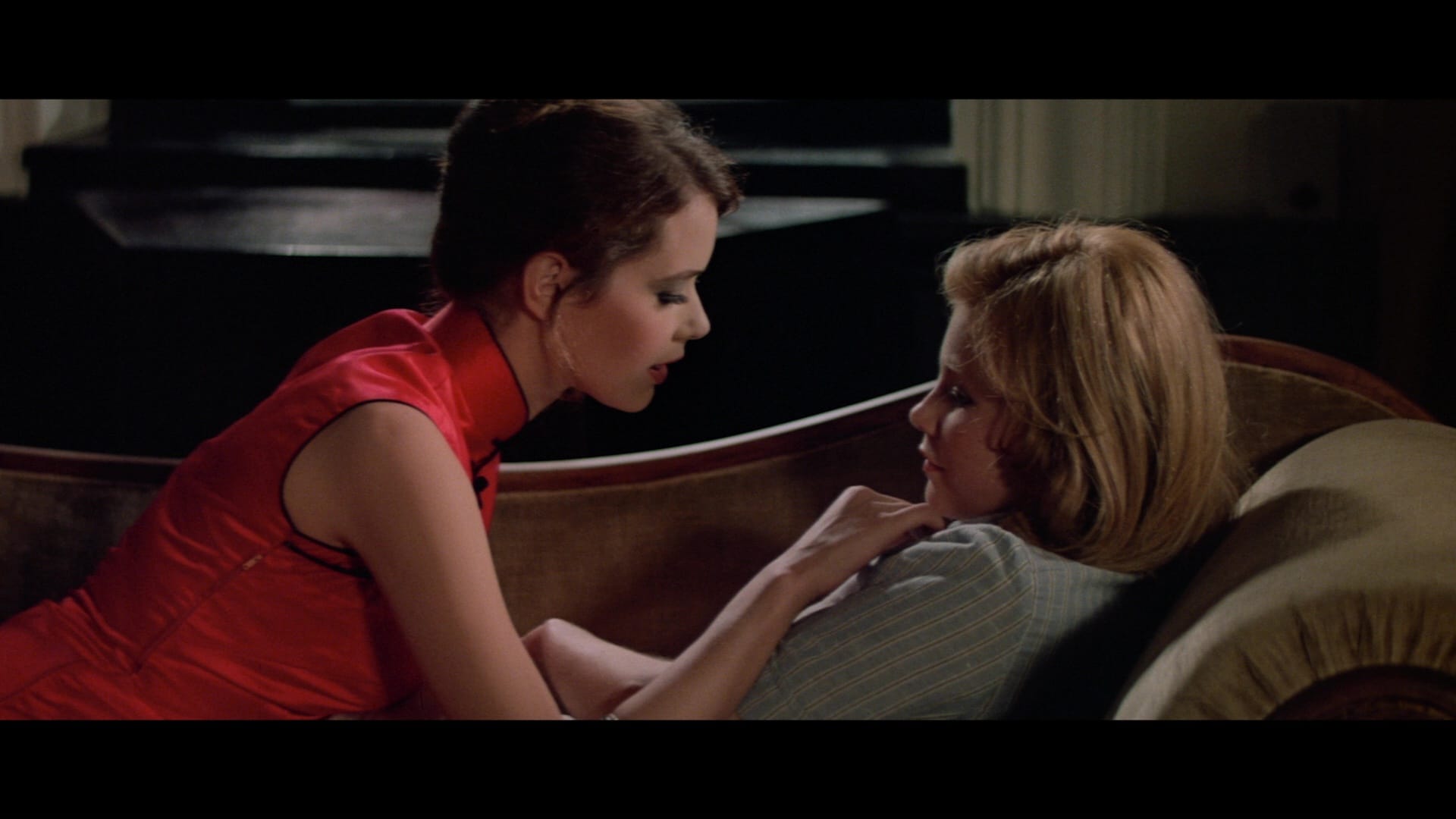
It's Emmanuelle 2 that feels more confident as cinema. Directed by Francis Giacobetti – the photographer who shot the promotional image of Kristel that graces the Saga Erotica box – it’s the most fluid in its storytelling, giving Emmanuelle more agency in her adventures and experimenting with style in a way that Jaeckin either couldn’t or wouldn’t.
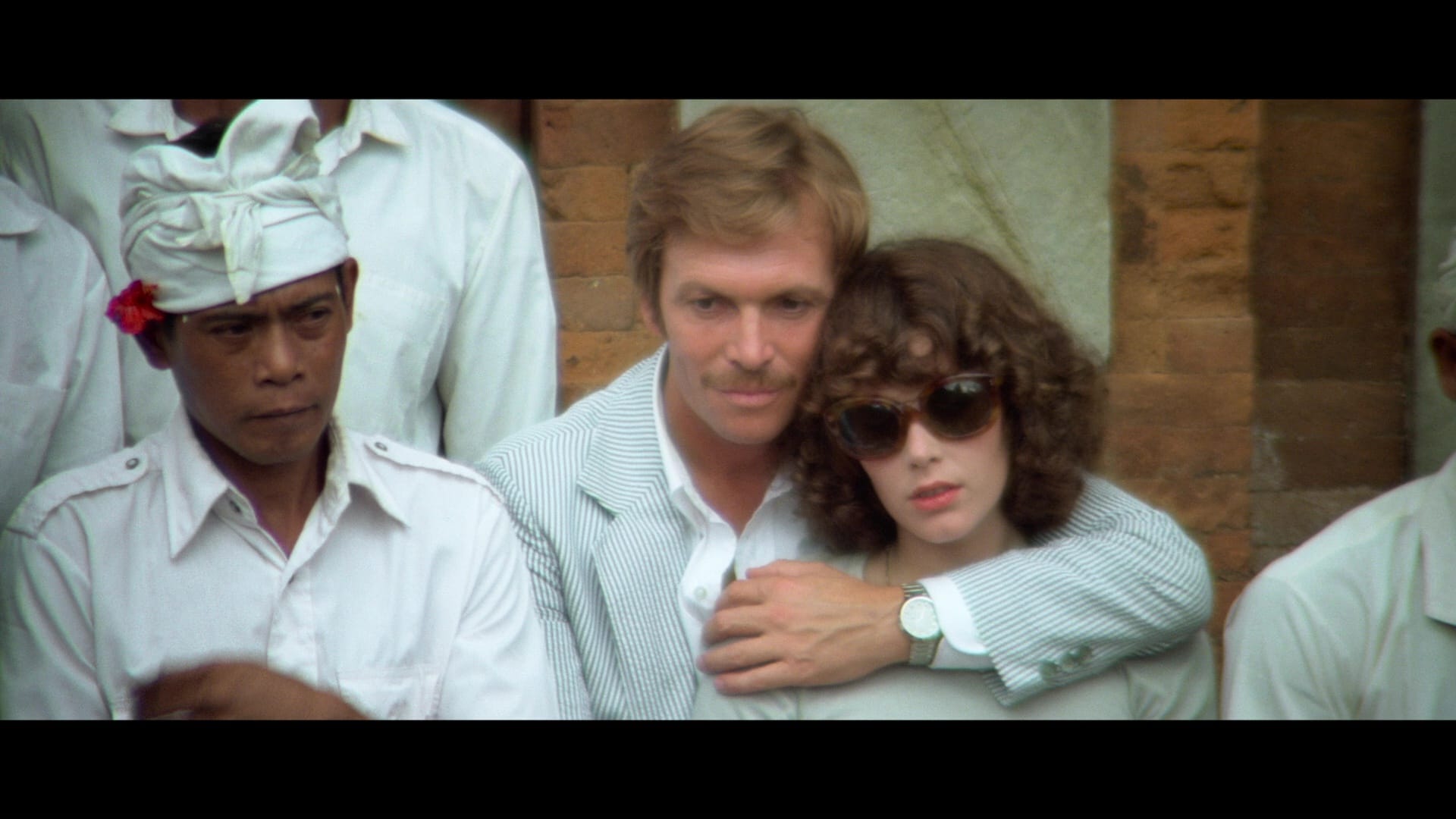
Umberto Orsini seems much more comfortable as Jean than Daniel Sarky had in the first film, there’s an animated sequence, and a set piece involving a group massage that flirts with interpretive dance, the expected box-office of an Emmanuelle sequel giving Giacobetti license to indulge himself as much as his heroine.
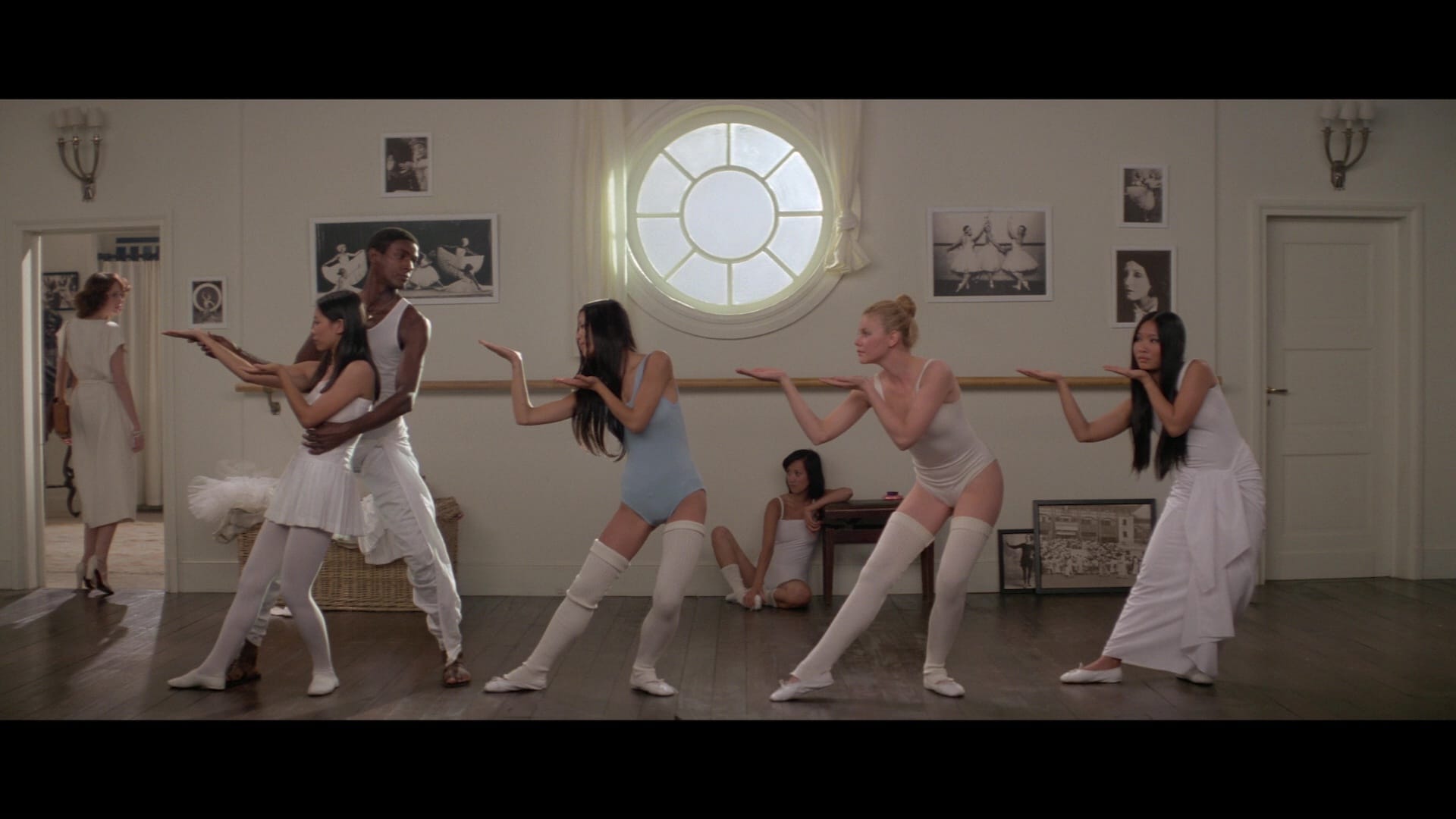
This one also feels much more sex-positive than the first; even a peripheral character’s story of being assaulted by the girls at her boarding school is pitched as an attempt to excite her audience rather than horrify. Everyone gets what they want, the exoticism is a little more respectful and Laura Gemser gets a whole career out of that massage sequence. It’s all kind of … affirming?
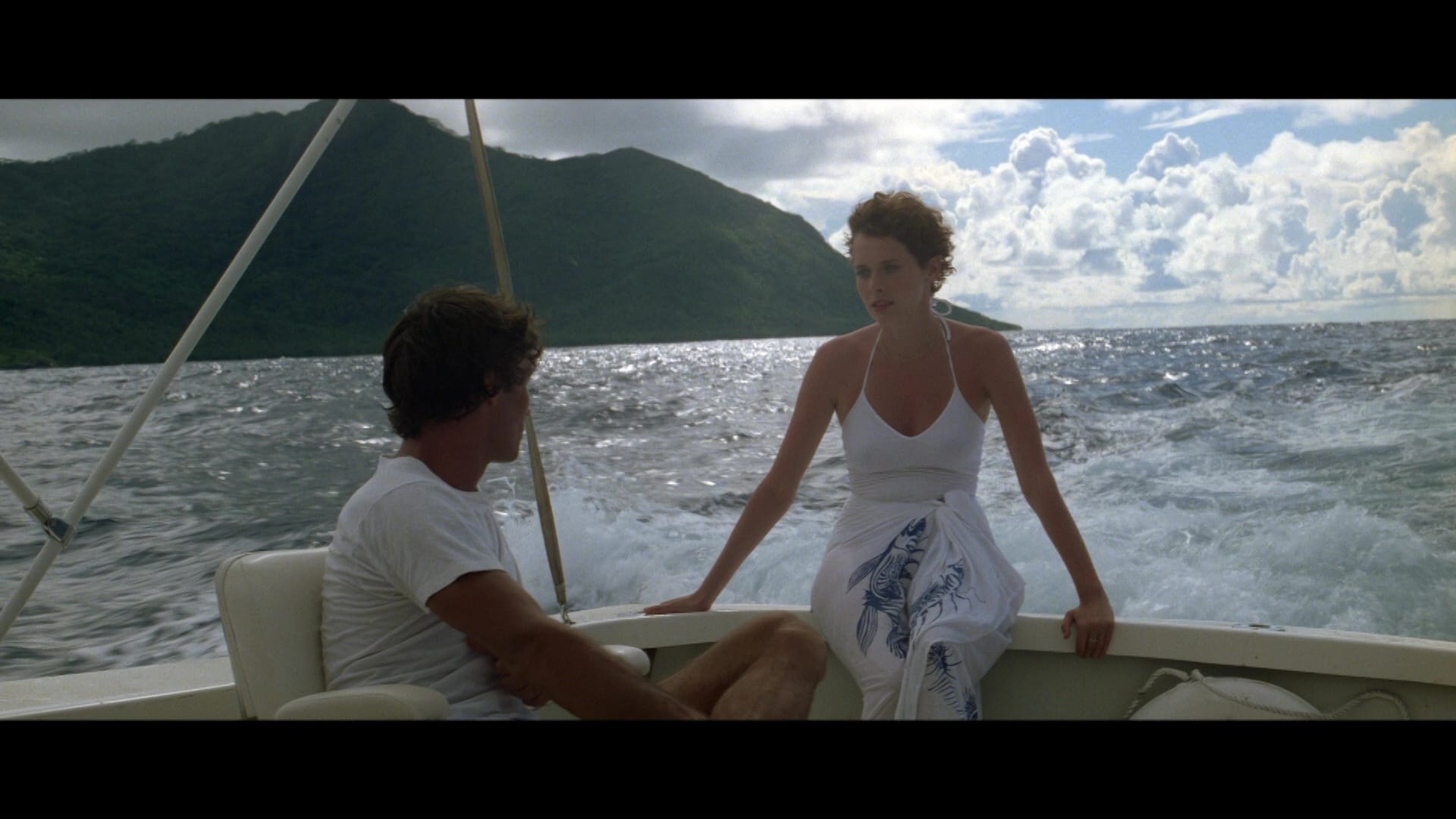
But it couldn’t last. Goodbye Emmanuelle, directed by François Leterrier – yes, the star of Bresson’s A Man Escaped – was produced not just as Kristel’s farewell to the series, but as a shattering of the norms established in the previous films.
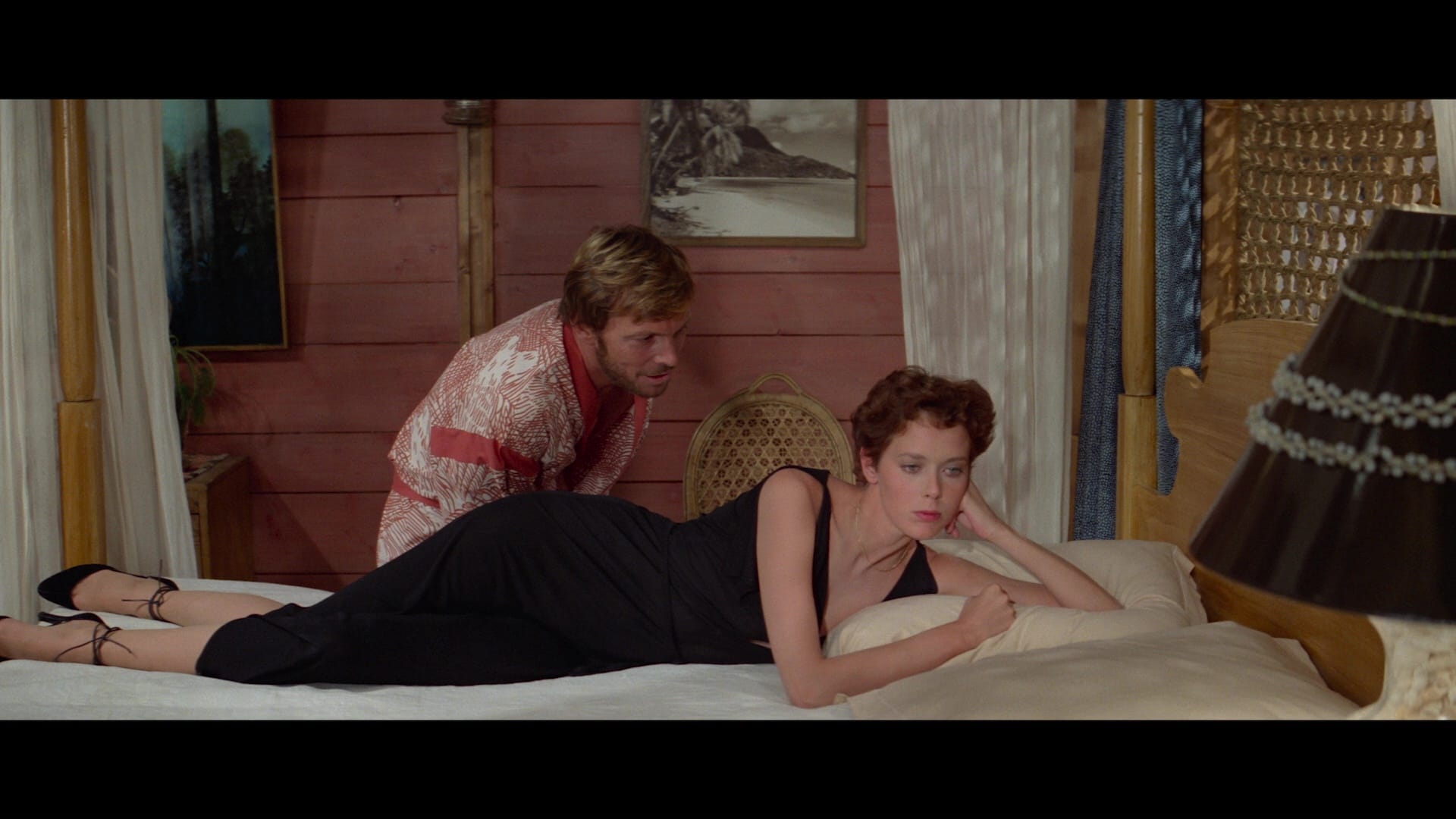
Here, Emmanuelle finds herself attracted to judgmental French filmmaker Grégory (Jean-Pierre Bouvier) who’s arrived in paradise on a location scout; Jean, uncharacteristically jealous, sets out to thwart her desires by increasingly obnoxious means. None of it really plays, but at least Kristel gets to walk away with her dignity intact.
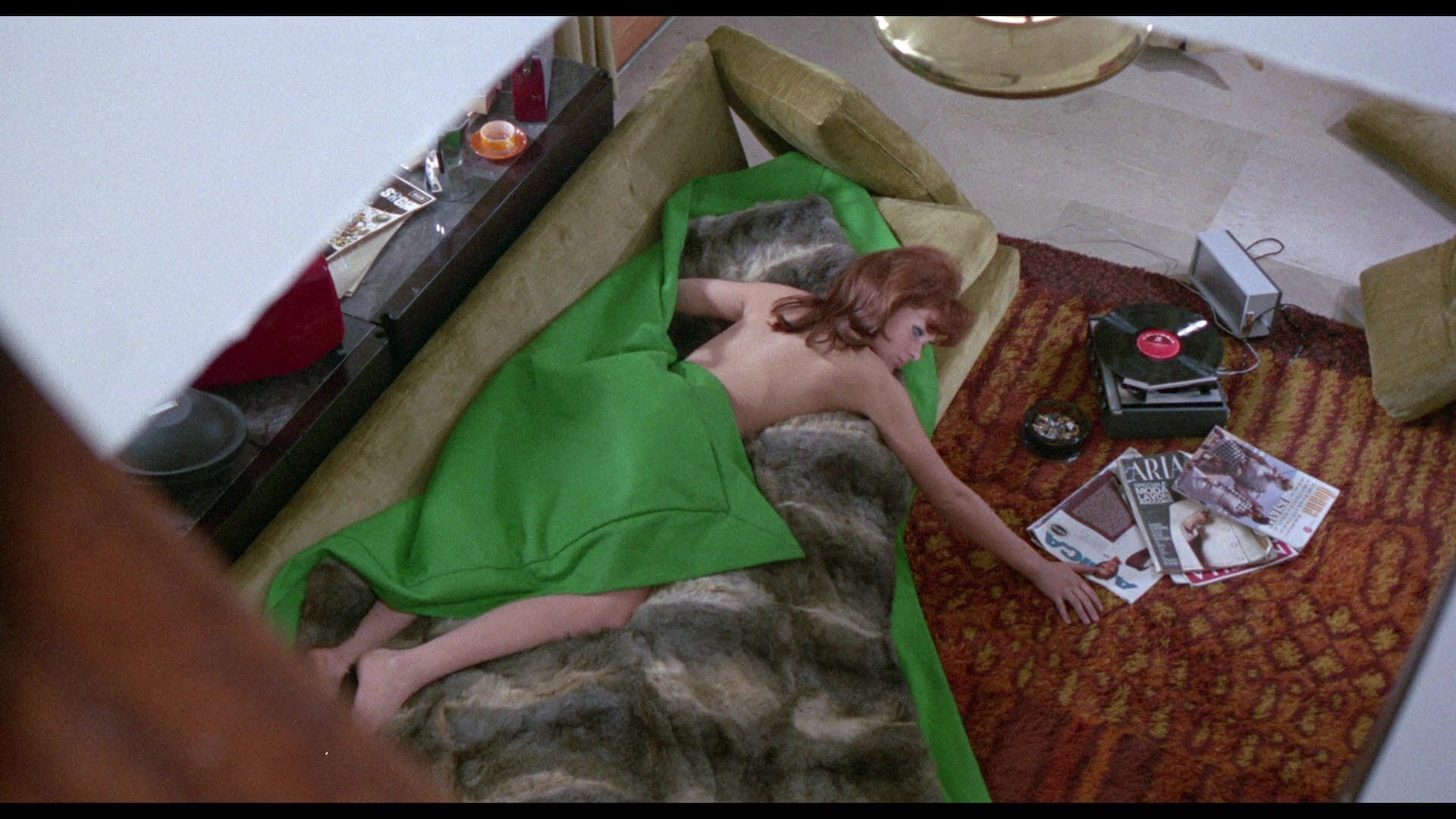
The fourth film in the package, I, Emmanuelle, is actually the first Emmanuelle movie, made five years before Jaeckin’s … though it bears little resemblance to either that movie or Arsan’s text. Cesare Canevari’s Italian programmer – also known as A Man for Emmanuelle – feels more like a gialli riff on Antonioni’s cinema of alienation, with its journalist protagonist (Erika Blanc) drifting unhappily from lover to lover.
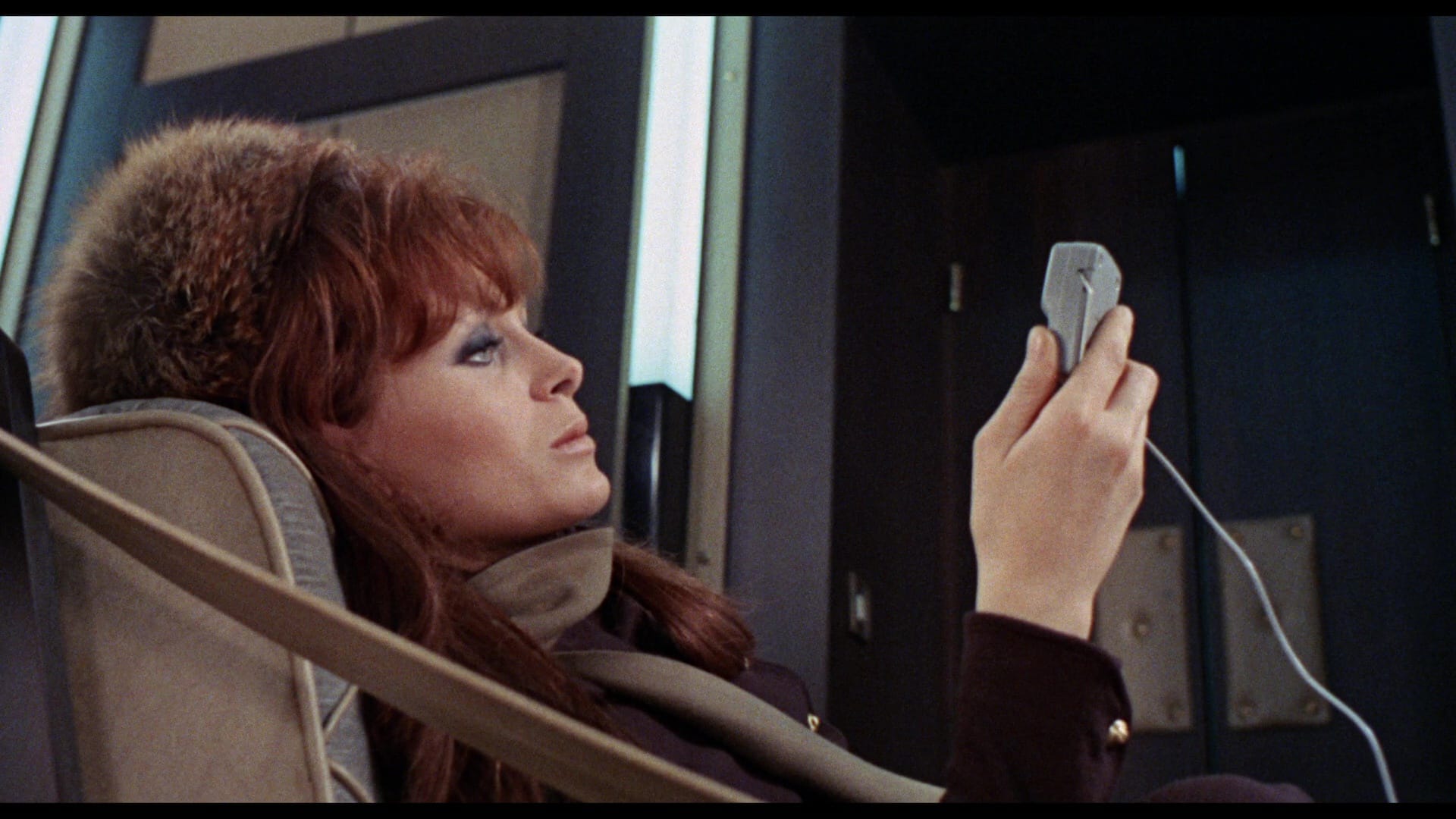
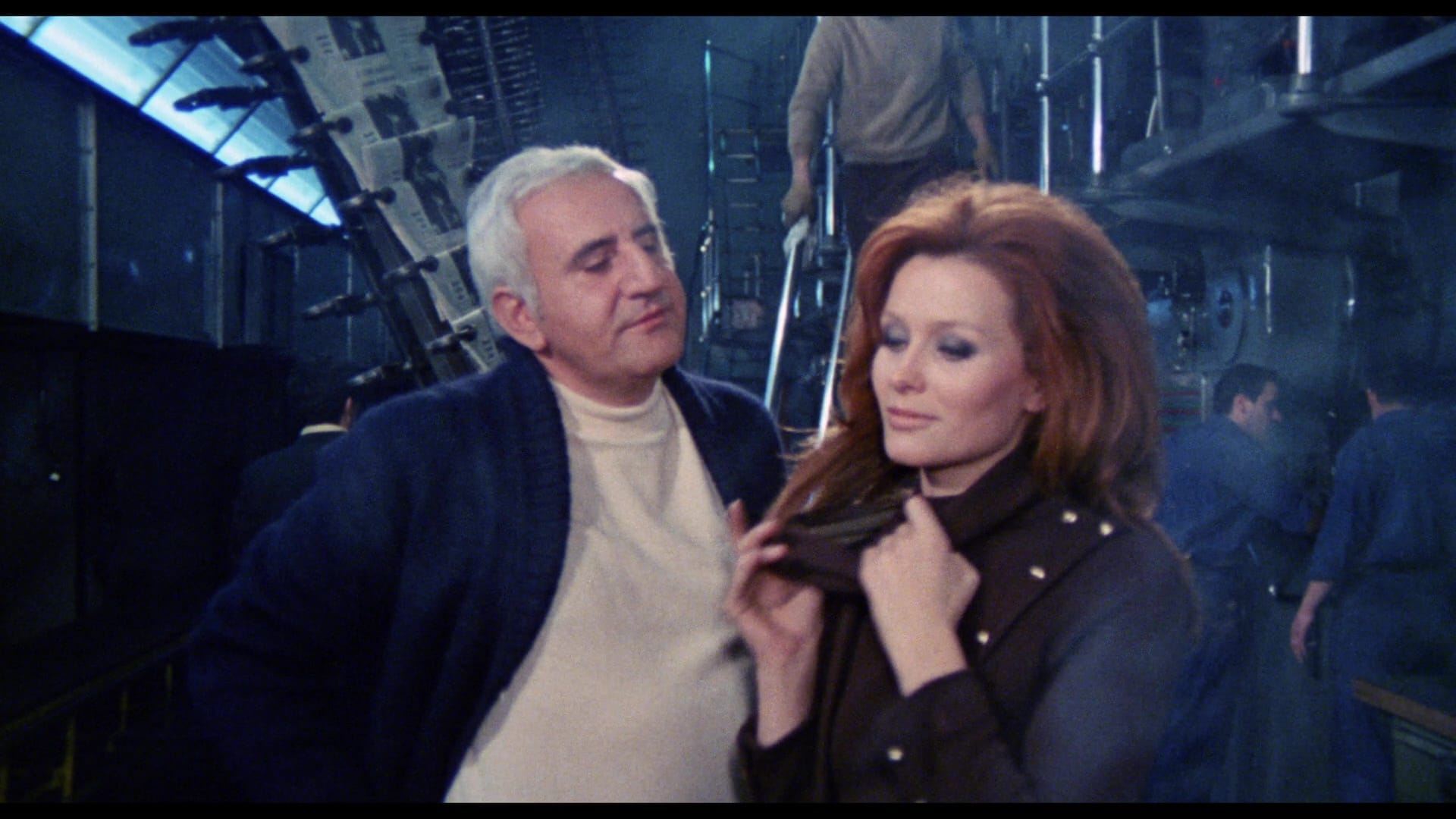
It may be frustrating as an Emmanuelle story, but as a meandering giallo-adjacent drama it does have its moments, and it gave Blanc a nice change of pace from the scream-queen roles she was playing at the time. And at least this Emmanuelle gets to hang out with Adolfo Celi on her way to utter disillusionment.
As is its mission, Severin explores the art behind the exploitation in this eleven-disc boxed set, which contains comprehensive special editions of all four films – the original Emmanuelle is so thoughtfully considered that it requires a second disc of additional supplements – and soundtrack CDs for Emmanuelle 2 and I, Emmanuelle.
All four features are presented in their original languages, with optional subtitles and English dub tracks, and each is accompanied by an audio commentary that offers production information, contemporary perspective and other context as needed. Film historian Elizabeth Purchell discusses the original Emmanuelle, and is joined by filmmaker Gillian Wallace Horvat (I Blame Society) on Emmanuelle 2; writer and professor Dr. Veronica Fitzpatrick tackles Goodbye Emmanuelle, and Australian academic and writer Dr. Alexandra Heller-Nicholas examines I, Emmanuelle through the lens of Italian genre cinema.
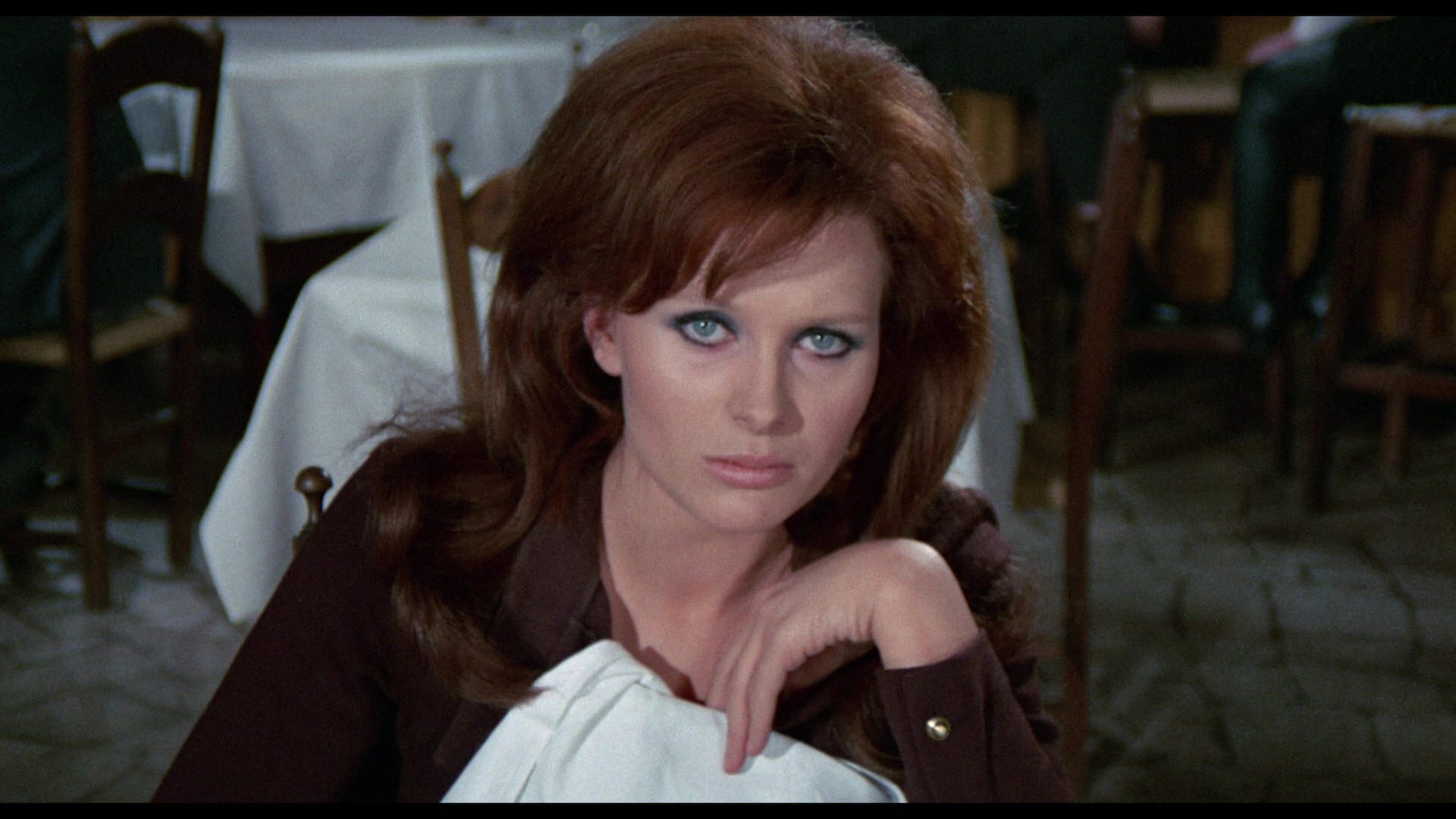
Both the 4K and Blu-ray platters offer international and North American trailers where available – the U.S. trailer for Emmanuelle 2, with an awkwardly dubbed Kristel making her sales pitch directly to the audience, is weirdly compelling – but the majority of the supplements are included on the companion Blus. And they are loaded, with older featurettes like the “Joys of Emmanuelle” documentaries – made by Severin co-founder David Gregory back in his Blue Underground days – now supported by a wealth of newly commissioned material.
Emmanuelle features nearly an hour of new interviews with co-star Marika Green, producer Yves Roussett-Rouard and camera operator Robert Fraisse, as well as a video essay on the costume design by fashion historian Elissa Rose.
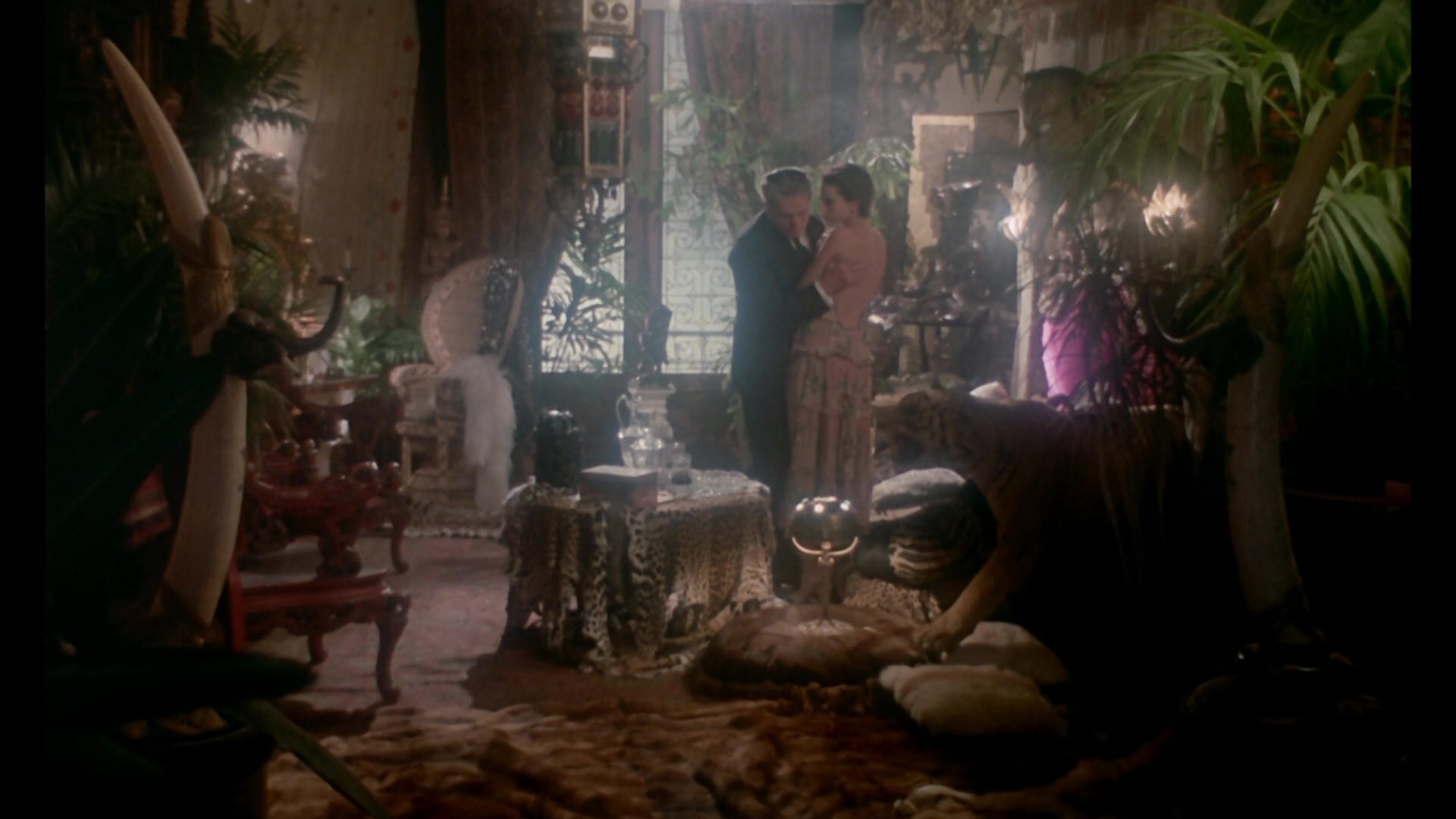
“Signed, Emmanuelle Arsan” is an interview with Rollet-Andriane’s biographer Camille Moreau; “A Hard Look,” is a 2000 documentary – made for the UK’s Channel Four – in which director Alex Cox examines the film and its legacy. There are archival interviews with Jaeckin (for FILMO TV) and Rollet-Andriane (filmed on the set of The Sand Pebbles in 1966), the aforementioned “Emmanuelle in Ontario” and “The Channel,” a featurette in which the actor Liane Curtis discusses the legacy of her mother, Paulette Rubenstein, who dubbed Kristel and dozens of other foreign performances for the English market. Curtis’ endearingly dopey ’80s comedy Girlfriend from Hell would be a perfect Severin release, by the way. Someone should get on that.
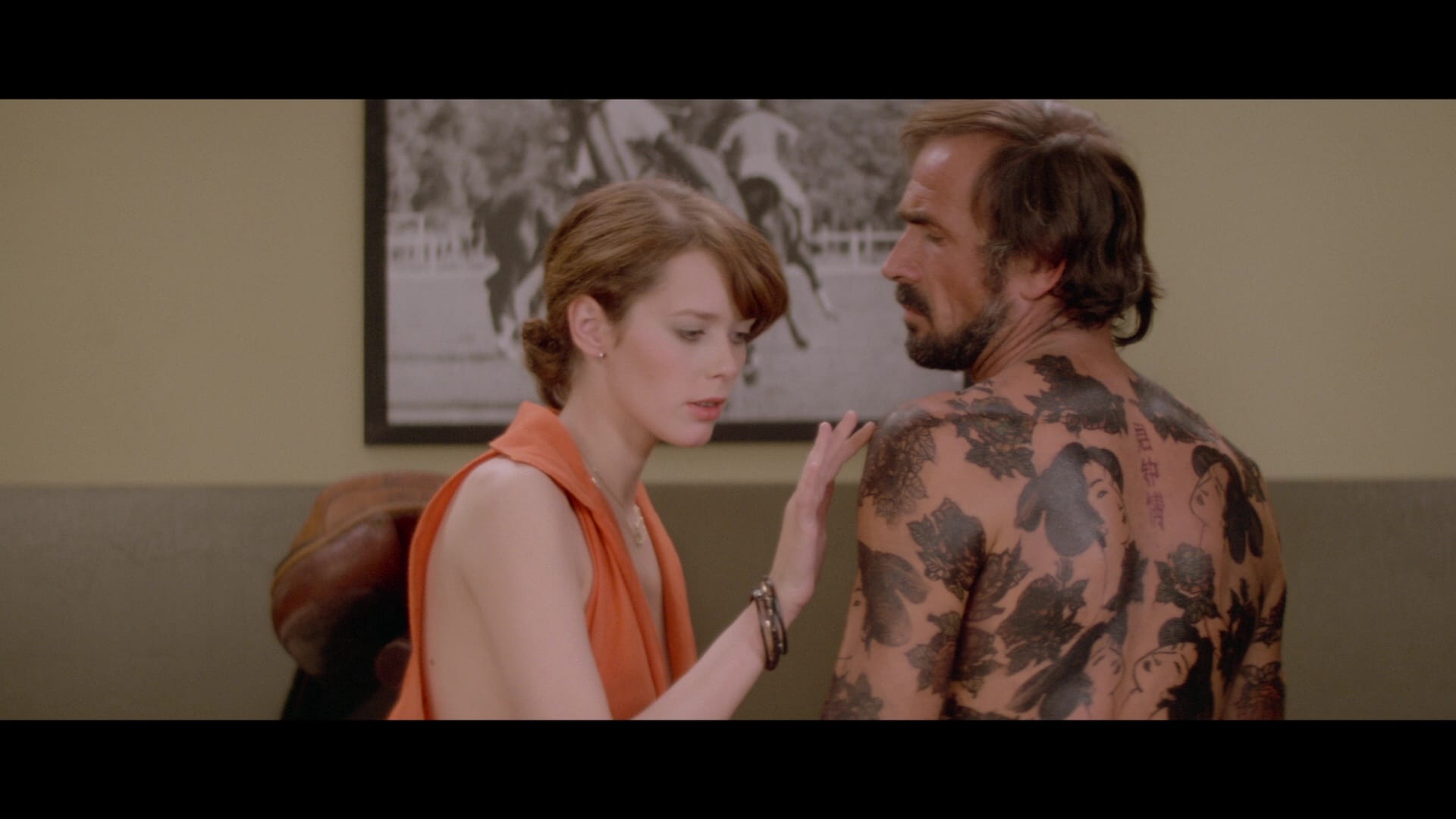
Included with Emmanuelle 2 are new interviews with Rousset-Rouard and Fraisse, an audio interview with director Giacobetti, who died earlier this summer, an archival set visit shot for Swiss television, and what might be the most essential extra in the whole set: “Mondo Emmanuelle: Ethnography and Softcore,” in which Dr. Jennifer Moorman looks at the way the series’ exoticism is of a piece with the adult-appeal travelogues that were grindhouse staples of the era. (It is absolutely no coincidence that nearly all of the experts and historians approached for the set are women, by the way.)
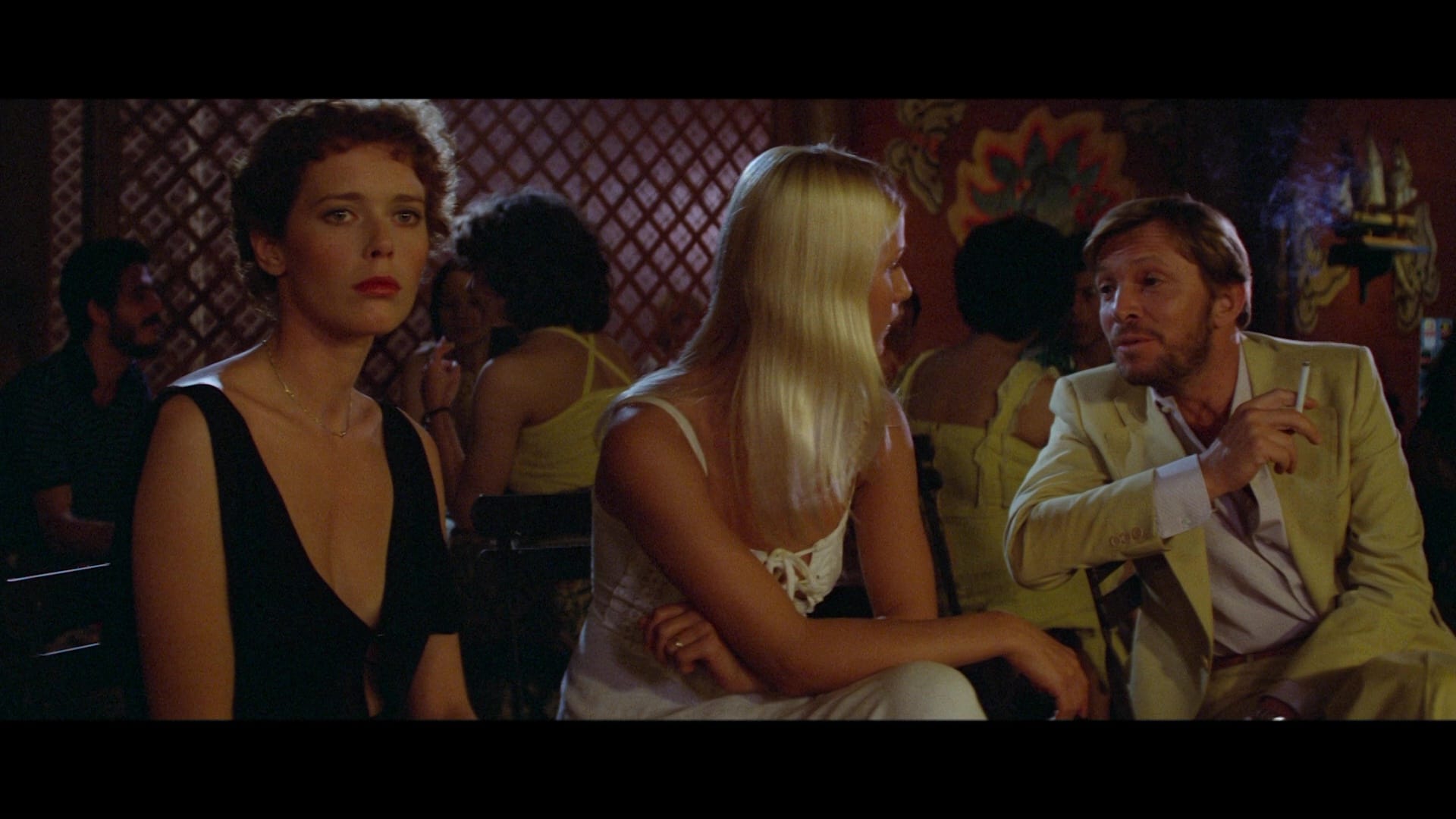
Goodbye Emmanuelle’s supplements concentrate on two key elements of the franchise: “Beyond Emmanuelle” invites Kristel biographer Jeremy Richey and film lecturer Leila Wimmer to discuss Kristel’s subsequent life and career, while film-music journalist Daniel Schweiger considers the films’ soundtracks in “Audio Erotica.”
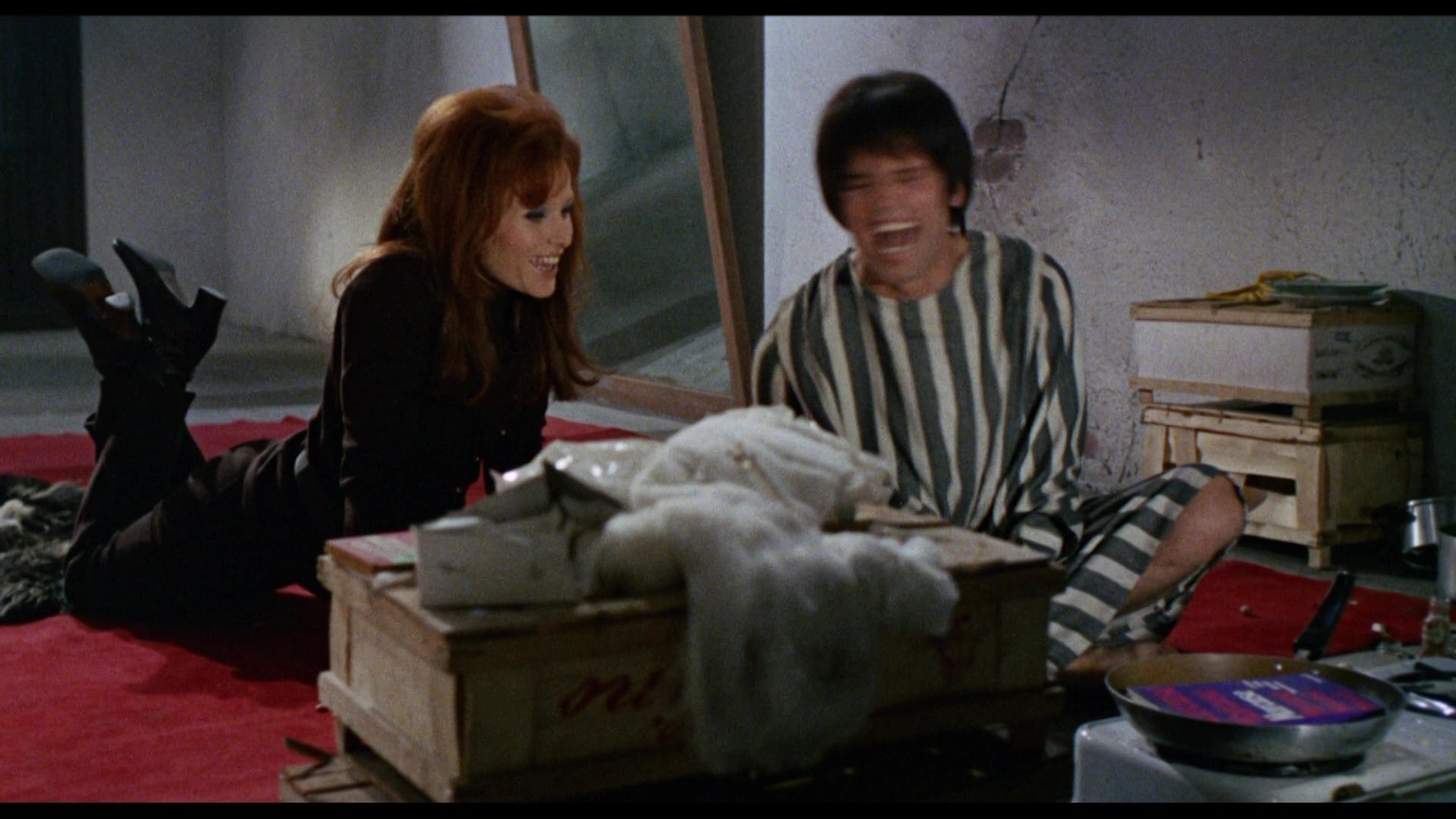
And even though it’s the non-canonical entry in the set, I, Emmanuelle gets the full special-edition treatment too. Severin includes new interviews with director Casare Canevari – who turns up in an archival interview as well – stars Erika Blanc and Sandro Pizzochero, and the film’s journalistic affectations are explored in Carl Elsaesser’s video essay “Protagonist and Subject.” The feature is also introduced by genre expert Keir-La Janisse, but only on the Blu-ray.
It's a lot more consideration than the Emmanuelle brand has previously been offered, and while it might not change your mind about the films, the Saga Erotica box does attempt to present each one as the product of a specific point in time, warts and all. And as you can see, the restorations all look fantastic.
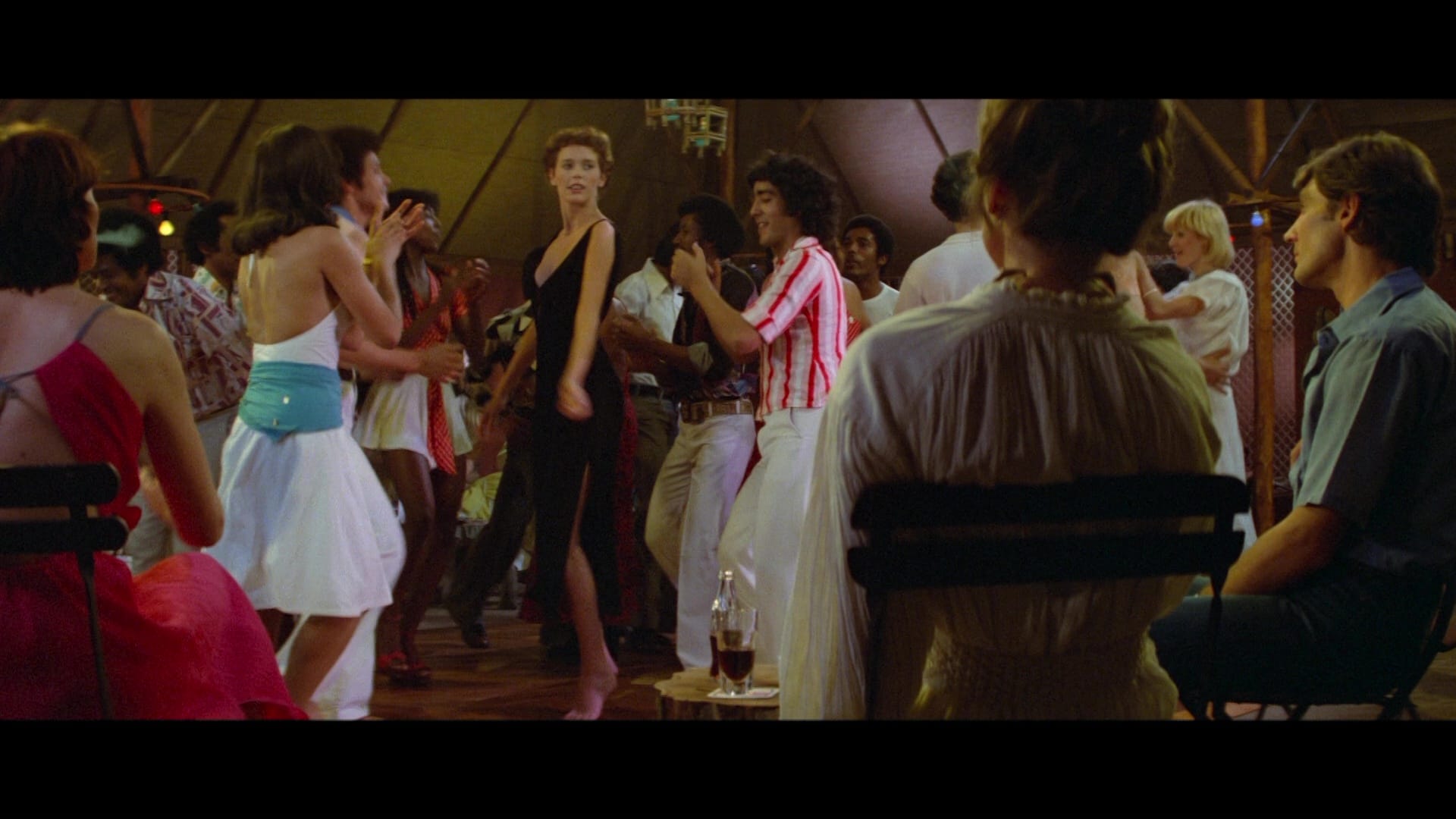
Saga Erotica: The Emmanuelle Collection is now available from Severin Films, which is also releasing the original Emmanuelle in 4K/Blu-ray and BD-only editions.
Up next: Warner gives Paul Thomas Anderson’s Boogie Nights a 4K upgrade, and it’s about time to round up the best movies and discs of 2025 … unless the Black Phone rings again, of course.