The Latecomers
In which Norm catches up to the new releases of SUPERGIRL, LEVITICUS and EVIL DEAD BURN.
Okay! I’m back from Cinéfest in Sudbury – a much-needed distraction that let me meet some lovely people, see some terrific movies, and realize Kelly Boutsalis deserves all the props in the world for launching Serville Poblete’s wonderful Sunburn at TIFF – and found all the discs I was waiting on stacked up nicely and ready to review. So here we go.

Let’s begin with Supergirl, the latest chapter in James Gunn and Peter Safran’s new take on the DC Comics universe. Picking up where last year’s Superman reboot left off, the film flew in and out of theaters far too quickly in June, meeting with mixed reviews and the usual shit-talking from certain quarters determined to reject any DC project that doesn’t have Zack Snyder’s name on it. (I think Gunn’s joke about Lex Luthor’s rage-monkeys got to them, honestly.)
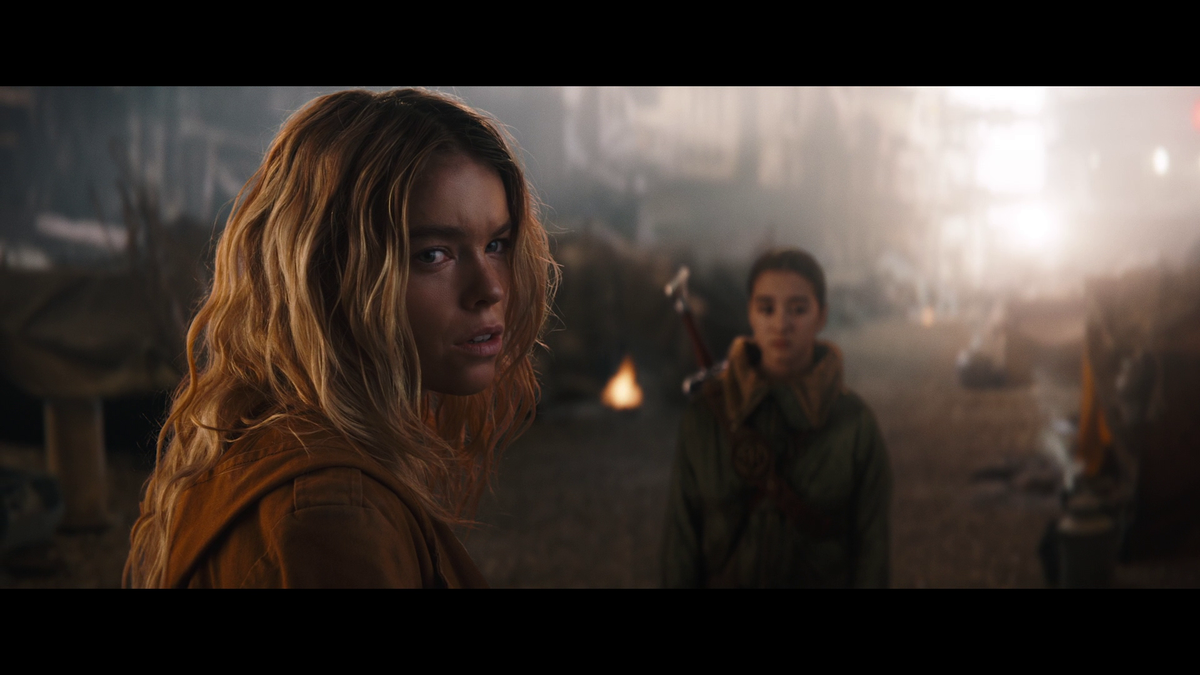
I am not a rage-monkey, and I thought Supergirl was pretty good. Directed by Craig Gillespie, the Australian journeyman whose credits include everything from Lars and the Real Girl and Dumb Money to that Fright Night remake and Cruella, it’s a solo adventure for Milly Alcock as Superman’s Kryptonian cousin, Kara Zor-El.
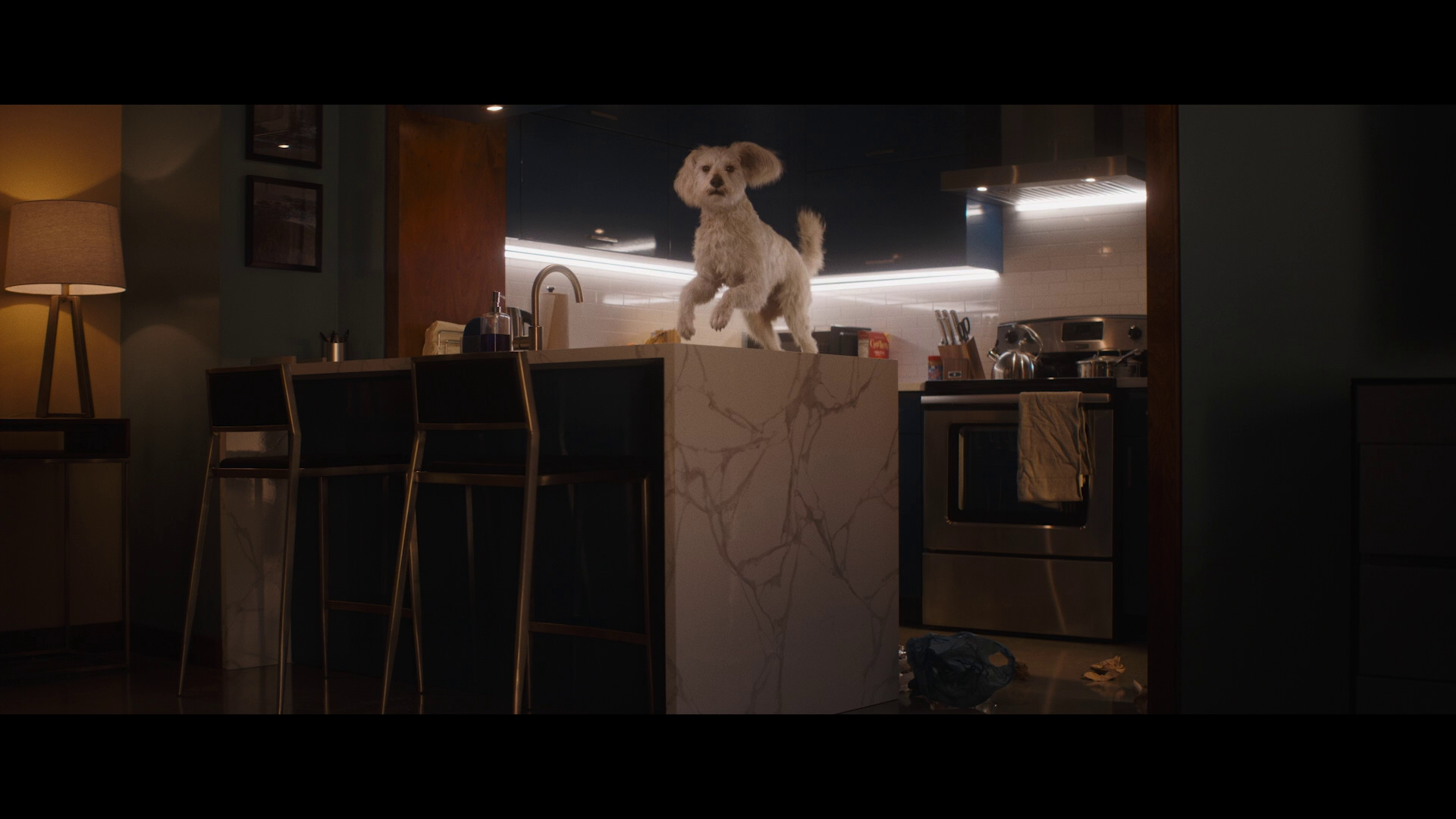
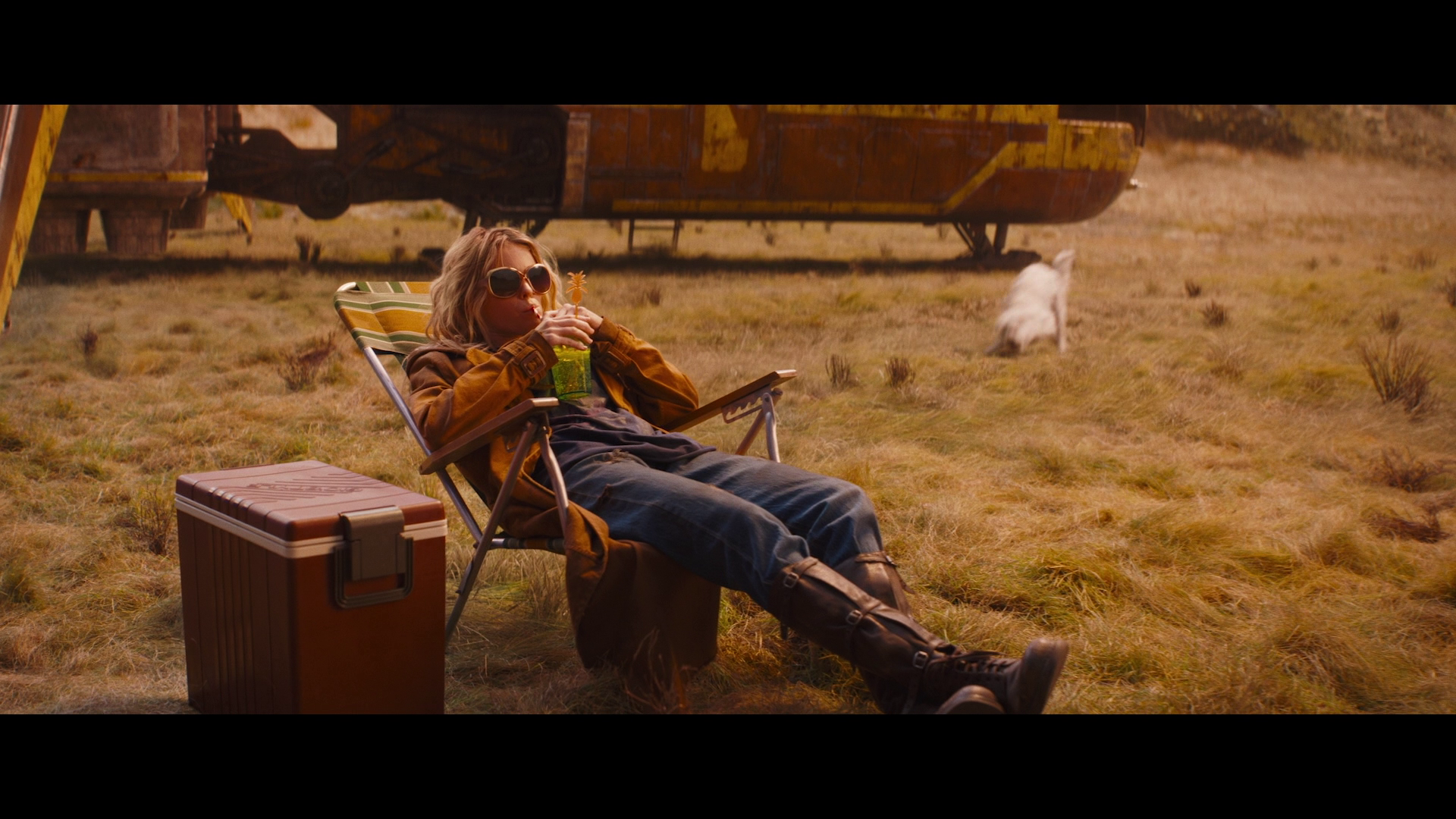
Kara was introduced at the end of Gunn’s movie to pick up Krypto at the Fortress of Solitude and take off for a birthday rager under a red sun, where Kryptonians are depowered and able to get hammered; Supergirl picks up with said rager already in progress, with Kara deep in a cycle of binge-drinking and recovery with her chaotic companion. Until a squad of brigands slaughter an armorer and his family, and sole survivor Ruthye (Eve Ridley) seeks Kara’s help to find and murder the loathsome Krem of the Yellow Hills (Matthias Schoenaerts) in revenge. Kara tries to talk her out of it, but when Krem shoots Krypto with a toxic dart, she has just 72 hours to find the bandit and retrieve the antidote to the poison. Which also means she now has a more practical reason to keep Ruthye from killing the bastard.
Streamlining Tom King and Bilquis Evely’s comic-book miniseries Woman of Tomorrow into a two-hour feature, Supergirl plays like a mashup of True Grit and Gunn’s own Guardians of the Galaxy trilogy. The former was a clear inspiration for King and Evely, who leaned heavily on Joel and Ethan Coen’s adaptation for the back-and-forth between the loquacious, oddly formal Ruthye and her more cavalier mentor/protector; the latter maybe not so much, but the pieces fit well together. I’m also not surprised Gunn would respond so strongly to that particular Supergirl story, as those Guardians movies are also about displaced characters trying to make their way in a confusing, frequently hostile universe. Or maybe that’s just a thing that everyone thinks about all the time.
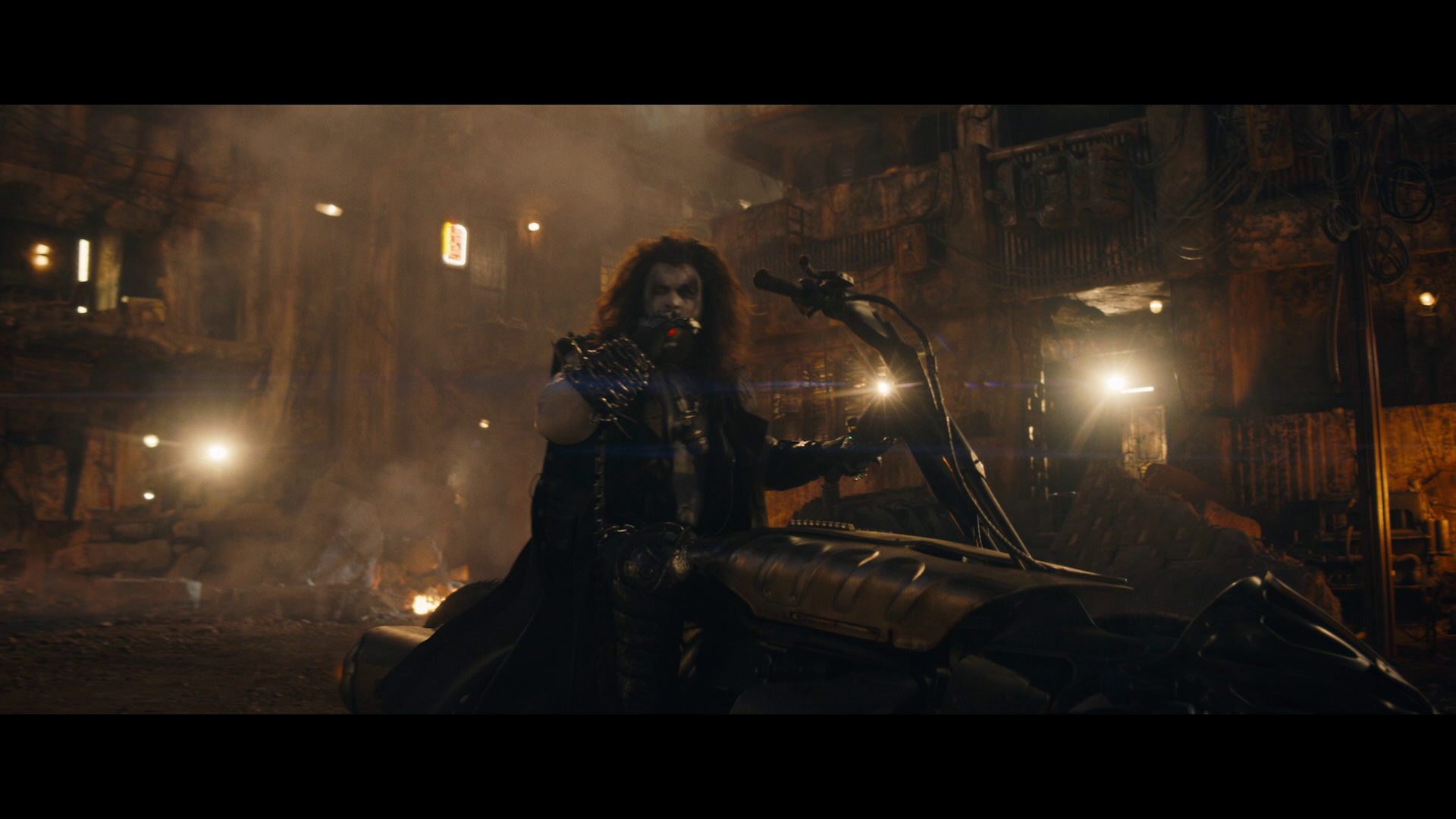
The compression of King and Evely’s eight-issue miniseries does mean some of its elements are compromised. Ruthye no longer speaks in paragraphs, and Krypto’s situation is reformatted for a ticking-clock scenario to keep the story speeding along. The insertion of Jason Momoa’s Lobo – who didn’t appear in the miniseries – is unnecessary but not exactly distracting; he’s basically La Boeuf, showing up halfway through the action to peacock around and give Kara another grownup to talk to.
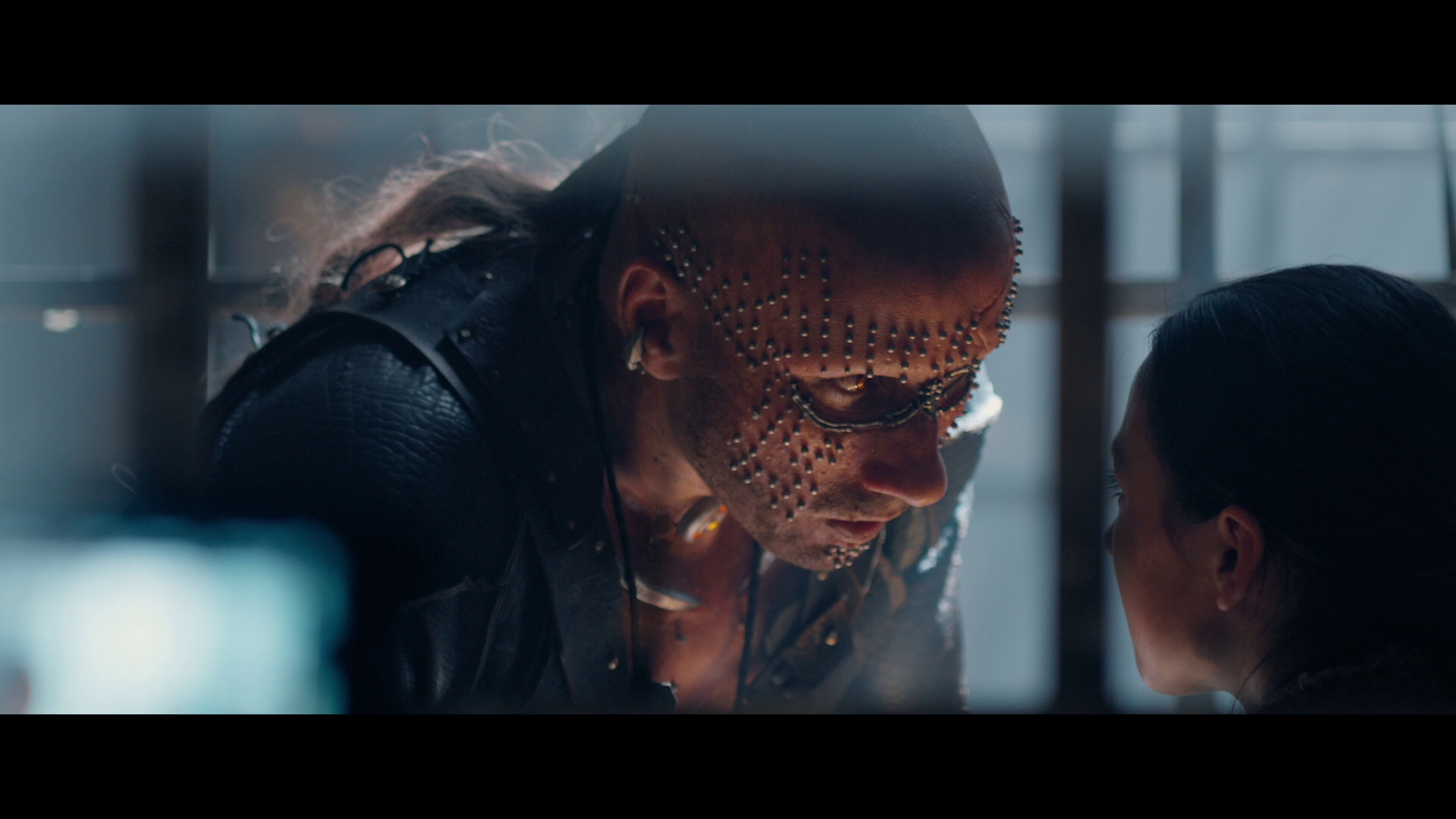
I do agree with the complaint that Krem of the Yellow Hills is a pretty thin bad guy; a formidable thug on the page, he’s refashioned here as a Mad Max day player whose sole personality trait is that he never passes up the chance to eat or drink whatever’s around – which is, I guess, a pretty thoughtful character detail for someone who clearly grew up in a wasteland. But the pursuit narrative means Schoenaerts and Alcock only interact a handful of times, which does feel like a missed opportunity.
What screenwriter Ana Noguiera does prioritize in her adaptation, and which feels much more important, is Woman of Tomorrow’s understanding of Kara Zor-El as a survivor in a way that her cousin never was. Clark arrived in Kansas as an infant; he has no memories of Krypton and doesn’t even speak the language, and as we learned in Superman he’s also grown up with an entirely false impression of who his biological parents were and what they wanted for him.
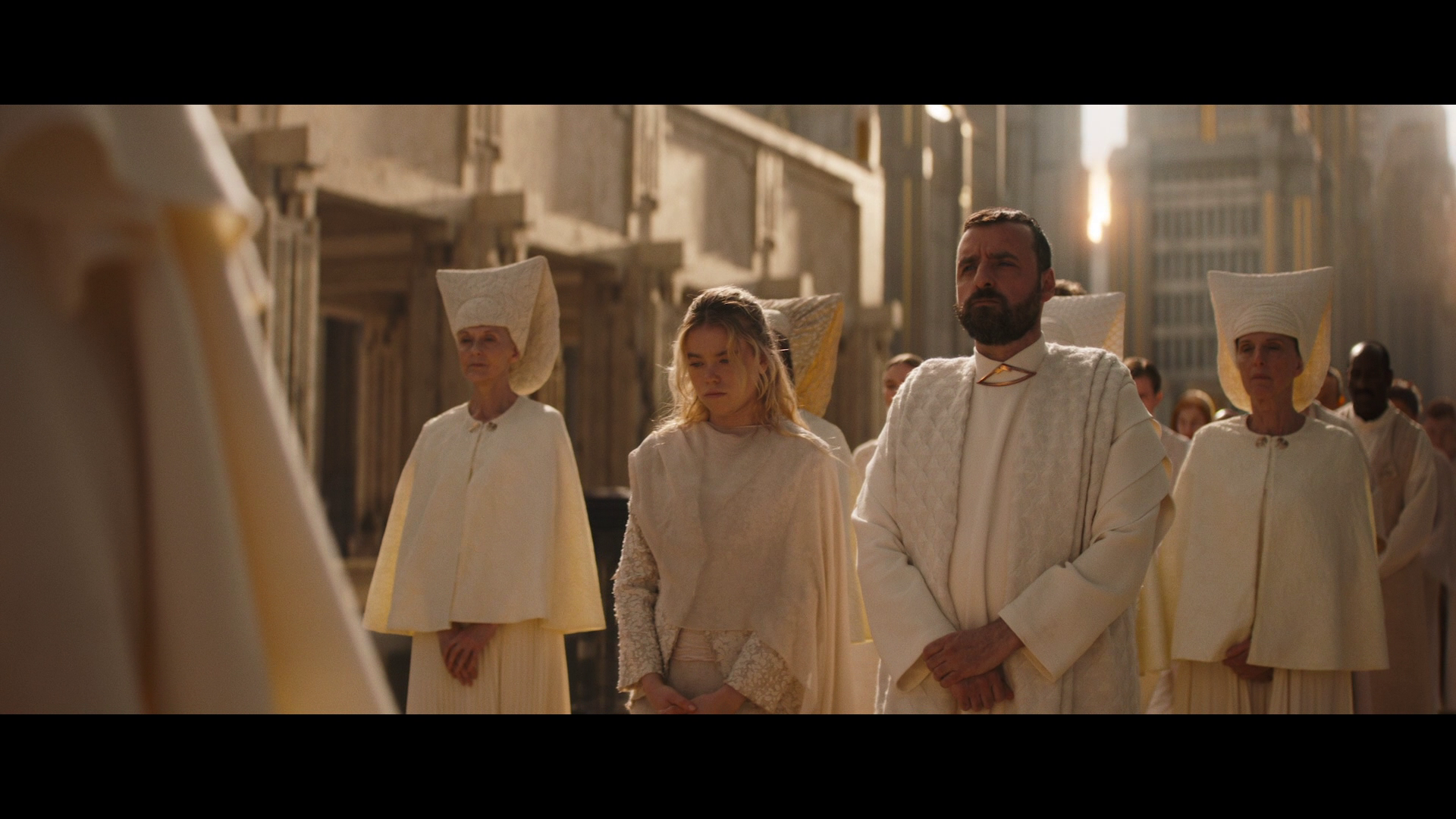
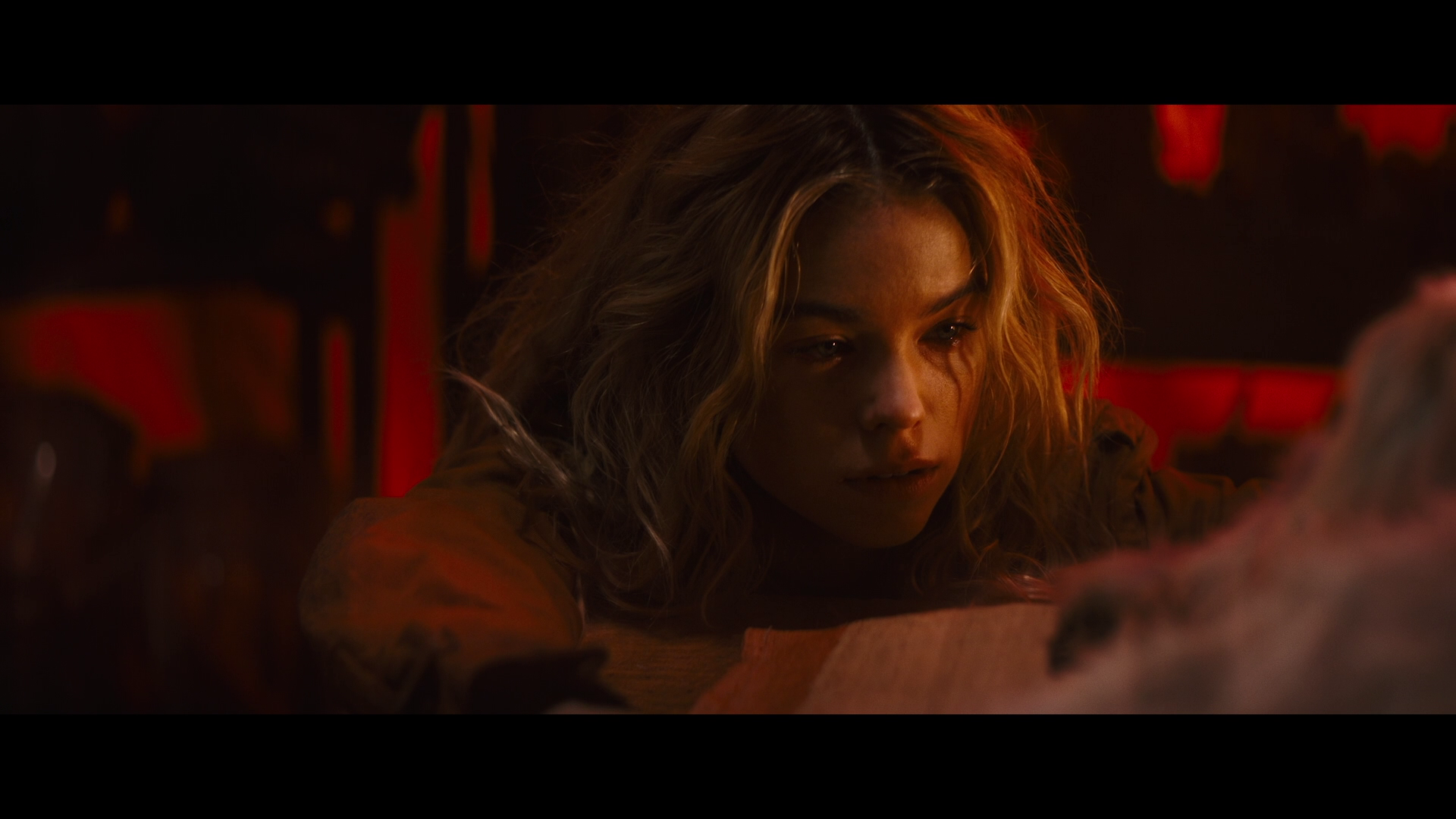
Kara was born after Krypton’s destruction, and grew up in Argo City, the planet’s last surviving remnant. She watched her entire race slowly succumb to Kryptonite exposure, and only went to Earth to fulfill her father’s last wish. And carrying the weight of the Kryptonian race is crushing her, which is why it’s so liberating to see her slowly trade her grief for a sense of purpose over the course of Supergirl. If every superhero movie is a hero’s journey, at least this one comes with real catharsis – and having lost my own dog last week, I can’t pretend I wasn’t moved by the movie foregrounding Kara’s determination to save her beloved buddy.
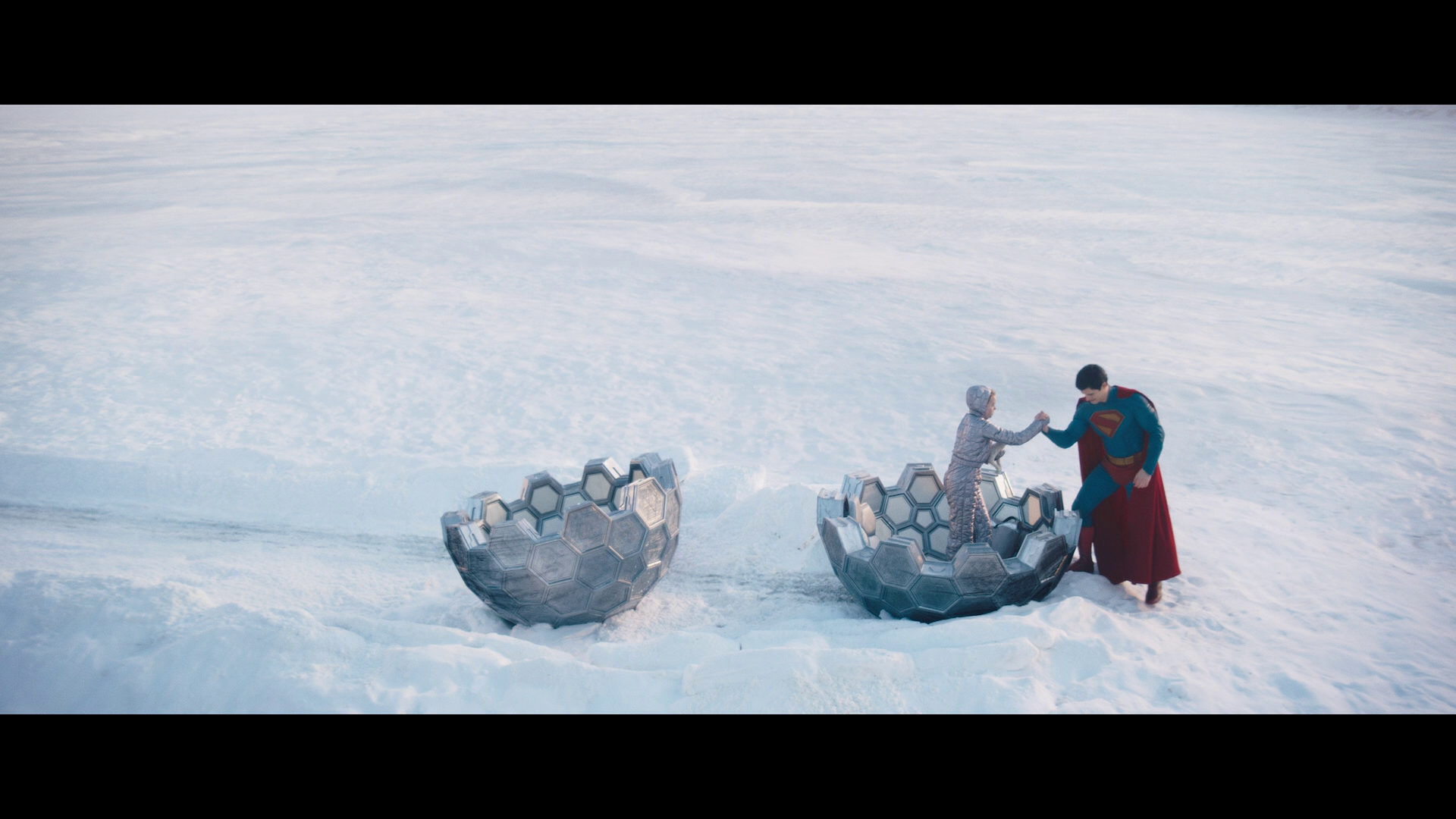
Following the template Superman established last year, Warner’s 4K and Blu-ray editions of Supergirl come packed with extras, starting with “The Making of Supergirl,” a half-hour documentary produced by SunnyBoy Entertainment. It’s a cheerful ride-along through principal photography, with lead producer Mead McCormack getting access to pretty much everyone involved. Alcock, Gillespie, Gunn and Safran are surprisingly open about the challenges of following Gunn’s Superman with a stand-alone Supergirl movie that barely engages with the characters or stories from that film. There’s also some footage of Alcock and Corenswet meeting each other for the first time on the set of Superman that is goddamn adorable.
The doc is supported by eight additional featurettes, including looks at Alcock’s casting and Kara Zor-El’s comic-book legacy (“Flying Off the Page”), Momoa’s long-awaited Lobo (“The DC Dream”), the production design (“Space is a Bad Neighborhood, Babe”) and practical creature effects (“A Practical Legacy”) and the film’s needle drops (“Mixtape for a Superhero”). We also get a few deleted scenes and a new Krypto Saves the Day! cartoon, “Coastal Catastrophe.” I’m clearly biased towards Gunn’s overall approach to the DC library, but I really enjoyed all of it.
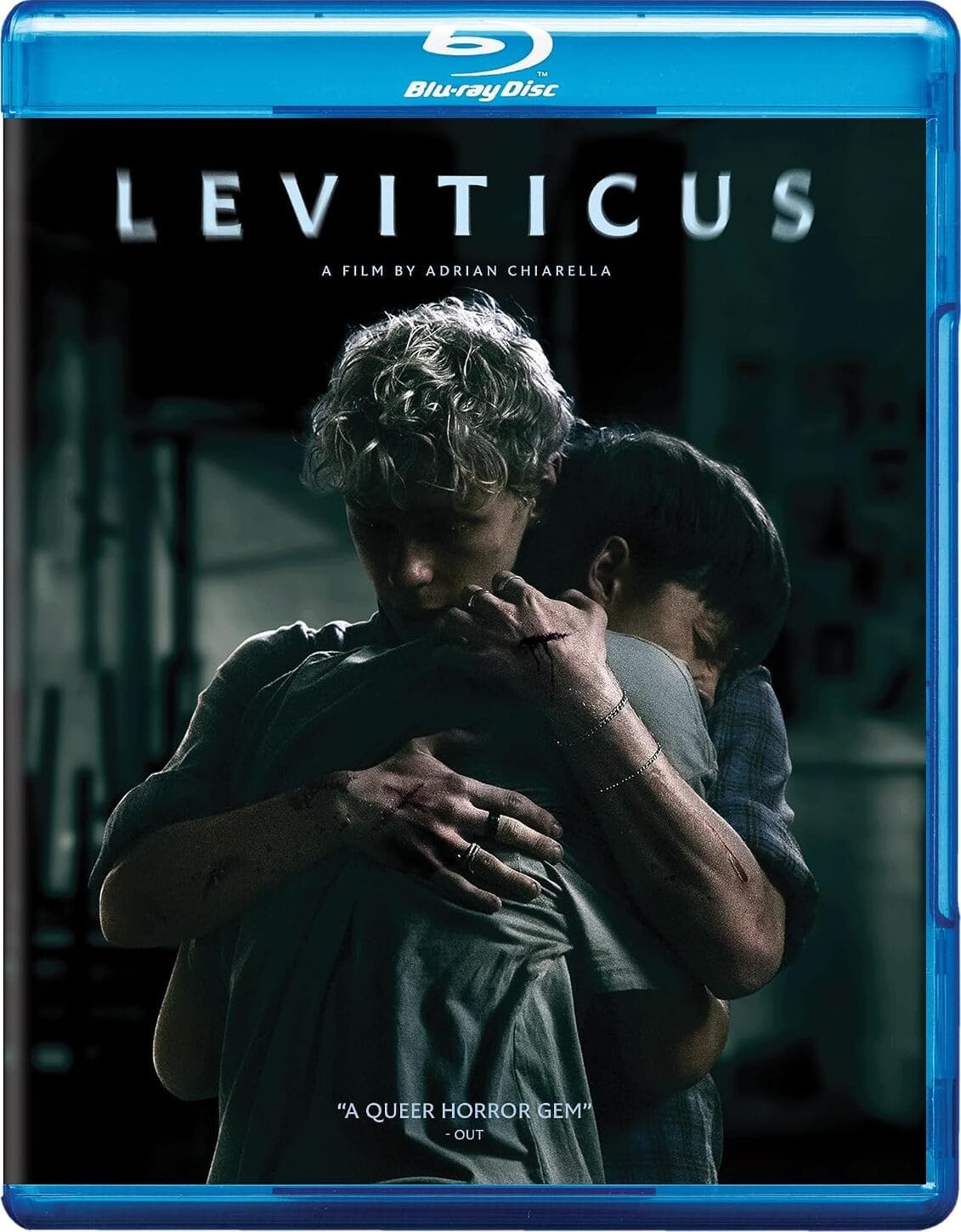
It took a while to get my hands on Elevation’s Blu-ray of Adrian Chiarella’s Leviticus, but I think you’ll find it was worth the wait. An ingeniously simple and brutally effective nightmare that puts a queer twist on David Robert Mitchell’s It Follows, it arrived in theaters earlier this spring at a moment when genre cinema tilted sharply toward the abstract and uncanny. Chiarella’s film shares a vibe with the quiet but constant tensions of Obsession and Backrooms, where ordinary spaces hold malevolent, uncanny versions of the people we think we know.
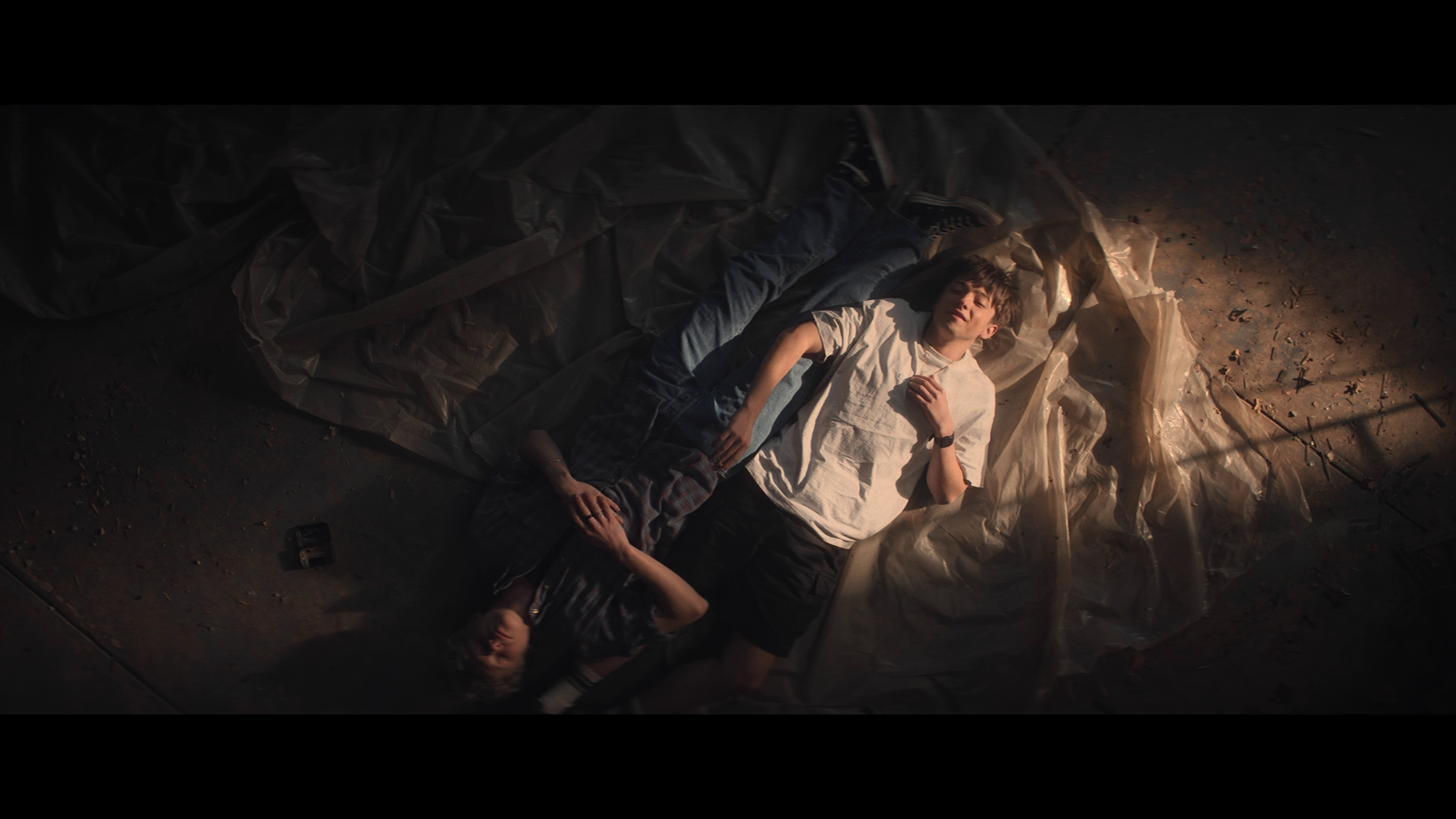
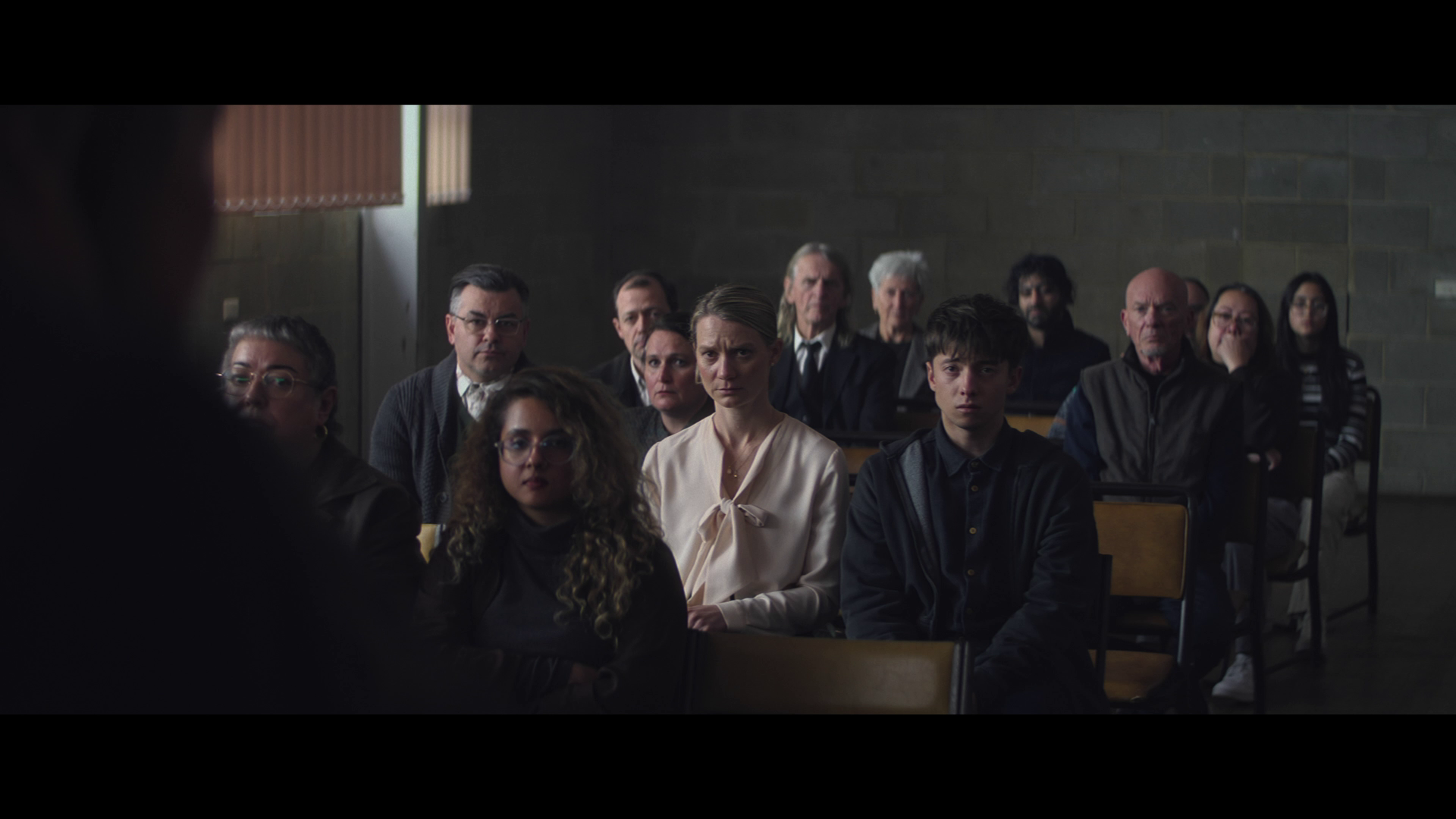
In a small Australian town dominated by a fundamentalist Christian sect, young men who are discovered to be gay are cursed to be visited by a demon that manifests as the person they desire most. As soon as you drop your guard, it attacks. And for withdrawn Naim (Talk to Me’s Joe Bird), who’s just moved to this community with his mother (Mia Waiskowska) and has just begun to explore his attraction to his extroverted classmate Ryan (Stacy Clausen), this is a curve ball he cannot begin to process.
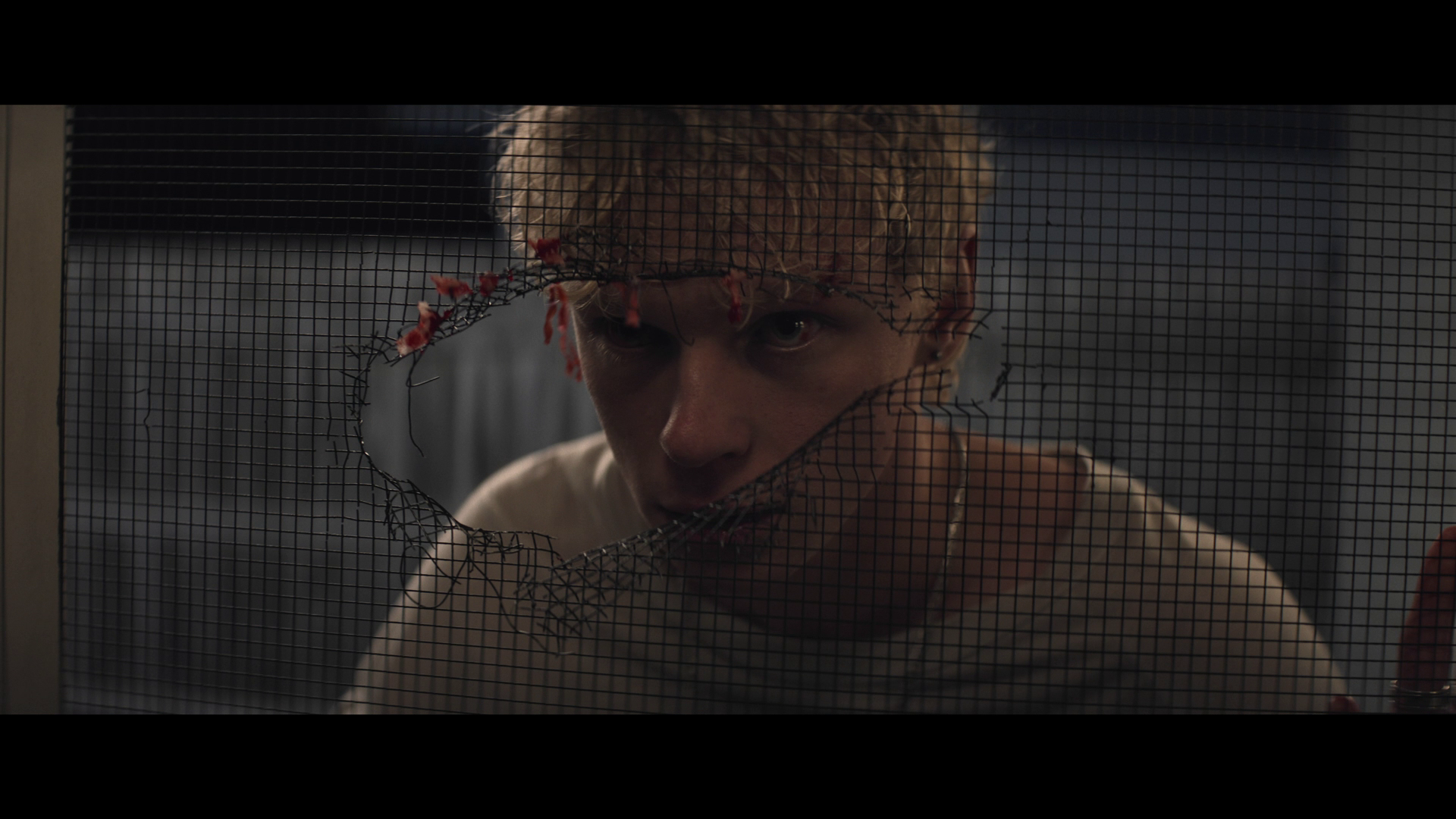
With his first feature, writer-director Chiarella doesn’t try to top what Mitchell did; he simply moves it into a new context and clarifies it to a sharp point. The sexually transmitted menace of It Follows could look like anyone, the better to creep up on its victims unnoticed; the only giveaway was its remorseless, mechanical affect. The monster of Leviticus gets better at imitation over time, learning the mannerisms and intimacies that attract its target.
It’s a concrete expression of one of horror’s most basic tenets – the human fascination with the thing in the dark – and it also means Leviticus also becomes an active, absorbing love story, with Naim and Ryan forced by their shared circumstance to look at one another deeply and thoughtfully, asking the one question that romances and genre stories always share: Are you going to hurt me? And we dread hearing the answer.
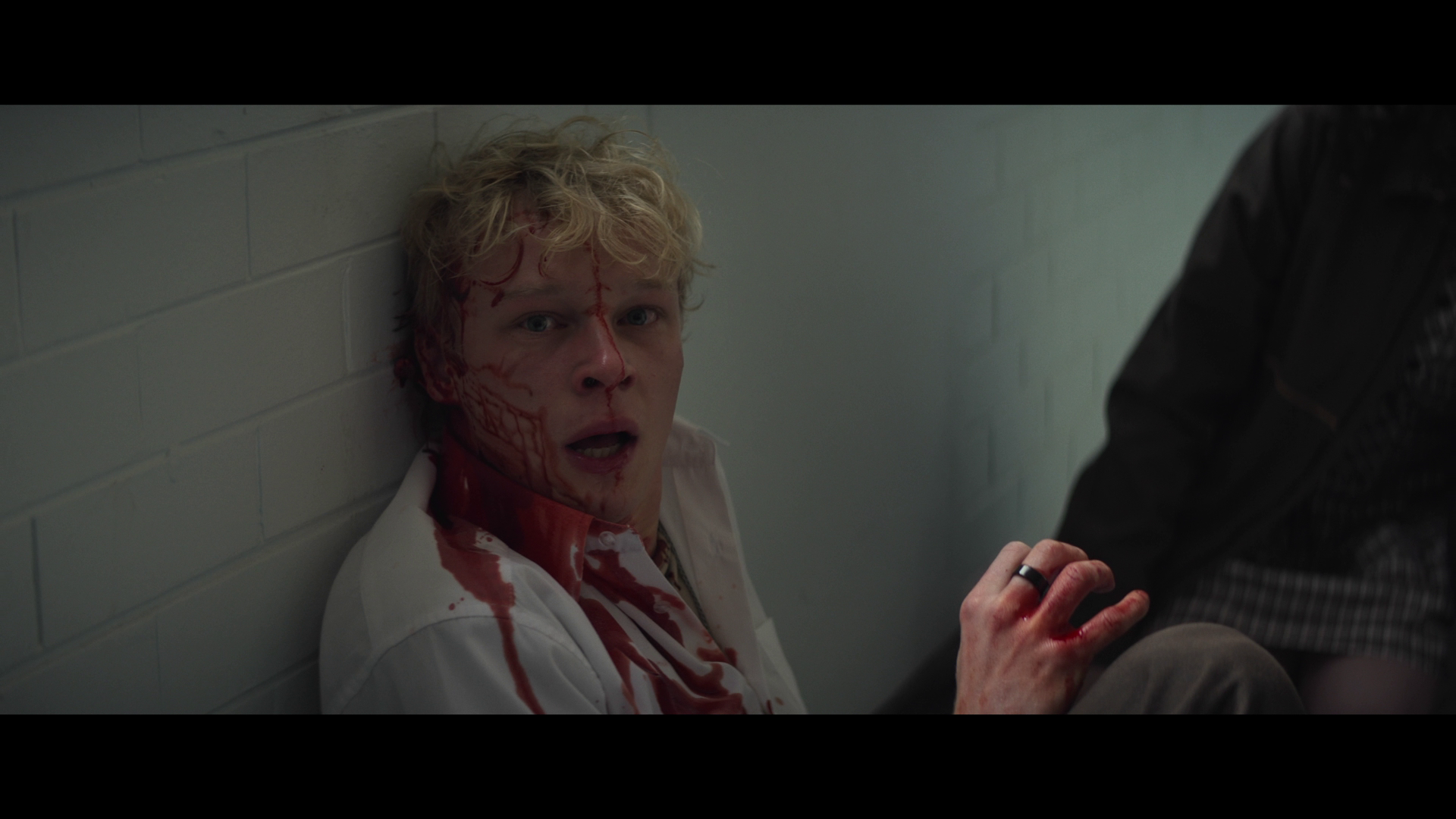
Leviticus arrives on Blu-ray from Decal Releasing in the US and Elevation Pictures in Canada, and both discs offer the same suite of special features: Audio commentary by writer-director Chiarella, and three featurettes totalling about twenty minutes: A wide-angle look at the production, a further interview with Chiarella in which he talks about developing the script and casting his leads, and a paired conversation with Bird and Clausen in which the actors discuss what they brought to the parts and the rapport they created on set. It’s all good stuff, and I wish there’d been more of it.
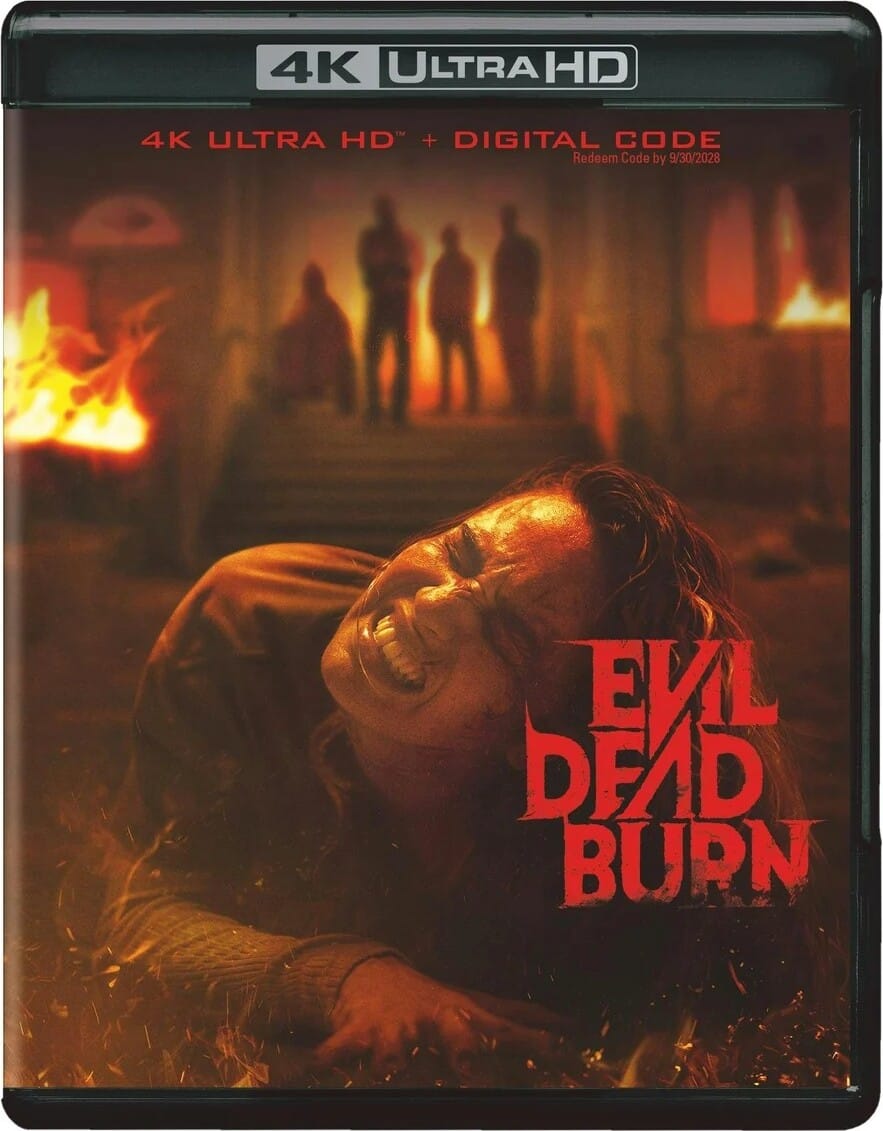
“More” is the mission statement of Evil Dead Burn, the sixth film in Sam Raimi and Robert Tapert’s ever-evolving franchise and the first to actively try to knit together all of its disparate elements. I don’t know that such a thing is possible, but French filmmaker Sébastien Vaniček – taking over from Lee Cronin, who replaced Fede Alvarez, who rebooted the series more than two decades after Sam Raimi closed his trilogy with Army of Darkness – gives it the ol’ college try.
Some time after the events of Cronin’s Evil Dead Rise, the Deadites are on the rampage again. It appears there’s an ancient dagger that can destroy the ferocious spirits, and it may have been hidden away by the late monsterologist Dr. Benjamin Price in his family’s vacation home. Alerted to its existence, the Deadites conspire to find it and destroy it, setting in motion a long, complex and extremely unlikely series of events that leads, as it always does, to one unholy mess.
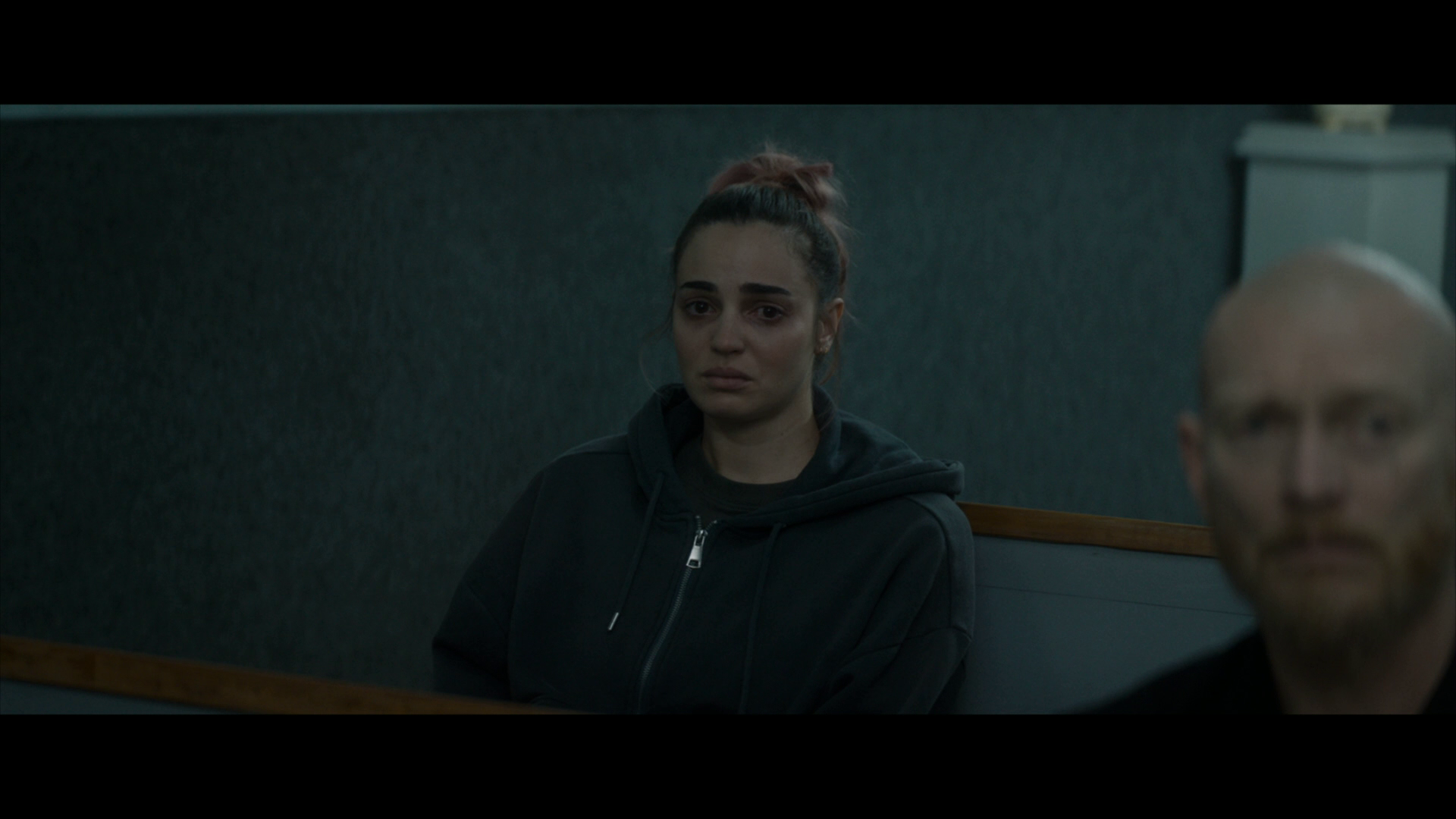
Souheila Yacoub, of Climax and Dune: Part Two, plays the newly widowed Alice, whose restaurateur husband Will (George Pullar) died in a car wreck after an especially bitter argument. Now, following Will’s funeral, Alice finds herself stuck at the family home in the middle of nowhere with her in-laws – seething patriarch Edgar (Errol Shand), his control-freak wife Susan (Tandi Wright), Will’s younger brother Joseph (Hunter Doohan) and his girlfriend Thya (Luciane Buchanan) and Susan’s deteriorating mother Polly (Maude Davey). Oh, and Will was killed by a Deadite and passed the infection to his Edgar in the funeral home, so things are only going to get worse. Which of course could be the logline for every Evil Dead movie.
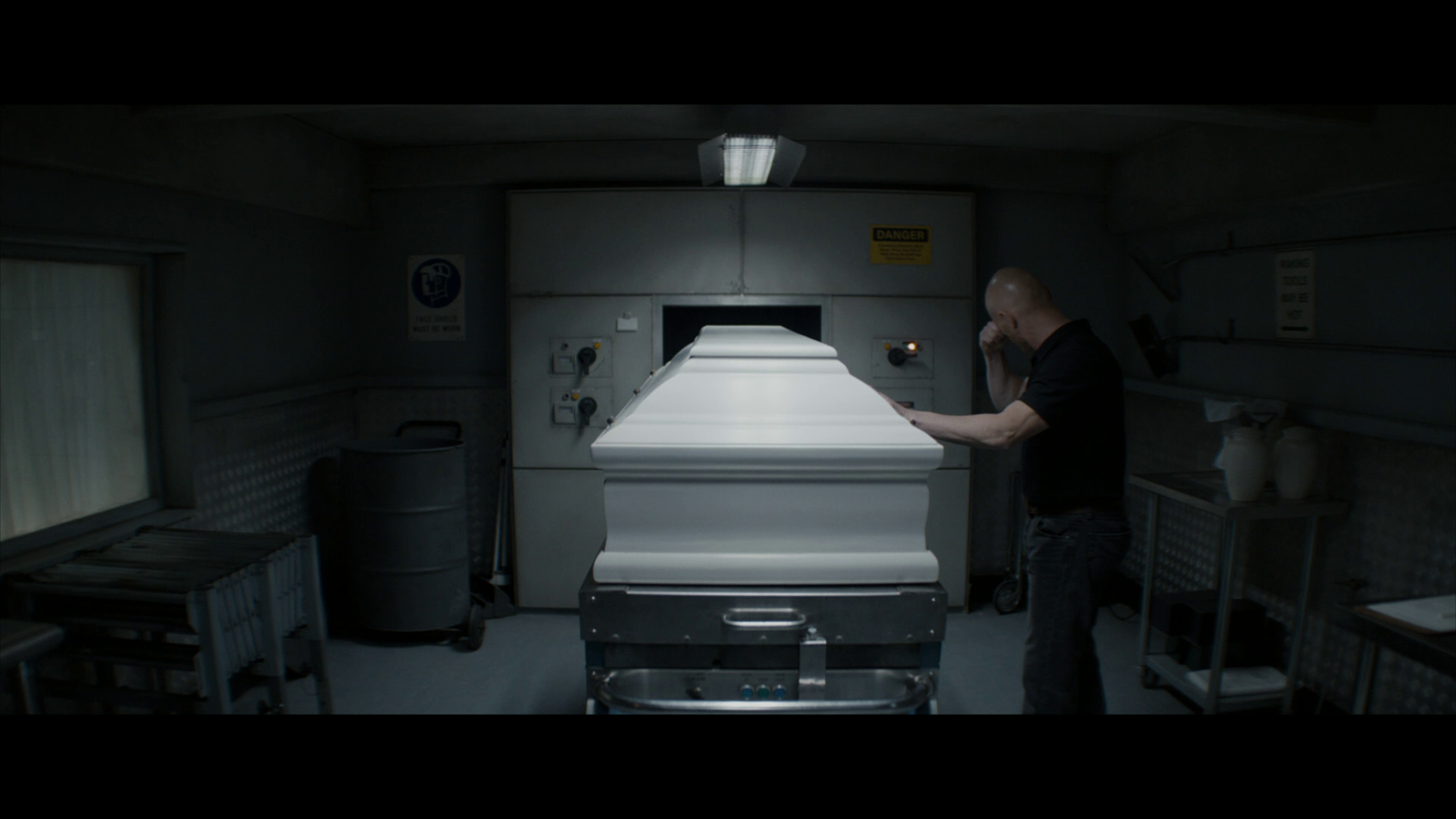
Remember how I said Lee Cronin’s The Mummy – with its nuclear family experiencing splatteriffic body horror an isolated location – felt like an abandoned pitch for another Evil Dead chapter? There are a few scenes in Vaniček’s movie that mirror certain moments in Cronin’s, including a set piece involving a big ol’ staircase, and if I hadn’t known one film was shot in Ireland and the other in New Zealand I’d have thought they’d shared the same soundstage, like Flash Gordon and Dune or Pacific Rim and the remake of Total Recall. EDB is basically EDR in a house instead of an apartment building, with kin and lovers turning against one another under the sway of the Deadites; Vaniček’s innovation is to treat the possession as a slow-boiling infection, spread by touch and bodily fluids. And if there’s one thing a Deadite knows how to do, it’s spray fluids around.
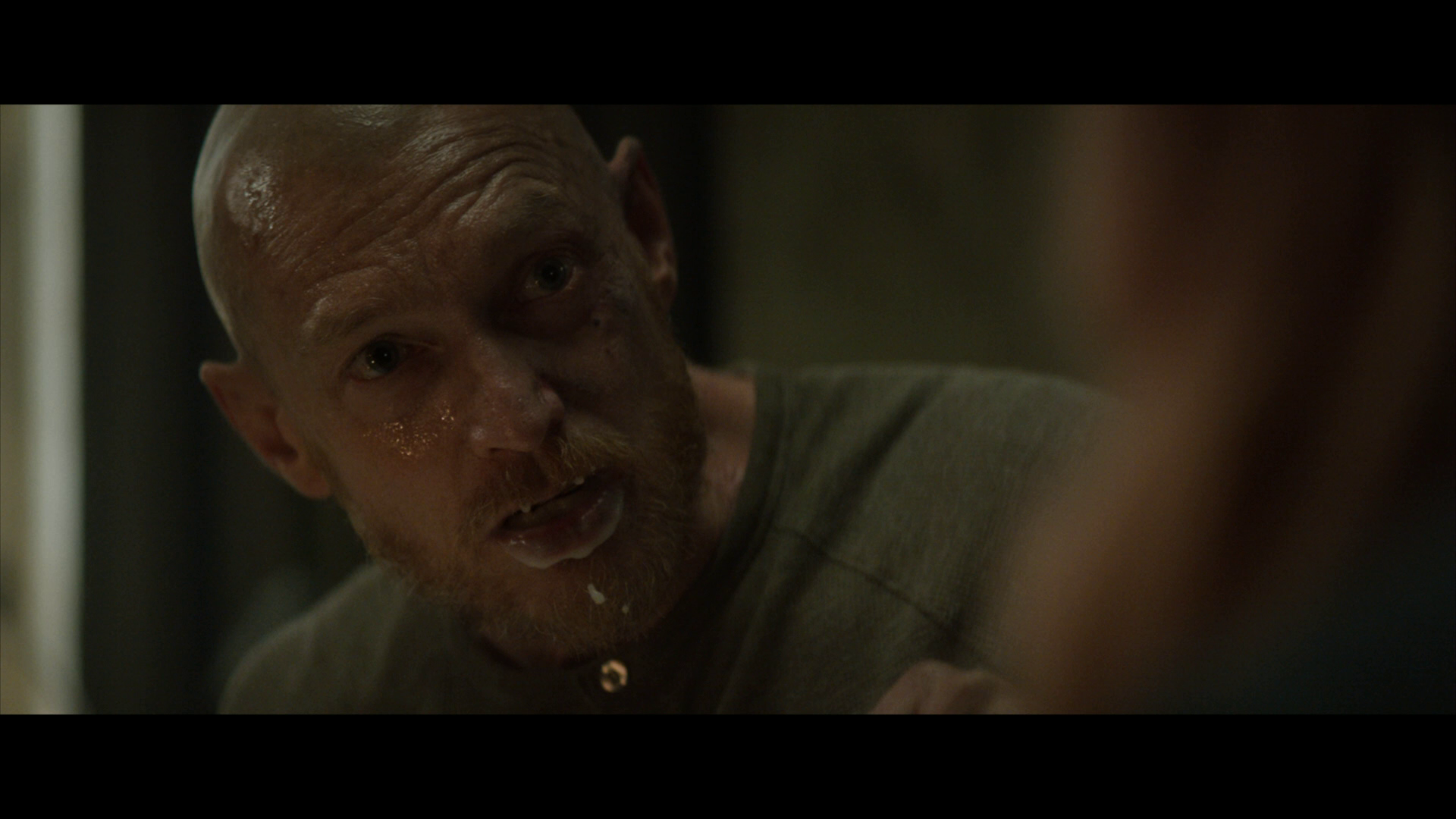
It takes a while for Vaniček and co-writer Florent Bernard to get us there, spending almost half the movie setting up the toxic family dynamics of the Price family and making very, very sure we understand that the late Will was, among other things, an abusive piece of shit. If Alice hadn’t called him out on his controlling behavior – which his parents insist on seeing as harmless, though both Alice and her brother-in-law Joseph know better – he might still be alive and giving them grandchildren or whatever. And then the monsters come out, and none of that really matters. I guess it’s an overall positive to see generational gaslighting and physical and psychological abuse taken seriously in a genre film, but given that Deadites fully occupy the people they possess, it’s not like any of the human villains are really experiencing consequences.
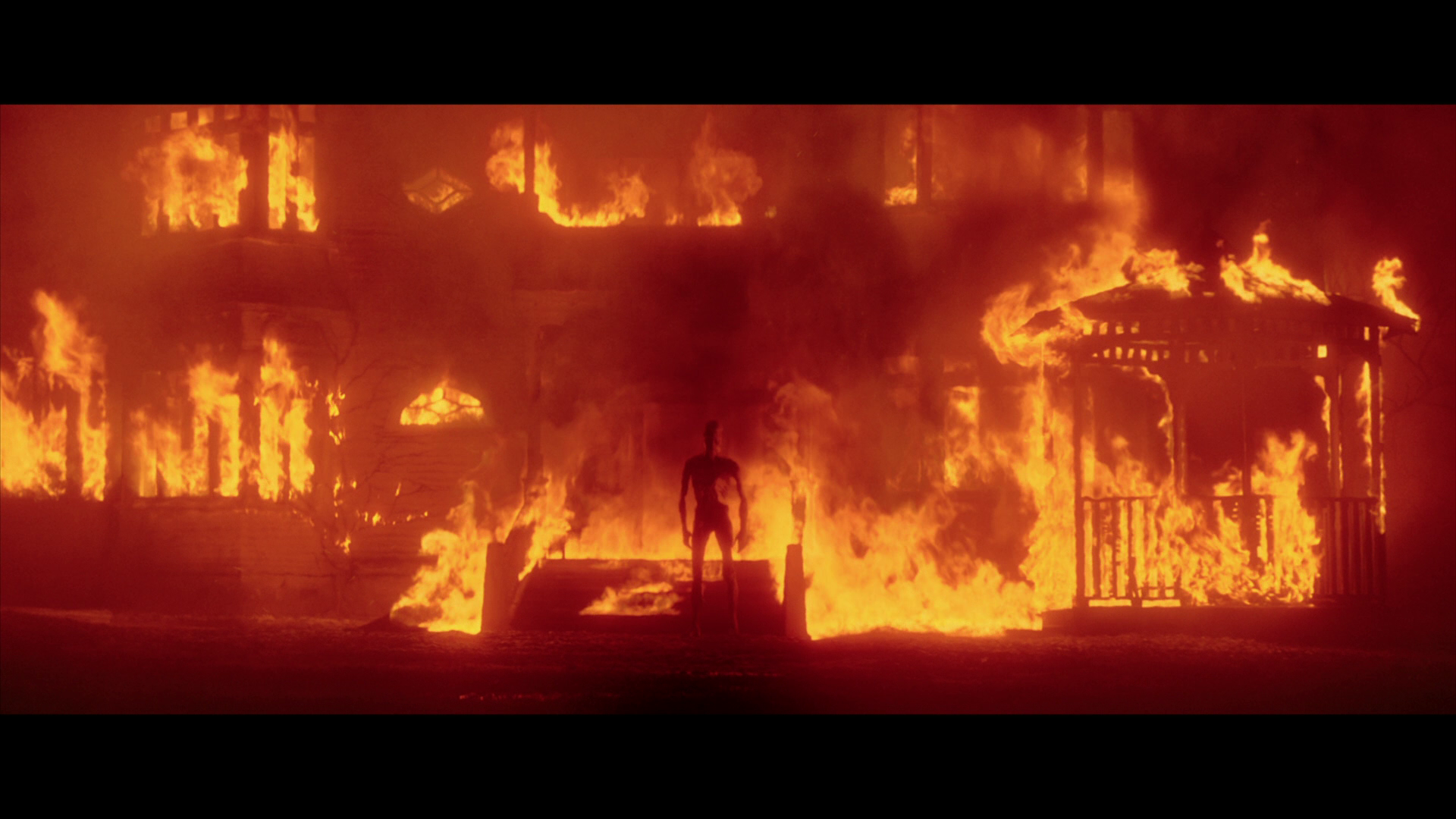
As for the harmonization of the franchise I mentioned earlier, it’s less about stitching the events of all six films together than connecting a few key dots. An opening montage of Dr. Price’s work cites the cabin incident of 1983, and Vaniček returns to the notion that Deadites will harm themselves before attacking others that first appeared in Alvarez’ 2013 film. There’s also a recent-vintage photo of Bruce Campbell among the family portraits, though Ash Williams doesn’t appear to have been related to the Prices. And a final sting directly connects this movie to Evil Dead Rise, though – again – it’s just kind of there. The just-completed Evil Dead Wrath is said to be set in the 1970s, so who knows Raimi and Tapert are up to.
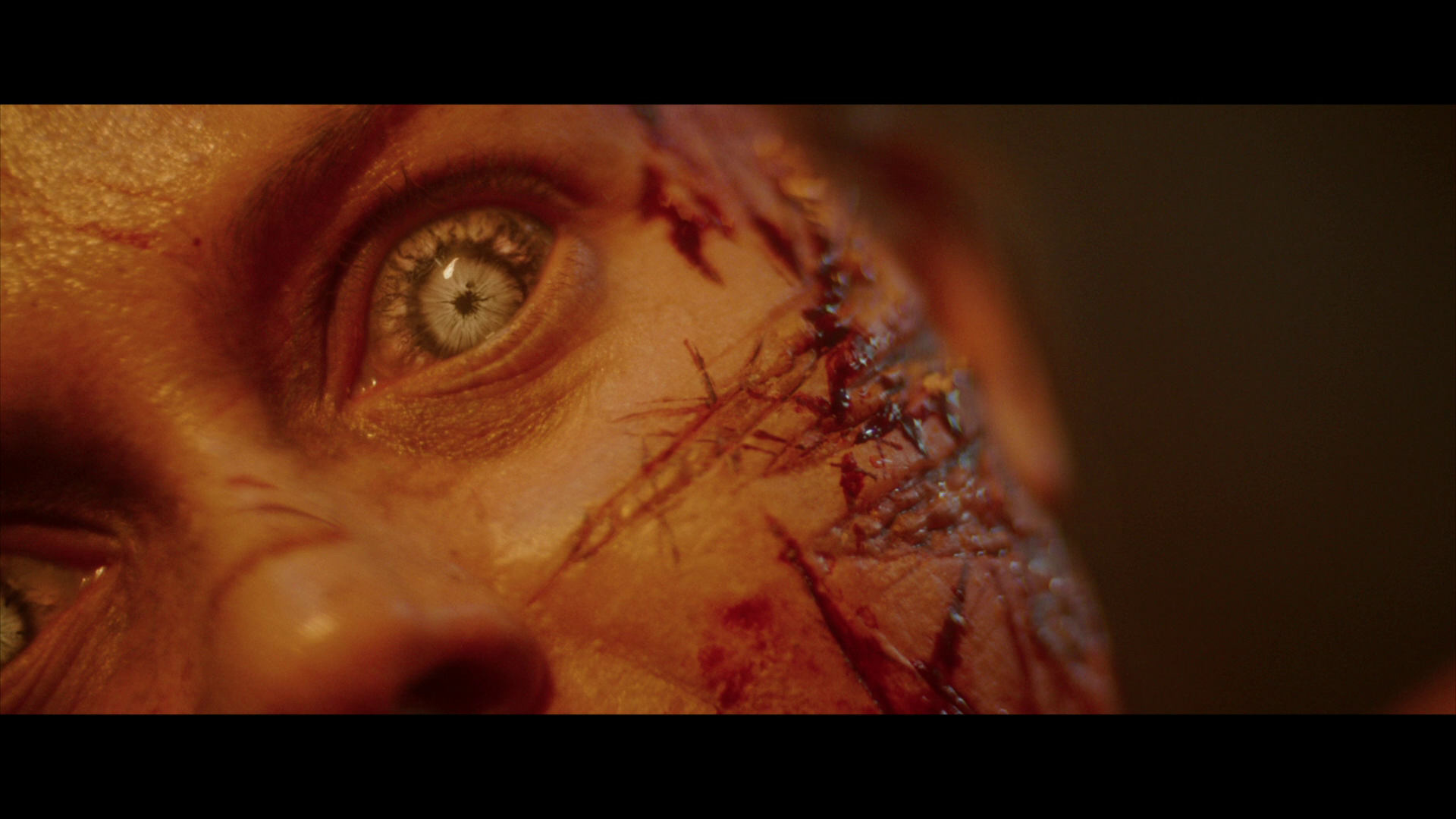
Warner’s 4K and Blu-ray editions of Evil Dead Burn aren’t as expansive as the studio’s Supergirl, offering just three featurettes with an average running time of five minutes. “Blazing the Trail” offers a quick overview of the project’s development, casting and production, with occasional tidbits like DP Philip Lozano revealing the picture’s desaturated look was largely accomplished in-camera rather than through post-production tinkering. Lozano also gets the best interview setting in the whole EPK:
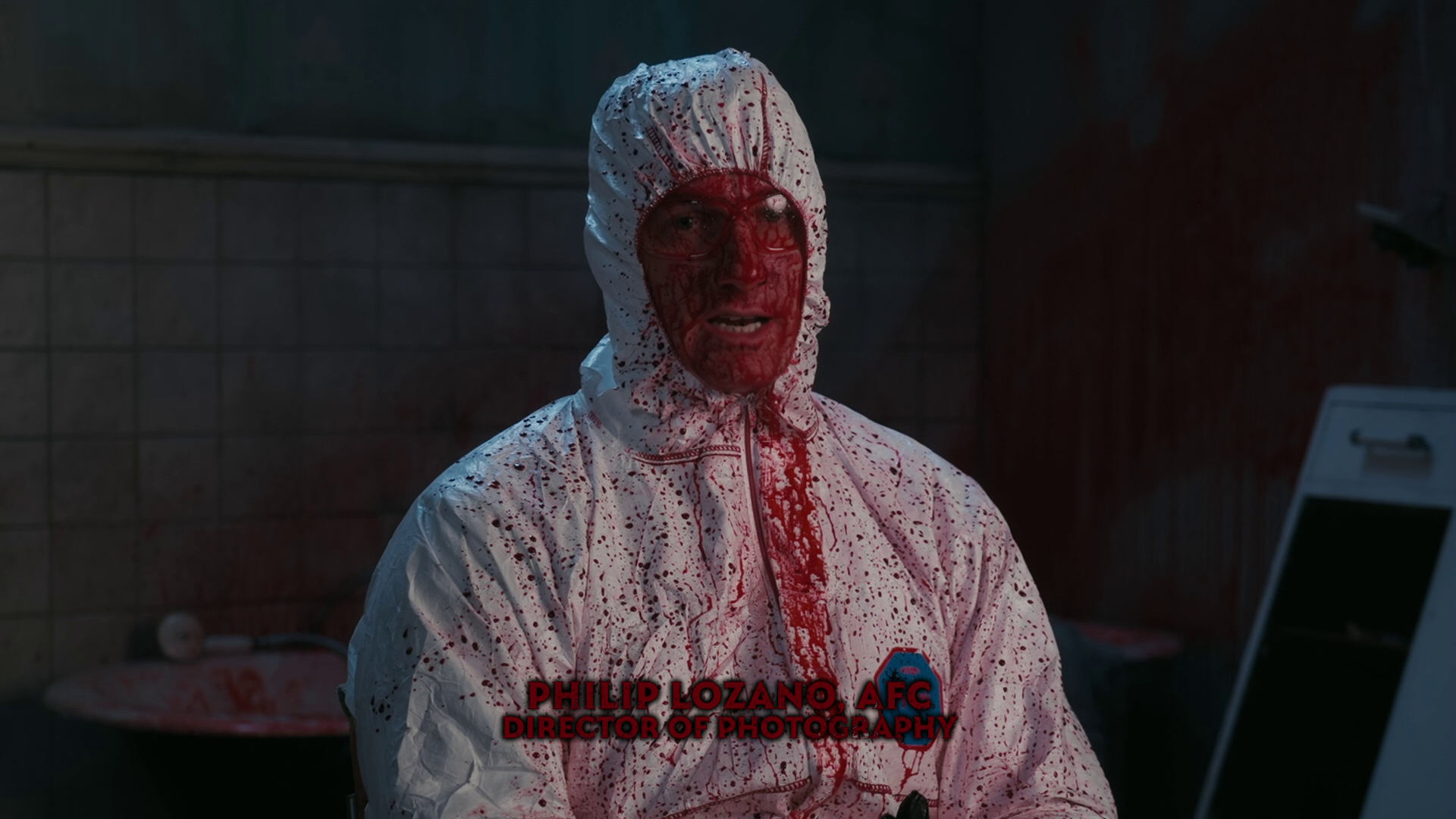
Love the energy.
“This One’s Gonna Burn” focuses more on the elaborate and largely practical makeup effects employed to create this movie’s Deadites, digging into the various indignities and desecrations the possessed inflict upon each other, and themselves. I was impressed to see that at least two major effects were accomplished live with human beings instead of puppetry or CG creatures – and that one deeply unpleasant-looking stunt was simply the work of an incredibly flexible stunt performer.
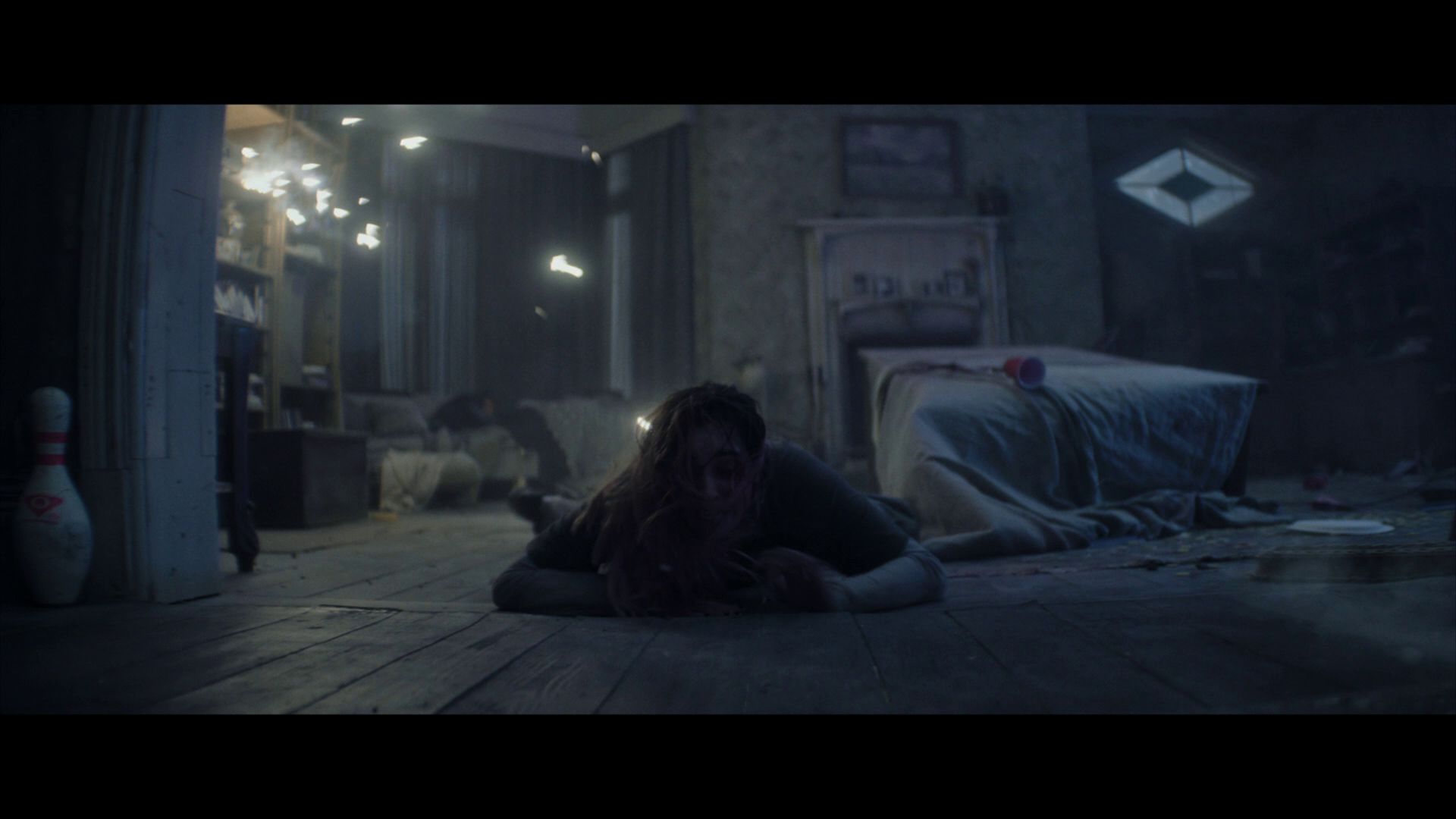
And “The Hot Shot: Evil Dead Burn’s One-Shot Sequence” dissects the eponymous set piece in which Yacoub crawls around the family manse while mayhem explodes all around her. The 4K disc looks and sounds great, with a brutally clear 2160p master and bone-rattling Atmos audio; if you’re the kind of person who needs to know where every drop of blood lands after a decapitation, you will be more than satisfied.
Leviticus is now available on Blu-ray from Decal Releasing in the US and Elevation Pictures in Canada. Supergirl and Evil Dead Burn are now available in individual 4K and Blu-ray editions from Warner Bros. Discovery Home Entertainment. It’s weird that the Evil Dead movie is longer than the superhero movie, isn’t it? I think it’s weird.
Up next: Arrow rolls out new restorations of Forbidden Planet, Go and Tequila Sunrise, Via Vision reissues the Ginger Snaps trilogy with a 4K upgrade and Warner brings Interview with the Vampire to UHD just in time for Halloween. But first, there’s a new edition of What’s Worth Watching coming to paid subscribers on Friday, and that’s not something you want to miss. So upgrade that subscription right now, and you won’t!