
The Loneliest Men
In which Norm finds a common theme in PROJECT HAIL MARY, HOKUM and EXIT 8 -- all of which just arrived on disc, as it turns out!
I will always be in the tank for Phil Lord and Christopher Miller, the antic genre deconstructionists who’ve become unlikely film and television moguls over the last decade and a half. The LEGO Movie demonstrated their ability to turn product placement into gold; the Spider-Verse films won them an Oscar and sent American feature animation in thrilling new directions. And they tried to make a Star War, which ended up being finished by Ron Howard and not nearly as weird and fun as it was almost certainly supposed to be. (There is that moment where Woody Harrelson whines about hurting his thumbs, which is 100% Lord and Miller.)
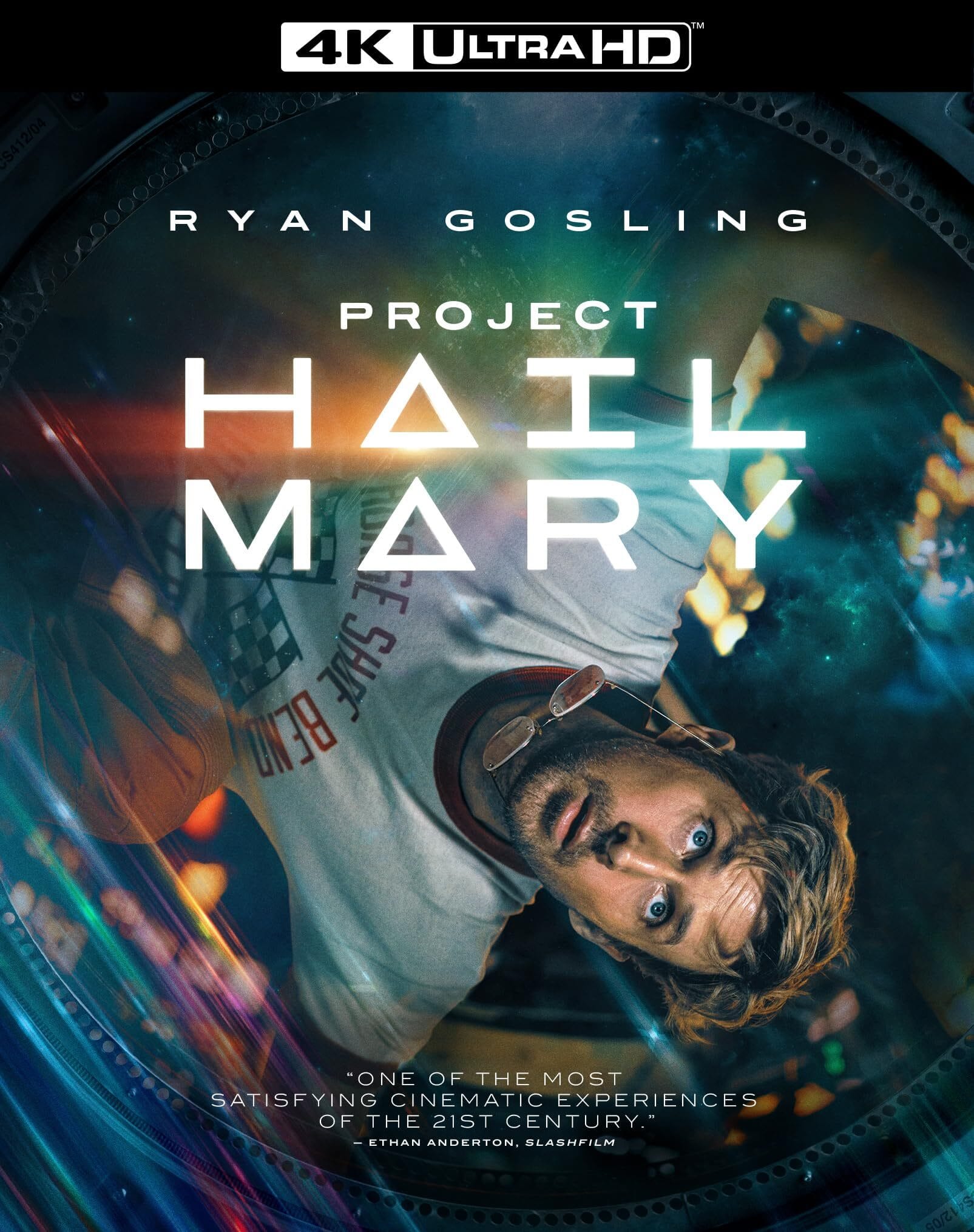
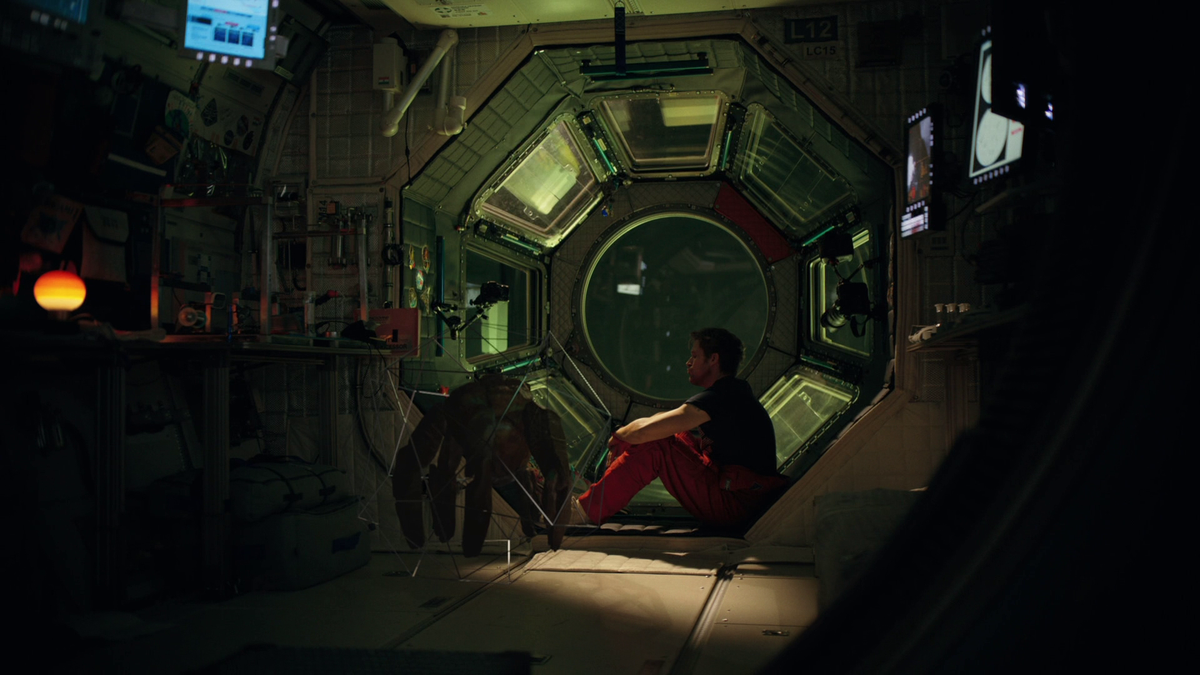
Based on the novel by Andy Weir, Project Hail Mary is the first feature Lord and Miller have directed since leaving Solo. It is at least as ambitious as that project, and certainly more satisfying: A gargantuan big-screen sci-fi adventure that also houses a classic hero’s journey, a neurotic one-man comedy and – somehow – a buddy picture.
In the very near future, an unknown celestial event is causing our sun to dim, which if unaddressed will lower the Earth’s temperature by several degrees and potentially end human life on the planet within decades. Ryan Gosling plays middle-school science teacher Ryland Grace, whose background in molecular biology gets him recruited for an international task force which eventually determines that the phenomenon is affecting every star visible from Earth – except for one, Tau Ceti.
All of this is in the trailer, and in flashes of memory that return to the amnesiac Grace, whom we meet as he’s revived from hibernation on the ship that made the voyage to Tau Ceti. His crewmates are dead. He has no way of direct communication with anyone. And he only knows one thing: He’s not an astronaut.
All that’s in the trailer as well, along with some other revelations I’m hesitant to discuss because the beauty of Project Hail Mary is in the way it lets us into its narrative, and how Lord, Miller and screenwriter Drew Goddard – who also adapted Weir’s The Martian for Ridley Scott’s 2015 feature – hang this massive undertaking almost entirely on their star.
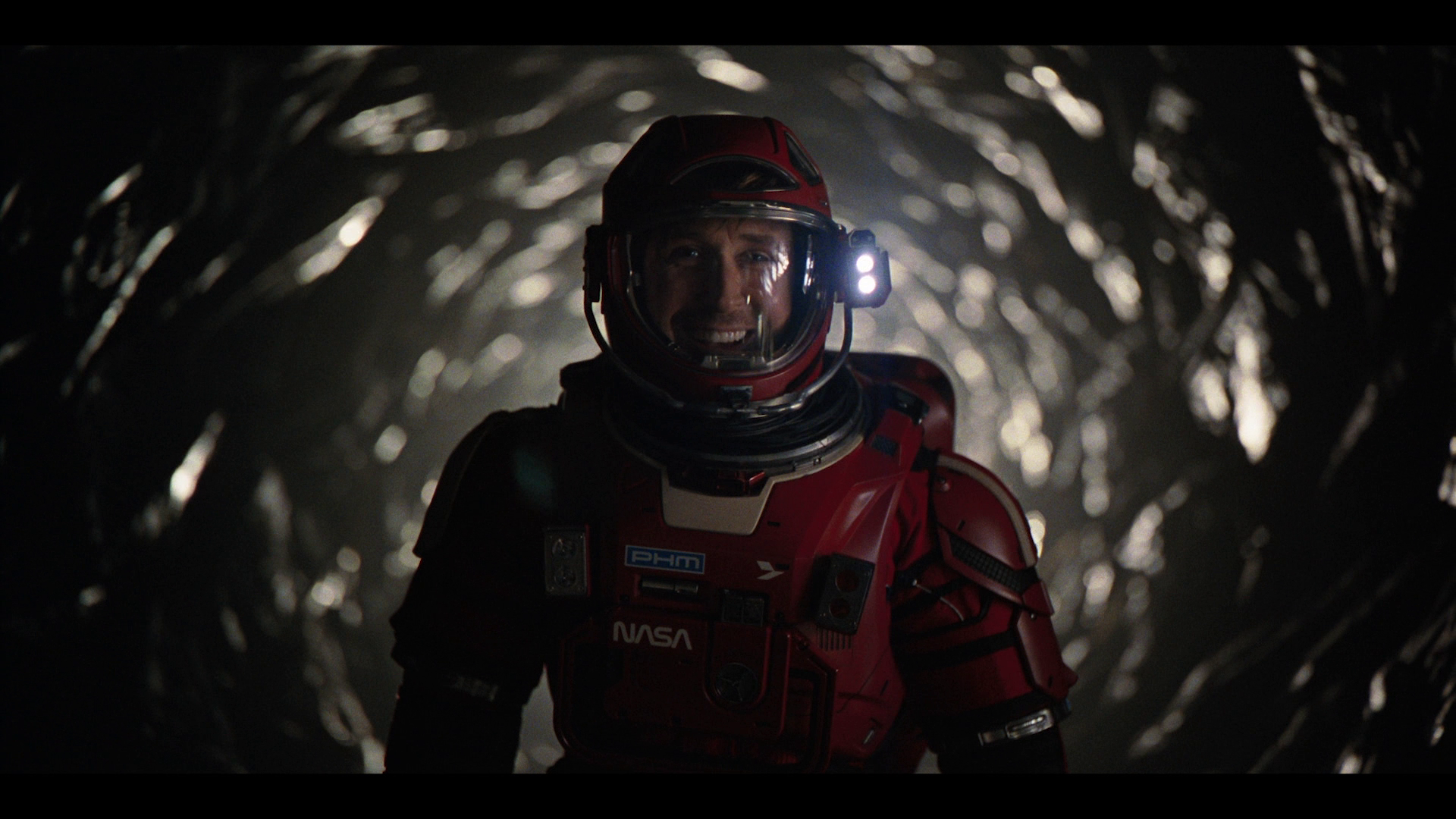
Gosling is one of the screen’s great flailers, as well as someone who can unlock rich veins of vulnerability – if you’ve seen The Nice Guys and The Fall Guy, you know exactly what I mean – and Project Hail Mary finds Lord and Miller find a context for his near-cartoonish expressiveness that lets it flower. The actor’s entirely uninhibited performance gives us something to hang on to, a believably human response to a galactic adventure. Matt Damon could hint at the panic and desperation beneath Mark Watney’s competence and determination in The Martian as he carefully, methodically scienced the shit out of his situation; Ryland Grace is just trying not to throw up or pass out, distracting himself by talking to the ship’s computer and medical robot. And then, just as he’s found something like equilibrium, the real story starts.
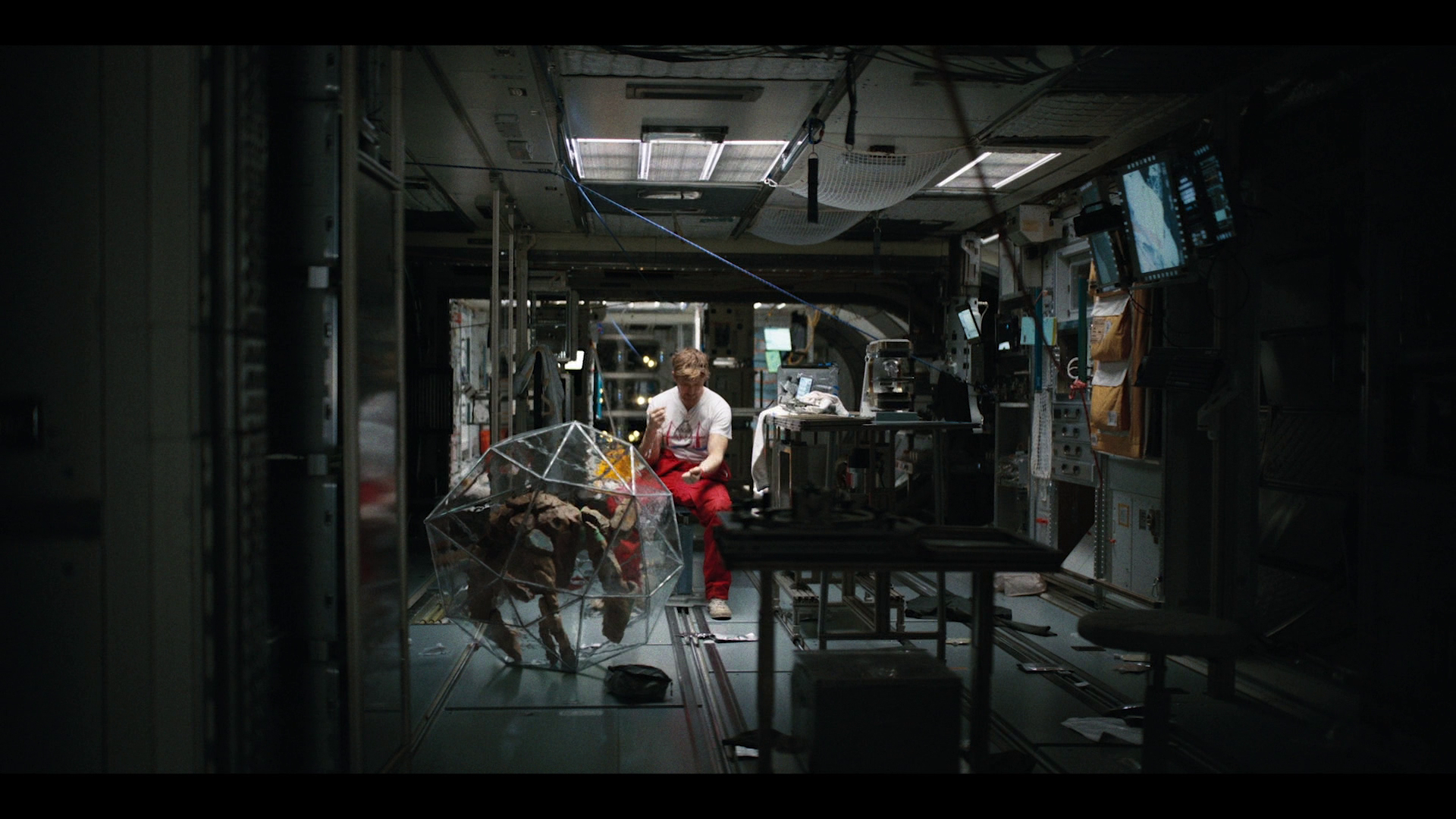
Again: Not going into detail here. (Maybe when the disc comes out.) But what happens next is wonderful, turning the film into a rich and heartfelt two-hander about friendship, collaboration and altruism filled with unlikely comedy and – just like Gosling – surprising levels of vulnerability. Goddard translates Weir’s love of challenges and puzzles into increasingly intense set pieces, generating suspense not from whether a given task will be accomplished but how it will be accomplished once the initial plan fails. And at least initially, Lord and Miller shoot those set pieces with the lightest of touches, letting us enjoy the process of exploration and discovery – and letting us share Grace’s wonder at this once-in-a-lifetime experience. Until it’s time to remind us exactly how dangerous it is, of course.
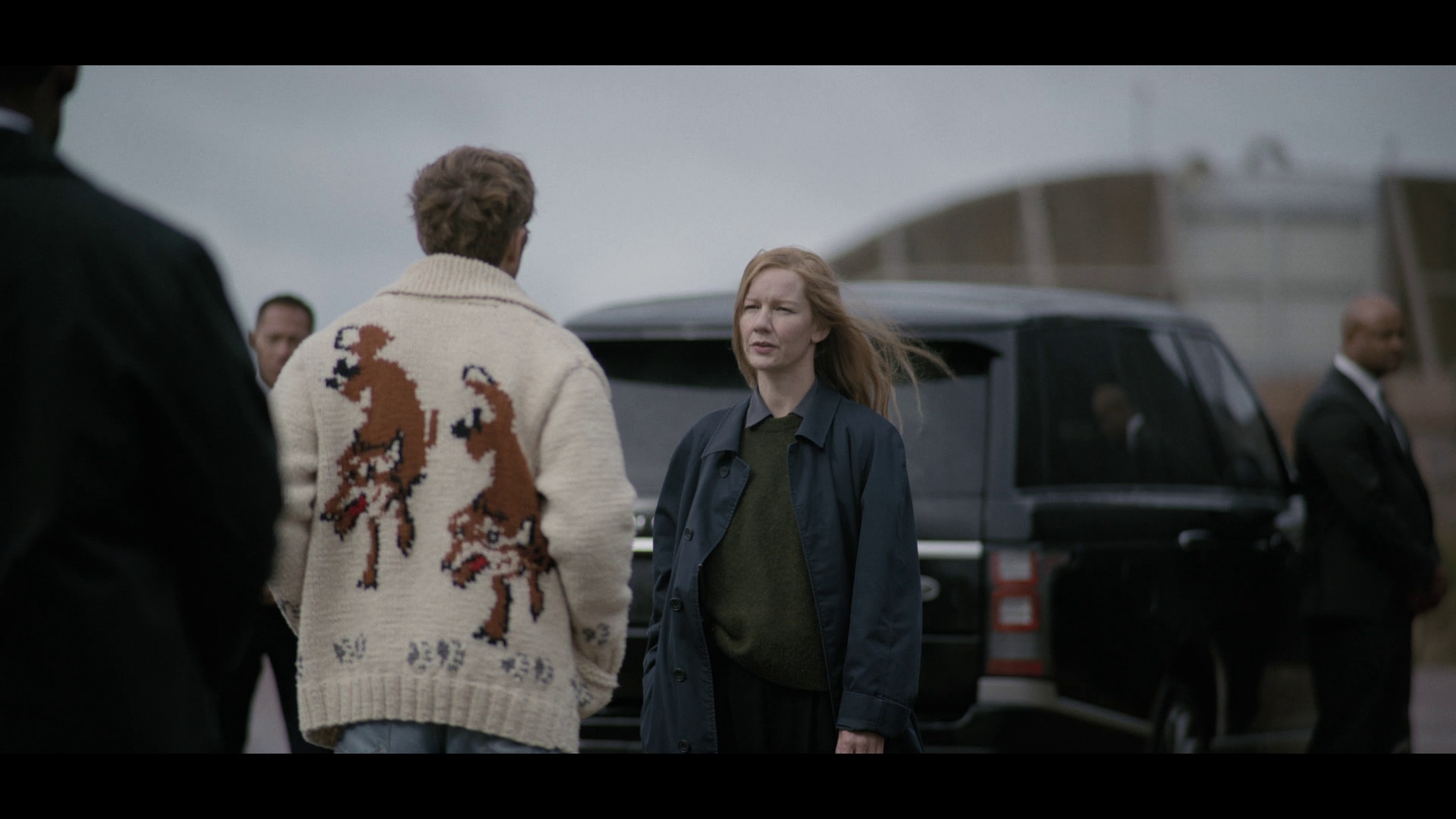
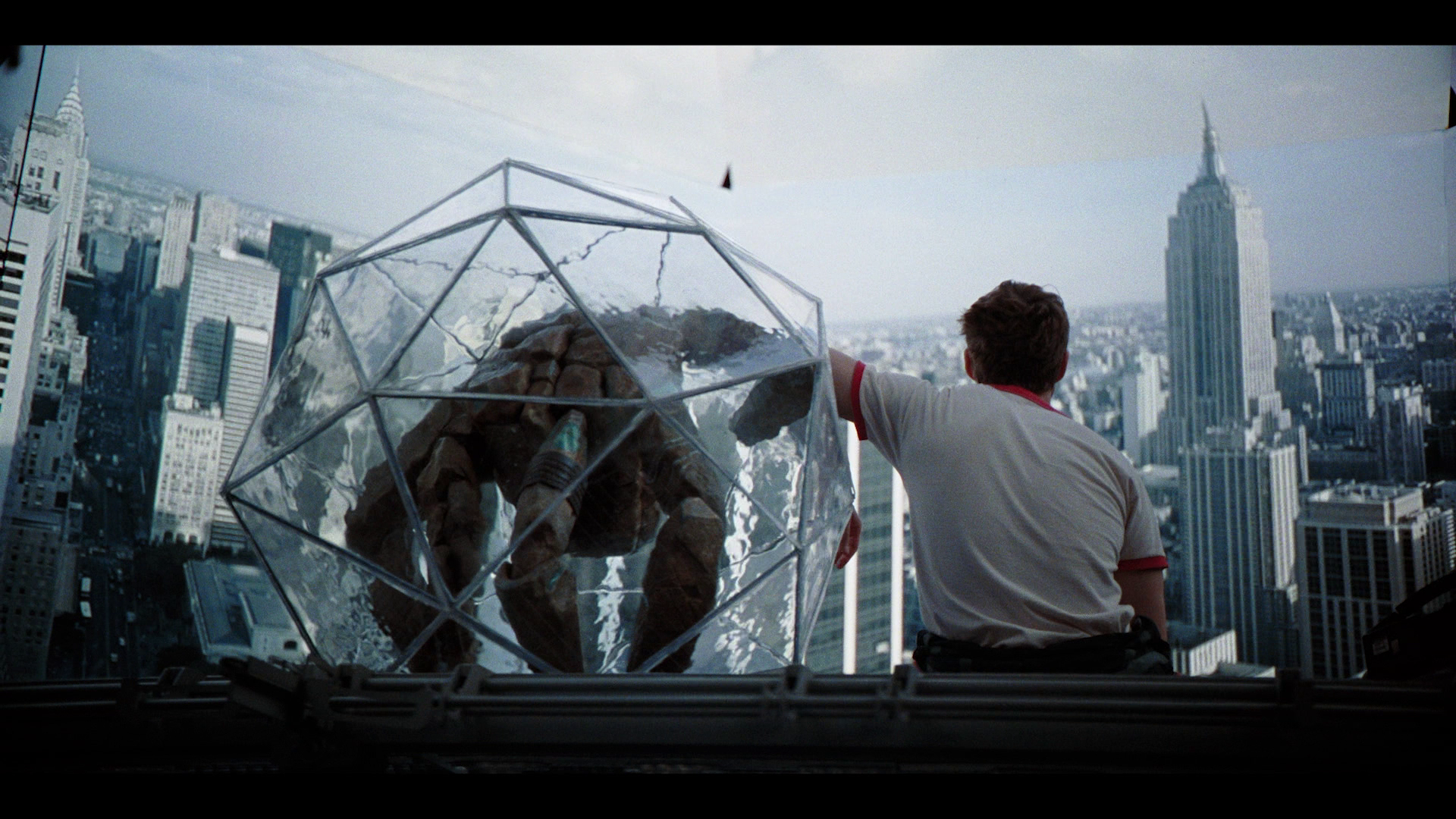
It’s a big, beautiful adventure, photographed by Greig Fraser with the intention of being seen in split-format IMAX: The voyage of the Hail Mary is presented at full, overwhelming height, while Grace’s returning memories arrive in conventional widescreen, showing us how he ended up working alongside sympathetic project leader Eva Stratt (Sandra Hüller) – and a thousand other scientists – to figure out the nature of the crisis and develop the mission to Tau Ceti. And as the details accrue, the real themes of Project Hail Mary are revealed. That’s as much of a magic trick as anything else in the picture – practical sets, the use of tactile physical effects and puppetry wherever possible. There’s plenty of digital work too, of course, but Lord and Miller understand that actors like to touch things.
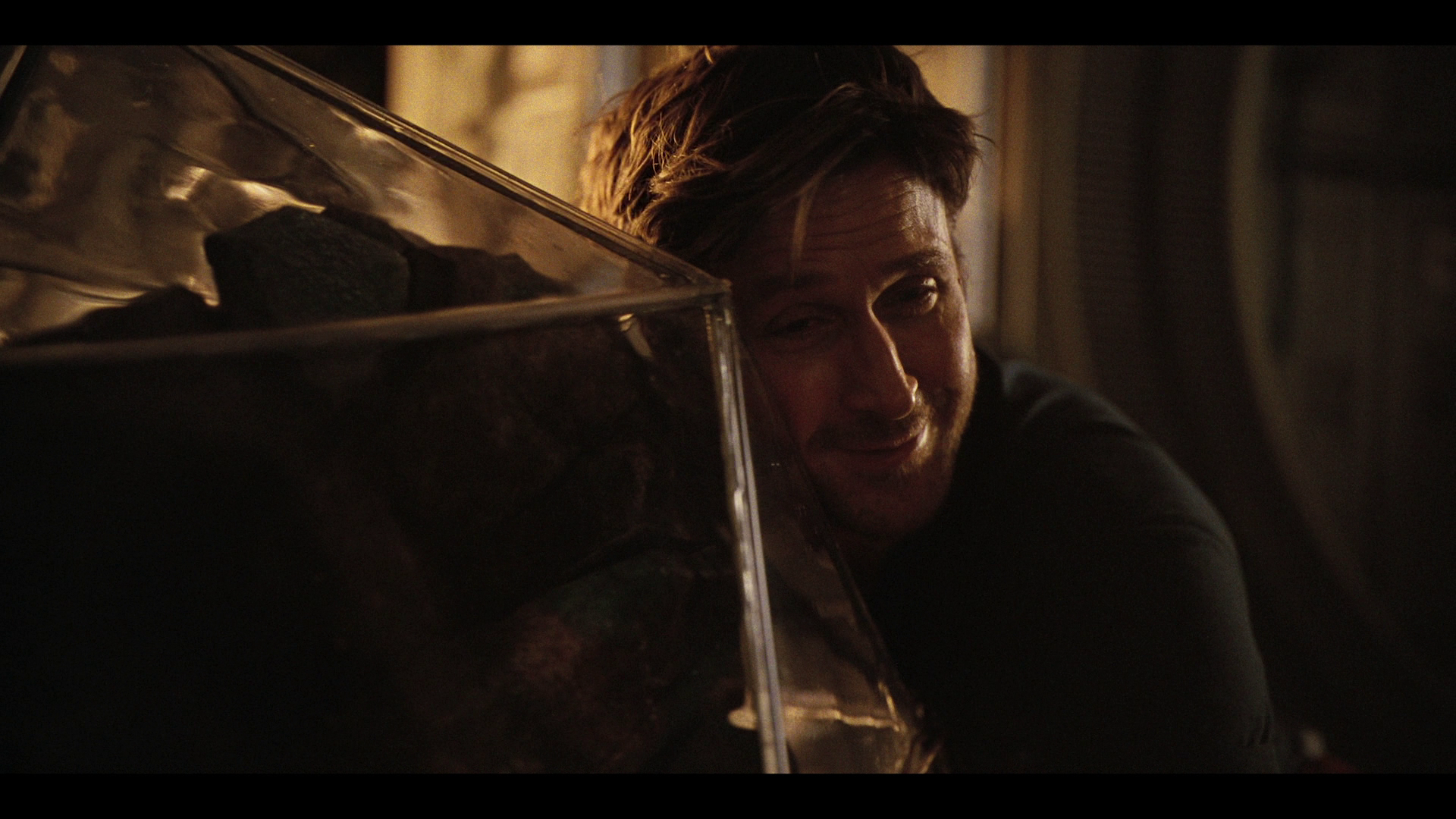
Have I piqued your interest? Do you want to see Project Hail Mary? You do. You want to see Project Hail Mary. If nothing else, it proves that any movie where Sandra Hüller sings beats everything else in the multiplex.
Alliance’s 4K release of Project Hail Mary is a slight compromise of the IMAX 15/70 theatrical experience, cropping the full-height footage from 1.43:1 to 1.78:1. It’s more or less the way the film was screened in “IMAX Experience” venues. The intended impact of the split-format presentation still carries through, with those Earthbound flashbacks giving way to the majesty of Grace’s voyage, over and over again. It’s a flawless disc, with a beautiful 2160p/Atmos presentation that’s deeper and richer than the version currently streaming on Prime Video. You just can’t beat the bandwidth of a BD-100.
And this is the first Amazon MGM Studios disc to get the special-edition treatment since the Shout! Studios release of Bones and All, which followed a bare-bones Blu-ray from Warner. Lord and Miller are such enthusiastic filmmakers that I knew they’d want to share as much as they can about this one, and both the 4K and Blu-ray arrive with a typically engaging audio commentary, about ten minutes of deleted scenes and a featurette about the construction and creation of Rocky, “Earth’s Favorite Eridian.” But another edition is on its way in October – an Amazon-exclusive 4K/Blu-ray steelbook offering a second 4K platter which, if you zoom on the image below, clearly contains the IMAX 15/70 version.
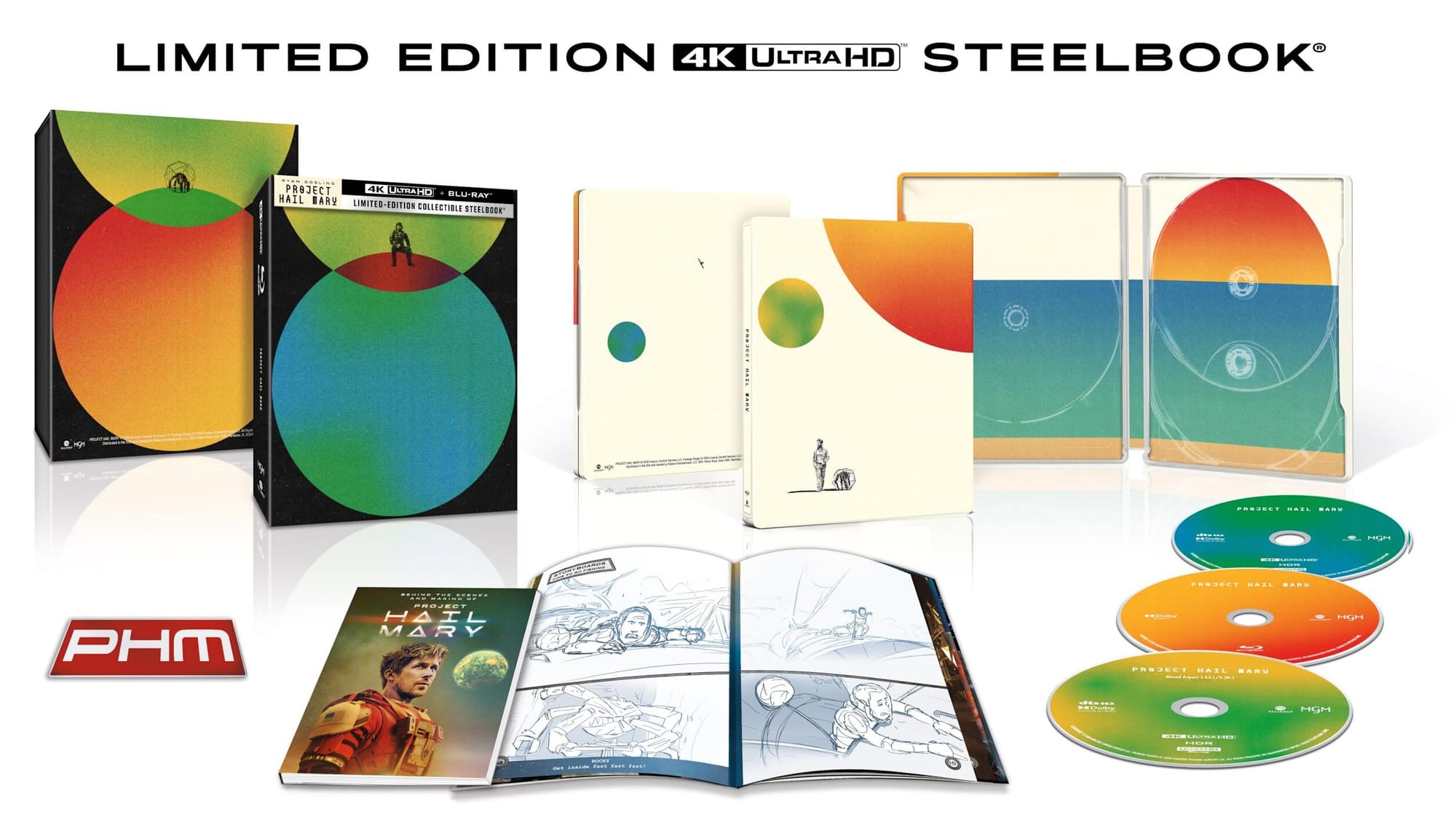
I’m very excited to see what it looks like.
PHM isn’t the only genre project movie about an isolated protagonist arriving on disc this week. In fact, there are three of them, which I don’t think anyone saw coming.
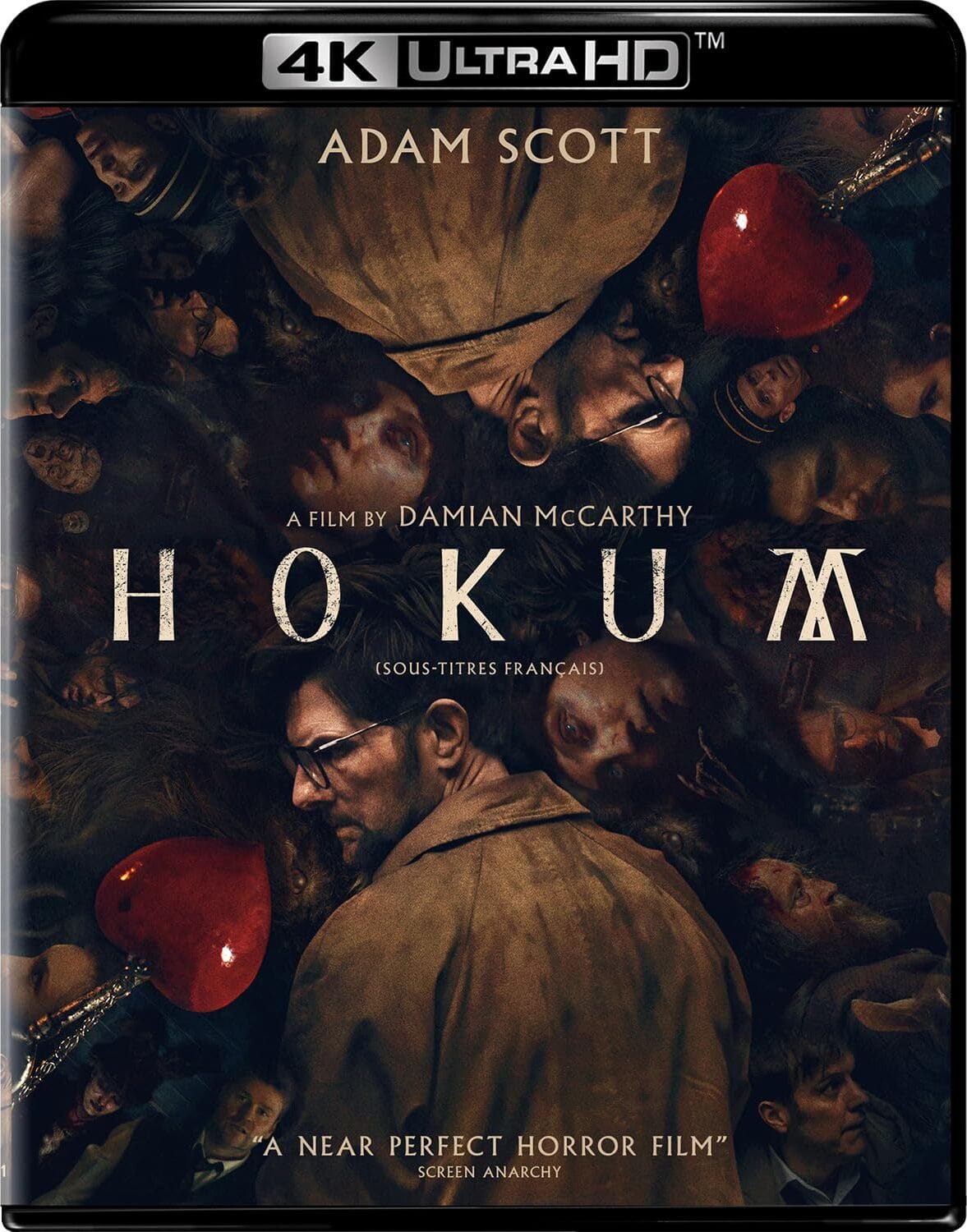
I would call myself an admirer of Damian McCarthy’s previous creepers Caveat and Oddity, if not an actual fan; I appreciate what McCarthy’s attention to atmospheric detail and his production design is consistently unsettling in the best possible way, but both films struck me as a little hollow in the center, lacking something that would turn them from a collection of disparate ideas into a cohesive, affecting work.
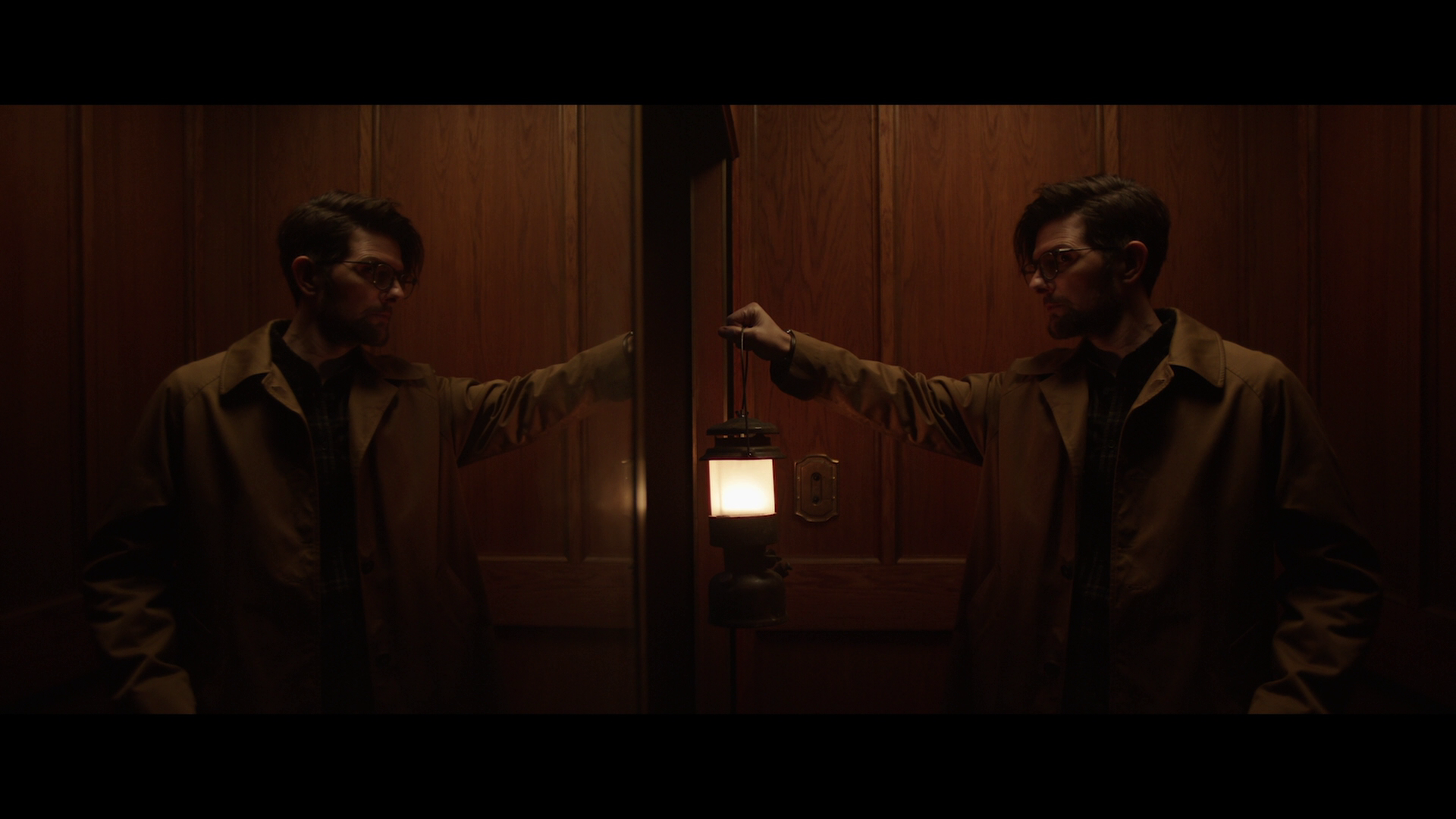
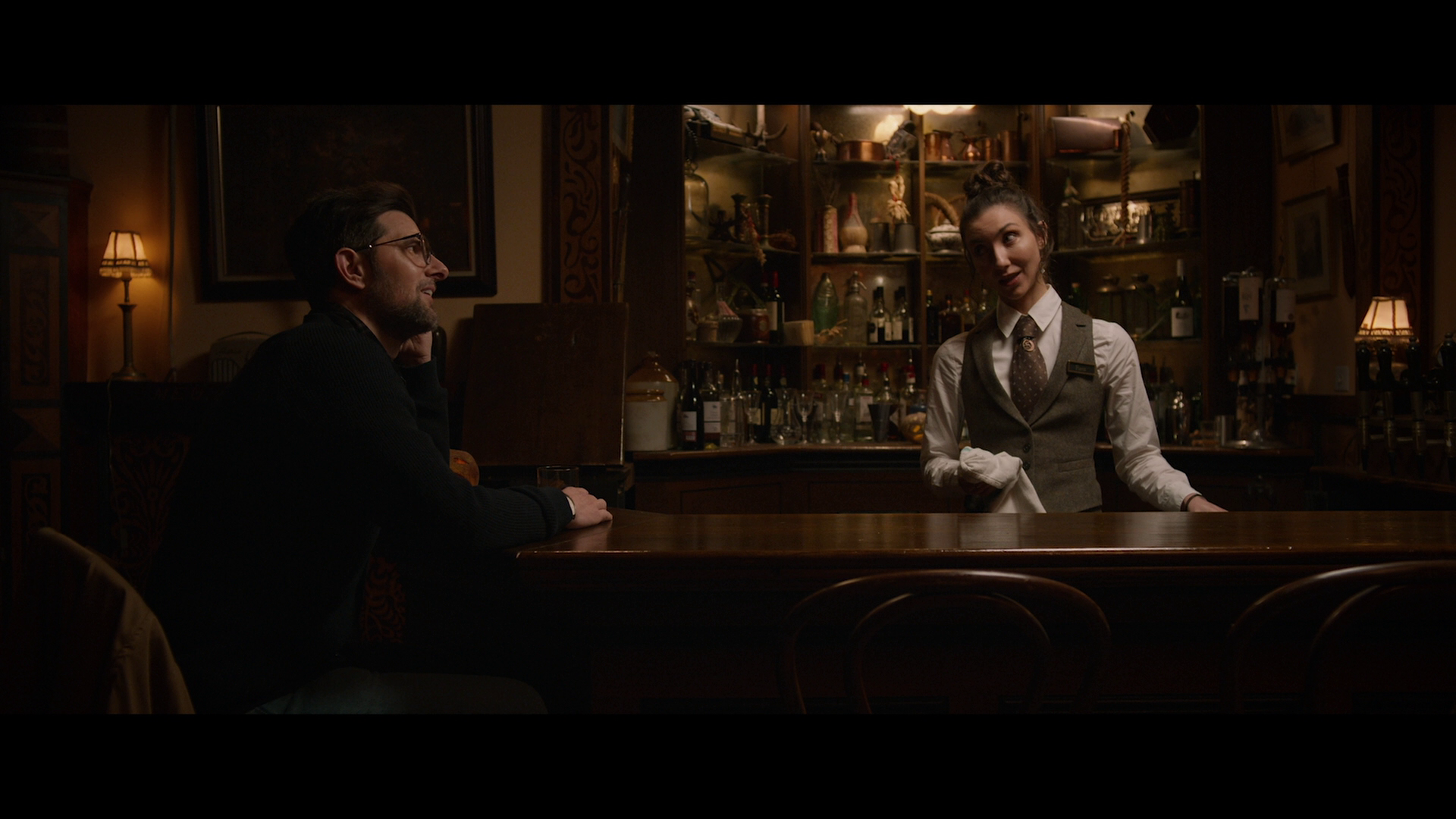
Hokum finds that invaluable center, focusing on a single character as he goes through a very personal gauntlet. Ohm Bauman, played by Adam Scott, is a successful genre novelist who’s come to a remote village in Ireland to scatter his parents’ ashes at the base of the redwood tree they visited on their honeymoon. And once he’s done that, he returns to the hotel where they stayed to get drunk and passive-aggressively insult the staff, because Ohm’s a bit of a condescending prick. He has his reasons, and eventually he strikes up a real conversation with hotel bartender Fiona (Florence Ordesh), who tells him about the witch that’s bound up in the honeymoon suite.
Alby the bellhop (Will O’Connell) has a story about seeing her too, but Ohm just wants to get drunk and go back to his room. Which he eventually does. And then, a little while later, Will discovers that Fiona has gone missing, and even though the hotel is closing for the season he joins local weirdo Jerry (David Wilmot) in a last-ditch search of the building. And that does not go well at all, with a series of events that lead to Will being locked in that haunted suite, all alone. Unless he isn’t.
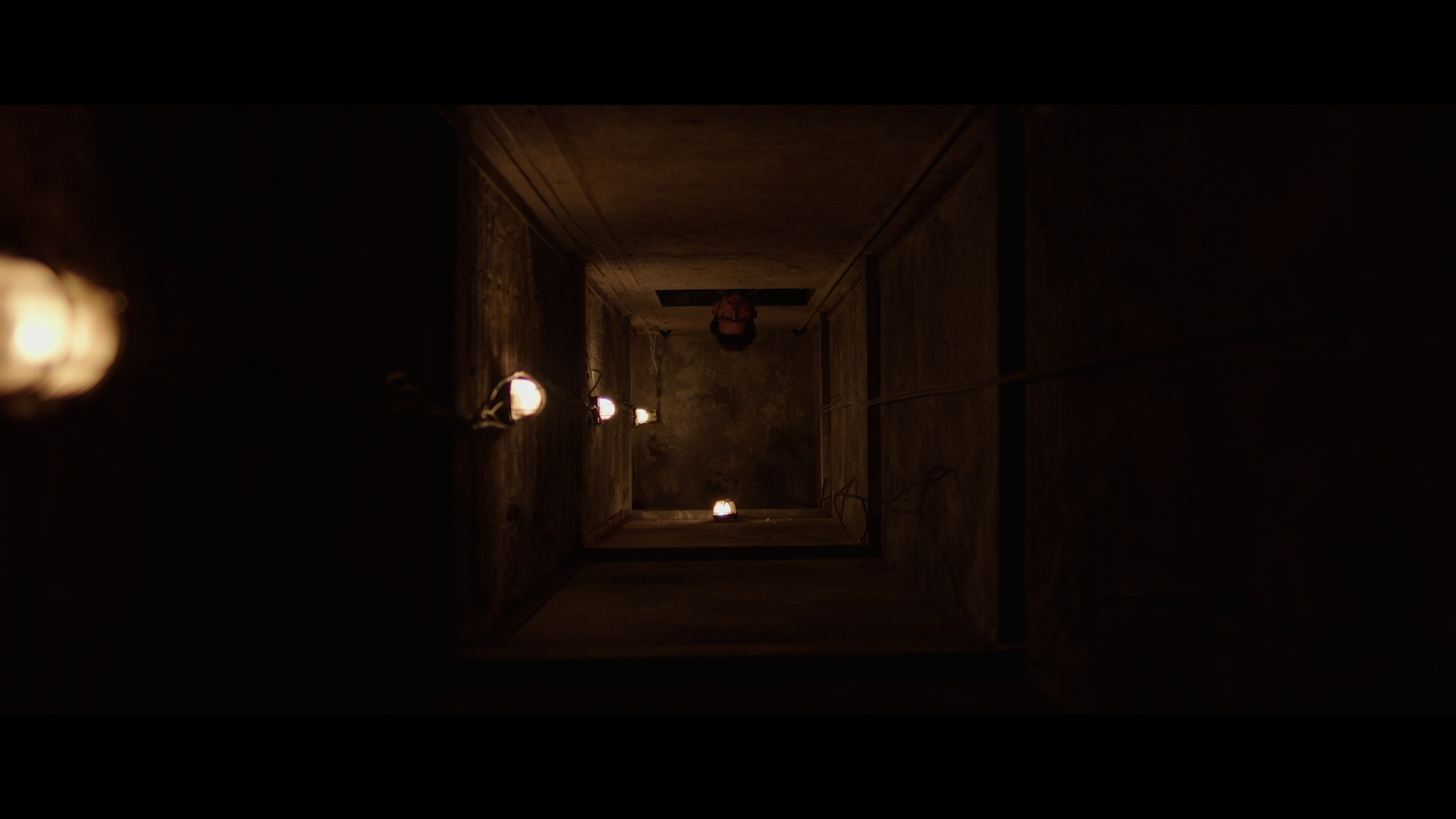
The sharpest thing about Hokum is that McCarthy isn’t interested in playing games with the audience, laying out what’s happening – and what’s already happened – with a couple of elegantly deployed flashbacks in the first half of the picture. Ohm isn’t trying to solve a mystery, he’s trying to survive and tell the tale – just like the protagonist of every fable or fairy story in the old book Fiona showed him, and which has found its way into Jerry’s possession. But there are some things from which a circle of chalk can’t protect you.
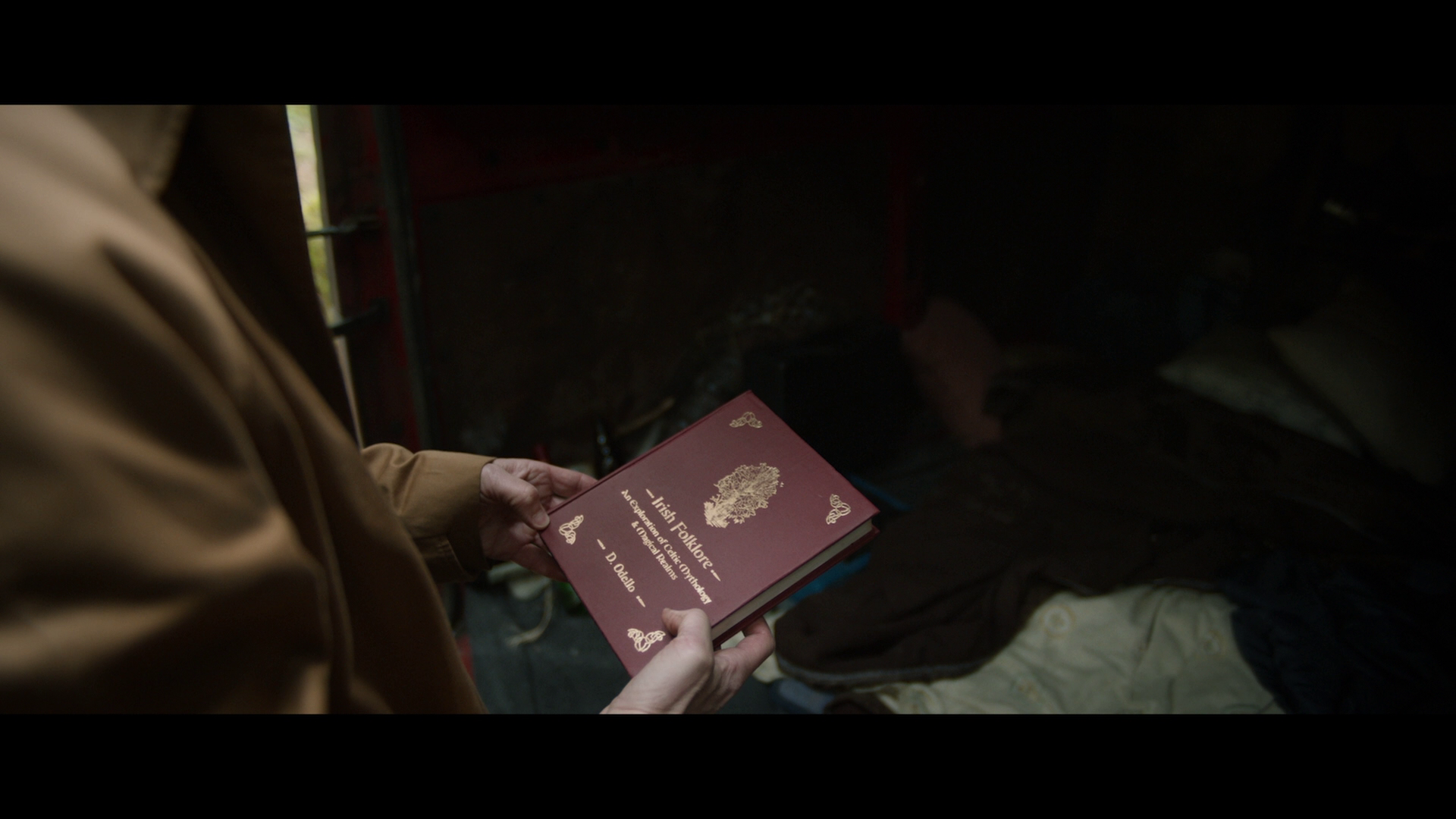
McCarthy structures Hokum so that Ohm is alone, and mostly silent, for the bulk of the picture, which gives Scott – one of the great talkers – the opportunity to do something completely different as an actor, and he acquits himself expertly. As with Project Hail Mary, we’re watching someone who’s very smart and very capable placed in a situation for which he is in no way qualified, and forced to think his way through a series of terrifying challenges.
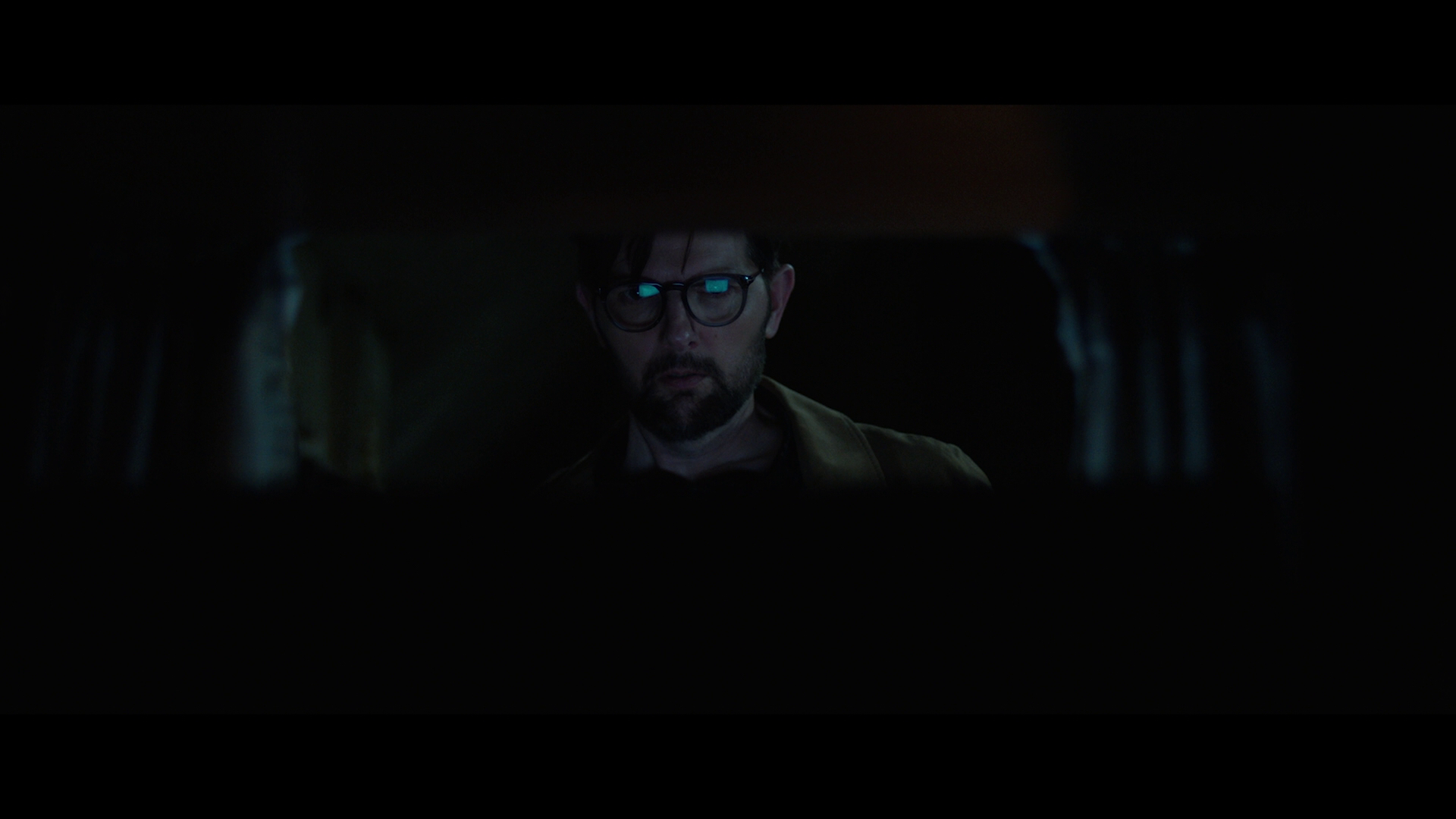
It’s just that in Hokum the challenges really are terrifying, immersing both Ohm and the audience in a dread so dense we can almost feel it gathering around us. (We can certainly hear it; McCarthy is another filmmaker who really understands how to work a sound mix.) It’s the movie all the Insidious films want to be, a slow-burning creeper that understands few things are as disturbing as the things we already carry inside us.
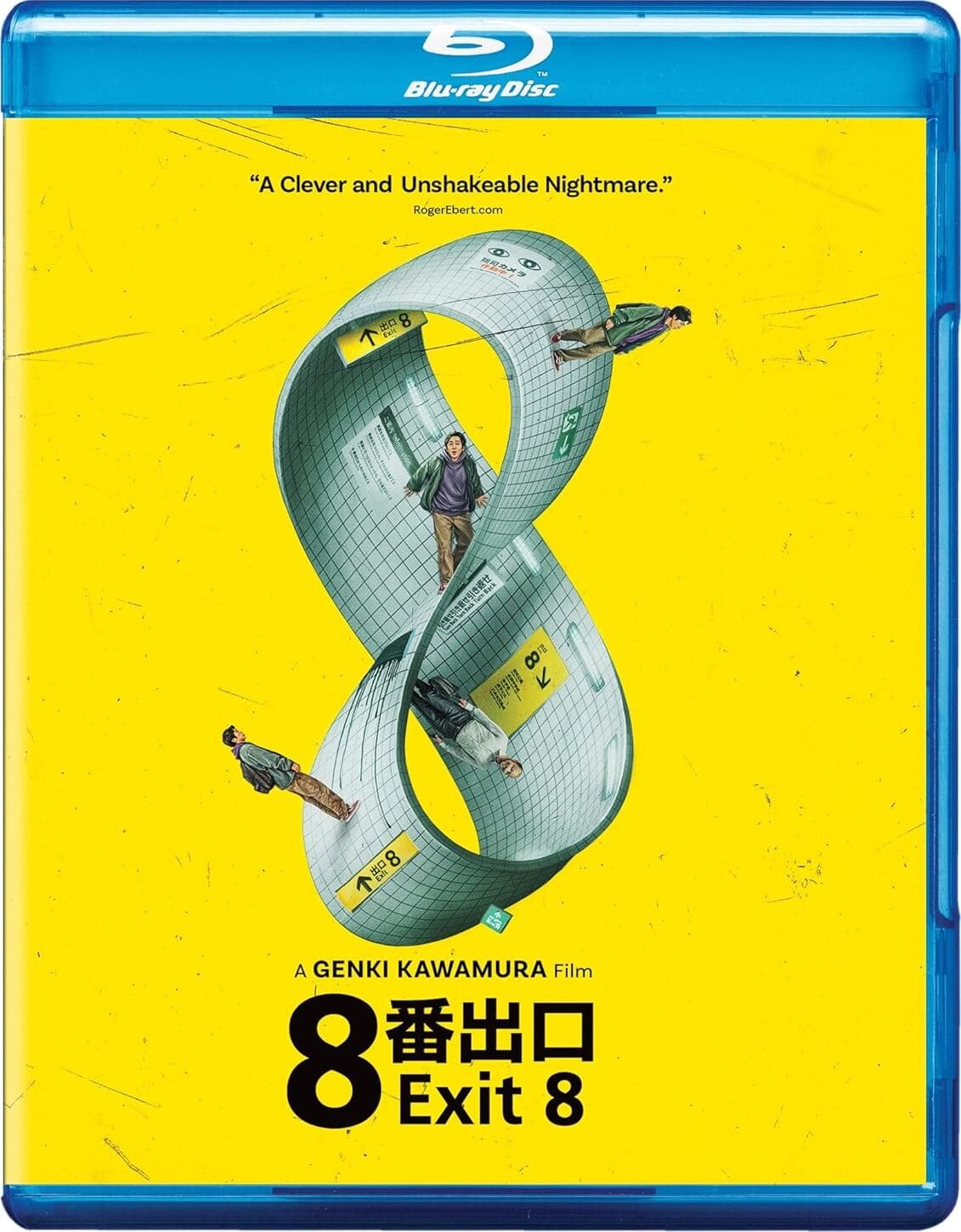
And if you want to watch someone literally solve a puzzle, check out Exit 8. Genki Kawamura’s psychological chiller – about a young man condemned to walk through the same subway corridor over and over again until he solves its challenge – is itself an adaptation of Kotake Create’s deliberately repetitive 2023 computer game, which challenged players to spot the differences in its single location in eight consecutive rounds. Failure to retreat after noticing an anomaly reset the counter to zero; mistakenly retreating from a walkthrough with no anomalies did the same. The game works because you are the person playing it; the challenge in a film version is to give a passive audience a reason to keep watching.

The solution that Genki and co-writer Kentaro Hirase have found is a backstory of sorts for its protagonist (Kazunari Ninomiya), known only as The Lost Man: He’s already numbed out by repetition, riding numbly through his morning commute when his ex calls to tell him she’s pregnant and uncertain how to proceed. Promising to meet her at the hospital, our hero gets off at the right station but takes the wrong stairwell, finding himself walking the same 100-yard labyrinth over and over – taking the same turn, seeing the same posters, and being blanked by the same dead-eyed businessman. Except that sometimes he reacts, and that’s scarier.
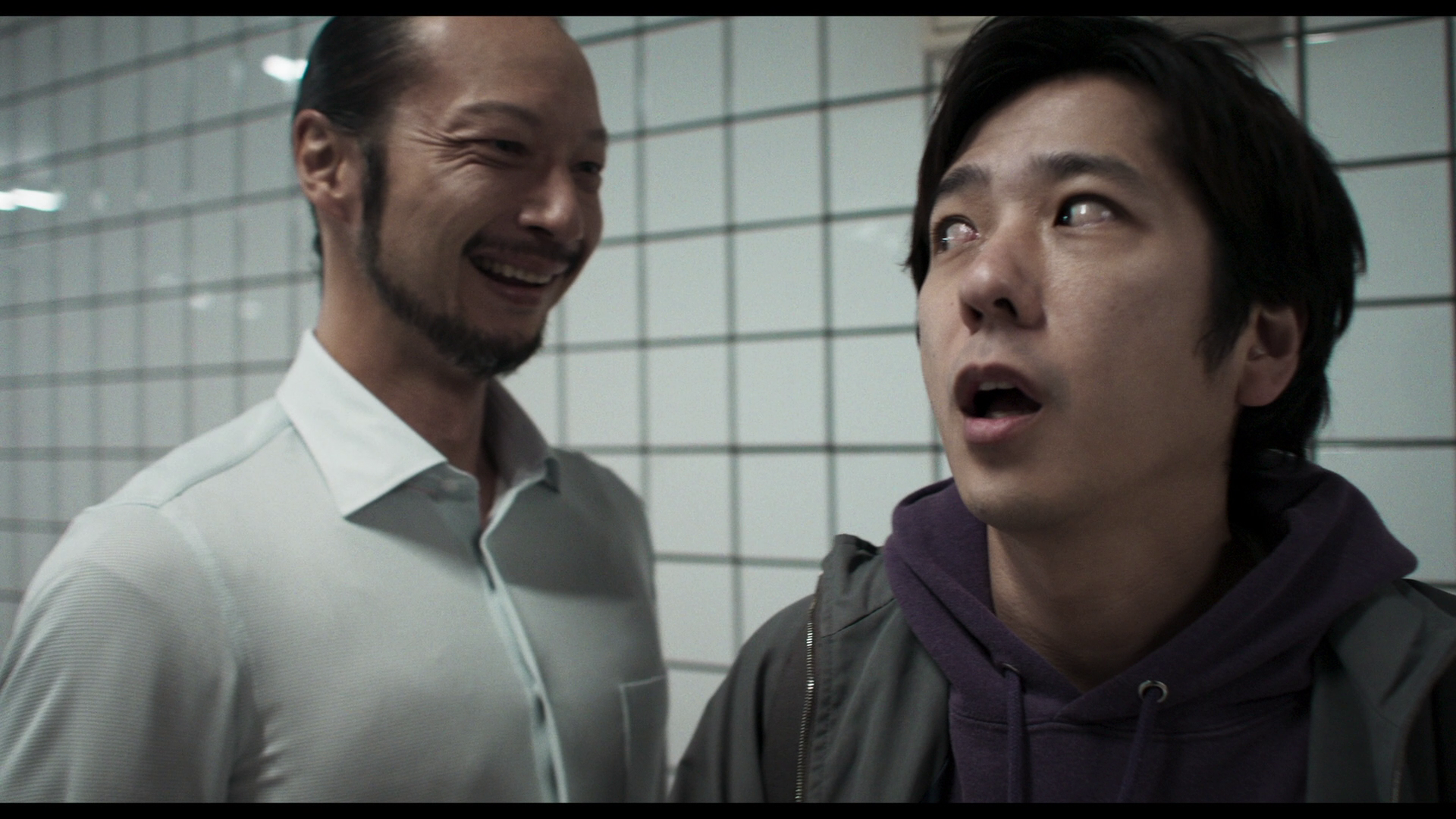
Pacing is everything in a movie like this, and Exit 8 understands the importance of balancing its conceptual stasis with the need to complicate or expand the action; just when you think you can’t stand another cycle, the movie finds another angle on its narrative, and then another, building new levels to its environment without ever leaving it. (J-pop fans will get an extra buzz from the sight of former Arashi heartthrob Ninomiya as the crumbling protagonist, but even if you’re unaware of his past – as I was – it’s a good performance, with confusion and existential panic giving way to a sort of serenity as The Lost Man wakes up to the possibility of escape.)
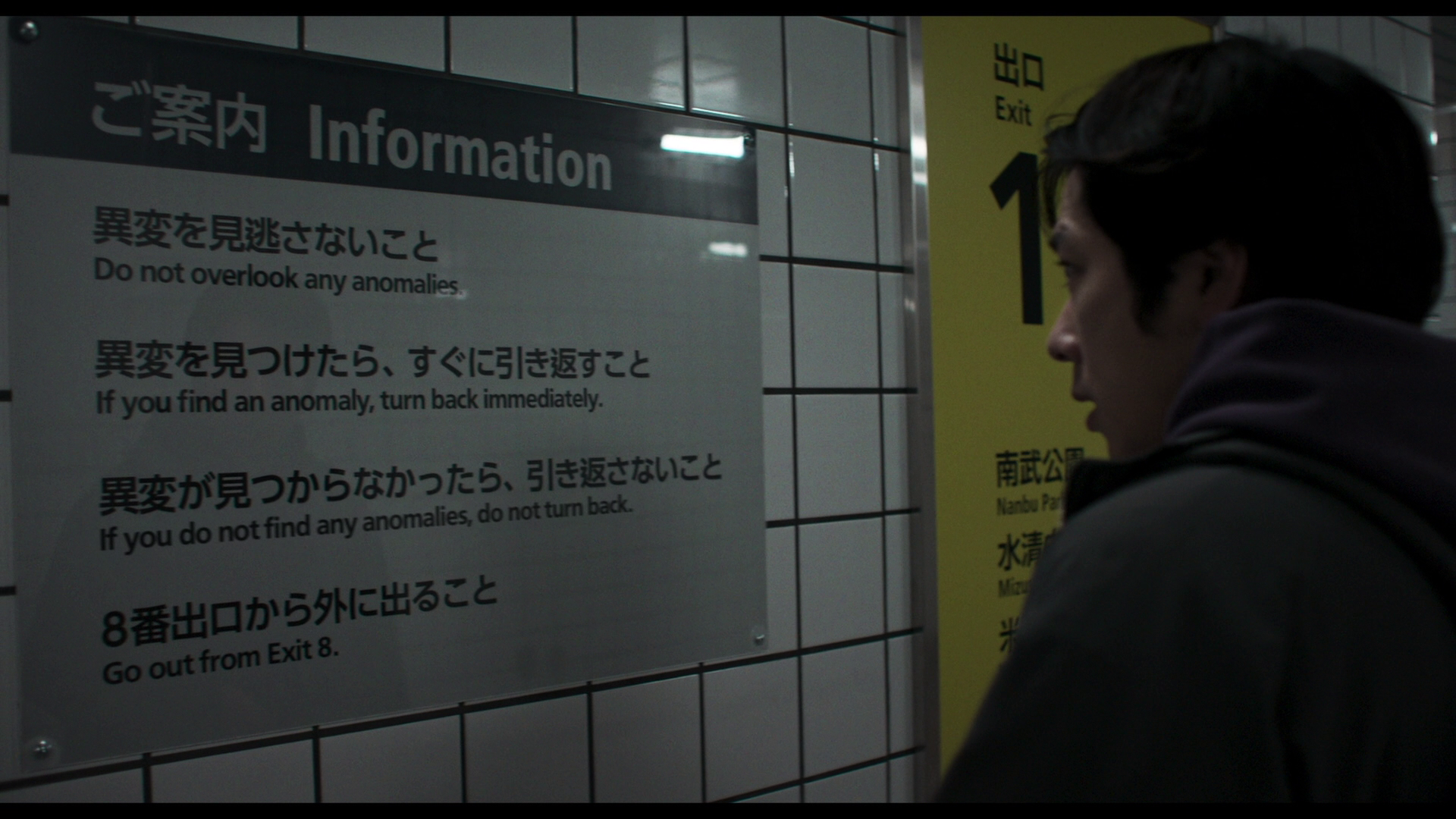
Exit 8 premiered in Cannes’ midnight series last year, which maybe gave audiences the wrong expectations; TIFF booked it in the Centrepiece programme. (Boy, do I miss Vanguard.) I’d personally hesitate to call this a horror movie … though anyone who’s ever experienced hyperfocus will understand why it’s scary. And everyone else can still feel the despair of being stuck somewhere you really don’t want to be.
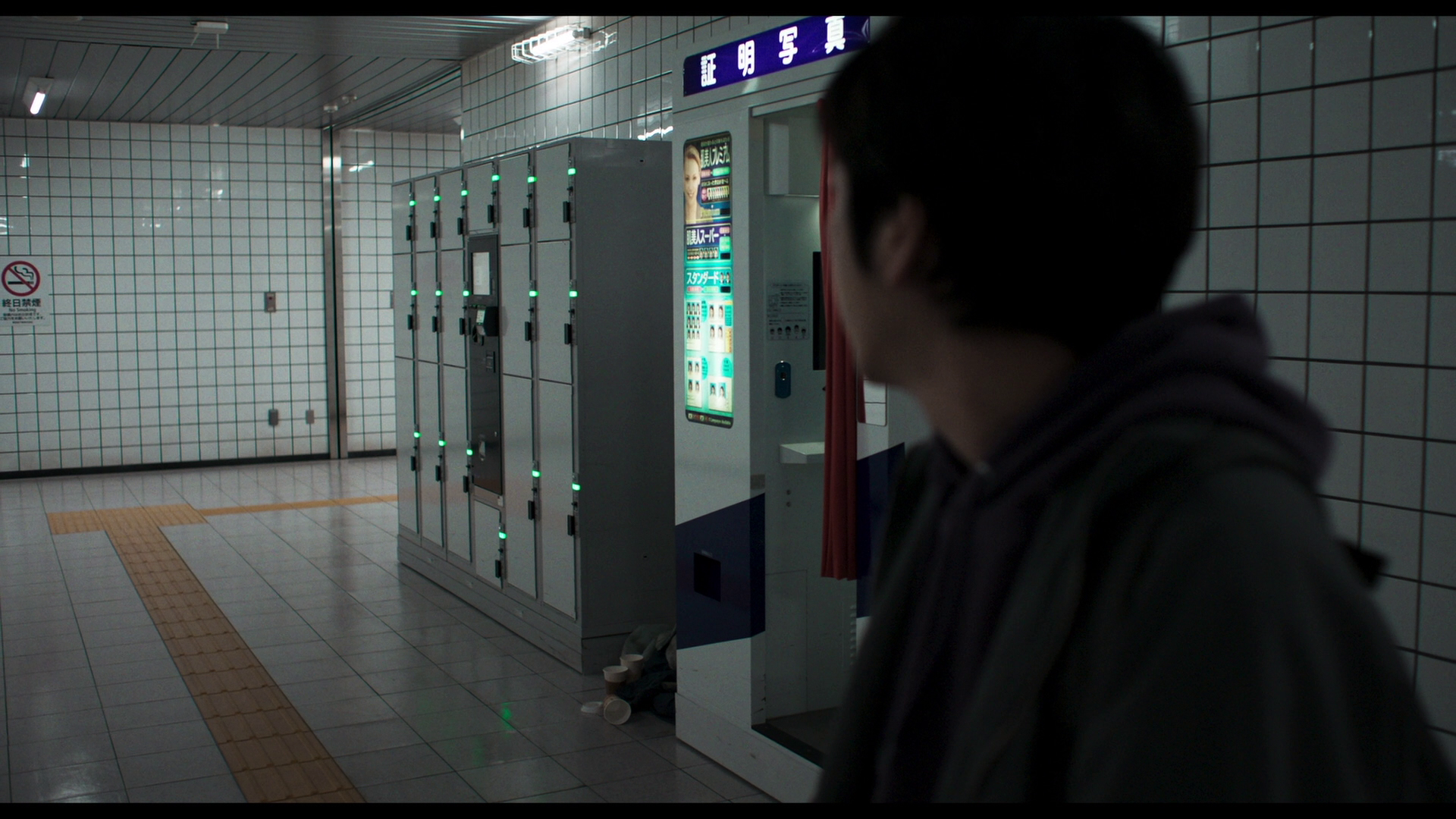
Decal’s Blu-ray – available in Canada from Elevation Pictures – offers a terrific hour-long documentary with the creative team walking us through each stage of production in thoughtful and philosophical interviews. (Director Genki name-checks the experimental work of Antonio Gaudi and Frank Gehry in the opening moments, and co-writer Hirase invokes Denis Villeneuve’s Arrival as an emotional touchstone.) It’s deliberate and thoughtful, and of course it’s divided into eight chapters, from development to the last day of photography. For post-release context, there’s also a Q&A with Genki, Ninomiya and Yamato Kôchi – who plays the Walking Man – at the Busan film festival.
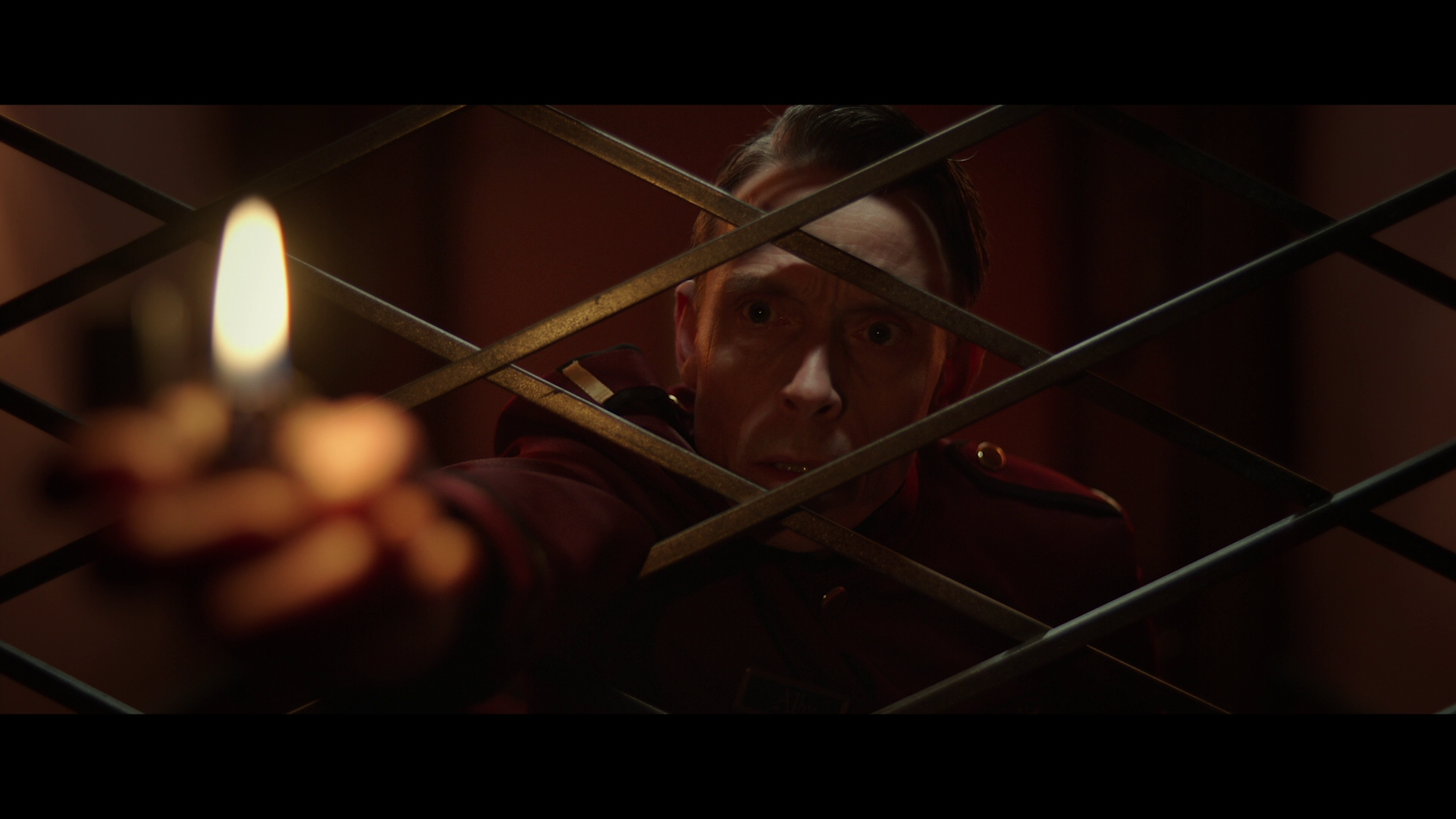
Decal is releasing Hokum as a 4K/BD combo, and the UHD platter is a beauty, finding endless complexity in the encroaching darkness of Ohm’s journey – and disquiet aplenty in the 5.1 DTS-HD mix. (There’s also a descriptive audio track, which is a trip in itself.) Extras include an audio commentary from McCarthy, who professes a love of haunted-hotel movies “where somebody checks into a place they really shouldn’t.” There’s also a modest making-of with appearances from McCarthy, DP Hogan and most of the cast, and “Jack the Donkey: A Family Favorite,” a brief black-and-white clip of the black-and-white children’s entertainer (Will O’Connell, who also plays Alby the bellhop) that haunts Ohm’s nightmares. The teaser and trailer are also included.
Project Hail Mary is now available in individual 4K and Blu-ray editions from Alliance Home Entertainment; Exit 8 is available on Blu-ray and Hokum is available in a 4K/BD combo edition, both from Decal Releasing in the US and Elevation Pictures in Canada.
Up next: There’s something kind of doomy about this month’s catalogue wave. Like, apocalyptic. But first, you’re going to want to catch Friday’s What’s Worth Watching dispatch for paid subscribers. Not on that tier yet? Consider an upgrade! It’s practically painless!