
Twice Told Tales
In which Norm spins up the new releases of HAMNET and THE RUNNING MAN, featuring parents dealing with their issues in very different ways.
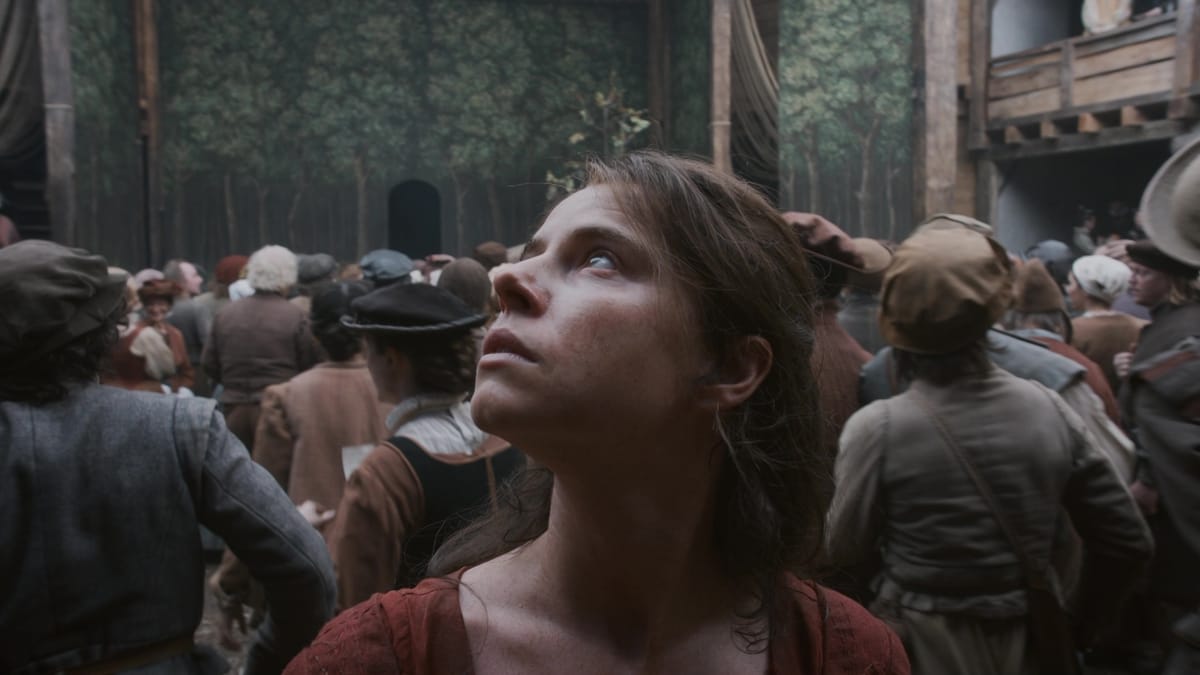
If you listened to Blake Rice Edwards’ episode of Someone Else’s Movie last month, you know I wasn’t a huge fan of Chloé Zhao’s Hamnet.
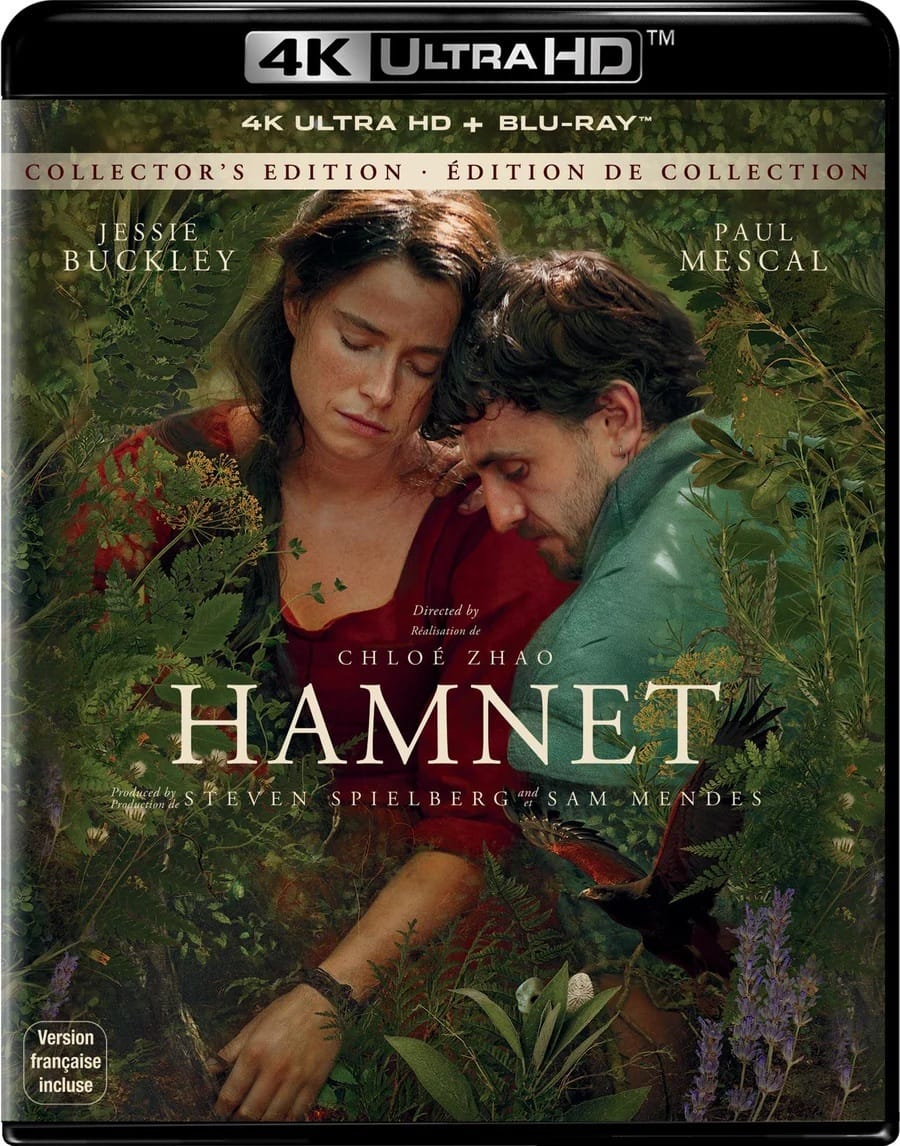
I don’t dislike it, I guess; as a drama, it does what it sets out to do, and its performances and production values are unimpeachable. Zhao takes Maggie O’Farrell’s novel about a young wife and mother in Tudor England struggling with the unbearable loss of her young son, and filters it through the same observational/ecstatic lens she applied to The Rider and Nomadland.
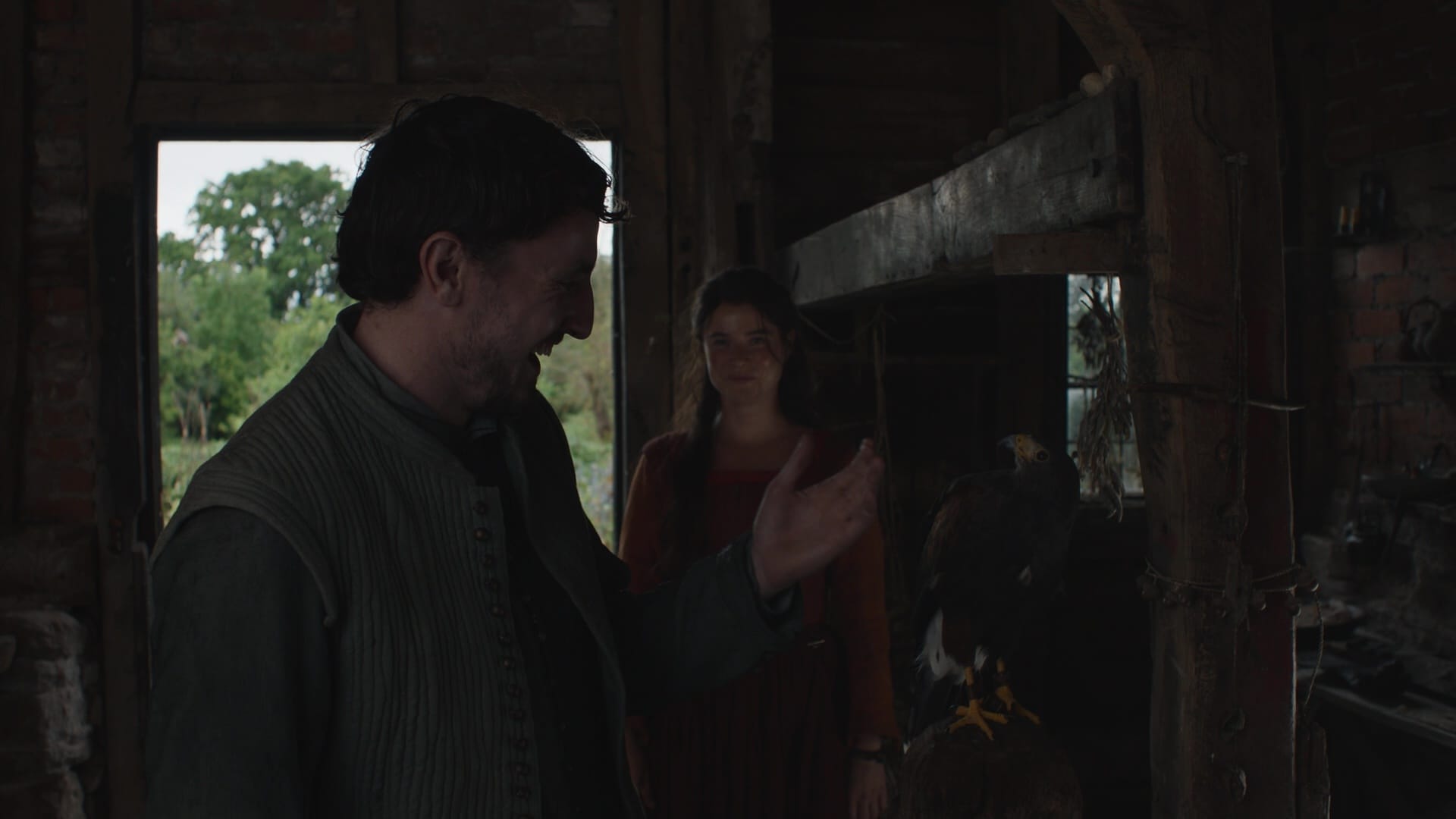
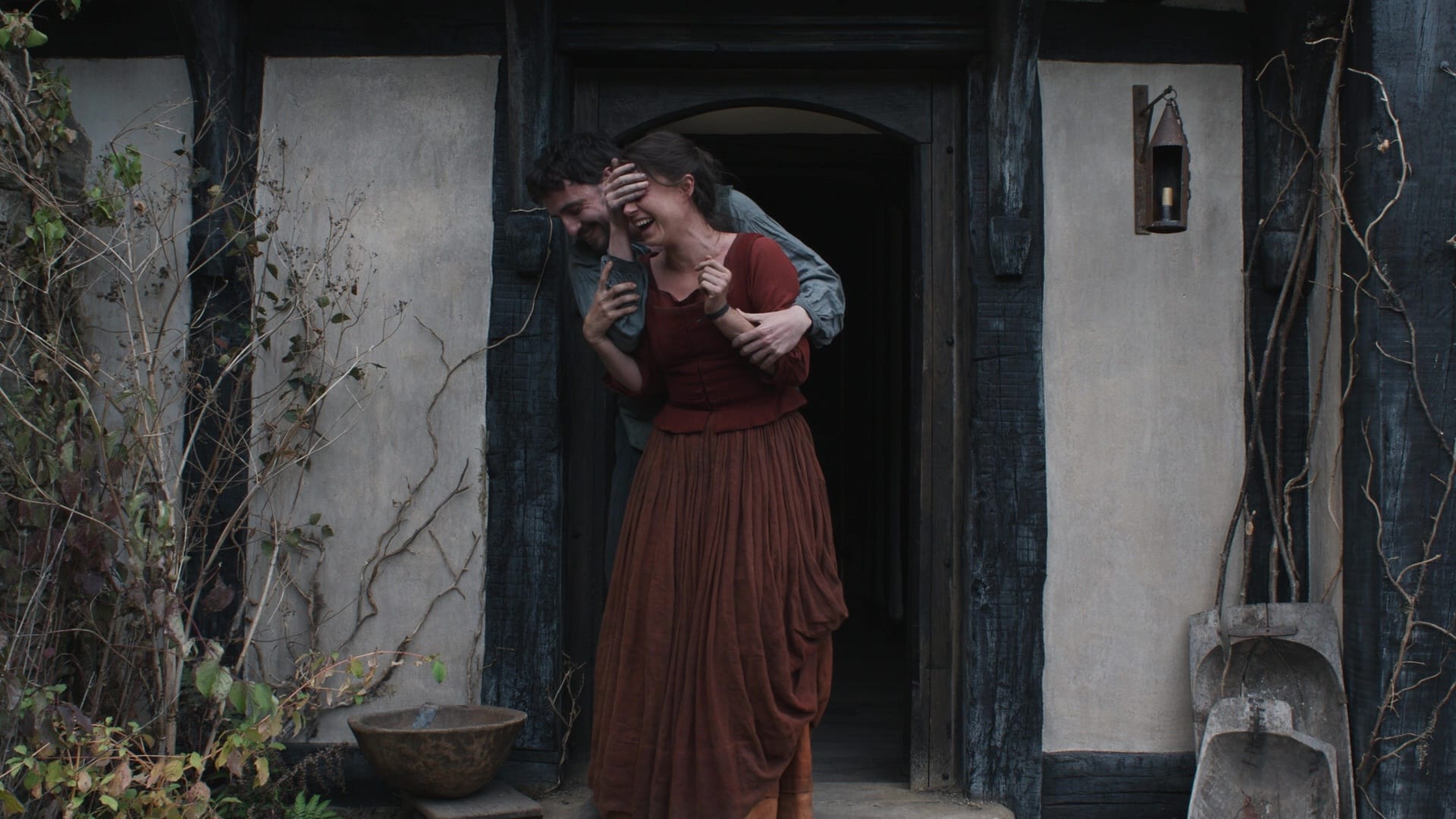
As a dramatic gambit, that works just fine. We open with the courtship of Jessie Buckley’s Agnes by Paul Mescal’s rakish Will, played out in glades and shadows as though he was courting a forest nymph. Agnes is attuned to the rhythms of the natural world – in a modern-day version of this story, she’d be “earthy” – while Will, an aspiring writer, spends a lot of time in his head. But they balance each other out: She loosens him up, and he gives her the physical affection she craves. Pregnancy follows, with marriage close behind; Agnes will bear Will a daughter, Susanna, and then twins Hamnet and Judith. And this being the late 1500s, not all of them will survive.

Hamnet is an actors’ picture – and again, I don’t mean this in a derogatory fashion. Buckley and Mescal are two of the livest wires in contemporary British cinema, and just casting them opposite each other is enough to vault a picture into the awards-season conversation, especially once (spoiler, I guess) the plague arrives and takes Hamnet.
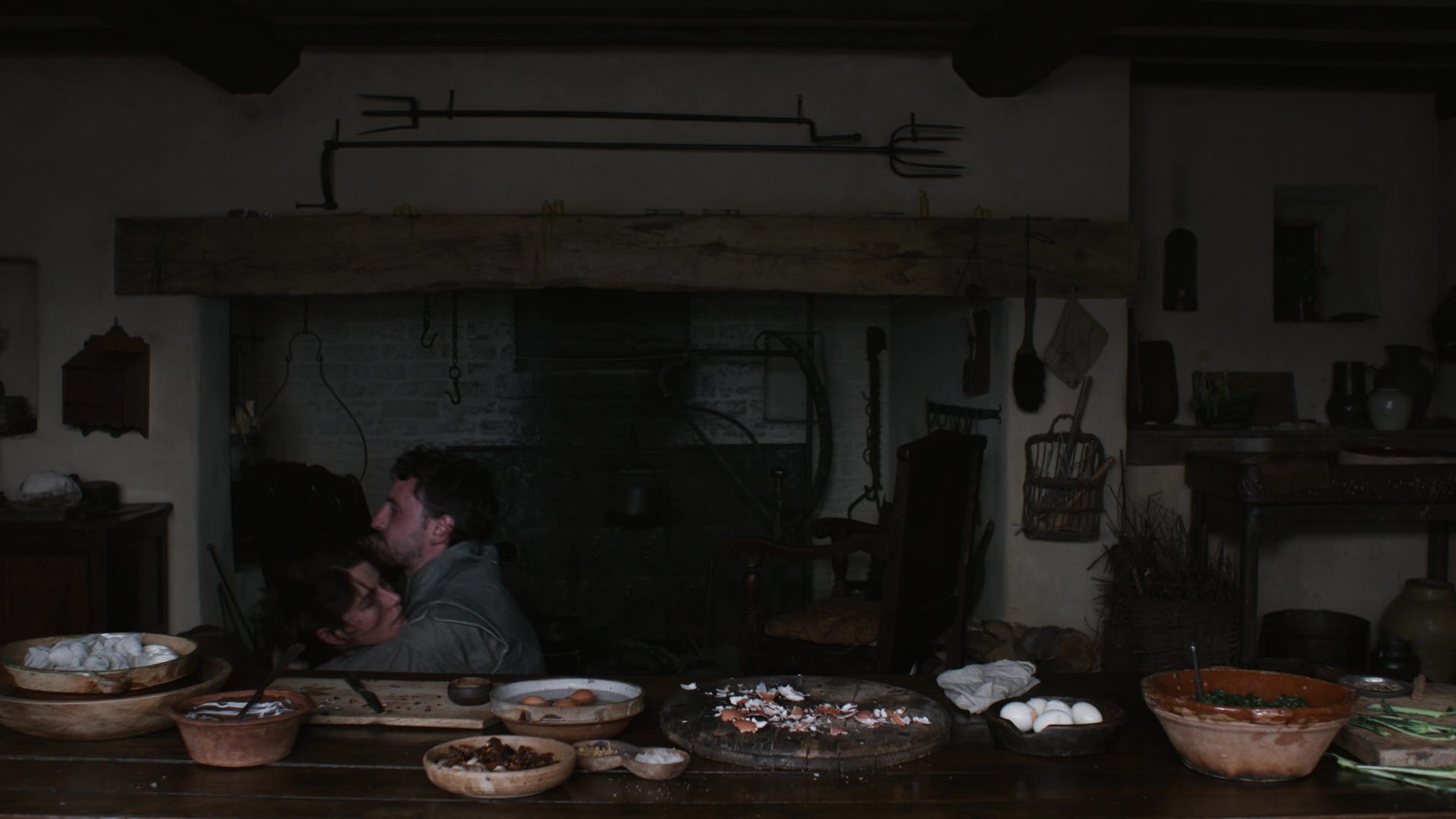
The players give their all here, Buckley smiling and weeping and wailing and fighting and doing all of the things you want Jessie Buckley to do in front of a camera, and Mescal receding further and further away from her as the driven Will, who cannot deal with either his wife’s grief or his own, running off to London to bury himself in his work. Time passes, and Agnes eventually travels to see what her husband has made of himself, finding herself in the audience for his new play about a grieving son determined to avenge the father who was ripped away from him. You might have heard of it.
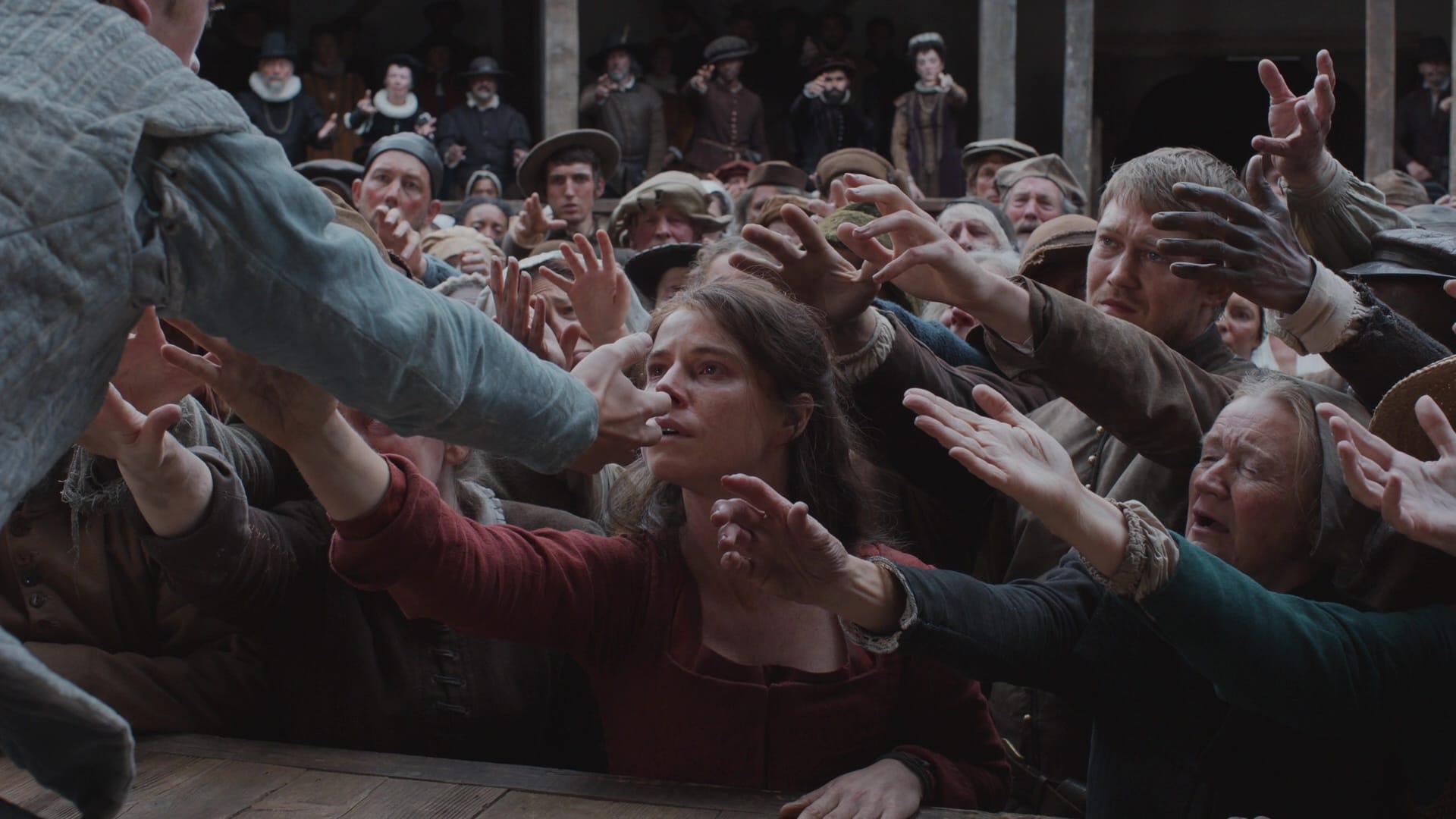
As a project to recover from the disaster that was Marvel’s Eternals, which in fairness was not entirely Zhao’s fault, this was a pretty good bet, and the film’s reception on the festival circuit – winning TIFF’s People’s Choice award, Zhao’s second after Nomadland took the prize in 2020 – led to a strong theatrical run and a good number of year-end awards. It is the most crowd-pleasing thing Zhao has made, and while I don’t want to yuck anybody’s yum, it didn’t really work for me at all.
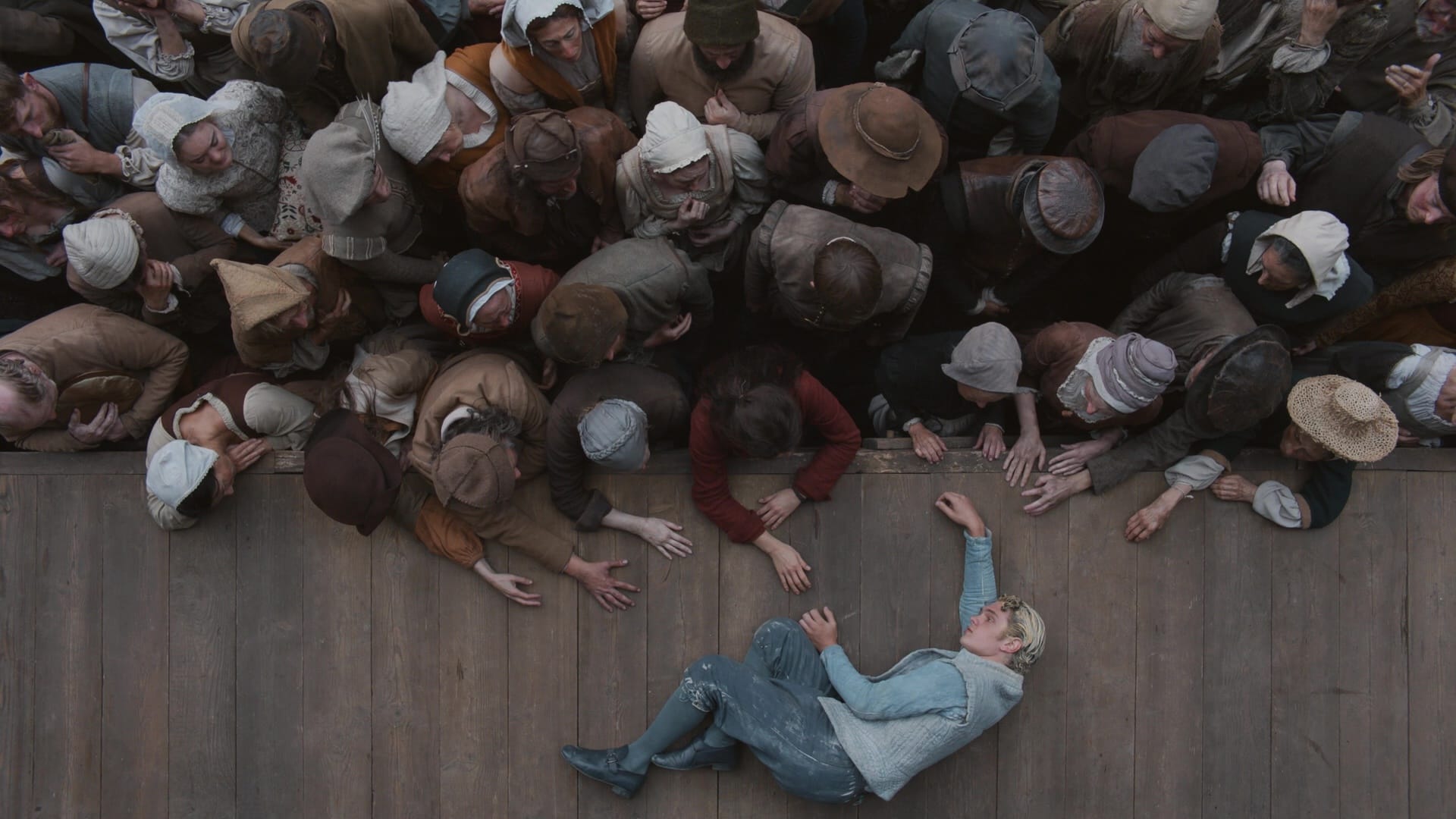
Hamnet is impeccably put together, and the actors – not just Buckley and Mescal but the entire cast – are fully invested in their performances. It all builds to an effective catharsis, but the whole thing felt oddly condescending to me, as though the movie needs to validate its audience for knowing who William Shakespeare was, and what Hamlet is about. But who doesn’t know that? Or more specifically, what person who doesn’t have that information would buy a ticket to a movie called Hamnet? The story goes exactly where Zhao tells us it will in the very first frame. Did I need to be there for any of it?
Back when The Rider came out, I expressed reservations about Zhao’s use of non-professional actors and the queasy sense that she was exploiting their personal stories – encouraging her audience to gawk at aestheticized suffering rather than empathize with or understand her subjects. Nomadland felt more genuine in its compassion, with Frances McDormand serving as our guide through its communities of disenfranchised gig workers. With its hand-holding opening text and its predetermined narrative arc, Hamnet feels like a step back to an uncomfortable, almost parasitic approach to anguish.
Now, if you want a more relevant take on the commodification of suffering, you need only turn to The Running Man.
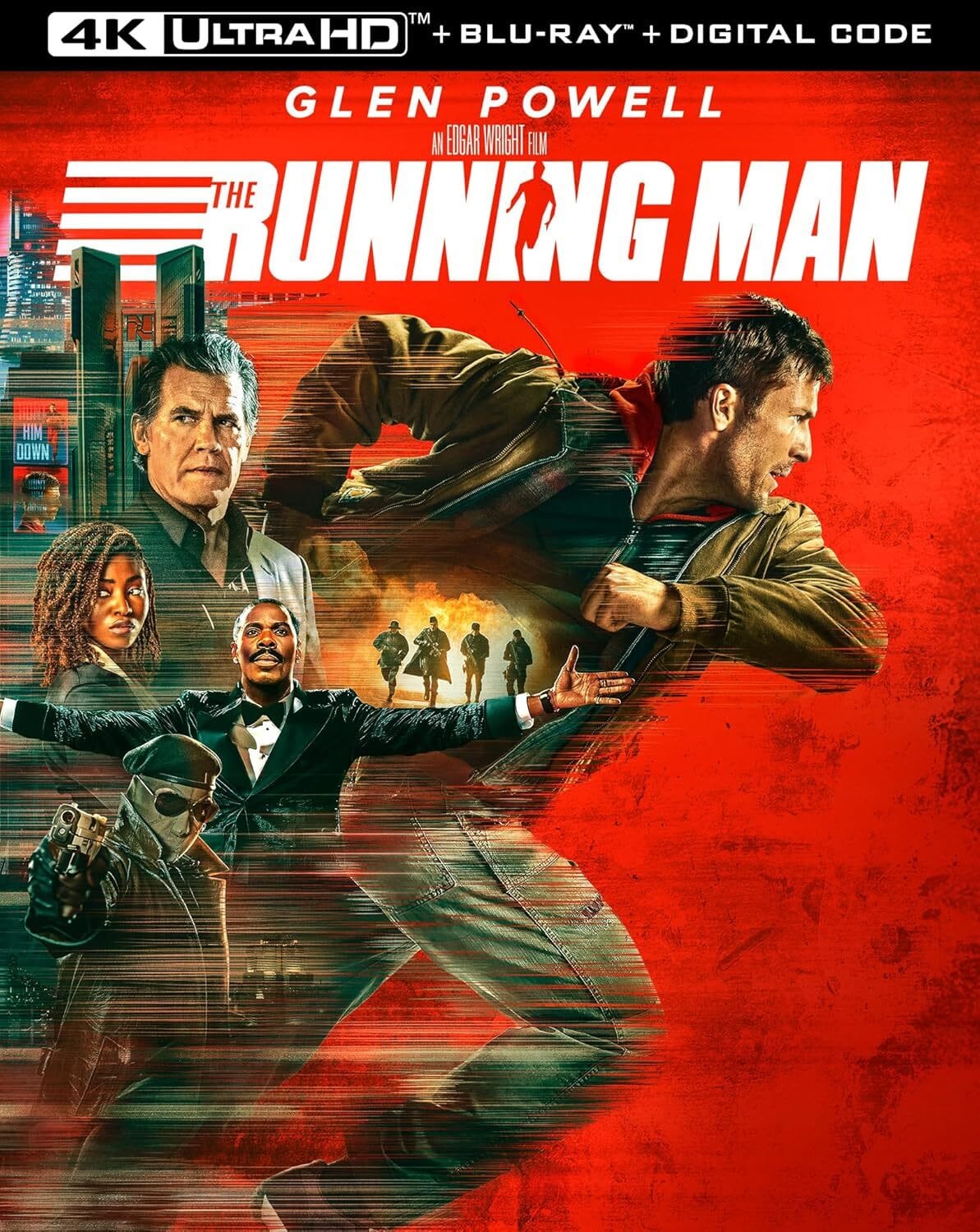
Four years after Edgar Wright’s giallo-inflected thriller Last Night in Soho divided critics and audiences, seeing him behind a big-budget studio IP project does feel a bit weird – especially one as burdened with expectations as this dystopian action-thriller.
Wright professes a deep love for the pseudonymous Stephen King novel, which was first adapted for the screen as a cheesetastic 1987 Arnold Schwarzenegger actioner. I screened that Running Man at TIFF a couple of years back to a ridiculously appreciative audience that didn’t care that it had almost nothing to do with King’s book; Wright’s adaptation – which arrived in theaters last fall just a few weeks after another adaptation of a “Richard Bachman” novel, The Long Walk – is much more faithful to the original text. Which is maybe a problem.
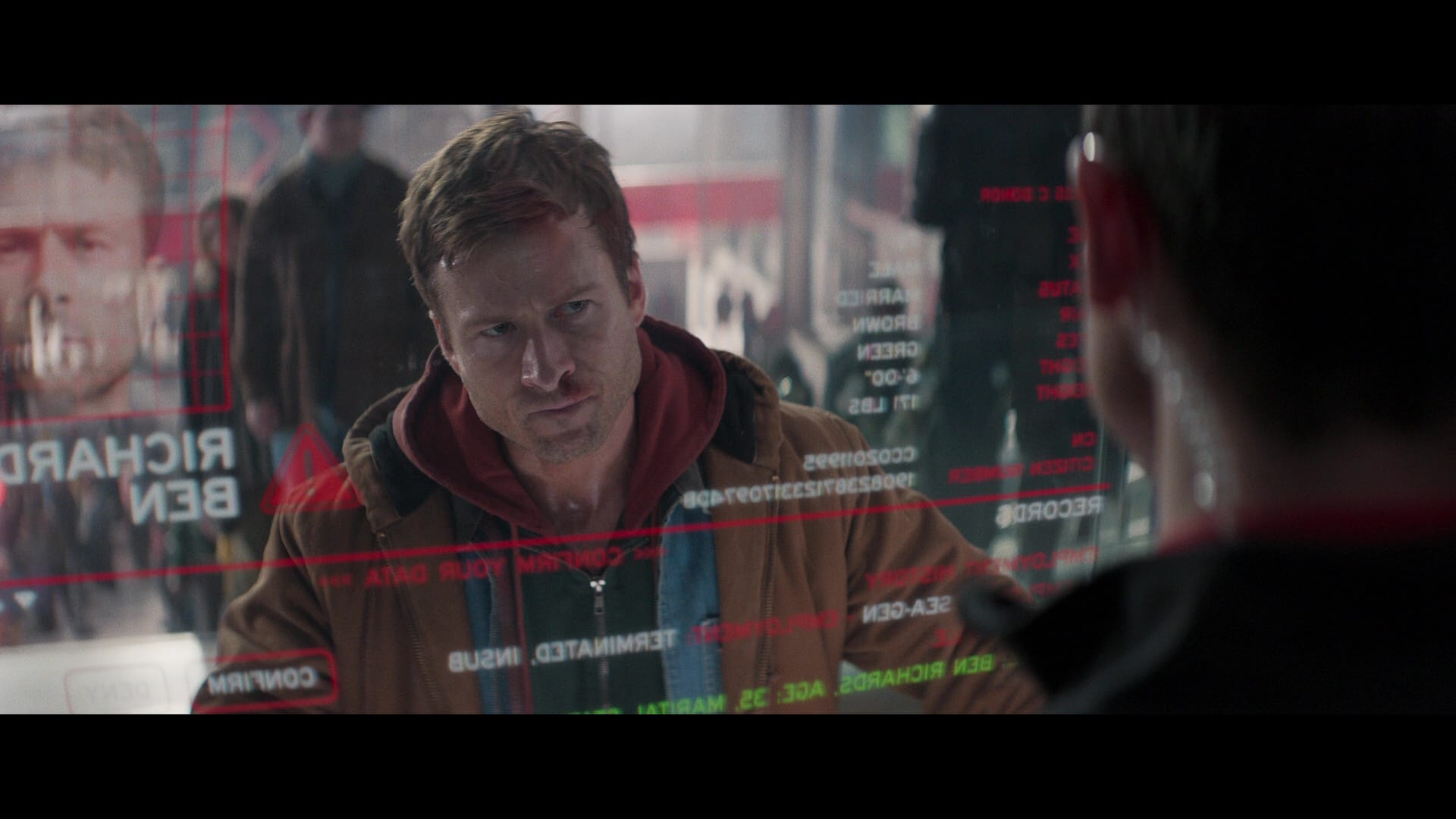
It's the near future, and America is in decline, effectively run by a megacorporation known as the Network. People don’t have much to live for, but they do love their game shows – the most popular of which is The Running Man, a show in which contestants must survive 30 days on the run, unsupported, while being hunted by a team of assassins. Viewers can win cash prizes for narcing on the runners, too!
If this future sounds a little familiar, well, yeah. Wright eschews the bright colors and shiny gladiatorial approach of Glaser’s movie for something more akin to Paul Verhoeven’s cynical sci-fi trilogy of RoboCop, Total Recall and Starship Troopers – and that gives it a very contemporary energy. King’s original novel was set in 2025, after all, and Wright’s movie might as well be.
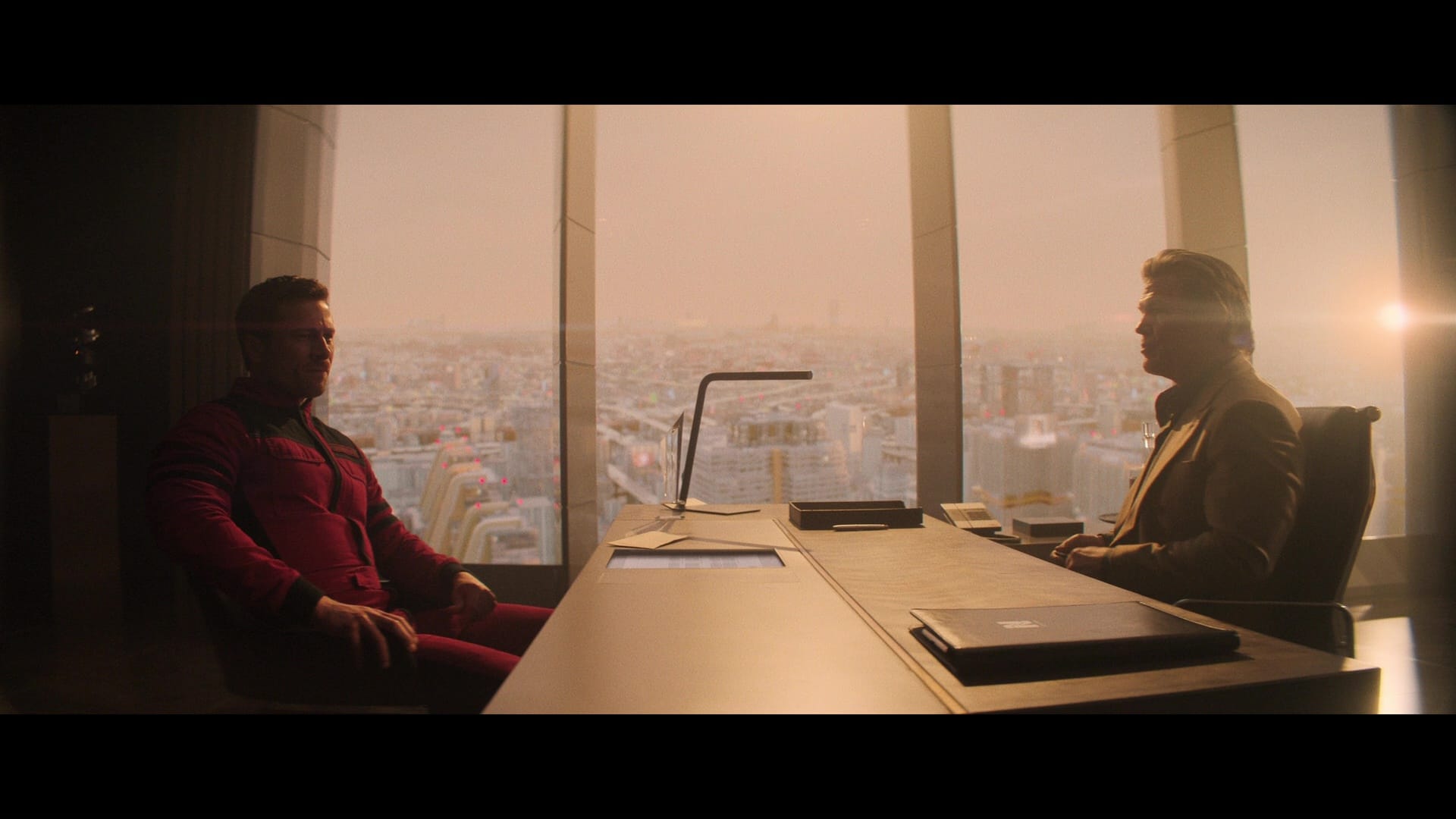
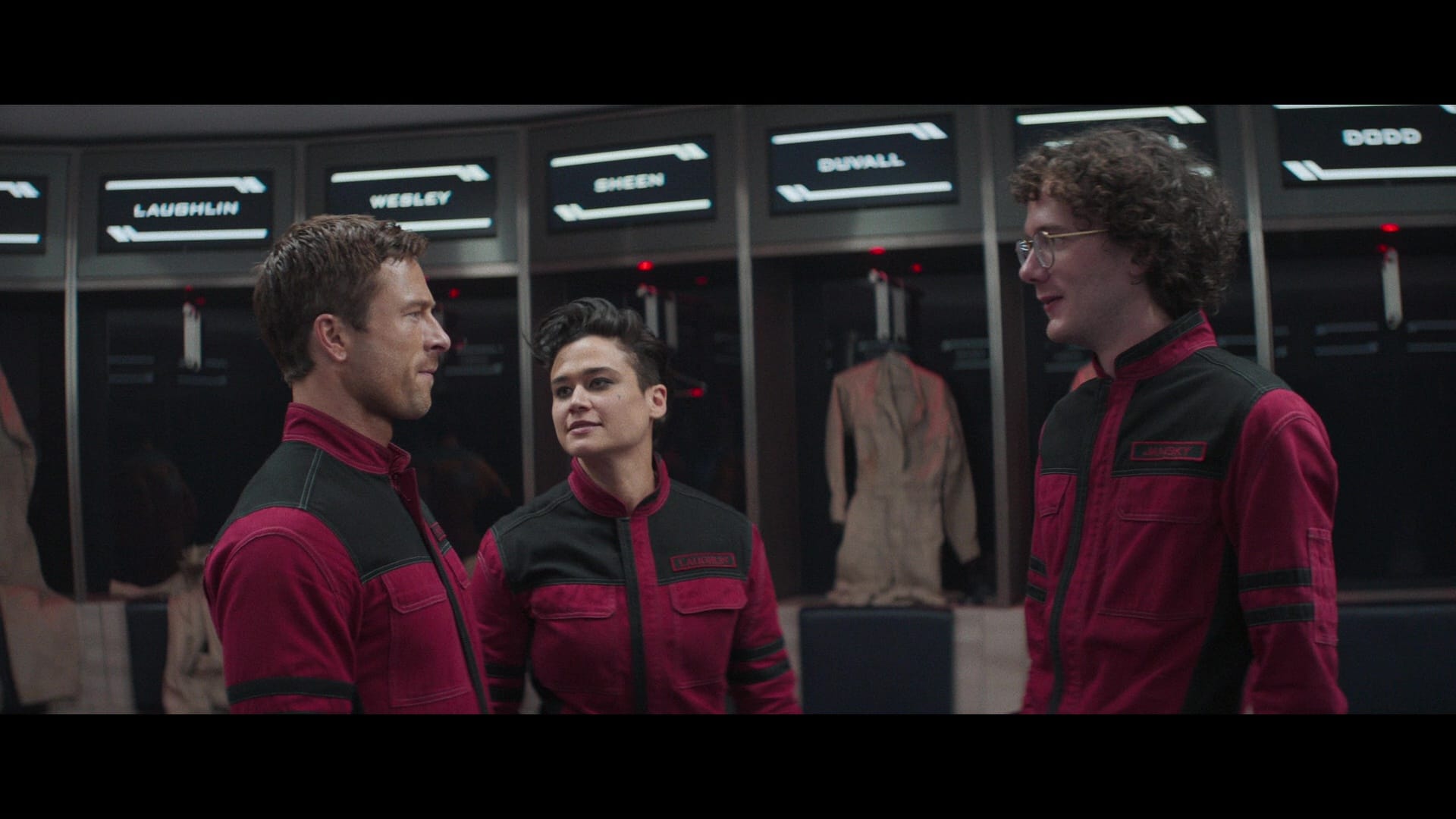
Glen Powell is the new/old Ben Richards, a blacklisted factory worker trying to give his wife and infant daughter a better life; he’s also, in the words of Network executive Dan Killian (Josh Brolin), the angriest person who’s ever put himself up for a game show. Richards wasn’t planning to audition for The Running Man, but before he knows it he’s on the run, along with two other contestants played by Katy O’Brien and Martin Herlihy, and the clock is ticking.
The script, by Wright and his Scott Pilgrim vs. the World collaborator Michael Bacall, is episodic by nature, with Richards bouncing around what appears to be the eastern seaboard trying to stay ahead of Killian’s goons – and finding unlikely support from other citizens who refuse to be part of the mob. Powell is a good fit for the role of accidental hero, keeping Richards’ irritability at the forefront of his performance and letting his co-stars dictate the tone of a given sequence.
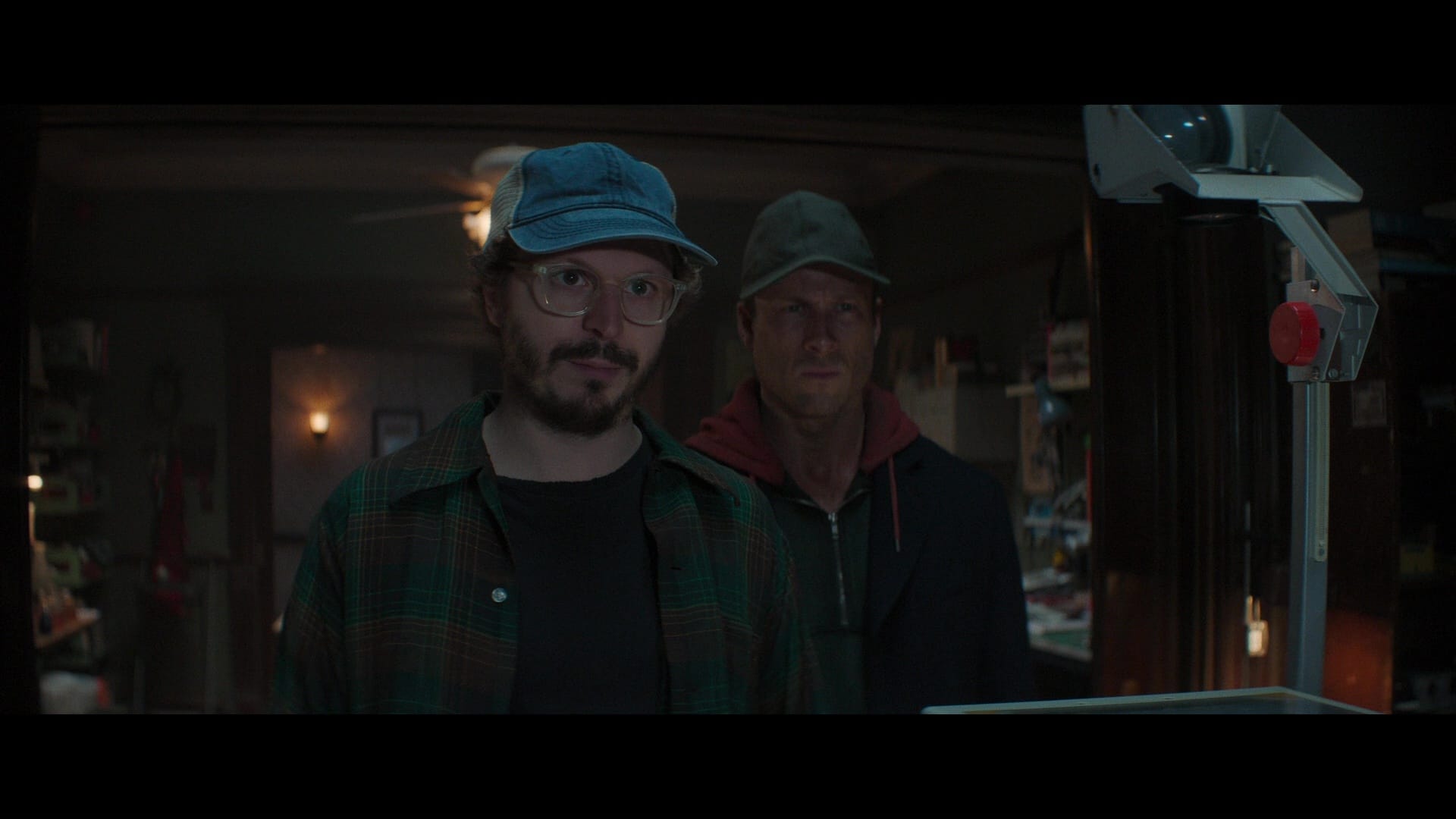
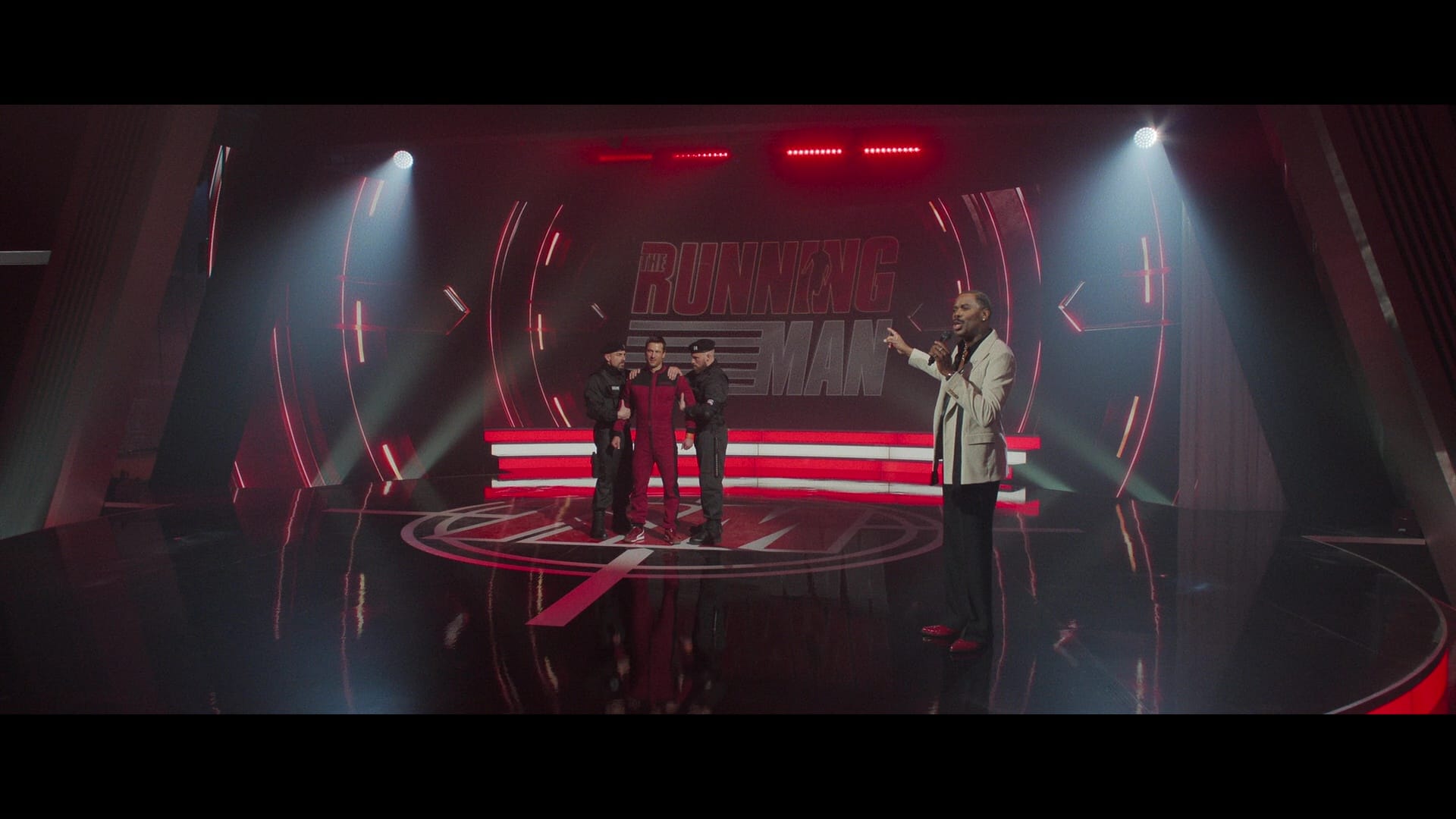
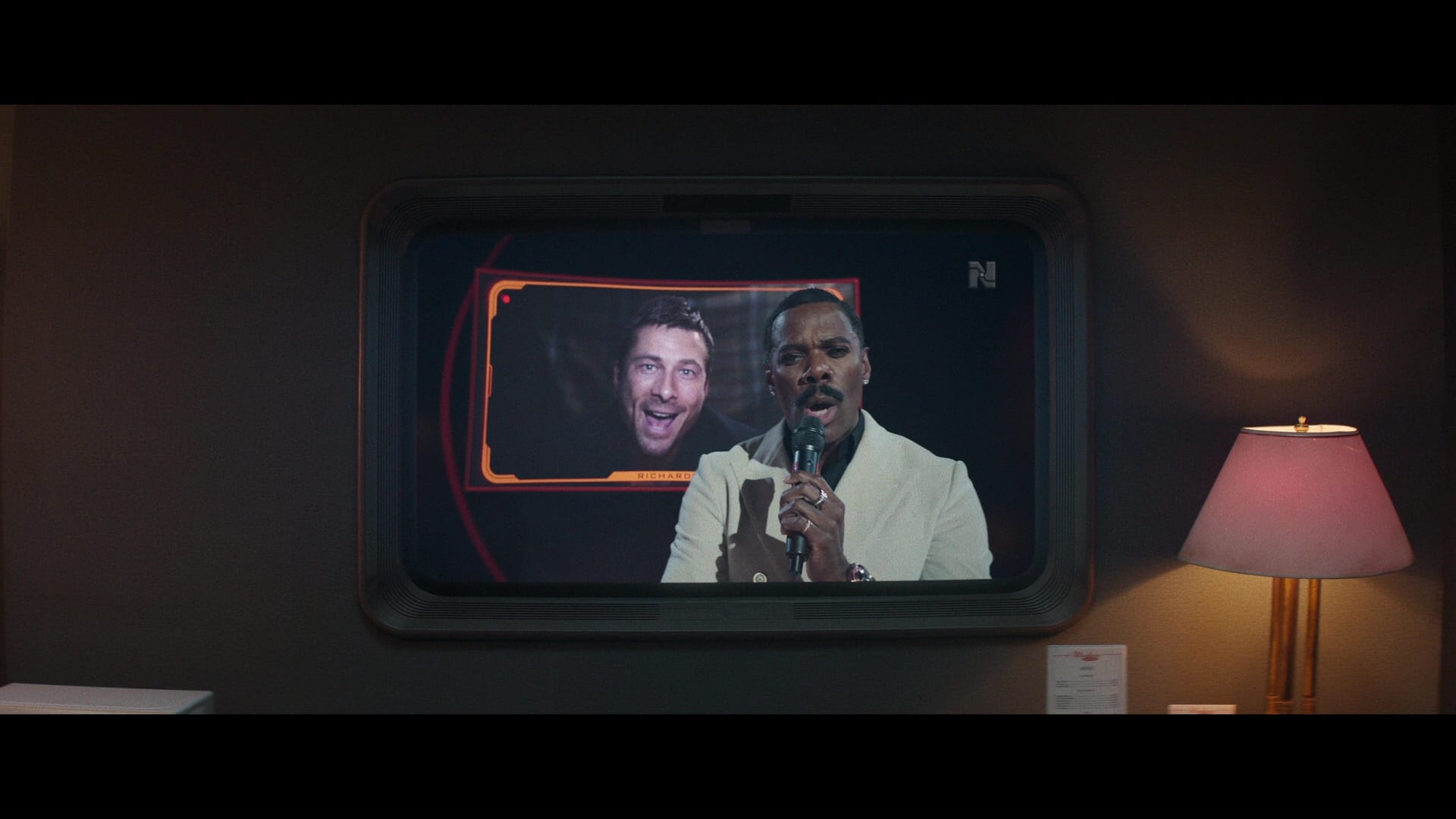
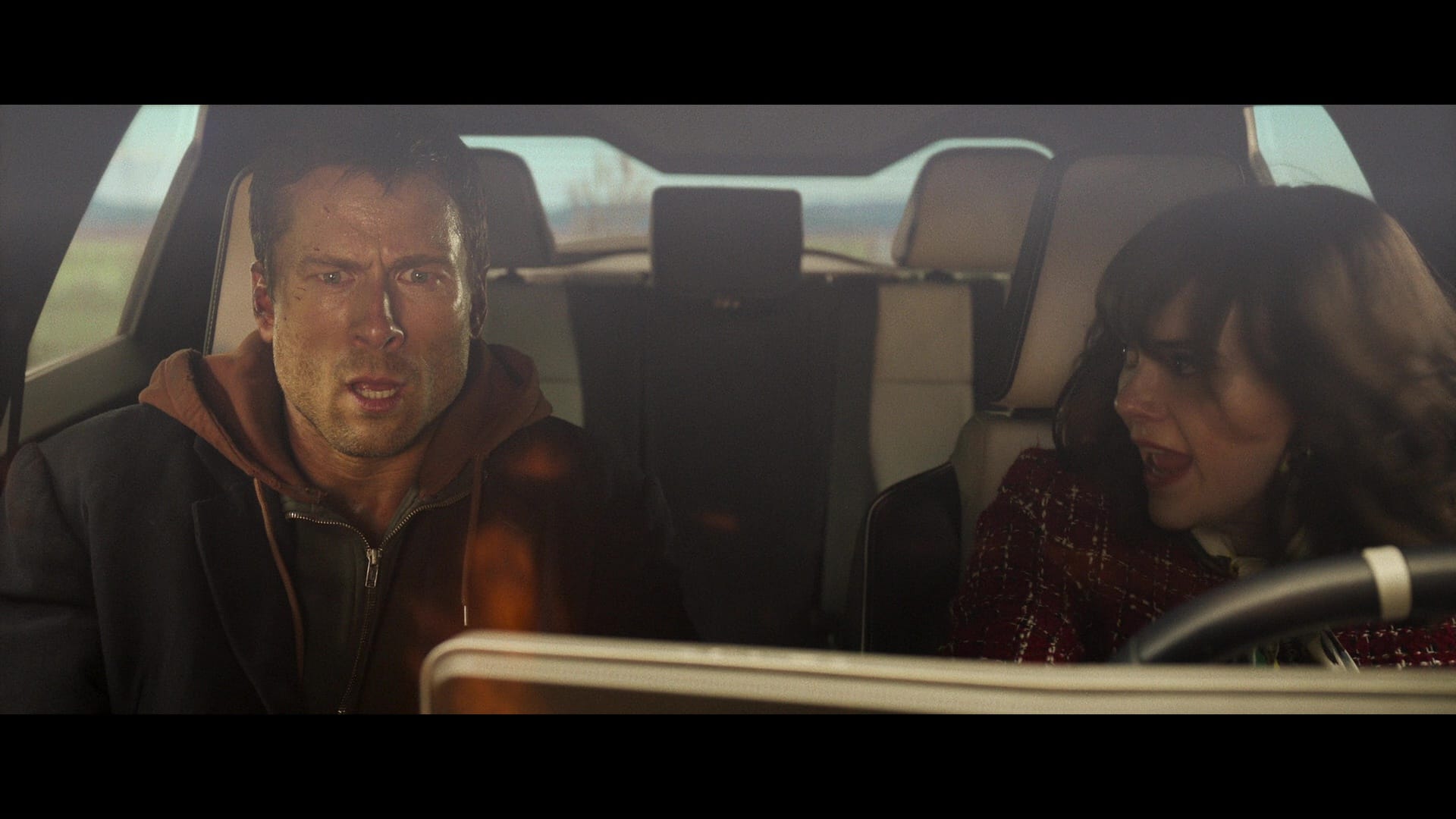
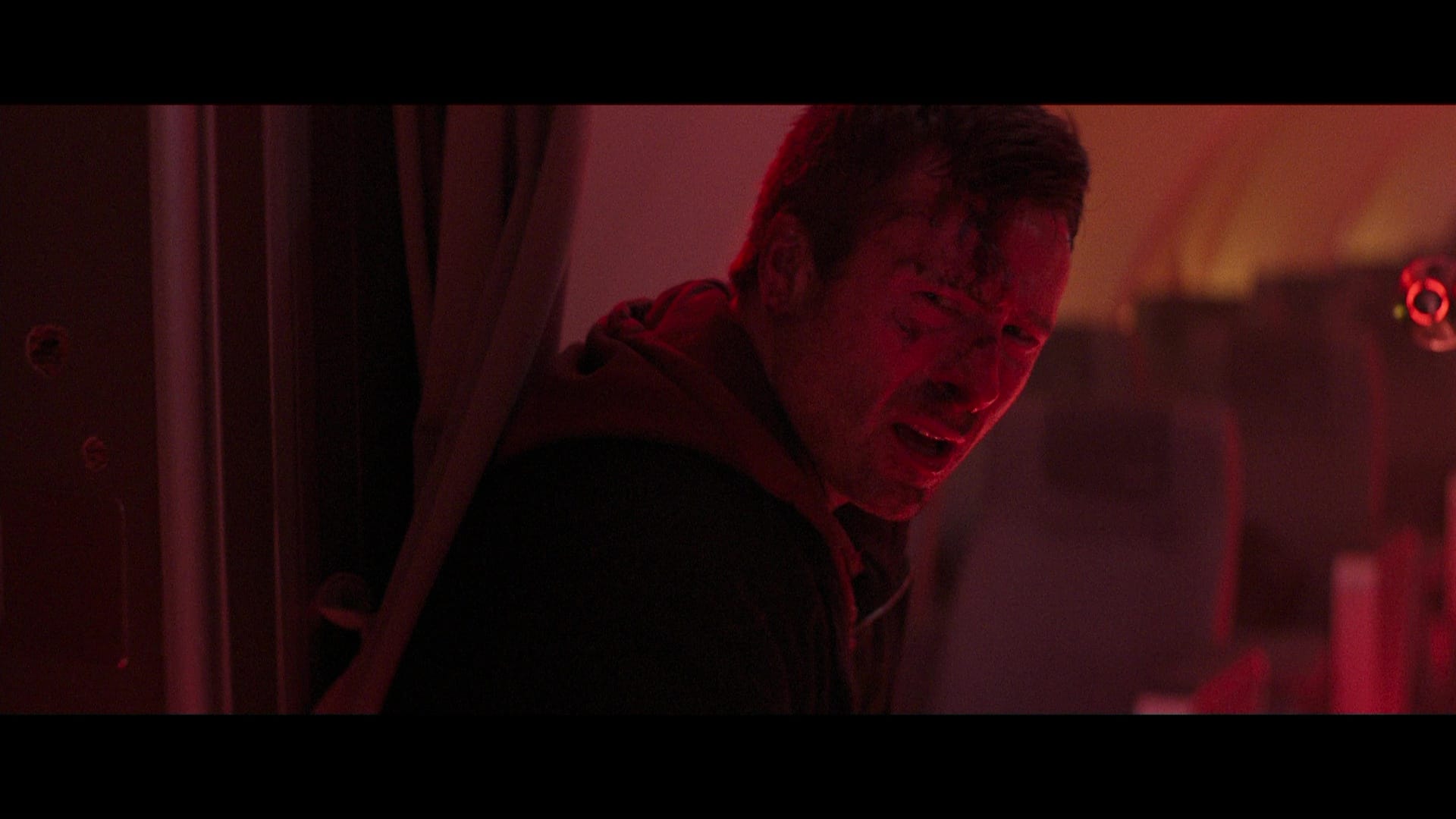
When Richards is onstage with Colman Domingo’s glad-handing TV host, for example, The Running Man becomes a media satire; when Michael Cera pops up as a twitchy anarchist, it’s a comedy. And when Emilia Jones appears as a panicked motorist Richards takes hostage to avoid capture, it’s a clenched thriller that struggles to honor the climax of King’s novel while rewriting it almost entirely. That’s the biggest issue with Wright’s movie, really: It’s so faithful to the text for so much of its running time that its final desperate deviation can’t help but feel like a compromise. No version of The Running Man should leave us thinking Paul Michael Glaser was right to throw the book out of the plane.
That said, Paramount’s home-game of The Running Man comes packed with all the, um, Wright stuff: The man knows how to put a special edition together, and this 4K/Blu-ray combo is stuffed with special features. Wright, Powell and Bacall sit down for a convivial audio commentary that examines the project’s development and production while also making sure to pause for set stories and incidental details about this prop or that location. It’s a fun one, with the trio keeping one another engaged and alert for the entire conversation.
Four featurettes break down the production into easily digestible chunks: “The Hunt Begins” focuses on the challenges of creating a more faithful adaptation King’s novel, while “The Hunters and the Hunted” looks at casting, “Welcome to The Running Man: Designing the World” checks out the production design and “Surviving the Game: Shooting The Running Man” follows the team through the picture’s endless stunts and shootouts. (Running almost half an hour, it’s the longest of the quartet by far.)
There are also shorter reels of stunts, hair and wardrobe tests and a sizable compilation of material produced for the film’s fictional Network: Clips from the Running Man show, as well as excerpts from other programming glimpsed within the movie’s world and two of The Apostle’s hyperactive broadcast. Deleted and extended scenes and a marketing gallery round out the disc.
Hamnet’s supplements are more modest, which is no surprise given the intimate, almost hushed nature of the feature. Three shortish featurettes – “Family Is Forever,” “Cultivating Creativity” and “Recreating the Tudor Period” – tackle at the casting, Zhao’s directorial approach and the costume and production design, the latter getting combining elements of the other two in its attention to the way the clothes do as much to establish the characters’ histories as the script does. And if you’re looking for a little more behind-the-scenes substance, Zhao digs a little deeper into her balance of textural authenticity and emotional impressionism in her audio commentary.
Both discs present their features in flawless 2160p/24 masters, with Dolby Atmos audio – bombastic and frantic in The Running Man’s mix, subtle and textured in Hamnet’s. Play ’em both loud, see which feels more effective.
Hamnet is available in 4K/Blu-ray combo and BD editions from Universal Pictures Home Entertainment – and congratulations to Brandon Moore and Adam Schoales, winners of last week’s giveaway! The Running Man is available as a 4K/Blu-ray combo from Paramount Home Entertainment. A steelbook edition is also available on that one.
Up next: Shout! Studios’ 4K edition of Nightcrawler makes that film feel more relevant than ever, and Via Vision mints Battle of Britain as its 500th Imprint title in a mammoth special edition. And don’t forget, you can always upgrade your subscription so you don’t miss out on Friday’s What’s Worth Watching circular.