
Two Hearts
In which Norm spins up the new 4K releases of THUNDERHEART and HEARTS OF DARKNESS: A FILMMAKER'S APOCALYPSE.
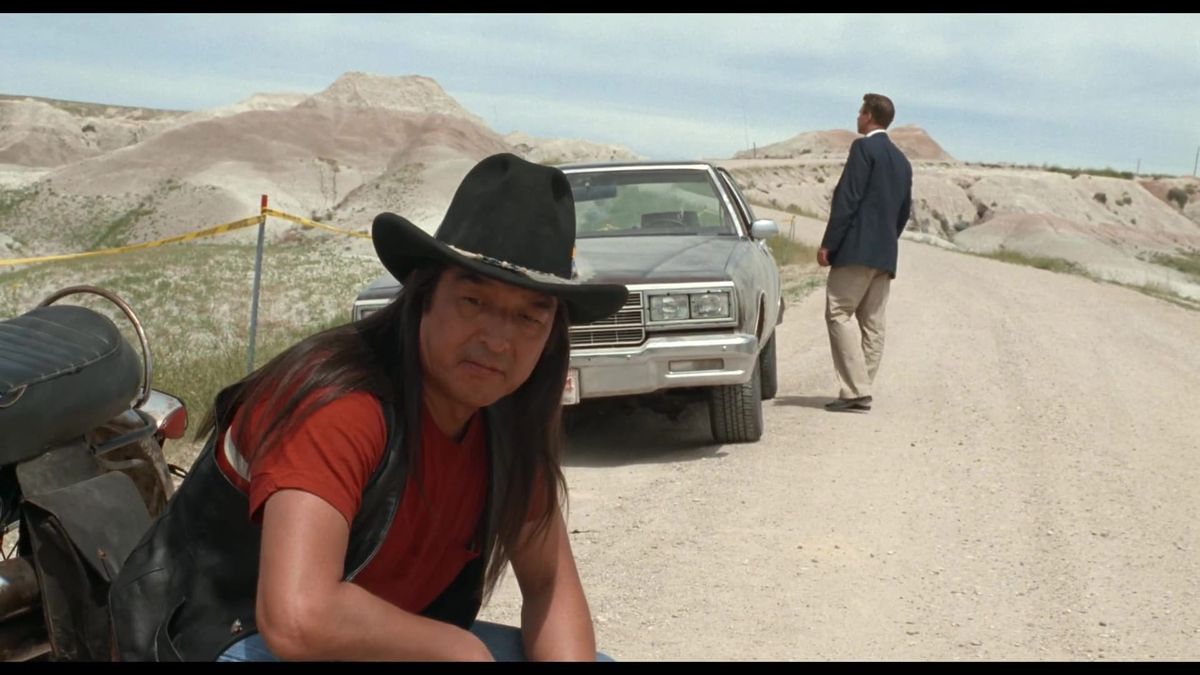
I never wrote an obit for Graham Greene. Never formally interviewed him, either, though sharing a stage with him at the TIFF screening of Boil Alert was one of the great pleasures of my career. The man was a force: Charming, charismatic, quick-witted – and able to turn it all around on a dime to make a serious point about the documentary we were about to show the audience. I saw him a year later when Kaniehtiio Horn’s Seeds played the 2024 festival, and while it was clear he wasn’t well – “bad back, worse knees,” he joked – he was still fully himself. Just a little tired. A year later, he was gone.
Seeds came out on Blu-ray a couple of months after Greene’s death – I just wrote about it, if this all sounds familiar – and Sterlin Harjo gave him a fine sendoff on The Lowdown right around the same time. And this week, Sony Pictures Home Entertainment lets us appreciate the man in his prime with a 4K upgrade of Michael Apted’s Thunderheart.
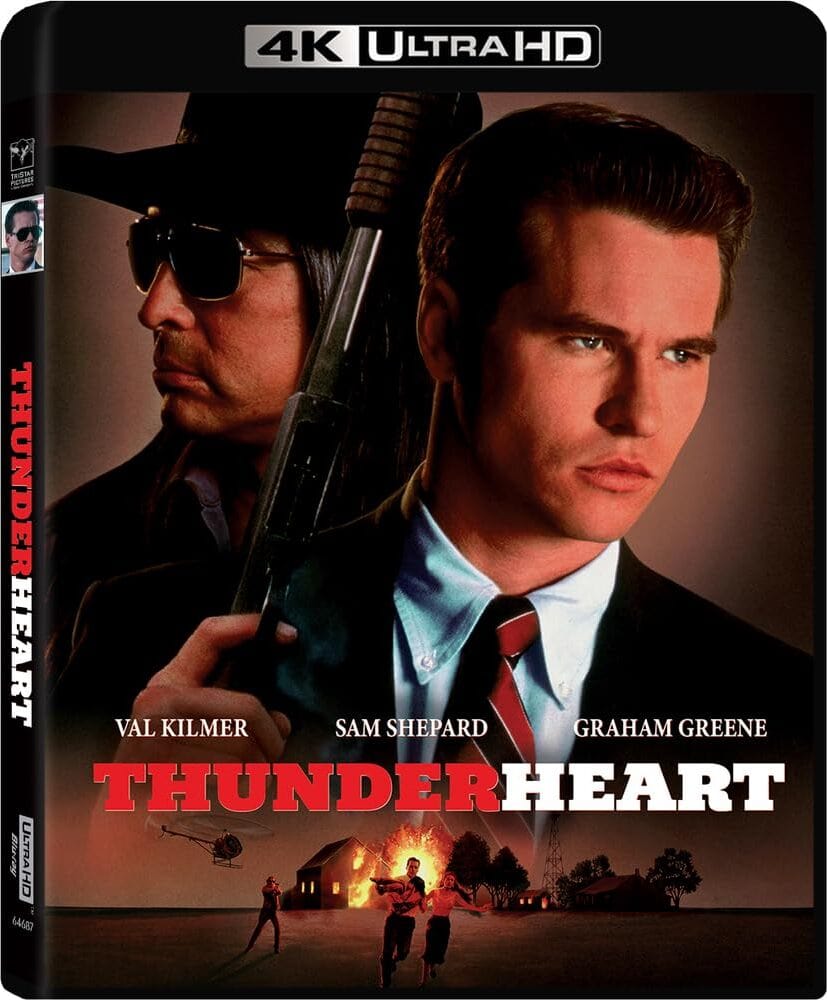
I’ll be honest: This one was a surprise. Despite strong reviews and a long life on cable, Thunderheart sort of slipped out of circulation in recent years; Sony didn’t even release it on Blu-ray until the spring of 2024, and even then its launch was almost entirely under the radar, just another catalogue title tossed out into the market. Perhaps Sony was nervous about drawing too much attention to the film, for fear it’d be seen as problematic. And I suppose it is, at least on paper, with a team of white guys telling someone else’s story. But Apted and screenwriter John Fusco were good listeners, and they made their movie with the best of intentions and the support of the Indigenous community whose story it was. Thunderheart was a throwback to the social dramas of the late ’70s, films like Norma Rae and The China Syndrome, wrapping a vital critique in a commercial package.
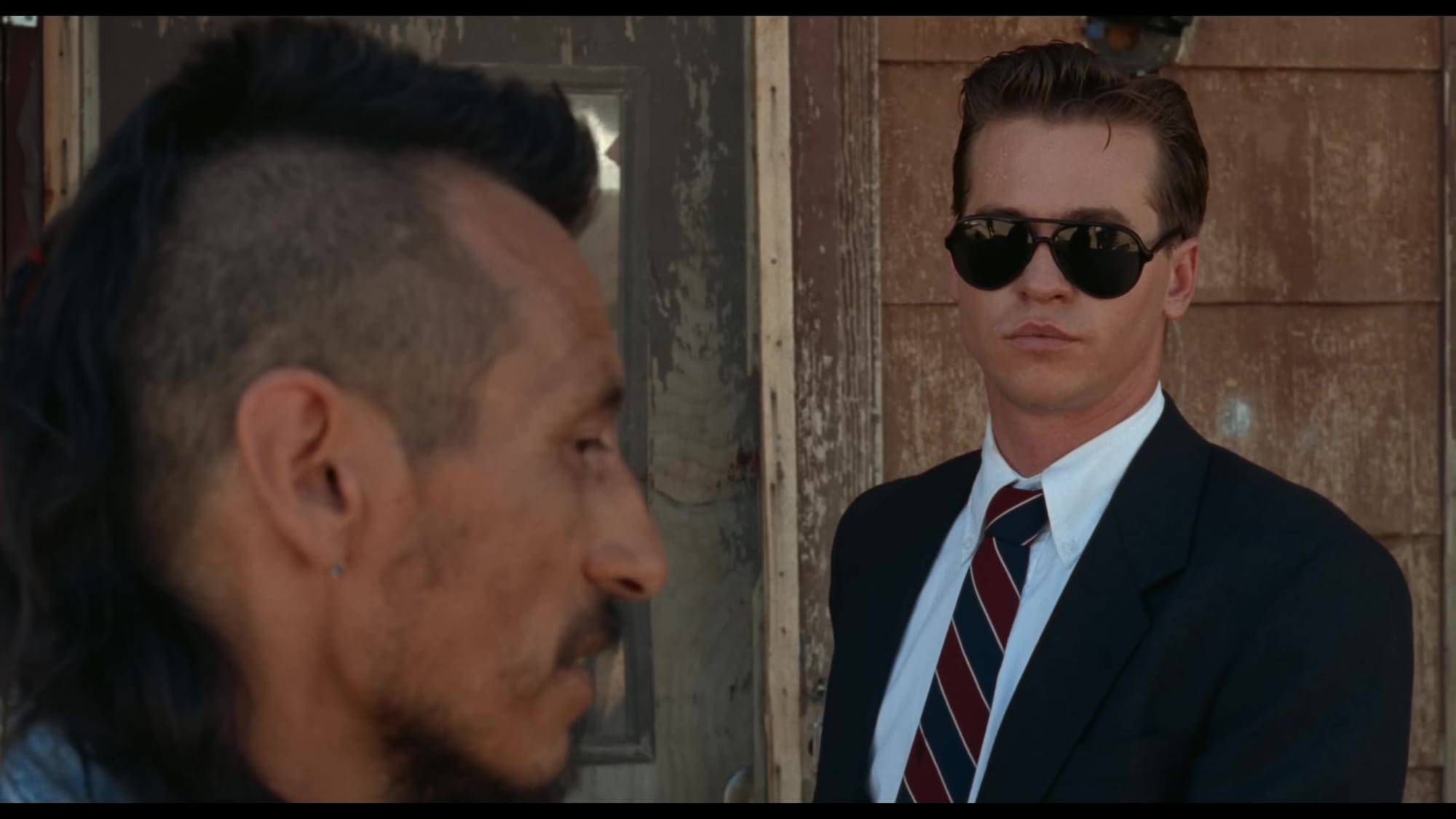
A fictional thriller about a mixed-race FBI agent sent to investigate a murder on native land, only to discover a much darker conspiracy at work, Thunderheart was also one of two films Apted released in 1992; the other was a straight documentary, Incident at Oglala: The Leonard Peltier Story. The drama was produced by Robert De Niro; the doc, by Robert Redford – who also served as its narrator.
Incident at Oglala isn’t as well-remembered these days, probably because it didn’t get the same cable afterlife that Thunderheart did in the ’90s, but it’s definitely worth tracking down if you can find the old DVD somewhere. Apted lays out the tensions and skirmishes – internal as well as external – that led to the shooting at Pine Ridge, making a very convincing case that the US government was determined to silence Indigenous activists by intimidation or force and concluding that Peltier, a member of the activist American Indian Movement, was almost certainly railroaded by the Justice Department.
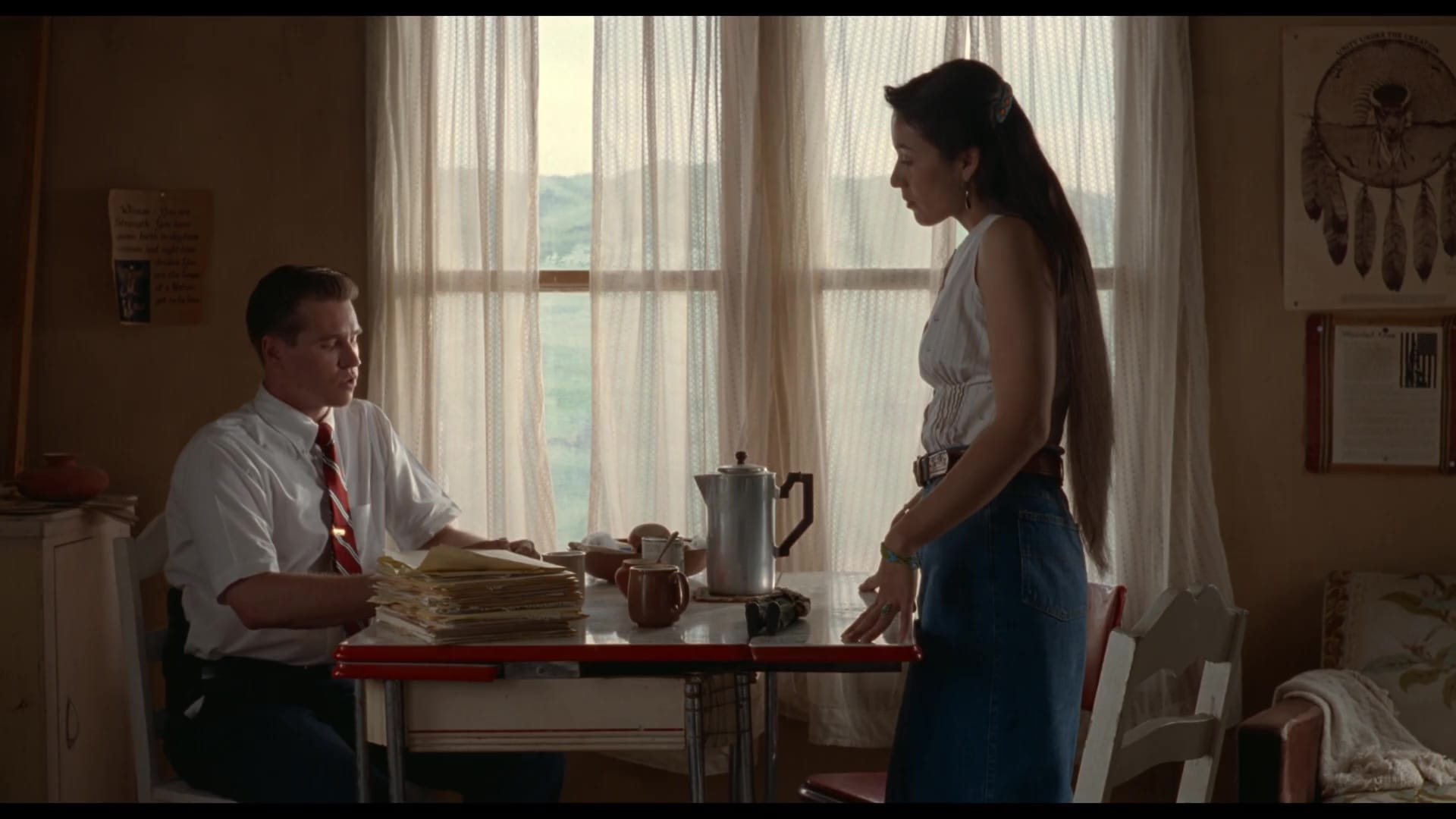
Fusco’s script uses most of that as background, focusing instead on the spiritual reawakening of Val Kilmer’s part-Sioux agent Raymond Levoi as he attempts to solve a similar but legally distinct crime. AIM has been renamed ARM – the Aboriginal Rights Movement – and there are no dead FBI agents in this story, just a murdered member of the tribal council. The killing seems to be the result of tensions between the tribal elders and self-serving council president Jack Milton (Fred Ward), with just a couple of suspects, Maggie Eagle Bear (Sheila Tousey) and Jimmy Looks Twice (former AIM chairman John Trudell).
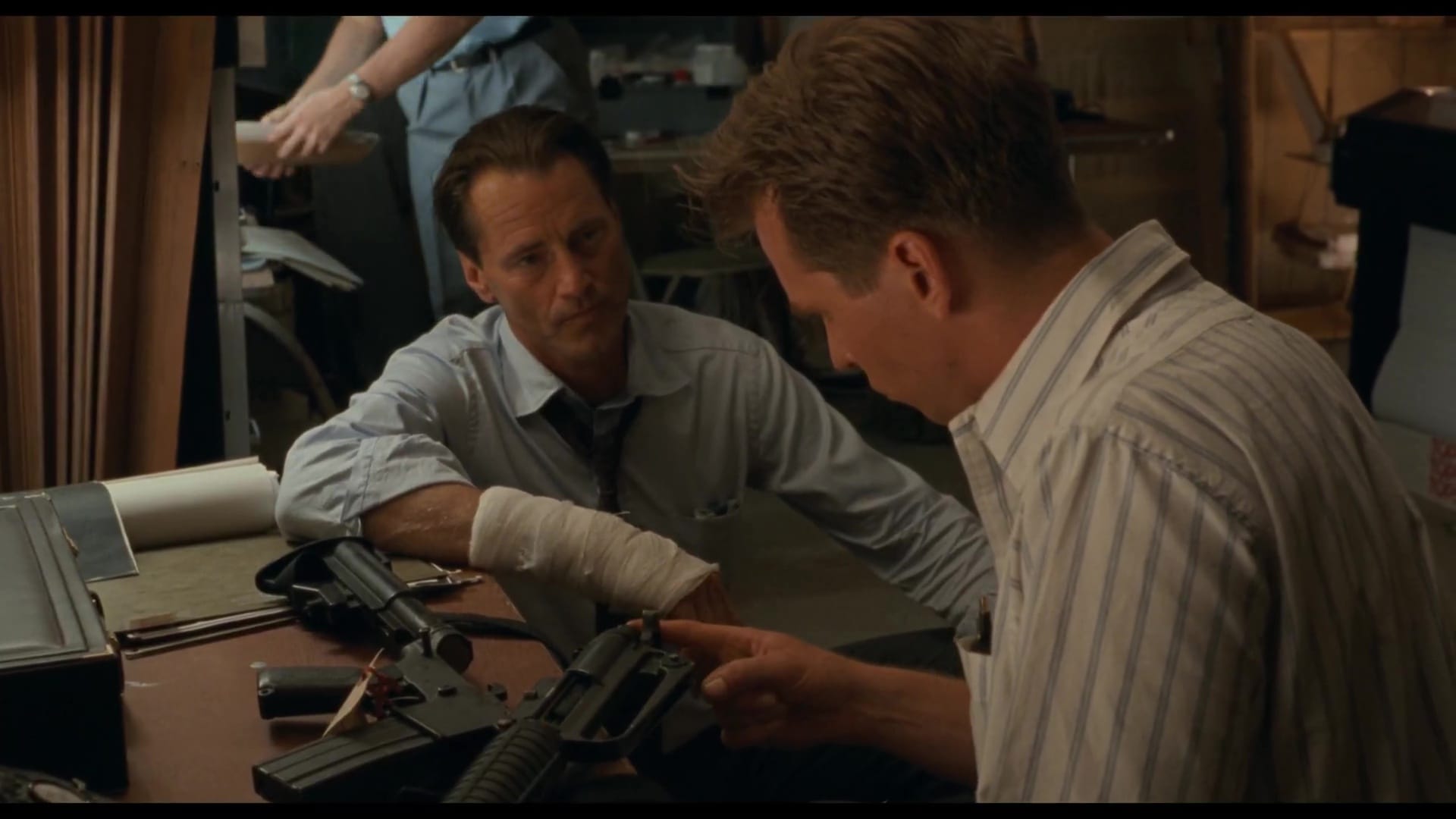
Ray’s partner, veteran agent “Cooch” Coutelle (Sam Shepard), envisions an open-and-shut case, but the more time Ray spends with tribal cop Walter Crow Horse (Greene, fresh off his Oscar nomination for Dances with Wolves), the more questions he has about what’s really going on – and why it’s making him question his own relationship to his Indigenous heritage.
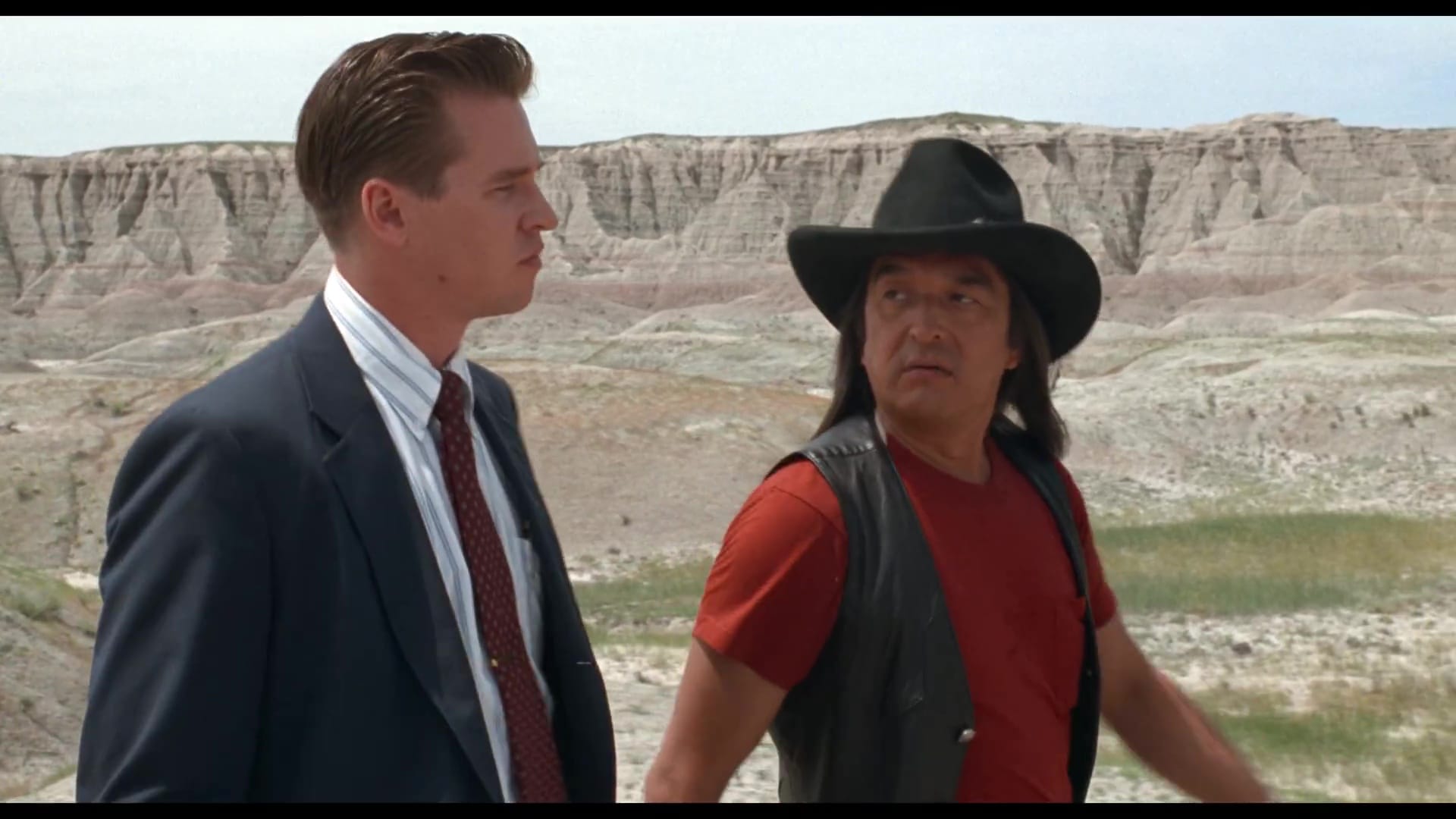
Fusco and Apted frame the movie as a buddy-cop picture, initially teasing Ray and Cooch as the mismatched partners but gradually revealing Ray and Walter as the real team. And Apted uses their connection to argue his larger point: America’s foundational myths are built on theft and murder, and only by acknowledging this truth and forging a genuine reconciliation will the country be able to move forward.
Given that Martin Scorsese’s Killers of the Flower Moon was received as a shocking and revelatory work three decades later, clearly the message of Thunderheart went unheard. Weirdly, though it was released in the last year of the first Bush administration it feels like the first American drama of the Clinton era – a message picture that’s intent on listening rather than lecturing, and hoping to find common ground.
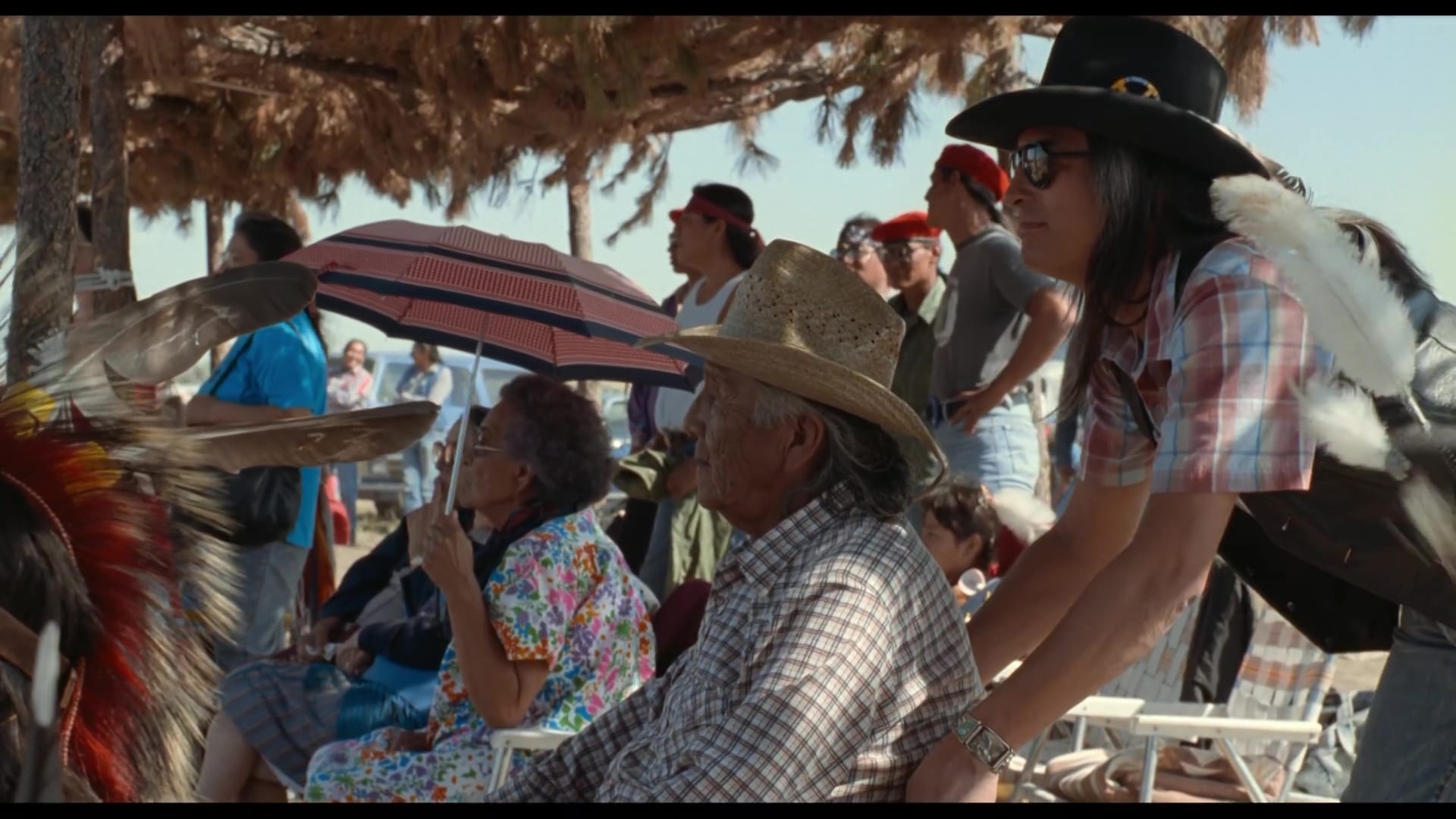
All that said, does Thunderheart feel a little dated? Of course! It opens with Springsteen’s “Badlands” on a car radio! Thunderheart is a studio thriller from the spring of 1992, arriving just two weeks after Basic Instinct goosed the genre into all sorts of fun new contortions. But compared to Joe Eszterhas and Paul Verhoeven’s gleefully ludicrous cokehead spiral, Apted’s film looks like a sober, thoughtful drama. It was also shot by a youngish Roger Deakins, who never met a conventional setup he couldn’t elevate.
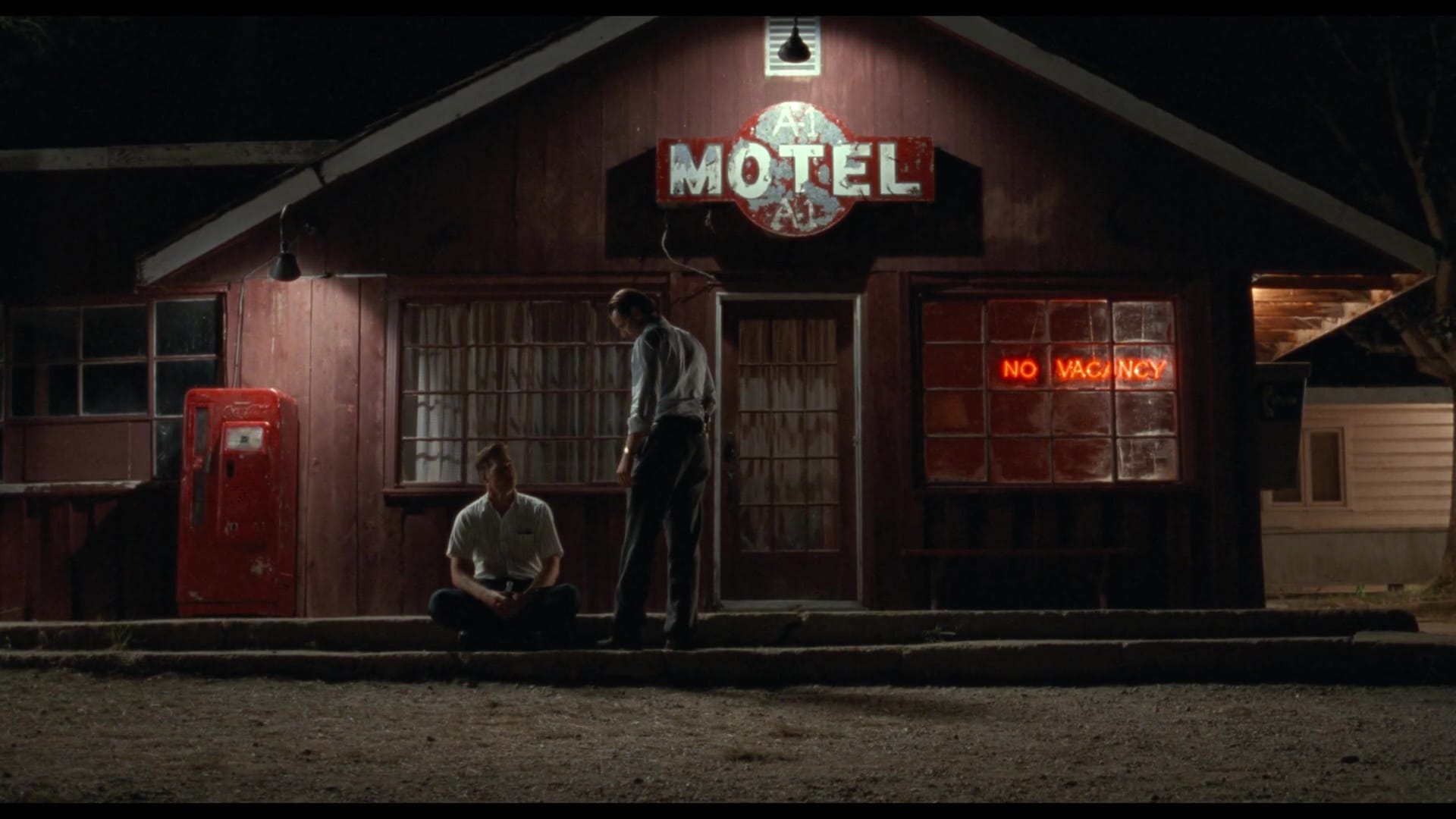
Sony’s 4K disc is a beauty, accurately reproducing the film’s unfussy look with a minimal HDR grade, and offering the original 2.0 theatrical soundtrack and a 5.1 remix, both in DTS-MA. Fusco’s 2024 commentary is carried over from the Blu-ray, along with the theatrical trailer, and Sony has also unearthed an EPK package of interviews with Kilmer, Greene, Tousey, Fusco, Apted and producer Jane Rosenthal. It’s a nice package, even if it’s also a reminder that Kilmer, Greene and Apted – and Ward, and Shepard – are no longer around to offer new thoughts. But it’s nice to see them again, looking young and hale, doing something they all clearly believed in.
And speaking of passion projects:
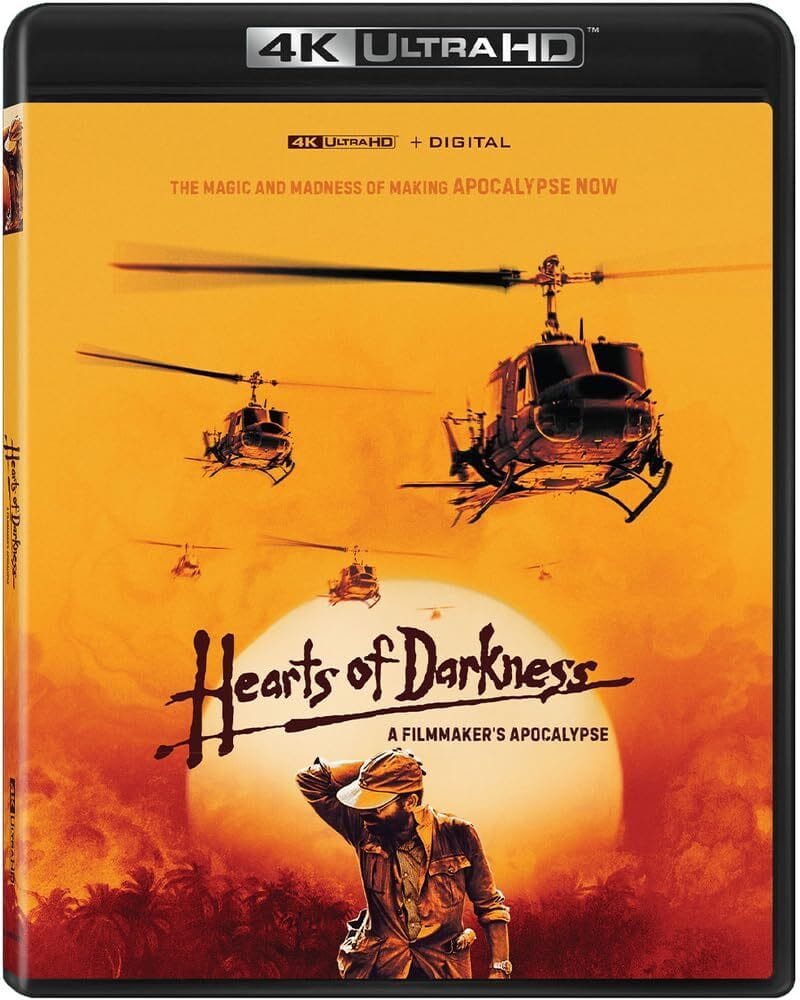
Fax Bahr and George Hickenlooper’s documentary Hearts of Darkness: A Filmmaker’s Apocalypse premiered at the 1991 Cannes Film Festival, while Apted was working on his Oglala movies. Thirty-five years later it remains an essential cinematic work about cinema, right up on the mountaintop with Burden of Dreams and Lost in La Mancha and American Movie and the video diary Paul Thomas Anderson made for the Magnolia DVD – all documentaries about very personal, very complex projects that didn’t always go as smoothly as their creators might have hoped.
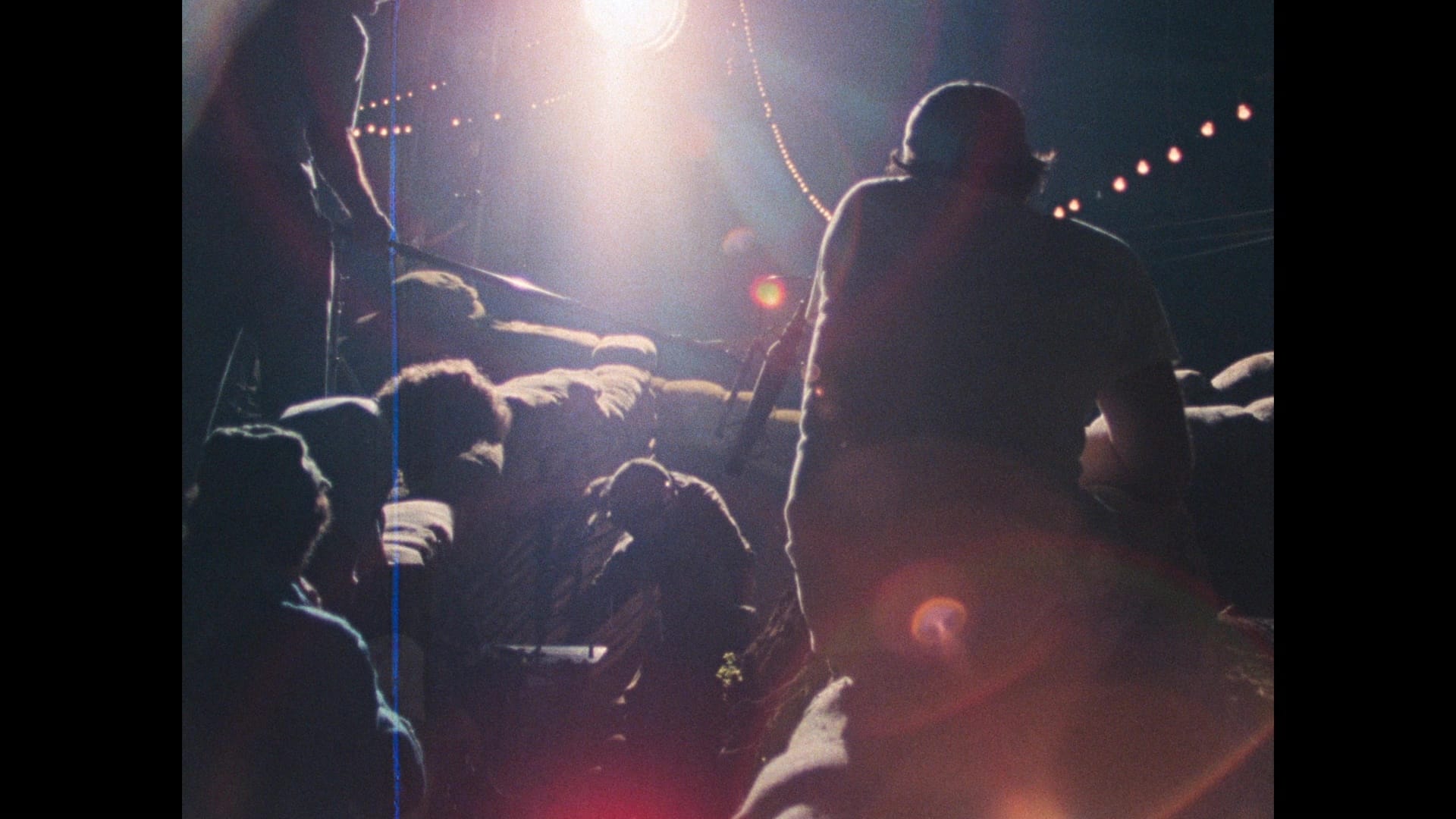
Such documentaries are easy enough to find these days, in this magnificent moment where retrospectives and visual essays are the meat of every boutique label. But Hearts of Darkness was produced in home-video’s stone age, when Criterion was still focusing on audio commentaries and still galleries and Universal’s magnificent Signature Collection LaserDisc documentaries were but a twinkle in Laurent Bouzereau’s eye. Hearts of Darkness was produced for television, with an eye on theatrical release if it got enough attention on the festival circuit.
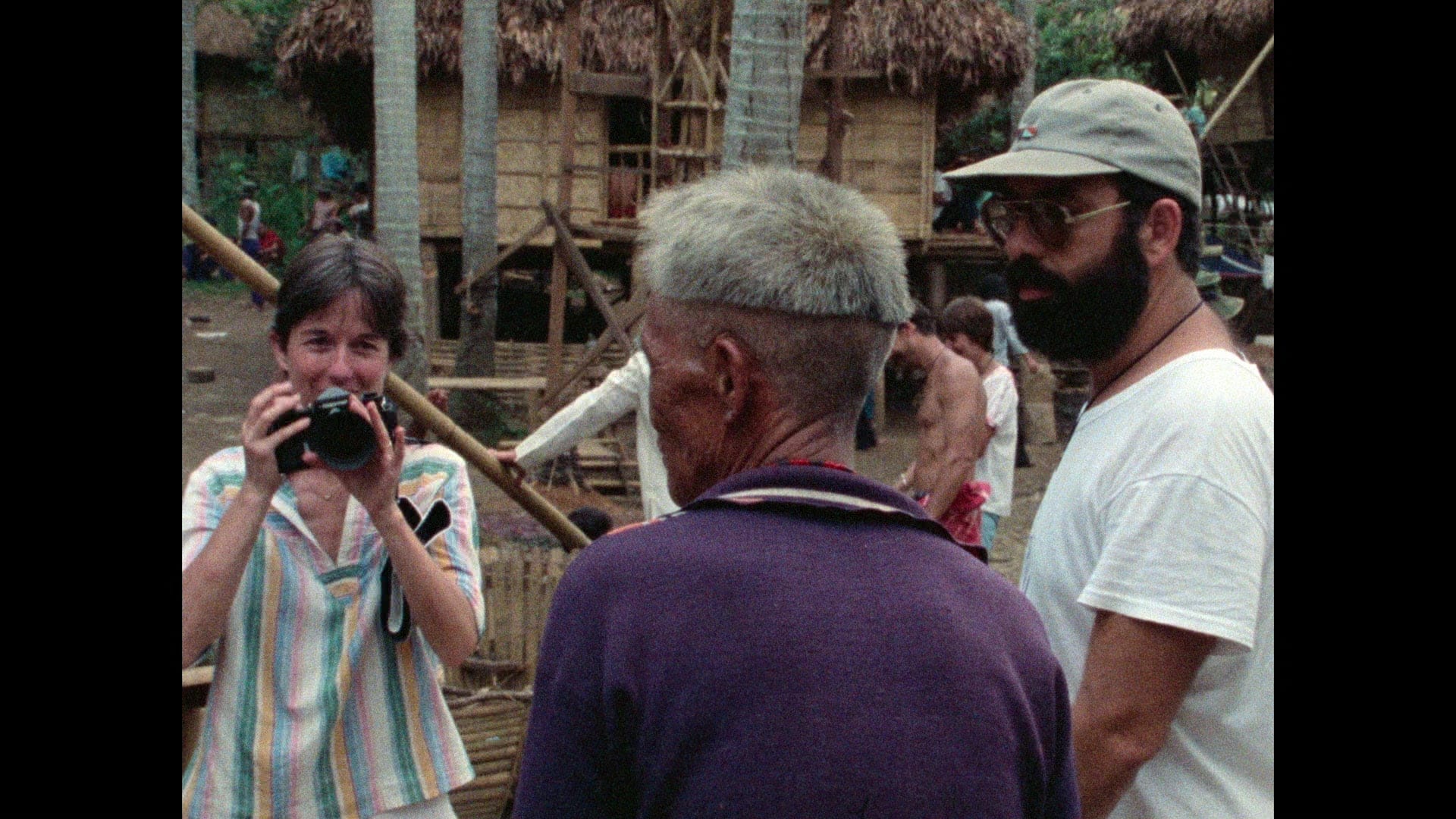
Well, you know what happened. Apocalypse Now was still fresh enough in the zeitgeist that the promise of seeing Eleanor Coppola’s set footage of her husband Francis trying to keep his gargantuan Vietnam movie on schedule and on budget through a cascade of disasters was catnip to audiences and critics, and Paramount quickly arranged a theatrical run alongside a re-release of Apocalypse Now. I was there for that, and honest to god people in my auditorium gasped when the footage of the French plantation sequence hit the screen for the very first time. I might have been one of them.
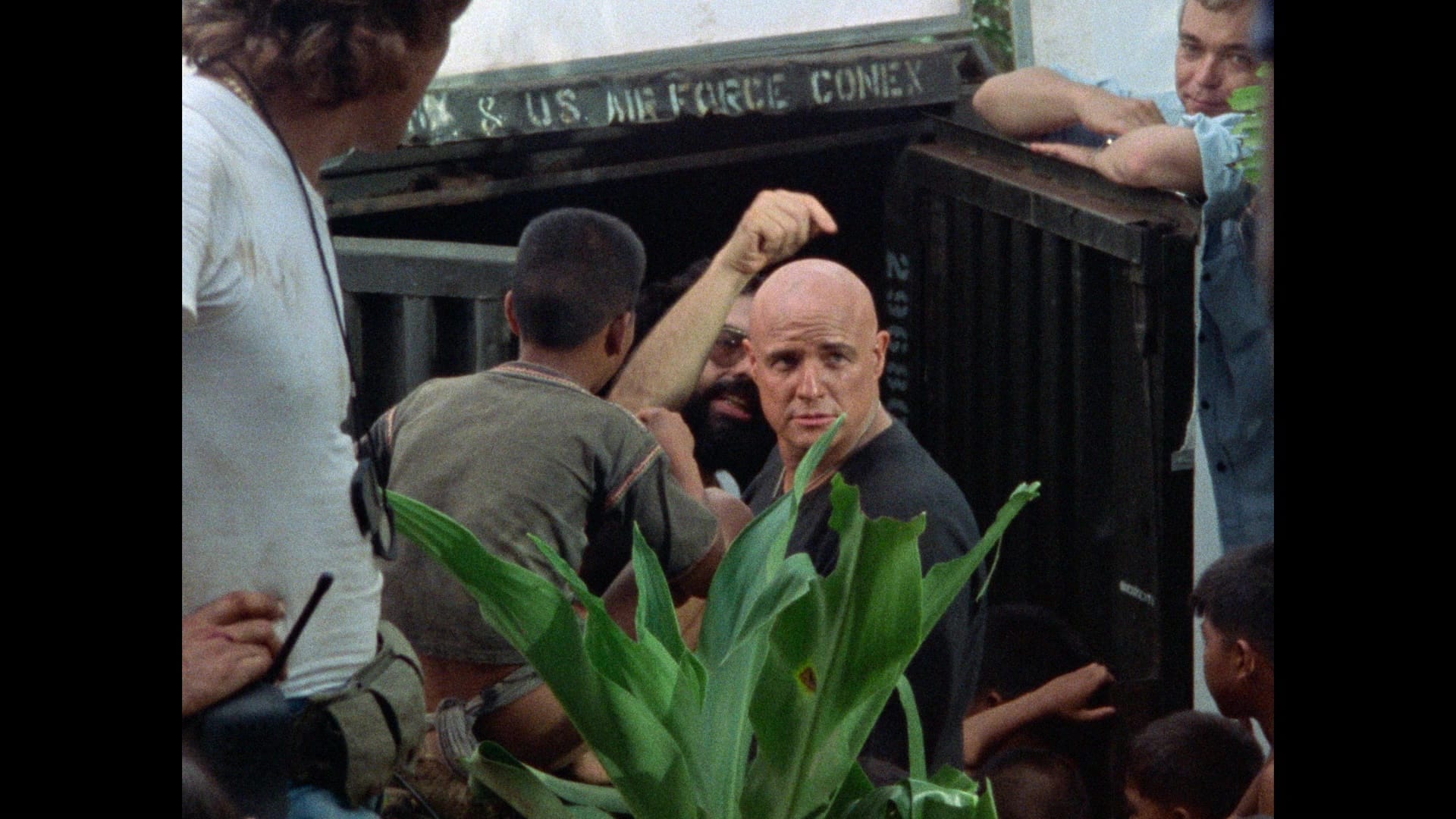
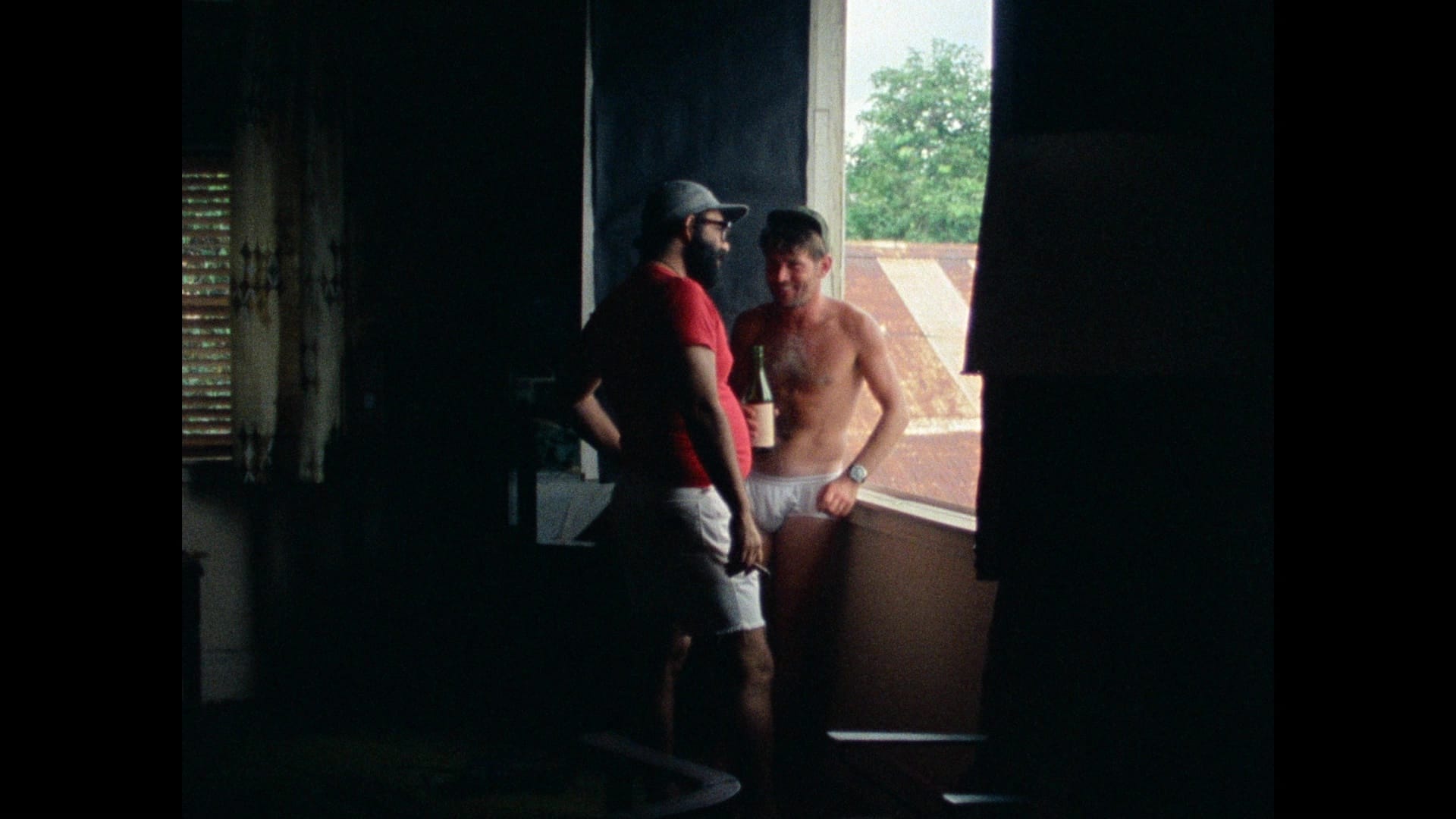
As revered a work as Apocalypse Now was, Hearts of Darkness is of equal importance: Working from a hundred hours of Eleanor’s footage and Eleanor’s readings from her published diary Notes, and incorporating new interviews with the cast and crew, Bahr and Hickenlooper manage to puncture the pomposity of Francis’ Cannes pronouncement that making his movie was his own Vietnam while still letting us understand how an artist of Coppola’s caliber could come to genuinely believe such a thing.
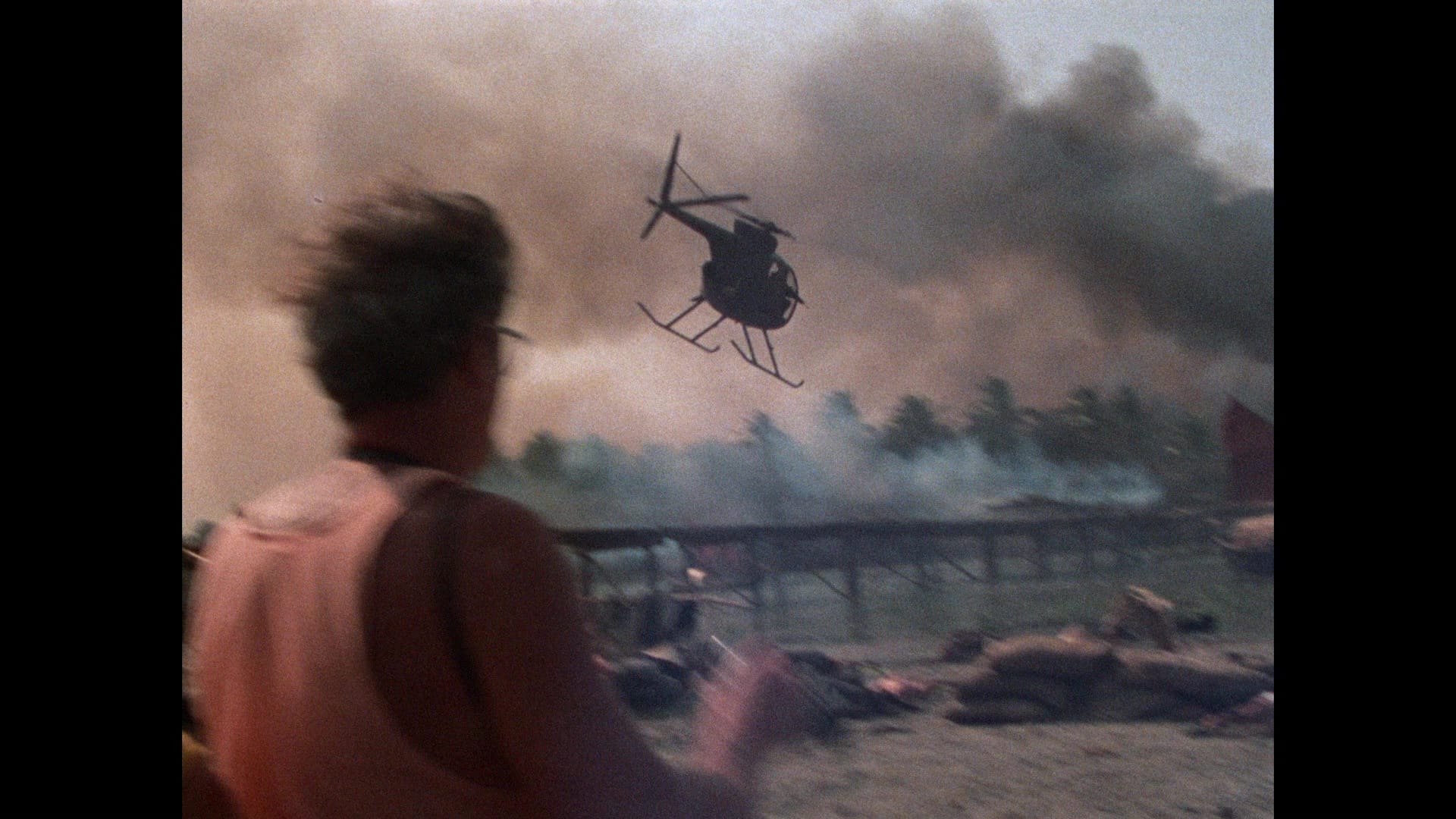
It’s a jaw-dropper of a doc, finding absurdist comedy in Dennis Hopper insisting that not bothering to learn lines is a better acting technique than Marlon Brando forgetting them and real pathos in the strain the production causes on Francis and Eleanor’s marriage. And then there’s Martin Sheen’s heart attack, of course.
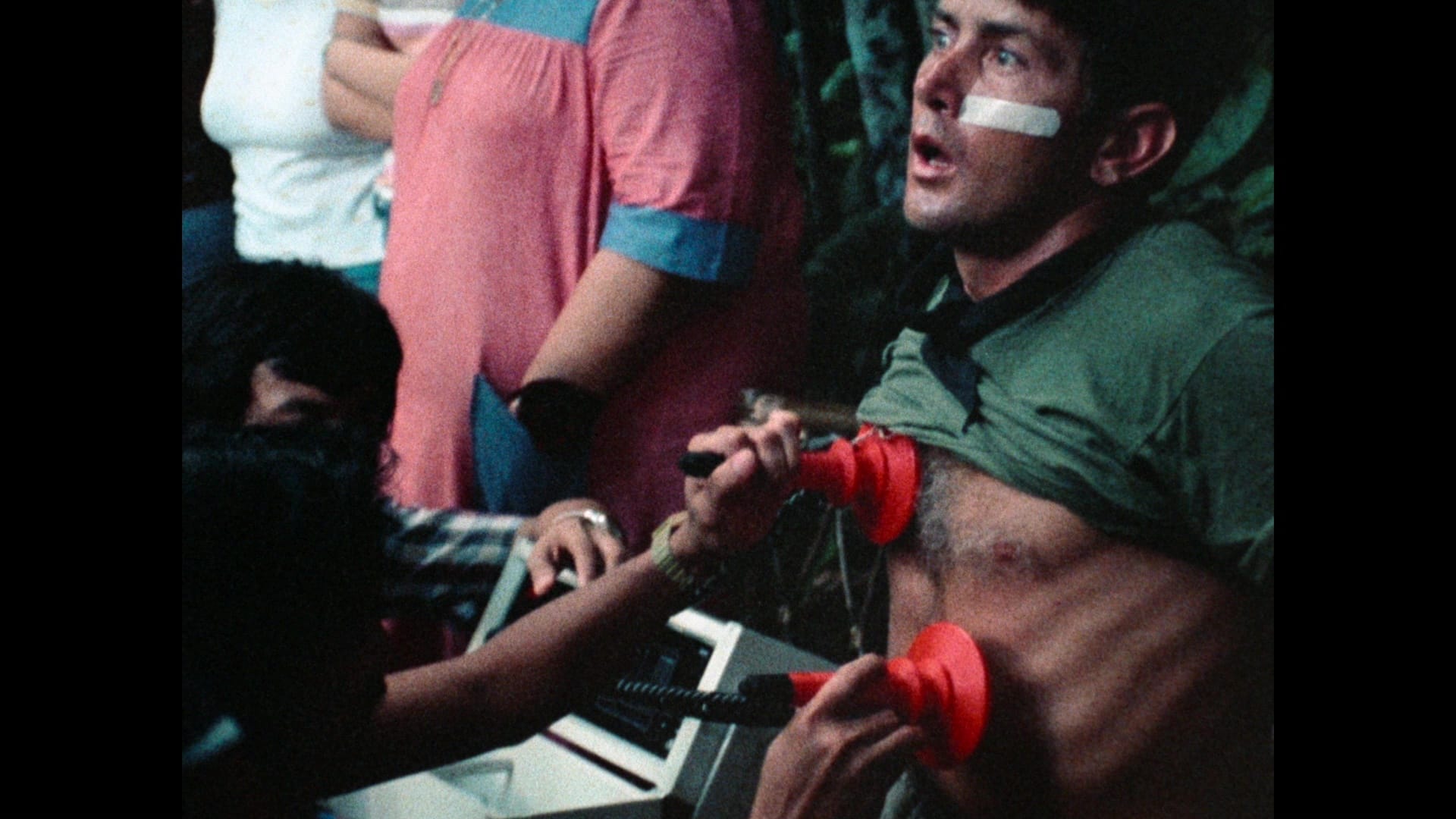
We only get a glimpse. It still feels like something we shouldn't see.
Hearts of Darkness has been available on Blu-ray for a decade and a half, but only as bonus content in Lionsgate’s special editions of Apocalypse Now. That makes a kind of sense, since watching more than five minutes of Hearts will leave you itching to revisit Apocalypse Now in full, but it’s also true that Bahr and Hickenlooper’s documentary stands very nicely on its own, functioning as both a record of the production of a classic and a painfully intimate look at two artists trying to maintain a functional relationship even as one’s collapse fuels the other’s work.
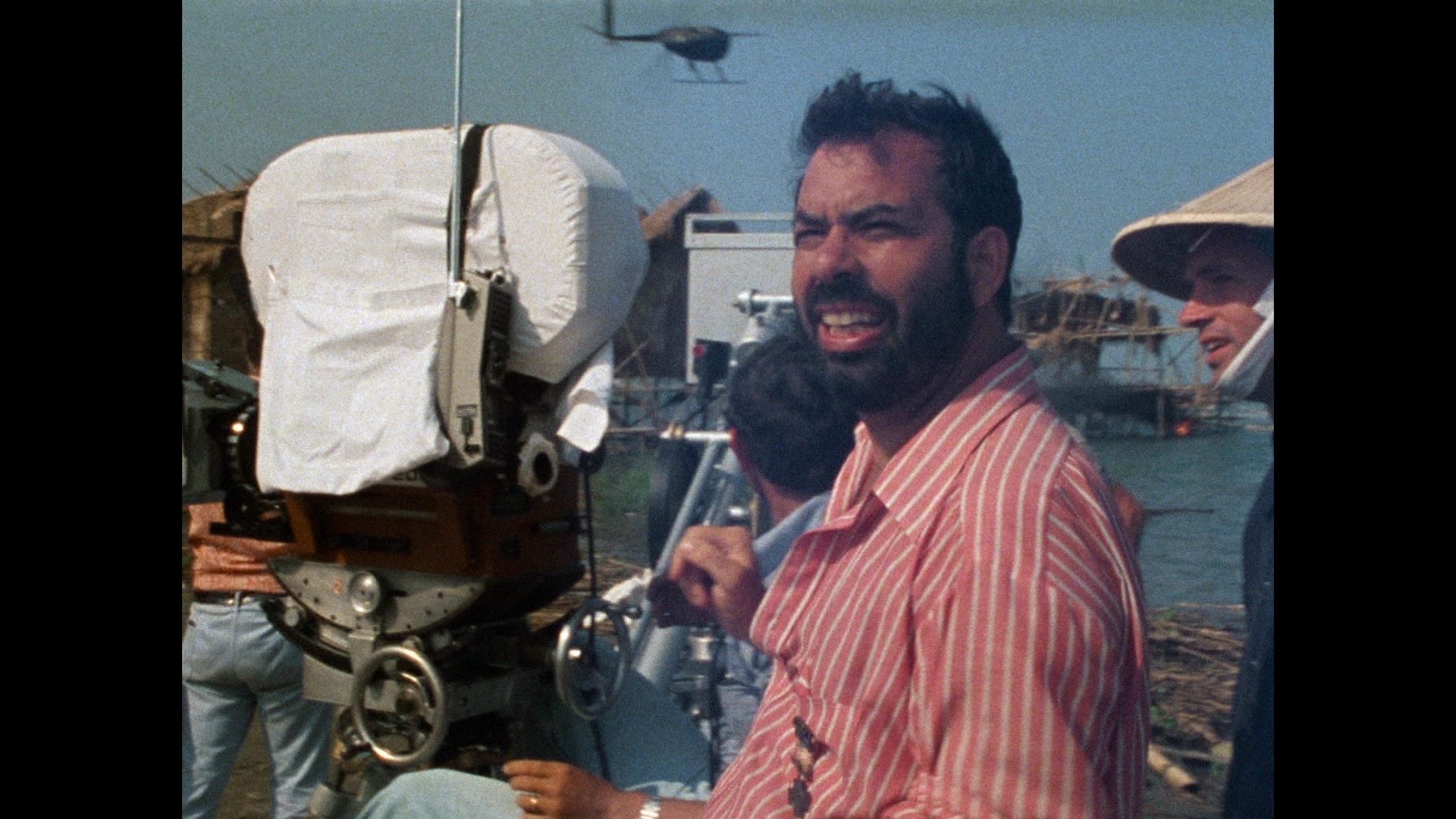
Lionsgate’s 4K release marks the documentary’s first stand-alone availability since Paramount’s long out-of-print DVD. The Francis and Eleanor Coppola commentary recorded for that disc is also OOP, so hang onto that disc if you still have it. But Lionsgate’s 4K includes a new supplemental feature, “The Making of Hearts of Darkness.” Produced by StudioCanal, the 37-minute documentary is dedicated to Eleanor, who died in April 2024, and features new interviews with Fax Bahr and Eleanor’s family: Francis, of course, but also Roman and Sofia, no longer children but middle-aged artists in their own right.
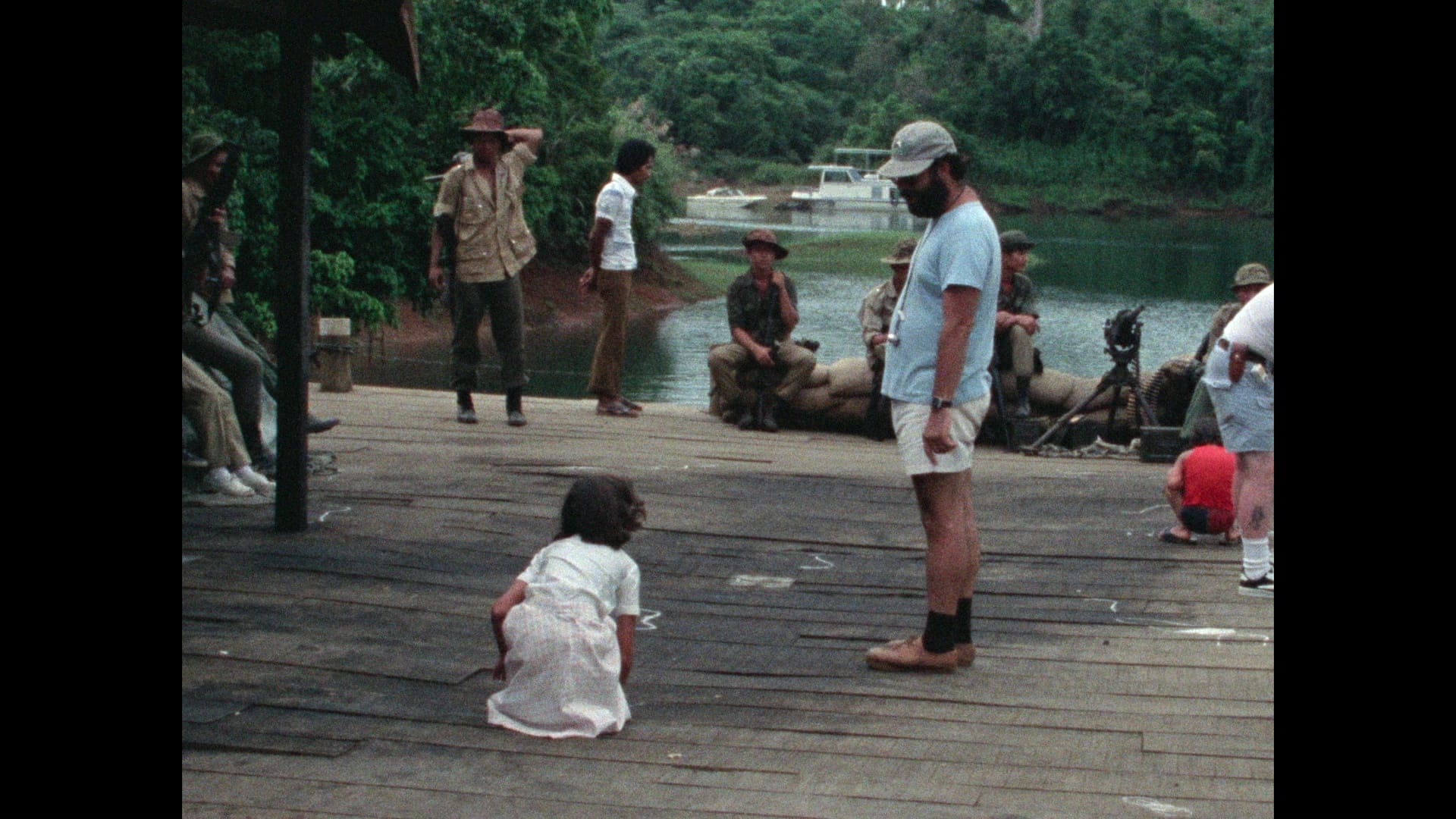
It’s an easy watch, and if one gets the feeling that all four of these people are telling stories they’ve told a thousand times before, it’s good to get them on the record; Bahr’s story about flying to the Toronto set of The Freshman to ask Brando if he’d be interviewed for Hearts is a great one, for example.
We also finally get an explanation for Harvey Keitel’s absence from the documentary, despite having shot the role of Willard for months, and Coppola takes the opportunity to explain why he tried to clamp down on set chatter about Sheen’s heart attack, which he feels Hearts portrays as self-interested and controlling. He’s not wrong, but his rationale – that he was doing his best to keep the actor’s health crisis from making him uninsurable and thus unemployable in the future – does make sense in the rear view.
And now, since you’ve read this far: Want to win a 4K/Blu-ray combo of Wicked: For Good? I have two copies of Jon M. Chu’s great big blockbuster to give away this week, courtesy of Universal Pictures Home Entertainment Canada; all you need to do is be a Canadian resident (sorry) and e-mail me at normwilner@gmail.com with the subject line “Surrender Dorothy.”
Get that to me by noon ET on Friday, January 16th; winners will be selected at random. We can talk about whether “Surrender Dorothy” should have had a comma another time.
Thunderheart is available in 4K from Sony Pictures Home Entertainment; a Blu-ray edition is also available. And Hearts of Darkness: A Filmmaker’s Apocalypse is now available in 4K from Lionsgate.
Up next: Criterion welcomes John Huston’s The Dead into the Collection, and Warner brings Paul Thomas Anderson’s One Battle After Another to disc just a few weeks after giving Boogie Nights the 4K remaster it’s long deserved. But first, there’s Friday’s What’s Worth Watching featuring 28 Years Later: The Bone Temple and a couple of other very worthy new releases. Upgrade to paid so you don’t miss out!