
Very Fine People, On Both Sides
In which Norm spins up the new 4K editions of GONE WITH THE WIND and RYAN'S DAUGHTER, and finds his way to the Blu-ray release of THE LOST PATROL.
So I got home from a week at WIFF and almost immediately got sick, which tells me I still know how to survive a festival: Keep moving until it’s over, then collapse. Fortunately, lying around in a haze is an excellent excuse to work one’s way through the two epics I’m writing about today, and also to squeeze in one more film that predates both of them but slots in nicely just the same.
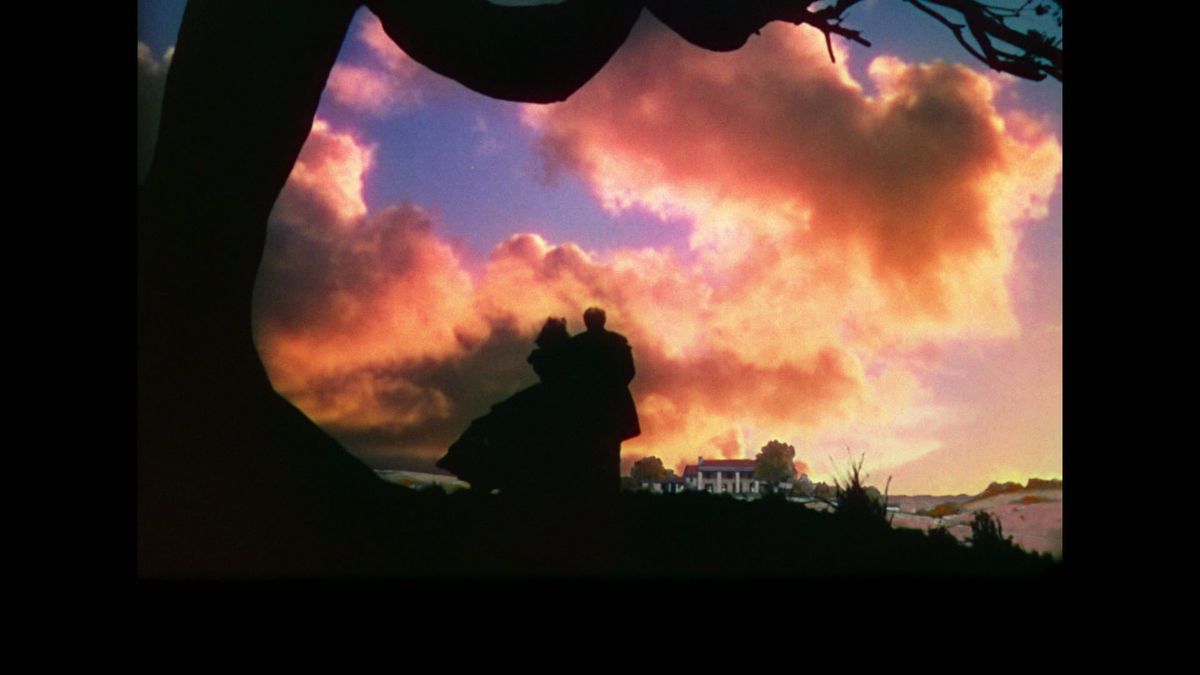
Let’s begin with the big’un: Gone with the Wind. The new 4K edition is the first major release of David O. Selznick’s Golden Age colossus in a decade and a half, and one that comes with more than a few caveats.
An adaptation of Margaret Mitchell’s 1936 bestseller about the struggles of a Confederate plantation owner in the decade defined by the, er, War of Northern Aggression, Gone with the Wind can’t help but feel like a movie from an alternate universe now, with racial and gender politics that are problematic at best and reprehensible at worst. But it also represents some of the finest technical and dramatic achievements of its day, and at least the Klan aren’t the good guys like they are in The Birth of a Nation, so for nearly 90 years audiences have been snuggling cozily into its lavish production and enjoying its spectacle with plausible deniability, even as another segment of America clings to its weird glorification of a genteel, tolerant South where nothing was all that bad if you had the right attitude.
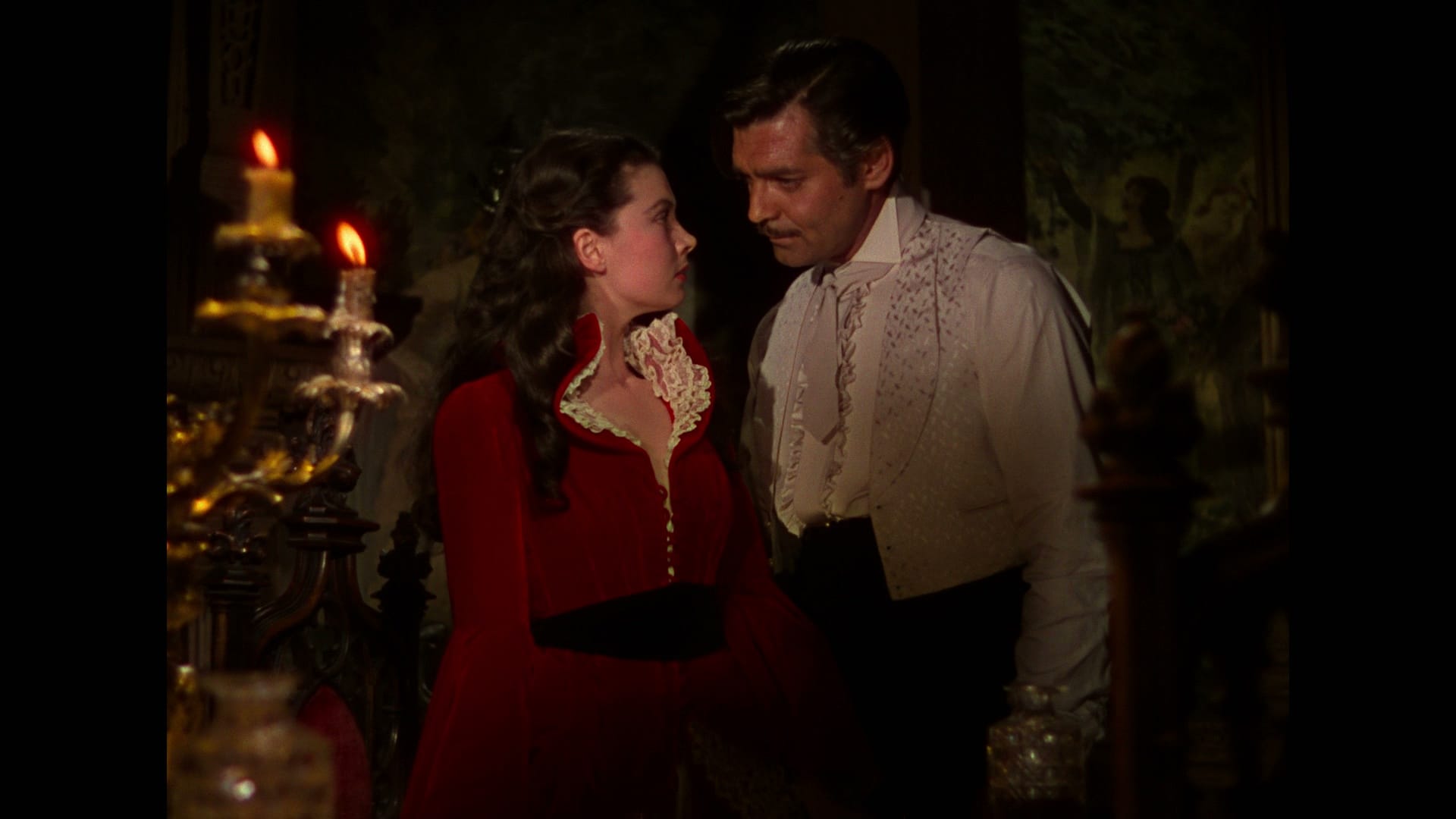
It’s always been a little difficult to empathize with the sheltered aristocrat Scarlett O’Hara, horrified that her comfortable life might be threatened by some outside agitators, but Vivien Leigh – just 25 years old – was able to fully embrace the character’s melodrama without condescending to it. It could be argued that all Clark Gable does is condescend as Scarlett’s perpetual foil Rhett Butler, but that’s appropriate to his character too; he may look like a gentleman, but he’s even more selfish and limited than Scarlett, and I’m pretty sure Gable knew that even if Selznick didn’t.
It’s here that I should point out that we are half again as far from the release of Gone with the Wind than Gone with the Wind was from the time in which it takes place … and most viewers, myself included, can approach the film with a little distance. But after the events of the last decade, and after the events of last week, its blinkered perspective feels a lot more unsettling than it did than the last time the movie rolled back onto shelves. There is something profoundly weird about watching a sympathetic exploration of the romantic and financial struggles of Southerners produced on the eve of a second world war; watching it this time, I realized that Casablanca would go into production just three years later, and that picture still feels as contemporary and urgent as ever.
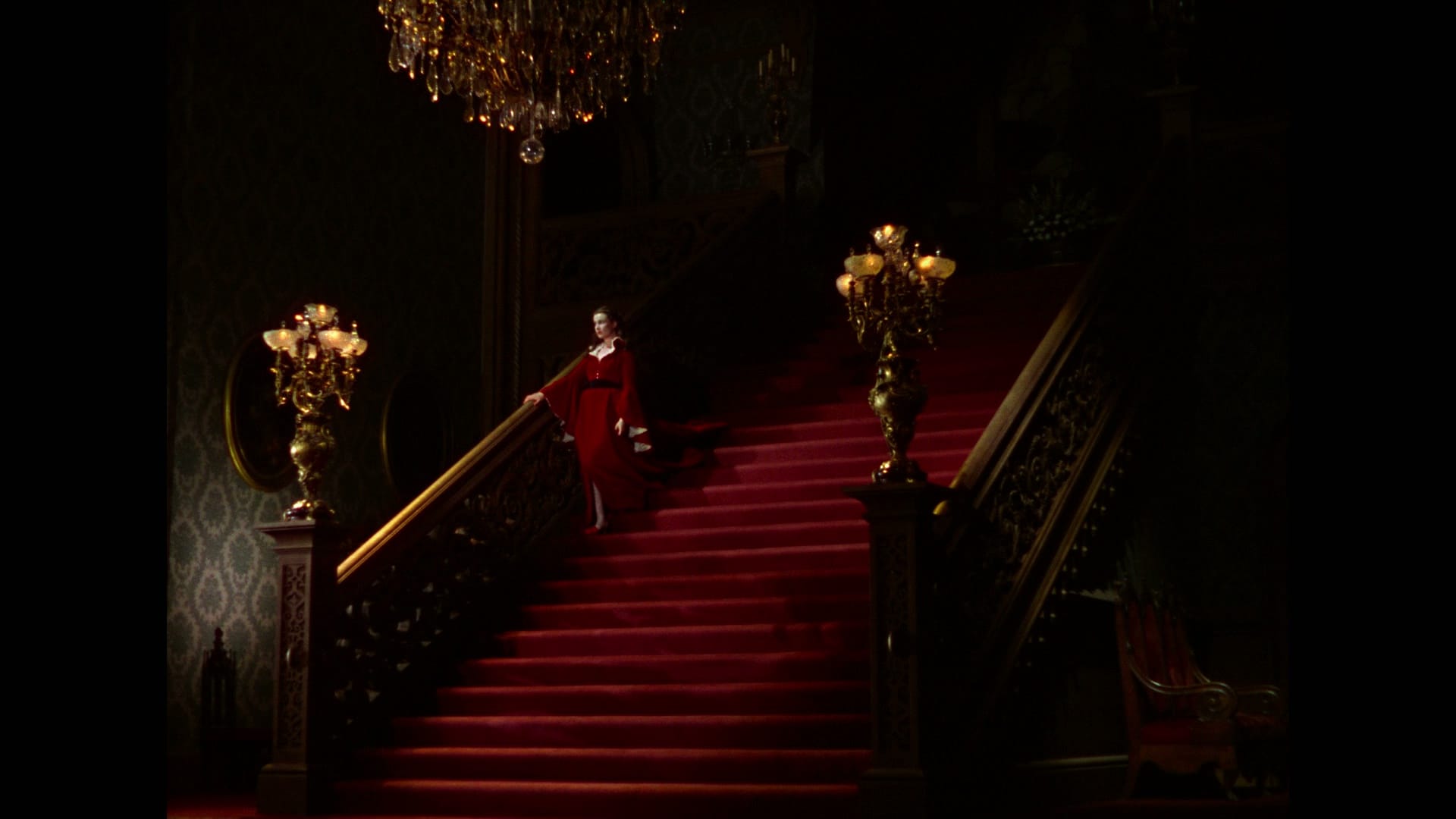
But Casablanca started out as just another programmer, while Gone with the Wind was always going to be a big, important movie. Selznick presiding over every artistic decision – even replacing initial director King Vidor with Victor Fleming and cinematographer Lee Garmes with Ernest Haller at different points in the shoot – in order to deliver what he believed would be the biggest, most important movie the world had yet seen. And I suppose he was right; the film was a massive hit, even with a run time of four hours. It dominated the Oscars with twelve nominations, ultimately winning eight including Best Picture, Best Director, Best Adapted Screenplay, Best Actress for Leigh and Best Supporting Actress for Hattie McDaniel – the first time a Black performer would be nominated for, and win, an Academy Award.
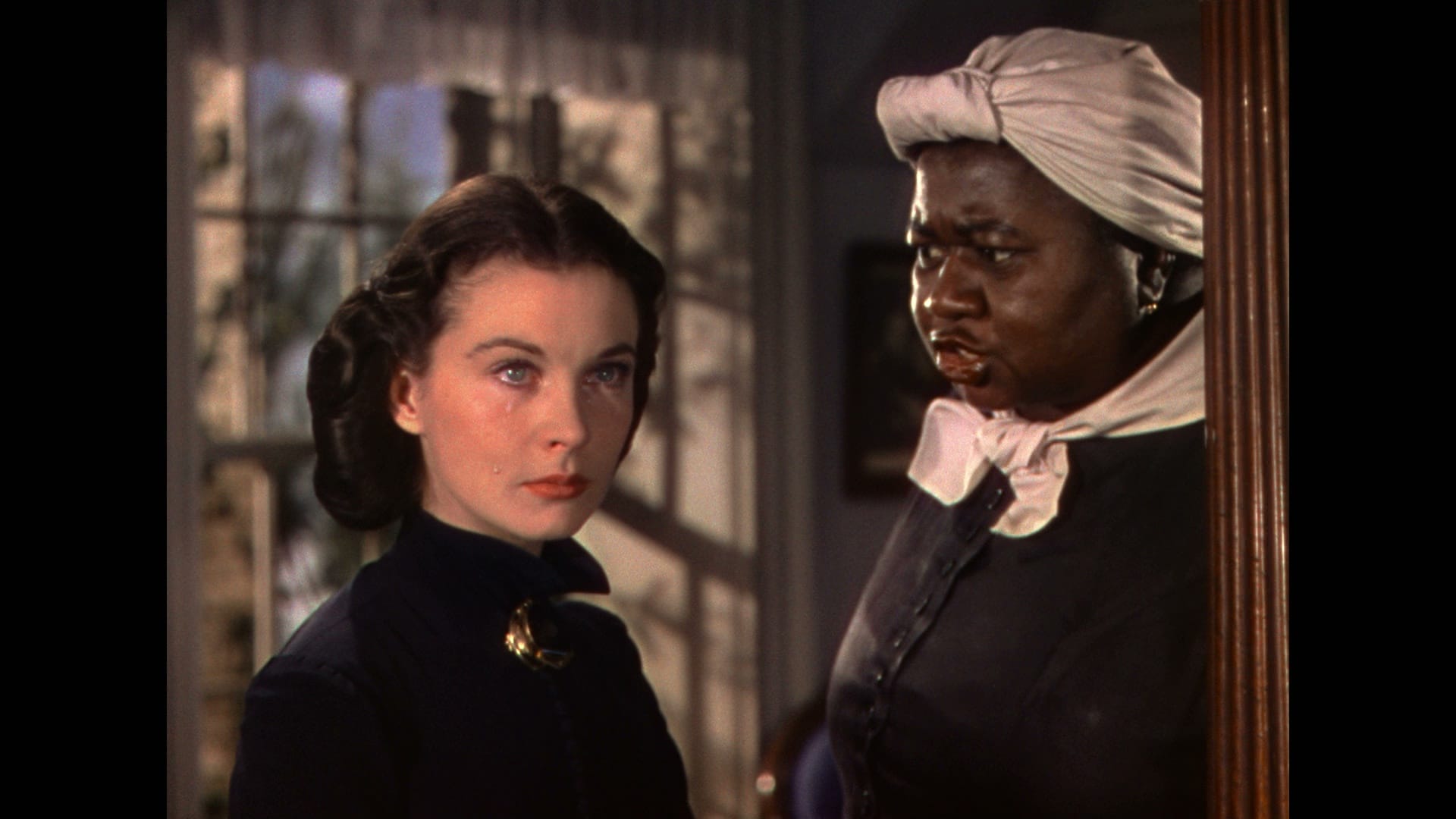
The movie also won for Art Direction, Color Cinematography and Film Editing, and received two special achievement awards for its technical accomplishments. And rightly so:
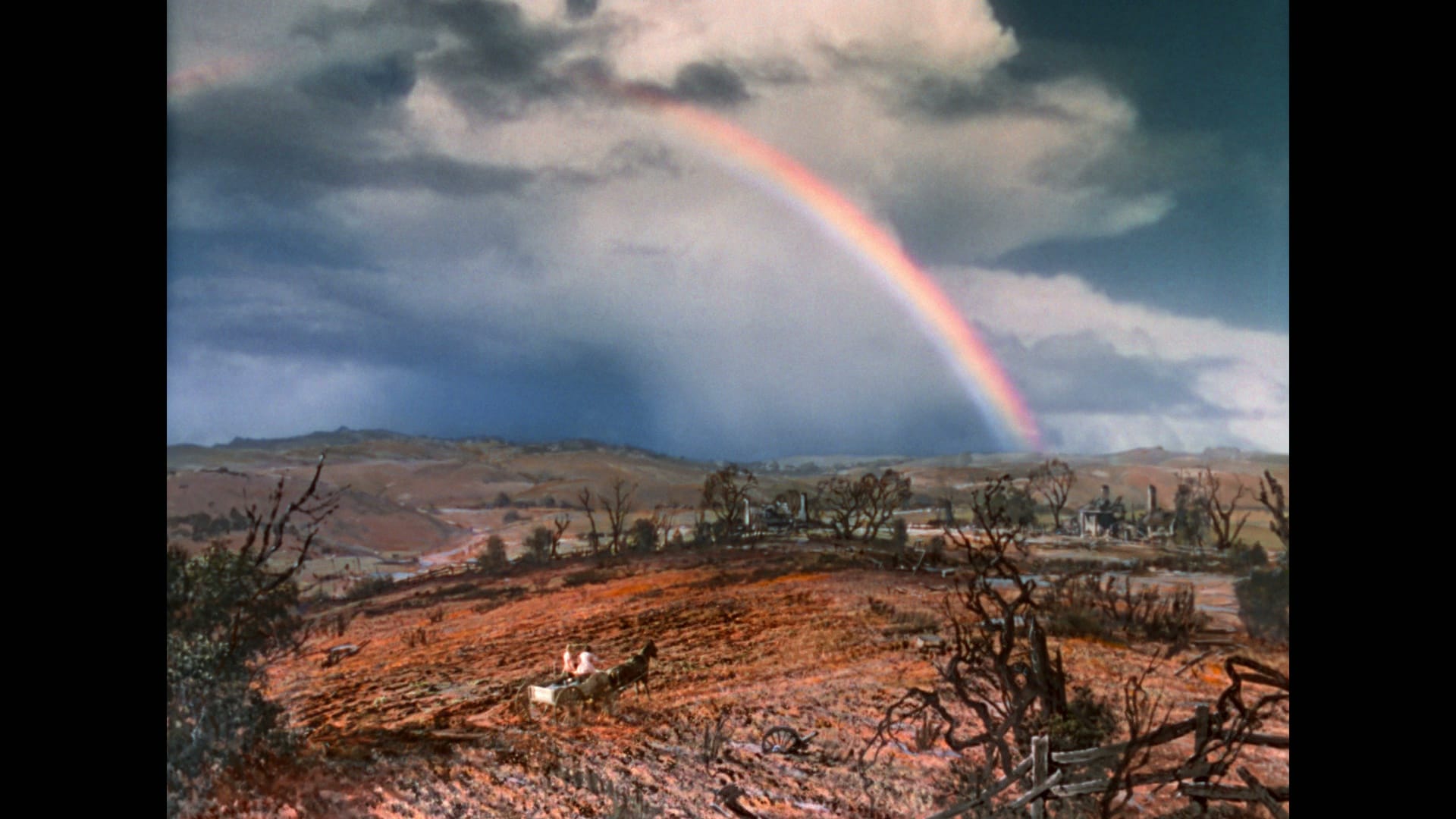
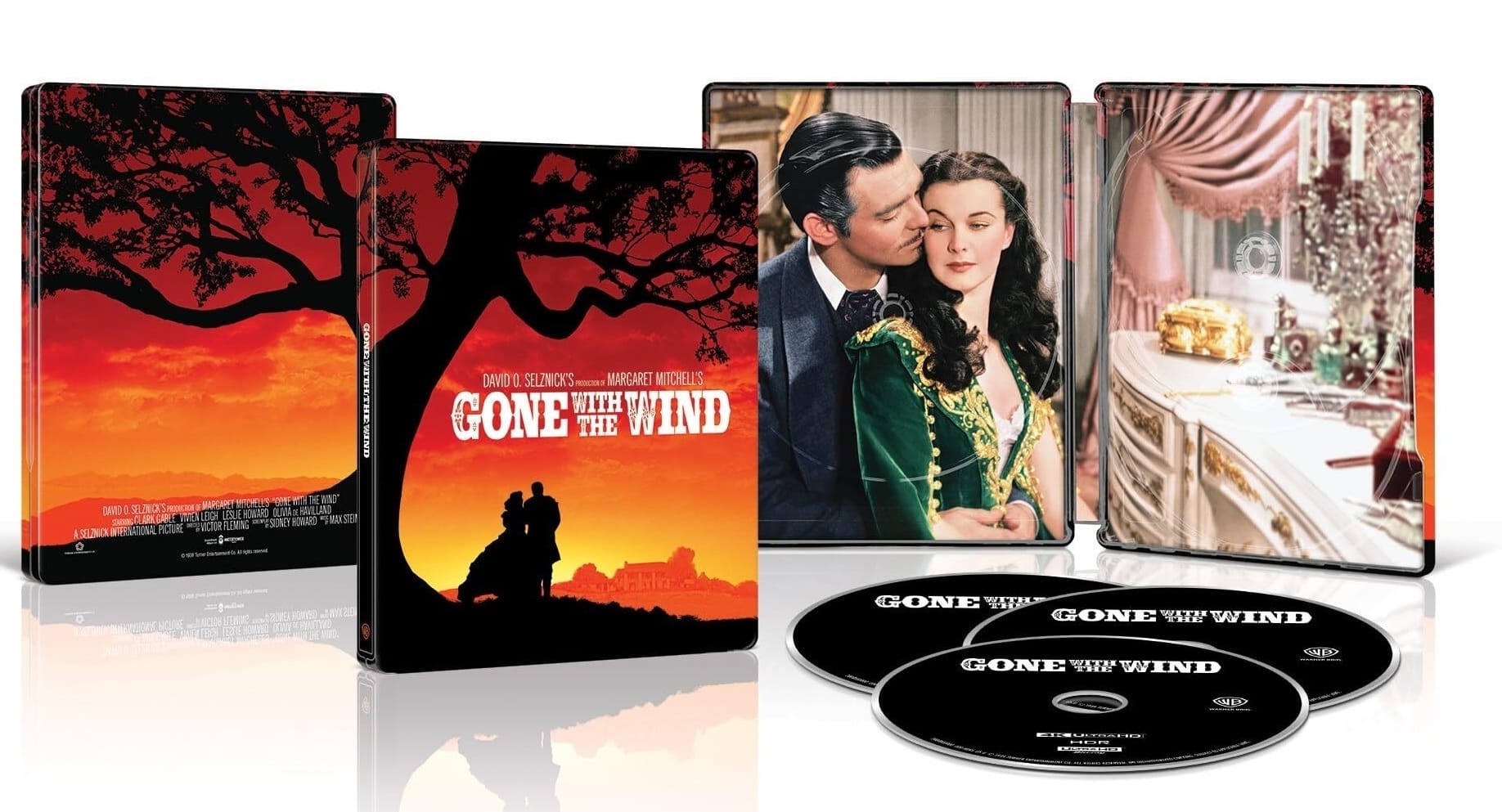
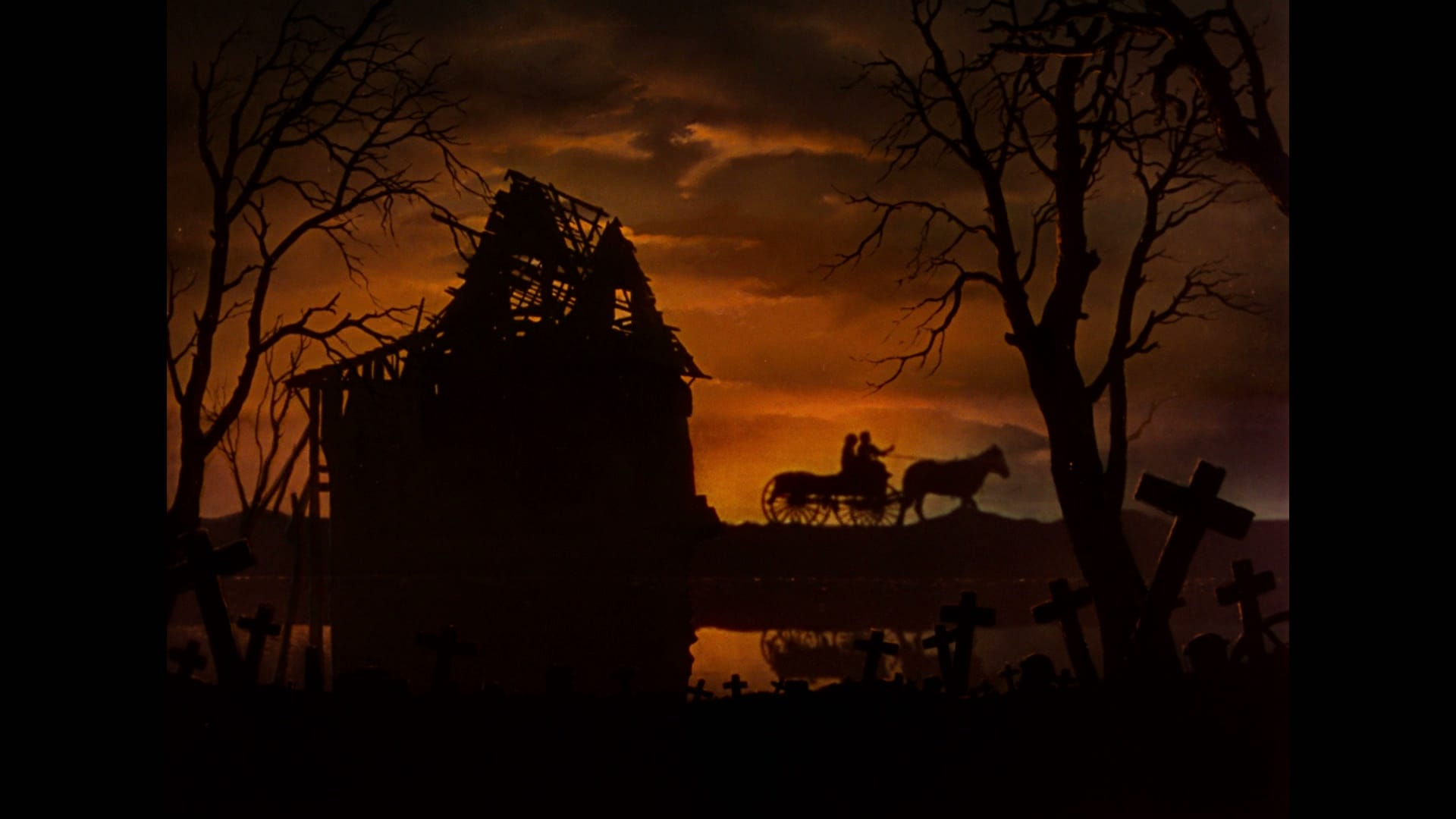
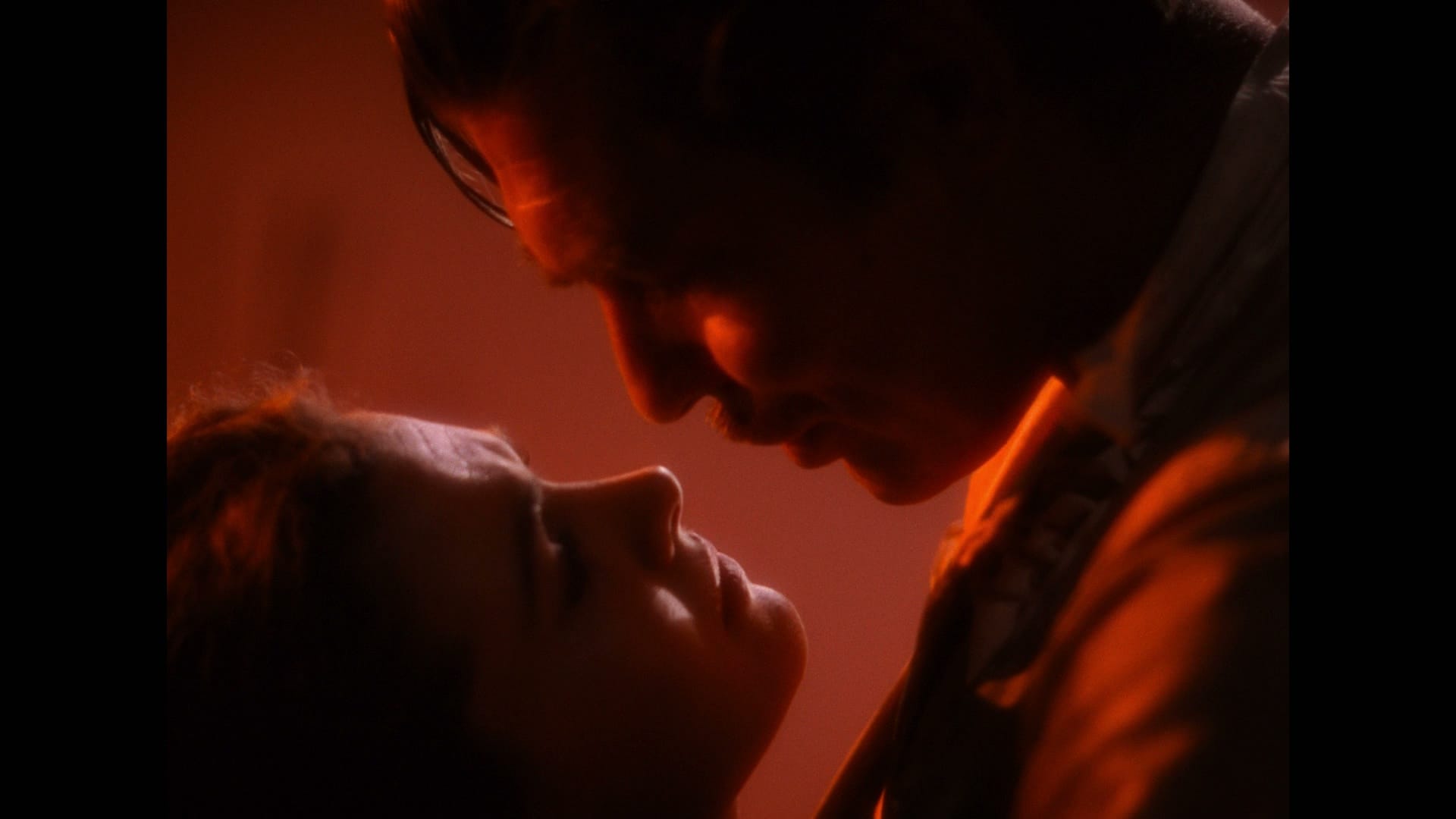
There’s no question Gone with the Wind is a work of cultural and historical value, and Warner’s restoration – sourced from a new 8K scan – lets us experience it as close as possible to the original experience. Earlier Blu-ray and even DVD editions did a pretty good job of rendering its Technicolor cinematography, but between the additional detail available in a 2160p presentation and the extended dynamic range possible with HDR, this feels like the definitive home-video version, and the closest any disc format has come to capturing the texture of the 35mm restoration in the late ’90s. The 5.1 surround mix created for that release is included here along with the original theatrical mono, both encoded in DTS-HD. The feature is split over two UHD platters, with Rudy Behlmer’s informative DVD commentary as the only supplement. The rest of the special features are gathered on a separate Blu-ray.
As with many of Warner’s 4K catalogue upgrades, Gone with the Wind arrives with a mixture of new and archival extras. There’s a recent Turner Classic Movies introduction in which Jacqueline Stewart deftly acknowledges the film’s complicated legacy while still expressing enthusiasm for the experience. Stewart gets to expand on that with producer Stephanie Allain and film critic Molly Haskell in the hour-long panel “The Complicated Legacy of Gone with the Wind,” taped at the 10th TCM Classic Film Festival in 2019 on the occasion of the film’s 80th anniversary. And the shorter “A Conversation About Slavery in Film” lets TCM’s Ben Mankiewicz explore that theme with historian Donald Bogle for the channel’s audiences.
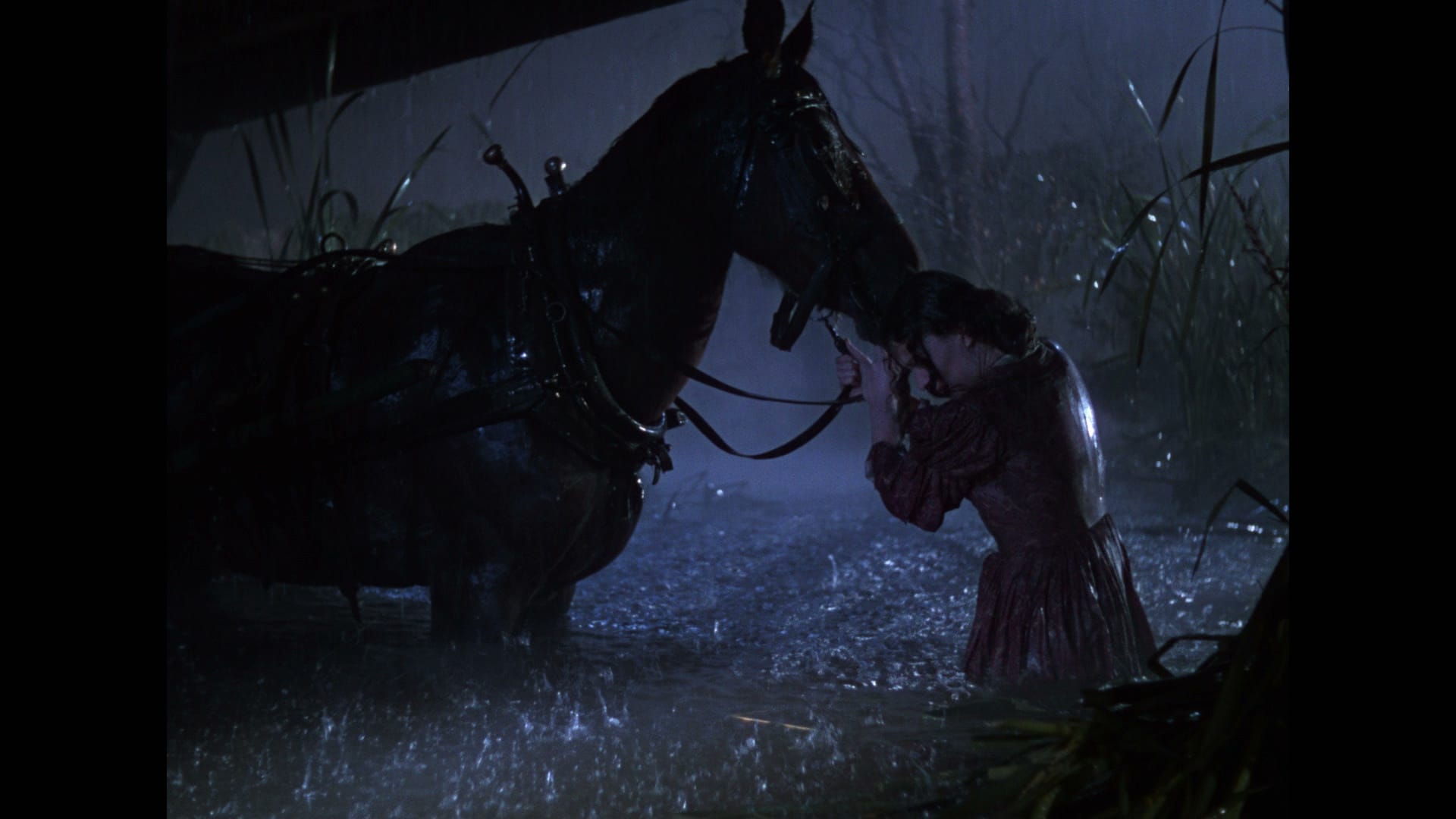
Three new featurettes, each running about eight minutes, are considerably less critical: “Gone with the Wind: The Influence That Endures” is an uncomplicated celebration of the film, with Leonard Maltin and a selection of friendlies discussing the movie as a Golden Age classic that would define the Hollywood epic for decades. “Scarlett O’Hara: The A Woman Ahead of Her Time” makes a similar argument for the film’s protagonist, with Leigh’s performance setting the standard for women in studio melodramas. And “Gone with the Wind: Restoring and Preserving an Epic” lets Warner’s technicians – senior colorist Jan Yarbrough and sound supervisor John Yanez – discuss this latest restoration and the lengths to which they went to ensure its fidelity to the original release.
Some but not all of the copious extras from previous editions are here: The two-hour DVD documentary The Making of a Legend and the half-hour Blu-ray featurette The Legend Lives On; “Melanie Remembers,” a 40-minute interview with co-star Olivia de Havilland; various promotional materials and newsreel footage and a biographical gallery of the supporting cast.
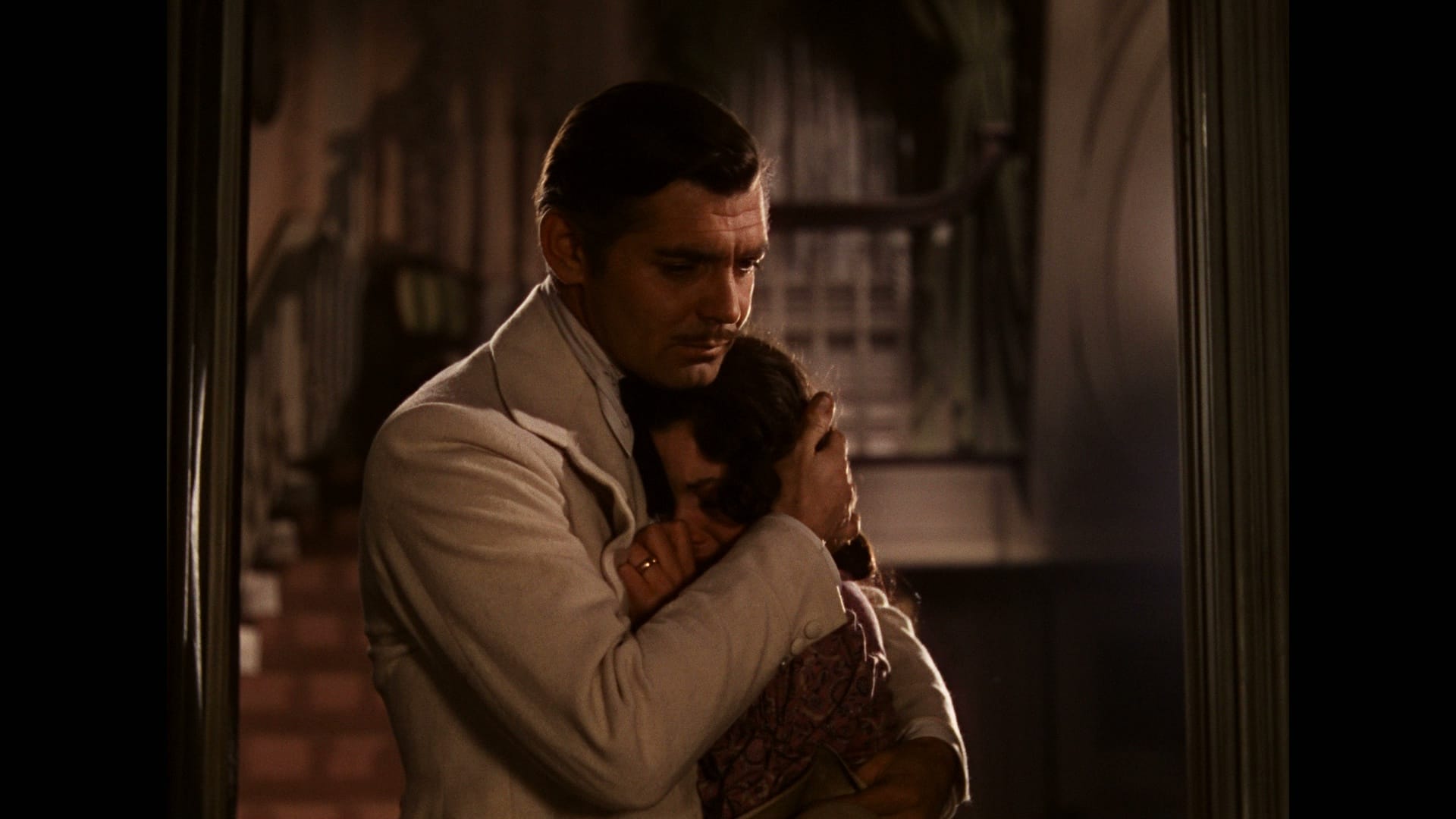
Not included in this edition are the longer documentaries “Clark Gable: The King Remembered,” “Vivien Leigh: Scarlett and Beyond” and “1939: Hollywood’s Greatest Year;” the justly forgotten 1980 TV-movie The Scarlett O’Hara War, about Selznick’s attempts to cast the role of Scarlett, a DVD-era restoration documentary and the trailer gallery. All of those can be found in the 70th anniversary Ultimate Collector’s Edition – the one in the red velvet box – if you can’t live without them. But I expect you can.
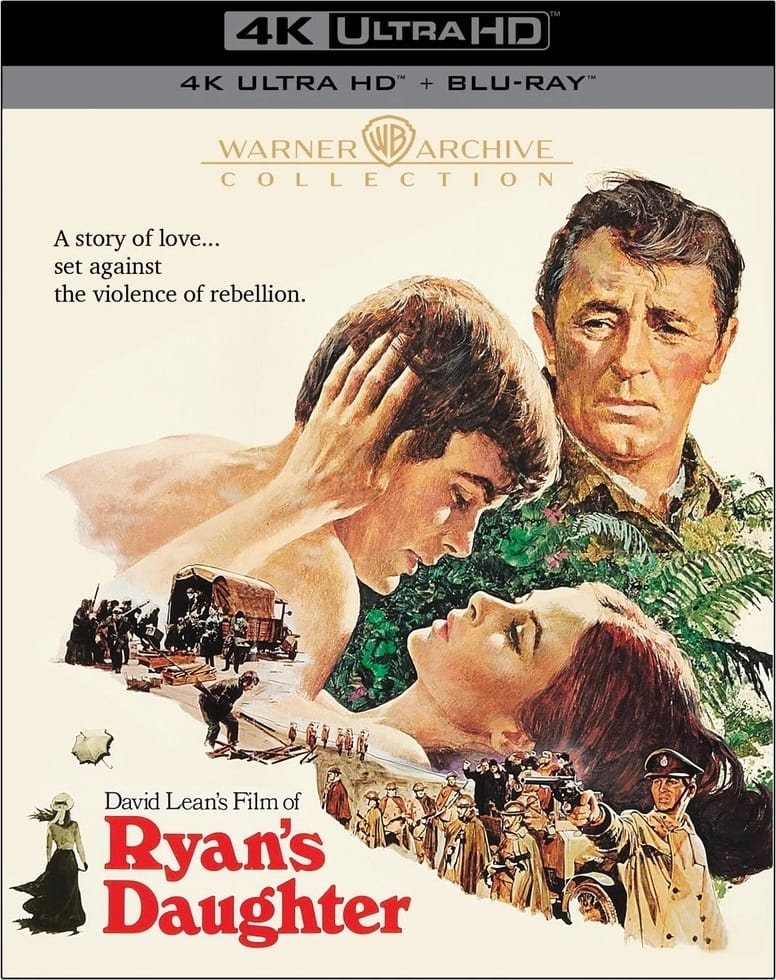
Gone With the Wind isn’t the only big studio epic about love and war getting a fresh 4K upgrade, mind you. The Warner Archive Collection dropped a surprise restoration of Ryan’s Daughter on us last month, bringing David Lean’s neglected 1970 romantic drama to both Blu-ray and 4K for the first time. “Surprise” might be too gentle a term; I’d long since given up any hope of a decent release, as the movie barely registers in Lean’s filmography these days.
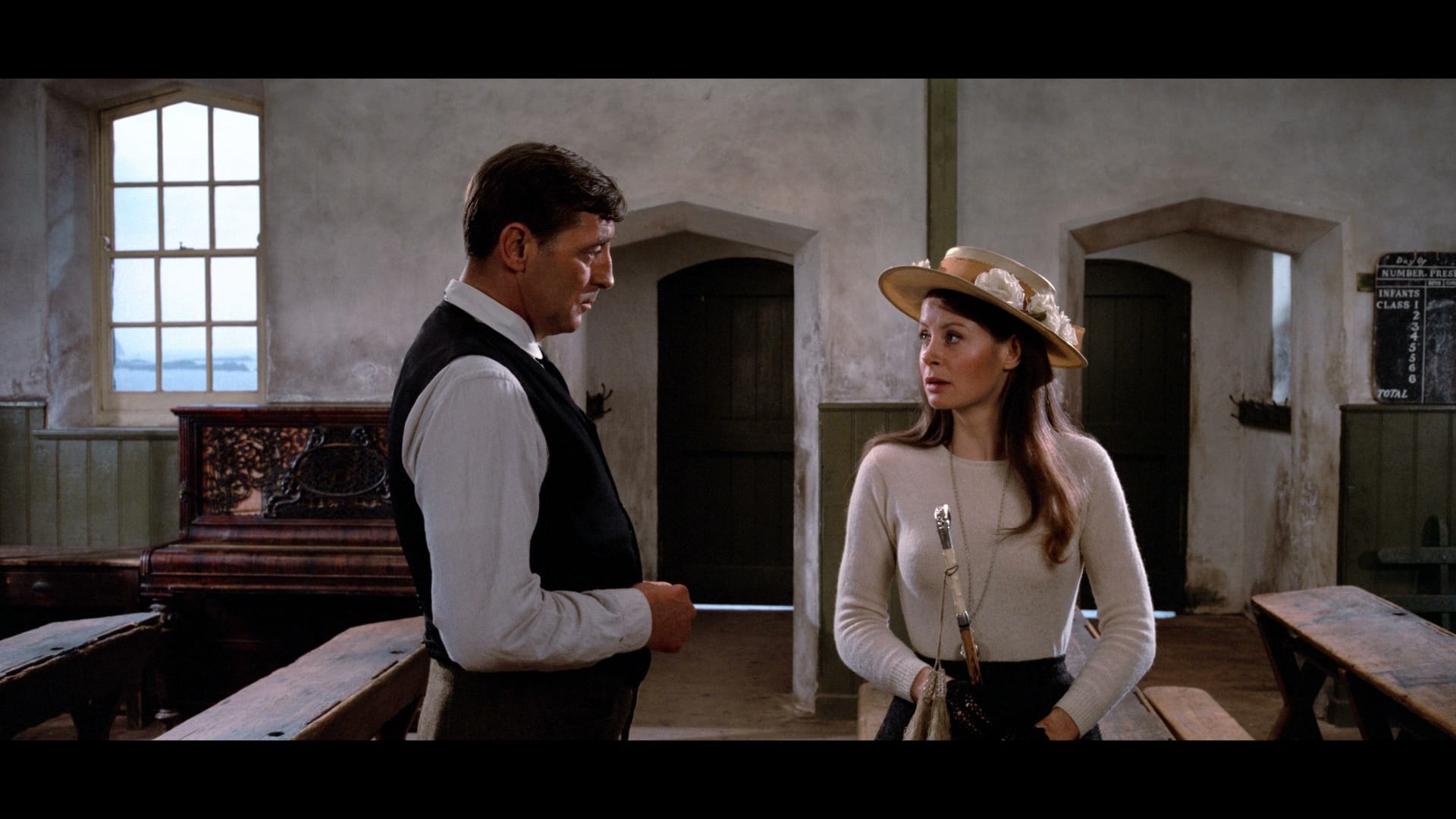
Lean’s frequent collaborator Robert Bolt wanted to write an adaptation of Madame Bovary, but Lean asked him to transpose the narrative to Ireland during World War I, with the key triangle reimagined as schoolteacher Charles Shaughnessy, his frustrated wife Rosy and her lover Doryan, a wounded British officer. It still might have worked with the right cast, but Lean picked Robert Mitchum for Charles, and his magnetism and bearing just don’t read as “thoughtful and withdrawn.”
The American star Christopher Jones was even less convincing as Doryan, struggling with his accent so badly that Lean recruited the British actor Julian Holloway to dub his performance. Miles winds up doing all the heavy lifting, and earned an Oscar nomination for her efforts, but the movie never really finds a balance that works.
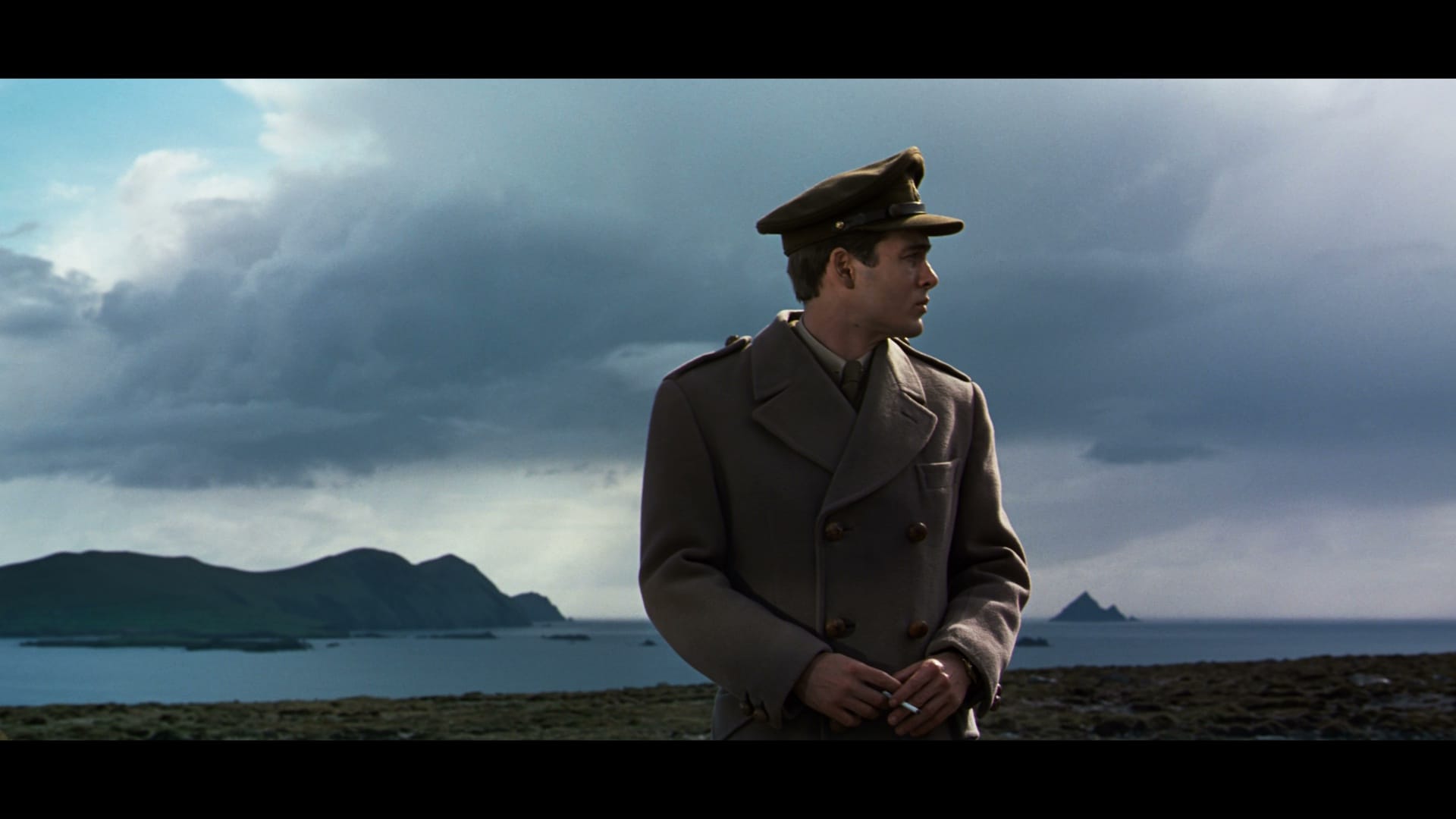
MGM, which had expected another Doctor Zhivago, regarded Lean’s film as a turgid, expensive misfire … and critics of the time agreed. Freddie Young’s Super Panavision 70 cinematography gave the film the feel of a major event even if the drama fizzled, and audiences showed up. Young won an Oscar for his efforts, and co-star John Mills won Best Supporting Actor for playing a mentally challenged villager who complicates the plot at various points. It is a performance that might kindly be considered “regrettable,” and some part of me wonders whether it’s the reason Warner took its time bringing Ryan’s Daughter back into circulation.
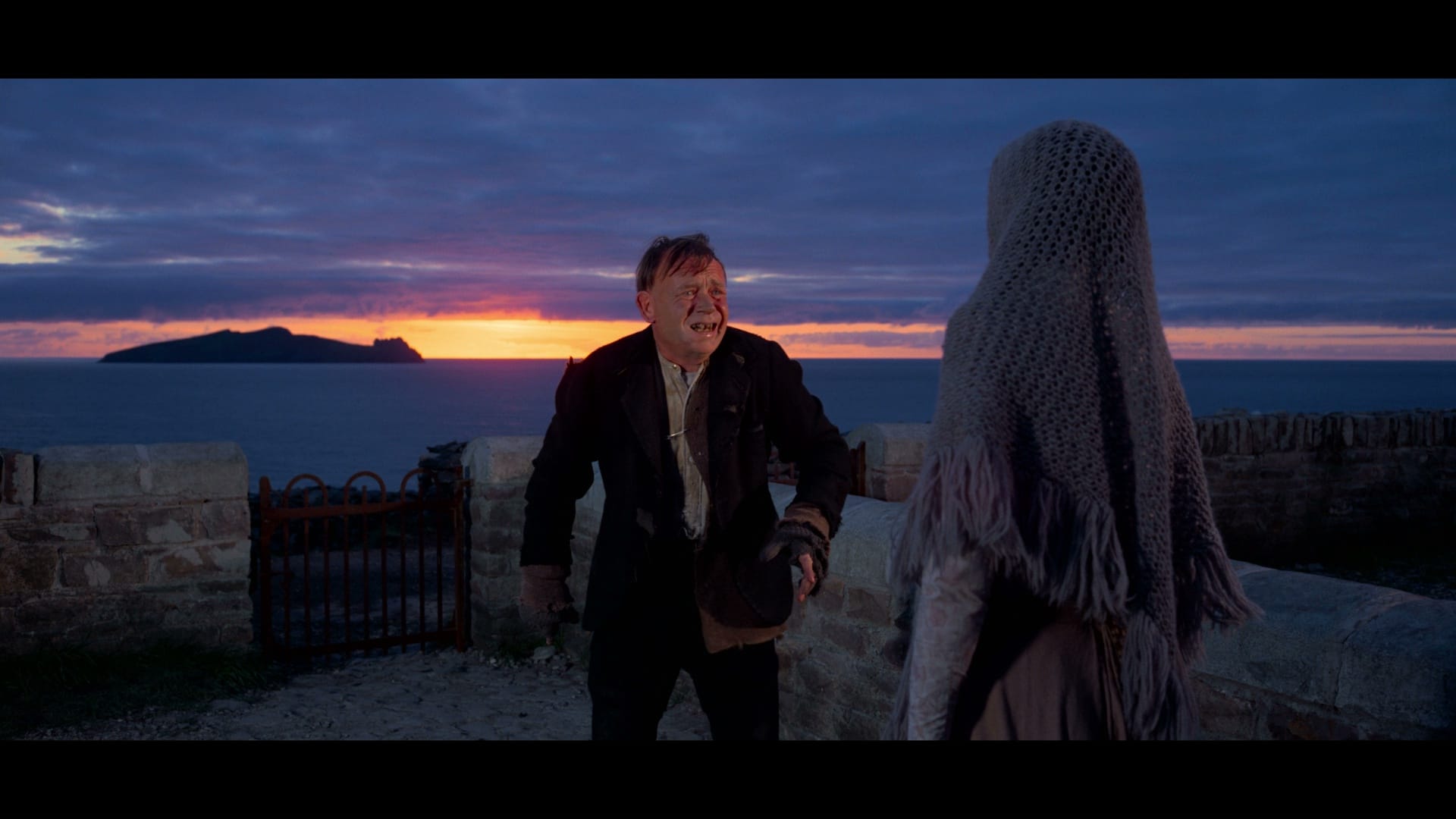
Regardless, Lean’s penultimate film has finally been restored with the care and love it deserves. Warner’s 2005 DVD was decent for the time, its 16:9 widescreen master accompanied by an audio commentary and hour-long retrospective documentary, both produced by Laurent Bouzereau with the participation of the surviving cast and crew (including Sarah Miles) and Ryan’s admirers John Boorman, Hugh Hudson and Richard Schickel, with personal context provided by Lean’s widow Sandra and Robert Mitchum’s daughter Petrine Day. Three vintage pieces, the BBC documentary “We’re the Last of the Traveling Circuses” and MGM’s announcement trailer and promo reel “Ryan’s Daughter: A Story of Love,” were also included. The entire suite has been ported over to both the 4K and Blu-ray platters, bumped up to 1080p. But it’s the feature itself that makes this release unmissable.
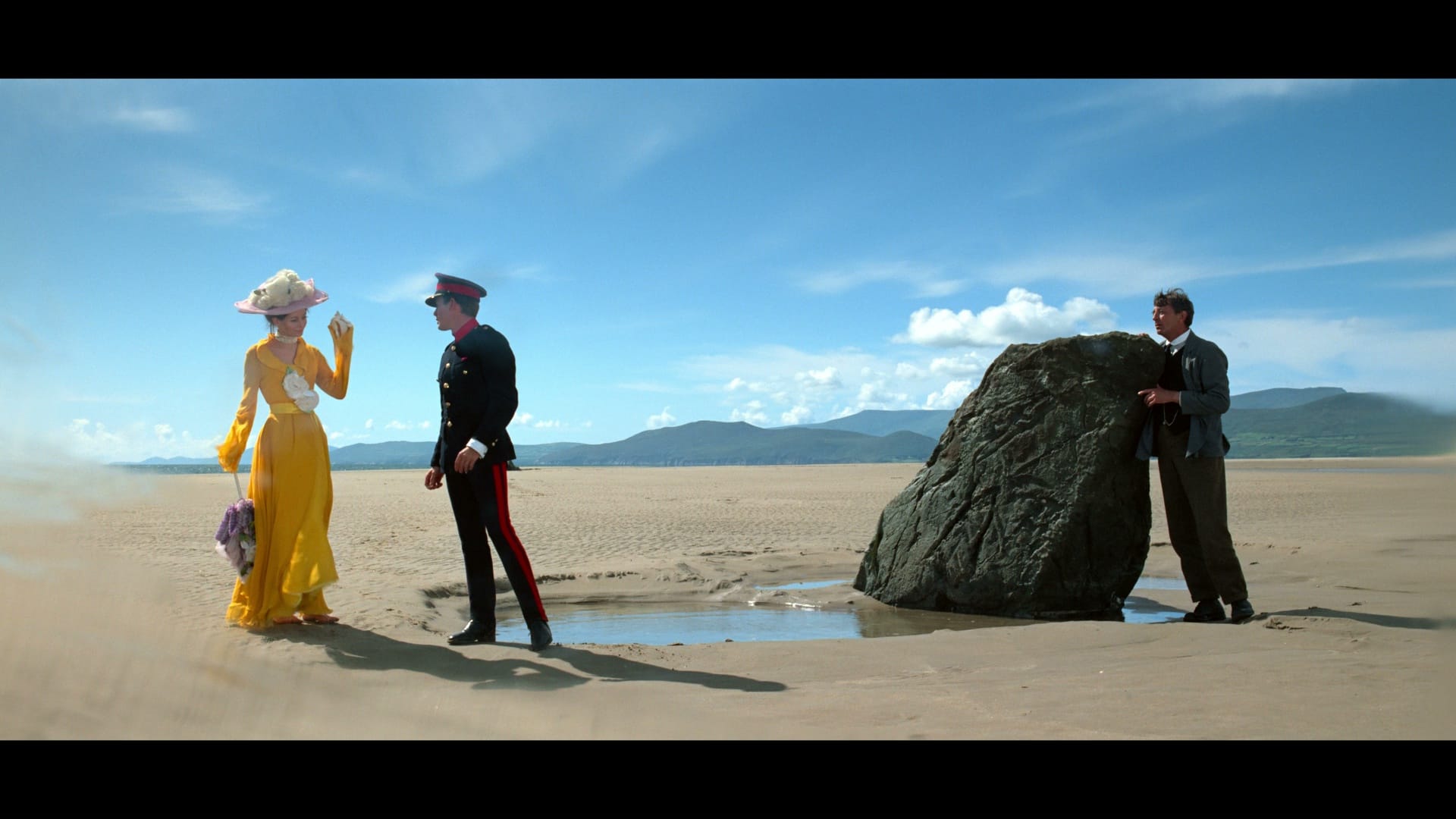
Both the 4K and Blu-ray editions of Ryan’s Daughter have been mastered from an 8K scan of the 65mm camera negative, with both the original 5.0 theatrical soundtrack and a new 5.1 remix offered in DTS-HD. I’ve seen people argue that 8K scans are excessive since most people will never have the chance to see a film at that resolution, but the 4K presentations of Gone with the Wind and Ryan’s Daughter make the argument for capturing as much of the film elements as is technologically possible.
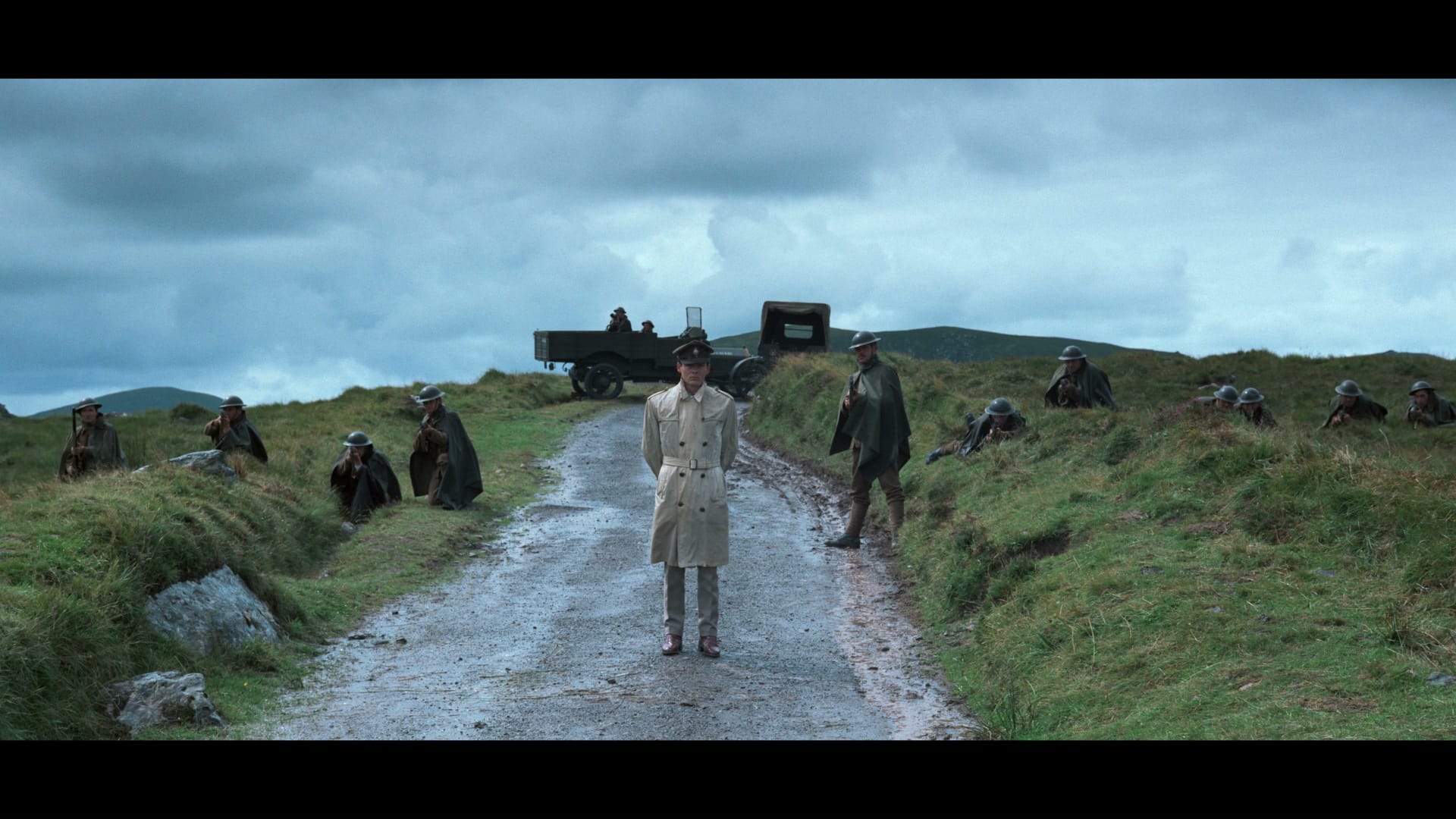
You can almost see Young’s cinematography breathing in this restoration, the rhythms of the landscape – weather, sand, surf – becoming as essential as the production design. The screen captures are from the 1080p Blu-ray, but they’re even more impressive in UHD and HDR, offering a depth and texture I’ve never seen before. It makes it easier to sink into the experience of the film, even when the drama seems off, you can lose yourself in the world Lean built.
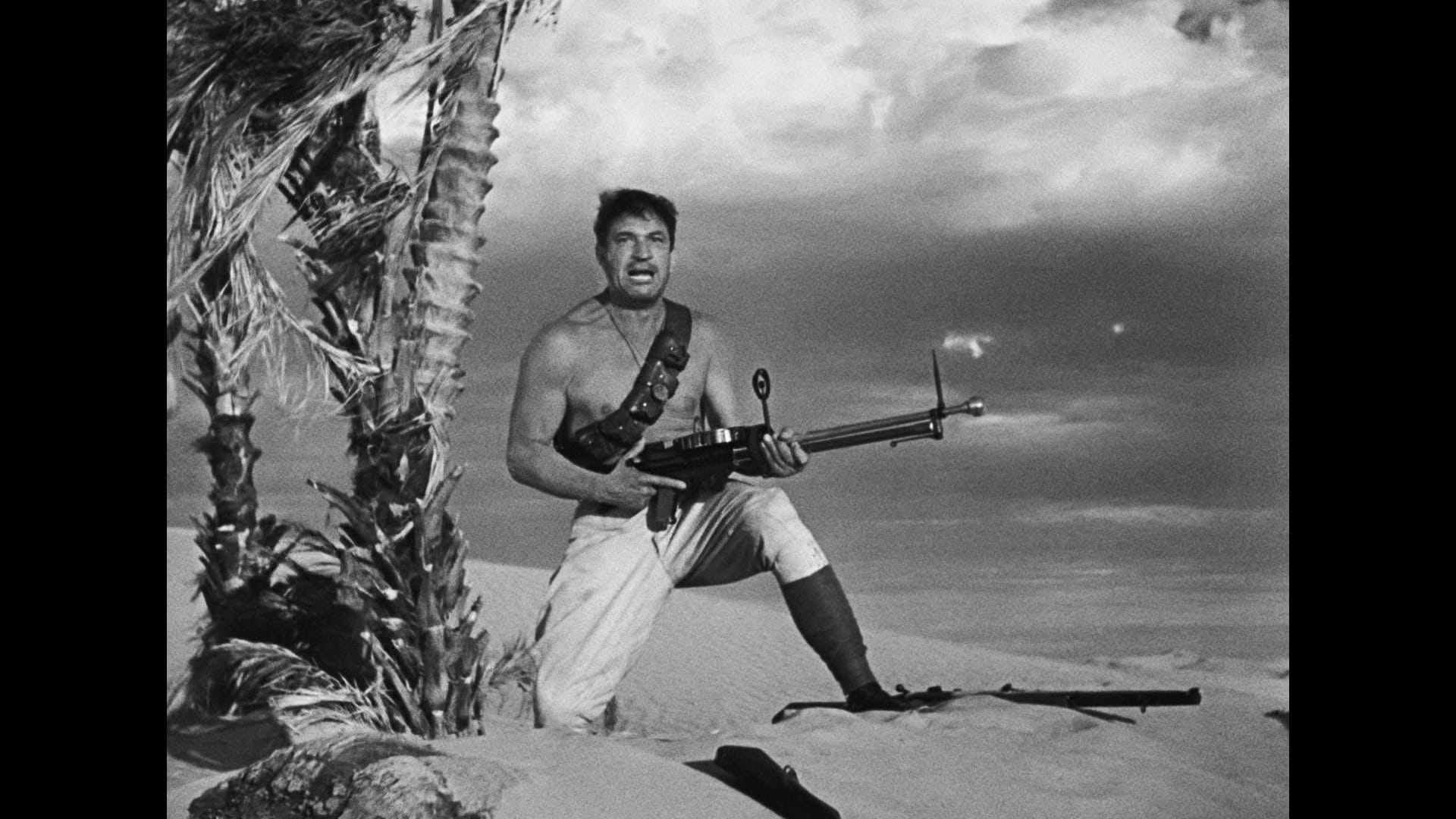
I also want to shout out another Warner Archive release, though one that hasn’t received as luxurious a treatment as either of the above titles: John Ford’s swift WWI drama The Lost Patrol got a long-overdue Blu-ray release a few weeks back, and it’s a corker.
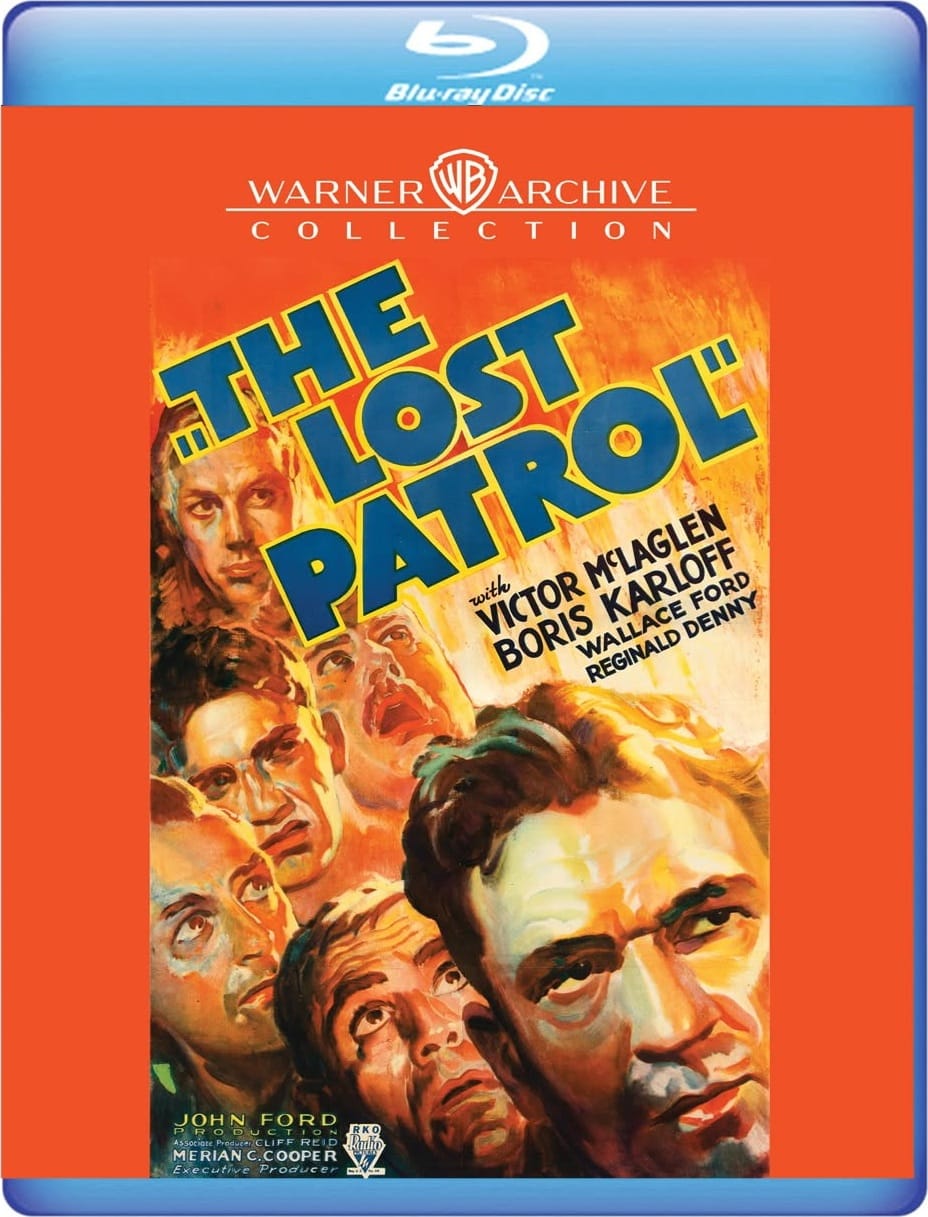
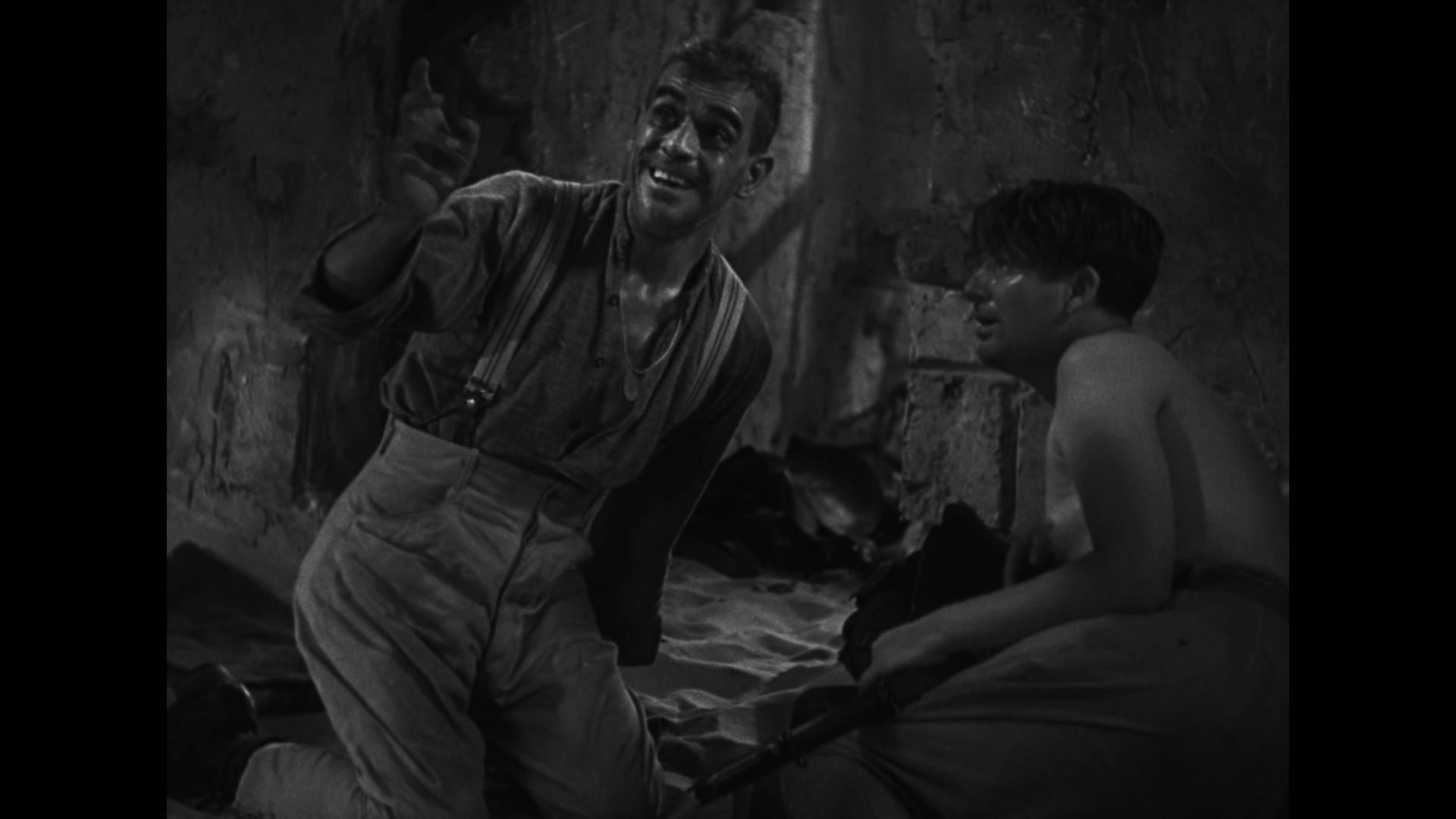
Released in 1934, it’s an adaptation of Philip MacDonald’s novel Patrol, following a British cavalry regiment crossing the Mesopotamian desert who find themselves pinned down by unseen snipers, their commanding officer killed before he can share their destination with any of his men. Taking shelter in an abandoned garrison, their sergeant (Victor McLagen) encourages his men to hold on to their mission – and then their sanity – as their options dwindle away to nothing. But the Bible-thumping Sanders (Boris Karloff) insists the oasis they’ve found is the site of the literal Garden of Eden, and so God Himself must be testing their faith.
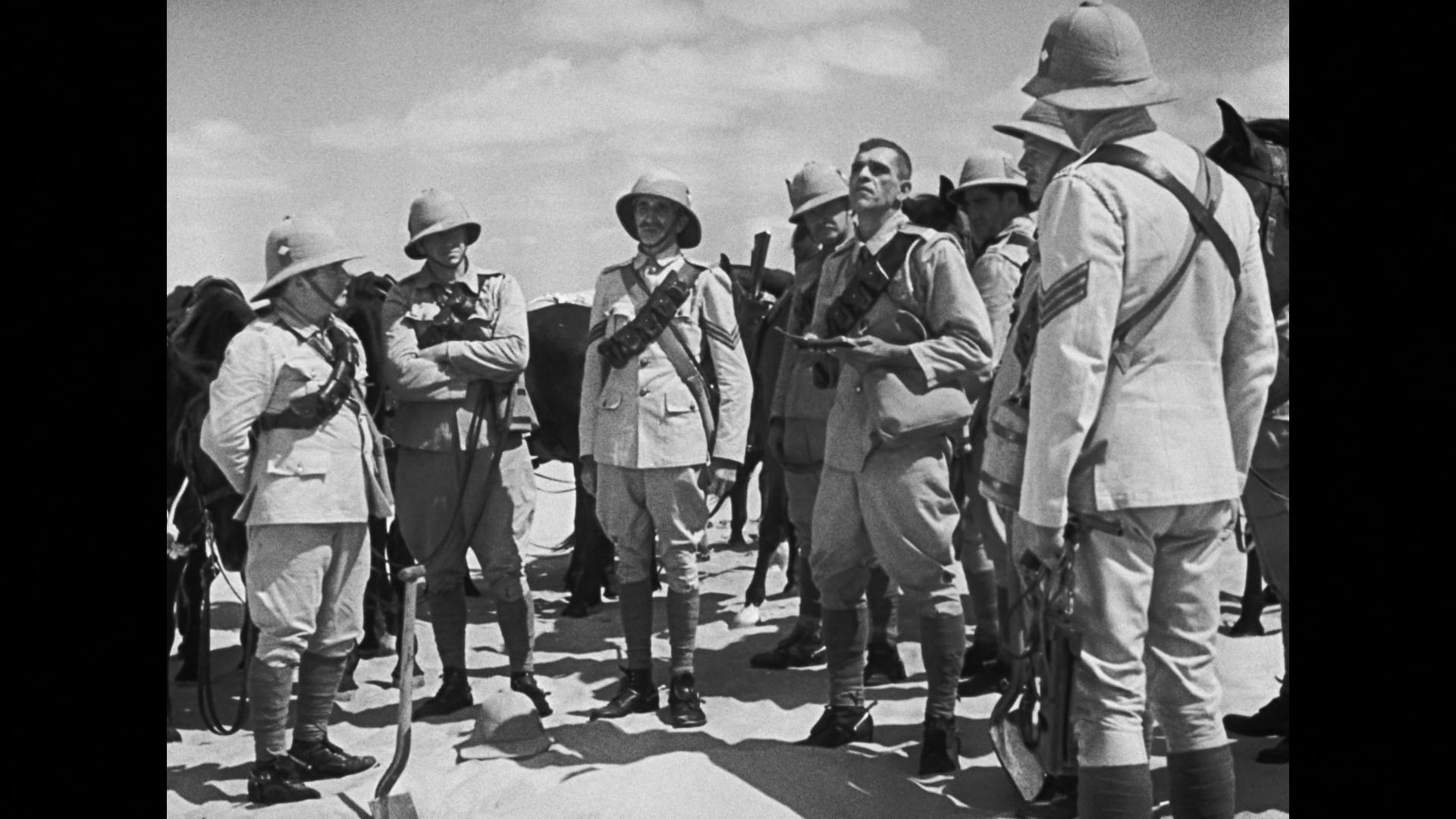
Running just 72 minutes, The Lost Patrol manages to let us feel the passage of time and the squad’s creeping existential dread; Ford restricts us almost entirely to their perspective, so their enemy remains unseen and unheard – except for the lethal crack of their rifles, of course. Shot on location in California and Arizona, sometimes in punishing heat, there’s a sense of real exhaustion in the actors’ faces, and Karloff’s gaunt bearing seems even more unnerving as Sanders grows increasingly unhinged, proving a danger to himself and his comrades.
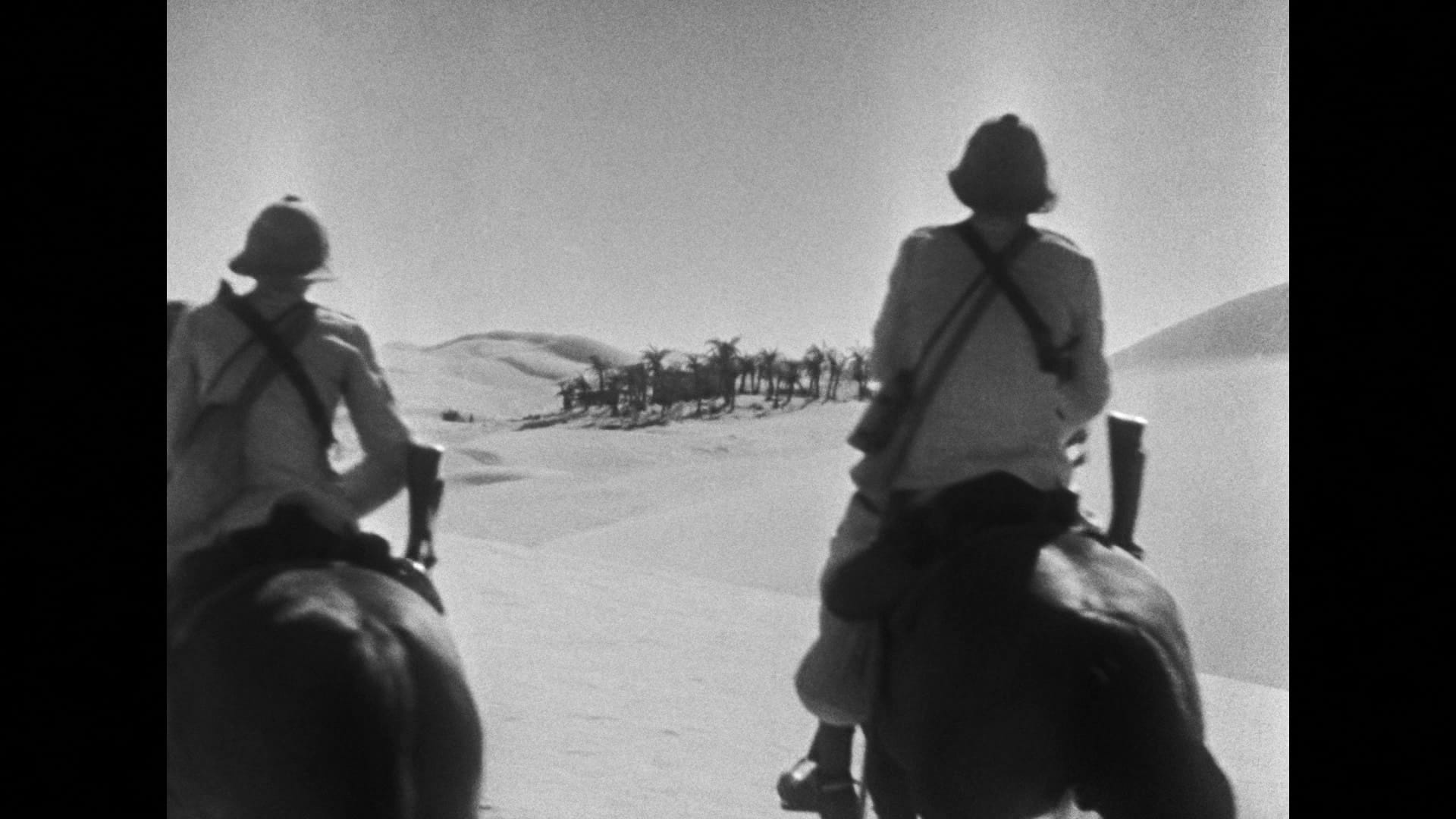
It feels like an overlooked classic now, and Warner Archive’s restoration has an eerie imperfection that actually enhances the experience, to my mind. The original camera negative has long been lost, so Warner’s team scanned the surviving nitrate protection elements in 4K; the result has an almost hallucinatory quality, with halos and artifacts that make the image that look as though we’re seeing it projected in a smoky auditorium.
The remastered soundtrack (the original mono, offered in DTS-HD) bears almost no signs of age, with clear dialogue and effects and Max Steiner’s score – a world away from his lush orchestrations for Gone with the Wind five years later – seeming to mock the men’s despair. Extras are limited to a pair of early Popeye cartoons, “Axe Me Another” and “The Man on the Flying Trapeze,” which might have played with the film in its original release.
I have to thank Glenn Kenny for writing about this in his own very good newsletter; I would have missed it otherwise. And now you didn’t miss it either! Isn’t that great?
Gone with the Wind is now available in 4K from Warner Bros. Discovery Home Entertainment; Ryan’s Daughter is now available in 4K/Blu-ray combo and BD-only editions in the Warner Archive Collection, which also released The Lost Patrol on Blu-ray.
Up next: New releases, old releases, so many releases. You really have no idea. Plus, will the 4K and Blu-ray editions of The Odyssey be able to repeat the runaway success Universal Pictures Home Entertainment enjoyed with Oppenheimer? Even if I give away a couple of copies? Stay tuned to find out! And also you might want to upgrade your subscription so you don’t miss out on some streaming recommendations in Friday’s What’s Worth Watching column. I’m just saying.