
Inside Jobs
In which Norm catches up to the rest of last week's new releases: OBSESSION, MOTHER MARY and FUZE.
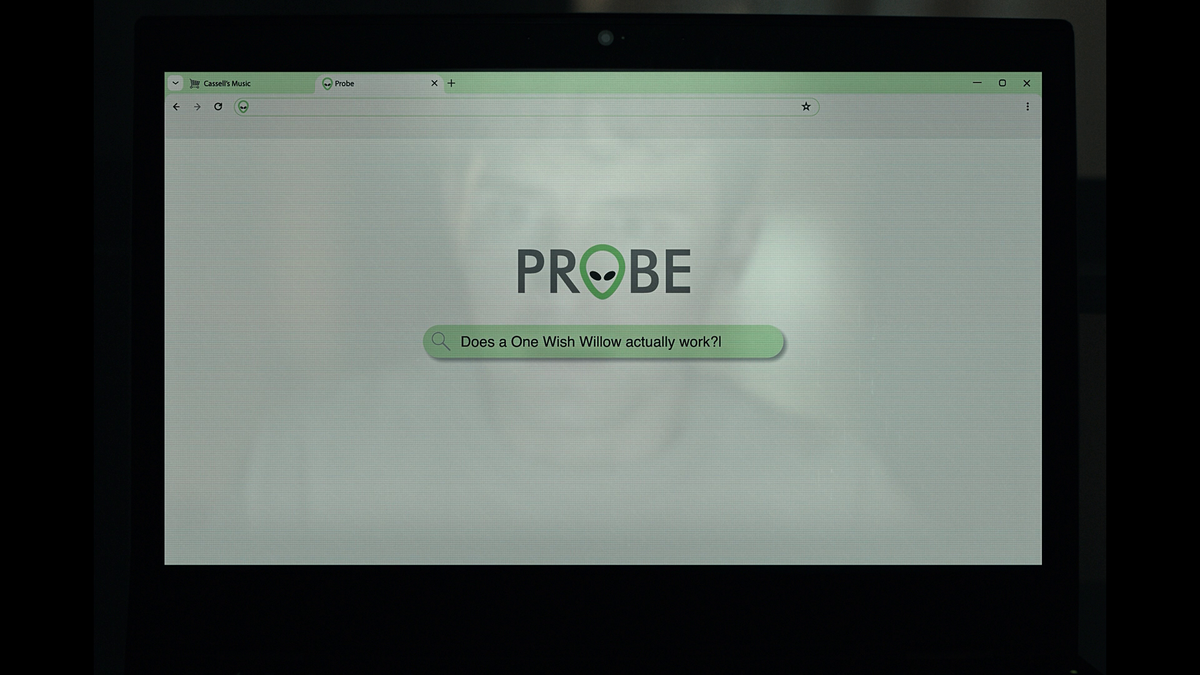
So a whole bunch of stuff showed up on Friday, including two more catalogue titles I must now fold into a massive roundup piece you’ll get this weekend. (I know, I know. I wish I was a faster writer too.) Shall we get into the current stuff?
Everybody has seen at least four movies about a wish that goes wrong. Some of those movies are comedies; some of them are thrillers. There are a few sci-fi ones in there too. But all of them, at heart, are horror movies: This thing you wanted is yours, you can’t undo it, and it is not what you wanted at all.
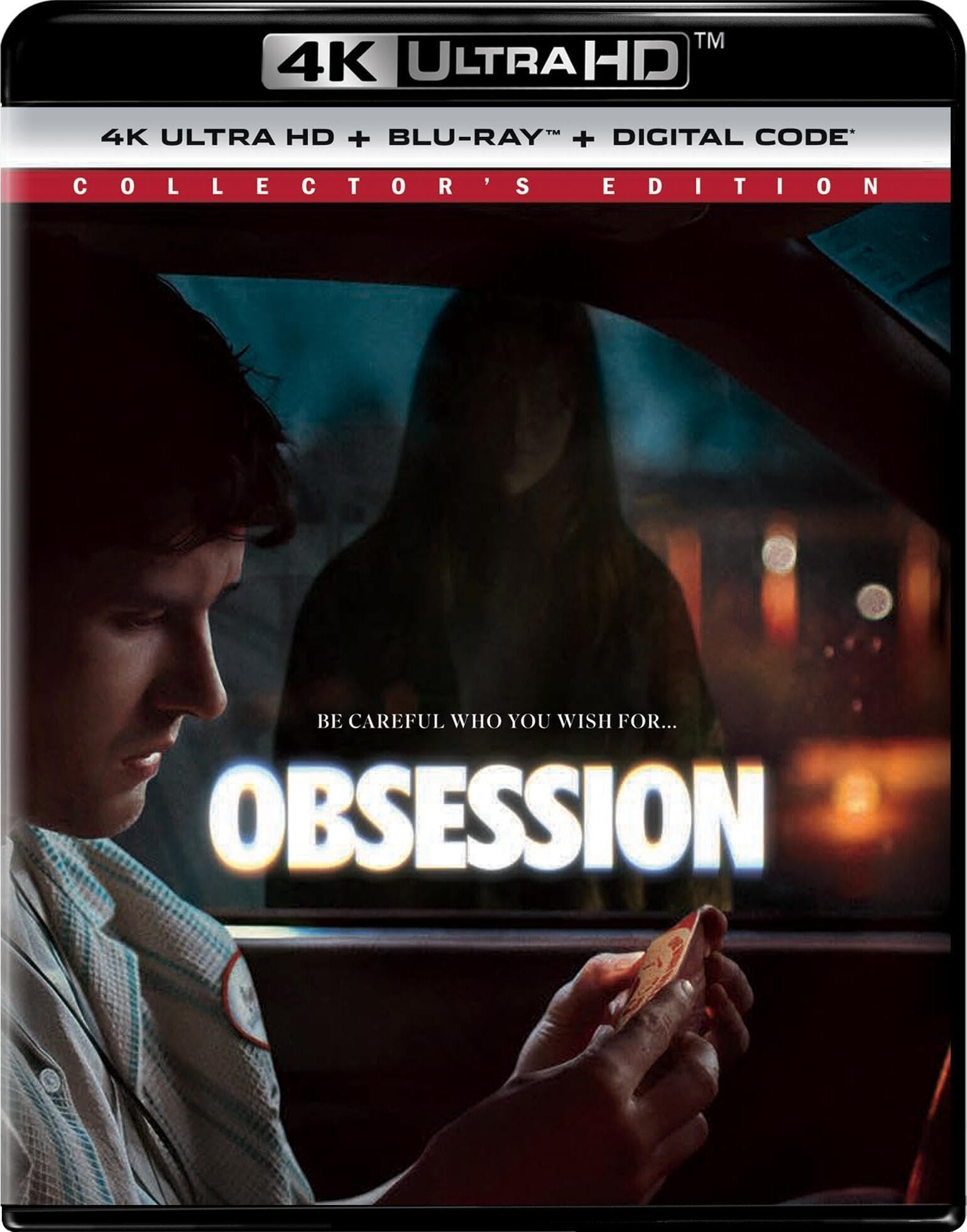
Curry Barker’s Obsession, which premiered at TIFF last fall as a buzzy Midnight Madness indie and lands on disc after a truly spectacular theatrical run courtesy of Focus Features, is unapologetically a horror movie about a lovelorn idiot, Bear (Michael Johnston), who makes the desperate wish that the girl of his dreams, Nikki (Inde Navarrette), would love him more than anyone else in the world.
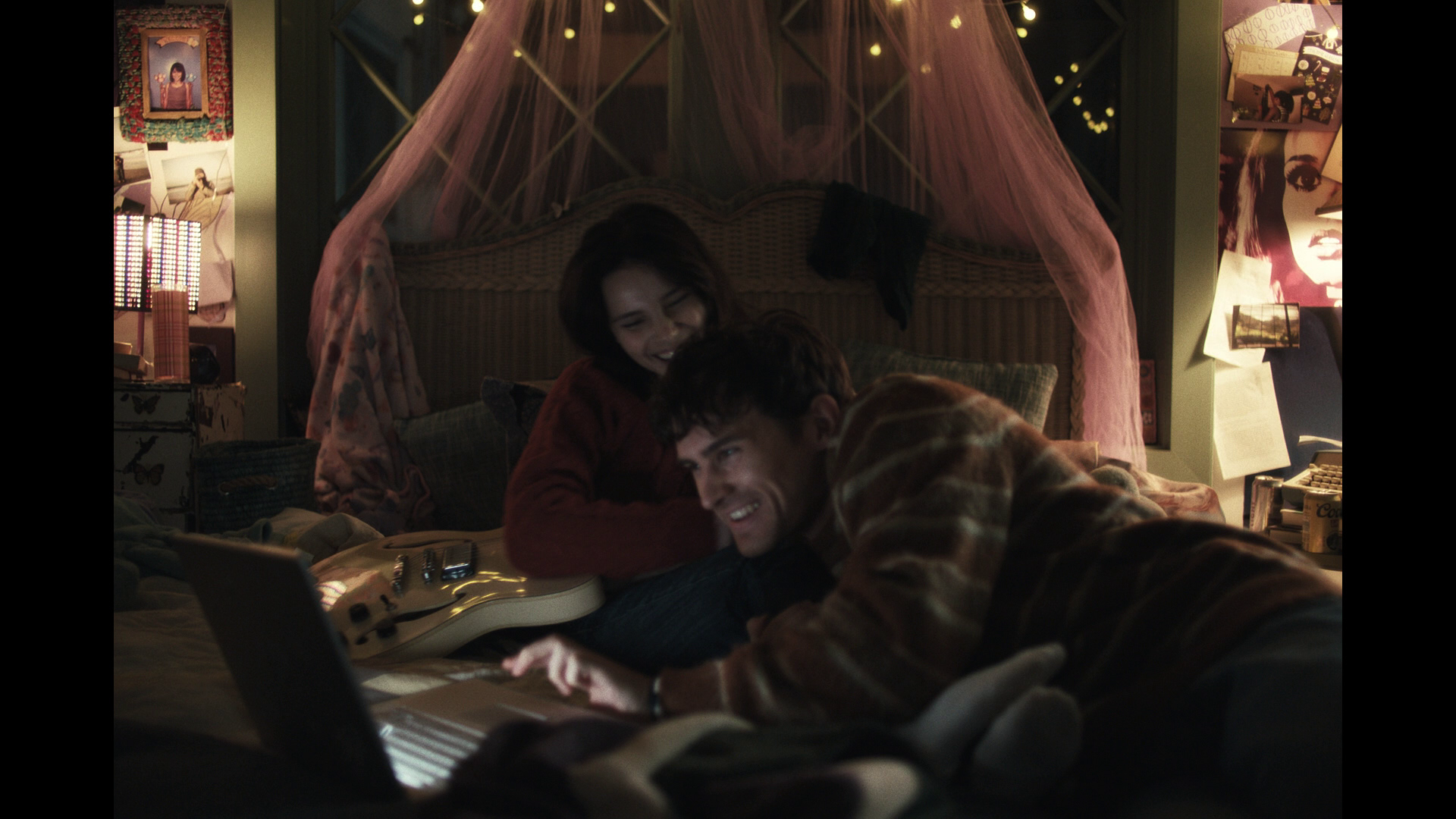
Bear makes his wish on a silly little gewgaw that he found in the kind of store that sells crystals; he didn’t actually think it would work. But it does, and suddenly the nice girl he’s known since high school is coming home with him and laughing at his jokes and sleeping in his bed and cooking him breakfast. Sure, sometimes she breaks down into screaming fits, but they never last that long. A guy can live with that, right?

As I said, this isn’t exactly a new premise for a movie. But the novelty of this movie is that it focuses entirely on Bear’s torment instead of Nikki’s, and Obsession does not think that highly of Bear at all. He’s kind of a wiener, really, perpetually whining to his friends Ian (Cooper Tomlinson) and Sarah (Megan Lawless) about how he aches for Nikki but is unwilling to tell her himself lest his fantasy of a perfect, unrequited love come crashing down. When he makes his wish, it’s the wish of a little boy who wants a girlfriend without making himself worthy of having one. And then, snap: Nikki loves him utterly, and Bear is literally trapped with her as she does anything she can to keep herself present in his life and his heart. But he knows he doesn’t deserve her, and some part of Nikki knows it too.
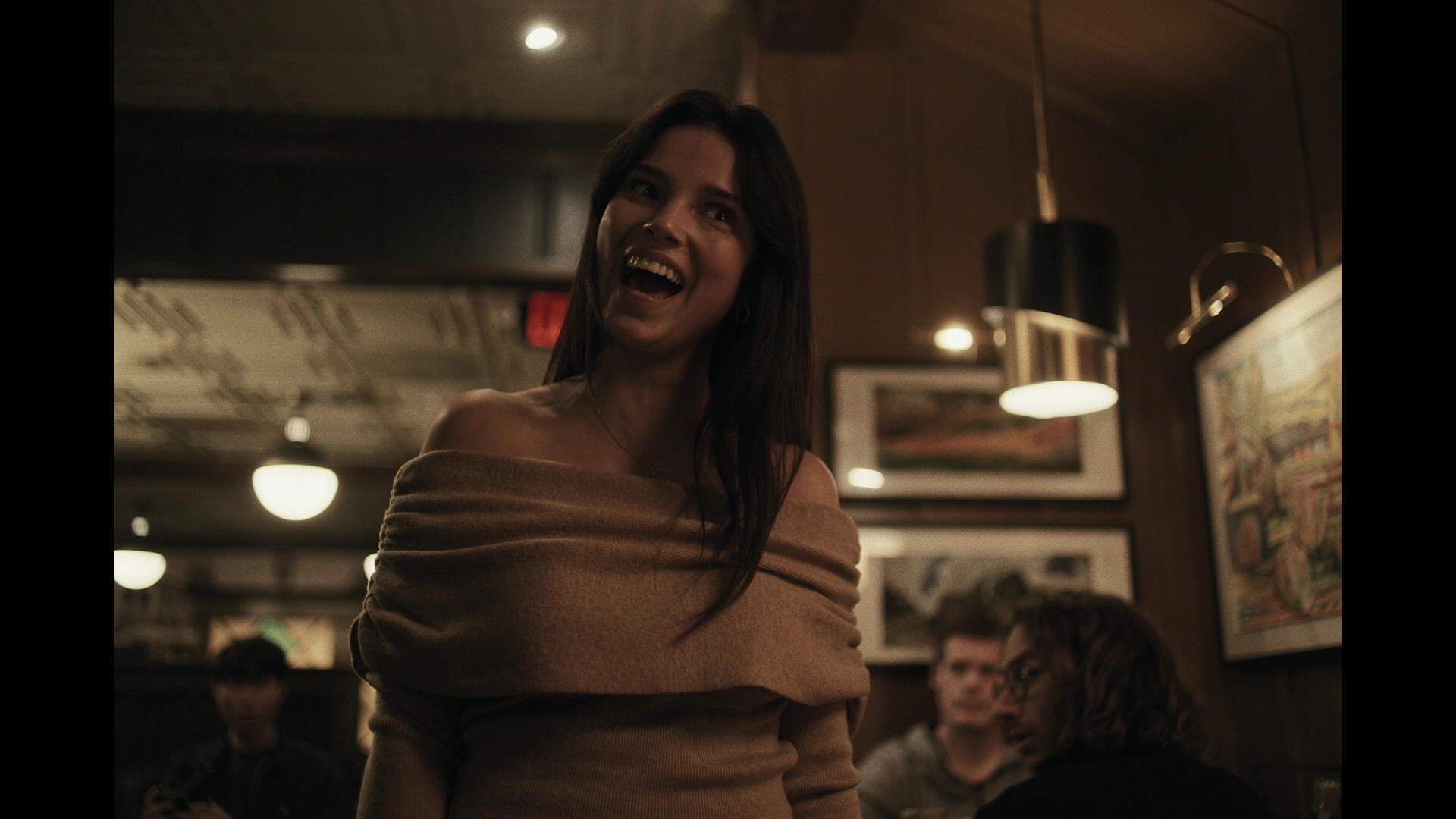
It’s not a spoiler to say Obsession goes exactly where you think it will, once it establishes the parameters of its situation; Barker’s script doesn’t offer any new twists on the be-careful-what-you-wish-for narrative beyond the shift in perspective. But that shift is everything, and it gives Navarette a terrific opportunity as Nikki. As Lana Lang’s troubled daughter Sarah, she was the most interesting actor on the recent Superman & Lois TV series, showing surprising range in a role that didn’t seem to offer that much room to move; she’s actually required to do less here, just switching sharply between Shiny Happy Nikki and Screaming Demon Nikki as the jump scares require, but she still knocks it out of the park.
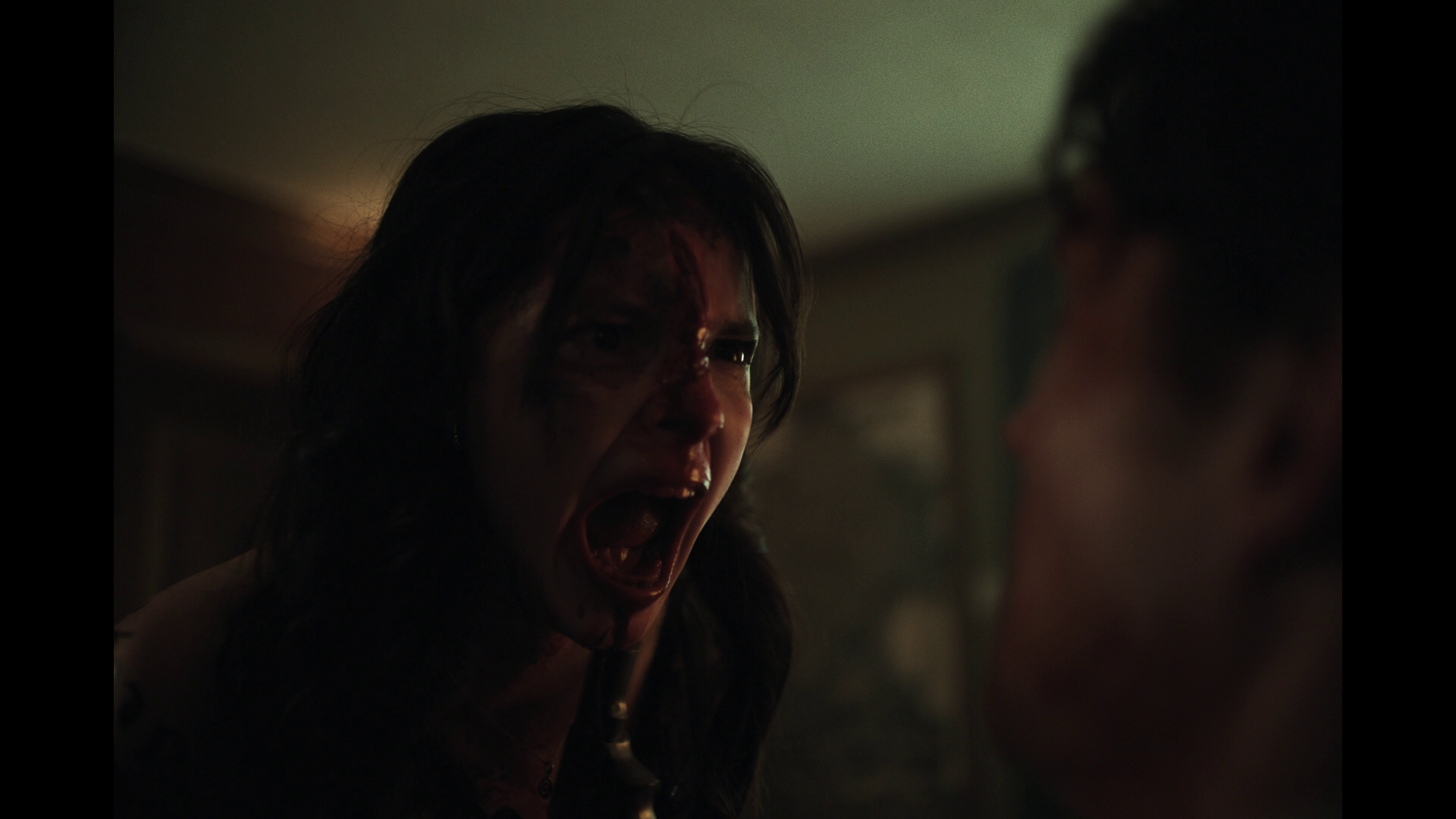
Original Nikki is interesting, intelligent and engaged in her life, and all of those things go away once Bear makes his wish. Whatever gruesome stuff follows – and there’s an awful lot of that once Obsession gets rolling – seeing this bright young woman destroyed by someone else’s idea of her is the most upsetting thing of all.
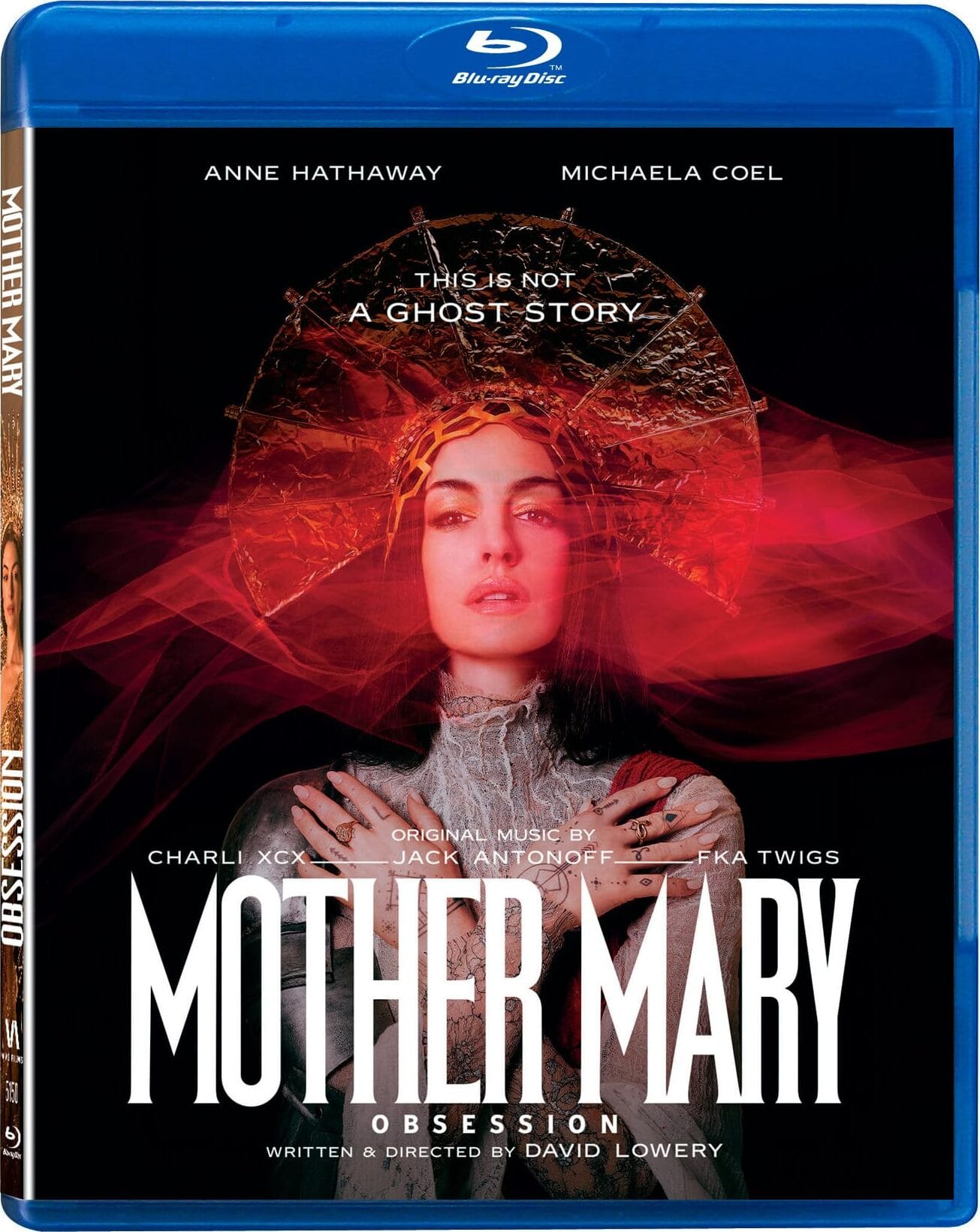
Here’s something I didn’t know until I got the Blu-ray last week: The French-language title of David Lowery’s Mother Mary is also Obsession, which I assume has resulted in some frustrating online searches. I won’t be adding to them. Although now that I’ve seen both films, it’s nice to imagine somebody stumbling into Lowery’s latest cracked-cosmic miasma while looking for the other movie about two people trapped in a toxic relationship with one another.
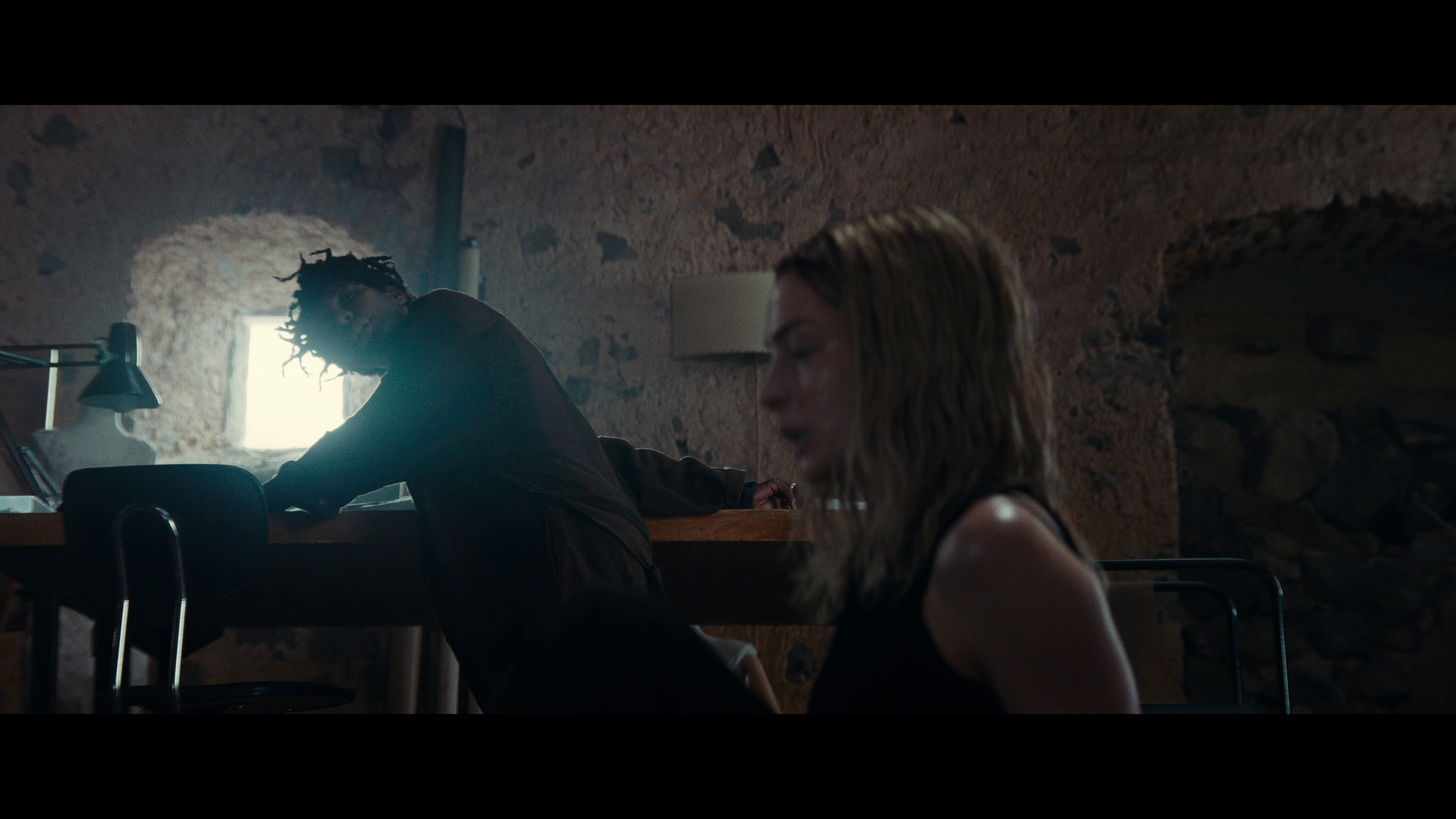
Mother Mary casts Anne Hathaway as the eponymous pop diva, a global superstar who sings about vaguely religious forms of seduction and devotion while wearing gowns and a halo and stuff. (Imagine Madonna, if she’d gotten her start in the early 2000s in an Evanescence cover band.) Michaela Coel is Sam, the designer whose style was essential to Mary becoming the legend she is, and to whose outer London studio Mary mysteriously returns after years of estrangement, distraught and unmoored and desperate for a dress for a concert that’s just days away. Sam takes her in, because Sam has questions for Mary. But Mary doesn’t have answers. She can barely tell Sam what she wants the dress to look like. All she knows is it can’t be red.
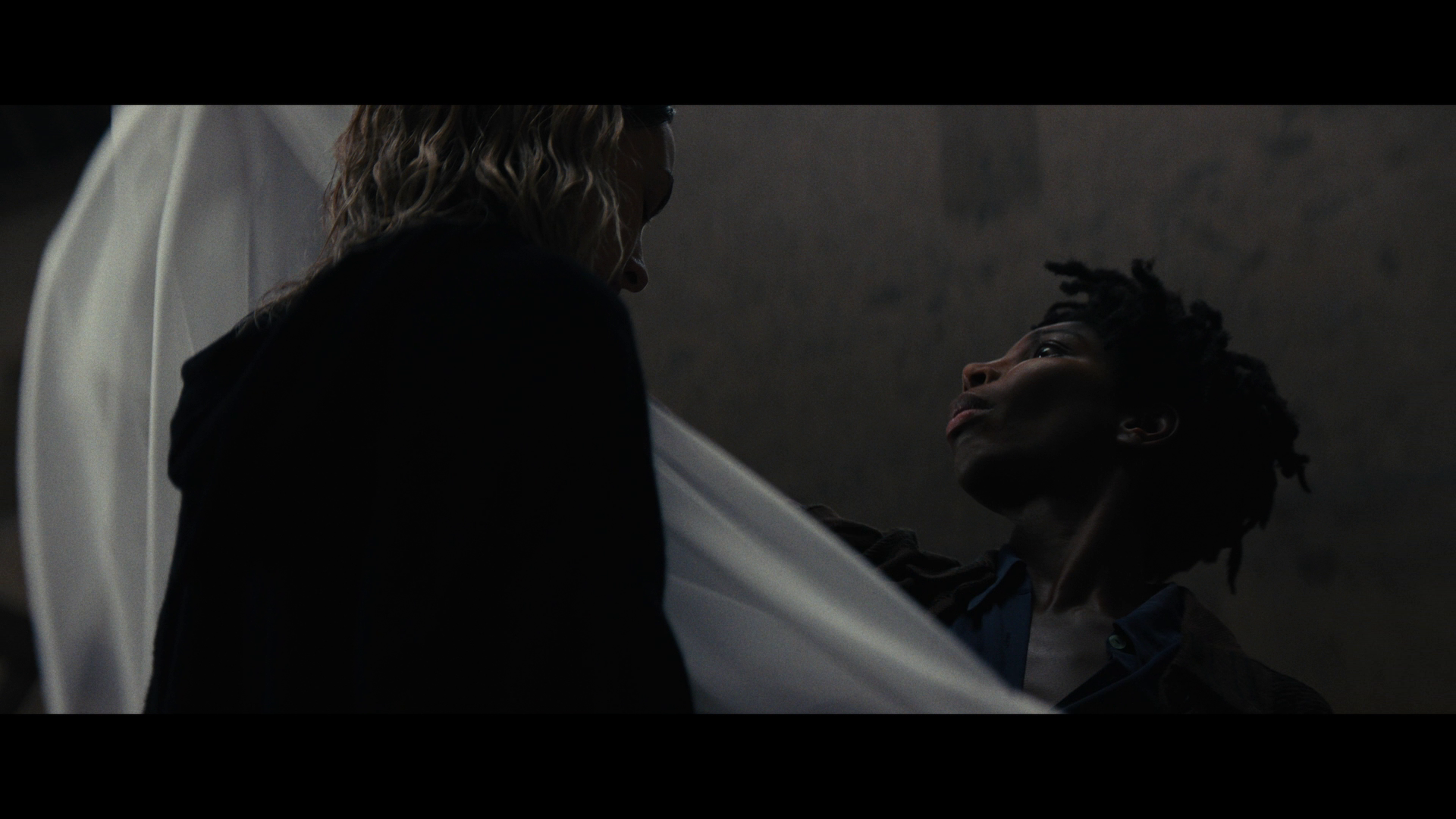
On paper, it’s a surprisingly similar premise to The Christophers, with Coel once again playing an opinionated London artist who finds herself cooped up with a temperamental superstar. But David Lowery is a very different filmmaker, and he’s chasing a very different sort of catharsis. We’re nearly an hour into Mother Mary before Lowery tells us what kind of movie he’s making, and it’s like he’s given himself an excuse to take one of the wildest swings of his career.
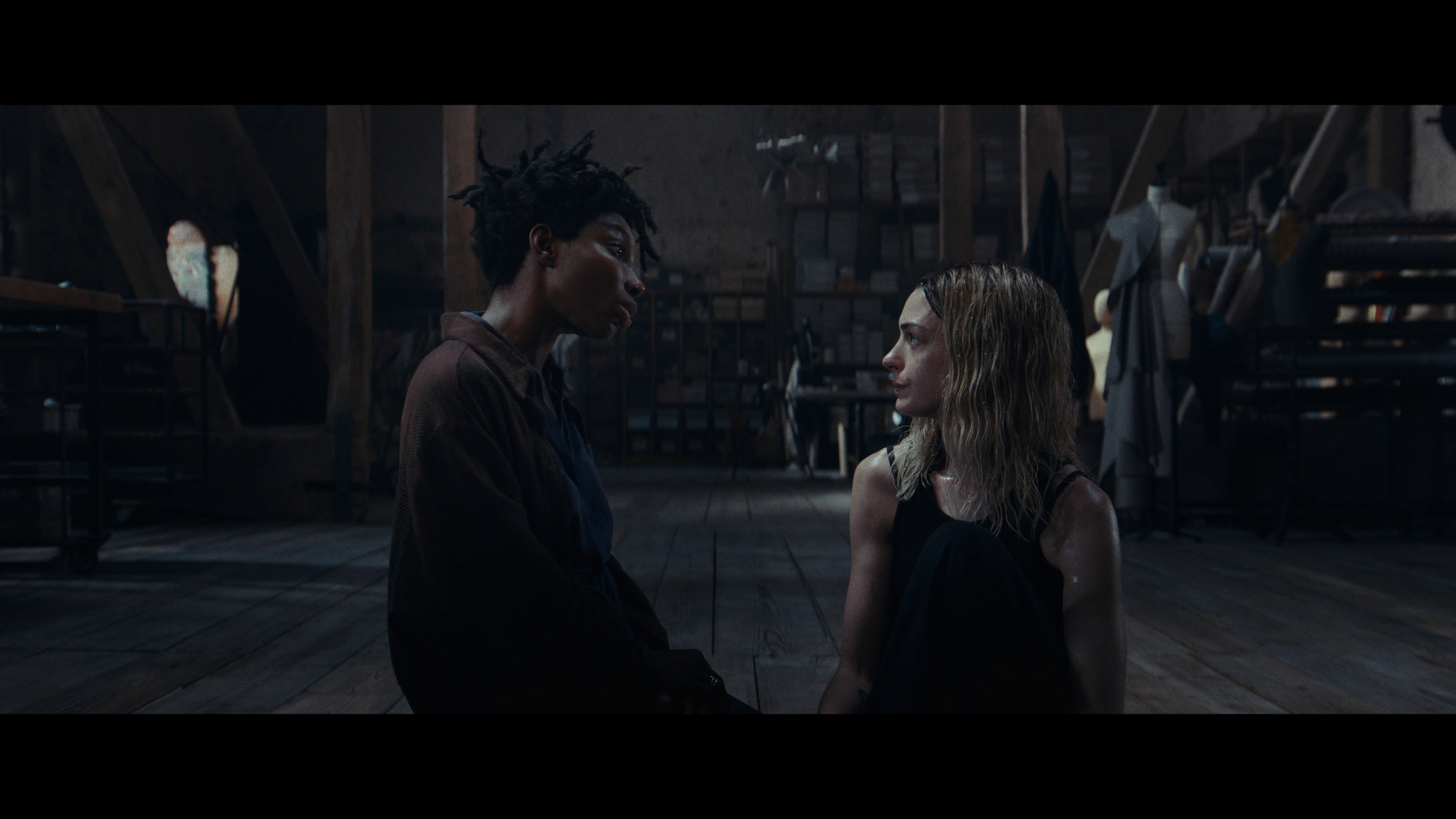
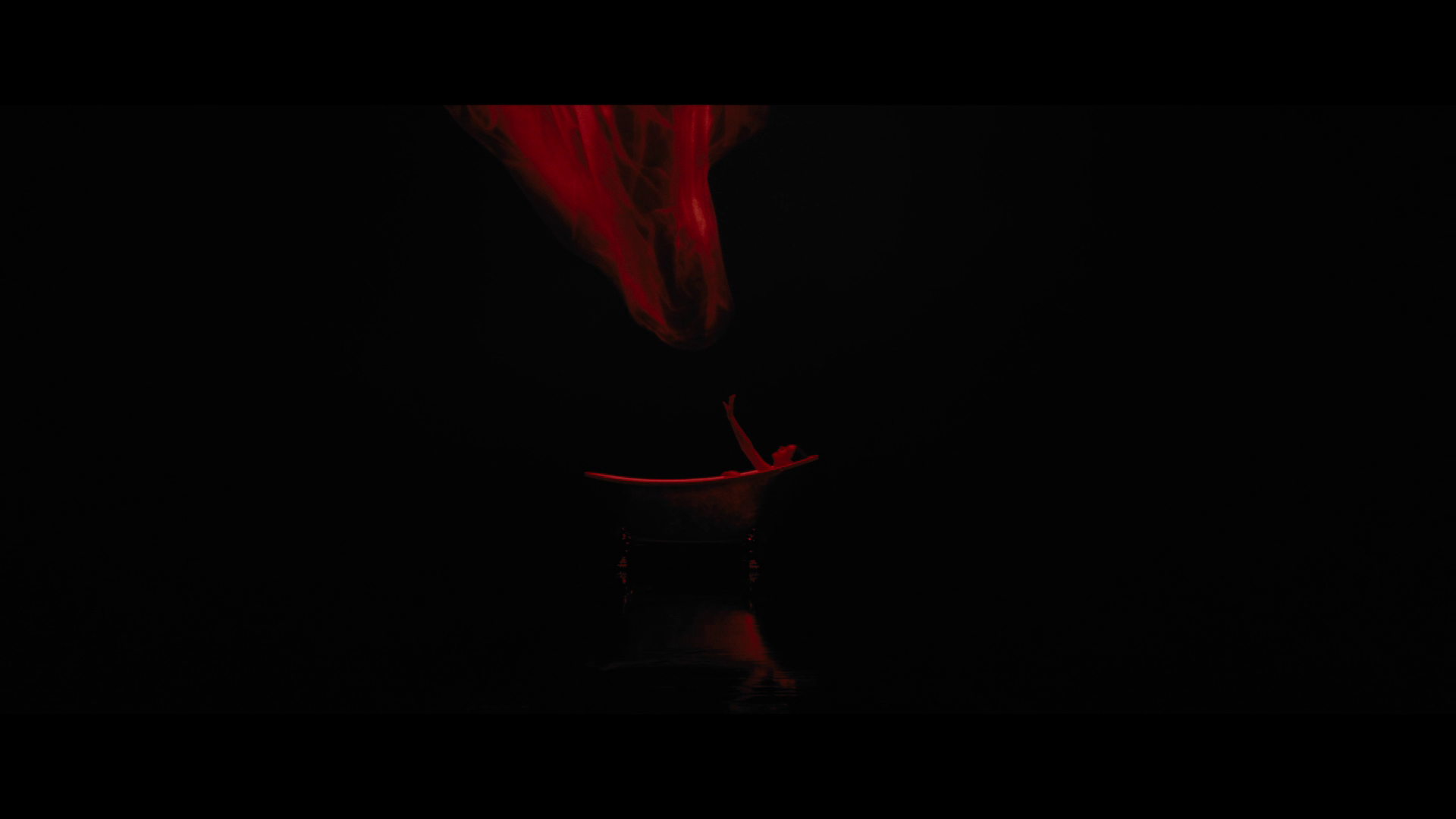
I was kind of cool on The Green Knight, which despite Dev Patel’s charismatic performance seemed more interested in style than substance. With Mother Mary, Lowery uses style as substance, working with cinematographers Andrew Droz Palermo and Rina Yang to create a fascinatingly contradictory visual style, contrasting the quiet intensity of Mary and Sam’s present-day conversations with stylistic flashbacks, memories and dreams.
The leads are perfectly paired, their chemistry shifting and mutating as their characters’ dynamic changes, and so mesmerizing that you’ll struggle to remember Hunter Schafer, Sian Clifford, FKA Twigs, Jessica Brown Findlay, Kaia Gerber and Alba Baptista were even in this once the credits roll. (Twigs also wrote some of Mary’s songs, with Charli XCX and Jack Antonoff contributing others.) There aren’t a lot of movies that try to do what Mother Mary does, and fewer still that pull it off. The songs aren’t bad, either.
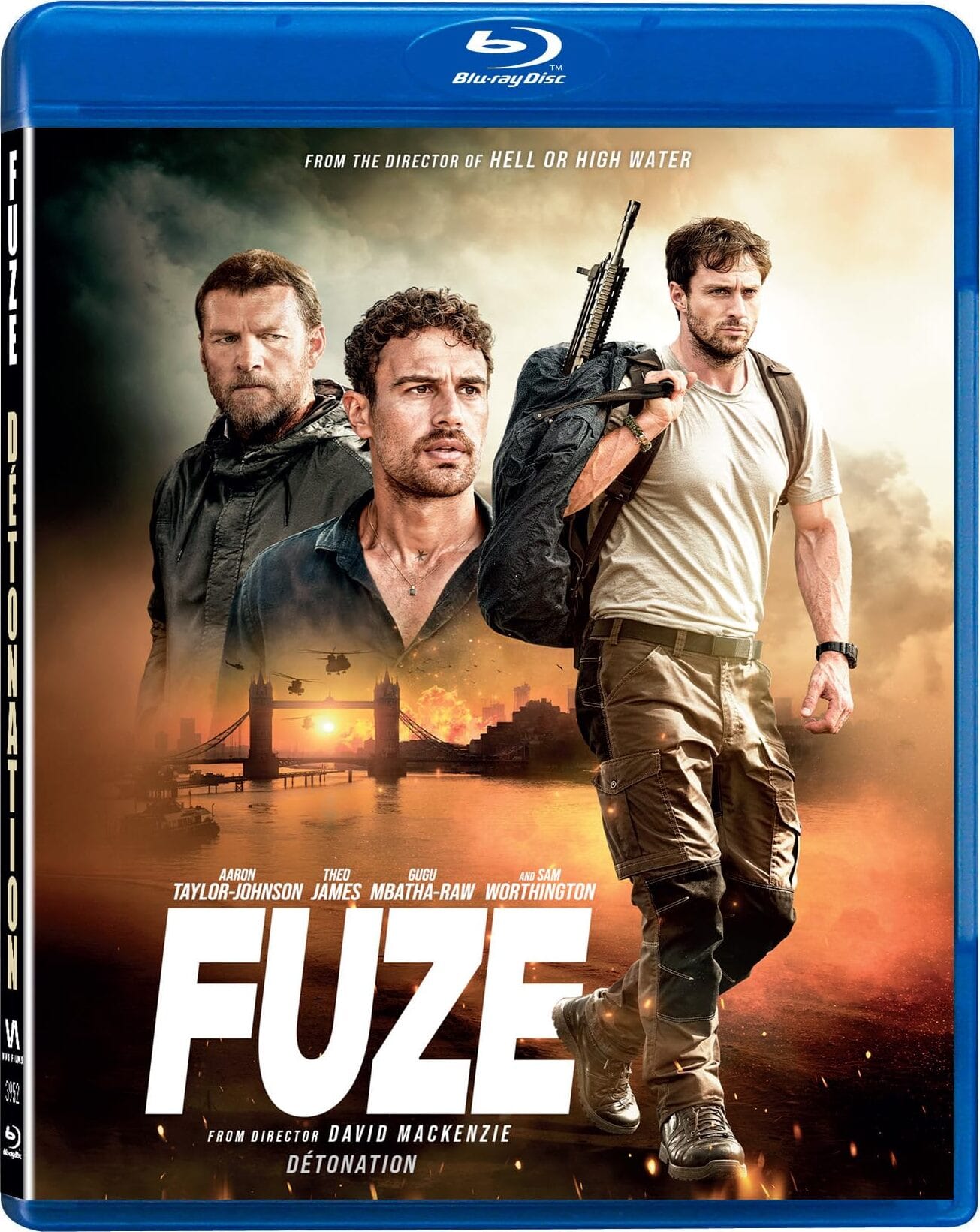
Speaking of movies that try to pull stuff off, here’s David Mackenzie’s thriller Fuze, which plays out over one day in London when an unexploded WWII bomb is discovered on a development site. It’s big enough to take out a couple of city blocks, but fortunately there’s an entire structure in place to evacuate the populace and neutralize the threat – assuming the timer stays inert.
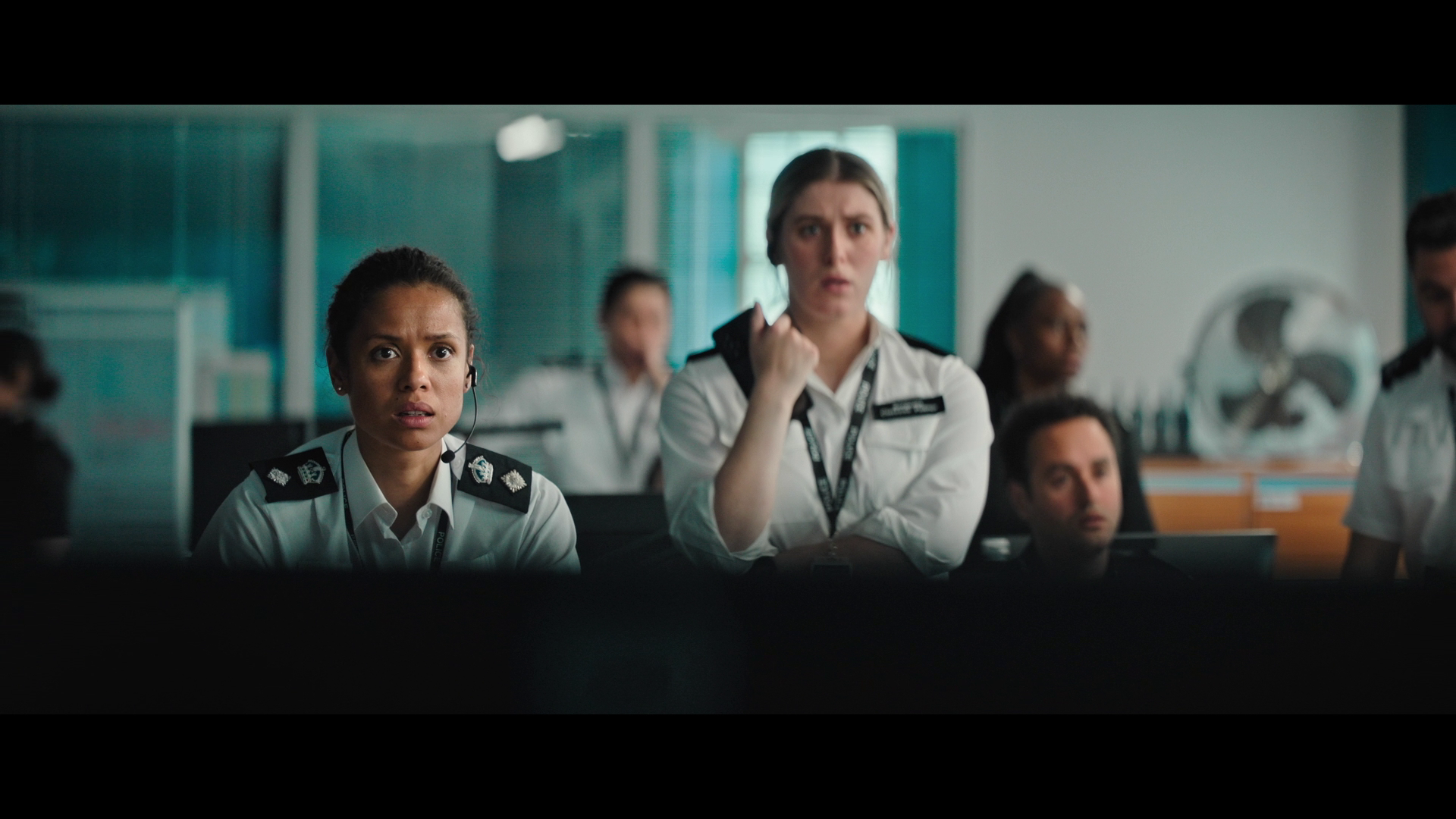
Gugu Mbatha-Raw is the top copper running the containment operation for the Met; Aaron Taylor-Johnson is the unflappable disposal specialist. The process of examining the munition and figuring out how to defuse it is laid out in impressive detail.
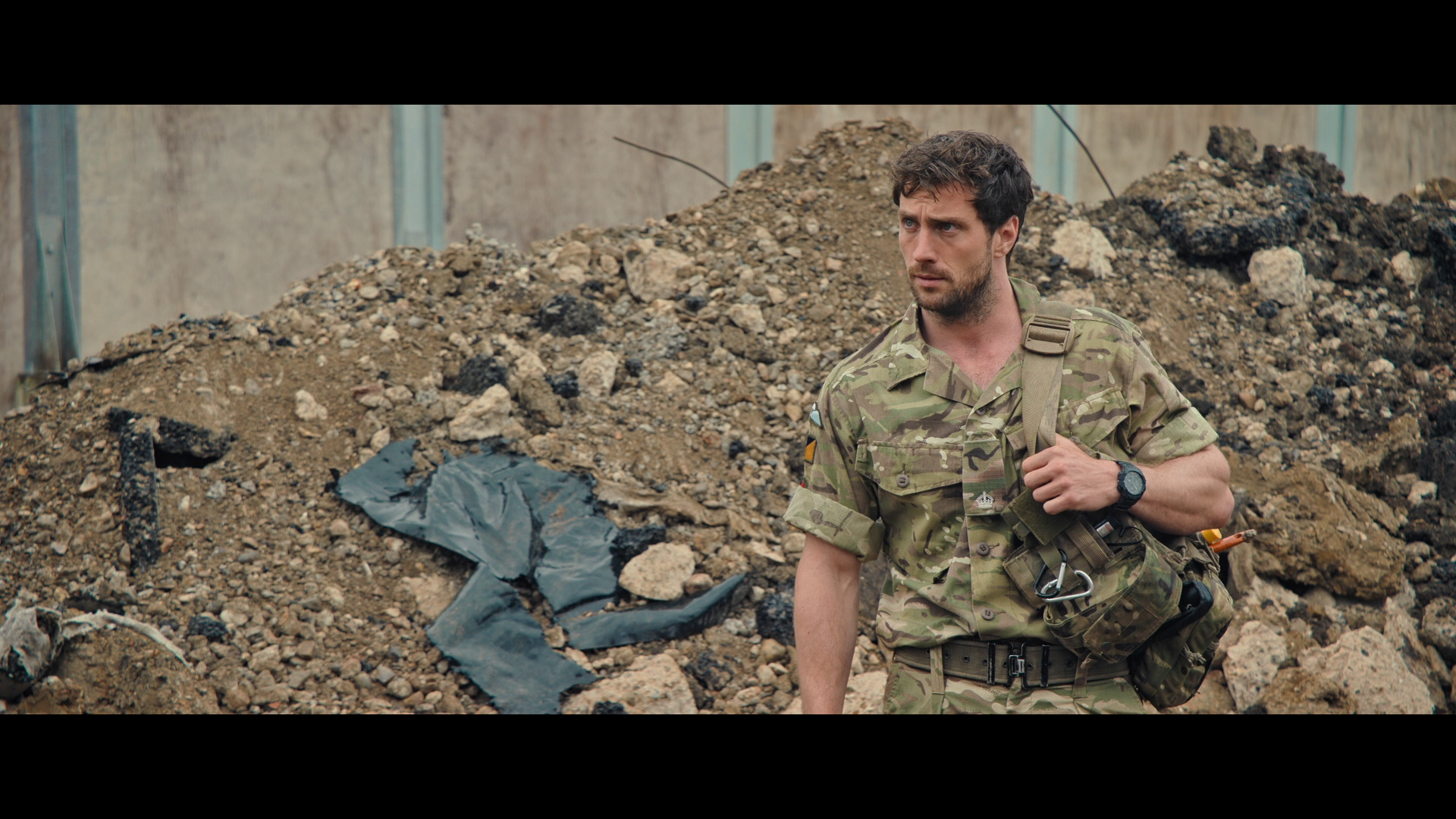
And just as we’re starting to wonder how Mackenzie can possibly maintain this level of tension at feature length, screenwriter Ben Hopkins throws the first of several curve balls, with a group of mysterious men led by Theo James and Sam Worthington carrying out a very specific mission inside the no-go zone.
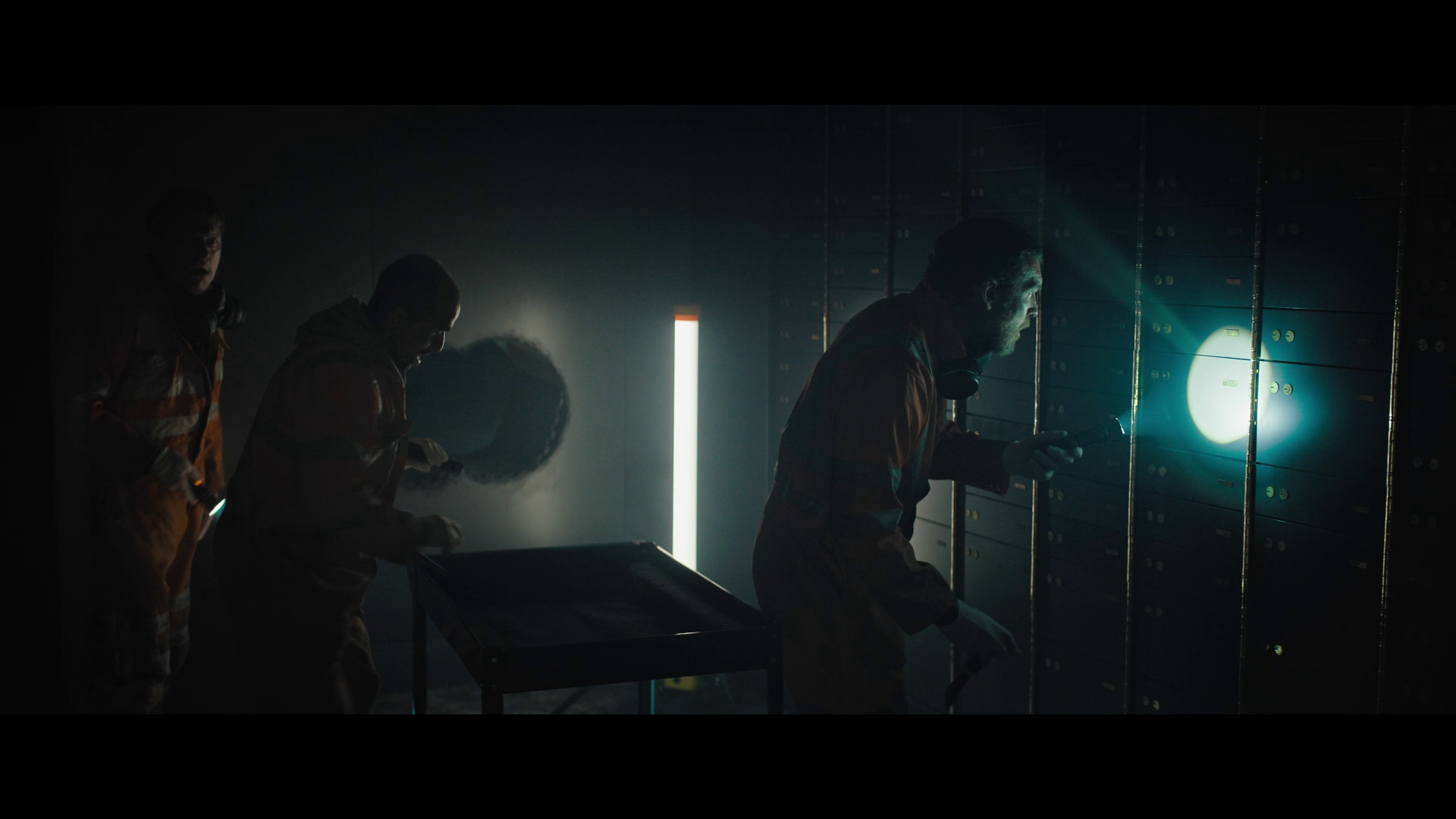
Look, you know me, I don’t like discussing any plot developments after the first reel of a movie. And Fuze is very much the kind of movie that delights in tables turning and allegiances shifting and deceptions within deceptions, to the point that Hopkins and Mackenzie end the film by breaking its format entirely to show us just why we’ve been watching what we’ve been watching. Remember how Mackenzie’s last movie hung its emotional and narrative payoff on a single, incredibly obvious twist? At the very least, Fuze demonstrates he took the note on that one.
Universal’s physical release of Obsession supports its faithfully moody 4K/Atmos master – still framed in its curious theatrical aspect ratio of 1.50:1 – with a Barker commentary track and “Obsession Unleashed,” a terrific 20-minute featurette that gives the filmmaker and his cast plenty of room to talk through the movie’s themes and the white heat of the 20-day shoot.

Constantine Nasr’s Rivendell Films team clearly started work on this after Focus Features picked up the film at TIFF – most of the shoot is represented by stills – but they’ve made excellent use of the materials available, including alternate footage of certain key moments and a great recording of the chemistry test between Navarette and Johnston. And they’ve shot new interviews with Barker and all four actors – Navarette, understandably, gets the most screen time – in which we get the sense that a lot of very talented people had a great deal of fun making this grim, grim picture.
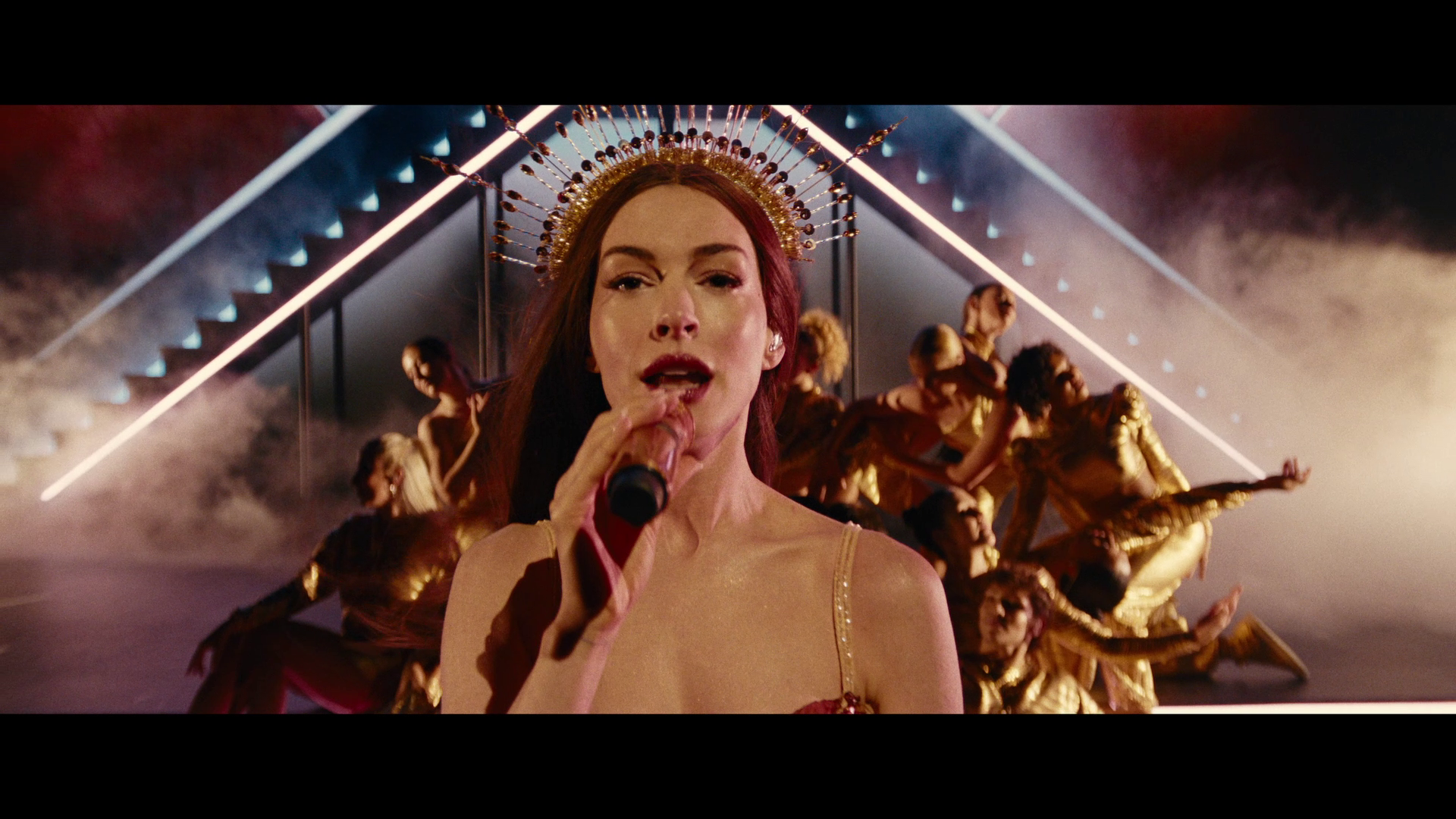
VVS Films’ Canadian release of Mother Mary offers a two-minute promo, “Mother Mary: Making of a Pop Star,” which lets Hathaway talk about how she developed her character’s pop-diva personality through the songwriting process with writer/producer Antonoff. (Hathaway shares songwriting credit on most of Mother Mary’s tracks.) The 1080p presentation is razor-sharp, though I’m still eager to see what A24’s inevitable 4K/Atmos edition will add to the experience.
The real surprise is just how much supplemental material VVS packed onto Fuze, providing not just a decent production featurette but all the material created for it. We get about 15 minutes of B-roll, with cast and crew rehearsing some of the more complicated action material, and individual interview sessions with Mackenzie, Taylor-Johnson, James, Mbatha-Raw and Worthington that amounts to nearly an hour of footage.
Most of it is standard promo chatter, of course, but it’s always interesting to see what points people want to stress in these things. (Mbatha-Raw talks about shadowing a friend in the Met and the importance of showing the organization’s diversity, for example.) It’s also very funny to see who enjoys this part of moviemaking …
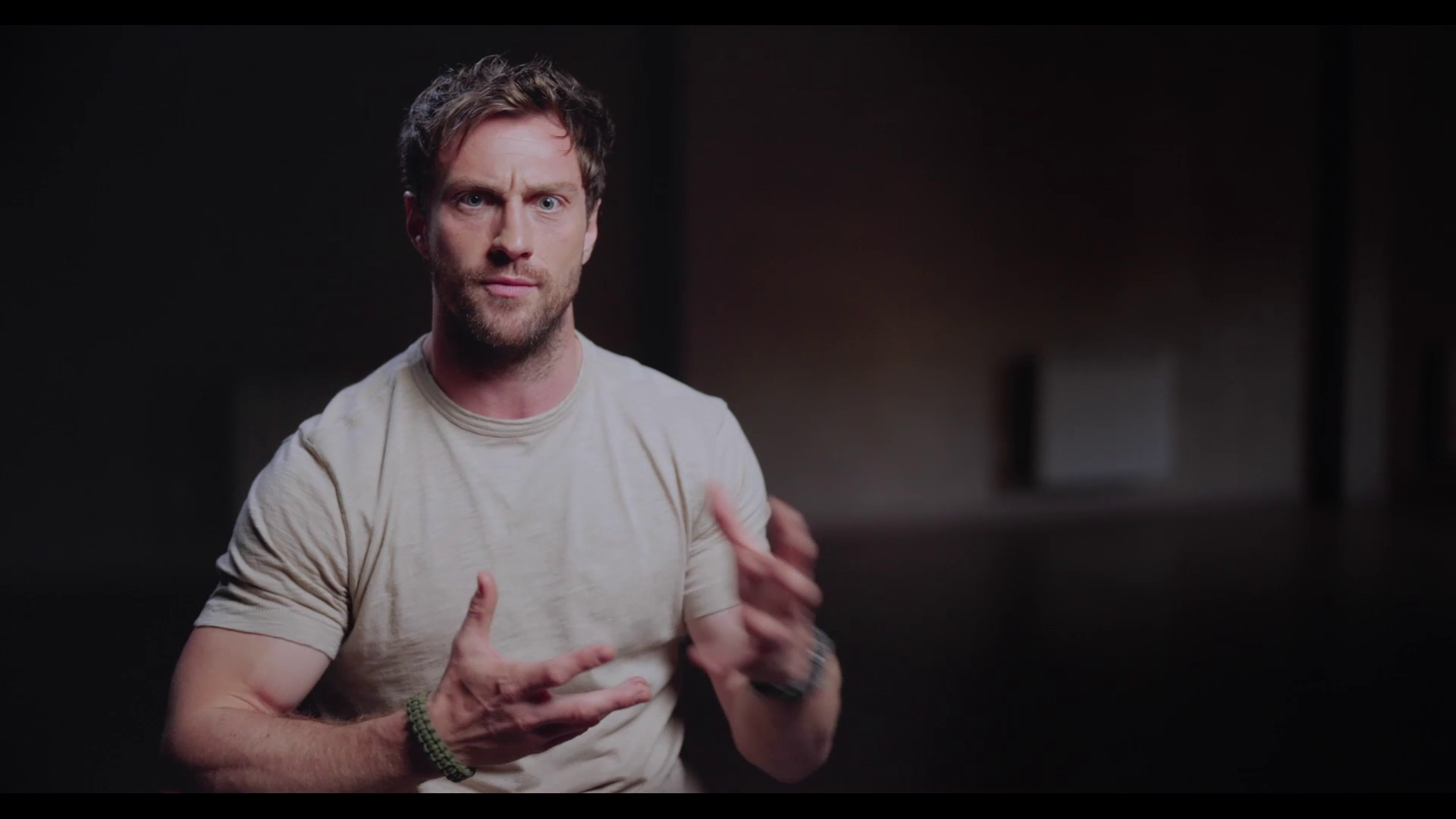
… and who very clearly doesn’t.
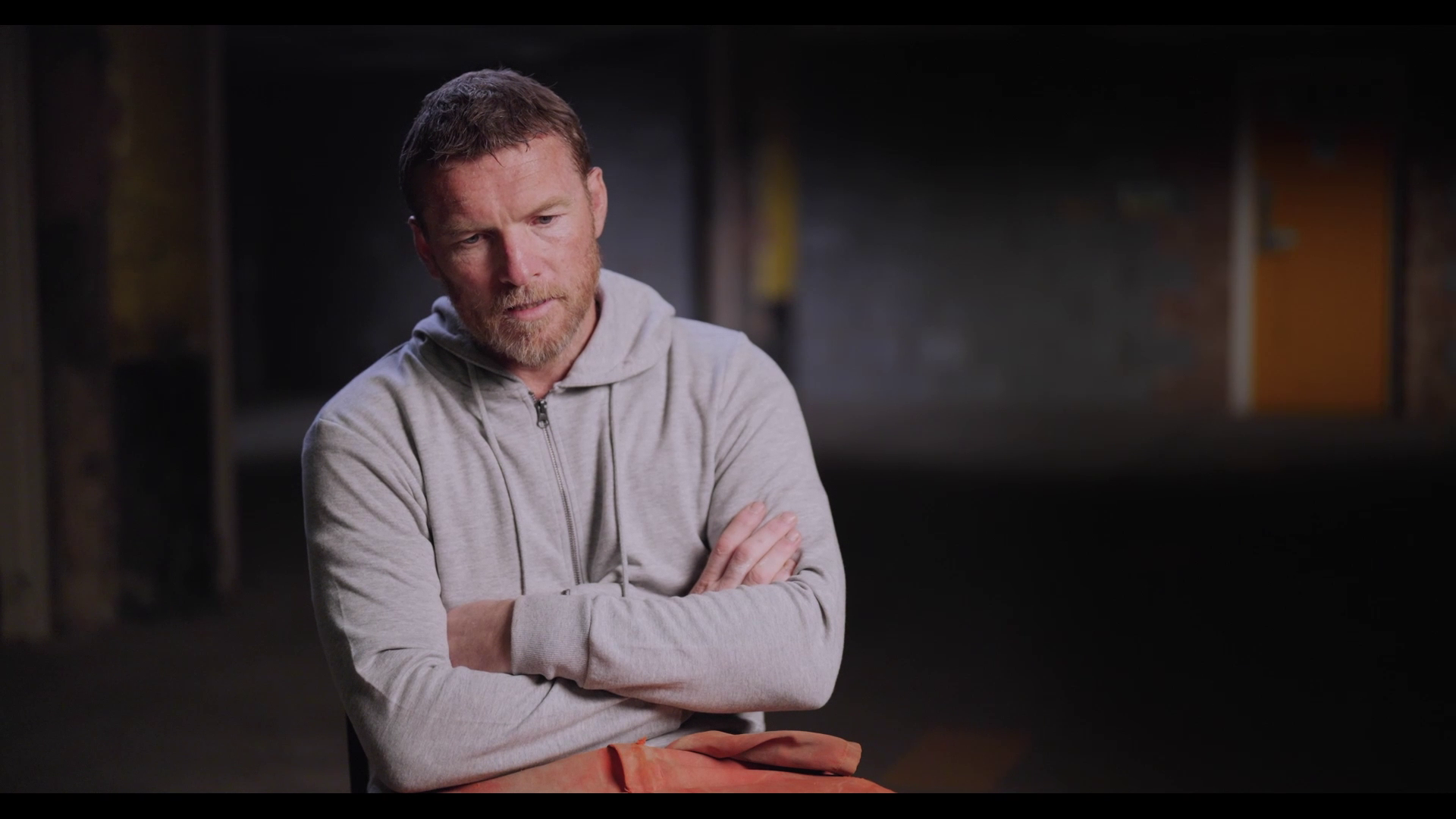
Actors: They’re just like us!
Obsession is now available in a 4K/Blu-ray combo and a BD-only edition from Universal Pictures Home Entertainment; Mother Mary and Fuze are now available on Blu-ray in Canada from VVS Films.
Up next: French dreamscapes, Quebec realism, Hong Kong delirium, the miracle of Dynamation … and also, somehow, more. I don’t know how I do this either.