Movies of Their Moments
In which Norm spins up Arrow's new 4K editions of FORBIDDEN PLANET, TEQUILA SUNRISE, THE LAST BOY SCOUT and GO. There's something for everyone!
Some art is timeless, while some art is instantly of its time. I’m not sure exactly when Arrow Video perfected its formula of celebrating cultural artifacts – movies that capture a specific zeitgeist whether they meant to or not – but the label’s just rolled out a quartet of special editions that do exactly that, and it’s fascinating to see.

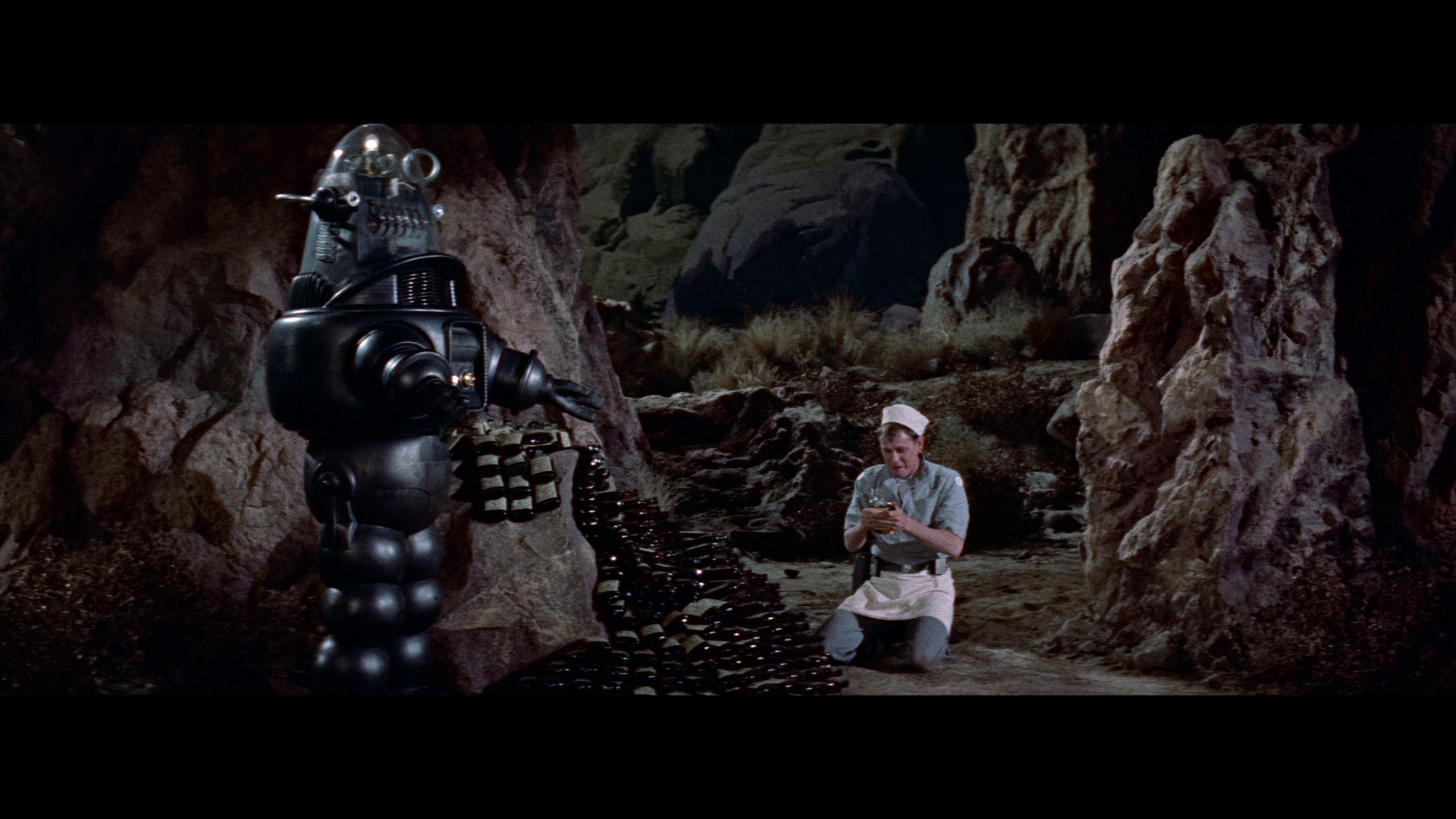
Want to revisit the Atomic Age? Spin up Arrow’s gorgeous new 4K edition of MGM’s Forbidden Planet to see what studios thought audiences wanted to see 70 years ago. Pitched at a galactic scale, director Fred M. Wilcox’ big-budget widescreen epic is a spacefaring version of The Tempest, with a starship crew arriving on the far-flung of Altair IV in search of a lost expedition and finding its sole survivors, the obsessive Dr. Morbius (Walter Pidgeon) and his innocent daughter Altaira (Anne Francis), living in the remains of a long-dead alien civilization. They are a 23rd century Prospero and Miranda, with Robby the Robot as their Caliban, sort of. Also there are invisible monsters that rise up and attack the compound at regular intervals, but somehow Morbius and Altaira have survived just fine.
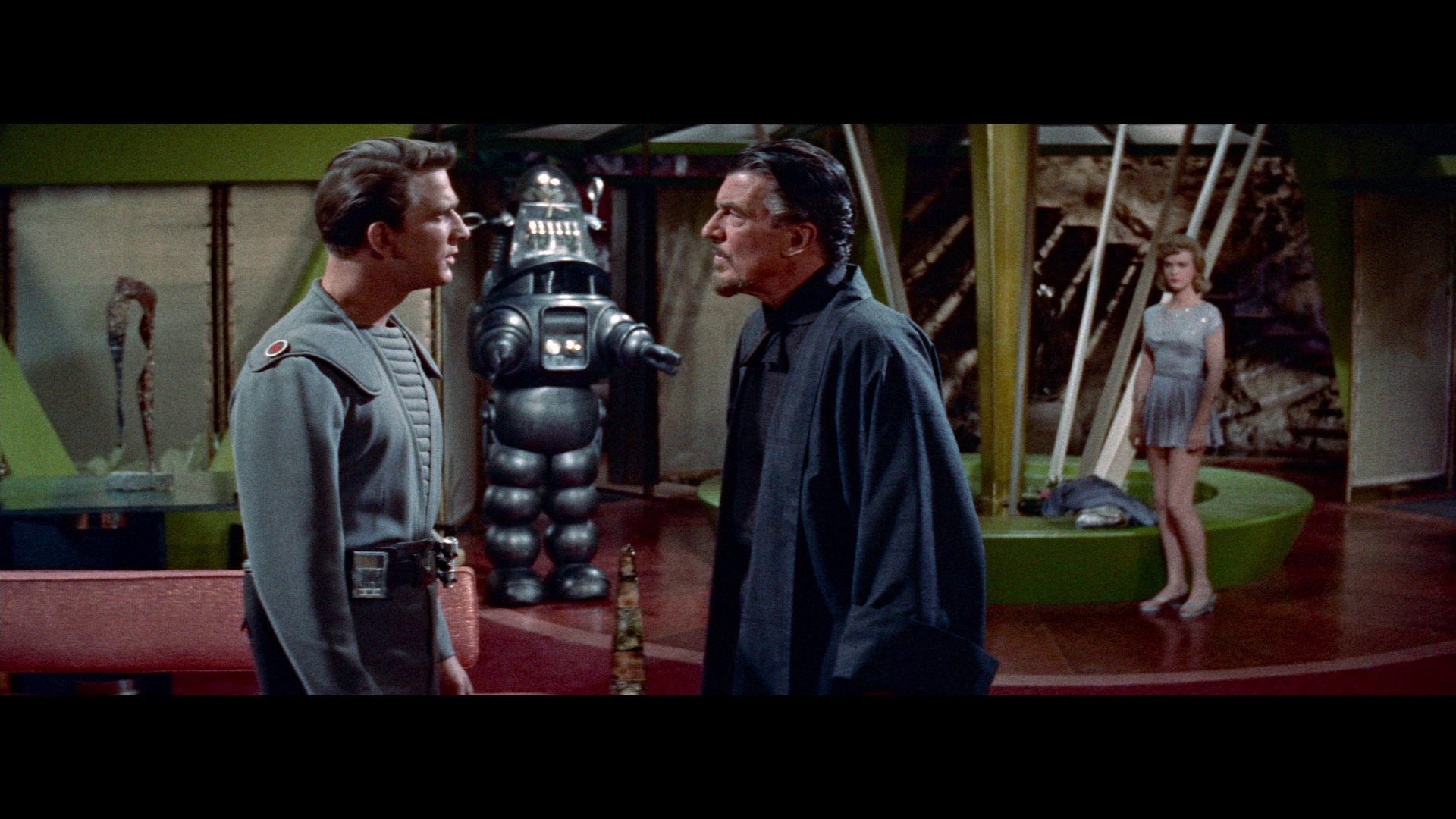
In current genre parlance, this would have been considered elevated sci-fi; now, for a whole bunch of reasons – not the least of which being the casting of Leslie Nielsen as the square-jawed hero Commander Adams, who immediately falls for the innocent Altaira – it’s adorably stiff and antiquated, a goofy space story played out with crushing self-seriousness. But it’s also pretty damn fun, filled with pioneering special effects that eclipsed most other genre fare and a strong sense of when not to use them, encouraging the audience to fill in the blanks. Robert Wise would borrow that trick a few years later in The Haunting.
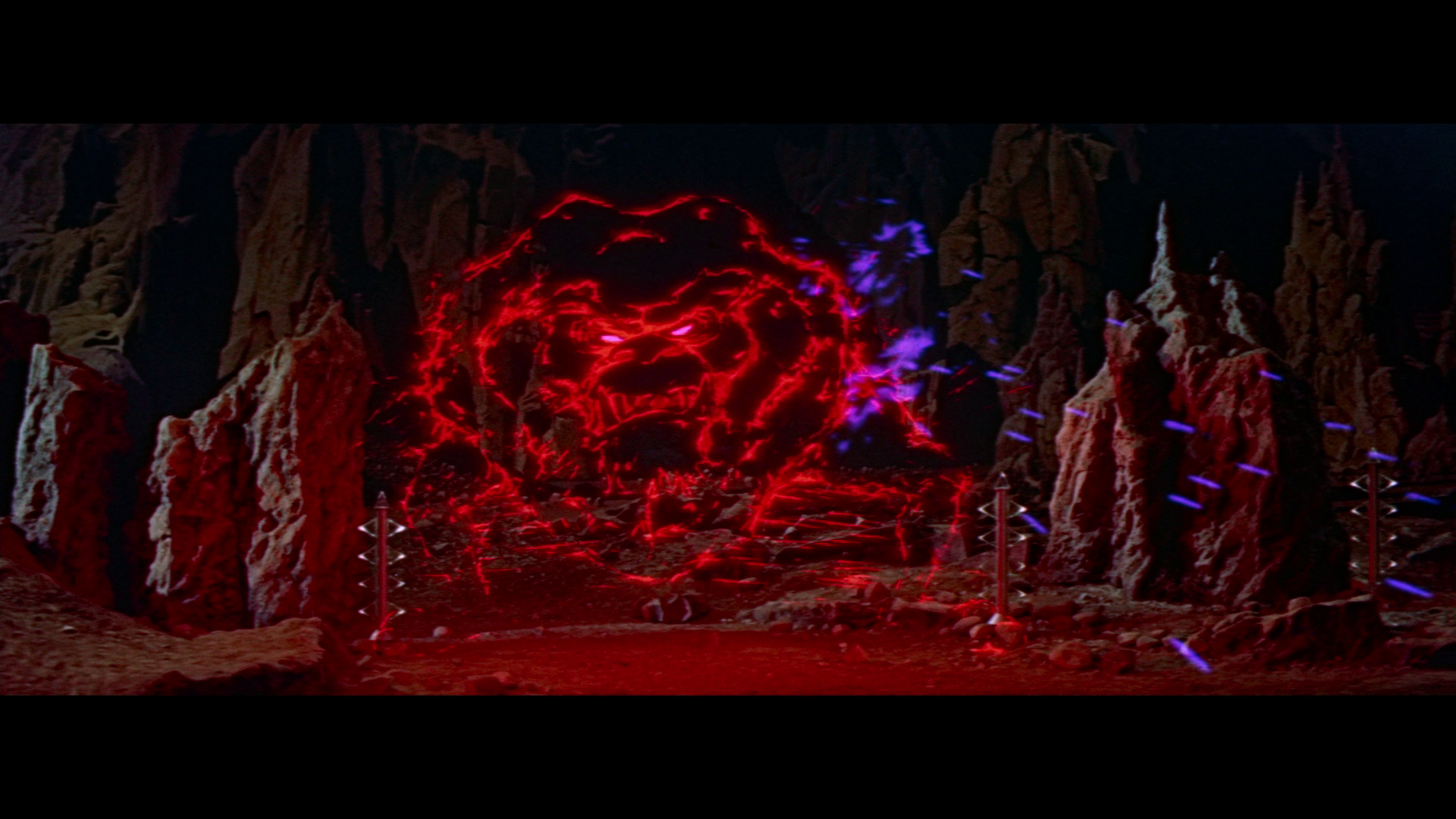
Designed to lure people out of their homes by offering an experience their new-fangled TVs simply couldn’t – but at half the runtime of most roadshow releases, the better to maximize screenings and ticket sales – Forbidden Planet did indeed dazzle, and clearly served as an inspiration for Gene Roddenberry’s Star Trek a decade later. Arrow’s disc cleans it up real nice.
Jump ahead three decades or so for a pair of Warner Bros. movies about male anxieties, as filtered through two very different points of view. And yes, that’s a very generous reading of Robert Towne’s Tequila Sunrise and Tony Scott’s The Last Boy Scout.
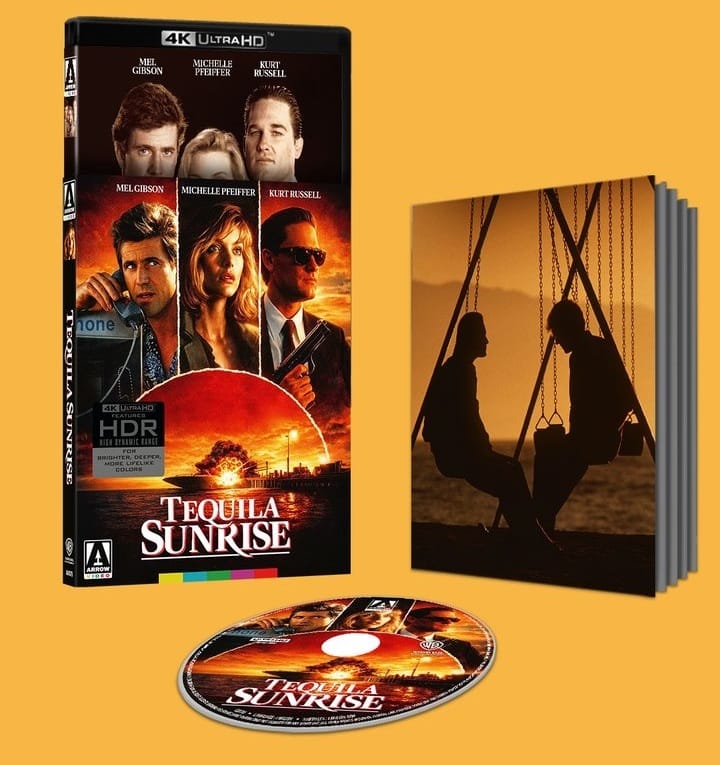
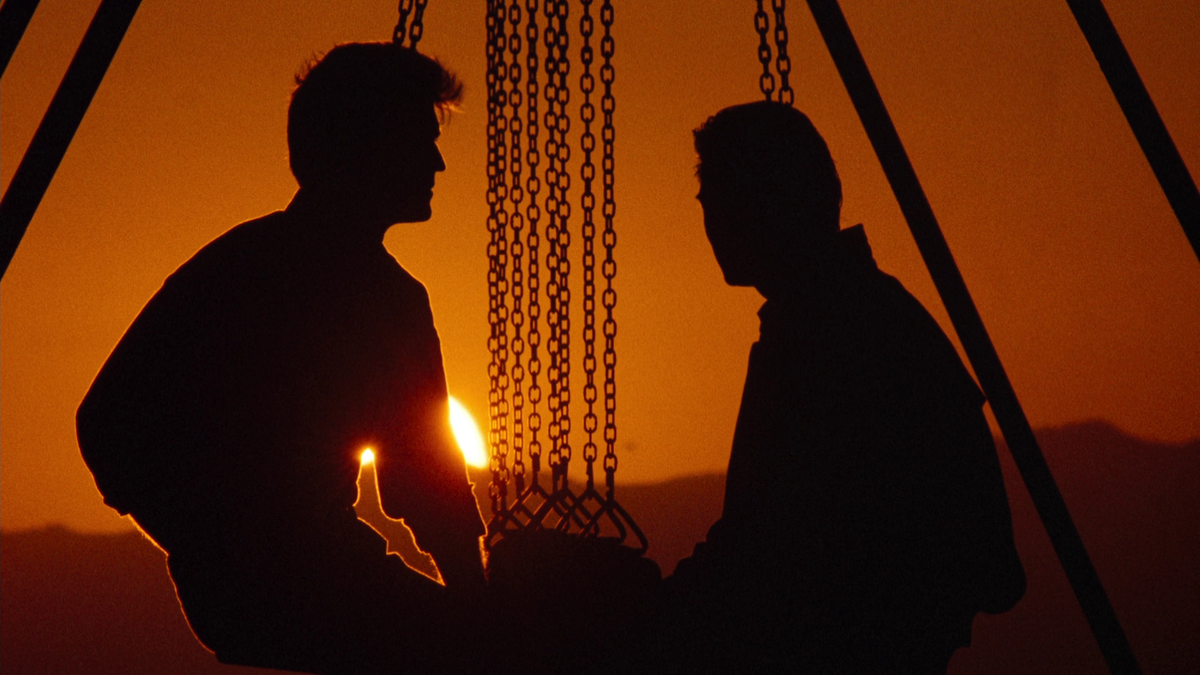
Tequila Sunrise, at least, really is about that. Made after the fiasco of Greystoke: The Legend of Tarzan, Lord of the Apes, it was Towne’s attempt to get back to basics with a simpler contemporary story about three insanely hot people in Los Angeles.
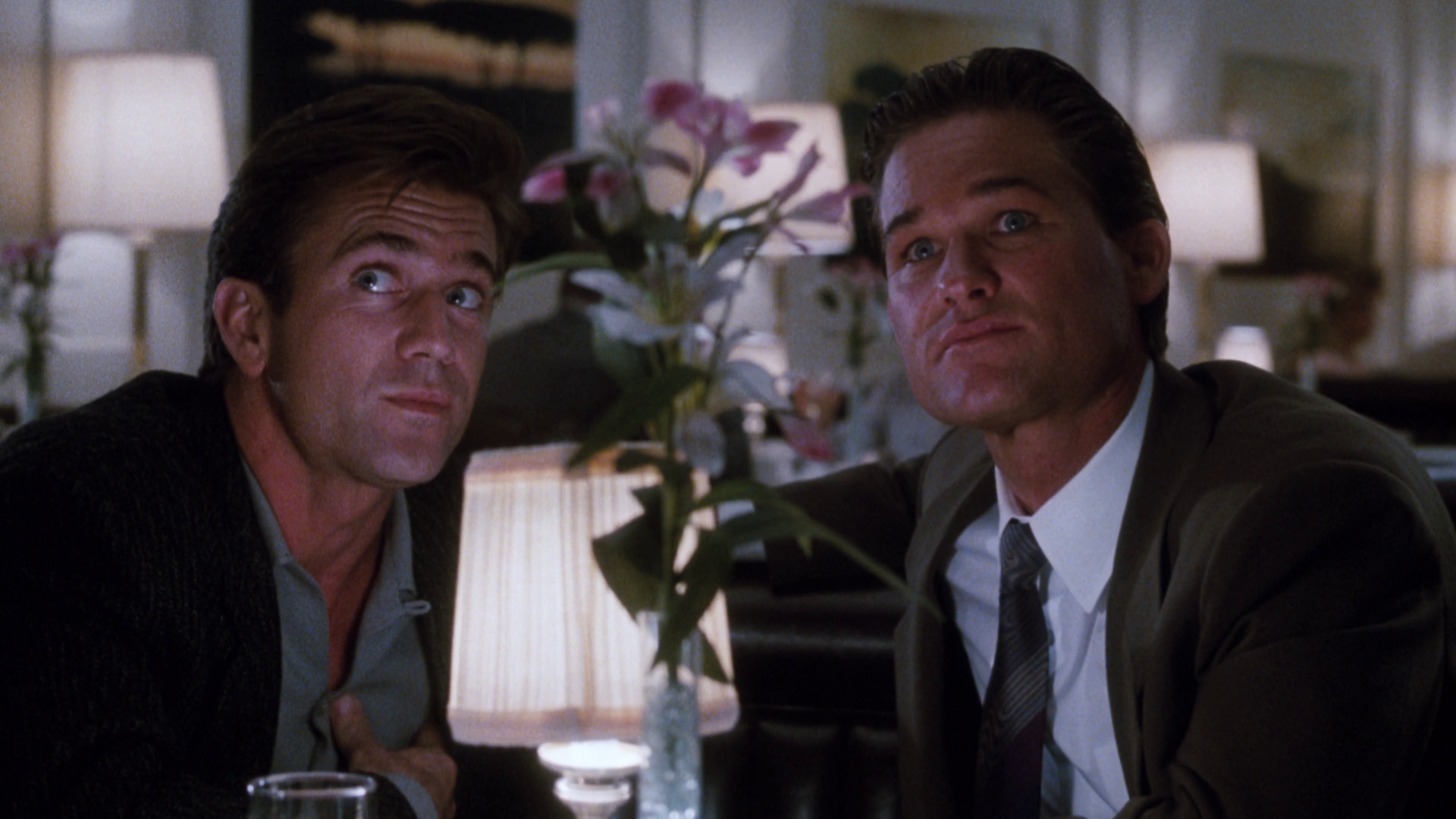
The hot people are Mac (Mel Gibson), Nick (Kurt Russell) and Jo Ann (Michelle Pfeiffer), respectively playing a drug dealer looking for a way out, the cop who leaves him alone because they grew up together, and the restaurateur who’s drawn to Dale, and to whom Nick is drawn in return. This isn’t a Challengers situation, mind you; there’s no spark between Mac and Nick, either because Towne (who you’ll remember launched his directing career with the defiantly queer-themed Personal Best) was trying to make his movie as safe as possible or because Mel Gibson wouldn’t go there. Either way, it’s a studio movie released in 1988; the men want the woman and the woman wants the men, simple as that.
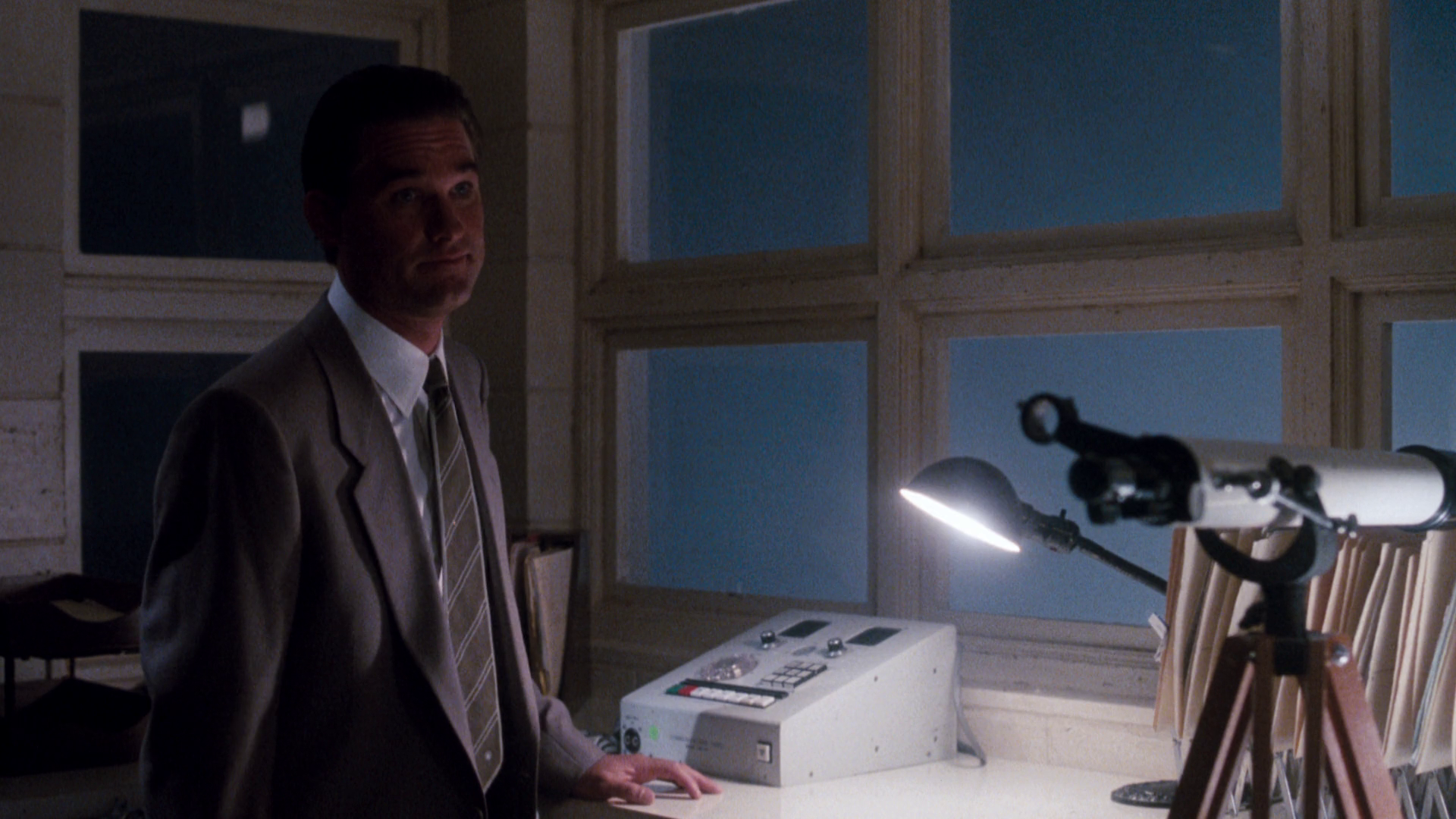
Funny story: Nick Nolte was apparently considered for the role of Nick, having just played the exact same character in Walter Hill’s Extreme Prejudice. And nothing against Nolte, but Russell really is the perfect choice for this guy – a cop who cuts corners and feels a little bad about it, but would feel a lot worse if he had to arrest his childhood friend when he knows there are bigger fish to fry. In fact, it’s the possibility of flipping Mac to get his boss, the shadowy druglord known only as Carlos, that gives Nick a chance to save his buddy … although if he does that, he’ll probably lose Jo Ann.
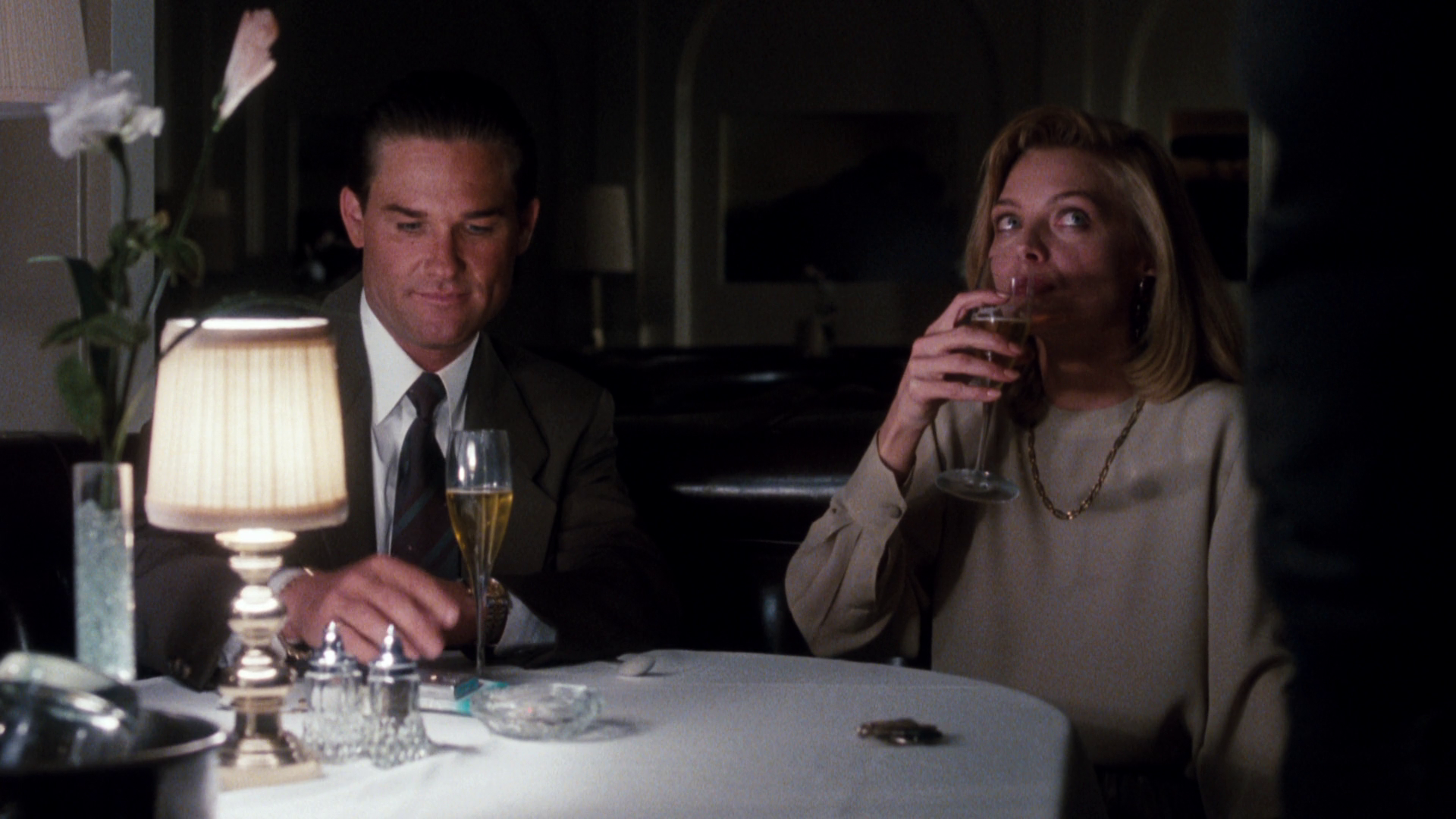
Pfeiffer was at her peak here too, coming off supporting turns in The Witches of Eastwick and Dangerous Liaisons and her snappy lead in Married to the Mob, with the breakout of The Fabulous Baker Boys just around the corner. She’s a loose and fun presence, unafraid to be silly but also capable of selling the intense moments. She even sells buy the obligatory love scene, tracked with a syrupy power ballad (“Surrender to Me,” from Heart’s Ann Wilson and Cheap Trick’s Robin Zander) that’s even more 1988-coded than the men’s hairstyles.
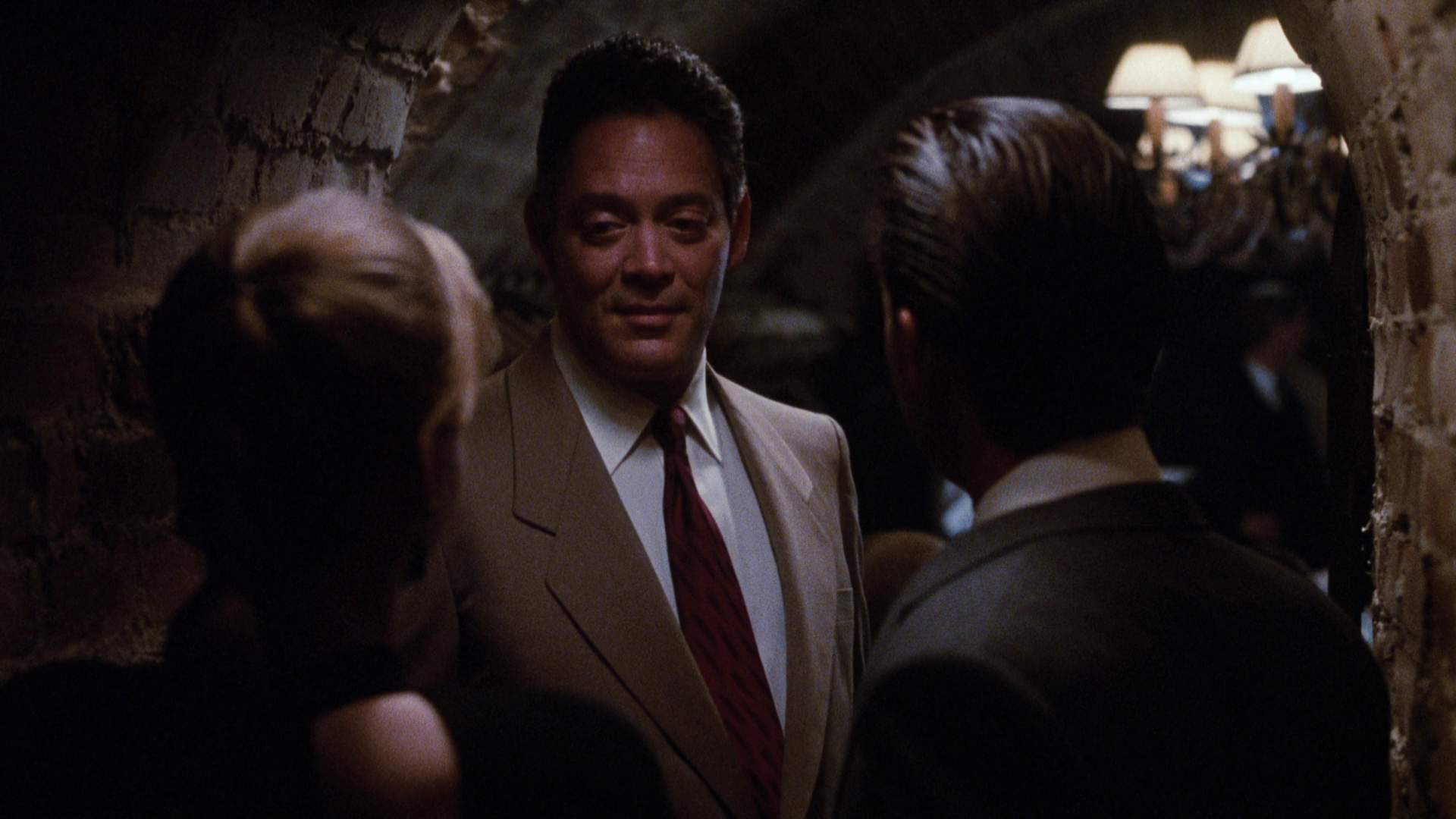
And Pfeiffer isn’t even the best thing in the picture! That’d be Raul Julia, who turns up as a Mexican drug cop with a secret that’s just too good to spoil; in a picture filled with character actors, including Arliss Howard, Ann Magnuson and the magnificent bastard that was J.T. Walsh, Julia walks away with Tequila Sunrise the same way he would with Street Fighter: He recognizes the inherent goofiness of his role, and extracts every single molecule of it before he’s done. I’ve been waiting for someone else to notice how good this movie is, and I’m glad it was Arrow.
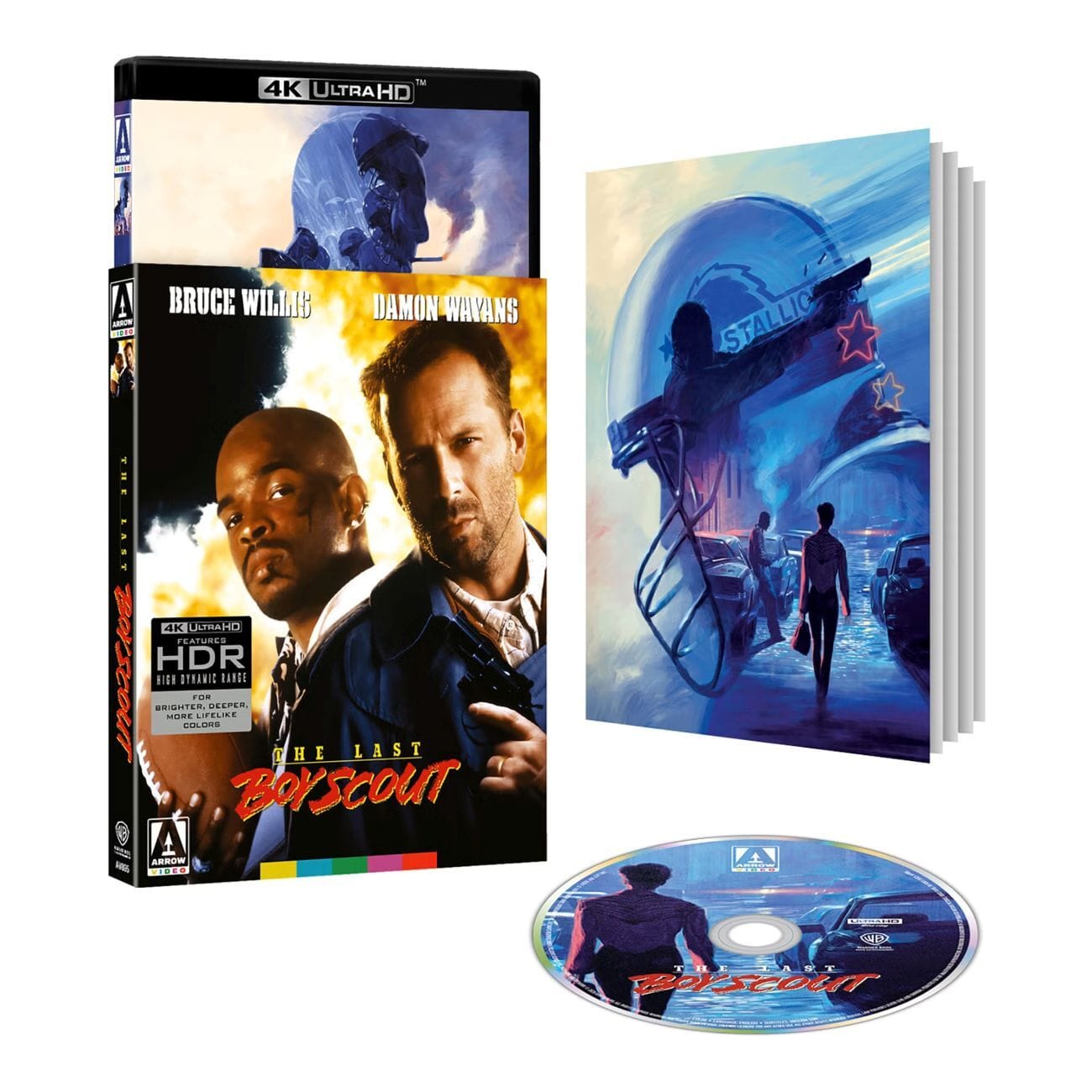
The Last Boy Scout cannot be described as “good” by any objective measure, but it is an ’80s movie through and through, despite having been produced and released in 1991. Everything’s sweaty and slick, like the third day of a coke bender, and the laws of logic and physics are abandoned before the end of the first reel. Hell, they’re abandoned before the end of the first scene. And who needs ’em? This is a Shane Black/Tony Scott joint, and the guy who wrote Lethal Weapon and the guy who directed Top Gun aren’t taking notes from nobody.
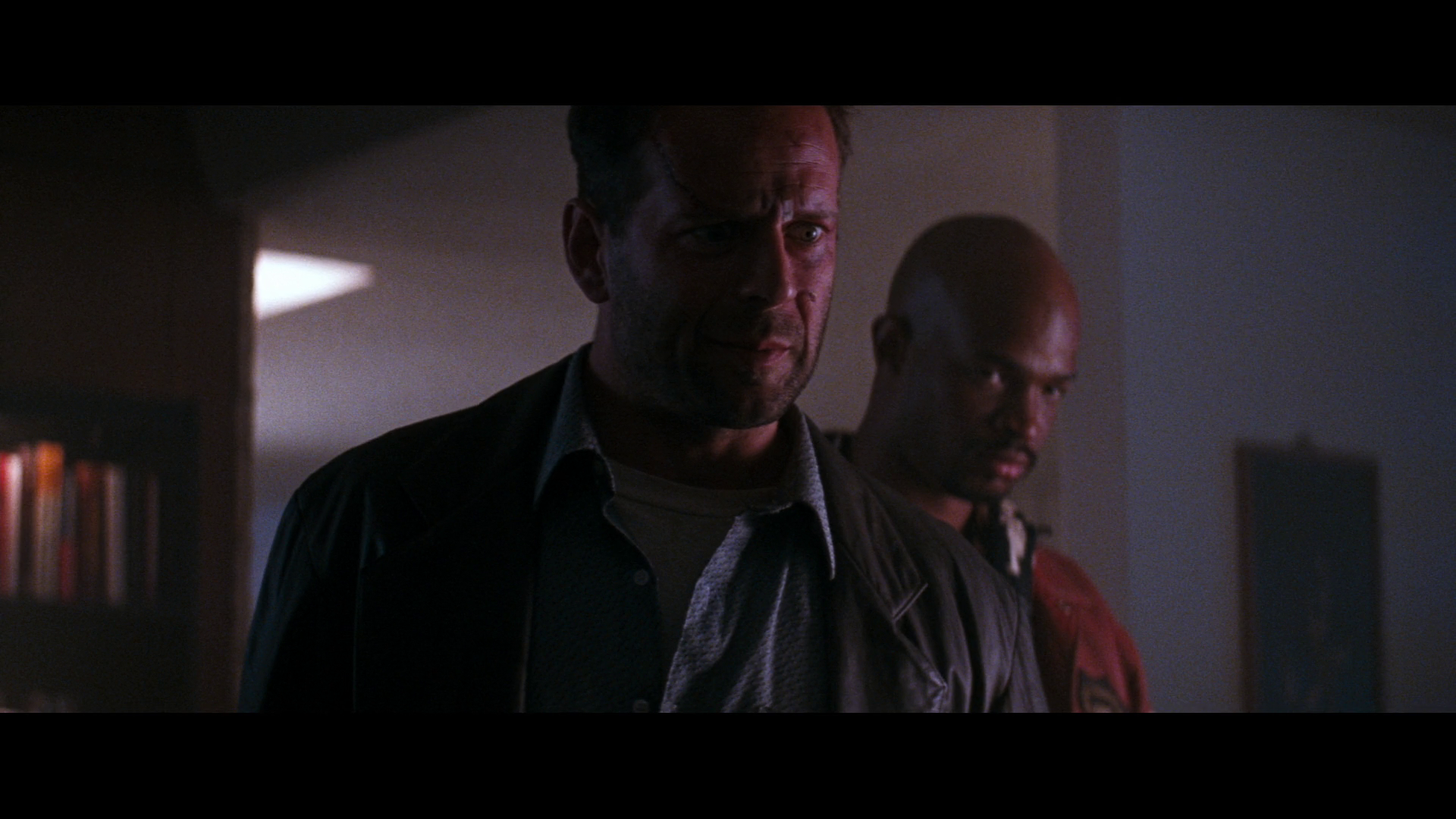
The Last Boy Scout is another L.A. story, teaming Bruce Willis and an absurdly buffed Damon Wayans as Secret Service agent turned private investigator Joe Hallenbeck and one-time football hero Jimmy Dix, who meet when Joe takes a job as the bodyguard for Jimmy’s girlfriend Cory, who is played by Halle Berry in an early, extremely-beneath-her role.
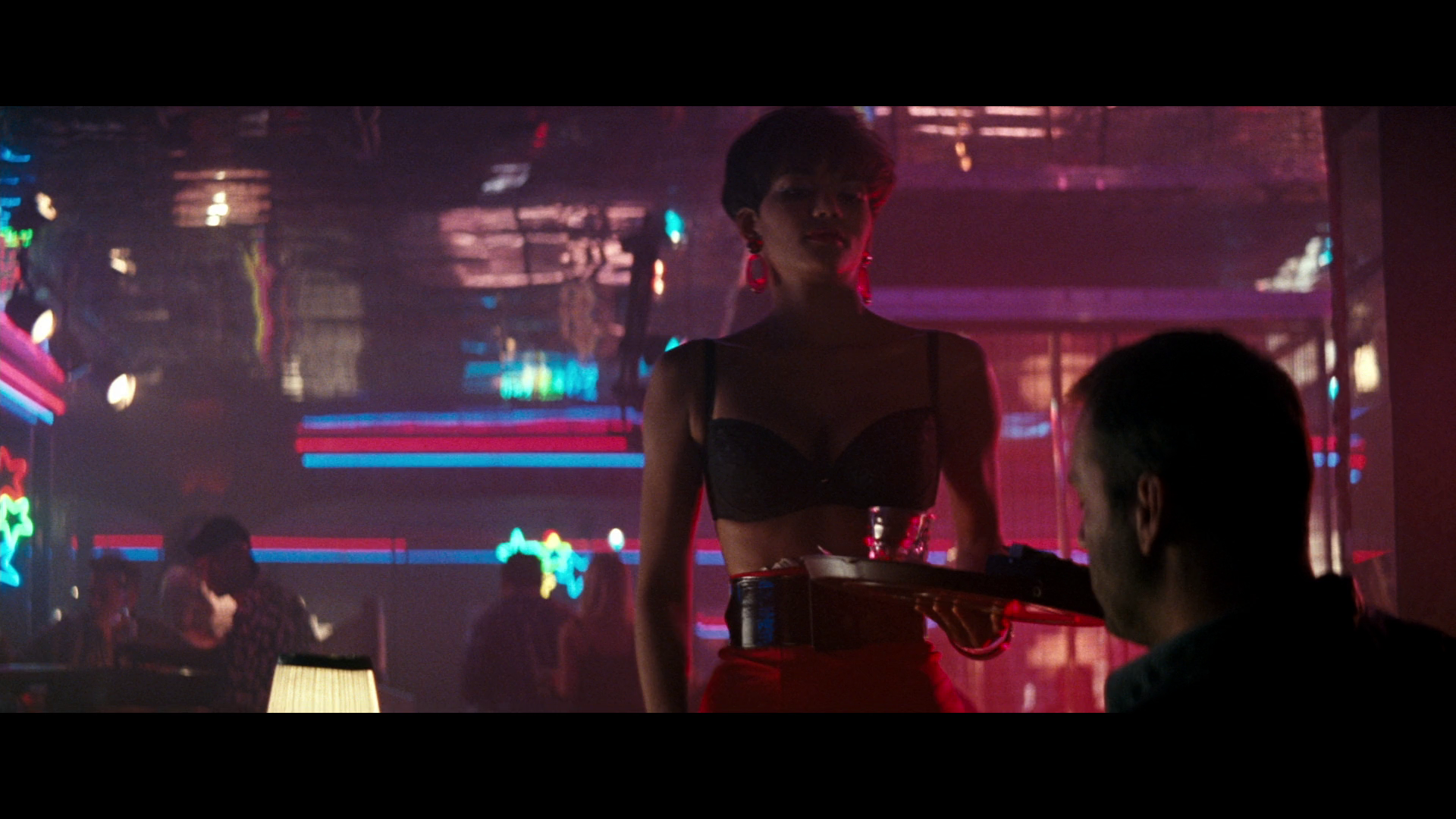
Cory gets killed almost immediately, because Joe is a terrible PI, but at least her death gives Jimmy a reason to hate Joe, and they mutually loathe each other while shooting their way to the top of a sinister plot to legalize gambling and/or fix football games on a national scale.
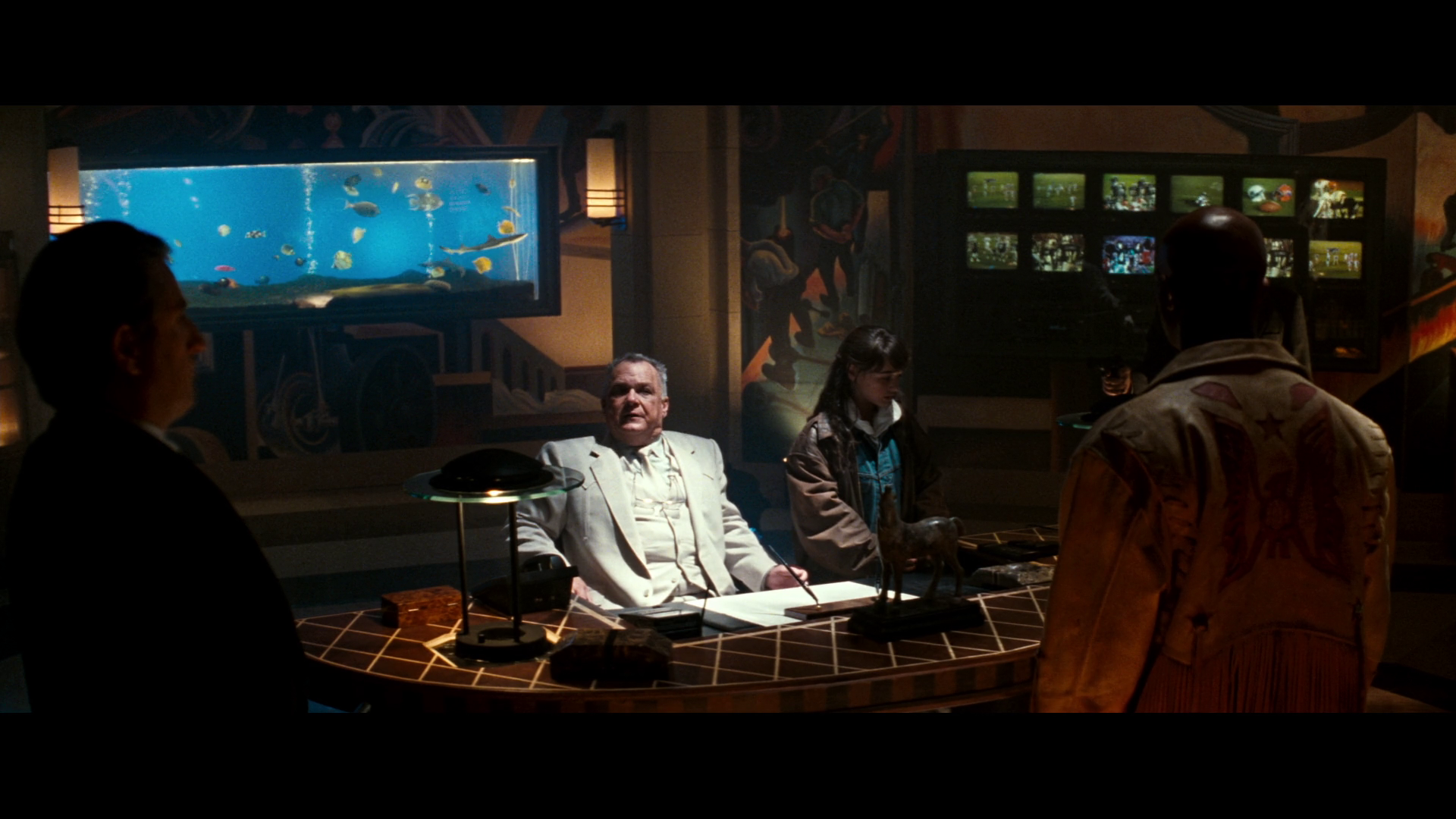
I have to admit, I’m not entirely sure what the point of any of this was; like the ridiculously convoluted heroin-smuggling strategy the Colonel and Mr. Joshua were running in Lethal Weapon, The Last Boy Scout’s conspiracy is just an excuse for people to be shot, stabbed and blown up real good until our heroes figure it out and kill everybody.
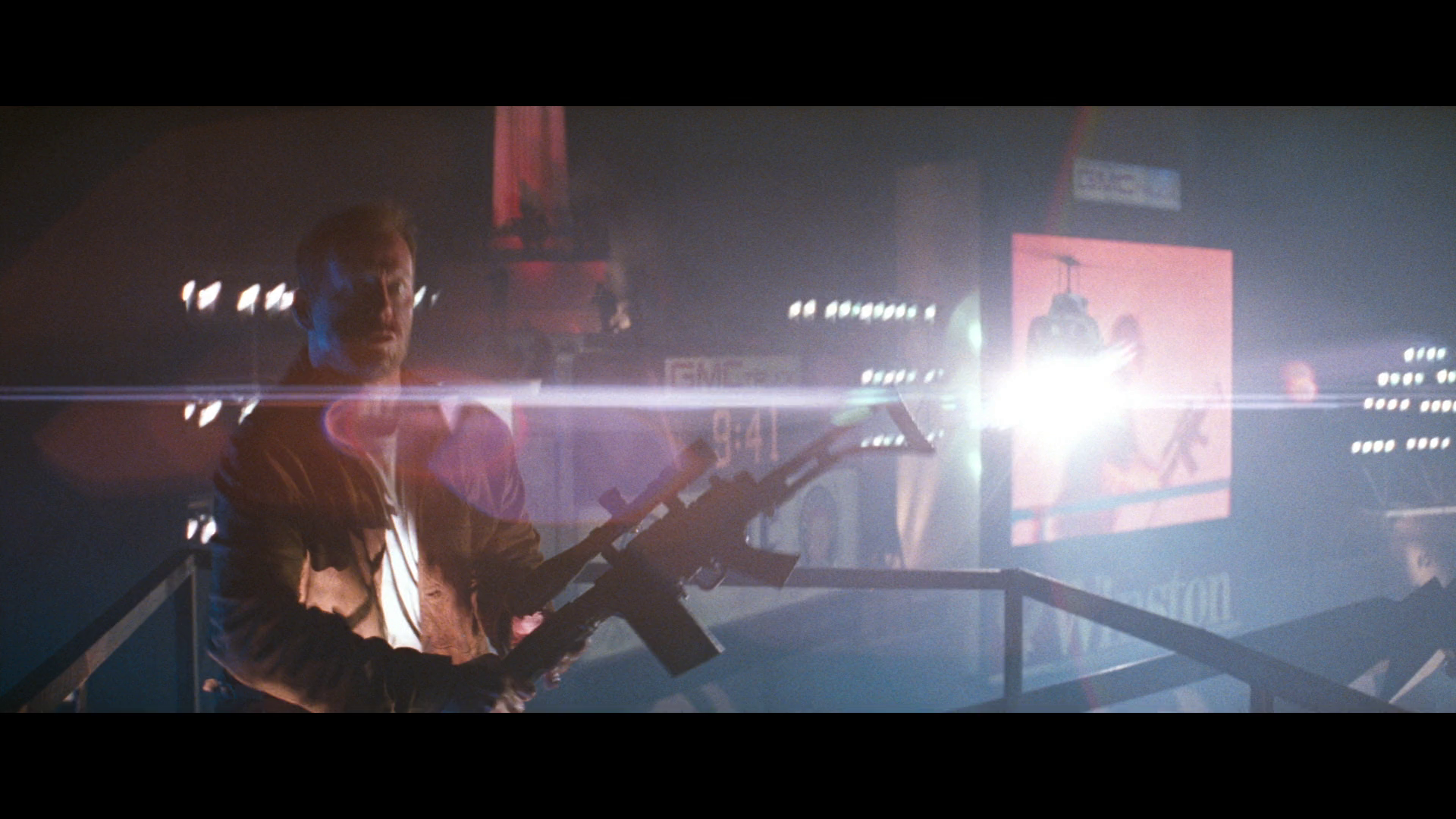
Like I said, even though it was made in 1991 this is an ’80s movie through and through, and narrative coherence is pretty low on its list of essentials ... but good god does it look stunning, with Ward Russell shooting everything like he’s making Blade Runner and editors Stuart Baird, Mark Goldblatt and Mark Helfrich working overtime to ensure it all fits together.
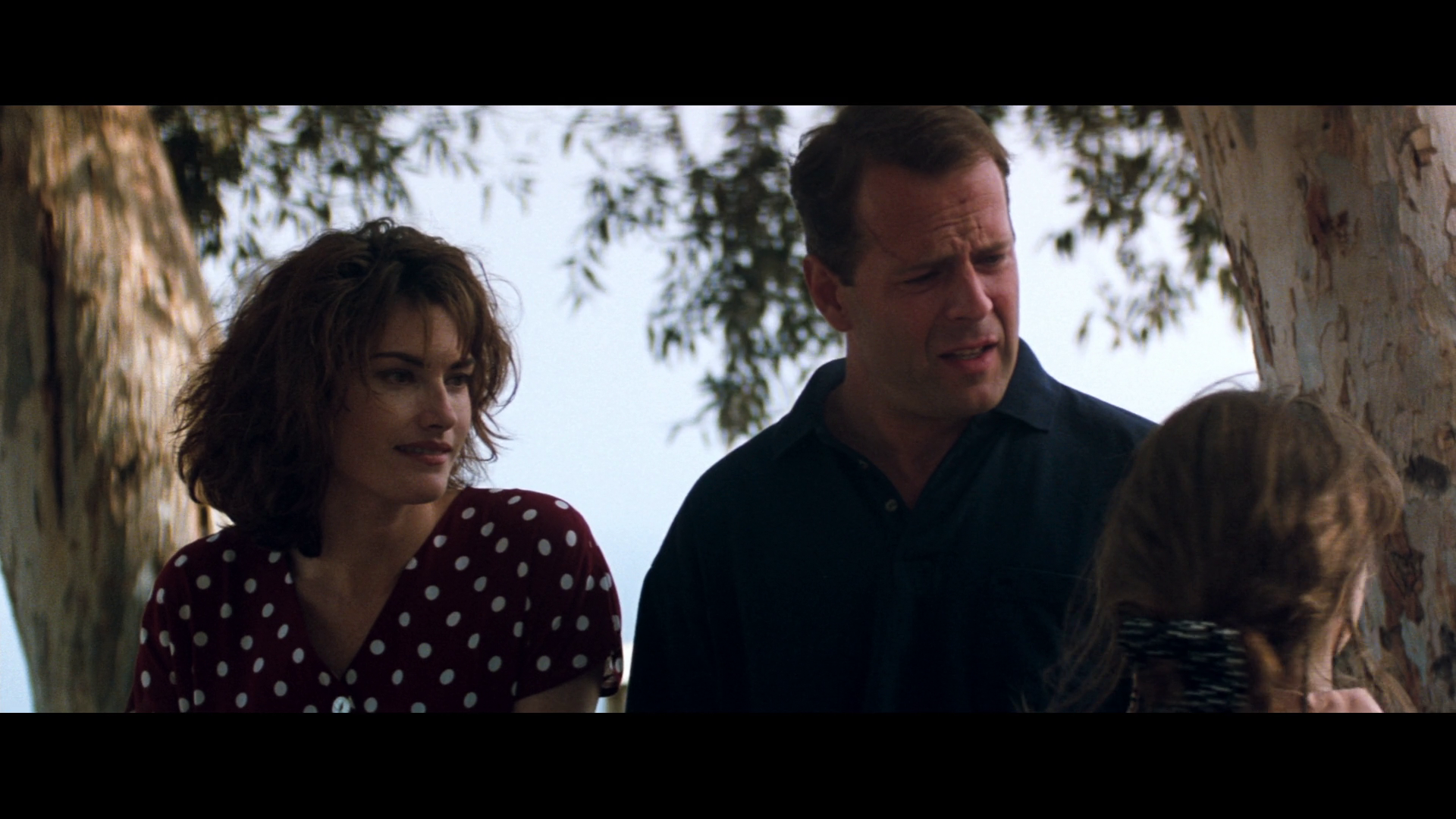
Also Chelsea Field is here as Joe’s estranged wife Sarah, whose affair with his partner Mike (Bruce McGill) is the inciting incident for the whole thing, sort of. She understands the assignment, as the kids say.
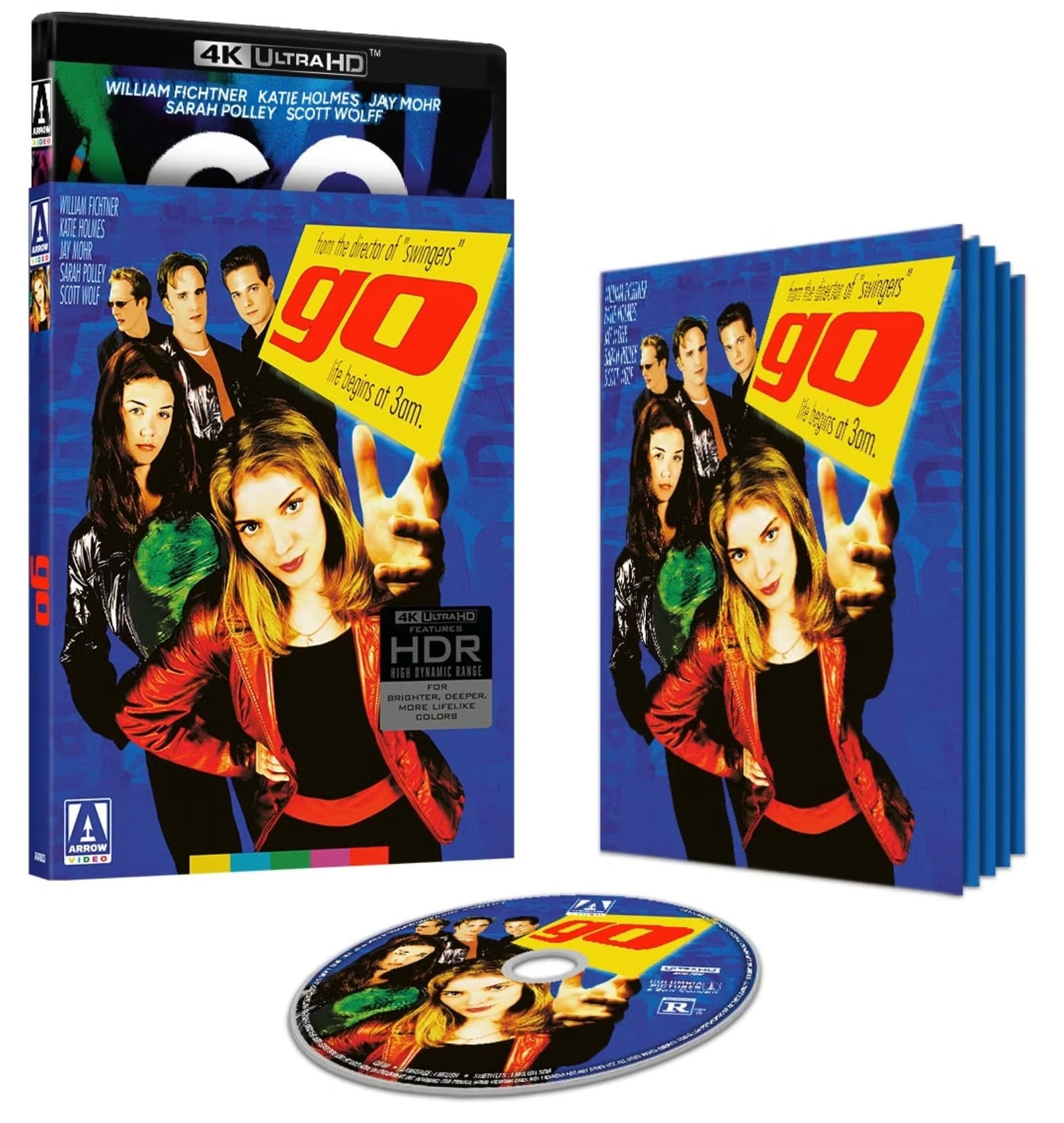
Speaking of understanding the assignment, here’s Doug Liman’s Go, another movie that uses drug use and mayhem as story points, but also – and this is important – to develop its characters! John August’s time-scrambled screenplay is a thing of beauty, spinning out a tangle of nested storylines all swirling around a massive Christmas rave. It’s the other end of the ’90s, and everything is still kinetic and hyper and noisy, but in a hipper, younger way. So is the movie.
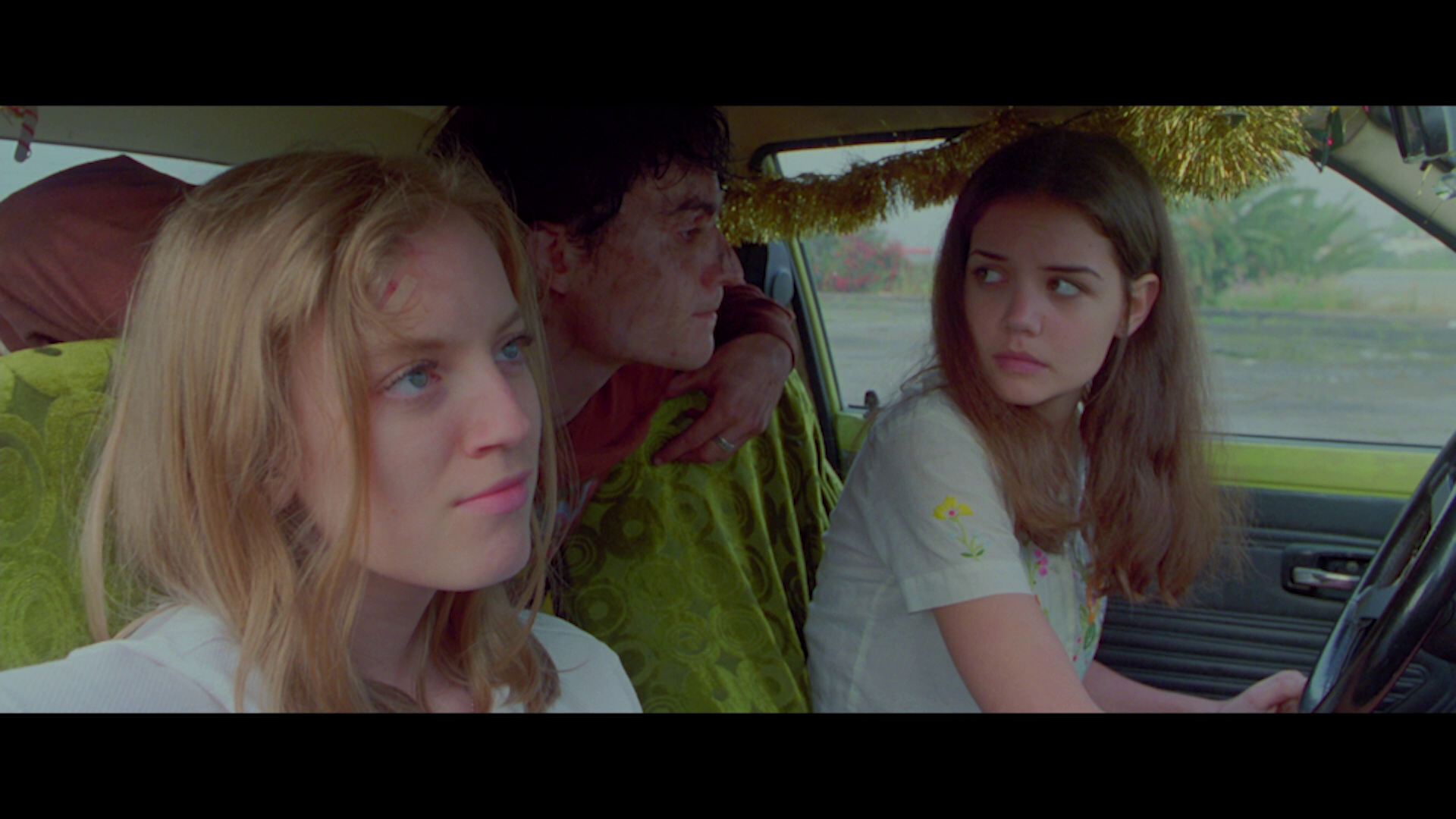
Sarah Polley and Katie Holmes are Ronna and Claire, supermarket checkout clerks who dabble in (fake) drug dealing; Timothy Olyphant is a (real) drug dealer named Todd, who takes his job very seriously.
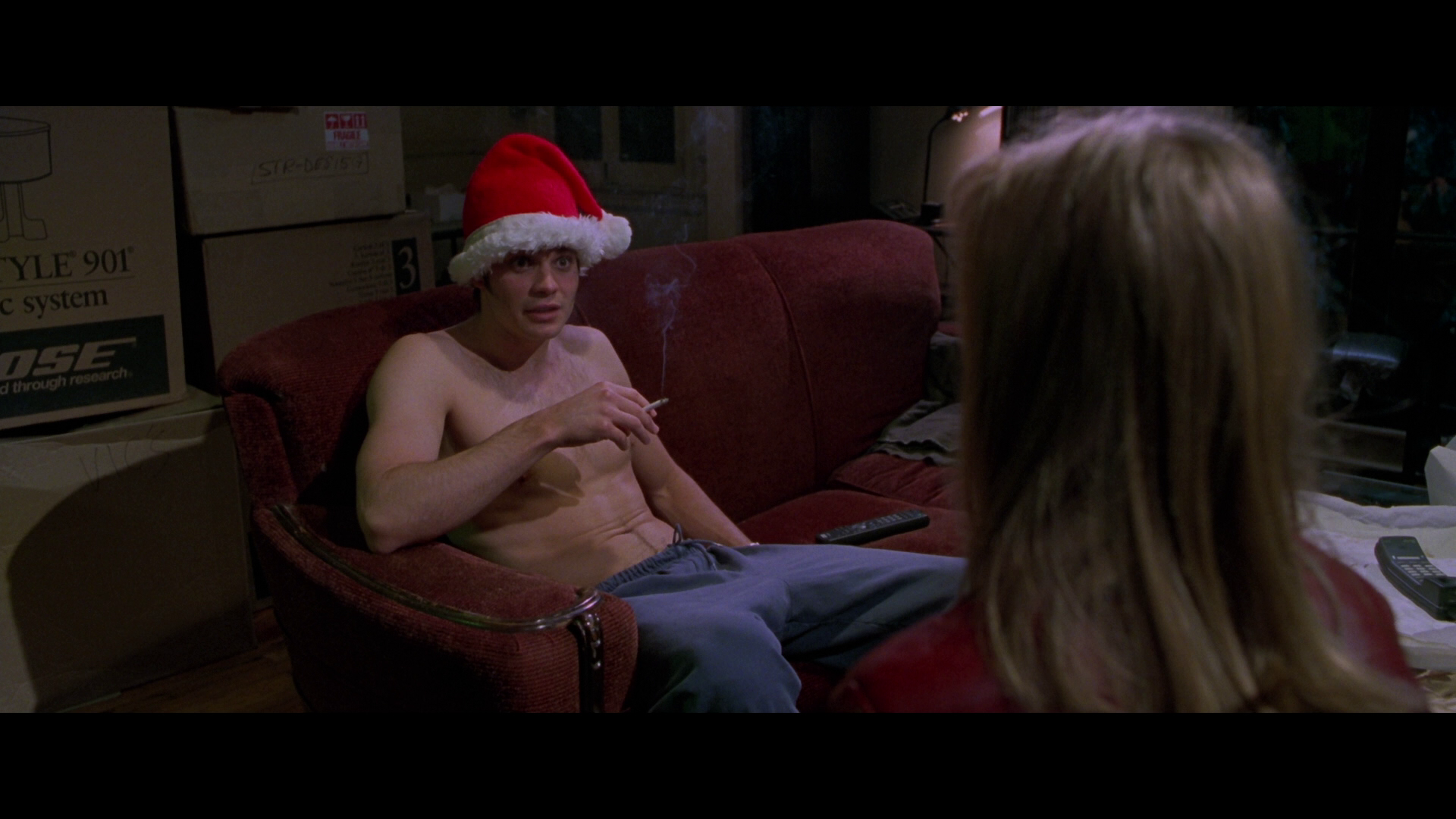
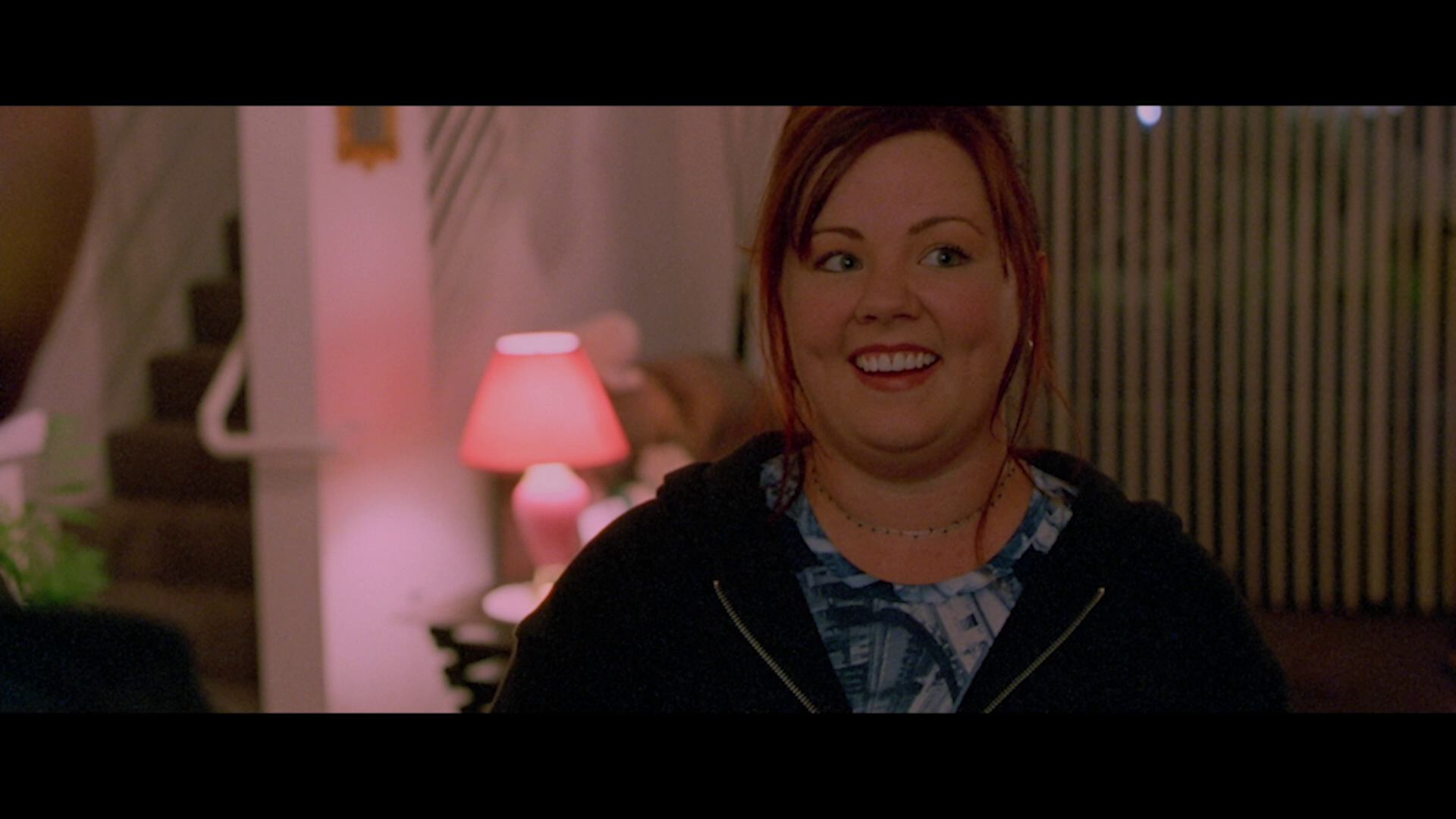
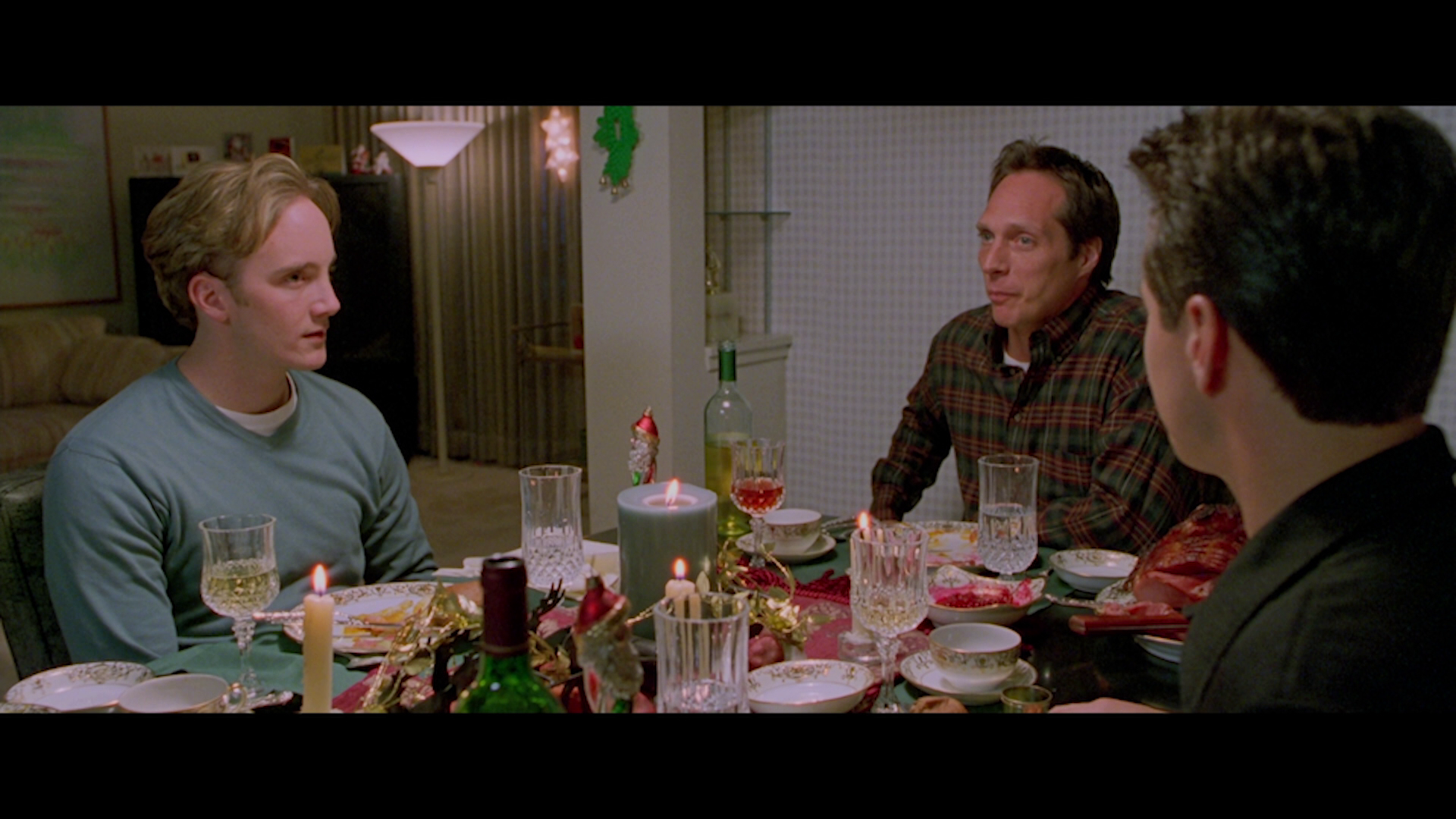
Desmond Askew, Breckin Meyer, Taye Diggs and James Duval are Vegas party guys who destroy everything they touch, and Jay Mohr and Scott Wolf are a pair of actors coerced into a drug sting by a very weird cop, who is of course played by William Fichtner. Jane Krakowski turns up as his wife, and Melissa McCarthy also turns up in her very first screen appearance, because casting director Joseph Middleton was just that good.
You may have noticed that the cast is ridiculously overqualified for a late ’90s Trainspotting-but-without-the-downside studio picture. That’s part of the fun; while Go was pitched as a glimpse of Hot Young Hollywood energy, Liman used every ounce of his Swingers cred to push the movie into a different place. It’s funny, it’s snappy, it’s silly and it’s sexy, but it’s also so much better than it had to be, finding weird little moments within the chaos.
It still strikes me as so weird that Sarah Polley chose to make this movie almost immediately after The Sweet Hereafter, but she clearly trusted Liman to give her the space to make Ronna a real person instead of a plot device, and that’s exactly what he did. (Sarah told Rad Simonpillai the experience was essential to her subsequent career trajectory in a great episode of the old NOW podcast; the audio is long since offline, but you can read the transcript here.)
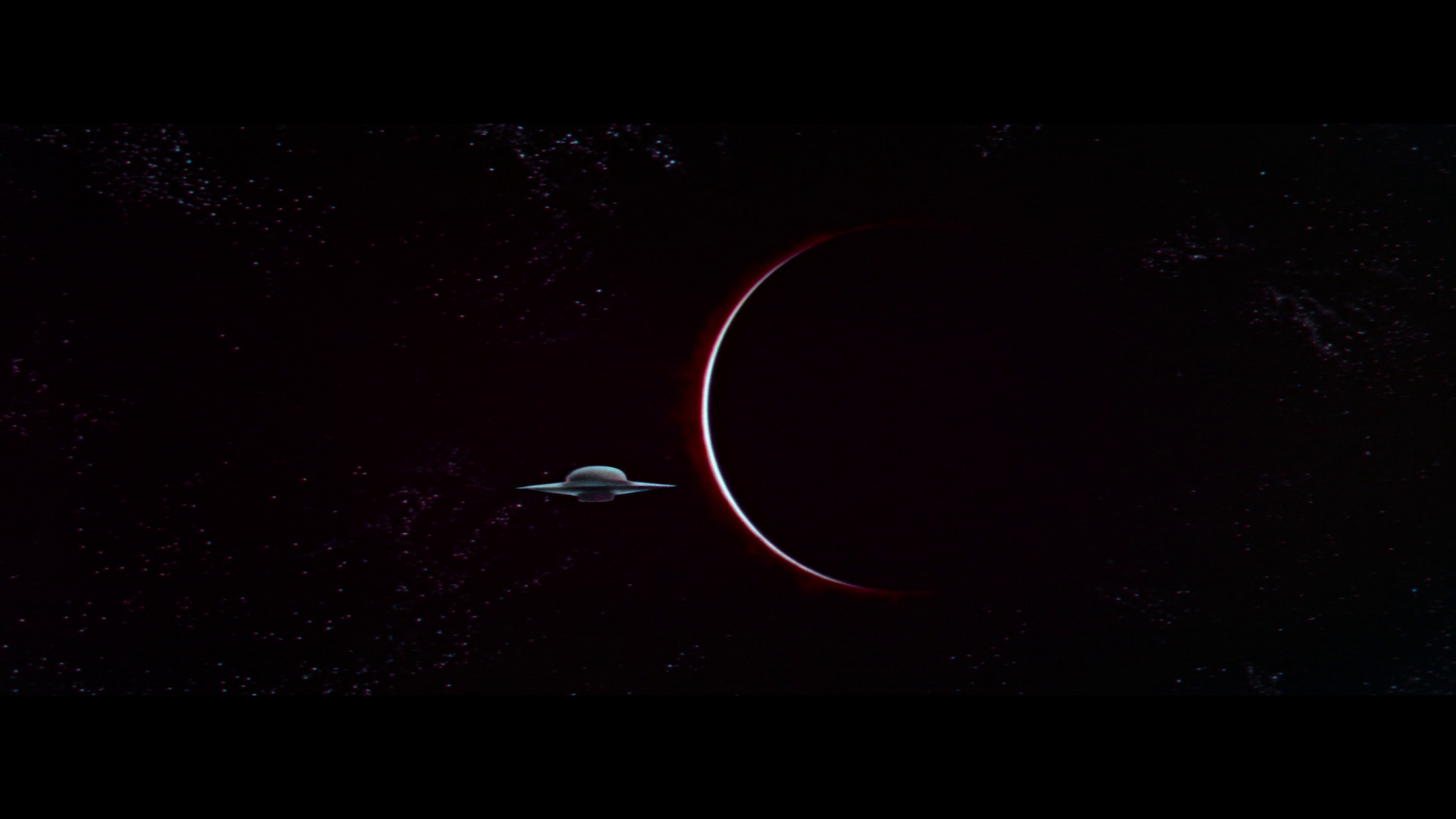
All four of these titles have been restored from the original camera negative, and every one of them looks better than it has on any previous home-video format. Forbidden Planet is the standout, presented in 2.55:1 CinemaScope and three-channel Perspecta stereo just as it was in its initial release and polished to a sparkle, with those sets and effects presented with stunning clarity. But the gloss of Tequila Sunrise and the slick sheen on Boy Scout are as vivid as they were when I saw them projected almost four decades ago. (Go looks great too, but as a more recent production it’s had much better representation on DVD and Blu-ray, where the transfers could be mastered from fresher elements.)
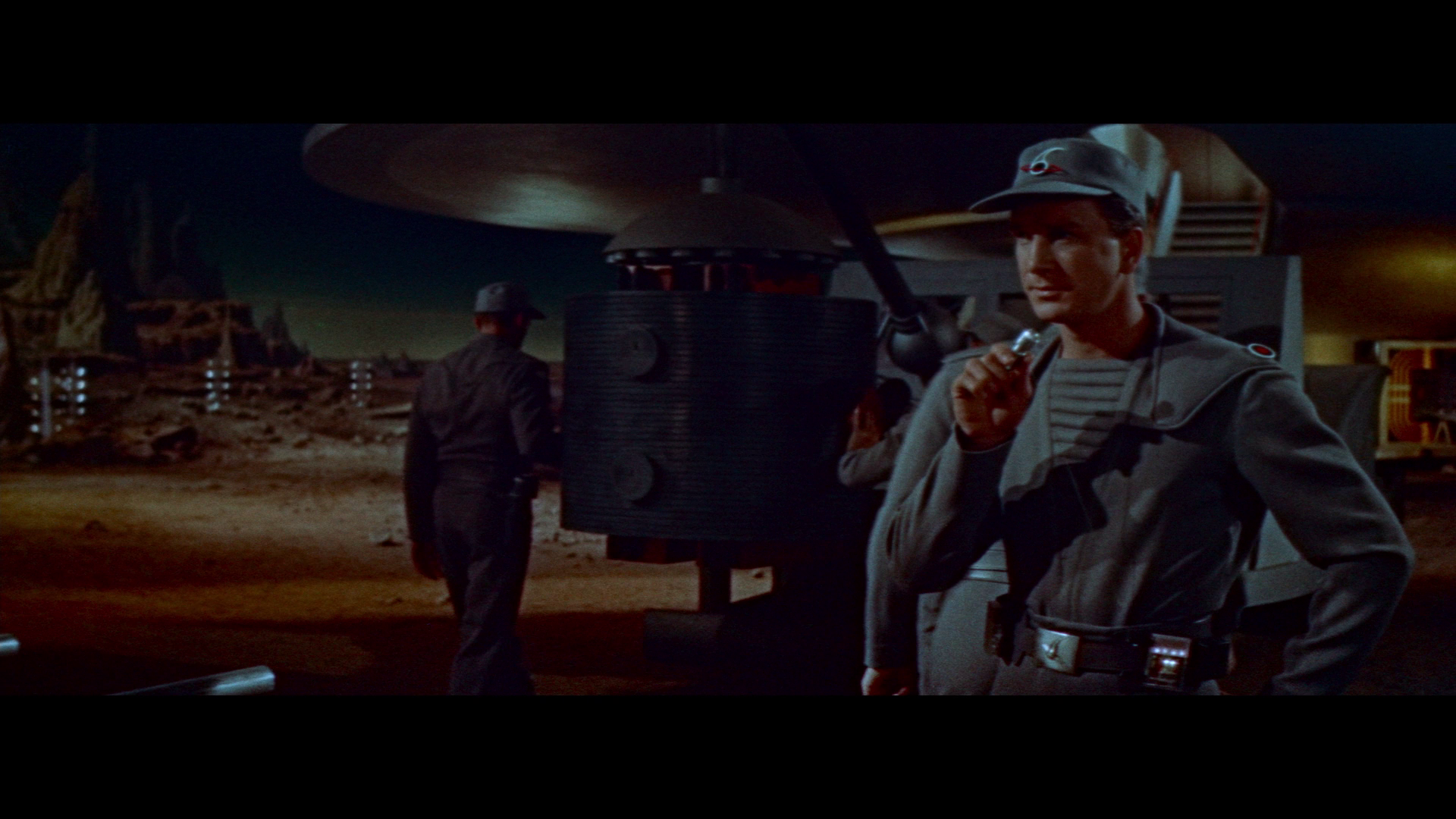
Arrow’s release of Forbidden Planet is as comprehensive as anyone could want, bringing the excellent suite of special features from Warner Home Entertainment’s initial Blu-ray disc and adding a few new ones for good measure. Audio options are expanded to offer the original theatrical mono – shipped to venues that couldn’t play the Perspecta mix – and the DTS-HD 5.1 remix produced for that Blu-ray, as well as a new commentary track by Kim Newman and Barry Forshaw, who are both old enough to have seen the movie in its initial release and can place it in its proper historical context. (This is a net positive.) Arrow has also tapped composer and music historian Neil Brand to discuss the Theremin-driven electronic score by Bebe and Louis Barron in “Unearthly Aura.”
As for the Warner extras, they’re top-shelf stuff: “Watch the Skies! Science Fiction, the 1950s and Us,” an hour-long Richard Schickel documentary that gathers Steven Spielberg, George Lucas, Ridley Scott, James Cameron and Mark Hamill to talk about their formative moviegoing experiences; the half-hour retrospective doc “Amazing! Exploring the Far Reaches of Forbidden Planet” and the cheerful featurette “Robby the Robot: Engineering a Sci-Fi Icon.” Robby’s subsequent star vehicle The Invisible Boy is also included here, along with “Robot Client,” his episode of the Thin Man TV series. (MGM got every dollar of production value out of that suit.) Archival newsreels, theatrical trailers and still galleries are also included, as is the original screenplay, and it’s all packaged in a spiffy limited-edition case that throws in a booklet of essays by Frank Collins, Johnny Mains and Bob Furmanek. Arrow’s site lists the 4K edition as already sold out, but you can still find it at retailers. Grab it while you can.
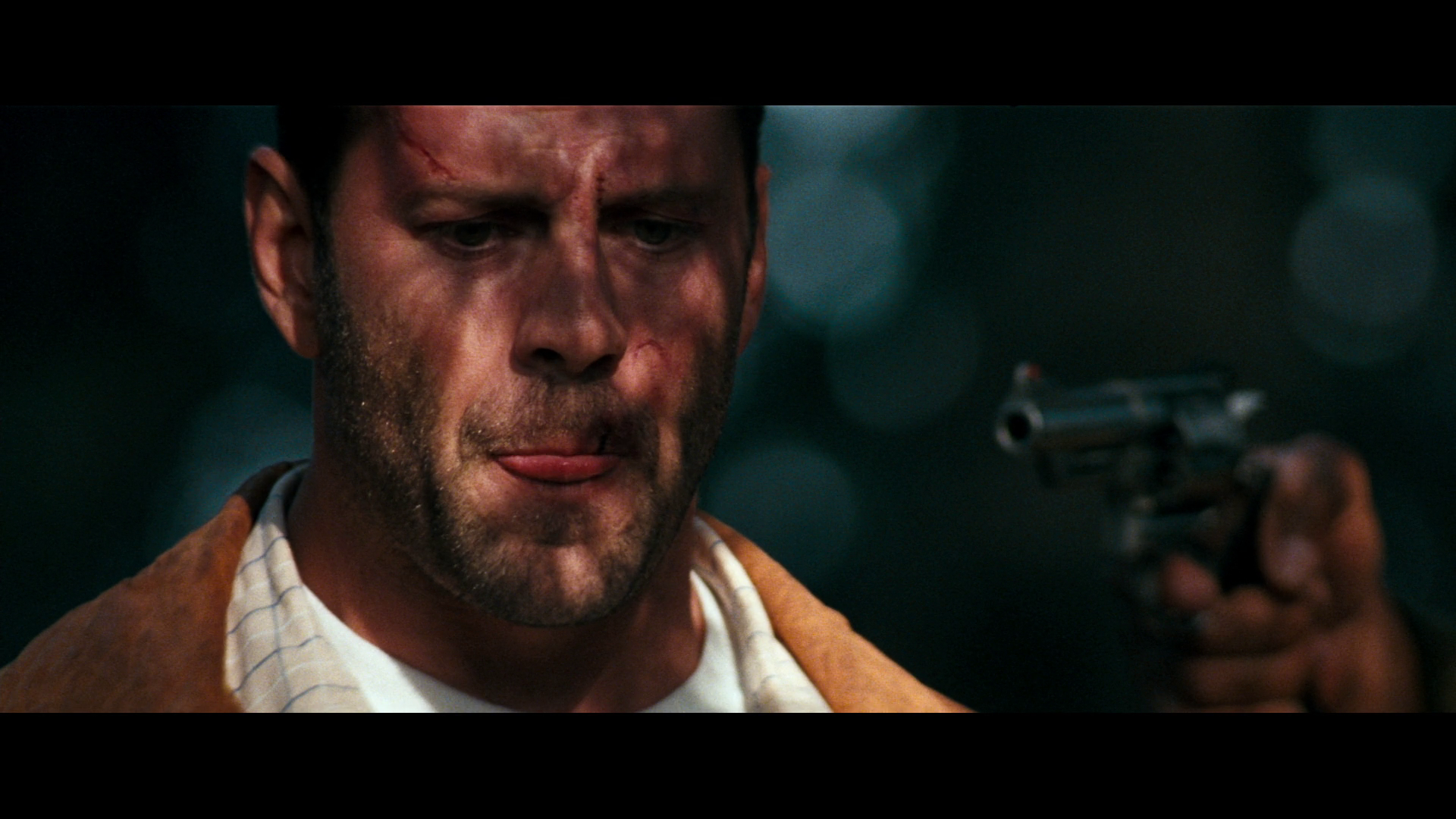
This is, incredibly enough, the first solo edition of The Last Boy Scout since its original DVD release; Warner tossed off an indifferently mastered Blu-ray a decade and a half ago in a Bruce Willis double-feature with Walter Hill’s Last Man Standing. Arrow has perhaps overcompensated with its special edition, which is as elaborate as they come.
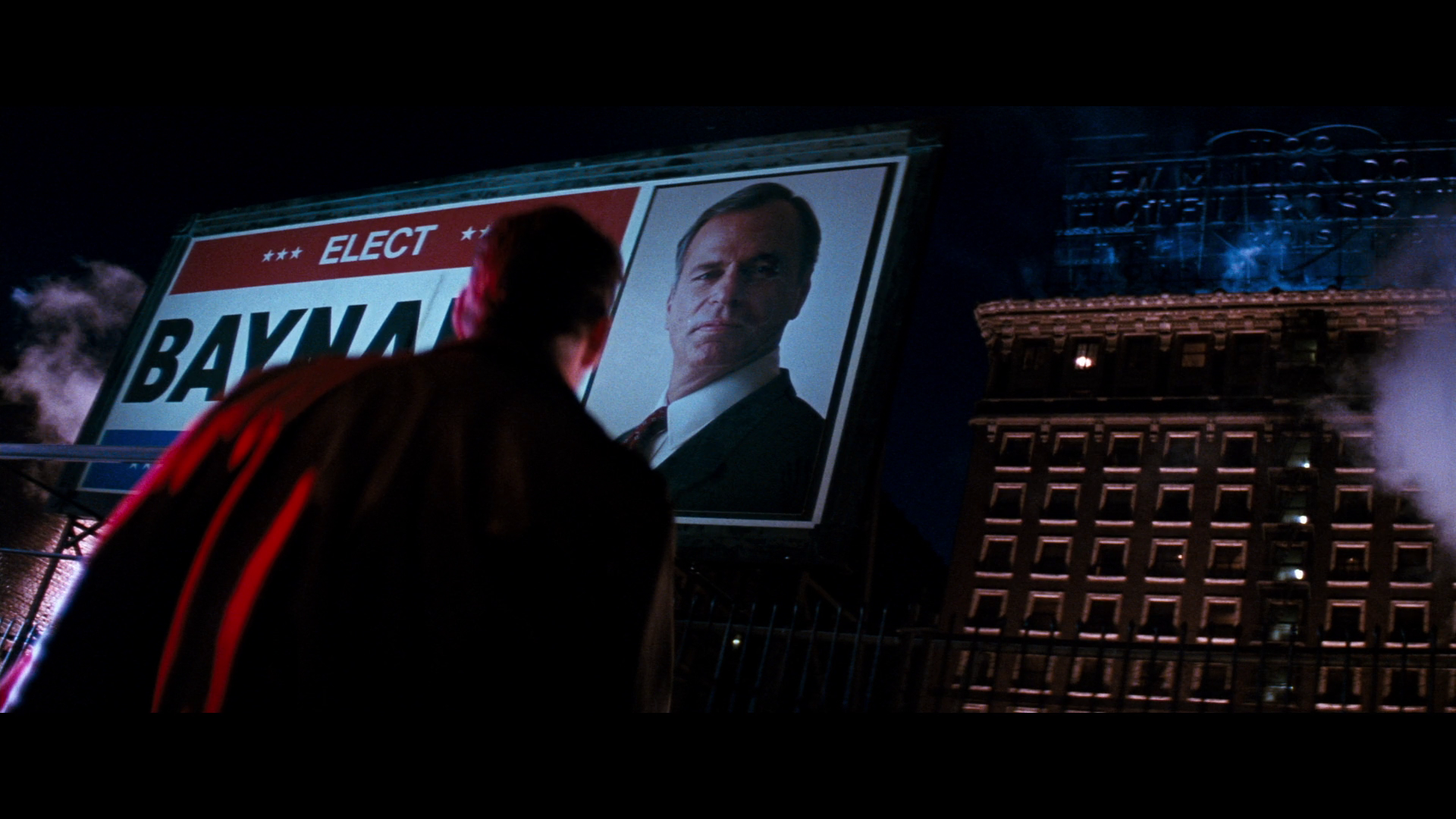
The movie itself looks fantastic, restored in 4K and remixed in Atmos, and it’s now accompanied by a gushing audio commentary from film critics Josh Nelson and Martyn Pedler, two new interviews with screenwriter Black – one recorded for this disc, and an onstage conversation with Jim Hemphill at this year’s Beyond Fest – as well as a new interview with Danielle Harris (“The Daughter of The Last Boy Scout”) and “The Art of Tony Scott,” a video essay by film historian Stéphane Moïssakis that digs into the director’s technical and editorial innovations. I may not have always liked what Scott did, but he did it like nobody else.
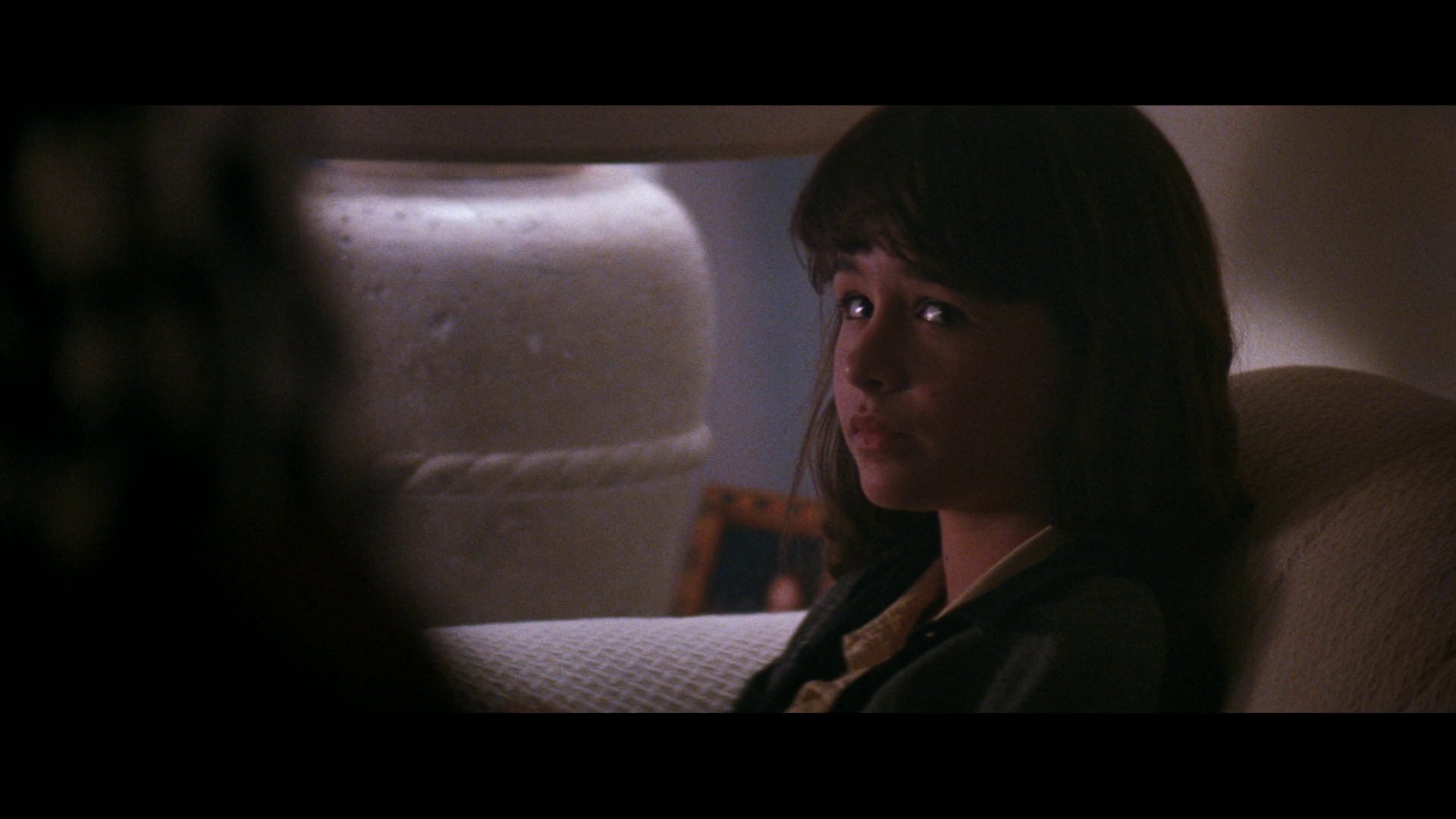
The disc also includes 22 minutes of extended and alternate scenes sourced from a workprint, trailers, image galleries and the original screenplay, and the package also includes a new collection of essays by Jedidiah Ayres, Alexandra Heller-Nicholas, Justin LaLiberty, Andrew Male and Priscilla Page. Is it more than this movie deserves? Certainly. Is the excess of it all kind of the point? Absolutely.
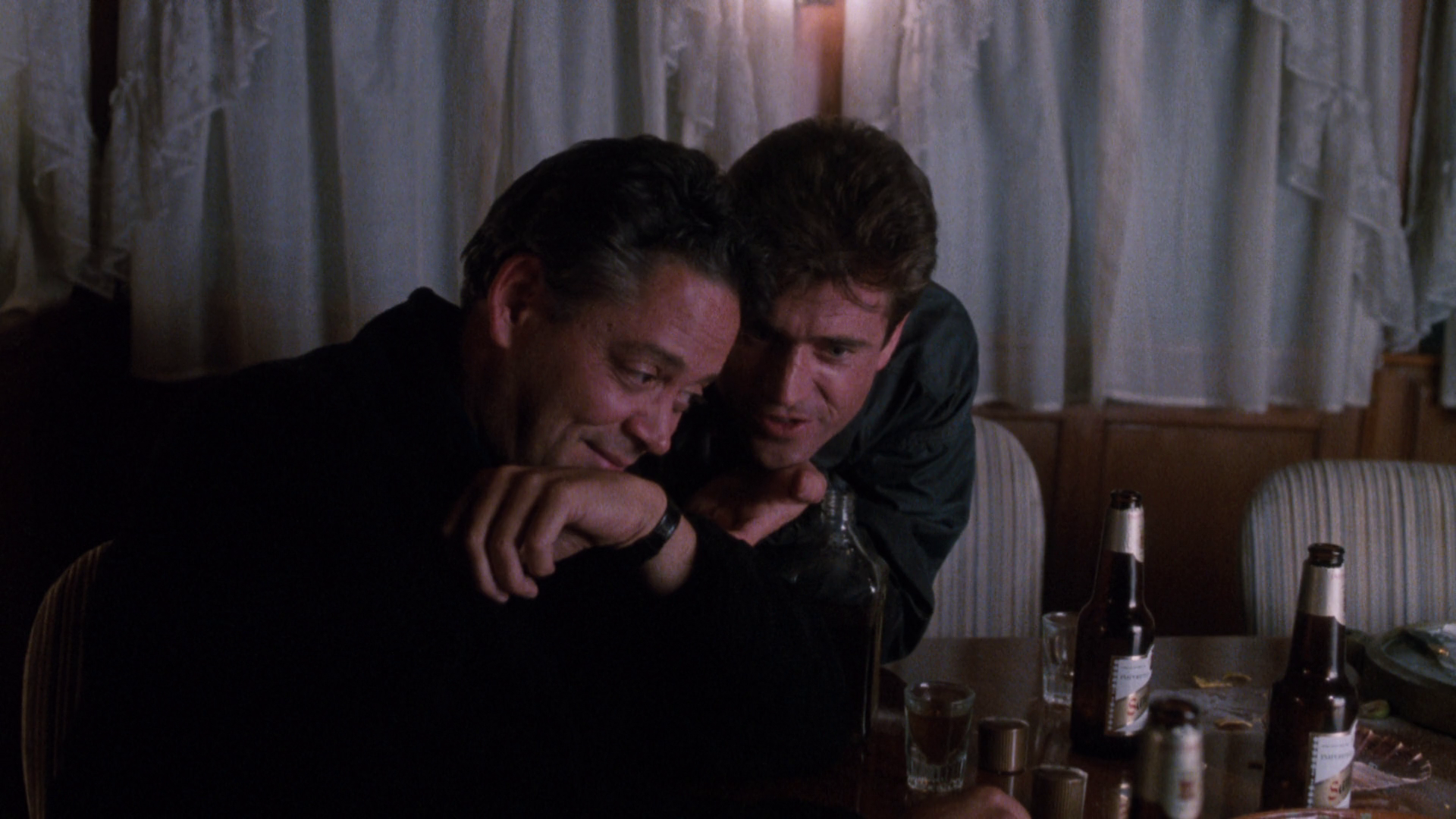
Tequila Sunrise includes an audio commentary recorded for Warner’s original DVD release by producer Thom Mount, who also sits down for a new interview; in addition to Mount, Arrow has tracked down Robert Roda, the film’s 2nd assistant director, and actor Lala Sloatman, who makes a couple of brief appearances in the final cut, for featurettes that look at the production from their very specific perspectives.
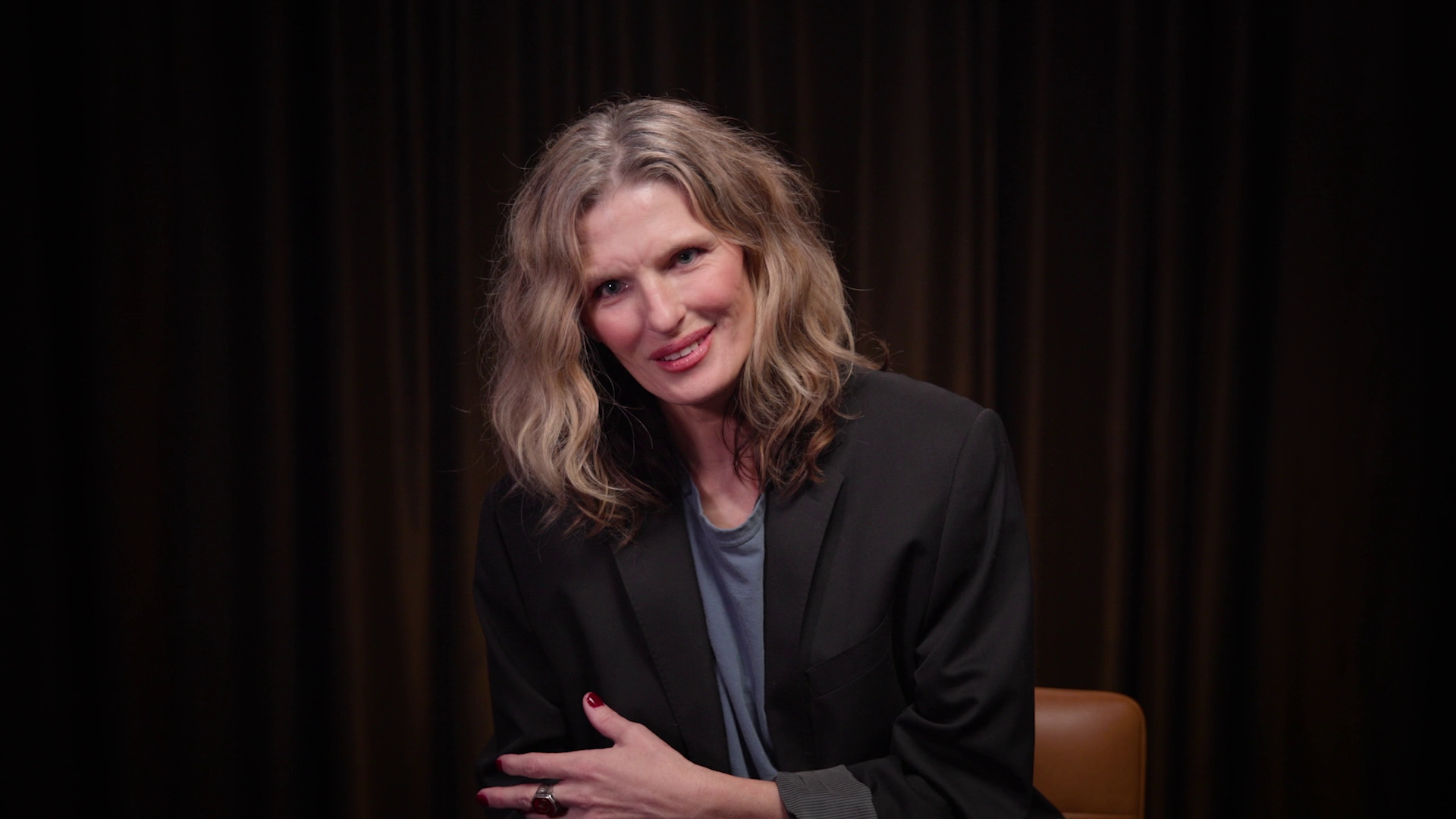
I really enjoy the generosity of Arrow’s supplements: Let people share their set stories and be celebrated for twenty minutes! There’s also a video appreciation of writer-director Towne produced by Lucy Bolton, a marketing gallery and a booklet of essays by Sean Hogan and Josh Nelson.
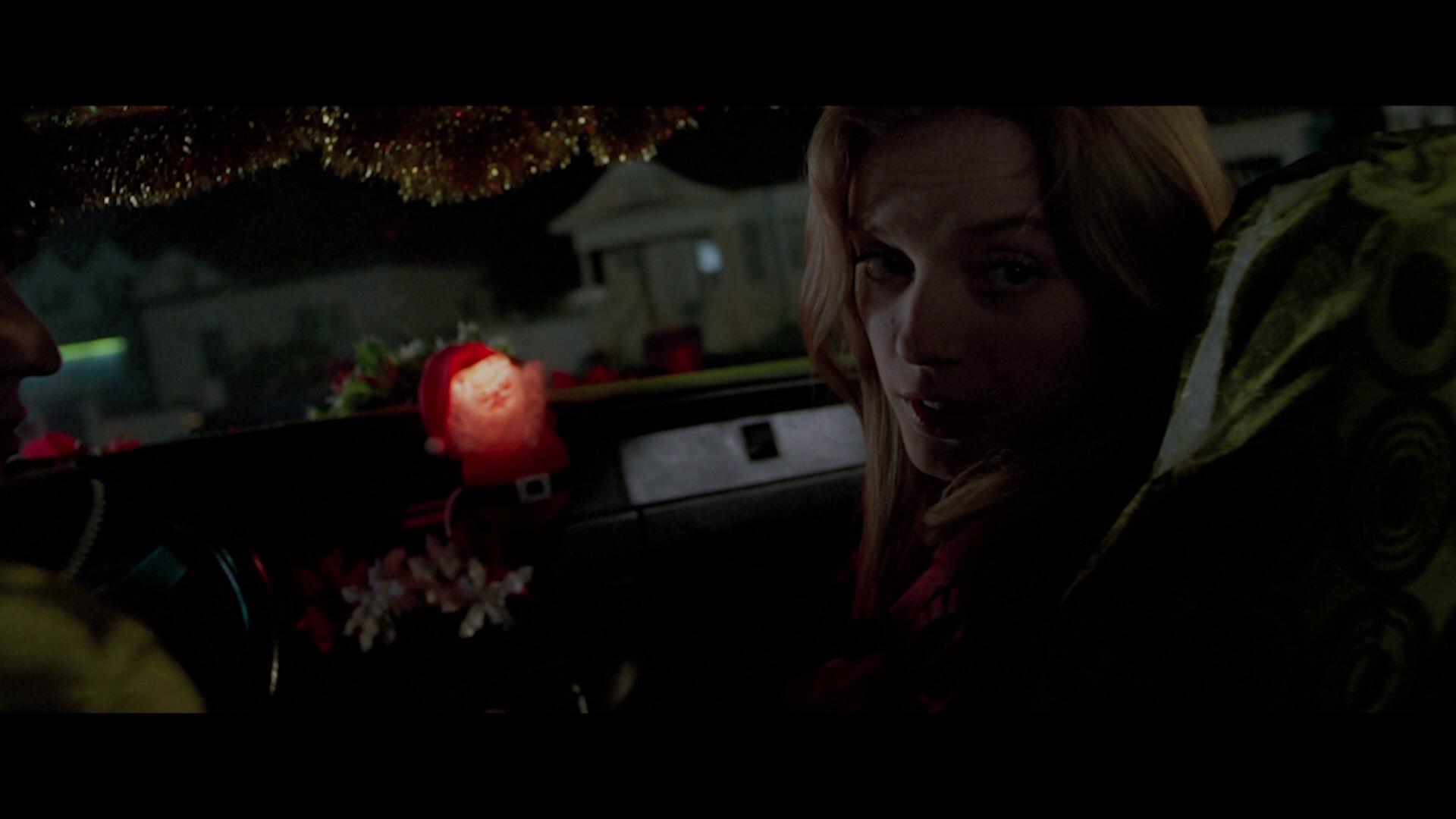
Arrow’s 4K edition of Go harvests most of the supplements from previous DVD and Blu-ray releases: Audio commentary by Liman and editor Stephen Mirrione, a rather overexcited production featurette, and nearly half an hour of deleted scenes. (The music videos that appeared on Sony’s earlier discs aren’t included, but that’s why we have YouTube.)
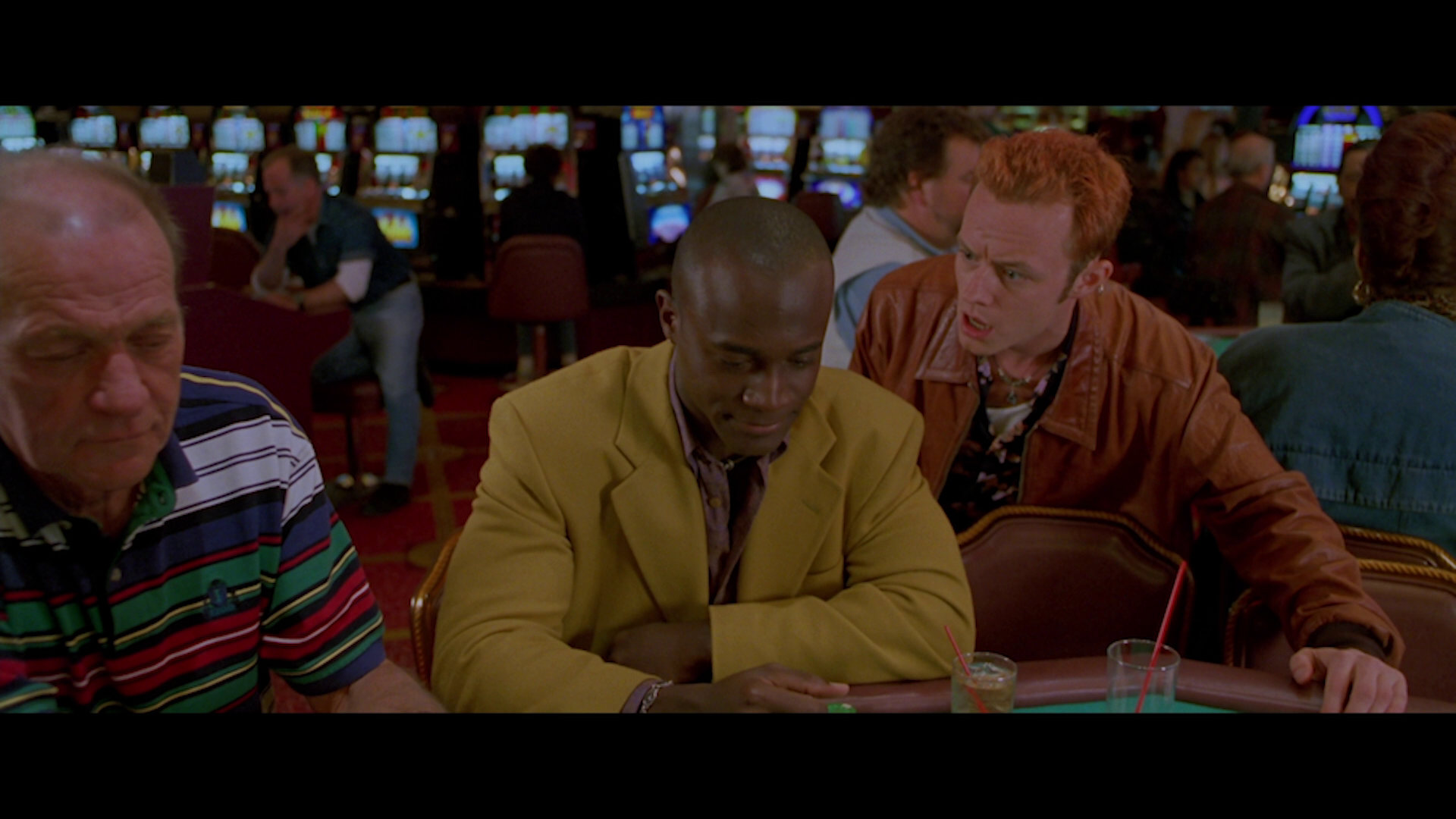
New elements include interviews with screenwriter John August (“From the Word Go”) and co-star Askew (“A View Askew”), and August’s short film God, which he made with short ends from Go and most of the film’s crew. It was included as a supplement on the DVD of August’s own directorial debut The Nines – which expanded the short to feature length, with McCarthy joined by Hope Davis and a very against-type Ryan Reynolds – but this is its first HD release, and it’s very nice to have it at this level of quality, accompanied with commentary by August, star Melissa McCarthy and editor Douglas Crise. Have you seen The Nines, by the way? You should see The Nines. Maybe Arrow can get around to that one someday, too.
The Last Boy Scout, Forbidden Planet and Tequila Sunrise are now available in individual 4K and Blu-ray editions from Arrow Video; in Canada, you can find them at Cinema Cellar and Bay St. Video and your favorite brick-and-mortar establishment. Go is currently only available in 4K.
Up next: Pennies from Heaven and Little Shop of Horrors provide a look at Steve Martin’s remarkable musical range, and Frankenhooker and The Pope’s Exorcist make their UHD debuts. And there are plenty of new releases on the horizon, too, but first I have to write this week’s What’s Worth Watching column for paid subscribers. There are some pretty heavy hitters in there, so maybe you want to bump yourself up to the paid tier and make sure you don’t miss out? C’mon! You’ve been enjoying the newsletter so far, haven’t you?