
Past, Present and Prologue
In which Norm finishes the July catalogue roundup, and boy are his eyes tired.
Okay! Here’s the rest of the July catalogue catchup, including at least one June title as well. Sorry for keeping you waiting, but … well, it’s a lot.
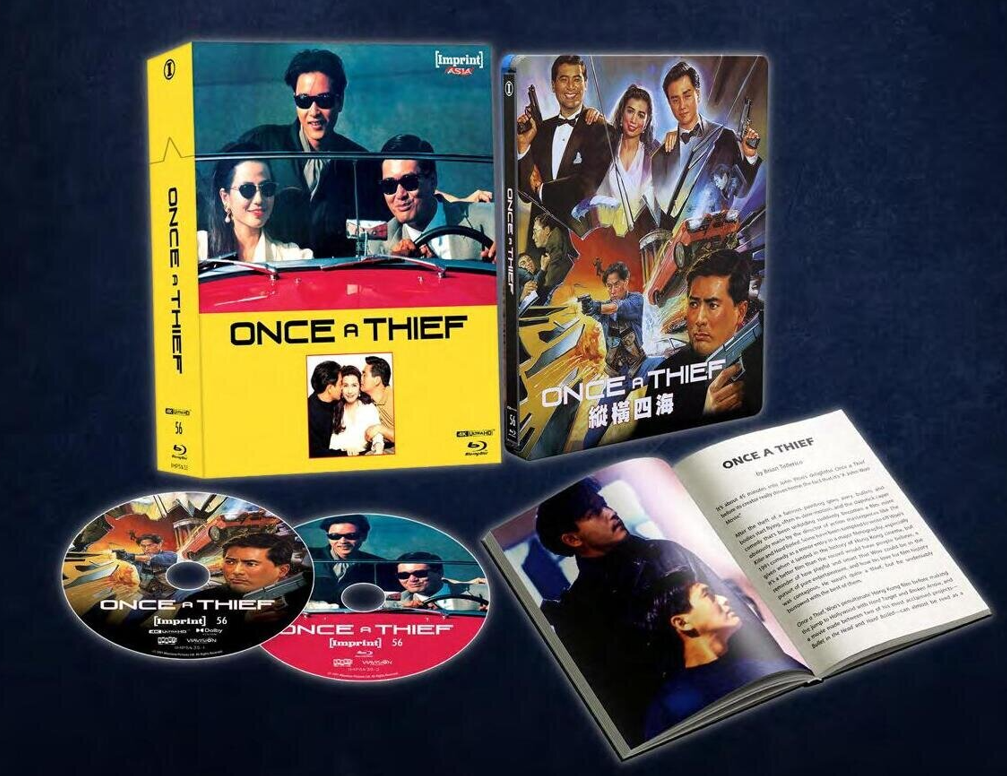
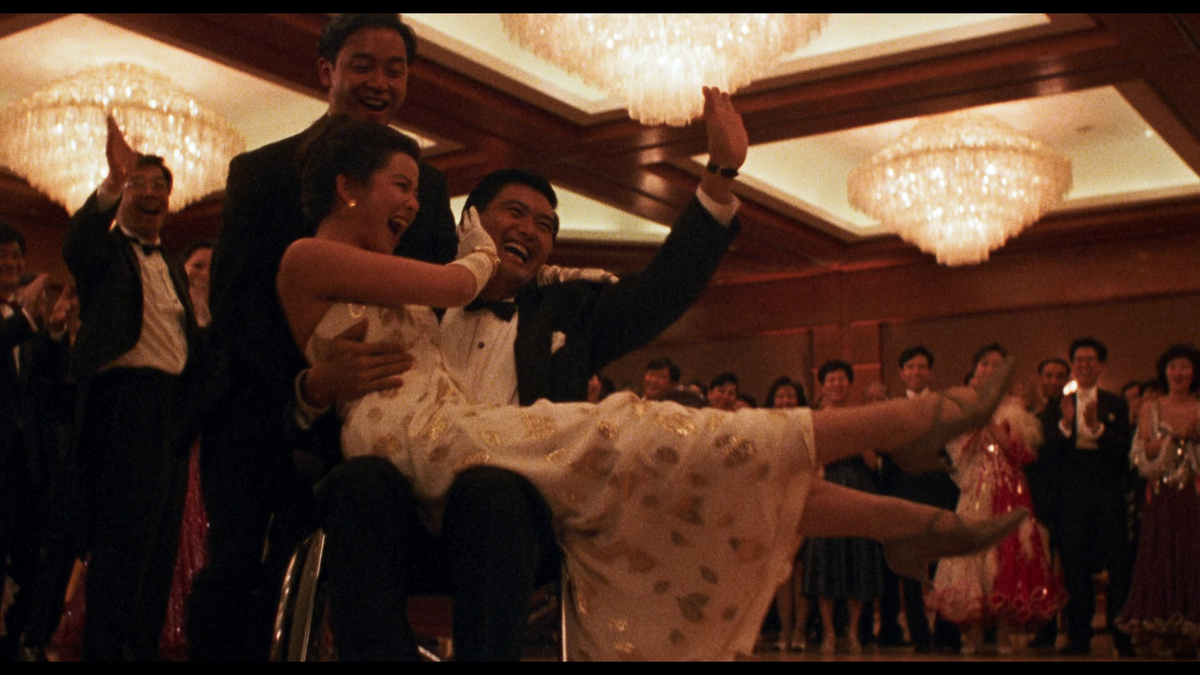
The big shiny beast of this month’s Imprint bounty has to be the label’s super-special edition of John Woo’s Once a Thief. Imprint has been releasing its own editions of the Shout! Studios Hong Kong Cinema Classics line for a while, but this is the first one I’ve been able to get my hands on, and it’s a thing of beauty, with all the bells and whistles: Hardbox packaging! A book of essays! A steelbook case with nifty cover art! Oh, and one of Woo’s most cheerfully ridiculous action movies, a deliberately lightweight heist picture about three pals making their way along the French Riviera.
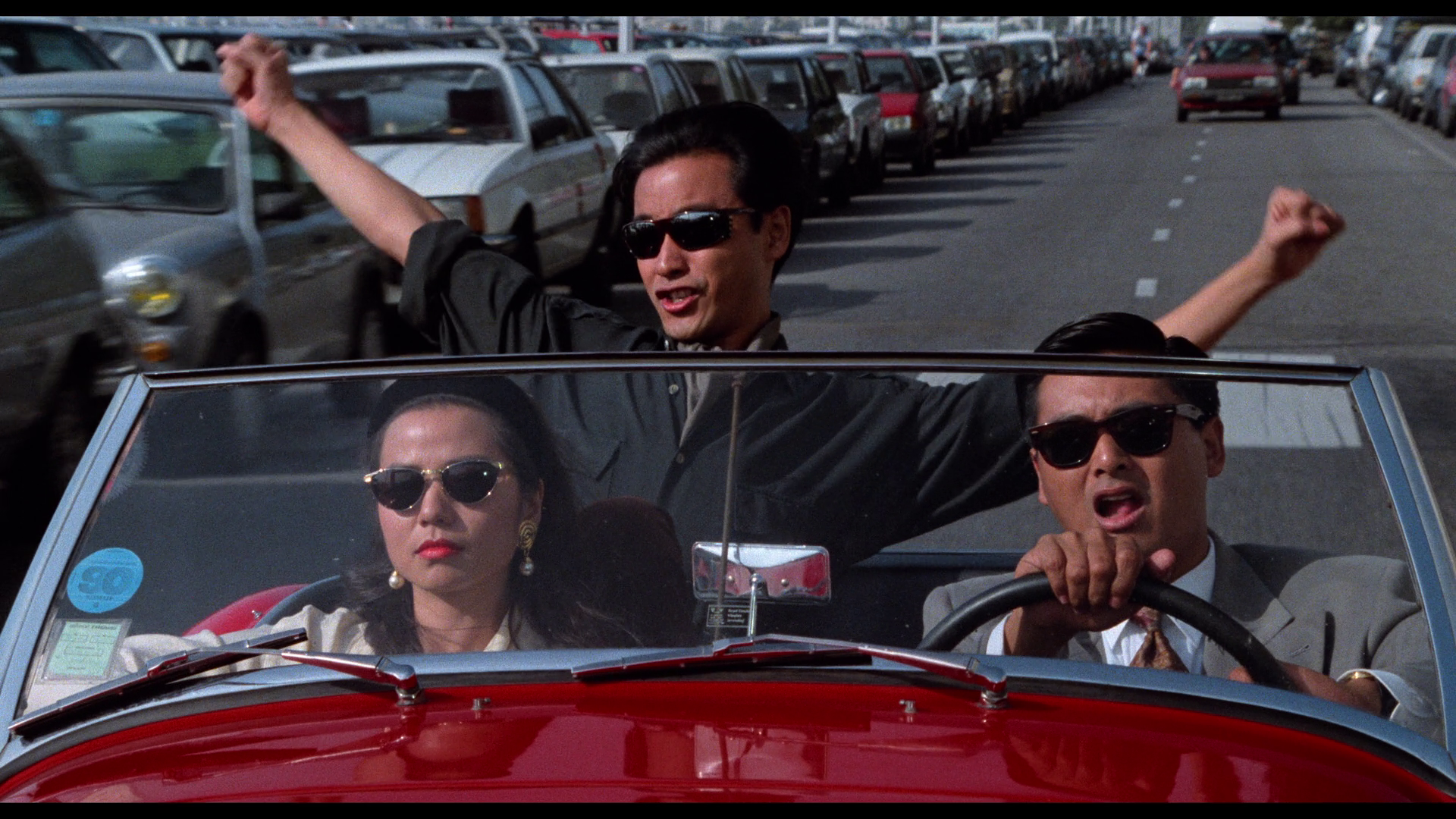
The pals are Red Bean Pudding (Chow Yun-fat), Red Bean (Cherie Chung) and James (Leslie Cheung), three orphans who grew up pulling petty scams in the streets of Hong Kong until they were taken in by a kindly cop (Paul Chow), who taught them discipline and responsibility … which, of course, they now use in their elaborate art heists.
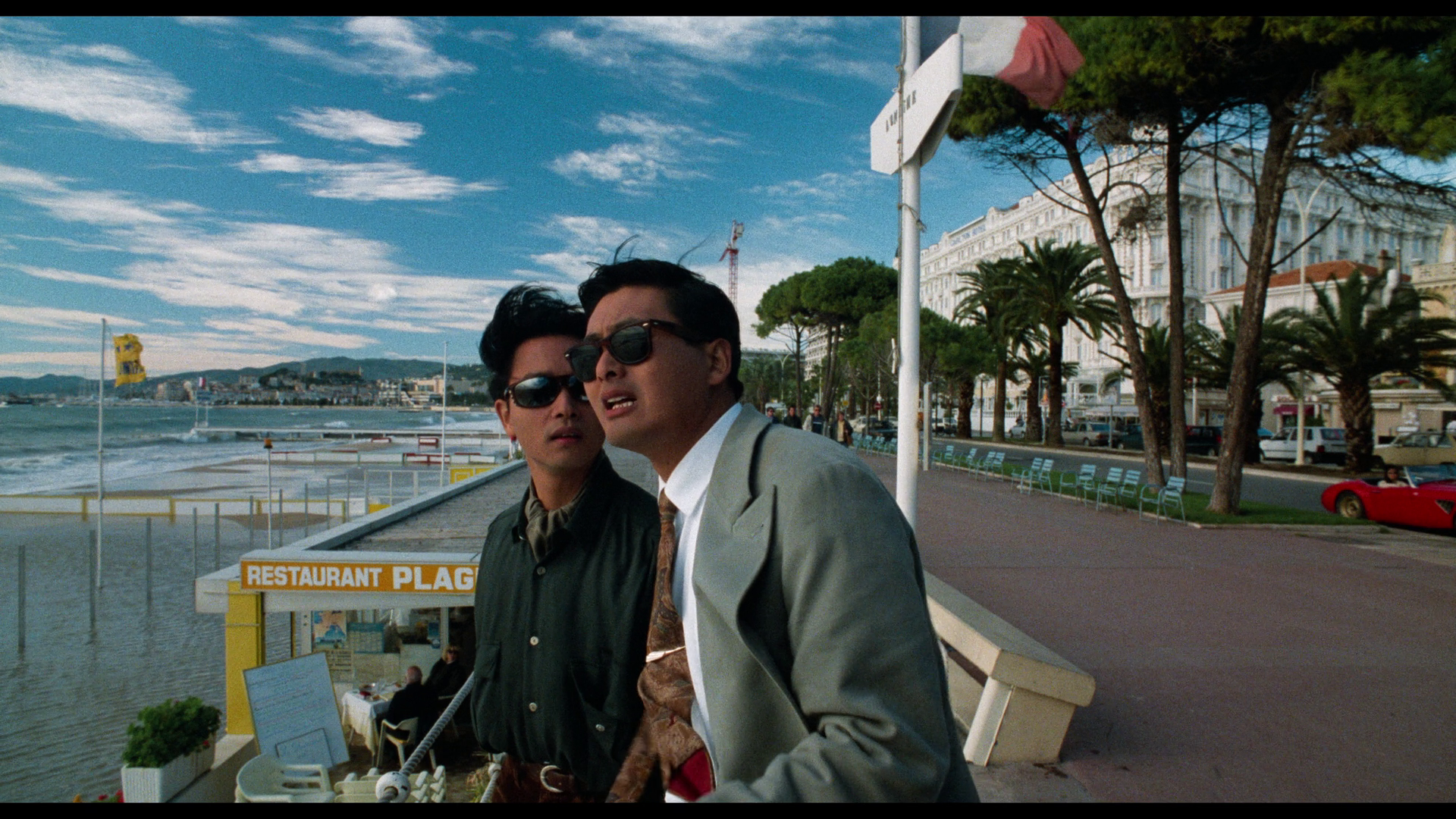
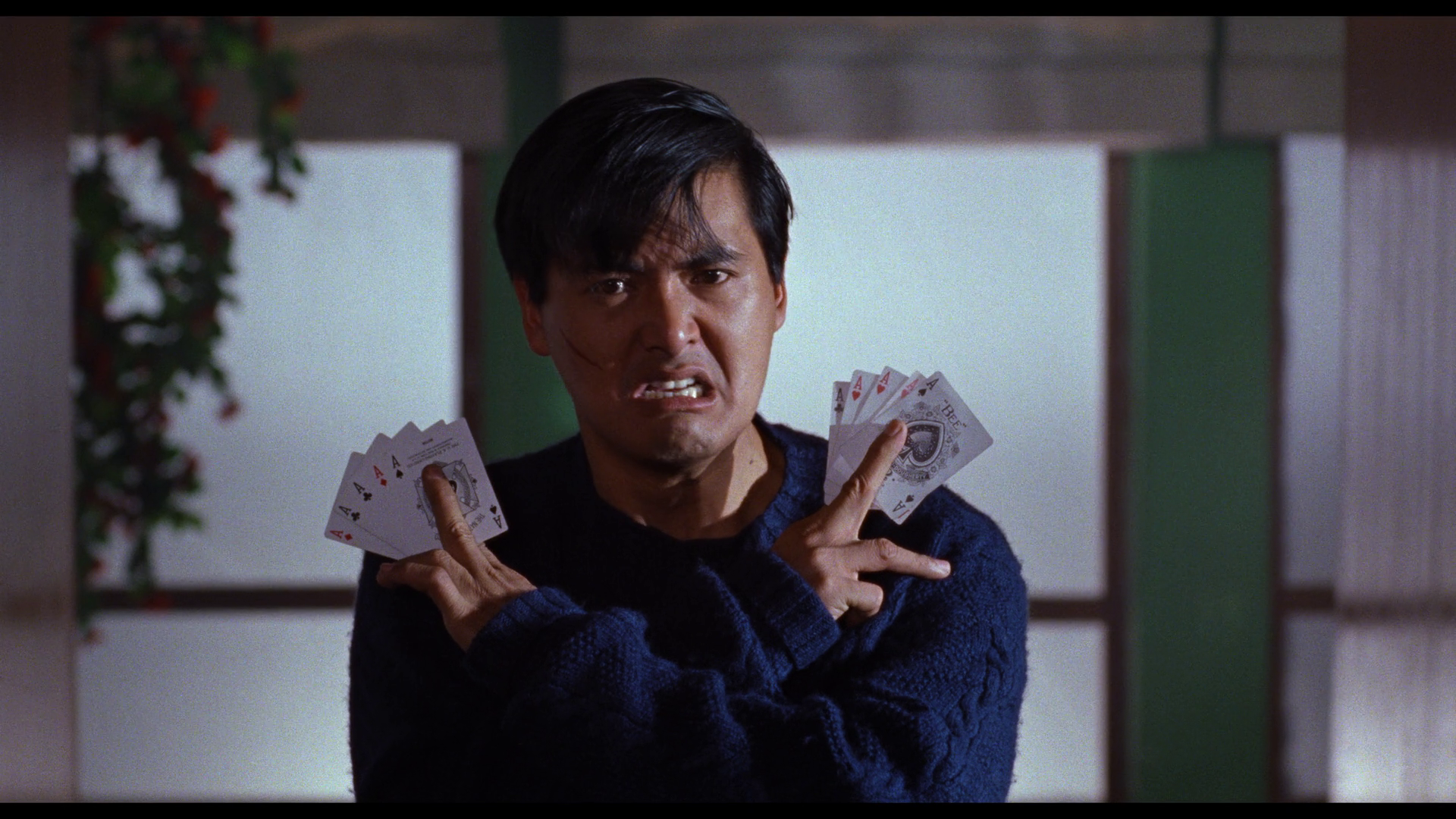
Woo takes full advantage of his location and his budget to make his most New Wave picture, referencing elements of Jules and Jim and Bande à Part, among others, letting Chow channel his cocky magnetism into a more obnoxious character than he usually plays. Red Bean Pudding – who some previous translations have called “Joey” – isn’t the hothead of A Better Tomorrow or the conflicted professional of The Killer; he’s the irritating guy who won’t stop laughing at his own jokes, always pestering people for attention. And that’s disarming in its own way, because once you start ignoring him he can get to work.
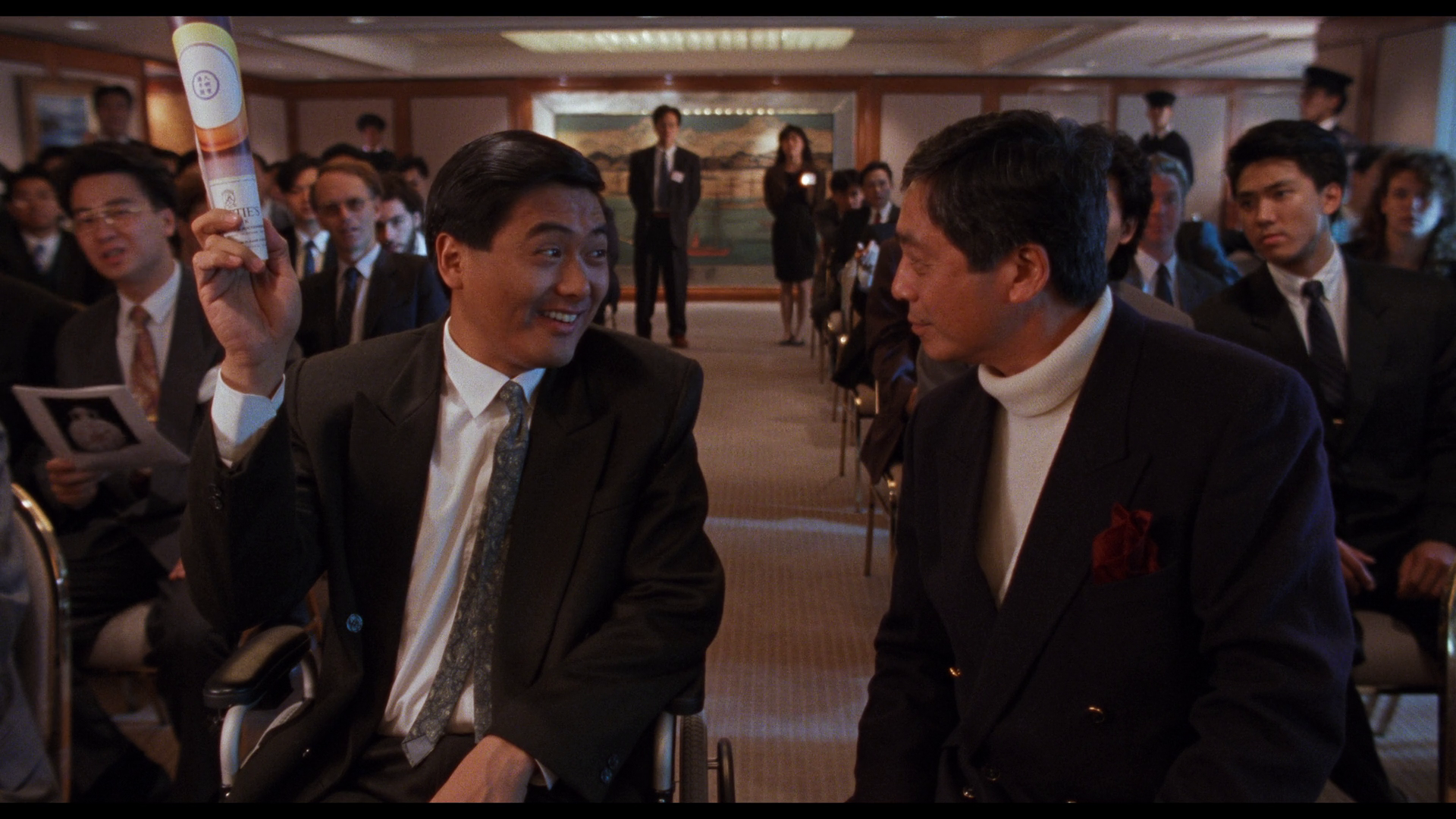
The structure of the story requires RBP to disappear for a good stretch of the second act after a heist goes south, leaving James and RB alone to figure out how their relationship works without him and whether they really need to keep doing crimes. (Upside: It’s fun! Downside: People shoot at you!) But then RBP resurfaces – now using a wheelchair—and they fall right back into their old rhythms, scheming to take down the baddie (Kenneth Tsang) who screwed them over on their last job.
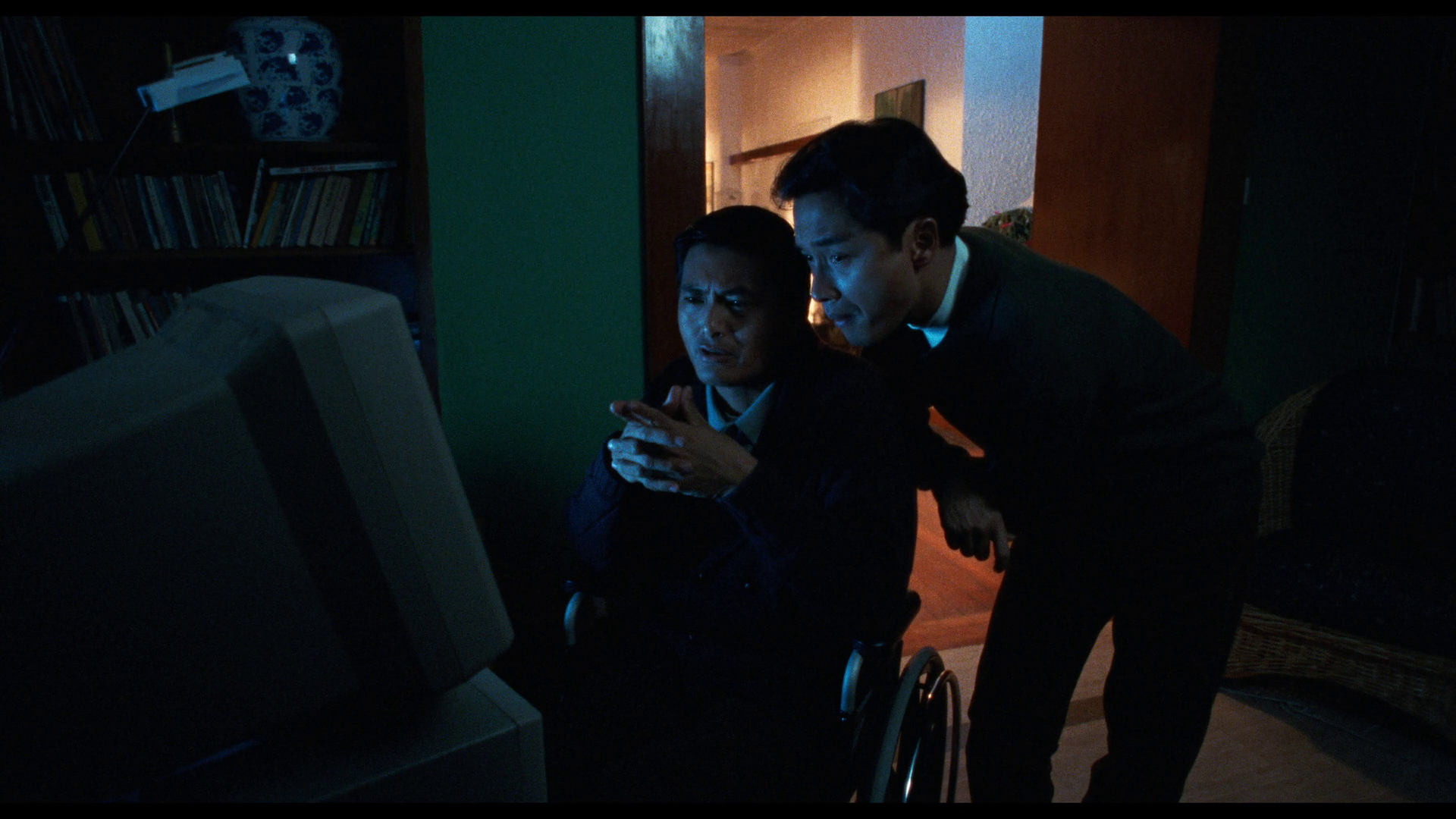
The UHD restoration is as good as I’ve ever seen this movie look, even with the usual caveats about Woo’s love of dissolves and grainy, smoky shootouts. His Hong Kong pictures were never slick – hell, even Hard Target is deliberately messy – but in between set pieces, Once a Thief offers some lovely, stylish moments that reflect the characters’ fondness for the finer things in life. The 1080p version on the Blu-ray was mastered from the same 4K restoration; both discs offer the same audio options, with the Cantonese soundtrack in DTS-HD 7.1 and LPCM 2.0 mono, the Mandarin track in DTS-HD 5.1 and the English dub in LPCM 2.0 mono. I mostly watched the 7.1 Cantonese track, which gives the score a very naturalistic spread and also has a lot of fun with ricocheting bullets and shattering glass in the third act.
Shout’s extras are all here: An illuminating audio commentary from James Mudge, new interviews with Woo, screenwriter Clifton Ko, DP Poon Hang-sang, producer Terence Chang and editor David Wu, an appreciation of the late, great Leslie Cheung from film critic Frank Djeng, a fun video essay from the author Grady Hendrix and an archival interview with co-star Tsang. But Imprint has also dug up two additional archival interviews with Woo and Chang, produced for an earlier UK DVD. Woo’s alone runs more than half an hour! And then there’s that exclusive hardcover booklet, with essays by Sean Gilman and Brian Tallerico. If you didn’t pick up the Shout! release earlier this year, this is certainly worth grabbing.
Imprint has also released new Blu-rays of a couple of lesser-remembered ’90s movies: Philip Kaufman’s Henry & June and David Koepp’s The Trigger Effect. The former was, rather infamously, the first motion picture to be awarded an NC-17 rating, prompting far more conversation about its scandalous content than its artistic merits; the latter was Koepp’s debut after Jurassic Park and Mission: Impossible made him one of the most valuable screenwriters in Hollywood, and the only thing controversial about it is how few people seem to remember it three decades later. But we’ll get to that.
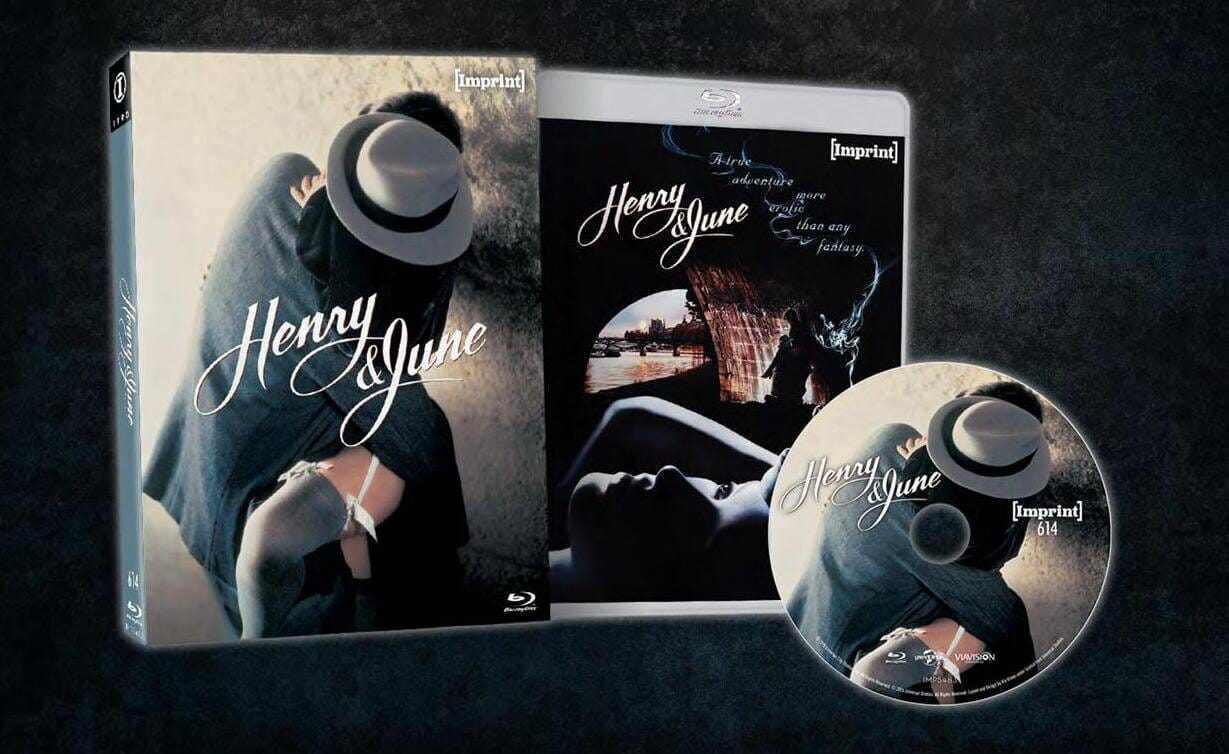
First, there’s Henry & June, which despite all of the flesh on display is consistently unerotic, and not just because Kevin Spacey turns up sometimes to leer at all of the naked people. It’s because Kaufman’s adaptation of Anaïs Nin’s memoirs is a textbook example of why straight men probably aren’t the ideal interpreters of the sexual lives of women.
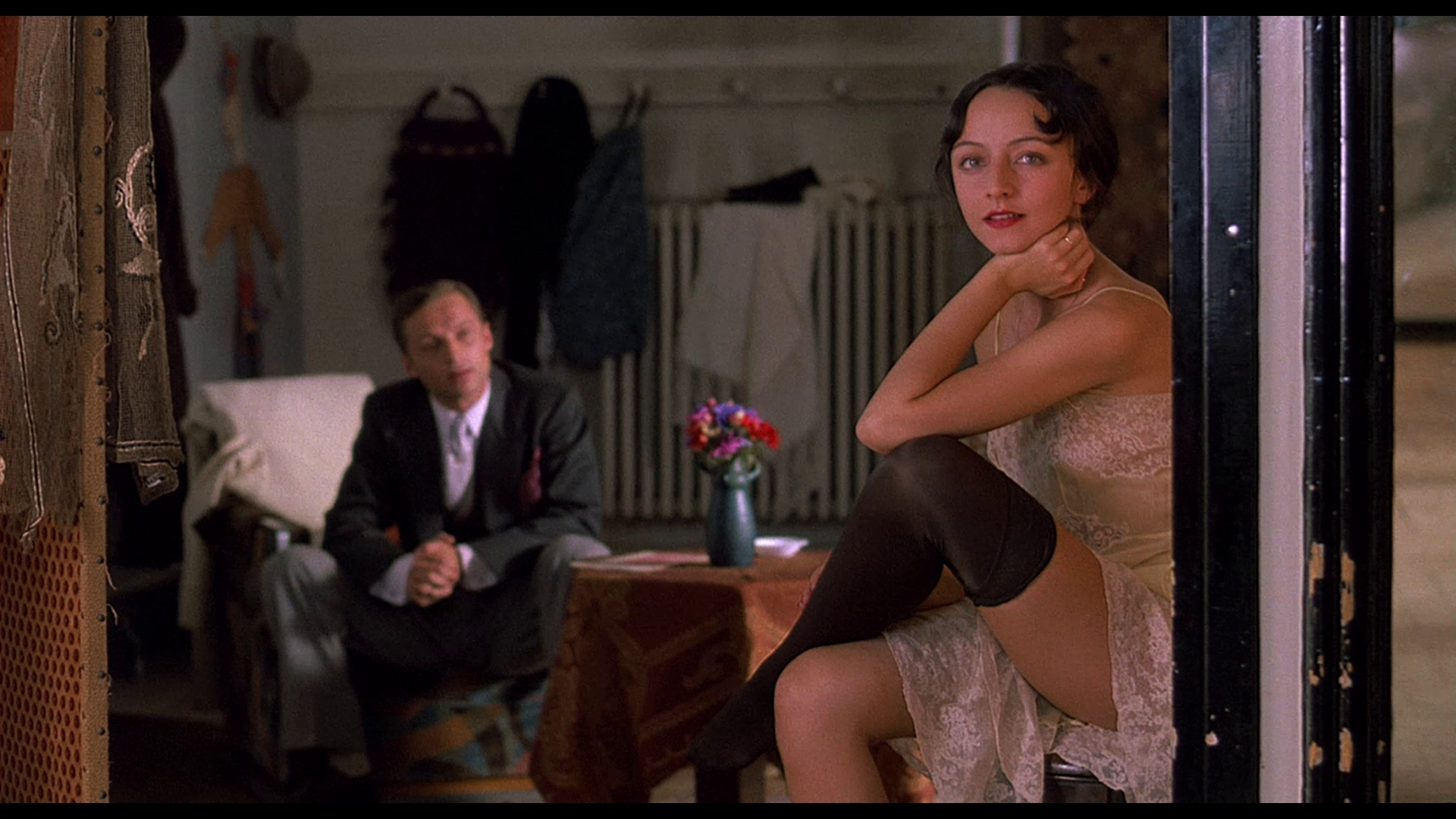
I am fully aware that Philip Kaufman was the only American filmmaker who could have made a movie about Nin at that point in time, after his justly acclaimed adaptation of Milan Kundera’s The Unbearable Lightness of Being; I am also aware that Kaufman’s wife Rose was his co-writer on the project. But it’s also clear Kaufman does not respect Nin’s intentions as he did Kundera’s, using the story of her own queer awakening as a bait-and-switch for a Great Man study of Henry Miller, played by Fred Ward with a shaved pate and a blunt, rough charisma. (Ward made this the same year he made Tremors, and the two performances are an excellent demonstration of how a character actor can transform himself utterly with only minor adjustments to his bearing.)
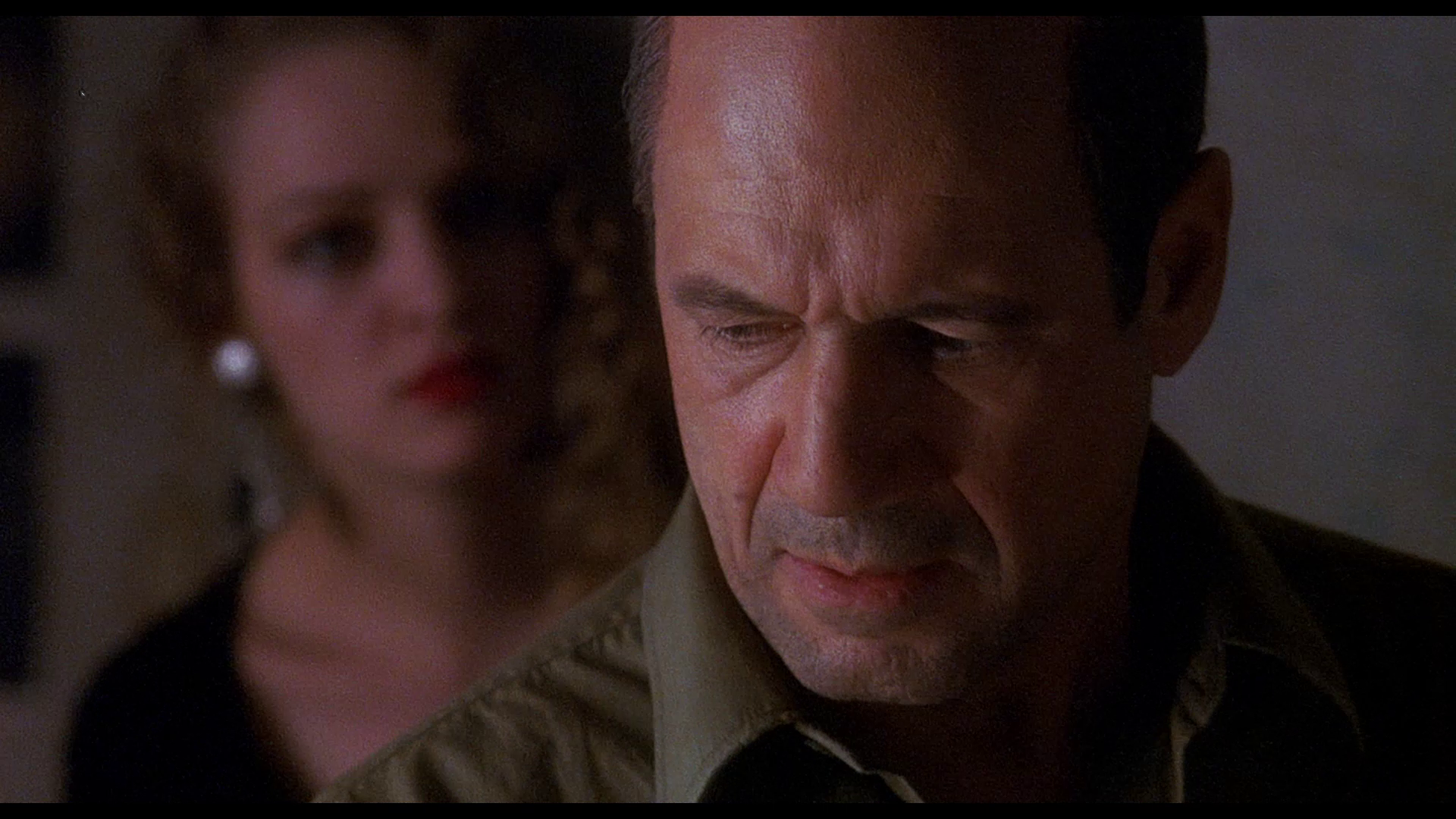
The young Uma Thurman plays June, and as unlikely a choice as Ward may have been for Miller, Thurman was even more unlikely as his dyspeptic bride; she was known exclusively for being poised and desirable, playing the awakened innocent in Dangerous Liaisons and Venus herself in The Adventures of Baron Munchausen, and that was pretty much it. The earthy, savvy June Miller was almost certainly closer to Thurman’s Boston roots, but read the reviews of the era and you’ll see the disconnect; I wonder how many moviegoers were aware she was American in 1990. But she matches Ward spittle for spittle, sneer for sneer, showing us why these two utterly mismatched freaks are perfect for each other.
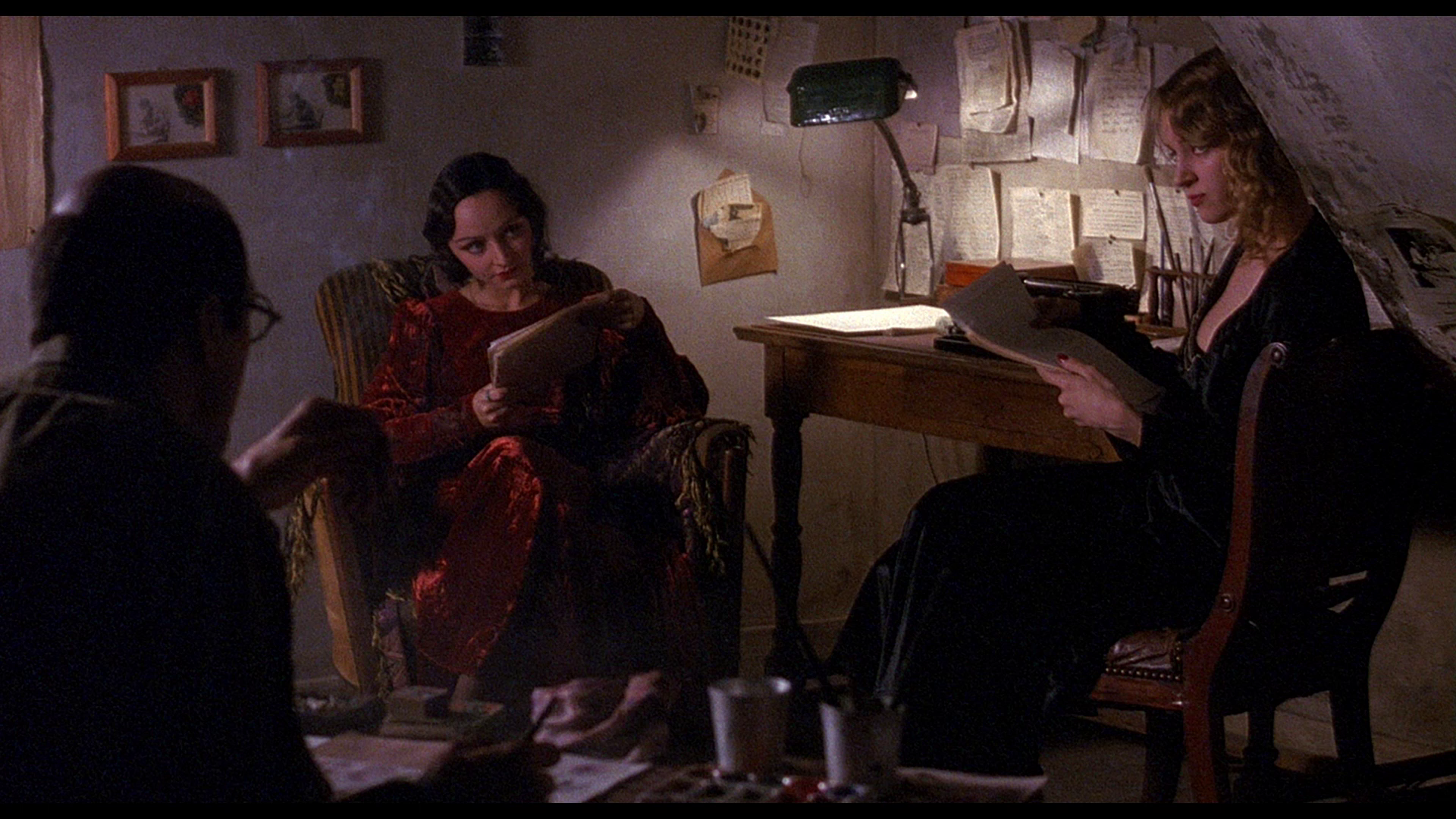
And Anaïs, who sees all of this and is still drawn to the pair, with her understanding husband Ian Hugo (Richard E. Grant, the one time he tried an American accent) waiting for her at home? She’s played by Maria de Medeiros, whose winsome, wide-eyed affect is an almost perfect match for Nin’s own. de Medeiros was a virtual unknown when Kaufman cast her, and she would have been a massive star had Henry & June been a hit; instead, it would be another four years before she broke out in that small role opposite Bruce Willis in Pulp Fiction – a movie that also sent Thurman’s star into the stratosphere, as it happens.
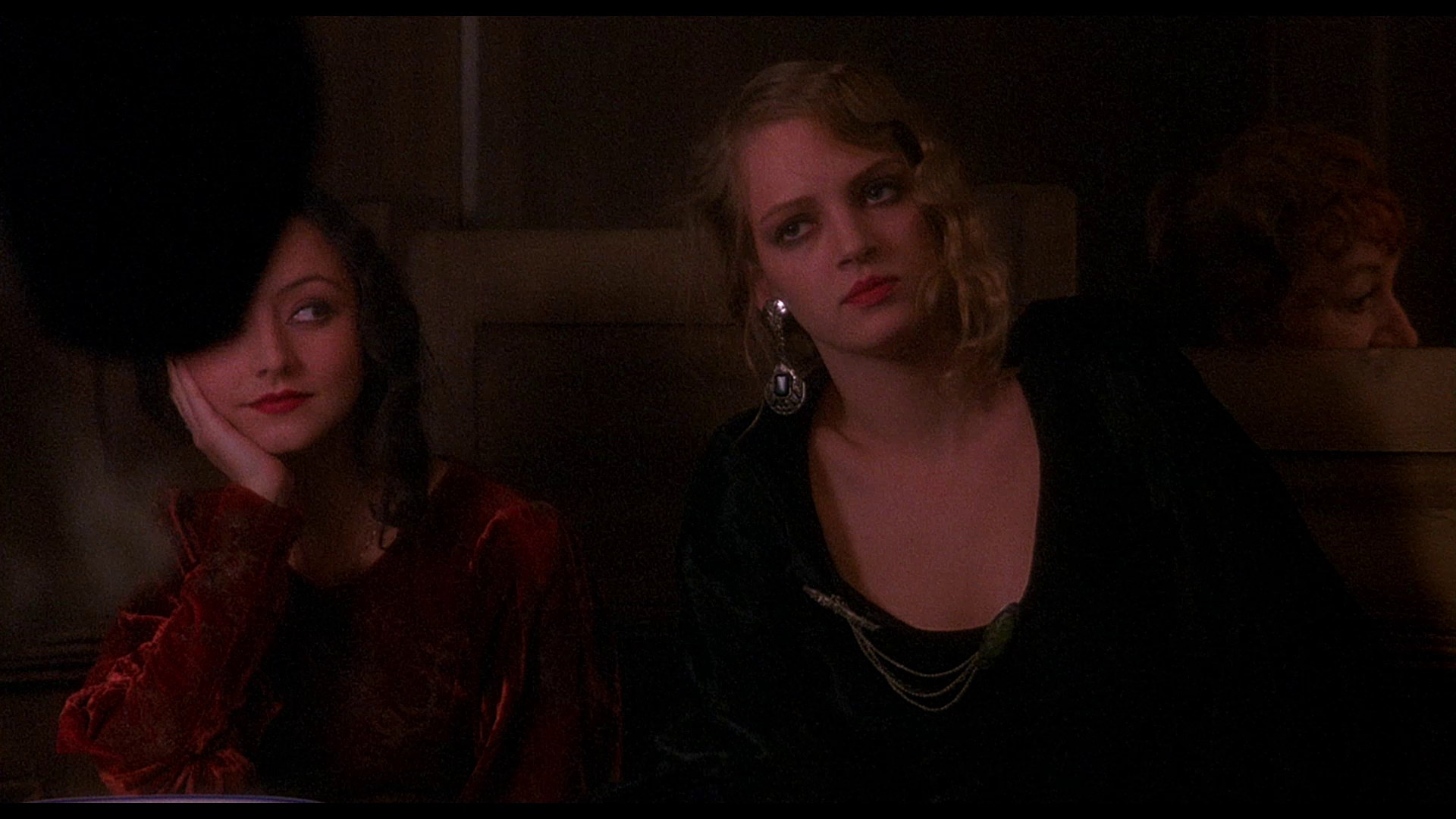
The only thing less interesting than watching characters read is watching characters write, so Kaufman understandably spends most of Henry & June watching his characters bang each other, or watching other characters bang each other. Which also becomes monotonous, somehow, and while one might want to believe Kaufman is trying to show us how Henry Miller’s model of the libertine lifestyle was unsustainable, I don’t think he is. The connection that June and Anaïs forge is built up as the climax of the picture, the one great love that inspires Anaïs – and which, the film implies, kneecaps Henry by denying him his muse.
Kaufman empathizes with Henry, and wants to frame him as a tragic figure who’s being edged out of the thing he does best by the passage of time and the rise of new perspectives – much as Chuck Yeager was a contrast to the Mercury Seven in The Right Stuff. But where that movie draws a brilliant contrast between the American iconography of frontiers and pioneers and the collaborative effort that made the space program possible, Henry & June is just about an aging swordsman who doesn’t understand he needs women more than they need him. And from Anaïs Nin’s perspective, that’s not so big of a deal.
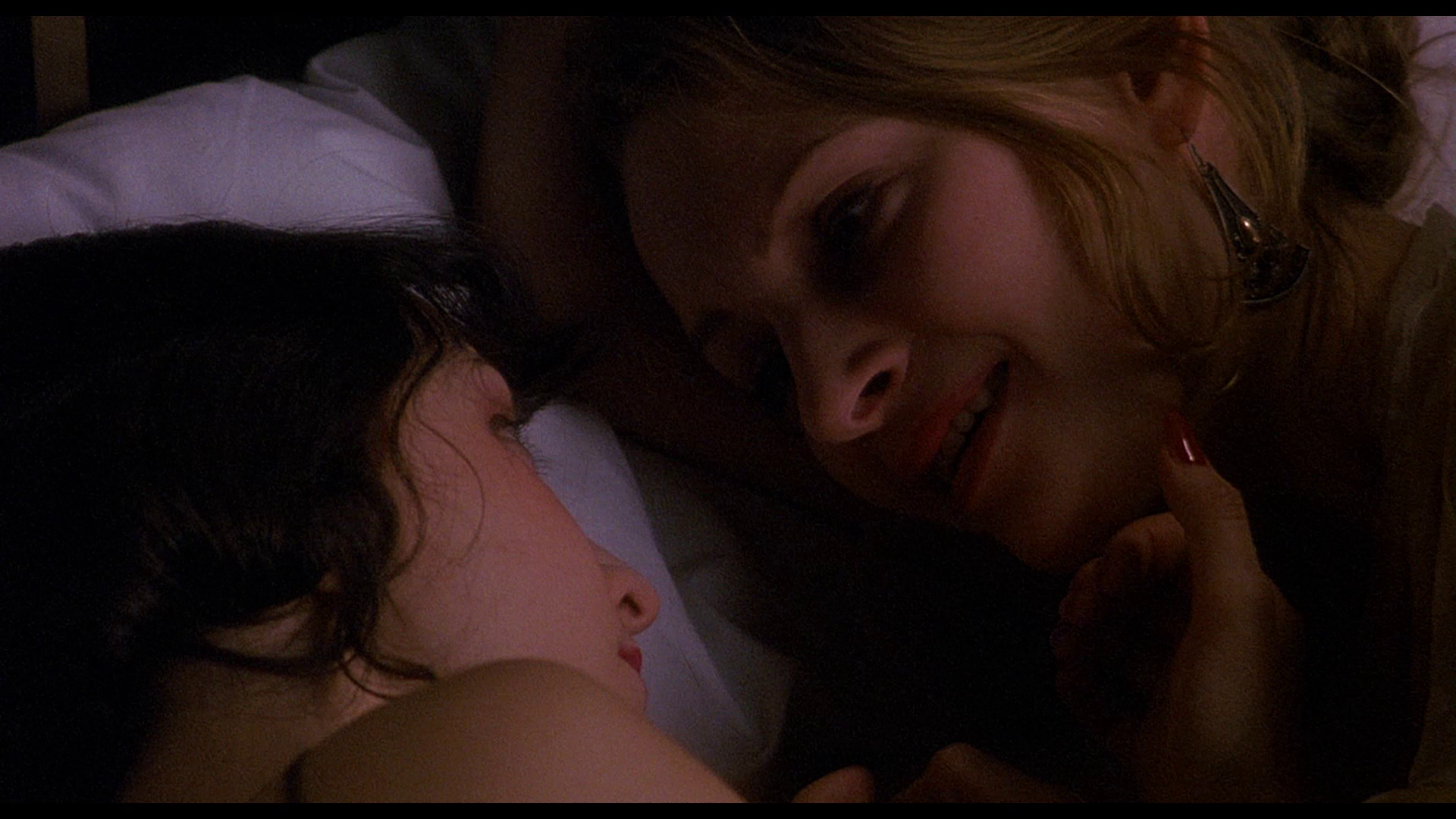
Henry & June had previously been released on Blu-ray in France, Germany and Italy, but Imprint’s is the first HD edition from an English-language country. (As with most of Imprint’s titles, it’s an all-region disc.) It’s also the first to offer any sort of supplemental material: “Becoming Anaïs,” a 47-minute interview with Maria de Medeiros, who reminisces about the breadth of her career as well as this particular project – and confirms that Quentin Tarantino definitely caught Henry & June in its original run.
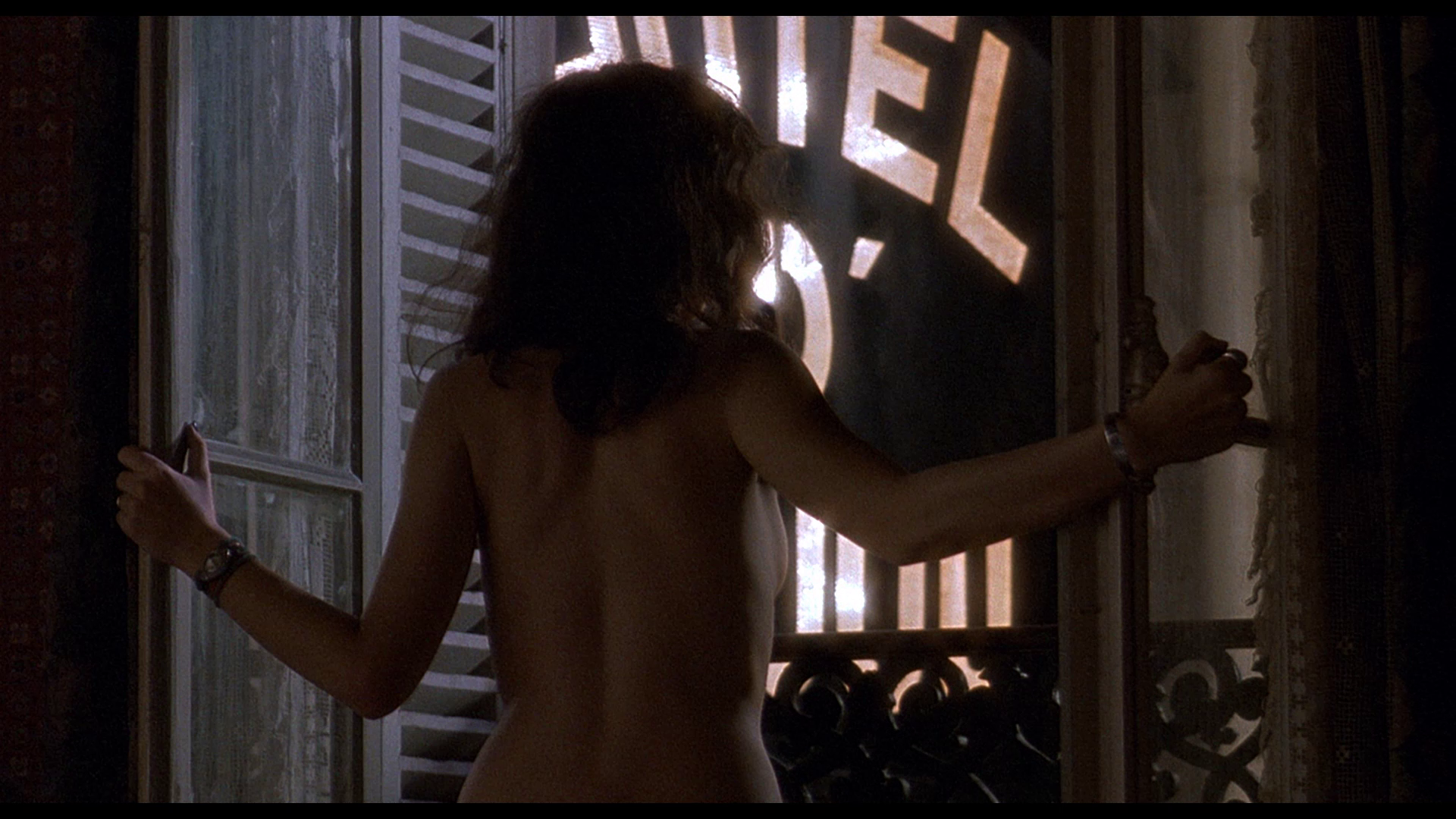
The 1080p transfer isn’t the freshest, but it is clear and sharp, with a decent color palette and good contrast in the darker scenes that make up the bulk of the picture. I can’t imagine a restoration is high on Universal’s to-do list, so if you’re even a passing admirer of Kaufman this is the best chance you’re likely to have in a while.
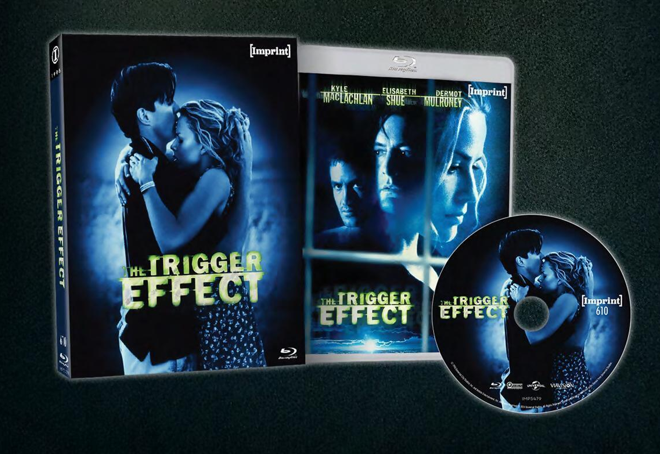
With the blackout plot of William Woods’ The Outer Threat fresh in my mind, I was impressed to see The Trigger Effect holds up very well. Koepp started out writing character-based thrillers for modest budgets, and understood the value of placing complicated characters in easily understood conflicts. For his directorial debut, he took an experience from his past – a confrontation at a movie theater from which he backed away, and the “moment of impotence” that picked at him forever after – and used that as the starting point of an elaborate social study, wondering what someone who sees himself as an ordinary, upstanding person might do when the power grid inexplicably shuts down … and stays down.
Kyle MacLachlan is Matthew, a Los Angeles husband and father who’s struggling a little. His wife Annie (Elisabeth Shue) is exhausted from trying to treat their infant daughter’s persistent ear infection, and when he tries to take her out to a movie as a distraction their evening is disrupted by two young Black men, Raymond (Richard T. Jones) and Johnny (Rick Worthy), talking too loudly behind them. We know Raymond has already had to deal with some shit at the concession stand, so he’s a little on edge, but we also just saw him yell for Johnny in the middle of a crowded theater, so we can understand why Matthew and Annie might be a little annoyed. Annie shushes them; Johnny yells at her. Matthew quiets her, but whether he’s doing it out of courtesy or fear is a question that’s clearly playing behind MacLachlan’s eyes – and Shue’s.
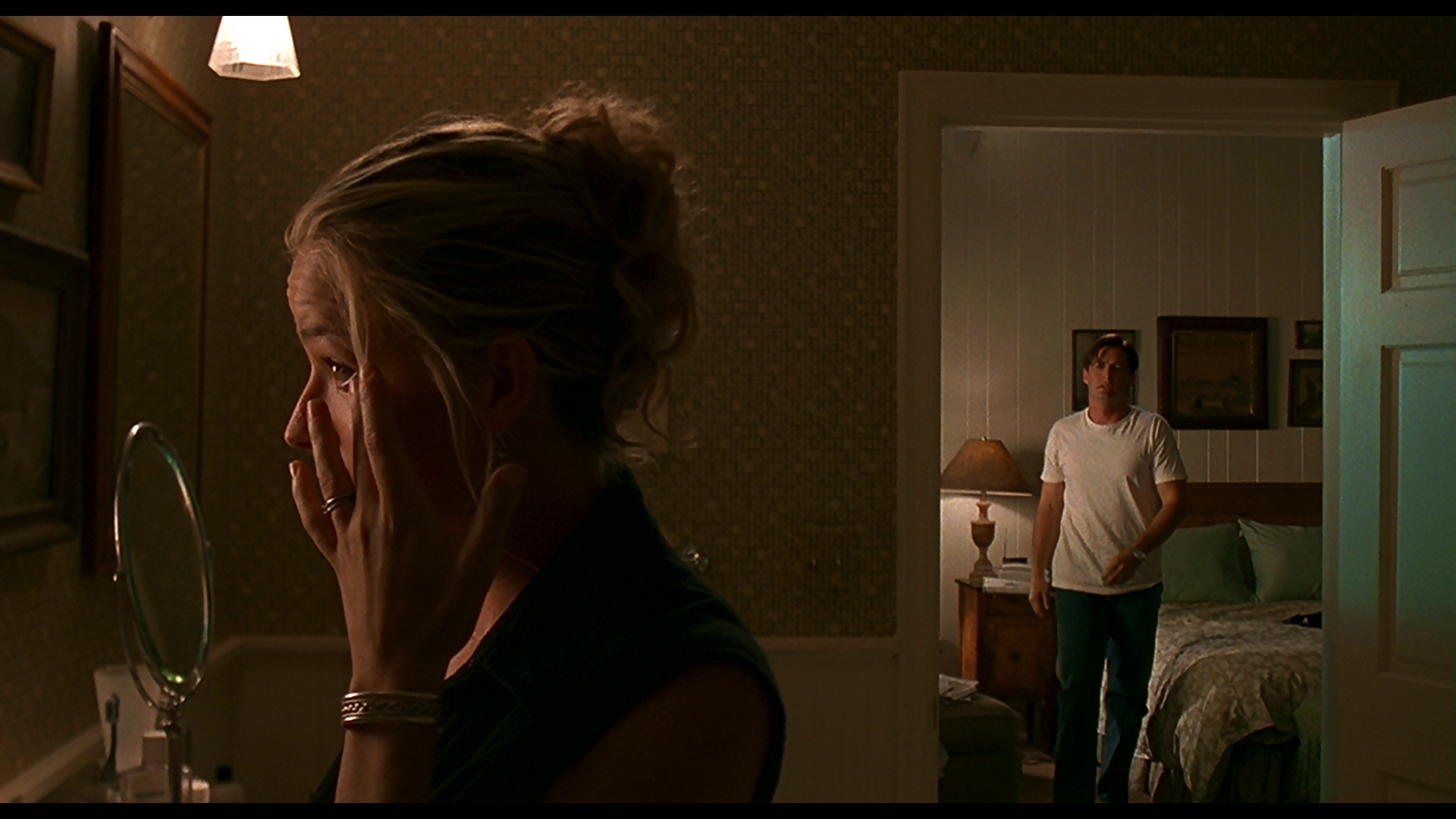
That’s the scene that establishes the very personal concerns of The Trigger Effect, which then screws with our expectations by having the power cut out in the theater, uniting everyone in disappointment as they file out into the mall … where everything else is working. Matthew and Annie go home to their daughter, call the doctor to pick up some antibiotics in the morning, and go to bed quietly seething. And the next day, that’s when the grid goes down.
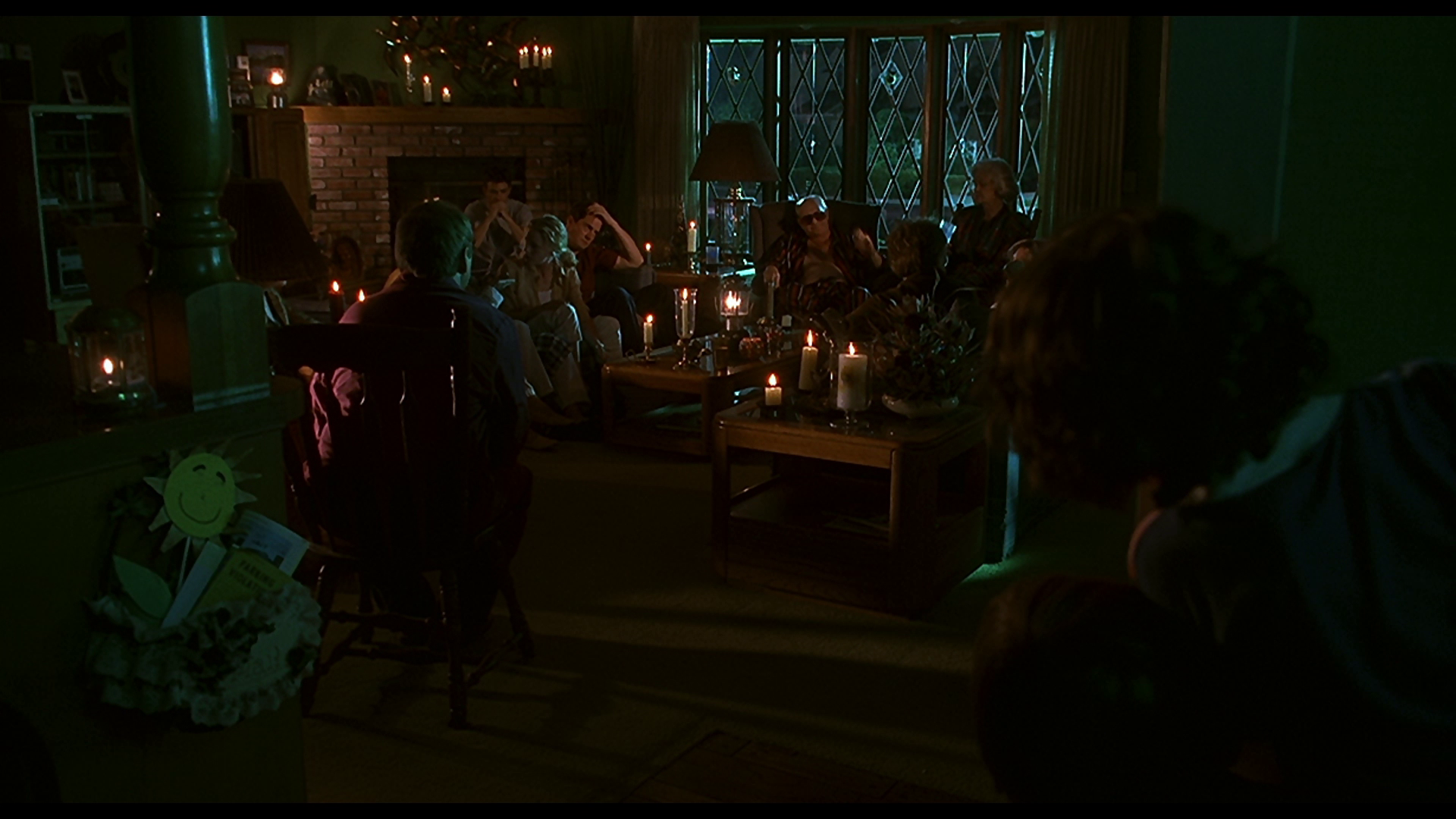
The rest of The Trigger Effect is … quiet, but with an undercurrent of panic. Matthew and Annie go out onto their block and find a lot of nervous neighbors. Matthew goes to the pharmacy for the antibiotics and discovers he can’t pick them up with the system down, and the pharmacist won’t trust him. They go back and forth about it, and when the guy’s distracted Matthew just takes the antibiotics and runs, promising to straighten everything out when the power’s back on. You’d do the same, surely. The pharmacist was being unreasonable.
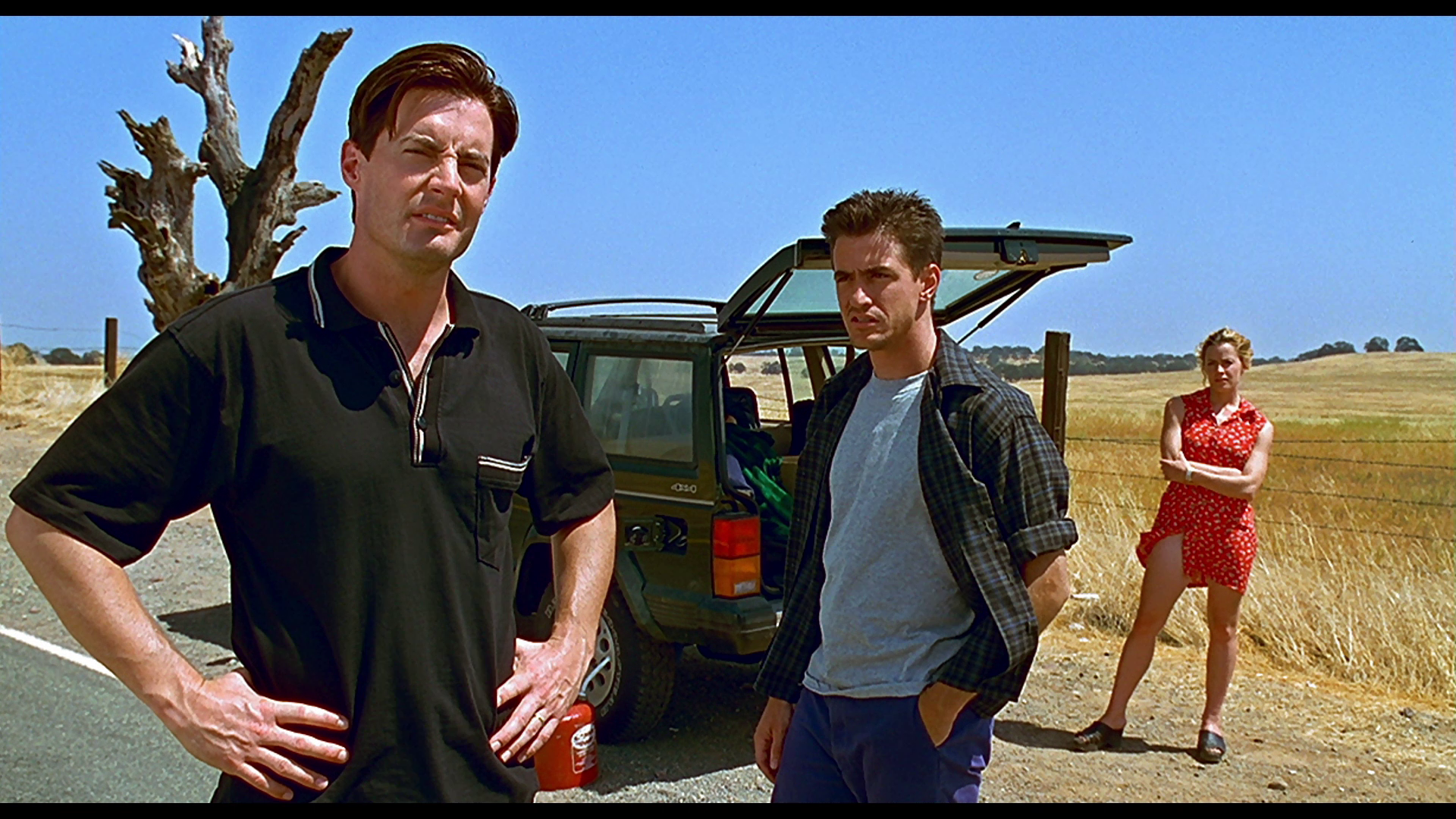
That’s the thread Koepp teases throughout the film: This is what a reasonable person would do in a crisis, right? And slowly, he widens the scope of the story to fold in all sorts of other reasonable people, who may not be as reasonable as Matthew and Annie need them to be. Annie’s best friend Joe (Dermot Mulroney) is alone, so they invite him to stay with them. Safety in numbers, after all. And they’ll be even safer if they pick up a shotgun, right? A lot of other people have guns, and no one knows how long this is going to go on. You start making calculations, wondering what other people are thinking. Michael Rooker shows up, and that guy’s clearly not to be trusted; it’s 1996, after all, and James Gunn won’t offer him a path to character-actor redemption for another couple of decades.
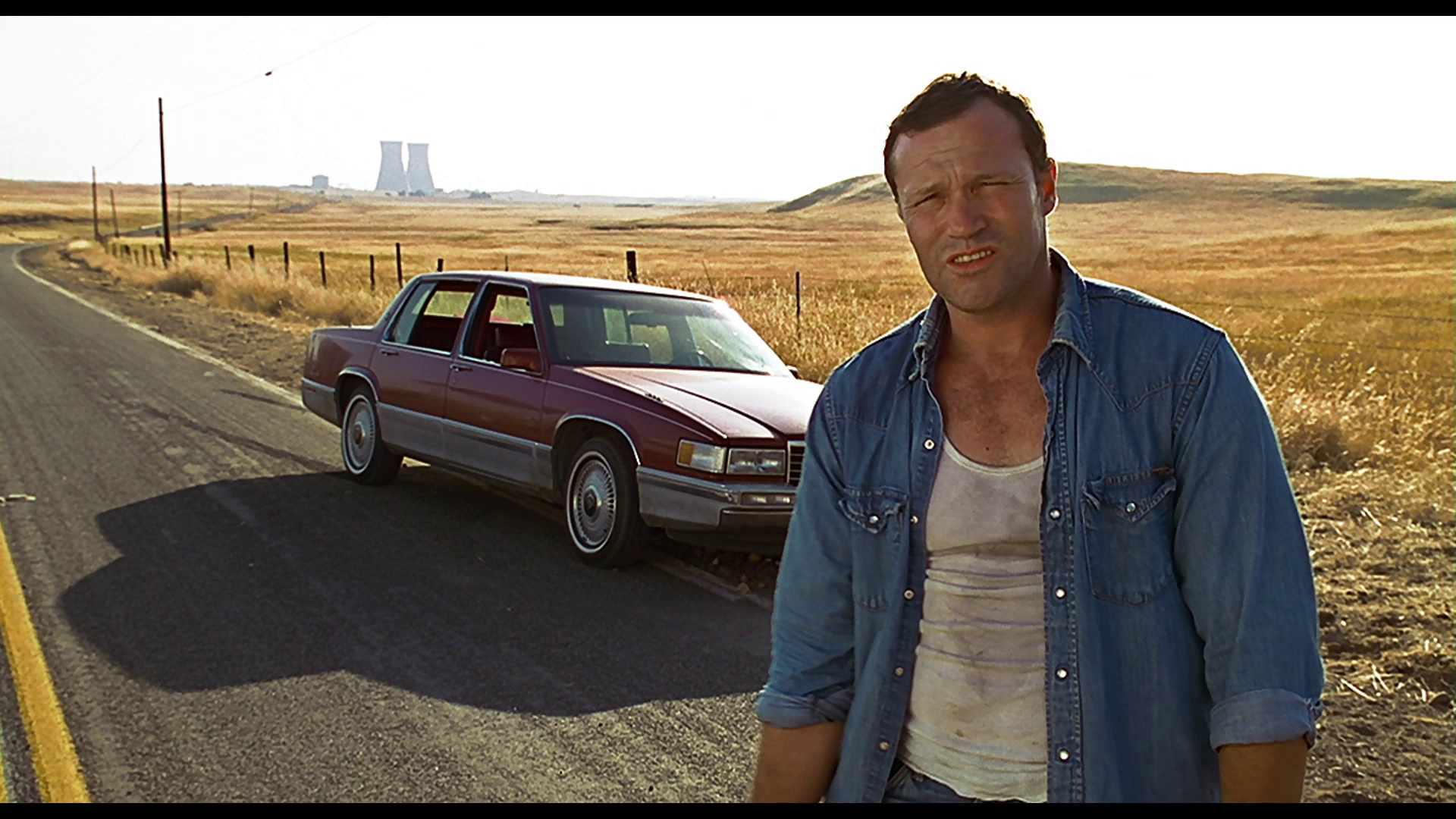
Thirty years later, Koepp’s idea that a city like Los Angeles could last one night without collapsing into chaos feels like the last gasp of Clinton-era naivete. He knows he’s running the Rod Serling playbook here, name-checking both the neighborhood paranoia of “The Monsters Are Due on Maple Street” and the corrosive nostalgia of “A Stop at Willoughby” early in the film, sure. But this is an L.A. still bearing the scars of the Rodney King riots and the O.J. Simpson murder trial, and that nervousness is all over the movie. When events conspire to bring Matthew and Raymond back into each other’s orbit, that tension has to go somewhere – and Koepp brings it home with surprising power. I don’t think The Trigger Effect has anything to say about racism besides “it’s bad,” but I do think it’s got a lot to say about people, and how hard most of us find it to see beyond our own perspectives. Weirdly enough, Koepp’s script for Disclosure Day is all about that, too.
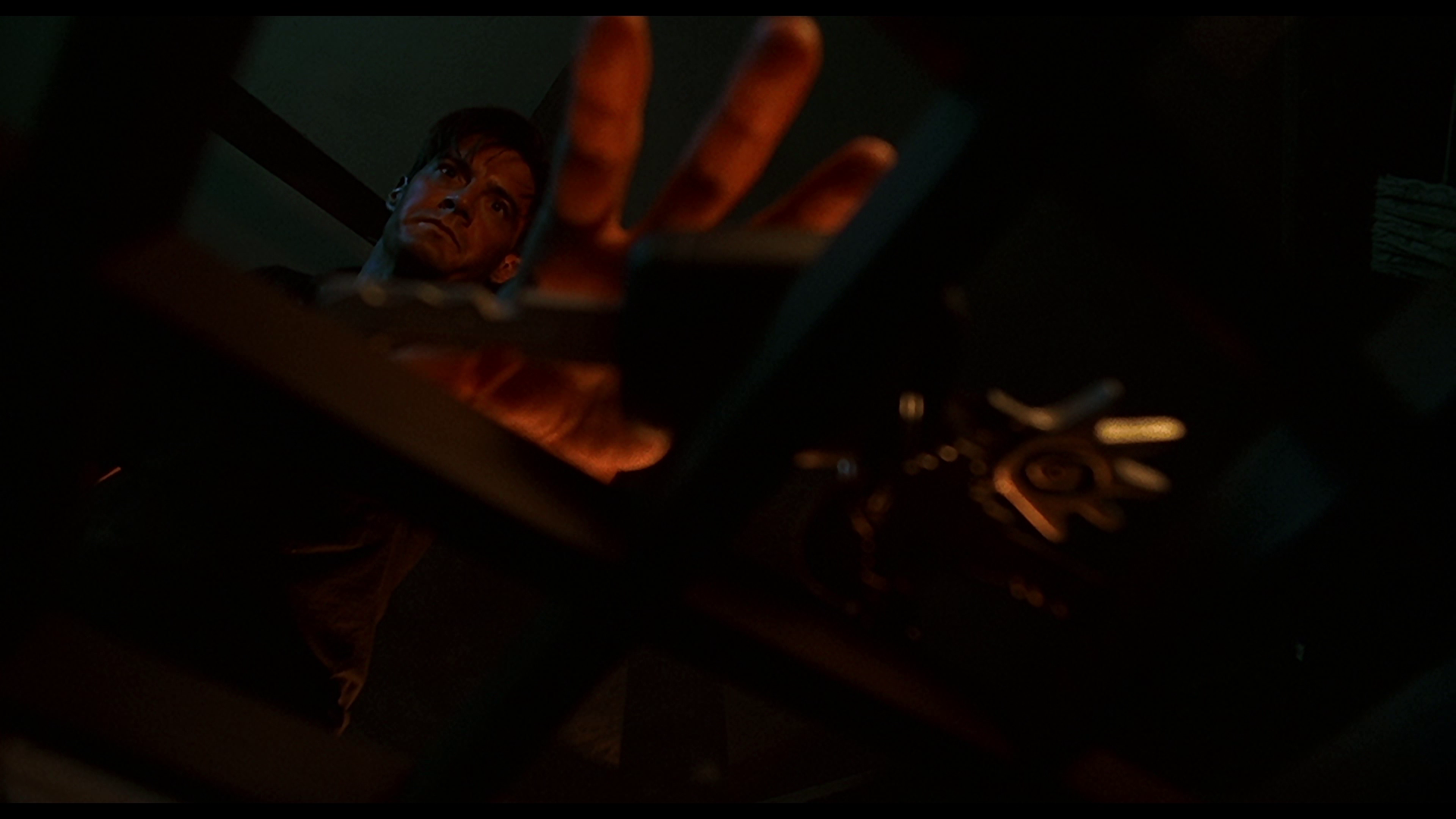
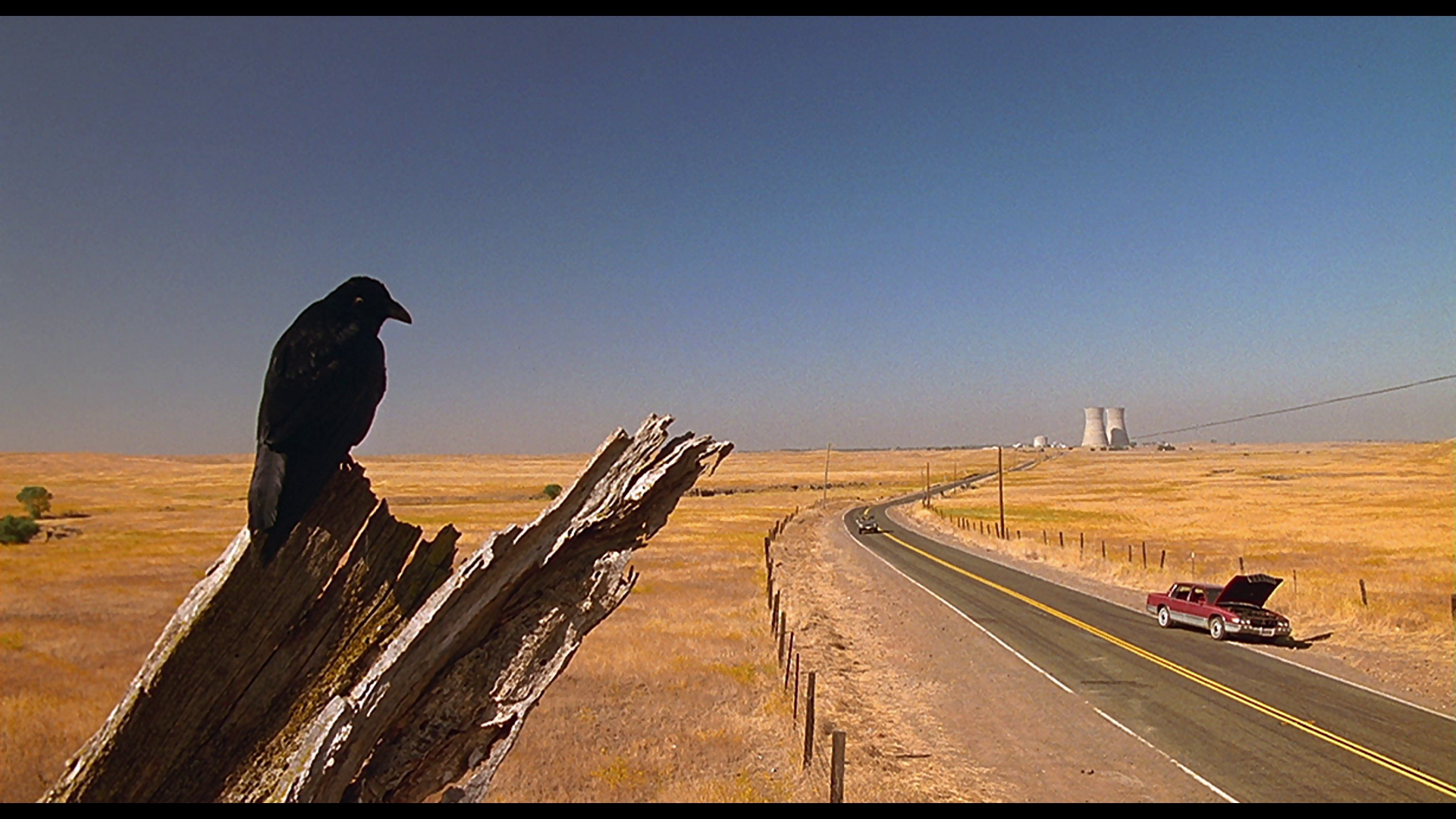
The master used for Imprint’s Blu-ray release of The Trigger Effect is much cleaner than Henry & June’s; maybe Amblin took better care of its elements than Universal did at the time, or maybe Imprint got lucky and found a newer scan of the film. Newton Thomas Sigel had shot The Usual Suspects the year before and was clearly feeling his oats, reveling in artificial light sources in the first reel and then transitioning sharply to a more naturalistic palette once the power goes out, playing up the elements of candlelight and sunshine. Audio is available in your choice of DTS-MA 5.1 or LPCM 2.0; the DTS track is obviously better at conveying the hushed, empty exteriors of the California desert, but the PCM matrixed surround isn’t half-bad either.
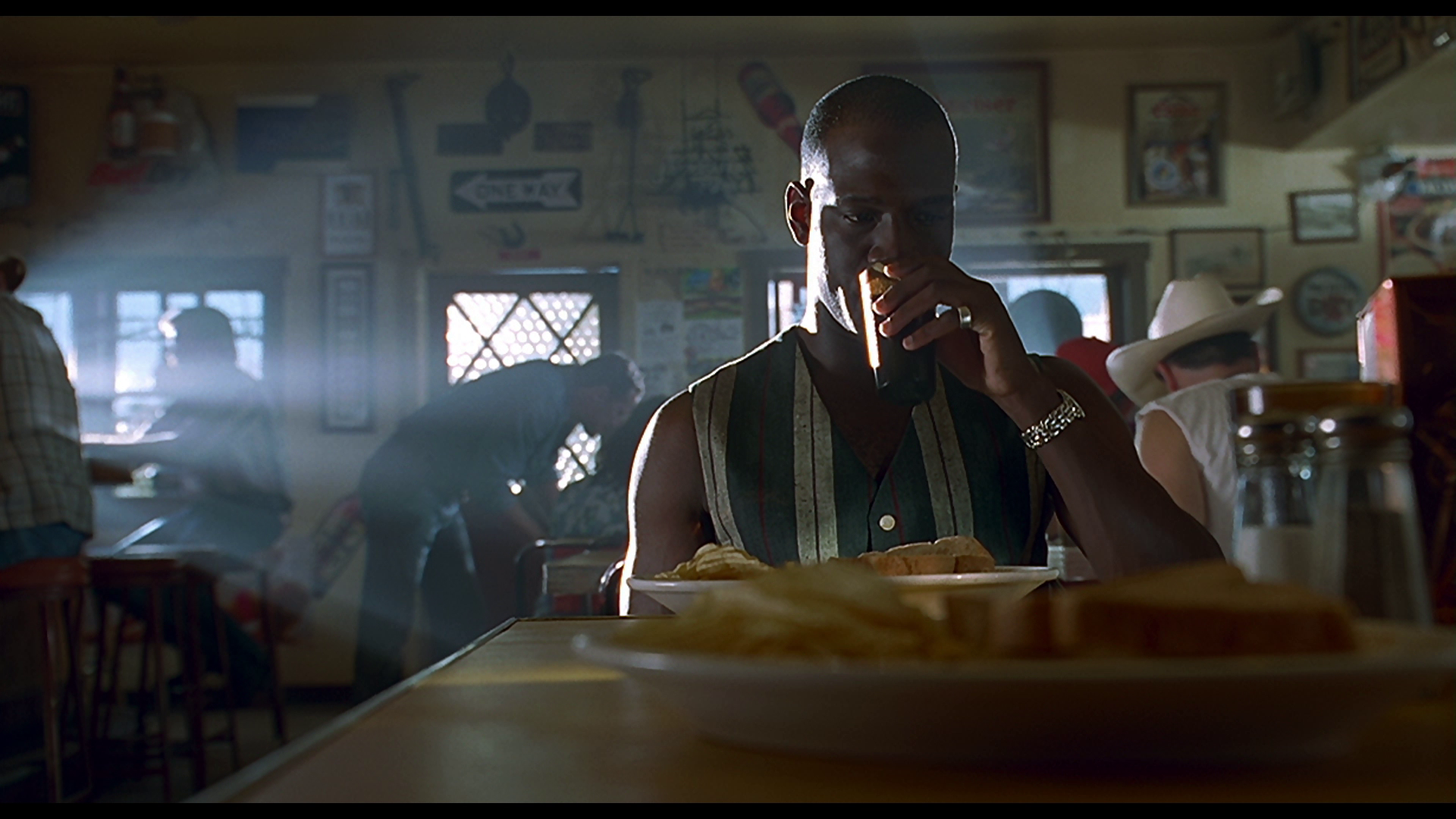
Imprint explores the production from unexpected but welcome angles in two new 20-minute featurettes. “Love Thy Neighbor: Richard T. Jones Pops Up Again” catches up with co-star Jones, who has no small amount of insight into the film’s paranoid subtext and some fun and deeply respectful stories about working with Michael Rooker, who Jones recalls as unwilling to deliver his lines the same way twice. And “Designing the Darkness: Building the World of The Trigger Effect” lets production designer Howard Cummings break down the details in the film’s sets and locations, mentioning that he came to the picture straight from the forgotten Sundance hit The Spitfire Grill and only knew Koepp as the writer of Apartment Zero. (Now, there’s a movie in desperate need of resurrection.)
The theatrical trailer is also included, along with archival junket interviews with Koepp, MacLachlan, Shue and Mulroney are also included – sourced from raw footage, with mixing so wobbly it doesn’t even appear Koepp’s mic was working in his clip. Fortunately his audio commentary – recorded for the original DVD release – sounds just fine.
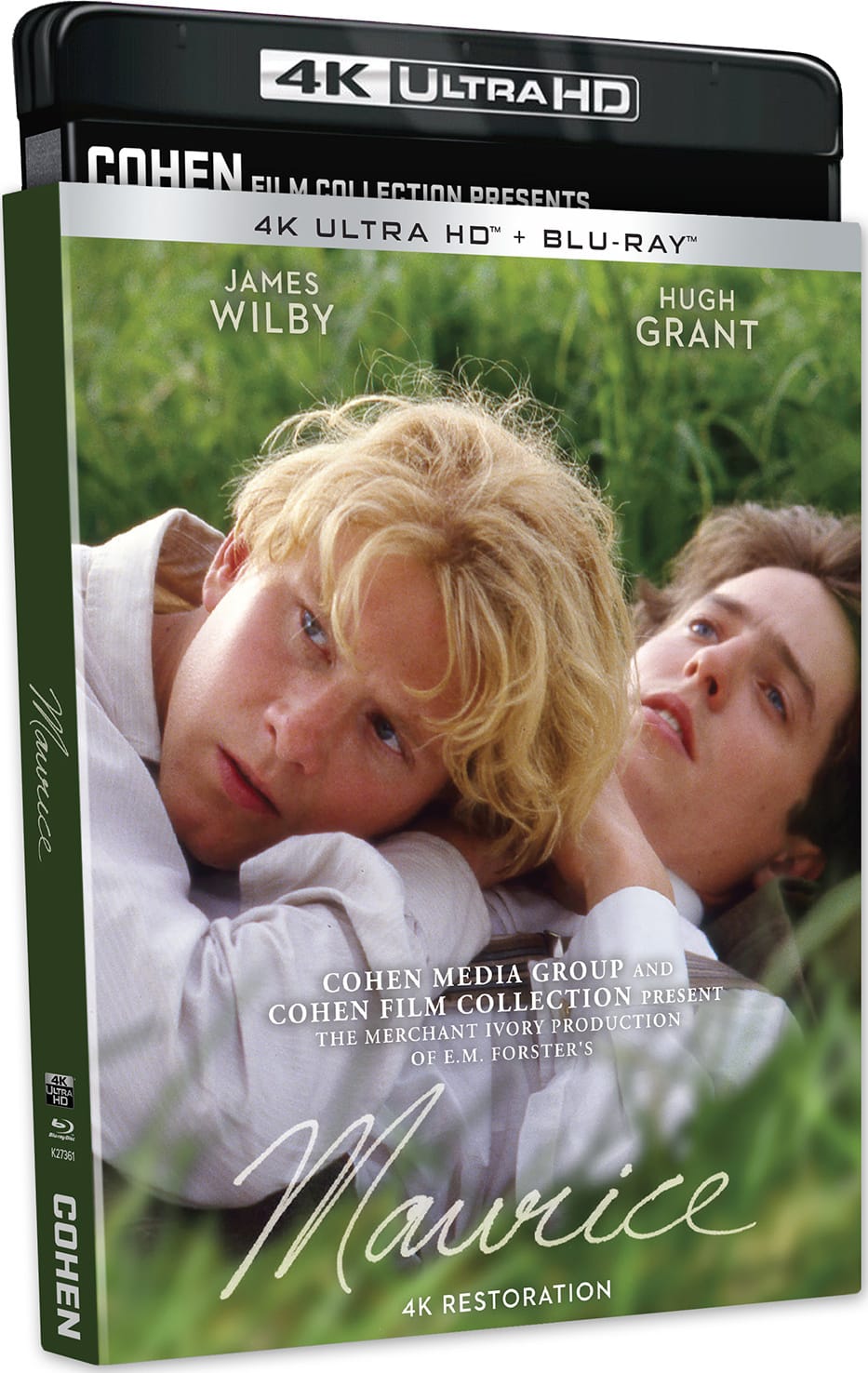
Want a film about a queer awakening that actually gets it – and was made five years before Henry & June? Ismail Merchant and James Ivory’s adaptation of E.M. Forster’s Maurice just got a 4K glow-up courtesy of Cohen Media Group, which has been rolling out Merchant Ivory films in excellent editions for a few years now. Maurice is no exception.
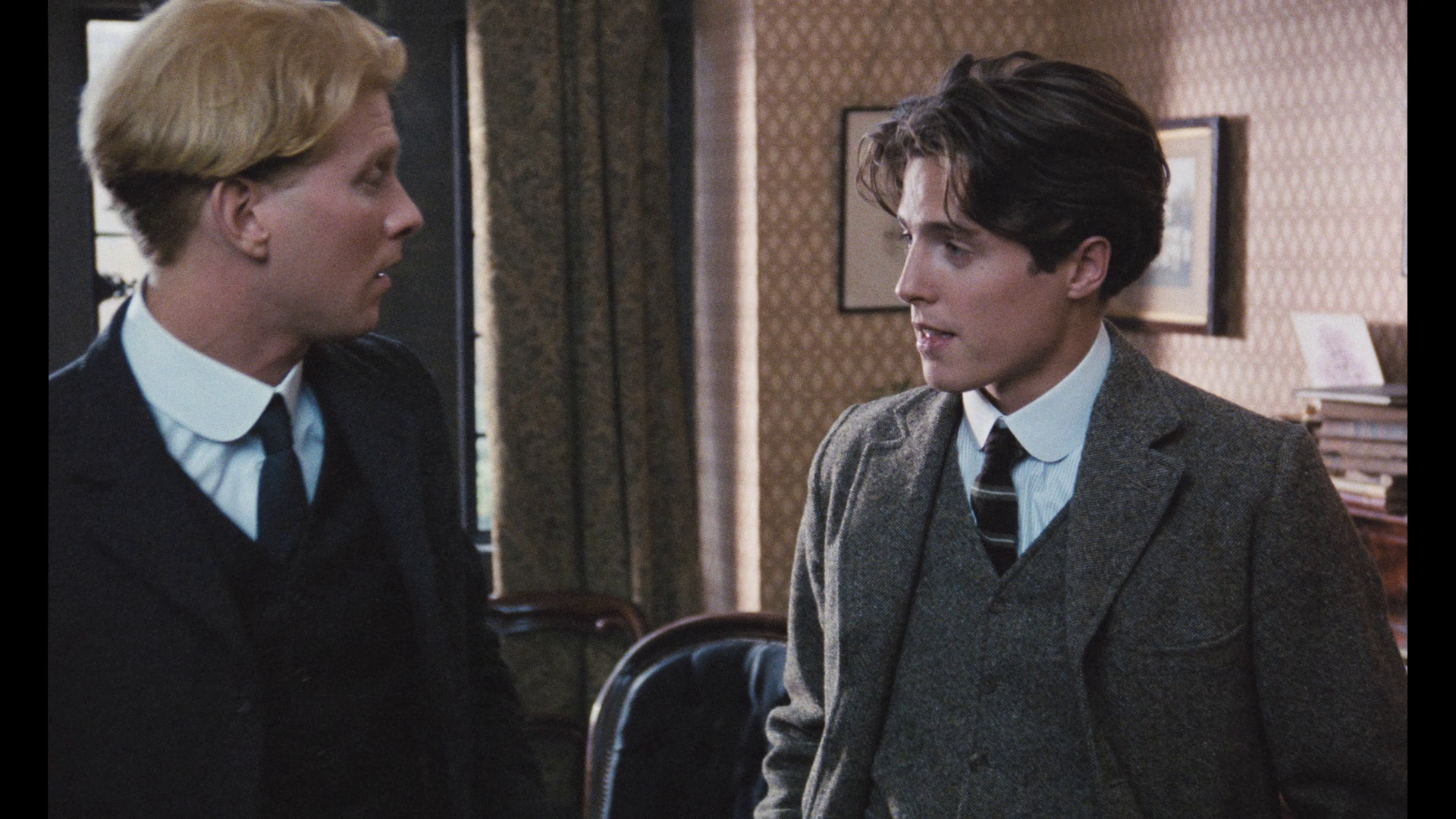
This was the pair’s second Forster picture, following the success of A Room with a View, and the decision to adapt Maurice in the mid-’80s feels downright radical now. A thoughtful and genuinely tender film about gay men at the height of the AIDS pandemic was no small thing, let alone one that criticized the suffocating hypocrisy of Edwardian England; to watch the movie four decades later is to realize just how much tension lurks under the surface of those placid drawing rooms and libraries – and how so much of the characters’ lives are defined by the refusal to give in to anger or fear.
Maurice is about queer awakening, as experienced by the eponymous young man (James Wilby) at Cambridge in the early 20th century, where he connects profoundly with a fellow student named Clive (Hugh Grant, in his first major role). Clive is the first to admit his feelings, which Maurice reflexively rejects – homosexuality was illegal in the UK, and both Maurice and Clive are far more circumspect about their desires than their friend Risley (Mark Tandy).
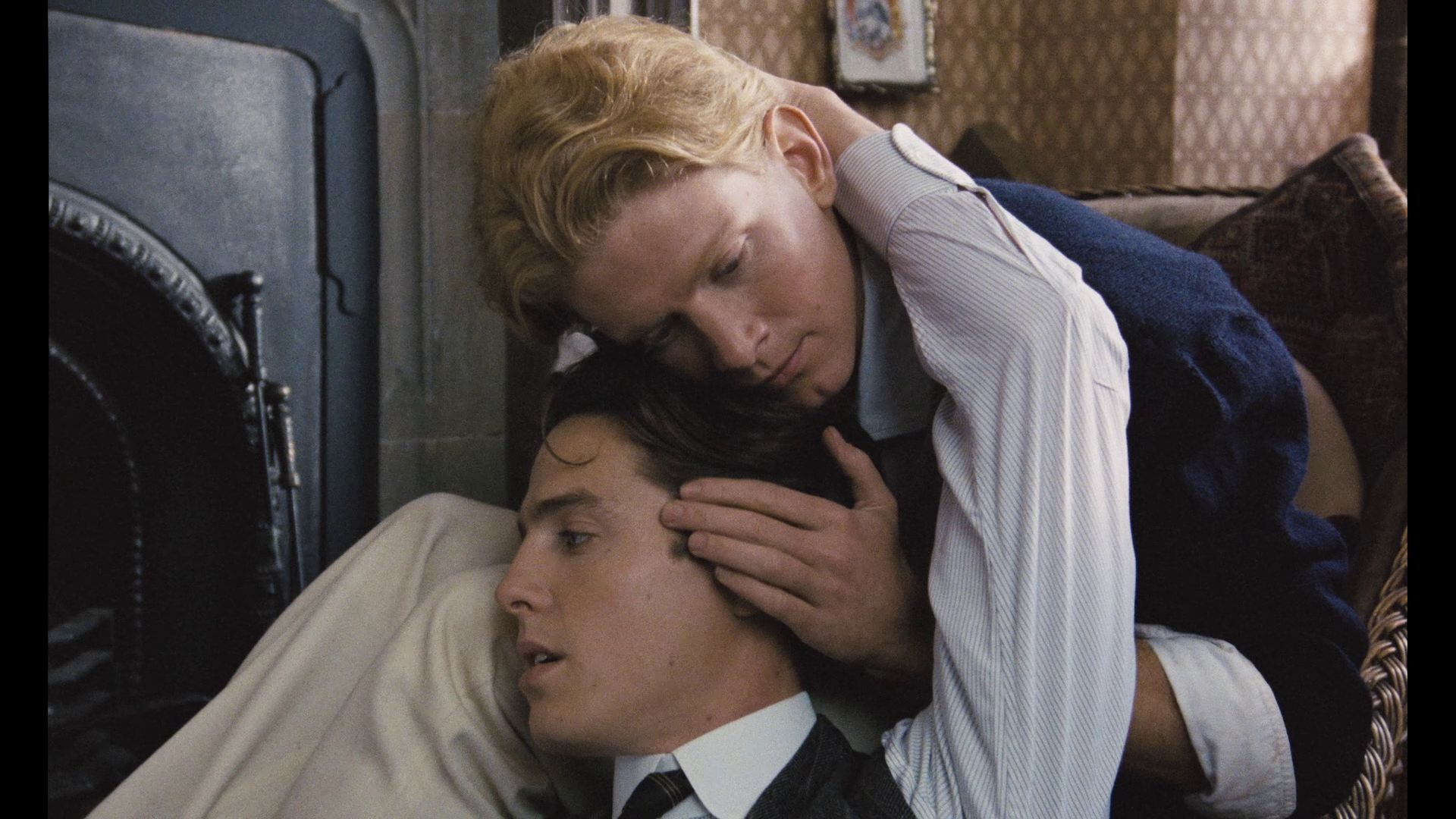
Eventually Maurice acknowledges the attraction is mutual … but now it’s Clive who refuses to act on it, fearing his prospects will be impacted. Clive marries a nice young woman (Phoebe Nicholls); Maurice turns to a hypnotist (Ben Kingsley, in a modest cameo) to see if he can be cured of his inclinations. But new overtures from a gamekeeper (Rupert Graves) at Clive’s estate might offer a path to real happiness … if Maurice can allow himself to take it.
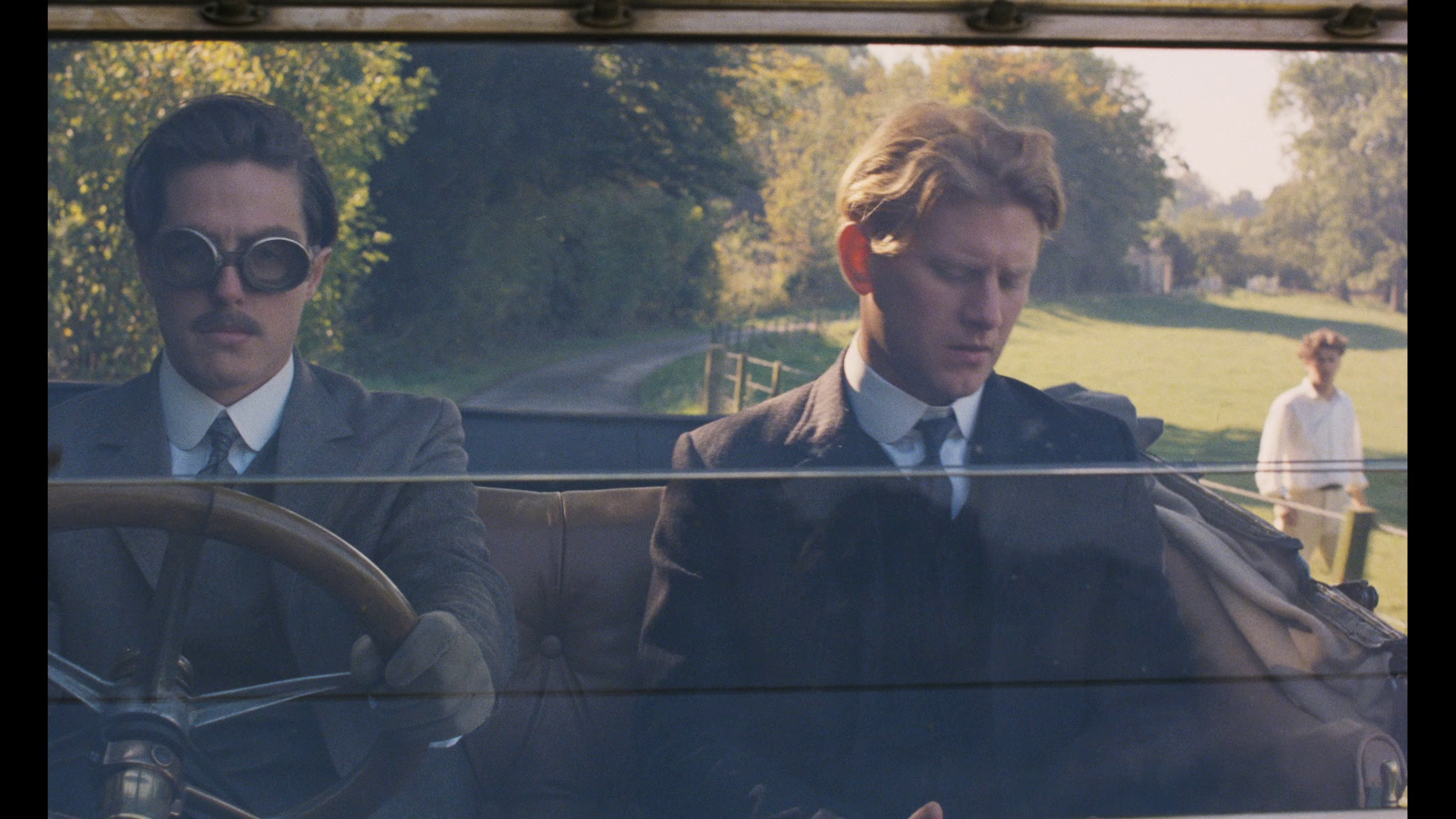
This being Forster, the drama is always under the surface; people spend most of their time talking about manners and behavior in order to avoid discussing anything that truly matters. All the feeling is communicated in tiny physical gestures – a look, a pause, a touch – and that’s where cinema can do so much more than the printed word. Pierre Lhomme’s camera catches everything, and Ivory ensures his actors are perfectly attuned to each moment. What’s most interesting now is how well-suited Grant’s dismissive affect is to the role of Clive, whose self-denial becomes his entire personality; we watch this man shrug himself into genial nothingness over the course of the film while Wilby’s Maurice slowly grows into himself, moving from acceptance to action. One of them, at least, can be honest with himself.
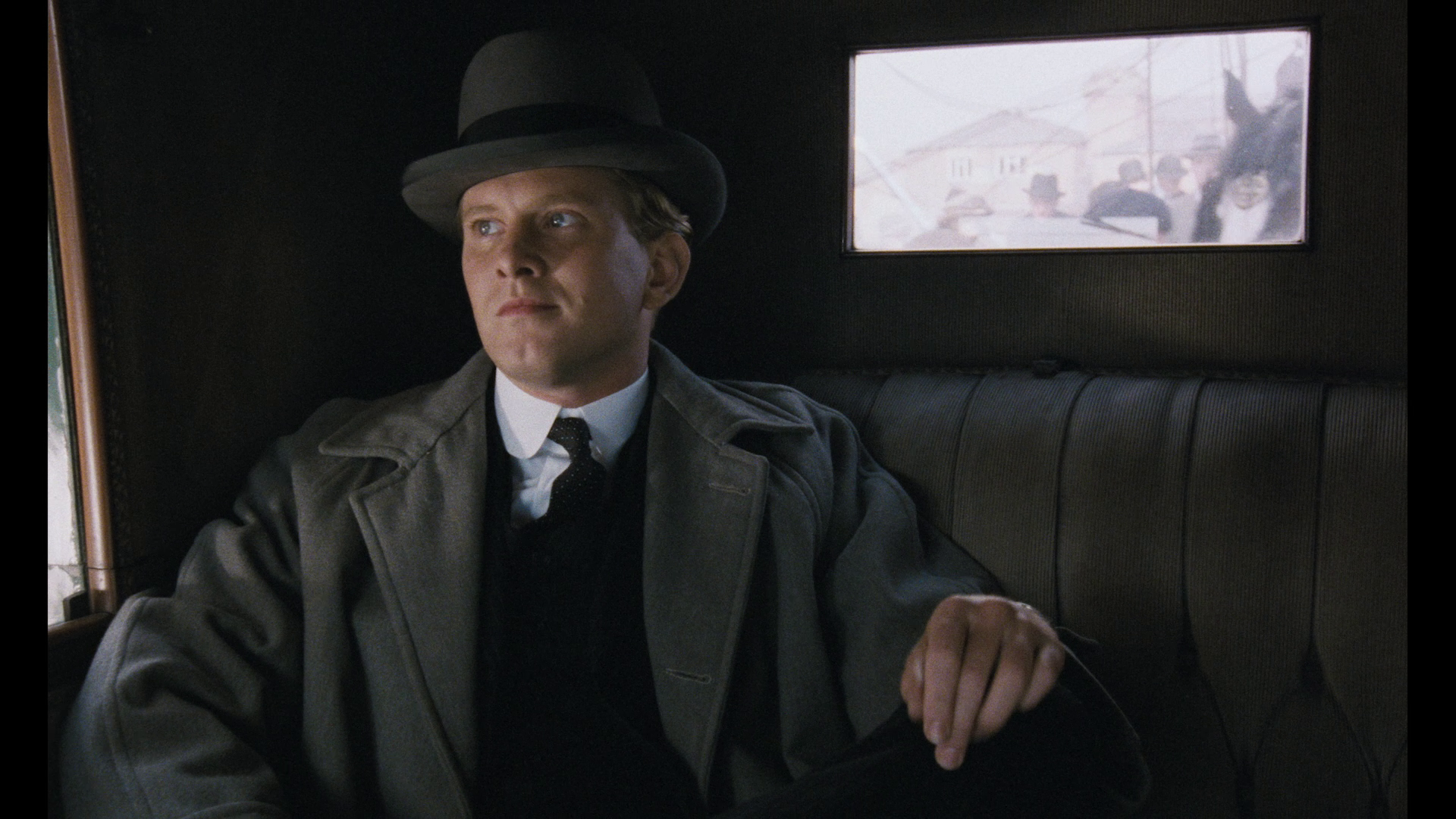
If you picked up Cohen’s UHD release of Howards End last winter, you know what to expect from this new edition of Maurice: A native UHD presentation of the 4K restoration used for an earlier Blu-ray release, presented in SDR rather than HDR. This movie wasn’t made to dazzle – I’d go so far as to say its matter-of-factness is part of the appeal – so this is an accurate, unfussy presentation of the image. The remixed DTS-HD 5.1 soundtrack is similarly unfussy, expanding the score and the atmospheric elements without pushing too hard. (The original stereo audio is also here in DTS-HD 2.0.)
The only extra on the 4K disc is the academic but informative audio commentary by Wade Major and Joseph Bristow (a film critic and a UCLA Professor of English, respectively), which was recorded for the 2017 Blu-ray. Both of the discs from that set are also included here, with the feature isolated on its own platter and the rest of the supplements on a bonus BD: An interview with Ivory and Lhomme, an onstage Q&A with the pair interviewed by Nicholas Elliott after a screening at the Alliance Francaise, a 40-minute conversation between Ivory and the filmmaker Tom McCarthy, and two very good featurettes, “The Story of Maurice” and “Conversation with the Filmmakers,” produced for the Home Vision Entertainment DVD of Maurice back in the early 2000s.
Also carried over from that disc are nearly 40 minutes of deleted and extended scenes, including an alternate opening, with optional commentary by Ivory. It’s an excellent package, though I suppose the upgrade is less appealing if you already own Cohen’s Blu-ray release. But if you don’t, I recommend this very highly.
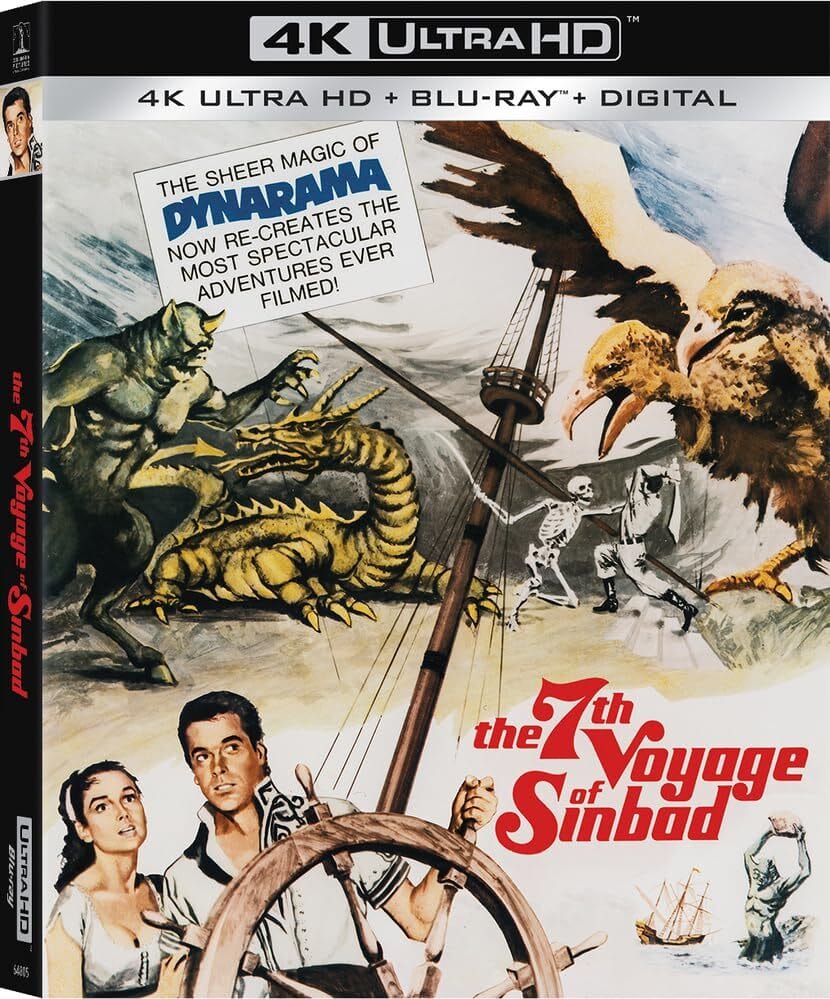
And finally, because the industry never misses an opportunity to draft on the big new thing, Sony Pictures Home Entertainment released a 4K upgrade of The 7th Voyage of Sinbad a few days after Christopher Nolan’s The Odyssey opened everywhere. I guess I can see the logic – Nathan Juran’s 1958 Dynamation epic, with elaborate stop-motion effects and process photography spearheaded by the legendary Ray Harryhausen, does have a cyclops and a wizard and some sailors, and has long been crying out for a restoration. But there’s really no comparing the two.
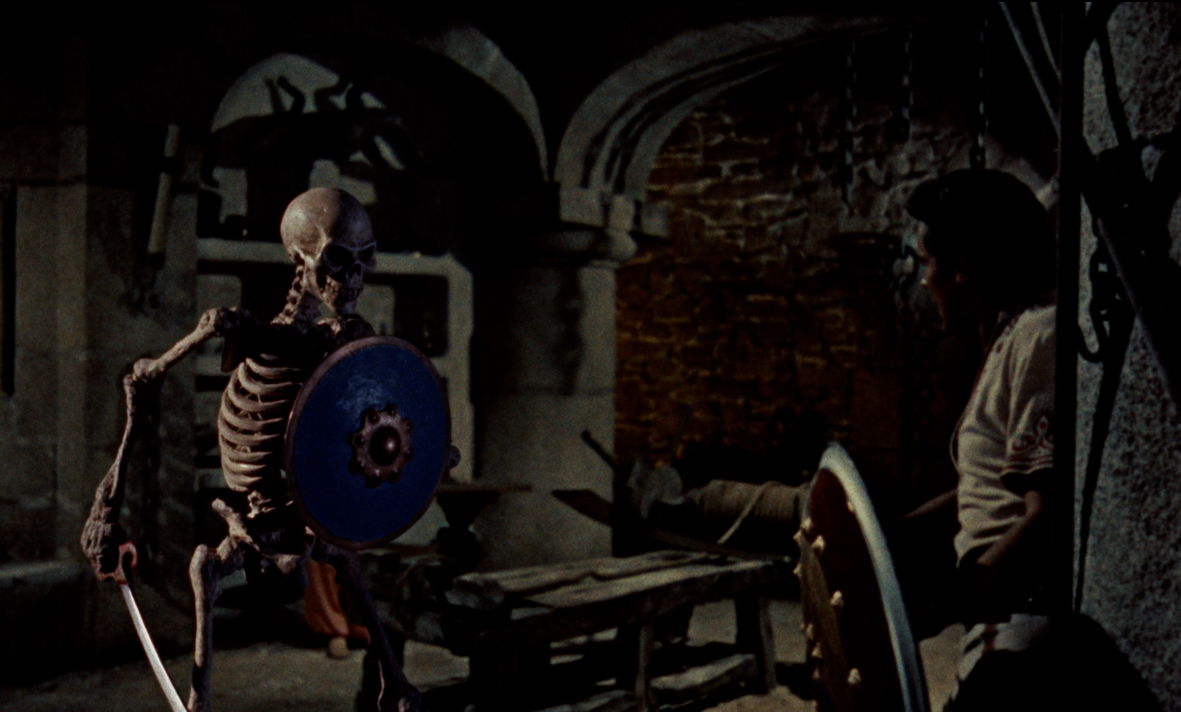
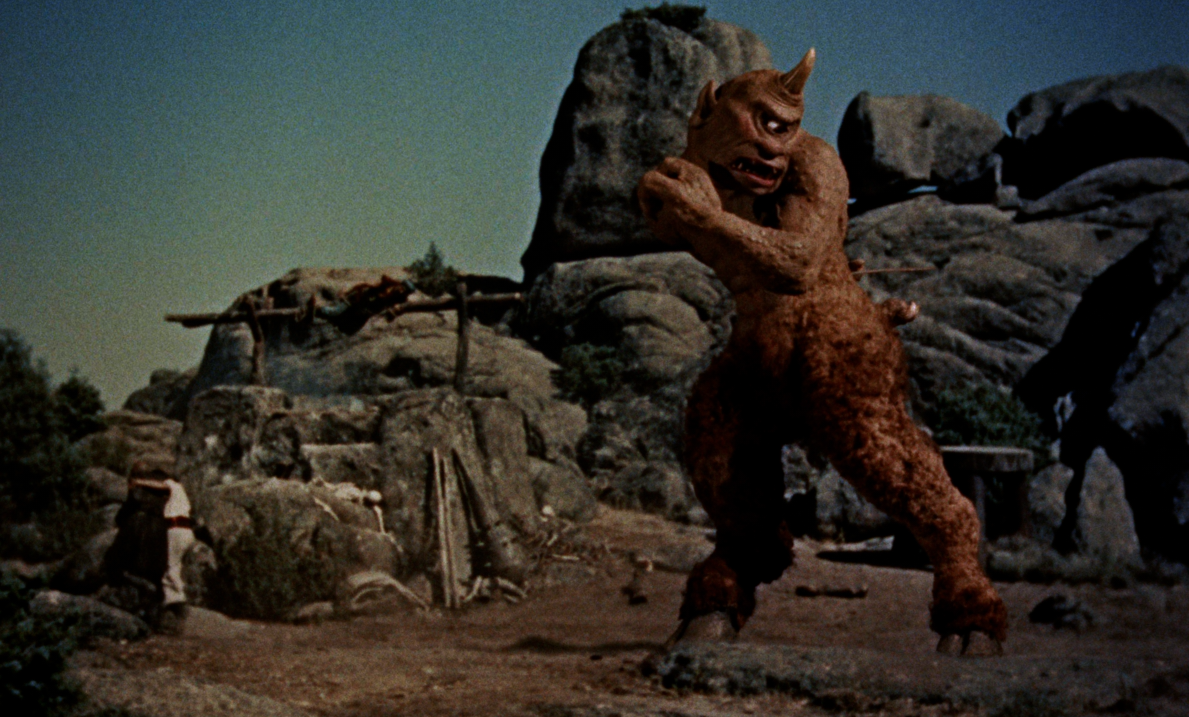
Nolan’s Odyssey is a serious undertaking, with an arm’s-length vision of the mythology that drives Homer’s epic and a focus on the human being whose story it is. The 7th Voyage of Sinbad is a movie for children, with Kerwin Mathews and Kathryn Grant taking it just seriously enough so their audience can invest in the story without worrying too much about whether noble Sinbad will make it to the island of Colossa to find the roc’s egg that restores his beloved Princess Parisa to human size after she’s been magically reduced by a scheming wizard (Torin Thatcher). Also there’s a dragon and a magic lamp and a genie and the cyclops and the roc and that skeletal swordsman; it’s like a picture book retold by a particularly excitable child, which is not a bad thing.
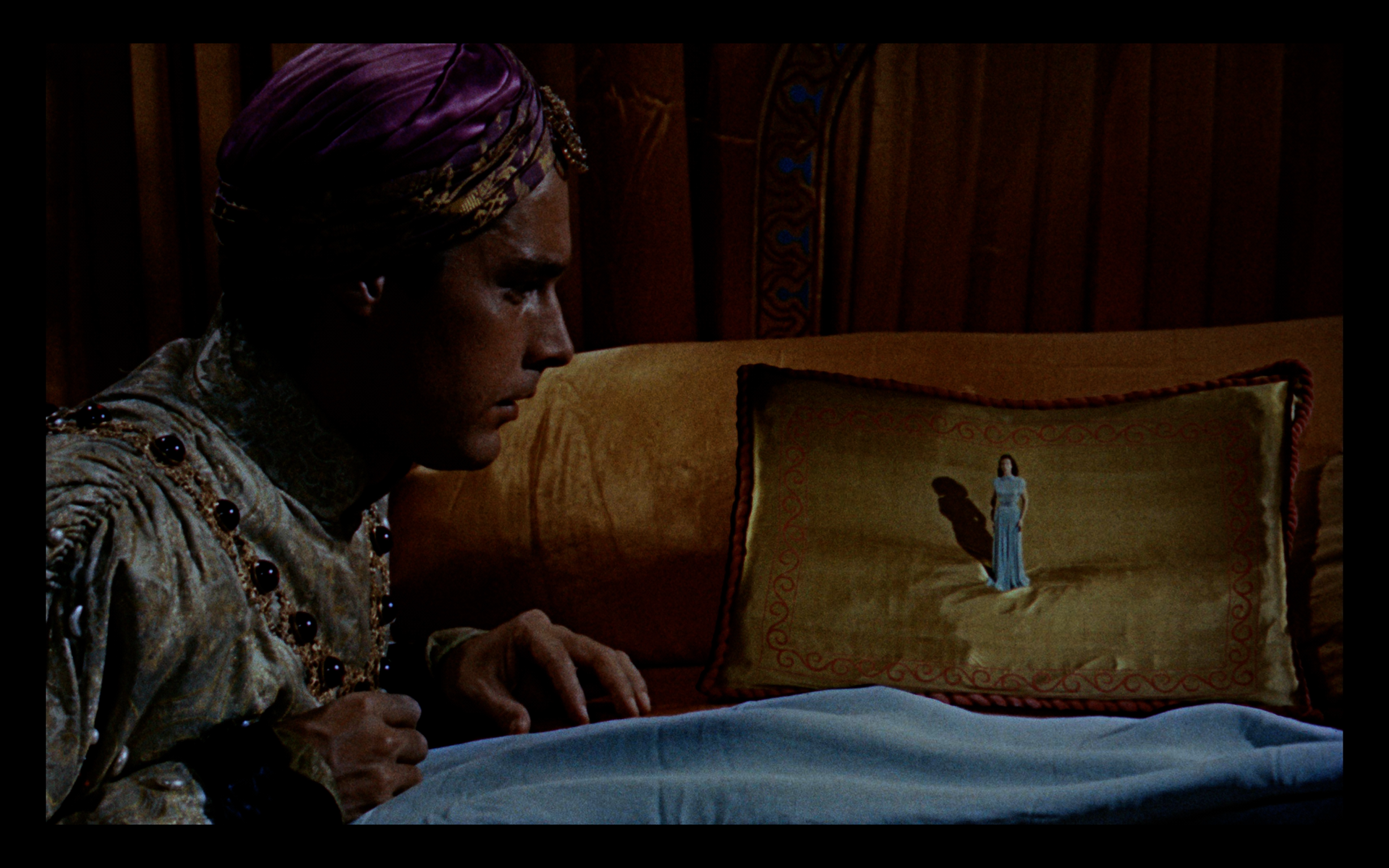
Is it sillier than Nolan’s Odyssey? Of course. And naïve and corny and dated in all sorts of ways. But it’s fun to watch, and a splendid showcase of Harryhausen’s work, and an essential historical document in its own right. This is what fantasy movies used to look like, handmade and flawed and delightfully analog, and if you’re fond of this movie you are definitely going to want this disc, which is a vast improvement on the 2008 Blu-ray. That disc is also included, because it’s full of fun supplements – including an invaluable audio commentary featuring Harryhausen and his fellow stop-motion masters Phil Tippett and Randall William Cook as well as producer Arnold Kunert and author Steven C. Smith – but the earlier transfer looks washed-out and grainy compared to the UHD restoration. The 4K also offers remastered DTS-HD 5.1 and mono soundtracks, replacing the Blu-ray’s Dolby TrueHD options.
There are even two new extras on the 4K disc: The re-release trailer, and the 1998 TV special “The Harryhausen Chronicles,” a loving look at Harryhausen’s legacy with plenty of behind-the-scenes footage and production material as well as considerable insight from the man himself – and his lifelong pal Ray Bradbury. It’s your standard Richard Schickel print-the-legend production, but when you’re dealing with an actual legend, that’s not a bad angle to take.
And that’s everything for now. More later, though. The discs keep rolling in.
Once a Thief is now available in a 4K/BD hardbox steelbook special edition from Imprint Films, which is also releasing Henry & June and The Trigger Effect on Blu-ray. The 7th Voyage of Sinbad and Maurice are now available in 4K/BD combos from Sony Pictures Home Entertainment and the Cohen Media Group, respectively.
Up next: New releases! Is God Is, Mortal Kombat II and Pressure all landed on the shelves while I was away, and I have thoughts!