
Sing, O Muse
THE ODYSSEY comes home.
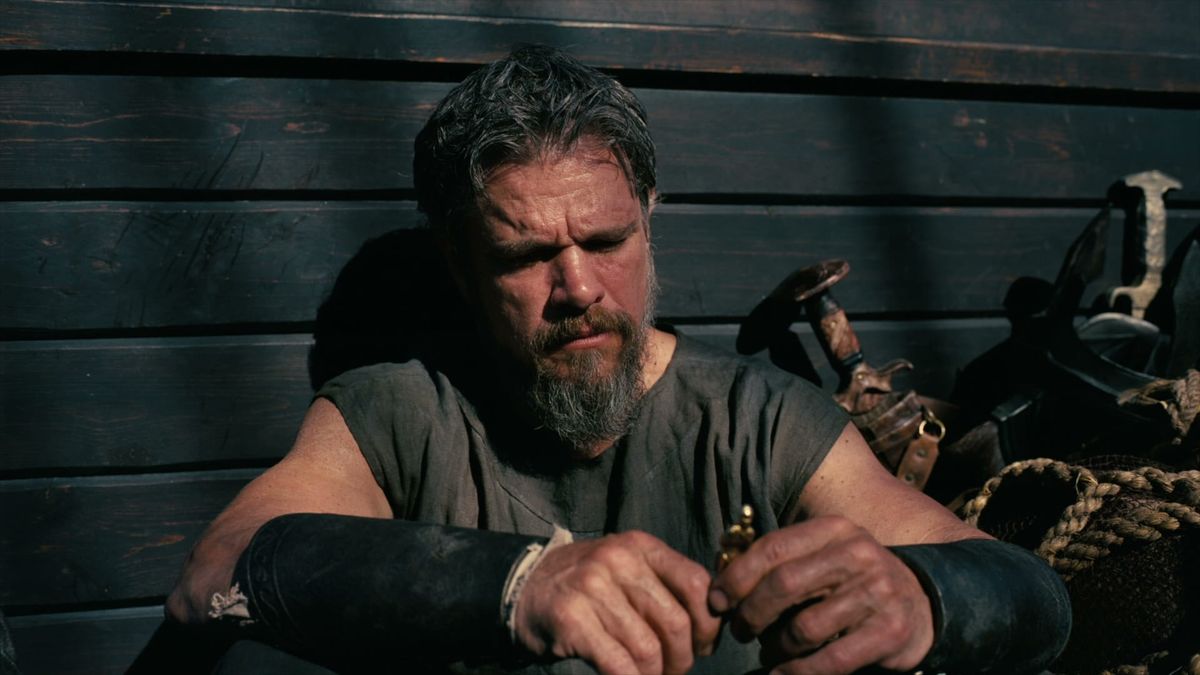
I suppose it was inevitable, given his trajectory, that Christopher Nolan would bring The Odyssey to the screen: What do you do after you conquer the Oscars? What stories are left to tell that suit your insatiable drive to create The Most Cinema? Why, the first one of course.
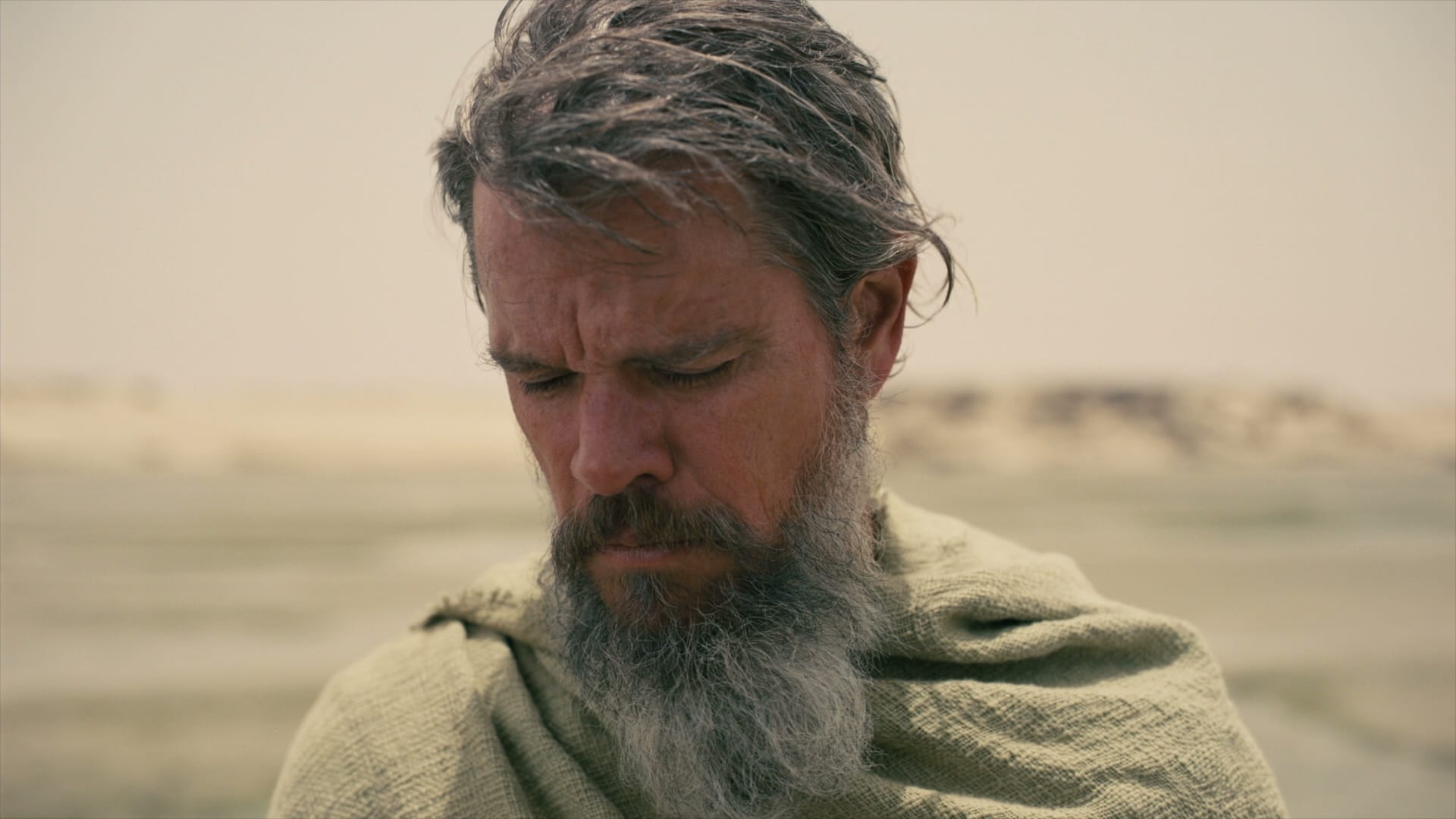
From scene to scene, The Odyssey is a thrilling experience, a remarkable technical accomplishment and a pretty satisfying adaptation of the original epic, with Nolan and editor Jennifer Lame creating a mixtape analogue to Homer’s decades-long tale of the Trojan War. We open with a bard (Travis Scott) beginning a story at a feasting hall in Ithaca, and when one character relates a story to another, we segue seamlessly into that narrative, which contains its own flashbacks and recollections. Most of the stories involve Odysseus (Matt Damon), a humble lord, brilliant strategist and powerful warrior who left Ithaca for Troy two decades earlier and never returned.
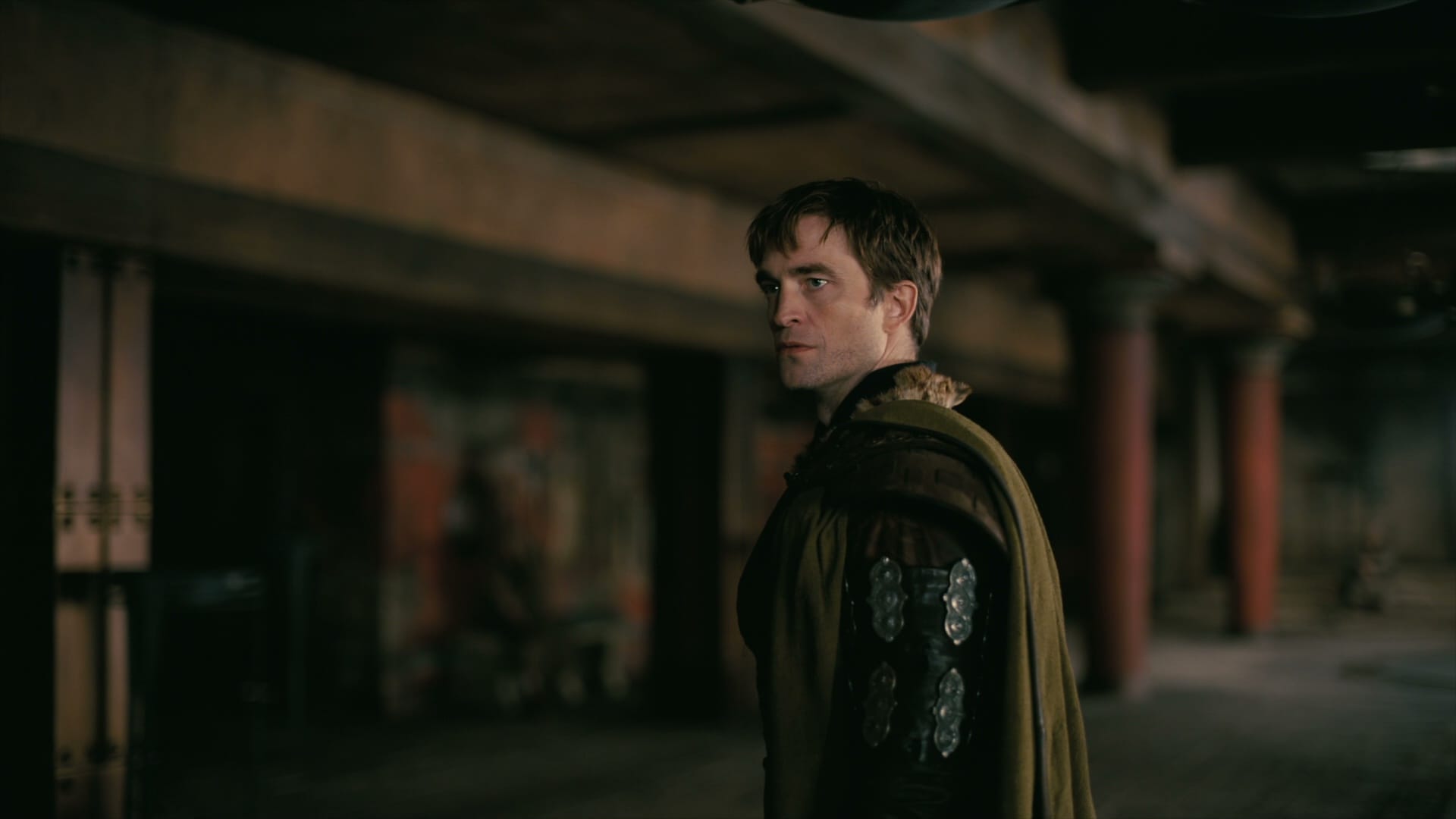
Nolan tells us where he is right off the top, showing an oblivious Odysseus in the care of the nymph Calypso (Charlize Theron) on a remote island, besotted by lotus flowers while his wife Penelope (Anne Hathaway) and grown son Telemachus (Tom Holland) try to hold his kingdom together. A never-ending coterie of suitors drains Ithica’s resources and insists Penelope abandon hope of Odysseus’ return and choose one of them as her new husband. Securing the throne in this manner would of course require the death of Telemachus, which is an issue the scheming Antoninus (Robert Pattinson) doesn’t seem to have much of a problem with.
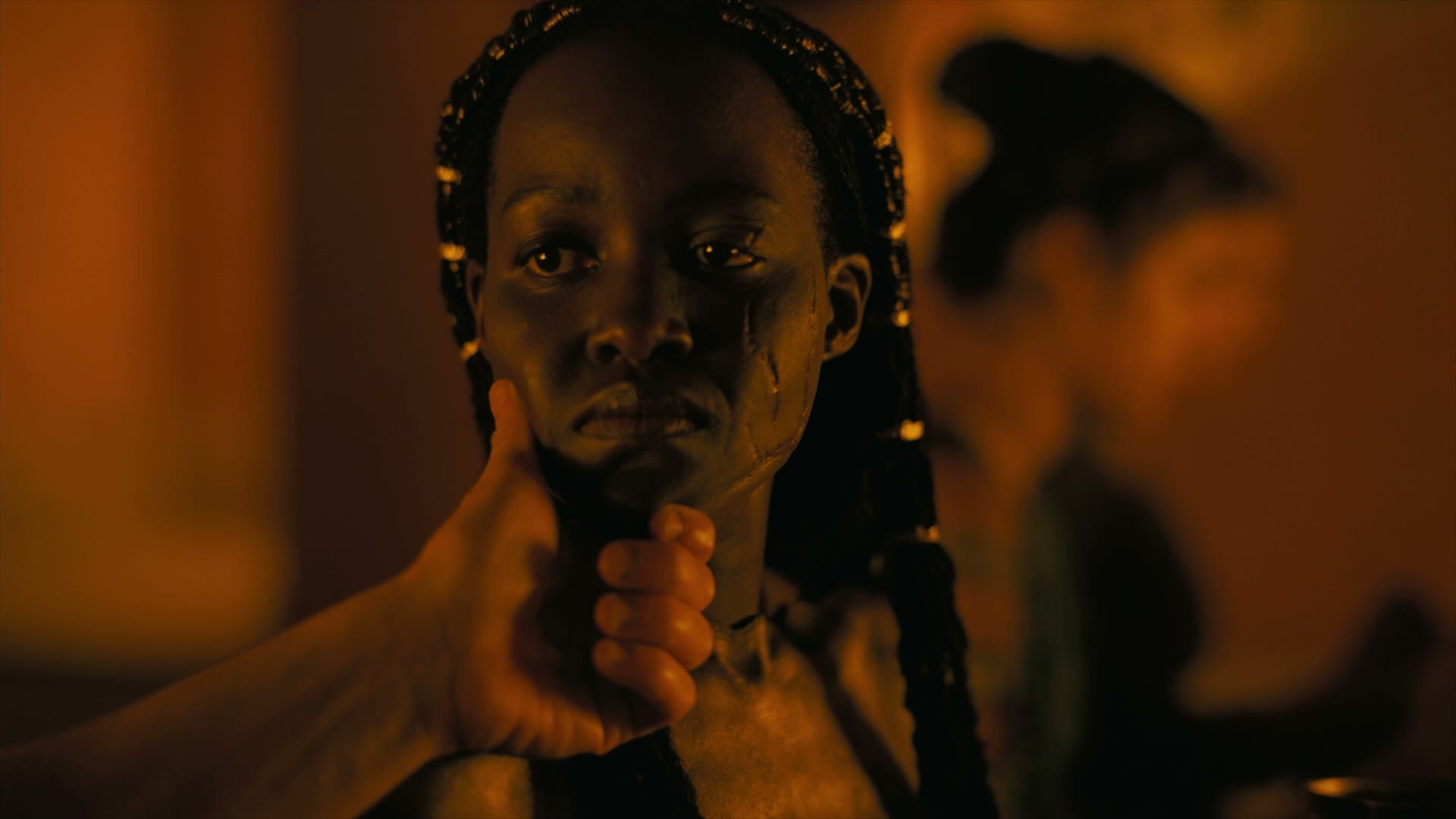
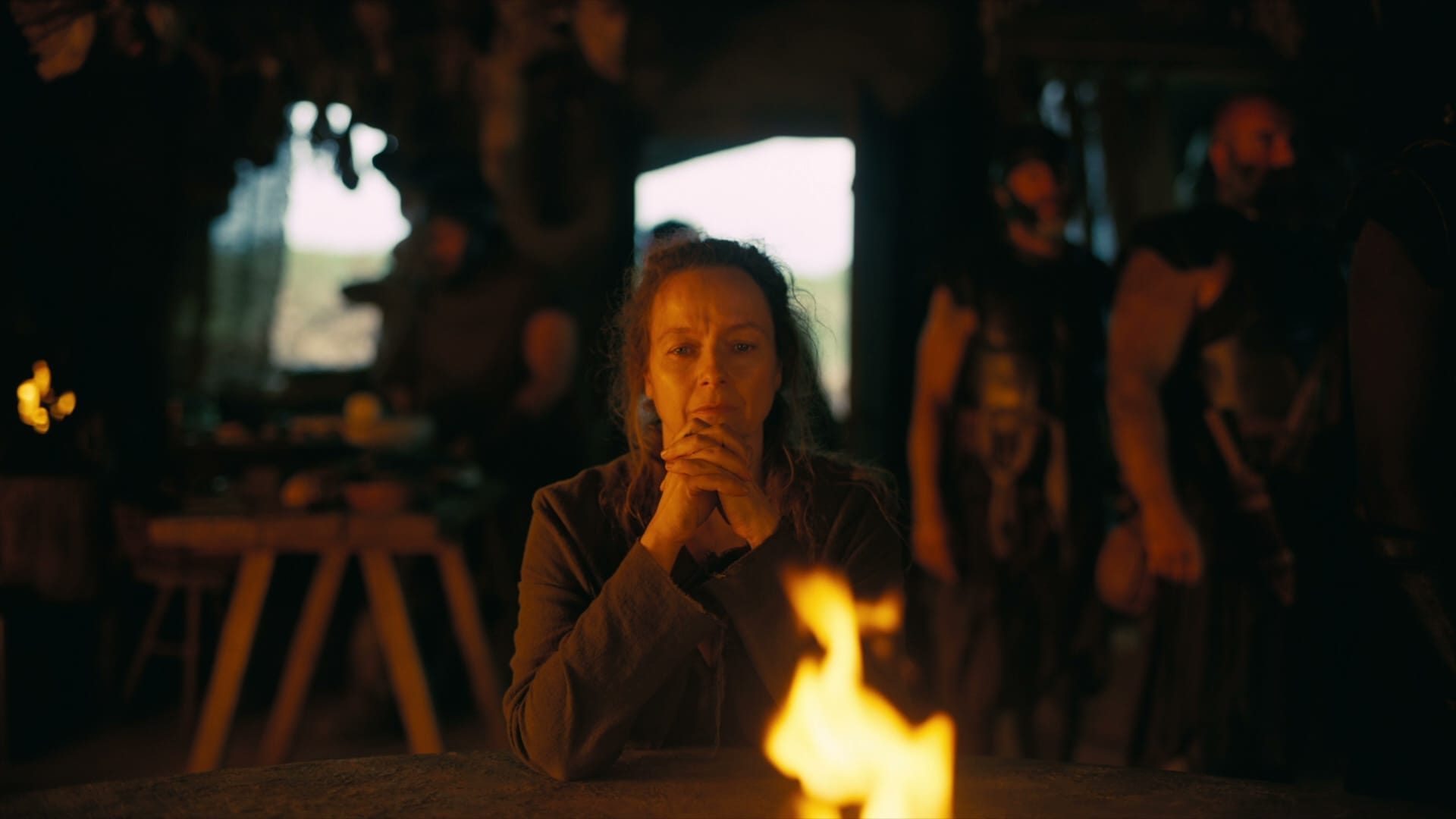
But Telemachus is sharper than the suitors realize, refusing to give them an excuse to harm him and doing everything he can to find out his father’s whereabouts with the help of the blind servant Eumaeus (John Leguizamo). He’ll eventually set off on a voyage of his own, travelling to Sparta to hear stories of his father from Menelaus (Jon Bernthal) and Helen (Lupita Nyong’o) – stories of much more personal violence and betrayal than Odysseus himself experienced.
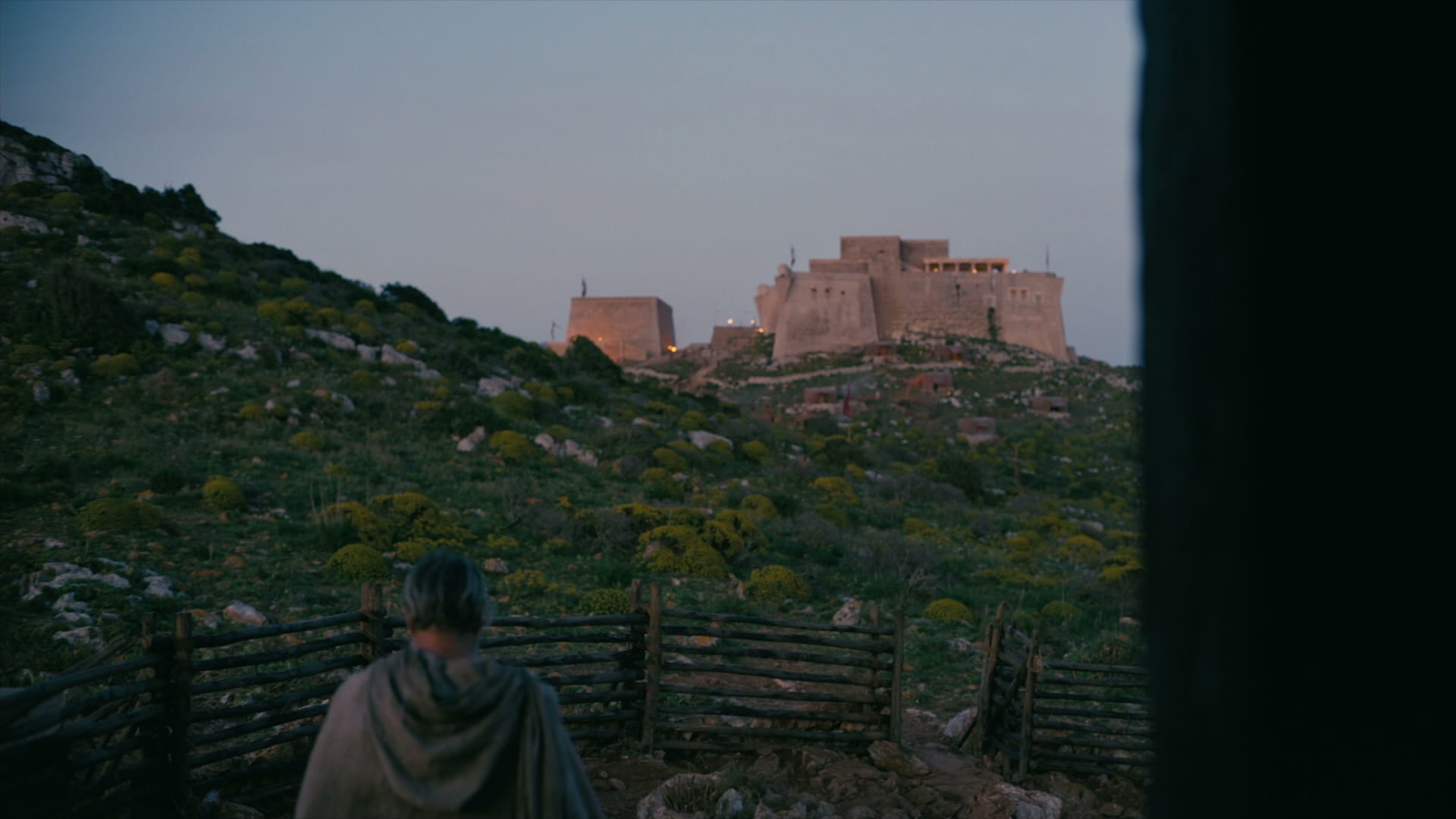
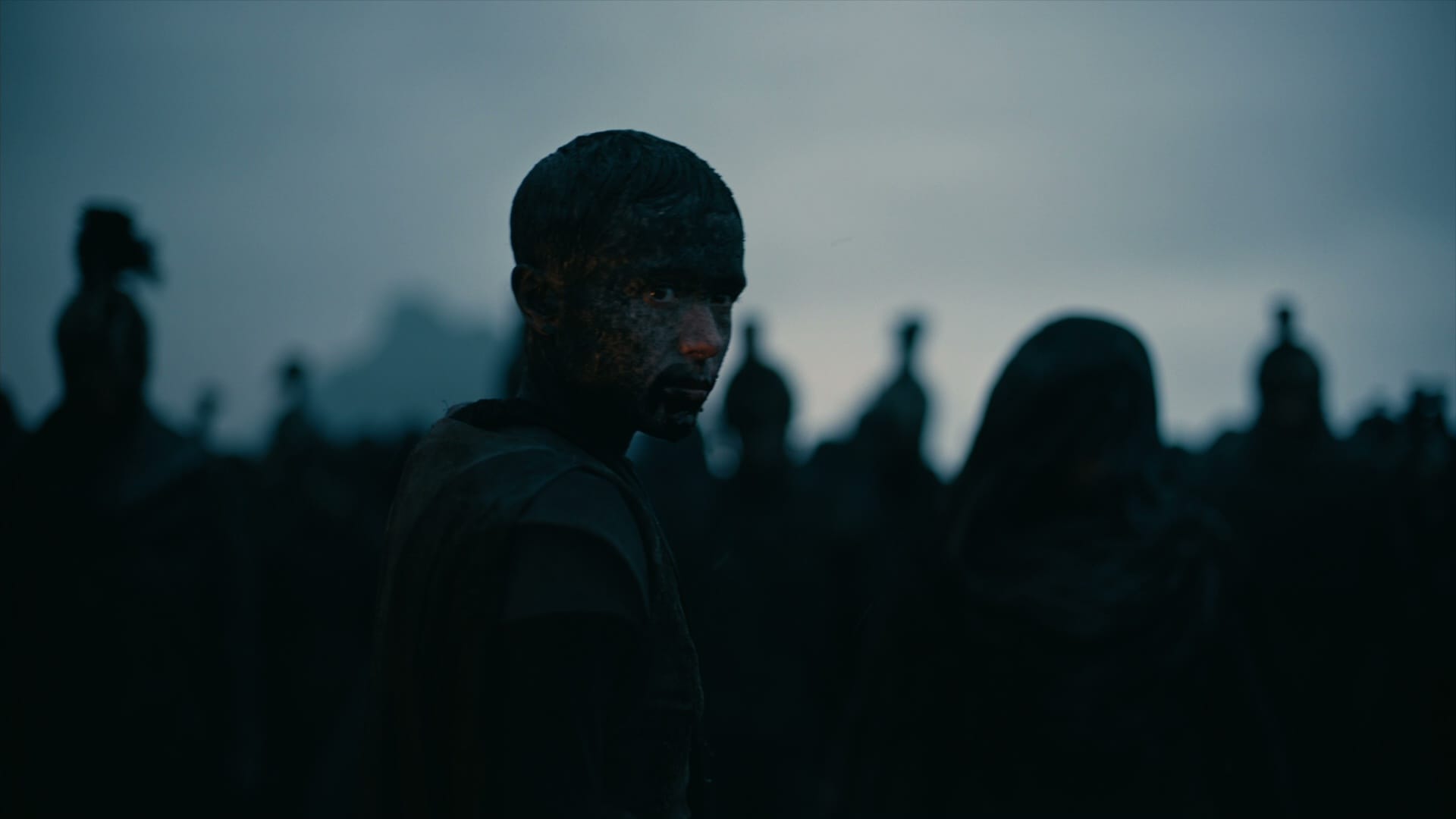
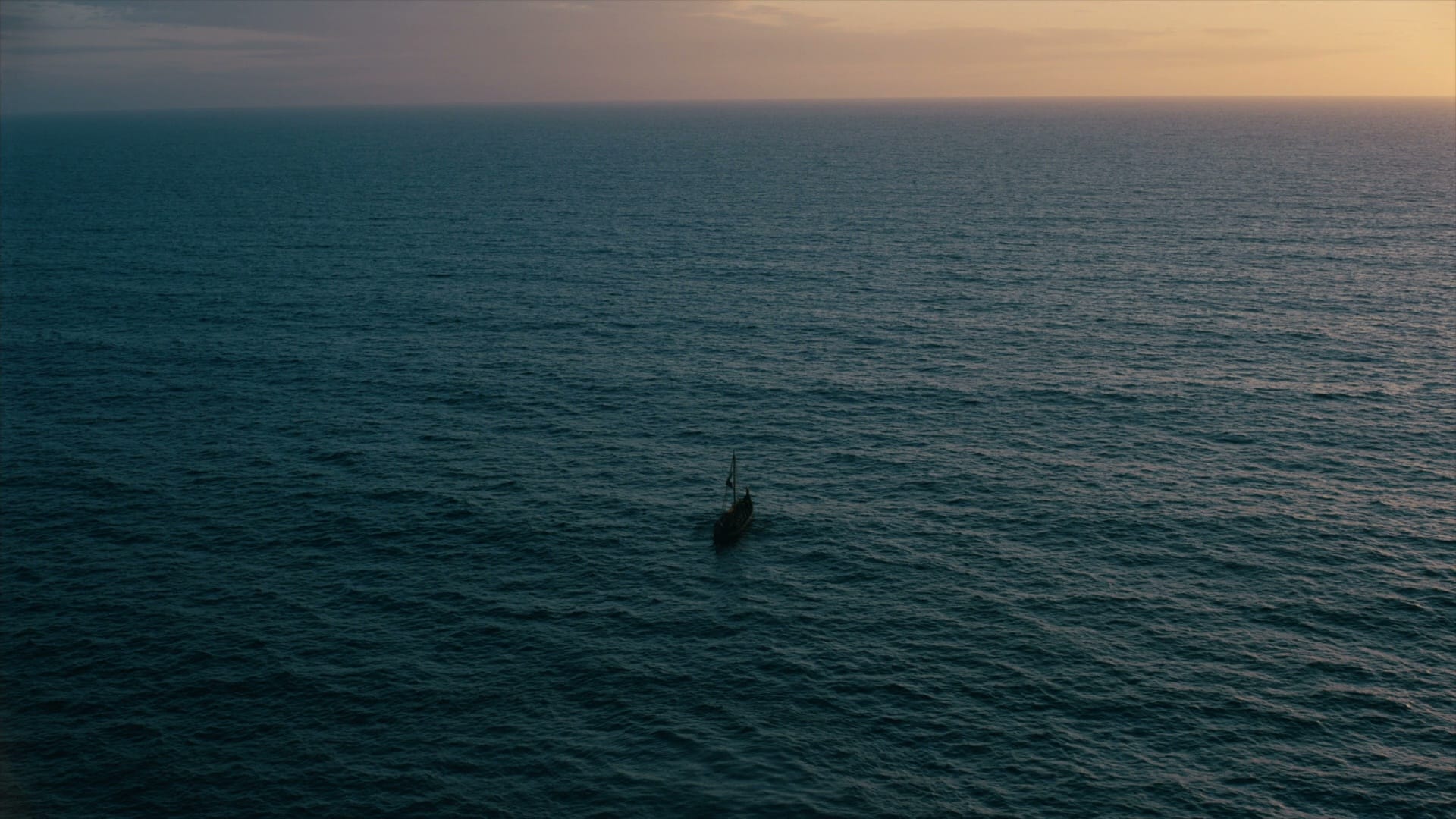
None of these stories is narrated to us, I should point out. There’s no voiceover in The Odyssey; the perspective remains Nolan’s, with his love of sprawling landscapes that reduce his heroes to tiny specks and the constant drumbeat of Ludwig Göransson’s percussive score carrying us forward from one moment to the next. Nolan is a master of momentum – it may be his greatest strength as an artist, really – and he’s able to make The Odyssey feel restless even when it just sits in place with its heroes.
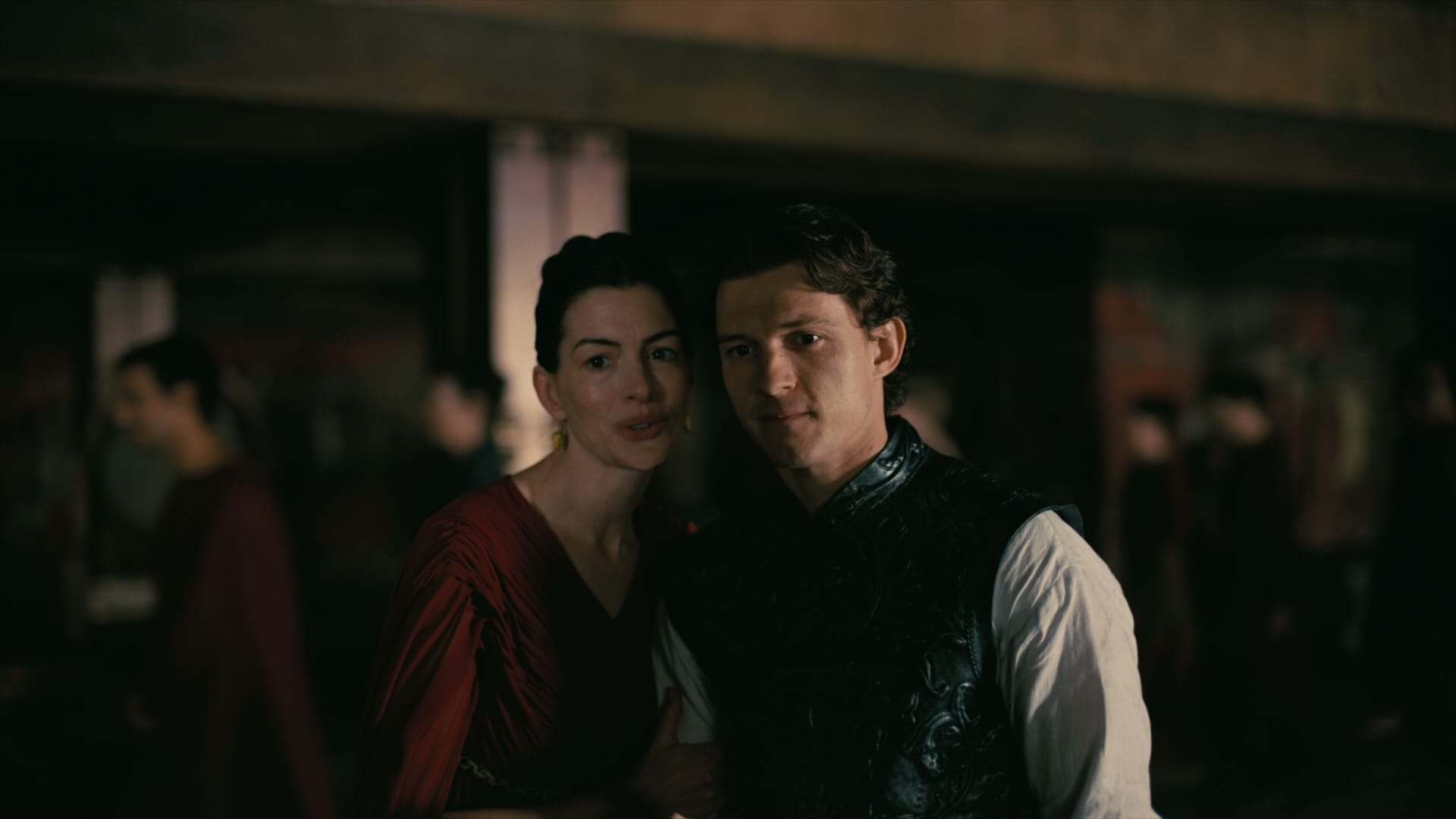
Not that it’s ever that demanding to watch them; Nolan’s gathered a truly incredible ensemble here, doing the all-star thing where every role is cast with an interesting famous person so that no one appearance proves too distracting and we stop waiting to see who turns up next. A few of them – Hathaway, Pattinson, Bill Irwin, Elliot Page, Benny Safdie – have worked with Nolan before. Others – Holland, Nyong’o, Bernthal, Zendaya, Leguizamo, Samantha Morton, Himesh Patel, Corey Hawkins – have not. Everybody understands the assignment.
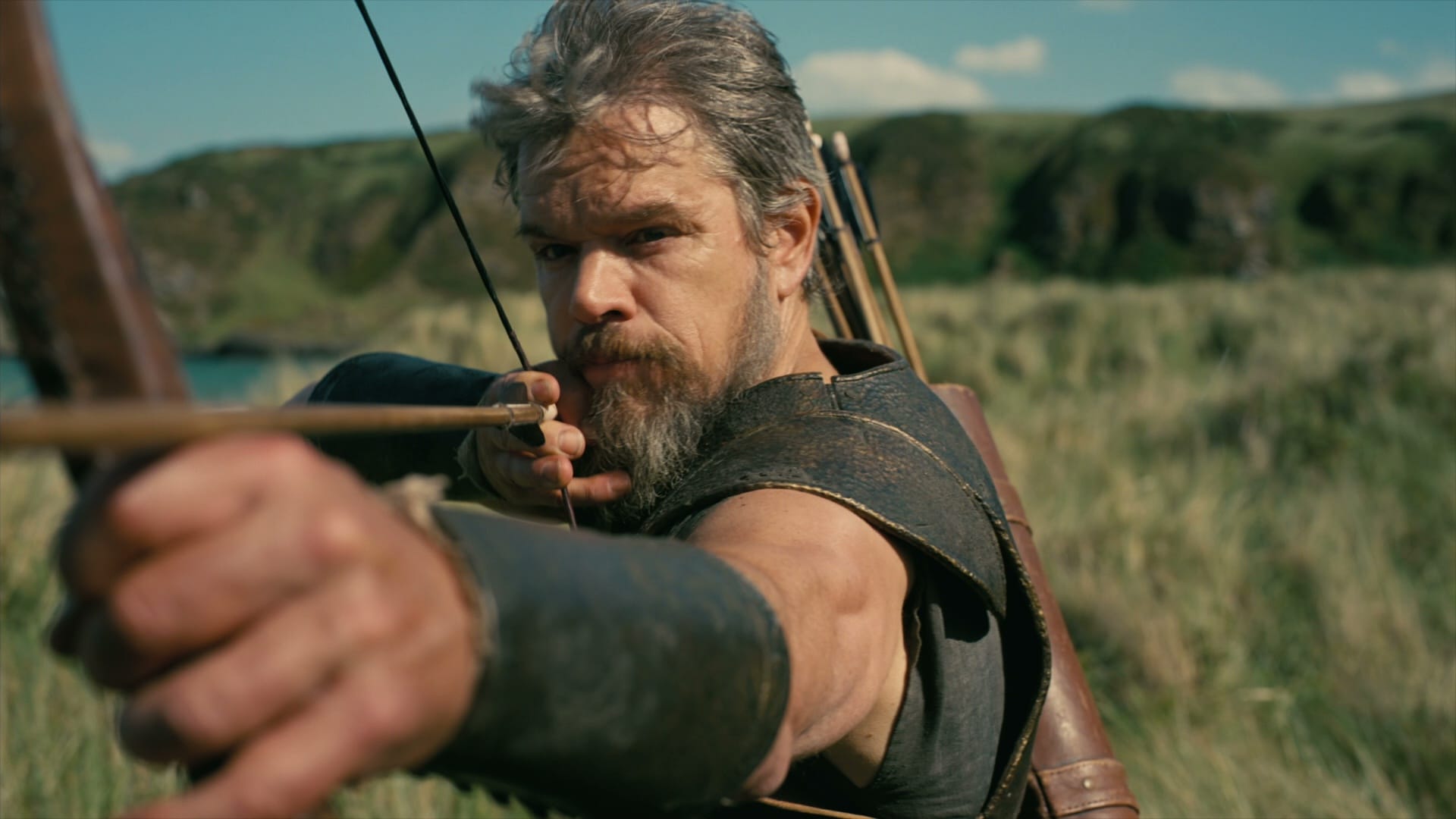
But this is Damon’s movie, of course, and the actor – who played a much less worthy voyager in Nolan’s Interstellar – is perfectly cast as Odysseus, who understands exactly what he asks of his followers and bears the weight of every sacrifice. He just wants to go home, and is willing to defy the gods to do it, but of course the whole reason he’s not getting home is because he defied the gods in the first place with that whole horse thing. Nolan’s fascination with whether a given goal is worth the cost dates all the way back to Memento; maybe that’s why his movies keep getting bigger. The goals are getting larger.
It could be argued that The Odyssey has a very modest goal, in the end, which is simply Odysseus reuniting with his wife and son. He’ll also be saving Ithaca from collapse, which is no small thing, but that’s not how he sees it: Damon is playing him as a husband and father, not a warrior or a ruler. The man at the center of this epic is clearly what interests Nolan, to the point that it creates the film’s biggest problem: The Odyssey is about a man who keeps running into gods and monsters, and Nolan is kind of embarrassed by that stuff. He’s the guy who took all the comic-book stuff out of Batman, remember?
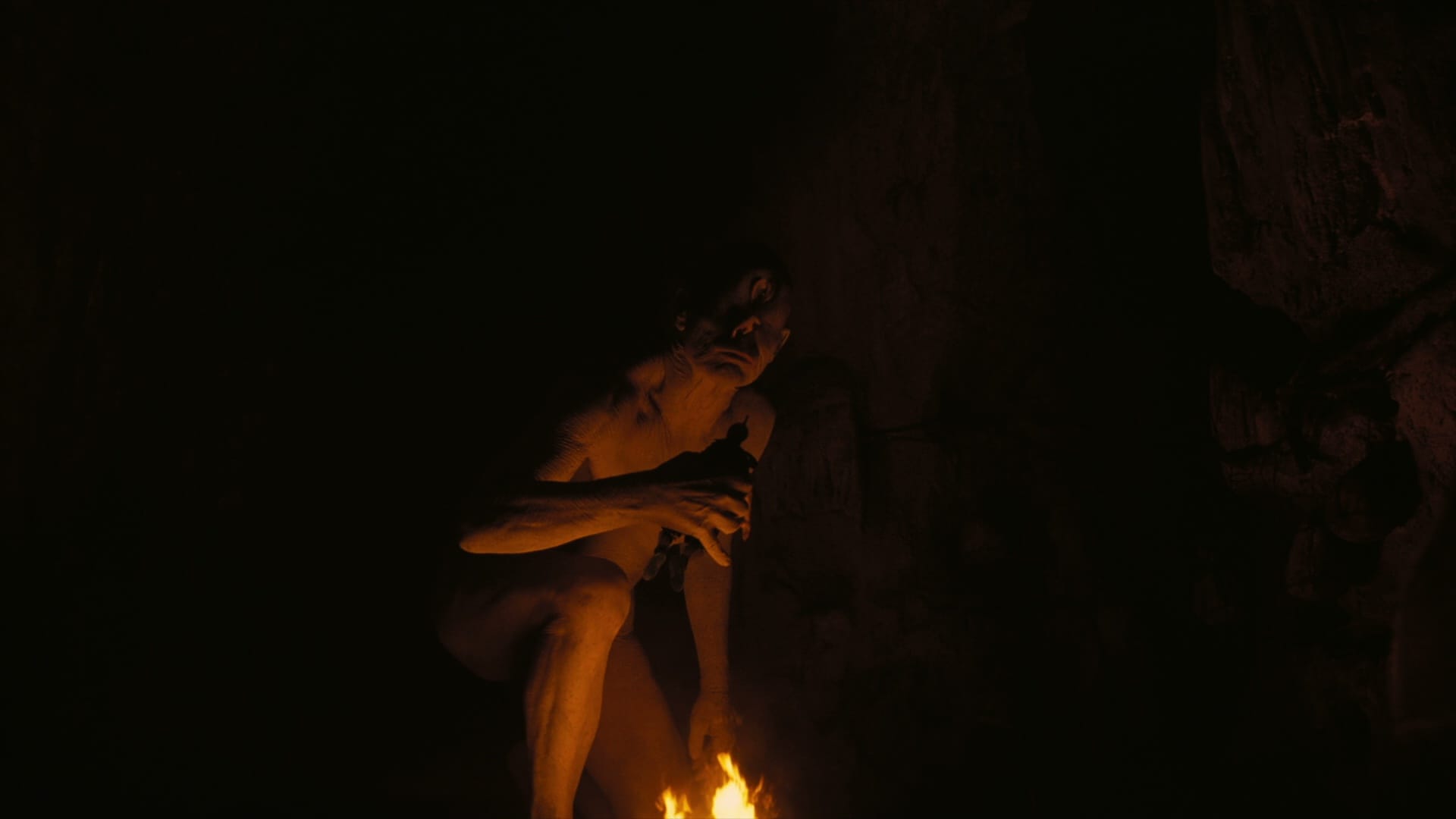
You cannot handwave the mythology of The Odyssey. It has a forty-foot-tall cyclops and a witch who turns men into pigs and sirens whose song can drive a sailor mad. It has seers and nymphs and monsters and whirlpools – hell, the wrath of Zeus is an unavoidable story point – and Nolan’s instinct is to convey those elements realistically. That keeps him from embracing the wilder elements of Odysseus’ story, which is of course the reason the tale has endured for as long as it has.
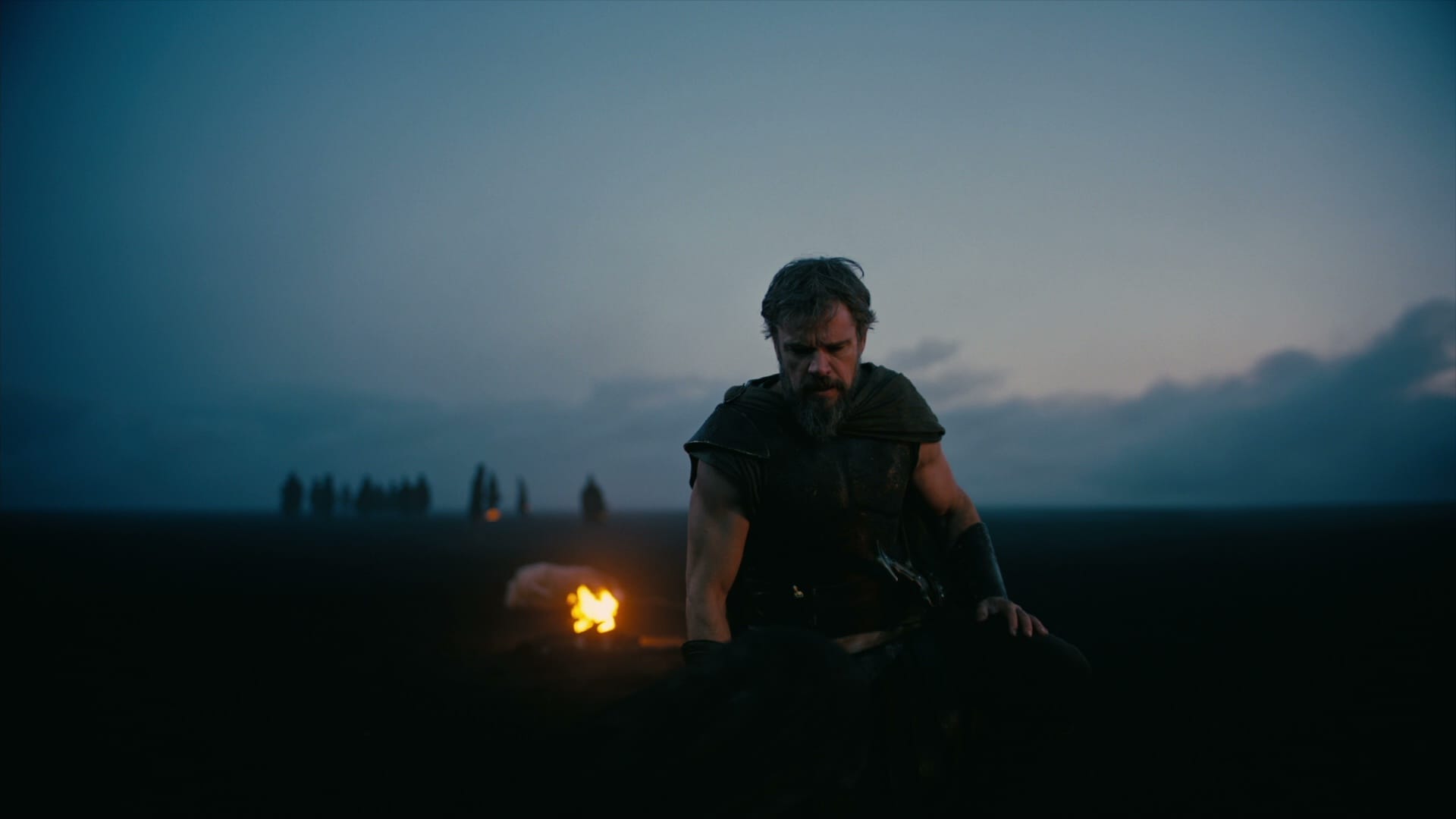
Only when he does lean into it, as he does in a mid-story trip to Hades, does Nolan touch the heart of Homer’s epic and find something transcendent. It’s a daring, revelatory sequence that unlocks a new level of The Most Cinema, image and sound and performance working together to take us somewhere we’ve never been before. It’s a reversal of the Trinity test in Oppenheimer, with dread slowly melting away to leave us in awe of what we’re experiencing. The rest of the movie is pretty good too, I guess.
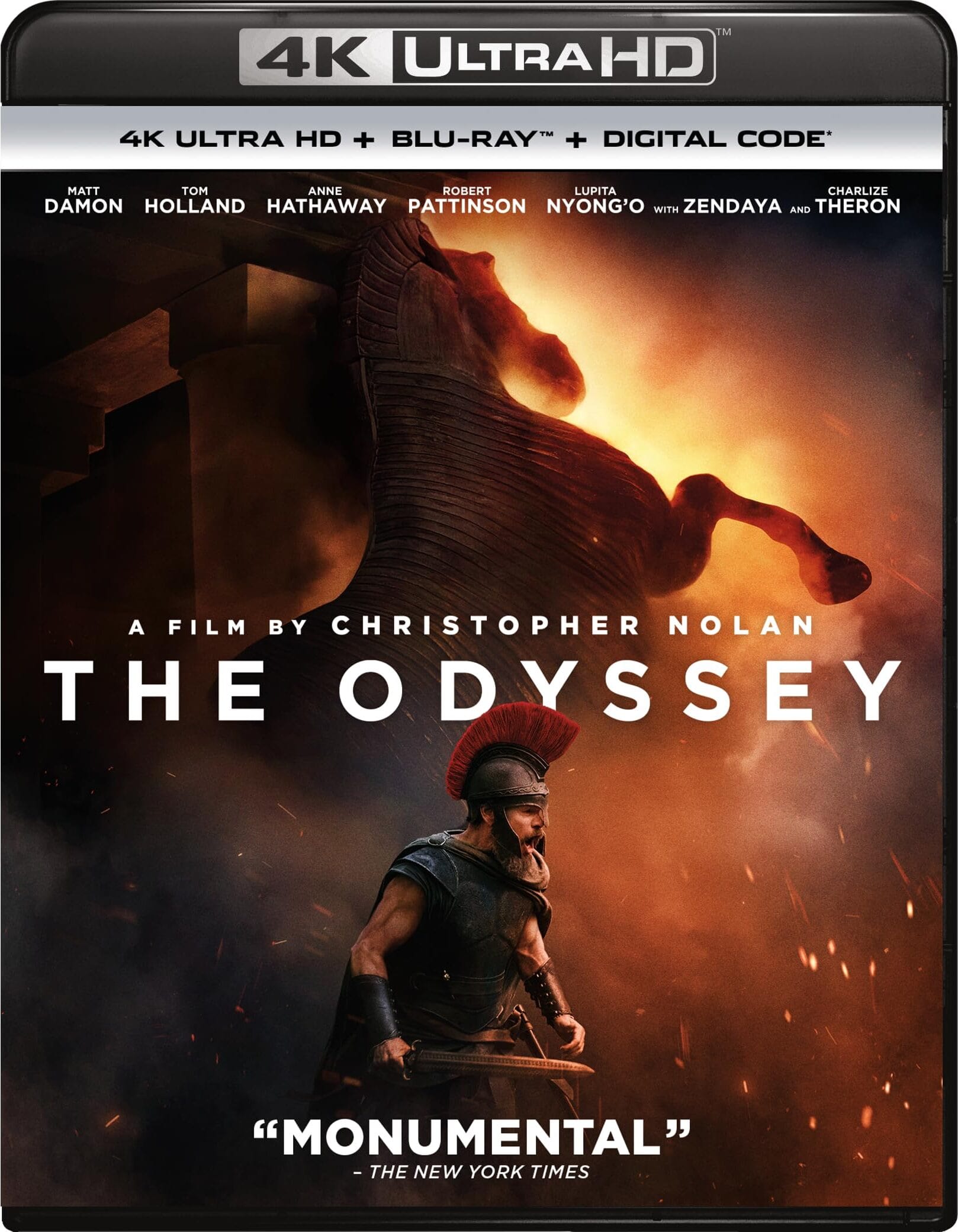
Universal’s physical release of The Odyssey is, as you’d expect from someone as obsessive as Nolan, just about perfect. The feature gets the full run of both the 4K and Blu-ray platters, with the special features rolled onto their own BD.
The 4K presentation offers a lush 2160p image – framed at 1.78:1, per the director’s insistence that the film fill whatever screen it’s playing on – with a DTS-HD 5.1 soundtrack that replicates the swelling, pounding theatrical mix. As with Oppenheimer, Nolan’s intention is to deliver the best possible approximation of the big-screen experience, so the audio pushes right up against the edge of “too much” in a really good way.
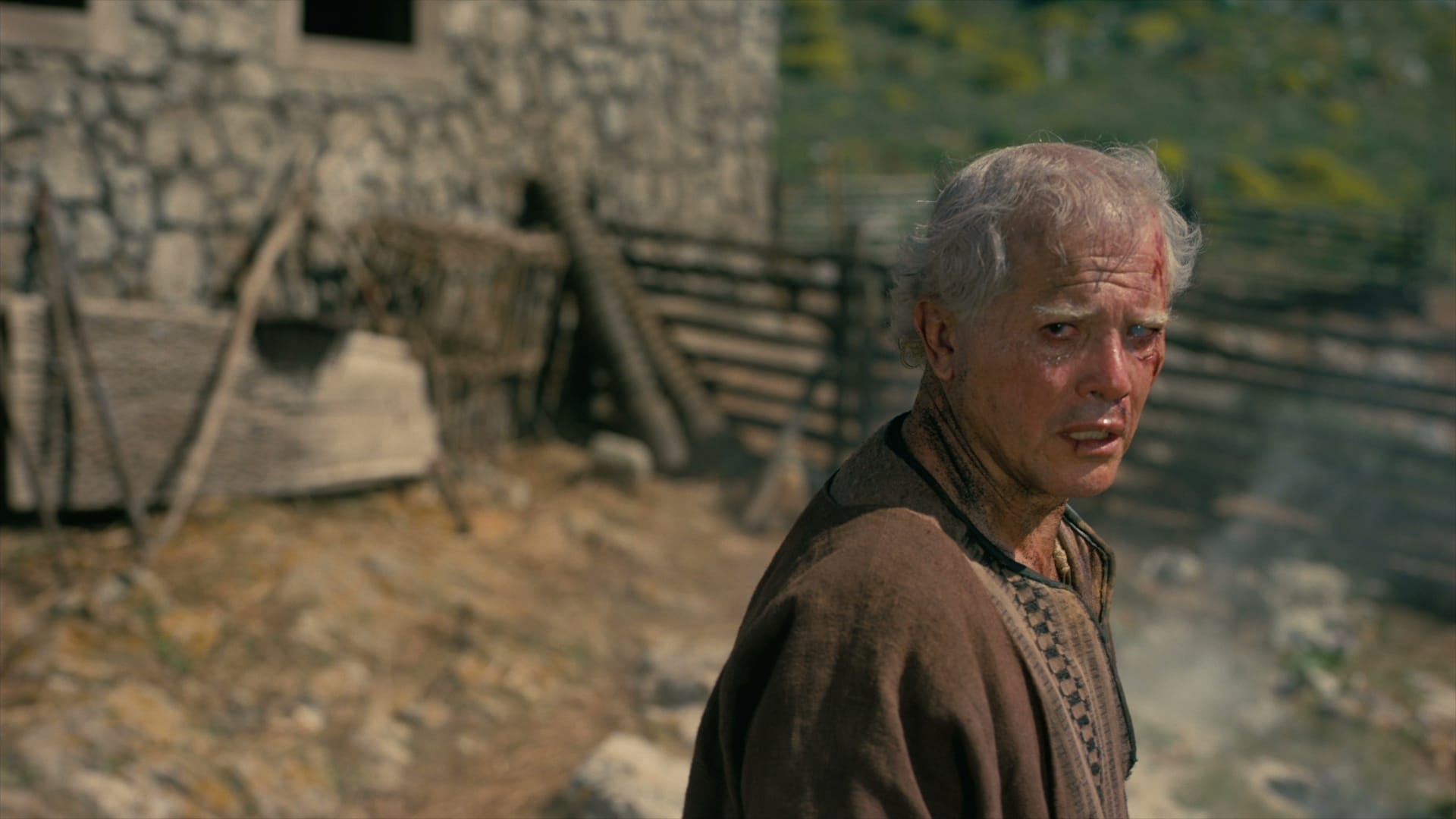
In lieu of a commentary, there’s a feature-length production documentary – viewable as twelve featurettes, or playable as a single 90-minute piece – exploring every aspect of The Odyssey, with Nolan and a good number of his cast and crew discussing the experience of the shoot. (Some of the actors are interviewed in full costume and makeup, with Leguizamo turning up with wrinkles and a milky eye and Nyong’o sporting Helen’s scarred cheek and explaining her contributions to the design of the makeup.
There are segments on the casting, the costumes, the locations, the production design, the effects, the score and Nolan’s perspective on the adaptation: “How do we take these incredibly outlandish things and ground them,” he recalls asking himself, which is of course my problem with this version of the story; what’s the point of making an Odyssey that’s as historically accurate as possible, when the story takes place in a world of gods and monsters?
My own favorite segment was “The Widest Window,” in which Nolan waxes worshipfully about the large-format medium, and the way he and his team finally figured out a way to shoot an entire feature on IMAX 70mm film without the noise of the camera ruining every take. Their solution – a boxy, soundproofed enclosure that looks like the front end of a Cybertruck – is both ingenious and ridiculous, but damn if it didn’t get results.
A trailer gallery, with the IMAX prologue pillarboxed at 1.43:1 and the conventional theatrical trailers matted to 2.39:1, demonstrates the flexibility of Nolan and cinematographer Hoyte van Hoytema’s shooting strategy; a music video for the forgettable “When I’m Home” and the brief “The Journey of Film,” explaining the process by which The Odyssey was digitized for editing but still cut and printed on celluloid, round out the package.
Is this the best film of the year? The most important? Probably not. But Universal is treating it that way, and I respect the effort.
The Odyssey is now available in 4K/Blu-ray combo and BD-only editions from Universal Pictures Home Entertainment. An absolutely unhinged 4K/BD gift set is also available.
Up next: A whole whack of catalogue titles, stretching from the ’60s to the ‘90s and back again. But first there’s Friday’s What’s Worth Watching column for paid subscribers … and if you’re not yet on that tier, maybe consider upgrading so you don’t miss out? Five bucks a month gets you on the fast track to so many more opinions!